Kasargod District, KERALAM :
The fort complex hosts a Hanuman temple and a mosque associated with Tipu Sultan while Bekal Beach adds to the area’s appeal, reports Sandeep Balakrishnan.
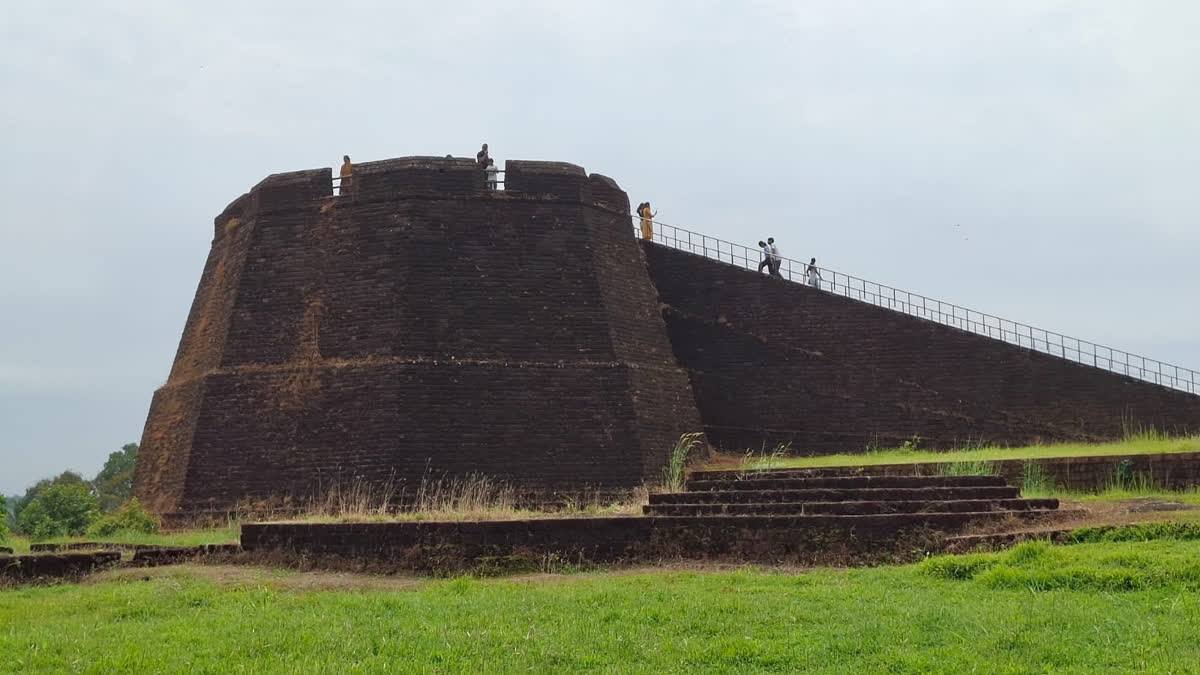
The historic Bekal Fort in Keralam’s Kasaragod district which will host a heritage museum to display over 2000 artefacts. (ETV Bharat)
Kasaragod:
A heritage museum is proposed inside the historic Bekal Fort in Keralam’s Kasaragod district to display more than 2,000 artefacts recovered during archaeological excavations, giving visitors an opportunity to explore the area’s history through ancient coins, weapons, ornaments, pottery and other objects.
The museum is planned in a heritage bungalow within the fort premises, currently under the possession of the Bekal Resort Development Corporation (BRDC). The building belongs to the Keralam State Department of Archaeology, and steps have been initiated to reclaim it. The museum project is expected to move forward once the property is handed over to the department.
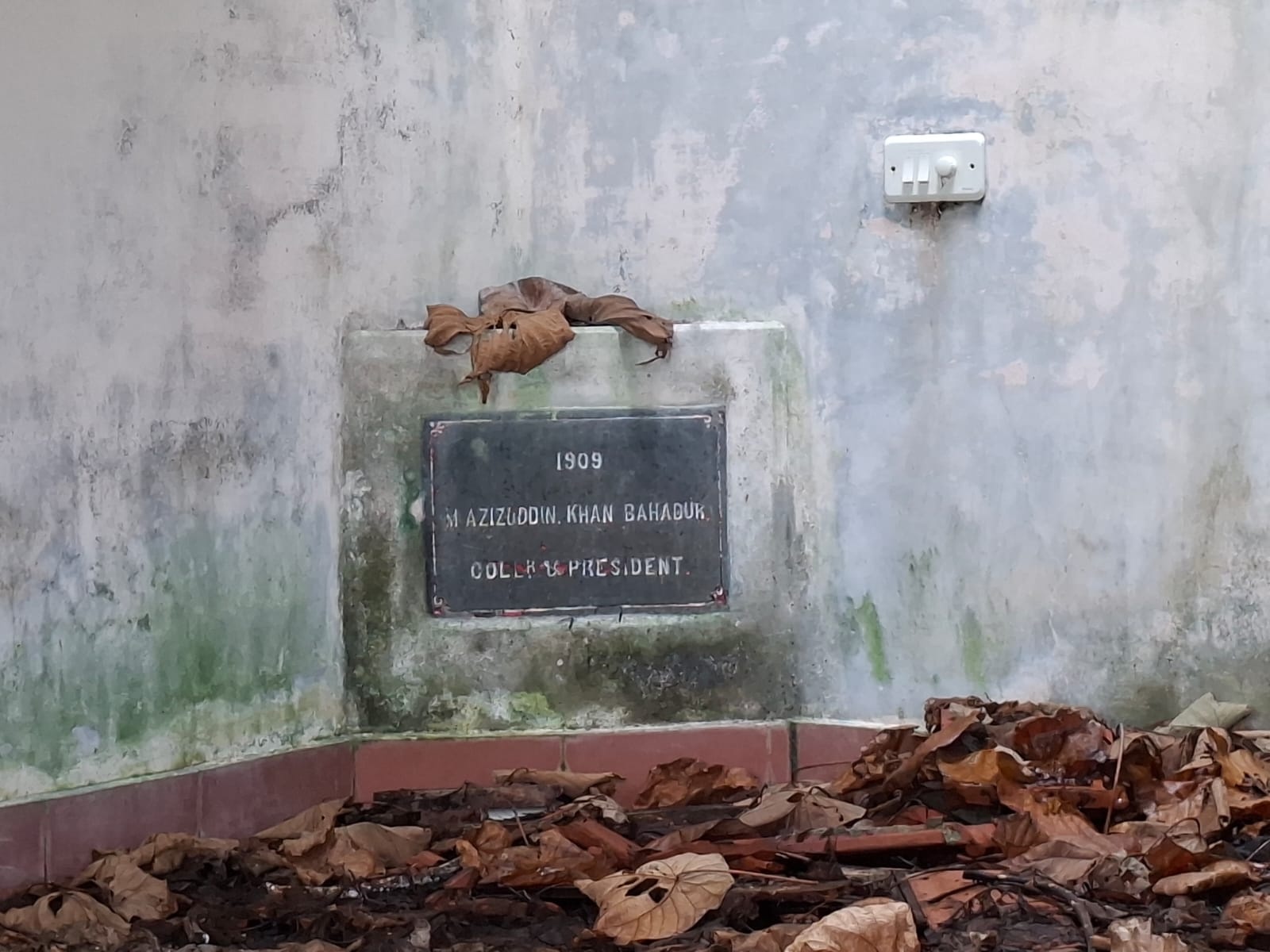
An inscription at the building indicates that it dates back to 1909 (ETV Bharat)
An inscription at the building indicates that it dates back to 1909. Since Bekal Fort is a protected historical monument, new construction is restricted, making the adaptive reuse of the existing heritage structure central to the proposal.
Bekal Fort underwent extensive archaeological investigations by the Archaeological Survey of India (ASI), including excavations during 2000-01. These unearthed evidence of different phases of occupation, including remains identified as palace structures, a durbar hall, a temple site and a mint believed to have operated during the reign of Tipu Sultan or under the Mysuru rulers.
Artefacts Reflect Successive Ruling Dynasties
More than 2,000 artefacts were recovered during the excavations. The collection includes coins, metal objects, terracotta seals, pottery fragments, bangles, gold ornaments and other objects that offer insights into the region’s political, economic and cultural history.
Among the significant discoveries were around 300 coins and coin dies associated with the Tipu Sultan era. The copper coins varied in size and carried inscriptions in Persian script. Archaeologists also recovered silver coins, copper blanks used in minting, and terracotta and copper casting moulds, supporting the interpretation that a mint operated within the fort complex.
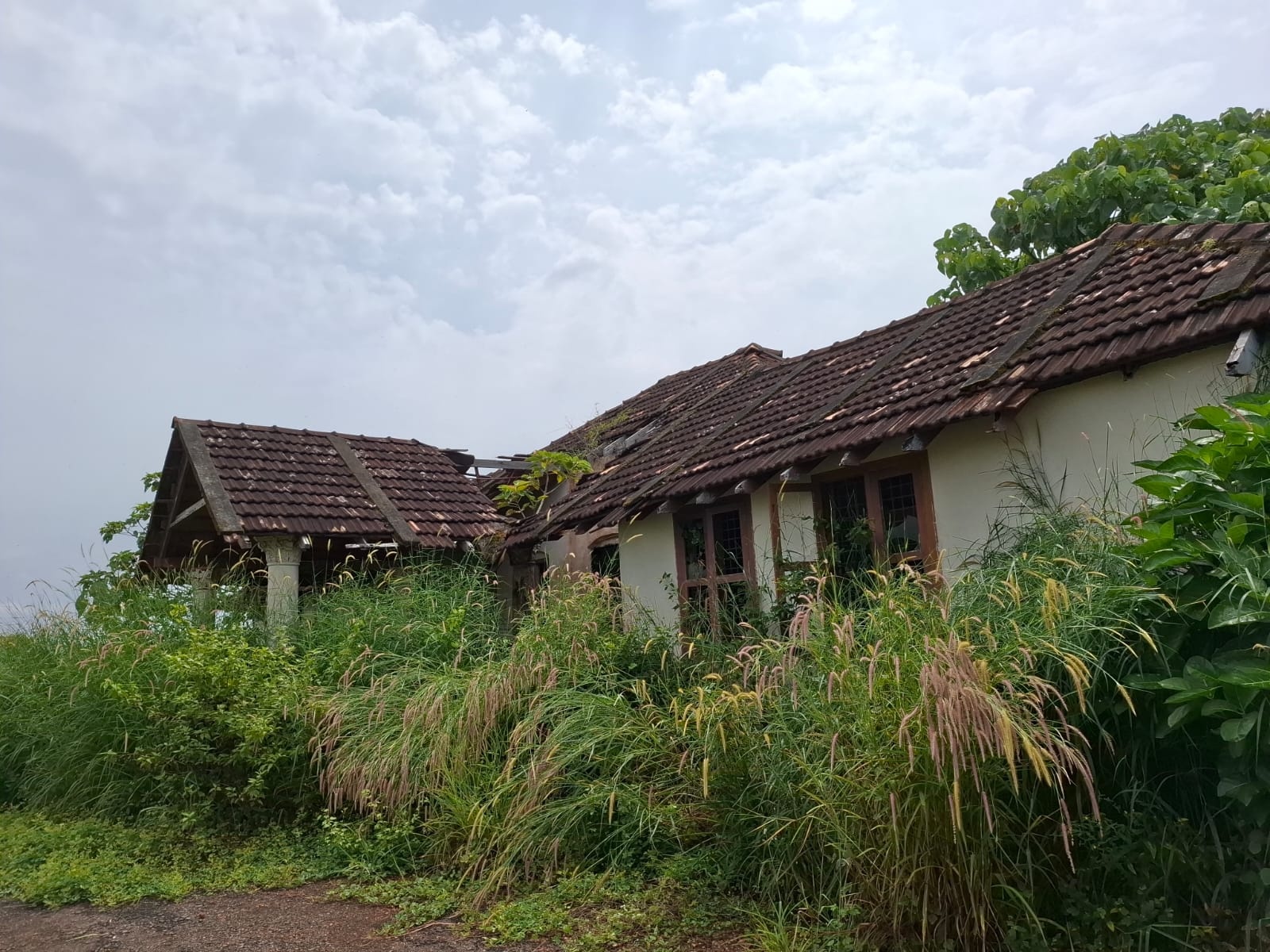
The museum is planned in a heritage bungalow within the fort premises, currently under the possession of the Bekal Resort Development Corporation (ETV Bharat)
The excavations also revealed residential structures, including a traditional four-courtyard house, a kitchen with hearths and a granite grinding stone. The positioning of a house between two wells led archaeologists to suggest that it may have belonged to the mint’s supervisor, while nearby dwellings could have housed workers.
The recovered objects represent different periods associated with the Ikkeri rulers and the Mysore royal dynasty, including the period of Tipu Sultan. Artefacts linked to the Ikkeri dynasty were found on the eastern side of the fort, while those associated with the Tipu Sultan period were reported from the western side.
The artefacts are currently in ASI custody in Thrissur. Their proposed display at Bekal Fort would bring the archaeological findings closer to the site where they were discovered.
A Landmark Of Coastal History
Spread across a headland overlooking the Arabian Sea, Bekal Fort is one of the most prominent historical monuments in Keralam. Historians commonly associate its construction with Shivappa Nayaka of the Ikkeri dynasty during the 17th century, although the wider history of the region also includes the Kadambas, Kolathiri rulers, the Mysore kingdom and British colonial rule.
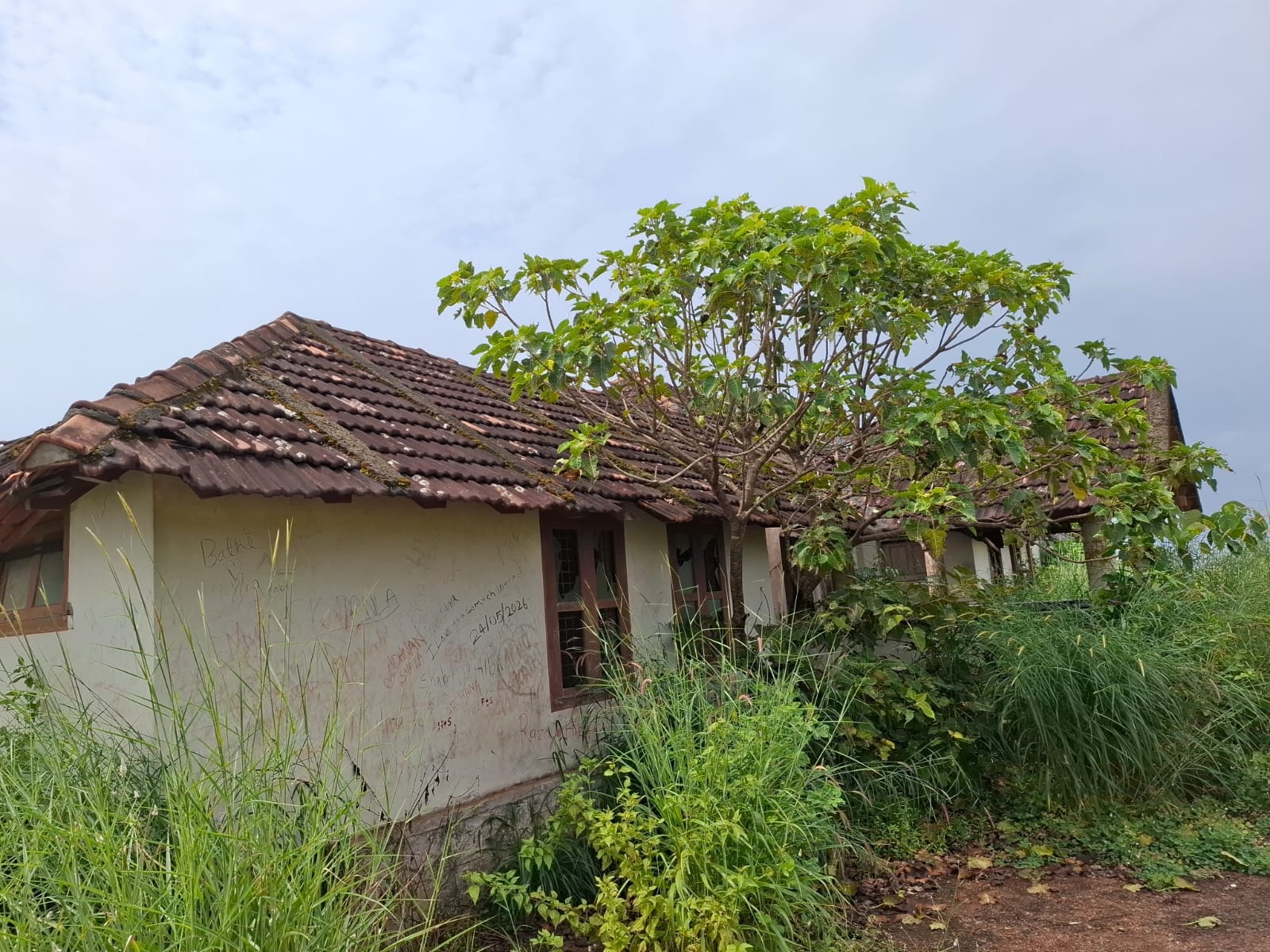
The heritage museum will come up within the fort premises, under the possession of the BRDC. (ETV Bharat)
The approximately keyhole-shaped fort is built largely of laterite blocks, with imposing outer walls and strategically positioned openings designed to help guards monitor approaching forces from the sea and surrounding areas. Its surviving features include observation towers designed for cannons, step-wells and underground passages.
The fort complex also contains a Hanuman temple and a mosque associated with Tipu Sultan. Bekal Beach, situated nearby, adds to the area’s appeal as a tourist destination.
The proposed museum would offer a permanent setting for the artefacts and provide visitors with a deeper understanding of Bekal Fort’s archaeological significance and the successive powers that shaped the history of the area.
source: http://www.etvbharat.com / ETV Bharat / Home> National> Offbeat / by Sandeep Balakrishanan, ETV Bharat English News / October 16th, 2026