Category Archives: Leadership : IAS, IFS, IPS, IRS, IFoS, IAAS (incl.) all UPSC Services (wef. 18 June 2026)

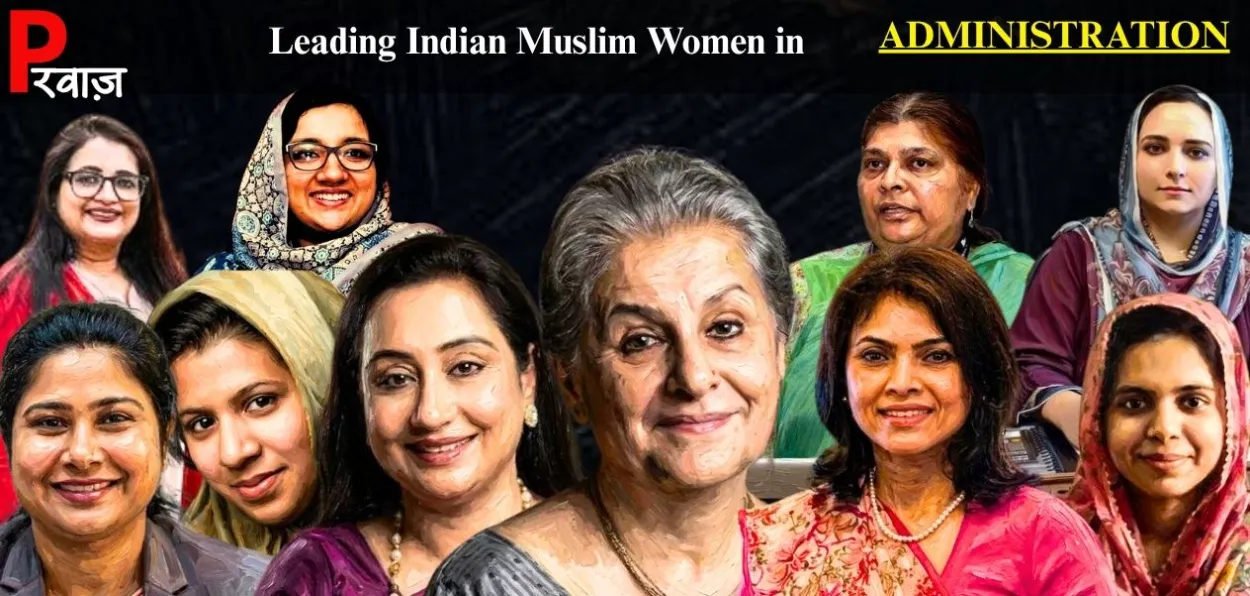
10 Muslim women who shine while running institutions

INDIA :

Representational Image

New Delhi :

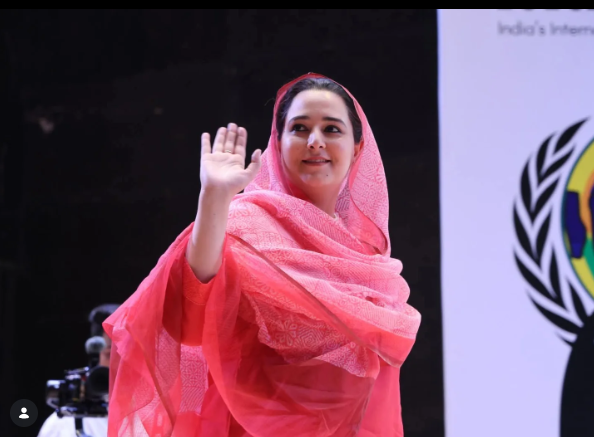
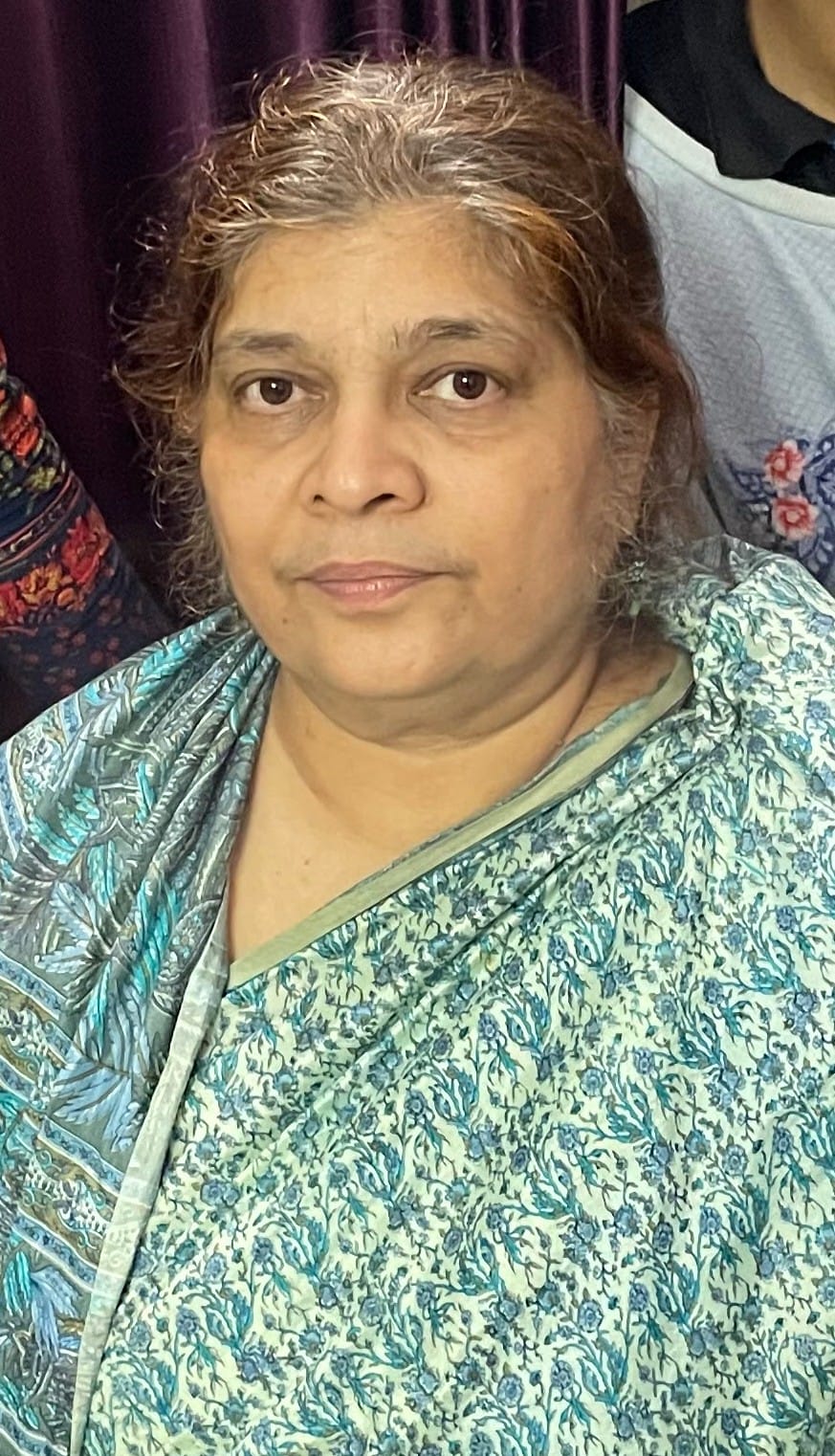
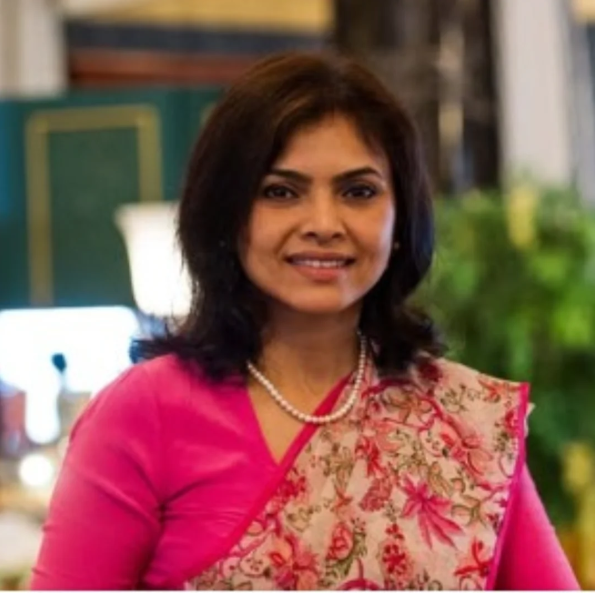
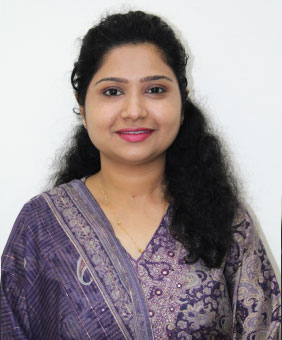
Across India’s administrative corridors, diplomatic missions, universities, welfare departments, and heritage institutions, a generation of Muslim women is redefining leadership through intellect, perseverance, and public service. Their journeys are rooted in struggle, shaped by education, and driven by a deep commitment to society.

Under the Parvaz series, Awaz-the Voice brings you the stories of ten such Muslim women, whose lives and work should become an inspiration for all women in India.

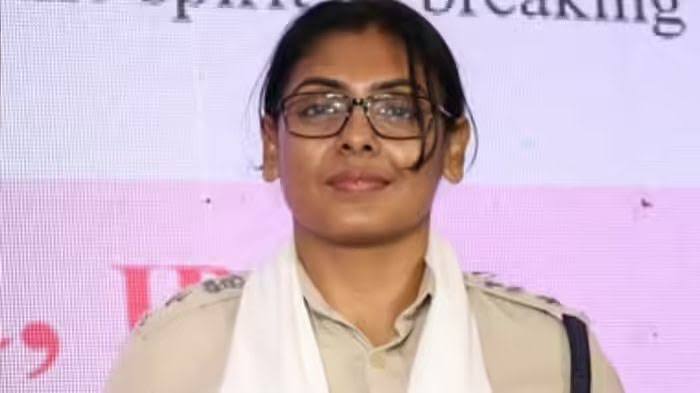
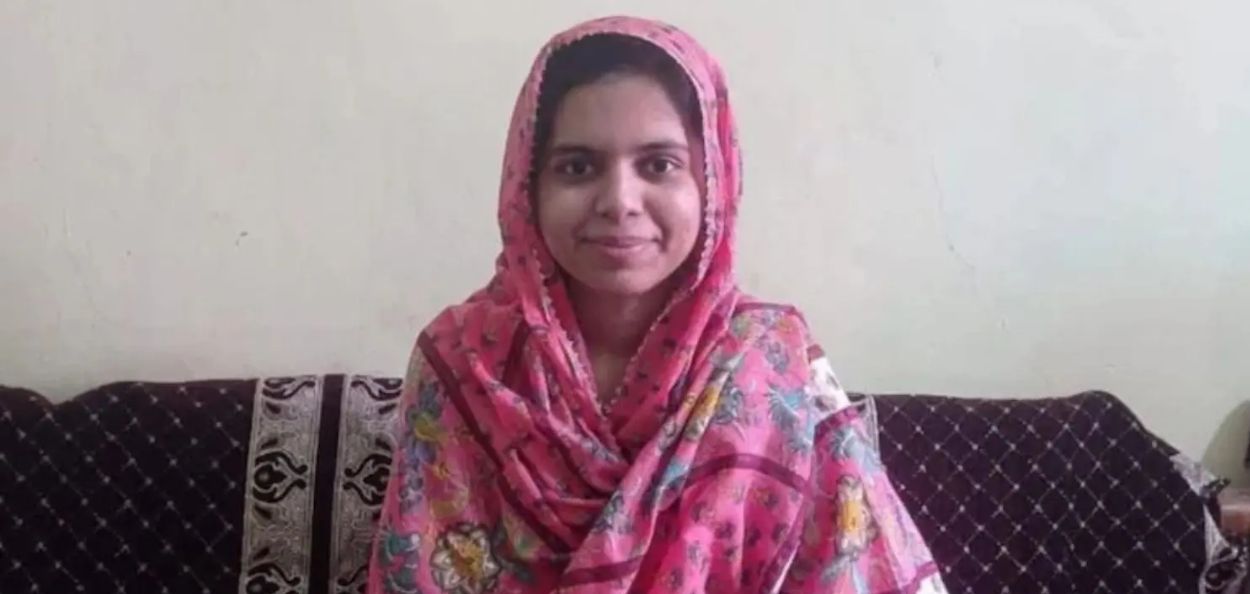
Adeeba Anam Ashfaq Ahmed Shaikh

Adeeba Anam Ashfaq Ahmed Shaikh

Adeeba Anam Ashfaq Ahmed Shaikh’s journey from a modest home in Yavatmal to becoming Maharashtra’s first Muslim woman IAS officer is a story of determination overcoming adversity.

The daughter of an auto-rickshaw driver, she rose above financial hardship, repeated failures, and social prejudice to secure All India Rank 142 in UPSC 2024. Her success stands as a beacon of hope for countless girls from rural and marginalised communities who dream of changing their destinies through education and hard work.

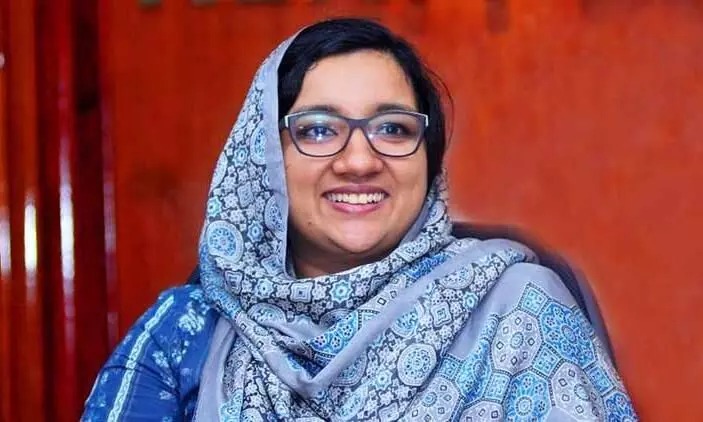
Dr Adeela Abdulla

Dr Adeela Abdulla

Dr Adeela Abdulla represents a compassionate and thoughtful face of governance in Kerala. One of the early Muslim women from Malabar to join the IAS, she has played a vital role in strengthening social welfare systems and urban governance.

Whether through her work in Kerala’s Solid Waste Management Project or as Special Secretary in the Social Justice Department, her leadership reflects empathy, accountability, and a deep commitment to human dignity, particularly for vulnerable sections of society.

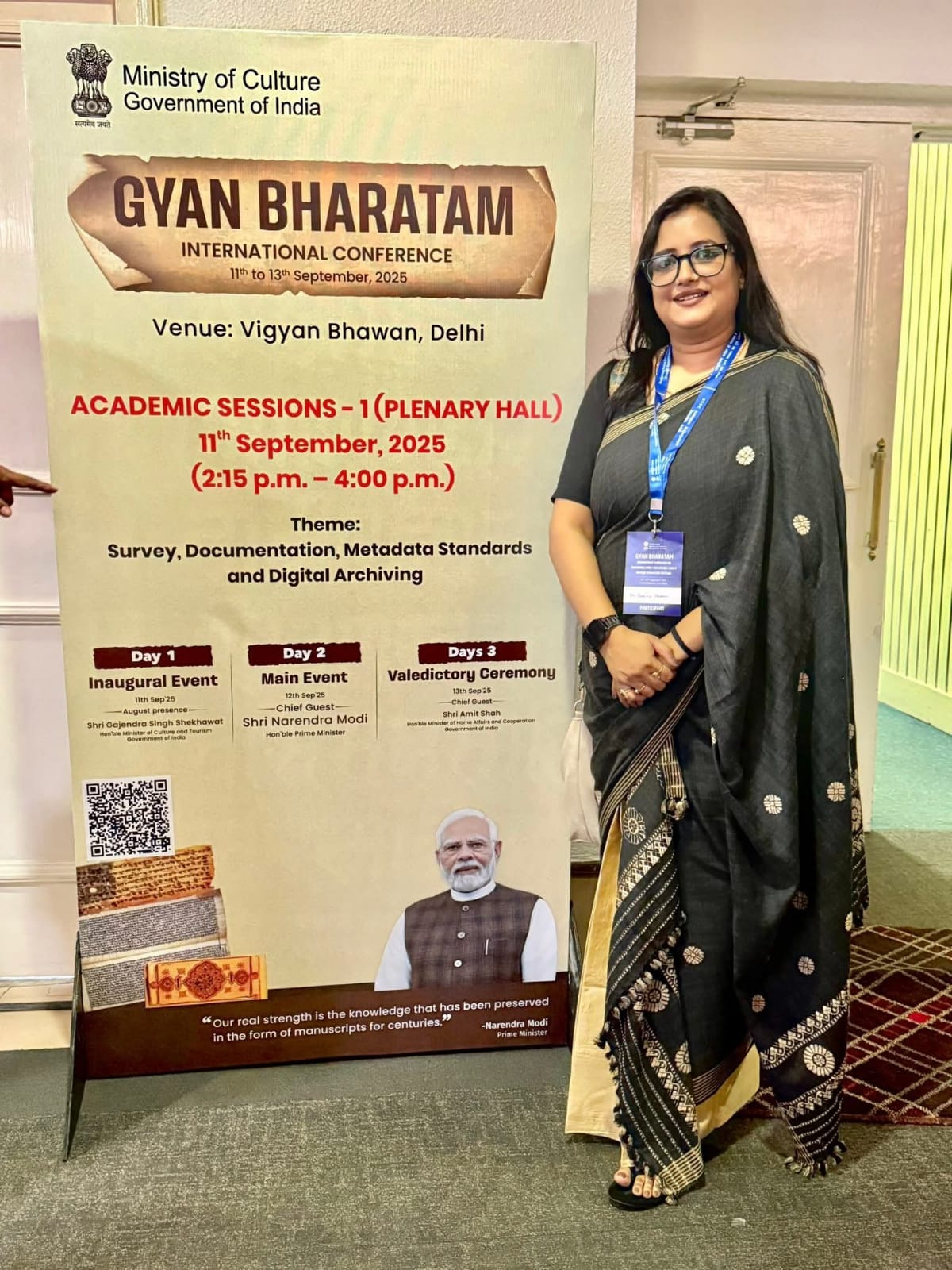
Dr Chabina Hassan

Dr Chabina Hassan

In Assam, Dr Chabina Hassan has emerged as a powerful force in heritage conservation and archaeology. As Deputy Director at the Directorate of Archaeology, Assam, she played a key role in securing UNESCO World Heritage recognition for Charaideo Maidam and made groundbreaking discoveries in Dima Hasao.

Balancing motherhood, academics, and fieldwork, she has transformed archaeology into a bridge connecting communities with their cultural roots while inspiring younger generations to value history and preservation.

Dr Syed Sehrish Asgar

Dr Syed Sehrish Asgar

Dr Syed Sehrish Asgar’s career reflects excellence, resilience, and transformative public service. A doctor by training, she topped the J&K Administrative Services examination in 2010 and later secured AIR 118 in UPSC.

From becoming Budgam’s first woman Deputy Commissioner to spearheading initiatives like the SAATH programme that empowered over five lakh rural women through Self Help Groups, her administrative journey has been marked by innovation and social impact.

Her recognition with the Prime Minister’s Award for Excellence in Civil Services further highlights her contributions to governance and public welfare.

Naghath Tabassum Abroo

Naghath Tabassum Abroo

Naghath Tabassum Abroo’s life story is deeply rooted in the strength of family values, education, and perseverance. After a decade-long break from academics due to marriage and motherhood, she returned to secure third rank in the KPSC examination and later rose to become one of Karnataka’s pioneering Muslim women IAS officers

Through initiatives in women’s welfare, sanitation, healthcare, and e-governance, including Bengaluru One and Khajane II, she demonstrated how compassionate leadership and administrative innovation can improve public systems and people’s lives.

Nagma Mohammad Mallick

Nagma Mohammad Mallick

Nagma Mohammad Mallick carved history as India’s first Muslim woman IFS officer and built a distinguished diplomatic career through quiet yet impactful service. Currently serving as India’s Ambassador to Japan and the Marshall Islands, she has represented India in several countries while strengthening international partnerships in diplomacy, technology, and economic cooperation.

Through her thoughtful articulation of democracy, dialogue, and non-violence, Mallick has projected India’s values on the global stage with dignity and restraint.

Nahida Zam Zam

Nahida Zam Zam

Nahida Zam Zam has become known as a fearless and people-centric administrator in Karnataka. Through her public speeches and grassroots engagement, she consistently advocates for women’s empowerment, education, and freedom of thought.Her dedicated fieldwork during the COVID-19 pandemic, even while pregnant, earned her admiration as a compassionate officer deeply connected with ordinary people.

Whether speaking to students, women, or marginalised communities, she challenges restrictive social norms and encourages self-reliance and awareness.

Syeda Saiyidain Hameed

Syeda Saiyidain Hameed 

Syeda Saiyidain Hameed stands as one of the most influential voices for women’s rights, peace, and social justice in India. An acclaimed author, educationist, former member of the Planning Commission, and member of the National Commission for Women, she has devoted her life to defending human rights and promoting dialogue across communities.

As a founder of the Muslim Women’s Forum and Women’s Initiative for Peace in South Asia, she worked tirelessly for peace-building efforts between India and Pakistan, proving that courage and compassion can coexist in public life.

Professor Shabina Nishat Omar

Professor Shabina Nishat Omar 

Professor Shabina Nishat Omar has emerged as a dynamic symbol of academic leadership and women’s empowerment in West Bengal. With over twenty-five years in education and administration, she has transformed institutions through her leadership while advocating inclusive education, digital literacy, and gender awareness.

As an educator, speaker, and administrator, she continues to inspire young people to view education not merely as a profession, but as a powerful tool for social transformation and self-reliance.

Zaynab Syed

Zaynab Syed

Zaynab Syed’s journey reflects perseverance, discipline, and dedication to public service. From overcoming repeated failures in the civil services examination to securing an All India Rank 107, she proved the power of resilience and self-belief. Today, through her role at TRIFED, she works to strengthen tribal livelihoods and expand economic opportunities for artisans and self-help groups across eastern India.

Her story demonstrates how determination and commitment can turn setbacks into opportunities to serve society meaningfully.

By breaking barriers and creating spaces for future generations, they are not only shaping institutions but also redefining what leadership looks like in contemporary India.

source: http://www.awazthevoice.in / Awaz, The Voice / Home> The Changemakers / by Vidushi Gaur /May 30th, 2026

Bengaluru: Retired IAS officer L K Atheeq appointed financial advisor to CM D K Shivakumar

Bengaluru, KARNATAKA :

Bengaluru : 

The Karnataka government has appointed retired IAS officer L K Atheeq as the financial advisor to chief minister D K Shivakumar. The department of personnel and administrative reforms issued an official notification announcing the appointment. The post carries the salary and benefits equivalent to that of the chief secretary.

Atheeq, who is currently serving as chairman of the Bengaluru Business Corridor, will continue to hold that position concurrently. A 1991-batch IAS officer, he has held several key positions in the state and central governments, including additional chief secretary to the chief minister, finance department, and principal secretary to former chief minister Siddaramaiah.

During his distinguished career, Atheeq served as director in the Prime Minister’s Office, represented India on the board of the World Bank Group in Washington DC, and held leadership roles in rural development, education, health, and governance reforms. He has also served on the boards of several state-run corporations and played a significant role in shaping major national initiatives in education, health, and food security.

source: http://www.daijiworld.com / DaijiWorld.com / Home> Top Stories / by Daijiworld Media Network – Bengaluru / June 04th, 2026

Muslim Students Shine Nationwide in 2025–26 Exams, Scaling New Academic Heights

INDIA :

Photo Credit: The Hindu

A quiet but significant academic shift is unfolding across India, as Muslim students register notable successes in some of the country’s most competitive examinations. From civil services and national-level entrance tests to state and central board results, the 2025-26 academic year has emerged as a milestone, reflecting both individual perseverance and gradual systemic improvements in access to education.

One of the clearest indicators of this progress is visible in the Union Public Service Commission (UPSC) Civil Services Examination 2025 results. A total of 53 Muslim candidates successfully cleared the exam, the highest number in nearly a decade. Out of 958 successful candidates, this represents approximately 5.5%, marking a steady increase compared to previous years. While still below the community’s population share of 14-15%, the rise signals a growing presence in India’s administrative framework.

Several candidates secured top ranks, underscoring the depth of talent emerging from the community. A.R. Rajah Mohaideen secured Rank 7, placing him among the top 10 achievers, while Ifra Shams Ansari (Rank 24), Nabiya Parvez (Rank 29), and Hassan Khan (Rank 95) featured within the top 100. These achievements highlight a shift in a field historically marked by underrepresentation, offering new role models for aspiring civil servants.

Parallel success stories have emerged in engineering entrance examinations. Majid Mujahid Hussain from Madhya Pradesh secured an exceptional All India Rank 3 in JEE Advanced 2025, one of the most challenging engineering entrance exams globally. His accomplishment stands out not only for its academic merit but also for challenging the perception that top ranks are reserved for students from elite urban coaching ecosystems. Majid’s journey, built on disciplined self-study and determination, reflects a broader democratisation of opportunity in competitive education.

In the medical field, Muslim students have also demonstrated competitive strength. Umaid Khan from Maharashtra secured All India Rank 21 in NEET-UG 2025, contributing to the state’s strong overall performance. While comprehensive nationwide data on religious representation in NEET remains limited, individual achievements such as these point to increasing participation in high-stakes medical admissions.

At the school level, Muslim students have consistently excelled in both central and state board examinations. The CBSE Class 10 and 12 results for 2025 recorded an overall pass percentage of 88.39%, within which minority students have shown increasing competitiveness. Across states such as Uttar Pradesh, Kerala, Telangana, and West Bengal, Muslim students have frequently appeared among district and state toppers, particularly in science and commerce streams.

Regional trends further underline the importance of educational ecosystems. Southern states like Kerala and Telangana, known for their robust literacy rates and institutional support, continue to produce high-performing Muslim students. In several districts, pass percentages among Muslim students have reportedly exceeded 85-90%, particularly where access to coaching and academic resources is more developed.

Among the standout individual stories this year is that of 15-year-old Syed Zaid Sadiq from Nashik, who topped JEE Main 2026 with an impressive percentile of 99.927. A Hafiz who has memorised the Qur’an, Zaid successfully balanced madrasa education with mainstream academic studies, scoring above 99% in both sessions of the examination. His achievement challenges common stereotypes surrounding religious education and highlights the potential for integrated learning approaches. He now aims to clear JEE Advanced and secure admission to an Indian Institute of Technology (IIT).

In Bihar, Sabreen Parveen emerged as a joint topper in the Class 10 board examinations, scoring 492 out of 500 (98.4%). A student from Vaishali district and the daughter of a tyre shop owner, Sabreen’s achievement exemplifies how determination and family support can overcome financial constraints. Aspiring to become a doctor, her success has inspired students in her community and beyond.

Equally inspiring is the story of Zainab Bilal from Srinagar, who scored 95% in her CBSE examinations despite being visually impaired. Relying on auditory learning, memory techniques, and assistive technology, she independently prepared for her exams. Her journey underscores the role of resilience and innovation in overcoming physical challenges, offering a powerful message about inclusivity in education.

From Jamia Millia Islamia schools, Md Fauzan topped JMI Class 10 2026 exams with 98.71%. Mohammad Ali and Mohammad Arham shared second place scoring 98.43%, from Syed Abid Hussain Senior Secondary School. Atiqua Zia and Ansari Zeenat Fatima secured third with 98.29%, representing Syed Abid Hussain Senior Secondary School and Jamia Girls Senior Secondary School.

Another noteworthy development is the increasing participation and success of Muslim women. In the UPSC 2025 results, 13 of the 53 successful Muslim candidates were women, indicating a positive shift toward gender inclusion. Notably, 38 students from Jamia Millia Islamia qualified UPSC this year thus setting example before all major universities. This trend also is mirrored in school-level examinations, where girls consistently outperform boys across communities. Initiatives encouraging girls’ education are also gaining momentum at the grassroots level.

In Rajasthan’s Sikar district, a unique initiative by philanthropist Adil Khan recognised the achievements of top-performing girls from government schools, irrespective of religion. Rewards included a car for one student and cash prizes of ₹1 lakh for others. The initiative not only celebrates academic excellence but also promotes awareness about the importance of girls’ education, particularly among underrepresented communities.

Experts attribute these encouraging trends to multiple factors. Increased awareness about the importance of education, greater parental support, and the expansion of coaching facilities into smaller towns have all contributed. Additionally, digital learning platforms and scholarship programs have made quality resources more accessible to students from economically weaker backgrounds.

Mentorship initiatives by non-governmental organisations and community groups have also played a critical role. By providing guidance for competitive exams such as UPSC, JEE, and NEET, these programmes have helped bridge long-standing gaps in access to information and preparation strategies.

However, challenges remain. Despite the visible progress, Muslim representation in elite institutions and services still lags behind proportional levels. Socio-economic barriers, disparities in school infrastructure, and limited awareness in certain regions continue to affect outcomes. Addressing these issues will require sustained policy efforts, community engagement, and investment in education at the grassroots level.

Educationists emphasise that the current momentum must be nurtured. “The improvement is real, but it needs continuity,” said one academic expert. “Access, affordability, and awareness are the three pillars that must be strengthened to ensure long-term change.”

The achievements of 2025-26 collectively tell a story of aspiration and gradual transformation. Whether it is a civil services aspirant securing a top rank, a student from a modest background topping a state board, or a visually impaired learner excelling against the odds, each success contributes to a larger narrative of empowerment.

As India continues to evolve as an educational hub, the rising performance of Muslim students reflects not only community progress but also the broader democratisation of opportunity. While the journey toward equitable representation is far from complete, the trajectory is unmistakably upward.

In classrooms, coaching centres, and homes across the country, a new generation of students is quietly rewriting expectations – one exam, one rank, and one success story at a time.

source: http://www.radiancenews.com / Radiance News / Home> Education> Focus / by Mohd Naushad Khan / May 08th, 2026