Category Archives: Education – Gold Medallists, Toppers, Merits, Achievers (wef. June 12th, 2023)

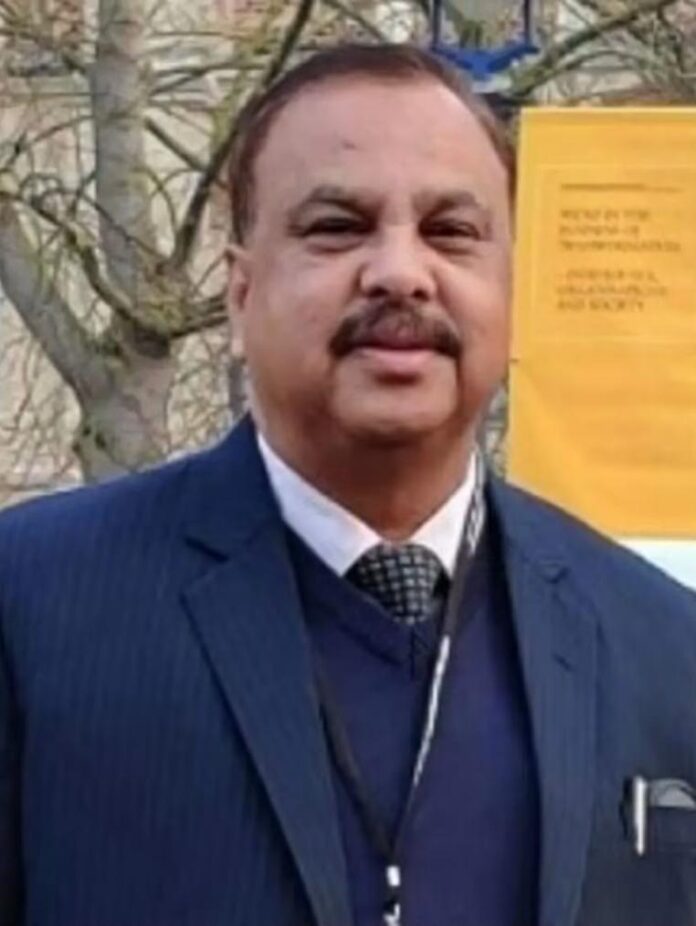
Dr. Abdul Razzaque Ahmad: From India’s Hinterland to the Global Corridors of Academia

Wani (Vidarbha Region), MAHARASHTRA / Boston, U.S.A. :
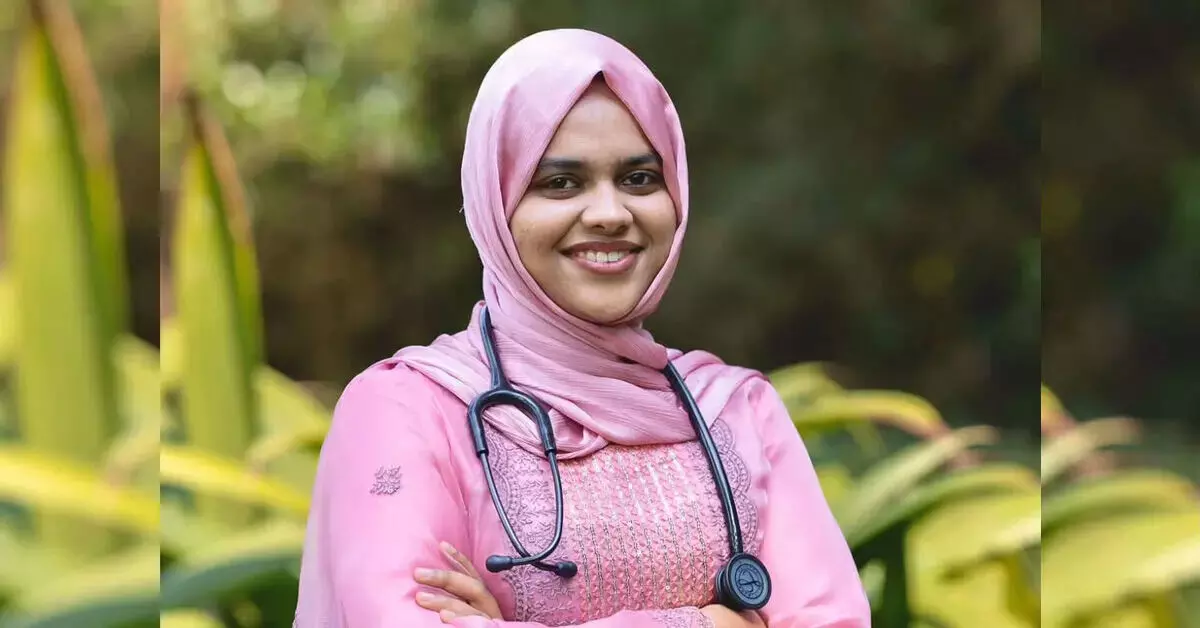
Dr. Abdul Razzaque Ahmad

Wani, historically known as Wun, is an old town of the Vidarbha region whose history reflects the changing political boundaries of central India. At different times, the Wani area was connected with the Nizam’s dominions, while the neighbouring Chandrapur region was historically associated with the Gond rulers. To the east and south lay territories of the erstwhile Hyderabad State, including the area that subsequently became Adilabad district and is today part of Telangana.

Wani’s political identity changed with successive territorial reorganisations. The area was once associated with the Nizam of Hyderabad. After independence, it came under the larger Central Provinces and Berar/Madhya Pradesh administrative framework before becoming part of Maharashtra when the state was formed in 1960.

This layered history is important in understanding the social background of Dr Abdul Razzaq Ahmed, a prominent Muslim of Wani. His family belonged to an established local community whose standing was associated with both landholding and professional achievement. Dr Abdul Razzaq Ahmed was a dermatologist, while later generations entered administration, medicine, and law.

Today, Dr A. Razzaque Ahmed, MD, DSc, is internationally recognised as a dermatologist, immunologist and academic physician, and as a pioneer in autoimmune blistering diseases. He has served as Professor of Dermatology and Director of the Centre for Blistering Diseases at Tufts University School of Medicine in Boston. He is associated with the Ibn Sina Professorship. His career has brought together clinical medicine, molecular immunology, laboratory research, therapeutic innovation, teaching and philanthropy.

Yet his significance lies not simply in professional distinction. His life represents the transformation of education into knowledge, knowledge into healing, and achievement into service.

Roots, Education and the Making of a Cosmopolitan Mind

Dr Ahmad spent his early childhood in Wani in a house built by his great-grandfather around 1875. He was the son of Salam Ahmed and Begum Noor Jehan and grew up in a family that regarded education and social advancement as important instruments of human development.

That ethos subsequently found institutional expression through the Begum Noor Jehan Salam Ahmed Trust in Yavatmal district. Under Begum Noor Jehan’s leadership, the Trust established educational institutions including the Sunrise English Medium Convent, Wani; the Noor Jahan Begum Salam Ahmed Arts and Commerce College, Wani; and the Noor Jahan Begum Salam Ahmed Women’s College of Law.

The women’s law college was particularly significant, reflecting a deliberate commitment to giving women access to professional education, legal knowledge and greater independence. The family tradition therefore gave education a meaning larger than individual advancement: it expanded opportunity and enabled others to participate more fully in society. That principle would later find expression in Dr Ahmad’s own teaching and philanthropy.

His early education exposed him to unusually diverse intellectual and cultural environments. Until the age of seven, he studied at a convent run by French nuns and later attended a Jesuit Catholic boarding school in Nagpur.

At fifteen, an American Field Service International Scholarship took him to Le Mars, Iowa, where he lived with the Thompson family, attended the local high school and studied at Westmar College. The experience gave a young student from central India an early encounter with American society and education, broadening his intellectual horizons.

Returning to India, he pursued pre-medical studies at Nagpur University before entering the All-India Institute of Medical Sciences in New Delhi. At AIIMS, he distinguished himself academically, standing first in many classes and receiving the Gold Medal as the outstanding graduate of his cohort. The movement from Wani to Nagpur and from Nagpur to AIIMS marked the first major stage in a life that would repeatedly cross geographical and intellectual boundaries.

After completing his medical education, Dr Ahmad moved to the United States for specialist training. He trained in Internal Medicine at the University of Pittsburgh, Dermatology at the University at Buffalo and Clinical Immunology at the University of California, Los Angeles, where he subsequently joined the faculty.

His growing interest in the molecular basis of disease led him to Harvard, where he pursued advanced research in molecular immunology and earned a Doctor of Science degree. His investigations attracted National Institutes of Health support and developed into the Ahmed Laboratory, which remained NIH-funded for more than two decades.

A defining feature of his career was integrating laboratory science with clinical medicine. Disease encountered in the clinic generated scientific questions; laboratory research sought their answers; and those discoveries returned to patients through improved diagnosis and treatment.

From Molecular Discovery to a New Paradigm of Care

Dr Ahmad became an international authority on autoimmune blistering diseases, particularly pemphigus and mucous membrane pemphigoid. These rare disorders can be debilitating, disfiguring and, in severe cases, life-threatening.

His research examined the immunological and genetic mechanisms underlying these diseases. Among his key contributions was identifying associations between specific HLA-DQB1 genes and pemphigus in different populations. He reported the association of HLA-DQB10402 with Jewish pemphigus patients and HLA-DQB10501 with non-Jewish patients. Studies of relatives helped demonstrate that low titres of pemphigus autoantibodies could occur without full clinical disease. He also distinguished pathogenic from non-pathogenic autoantibodies, demonstrating the pathogenic significance of IgG4 and the non-pathogenic character of IgG1 in pemphigus.

His investigations involving patients from Northwestern Iran and comparisons with Ashkenazi Jewish patients in the United States and Israel revealed striking genetic homology. They contributed to wider research concerning the population history of Ashkenazi Jews.

His molecular research extended to mucous membrane pemphigoid. He identified alpha-6 integrin as a putative antigen in oral pemphigoid and beta-4 integrin in disease involving other mucosal sites, identified epitopes on these molecules and investigated their role experimentally in animal models and tissue cultures. These studies helped shift the field from clinical description towards molecular understanding.

But Dr Ahmad’s contribution did not end with discovery. He sought to create a system that could translate scientific knowledge directly into comprehensive patient care. In Boston, he established the Centre for Blistering Diseases, bringing together specialists in oral medicine, ophthalmology, ENT, gastroenterology, urology, gynaecology, proctology, internal medicine, nutrition and clinical psychology.

The multidisciplinary model reflected the nature of the diseases themselves, which can affect several organs and mucosal surfaces. Rather than leaving patients to navigate separate specialities, the Centre organised care around the patient’s complexity.

His commitment to patients extended beyond medical treatment. In 1993, he established the Boston Blistering Diseases Support Group, recognising that people living with rare and potentially life-threatening disorders also require emotional support, information and a community of shared experience. The model was subsequently emulated elsewhere, including by the International Pemphigus and Pemphigoid Foundation.

Transforming Treatment and Restoring Lives

One of Dr Ahmad’s most consequential contributions was his pioneering work with intravenous immunoglobulin (IVIg) in autoimmune blistering diseases.

Severe disease had traditionally been treated with corticosteroids and other immunosuppressive drugs, which could themselves produce serious complications. Dr Ahmad developed and refined IVIg protocols that enabled some patients to achieve prolonged remission and, in certain cases, discontinue conventional therapy.

He also addressed access. Because IVIg is expensive, he presented clinical and pharmacoeconomic evidence involving 160 patients to Medicare authorities. The resulting policy permitting Medicare coverage for IVIg in blistering diseases helped broaden access, and private insurers later adopted similar policies.

His work with rituximab marked another major therapeutic advance. In collaboration with Harvard oncologists, he developed a protocol combining rituximab and IVIg that targeted the B-cell mechanisms involved in autoimmune disease. The results were reported in the New England Journal of Medicine, with subsequent long-term follow-up demonstrating sustained disease control in treated patients.

Some patients achieved exceptionally prolonged remission without continuing therapy, in some cases for more than 20 years. His continuing research has examined whether successful treatment can restore immune balance rather than merely suppress disease. Long-term follow-up of patients with pemphigus treated with IVIg contributed to this emerging understanding, with findings reported in the Proceedings of the National Academy of Sciences in 2024.

His work has also addressed ocular cicatricial pemphigoid, a rare autoimmune disease capable of causing progressive scarring and irreversible blindness. Research into its mechanisms helped establish therapeutic approaches involving IVIg and subsequently rituximab combined with IVIg.

The significance of such work extends beyond disease control. Preventing blindness preserves independence, employment, family life and human dignity. It exemplifies a broader principle in Dr Ahmad’s career: the ultimate measure of medical success is not simply suppressing disease but restoring a patient’s capacity to live a meaningful life.

This philosophy also shaped the institutions he built. He developed an outpatient infusion model that enabled patients to receive sophisticated intravenous therapies without prolonged conventional hospitalisation, attracting patients from across the United States and other countries.

As a teacher and mentor, he has influenced generations of medical and dental students, residents and researchers. Many former trainees subsequently became professors and departmental leaders. He has lectured internationally for decades and served as a visiting professor at universities worldwide. His influence has therefore travelled not only through publications and therapies but through the people he taught.

The breadth of his contribution has been recognised through numerous professional honours, including the William Gies Award, the Walter F. Lever Award, lifetime achievement and research contribution awards, and international awards for excellence. The International Pemphigus and Pemphigoid Foundation honoured him as Physician of the Year, and he has also received India’s Charaka Award. In 1999, the Governor of Massachusetts and the Massachusetts House of Representatives separately recognised his contribution to the Commonwealth’s citizens.

Science, Faith and the Larger Meaning of Service

Another dimension of Dr Ahmad’s life is his religious commitment. During his extensive international travels, he has repeatedly visited Makkah and performed more than one hundred Umrahs. His scientific and spiritual commitments have existed alongside one another. Scientific inquiry seeks to understand disease; faith provides a framework of gratitude, humility and responsibility.

That sense of responsibility has also shaped his philanthropy. In addition to the educational legacy of the Begum Noor Jehan Salam Ahmed Trust, Dr Ahmad has devoted substantial resources to educating disadvantaged young people, particularly women, supporting higher education, professional training, books, computers, transport and leadership development.

The results have reportedly reached thousands of students, with women beneficiaries entering the judiciary, public prosecution and legal practice. The objective is therefore not simply charitable relief but the creation of durable opportunities through education.

Dr Abdul Razzaque Ahmad’s life is not merely a story of migration from India to America or advancement from a small town to elite academic institutions. It is a story of continuity through transformation.

Wani provided the beginning; Nagpur broadened the horizon; AIIMS supplied an exceptional medical foundation; Pittsburgh, Buffalo and UCLA provided specialist training; Harvard deepened his scientific inquiry; and Boston became the centre from which his clinical and research contributions reached the wider world.

The ancestral house in Wani and the laboratories, clinics and lecture halls of Boston may appear to belong to different worlds. In his life they form a single continuum. The family gave him an inheritance of education and responsibility. He transformed that inheritance into scientific discovery and clinical innovation, and then extended its benefits through teaching, patient care and philanthropy.

His legacy is therefore measured not only by publications, professorships and awards, but by what those achievements enabled: patients who obtained relief, individuals protected from irreversible disability, students who gained educational opportunities, physicians shaped by his mentorship, and a field of medicine advanced by his research.

The distance from Wani to Boston is considerable. The distance his ideas travelled is greater still. A journey that began in the hinterland of India entered the global corridors of academia. Its deepest destination, however, was neither fame nor distinction, but service—to the patient seeking relief, the student seeking opportunity, the scientist seeking truth, and society seeking a more humane future.

source: http://www.muslimmirror.com / Muslim Mirror /Home>Personalities> Positive Story / by Moin Qazi / October 10th, 2026
M’luru: Melkar Women’s College students shine in II PU results

Bantwal Taluk (Dakshina Kannada District), KARNATAKA :

Mangaluru :

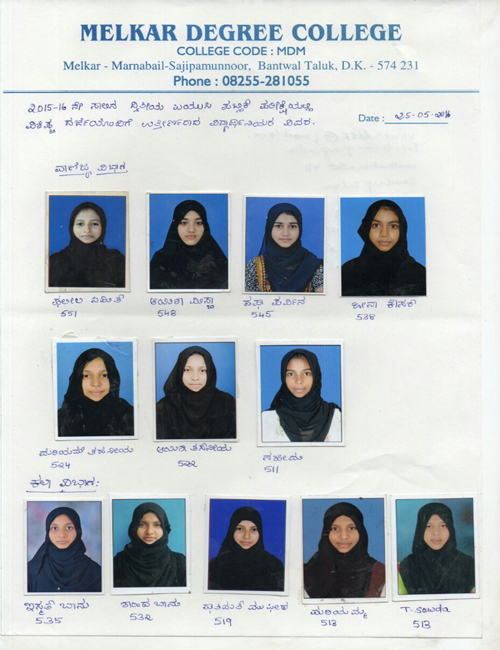
Melkar Women’s PU College, Sajipa Munnur in Bantwal taluk has bagged 100 percent pass results in the Commerce stream in II PUC for the third consecutive year.

According to a press release, the college had bagged an overall pass percentage of 98 percent in II PUC examination.

Shalima K P topped the college with a total of 556 out of 600 marks in Arts stream, followed by Himayattunnisa with a total of 543 marks in Commerce stream.

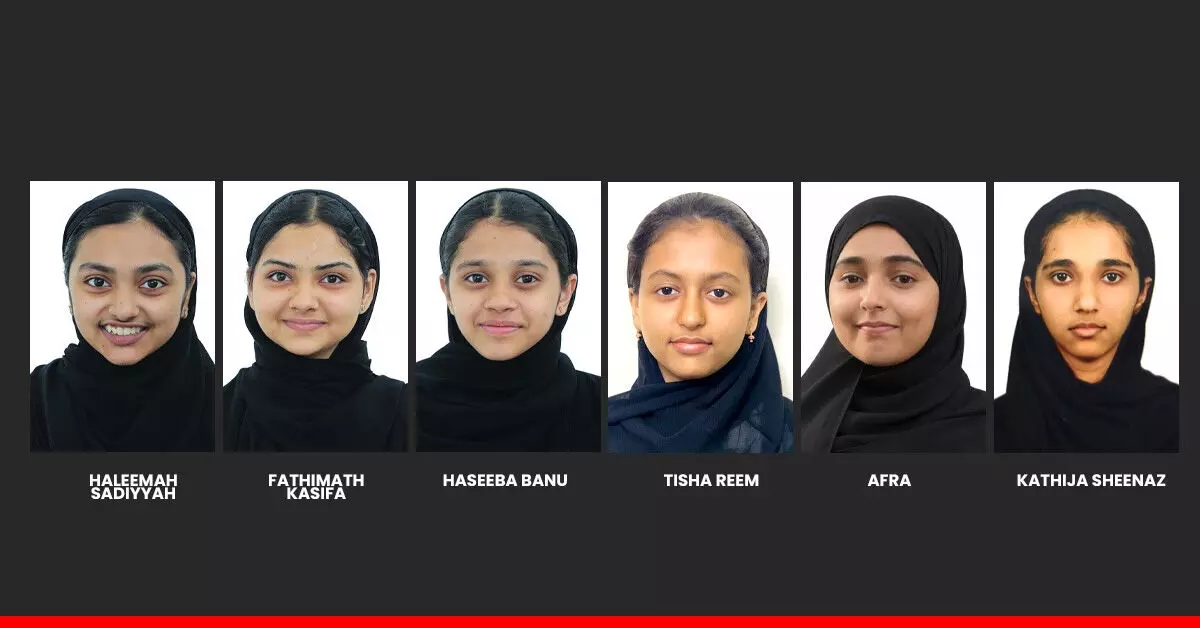
Naseeba (533), Aaminamma (533), Ramlath (527), Hafeeza (526), Fathimath Zohara (523), Haleema Sadiya (519), Ramzeeya (516), Thazeema Banu (511), Shafeeka (511), Katheejathul Kubura (510), Rabiyathul Nishyan(510) are other toppers in the college.

“A total of 133 students had appeared for the II PUC examination for the academic year 2014-15. Out of which 13 students passed with distinction while 87 students have passed with first class and 29 students have passed with second class,” said chairman of the institution S M Rasheed Haji in the press release.

source: http://www.daijiworld.com / DaijiWorld / Home> Karnataka / by Media Release / August 26th, 2016

Barakah NEET Academy students record strong results in 2026 medical admissions

Mangaluru, KARNATAKA :

Mangaluru:

Students of Barakah NEET Academy’s 2026 batch have recorded strong results in medical admissions, with around 30% securing MBBS seats and another 25% gaining admission to BDS courses.

The results mark the second consecutive year of encouraging performance by the academy, which reported 100% medical course admissions among its students in 2025.

The remaining students are awaiting the third round of counselling, with the academy expecting them to secure seats in MBBS, BDS, BAMS and other government medical courses. The academy has expressed confidence in achieving 100% enrolment for the batch.

Following the results, the academy has launched a new NEET repeater batch, particularly for female students, offering preparation in a safe and culturally sensitive environment.

The academy provides hostel accommodation, nutritious food, attention to cultural and religious needs, round-the-clock security, an affordable non-commercial fee structure and professional academic training.

source: http://www.english.varthabharati.in / Vartha Bharati / Home> Karavali / by Vartha Bharati / September 20th, 2026

Mangaluru’s Dr Afla Rafeeq secures AIR 21st in NEET-PG 2026

Bajpe (Dakshina Kannada District), KARNATAKA :

Mangaluru:

Dr Afla Rafeeq of KS Hegde Medical Academy has secured the 21st All India Rank in the NEET-PG 2026 examination, scoring 614 marks out of 720.

According to data released by the National Board of Examinations in Medical Sciences (NBEMS), 2,73,096 candidates registered for the examination, while 2,65,980 candidates appeared for the test.

Dr Afla is currently pursuing her MBBS internship at KS Hegde Hospital. During her MBBS course, she secured 13 gold medals. She now aims to pursue postgraduate studies in Radiology.

Originally from Bajpe, Afla completed her schooling up to Class 8 at Ansar School in Bajpe. She later completed her SSLC at St. Mary’s High School, Mangaluru, securing 97% marks.

She subsequently studied at Sri Chaitanya PU College, Mangaluru, where she secured 96% marks and achieved a top rank.

Dr Afla Rafeeq is the daughter of Mohammed Rafeeq and Fathima Rafeeq.

source: http://www.english.varthabharati.in / Vartha Bharati / Home> Karavali / by Vartha Bharati / September 25th, 2026

IIT Bombay PhD Scholar, Henna K Seethi Refuses to Choose Between Research and Motherhood

KERALA / Mumbai, MAHARASHTRA :

Mumbai:

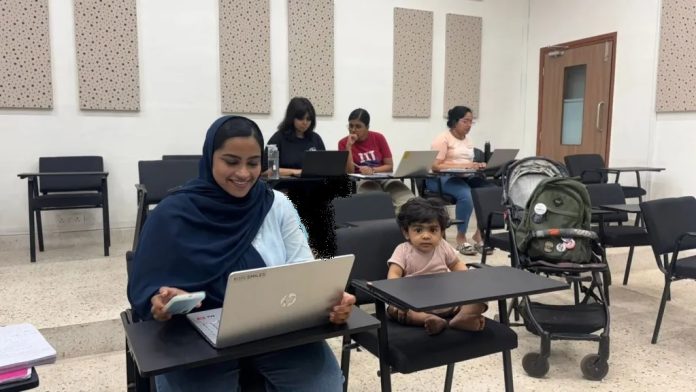
When her nanny cannot come, Henna K Seethi waits for the lab to empty before bringing her one-and-a-half-year-old son Omi inside. A bed, a bowl, and a blanket sit in the corner. She works. He plays. He sleeps. This is how a 29-year-old Muslim PhD scholar at the Indian Institute of Technology (IIT) Bombay navigates motherhood and academic research at the same time.

Henna is pursuing a doctorate in Health and Medical Psychology in the Department of Humanities and Social Sciences. Her academic journey spans Farook College in Calicut, where she earned a BSc in Psychology, Jamia Millia Islamia in New Delhi, where she completed an MA in Applied Psychology, and the Cancer Institute in Adyar, where she earned an MPhil in Psycho-Oncology. She cleared the Graduate Aptitude Test in Engineering in 2023 and set her sights on research in psycho-oncology.

Her son Omi was born in January 2025. He was three months old when she cleared the IIT Bombay entrance examination and relocated to Mumbai. Her husband, Muhammed Nizam ul Haq, also a psychologist, works in Kerala. She lives in Bhandup, around five kilometres from campus, while waiting for married-student accommodation to become available.

The financial and logistical pressures are real. Rent, childcare costs, and Mumbai’s cost of living make her husband’s financial support necessary. During examinations, the arrangements grow harder. On one occasion, her husband travelled from Kerala to care for Omi. On another, two fellow students offered to babysit so she could complete her exam.

She takes her son to classes with her professors’ permission. During lectures, she keeps him in a stroller and steps outside if he cries. Her mentor allows him at meetings. When her nanny returned to Kerala for several months after a bereavement, the dean granted Henna a temporary hostel room during end-semester examinations.

The emotional weight, she admits, does not lift. She experienced postpartum blues for a month or two after Omi’s birth and attends psychotherapy through the campus Student’s Wellness Centre. The guilt of splitting attention between research and her child stays with her. “When I give time to my baby, I feel like I’m not doing proper justice to my research. When I’m doing my work, I feel guilty about being a mother.”

Her drive traces back to watching her mother give up her own ambitions. “I don’t want to see my baby as a hurdle in pursuing anything,” she said. She hopes that once Omi turns two and campus accommodation comes through, daily life will settle into a more manageable routine.

source: http://www.radiancenews.com / Radiance News / Home> Latest News> Pride of the Nation> Markers of Excellence> Report / by Radiance News Bureau / September 14th, 2026

JIH Andaman Honours Civil Services Topper and Urologist at Grand Felicitation Ceremony

ANDAMAN and NICOBAR Islands:

Wimberly Gunj:

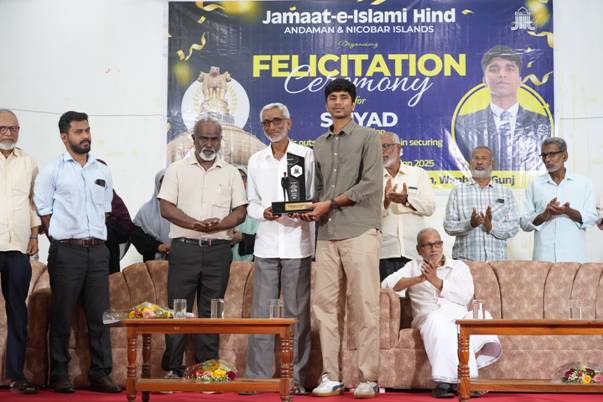
Jamaat-e-Islami Hind, Andaman and Nicobar Islands, organised a grand felicitation ceremony at the GSSS Auditorium, Wimberly Gunj, to honour two distinguished achievers from the region.

The event celebrated Mr. Shiyad, who secured All India Rank 743 in the Civil Services Examination 2025, and Dr. C. Sabique, an accomplished Urologist.

The programme began at 6:30 PM with the recitation of verses from the Holy Qur’an by P. Mohammed Sajid, President of SIO. N. Abdul Salam delivered the welcome address, setting an inspiring tone for the evening.

Dr. Manoharan, Deputy Education Officer, Wimberly Gunj Zone, attended as Chief Guest. He stressed the need for institutions across the islands to actively support and guide students preparing for competitive examinations like the Civil Services, with the goal of raising academic standards across the region.

MK Mohammed, President of Jamaat-e-Islami Hind Andaman, delivered the presidential address. He highlighted the importance of using personal achievements and professional services to benefit humanity with dignity and responsibility.

Mementos were presented to Mr. Shiyad by MK Mohammed, and to Dr. C. Sabique by PK Mohammed Ali, Ex-President of JIH Andaman. The Islamic Welfare Society also presented Appreciation Certificates to both honourees. Mr. Shiyad received his certificate from Dr. Manoharan, while Dr. C. Sabique was honoured by M. Abdul Majeed, President of IWS.

Mr. Shiyad addressed the gathering and shared his personal journey, pointing to hard work, focus, and perseverance as the key drivers of his success. Dr. C. Sabique spoke about the value of patience and consistency in reaching long-term goals.

KP Mohammed Yunus, MB Abdul Rasheed, and N. Moosa also addressed the gathering, encouraging students to aim high. An interactive session followed, giving students the opportunity to ask Shiyad questions and draw practical insights from his experience.

Nearly 450 people attended the event, including PRI members from Ferrargunj Tehsil, school principals, and representatives from various organisations. P. Yousuf delivered the vote of thanks, expressing gratitude to all dignitaries, participants, and organisers.

source: http://www.radiancenews.com / Radiance News / Home> Latest News> Markers of Excellence> Report / by Radiance News Bureau / September 08th, 2026

From Cowherding to National Topper: Abdul Hamid Conquers UGC-NET Arabic Exam

Kukhura Village (Birbhum District), WEST BENGAL :

Courtesy: awazthevoice.in

Kolkata:

A young man from a remote village in West Bengal has scripted an extraordinary success story, becoming the all-India topper in Arabic in the 2026 UGC-NET examination. Abdul Hamid, a resident of village Kukhura in Birbhum district, scored 266 out of 300 marks, topping a list of 1,649 candidates.

The University Grants Commission National Eligibility Test determines eligibility for Junior Research Fellowship, appointment as Assistant Professor, and admission to PhD programmes in Indian universities.

What makes Abdul Hamid’s achievement remarkable is the circumstances in which he achieved it. He worked alongside his father in agricultural fields, herded cows and goats, and navigated persistent financial difficulties, all while keeping his academic ambitions alive.

His father, Abdut Toab, is a respected scholar in the village who taught at a secondary education centre for nearly two decades on a modest salary, while also tilling land to feed the family. Abdul Hamid received his earliest lessons in Bengali, English, and Arabic from his mother.

He later cleared the Alim examination in 2017 and the Fazil examination in 2019, graduated from Alia University in Kolkata, and completed his post-graduation from Jamia Millia Islamia in Delhi with a CGPA of 8.75. He also sharpened his English skills at the Ramakrishna Mission.

Financial hardship temporarily interrupted his studies. After his marriage in 2025, Abdul Hamid found renewed purpose, driven by the encouragement of his wife and father-in-law. He prepared for the UGC-NET at the Siuri centre without any formal coaching, relying on YouTube, a handful of books, personal notes, and discipline built around leading prayers at a local mosque.

When results were declared on August 28, Abdul Hamid stood first in the country.

He now aims to pursue a PhD in Arabic from Delhi University or Jawaharlal Nehru University. He credits his success to mental preparation, consistent hard work, and complete honesty toward his goal, and believes coaching is not a prerequisite for achievement.

Many academicians have noted that scoring such high marks in a foreign language is a particularly demanding accomplishment, making Abdul Hamid’s performance all the more noteworthy.

source: http://www.radiancenews.com / Radiance News / Home> Latest News> Pride of the Nation> Markers of Excellence> Report / by Radiance News Bureau / September 10th,2026

Four Muslims among 48 recipients of National Teachers Award 2026

INDIA :

New Delhi :

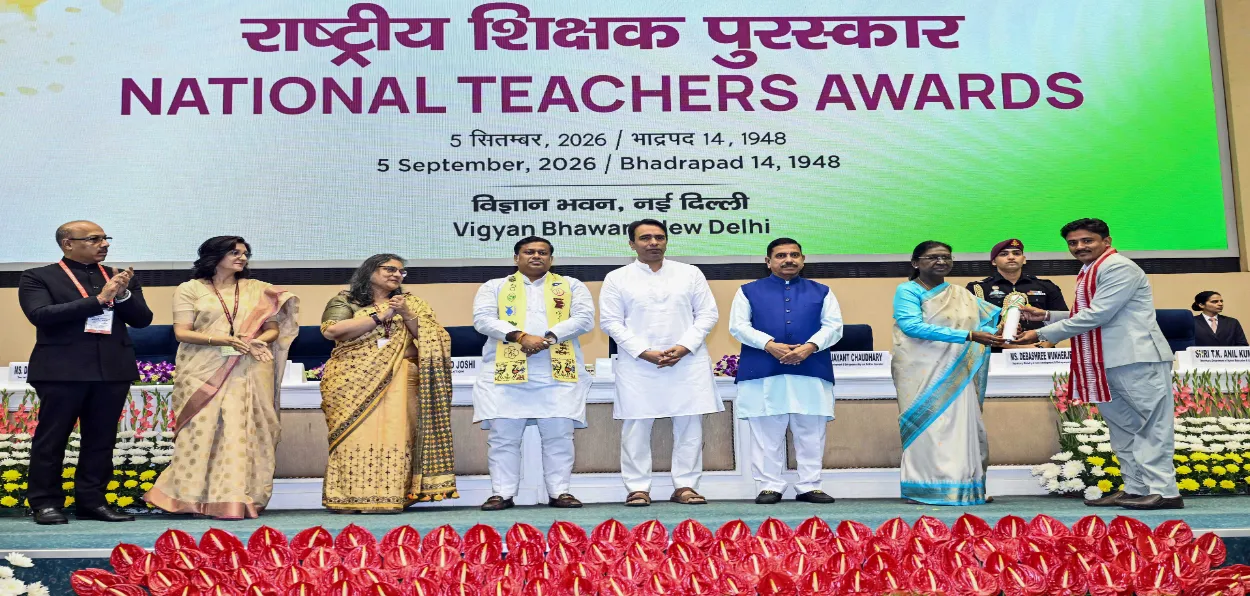
When President Droupadi Murmu conferred the National Teachers Awards, 2026, on 48 teachers from across India, on Saturday, the recipients included four Muslims, who had instilled values and teachings in the minds of their pupils beyond the classroom.

The recipients of the award included Mohammad Zafar Alam from Odisha, who is credited with transforming the lives of the tribal children in a state where hunger and deprivation was once identified with the life of the indigenous people.

The other awardees are Dr Iftikhar Khan, from Ballia, Uttar Pradesh; Mohammad Ayaz Raina, from Rajouri, (J&K); and Mohammad Mustafa Kamal, from Kargil, Ladakh.

The awardees were selected from 27 states, seven Union Territories and six institutions under the Central Government. The list comprises 26 men and 22 women. The award is presented annually to teachers who have made outstanding contributions to school education and brought positive changes to the lives of students.

Mohammad Zafar Alam

Mohammad Zafar Alam, Principal of Eklavya Model Residential School Karanjia in Mayurbhanj district of Odisha, has been honoured for his contribution to providing quality education to tribal children in remote area.

Mohammad Zafar Alam (In blue jacket) at the annual day function of school

The school, located at Banuria (Tato), operates under the Ministry of Tribal Affairs. The residential and co-educational school was established in 2017-18 for Classes 6 to 12. It has around 410 students and an overall capacity of approximately 480.

Under Alam’s leadership, the institution seeks to prepare Scheduled Tribe students not only for school examinations but also for admission to higher and professional educational institutions and future employment opportunities.

Eklavya Model Residential Schools were established to address the shortage of quality educational opportunities in remote tribal areas. They have been developed broadly along the lines of Jawahar Navodaya Vidyalayas, with an emphasis on educational standards, residential facilities and competitive opportunities for tribal students.

The National Teachers Award to Alam therefore also draws attention to the important role of educators working in remote tribal regions, where access to quality education can have a transformative impact on the lives of young people.

Dr Iftikhar Khan

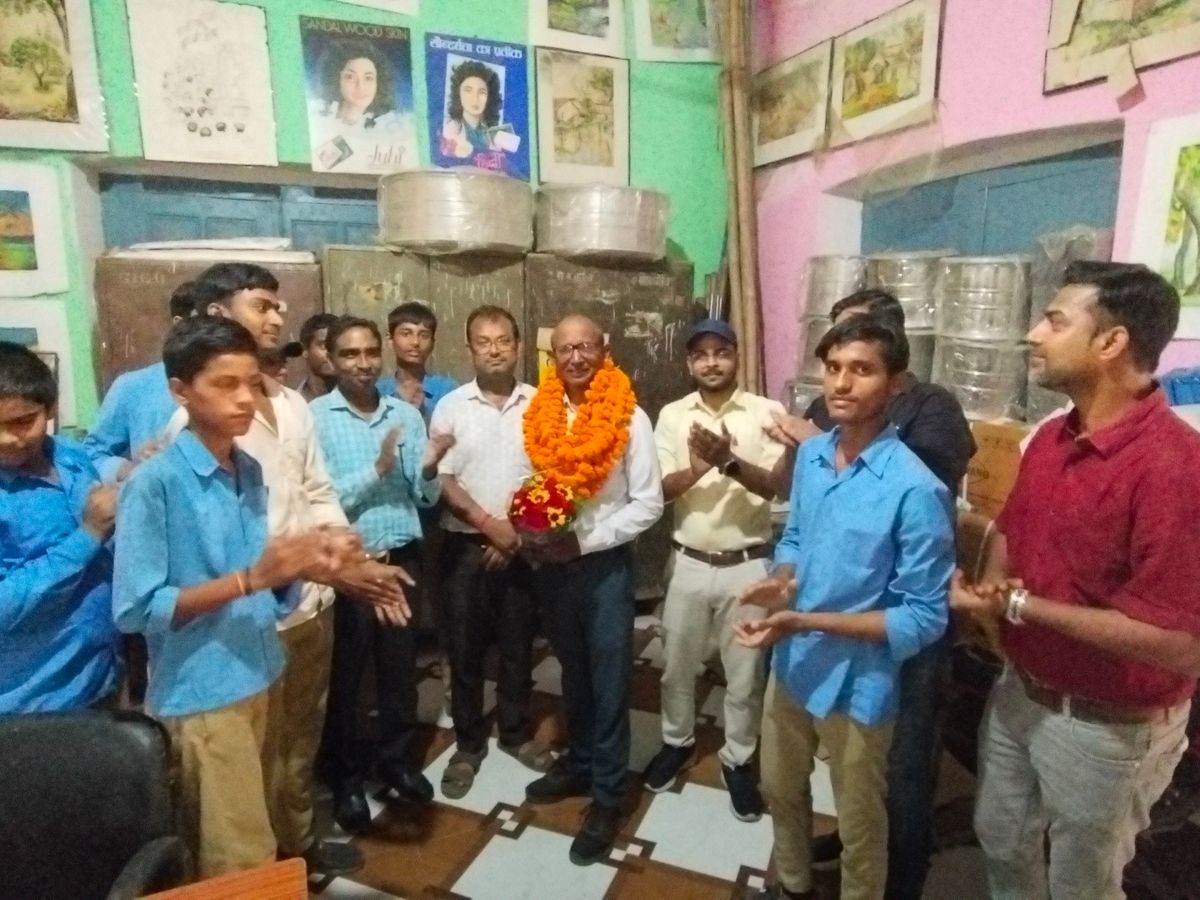
For 25 years, Dr Iftikhar Khan, an art teacher at Government Inter College, Ballia, has been providing free art education to poor and underprivileged children at his home.

The initiative began in 2000, when Dr Iftikhar recognised that talented children from economically weaker families in Ballia had limited opportunities to receive formal training in fine arts or prepare for entrance examinations to leading institutions.

Alongside his regular teaching responsibilities, he began conducting free classes at home every Sunday. His students have come not only from Ballia but also from Gorakhpur, Mau and neighbouring Bihar.

He also organises special painting workshops during the summer holidays, providing children with regular practice and individual guidance. His training goes beyond basic painting: he prepares students for admission to higher educational institutions in the field of fine arts.

Dr Iftikhar Khan with his students

More than 200 students have progressed to higher education and careers in fine arts under his guidance. Some are now working with leading companies in India, while others are promoting Indian art abroad.

One of them is Ballia’s Neeraj Singh, who developed an interest in painting after seeing an exhibition by Dr Iftikhar at the Dadri fair in 2007. When Neeraj expressed his desire to learn, Dr Iftikhar trained him without charging a fee.

Neeraj subsequently secured admission to the Faculty of Visual Arts at Banaras Hindu University on his first attempt and completed a Bachelor of Fine Arts degree. He later obtained a diploma in Production Design from the Film and Television Institute of India, Pune, and went on to work as a production designer on several films.

According to Neeraj, Dr Iftikhar’s guidance changed the course of his life. Had he not encountered the teacher at the exhibition, he believes he might never have pursued fine arts.

Dr Iftikhar’s philosophy is simple: talent should not be limited by a person’s financial circumstances. What matters is recognising that talent and giving it the right direction.

His commitment to this principle is reflected in an unusual practice. When the parents of one of his students insisted on giving him guru dakshina, he declined money and instead asked them to plant a tree.

Since then, he has encouraged students who wish to offer him a gift to plant a tree in a public place and care for it until it grows. For him, a student’s contribution to society is the finest gift a teacher can receive.

Mohammad Ayaz Raina

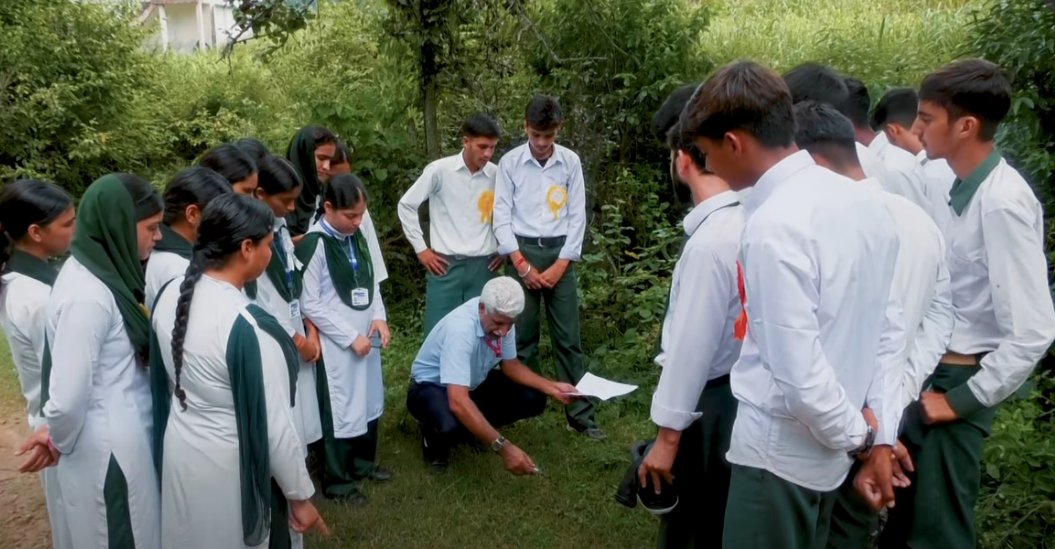
Mohammad Ayaz Raina, a Botany lecturer at Government Higher Secondary School Dalhori in Rajouri district on the Line of control in J&K, has spent 13 years in the education sector, combining classroom teaching with student guidance, educational activities and innovative methods, including the use of technology.

His contribution is particularly significant given the geographical challenges of Rajouri, a border district where many schools are located in hilly and remote areas. Limited infrastructure, connectivity and transportation can make teaching more difficult, yet Raina has remained committed to improving educational opportunities for his students.

His efforts have previously earned him several honours. He received the National Information and Communication Technology Award in 2017 and the Best Teacher Award of the Union Territory of Jammu and Kashmir in 2021. He has also received the Global Teacher Award 2021 and the Global Best Educational Poster Award 2020.

Mohammad Ayaz Raina with his students

These recognitions reflect his interest in combining conventional teaching with educational technology and creative approaches.

Raina described the National Teachers Award as a collective achievement rather than a personal accomplishment. He credited his students, fellow teachers, educational institutions, family members and others who supported him throughout his journey.

He said a teacher’s success is never the result of individual effort alone, but also reflects the hard work of students, the cooperation of colleagues and the support of family.

Mohammad Mustafa Kamal

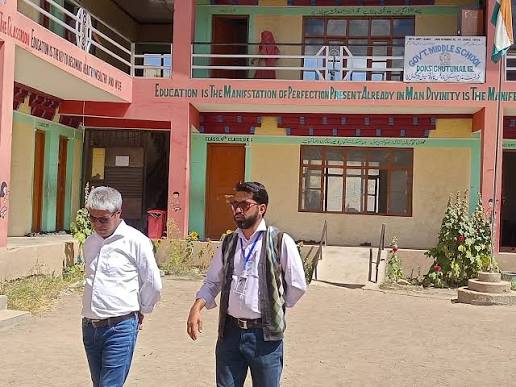
Mohammad Mustafa Kamal, a resident of Wakha village in Kargil district, Ladakh, has been recognised for his contribution to education in one of the country’s most challenging geographical regions.

Kamal is posted at Middle School Lanakrchy Thang Sankoo. He also serves as District President of the General Line Teachers Forum, Kargil Ladakh.

In this capacity, he has played a role in popularising the Model School initiative through the teachers’ organisation.

Mohammad Mustafa Kamal (Right) in his school

His commitment to students became particularly visible during the Covid-19 pandemic, when conventional classroom teaching was disrupted. Kamal continued to support students through video and radio classes.

He currently serves as the Nodal Officer for Class 9 and Class 10 Tele and Radio Classes in the School Education Department, Kargil, in addition to his teaching responsibilities.

His educational services have previously been recognised with the Asian Education Award in 2020. He was also among three teachers from Kargil district nominated by the District Selection Committee for the National Award in 2020.

The school’s approach extends beyond academics. Sports, skill development and the preservation of local arts and culture form part of its educational programme, with the aim of developing students’ creative, physical and practical abilities alongside their academic skills.

source: http://www.awazthevoice.in / Awaz, The Voice / Home> Stories / by Aasha Khosa / September 06th, 2026

Hubballi students win two State-level Verbattle titles

Hubballi, KARNATAKA :

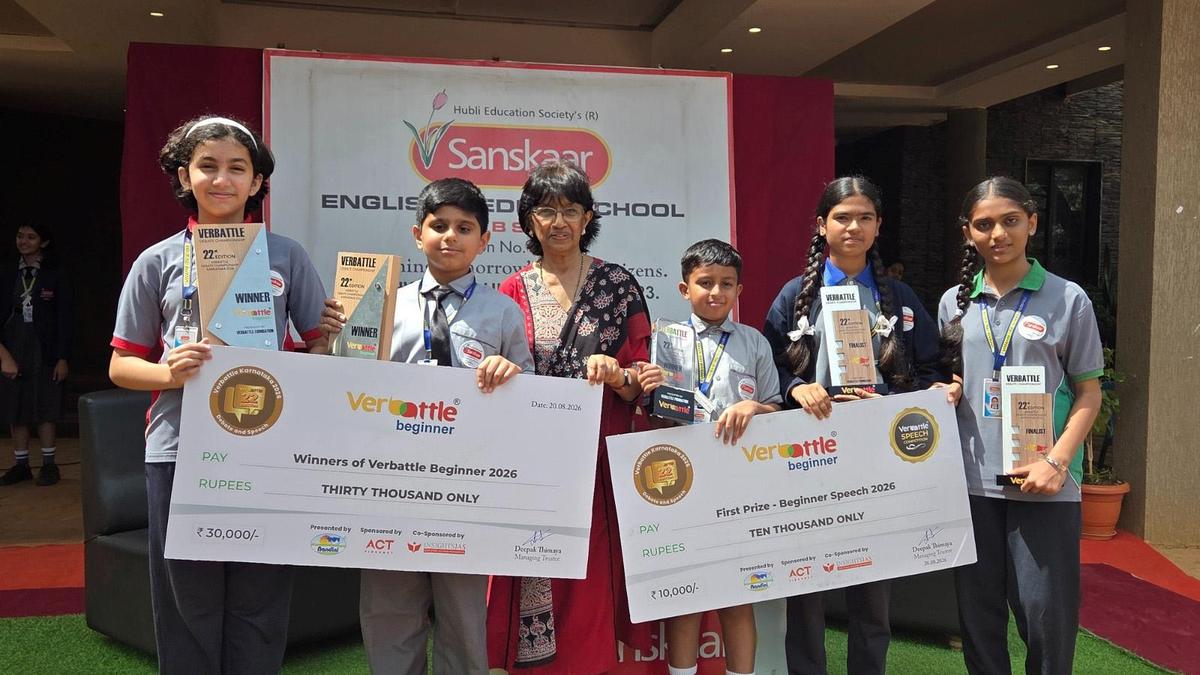
Students of Sanskaar International School have, in all, secured three positions at the State-level debate and public speaking competition.

Students of Sanskaar International School, Hubballi, who have secured three titles at Verbattle Karnataka 2026, a State-level debate and public speaking competition for school students. | Photo Credit: SPECIAL ARRANGEMENT

Students of Sanskaar International School, Hubballi, have secured three titles at Verbattle Karnataka 2026, a State-level debate and public speaking competition for school students.

In an event which saw participation from across Karnataka, including Bengaluru, Mysuru, Mangaluru, two teams from Sanskaar secured the first position, while another team finished as second runner-up, a release from the school said.

The winners received trophies and cash prizes.

In the Beginner Debate category for Classes 3 to 6, Class 6 students Anay Abhijit Joshi and Rukhaiya Khuram Khatib won the first position.

In the Beginner Speech category, Class 4 student Nivaan Nagaraj Naik secured the first position and in the Kannada Junior Debate category for Classes 7 to 10, Class 9 students Sakshi Shashikant Grampurohit and Vinuta Vijanagouda Patil secured the second runner-up position.

In all, 33 students from Sanskaar were selected at the preliminary rounds in Hubballi and those who qualified progressed to the State-level competition in Bengaluru where they competed with students from across the State.

The winning students were welcomed by the school band and felicitated by founder-chairman of the school Mahendra Singhi and faculty members.

All the students who participated in the competition and those who advanced to the Bengaluru rounds were honoured.

“These achievements demonstrate the confidence of our students to express their ideas, defend their views with reason and, equally importantly, respect a different point of view. We are proud that our students have represented Hubballi and North Karnataka on such a competitive State-level platform,” Mr. Singhi said.

source: http://www.thehindu.com / The Hindu / Home> News> India> Karnataka / by The Hindu Bureau / August 25th, 2026

AMU Professor Mohammad Mobin Receives Prestigious Professor B.P. Verma Memorial Award

Aligarh, UTTAR PRADESH / JAMMU & KASHMIR :

Aligarh :

Professor Mohammad Mobin, Department of Applied Chemistry, Faculty of Engineering and Technology, Aligarh Muslim University (AMU), has been conferred the prestigious Professor B.P. Verma Memorial Award for 2025 by the Indian Chemical Society (ICS), recognising his contributions to research, development and innovation in Chemical Sciences and Engineering.

The honour marks a significant achievement in Professor Mobin’s academic career and reflects his sustained efforts towards advancing scientific research and translating innovation into meaningful technological and societal applications.

In a communication dated August 14, 2026, Prof. G. D. Yadav, President, Indian Chemical Society, conveyed the Society’s appreciation of Professor Mobin’s distinguished professional accomplishments, which have enhanced the stature of Chemical Sciences and Engineering and contributed to the advancement of Indian chemical and allied industries and society.

As part of the recognition, Professor Mobin has been invited to deliver the Professor B.P. Verma Memorial Award Endowment Lecture at the 63rd Annual Convention of Chemists (ACC 2026) of the Indian Chemical Society from December 14–16 at Graphic Era University, Dehradun.

Professor Mobin is presently serving as Vice Chancellor of Cluster University of Srinagar on deputation from AMU. His academic and research contributions span Chemical Sciences and Engineering, with particular emphasis on Materials and Corrosion, research innovation and technological development.

The Indian Chemical Society, one of India’s leading professional bodies in chemical sciences, has played a vital role in promoting chemical research, technology and industry while fostering collaboration among academia, research institutions and industry.

The Professor B.P. Verma Memorial Award adds another distinguished recognition to Professor Mobin’s achievements and brings pride to AMU and the wider academic and scientific community.

source: http://www.indiaeducationdiary.in / India Education Diary / Home> Educational News> University News / by iednewsdesk / August 17th, 2026