Category Archives: Arts, Culture & Entertainment

The Conqueror Who Longed for Melons

CENTRAL ASIA  / Agra, INDIA :

Many Indian dishes can be traced back, indirectly, to a 16th-century, food-obsessed ruler named Babur.
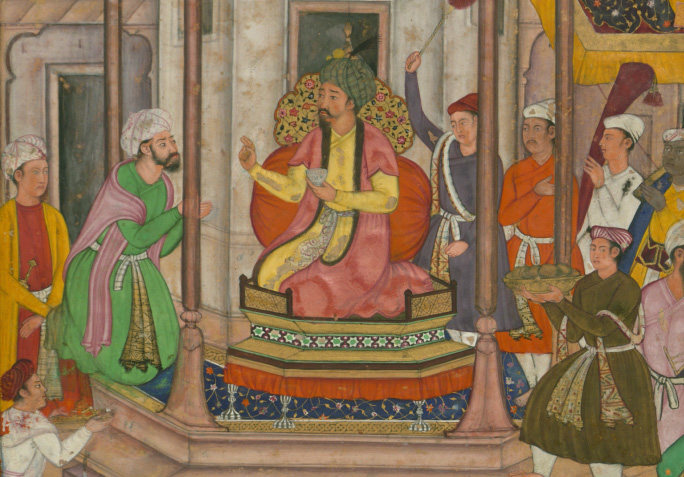
Babur Being Entertained in Ghazni, from the Baburnama, the memoirs of Ẓahīr al-din Muhammad. PUBLIC DOMAIN

ZAHIR AL-DIN MUHAMMAD, THE 16TH century Central Asian prince better known as Babur, is renowned for his fierce pedigree and proclivities. Descended from both Timur and Genghis Khan, he used military genius to overcome strife and exile, conquer northern India, and found the Moghul dynasty, which endured for over 300 years. He was a warlord who built towers of his enemies’ skulls on at least four occasions. Yet he was also a cultured man who wrote tomes on law and Sufi philosophy, collections of poetry, and a shockingly honest memoir, the Baburnama, in which he appears to us as one of the most complex and human figures of the early modern era.

Through the Baburnama, we learn that Babur was versed in courtly Persian speech and custom, yet nonetheless a populist who built strong ties with nomads and championed the vernacular Chagatai Turkic tongue in the arts. He was a pious man, but was also given to libertine escapades, including massive, wine-fueled parties.

But the first—and arguably one of the most culturally consequential—personal details he reveals is that he was a food snob. Babur loved the foods of his homeland and hated those he found when he had to reestablish himself in India, which to him was mostly a way station on the bloody road back to the melon patches of his youth. He didn’t just whinge about missing foods from home, though. He imported and glorified them in his new kingdom, laying the groundwork for his descendants to warp Indian cuisine so profoundly that they redefined that culinary tradition, as many know it worldwide, to this day.
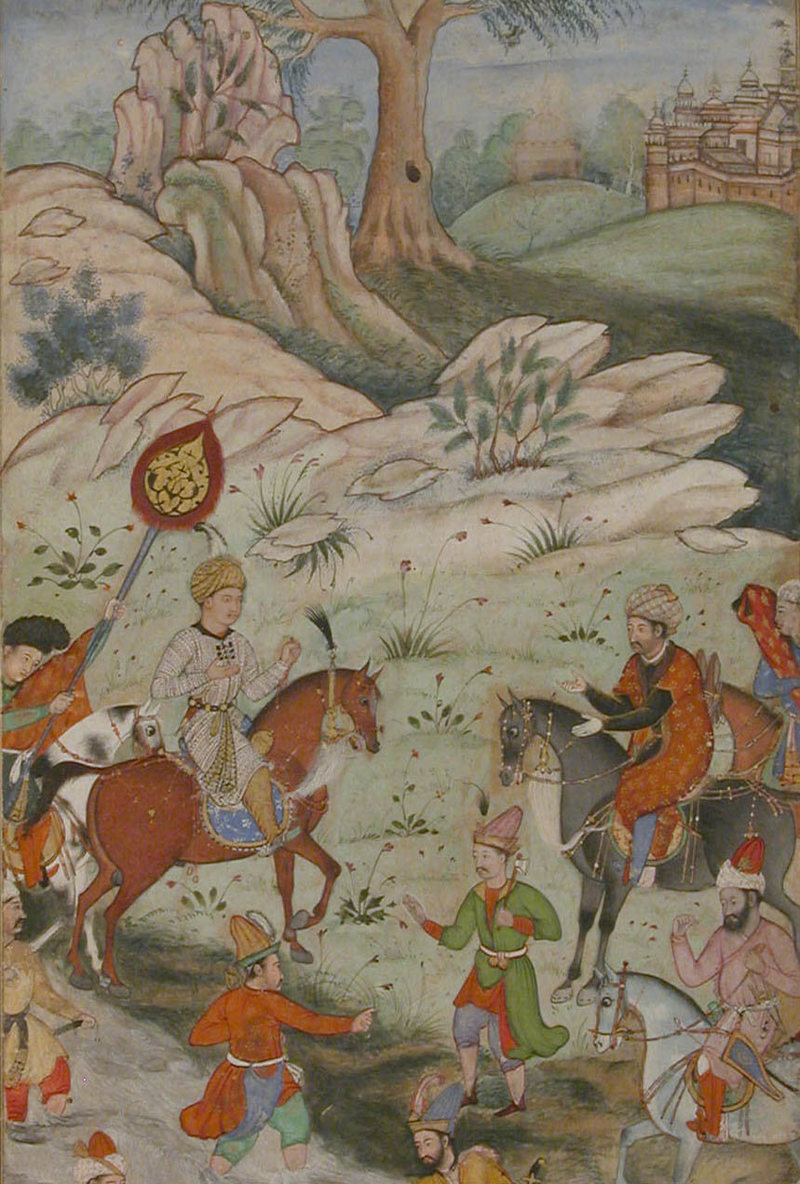
A depiction of Babur meeting Sultan ‘Ali Mirza near Samarqand, from the Baburnama. PUBLIC DOMAIN

The Baburnama opens with a description of Ferghana, a region now split between Kyrgyzstan, Tajikistan, and Uzbekistan, where Babur grew up. Known then and now as the breadbasket of Central Asia, it follows that Babur would touch on agriculture. But in introducing his hometown of Andijan, Babur opens with a note on the quality of its grapes and melons before turning his attention to its layout and fortifications. He then ducks back to praise its game meats, especially its pheasants, which “are so fat, that the report goes that four persons may dine on the broth of one of them and not be able to finish it.” Only then does he tell us of the people who live there.

Almost anytime he describes a place back home, he starts with vittles. Margilan is known for its dried apricots, pitted and stuffed with almonds. Khojand’s pomegranates are proverbially good, but they pale next to Margilan’s. And Kandbadam is tiny and insignificant, but it grows the best almonds in the region, so it’s worth mentioning.

“Early sections of his Baburnama,” writes Fabrizio Foschini, in a report on Afghanistani melons  authored in 2011, “really sound like a consumer guide to the fruit markets of Central Asia.”
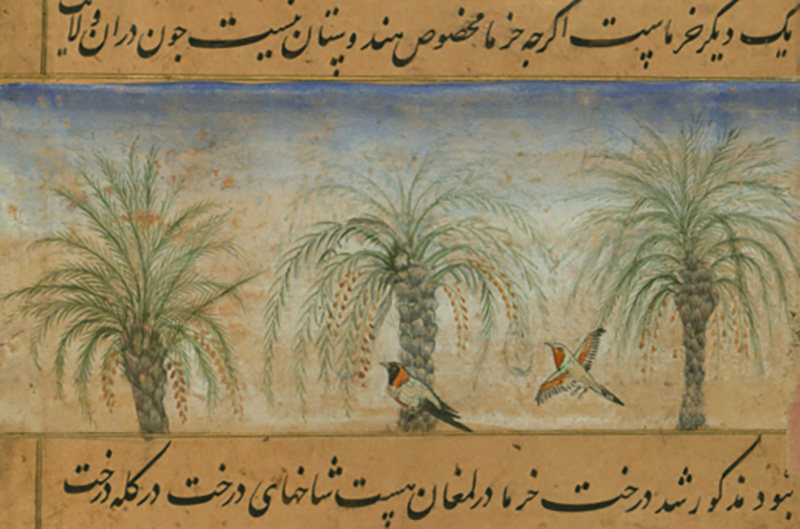
A detail of date trees illustrated in the Baburnama. PUBLIC DOMAIN

Babur doesn’t forget food once he gets into the meaty war stories, either. He breaks one narrative to note that the area around a castle he just besieged grew a unique melon with puckered yellow skin, apple-like seeds, and pulp as thick as four fingers.

The Baburnama is not solely concerned with food. The bulk of it is a painstaking record of families and feuds, and Babur dwells on other seemingly random details that tickled him, such as a courtier’s talent at leapfrog. Since we don’t have a similarly honest accounting from his peers, it’s hard to say whether Babur’s epicureanism was atypical.

Given the chaos he grew up in, though, it’s incredible that Babur could spare any thought for food. Thrust to power at age 11 (by the Gregorian calendar), in 1494, he had to navigate bloody infighting amongst his relatives. Known as the Timurid princes after their conqueror-ancestor Timur, they jockeyed against each other for regional control. Babur became an active participant in this Central Asian game of thrones—he seemed particularly obsessed with taking the regional cultural capital of Samarkand. While he seized it in 1497, he lost the city almost immediately, as well as Ferghana, and (a very long story short) spent the rest of his teenage years reclaiming or losing bits of territory, fleeing into exile with remote nomadic tribes, and trying to court new followers and surge back. Although he never stopped trying to reclaim Samarkand and his homeland, by 1504, at age 21, he’d effectively been forced out of the region for the rest of his life.
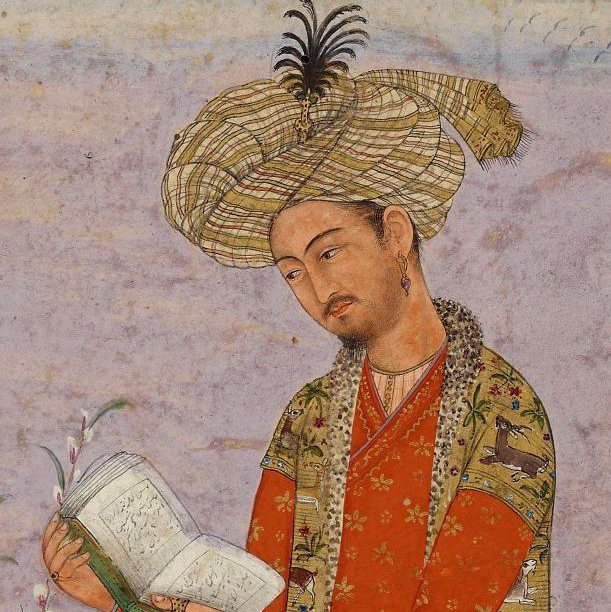
A portrait of Babur. PUBLIC DOMAIN

That year, he pulled off a fantastic feat of warlord jiujitsu, flipping a rival’s forces into his service and marching on Kabul, which was vulnerable after undergoing its own contentious power shift. Babur took the city, and, naturally, set to cultivating its produce scene. In and around the city, he built at least 10 grand gardens that included a fair number of fruiting plants.

While Babur’s writings suggest a personal obsession with food, it’s hard to disentangle this obsession from homesickness. There were also political reasons for him to pay so much attention to cuisine: Food snobbery was a standard way for a Timurid prince such as Babur to make his mark and prove his elite bona fides in a new land. “The Timurids, while ethnically Turkic, based their legitimacy to a large extent on their being champions of Persianate ‘high’ culture,” says Central Asian historian Richard Foltz, “which included taste in food.”

Kabul proved ill endowed to support a successful campaign back to Ferghana, though. So Babur turned his attention to neighboring India. He got a lucky break when a new king—an inept man who clearly had dissenters and rebels in his ranks—came to power in the northern Sultanate of Delhi. Babur struck at this weakness, invading the region through the early 1520s. Despite being outmanned by a ratio of perhaps five-to-one in his final standoff with the sultan, he usurped the throne in 1526.
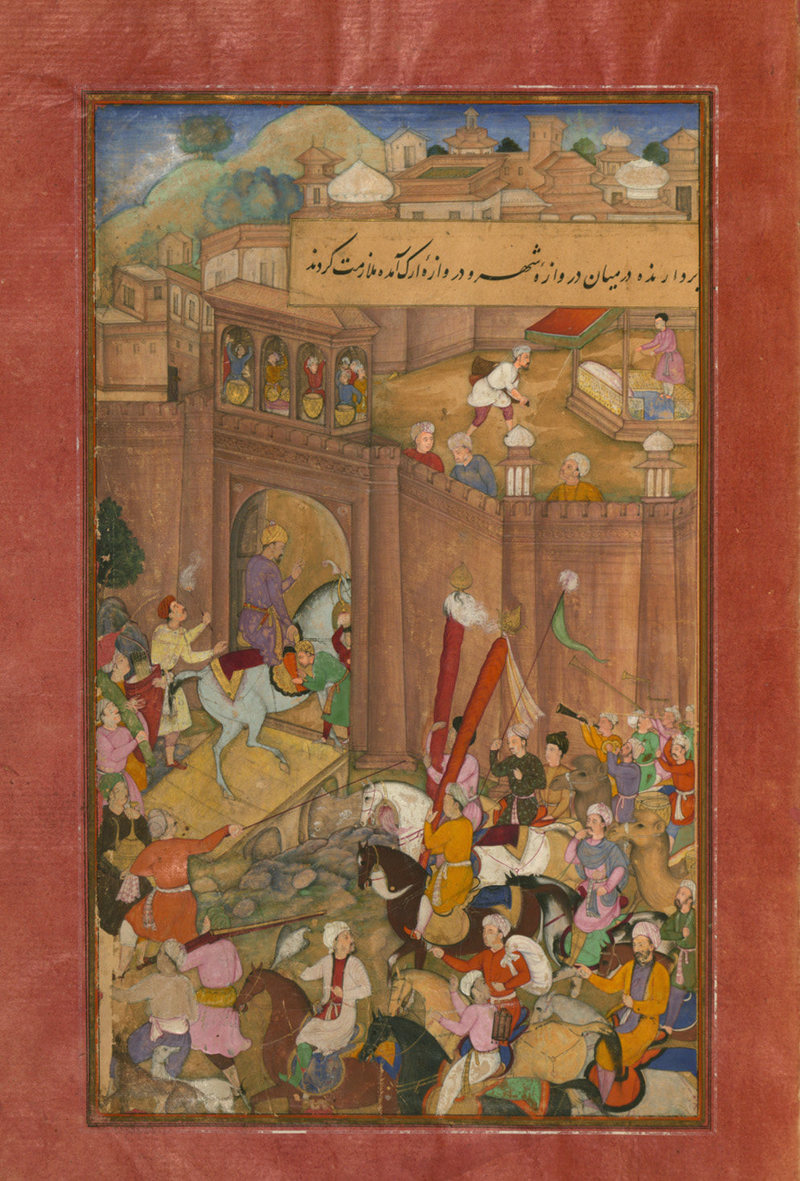
Babur entering Kabul. PUBLIC DOMAIN

According to Foltz, Central Asians mostly looked down on Indians, who were neither Muslims nor Persianate. Babur, his recent biographer Stephen Dale notes, was also still deeply homesick. These factors, and possibly personal tastes, led him to dismiss his new territory, and especially its food: “Hindustan is a country that has few pleasures to recommend it. … [There is] no good flesh, no grapes or muskmelons, no good fruits, no ice or cold water, no good bread or food in their bazaars.”

Babur shouldn’t have had time for food in India either. He spent the last four years of his life fighting local insurgencies and consolidating his power. In 1530, he died at the age of 48, in Agra, the north Indian city where his great-great grandson Shah Jahan (lived 1592–1666) would later build the Taj Mahal. But he wrote letters in those years expressing his desire to return home, or at least taste its grapes and melons. He describes receiving a melon from Kabul and weeping as he ate it. He planted Central Asian grapes and melons in India, which brought him some joy. He even asked local chefs to make Persianate food for him, although one of them tried to poison him.

By establishing supply chains that brought his native agriculture and cuisine to the region, Babur left a lasting legacy. “He probably played a role in bringing Central Asian influences into the elite, courtly Indian life,” says Elizabeth Collingham, a food historian who explored Babur’s life and influence in her history of curries .
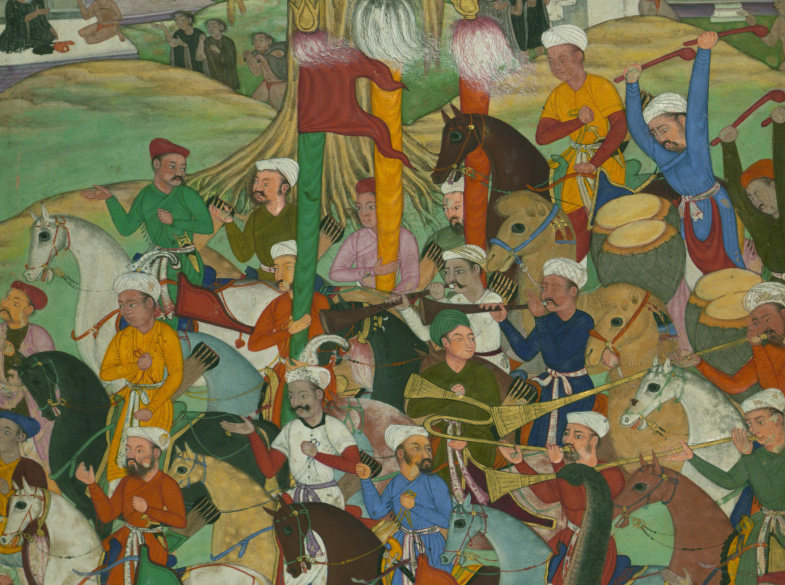
Babur, on the Way to Hindustan, Camping at Jam, from the Baburnama. PUBLIC DOMAIN

Granted, Babur was not the first Central Asian lord in what is now India. From 1206 to Babur’s day, five prior Central Asian dynasties ruled from Delhi. They too imported foods from home, cooked dishes they knew, and even did some fusion cooking. Trade and migration also meant there’d always been interplay between the regions, including culinary influence. Glimpses of this cultural mingling include the first mentions of samosas in the region’s written record—in accounts of those earlier medieval sultans’ feasts.

But according to Rukhsana Iftikhar, a historian of social life amongst the Mughals, the Persian word for “Mongols” by which Babur’s descendants came to be known, many of these dishes differed in style and flavor profile from the Persian-influenced Central Asian cuisine Babur preferred. They likely had not caught on with the general Indian population by the time Babur arrived, and few of them would sound familiar to fans of global Indian fare today.

Historians like Dale and Foltz chalk this up to the fact that previous dynasties—while they had some cultural influence—seemed to see India mostly as a piggy bank. They didn’t like to mix with local elites, and their culture was not grand or stable enough to invite mimicry and adaptation.
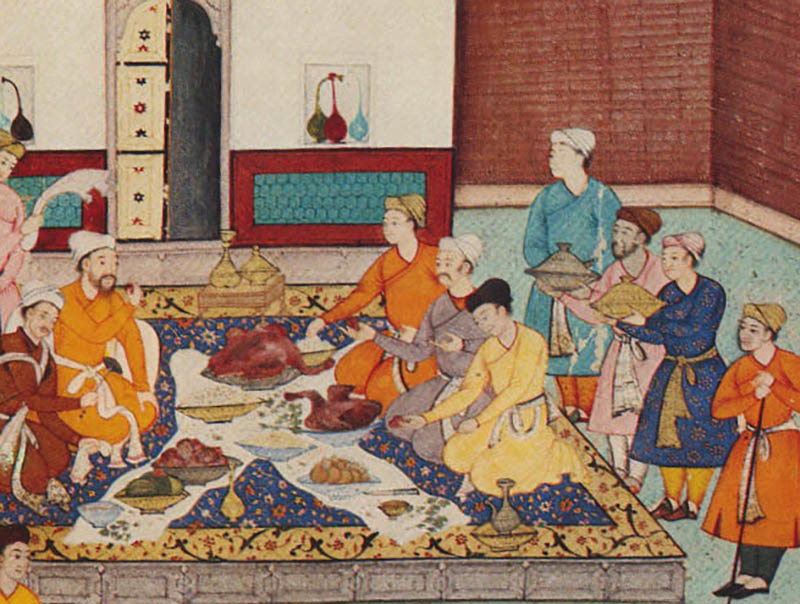
A banquet with roast goose. PUBLIC DOMAIN

Babur, by contrast, was more statesman than raider. His pedigree and strong connections to Iran also gave him and his descendants more cultural cachet, and those descendants mixed more readily with the local populace. And for over a century after his death, Mughal rulers continued to praise the same foods Babur praised and keep the caravans of his beloved Central Asian fruits and nuts flowing. Babur’s successor Humayun brought Persian cooks to Delhi, and Humayun’s son, Akbar, was notably cosmopolitan and curious in the kitchen. Later descendents were not as invested in Persianate culture and the foods of Ferghana as Babur. But either as a means of displaying their wealth or of brandishing the superiority of their heritage, they carried on the culinary trajectory Babur set up.

Babur’s descendants also spent lavishly on their kitchens, elevating food as a status symbol. But unlike Babur, they made it a point to round up chefs from around their Indian domains, a practice that invited fusion. The grandeur and duration of their courts, argues Collingham, led local elites to copy their Persianate and Central Asian motifs and augment their own kitchens, leading to parallel fusion work in places like Hyderabad, Kashmir, and Lucknow. Over the centuries, these innovations coalesced into Mughlai food, a stable cuisine common across, although not ubiquitous in, northern India by the early 20th century.

This cuisine was defined by, among other things, aromatic, creamy curries, often incorporating the nuts and dried fruits Babur adored. It includes many dishes familiar to Western diners today: Korma, a blend of Central Asian nuts and dairy with Persian and Indian spices. Rogan Josh, a slow-cooked, Persian-style meat spiced up in the kitchens of Kashmir. And tandoori grilling, facilitated by Mughal tweaks to said grills and to marinades and spicing styles.

These dishes became ubiquitous in the West, Collingham says, because haute Indian chefs have long viewed Mughlai cooking the same way Western cooks used to see Le Cordon Bleu. Indians who set up restaurants abroad made Mughlai food the template of Indian food in the U.S. and U.K.—to the chagrin of Indians who grew up eating many other cuisines that remain hard to find outside their homelands.

None of this was a conscious project for Babur. But by setting up shop in Agra and Delhi, he created a wave that shook the foundations of India, culinary and otherwise. His tastes indirectly fueled 300-plus years of kitchen innovation. It’s no Central Asian dynasty of skulls and melons. It’s something more widespread and enduring, if unexpected or unwanted.

Gastro Obscura covers the world’s most wondrous food and drink.

source: http://www.atlasobscura.com / Atlas Obscura / Home> Stories / by Mark Hay / November 15th, 2017
By the Book

NEW DELHI :

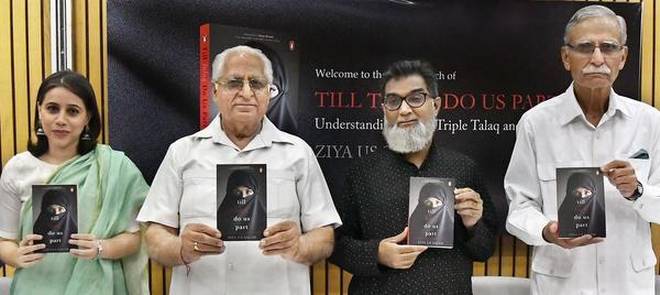
FOR A FAIR CONTRACT At the discussion that followed the book release, the panellists (from left) journalist Marya Shakil, lawyer J.C. Batra, author Ziya Us Salam and Lt. Gen. (Retd.) Zameeruddin Shah) discussed women’s rights in Islam

Ziya Us Salam’s “Till Talaq Do Us Part” defogs the miasma around the issue of instant triple talaq

Triple talaq is a phrase that the citizens of India became acutely aware of post the events of 2017, when seven women petitioners moved the Supreme Court against their instant divorce brought about through the uttering of the words ‘talaq, talaq, talaq.’ The apex Court had, on August 22, ruled that instant triple talaq was a practice not sanctioned in the Quran, yet a fog of confusion and obfuscation surrounds the general discourse and public understanding of what exactly constitutes an Islamic divorce. In this context, Till Talaq Do Us Part (Penguin Random House) by senior journalist Ziya Us Salam is a book that acquires much significance as it tries to brush the dust away and bring clarity to the issue by reverting to the most authentic source for Islamic knowledge — the Quran.

Released this past evening at the India International Centre by Lt. Gen. (Retd.) Zamiruddin Shah, the book defines nine types of divorce interpreted from Quranic verses.

Among them some of the most important ones are Khula, the inalienable right of the woman to instantly divorce her husband on the grounds of his inability to take care of her needs or even simply her dislike for him; Talaq e Ehsan where the man pronounces divorce once but the woman lives with him for the next three months, after which he can divorce her or they can reconcile; Talaq e Hasan where the man pronounces divorce three times in three months, but only in the interim periods of menstrual cycles; Mubarat which takes place through mutual consent, Faskh or judicial divorce; Talaq e Tafweez which is incorporated into the Nikahnama wherein the husband vests the rights of divorce in his wife.

Lack of information

“In the present scenario within the country, the right information on Islam was not reaching the masses,” says Salam. Which is why he decided to write this book that talks about numerous aspects of marriage including the model nikahnama that the AIMPLB spoke of circulating but never quite got down to the task. He also speaks of the importance of meher, the dower paid by the man to the woman at the time of marriage, and how it is entirely neglected among Muslims in India. The meher must be paid either in full to the woman at the time of nikah, or in part with the husband giving a written undertaking that he would pay the rest in future, he emphasises. “One of the most important things is to have one regular nikahnama for all Muslims — at the most two, one for Sunnis and the other for Shias — but ideally, just one.”

Understanding halala

The book also deals with the highly controversial issue of halala, which in truth has been contorted and disfigured heavily into an abhorrent act of female exploitation. Halala, explains Salam, actually gives a woman the right to choose.

If perchance a woman’s second husband either passes away or the second marriage too results in divorce, she has the right to go back and choose her first husband again. However, with the entirely invalid and un-Quranic practice of triple talaq, instant divorces are carried out in a fit of anger and when the man comes to his senses and wishes to reconcile with the woman, they are forced into a monstrous distortion of Halala. When triple talaq gets pushed out of the scene, the question of a one-night halala would not arise at all.

Several scholars state that triple talaq was made legal by Umar Ibn Khattab, the second Caliph in Islamic history. “The important fact which is overlooked, though, is that it was made legal upon the condition that the man giving triple talaq would be flogged,” he highlights. “So why do the maulanas forget to flog the men giving triple talaq?”

A very important point here is that instant triple talaq did not exist at the time of Prophet Mohammad at all, nor the time of the first Caliph. Equally pertinently, it was later made entirely invalid and illegal by Ali Ibn Abi Talib, the fourth Caliph of Islam.

Many Islamic countries have made the instant talaq illegal and it is non-existent among the Shia sect. In fact it is illegal in all other sects except the Hanafis, but as the author writes in his book, “there is no direct word from Imam Hanifa on triple talaq.”

But social structures are rigid and herd tendencies difficult to change, which is why the Supreme Court judgement against instant triple talaq cannot be enough, just as dowry and caste system still exist despite being grossly unconstitutional. In addition, the maulanas whom the masses look to for religious guidance are ill-equipped for the task, caught as they are between rote-recitation and following customs without an attempt at understanding. “Across the country, a vast number of Imams don’t even know (the meaning of) what they have read in namaz!” avers Salam. “They prevent women from coming to mosques but at the Kaaba in Mecca, women and men pray together, perform Hajj together. There is no restriction at all upon women praying in mosques.”

The important task, then, is for the community to be educated and made aware of their rights, for people to read translations of the Quran and develop a deeper understanding. One may pick any translation and exegesis among the many reputed ones, but the most important thing is to explore. In addition, the men must be made aware of the rights of women as much as the women themselves. As Salam says, “We have reduced the understanding of the Quran to the monopoly of some aalim. But the Quran came for all of humanity, not a select group of scholars.”

source: http://www.thehindu.com / The Hindu / Home> Books> Authors / by Zehra Naqvi / May 03rd, 2018

Not just Hindi: When Mohammed Rafi sang in English, Creole, Dutch and Persian

Kotla Village, PUNJAB  / Mumbai, MAHARASHTRA :

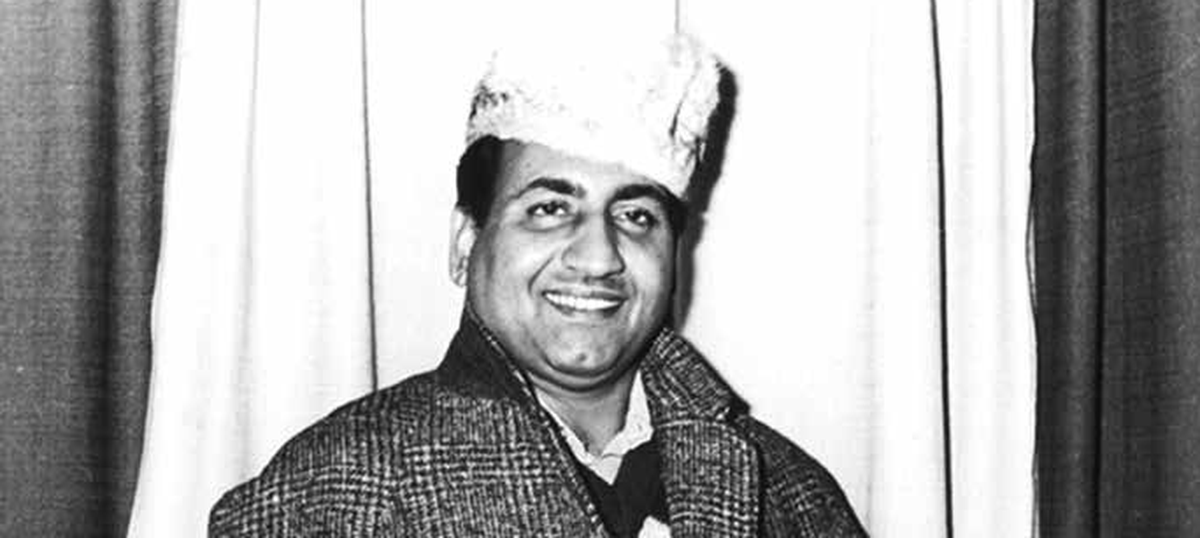
The legendary singer extended his vocal range to foreign languages whenever he got the opportunity.

Mohammed Rafi | Sujata Dev

Mohammed Rafi’s first break as a singer came in 1942, when he sang the duet Goriye ni Heeriye ni with Zeenat Begum for composer Shyam Sunder in the Punjabi film Gul Baloch (1944). Since then, he sang an estimated 4,500-5,000 songs in 14 Indian languages and four foreign languages until his death on July 31, 1980.

Not a bad feat at all for a singer who struggled with even English. In the biography Mohammed Rafi: Golden Voice of the Silver Screen, Sujata Dev writes about how the unlettered singer would politely turn down requests for autographs as his fame grew. “He began practising his signature diligently and when Ammi (mother) enquired why he was wasting reams of paper, he told her that he did not want to deprive his fans and so was learning to sign his name in English,” Rafi’s son, Shahid, told Dev. “Soon he began signing autographs in English and enjoyed doing so. It came as a great compliment for all his efforts when a journalist mentioned that he had the best signature in the industry.”

Rafi was born on December 24, 1924, in Kotla, a village near Amritsar. Singing in English became one of his greatest triumphs, especially since the language was a stumbling block throughout his life. When music composers Shankar-Jaikishen approached him to sing English numbers for a non-film music album in 1968, the singer was hesitant. Maverick actor-writer Harindranath Chattopadhyay , an ardent fan of the singer, wrote the lyrics. He convinced Rafi to take up the assignment, helping the singer perfect his diction for the recording. The two songs were Although we hail from different lands, based on the same composition as Baharon phool barsao (Suraj, 1966), and The she I love, based on the composition Hum kaale hain toh kya hua (Gumnaam, 1965).

Rafi’s English songs pale in comparison to the command he had over Hindi songs but never one to back down, he made a valiant effort to overcome his fears and grasp his limitations as a singer. It also gave him the courage to test his vocals in other foreign languages such as Dutch, Creole and Persian.

In this clip, Rafi sings in Creole, the local language of Mauritius, when he toured the country in the 1960s. He sings Mo le coeur toujours soif zot l’amour camarade (My heart will always be thirsty for your love, my friends), based on the tune of Ehsaan mere dil pe tumhara hai doston(Gaban, 1966).

‘Mo le coeur toujours soif zot l’amour camarade’.

This video clip shows Rafi performing at a concert in Dutch. He sings Ik zal jou nooit vergeten al zal ik in India zijn (I will never forget you, although I will be in India). The music is by Shankar-Jaikishen from the composition Baharon phool barsao, which remains immensely popular among Rafi fans.

https://www.youtube.com/watch?v=vz2piQTmraY

‘Ik zal jou nooit vergeten al zal ik in India zijn’.

For the Persian track Aye Taaza Gul (O fresh flower), Rafi collaborated with Afghani singer Zheela.

‘Aye Taaza Gul’.

In Mohammed Rafi: Golden Voice of the Silver Screen, Sujata Dev writes, “Kersi Lord, the multi-faceted musician had a long association with Rafi. He also happened to be the singer’s next door neighbour. ‘I remember once an Iranian couple had come to India and they wanted Rafi Sahab to sing an Iranian song. He called me home to play the synthesizer as he sang the song, with a fluency that made it seem as if it was his own mother tongue. The couple was left spellbound.”

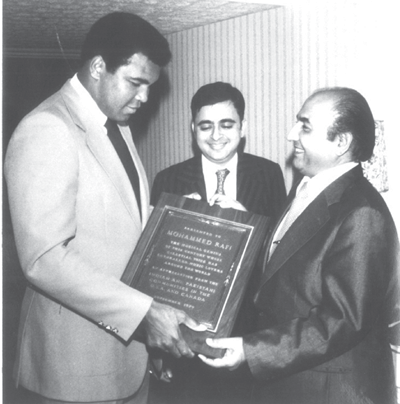
Boxer Muhammad Ali felicitates Rafi in Chicago during one of his tours. Courtesy Sujata Dev’s ‘Mohammed Rafi’.

source: http://www.scroll.in / The Scroll / Home> The Reel> Tribute / by Manish Gaekwad / July 31st, 2016

Indian Prodigy Sara shines in Dubai

Malegaon, MAHARASHTRA / Dubai,  U.A.E :

SaraAnsariMPOs31jul2018

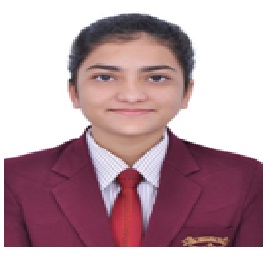
Where there is will there is a way, Sara Ansari proved the cliché with her exceptional qualities and abilities. Indian born Sara, who is a resident of Dubai now, has not only makes her parents proud over her success, India and Dubai too delighted over her achievements.

Born in Malegaon a small town in Maharashtra and brought up in Dubai Sara has secured 98% marks in CBSE 10th Examination which was held in March 2018 and result of which was declared on May 29th. Interestingly she got 100% in Mathematics as well as in Science.

She aims to pursue her career in Astro Physics which deals with space research. She believes that by pursuing this career she can participate in promotion of science education and eliminate the poverty and hunger from the world.

Sara is not only excellent academically but also proved her talent in many extracurricular activities.

She has been awarded by the prestigious Diana Award in recognition of her outstanding contribution to society. The Diana Award is bestowed upon inspiring courageous, Compassionate young people, positively transforming the lives of others in Diana, “Princess of Wales” memory and legacy.

She is a confident speaker and an outstanding Debater too.This Year at the occasion of Independence Day, she has been awarded by “The Best Speaker “ Award by the Consulate General of India in Dubai in recognition of her performance in Inter School Debate Competition.

She is a prefect of Model United Nation Club in her school. She has visited United Nation New York, U.S.A. in July 2014 as a part of her Global Young leader conference. and attended several MUN Conferences in Dubai and Globally and achieved the Best Delegate Awards. Model United Nation also known as MUN is an extra-curricular activity in which students typically role-play delegates to the United Nations and simulate UN Committees. This activity takes place at MUN Conferences which is usually organized by High school or Collage MUN Club. Her paintings too won her many awards and accolades.

“We are so proud of her that there is no word to explain” says her father Iqbal Ansari, adding that her achievements have been a direct result of self-discipline and dedication to performing the required research and practice necessary for success in such endeavors.

The student of The Millennium School, Dubai has also won the prestigious Sharjah Award for Educational Excellence for the academic year 2015-2016. This award is instituted by Ruler of Sharjah H.H. Dr. Shaikh Sultan Bin Mohammad Al Qasimi for recognizing outstanding achievers in academics and co-curricular activities, with special emphasis on social responsibilities.

The award was presented to her by Crown Prince and Deputy Ruler of Sharjah, HH Sheikh Sultan bin Mohammed bin Sultan Al Qasimi in a glittering ceremony held at University City hall, Sharjah on Thursday, 21st April 2016.

“It is a glorious moment for our country, family & school that Sara Ansari was awarded the prestigious Sharjah Award for educational excellence for the ‘Most Distinguished Student’, for the academic year 2015-2016”, says her father.

Sara was also the winner of prestigious Sheikh Hamdan Award for Distinguished Performance 2015, the award recognises the students from Gulf Countries who excel not only in Academics but social, religious, cultural, sports activities. The award was presented to her during 2015 by Deputy Ruler of Dubai HH Shaikh Hamdan Bin Rashid Al Maktoum.

Sara and her partner design a Drone under theme “Drone to Rescue” which would help mountaineers for rescue, the project won first award for deigns during Makers Day 2016 which was organised by GMS. The project was chosen top 10 finalist out of 700 projects presented by different UAE schools at GEMS Wellington School Dubai. The project was selected by Arab Innovation Centre for Educational Excellence for AICE accelerator Programme, as a part of this programme they got funding and mentoring from industry experts to expand the project scope and evaluate the commercial and technical feasibility.

Social Activities: Sara’s passion is Art & craft, she knows several Art & Craft techniques like Decoupage, paper quelling, embroidery, par cord. She has taught the skills to less fortunate people in Sri Lanka, India, UAE. She was recognised for her efforts and appreciated by community members and international NGO’s. Kindly visit her website www.facebook.com/sarastalent to know more about her activities.

Sara’s talent is drawing & painting, she has won many certificates and award from different bodies and international organisations. She has a special skill of Pyrography, the art or technique of decorating wood or leather by burning a design on the surface with a heated metallic point.

She is also very good swimmer and also interest in ice skating, roller skating and participated in marathons.

source: http://www.theindianawaaz.com / The Indian Awaaz / by The Correspondent , The Indian Awaaz / June 04th, 2018

THREAD THE NEEDLE : A master embroider who was a victim of Gujarat riots pays tribute to Ahmedabad’s monuments

Ahmedabad, GUJARAT :

Asif Shaikh’s ornate art pieces are going on display at a design centre in New York.

Asif Shaikh
Asif Shaikh

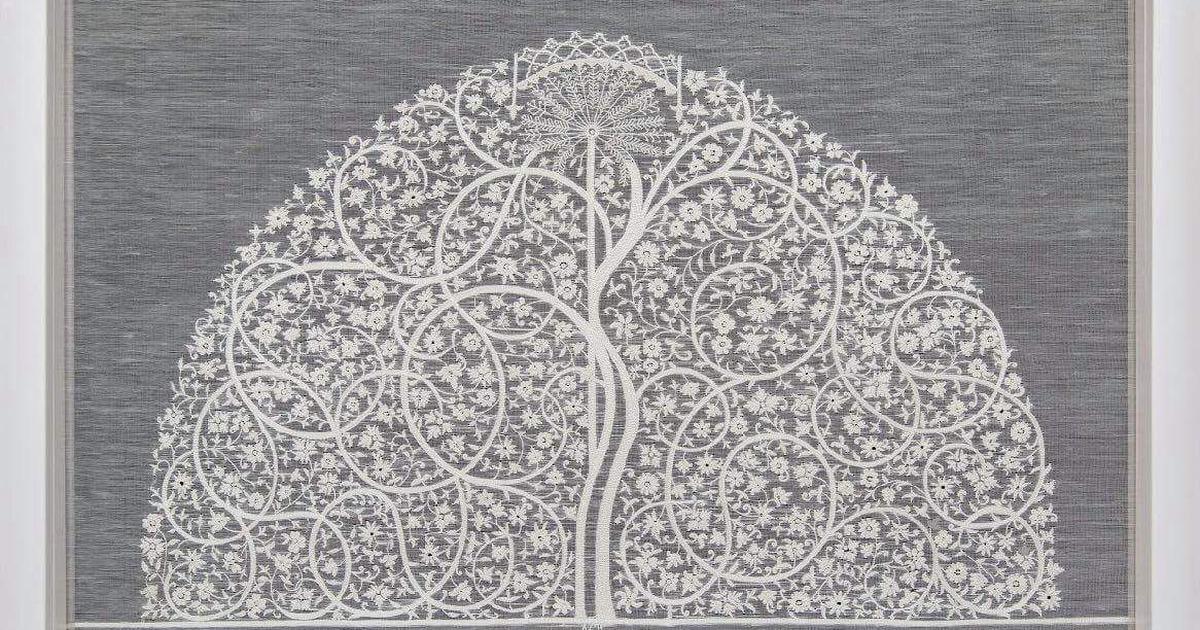
In his teens, Asif Shaikh had tried hard to draw the famous tree of life latticework screen in the Sidi Sayyed Mosque of Ahmedabad. He was stippling a lot those days, making images out of minute pencil dots in the manner of old halftone newspaper prints. Though many admired the drawing, Shaikh was unhappy. It was not as perfect as the original.

Some three decades later, by now a master designer and embroider, Shaikh attempted the tree of life again. This time with the aari (awl) needle and gossamer-thin Thai silk yarn on the finest handwoven silk-linen from West Bengal. As the minute chain stitches appeared, white on white, he rediscovered his fascination with the ancient stone carving. His long artistic experience allowed him to render it perfectly in his own medium.

The Sidi Saiyyed mosque built in 1572, the final years of the Gujarat Sultanate, has 10 latticework panels that represent the best geometric designs. “There is an easy symmetry in the looping branches of the tree, the leaves and flowers,” said Shaikh. “And in the centre, almost imperceptible, is the strong straight Cyprus. I find it spiritually comforting.”

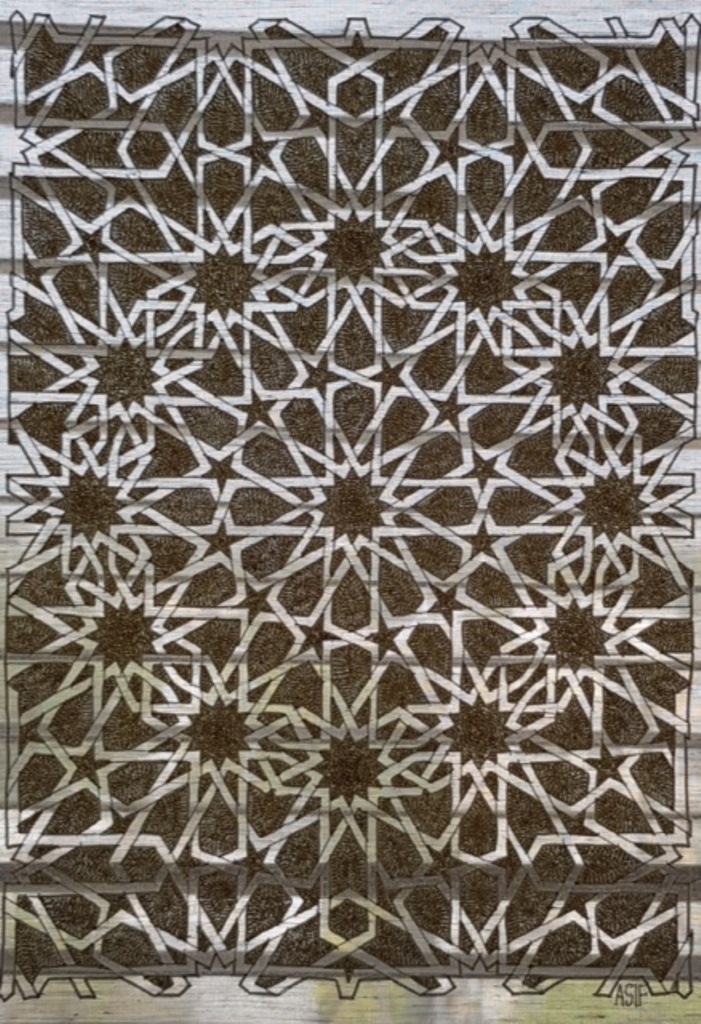
Shaikh’s show, Sacred Geometry, opens on August 2 at a New York design centre owned by the furniture designer Tucker Robbins, and will be on view for nearly two weeks. This, like his earlier exhibitions, will have exquisitely embroidered art pieces – high-end wall decor – which clients have already started to book. The essentially white-on-white collection is an ode to Ahmedabad: all the designs having been inspired by the stone and wood jaalis in historical monuments around the city.

Image courtesy: Asif Shaikh.

With the Historic City of Ahmedabad, founded by Sultan Ahmad Shah in the 15th century, receiving World Heritage Status in July 2017, Shaikh’s celebration has new relevance. As a child he lived in the city outskirts, but the fort, mosques, tombs, havelis and later-era Hindu and Jain temples captivated him. Apart from the Sidi Saiyyed, he was inspired by the Rani Sipri Mosque, Sarkhej Roza and the Jama Masjid of Ahmedabad.

He however doesn’t make exact copies. Rather, he approaches them as a modern painter would, with his own perceptions and interpretations. “I don’t like spelling it out to the viewer,” said Shaikh. “I want them to appreciate or reject the designs freely. They should suggest their own titles to the pieces.”

Image courtesy: Asif Shaikh.

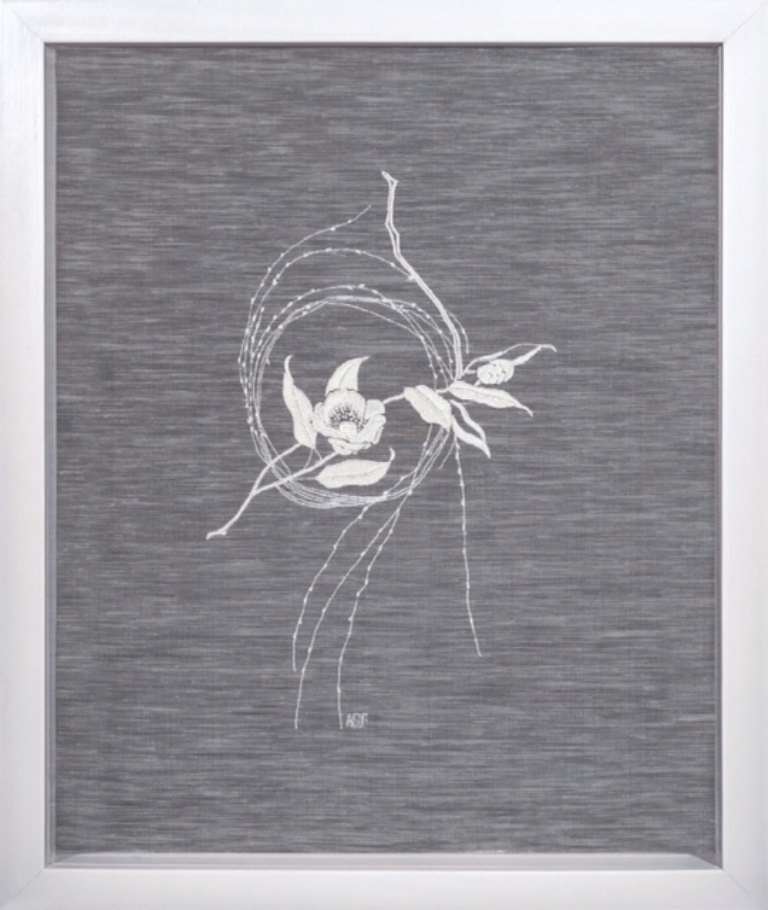
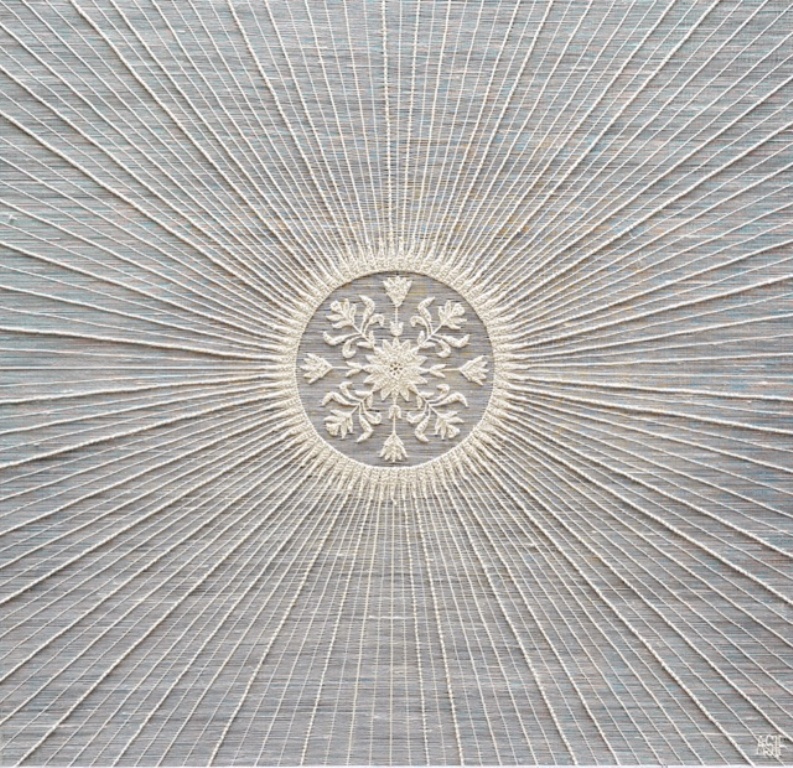
In one work Shaikh has used parallel flowing lines. To some they may seem like rivulets but he was thinking of roots. The roots of a tree are never seen, he explains, yet they are the strongest part of the tree, holding it upright and sustaining it through all kinds of weather. “I was also thinking of my own roots, the ancient artistic traditions which are beckoning to me now. But I can never fully comprehend all that is latent in my cultural origins, so I have left some threads hanging free beyond the border.” There are two other patterns – with a circle in the centre and straight lines – where he has tried to create an optical illusion with close parallel and concentric lines, once again trying to grasp that which is mostly invisible. “The Sun’s rays are visible only occasionally when there are clouds,” he says. “But to viewers these two frames might suggest other things.”

Shaikh is completely self-taught. He used to sit for days watching old embroiders at work and practiced at home. He signed up for formal training as interior decorator but gained fame for his embroidering skills, long before he graduated. Today he is happy spreading the word on Indian craft traditions and developing new techniques for the artisans who work with him at his studio in Ahmedabad. For his use, he redesigned the Mughal-era frame for needlework called the Karchoibe and came up with new stitches.

Image courtesy: Asif Shaikh.

For Sacred Geometry it was difficult to render the design on fabric, especially with thread that was one-fourth the width of normal embroidery thread. Shaikh is upset that he could not source silk embroidery thread from India and had to buy it from Thailand instead. “India was producing the twisted silk yarns needed for embroidery even a few years ago in Bangalore,” he said. “But now all you get is rayon. I cannot understand why silk yarn is not produced locally.”

His studio team of embroiders had never done anything like this before and they had to be guided step by step. The ancient artisans, who worked on wood, marble and sandstone, often used both the surface and the perforations for effect. To achieve that on cloth was difficult. Scholars claim that textile patterns were chosen by the early followers of Islam to make their monument as distinct as possible. From the close association of artists, mathematicians and philosophers emerged a unique form of decorative art that abjured human and animal forms for pure geometry. The patterns often repeated over and over again, mirrored in reverse colours and at times seeming to extend infinitely beyond borders seem to carry a philosophic message.

But Shaikh does not lay too much stress on the religious aspect because of the “rather sad trend in India today of labelling everything by religion”. Shaikh was witness to the murderous 2002 Gujarat riots and has since seen ugly discriminations. He was one of the victims when his neighbourhood in Ahmedabad was attacked by a rampaging mob in February. He suffered head wounds and had to be hospitalised. For months he couldn’t work. “Ahmedabad is like the rest of India, he said. “Congested roads, filth…we have it all. But like the rest of India there is also unbelievable richness and beauty of art and craft. And people, who will appreciate and support you, no matter what. I am proud to hold up this tiny fragment of heritage to the world.”

source: http://www.scroll.in / Scroll.in / Home> Magazine > Thread The Needle / by Sebanti Sarkar / July 24th, 2018

Meet Nadeem Hussain, a Budgam boy who designed a scoreboard out of door hinges

Chana Mohallah Village (Budgam District ), JAMMU & KASHMIR :

NadeemMPOs24jul2018

Budgam:

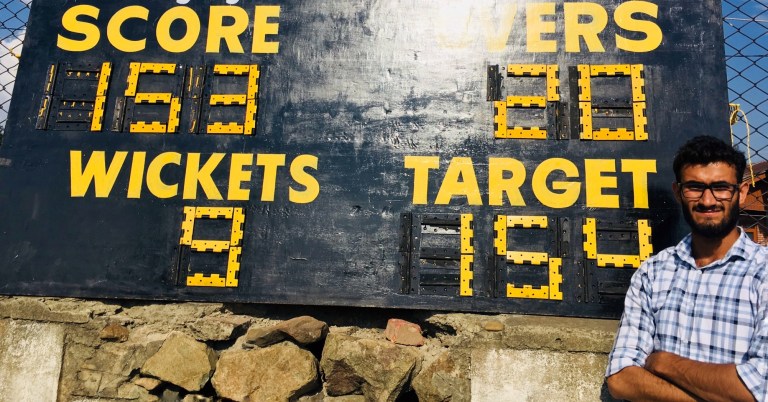
Nadeem Hussain Mir, 21, of district Budgam has designed a cricket scoreboard out of door hinges which has become a major attraction for the players and spectators at Budgam’s lone stadium in Paller village.

The manually operated scoreboard has been erected on the fencing of the playground.
Nadeem, a resident of Budgam’s Chana Mohallah village presented his scoreboard during the knock-out matches of a local tournament here in which Kashmir’s famous cricketer Manzoor Pandav is also participating.
His invention has stirred interest among the spectators here who remain updated about the score during cricket matches.
“In 2017, I noticed that cricket fans here were unable to keep a track of score and then an idea of designing a manually operating scoreboard struck my mind.”
Nadeem told ‘Kashmir Images’ that he wanted to make a scoreboard that would be different from a traditional number plate board. “Once I saw my father, who is a carpenter, fixing joints of a door with the hinges; then and there I began work on designing a score board out of door hinges.”
Nadeem, who is a student of final year, says that he had shared the idea with his friends, but received a negative response from them. “My friends told me that it was not feasible to make a scoreboard out of door hinges.”
“In 2018, I shared the idea again with my friends and I was told to give my idea a practical shape and was also given five thousand rupees by the organisers of the tournament,” he says.
He says that first of all he made a graph which took him many days to complete it. “I fixed 63 hinges on a blackboard. In order to make the scoreboard visible I painted the inside of each hinge with black color and colored those hinges yellow outside.”
When asked what people think of his invention, he says, “Everyone is lauding my effort.”
Nadeem says that a local player and one of the organisers of the tournament, Rameez Hassan, helped him to give his idea a practical shape. “Without the support of Rameez, it was impossible to even think of making a scoreboard.”
Nadeem is a famous chess player of his locality. He claims that no opponent has ever defeated him in a chess game.
source: http://www.thekashmirimages.com / Kashmir Images / Home> Budgam / by Abid Hussain / July 22nd, 2018

Grandeur of Saif Gulshan lingers on 106 years later

Hyderabad, TELANGANA :

Maintained in pristine condition, it is used as Army mess.

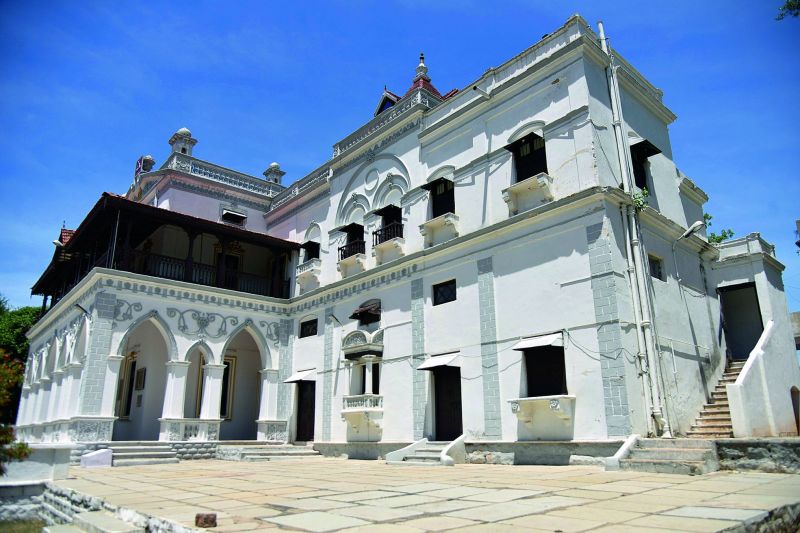
Saif Gulshan was the residence of Sultan Saleh bin Ghalib al Quaiti, Nawab Saif Nawaz Jung, a prominent noble in the Nizam’s court.

Hyderabad:

The erstwhile Hyderabad state had the largest army in the country, and what is now the Sarojini Devi Eye Hospital was the first hospital for the Army here.

The First Lancers of the Hyderabad Army at Asafnagar is still being maintained in its original condition. All of this was originally part of the Golconda Fort and, not surprisingly, there are two Qutb Shahi-era tombs within this area. The Nizam had great respect for the army.

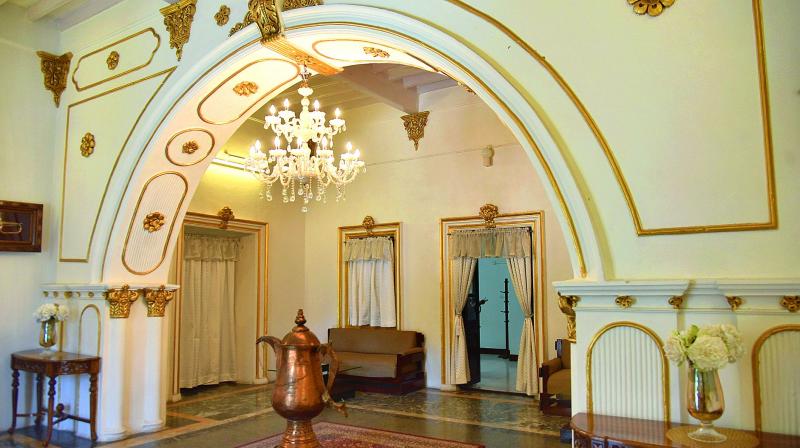
Saif Gulshan was the residence of Sultan Saleh bin Ghalib al Quaiti, Nawab Saif Nawaz Jung, a prominent noble in the Nizam’s court. Constructed in 1912 it has a mixture of European and Qutb Shahi styles. This residence is being maintained in pristine condition and is used as an Army mess.

SaifGulshan02MPOs21jul2018

The building has an elevated basement, which seemed to be in style those days. It has been built with great care, leaving a lot of open space, both in the front and at the sides. A well on one side of the house must have been the water source and it must have been an open and beautiful structure. There are many jharokas and the first floor has rooms. The terrace is covered by a low-tiled roof, which is supported on wooden posts.

The beautiful facade of the building has been well-maintained by the Army. A lot of wood, stained glass and stucco work has been used in the building, which has verandas on three sides, each one ending in a room. The windows look out to this narrow veranda, which has exquisite tiled flooring. The veranda has Gothic arches and since the entire building is on an elevation, it looks imposing. European influences and Indian elements blend wonderfully well in the building.

There is another impressive building about a 100 yards away. This too was connected to the army and officials must have lived here. Or it could have been a zanana. Smaller in size, that building is surrounded by wooden eaved projections with windows on all sides. There are four rooms with one in each corner and in those days the centre used to be a courtyard, open to the sky. It is now covered and is like a big hall. In 2012, the building bagged an Intach award. According to the citation, Awadh bin Abdullah, the founder of the al Quaiti clan, was the first to travel to India in the last quarter of the 18th century. During his brief stay in the country, Awadh is said to have served the Nizam during the Second Mysore War. His son Omar migrated to India in the early 19th century and after a brief stint with the Raja of Nagpur, ended up in Hyderabad as head of the Arab mercenaries who formed a bulk of the Nizam’s irregular troops.

The main structure of the building is flanked on either side by projecting blocks. “The structure is flanked on either side by projecting blocks crowned with tiled pyramids lending majesty to the structure. The central portion is surmounted by a highly decorated pediment which bears the monogram of Saif Nawab Jung in stucco,” says the Intach citation.

The interiors show that the building was well-planned, with huge arches and windows and doorways with stucco to highlight the structure.

A lot of wood has been used and there is a wooden staircase leading to the first floor. Elegance and form are the highlights of this building.

This building stands along with the other smaller building in the midst of a forest and a fountain, while a road nearby brings in the sound of traffic.

Well-kept and still maintained in its original form of limestone and brick, with a little bit of granite, the Army must be lauded for the care it has invested in maintaining this landmark building.

source: http://www.deccanchronicle.com / Deccan Chronicle / Home> Nation> Current Affairs / by Lalitha Iyer, Deccan Chronicle / July 15th, 2018

Rifa-e-aam Club – History Shrouded in Negligence

UTTAR PRADESH :

HIGHLIGHTS

Rifa-e-aam was where literary events were held to provide Rifa (happiness) to people

During struggle for independence, this club became the centre of anti-British activity

Rifa-e-Aam, Lucknow
Rifa-e-Aam, Lucknow

Lucknow:

The city of adab (etiquette) and tehzeeb (manners) was also an indispensable part of India’s freedom struggle. The Nawabs of Awadh or the rulers who governed the state of Awadh  during 18th and 19th centuries conspicuously nurtured syncretism, which became an integral  part of the culture in the Ganga-Jamuna belt.

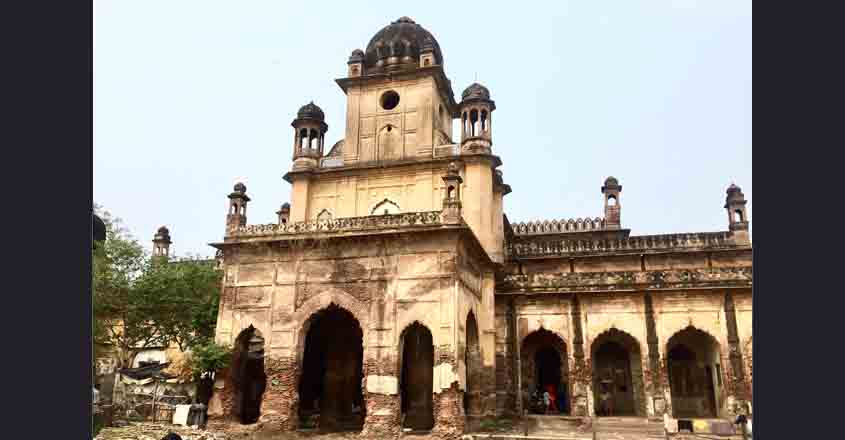
Nawabs were the great connoisseurs of art, music, and architecture. Numerous monuments were built  during their time. One among those was Rifa-e-Aam, where literary events were held to provide  Rifa (happiness) to people. When the signboards outside several clubs and gymkhanas signalled ‘dogs and Indians’ to stay out, Rifa-e-Aam welcomed dissenting voices, credit for which  goes to the liberal Raja of Mahmudabad. The historic Lucknow Pact of 1916, between the Congress and Muslim League was signed here.

RifaeAaam02MPOs19jul2018

During India’s struggle for independence, this club became the centre of anti-British intellectual  activity.  In 1936, Anjuman Tarraqi Pasand Mussanafin-e-Hind or Progressive Writers’ Movement was born in this building, under the leadership of Syed Sajjad Zahir and Ahmed Ali. Soon a number of  eminent progressive litterateurs like Saadat Hasan Manto, Ismat Chughtai, Faiz Ahmad Faiz, Mulk Raj Anand, to name a few, joined the movement. To cap it, presidential address was delivered by Munshi Premchand.

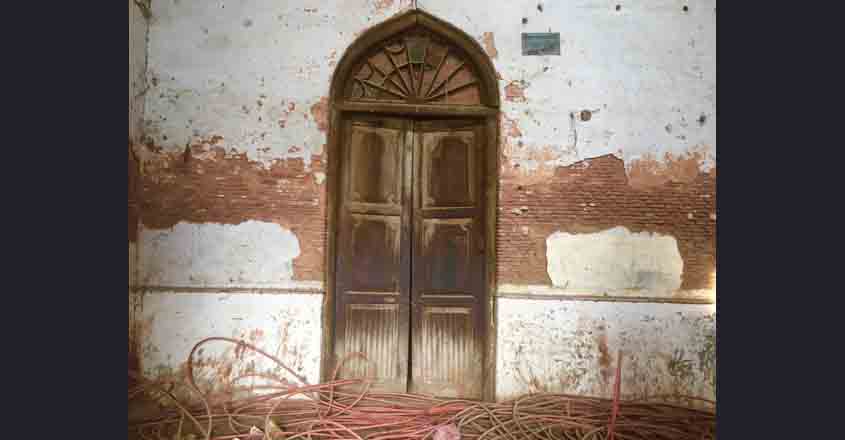
During my recent visit to Lucknow, I asked the person who ferried me around the city, to take me to this forgotten monument, tucked away in the crowded lanes of Qaiserbagh. When Google map  ditched us due to poor network and left us amidst the labyrinth of congested by lanes, the human version of Google maps – paanwala (tobacco seller) helped us locate it. There stood the dilapidated structure which once upon a time heard the speeches of Mahatma Gandhi, Pandit Nehru, and many other visionaries.

The ground in the front of the monument is now a bus station. Lakshmi Narayan parked the car and since it had rained that morning, he asked me to get off from the other side to avoid a stagnated pool of water and filth. At present, one part of the decrepit structure is inhabited by a family of nonagenarian – C P Pandey, who was appointed as the caretaker of the club. The other portion is managed by the association and the only thing common between them is the illegal construction and encroachment, around which stands the cracking monument of Rifa, donning a lugubrious look.

I spent some time envisioning the past associated with it and wondering who is responsible for such sorry state of affairs today. Is it the people, ignorant of the past or the authority which has turned a blind eye to misdemeanour? Perhaps lack of pride in our glorious heritage.

I finally left with a heavy heart remembering Faiz and hoping one day Rifa would be restored.

source: http://www.travel.manoramaonline.com / OnManorama / Home> Travel> Reader’s Discovery / by Pragya Srivastava / July 17th, 2018

Maverick Melody Maker: Digital musician Salim Nair

Kochi, KERALA :

One of Kochi’s leading digital musicians, Salim Nair is busy getting his first digital record ready.

Digital musician Salim Nair (Photo |Albin Mathew/EPS)

At his soundproof studio in Kochi, digital musician Salim Nair stands in front of his LinnStrument as well his Ableton Push 2 midi controller. He is dressed casually in a white cotton shirt and grey trousers. The bespectacled musician then gently starts with a tap of one of the keys on the midi controller. The sound of a piano can be heard. This performance is seen live on Facebook.

And the name of the instrumental song is called ‘When love rains’. Soon, he uses the sax, sitar and the flute. After a while, the sound becomes mesmerising; there is a rise and fall in the tone. Salim gets so involved in the playing that he keeps swaying from side to side. In his other songs, the instruments he uses include the sitar, sarangi, sarod, violin, santoor, saxophone, brass, and the keyboard. “I also use synthesised sounds,” he says. On YouTube and Facebook, he has put up over 60 song/videos.

“I call it a digital art music show,” says Salim. “[The late American writer] Susan Sontag has said art music requires the listener to put in a little bit of effort into listening. My songs have a slow and nuanced development. You can get bored. So my target audience is anybody who can appreciate music as more than just being a background sound.”

Now Salim is busy working on bringing out his first digital art album, ‘Decohered’, a collection of tone poems, a few of which are based loosely on the works of the late Urdu writer Faiz Ahmed Faiz. Asked the charms of Faiz, Salim says, “His poems are very lyrical. It is very amenable to a song structure. I look for poems that can give me an emotional flow.”A trained Carnatic musician since his childhood, Salim felt disappointed by the limitation of the traditional sound. “I used to play the flute and it is monophonic,” says Salim. “It cannot produce more than one sound.”

The other problem was the structure of Indian classical music. “Until 25 years ago, there were very specific caste-based restrictions about what you can sing and perform,” says Salim. “Most temple sanctums are closed to everybody except the Brahmins. The music was specifically created to support this hierarchical structure.”

That is the structure that Salim wants to break. “I am using Carnatic idioms and making my own rules,” he says. “Think of this: you spend 12 hours a day perfecting a song sung by composer Thyagaraja (1767-1847). What is the point of that? Express what you feel not what some singer felt 170 years ago.”It was only when Salim, an electrical engineer by profession went to Philadephia, USA, in 1999 that he had a change of mind. While there, he realised that he could use the computer as a primary music instrument. “It has more capabilities than my single flute,” says Salim, who relocated to Kochi in 2014 and is working as a software programmer.

Asked the difference between digital and analog music, Salim says, “In analog music, we are physically using an instrument to create music. In digital, I am just changing data and this creates a different kind of sound. The production method is the biggest difference between analog and digital music.”As to the charge that there is less soul in digital music, Salim says, “Is the violin natural? There is so much engineering that goes behind the making of a violin. On the other hand, digital music is more malleable. I am transferring what I am thinking directly. I don’t have the constraints of a physical object.”

source: http://www.newindianexpress.com / The New Indian Express / Home> Magazine / July 07th, 2018

Touching a musical high

Kollam, KERALA / Chennai, TAMIL NADU :

Yazin Nizar | Photo Credit: special arrangement

Yazin Nizar is elated to have made a place for himself as a playback singer

It was in 2002 that Yazin Nizar made his debut as a playback singer in the movie Punarjani, around the same time that he bagged the top prize of Gandharvasangeetham, a music show on Kairali TV. But that didn’t help him get more films. In fact, he had to wait for nearly 10 years to get his big break. Nevertheless, 2014 has given him reasons to be chirpy. “I sang some hit numbers in Malayalam and Tamil. Even though my career didn’t start off with a bang, I have made steady progress as a singer,” says Yazin.

These days, his song, ‘Kolusu Thenni Thenni’ from Cousins composed by M. Jayachandran [the “one crore song” that he sang with Tipu and Shreya Ghosal] is rocking the charts. Also, he is excited to have rendered the backing vocals for A. R. Rahman in Rajinikanth’s Lingaa, which is now in theatres, and the much-anticipated Vikram-starrer I. Meanwhile, his band comprising a group of friends has performed on many stages in India and abroad.

Now settled in Chennai, where he also has a flourishing career in the Tamil film industry, he was recently in the city to shoot for Music Mojo on Kappa TV and spend some time with his family in Pallimukku in Kollam district.

The 24-year-old says that he has had his share of struggles and disappointments. Post Gandharvasangeetham, though he was a member of the prize-winning team of the music show Sangeetha Mahayudham on Surya TV and title winner of a reality show on Jeevan TV, the journey has been no cake walk. “Although I recorded some songs with Sharreth sir and Shaan Rahman early in my career, they didn’t get noticed because the films didn’t do well. However, I got lucky by singing for Vidyasagar (‘Hayyo…’) in Spanish Masala. The songs in Thattathin Marayathu (‘Pranante naalangal’) and Ozhimuri (‘Vaakkinullile…’) came as a big bonus,” he says.

Later, he got a break in Tamil, thanks to his decision to move to Chennai to study for a management degree and pursue a career in music as well. His debut song, ‘Avatha Payya…’ from Paradesi, composed by G.V. Prakash Kumar, was a hit and he started getting more songs in Tamil. In the meantime, he got to sing in Telugu and Kannada as well.

“If there is a flood of singers in Malayalam, there are even more of them in Tamil. There must be some 25,000 registered singers in Chennai. What really makes me happy is that, be it in Malayalam or Tamil, I have worked with some of the best composers. The important fact is that my voice has never been stereotyped. I have sung songs of different genres and styles,” he says.

He credits his father, Nizar A., for his inclination to music. “More than my studies, my father took an interest in my singing career. He is a great music lover and a huge Mohammed Rafi fan. In fact, whenever we had power cuts, my father and I listen to Rafi songs on our battery-run tape recorder and sing along,” says Yazin, who has learnt Carnatic music.

With his good looks complementing his rich voice, he should be getting acting offers as well, right? “Oh…yes. I sang as well as acted in the Hindi song, ‘Zindagi…’ in Angry Babies in Love. But right now my focus is on singing. I want to sustain the good run and don’t want my career to fizzle out,” he signs off.

Short notes

Yazin has worked with composers Sharreth (Nalla Pattukare), Ouseppachan (Musafir), Deepak Dev (101 Weddings), Vidyasagar (Spanish Masala, Bhaiyya Bhaiyya), Bijibal ( Ozhimuri, Vikramadithyan, Angry Babies in Love), Shaan Rahman (Thattathin Marayathu, Praise the Lord), M. Jayachandran (Cousins), G. V. Prakash Kumar (Paradesi), Yuvan Sankar Raja (Poojai), Ghibran (Amarakavyam, Thirumanam Enum Nikah) and others.

source: http://www.thehindu.com / The Hindu / Home> Metroplus / by Athira M / Thiruvananthapuram – December 17th, 2014