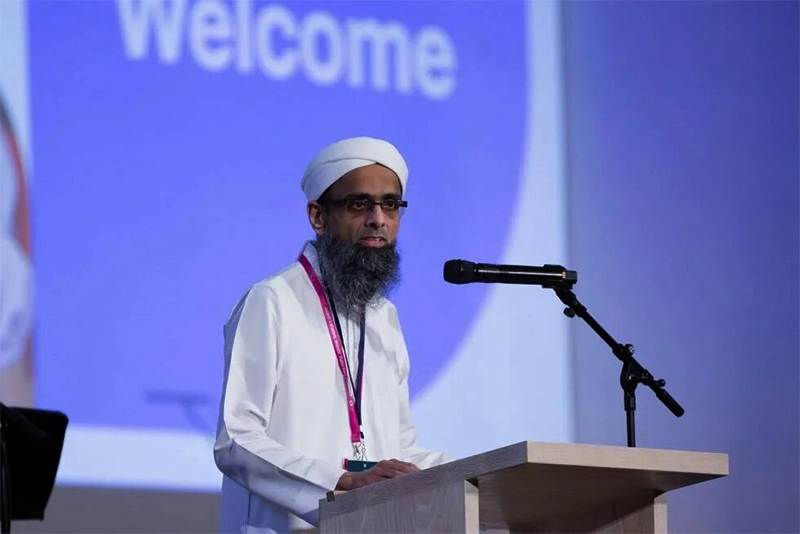
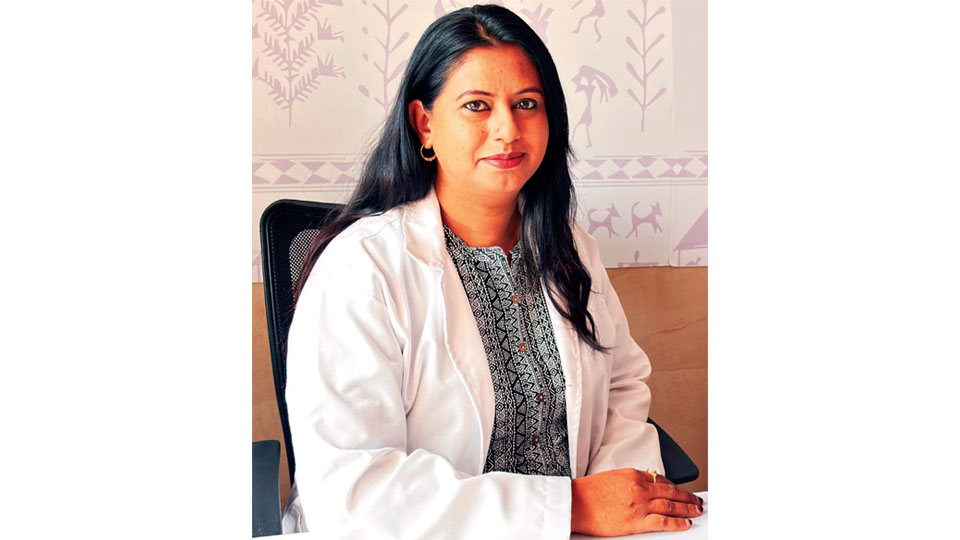
Sir Hamid Patel, also known as Mufti Hamid Patel, has been appointed as Interim Chair of Ofsted Board in the United Kingdom
London :
Sir Hamid Patel, also known as Mufti Hamid Patel, has been appointed as Interim Chair of Ofsted Board, short for Office for Standards in Education, in the United Kingdom.
The Ofsted Board oversee the curiculum and teaching practices in all British schools. Hamid Patel has been a member of the Ofsted Board since 2019
The Indian origin British educational and thought leader has been appointed as Education Chair in UK following the exit of Dame Christine Ryan.
Mufti Hamid will hold this position until a substantive Chair is appointed, which will take no longer than five months.
Who is Hamid Patel?
Hamid Patel was born and grown up in Britain. His parents hailed from Bharuch in Gujarat and had migrated to Britain about half a century ago, in late 70s. He comes from a family of 5 – three girls and two boys.
Sir Mufti Hamid Patel left school in Blackburn at 16, without himself excelling academically.
A qualifed Mufti and Islamic Scholar, Sir Hamid’s career began as a teacher, though he wanted to become a footballer. In 2010, he became the Chief Executive of Star Academies, formerly known as Tauheedul Education Trust.
Under his leadership, the trust expanded to manage over 34 schools, primarily serving communities in areas with high levels of social deprivation. Many of its schools are rated outstanding by Ofsted and rank high in performance tables.
In 2024, three Star Academy schools were in the top 10 Schools of UK for Progress 8. In 2023, five Star schools were in the top 10 in England for their GCSE performance.
The trust’s Tauheedul Girls’ School in Blackburn was named State Faith Secondary School of the Year 2025 by The Sunday Times.
The Olive School in Bolton ranked sixth highest among primary schools in the North West, while other top-performing schools include The Olive School in Small Heath, The Olive School in Blackburn, and Eden Girls’ Leadership Academy in Birmingham.
While ‘secular’ schools such as Michaela Community School get positive right-wing media coverage, observers have noted that Muslim-run schools — which outnumber other types of schools in the national top ten — fail to get any recognition.
Other Positions Hamid Patel hold
Sir Hamid Patel CBE also served as Vice Chair of the National Institute of Teaching, which promotes standards, innovation, and quality in education.
He is also Chair of the Education Honours Committee and the Confederation of School Trusts driving excellence and collaboration across the sector.
In addition, as an Honorary Professor of Education at Birmingham University, he connects academic research with implementation in schools.
In his early days of career, Sir Hamid also worked with taxi drivers of Asian origin to help them in getting permits and other such work.
Sir Hamid was made a Commander of the Order of the British Empire (C.B.E.) in 2015 for education services, and he was knighted in the Queen’s Birthday Honours in 2021.
Hamid Patel’s appointment as Ofsted Board Chair, though interim, is hailed. But, the right wing is fuming.
“We’re very lucky to have Sir Hamid on our board – and we’re grateful he’s stepping into this role. He runs some of the best schools in the country, is a brilliant system leader and a very good man”, Rory Gribbell, Director of Strategy and Engagement at Ofsted, wrote.
[With inputs from Islam Channel and BBC Radio]
source: http://www.ummid.com / Ummid.com / Home> United Kingdom / by ummid.com news network / March 17th, 2025
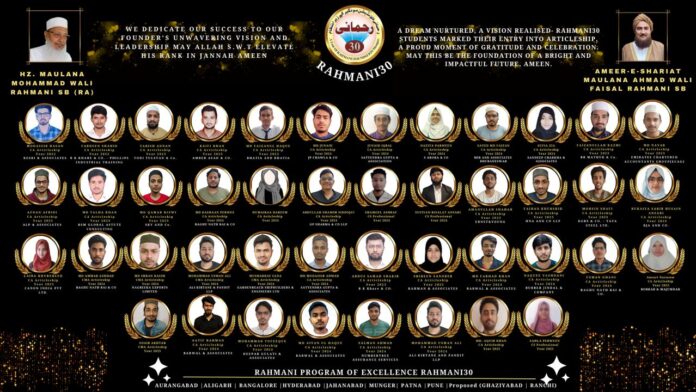
Rahmani30 proudly announces a significant milestone in its mission to empower the community through commerce education, as 44 of its students have successfully entered CA, CS, and CMA articleship programs.
This achievement marks a new chapter in the organization’s efforts to foster excellence in financial management, corporate governance, and ethical professionalism.
This result is not just a milestone but a reflection of five years of relentless hard work, immense sacrifice, and sincere ibadat by the students. It stands as a pure blessing from the Almighty, reinforcing the belief that with dedication, perseverance, and divine guidance, success is inevitable.
Rahmani30’s Contribution to Commerce Education
Since its inception, Rahmani30 has been a pioneering force in expanding access to commerce education. Traditionally, career paths in CA, CS, and CMA have remained underexplored within the community due to a lack of awareness and mentorship. By nurturing talent and providing structured guidance, Rahmani30 has bridged this gap, ensuring that students not only pursue these prestigious qualifications but also excel in them. This initiative continues to drive economic empowerment and self-reliance through professional excellence in finance, law, and business.
The results speak for themselves, year after year. In this year’s Class 12 Commerce ICAI Olympiad, an impressive 77% of all successful minority students across India are from Rahmani30. Moreover, while the national CA Foundation pass rate stands at approximately 16%, Rahmani30 maintains an exceptional 64%+ success rate. Similarly, the CS success rate reaches an outstanding 93%. Notably, in CA Intermediate, Rahmani30 students achieve an overall pass percentage of 65%, far surpassing the national average of just 15%.
These sustained achievements reaffirm Rahmani30’s unwavering commitment to academic excellence and career advancement, ensuring that the next generation of commerce professionals continues to thrive.
By inspiring students to enter CA, CS, and CMA, Rahmani30 is not just shaping careers but also revitalizing the prophetic tradition of ethical trade, financial transparency, and economic stability. These professions play a crucial role in ensuring integrity, fairness, and accountability in business and financial management—aligning perfectly with Islamic values.
A Call from Hazrat Maulana Ahmad Wali Faisal Rahmani Sb for Continued Support & Expansion
This milestone is a testament to the generous support and encouragement of well-wishers, mentors, and institutions who believed in this vision.
As Rahmani30 expands its impact, sustained backing is essential to provide scholarships, mentorship, and institutional partnerships that empower the next generation.
source: http://www.muslimmirror.com / Muslim Mirror / Home> Education> Indian Muslim> Positive Story / March 16th, 2025
Kilakarai (Ramanathapuram District) , TAMIL NADU :
Legends abound in Tamil folklore about the ‘merchant prince’ Shaikh Abdul Qadir, popularly known as Seethakathi. He was one of the earliest regional traders to do business with the Dutch and the British in the 17th Century. A generous patron of the arts, he supported poets Umaru Pulavar, Padikasu Thambiran, Kandasamy Pulavar, and others.
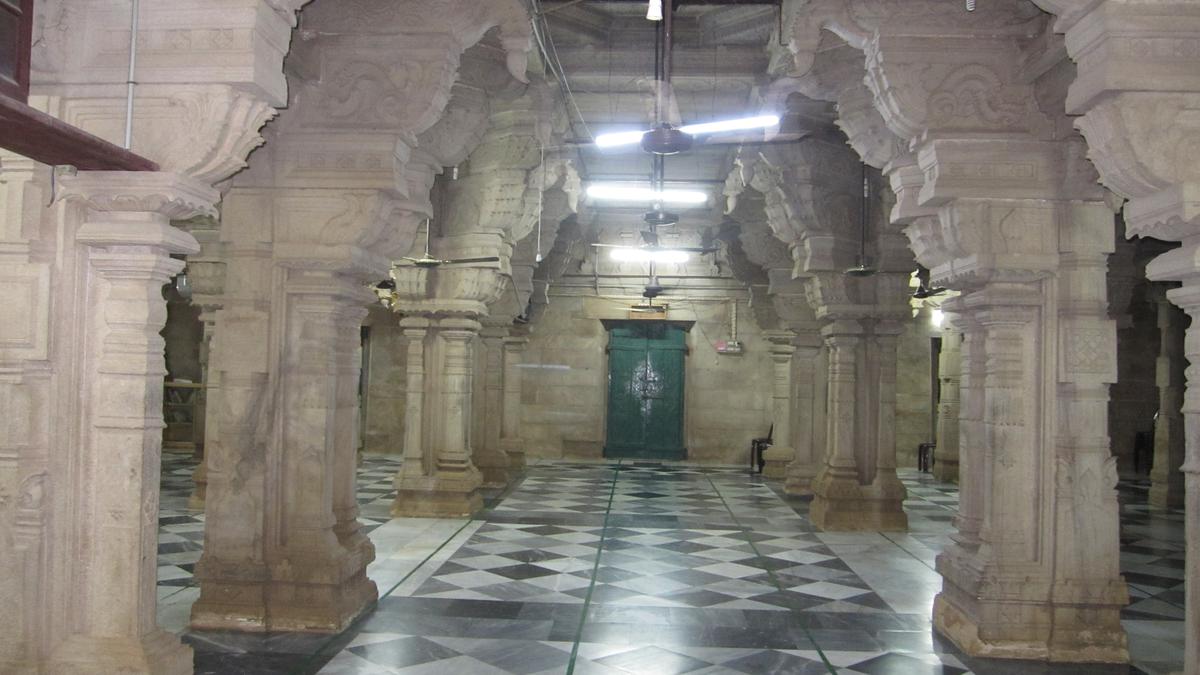
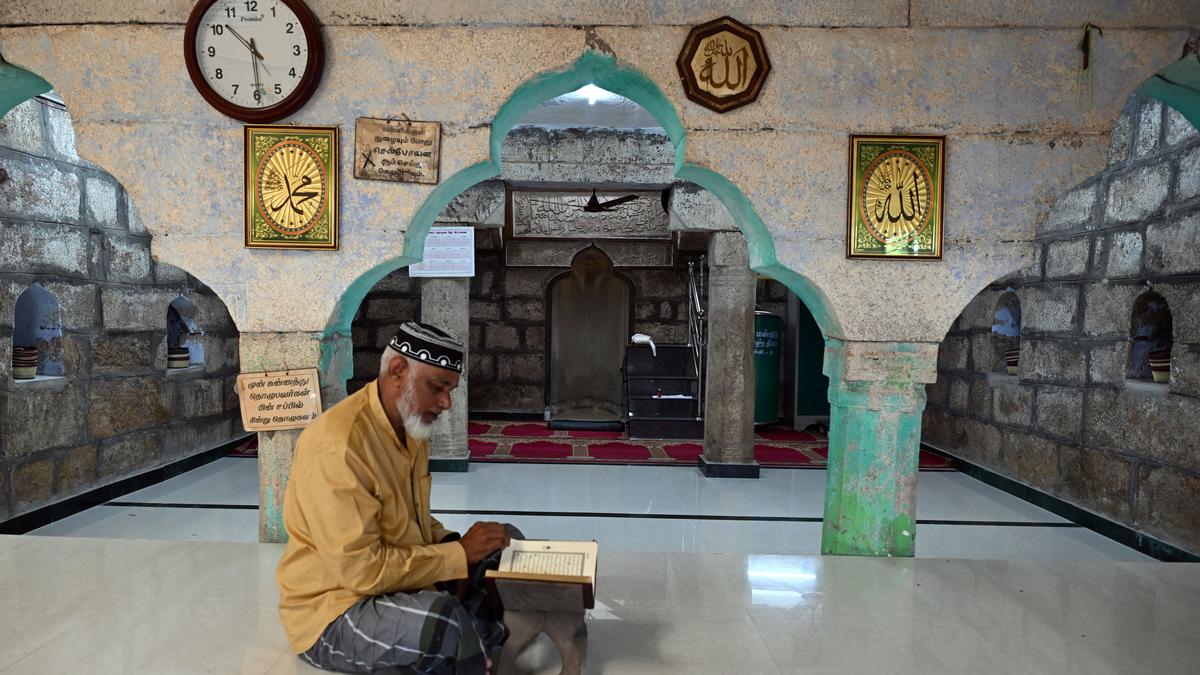
Cultural confluence: The prayer hall of the Grand Jumma Masjid, which is central to the landscape of Kilakarai. It was built in the 17th Century in the Dravidian style of architecture. | Photo Credit: Special Arrangement
In Tamil, Seethakathi is a byword for philanthropy. The adage ‘Seththum kodai kodutthan Seethakathi’ (Even in death, Seethakathi donated generously) is often used to refer to a person’s exemplary munificence. But who was Seethakathi, or rather, Shaikh Abdul Qadir, who also sported the title, Vijaya Raghunatha Periyathambi Marakkayar, endowed by Kilavan Sethupathi?
Legends abound in Tamil folkloric narratives about this ‘merchant prince’ of the coastal town of Kilakarai, in the present day Ramanathapuram district, whose name is variously spelled as ‘Seydakadi’ or ‘Sidakkali’. Actual evidence of his enterprise and influence, however, has survived only in a handful of records and inscriptions of the late 17th Century.
In memoriam
Kilakarai continues to commemorate its famous son. The main thoroughfare here is called ‘Vallal Seethakathi Salai’, and a grand memorial arch in his name on the outskirts welcomes visitors. An annual ‘Seethakathi Vizha’ is organised with panegyric poems and speeches in his honour.
Central to Kilakarai’s landscape, though, is the Grand Jumma Masjid, built in the Dravidian style of architecture, where Seethakathi is interred.
The mosque, said to have been commissioned by Seethakathi or built during his lifetime in the 17th Century over two decades, also houses the graves of his elder brother ‘Pattathu Maraikkar’ Mohamed Abdul Qadir, and the domed mausoleum of the saint-scholar Shaikh Sadaqatullah (known locally as Sadaqatullah Appa), to whom Seethakathi was close, both as disciple and friend. Seethakathi also commissioned the grave of his younger brother Sheikh Ibrahim Marakkayar in Vethalai.
“This mosque has 110 pillars made with stone quarried from the seashore in Valinokkam village. Its style is typical of southern Indian buildings of its time, and is of great interest to researchers because of its unique structure. All the pillars are embellished with floral patterns, and some of them are naturally embedded with seashells,” A.M.M. Kader Bux Hussain Siddiqi Makhdoomi, the town Qazi and ‘Mutawalli’ (administrator) of the Grand Jumma Mosque, told The Hindu.
Blending with locals
According to research by S.M. Hussain Nainar (1899-1963), who was a professor of Arabic, Urdu and Persian at the University of Madras and Sri Venkateswara University, Tirupati, Arabs and Persians had been trading with the Indian peninsula even before the advent of Islam. Over time, the Arab traders settled along the coast of southern India, and with the coming of Islam, became assimilated with the local population. Most Tamil-speaking Muslims in these regions have Arab ancestry.
Islam’s influence in the Deccan has been noted from the end of the 13th Century, but it peaked only after the mid-17th Century, in the reign of Mughal Emperor Aurangzeb (1658-1707).
Born to Malla Sahib Periya Thambi Marakkayar and Syed Ahmed Nachiyar, as the second of three sons, Seethakathi hailed from Selvarkulam. The Marakkayars (an abbreviated form of Marakala Rayar) were one of the five early Tamil Muslim communities (the others being Sonakar, Labbai, Turki and Rowther) mentioned in historical texts.
The Marakkayar community was known for its maritime trade, and Seethakathi made his fortune in dealing with pepper, rice, pearls and handloom textiles, among other commodities.
Seethakathi was a close friend of Vijaya Raghunatha Thevar, or Kilavan Sethupathi, a loyal vassal of Chokkanatha Nayak, who helped Thirumalai Nayak in his war against the Mysore army.
Sethupathi cut off ties with Madurai in 1792 and built the Ramalinga Vilasam palace to fortify his position in the region. The palace, set in the middle of a moated campus, has a stone tablet that bears Seethakathi’s name.
The title, ‘Vijaya Raghunatha Periya Thambi’, denoted the affection and trust that Seethakathi enjoyed of his royal friend.
Mughal ‘khalifa’ in Bengal
It is also said Shaikh Sadaqatullah’s mention of Seethakathi’s generosity and character to Emperor Aurangzeb resulted in the ‘merchant prince’ being sent to Bengal as the Mughal ‘khalifa’ (regent). However, Seethakathi decided to resign after a while, as the new environment did not suit him.
Seethakathi’s acumen helped him become one of the earliest regional traders to do business with the Dutch and the British in the 17th Century. He is known to have maintained ventures from the Coromandel Coast to Sri Lanka (Ceylon). The British made contact with Seethakathi in the mid-17th Century.
Nainar’s 1953 book Seethakathi Vallal refers to the correspondence, in 1686-1690, between Seethakathi and the British East India Company’s agents William Gyfford and Elihu Yale negotiating trade in pepper and rice. The Dutch, too, interacted with Seethakathi, first as business rivals, and then as collaborators.
Patron of arts
Seethakathi was a generous patron of the arts, with poets like Umaru Pulavar, Padikasu Thambiran and Kandasamy Pulavar among the many supported by him.
Umaru Pulavar wrote the Seera Puranam, a 5,000-stanza verse biography of Prophet Muhammad in Tamil. Nainar’s book also contains two extant literary works about him: Seethakathi Nondi Nadagam (a Tamil mono-drama) and Thirumana Vaazhthu (felicitation written for Seethakathi’s wedding).
“Over time, many myths have become attached to Seethakathi. As archival documents show, he was a successful businessman and ‘rental farmer’ for the powers of the day. More systematic research of old records would help to highlight the role of Tamil Muslims like Seethakathi in Indian history,” said J. Raja Mohamed, historian and former curator of Pudukottai Government Museum.
source: http://www.thehindu.com / The Hindu / Home> News> India> Tamil Nadu> In Focus / by Nahla Nainar / October 27th, 2023
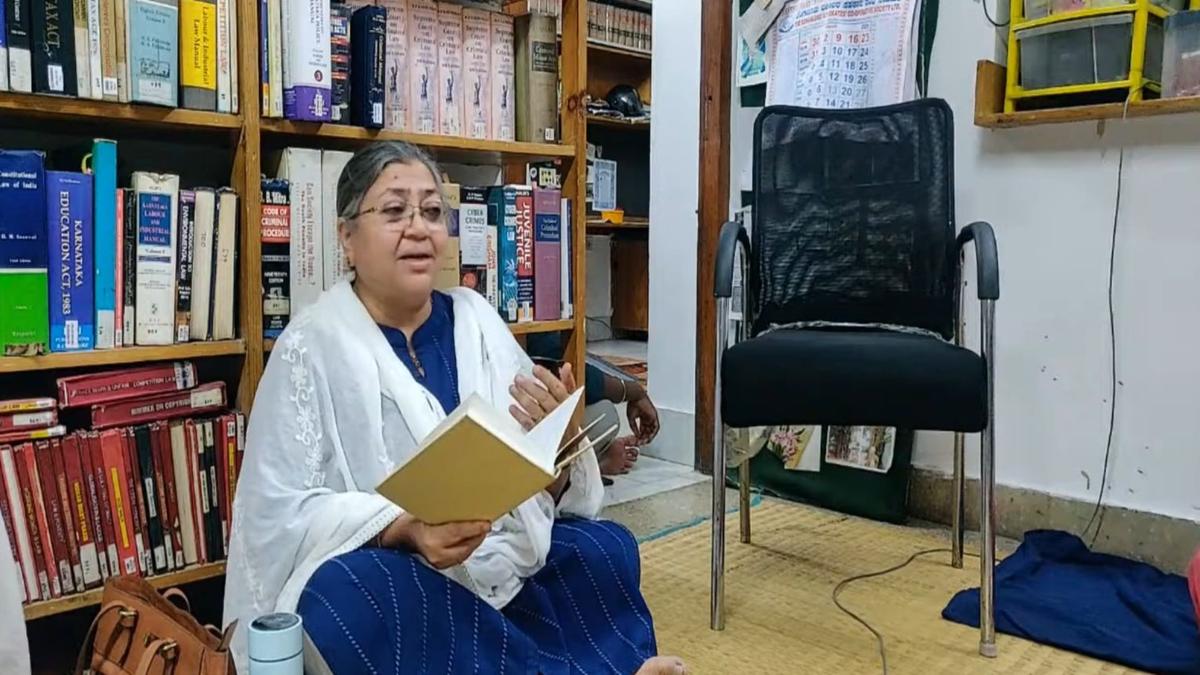
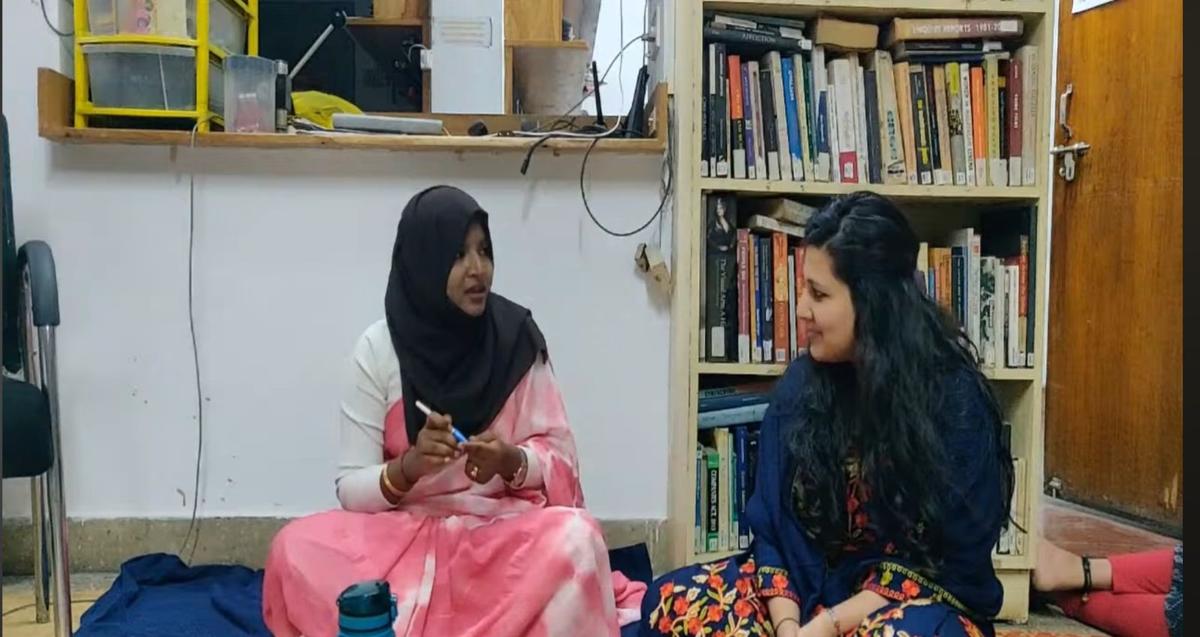
Activists Najma Nazeer and Ishrath Nissar reiterated that Muslim women’s emancipation must be defined on their own terms, not by external frameworks that fail to understand the intersection of culture, religion and identity.
Ishrath Nissar | Photo Credit: SPECIAL ARRANGEMENT
It has often been criticised that the Western feminist lens tends to reduce Muslim women’s freedom to the act of unveiling the hijab. Poet, activist and writer, Najma Nazeer, and educator and activist, Ishrath Nissar reiterated this at a discussion held by the Alternative Law Forum in connection with Women’s History Month and asserted that Muslim women’s emancipation must be defined on their own terms, not by external frameworks that fail to understand the intersection of culture, religion and identity.
“For some women, emancipation is wearing the hijab. Likewise, for others, it is wearing it without fear. For some, it might be education whereas others might take it as financial independence. Our liberation cannot be boxed into a single narrative,” said Nazeer.
The discussion brought together voices that challenge dominant narratives surrounding emancipation and shed light on the struggles, resilience and agency of Muslim women in India. Speaking about the barriers that Muslim women face, both the speaker emphasized that the exclusion of women from political, social and religious institutions is not accidental but is a systematic result of patriarchy, misinterpretation and Islamophobia.
Najma Nazeer | Photo Credit: SPECIAL ARRANGEMENT
The in-between space
“To be a Muslim woman in India is to constantly navigate between invisibility and hypervisibility,” said Nazeer. Seconding this, Nissar highlighted that Muslim women have always been active participants in society but their contributions have been erased or co-opted. “Our fight is not just against the community, but also against the state which weaponizes our identity and denies us rights, education and political representation,” she said.
She further added that liberation is undefined when access to basic rights is unequal and emphasised on the stereotypes imposed on Muslim women that often erase the diversity within the community. Nissar also highlighted the role of caste and class in shaping access to rights and the invisibility of Dalit and Bahujan Muslim women in mainstream feminist discourses.
Forms of resistance
The discussion also highlighted various forms of resistance deployed by Muslim women, in larger movements as well as through everyday acts of defiance. While Shaheen Bagh, where Muslim women led the protest against the Citizenship Amendment Act (CAA) and National Register of Citizens (NRC), was a watershed moment, resistance does not always take the form of large protests, but often start at home, the speakers remarked.
“Every act that defies patriarchy, inside and outside our community, is a form of resistance,” Nissar said. Nazeer spoke about the economic resistance, highlighting how Muslim women engage in financial independence as a way to assert their rights and identity.
Political representation
The lack of political representation of women in India, especially Muslim women, was yet another point of discussion. While political participation is one of the ways Muslim women negotiate their rights, barriers of gendered Islamophobia and internal misogyny makes it difficult.
“Only 1-2% of seats have been occupied by Muslim women, and most of them come from families with a political background,” noted the speakers who called for intersectional solidarity. “We cannot fight alone. Muslim women’s struggles are connected to Dalit, Bahujan, Adivasi and queer struggles. The more we divide, the weaker we become,” Nissar said.
“We are not stories of suffering, but of power, of resistance and of survival. And we will continue to write our own history,” Nazeer added.
source: http://www.thehindu.com / The Hindu / Home> News> Cities> Bengaluru / by Sutapa Dey / March 18th, 2025
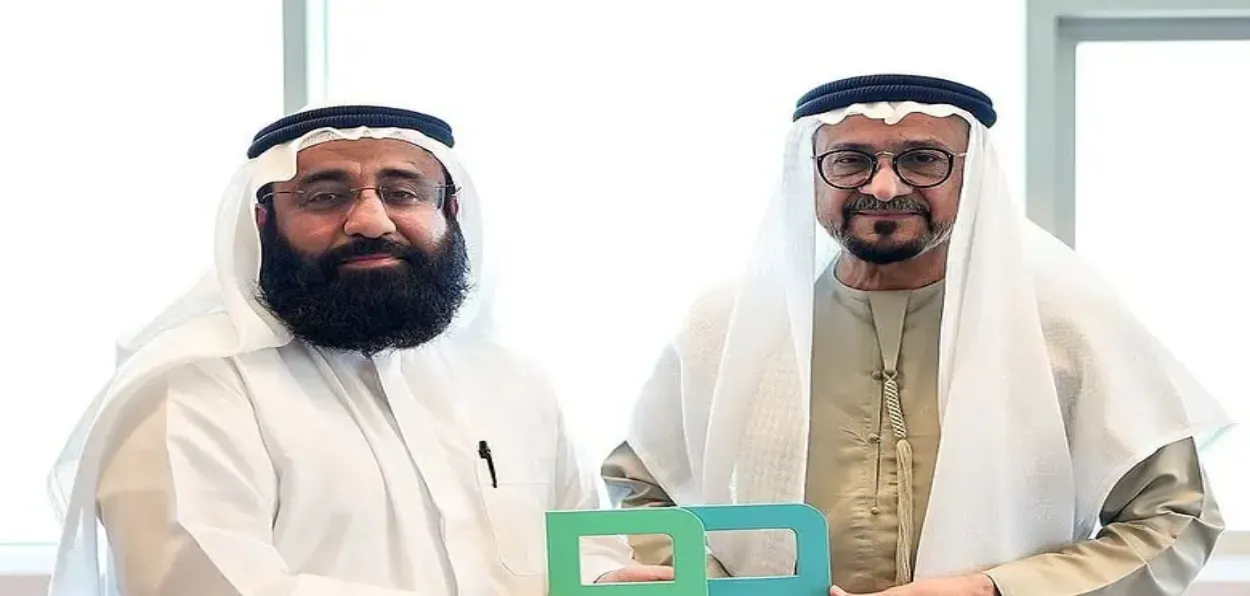
Firoz Merchant (Left) donating the cheque to Khalid Al Olama, Secretary General of the Dubai Charity Association
New Delhi :
Mumbai-born Indian businessman Firoz Merchant has donated AED 1 million (approximately Rs 2.25 crore) to the Dubai Charity Association to support kidney patients and release prisoners.
Firoz, a philanthropist is the founder and chairman of Dubai’s Pure Gold Group. The donation will be used for dialysis at the Dubai Charity Association and his initiative of paying the fines of prisoners who have served their terms in jails and have been languishing as they cannot pay the fines imposed on them.
Khalid Al Olama, Member and Secretary General of the Dubai Charity Association, posted the story about Merchant’s charity on Instagram. He thanked Feroz and said it would be of great help to the kidney patients.
He said, “This donation is not just a financial contribution. It is a symbol of Pure Gold Group’s social responsibility and commitment to community welfare. We are proud of this Group’s collaboration. We are grateful for its continued support for humanitarian work in the UAE. This collaboration allows us to expand healthcare services and help more patients.”
After donating to the Dubai Charity Association, Firoz Merchant said, “I would like to thank the Dubai Charity Association for their continued dedication to humanitarian causes. I believe that everyone has a fundamental right to access the best medical care in the world. I am happy that I could contribute to this community service.”
Firoz Merchant’s social work has made a big difference in the lives of many poor and vulnerable people. Firoz’s ‘Forgotten Society’ initiative has freed more than 20,000 prisoners in the UAE since 2008. For this, he waived the prisoners’ debts and arranged for them to fly back to their countries. In 2024, he gave crores of rupees to free 900 prisoners before Ramadan.
In 2017, he announced to provide an annual sum of US$130,790 to repatriate prisoners from the UAE to their home countries. Feroze is fulfilling his social responsibility by helping the needy in society. Mumbai-born Firoz Merchant is well known for his jewelry business and above all human service in the UAE. Each year before Ramazan, he gets prisoners who are languishing in jails after serving their terms but unable to pay the fines imposed by the Courts on them freed from the UAE’s jails.
Firoz set up ‘The Forgotten Society’ in 2008. Each years the society hands over a cewrtain amount to the UAE government as the cumulative fine amount for the release of prisoners
Merchant had to drop out of school due to financial difficulties and he moved to UAE where he worked and gradually established his business.
Firoz Merchant says he does this to ensure that the prisoners can return to their homes before Ramazan. ‘The Forgotten Society’ arranges tickets for the air travel of prisoners. Firoz Merchant, 66, is the owner ‘Pure Gold Jewellers which he set up in Dubai in 1989. He claims to live up to the name of his business and sell only quality jewelry to his customers.
Firoz Merchant says after becoming a brand and enjoying a monopoly on the jewelry market of Dubai and later Abu Dhabi, he wants to expand globally with his new design jewelry.
All the exquisite gold-diamond designer jewelry of ‘Pure Gold Jewellers’ is available for sale online.
While selling designer jewelry, one day Firoz Merchant thought of freeing the prisoners lodged in various jails who don’t have a relative and resources to pay the fine imposed on them by the court as part of the punishment.
Due to his charity, 700 prisoners were released in 2019 and 900 the next year. Till a year ago his initiative has helped more than 20,000 prisoners.
Merchant says his deed is a message of humility, humanity, forgiveness, and kindness during Ramzan.
source: http://www.awazthevoice.in / Awaz, The Voice / Home> Story / by Awaz The Voice / March 12th, 2025
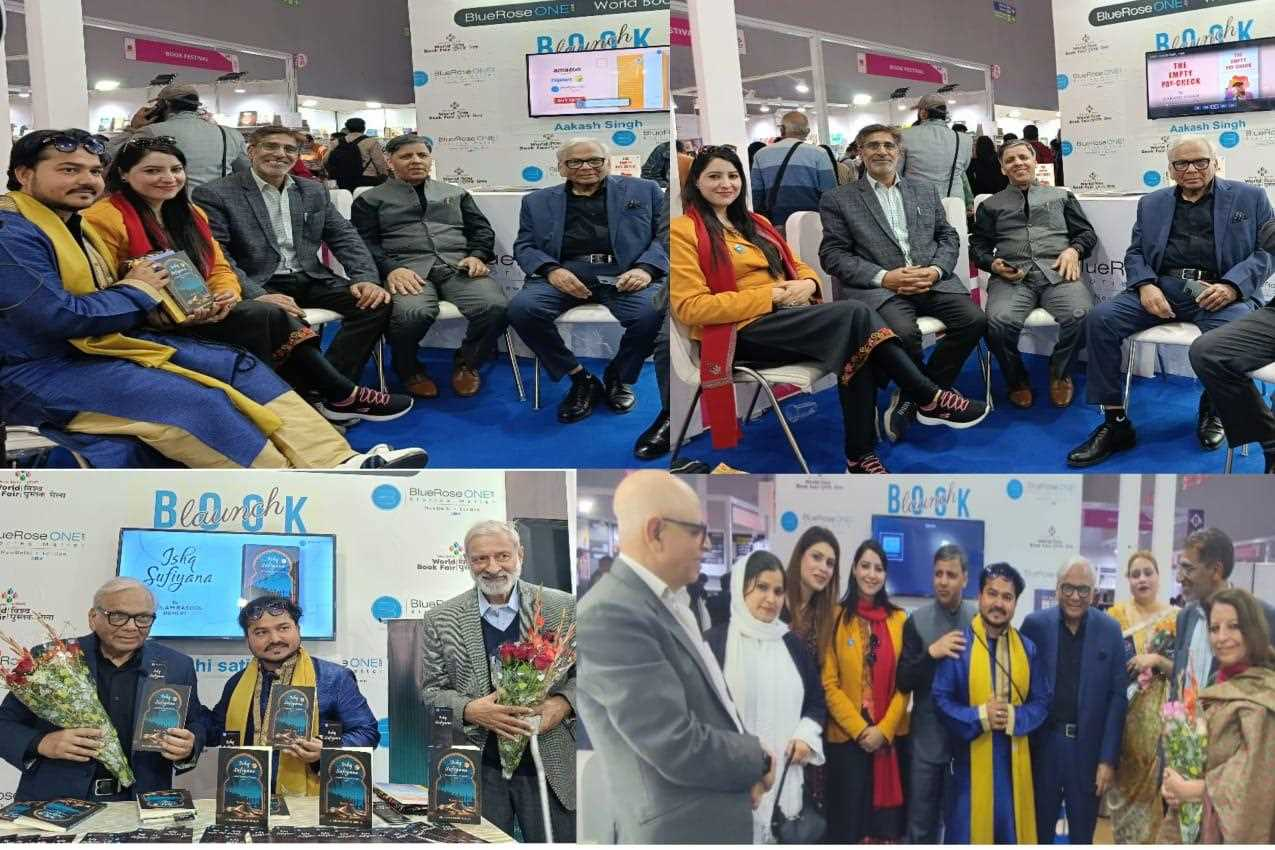
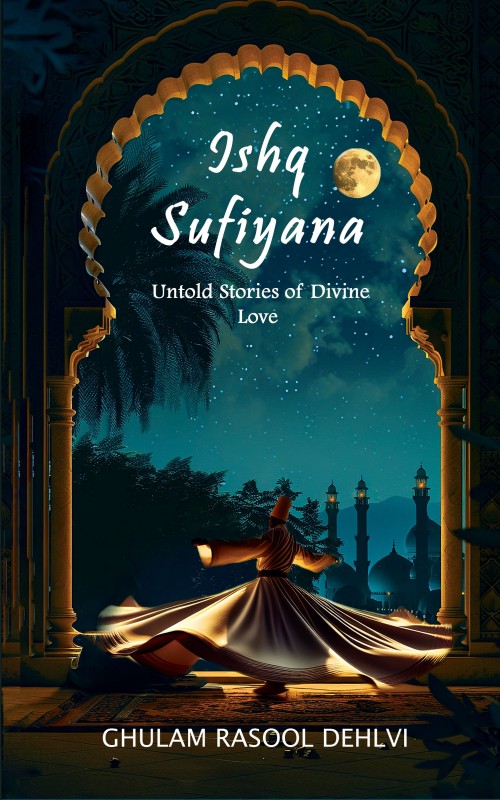
On the concluding day of the World Book Fair 2025, held in at Bharat Mandapam / Pragati Maidan New Delhi from February 1 to February 9, the book “Ishq Sufiyana: untold stories of divine love” by young writer and intellectual Ghulam Rasool Dehlvi was officially launched.
Ishq Sufiyana: Untold Stories of Divine Love / by Ghulam Rasool Dehlvi / image: blueroseone.com
The book launch ceremony took place at Stall No. 12 in Hall No. 6, with several distinguished personalities in attendance.
Notable figures present at the event included Kamlesh Sharma, former Secretary General of the Commonwealth and former Indian Ambassador to the United Nations (New York and Geneva), Padma Shri Professor Iqbal Hasnain, former Vice-Chancellor of Calicut University, Professor Madhu Khanna, former Director of the Department of Comparative Religions and Spirituality, Jamia Millia Islamia, Dr. Shahid Rasool, Dean of Academics at the Central University of Kashmir, Dr. Anita Benjamin, Founding Director of the Rashtriya Christian Mahasangh, Farooq Wani, Chief Editor of the daily Brighter Kashmir, Syed Abid Gowhar, renowned broadcaster and journalist from Jammu & Kashmir, Tasleema Akhtar, human rights activist, Tahmeena Rizvi, researcher, Dr. Rachika Arora, Syed Affan Yasawi, among others.
During this vibrant event, all the distinguished guests shared their thoughts about the book and its author. Ishq Sufiyana is a unique blend of reality and imagination. It creatively presents the real-life stories of thirty renowned Sufi saints of India.
The book among other Sufi intellects also highlights four revered saints and spiritual figures from the Kashmir Valley, Mir Syed Ali Hamdani (RA), Sheikh Noor-ud-Din Noorani (Nund Rishi) (RA), Sheikh Hamza Makhdum (RA) and Lal Ded (Lalla Arifa)
Additionally, Ishq Sufiyana includes a collection of narratives based on Sufism, ethics, and spirituality, many of which have been previously published in various newspapers and journals. The book aims to inspire seekers of all religions and spiritual traditions to dive into the ocean of divine love. The values and teachings of the personalities featured in the book remain relevant today, helping individuals grasp the depths of divine love that transcend worldly boundaries.
Ghulam Rasool Dehlvi is a well-known Sufi scholar, researcher, critic, speaker, and author based in Delhi. He is fluent in Urdu, Arabic, and Persian and is a trained scholar in Indo-Islamic traditions. He has received in-depth education and training in various spiritual orders, particularly the Naqshbandi, Qadiri, and Chishti Sufi traditions.
He has also undergone spiritual training and initiation under Turkish-origin Naqshbandi Sufi Sheikh Ashraf Effendi (Founder of Sufi Land, Germany). Pir Zia Inayat Khan (Global Head of the Inayati Chishti Sufi Order), American Sufi guide Pir Shabda Khan (Director, Sufism International, USA). He has studied under several esteemed Sufi scholars and spiritual elders in India. Recently, he was invited as a scholar-in-residence at the Bawa Muhaiyaddeen Fellowship (Philadelphia) and the Awliya Council of North America (New York, USA).
He has also served as an advisor on Islamic affairs for the National Security Council Secretariat, New Delhi.
Moreover, he has participated as a permanent representative of UN-affiliated NGOs at the United Nations Human Rights Council in Geneva, Switzerland.
The author is also an independent writer, poet, translator, and commentator.
source: http://www.brighterkashmir.com / Brighter Kashmir / Home> Breaking News / by Abid Gowhar / image of publication edited by blueroseone.com / February 12th, 2025
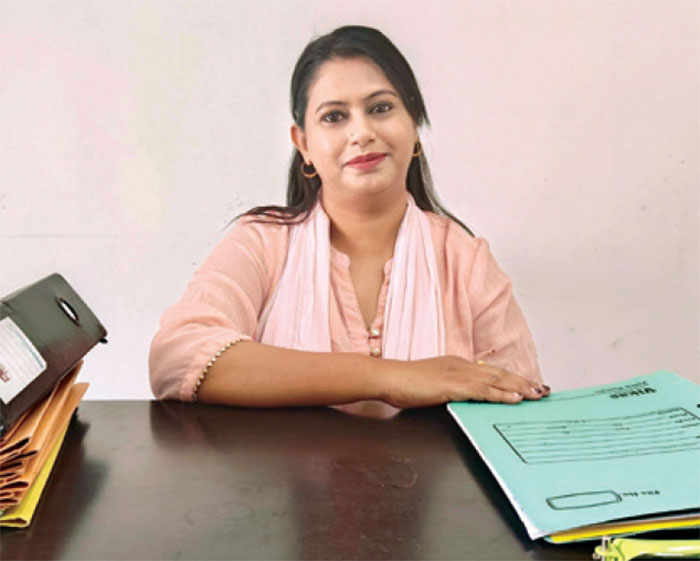
Her dedication to enhancing people’s quality of life sets her apart. With patience, empathy and strong communication skills at the core of her work, she has built deep connections with those she serves.
Introducing Irfana Husen, whose unwavering commitment to understanding the challenges faced by individuals with speech and hearing impairments not only improves their lives but also highlights the power of compassion in transforming communities.
In this special interview with Star of Mysore on the occasion of International Women’s Day, Irfana shares her journey, insights and the driving force behind her mission to create a more inclusive world. —Excerpts:
Star of Mysore (SOM): Tell us about the significance of the ‘Karnataka Brain Health Initiative’ and your involvement in it.
Irfana: The Karnataka Brain Health Initiative (KABHI), launched by the Government of Karnataka in collaboration with National Institute of Mental Health and Neuro Sciences (NIMHANS), aims to facilitate the early identification and management of neurological disorders such as stroke, epilepsy, dementia and headache. The initiative has established Brain Health Clinics in District Hospitals, integrating neurological care into primary healthcare.
My role involves assessing and rehabilitating patients with speech, language and swallowing disorders caused by neurological conditions. I work closely with neurologists, physiotherapists and other specialists to provide comprehensive care. Additionally, I actively participate in awareness campaigns and trainings to promote brain health and early diagnosis.
SOM: What inspired you to take up this profession?
Irfana: My motivation to pursue Speech-Language Pathology and Audiology was shaped by my experiences at the All India Institute of Speech and Hearing (AIISH) in Mysuru. Witnessing children seeking help ignited my passion for a field that can profoundly impact individuals with communication and hearing challenges. Many children suffer due to late diagnoses and societal stigma, which inspired me to focus on early detection, rehabilitation and community education. My goal is to bridge this knowledge gap and ensure communication accessibility for all, especially for children with disabilities, empowering them to lead fulfilling lives.
SOM: How do you demonstrate patience, empathy and effective communication in your profession?
Irfana: These qualities are essential for building strong connections with patients, especially children with disabilities. Patience is crucial, as progress can be slow, particularly for individuals with speech delays or autism.
I tailor each session to their pace, fostering a supportive and encouraging environment. Empathy allows me to understand the struggles faced by individuals with speech and hearing impairments. I actively listen to both patients and their families, providing them with emotional support throughout their rehabilitation journey.
Strong communication skills enable me to simplify complex medical information for families, ensuring they understand the treatment process. Additionally, these skills help me collaborate effectively with other professionals, ensuring holistic care.
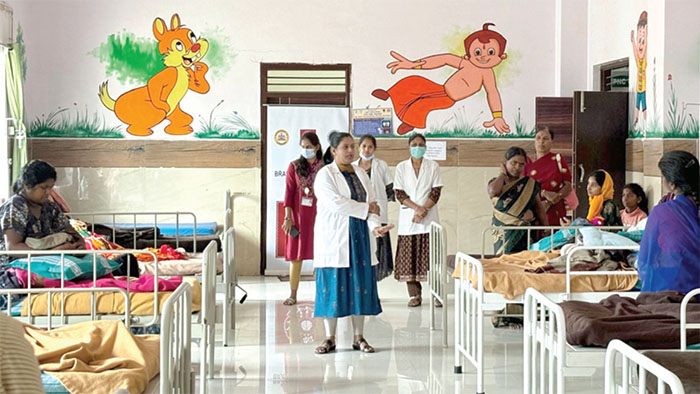
Awareness programme in the Maternity Ward of District Hospital, Mysuru.
SOM: How do you provide guidance to patients and their families regarding their health issues and treatment options? What about children with special needs?
Irfana: Counselling patients and their families requires compassion and clear communication. I hear their concerns, provide emotional support and simplify medical explanations to help them better understand their condition and treatment. For families with children with disabilities, I emphasise the importance of early intervention, educate them on the benefits of therapy and set realistic expectations for progress.
When working with children with special needs, I build trust through play-based therapy, incorporating sensory tools and visual aids to make sessions engaging and effective. I tailor therapy to each child’s strengths and use positive reinforcement to encourage their progress.
SOM: What is the most difficult part of being an Audiologist and Speech Pathologist?
Irfana: The most challenging aspect is addressing the emotional needs of children with disabilities and patients with severe neurological disorders. Families often struggle to accept diagnoses, especially after life-altering events like strokes or brain injuries.
Balancing emotional support with therapy can be demanding, as slow progress sometimes leads to frustration. However, witnessing patients regain communication skills and achieve milestones makes it all worthwhile.
SOM: In what ways do you believe the current lifestyle of young individuals will impact their hearing?
Irfana: The modern lifestyle, particularly excessive headphone use and exposure to loud music, poses a significant risk to hearing health. Prolonged exposure to high-volume sounds, noisy environments and poor ear hygiene can lead to noise-induced hearing loss.
Individuals should limit exposure to loud noises, avoid using cotton swabs for ear cleaning and maintain proper ear hygiene. A balanced diet, regular exercise and avoiding tobacco can improve blood circulation and nerve function.
SOM: Can you share some tips on maintaining composure and managing time? How do you handle stress?
Irfana: To maintain composure and balance multiple responsibilities, I rely on structured planning, prioritisation and self-care. Creating a daily schedule and setting realistic goals helps me stay organised and efficient.
When dealing with stress, I adopt a calm and solution-oriented approach. Taking short breaks allows me to reset and refocus. Most importantly, the unwavering support of my family keeps me strong. Spending quality time with my children and engaging in activities that bring me joy helps me rejuvenate.
SOM: What message would you like to give to youngsters who want to pursue a career in your field?
Irfana: They must be patient and committed to making a difference in people’s lives. It is not just about diagnosing and treating communication and hearing disorders — it’s about giving individuals a voice, restoring their ability to connect and improving their quality of life.
The demand for skilled professionals is growing, with opportunities in hospitals, rehabilitation centres, schools, research and private practice.
SOM: How do you define women empowerment?
Irfana: Women empowerment is about enabling women to access their rights, opportunities and confidence to make independent choices. It involves ensuring equal participation in all fields while dismantling societal barriers.
True empowerment is achieved when women attain financial independence, social respect and control over their decisions — both in their careers and personal lives.
ACADEMICS & PROFESSION
Irfana Husen holds a Master of Science in Audiology from Dr. Chandrasekar Institute in Bengaluru and a Bachelor of Science in Speech and Hearing from JSS Institute, Mysuru.
Beginning her career at AIISH in 2010, she specialised in advanced assessments and has accumulated over a decade of expertise in healthcare and rehabilitation.
From 2011 to 2013, she gained clinical and research experience at the Samvaad Institute and Dr. B.R. Ambedkar Hospital in Bengaluru. Between 2013 and 2016, she served as a Speech Therapist and Audiology Specialist at Shifaa Hospital.
From 2018 to 2024, she contributed to the District Disability Rehabilitation Centre in Mysuru, supporting individuals with disabilities. In her current role, she focuses on speech and swallowing disorders related to neurology.
Beyond her clinical work, Irfana is passionate about advocating for disability rights and actively engages in community interventions and awareness programmes.
In her personal time, she enjoys travelling, cooking and cherishing moments with her children.
source: http://www.starofmysore.com / Star of Mysore / Home> Feature Articles> Top Stories / by Shadan Muneer / March 13th, 2025
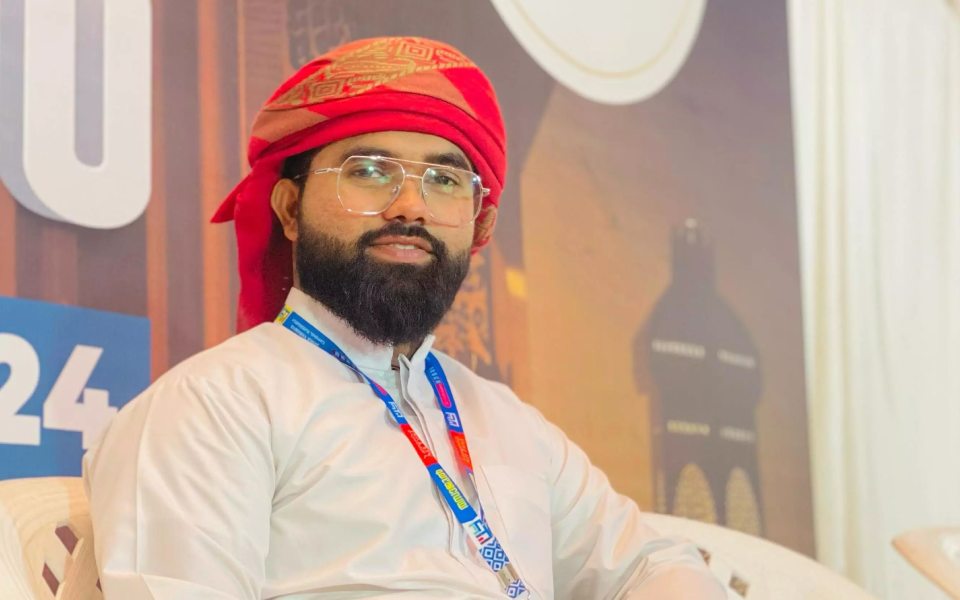
Muhammad Bishr Karaya from Karaya in Uppinangady has achieved an 11th rank in the prestigious Yamani Degree Examination, conducted by Shamshul Ulama E.K. Aboobacker Musliyar Memorial Islamic Centre, Jamia Yamaniyya, in Kuttikkattoor, Kozhikode, Kerala.
Bishr, who serves as the Executive Secretary of the SKSSF Karaya Unit, has been recognized for his academic excellence in Islamic studies.
He is the son of KH Hamid Musliyar, a teacher at Karaya Badriya Juma Masjid, and Hazra. His achievement has brought pride to his family, institution, and community
source: http://www.english.varthabharati.in / Vartha Bharati / Home> Karavali / by Vartha Bharati / March 11th, 2025
On February 19, 1926, A.K. Abdul Hameed Baqavi started off on a journey that would take him over two decades to complete. His translation of The Quran, which is written in classical Arabic and organised in 114 chapters, took time. But the elegant style of the work, published in 1949, has made it one of the most enduring versions.
Painstaking work: The Tamil translation of The Quran by Islamic scholar and freedom fighter A.K. Abdul Hameed. | Photo Credit: M. MOORTHY
On February 19, 1926, Tamil Islamic scholar and freedom fighter A.K. Abdul Hameed Baqavi (1876-1955) embarked on a literary journey that would take him over two decades to complete. His chosen subject: translation of the meaning of The Quran from Arabic into Tamil.
Abdul Hameed was not the first; nor was he the last to attempt the Tamil translation. But his effort, published as Tarjumat-ul-Quran bi Altaf-ilbayan (Translation of the Quran with a Glorious Exposition) in 1949, was the first complete translation of the Islamic holy book into Tamil. The Quran, written in classical Arabic, is believed by Muslims to have been revealed by God to Prophet Muhammad through the Angel Gabriel over 23 years. It is organised in 114 chapters, known as surah.
Despite the presence of a sizeable Muslim population in southern India, The Quran was translated into Tamil quite late, at least a thousand years after Islam came to the region, mostly due to opposition from the ulema or scholars of the day on account of fears that a Tamil version might be wrongly considered a substitute for the original. Ironically, it is the ulema who later entered the field of translation.
Hybrid language
The earliest translations were done in the 17th Century, in Arabu-Tamil, a hybrid language that used a modified Arabic alphabet to express ideas in Tamil. Scholars began attempting fragmentary Tamil translations (of selected sentences or verses) in the 19th Century. Abdul Hameed Baqavi’s effort was noteworthy because it made Quranic study more accessible to both lay and scholarly readers. That is probably why it has been reprinted innumerable times, despite the presence of at least 17 complete Tamil translations done by other scholars after its publication.
‘Baqavi’ is the title given to students of Madrasa Al-Baqiyat-us-Salihat, a well-regarded Islamic college in Vellore established in 1857.
Abdul Hameed was born at Attur, Salem, and showed an early interest in writing on religious subjects.
The founders of Jamal Mohamed College in Tiruchi played a key role in getting Abdul Hameed’s translation project off the ground, funding the publication of the first volume, a copy of which is available at the college’s Centre for Islamic Tamil Cultural Research. “I began the translation project on February 19, 1926, after the Friday (Juma) prayers at the bungalow of Janab Khan Sahib and N.M. Khaja Mian Rowther in Tiruchi. It has been three years since I started it,” he writes in the foreword to the first volume of the translation, published in 1929. “If the first section can take me three years, readers may have to wait longer (at least 89 years) for each of the remaining 29 sections to be completed,” he adds. Imported printing equipment was commissioned by college founder M.J. Jamal Mohamed. The press, Islamiya Nool Prasura Sangam, at Palakkarai published the first volume, priced at ₹2.
Decades of work
It is a mystery as to why the translation that began in Tiruchi with much fanfare petered out after 1929. A. Nihamathullah, retired professor of English at Sadakatullah Appa College in Tirunelveli, who has done a comparative study of 12 Tamil Quran translations (including the Abdul Hameed version) for his doctorate, said a lack of documents in the public domain had added to the blind spot.
“In 1938, scholar Abdul Qadar Hazrat introduced Abdul Hameed Baqavi to Nawab Naseer Yaar Jung Bahadur, the father-in-law of the Nizam of Hyderabad. On the recommendation of the Nawab, the translation of The Quran resumed, with financial backing from the Nizam,” Mr. Nihamathullah told The Hindu. An office was set up for the project in Karaikal and the work was eventually completed in 1942. In order to get the Ulema’s approval, Baqavi approached his Vellore alma mater to constitute a panel of theologians to check the manuscript.
In the later stages, he was helped by his son, Indian Union Muslim League leader and Tamil writer A. K. A. Abdul Samad (1926-1999). However, it took five more years for Abdul Hameed to secure funding for printing. A contribution of ₹50,000 by Ceylon-based businessman Nagore Meera Mohamed Haniffa helped to publish the two-volume translation in 1949. As the project expanded, the printing unit was shifted from Karaikal to Chennai.
A winning combination
German scholar Torsten Tschacher, a Heisenberg Fellow of the German Research Foundation (DFG) and Tamil lecturer at the University of Heidelberg, said in an email interview that the popularity of Abdul Hameed Baqavi’s translation owes much to its presentation.
“It did not have any readings of The Quran that would have made the translation appear sectarian. The fact that [Abdul Hameed] Baqavi avoided giving too much of commentary, along with the translation, may have helped in this regard,” he said. “While the style may appear somewhat clumsy and old-fashioned, I think he hit the right spot between the exact translation and the quality of language. It was also important because it made The Quran finally accessible to non-Muslims who had not been able to read the earlier translations that used the Arabic script and a lot of Arabic vocabulary,” Mr. Tschacher added.
source: http://www.thehindu.com / The Hindu / Home> News> India> Tamil Nadu / by Nahla Nainar / January 03rd, 2025
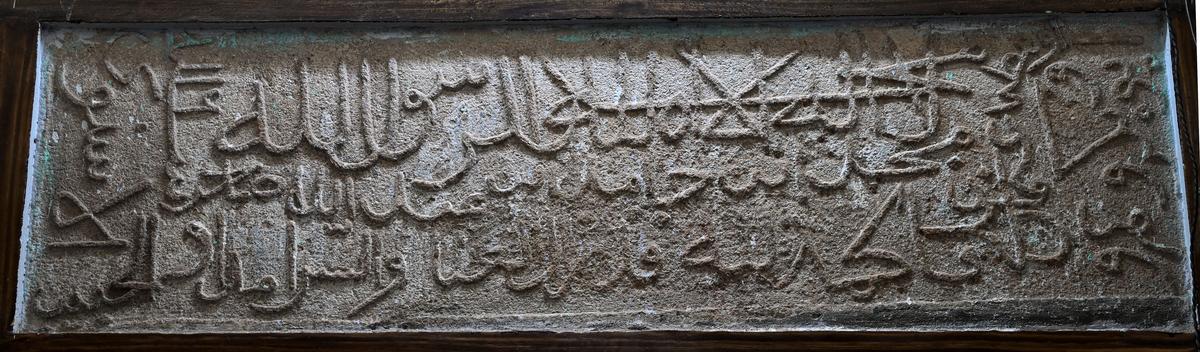
Makkah Masjid is among the oldest Islamic shrines in Tamil Nadu. An inscribed tablet dates the mosque back to the year 116 of the Al-Hijri calendar, corresponding to 734 A.D.
An inscription on the stone structure’s wall (background), dates the building to the Islamic (Hijri) year of 116, corresponding to 734 A.D. | Photo Credit: M. MOORTHY
The family of a cloth merchant has been taking care of the mosque for generations.
Tucked away next to a carpentry workshop on Tiruchi’s Fort Station Road is what is considered to be one of the oldest Islamic places of worship in Tamil Nadu: the Makkah Masjid that dates back to the year 116 of the Al-Hijri calendar, corresponding to 734 A.D.
A view of the prayer hall of Makkah Masjid in Fort Station Road, Tiruchi. It is considered to be among the oldest Islamic shrines in the country. | Photo Credit: M. MOORTHY
The family of M.G.A.R. Abdul Rahman, a cloth merchant in Tiruchi, has been taking care of the property for several generations.
The mosque’s age is validated by an inscribed stone tablet in Arabic above the ‘mihrab’ (the niche that indicates the ‘qibla’ or direction of prayer). The graves of Mohamed Ibrahim, Hazrat Haji Abdullah, Hazrat Haji Mohamed Anwar, Ahmed Kabir, and Tahira Biwi, thought to be pious Muslims of yore, are also to be found here. Two recently added minarets indicate the mosque’s presence in this quiet part of town.
Surrounded by thorny bushes
“Until the 1980s, the mosque was very different from what you see today,” A.R. Mohamed Ghouse, hereditary trustee, and one of Mr. Rahman’s 12 children, told The Hindu. “When my father was bequeathed this shrine, it was surrounded by thorny bushes and palm trees. There was no road access; people would walk single-file on a narrow pathway to reach the premises. Since this is a low-lying area, the building would be flooded during the rainy season. Before we got electricity connection in the 1980s, the place used to be lit up with oil lamps and hurricane lanterns. We have been maintaining the buildings with the help of generous donors from all faiths,” he said.
The Muslim community has had a long and harmonious presence in Tiruchi since ancient times. The Makkah Masjid is a stone’s throw away from Hazrat Thable Alam Badhusa Nathervali Dargah, the mausoleum dedicated to a nobleman of Turkish-Syrian lineage born as Sultan Mutahirruddin in 927 A.D., in Suharwardy, near Samarkand, who gave up his privileged life to spread the message of Islam in southern Asia. It is said the saint stayed on the Makkah Masjid premises before he settled in the present site.
Mosques endowed by the erstwhile Nawabs of Arcot are also an indelible part of Tiruchi’s landscape. Woraiyur, the capital of the Chola dynasty from the 2nd Century (now a suburb of Tiruchi), was already known to Arab traders. After the birth of Islam, Arab-Muslim missionaries began travelling to the region. Biographies of Muslim saints and the local traditions of the period reveal that Islam spread in the southern part of India in a largely peaceful and voluntary manner.
According to J. Raja Mohamad, historian and former curator of Pudukottai Government Museum, the Makkah Masjid could have been built for the Muslim settlement that emerged in the Tamil hinterland during the Pallava rule. “When I visited the mosque in the 1970s, it was hard to spot because of the overgrown bushes. It resembled a small ‘mandapam’ (hall), built in granite, with six Dravidian style pillars that are square at the base, octagonal in the middle, and square again. The ceiling was also made of granite slabs. Though it has become more modernised now, the trustees have retained most of the old building,” he said.
While Dravidian-style granite mosques are present elsewhere in Tamil Nadu, the Makkah Masjid may be the only shrine with a contemporary dated inscription in the State as well as in southern peninsular India, he added.
Caliphs named in inscription
In his 2004 book, Islamic Architecture in Tamil Nadu, supported by the Nehru Trust for Indian Collections at Victoria and Albert Museum, London, Mr. Mohamad writes, “According to the Arabic inscription in the rectangular granite slab above the ‘mihrab’, this mosque was built by one Mohamed Ibn Hameed Ibn Abdullah in Hijri 116 corresponding to 734 AD. The names of the four Caliphs (successors to Prophet Muhammad) — Abu Bakr, Umar, Uthman, and Ali — are also mentioned in the inscription, which has been accepted by scholars as belonging to the 8th Century AD.”
Maintaining the mosque has been a labour of love for the family trustees. “The prayers have never stopped in the Makkah Masjid even though we do not have a ‘mohalla’ (a neighbourhood congregation).
Approximately, 200 people attend the Friday prayers,” said A.R. Abdul Razak, 74, the eldest son of Rahman and the imam (who leads prayers) for the past 39 years.
The annual ‘Urs’ (festival) commemorating Mohamed Ibrahim and Tahira Bibi on the 28th day of the Islamic month of Rajab (now in its 1,329th year) at the dargah on the mosque’s campus is supported by people of many faiths, who donate generously towards the public feast.
Mr. Razak gave up his job as a ship cook in Switzerland in deference to his ailing father’s wish to officiate as the chief cleric of the mosque. “I underwent training in Quranic recitation and Islamic theology from scholars in Tiruchi before taking up this position,” he said.
An antique copy of The Holy Quran is among the oldest artefacts in the mosque.
To prevent flooding, the ground level was raised with truckloads of mud after road access was granted by Southern Railway in the 1980s. As a result, five of the eight steps of the prayer hall are now permanently below the ground. Several coats of whitewash were scrubbed away to reveal the original granite walls and inscriptions. Some of the stonework also contains fragments of Tamil writing from the 10th Century. “We have tried to maintain the premises to the best of our ability. We hope succeeding generations of our family will continue to take care of the Makkah Masjid,” said Mr. Ghouse.
source: http://www.thehindu.com / The Hindu / Home> News> India> Tamil Nadu / by Nahla Nainar / June 28th, 2024