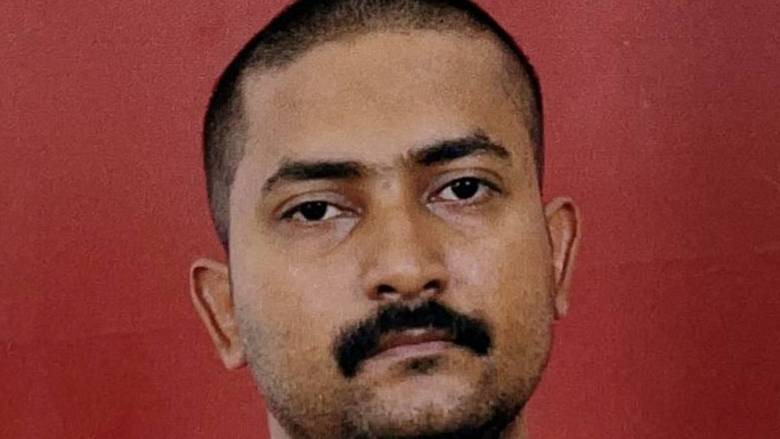
The world is in chaos. The pandemic happened when none of us were expecting it. It has been one of the most disastrous and depressing things throughout history. It wasn’t in our plans, but it happened. People have lost their jobs and their loved ones. Moreover, people are losing their will to live. The lower class of society is struggling. They are even lacking the necessities needed to survive. However, the pandemic has given rise to people who have come forward to help poor, needy, and unarmed people to fight the pandemic. These people are the warriors of the nation and Sofia Khan is one such warrior.
Sofia Khan cleared School Service Commission in 2009 and was the topper of her zone as well. Then, she was appointed as a government school teacher. However, she is also a social activist, chairman, and founder of the ‘Sufi Humanity Foundation,’ a no cash or fund transfer NGO. She is a very active participant in the improvement of our society. She has been given the post of secretary in the NGO named ‘Udaan Empowering Women’ in the year 2016 and then in the Rotary Club of Kolkata in 2018. Her performance was remarkable in the two organisations. She then joined the TMC Minority Cell, West Bengal, as a general secretary.
Sofia Khan has organized various literacy awareness campaigns in different states of the country as she is the president of the Sarparast Literacy Awareness Movement in West Bengal. She has also participated in many debates in national media as a panelist from the TMC. She conducted campaigns and rallies for TMC during the 2021 West Bengal elections. She has continuously been a keen supporter of girls, always ready to support and empower them. She helped the girls of the Milli Al-Ameen College for Girls by joining their protest against injustice to the college students. These girls were not being allowed to sit for their exams due to the college’s internal disputes. Sofia fought for them and got them justice.
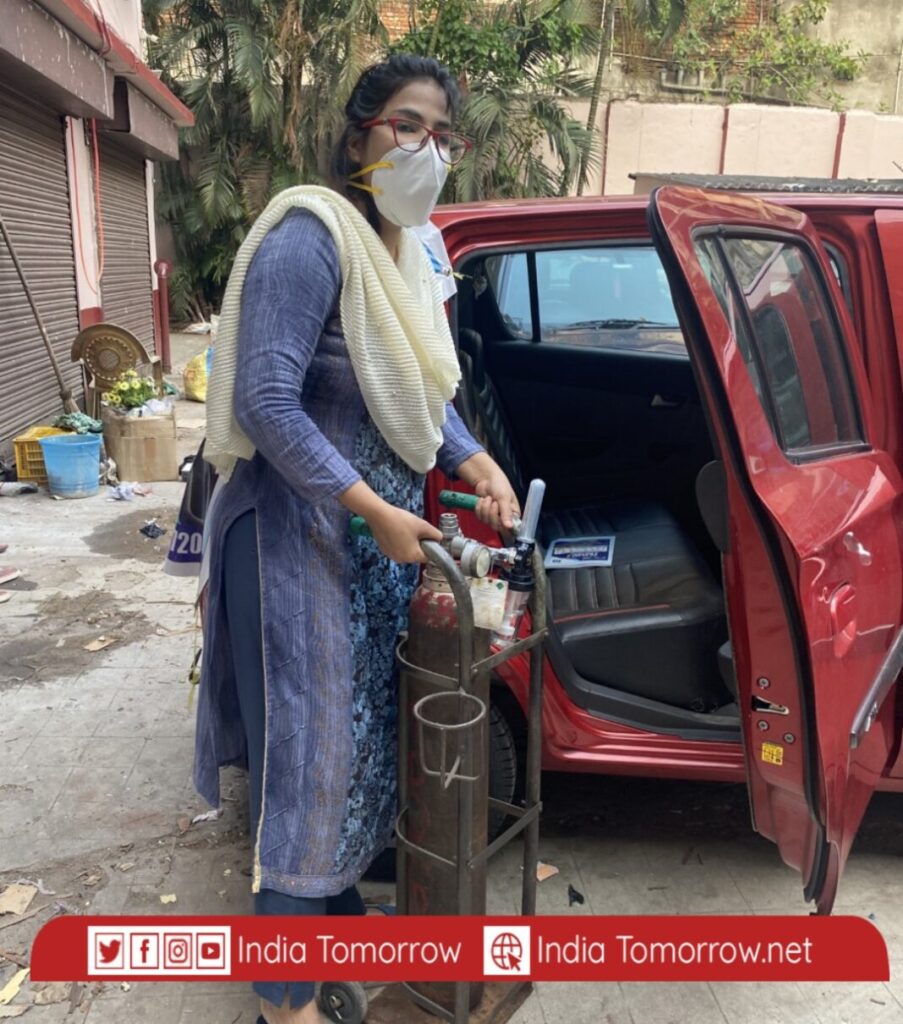
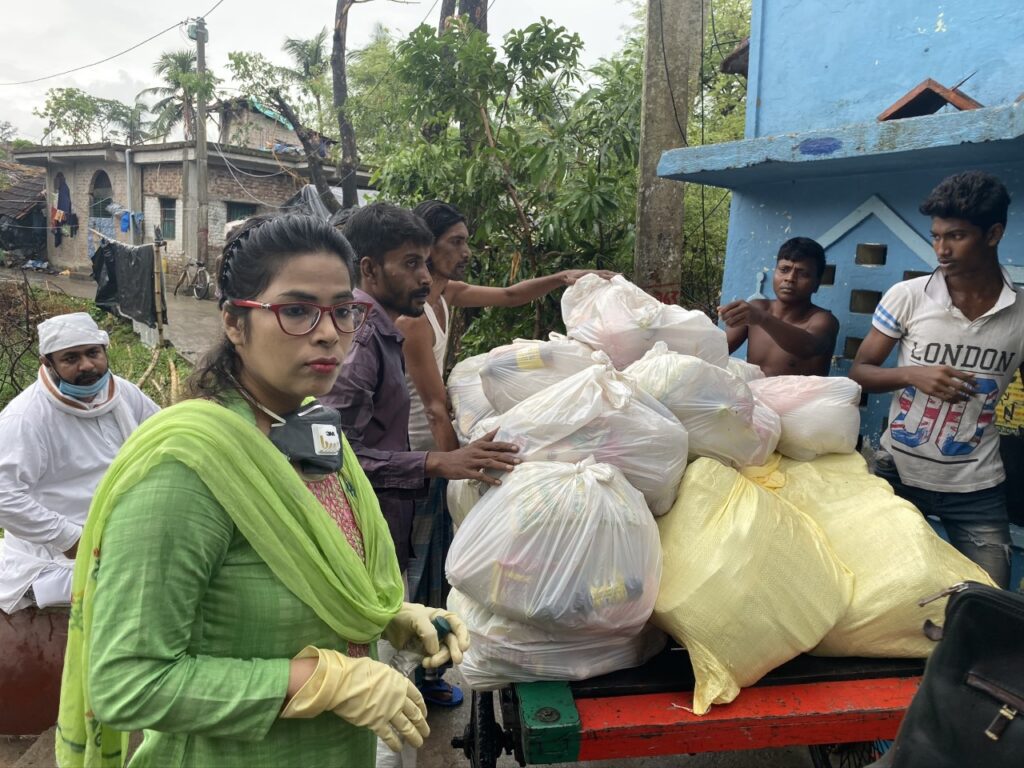
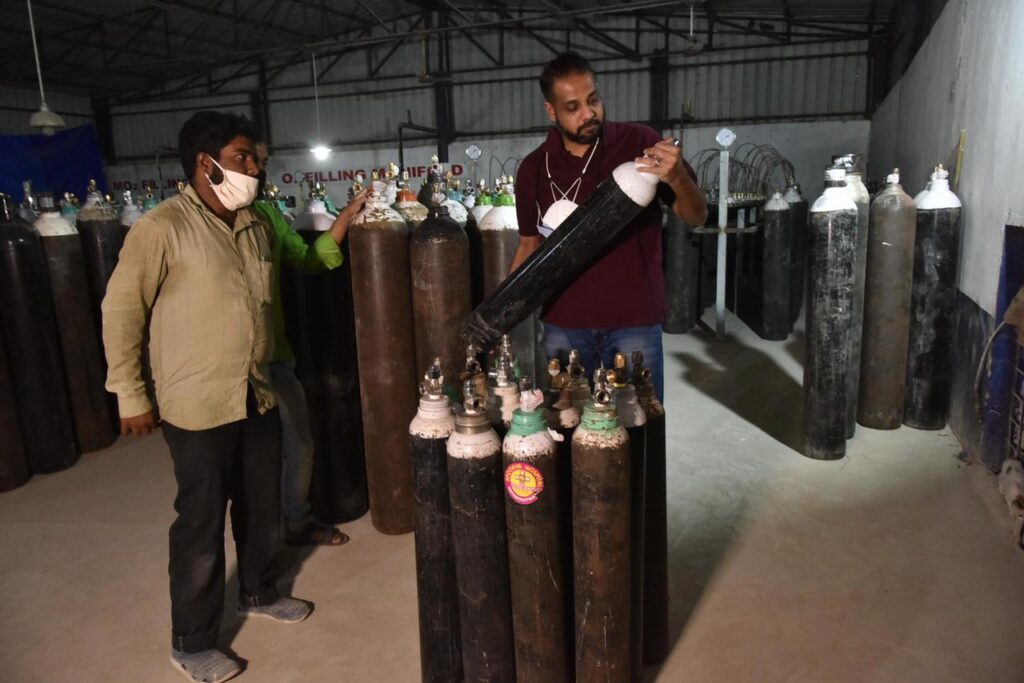
It’s commendable and worth mentioning how she did not waver from her motive of helping the people even in lockdown. Sofia Khan has helped many people by providing them food amidst the lockdown. She sent back numerous migrant labourers to their native places during the first phase of the lockdown in 2020. This year when second wave was on its peak and people were dying without oxygen she was there to help people across West Bengal with free oxygen cylinders. She later extended the help and converted four cars into free ambulance service with oxygen cylinders for Covid patients. When the state was hit by a deadly tropical cyclone called the ‘Amphan’, Sofia Khan, along with her team distributed tarpaulins and ration to almost a thousand families. She also showed her support during the Yaas cyclone. She sent relief materials like biscuits, cakes, drinking water containers each of 20 litres, clothes, etc. to the affected families. Her works and contributions have also been recognized by the Sanmarg Hindi daily, Echo of India, Awami News, etc.
Life has been tougher than usual for all of us but that doesn’t stop some of us from being an inspiration to others. While our nation and the world are fighting against the pandemic, it is important that we stay alert and be responsible for each other. We need to support and help those who are unable to survive on their own. Warriors like Sofia Khan do not wait for a chance rather they create the opportunity to help others because they realize that ‘Warriors are not born, but self-made’.
(The author of the article is a freelance journalist).
source: http://www.indiatomorrow.net / India Tomorrow / Home> Featured> National Interest / by Meer Faisal / June 18th, 2021
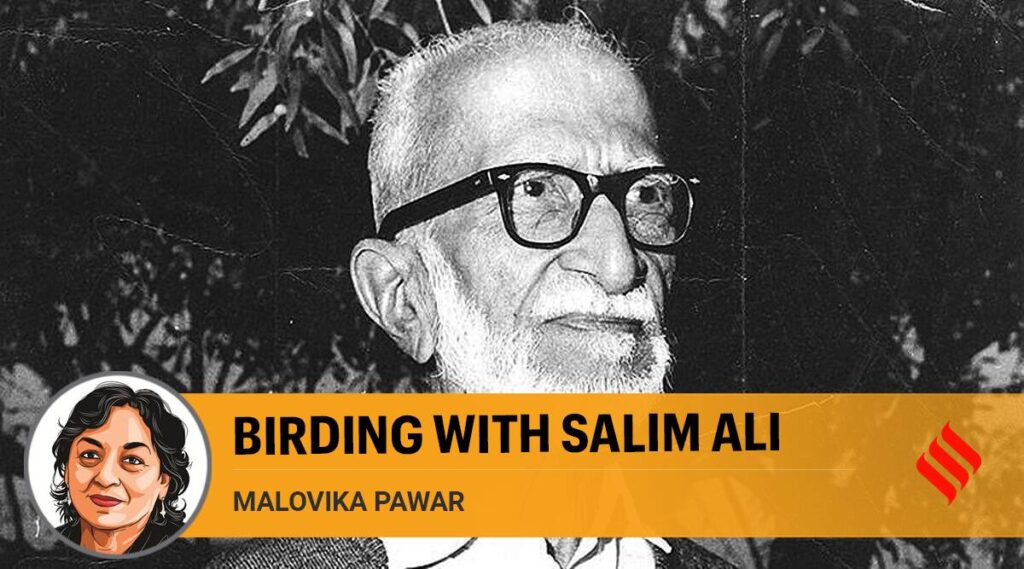
Glossier, more attractive birding books have been published in the 80 years since Ali’s guide first appeared, but it remains indispensable.
The first edition of Salim Ali’s book appeared in 1941. (Source: Wikimedia Commons)
It is a small book, my copy of Salim Ali’s The Book of Indian Birds — a hardcover version, bound in green, a mere 187 pages. I have the 1979 edition. The cover is long gone, leaving behind a few tatters of the original, but I am hard put to think of a book I have treasured and used as much. The book and an old pair of Bushnell binoculars acquired some 20 years ago are a part of my essential travelling kit, as essential as a toothbrush and comb.
The first edition of the book appeared in 1941. Jawaharlal Nehru , a keen nature lover, gifted a copy to his daughter while lodged in Dehradun jail.
Ali was quite matter-of-fact in his autobiography, The Fall of a Sparrow. According to him, the book was “acknowledged as largely responsible for creating and fostering much of the interest in birds and birdwatching seen in the country today”. Indeed, for people of a certain generation, no other guide has been valued and loved in the same way, and even among Ali’s other classic works, it is this book that has iconic status among Indian birdwatchers. While setting off on a birding trip, we would ask each other: “Have you taken your Salim Ali?” Or: “Oh, no, I forgot my Salim Ali.” It was always the small green book that we were talking of. It is the essential — the foundational — field guide for Indian birders. It is now in its 13th edition. No other book can take its place.
I came to birdwatching by serendipity. No one on either side of my family was even remotely interested in birds. By a throw of the dice, I was allotted Bharatpur for my district training in the IAS. The Keoladeo Ghana National Park beckoned. I was hooked. Ali, who had done more than anyone alive to create this “Garden of God” out of a Maharaja’s private wetlands reserve, was still alive, and visited a few times while I was there. Two bird guides, Sohan Lal and Bholu Khan, still active today, were being trained by him and other naturalists. They were to mature into fine birding guides, much in demand.
The Book of Indian Birds is where we learned our basic vocabulary of birdwatching. For instance, we learned that “pied” meant black and white, that “rufous” meant reddish-brown as in rust or oxidised iron, and that “fulvous” indicated tawny. Every carefully chosen word signified something. The clarity and the precision of expression meant that in a short half-page entry, we would have all the necessary information about a species. Each write-up was organised around five or six points — size, field characters or appearance, distribution, habits, food, call and nesting. Size was always charmingly described as myna plus, or house crow minus, or with reference to a sparrow, a bulbul or other common bird. Under “field characters”, Ali beautifully and accurately described the appearance: Colour of the feathers, the shape of the bill, silhouette in flight. A crimson-breasted barbet was “heavy-billed”, a blue-throated barbet “a gaudily coloured, dumpy green, arboreal bird” and the common grey hornbill a “clumsy brownish-grey bird”. Birds are described variously as handsome, squat, soft-plumaged, lively, dapper, dainty, spruce, slim, perky, well-groomed. The common roller or blue jay (neelkanth) is described as a “striking, Oxford and Cambridge blue bird”.
People who have always noticed the easy readability of the prose might not be aware that Ali himself gave credit to his wife, Tehmina, for ironing out the “stilted passages” and for “moderating the language”. He did not fail to praise her “remarkable feeling for colloquial English prose style”.
My Salim Ali bears the marks of the trajectory of my life, where I went, what I did. It is not merely well-worn and well-thumbed, with an unravelling spine and precarious binding; it also bears the added signs of pickle stains and tick marks in ink and pencil. Like me, it has seen better days. I know that many bird guides have been subsequently published with much better production values and better colour plates. I am aware that many of the illustrations in the Salim Ali book are decidedly not true to life. For instance, never did a rosy pastor look as pink in real life as it does in the book. But this is mere quibbling. The core and kernel of the book is that it communicates to us so successfully the magical universe of the birds of India.
The international jury which selected Ali for the J Paul Getty Wildlife Conservation Prize of the World Wildlife Fund in 1975 said in its citation: “Your message has gone high and low across the land and we are sure that weaver birds weave your initials in their nests, and swifts perform parabolas in the sky in your honour.”
On his 34th death anniversary on June 20, it is time to remember the book that Ali gave us, which took us on this magical journey to the birds.
This column first appeared in the print edition on June 19, 2021 under the title ‘Birding with Salim Ali’. The writer is a former IAS officer.
source: http://www.indianexpress.com / The Indian Express / Home> Opinion> Columns / by Malovika Pawar / June 19th, 2021
The award is given by a US-based non-profit entity Sir Syed Education Society of North America (SSESNA)
Aligarh:
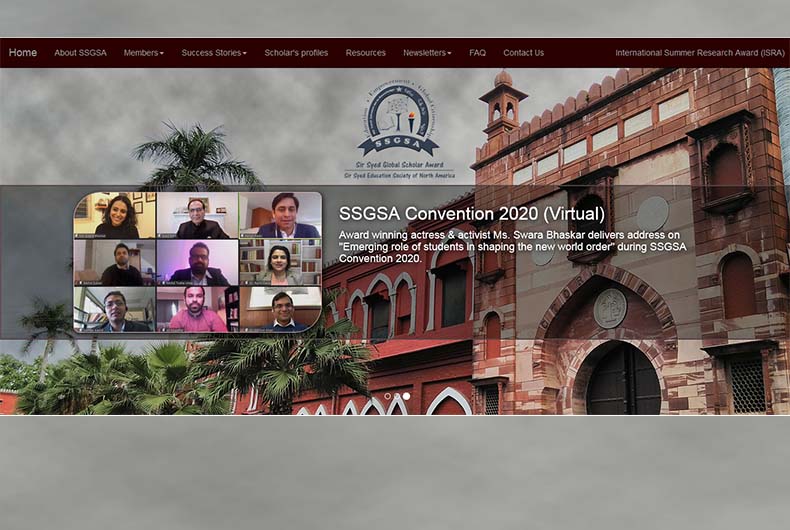
Twenty-eight students from various departments of Aligarh Muslim University students (AMU) have been selected for the prestigious Sir Syed Global Scholar Award (SSGSA) for the academic session 2021-22.
The award is given by a US-based non-profit entity Sir Syed Education Society of North America (SSESNA).
Announcing the award, Salman Bin Kashif, Chair, SSGSA Programme and a past beneficiary of the programme, said:
“The quality of applications continues to improve each year. In the coming years, it will serve the students well if they go the extra mile in building their overall profiles through projects and internships while being diligent in learning the fundamental concepts of their respective subjects. We will continue to strive for expanding our programme”.
He said a record number of applications were received from the faculties of Arts, Commerce, Humanities, Science, Medicine, Life Sciences and Engineering and Technology.
“Experts from each discipline evaluated the applications independently and the shortlisted students were invited for an online interview as a part of a rigorous selection process”, he said.
Kashif said that several faculty members from prestigious universities in the US, who were on the interview panels this year included Dr Farhan Ahmad (Honeywell International Inc), Prof Abrar Alam (Arkansas State University), Prof Nawab Ali (University of Arkansas), Prof Asim Ansari (Columbia University), Dr Ruchi Dana (Dana Corporation), Dr Shabih Hasan (Delos), Prof Syed Hashsham (Michigan State University), Prof Shakir Husain (Youngstown State University), Dr Afzal Hussain (Aligarh Muslim University), Prof Asad Ullah Khan (Aligarh Muslim University), Dr Sayeed Mohammad (Fractionation Research Inc), Dr Ahsan Munir (Vertex Pharmaceuticals, Inc), Prof Sultana Nahar (Ohio State University), Prof Bushra Sabri (Johns Hopkins University), Prof Yasmin Saikia (Arizona State University) and Prof Samina Salim (University of Houston).
“SSGSA Merit List”
Kashif said that the Final Merit List was compiled by taking into account various evaluation criteria like the CGPA, projects, internships and extracurricular activities.
“All the selected SSGSA scholars will be provided personalized mentorship, financial aid for the required standardized tests (GRE/GMAT, TOEFL/IELTS), and university application fees for up to five universities. The applicants who could not make it to the final list will be offered mentorship and guidance by the organization so that they can also continue with their academic goals”, he said.
“List of Past SSGSA Scholars”
Kashif said that the list of more than 120 past SSGSA scholars is also available on the SSGSA website: “www.ssgsa.us“. Many of the SSGSA alumni have successfully graduated with Masters and PhD degrees and are professionally placed across the globe, and some of them are currently volunteering for the SSGSA programme.
The selected SSGSA scholars are Aafiya (Physics), Ayush Agrawal (Mechanical Engineering), Sehrish Akhtar (Physics), Danish Alam (Physics), Ayesha Nasir Alavi (Law), Mohammad Anas (Computer Engineering), Bushra Ansari (Biochemistry), Mohd Mushfique Javed Ansari (Architecture), Samina Irshad Ansari (Psychology), Heena Aslam (Electrical Engineering), Mohd Abdul Baseer (Physics), Mohammad Fahad (Electrical Engineering), Aqib Faraz (Commerce), Ifrah Farid (Biochemistry), Harshul Gupta (Physics), Arsalan Hameed (Computer Engineering), Saman Jafri (Biotechnology), Faisal Jamal (Biochemistry), Faraha Javed (Medicine), Shahrukh Khan (Electrical Engineering), Tayyibah Khanam (Electrical Engineering), Yusra Meraj (Electronics Engineering), Madiha Noman (English), Kunwar Muhammed Saaim (Computer Engineering), Saba Sarwar (Computer Science), Md Showgat Jahan Shourave (Economics), Mohd Talha (Physics) and Amber Tanweer (Law).
The SSGSA core team, consisting of the present Chair Salman Bin Kashif (Clemson, South Carolina, USA), founding members Syed Ali Rizvi (Boston, Massachusetts, USA), Dr Saif Sheikh (Chicago, Illinois, USA), Dr Rehan Baqri (Boston, Massachusetts, USA), Dr Shaida Andrabi (Srinagar, Kashmir, India), and former chairs Dr Mohsin Khan (Providence, Rhode Island, USA), Ali Muzaffar (Atlanta, Georgia, USA), and Dr Wasikul Islam (Geneva, Switzerland), expressed gratitude to Prof Asad U Khan, Prof M M Sufyan Beg and Omar Peerzada for their help to SSGSA activities on campus.
source: http://www.ummid.com / Ummid.com / Home> Education & Career / by Ummid.com News Network / June 11th, 2021
Relief organizations of Hyderabad, run by Muslims, have come to the rescue of the state and offered help to fight the shortage of Oxygen.
A TCN Ground Report features some of them.
Amid a surge in Covid-19 cases in Hyderabad in the southern Indian state of Telangana and rise in deaths due to the virus, the severe shortage of oxygen, ventilators and beds in both the government and private-run hospitals exposed the shortfalls of the healthcare system of the state.
Reports said that many patients were turned away from the hospitals due to a shortage of beds and died in their homes. Those admitted to the hospitals died due to lack of oxygen supply and delay in oxygen tankers reaching them. This lead to hundreds of deaths in Hyderabad alone.
Reports also said that hospitals were overcharging Covid-19 patients. These factors contributed to many people choosing to opt for home treatment.
It was then that the relief organizations of the state, run by Muslims, came to the rescue and offered help to fight the shortage of Oxygen.
Talking to TwoCircles.net, Shiba Minai, an activist said, “I make at least 50 to 60 calls to get a bed for a patient”.
Shiba helps people by connecting them with groups, hospitals and organizations that have been helping patients with beds and oxygen facilities.
Shiba has been doing relief work since the first wave of the Covid-19 pandemic by providing food for the homeless, migrants, poor people in the slums. She has also helped with the funeral services of the victims.
She said that a lot of people reach out to her during crisis time. To help these desperate families, she would seek financial help from friends and family members.
“I get calls from people who are unable to find a bed or oxygen if they are already in the hospital or are under home treatment. Then, I call up hospitals and once I get the right hospital, I then connect the patient or the attendant to that hospital,” she said.
Shiba said the work she does is exhausting. “Making several calls to hospitals that want to know how much can the patient be able to pay and meanwhile handling calls from attendants of patients is taxing,”.
Talking about an incident wherein a 45-year-old woman whose saturation levels dipped low and her family could not find a hospital with a bed, Shiba said that she tried her best but “the hospitals refused to admit her after coming to know that her oxygen levels were quite low and she had fewer chances of survival.”
The family of the patient roamed to 6 hospitals, who earlier had assured of the availability of bed refused to admit her once they saw the saturation levels. The woman was taken home where she later succumbed.
“I tried to help this lady from 9 p.m. till the wee hours of the morning when it was time for Suhoor (early morning meal during the Muslim month of Ramadan). Sadly, she could not be saved,” Shiba said in a sad tone.
Although Shiba has helped sixty persons with beds with oxygen facilities, what makes her sad is that the “number of patients who I could not help is higher than the ones I helped.”
Shiba is not alone in doing Covid-19 relief work. Like her, several organizations have helped Hyderabad overcome the Covid-19 crisis from the last year. This year too they have come forward to battle the oxygen shortage in the state.
‘Oxygen on Wheels’
Mohammed Asif Hussain Sohail, the chairperson of Sakina Foundation, who is popularly known as the ‘Hyderabad Hunger Warrior’ for feeding the hungry for more than 10 years, has been receiving close to 200 calls every day from patients who are being treated at home. He also gets calls from hospitals especially Osmania and Gandhi General Hospitals requesting him for oxygen facilities.
“The price of oxygen cylinders is quite high at Rs 30,000 and the cost of refilling has gone up to Rs 2500 which a common man cannot afford,” Sohail said.
Md Asif Hussain Sohail of Sakina Foundation
Sohail said that as hospitals are running out of oxygen and due to black marketing, he has to verify if the patient needs oxygen or not before helping.
“Sometimes, they don’t need oxygen and we have to counsel and advise them not to give in to their fear and explain to them that a needier person requires it more,” he explained.
Sohail claims that he has “spent more than Rs 10 lakhs from his pocket to buy cylinders and send them to the homes of the needy.”
“Every day, in Hyderabad itself, my Foundation has provided more than 200 free cylinders. We have reached out to at least 2000 people so far,” he said.
Oxygen on Wheels is another initiative of the Sakina Foundation. As part of this initiative, oxygen cylinders are provided to patients who are on their way to the city for treatment from their towns and villages.
“Many people were dying on the way to Hyderabad. Not being able to get proper treatment in their villages they would travel to advanced hospitals in the city. The patients would only be saved if they arrived on time and if the hospital had oxygen,” he said.
“I wanted to save lives so I came up with this idea to provide emergency oxygen cylinders on the highway,” Sohail said.
As soon as they receive an SOS call, his volunteers drive to the spot where the patient is and help him/her with the oxygen.
Sohail said that they have driven up to 200 kilometers to provide oxygen to a patient on the highway.
“Patients were coming not just from the districts of Telangana state but also from Bhopal, Maharashtra, Karnataka. We met them all on the highway and immediately helped them with the oxygen if their saturation levels were low,” Sohail said, adding, “Nearly 150 persons were helped on the highway.”
Sohail said that “love and compassion are necessities, not luxuries.” “Without it, humanity cannot survive,” he added.
700 people given oxygen aid by Helping Hand Foundation
With the oxygen crisis in the state, volunteers of the relief organization Helping Hand Foundation (HHF), headed by Mujtaba Aksari, have been at the forefront.
The group distributed a flyer with their contact numbers for people to seek help in cases of Covid-19 emergency. The group also provide help with giving decent funeral services to Covid-19 victims deaths irrespective of religion.
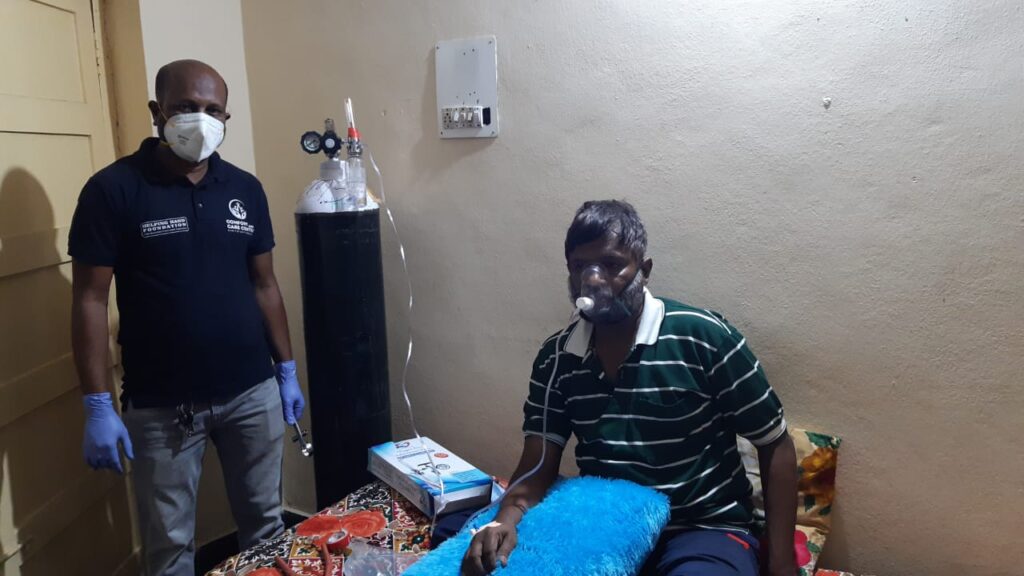
Mohammed Fareedullah, who heads the project told TwoCircles.net, “When we receive a call for help, our doctors consult them online and based on the doctor’s recommendation, if the patient needs oxygen, we advise the attendant to come to our godown and take the oxygen cylinder without paying any advance or rent.
A patient receiving oxygen help from HHF | Photo by HHF
Fareedullah said that the families of the patients just have “to pay the refilling charges.”
“The plant where we get the cylinders refilled have begun to charge double of what they used to charge earlier. But we charge the people a nominal amount,” he said.
“The cylinders provided by HHF are usually for home patients but if the patient develops complications and their saturation level drops despite the oxygen therapy then we help them reach the hospital where again our counsellors in the hospital help them with other needs. When the patient recovers and is discharged we ferry them home in HHF ambulances. If they do not recover the volunteers help the family with the last rites too,” explained Fareedullah.
Helping Hands Foundation owns about 15 ambulances which are free for all patients. The group has 100 cylinders and a luggage trolley to transport the cylinders to the houses of people who cannot come to their go down.
To date, HHF claims to have helped more than 700 people covering the entire old city and many other localities.
Humanity First Foundation: from feeding hungry to procuring Oxygen
Mohammed Shujatullah,founder of relief organization Humanity First Foundation has been feeding patients and their attendants at three government hospitals for the last 5 years.
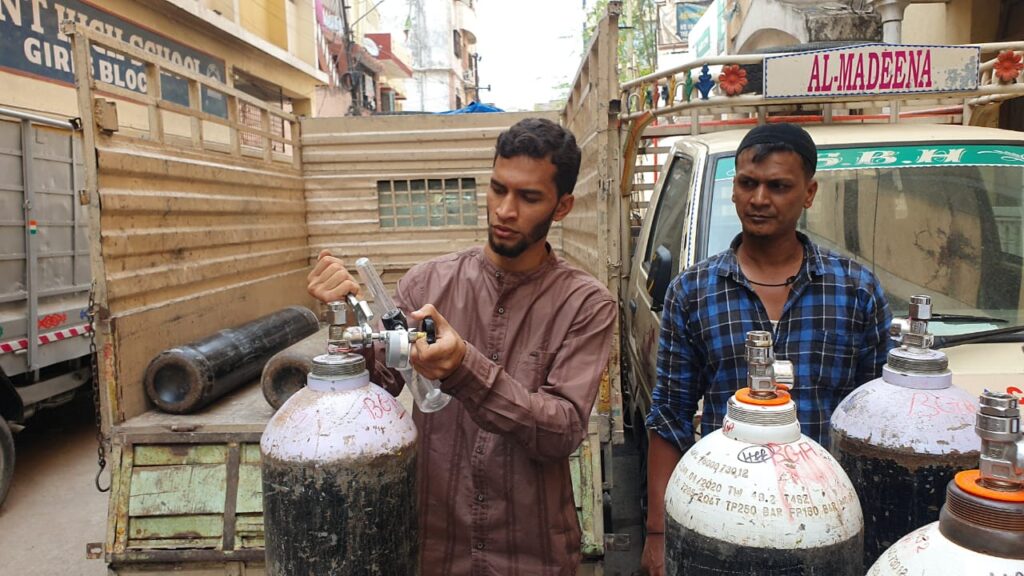
One day when Shujatallah received a call requesting help with oxygen, he decided to buy cylinders and give them for free to patients and then refill the empty ones and help whoever needed them. “Prices had doubled for both the oxygen cylinders and for refilling but through donations to Humanity First, I continued helping people every day with the 110 cylinders we have,” he said.
Md Shujatullah of Humanity First Foundation checking oxygen cylinders | Photo by HFF
His organization has an ambulance, which carries the oxygen cylinders to hospitals and homes of patients.
In the month of Ramadan, Shujatallah said that his foundation received good donations and he managed to help as many people as was possible for him.
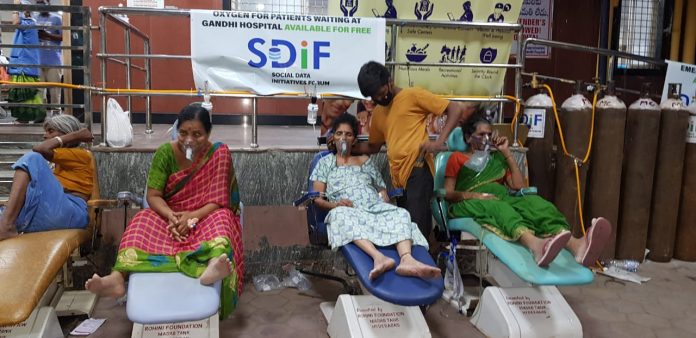
Patients at the gate of a hospital supported by SDIF | Picture: SDIF
‘Our motive to save lives keeps us going’
Another local initiative known as Social Data Initiative Forum (SDIF)founded by Azam Khan and Khalid Saifullah started oxygen services during the first wave of the pandemic with their stock of 15 cylinders.
During the second wave, as the oxygen crisis has only gone worse, the group has been adding to their stockpile of oxygen cylinders.
The founders said that they had to pay more than the normal price for both purchasing and refilling the cylinders.
“Our services are not restricted to just providing oxygen cylinders. We also set up an oxygen bank at Government notified Covid-19 hospitals where usually the poorest of the poor come to access health care. People from the rural parts come to Hyderabad with hopes of quality treatment and they face a lot of hurdles waiting to get admitted after already having travelled a long distance,” Azam Khan said.
“The waiting period at the hospital and the travel time further delays the process of the treatment, which is why we opted to help in the government hospitals,” he clarified.
In Gandhi Hospital alone, which is the largest Covid-19 hospital of Hyderabad, Azam Khan said they have “20 oxygen cylinders in circulation which are serving at least 400 patients per day.”
“This supply of oxygen is crucial to their recovery,” Khalid added.
Apart from the 20 cylinders, they have 100 more cylinders at the other two government-run Covid-19 hospitals of Hyderabad.
They said they have helped more than 100 people so far.
Azam Khan narrated an experience that made them realise the significance of their work.
The King Kothi Government hospital had requested SDIF to set up an oxygen bank.
“I felt we had to start the work immediately and even though it was Sunday, our team went to the hospital. As soon as we reached the hospital, we saw four dead bodies being carried away. We were told the hospital had run out of oxygen causing the death of these four persons. We immediately set up our oxygen cylinders. Later the doctors informed us that our timely help had saved three persons who were critical and would not have survived had we not reached on time. This experience both saddened us and also made us feel happy that we could at least save the lives of other three persons,” he said.
“Our motive to save lives keeps us going,” the duo said.
The SDIF is helped by two other charity organizations from Hyderabad namely Safa Baitul Maal and Access Foundation, who work in close collaboration with them.
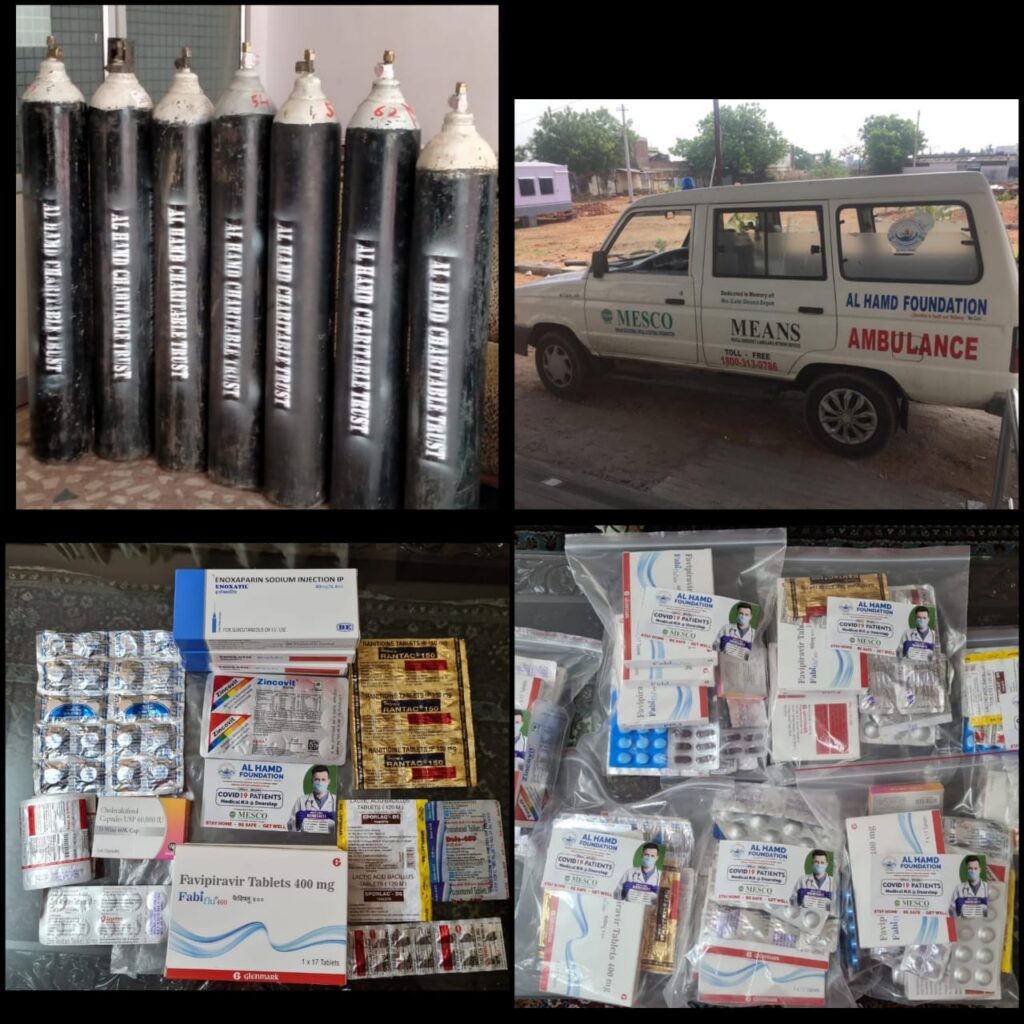
Pre and post-Covid care given by Al Hamd Foundation
Al Hamd Foundation, a charitable trust that helps widows, students and the poor, took up Covid-19 relief operations during the last year’s lockdown.
Amid the ongoing second wave, the foundation is continuing with online consultations of patients with doctors.
When patients contact them online, they are connected to doctors who advise home treatment keeping in view the severe crunch in the hospitals and also the fact that many cases can be treated at home with proper medications and care.
Al Hamd Foundation Covid relief services
The foundation has provided home treatment to fifty-two patients, who had reported low oxygen levels.
The founder of Al Hamd Abdul Azeem Mohammed told TwoCircles.net that the treatment cost they incurred for each patient would have run up to Rs. 7 to 8 lakhs had they been treated in a hospital.
“The team of AL Hamd ensures that the patient does not panic and develops a strong will to fight the disease and survive. The team also helps with the oxygen cylinders, the medicines and regular monitoring by the doctor who visits the patient. At times when the patients are poor and the team notices that they need provisions apart from the medical assistance, Al Hamd provides the family members with rations as well,” Azeem said.
Al Hamd has given 300 oxygen cylinders and 6 oxygen concentrators to other organizations that are helping people affected with Covid-19.
They have four oxygen hubs and seven ambulances in Hyderabad-Secunderabad and a fifth one is coming up soon.
“We have ordered 25 oxygen concentrators from the UK which is likely to arrive by in the last week of May. Each oxygen concentrator of 5-6 litres costs around Rs 46,000. We have also ordered 5 C PAP machines that cure respiratory disorders. And since we are not a hospital, we intend to donate these C PAP machines to the hospitals where there are facilities to treat patient with respiratory disorders that are linked to Covid” explained Azeem.
“We also give post-Covid care by giving immunity-boosting drugs and foodstuff,” he added.
Al Hamd is run with funds from family and close friends.
50-bed oxygen therapy centre set up by Jamaat-e-Islami Hind
Well-known socio-religious organization Jamaat-e-Islami Hind (JIH) Telangana has also set up a 50-bed oxygen therapy centre in Wadi-e-Huda near Shaheen Nagar, Hyderabad. JIH’s sister concern Students Islamic Organisation (SIO) supports recycling the cylinders, rifling them, coordinating with other organisations for availability.
Post Script
To support Helping Hand Foundation, you can make a GooglePay donation here: 8125203286
This is the fourth part of the series named `Scientist Says’, where we bring for our readers some of the significant and commendable research works of young scientists in their respective fields.
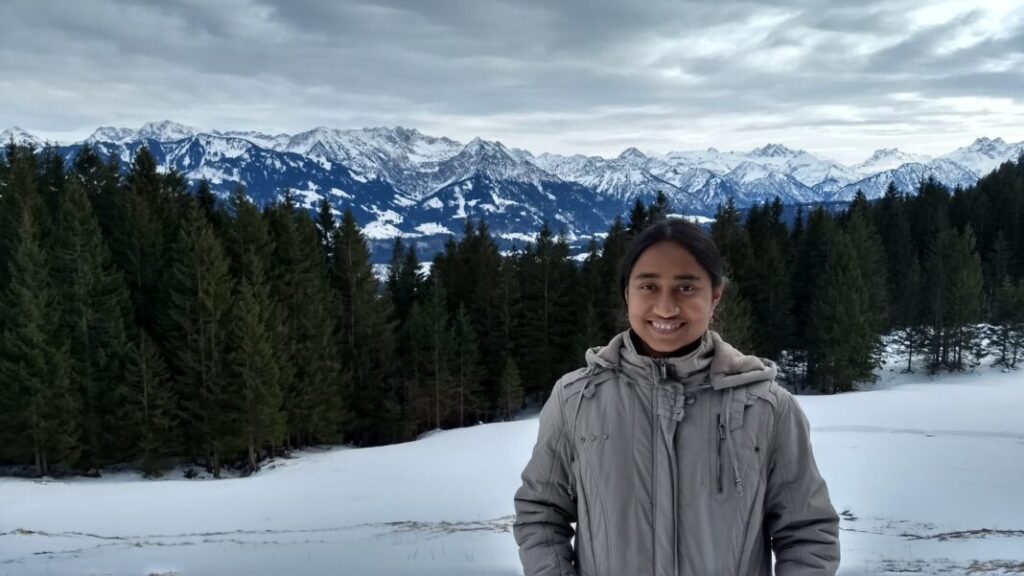
Dr. Nafisa Begam completed her Ph.D. in the year 2016 at the Indian Institute of Science(IISc), Bangalore. Presently, she is working as Alexander von Humboldt postdoctoral research fellow at the Institute of Applied Physics, University of Tuebingen, Germany. She shares her significant research works with Rashida Bakait of India Tomorrow. Here are the excerpts of the interview.
Q.Please give a brief explanation about your research works.
Ans: During my PhD, in the group of Prof. J K Basu, Department of Physics, IISc. Bangalore, I characterized polymer nanocomposites with a desire to create novel materials with unique and remarkable physical properties (such as electrical, optical properties sometimes with high temperature resistance) but considerably lighter weight, compared to their conventional metal-based counterparts. Polymer nanocomposites is a material where organic/inorganic particles, rods or cylinders of nanometer dimensions (i.e. nanofillers) are embedded in a polymer matrix. I investigated several experimental parameters (e.g. temperature) that influence the processing of these composites and studied their dynamics using state-of-the-art technique- coherent X-ray scattering.
Besides the above-mentioned research, I have currently deviated my work towards bio-physics. Now I am studying structure and dynamics of proteins, in the University of Tuebingen (the Schreiber group), Germany, as an Alexander von Humboldt postdoctoral research fellow, including steering biochemical reactions rates, sensing, or signaling.
Q.What was the aim behind your research works on `polymer nanocomposites’ and dynamics of protein?
Ans: During my masters, I experienced several experimental techniques in the department of physics, Indian Institute of Technology, Kharagpur. I was inspired by the quality of work being done there and decided to carry out research in the field of experimental physics. As I got into the laboratory of Prof. J K Basu, conducting extra-ordinary researches in the field of soft matter physics, especially polymer nanocomposites, for my Ph.D research, I started my work aiming that I will have a contribution in this field. The worldwide application and interest in the research of polymer nanocomposites led me to choose this system and explore the underlying physics behind its unique properties.
The aim of my studies on structure and dynamics of proteins is to understand the behaviour of protein-based systems such as egg white which are versatile products in our daily life, food industry, biotechnology, medicines and also in condensed matter physics. I study the temperature sensitivity on protein systems as it is highly impactful on proteins’ applications in bio-physics, foods, and their functions in intracellular organizations.
Q.What kind of new findings were highlighted in your research works?
Ans: My research work on microscopic dynamics of nanoparticles inside polymer matrix revealed an anomalous temperature dependent viscosity which enhances under confinement as well as with reducing temperature due to the presence of hydrodynamic slip at nanoparticle-polymer interface. This work highlights that the interface slip present in a polymer nanocomposites can alter the properties significantly with respect to their pure polymer properties. My work was published in various reputed journals such as, American Chemical Society, Royal Society of Chemistry, Nature Communications (Nature), Polymer (Elsevier), American Institute of Physics and American Physical Society.
I would also like to share my recent, very interesting, investigation on the gelation process, i.e. the cooking of egg white which reveals how the structural growth occur and the transparent egg white forms a turbid and solid gel. During this process, the proteins in the egg white denature and form a network structure due to heating. Understanding such gelation mechanism not only has important implications for food science, but also for polymer, soft matter Physics, and biophysics researchers. Due to the special interest of this system and the importance of the sophisticated technique used, this study has been highlighted in American Physical Society, and various press release in Germany, and UK.
Q.What kind of challenges did you face?
Ans: Researchers struggled to understand the dynamics of nanoparticles in polymers or complex protein based systems, particularly at the length scales of hundreds of nanometers to micrometers, relevant for the taste buds of our tongue. We tackled this problem with a powerful tool: coherent X-ray scattering. In order to examine the exact molecular structure of the material, short-wave radiation such as X-ray light is necessary, which penetrates the opaque systems and whose wavelength is no longer than the structures to be examined. Such a sophisticated technique is only available in few synchrotron radiation sources, e.g. Petra III (DESY, Germany), ESRF (Grenoble, France). This facility is provided to a very few research groups every year through exclusive review process by the synchrotron experts.
Q.Any scholarships or awards for research?
Ans: I was honored by the Prof. Anil Kumar Memorial Medal for best PhD thesis 2016-2017 (in experimental Physics, IISc. Bangalore), India. Recently, I received the Alexander von Humboldt postdoctoral research fellowship since February 2019 in Germany.
Q.How do you think your research would be beneficial to the society or any other industry?
Ans: During my PhD, I worked on the characterization of polymer nanocomposites which is a new class of materials with unique properties such as electrical, optical, thermo-mechanical properties. By doing so I could contribute to the understanding of the materials used in various applications, e.g. high quality food packaging, coating, painting, electronic devices (solar cells) and automotive industries.
As far as my recent research on protein dynamics is concerned, it is expected to have benefits in condensed matter physics, food industry as well as our daily diet. For example, the famous “spring egg” is cooked at temperatures between 63 oC and 66 oC, resulting very soft and transparent gel. My research will contribute towards understanding the underlying mechanism behind such gel properties and hence helping to produce food gels of desired properties.
Q.When did you begin and complete your PhD/research?
Ans: I started my Ph.D on polymer nanocomposites in the group of Prof. Jaydeep K Basu, department of Physics, Indian Institute of Science, Bangalore in August 2011 and finished in July 2016. Presently, I am doing my postdoctoral research work on the protein dynamics.
Q.What was the conclusion of your research on polymer nanocomposites?
Ans: I observed that the nanoparticle-polymer interface nature plays a crucial role in deciding the microscopic dynamics of these materials and hence their thermo-mechanical and rheological properties. My research shows the tunability of the dispersion of nanoparticles and how it influences the relevant physical properties in a polymer nanocomposite. This outcome could have potential in processing high quality materials in various application field, e.g. in automotive industry, an appropriate polymer nanocomposite can significantly enhance the fuel efficiency.
Q.How do you think your research works can be carried forward?
Ans: Polymer nanocomposites is a broad field. It can be carried out further in many directions. For example, to completely understand the dynamical behavior of the nanoparticles inside polymer, it is needed to investigate the systems by varying the nanoparticle/polymer interactions over a broad range. It would be interesting to study the microscopic dynamics of such systems. In addition to that, model a system which can represent the thin film behavior and explore the confinement effect using simulations to understand the observed experimental phenomena microscopically.
My present work on protein dynamics has tremendous potential for researchers working in the area of soft condensed matter physics, food science, biotechnology, medicines as well as the understanding proteins’ functions in living organizations i.e. in biology. Proteins’ functions are not fully understood due to their complexity and technological limitations. Our study is one among the first investigations along this line and we expect it to pave the way for future experiments to shed light on processes in proteins highly relevant for the food industry and soft matter physics. This work can be continued by employing this newly developed experimental technique to investigate other relevant proteins and materials making foams, gels etc. in one of our primary interesting fields, food industry.
Q.Apart from the above-mentioned research works, would you like to share any other new research works you are working on now?
Ans: Currently, I am working on the dynamics of a chocolate melt at temperatures close to human body temperatures. This work is expected to have potential impact on colloidal physics as well as the chocolate industry by providing information over the parameters to control the chocolate quality.
Q.Lastly, please give few suggestions to the budding scientists.
Ans: Research is entirely different from the usual courses or subjects we study where we can easily acquire information from the available sources, whereas in research one has to tackle an unknown problem which requires a deeper and thorough understanding of the related subject/field. You might fail or succeed. Research requires patience to continue after learning from the failed attempts. Failing in one research attempt is most probable but that is the only way to learn and a way to move forward towards success.
source: http://www.indiatomorrow.net / India Tomorrow / Home> Education> Featured / by Rashida Bakait , India Tomorrow / April 10th, 2021
BJP leader and chairman of Karnataka Minorities Development Corporation Mukhtar Pathan’s son Imran Khan Pathan died in Belagavi on June 13.
He had recovered from COVID -19, but suffered from other complications, family sources said.
He was 27. He was the son in law of senior journalist Saleem Dharwadkar.
Imran Khan Pathan, an IT engineer, had returned to Belagavi a few months after his company allowed him to work from home. He had contracted the virus two weeks ago. He was admitted to a private hospital since then.
“He had recovered from COVID-19, but developed other complications. Efforts of doctors did not succeed in saving him,” family sources said.
The final rites were held in the Idgah burial ground on June 13.
source: http://www.thehindu.com / The Hindu / Home> News> States> Karnataka / by Special Correspondent / Belagavi – June 13th, 2021
This is the ninth part of the series called ` Scientist Says’ where we bring for our readers the significant research works of young scientists in various fields.
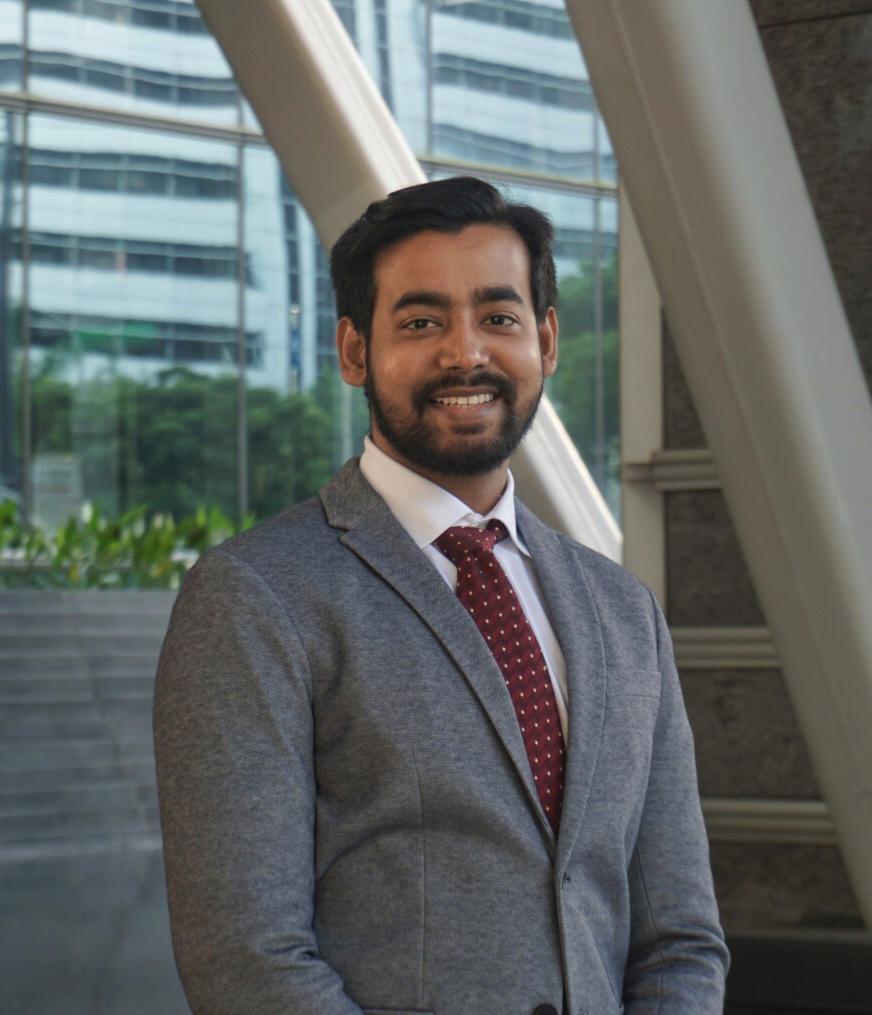
Dr. Nahid Kaisar is currently working as a postdoctoral fellow in Academia Sinicia, Taiwan. He completed his PhD in Material Science and Engineering from National Taiwan University of Science and Technology, Taiwan. His work is published in several international journals and he has also presented his work in several conferences in USA and Japan. He has also patented his research work for future commercialization.
Here are the excerpts of an interview of Dr. Kaisar with Rashida Bakait of India Tomorrow.
Q. Please briefly explain your research.
Ans: I am working on the development of nanomaterials and their applications on Lithium-ion battery and Lithium-Sulfur battery. I completed my PhD on the development of Li-S battery, which is also known as next-generation battery technology. We have worked in direct collaboration with industries who manufacture battery for electric car and other applications, which makes the research work more challenging. While working on the materials and its application, always keep in mind about the market viability and industry viability.
At this moment we have well developed Li-ion, Li-polymer battery technology which has wide range of applications that include electric vehicles, consumer electronics and grid technology. But the energy density does not satisfy the current demand. We are doing research on the Li-S battery, which has five times higher energy density and discharge capacity than the current Li-ion battery.
Petrochemical industry produces plenty of Sulfur as by-product, which makes Sulfur abundant element and sulfur is environment friendly compared with the heavy metals used in Li-ion battery. A successfully commercialize Li-S battery not only increase the battery energy density but lower the battery cost.
Q. What was the objective of your research?
Ans: The main objective of my research work on Li-S battery technology is to develop a successful product that is cheaper than recent Li-ion battery and at the same time exhibits higher energy density. The main aim of my research work is to develop a successful Li-S battery that will help to replace the use of toxic heavy metals (like Co, Mn, Ni) which has adverse effects on the environment.
Q. When did you begin and complete your research?
Ans: I started my research in the year 2016 as a graduate student in National Taiwan University of Science and Technology, where I worked on the thin film technology. Later, in 2017 I started working in Academia Sinica, one of the premier research institutes in Taiwan. I completed my Ph. D in April 2020. Later, in the month of May 2020 I started working as a postdoctoral fellow in Academia Sinica.
Q. What were the findings of your research?
Ans: There are two aspects of my research work:
Material development: I do research on the design and synthesis of nanomaterials for various applications that include energy storage system. I keep in mind that the synthesis process must be market friendly and easy to process in industry.
Energy storage: Li-S battery face drastic capacity and active materials loss after few charge-discharge cycles. I have successfully developed new materials and battery technology that have successfully stabilized the battery performance.
Q. Any scholarships or awards for research?
Ans: I have been awarded National Taiwan University of Science and Technology graduate scholarship. I have also been awarded CTCI outstanding research award in 2020 for outstanding research work during PhD.
Q. How do you think your research would be beneficial to the industry or society?
Ans: LI-S battery technology is a new topic of research compared to Li-ion battery. My research work adds few innovative research ideas to the field that would help in the development of a commercial product.
Q. Any new research you are working on now.
Ans: Currently, I am working on the development of new anode materials for Li-ion battery. Presently, commercial Li-ion batteries use graphite as anode material, which has lower discharge capacity and low conductivity. I am doing research on new materials that can replace the state-of-the-art graphite while exhibiting similar performance.
Q. How do you think your research can be carried forward?
Ans: Research is a never-ending process. We need to design industry feasible synthesis process for battery materials using safe and non-toxic materials. We need to collaborate with battery management system that will help to produce an outstanding product. There is a need of strong collaboration between academic and industry to achieve a fruitful product.
Q. Please give few tips and suggestions for the budding scientists.
Ans: All the students who are looking forward to start research journey, should focus on finding an outstanding supervisor. Your supervisor will be the key in success during your research career. University and country play a secondary role.
source: http://www.indiatomorrow.net / India Tomorrow / Home> Education / by Rashida Bakait, India Tomorrow / May 28th, 2021
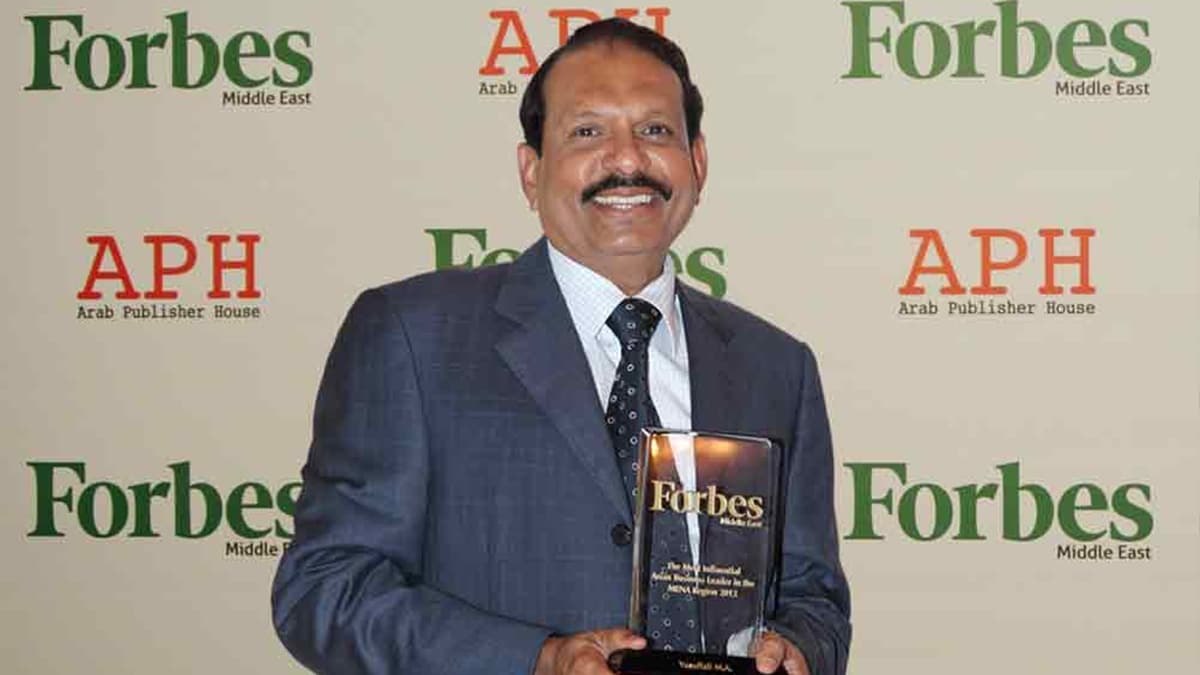
Yusuffali MA is a UAE-based Indian businessman. He is a billionaire who operates the Lulu Group that owns Lulu Hypermarkets and shopping malls.
It was nothing sort of rebirth for Becks Krishnan, serving a death row in UAE when his 500,000 Dirhams (around Rs 1 crore) compensation was paid in full and the man hailing from Kerala was released. The generous compensation was paid by Yusuffali MA, the chairman and managing director of LuLu Group.
Krishnan was sentenced to death by UAE’s Federal Supreme Court. He had been found guilty of killing a young Sudanese boy when he recklessly drove his car and rammed a group of children in September 2012. Ever since the sentence, the family had been trying for his release. But that required a hefty compensation to be paid. This is where Yusuffali stepped in.
In his career as a business tycoon, Yusuffali has headed the Abu Dhabi Chamber of Commerce and Industry (ADCCI). He is the only non-Arab to be elected to the director board of ADCCI for three consecutive terms.
He has been a key mediator in the Kochi Smart City project between the Kerala government and the Dubai-based TECOM Group. Apart from his role in business, he has also organised several relief measures in India, notable among those are during the Lathur earthquake in Maharashtra, the Gujarat earthquake, and the Uttarakhand floods.
Yusauffali was conferred with Padmashree by President Pratibha Devi Singh Patil in 2008 for his achievements in business and industry. He was the first non-resident Indian (NRI) from the Gulf and the Middle East countries to be awarded Padmashree. Previously, he had been given the Pravasi Bharatiya Samman Award by late President APJ Abdul Kalam in 2005.
The UAE government in April awarded him with its highest civilian award for his noble and charitable contribution to the community. After accepting the award, Yusauffali said, “I first arrived in Abu Dhabi 47 years ago with dreams and hopes. I faced a lot of challenges and ups and downs in my life, but, today, I have reached this stage by the grace of Almighty God and the wholehearted support from the Royal Family of the UAE.”
Securing the release of Krishnan, Yusuffali simply “thanked the almighty and the benevolence of visionary rulers of UAE” for the decision, and wished him a happy and peaceful life ahead.
source: http://www.indiatoday.in / India Today / Home> Business / India Today Web Desk, New Delhi / June 04th, 2021
The 45-year-old had been languishing in jail awaiting capital punishment with all hopes quashed.
It is quite literally a second lease of life for Becks Krishnan. The Indian expat, who was on death row in the UAE for causing the death of a young boy in a road accident, can finally see the outside of a jail cell following the intervention of NRI businessman M.A. Yusuff Ali.
The 45-year-old had been languishing in jail awaiting capital punishment with all hopes quashed. But he got a second lease of life, thanks to the efforts of Yusuff Ali, chairman of Lulu Group.
Krishnan was sentenced to death by the UAE Supreme Court after he was found guilty of causing the death of a young boy. He had rammed his car into a group of kids in September 2012.
Ever since, his family and friends have been relentlessly trying for Krishnan’s release without any success, especially as the victim’s family had already gone back and settled in Sudan, putting an end to any kind of discussion or pardon.
As a last attempt, the Krishnan family approached Yusuff Ali, who went about getting the details of the case and got in touch with all stakeholders. At one point, Yusuff Ali flew down the victim’s family from Sudan to Abu Dhabi for a month and held extensive discussions to arrive at a compensation amount and secure pardon for Krishnan.
Ultimately, in January this year, the victim’s family agreed to pardon Krishnan, and Yusuff Ali paid Dh500,000 as compensation in the court to secure the early release.
source: http://www.khaleejtimes.com / Khaleej Times / Home> News> Crime and Courts / by James Jose, Dubai / June 03rd, 2021
The First Training Squadron based in Kochi comprises Indian Naval Ships Tir, Magar, Shardul, Sujata, Tarangini, Sudarshini and Coast Guard Ship Sarathi. The squadron is presently headed by Captain Aftab Ahmed Khan, who is also the Commanding Officer of INS Tir. The 24-week sea training commenced on December 28, 2020.
Rear Admiral Antony George along with award winners
A Passing Out Divisions, marking the successful culmination of afloat training of the 99th Integrated Officer Trainees Course, was held onboard ships of the First Training Squadron on Friday.
It was a short but inspiring ceremony curtailed due to the COVID-19 imposed restrictions, a Defence release said here.
The course consisted of 104 officer trainees of the Executive Branch of the Indian Navy.
Rear Admiral Antony George, Chief of Staff of Southern Naval Command, awarded trophies to the meritorious officer trainees during the Passing Out Divisions held onboard the ships.
The First Training Squadron based in Kochi comprises Indian Naval Ships Tir, Magar, Shardul, Sujata, Tarangini, Sudarshini and Coast Guard Ship Sarathi.
The squadron is presently headed by Captain Aftab Ahmed Khan, who is also the Commanding Officer of INS Tir.
The 24-week sea training commenced on December 28, 2020.
During this phase, the Sea Trainees were imparted instructions on seamanship, navigation, ship-handling and technical aspects with emphasis on practical training.
Designed to enable the trainees to obtain their sea legs, the intensive sea training provides an exposure to the rigours of life at sea in a conducive training environment that prepares young officers to undertake combat as well as less than war functions effectively, the release said.
The Sea Trainees spent 67 days at sea sailing almost 14,000 NM and visited various ports on the West and East coasts of India as well as overseas ports of Mauritius (Port Louis), Seychelles (Port Victoria), Madagascar (Antsiranana) and Maldives (Male), it said.
The trainees were also exposed to sail training onboard the sail training ship, INSV Sudarshini.
As part of Swarnim Vijay Varsh, the trainees also participated in the transfer of Victory Flame from Kochi to Lakshadweep and Minicoy group of islands.
The coveted Chief of Naval Staff Trophy and Telescope for the Best All Round Sea Trainee was awarded to Sub-Lieutenant Bharat Bhushan Sangar.
The Chief of Naval Staff Trophy and Binoculars for standing First in Overall Order of Merit was awarded to Sub- Lieutenant Nishant K Vishwakarma.
FOC-IN-C East Rolling Trophy for showing maximum progress in professional subjects during the term was awarded to Sub-Lieutenant Ayan Ali.
FOC-in-C South Rolling Trophy for sports and extracurricular activities while also excelling in professional subjects was awarded to Sub-Lieutenant Ojas Tohra.
The officers will continue their next phase of training onboard various frontline Indian Naval warships on the Western and Eastern sea board, the release added.
source: http://www.economictimes.indiatimes.com / The Economic Times / Home> Business News> Defence / by PTI / June 04th, 2021