Category Archives: Museums, Libraries (wef. April 16th, 2022)

Atiqa Bano’s Meeras Mahal heritage museum to be refurbished

Sophore (Suvyyapur) Town (Baramulla District), JAMMU & KASHMIR :
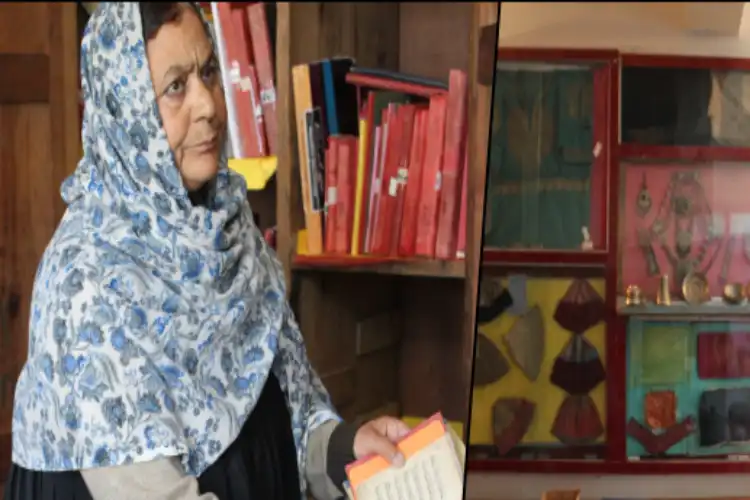
Atiqa Bano
Atiqa Bano

Atiqa Bano’s vision that the generations to come must know how people lived in Kashmir over centuries had made this retired Kashmiri educationist collect ancient households articles like hey mats (Waguv), multipurpose earthen pots, wooden doors, latches, and possibly all things used by humans over two centuries and create the first-ever private museum in the Valley.

Called “Meras Mahal” (The palace of heritage), it houses more than 5,000 artifacts reflecting the social and cultural life of Kashmir over two centuries.
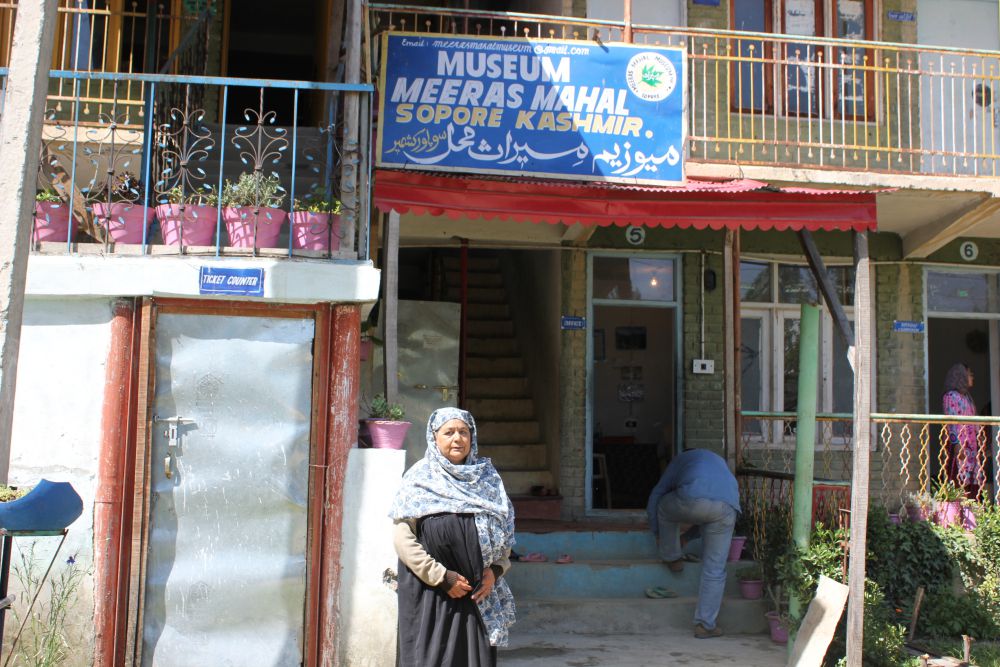
Atiqa Bano standing in front of Meeras Mahal

Atiqa Bano passed away in 2017 and her family continued to struggle to maintain it and not let forces of Nature damage this treasure trove. However, they always lacked resources for this gigantic task.

Finally, Atiqa Bano’s love of her labour is all set for a major revamp and scientific conservation as this historic treasure had attracted the attention of the Indian National Trust for Art and Heritage (INTACH), J&K Chapter.

Atiqa Bano, an educationist, had made great efforts to collect the exhibits over two decades after she retired from the J&K Government services in 1998. A woman of strong resolve, Atiqaji, as she was popularly called, had taken to looking after her father after her mother’s death. She had chosen to remain single and devote her life to education, women’s welfare, and society.
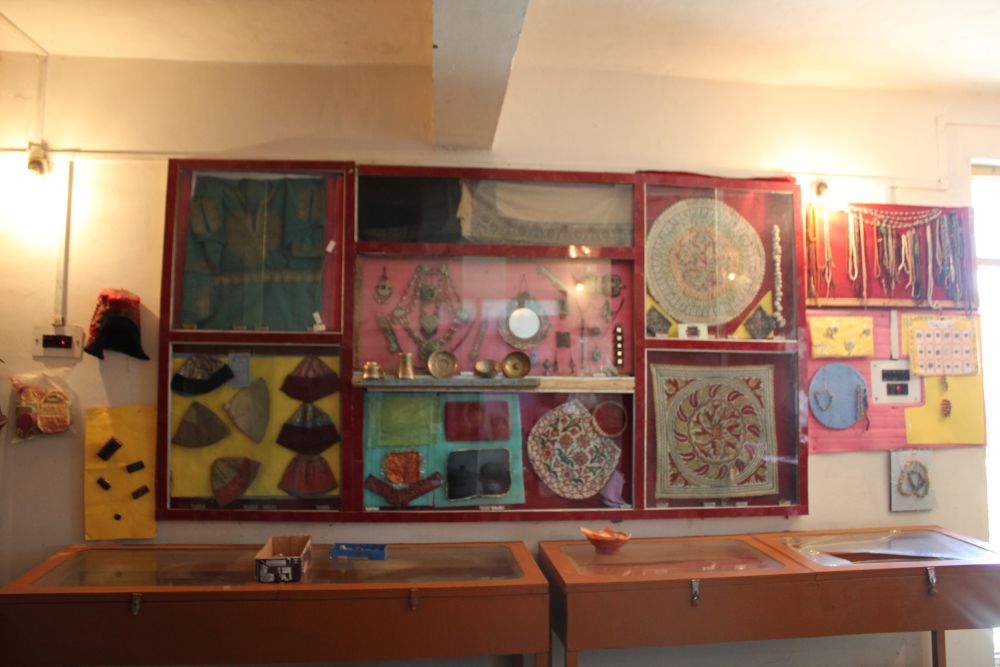
Household items on display in Meeras Mahal

It was during her campaigns for women’s empowerment that she was drawn to the collection of rare kitchenware, old ornaments, agricultural tools, clothing, earthenware, and manuscripts lying around in many Kashmiri households. It dawned upon her that with the changing times, all these human inventions would be lost to time if not preserved for posterity.

She started collecting artifacts in 2002 and continued her mission till her death.

Atiqa Bano is gone from this world, but her memory and work is commemorated for posterity, and, as she wished, for the generations to come.
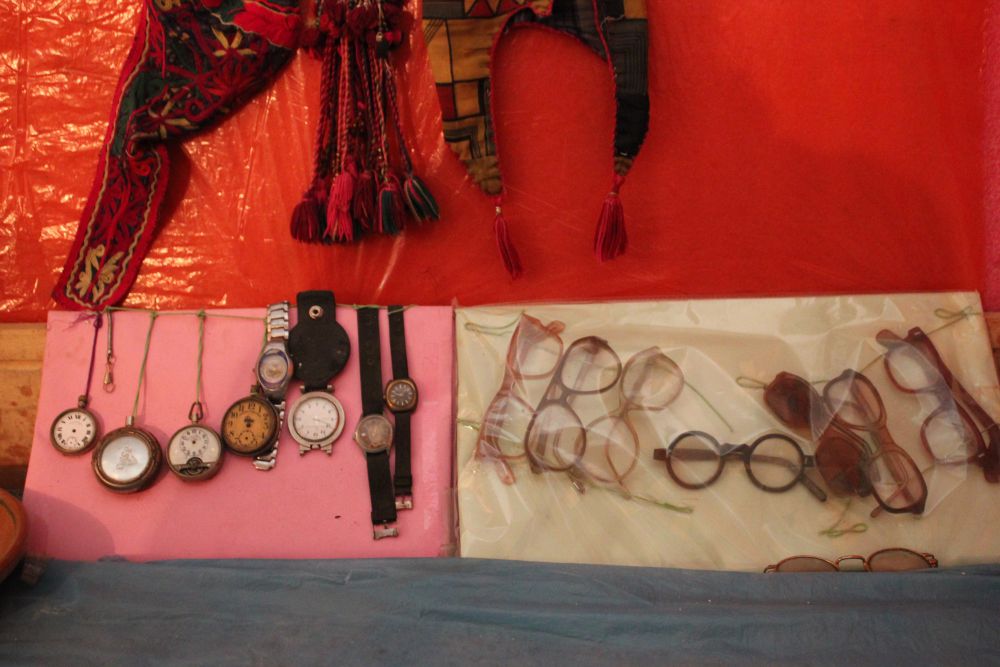
A collection of watches and eye glasses on display at Meeras Mahal

Realizing the importance of Atiqaji’s rich heritage collection, the J&K Chapter of INTACH and HELP Foundation have taken up the gigantic task of rejuvenating  Meeras Mahal.

Saleem Beg, head of the INTACH, J&K Chapter, said, “Saima Iqbal and INTACH team are digitizing, curating and contextualizing the rich collection of vernacular objects after preventive conservation. The museum will have a thematic display demonstrated through sketches and write-ups supported by an elaborate digital presence.”

Saima Iqbal said, the work, supported by ALIPH- an international alliance for the protection of heritage in conflict areas, is getting streamlined. She stated that a team comprising a web designer, photographer, conservator, curator, and illustrator is working in tandem as all are interdependent and need to work in sync.
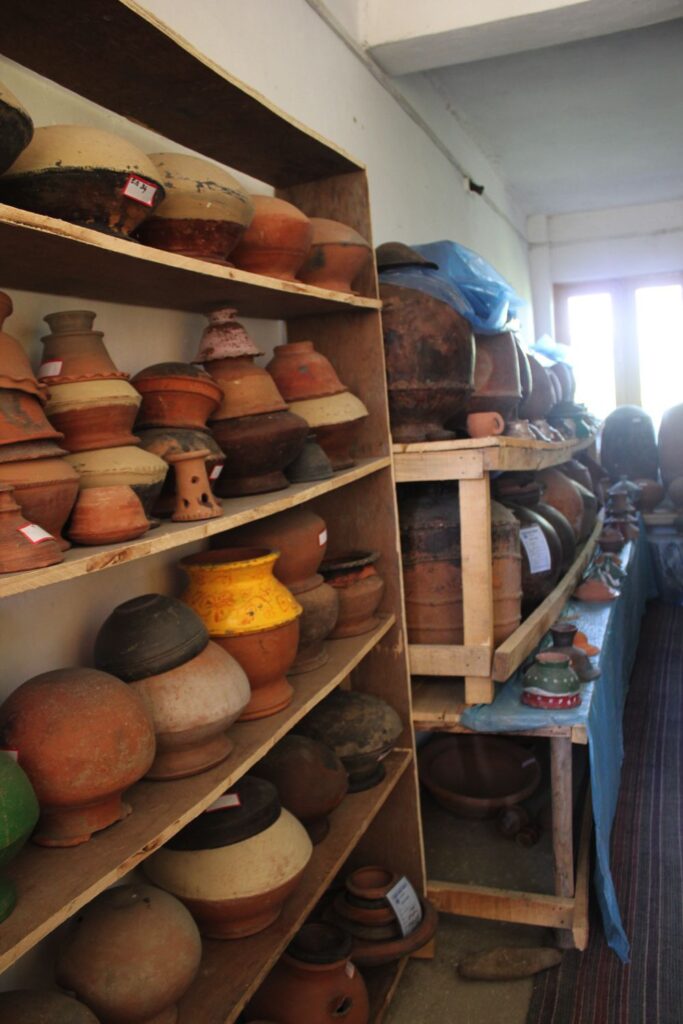
Earthenware used in Kashmiri households in Meeras Mahal

“I have to say that the challenges are many and we are making the best use of available meager resources here but the passion is alive and the project will be a great success”, she said.

“The first article preserved in the museum is Kondul, an earthen bowl that holds smoldering embers in Kangri, a personal and portable heating device of Kashmiri, said Muzamil Bashir Masoodi, Caretaker or (Honorary) President of the five-member Trust of prominent literary personalities, constituted to look after the museum.

Muzamil, who is also Atiqa Ji’s nephew had been taking a keen interest in maintaining and preserving the rare articles of the museum. The initially preserved items also included hand-written books of Ghulam Mohammad Hanfie, a scholar, Ateeqa Ji’s grandfather.

“All the items are counted one by one like 10 different Charkhas (spinning wheels) are counted as 10 separate items”, explained Muzamil.

The museum was initially set up in their private B. Ed College, Kashmir Women’s College of Education, at Noorbagh, Sopore. It was shifted in 2012 and called Meeras Mahal to a Hostel building of the College, at Highland Colony, where the rare items are “stored” due to the paucity of space.
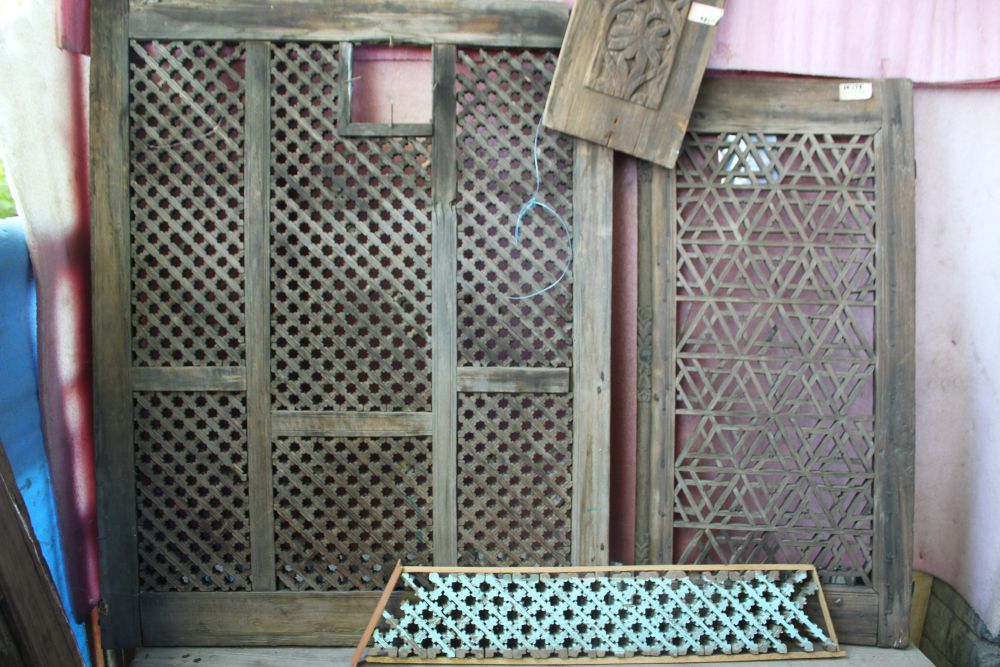
Doors and windows used in Kashmiri architecture

Muzammil said that “we cannot provide the normal gap of at least two feet between the items”, which makes it difficult to maintain the entire treasure. “There has been no support from the Government”, he said. He said so far he has been getting a token amount from the college funds for maintaining the museum.

“During the Covid restrictions, when everything was closed, we managed to be in the museum to provide basic maintenance,” Muzamil said. He had submitted a detailed project report, for conservation and preservation of the museum to the UT Government in 2019.”

Nothing has came his way so far.

source: http://www.awazthevoice.in / Awaz, The Voice / Home> Culture / by Ehsan Fazli, Srinagar / April 11th, 2022
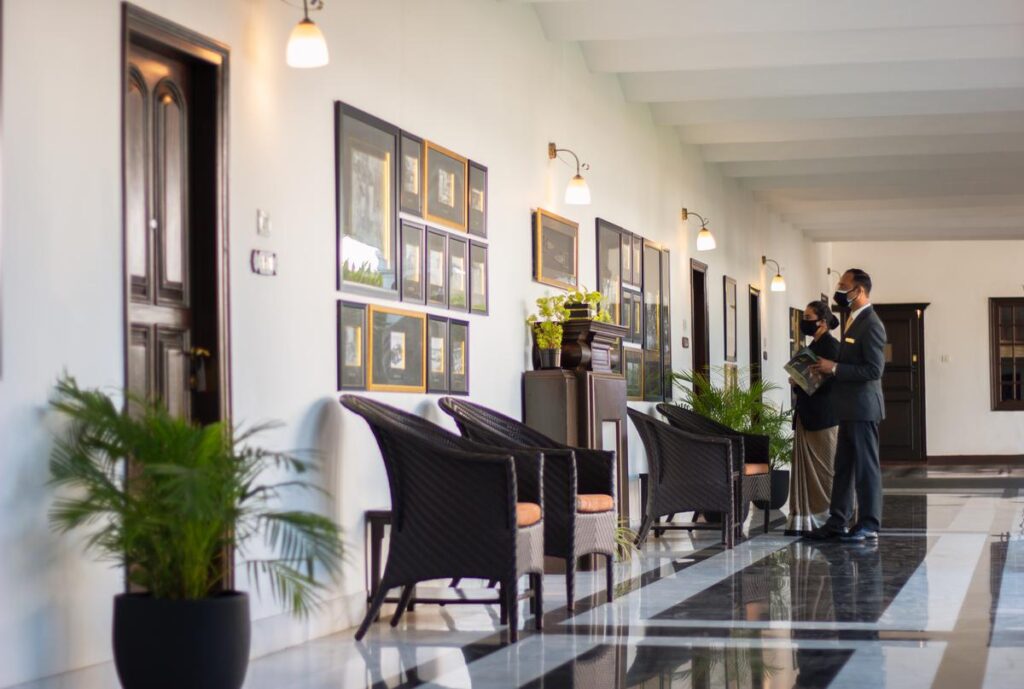
There’s a museum in the corridors of Jehan Numa Palace

Bhopal, MADHYA PRADESH :

The New Museum

Tall marble pillars frame photos, automobiles and more, as the Bhopal royals open up their past at the Jehan Numa Palace Hotel

Over the years, the Jehan Numa Palace in Bhopal — built on the slopes of the Shyamla Hills in 1890 by General Obaidullah Khan, commander-in-chief of the Bhopal State Force, and the second son of Nawab Sultan Jehan Begum — has worn many garbs.

The white marble edifice, which melds British Colonial, Italian Renaissance and Classical Greek architectural styles with facets of Art Deco, was constructed as the general’s office, and then used as his sons’ secretariat. After Independence, it became a government hostel, and later, the offices of the Geological Survey of India.

In 1983, after restoring the five-acre property, the general’s grandsons reopened it as a heritage hotel — its colonnaded corridors showcasing sepia-toned portraits, and the interiors housing rooms, four restaurants, two bars and a spa. Now, the pandemic has given it another facet: a museum, which came together almost like a “jigsaw puzzle”, says Faiz Rashid, director of the Jehan Numa Group of Hotels and a member of the Bhopal royal family.

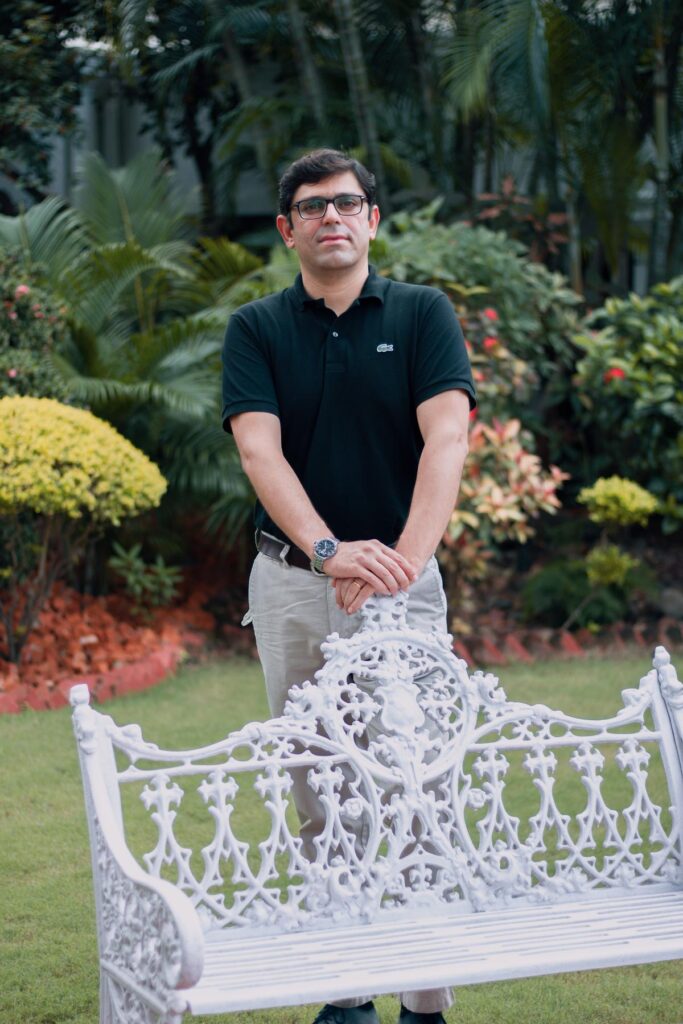
Faiz Rashid

A colonnaded showcase

“[Over the last 20-odd months] we tried to come up with innovative ways to nurture hospitality. Because of the time on hand, we started looking at family archives and thought why not share the legacy with the world,” says Rashid. He tells me about putting together memorabilia: artefacts, attire, “lovely letters in Urdu” written to his great grandfather, documents, “invoices of the cars the royal family bought [like a Ford Phantom and a customised Bentley]” — all of which are now on show at the hotel.

“General Obaidullah Khan accompanied his mother, the last begum, on her foreign trips. He was inspired by different architectural styles, and the display is a pictorial history of the hotel’s evolution from the time it was built in the 19th century,” he says.

The corridors along the central courtyard, with its famed 100-year-old mango tree, were chosen as the ideal backdrop for the display. I take a virtual tour of the elegantly-framed archives, arranged in clusters on the walls of the chequered black-and-white marble and granite corridors, zooming into the photographs, and taking in glimpses of the life and times of a pre-Independence royalty that was progressive and involved, wealthy but not flamboyant, stylish but never garish.

From letters to thoroughbreds

The family took the help of Joe Alvarez, the well-known jazz singer who has written a coffee-table book on Bhopal, to curate the memorabilia.

“We divided them into nine subjects, starting with the four begums, the last nawab, dignitary visits, nawabi sports and the outdoors, and such,” says Alvarez, who has also generated a voice-over, and added a QR code to enable a Walk-In Museum audio guide.

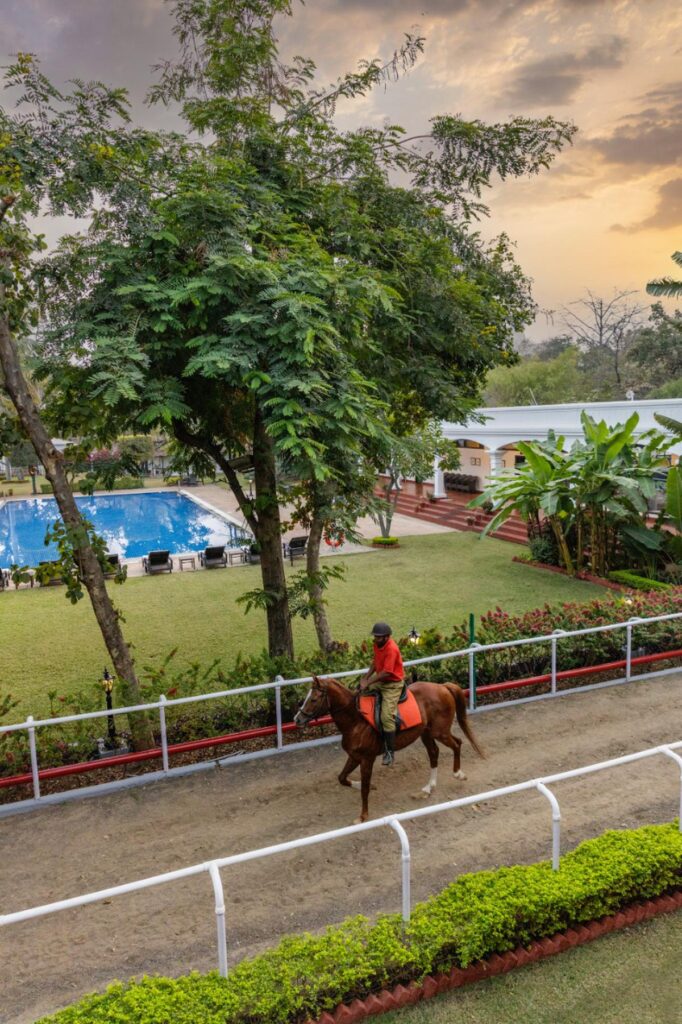
The track at the Jehan Numa Palace Hotel

He expounds about the images of a thriving stud farm, something that continues till date (a trotting track set up when the hotel opened gives visitors a peek into the royal family’s passion for breeding thoroughbreds), of custom-built automobiles, branded guns and weapons, and official visits by dignitaries.

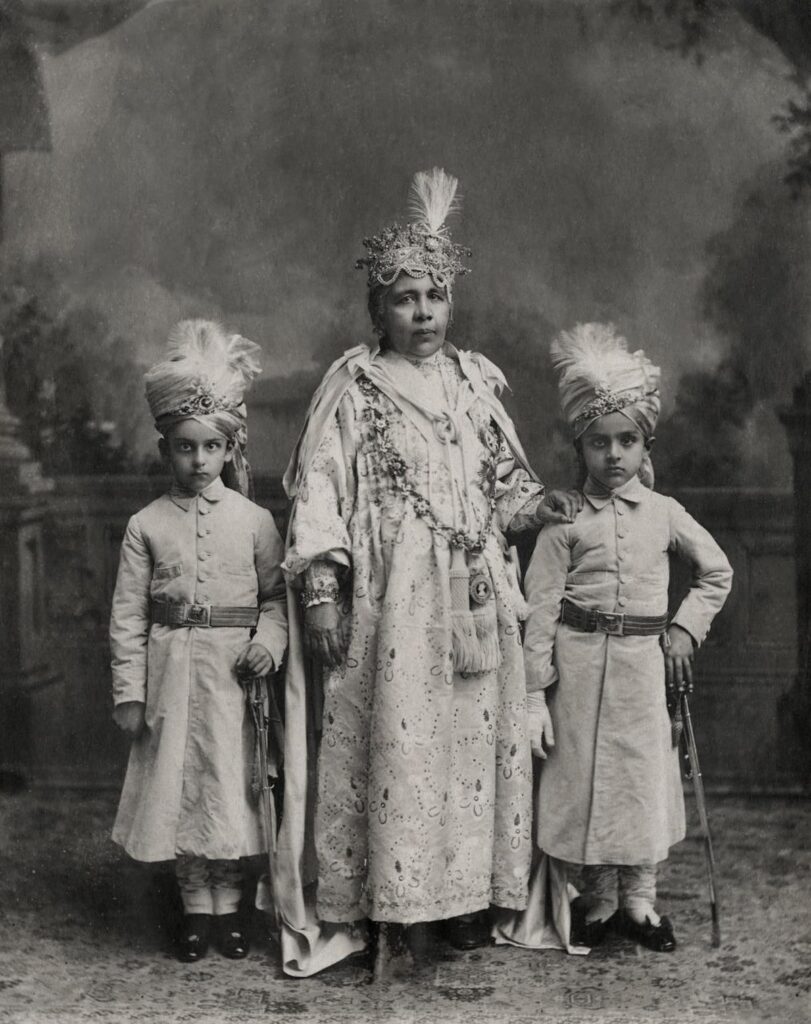
The begum’s photo from the archives

“The nawab begums of Bhopal were very dynamic and built the city differently from male rulers. They focussed on all areas, from education to women’s empowerment. We realised so much of their contribution — like building hospitals, enhancing the railways, opening schools — while putting this together,” shares Rashid, adding that, in 1889, Shah Jehan Begum funded the construction of Britain’s first purpose-built mosque at Woking. The collection is still evolving as more memorabilia makes its way to them slowly, from the extended family. A plan to restore and display the wedding dresses of the begums is also in the pipeline.

The museum is open to all. Rooms at the hotel are from ₹8,000 onwards. Details: jehannuma.com

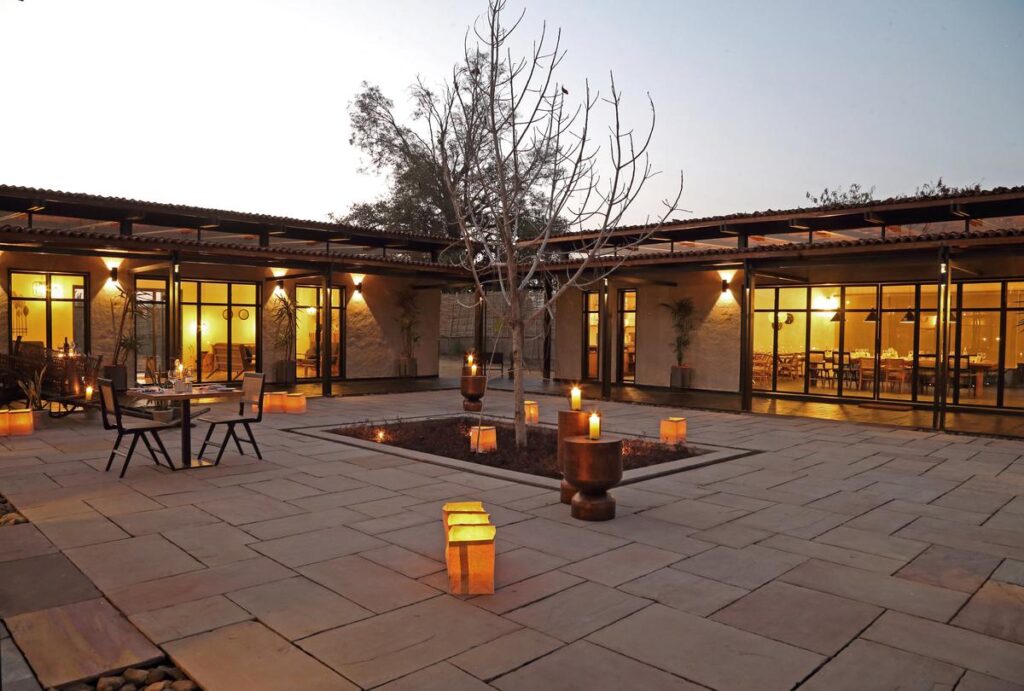
Bori Safari Lodge

Spot the tiger at Bori Safari Lodge

Another post-pandemic hospitality initiative is Bori Safari Lodge, an eight-room wildlife camp started by Rashid’s brother, Aly, in the Satpura Forest. “When we started the Reni Pani Jungle Lodge [a two-and-a-half hour drive away] in 2009, it was about experiencing the diversity of the forest, with river safaris, walking trails and birding. With the Bori, the tiger comes centre stage,” says the trained naturalist, who has partnered with the state tourism department.

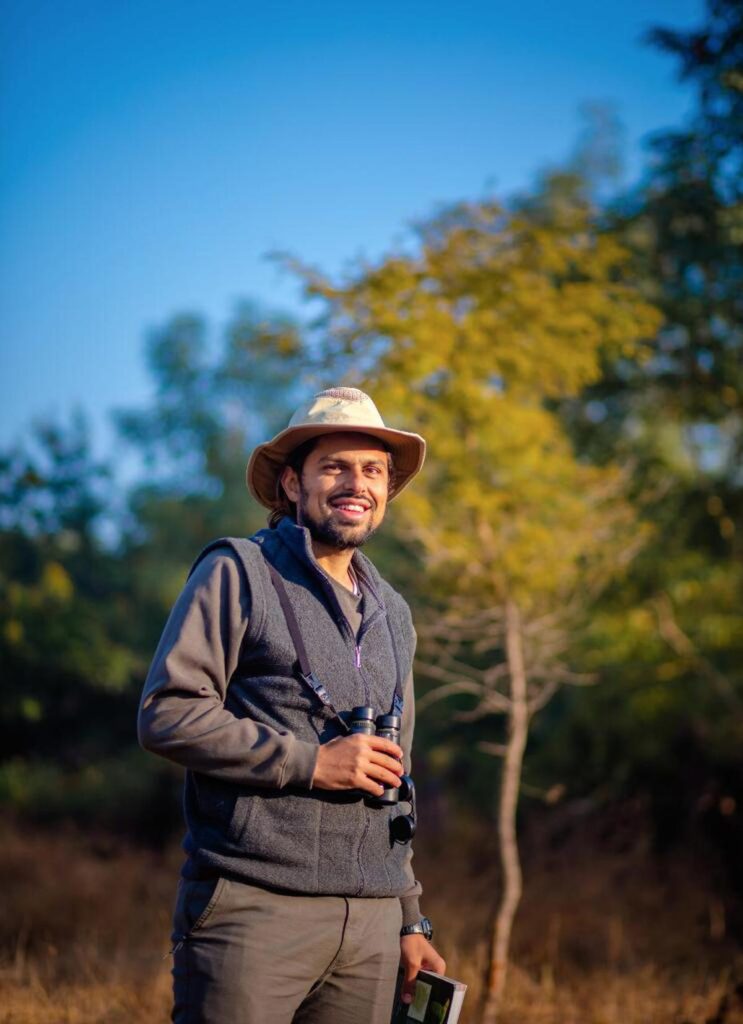
Aly is a trained naturalist

A tiger relocation programme successfully initiated four years ago has revitalised the habitat and the local population. “The tigers have not only flourished, but have actively begun mating.” Aly — who has great memories of spending his childhood in the forests — also leads expeditions to spot snow leopards in Ladakh and seek out the red panda in the Northeast. “This [project] is a means to conserve the landscape. The alternate income for the locals will recharge the community, support conservation, and will help wildlife be seen as an asset.”

From ₹25,000 onwards (all inclusive)

source: http://www.thehindu.com / The Hindu / Home> Entertainment> Art> Weekend Travel Special 2022 / by Priyadershini S / April 15th, 2022