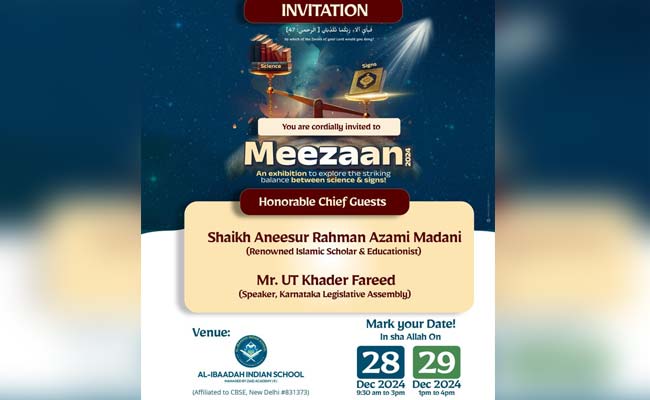
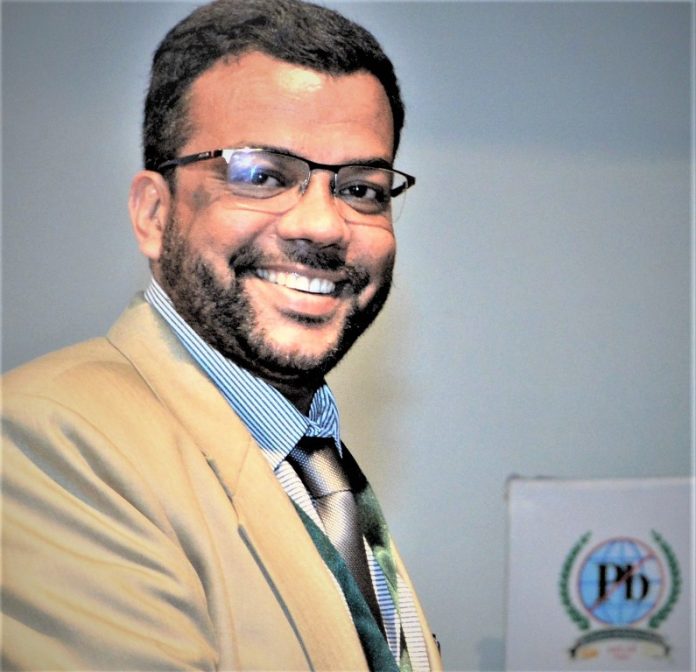
A science and Islam exhibition organised by Al Ibada Indian School, Perampalli, is set to take place on December 28 and 29.
According to a press release issued by Sheikh Abdul Latheef Madani, the Administrative Director of Al Ibada Indian School, the event will feature Karnataka Legislative Assembly Speaker U. T. Khader and education expert Sheikh Aneesur Rahman Azami as the chief guests.
source: http://www.english.varthabharati.in / Vartha Bharati / Home> Karavali / by Vartha Bharati / December 26th, 2024
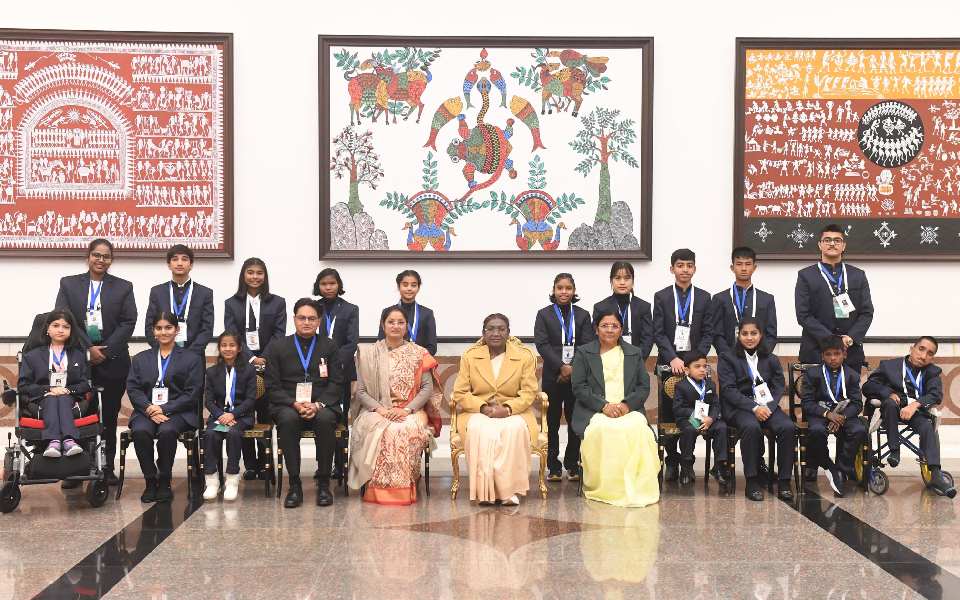
President Droupadi Murmu on Thursday presented the Pradhan Mantri Rashtriya Bal Puraskar to 17 children, recognizing their exceptional courage and outstanding achievements across diverse fields, including art, culture, sports and innovation.
The President underlined the importance of nurturing and celebrating young talents.
“Providing opportunities and recognizing children’s talents has always been a part of our tradition. This tradition should be further strengthened to ensure that every child realizes their full potential,” she said.
The award celebrates extraordinary accomplishments in seven categories: art and culture, bravery, innovation, science and technology, social service, sports and environment.
The honourees — seven boys and ten girls selected from 14 states and Union territories — were presented with a medal, certificate and citation booklet.
Among them was Keya Hatkar, a 14-year-old author and disability advocate, recognized for her excellence in art and culture.
Despite living with spinal muscular atrophy, she founded initiatives like “IM POSSIBLE” and “SMA-ART,” promoting inclusivity and disability awareness.
President Murmu highlighted the importance of honouring such talents, saying, “The tradition of recognising and nurturing children’s potential has always been part of our culture. Their contributions will lead India to the pinnacle of progress.”
She further emphasised the Ministry of Women and Child Development’s role in sharing these stories of inspiration with the wider public.
The President also paid homage to the unparalleled sacrifices of Guru Gobind Singh’s sons, commemorated as ‘Veer Bal Diwas’ on December 26, saying, “Their sacrifices for faith and self-respect continue to inspire countless generations. On this day, the nation bows in reverence to their bravery and spirit.”
Among the other awardees was Ayaan Sajad, a 12-year-old Sufi singer from Kashmir, honoured for his soulful contributions to Kashmiri music, while 17-year-old Vyas Om Jignesh, who has cerebral palsy, was lauded for his dedication to Sanskrit literature, having memorised over 5,000 shlokas and performed in over 500 shows.
In bravery, Saurav Kumar (9) was recognised for saving three girls from drowning, and 17-year-old Ioanna Thapa was honoured for rescuing 36 residents from a fire.
“Examples of courage and patriotism in children strengthen the nation’s confidence in its future. Such acts are truly commendable,” President Murmu remarked as she presented the award to the two children.
In the innovation category, 15-year-old Sindhoora Raja was awarded for creating self-stabilizing devices for Parkinson’s patients, and cybersecurity entrepreneur Risheek Kumar (17) was honoured for launching Kashmir’s first cybersecurity firm.
“Contributions to science, technology, and innovation by children like these show their unparalleled potential to transform lives,” the President observed.
Hembati Nag, a judo player from a Naxal-affected area was awarded in the sports category. She overcame numerous challenges to win a silver medal at the Khelo India National Games.
Mentioning Nag’s story, President Murmu said, “Hembati’s resilience amidst adversity is an example of unmatched courage and determination.”
Chess prodigy Anish Sarkar, the youngest FIDE-ranked player at just three years old, was also honoured.
The President envisioned a bright future for the awardees, adding, “In 2047, when we celebrate the centenary of our independence, these award winners will be enlightened citizens of the country. Such talented boys and girls will become the builders of a developed India, shaping its destiny through their talent and efforts.”
“May every child of this nation have a bright and prosperous future, for in their success lies the future of India,” she said.
source: http://www.english.varthabharati.in / Vartha Bharati / Home> India / by Vartha Bharati / December 26th, 2024
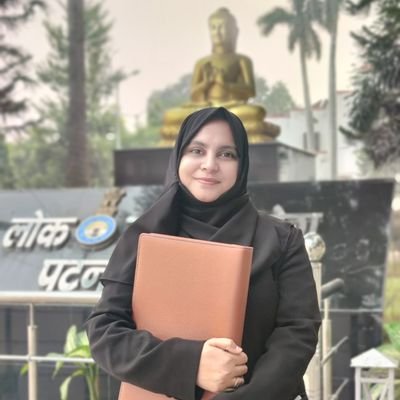
Habiba Bukhari from Munger received on November 28, 2023, one of the most joyous pieces of news in her life: she had been selected for the Bihar Judicial Service. She secured 30th rank in the general category. This remarkable achievement of hers not only marks a significant personal victory but also reflects the strength of her determination and resilience in the face of numerous challenges.
Habiba comes from a modest background. Her father, Ahmad Bukhari, is an imam (prayer leader) at the Gulzar Pokhar mosque in Munger, which is located about 200 kilometers east of Bihar’s capital of Patna. Her mother is a homemaker. Despite the simplicity of their lives, the family’s support for Habiba has been unwavering.
Ahmad shared a heartfelt moment with TwoCircles.net. Recalling the night of November 28 when his daughter first called him with the good news, he said, “I got a video call from Habiba who was crying. I asked her to calm down and tell me why she was crying. After controlling her emotions, she informed me that she had been selected for the Bihar Judicial Service. Such was her joy!”
A bright student from an early age, Habiba completed her BA LLB and LLM degrees from Aligarh Muslim University (AMU). She also completed her schooling from there, though she began her academic journey at a Hindi-medium government school in Munger. During her high school years, she studied Urdu, Arabic, Political Science and English. Today, she is pursuing a Ph.D. from AMU.
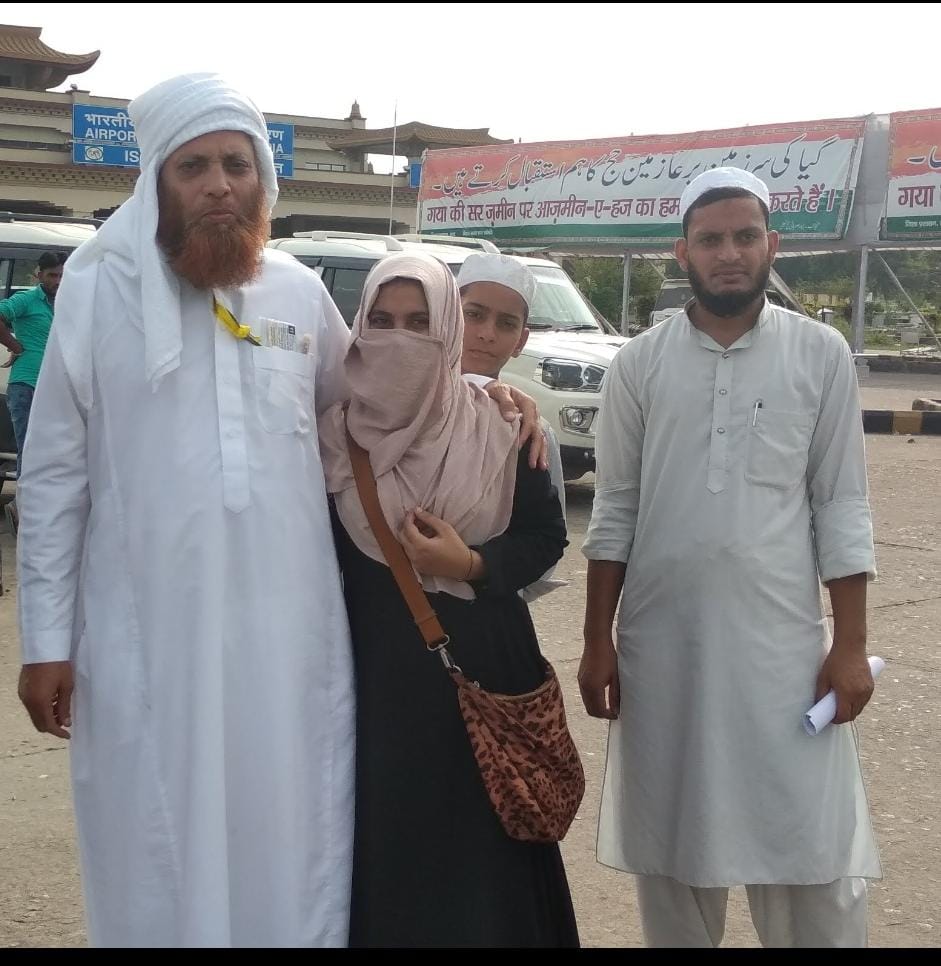
Habiba with her father during Haj
When asked about her future plans, Habiba said she hopes to complete her Ph.D. while serving as a judicial officer. “If I am allowed, I would love to continue my Ph.D. and work as a judicial officer,” she said.
A hafiza (who memories Qur’an) of five chapters of the holy book and a woman who wears a headscarf, Habiba’s choice of career in the judiciary was driven by a strong sense of personal values. “For me, a safe workplace is the most important thing. I believe the judiciary offers the safest environment to work in. It provides both financial security and stability,” she explains. While acknowledging the alternative of litigation, she notes the additional struggles it entails, especially for someone without a strong background.
Her journey into law was inspired by the influence of her batchmates at AMU who were preparing for their BA LLB after high school. Habiba focused largely on self-study to prepare for the judicial services exam and complemented her efforts with coaching sessions offered by the varsity.
Habiba has a word of advice for future aspirants: “This is an age of cut-throat competition. One needs to work very hard. The seats are limited, but do not lose heart and keep trying.” She is set to begin her training for the judicial service in late February 2024.
Apart from her professional ambitions, Habiba has a deep love for reading, particularly novels. She recalls an intriguing moment from her interview for the judicial service, where, along with law-related questions, she was asked about temples and mosques that do not allow women entry.
Throughout her academic journey, Habiba has been deeply grateful for the support of her family. “I received both financial and emotional support from my family throughout my studies and preparation. It made everything much easier for me,” she shared. Habiba’s younger sister, Arisha Bukhari, is pursuing a BA and her brothers are also in higher studies.
Habiba also reflected on the societal challenges her family faced due to her higher education. “In our society, girls are often married off early that affects their opportunities for higher education. But my family never stopped me from pursuing my studies,” she said. She quoted the word ‘Iqra’ from the Qur’an to emphasize the importance of education in Islam.
Habiba with her family
She added, “Our society should not discriminate between boys and girls, especially when it comes to education. Girls should also be educated while following Islam.”
Her father, Ahmad, strongly supports the cause of girls’ education. “Parents want their children to be successful, and if they work hard, they will succeed. It is wrong to marry off girls after giving them only basic education. If they want to study more, they must be allowed to do so.”
He fondly recalls Habiba’s childhood. “She was always curious. Even as a child, she would read from torn newspaper pieces. After she passed her twelfth grade, we were considering her marriage. But my sister in Patna persuaded us to let Habiba continue her studies. We could see her potential. Though an Imam’s salary isn’t much, we managed to support her education,” he said.
Habiba is one of only ten Muslim candidates who passed the Bihar Judicial Service exam this year, out of 153 total candidates. Among other successful candidates from her community are Farha Nishat, cousin of activist Sharjeel Imam, who was also selected for the same post. Other Muslim women who succeeded in this year’s exam include Tazeen Binte Waheed, who secured the 20th rank, and Saniya Akhtar, who secured 48th place in the general category. In the reserved categories, Sarah Imam secured 6th rank under the Economically Weaker Section (EWS), while Zeba Manzoor topped the Extremely Backward Classes (EBC) category.
Habiba’s story is a testament to the power of perseverance, family support and the transformative power of education. Her journey inspires all, especially young women, to pursue their dreams — no matter the obstacles.
source: http://www.twocircles.net / TwoCircles.net / Home> India News> Indian Muslim / by Sami Ahmad, TwoCircles.net / December 19th, 2024
Insha Jalil Waziri has been awarded the prestigious 2024 Jawad Memorial Prize for her English translation of Ali Sardar Jafri’s Urdu poem Mera Safar, reports The Print.
Waziri, a journalist working with The Print, selected Jafri’s iconic work as it resonated deeply with this year’s theme of “resurgence”. The poem, which revolves around the recurring theme of “main phir aaunga, main phir bolunga” (I’ll come back, I’ll speak again), captures a spirit of eternal hope and renewal even in the face of death and endings.
“This poem is profoundly relevant in the dystopian times we live in. Its message of optimism and revival reminded me of Walt Whitman’s Leaves of Grass,” Waziri shared.
Ali Sardar Jafri, celebrated as a poet, lyricist, and critic, crafted Mera Safar with themes of resilience and transformation, offering an enduring message of hope that continues to inspire. Waziri’s translation skilfully preserves the essence of his words, bringing their timeless relevance to a broader audience.
The Jawad Memorial Prize recognises outstanding contributions in Urdu-to-English translation, honouring works that bridge cultures and languages.
source: http://www.radiancenews.com / Radiance News / Home> Awards> Latest News / by Radiance News Bureau / December 24th, 2024
Dr Hifzur R. Siddique, Department of Zoology, AMU, has been included as a part of the world expert consensus on the strategy to diagnose and treat NUT carcinoma
Aligarh:
Dr Hifzur R. Siddique, Department of Zoology, Aligarh Muslim University, who has been doing research on cancer for the last several years, has been included as a part of the world expert consensus on the strategy to diagnose and treat NUT carcinoma.
Dr Siddique is the only Indian to become the part of 101 scientists from different countries, including USA, UK, China, Italy, Sweden, Portugal, Spain, Greece, Austria, Singapore, Egypt, and Russia to work on the NUT Carcinoma, which was first reported in 1991. It is a rare and highly aggressive malignancy with a dismal prognosis and a median survival of 6-9 months only.
Dr Siddique pointed out that ‘Nuclear protein of the testis’ (NUT) carcinoma is a rare and highly aggressive malignancy characterised by the rearrangement of the NUT midline carcinoma family member 1 (NUTM1) gene and less than 200 cases are diagnosed in the US each year.
He said standardised strategies for its diagnosis and treatment remained unavailable, underscoring the need for an expert consensus. To address this gap, the scientific team prepared this consensus for the diagnosis and treatment of NUT carcinoma. The team comprised medical oncologists, radiation oncologists, surgical oncologists, pathologists, nurses, molecular biologists, statisticians, and bioinformatics specialists.
The AMU researcher mentioned that the team developed the expert consensus on diagnosing and treating NUT carcinoma using a multidisciplinary approach and the guideline provides eight recommendations, addressing epidemiological characteristics, clinical and imaging manifestations, pathological findings, IHC features, molecular mechanisms and subtypes, prognosis, diagnosis, and treatment strategies for this cancer. Furthermore, an international platform has been established to disseminate NUT carcinoma knowledge and patient recruitment, providing patients and healthcare providers’ access to NUT carcinoma-related information and updates on clinical trial recruitment.
source: http://www.radiancenews.com / Radiance News / Home> Latest News / by Radiance News Bureau (headline edited) / December 26th, 2024
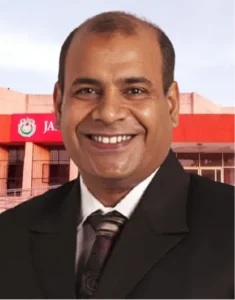
Dr Mohd Moonis, a sports coach from Jamia Millia Islamia, was elected as Senior Vice President of the Delhi Tennis Ball Cricket Association, according to information shared by Moonis.
The Delhi Tennis Ball Cricket Association (DTBCA) held its election for office bearers and Managing Committee members for the term 2024-2028 at Hotel Mukut in Vasundhara, Sector 13 and it was here that Moonis was selected, said a statement issued by Moonis team.
A Jamia alumnus, Moonis after completing his education started his job with his alma mater as a hockey coach.
source: http://www.okhlatimes.com / The Okhla Times / Home> JMI/EDU / by The Okhla Times (edited) / December 22nd, 2024
Jamia Millia Islamia Professor Dr Mohammad Mahfuzul Haque has made the university proud.
The Indian Council of Medical Research (ICMR) has granted Dr. Mohammad Mahfuzul Haque, a professor in the Department of Biotechnology, a prestigious research grant of approximately Rs 65 lakhs.
This highly competitive grant underscores Prof. Haque’s outstanding contributions to the field of molecular enzymology and will support groundbreaking research in the area of cardiovascular diseases and lung cancer.
The ICMR grant, recognised as one of the highest honours for medical research in India, will enable Prof. Haque and his team to gain more insight into the molecular mechanisms underlying iNOS involvement in lung cancer pathogenesis, potentially identifying therapeutic targets and developing novel treatment strategies for combating lung cancer. The project is intended to address significant challenges in lung cancer and aims to produce outcomes that may significantly influence healthcare practices in India and globally.
Prof. Mazhar Asif, the Vice Chancellor and Prof. Md. Mahtab Alam Rizvi, the Registrar of JMI congratulated Dr. Haque and remarked: “This is a moment of pride for our institution. Prof. Mohammad Mahfuzul Haque’s recognition by ICMR reflects our commitment to fostering excellence in research and innovation. We look forward to the transformative impact of this work.”
Commenting on the achievement, Prof. Mohammad Mahfuzul Haque said: “I am deeply honored to receive this grant from ICMR. It represents a significant opportunity to advance our research and contribute to improving health outcomes for millions. I am grateful to my team, my institution JMI, and ICMR for their support and encouragement.”
The grant will provide funding for three years, facilitating advanced experimentation, collaboration with leading experts, and the development of innovative approaches. This initiative aligns with ICMR’s mission to promote cutting-edge research and address pressing healthcare challenges facing India.
Dr. Haque is a renowned molecular enzymologist and his research focuses on the biochemistry, structure and function of Nitric Oxide synthase and other flavoproteins, which play a significant role in cardiovascular diseases, pulmonary hypertension and cancer.
Dr. Haque joined the Department of Biotechnology, JMI in 2017 and from 2017 to 2020, he served as Head of the Department of Biotechnology.
Prior to his appointment at JMI, Prof. Haque served as a faculty member in Molecular Medicine at the esteemed Cleveland Clinic in Cleveland, Ohio, USA.
He has won accolades and awards in the United States and got many funds from various funding agencies of the Government of India.
source: http://www.okhlatimes.com / The Okhla Times / Home> JMI/EDU / by The Okhla Times (edited) / November 21st, 2024
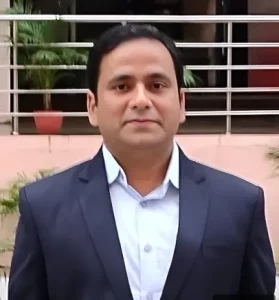
Work in AI breast cancer treatment is going on and Dr Khalid Raza has bagged Rs 94 lakh ICMR grant for AI breast cancer treatment..
The Indian Council of Medical Research (ICMR) has selected Dr Raza and his team for a research grant of nearly ₹94 lakh for breast cancer treatment.
The funding is given to him for his earlier contributions to using Artificial Intelligence (AI) in drug design.
Dr Raza is Associate Professor in the Department of Computer Science, Jamia Millia Islamia.
AI breast cancer treatment: Dr Raza achievement This grant is expected to play an important role in advancing innovative research aimed at using AI to develop precise and effective treatments for breast cancer.
Now, Dr Raza and his team will focus on developing advanced tools for AI-driven drug design. Their work will center on optimising drug compounds, pinpointing therapeutic targets, and creating innovative treatment strategies for breast cancer.
One such promising drug compound, DdpMPyPEPhU, already patented by Dr. Raza will be further explored under this initiative.
This research tackles key challenges in breast cancer treatment and is poised to deliver transformative results that could have a global impact on healthcare practices.
Both Professor Mazhar Asif, Vice-Chancellor of Jamia, and Professor Md Mahtab Alam Rizvi, Registrar, congratulated Dr Raza on his outstanding achievement.
“This is a moment of great pride for Jamia. Dr. Raza’s recognition by ICMR highlights the university’s dedication to promoting research excellence and innovation,” said the VC.
Groundbreaking work in AI breast cancer treatment His groundbreaking work showcases Jamia’s vital contributions to integrating AI in healthcare research, said VC Asif.
Dr Raza said: “I am honoured to be selected for this ICMR grant. This is an opportunity to further our research in AI-driven drug design and make a meaningful contribution to improving health outcomes for millions. I am deeply grateful to my research team, collaborators, and ICMR for their continuous support.”
The three-year funding will facilitate advanced experimentation, foster collaboration with leading experts, and accelerate the development of innovative solutions for breast cancer treatment. This initiative aligns closely with ICMR’s mission to support cutting-edge research addressing India’s critical healthcare challenges.
AI breast cancer treatment: Dr Raza a distinguished researcher Dr Raza is a distinguished researcher in the application of AI in healthcare, focusing on designing and optimising drug compounds through AI-based multitarget docking, molecular simulations, and genomics-driven personalised medicine. Award and grants are not something new for Dr Raza. Stanford University recognised him among the world’s top 2 per cent scientists from 2021-2023.
Dr Raza has served in various academic and administrative roles at Jamia.
He has published over 140 research articles in prestigious journals, conference proceedings, 14 authored/edited books, and held notable positions, including ICCR Chair Visiting Professor of Computer and Information Sciences at Ain Shams University, Egypt, and is an honorary research fellow at INTI International University, Malaysia.
Dr Raza also serves as Associate Editor for PeerJ Computer Science and Guest Editor for esteemed journals like npj Precision Oncology, Natural Product Communications, and Mini-Reviews in Medicinal Chemistry. His remarkable contributions to the scientific community and Jamia are truly remarkable!
This grant represents a convergence of excellence, with the potential to revolutionise breast cancer treatment and affirm Jamia’s status as a hub for transformative research.
source: http://www.okhlatimes.com / The Okhla Times / Home> JMI/EDU / by The Okhla Times (edited) / November 30th, 2024
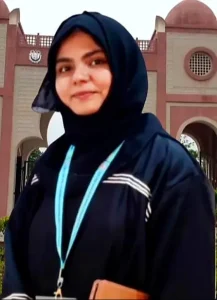
Adila Khanam, currently a second-year M.Sc. Virology student at the Multidisciplinary Centre for Advanced Research and Studies (MCARS) at Jamia Millia Islamia, has been awarded the prestigious Princeton Foundation for Peace & Learning National Scholarship (USA) 2024-25.
The Foundation is dedicated to empowering young women by providing holistic education and mentorship. As part of the Princeton Foundation’s flagship initiative, GOAL, Adila will benefit from the financial assistance as well as extensive mentorship and internship opportunities, which include eligibility for both corporate and research internships.
Adila Khanam reacts Adila expressed her joy regarding the accomplishment and said: “I am excited about the USA-based internship and the opportunity to learn from different mentors who will shape both my personal and professional development. I am deeply grateful to my mentors, especially Dr. Jawed Iqbal, whose unwavering guidance and mentorship have been invaluable throughout my academic journey”
She conveyed her sincere gratitude to Dr Mohan Joshi, Assistant Professor, for introducing her to this remarkable scholarship opportunity, as well as to Prof. Mohammad Husain, Director of MCARS, and the other faculty members of the centre for their encouragement and invaluable mentorship.
In another development on the campus a few days ago, the Faculty of Dentistry organised a workshop on ‘Soft Skills in Dental Practice’ on 5th December 2024, for its fifty BDS Interns of the Batch 2020.
The workshop was conducted by Prof. Poonam Sood Loomba, Professor and Head, Microbiology Department, G. B Pant Institute of Postgraduate Medical Education and Research, New Delhi. She is a FAIMER Fellow from CMC Ludhiana and is actively involved in medical education. She is also the National Medical Commission Convenor for the Regional Centre, Medical Education Department, Maulana Azad Medical College, New Delhi.
In the inaugural session, Prof. Keya Sircar, Dean, Faculty of Dentistry welcomed the gathering and emphasised on the need of soft skills in dental practice.
The organising chairperson, Prof. Ashu Bhardwaj, highlighted the origin of the term “soft skills” in the U.S Army in late 1960s, when apart from technical know-how, leadership values and emotional intelligence were considered to be important adjuncts to motivate soldiers. She made the interns aware that over the next few months, they would be stepping into the real world where adhering to soft skills would be a feather in their professional cap.
In her lecture, Prof. Loomba drew the attention of the participants to various aspects of soft skills, such as attitude, ethics and communication. Speaking on the significance of verbal and non-verbal communication, she emphasized on active listening at length, taking informed consent, breaking communication barriers and maintaining ethical standards.
The workshop was conducted through role plays of clinical case scenarios on convincing a patient about the importance of sterilisation, counselling a HIV reactive patient, taking informed consent regarding placement of implants, explaining treatment, and counselling a patient for compliance to dentures, obtaining cooperation of the mother of an anxious child, breaking bad news, communicating the importance of written records and dealing with an agitated patient.
The interns actively participated in the role plays with dynamic inputs from the resource person and the organising team. The inaugural session concluded with a vote of thanks by the Organising Secretary, Prof. Zeba Jafri.The event was organized by faculty members – Prof. Ashu Bhardwaj, Prof. Anuradha Sharma, Prof. Zeba Jafri, Prof. Nishat Sultan, Prof. Anupriya Wadhwa, Prof. Kirti Chawla and Dr. Nupur Gupta under the patronship of the Dean, Faculty of Dentistry, JMI, Prof. Keya Sircar.
source: http://www.okhlatimes.com / The Okhla Times / Home> JMI/EDU / by The Okhla Times (edited) / December 10th, 2024
A new biography looks into Akbar’s life to draw some inspiration on how to manage the boardroom. The third Mughal emperor was always thinking on his feet, one step ahead of friend and foe; but he also knew that force had to be tempered with tolerance, and confidence with caution.
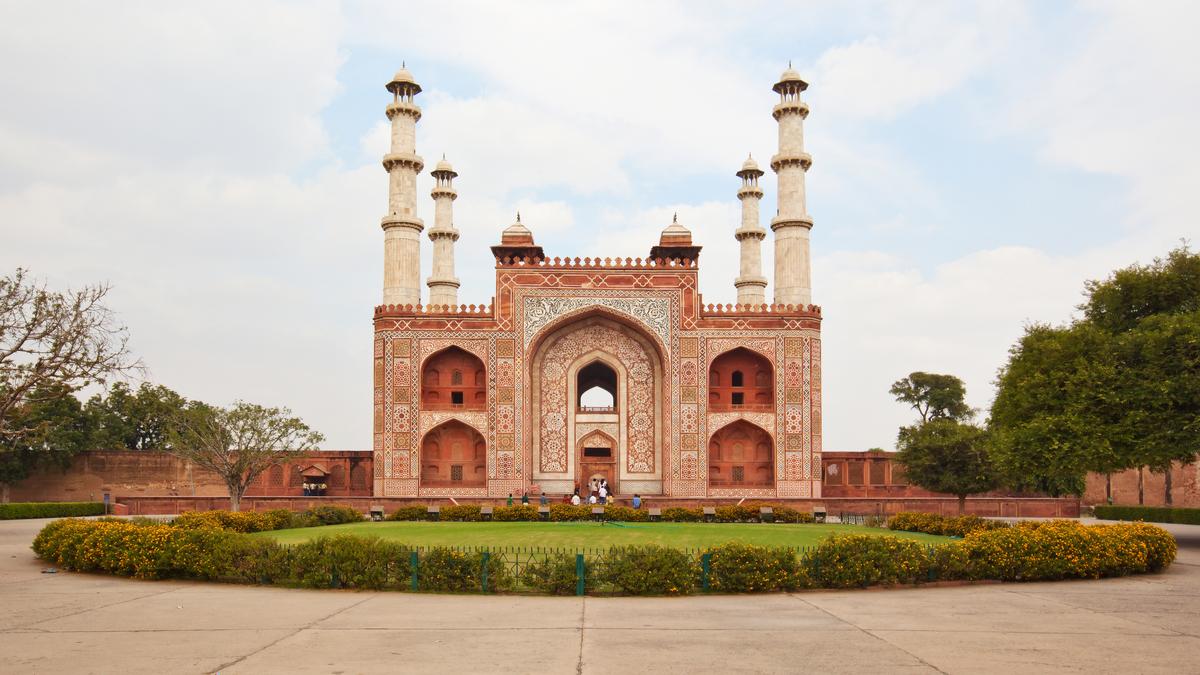
Akbar’s Tomb in Sikandra, Agra | Photo Credit: cinoby
Even as elements in the right-wing have made attempts to nibble at the great Jalaluddin Akbar, historians and authors have taken it upon themselves to project the third Mughal emperor clothed in nothing but facts of history.
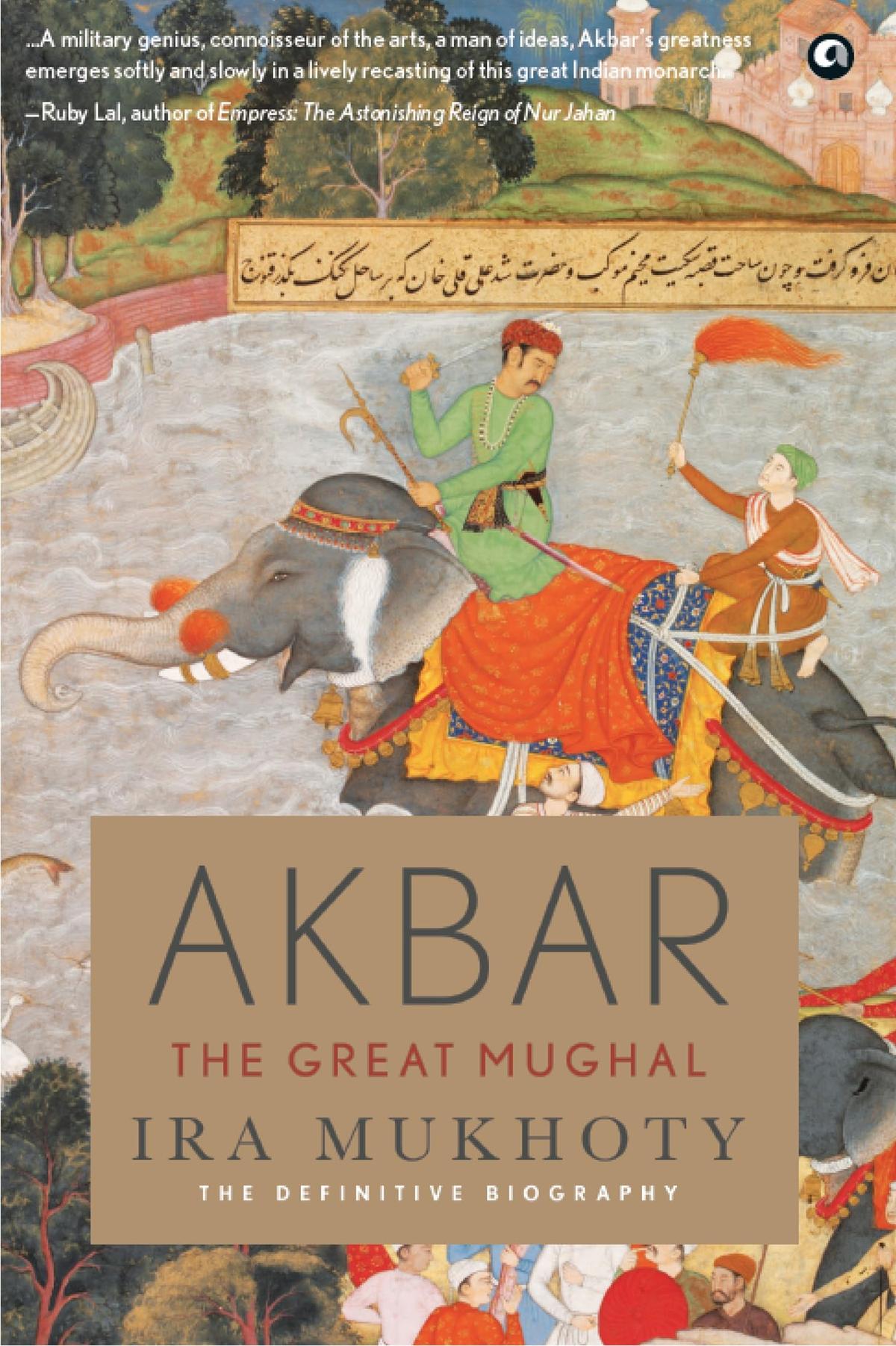
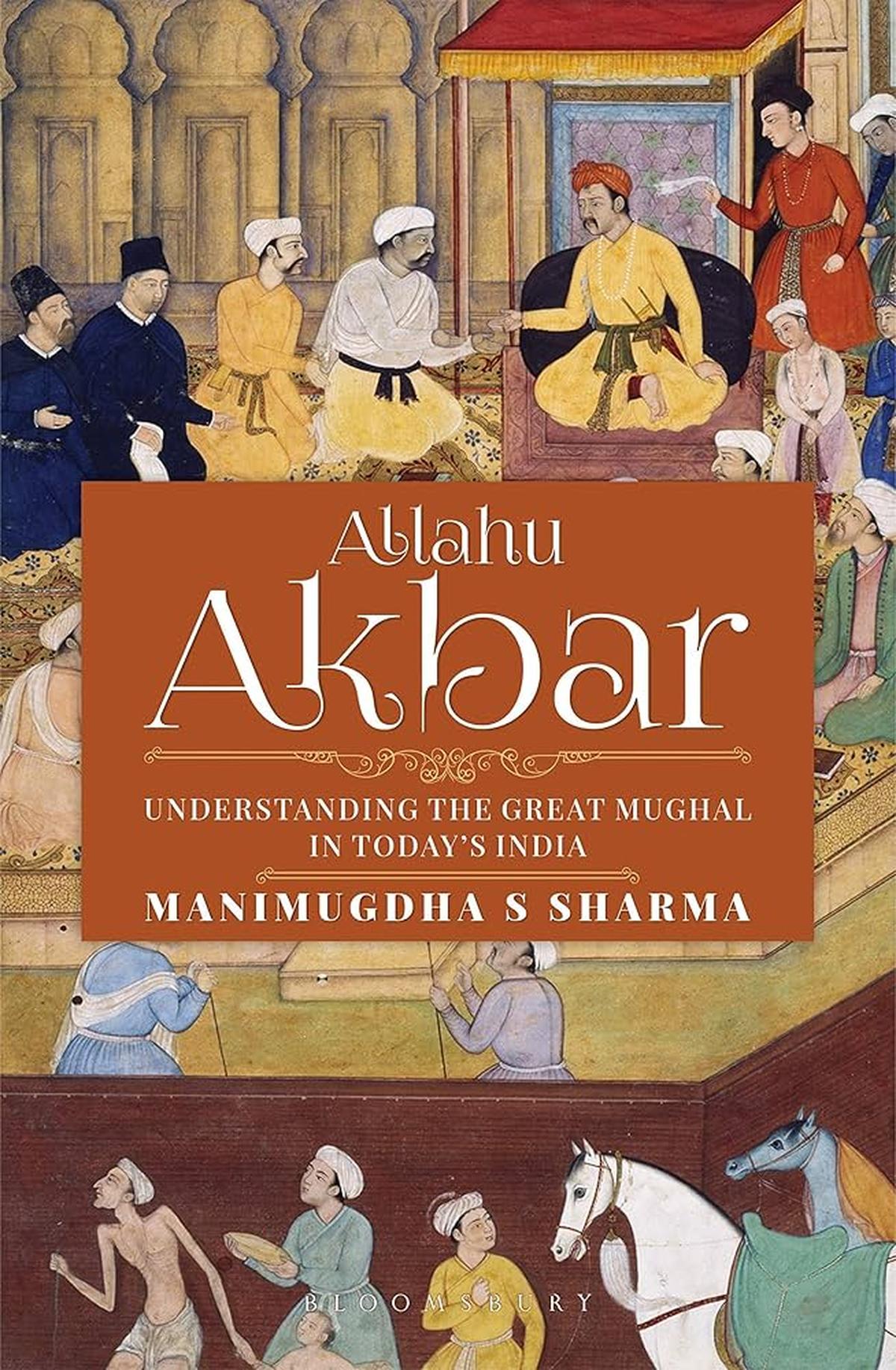
Around the time of COVID-19, Ira Mukhoty came out with her exhaustive biography, Akbar The Great Mughal: The Definitive Biography (Aleph). It came on the heels of Manimugdha S. Sharma’s Allahu Akbar: Understanding the Great Mughal in Today’s India (Bloomsbury) where the author, as the title suggests, made an attempt to see the Mughal monarch in the light of modern-day developments.
The books show why Akbar is considered an Indian icon and a king with compassion and empathy. Instead of spending his childhood as a royal prince, practising calligraphy and honing his skills with the sword, Akbar lived those years, as Mukhoty writes, “in the company of his beloved animals and their keepers…He raced pigeons, ran alongside camels and dogs, and hunted cheetahs, lions, tiger, and deer. And Akbar tested his physical strength and courage against wild elephants, learning to ride and to tame them.”
Akbar had grown up practically illiterate but would eventually be “known for his reverence for learning, penmanship, books…and would patronise some of the most extraordinary works of writing, translation and illustration ever undertaken in the country,” Mukhoty points out.
This quest for knowing the unknown led Akbar to build Ibadat Khana, an assembly of scholars of different religions. Akbar’s congregation of men of spiritual accomplishment was the work of a truly liberal mind. At a time when the Safavids were persecuting non-Shias in Iran and Europe had no space for non-Christians, Akbar invited them all. He abolished the religious tax, jiziya, for non-Muslims and did away with the pilgrimage tax on Hindus and was known to prevent Sati. As Sharma quotes Abul Fazl in Allahu Akbar, “The Shahenshah in his wisdom and tolerance remitted all these taxes, which amounted to crores. He looked upon such grasping of property as blameable and issued orders forbidding the levy thereof.”
In simpler words, it meant, as Sharma writes, “The state wouldn’t come in between an individual and his faith.”
Beyond religion
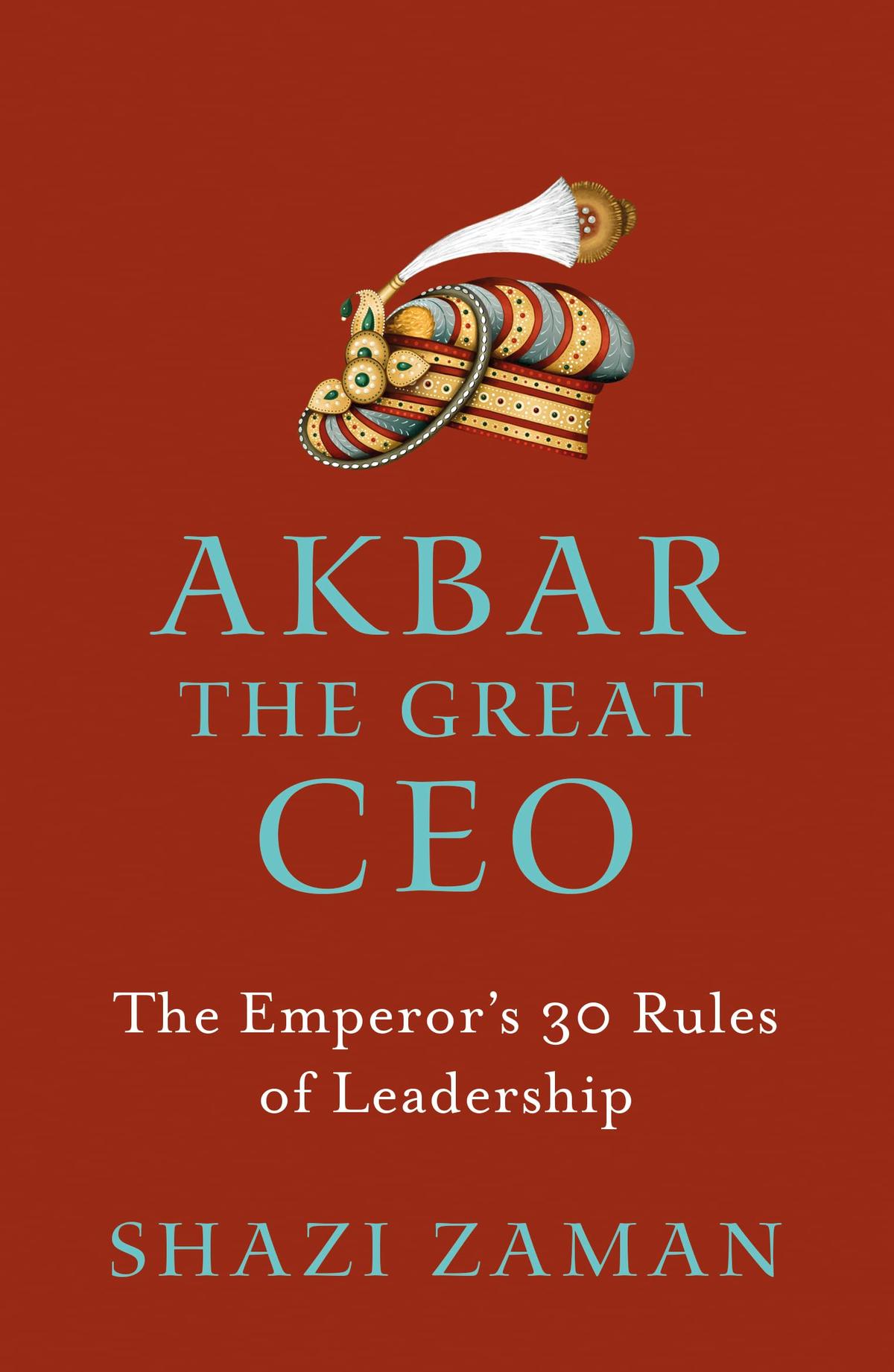
Yet Akbar’s relevance goes beyond the sphere of religion as noted journalist and author Shazi Zaman discusses in his latest, Akbar The Great CEO: The Emperor’s 30 Rules of Leadership. Published by Speaking Tiger, the book has a contemporary, and non-historic feel to it. In its innovative approach lies its appeal. Zaman presents Akbar as a practitioner of some dictates which would do a management guru proud. Interestingly, the book opens with the words of a Jesuit priest stationed at Akbar’s court. The priest wrote in awe, “He was a prince beloved of all, firm with the great, kind to those of low estate, and just to all men, high or low, neighbour or stranger, Christian, Saracen or Gentile; so that every man believed that the King was on his side.” The priest’s words were borne by the fact that Akbar, as Zaman writes, “perfected the art of ruling with a light touch even though he had the means to be brutal.”
The surprise factor
So what were the 30 rules of Akbar? Though he ruled in an age when the Emperor was often larger than life, Akbar believed in subtlety. Importantly, as his experience with the Afghan king Daud Khan Karrani proved, Akbar was not just fast in his thinking, he was unpredictable too. When he would be least expected to show up in a battle, he would take the enemy by surprise, vanquish his forces, and bring him to his knees. “When the Rubicon was to be crossed was a call that he [Akbar] took in a manner so unpredictable that his opponents could never gain an advantage by guessing it,” writes Zaman. “The Emperor’s audacity was well documented visually as well… In one painting, he is seen holding a cheetah by its ear, and in another painting, he is seen mounted on a mast elephant and chasing another across a shaky bridge built on boats.”
Zaman mentions another incident which underscores Akbar’s acuity. When a slave attacked him, Akbar knew who was behind it but chose to remain quiet.
As Zaman writes, “Even the truth has to await its moment.” Does it remind you of office boardroom meetings? Maybe. But remember this was the strategy of the Mughal emperor who was merely 21 at the time of the attack. He knew the truth, but also knew how to use it to his advantage later in life.
Little wonder then that one of Akbar’s favourite books which he also recommended to his officers was Akhlaq-i-Nasiri, a 13th century text on etiquette and way of life, which said, “The king should keep his secrets concealed, so that he can change his mind without sounding contradictory…The need to keep secrets has to be combined with the need to consult intelligent people.” Akbar did it all.
Be it his relationship with Maham Angaand Bairam Khan, or later the Rajputs, Akbar was always smart and wise.
Zaman’s book progresses like an equation in a science book as he goes on to reveal many facets of Akbar’s personality.
Cultivated image
One such aspect was the way he looked, and the way he presented himself. “Akbar’s image was cultivated, recorded and disseminated with a lot of thought. There was a message in how he dressed and looked and what he chose to be doing in the picture. Each portrait portrays a facet of his personality. It never was a picture for the sake of a picture,” writes Zaman.
Written with the brush of an artist, the book is a must-read for anyone looking for life lessons and critical values, particularly in the boardroom. The ‘illiterate’ emperor was indeed a wise man, who never “went to extremes” in any direction.
source: http://www.thehindu.com / The Hindu / Home> Books / by Zia Us Salam / December 25th, 2025