Remembering Ebrahim Alkazi, the grand old man of Indian theatre, who leaves behind a staggering legacy

NEW DELHI :

For an ephemeral form such as live theatre, where the works of most masters, especially theatre directors, disappear in the mist with their passing, it’s heartening that Ebrahim Alkazi’s legacy has been preserved for a posterity he had emphatically staked a claim to more than a half-century ago.
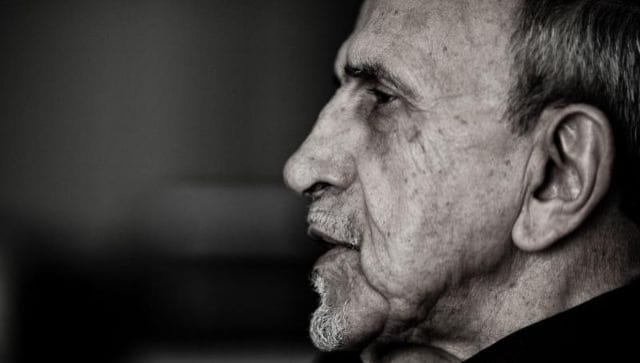
The grand old man of Indian theatre has passed into eternal incandescence, joining the extended roster of eminent luminaries who have left us this year. The extraordinary Ebrahim Alkazi wore many hats – unparalleled theatre doyen, a driven connoisseur of the arts, cultural ambassador – and leaves behind a staggering legacy as one of the most distinctive architects of 20th-century Indian theatre. He was 94, and the high point of his career in the performing arts was arguably his 15-year tenure as the director of the National School of Drama (NSD), from 1962 to 1977. Such was his trailblazing contribution to theatre and its practice, that the Sangeet Natak Akademi accorded him their highest honour, the Akademi Ratna, for lifetime achievement in 1967. No person below the age of 50 is ordinarily considered for this: Alkazi was just 42 when he received it, and remains one of its youngest recipients.

Alkazi grew up in a household of nine children. His family migrated from sun-kissed Unaizah in Saudi Arabia to salubrious Pune, where he was born in 1925, coming of age during World War II. He juggled Arabic tutelage and lessons on the Quran at home with convent education in English and French at the historically significant St Vincent’s High School. “That [blend] had its limitations but it opened up a whole world for me, almost half of mankind,” he told television anchor Syed Mohd Irfan. It was a charmed childhood in which books were never out of reach. From staging one-act plays at school, Alkazi moved to mature productions like Salomé and Othello at St Xavier’s College, with the charismatic Oxford-returned Sultan ‘Bobby’ Padamsee’s Theatre Group. The latter’s untimely demise in 1946 saw Alkazi take over the reins of the group; he later married Padamsee’s sister, Roshen.
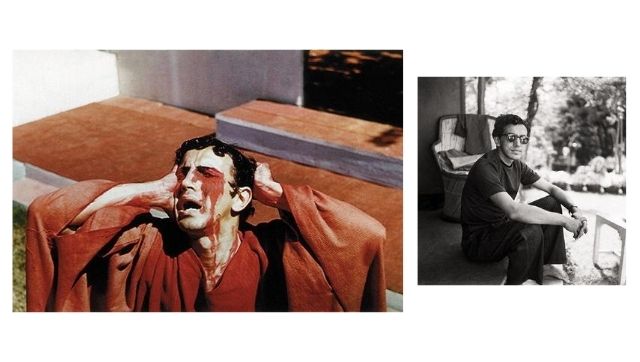
(Left): Alkazi as Oedipus in Oedipus Rex | Theater Group’s production, Bombay, 1954

In the 1950s, after a somewhat unsatisfactory stint as an acting student at the Royal Academy of Dramatic Arts, he returned to an India on the cusp of a first-wave cultural renaissance. “[RADA was] a rather closed institution, one which had not opened itself out to living theatre movements in other parts of the world,” he said in The Journal of South Asian Literature. That said, his own output as director with Theatre Group, and later Theatre Unit, was primarily productions of European and American plays in English. Working out of a bustling Mumbai terrace, his erstwhile collaborators included Gerson da Cunha, Satyadev Dubey, Usha Amin and Alaknanda Samarth.

One show particularly memorable was Alkazi’s 1959 production of August Strindberg’s Miss Julie, based on a blue-blooded woman’s tryst with her intensely impassive valet, in which he starred opposite Samarth. In Shanta Gokhale’s The Scenes We Made, Samarth remembers the play as a series of heightened, distanced, restrained images: “the final exit, an excruciatingly slow, steady walk on high heels through a guillotine-like door on to a ramp horizontal to the lit cyclorama.” Alkazi’s signature tools and approaches were crystallised during this phase. “I acquired administrative skills, learnt to employ ancient Indian arts like Iyengar Yoga and Kathakali in the practice of theatre, communicated a sense of social responsibility to my troupers who learnt to value their group activity as professional, meaningful, relevant, transformative,” he told journalist Sunil Mehra, of this decade-long inning of innovation and consolidation.
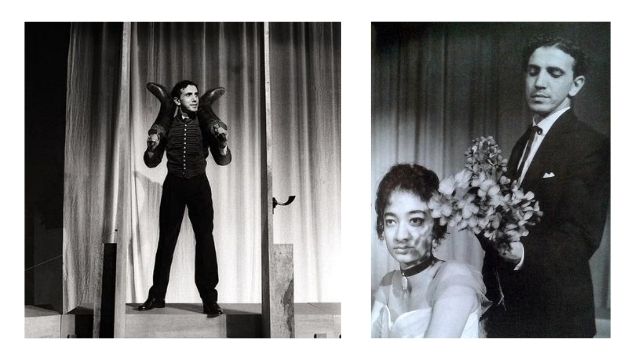
(Right): Alkazi in Shanta Gokhale’s The Scenes We Made.

Alkazi was hand-picked by the government to lead the Akademi’s newly formed drama school in Delhi, but after declining several times, he finally took over as NSD’s director in 1962, succeeding Satu Sen, the pioneering lights technician from Bengal. “They gave me a carte blanche to take charge, laying out the red carpet,” he remembered. Under Alkazi, the foundation for the NSD’s multi-pronged pedagogical programme was set in stone. It presented a coalescing of a Western approach to drama with India’s ‘theatre of roots’. And, as a director with a constant supply of dedicated actors, students and alumni (some of whom joined the school’s professional repertory company) alike, he was able to add substantially to his own distinguished oeuvre.

Some of his best-known works were staged in historical monuments and attracted audiences from a wide cross-section of society, from ticket-paying middle-class audiences to Prime Minister Jawaharlal Nehru, who was astounded by this rooted-yet-global brand of Indian theatre. His prized troika of productions include Mohan Rakesh’s Ashadh Ka Ek Din, Girish Karnad’s Tughlaq and Dharamvir Bharati’s Andha Yug, one of his earliest NSD stagings in which he commandeered what was essentially a radio play to create a spectacle in the mould of classical Greek theatre, with the bolstered ruins of Feroze Shah Kotla providing a staging of multiple levels, and unmistakable political echoes. The play placed Alkazi firmly on the national stage, even if the plays didn’t really cross over. When asked by Irfan about why the works did not ‘reach the people’ they were ostensibly intended for, he replied dismissively: “That’s their fault. We toured a lot with it.” Even in its large open-air spaces, the notion of the NSD as an insulated echo chamber set root in the Alkazi era.
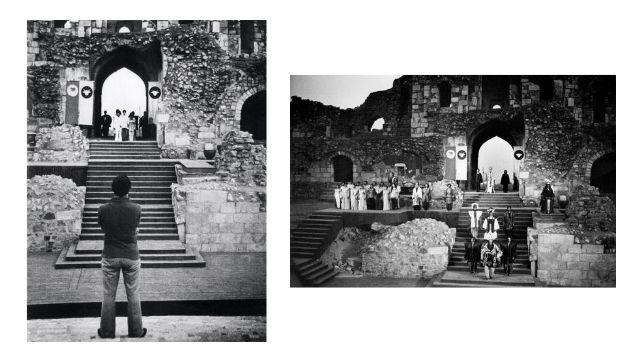
Alkazi directing Dharamvir Bharati’s Andha Yug at the ruins of Feroze Shah Kotla.

Among the many illustrious graduates of the NSD who benefited directly from his tutelage, were actors like Naseeruddin Shah, Om Puri, Pankaj Kapur, Rohini Hattangadi and Surekha Sikri; and directors like Sai Paranjpe, Prasanna, Neelam Mansingh Chowdhry and Om Shivpuri — all stalwarts of the theatre business spanning generations and sensibilities. In his memoir, And Then One Day, Shah writes, “In Alkazi I had at last found an inspiring teacher, one who liked and appreciated me and didn’t make me feel like a fool, one who was interested in helping me improve my mind, and pushed hard to make me realise the potential he perceived in me.”

In the initial years, Alkazi had his students dig up the backyard of the rented house in New Delhi’s Kailash Colony, that the school operated from, to create a performing stage. Later, he designed two new theatres at the NSD’s present location at the Bahawalpur House, the former residence of the Nawab of Bahawalpur in Delhi. A 200-seater studio theatre, and the open-air Meghdoot Theatre, under a banyan tree, both of which are now housed in a complex christened the E Alkazi Rangpeeth in 2017, to mark 50 years of their inception.

In 1977, Alkazi resigned from the directorship of the school that had become synonymous with his identity. In Anil Dharker’s Icons, da Cunha describes the ‘abdication’ as “a casualty of the bureaucracy and the lobbies he had successfully skirted for many years [also known as] the notorious Delhi Syndrome.” There was an emergent tribe of detractors who enumerated the chinks in his armour, from an unmistakable hubris to an autocratic administrative flair to the creative belligerence and brute stamina that he brought to the rehearsal room, albeit in the kind of controlled environment that his protégés and imitators were loathed to replicate. Shah places his mentor’s processes in the context in an interview, “Any theatre activity is not a democratic process. There has to be a leader, so the charge that Alkazi was autocratic is baseless. Rather than his so-called elitism and arrogance, his students have inherited his discipline, dedication and ability to work himself to the bone. NSD has never quite been the same, his successors unable to shrug off the ghost of Alkazi that hovers around all the time.”

In Mehra’s 1996 article, director Anuradha Kapur says, “Undeniably, he professionalised theatre. One’s differences may be ideological vis-a-vis his characters’ sexual politics, motivations. But then he was a creature of his time.” On his perceived non-combativeness during the Emergency, Alkazi said, “Cheap sloganeering is not the work of academic institutions,” calling attention instead to the political subtext of the plays he staged around then. In 1975, he had said, “I think there is a very close connection between politics and theatre, between social conditions and theatre. I think theatre needs to play an even more active part in shaping the way people live, in creating a progressive form of government which is meaningful to large numbers of people.”

Of course, the closing of a chapter marked the beginning of another innings that took up much of the maestro’s later decades. With Roshen, he founded the Art Heritage Gallery in Delhi the same year he bid adieu to theatre (although there would be an ill-fated comeback). The full extent of his journey was the subject of a travelling exhibition and book, The Theatre of E. Alkazi – A Modernist Approach To Indian Theatre, put together by his daughter, theatre director Amal Allana, and her husband, the stage designer Nissar Allana. As this writer had written about the showcase, “Panels emblazoned The Alkazi Times present the signposts of Alkazi’s life as news clippings, interspersed with actual microfiche footage — ascensions of kings and prime ministers, declarations of war and independence, and even snapshots from theatre history. It is certainly monumental in scale, full of information about Alkazi’s genealogy, childhood, education and illustrious career. While there is the slightest whiff of propaganda, it is whittled down by Allana’s skills as a self-effacing raconteur during the talks. Her accounts are peppered with heart-warming personal anecdotes that give us a measure of the real person behind the bronzed persona.”

For such an ephemeral form as live theatre, the works of most masters, especially theatre directors, disappear in the mist with their passing. It’s heartening that Alkazi’s legacy has been preserved for a posterity he had emphatically staked a claim to more than a half-century ago.

— All images via Facebook

source: http//www.firstpost.com / Firstpost / Home> Art & Culture> News / by Vikram Phukan / August 05th, 2020
NGOs join hands with the govt. in the fight against pandemic

Belagavi, KARNATAKA :

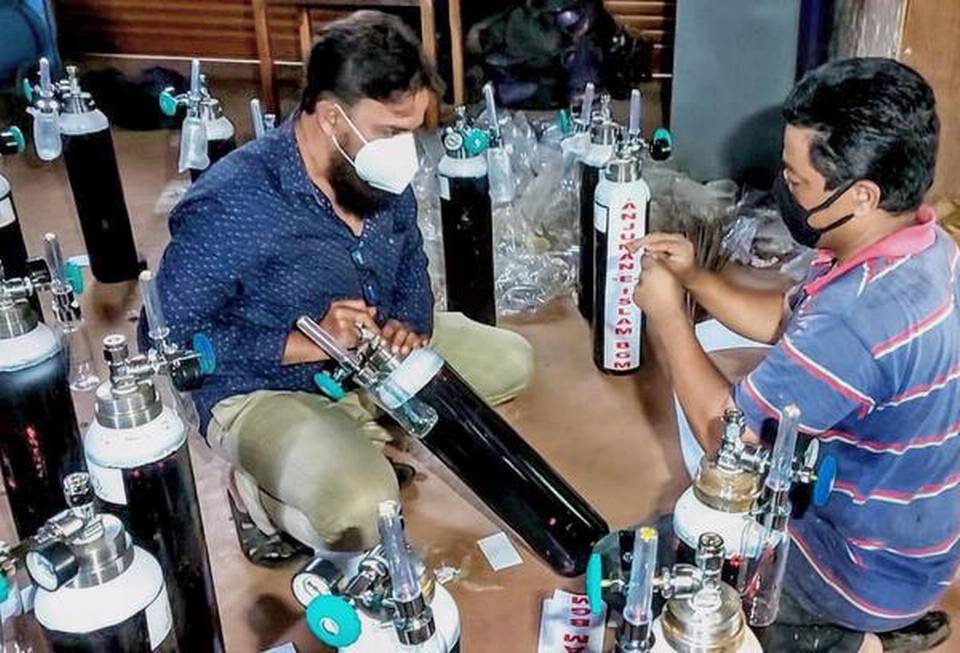
Volunteers from Anjuman-e-Islam preparing oxygen cylinders to be distributed free to COVID-19 patients in Belagavi

Some non-governmental organisations (NGOs) are helping poor patients battle COVID-19 by providing them free oxygen cylinders.

The Anjuman-e-Islam committee in Belagavi has tied up with industrial gas industries and plans to provide oxygen cylinders to the needy. The committee will provide 120 cylinders in the first phase. It plans to increase the numbers in the next few weeks.

“Our members wanted to help society in some way in the battle against COVID-19. Some of us observed that the number of bodies being cremated in the city had nearly doubled. We were getting around two bodies per day before June. But in recent weeks, it had shot up to four bodies per day. This was alarming and we decided to join the government’s efforts in helping patients,” committee chairman Raju Seth.

“A background study helped us understand that a large number of patients were from poor families. Some of them could not afford industrial oxygen supply, especially if they were home quarantined and needed cylinders. We have enlisted the services of volunteers and are providing door delivery of cylinders,” Mr. Seth said.

“We are supplying cylinders to people from all communities and faiths. We also have a list of doctors on call. We are sending them to the houses of those with symptoms who want advice on the epidemic, like whether they need a test or if they should choose a hospital or should stay home,” Mr. Seth said.

Residents of Belagavi and nearby areas can contact the committee’s volunteers Samiullah Madiwale on Ph: 7676686778 or Ameen Pattekari on Ph: 7676513526.

Holistic services

In Bidar, a group of organisations has come together to provide holistic services to people of the city and nearby areas. A helpline has been set up for free counselling and medical advice. The group can be contacted through Amir Pasha on Ph: 886197540, Yousuf Raheem on Ph: 9845628595 or M. Asaduddin on Ph: 7975298728.

Whenever a family feels that one of its members is having symptoms indicative of COVID-19, it can call these numbers to get its doubts clarified.

Then, a group of two volunteers will go to the family’s house with a pulse oximeter and a pamphlet on managing the disease.

Already, the volunteers have supplied around 50 cylinders and provided free counselling to 60 families till now. The group has also pressed into service two ambulances to ferry patients to hospital and to take them back home. All these services are given free.

Other organisations such as the Idgah Committee, Alimoddin Foundation, Rahim Khan Trust, Safa Baitul Maal, Jamiat Ahle Hadees, Jamaat-e-Islami and Pharmacists Association have joined hands in these efforts.

source: http://www.thehindu.com / The Hindu / Home> News> States> Karnataka / by Rishikesh Bahadur Desai / Belagavi – August 03rd, 2020

Irfan Pathan Aids 60 Families Ravaged By Bihar Floods With Mother Teresa Foundation

Vadodara, GUJARAT :

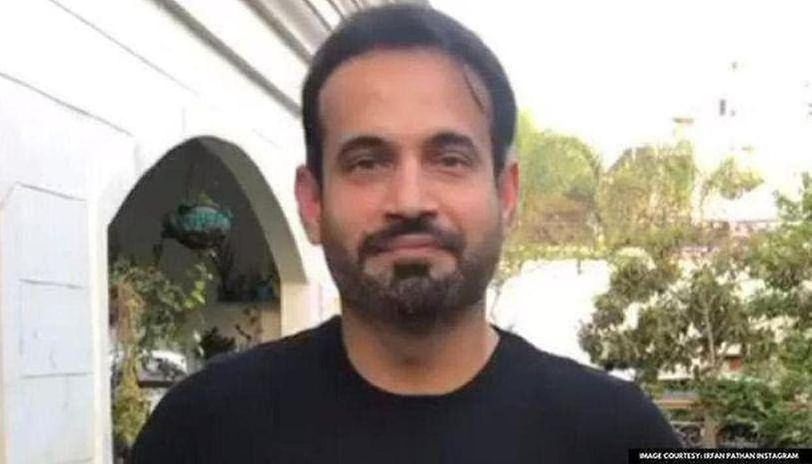
Former India all-rounder Irfan Pathan is the first cricketer to come forward to help the people who have been severely affected by floods in Bihar and Assam.

Image : Irfan Pathan Instagram

India has been severely hit by the COVID-19 pandemic with over 1.8 million people being tested positive for the deadly virus. To make matters worse, the states of Bihar and Assam are also tussling with floods for over two months now. Both states have been gravely affected by the floods with lakhs of people being forced to displace themselves and take shelter in relief camps. As many as 38,47,531 people have been impacted across Bihar and more than 25,000 people have taken to shelter homes. 

Bihar and Assam floods: Irfan Pathan donates ration to 60 families

Amidst these testing times, the Mother Teresa Foundation has come to the rescue of people in Assam and Bihar in their fight against the catastrophe. The foundation has been urging prominent personalities from the Bollywood and the cricketing fraternity to come forward and help them in the noble cause.

And the first cricketer to come forward to help the people affected by floods in Bihar and Assam is former India all-rounder Irfan Pathan. The same was confirmed by Yahya Rahmani, who is a part of the Mother Teresa Foundation. Rahmani has also been involved in organizing Flood Donation Drive across Bihar. While speaking to Crictracker, Rahmani said that Irfan Pathan donated ration to 60 families of Bihar’s flood-affected people. He added that the packet consisted of essential items like Chana, Chura, Daal, Oil, Dettol and Rice.

This is not the first time that Irfan Pathan has come forward to help those in need. In fact, Irfan Pathan and Yusuf Pathan distributed 10,000 kg rice and 700 kg potatoes to the daily wage labourers in Baroda who were finding it difficult to make their ends meet due to the COVID-19 pandemic. Prior to that, Irfan Pathan and Yusuf Pathan had also distributed face masks to the public.

What is Irfan Pathan net worth?

According to trendcelebsnow.com, Irfan Pathan net worth is estimated to be around US$5 million (approximately ₹38 crore). His net worth comprises of his earnings from the Board of Control for Cricket in India (BCCI) as a former Indian cricket player. It also comprises of his various Indian Premier League (IPL) contracts with teams like Kings XI Punjab, Chennai Super Kings, Sunrisers Hyderabad among other franchises whom he represented over the years.

Disclaimer: The above Irfan Pathan net worth information from the Irfan Pathan House details is sourced from various websites and media reports. The website does not guarantee a 100% accuracy of the figures.

source: http://www.republicworld.com / Republic World.com / Home> Sports News> Cricket News / by Jatin Malu / August 03rd, 2020

A special gift from President for teen cycling champ who washes dishes to fund passion

Madhubani District , BIHAR / NEW DELHI :

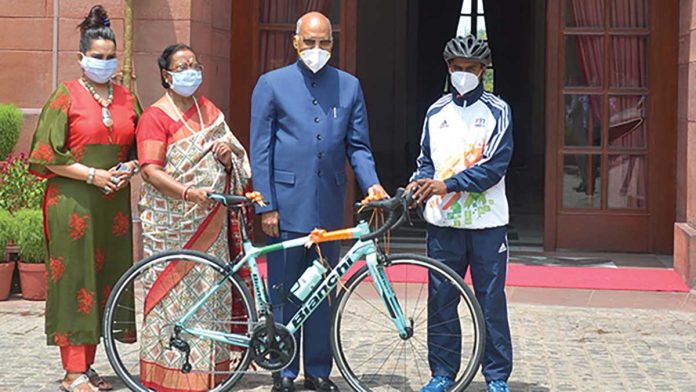
Riyaz, a student of Delhi’s Sarvodaya Bal Vidyalaya, was gifted a racing bike Friday by President Ram Nath Kovind at Rashtrapati Bhavan.

President Ram Nath Kovind with Riyaz, 16, at Rashtrapati Bhavan Friday | Credit: Rashtrapati Bhavan

New Delhi:

 Until 2017, Riyaz, 16, had never even seen a racing bicycle. Three years later, his obvious potential in the sport has earned him special recognition from the Rashtrapati Bhavan.

President Ram Nath Kovind Friday gifted a racing bicycle to Riyaz, a Ghaziabad resident who only goes by his first name, after coming across a news report about his passion for the sport and the arduous efforts he was making to excel in it. 

The son of a small-time cook, Riyaz juggles his studies with a part-time job at a Ghaziabad eatery. Over the last three years, he has emerged as a force to be reckoned with on the cycling circuit, acing several races, including those on the national level.   

“I am elated after meeting the President, who gifted me this bicycle a day before Eid. This is my Eidi,” Riyaz told ThePrint in a telephonic interview.

“It is a dream come true for me. This has motivated me to do even better, and I am grateful to my coaches Ajay Arya, Pramod Sharma and other teachers for the support,” Riyaz said.

A native of Bihar’s Madhubani district, Riyaz’s father is a cook who worked at small dhabas and eateries in Delhi until the Covid lockdown forced him to return home. His mother lives in his native village with Riyaz’s four siblings.

“Due to the lockdown, my father went back home. He wanted to take me with him but I chose not to go because that would have affected my training,” said Riyaz, a student of Class 9 at Sarvodaya Bal Vidyalaya, Delhi, who regularly trains at the capital’s Indira Gandhi Indoor Stadium. 

An ‘accidental’ passion

Riyaz makes his living washing dishes at an eatery in Ghaziabad, where he lives in a Rs 2,500/month rented room. He came to the President’s notice after a 14 July report in the Hindi daily Dainik Jagran detailed his struggle. He was saving money from his pay for professional coaching in cycling, the report said, adding that he had won bronze at the Delhi State Cycling Championship 2020 this January. As he gifted him the bicycle, President Kovind wished Riyaz the best and said he hopes he becomes an international champion. 

For all his talent, however, it was a pure accident that led Riyaz towards cycle racing.

“I was always interested in sports. I joined Delhi’s Sarvodaya Vidyalaya in 2016 and started participating in different sports events. I also won three gold medals at the zonal level in that year — in the 400-metre race, long jump and high jump, and was declared the best athlete,” he said.

“In 2017, there was a cycling event in Guwahati and my coach, Ajay sir, asked me if I wanted to join the team as there were fewer participants than required, and I agreed,” Riyaz added. 

He agreed, but the thought of competing against around 60 contestants scared him. “But coach sir motivated me and I secured the fifth position in that race,” he said, adding that he borrowed someone’s cycle for the race. 

A long struggle

Arya speaks about his protege’s struggle in glowing terms. “He used to work until late, sometimes till around midnight. He then used to wake up at 4am to go for training,” said Arya. 

According to the coach, Riyaz initially began his training on a regular bicycle. “The racing bicycle is very expensive. No good bicycle comes for less than Rs 50,000,” added Riyaz. Having practised on a borrowed cycle so far, Riyaz said he is happy that he now owns one.

Asked how his parents reacted, he said he has not had a chance to speak to them. “I told them yesterday that I was being called to the Rashtrapati Bhavan. But I did not get to speak with them after getting the bicycle.”

source: http://www.theprint.in / The Print / Home> India/ by Unnati Sharma / July 31st, 2020

Indian Junior Women’s Team’s Forward Mumtaz Khan helping her parents, who work as vegetable vendors in Lucknow

Lucknow, UTTAR PRADESH :

Lucknow :

The story of young Mumtaz Khan, who plays as a Forward for the Indian Junior Women’s Hockey Team, is one of hardships, grit, determination and great potential. The 17-year-old who hails from the city of Lucknow happened to choose hockey only by coincidence but has become one of the brightest prospects for the country after putting in impressive performances in the last couple of years.

Speaking from her home, Mumtaz reminisced her early days. “I believe it was in the year 2011 that I was spotted at one of the races I was participating in for my school. It was Neelam Siddiqui who was present on the occasion and told my father that he should put me into the sport of hockey. I didn’t really know much about the sport back then because I was so young, but as I started watching and playing it, I started developing a real interest,” said the teenager who was eventually enrolled into the Lucknow hostel in 2014 and started training under Siddiqui.

“I feel it was just a coincidence that Coach (Siddiqui) found me there in Agra, and the rest that has followed has been due to the hard work that I have put in,” she added.

Mumtaz, whose father and mother work as vegetable vendors in Lucknow, has many goals in mind and one of them is to help her family. “I do come from a very humble background so one of the factors in me playing hockey was that I might be able to help my parents. I have been fortunate enough to have represented the Indian Junior Women’s Team and have always aimed at giving my all on the pitch, and I am hoping that it can translate into a bright future for us off the field,” expressed the 17-year-old.

Lauded for her efforts by the Hon’ble Prime Minister of India Narendra Modi at the 3rd Youth Olympic Games 2018, where her 10 goals helped India in securing the Silver Medal, Mumtaz says she wants to aim for bigger things but is looking to take it one step at a time.

“I know that whatever I have done so far is nothing as compared to what I want to achieve in my career, so I don’t want to get too ahead of myself. I want to ensure I am taking small baby steps, and doing the right things always. I am happy to have the support of my parents and my Coaches, and my dream is to repay their faith in whatever way possible,” said the Forward who has also won the Bronze Medal at the 4th Girls U-18 Asia Cup 2016, Silver Medal at the 6-Nations Invitational Tournament 2018, and the Gold Medal at the Cantor Fitzgerald U21 International 4-Nations Tournament 2019.

The journey for the youngster has been full of ups and downs, but the 17-year-old is determined to keep shining for the country. “It is no secret that I have had difficult moments personally, and sometimes it has been difficult for my parents also, but I am glad that they have always supported me no matter what, and I can’t wait to make them happy. For that, I have very clear goals in mind, which are to perform very well in each training session and each match that I play for my country, and eventually, help my team in winning medals at big tournaments like the Olympics and the Asian Games,” signed off Mumtaz.

source: http://www.mykhel.com / MyKhel / Home> Hockey> News / by Avinash Sharma / Lucknow – August 02nd, 2020

The Extraordinary Power of Humor: Director Akram Hassan on his film Pandit Usman

Mumbai, MAHARASHTRA :

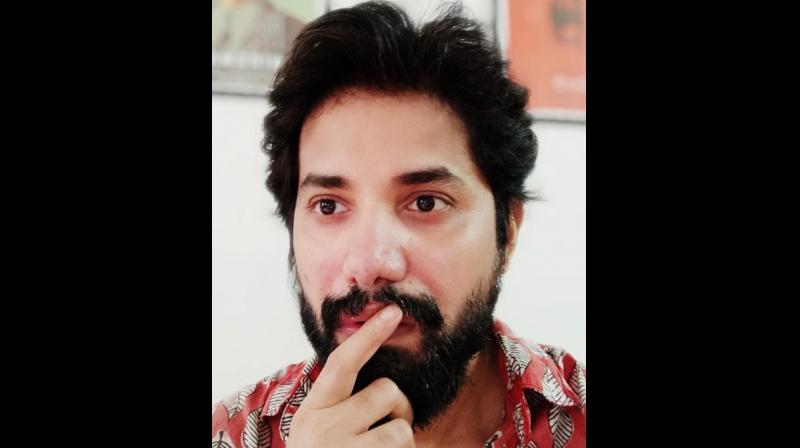
Akram is also working on another social satire, a feature film which he is currently developing

Akram Hassan

PANDIT USMAN, a social satire which released on YouTube last week, chronicles the story of love and compassion through the point of view of a 9-year-old Kid.

Written and Directed by Akram Hassan, film is receiving massive praise from all quarters.

Akram says –“Ï am ecstatic to witness the kind of feedback I am receiving on the film”.  Talking about Pandit Usman, Akram adds – “a subject which off late rung so much of hate and bitterness, was treated in a very light-hearted way without being critical to anyone yet touching the right note in understanding how love is the only answer to our differences”.

Akram is also working on another social satire, a feature film which he is currently developing.

“Cinema is a hand holding process where you first incite the audience, amuse them and then tell your story. It has to be simple, but perhaps simple cinema is the hardest to make.  Filmmaker has to work hard to clean and streamline his or her thoughts to make it simpler for the audience. And I believe humor as a treatment plays a very integral role in that process.  Humor has a very extra ordinary power in reaching the subconscious of any audience and when humor is intertwined with love, it’s magic!

“For me using comicality to tell a story is the highest form of creative endeavor. The best example in cinema is Charlie Chaplin, the amazing satirist any generation has witnessed.  All his works were so effective and urgent and yet so entertaining.”

Worked as an assisted director with Aamir Khan Production and UTV Motion pictures, AKRAM is currently in the process of making his first feature.

“For me shorts and features are no different. It’s like painting, only the size of canvas changes hence your ratios in characters, plot points, beats etc. changes whereas basic tools like paints, brushes, strokes and detailing remains the same.”

Akram Hassan’s PANDIT USMAN features Swanand Kirkire, Kumud Mishra, Anant Vidhaat, Heeba Shah, Ishtiyak Khan, Danish Hussain, Kabir and others.

Music is by the acclaimed Music Composer Shantanu Moitra,  sound design was under the supervision of  the great P.M. Sateesth.  Film is shot by Sudip Sengupta and edited by Satyajeet Kelkar and written and directed by Akram Hassan.

source: http://www.asianage.com / The Asian Age / Home> In Focus> Spotlight / July 30th, 2020

Mumbai footpath girl passes Maharashtra SSC exams with 40% marks. Video leaves internet in tears

Mumbai, MAHARASHTRA :

Mumbai girl Asma is a student of Hirjeebhoy Allarakhia and Laljeebhoy Sajan Girls High School.

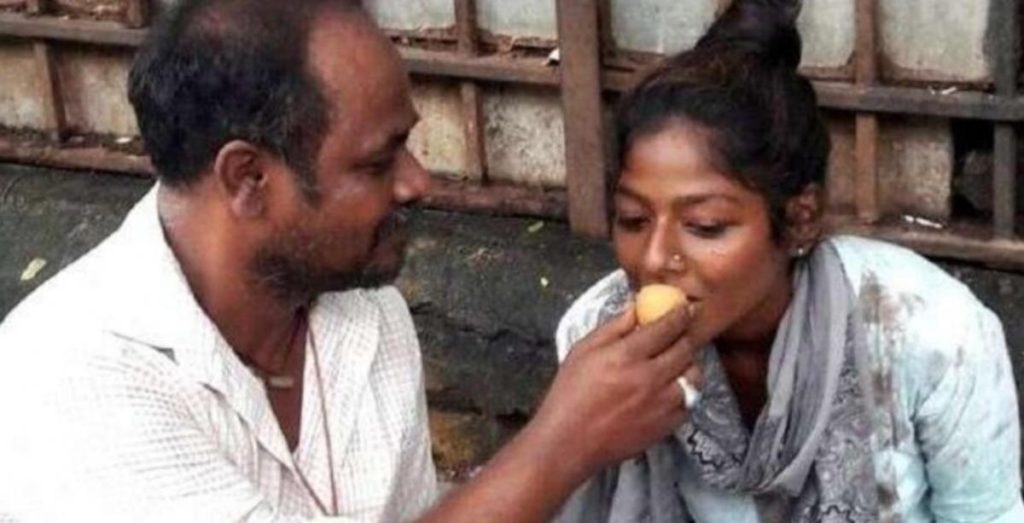
Asma Salim Shaikh from Mumbai passed Maharashtra SSC exams despite staying at a footpath

A Mumbai girl, who stays at a footpath, along with her family, caught the limelight after she scored 40 per cent marks in Maharasthra SSC exams.

Asma Salim Shaikh’s father Salim Shaikh said, “It’s the happiest day of her life, because she has scored 40 per cent in Maharashtra SSC exam.”

Asma is a student of Hirjeebhoy Allarakhia and Laljeebhoy Sajan Girls High School. She has spent her life on the pavement outside Azad Maidan near CST. She did not have access to basic amenities like a place to study or stationary. She used to study on the footpath under the streetlight. Seventeen-year-old Asma now plans to take Arts in Junior college.

Asma celebrates with her father

Her video in which she is seen celebrating the feat with her father went viral over social media. The video has received more than 2 lakh views and more than 10,000 likes.

Asma stated that her father sells lemonade on the roadside to earn a living. The financial condition of the house is not good. Despite this, her father got her admission done in a Mumbai school and allowed and supported her to complete her school.

Asma said, “I studied under street lights as I did not have means to get a comfortable place for studying. Now, I will pursue Arts in junior college.”

The girl got the support of former Union Minister of State Milind Deora saying that he will help the girl in every possible way.

In a similar development, Bharti Khandekar, who lived with her parents and two younger brothers on a footpath in the Shivaji Nagar Market area in Indore, secured 68 per cent marks in the Madhya Pradesh state board examinations.

Her story was highlighted by the media and this led to Indore Municipal Corporation deciding to allot the family a flat.

Municipal commissioner Pratibha Pal said that, “Under a scheme for the economically weaker section, we have allotted them a one-BHK (bedroom-hall-kitchen) flat in Bhoori Tekri area.”

She further stated that when she met Bharti, she was amazed by her confidence. Bharti stated that she wants to be an IAS officer when she grows up.

source: http://www.ibtimes.com / International Business Times / Home> India / by Anjali Singh Deswal / July 30th, 2020

Munaf Patel Sets up Coronavirus Centre in his Village; Former Teammates Praise Efforts

Ikhar village (Bharuch District), GUJARAT :

After hanging up his boots, he decided to live in his village. People lovingly call him Munna in Ikhar.

Former India cricketer Munaf Patel has informed that they are starting COVID-19 centre in their village Ikhar, located in Bharuch district of Gujarat.

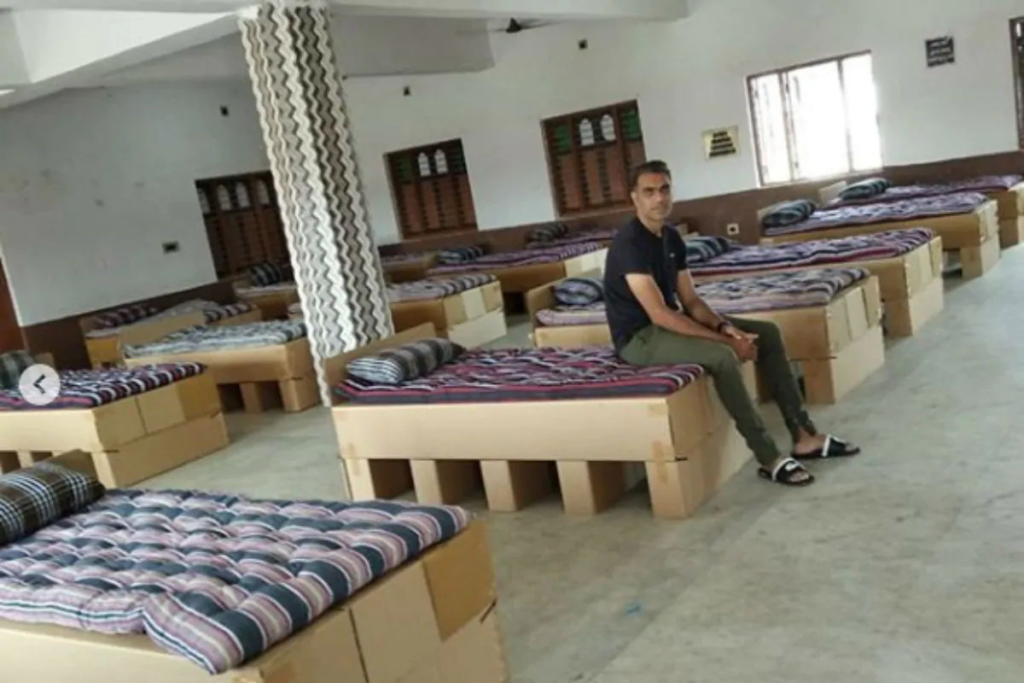
Patel took to Instagram to spread the word about their new initiative. Sharing pictures of the newly set up COVID-19 centre, Patel thanked the health department and government officials.

The cricketer, who was the part of 2011 World Cup winning team, received appreciation from his former colleagues. Responding to his post, Gautam Gambhir asked him to keep up the good work. Gambhir said, “We are in it together.”

Pragyan Ojha replied “Well done Patel,” while Yuvraj Singh wrote, “Great work sarfi.”

In April, when four people tested positive for COVID-19 in Bharuch district, Patel decided to spread the message of social distancing to prevent the spread of the deadly virus, reported The Indian Express.

The local administration in view of the situation at that time asked the fast bowler, who is an influential figure in the region, to explain to people the importance of physical distancing.

Patel told the national daily that their village was sealed after surfacing four COVID-19 cases, adding that the panchayat and the committee which he is part of made sure that essential items reached homes.

He advised people in his village and district to not stay in groups and wash hands at regular intervals to keep the infection at bay.

After hanging up his boots, he decided to live in his village. People lovingly call him Munna in Ikhar.

source: http://www.news18.com / News18 / Home> Cricket Next / by Trending Desk / July 29th, 2020

Meet Noor Inayat Khan, the Indian-origin British spy who may soon be on coins in UK

Baroda, MADHYA PRADESH / Paris, FRANCE / London, UNITED KINGDOM :

If the proposal is passed, it will be the first time that non-white people will be featured on British coins or notes.

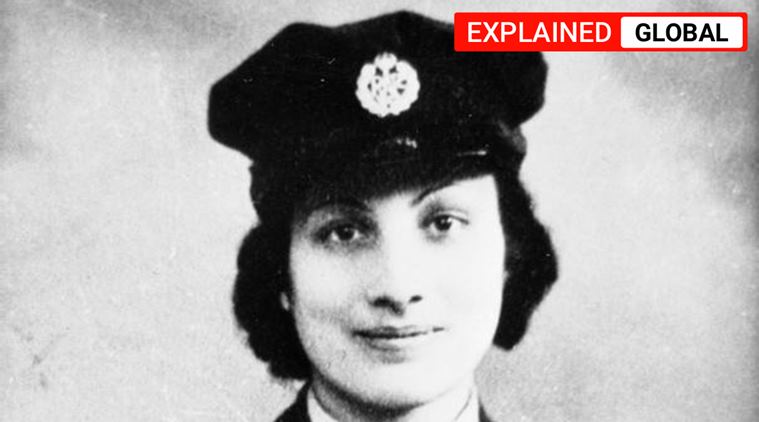
Born in Moscow to an Indian father and an American mother, Noor’s family moved to London and then to Paris during the First World War. (Source: Wikimedia Commons)

British media reported this week that Rishi Sunak, the Chancellor of the Exchequer, is considering a proposal to feature historical figures from the Black, Asian and minority ethnic (BAME) community of the country on a set of coins titled ‘Service to the Nation’.

If the proposal is passed, it will be the first time that non-white people will be featured on British coins or notes. The plan has been submitted to the Royal Mint, which is to come up with proposals and designs.

Zehra Zaidi of the advocacy campaign ‘Banknotes of Colour’, along with a group of historians and MPs, had written to the Chancellor proposing some historical figures. Among them were the Indian-origin British spy Noor Inayat Khan, as well as Khudadad Khan, the first soldier of the British Indian Army to receive the Victoria Cross. Khudadad Khan, who belonged to the Chakwal district of Punjab in present-day Pakistan, died in 1971.

The continuing Black Lives Matter protests in the United States , triggered by the killing of George Floyd by a police officer in Minneapolis in May, which have put a spotlight on the lack of BAME representation in the UK, and have compelled authorities to take appropriate steps.

Who was Noor Inayat Khan?

Born in Moscow to an Indian father and an American mother, her family moved to London and then to Paris during the First World War. Although Noor started working as a children’s writer in Paris, she escaped to England after the fall of France (when it was invaded by Germany) during the Second World War.

In November 1940, she joined the Women’s Auxiliary Air Force, an arm of the UK’s Royal Air Force to train as a wireless operator. She then did a stint at the secret intelligence organisation set up by Winston Churchill called Special Operations Executive (SOE).

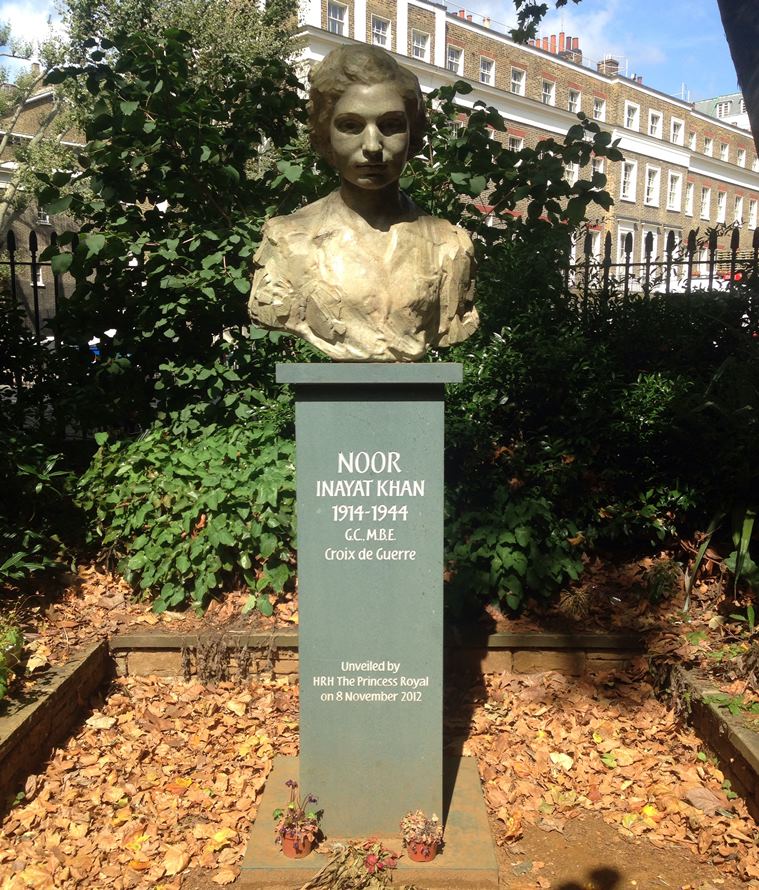
A bust of Noor Inayat Khan in Gordon Square, London. (Source: Wikimedia Commons)

She became the first radio operator to be sent to Paris to work for SOE’s Prosper resistance network under the codename Madeleine. She was just 29 then, and had signed up for a job in which people were not expected to be alive for longer than six weeks.

Even as many members of the network were being arrested by the Nazi secret police Gestapo, Noor chose to stay put — and spent the summer moving from one place to another, sending messages back to London, until she was arrested in 1943.

She was executed at the Dachau concentration camp in southern Germany near Munich. Noor was awarded the highest honour in the UK, the George Cross, in 1949, and the French Croix de Guerre with the silver star posthumously.

What was Noor’s connection to India?

She was connected to India through her father Inayat Khan. He was founder of the Sufi Order of the West, which is now known as the Inayati Order. He had migrated to the West as n Hindustani classical musician, and then moved to teaching Sufism.

Inayat Khan was born in Baroda. His maternal grandfather was the noted musician Ustad Maula Bakhsh Khan, who founded the music academy Gyanshala, which now serves as the Faculty of Performing Arts at Maharaja Sayajirao University. Maula Bakhsh’s wife, Qasim Bibi, was a granddaughter of Tipu Sultan of Mysore.

Inayat returned to India in 1926 and chose the site of his burial at the Nizamuddin Dargah complex in New Delhi. The Inayat Khan dargah still stands in a corner of the complex.

Besides being a GC, what other honours has Noor received?

In 2014, Britain’s Royal Mail had issued a postage stamp in honour of Noor as part of a set of 10 stamps in the ‘Remarkable Lives’ series. In 2012, a memorial with a bust of Noor was unveiled in London by Princess Anne. Shrabani Basu, author of ‘Spy Princess, The Life of Noor Inayat Khan’, and Chair of the Noor Inayat Khan Memorial Trust, had campaigned for the memorial.

In February 2019, Noor’s London home at 4 Taviton Street in Bloomsbury, the house that she left for her final mission, was honoured with a blue plaque. She was the first Indian-origin woman to be awarded the plaque.

How has Noor been represented in popular culture?

Various documentaries on women agents and the SOE have featured her story, such as Netflix’s ‘Churchill’s Secret Agents: The New Recruits’. In 2018, a play titled ‘Agent Madeleine’ premiered at the Ottawa Fringe Festival.

In 2012, Indian producers Zafar Hai and Tabrez Noorani obtained the film rights to the biography by Basu. In the film ‘Liberté: A Call to Spy’, an American historical drama, actor Radhike Apte played the role of Noor. The film had its world premiere at the Edinburgh International Film Festival last year.

source: http://www.indianexpress.com / The Indian Express / Home> Explained / by Surbhi Gupta / New Delhi / July 29th, 2020

Meet Dr Rafat Seema, a scholar who lends helping hand to displaced Rohingyas, needy

Hyderabad, TELANGANA :

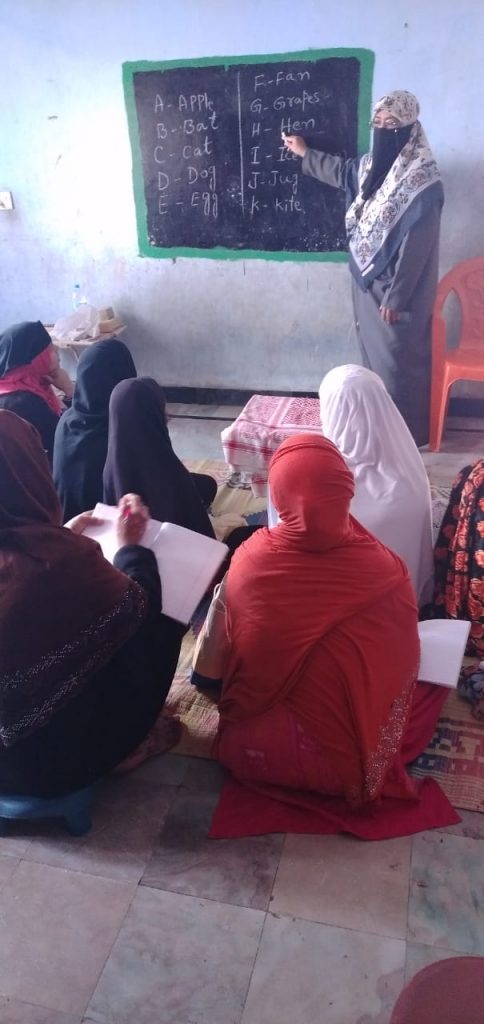
Taking a class for the rohingya women

Hyderabad: 

With a doctorate in Islamic studies, Dr  Rafat Seema is an ‘Aalima’ and has been active in lending support to social causes from her student days. She is the founder of NISA, a woman’s organization through which she reaches out to the underprivileged.

When scores of Rohingya refugees first came to Hyderabad many organizations came forward to help them with food grains and clothes. Rafat Seema was also part of these drives.

“But being a scholar, my thoughts were different,” she shared with TwoCirlces.net, “I felt these material things will only provide help for some time and the people who are offering help will also stop after some time. After all, how long will people help? One day these refugees will have to fend for themselves. So why not give these people something that will not be exhausted? Something that will be of use to them for always? It was then that I decided that I can teach them to read the Quran, to read and write Urdu and English.”

Even as other organizations that  Rafat Seema is part of were conducting health camps for the Rohingyas, many of whom had external injuries and pains due to the tiresome journey and the hardships they went through in their attempts to escape the massacre, Seema was soothing their pains with her kind words and counselling.

Seema asked Shamshuddin, one of the Rohingyas who was in charge of the group, if the womenfolk would be interested to learn the holy Quran. He wholeheartedly agreed and even gave space for the classes in his small house.

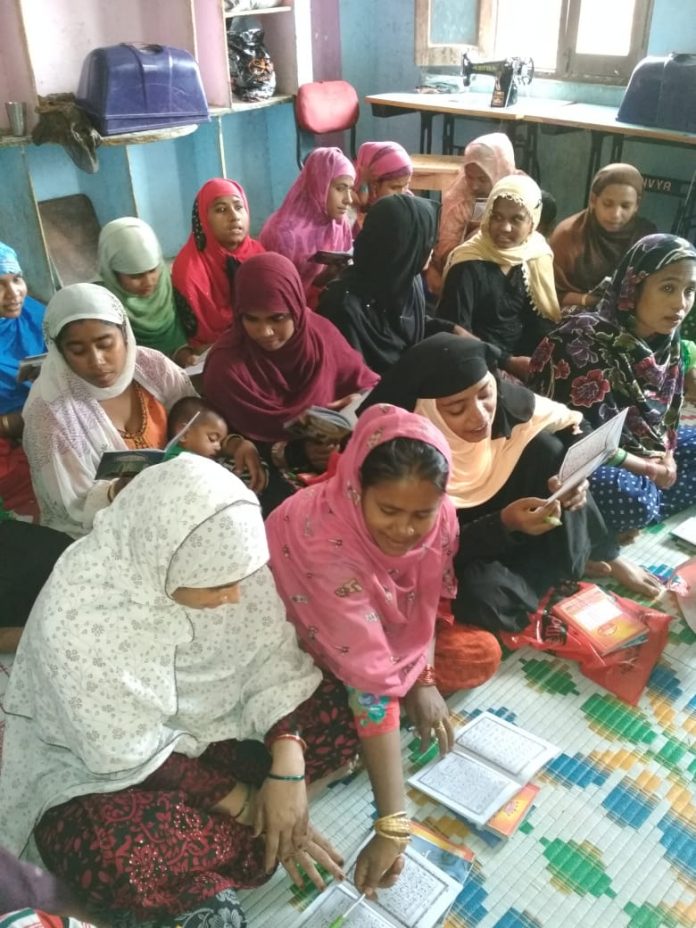
“For the first class itself as many as 70 women of all age groups gathered and their faces were beaming,” recalls Dr Seema.

She began her weekly classes with the help of another volunteer from her organization as she could not manage the large group.

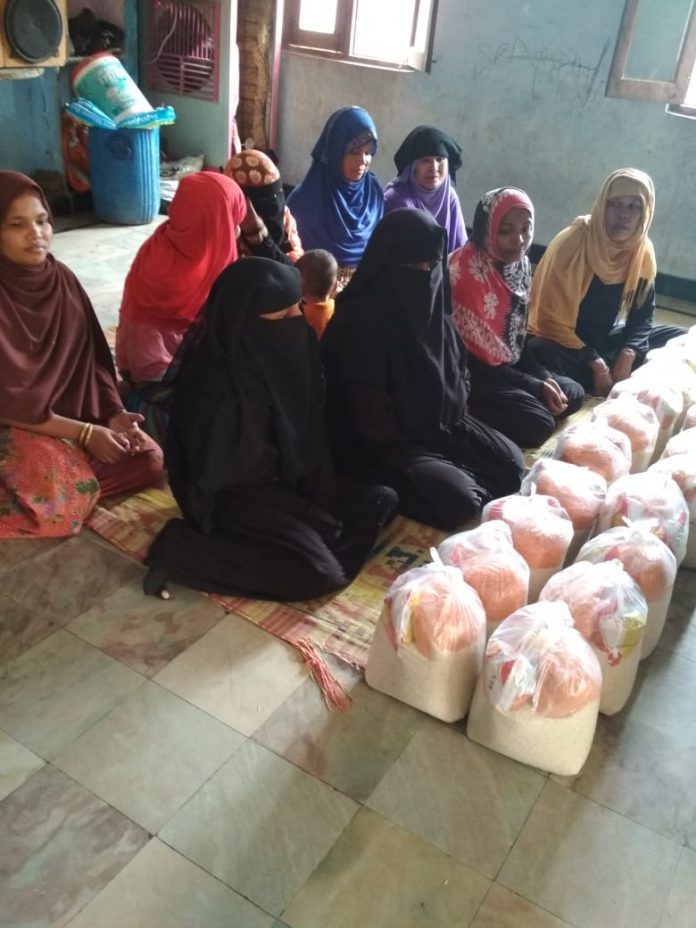
A class in progress at the refuge camp

Every week a volunteer accompanied her and several women made donations in the form of food grains, clothes and money. However, the volunteers would not come every day so she would take the class herself.

The trauma of the Rohingya refugees is unimaginable, she says, “Besides the food, clothes and medicines they needed some outlet to overcome. And the classes I took provided them with something to keep their minds occupied. Reading the Holy Quran had a soothing effect to calm their fears”.

After a year Dr Seema shifted her classes to another corner of the huge ghetto after realizing that many women needed the benefits of the class. She started a new batch in the house of Taha, another refuge, who helps the refugees by talking with donors and updating them about the needs of refugees.

After more than 3 years now, all the Rohingya refugees are all well settled in the pockets of the suburb of Hyderabad in Balapur, which is 15 kilometres from the main city.

Dr Seema’s students who are more than 100 are now able to read not just the Holy Quran but also the English alphabets, small words, they can add and subtract and write the numbers till 1000. The reason they picked up fast is she used to give them homework for the entire week.

“The interest of the women and the encouragement of their men is amazing. After the class, we talk about other issues. They tell me about their relatives who are in Bangladesh. Or about the marriages of the youngsters that have been fixed. Then I try to mobilize some fine clothes or a new set of cutlery for the marriage from the women of my organization,” Dr Seema said.

Dr Seema is not just their teacher but also their friend, counsellor, motivator and someone they can turn to in need of help.

For the other 6 days of the week, Dr Seema is busy with her organization Nisa Research and Resource Centre for Women, through which she creates awareness among Muslim women about their rights and helps them deal with their day to day problems.

She says women need to stand up for themselves and face the challenges without always depending on men.

She is also a director of another religious institute called Jamia Makarimul Akhlaq through which she helps children of the Rohingya refugees. The institute sends auto-rickshaws to the city once a week for half a day where the children are engaged in interactive sessions through which they learn to be worldly-wise. The children are provided with breakfast and lunch.

On other days the institute offers distance education to homemakers and dropouts.

Dr Seema ran a magazine by the name ‘Nisa’ to provide a platform for young female scholars but due to increasing costs, the magazine had to stop.

She also takes online classes in Arabic for women from all over the world. Her hands are always full of imparting education if not spending time with her grandchildren.

She is also associated with Civil Liberties Monitoring Committee and has actively participated in protests demanding justice for the innocent youth who were falsely implicated in the Makkah Masjid blast, in the murder case of Ayesha Meera and several other cases.

She also played an active part in helping the youth start afresh their lives after their acquittal in the Makkah Masjid case after their innocence was proved.

“If I can help someone even in a small way I feel happy. If we are privileged it becomes our natural duty to help those who need help. If not our existence has no meaning. A life without a purpose is meaningless. And my purpose is to help women realize their worth,” she said.

source: http://www.twocircles.net / TwoCircles.net / Home> Indian Muslim> Lead Story > TCN Positive / by Nikhat Fatima, TwoCircles.net / July 24th, 2020