‘Quite a coincidence that we are having her show at this time’

Aligarh, UTTAR PRADESH / U.S. A :

On April 25, the Indian-born American artist passed away at age 83 in London after a prolonged illness.
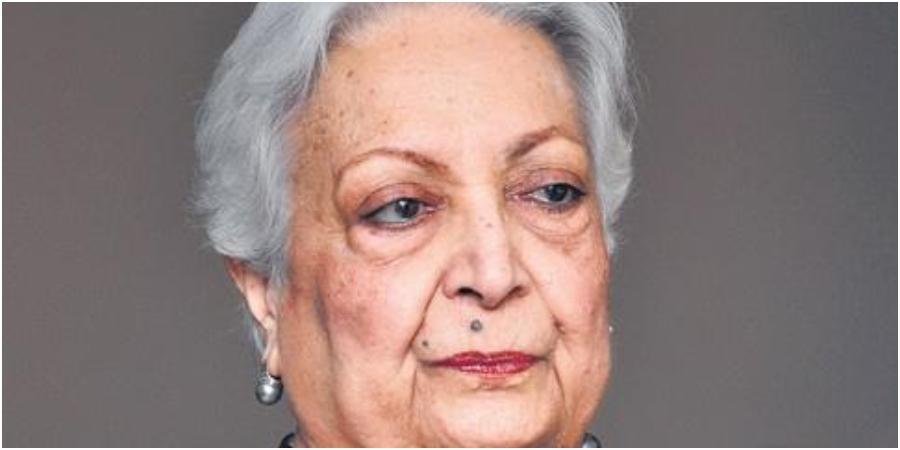
Artist Zarina Hashmi

In her complete oeuvre that stemmed from her lived experiences in Aligarh, Bangkok, Paris, New York and London, artist Zarina Hashmi constantly questioned the idea of home and belonging.

Her abstract geometric collages, floorplans and maps in printmaking techniques (largely in intaglio, lithography, silkscreen and woodblock), handmade paper and sculpture, and often accompanied with Urdu calligraphy, reflect her Islamic roots, formal degree in mathematics, an interest in architecture, ponderings over rigid geo-political boundaries and tragic memories of the 1947 Partition. The Victoria and Albert (V&A) Museum in London, Museum of Modern Art (MoMA), Hammer Museum Guggenheim Museum in New York…have featured her works in their public collections.

On April 25, the Indian-born American artist passed away at age 83 in London after a prolonged illness.


Poet and culture theorist Ranjit Hoskote, who curated ‘Everyone Agrees: It’s About to Explode’ – India’s first national pavilion at the Venice Biennale (2011) – in which he displayed Hashmi’s prints, was among the first ones to tweet of her demise. “Heartbroken to hear that Zarina Hashmi has passed away in London. She was magnificent: full of wit and shrewd wisdom, her work imbued with a tragic vision…” he wrote, and proceeded to tweet snapshots of her prints being installed and the final display at the 2011 edition.
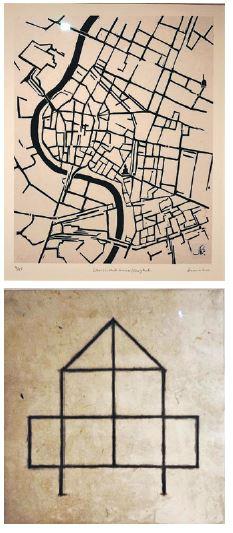
Zarina Hashmi’s prints (top) Letters
I Called Home/Bangkok series;
and Bangkok 1958-1961

In fact, a major retrospective ‘Zarina: A Life in Nine Lines’ at The Kiran Nadar Museum of Art (KNMA), New Delhi that opened on January 30 during the annual India Art Fair was ongoing till the nationwide lockdown commenced. But Kiran Nadar, Founder-Chairperson of KNMA, is determined the show must go on. “We will be showcasing this show on our virtual platforms for everyone to enjoy. It is quite a coincidence that we are having her show at this time, and we lost her at this moment. It’s a huge loss to the art world.” Nadar remembers meeting Zarina a few times, when she first acquired her work some years ago. “Zarina was much more active and younger at that time. Over the years whenever she came to India, I would get an opportunity to interact with her. Zarina’s art is very subliminal, very basic at one level. She deals with lines and distance that she has abstracted in many ways. When you see her work, it looks emotional.”

For Renu Modi, Founder-Director of Gallery Espace, Hashmi was a dear friend of the gallery. “The passing of Zarina is a deep personal loss. She was a friend as well as an artist Gallery Espace represented. She was a very special person, exceedingly compassionate and lived her life gracefully, on her own terms.”

source: http://www.newindianexpress.com / The New Indian Express / Home> Cities> Delhi / by Ornello D’Souza / Express News Service / April 27th, 2020
Youngsters ‘rice’ to the occasion, do their bit for villages

Bengaluru, KARNATAKA :

They load their vehicles with rice, pulses and spices as also medicines and hygiene kits for distribution in these villages, just 50km from Bengaluru.

Bengaluru :

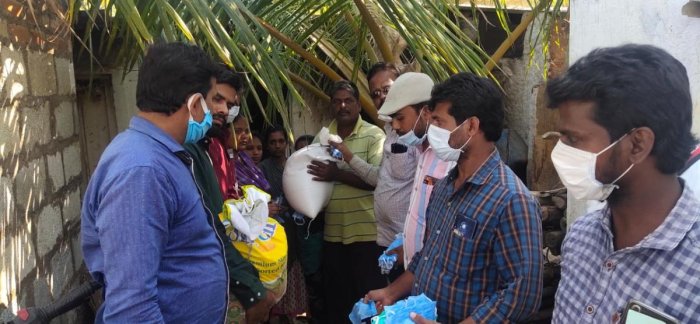
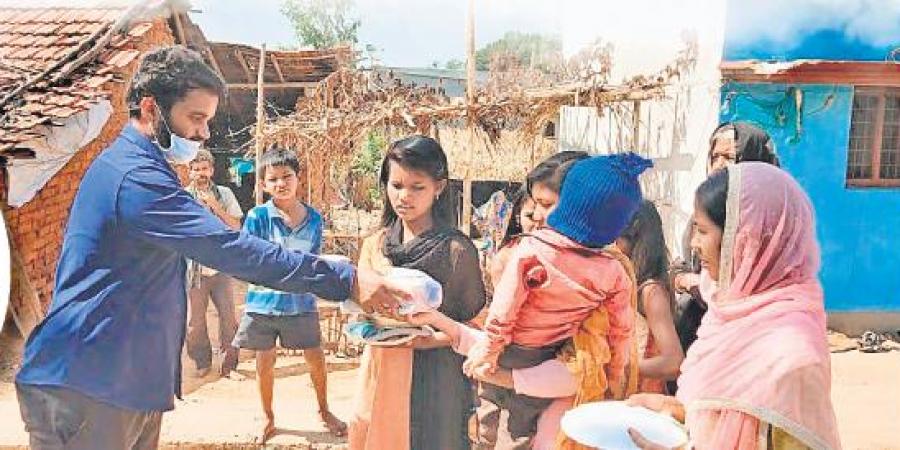
Siddanapalya and Chinnaiahnapalya—two backward villages in Anekal taluk of Bengaluru Rural district—daily see a band of youngsters come there and give them gyaan on coronavirus and provide essentials.Murali Prabhas, a young startup entrepreneur, and three other fellow engineers, Thasneem Fathima, Sushmitha Singh and R Nisha, trudge every day from Whitefield to Anekal to provide succour to these affected villages due to the lockdown. Another member is Dr Raj Kumar who is busy with his medical duties but contributes to their volunteering programme in kind and cash.

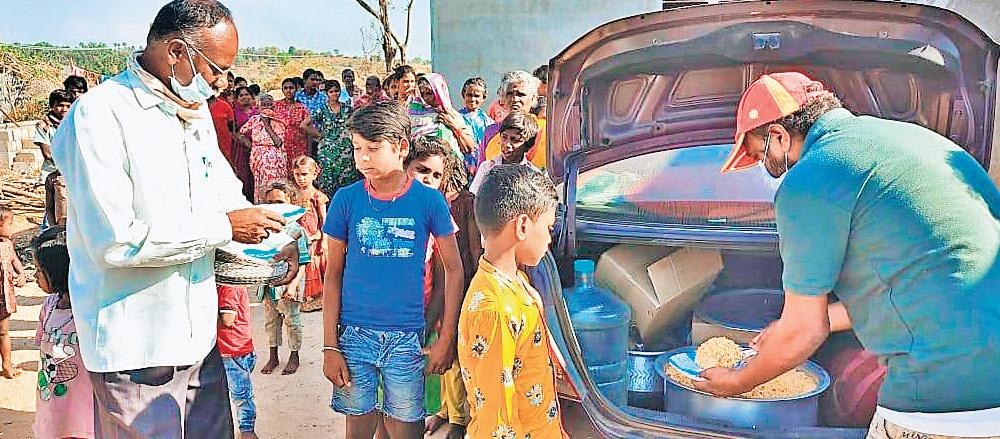
They load their vehicles with rice, pulses and spices as also medicines and hygiene kits for distribution in these villages, just 50km from Bengaluru. The group tries to create awareness about the deadly Covid-19 disease and the need to maintain personal hygiene – hand washing and social distancing. However, it is easier said than done as the professionals from Bengaluru say the attention span of people is just five minutes when one talks about coronavirus and its deadly effect while the attraction for food and hygiene kits is more.

The ‘Humanity First’ group has been involved in social work for the last five years and they say the present work has not been easy as the villages with a population of 1,000-1,200 are completely unaware of what is happening in the world.  Murali says, “None of them adheres to any rules of the national lockdown. As far as social distancing is concerned, it is an alien concept for them.”

Members of Humanity First distribute food at a village in Anekal taluk | Express

Presently, this group has been preparing food like pulao/tomato bhath/bisibele bhath/puliyogire at the villages itself as any packed food is not welcome here. The day’s menu is prepared taking help from a select band of 10 villagers while the vegetables are purchased from the farmers here. This makes it easy for the group to deal with them as they are highly suspicious, says a group member. “Only 4-5 of us go every day as we have to maintain social distancing.  The villagers crowd around us as soon as we reach.”

Food is such an attraction that some residents bring vessels instead of plates. “We have been teaching them how to wash hands, wear masks and keep a distance of 12 feet from one another. For them, the kit is a big attraction apart from the food and within 5 minutes, we have to teach them about hygiene.”

The hygiene kit comprises a bottle of sanitiser, mask, bath and washing soaps, sanitary pads, shampoo and a strip of Dolo 650 – a paracetamol. Every day, kits worth Rs 12,000 are distributed to children who are above 14 years. For food preparation, they spend about Rs 6,000 per day.The group is managing this work from its own savings and small donations from their friends and relatives while one of the members brings his vehicle for distribution work.

In these villages, one can find migrant labourers from UP, Bihar and Odisha who work in the nearby iron and steel fabrication units, garment factories and a pharmaceutical company. Since the units are closed, the migrants have been managing with free rations from the government. For the migrants, these are hard times and even a single food item that they get from these youngsters is welcome.

The Humanity First has tied up with a women’s group who are making sanitisers and masks and they are helping them to market 2,000 masks and 10 litres of sanitiser.For this dedicated group of youngsters, it is with a prayer on their lips that they go to these villages to do their bit. “People await our arrival every day and we cannot miss it even for one day in such harsh times,” they say.

Service their motto

From 2014 onwards, Murali Prabhas has done a lot of backend work for charity trusts and Rotary. He and his friends built four washrooms for the Divine Blind School in 2016. After his visit to a school in Kolar district where children were wearing torn uniforms, Murali and his friends decided to take up social work and adopted two slums between Kadugodi and Whitefield in Bengaluru. For three years, they taught science and mathematics and distributed textbooks to Class 10 children in the slums.

source: http://www.newindianexpress.com / The New Indian Express / Home> Cities> Bengaluru / by Meera Bharadwaj / Express News Service / April 26th, 2020

From dosas to chocolates, Dr Do-gooder grants corona patients their wish

From chips to dosas, to toys and games to razors and nail cutters … whatever the patients need, they have it.

Bengaluru, KARNATAKA :

Dr Asima Banu, Nodal Officer, Trauma and Emergency Care Centre, Victoria Hospital, Bengaluru | EXPRESS

Bengaluru :

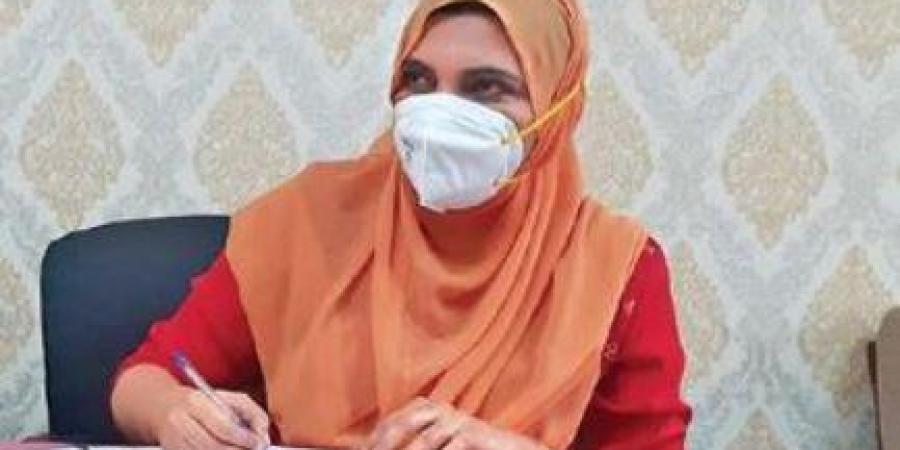
From chips to dosas, to toys and games to razors and nail cutters … whatever the patients need, they have it. Because their wish is her command. And she gets them whatever they want with her own money. Yet, the patients don’t know who this angel is. Meet Dr Asima Banu, Nodal Officer of Trauma and Emergency Care Centre at Victoria Hospital which has now turned into a COVID-19 facility.

It is not easy for Dr Asima, who is in charge of the entire block, to meet all the requirements of the patients. Yet, she does with a smile. “It is very new and challenging for me. Not only do I have to check on the treatment but even look into what other things the patients want. As they stay until they are fully recovered, we need to keep them happy and satisfied,” she said. Dr Asima said when patients come for testing, they just come with a phone.

If they are symptomatic, they are moved to a quarantine unit until their results come. And once they test positive, they are directly sent to the designated hospital. “When they come here, naturally, they don’t bring clothes or other essentials. And once they test positive, their primary and secondary contacts are traced and are quarantined as well. So the patient has no way to get the necessary stuff for their daily use in the hospital. And they, in turn, ask us. And we have to provide them.”

“Some patients do not want to wear the hospital garments and want their own clothes. So in such cases, I call my family and ask them to send some clothes which are completely clean and some which are unused as well. I give it to the patients. Some need sandals. I check on the size and pass on the message to my family. My son looks for the size and get it for them,” she said. Five children who have tested positive for COVID are admitted here.

They demand games, cakes and chocolates. And Dr Asima has it delivered to them through Swiggy. “It does not matter if I spend for them. They just need to be happy,” she said. Dr Asima has never gone in front of the patients as it is mostly the nurses and doctors who are in the frontline. She has created a WhatsApp group with patients and they message her whatever they want. “They have never seen me, all they know is Dr Asima gives them what they want,” she said.

source: http://www.newindianexpress.com / The New Indian Express / Home> Good News / by Iffath Fathima / Express News Service / April 26th, 2020

Coronavirus lockdown: Brothers in Kolar sell their land to feed people

Mohammadpur Village (Chintamani Taluk) / Kolar, KARNATAKA :

When Prime Minister Narendra Modi announced the nation-wide lockdown to contain COVID-19 from March 25, brothers Tajamul and Muzamil Pasha in Kolar took an exceptional step. They sold a 30*40 plot of land they owned in the town. 

This was not to meet their financial needs in times of crisis. But to support those who had lost their livelihoods owing to the lockdown.

The two brothers, who live in the Housing Board colony of Kolar, raised Rs 25 lakh from the sale. The money was used to purchase groceries and other essentials for the underprivileged. 

“Isolation is key in the fight against COVID-19. Poor people venture outside if they don’t get food. The ideal way to keep them inside their houses is by supplying groceries and food at their doorstep,” Tajamul Pasha told DH.

The Pashas hail from Mohammadpur village in Chintamani taluk in Chikkaballapur district. Tajamul was an eight-year-old and Muzamil, just five, when their parents passed away. Soon after, they relocated to Kolar with their grandmother.

Compelled to earn their livelihood, they had to discontinue studies after Class IV. 

“A kind-hearted man gave us a house near the masjid in Gauripet. Hindus, Muslims, a Sikh family and several others gave us food those days. Religion and caste were never a barrier. What brought us together was humanity and we are now attending the call of humanity,” Tajamul says.

“Those days taught us the value of food. This childhood experience drove us to serve the poor till the lockdown ends,” he adds.

Community initiative

After raising Rs 25 lakh, the brothers tapped into a close network of friends, which includes members from all communities, to start the relief work. First, they bought groceries in bulk and stored them at their residence. Ration packets containing essential items: 10 kg rice, 1 kg all-purpose flour, 2 kg wheat, 1 kg sugar, edible oil, tea powder, spice powders, a bottle of hand sanitiser and face masks were prepared.

Then, they erected a tent in an open space next to their house and set up a community kitchen to serve food to those who can’t cook meals in their houses.  

The volunteers have also been given passes by the police, so they can make deliveries of the essential items on their bikes.

They sourced information about those in need of help by visiting the localities themselves and seeking details from the locals and elected representatives.

Their main aim is to ensure that each member of the family receives three meals a day.

So far, the Pashas have delivered free groceries to over 2,800 families, covering some 12,000 people. They have also served food to over 2,000 people. Now, the brothers are working with other like-minded people to continue serving those in need.

“I didn’t know that the government would extend the lockdown. I have done my best, using resources the God has given me. I plan to continue to serve the needy till the lockdown ends,” Tajamul says.

source: http://www.deccanherald.com / Deccan Herald / Home> Specials / by Jagadish Angadi / April 22nd, 2020

When the 1918 Spanish flu reached Bengaluru

Bengaluru, KARNATAKA :

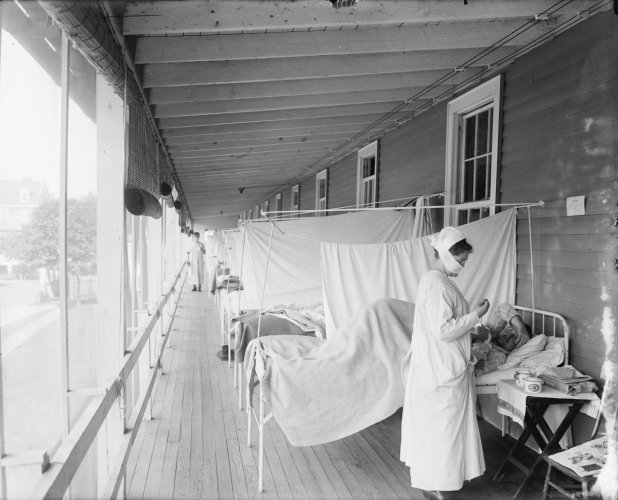
The Spanish Flu’s name comes from the fact that even as wartime censorship in the United States and most of Europe suppressed news of the influenza, the media in neutral Spain reported on it extensively. Photo: Wiki Commons

June 1918. A debilitating disease suddenly swept through Mumbai. Thousands fell ill, complaining of debilitating fever and cough, sometimes with intestinal problems.

For hundreds of unfortunates, their lungs filled with fluids and they died as their body was starved of oxygen. This was the Spanish influenza pandemic of 1918-19, which killed an astounding 50 million worldwide. Recent estimates put the death toll in India at a staggering 12 million.

Scientists refer to Spanish influenza as the ‘mother of all influenza pandemics’, since it is the common ancestor of human and swine flu viruses. The disease is inextricably associated with World War I.

The name comes from the fact that even as wartime censorship in the United States and most of Europe suppressed news of the influenza, the media in neutral Spain reported on it extensively, including when their king Alfonso XIII fell ill with it.

Spanish influenza’s first wave reached Mumbai when soldiers returned from Europe, carrying the virus with them. An even more lethal second wave hit in September.

When the pandemic reached Mysore State, it hit it hard. The State had still not shaken off the plague. Wartime shortages had pushed up the prices of food and other essentials. To make matters worse, the monsoon failed that year.

The disease first passed through Bengaluru in late June without causing much harm. The second wave in mid-September was deadlier. Suddenly, entire families fell ill.

Higher fatality

Dispensaries, clinics and hospitals were overcrowded. Doctors, nurses and compounders were completely overwhelmed. Corpses piled up. Unlike COVID-19, Spanish influenza had a far higher fatality among the young and able-bodied than the old.

Offices emptied as people across all professions and classes fell ill, among others, the health officer in Bengaluru and the then Chief Secretary of Mysore State.

In early October, Bengaluru’s City Municipal Council, under the leadership of the President KP Puttanna Chetty, took several quick, creative and effective steps to deal with the health crisis. Temporary dispensaries were opened, some housed in municipal schools that were closed at the time.

Mobile dispensaries were set up to ensure medicines reached everyone. All dispensaries were directed to stay open for longer hours and to stock enough of the medicines required, including thymol, which was prescribed a preventative.

Since hospitals were filled beyond their capacity, temporary tents and sheds were set up to accommodate the sick. Retired medical staff and medical students were brought in to help with the workload. Health officers went around neighbourhoods to see if there were any infected people and to persuade them to move to the hospitals or the camps to prevent the disease from spreading.

Leaflets in Kannada and English were distributed, which explained the symptoms of influenza, how it spread, and how it was important to ‘separate the sick from the healthy,’ and to avoid ‘the entire family congregating in the sick room.’

People were advised to ‘tie a clean handkerchief on which a teaspoon of eucalyptus oil is sprinkled, across the nose and mouth’ when entering the sick room, to provide a certain extent of protection. They were also strongly urged to avoid crowded places.

A striking feature of the response to the influenza pandemic was the voluntary effort in providing relief. Much like today, when several people are working, often with the police and the BBMP, to ensure the poor are not forgotten during the lockdown, in 1918 too, volunteers helped ensure relief supplies reached the poor and families where there was no one left to tend to the sick.

In Bengaluru, the relief operation was coordinated by Chief Officer R Subba Rao. He divided the city into several blocks with a relief party in charge of each. Supplies included medicines, milk and kanji, a lot of which was prepared at a government facility and then distributed by car, carts and even lorries.

Municipal councillors and volunteers who worked ceaselessly included Father Briand, Ramachandra Rao Scindia, Rev D A Rees, B Usman Khan, B Chinnaswami Setty, Ghulam Dastangir, B K Garudachar, R Gopalaswami Iyer and many, many others.

Assisting them were the Social Service League, Young Men’s Christian Association, students of the Wesleyan, London Mission and National High Schools, and many others. Puttanna Chetty toured the city himself to assist the relief works and ensure they went on smoothly.

By the end of November, the disease was finally under control. More than 1,95,000 people died in Mysore State, 40,000 in Bengaluru alone. With the compounding problems of agrarian distress, rural areas were affected much worse.

source: http://www.deccanherald.com / Deccan Herald / Home> Spectrum> Spectrum Top Stories / by Meera Iyer / April 08th, 2020

MEASI donates Rs 50 lakh to CM relief fund

Chennai, TAMIL NADU :

Prince of Arcot Nawab Mohammed Abdul Ali. File.   | Photo Credit: Special Arrangement

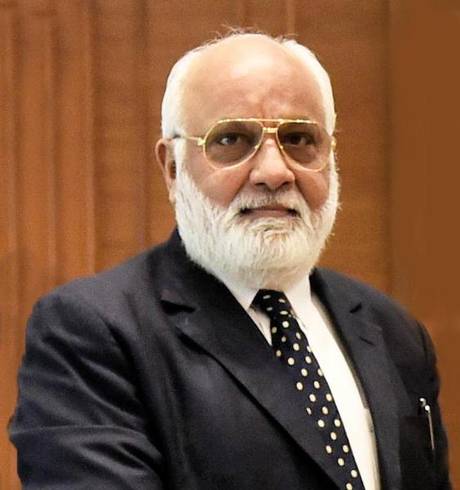
Prince of Arcot Nawab Mohammed Abdul Ali, who is also the President of MEASI, spoke to Chief Minister Edappadi K. Palaniswami

The Muslim Educational Association of Southern India (MEASI), the parent body of The New College, Chennai, has contributed ₹50 lakh to the Chief Minister’s Public Relief Fund towards meeting the challenge of tackling COVID-19 pandemic.

Prince of Arcot Nawab Mohammed Abdul Ali, who is also the President of MEASI, spoke to Chief Minister Edapaddi K. Palaniswami over phone on Wednesday, and requested him to accept the offer from a minority educational institution, according to a release.

MEASI honorary secretary T. Rafeeq Ahmed and treasurer Elias Sait assisted Mr. Ali in raising the fund.

source: http://www.thehindu.com / The Hindu / Home> News>Cities> Chennai / by Special Correspondent / Chennai – April 23rd, 2020

Feroze Abbas Khan changes track for theatre directors

Mumbai, MAHARASHTRA :

Over the course of a lifelong career in the theatre, some directors decide to completely change course midway and broaden their content to appeal to larger audiences.

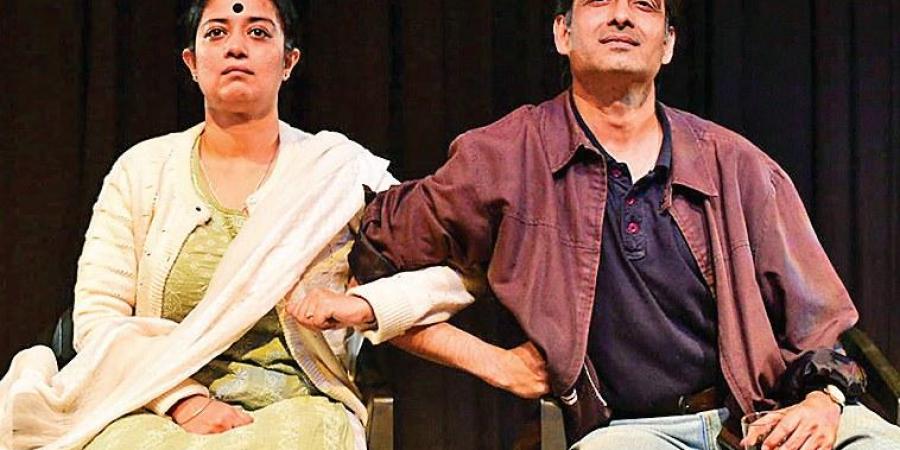
Sarika Singh and Harsh Khurana in Dosh

Over the course of a lifelong career in the theatre, some directors decide to completely change course midway and broaden their content to appeal to larger audiences. Others are happy working on a small scale, while a vast number of directors just fall off the map, literally disappear, due to a lack of any takers. 

Feroze Abbas Khan from Mumbai started his career with Tumhari Amrita with Shabana Azmi and Farooq Sheikh and Mahatma vs Gandhi with Naseerudin Shah, Sonali Kulkarni and KK in the lead roles.

The productions were magnificent examples of star vehicles, a superb script and outstanding performances. Simply mounted, they toured the world to great acclaim. Other memorable productions followed such as the Satish Kaushik-led adaptation of Arthur Miller’s Death of a Salesman. However, a few years ago, Feroze Abbas Khan totally changed tracks and emerged as a leading director of the musical theatre spectacle, first with an adaptation of the film Mughal-e-Azam for the stage and now with an adaptation of Shakespeare’s Romeo and Juliet as Raunaq and Jassi. 

The story of the ill-fated star-crossed lovers has seen many adaptations. Feroze sets his version in rural Punjab and the script is sufficiently witty and audience-friendly. But where Mughal-e-Azam scored because of its outstanding design and lighting, magical music and beautiful dancing and above all the heavy sense of nostalgia it evoked in the audience who could sing along, Raunaq and Jassi’s music, design and acting are all just a little above average and the gravitas of the story never shines through. 

On the other hand for several other directors ‘small is beautiful’ 
and they are happy staying far away from the commercial mainstream. Padatik Kolkata, established by Shyamanand Jalan in the 70s to champion the cause of Hindi theatre, is now in the able hands of Vinay Sharma. Here is a group totally engrossed in the small-scale creative search. Two characters meet in an amorphous space. Two chairs, a wall of cartons, an unknown ‘outside’. Who are they? How are they connected? What is their story? Vinay Sharma’s new production Dosh seems ominously similar to his earlier production Ho Sakta Hai, Do Aadmi, Do Kursiya but only on the surface. Because as this two-hander, the hour-plus play unfolds, it is a different universe we traverse.

A brother and a sister, ably played by Mumbai actors Harsh Khurana and Sarika Singh, meet after a gap of six months. He is on the verge of vacating his house, she is on the verge of leaving her husband. An evening spent together with outpourings of anger, grief, nostalgic memory and startling revelations of events long hidden in the past bring them even closer together. Played up close in Padatik’s tiny studio theatre that only seats 50 people, the production engages you throughout, till you yourself are ready to leave the claustrophobic space with the actors who leave for dinner!

If anything, there are distant echoes of Harold Pinter here, but Vinay puts his own spin on the tale. Remembering and forgetting, multiple versions of the truth, the emotional burden of a shared childhood that is recalled in different ways, mourning and loss in a world of scientific manipulation and terror are his themes.

The writer is a Delhi-based theatre director and can be reached at feisal.alkazi@rediffmail.com

source: http://www.newindianexpress.com / The New Indian Express / Home> Magazine / by Feisal AlKazi / April 05th, 2020

Jamia Hamdard Professor awarded for Drug Research in Unani Medicine

New Delhi :

Jamia Hamdard Professor Mohd. Aftab Ahmad has been awarded for Drug Research in Unani Medicine.

jamia hamdard, unani medicine
Jamia Hamdard Professor Mohd. Aftab Ahmad recieving the award from Union Minister Rajnath Singh.

Professor Mohd. Aftab Ahmad of School of Unani Medicinal Education and Research(SUMER), Jamia Hamdard has been awarded by the Ministry of Ayush, Govt of India for his contribution in Unani Medicine at International Conference on Unani Medicine.

Brief details about Jamia Hamdard Professor Mohd. Aftab Ahmad

1. Professor Mohd. Aftab Ahmad has about 25 years of teaching and research experience.

2. He joined the Department of Ilmul Advia, erstwhile Faculty of Unani Medicine, presently School of Unani Medical Education & Research (SUMER) as a Lecturer. Since then he is imparting teaching and giving practical training to the students of BUMS, MD. (Ilmul Advia), BPharma (Unani) and DPharm (Unani).

3. He has established the Dawasazi lab at Jamia Hamdard with all necessary alterations and prepared Unani Murakkabat (Compound Unani Medicines) in a meticulous and scientific manner using good pharmacy practices, for the practical demonstration of Dawasazi to the students.

4. Dr. Ahmad used some mutatis mutandis in the formulation of Unani Pharmacopeial Murakkab Advia to enhance their efficacy, using Modern and clinical techniques.

As of now, 100 types of Murakkab Advia/pharmaceutics are being prepared in the inhouse-lab and distributed to the indoor patients of the Majeedia Hospital, Jamia Hamdard.

Speaking on the occasion, Mohd. Aftab Ahmad was quoted saying It was a great honour” to receive the award in recognition for Drug Research in Unani Medicine and to get appreciation and even more so to be awarded by the Defence Minister, Rajnath Singh.

Unani Day observed at Jamia Hamdard

International Conference on Unani Medicine was organized by the Central Council for Research in Unani Medicine on February 11 and 12, 2020 at New Delhi. Every year Unani Day is observed on February 11. The event provided a platform to discuss wide range of topics which would help in developing knowledge and understanding Unani System of Medicine and its contribution to health and well-being.

The theme of this international conference is Unani Medicine – Towards Achieving the Sustainable Development Goal (SDG-3) of Good Health & Well-Being.

Jamia Hamdard Unani conference witnessed participants from across the globe

A galaxy of experts and luminaries from the field of health sciences across the globe shared their knowledge, experiences and innovations. There was participation from industry, academia and research organizations engaged in the development of Unani Medicine and related health sciences.

Contribution of government

The Unani Day celebration inter-alia included the conferment of annual AYUSH Awards for Unani Medicine, wherein awards conferred for excellence in different categories, viz. Best Research Paper’, Young Scientist’, Best Teacher’ and Lifetime Achievement’. An exhibition of industry and academia will also be organised.

source: http://www.indiatoday.com / India Today / Home> Education Today> News / by India Today Web Desk / New Delhi – February 12th, 2020

Youngsters lend a helping hand, care for the homeless during COVID-19 lockdown

Chennai, TAMIL NADU :

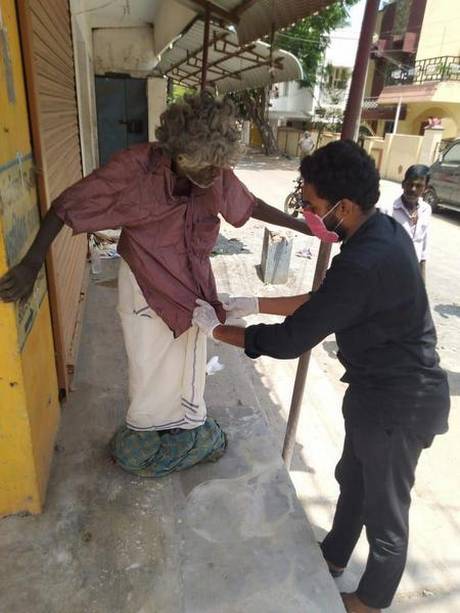
A homeless man being helped by a volunteer   | Photo Credit: Special Arrangement

A trust started by a 24-year-old helps bury unclaimed bodies and takes homeless persons with injuries to government hospitals and shelters

A few weeks ago, Suseela, a 60-year-old homeless woman in Gaudiya Mutt Road, sustained a grievous injury on her head, and as she left it unattended, maggots formed in the wound. Similarly, Jeeva, a 70-year-old homeless man in Tambaram, with injuries on his legs, could not get medical attention. Luckily for them, 24-year-old Khaalid Ahmed came to their rescue during the lockdown. He, along with few other volunteers, cleaned their wounds, took them to nearest government hospitals and later, helped them move to shelters run by the Greater Chennai Corporation.

Khalid Ahmed, a mechanical engineering graduate, runs a trust called Uravugal, which helps bury unclaimed bodies after getting proper police and medical clearance. He has been running this trust since 2017 and has buried more than 800 bodies till date. There are around 500 volunteers working for the trust.

“People, who spot injured or dead homeless people, contact us after seeing our social media page. We immediately rush to the spot and co-ordinate with the respective government departments and render the help needed,” Mr. Ahmed says .

During the lockdown period, his team has not only been treating injuries of homeless persons, but have also been burying the bodies of daily wage earners, who are left without any money due to the curfew, and also of pavement dwellers who have no relatives.

“Since March 24, we have conducted final rites for nine persons. Most of the pavement dwellers manage to get food. But many are concerned about if they will get a proper burial once they die. This prompted me to start the trust,” explains Mr. Ahmed.

Apart from this, he has also helped three patients reach their hometowns. “We have our own ambulance for this purpose. Recently we shifted a pregnant woman to Jipmer, Puducherry,” he adds.

A senior police officer said that it was a very good initiative. “But if they do it in co-ordination with government, it will be more efficient,” he added.

source: http://www.thehindu.com / The Hindu / Home> News> Cities> Chennai / by Vivek Narayana / Chennai – April 18th, 2020

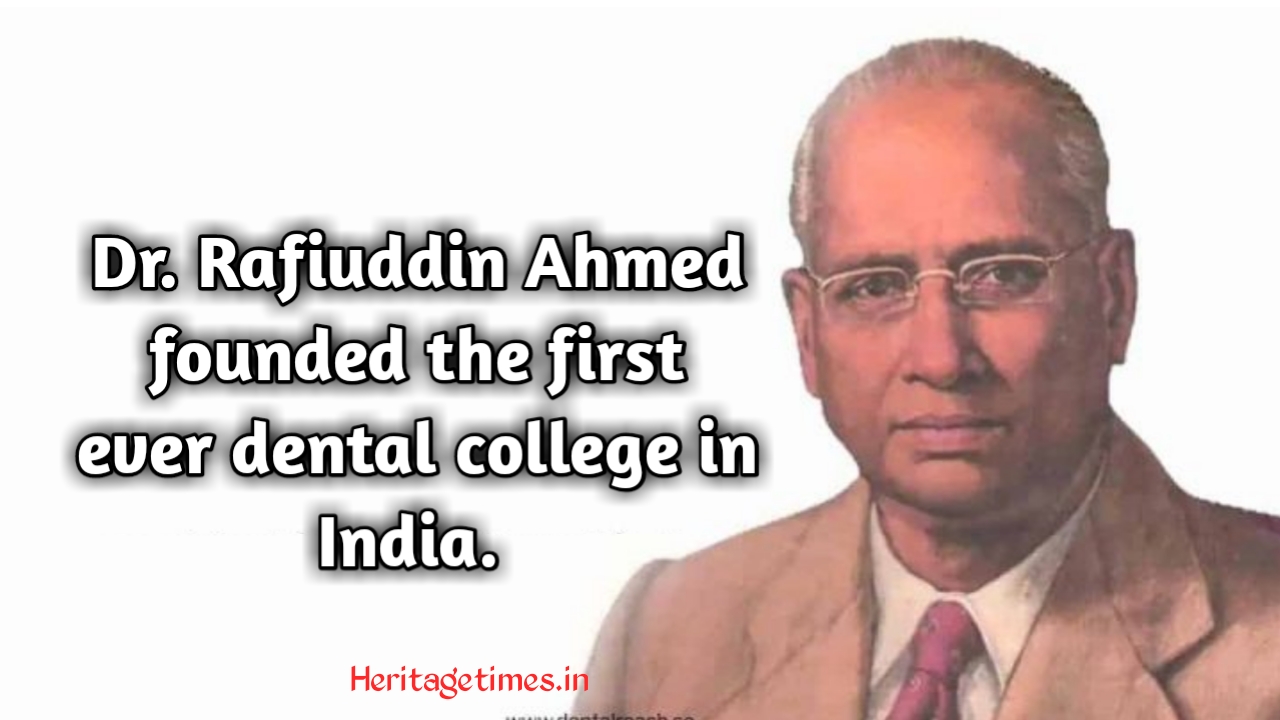
Dr. Rafiuddin Ahmed : “Father of modern dentistry” of India.

BENGAL (now WEST BENGAL) :

DRrRafiuddinMPOs21apr2020

The beginning of this decade, 2020 marks the centennial anniversary of the very reputed Institute, R. Ahmed Dental College in Calcutta, West Bengal, India which was established solely by the effort of the “Father of modern dentistry” of India, Dr Rafiuddin Ahmed in the year 1920.

Dr Rafiuddin Ahmed established the Indian Dental Journal in 1925 and served as an editor till 1946. He published the first student handbook in Operative dentistry in 1928.

It was due to his constant efforts and endless endeavour that the year 1946 witnessed the formation of the Bengal Dental Association which was later renamed as the Indian Dental Association, as it is known today.

Dr Rafiuddin has an exemplary achievement in his professional career. After completing his alma mater from Aligarh Muslim University, He earned his D.D.S (Doctor of Dental Surgery) degree from the University of Iowa School of dentistry, USA in 1915. During the world war- I, he worked at the Forsyth Dental Infirmary for children in Boston, Massachusetts.

In 1919, a year after the war ended, he returned to India to open a dental institute in Calcutta. Initially, the college was run on an experimental basis with only eleven students from 1920 to 1923. Dr R Ahmed took the responsibility of teaching the student both theoretical and practical alongside other dedicated teachers. By 1928, this college was a well- organised institution for scientific dental education in India.

In 1947, Dr Ahmed was awarded a fellowship at the international college of dentistry. He also received a fellowship at the royal college of Surgeons of England and the Pierre Fauchard Academy in 1949.

The founding father of IDA became a minister of the Bengal Government and supervised the Department of Agriculture, Community Development, Co-operation, Relief and Rehabilitation until 1962.

This great personality is an epitome of excellence. His entire life revolved around providing services to the communities. His contribution in the field of dentistry is something to be remembered and truly appreciated. Dr R. Ahmad proved to be an all-rounder. He wasn’t just a dentist, but also was a publisher, an editor, a dedicated teacher, a minister, a president (of IDA). These are just to name a few.

The distinguished achievements of this great personality was recognised by the Government of India and in 1964 Dr Rafiuddin was awarded with the prestigious Padma Bhushan, making him the first Indian Dentist to be honoured with the third highest civilian award of the republic of India.

source: http://www.heritagetimes.in / Heritage Times / Home> Education / by Dr.Zareen Fatima / January 24th, 2020