Despite the challenges, 74-year-old Mohammed has carried out this responsibility with unmatched expertise year after year, ensuring smooth continuation of this important tradition.
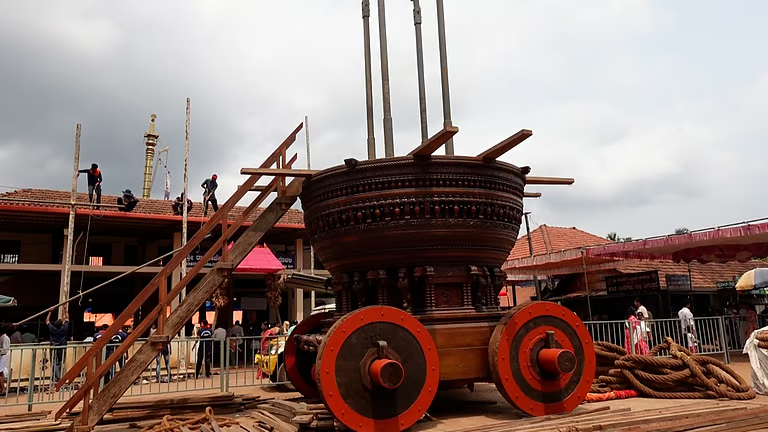
The chariot of Sri Polali Rajarajeshwari temple is getting prepared ahead of temple annual fair on April 10 / Photo | EPS
Mangaluru :
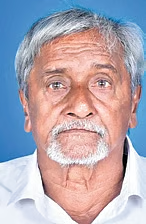
AH Mohammed, fondly known as Monakka from Ammunje, has been serving at the renowned Polali Sri Raja Rajeshwari Temple for the past 48 years. His primary responsibility, which is managing and steering the temple chariot using traditional wooden stoppers and preparing the chariot during the annual fair, is both demanding and highly skilled.
Handling the massive temple chariot is no simple task. It requires precision, coordination, and deep understanding to guide it safely along its route. Despite the challenges, 74-year-old Mohammed has carried out this responsibility with unmatched expertise year after year, ensuring smooth continuation of this important tradition.
A resident of Ammunje Kalai, Mohammed is retired, and had previously worked as sales manager at the cooperative society within the temple premises. Over time, he developed a strong rapport with the temple administration. Nearly five decades ago, when the temple authorities were planning to build a chariot, they sought his advice, recognising his background in the wood industry. Impressed by his knowledge, they entrusted him with the responsibility of managing the chariot during the annual fair.
Mohammed fondly recalls the support he received during the initial days from former temple administrators who stood by him throughout his journey.
Traditionally, the chariot is required to complete one full circle of the temple. In earlier days, this was particularly challenging due to muddy roads, which made navigation slow and difficult. Using wooden stoppers and his technical skills, Mohammed mastered the art of steering the chariot with remarkable ease and precision.
“We faced several challenges while moving the chariot, but I always had alternative solutions ready. It’s not as easy as it looks. Even preparing the chariot during the annual fair is a difficult task; installing ropes, wooden planks, sticks, and ensuring everything is in place for the fair requires careful supervision,” said Mohammed.
He says trust and teamwork have been key to his long service. “It’s the mutual trust between me and the temple administration that has helped us manage the chariot successfully all these years,” he says.
With the temple’s annual fair scheduled for April 10, preparations are already in full swing, and Mohammed is once again actively involved in decorating and readying the chariot. His daughter, Fathima Nusaiba, shares how deeply this service is woven into their family life. “Visiting the temple during the fair is as important to us as Eid. My father spends more time at Polali than at home. Even during Eid, he would be working at the temple. Despite having BP and diabetes, he becomes energetic when it comes to his work at Polali,” Fathima shared.
She also highlights the respect he has earned over the years, saying, “His friends from other communities often step forward to help even before family members do. Our family is always treated with great warmth and respect when we visit the temple.”
source: http://www.newindianexpress.com / The New Indian Express / Home> Karnataka / by Abhijith N Kolpe / April 02nd, 2026
In an era where corporate success is often measured solely in balance sheets, Hamid Ahmed stands out as a rare blend of business acumen and social commitment—quietly carrying forward the towering legacy of his grandfather, Hakim Abdul Hameed, a visionary who believed that enterprise must serve society.
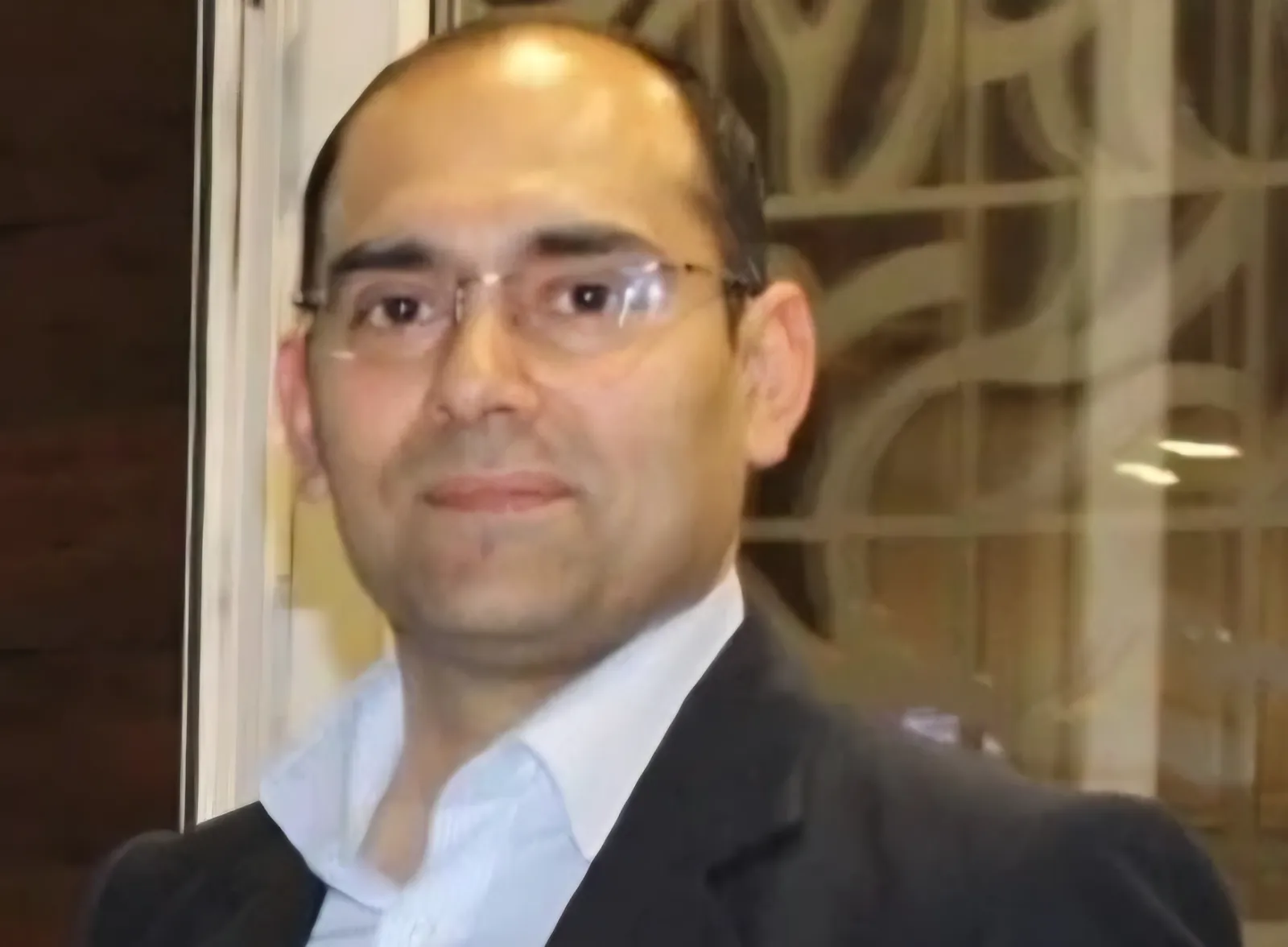
A young, suave, and dynamic Indian business leader, Ahmed today occupies multiple roles with ease and purpose. As the Chief Executive Officer and Trustee of Hamdard Foods India, and former Chancellor of Jamia Hamdard, he represents a new generation of leadership rooted in legacy but driven by innovation.Owing to his leadership acumen and expanding contributions to the service of humanity, he has been featured among the 100 Most Influential Muslims of India in the 2025 list compiled by the Muslim Mirror. The list also features distinguished personalities such as former Vice President of India Mohammad Hamid Ansari, noted industrialist Azim Premji, and politician-barrister Asaduddin Owaisi, among several other eminent names.
Born in 1977 in New Delhi, Ahmed’s early education at St. Columba’s School laid the foundation for a disciplined and forward-looking career. He went on to pursue a Bachelor’s degree in Economics from the University of Delhi, graduating in 1998, before earning an MBA from London in 2000—equipping himself with a global outlook at a young age.
His association with the Hamdard legacy began early. In 1995, he was appointed as a Trustee of Hamdard Laboratories India by his grandfather. By 2000, he had formally joined the organization, embarking on a professional journey that would span over two decades. When he assumed the role of CEO in 2016, Ahmed brought with him not just experience, but a renewed vision—one that sought to modernize while preserving the ethos of Unani medicine and ethical enterprise.
Under his leadership, Hamdard Foods India has expanded its footprint across both domestic and international markets, strengthening its position in the food and Unani healthcare sectors. His approach combines strategic expansion with a nuanced understanding of regional consumer behavior, reflecting years of hands-on experience across diverse markets.
Yet, Ahmed’s influence extends well beyond boardrooms. His commitment to education is deeply intertwined with the legacy of Jamia Hamdard, an institution founded on the principles of accessible and value-based learning. As Chancellor, he played a key role in reinforcing its academic and institutional growth, ensuring that the university continues to serve as a hub of excellence for students from all backgrounds. Today, Jamia Hamdard has secured a top-tier position among a plethora of private universities, distinguished for its academic excellence, research output, and commitment to holistic education.
He is also the Founder and President of the Unani Drug Manufacturers Association (UDMA), where he has worked to strengthen the traditional medicine sector and advocate for its modernization and global relevance.
Philanthropy remains central to his work. Through the Hamdard National Foundation India and the Hamdard Learning and Welfare Society, Ahmed has championed initiatives focused on education, skill development, employment generation, and the upliftment of economically weaker sections. These efforts echo his grandfather’s philosophy—that business must ultimately serve humanity.
His contributions gained particular prominence during the COVID-19 pandemic, when he led large-scale vaccination drives, organized holistic healthcare camps, and initiated environmental campaigns such as tree plantation drives—demonstrating a hands-on approach to crisis response and community care.
In recognition of his service, he was conferred the Paul Harris Fellow award by the Rotary Club of Delhi South in 2022—an honor reserved for individuals who make significant contributions to society.
Beyond his executive and philanthropic roles, Ahmed has also brought his expertise to the corporate governance space. He has served as a Non-Executive Independent Director on the boards of several prominent companies, including Religare Enterprises Limited, Religare Finvest Limited, Religare Housing Development Finance Corporation Limited, Care Health Insurance Limited, and Religare Broking Limited.
At a time when legacy institutions often struggle to remain relevant, Hamid Ahmed’s journey offers a compelling narrative—of continuity without stagnation, of growth anchored in values, and of a leadership style that sees business not merely as a vehicle for profit, but as a force for social transformation.
On his inclusion in the 100 Most Influential Muslims-2025 list, senior journalist Abdul Bari Masoud engaged Hamid Ahmed in an in-depth conversation for Muslim Mirror, exploring a wide spectrum of issues—from his leadership at Hamdard and vision for the Unani sector to his commitment to education, philanthropy, and inclusive nation-building.
Excerpts from the Interview
Q:To what extent were you inspired by your grandfather, Hakim Abdul Hameed Sahib?
A : Hakim Abdul Hameed Sahib was not only the founder of Hamdard but also a visionary who believed in combining traditional health system with modern scientific approaches. His life’s work was deeply rooted in service to humanity, education, and healthcare. His philanthropic initiatives, like establishing Jamia Hamdard University and other institutions, shows how he linked business success with social responsibility. His vision continues to inspire Hamdard’s focus on blending tradition with innovation. His humility and dedication to public welfare set a self reliant leadership and business model that balances growth with ethical responsibility.
Q:Which aspects of his life and philosophy had the greatest influence on you?
A: His decision to dedicate Hamdard as a charitable institution inspires my own sense of responsibility towards society. His passion for education, his humility and ethics, simplicity and global vision not only motivates me but drives me to spend my energies in the research, innovation and making Hamdard’s every effort relevant to the human beings in everyday life. For me, his life is a compass that shapes my journey into the future.
Q:What made Hamdard diversify into the food sector? And what was the thinking behind this transition?
A: Having Rooh Afza- a beverage stalwart already a household name, diversification into the food sector was a natural extension of consumer trust in Hamdard’s quality and purity. Naturally consumers expected that Hamdard could reach out for their food’s need requirements in the categories of core food and functional foods. This way Hamdard could see the light of faster growth and avenues for ensuring sustainable revenue growth, which helps out our charitable mission requirements. To meet India’s growing demand and global needs of quality foods, we introduced several products in a short span of time like, Milkshakes, Lassi, Juices, Squashes, Coconut Water, Honey, Saffron, Soya Nuggets, Vermicelli, Mustard Oil, Olive Oil and range of Spices.
Q:How do you assess the position of Hamdard Foods India within the current Indian food industry?
A: At Hamdard Foods, we have always believed in blending tradition with innovation. Consumer preferences in India are evolving rapidly, with a growing emphasis on quality foods and convenience. Our iconic brands like Rooh Afza continue to resonate deeply, but we are also expanding into new product categories that meet modern lifestyles — from ready-to-drink formats to sugar-free variants. Sustainability and quality remain at the heart of our mission, and we are committed to ensuring that every product we deliver carries forward our legacy of trust while embracing the future of the food business.
Q:What are your future plans and long-term ambitions for Hamdard Foods and the broader Hamdard legacy?
A: Hamdard Foods has always stood for trust, tradition, and purity. As we look ahead, our future plans are centered on three pillars: innovation, expansion, and sustainability. We are committed to introducing new product formats that cater to evolving consumer lifestyles, while ensuring that our heritage brands like Rooh Afza continue to remain relevant across generations.
On the global front, we aim to strengthen our presence in international markets, taking the Hamdard legacy of quality to new geographies. At the same time, we are investing in sustainable practices — from responsible sourcing to eco-friendly packaging — so that our growth is aligned with the well-being of both people and the planet.
Our long-term ambition is to ensure that Hamdard remains not just a household name in India, but a global symbol of nutritious food producer imbibing traditions along with innovations. We want the Hamdard legacy to inspire future generations by showing that a company rooted in heritage can thrive in modern times while staying true to its values.
Q:Is there any particular experience or anecdote that significantly shaped your outlook or altered the course of your thinking?
A: One experience that profoundly shaped my outlook was witnessing how Rooh Afza continued to unite generations within families. I recall visiting a household where grandparents, parents, and children all had their own stories tied to the drink — from Ramadan evenings decades ago to modern-day summer gatherings. That moment reminded me that Hamdard is not just about products, but about memories, traditions, and emotional connections.
It strengthens my thinking by reinforcing the idea that our responsibility goes beyond business growth. We are custodians of a legacy that touches lives deeply in personal ways. This realization drives me to ensure that every decision we make — whether it’s innovation, expansion, or sustainability — honors that heritage while preparing the brand for the future. It’s a constant reminder that Hamdard’s strength lies in being timeless yet adaptable.
source: http://www.muslimmirror.com / Muslim Mirror / Home> Interviews> Positive Story / by Abdul Bari Masoud / April 02nd, 2026
Recognising Hanif’s potential, Javed has been providing everything needed to ensure that his studies continue.
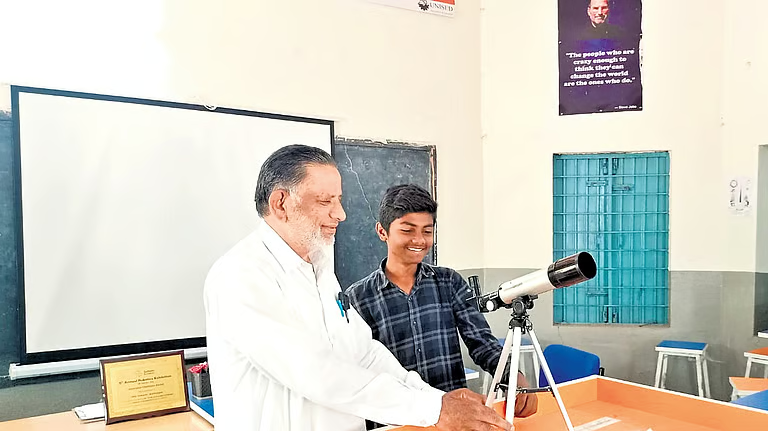
Md Javed, a Hindi teacher at the Government High School in Savaran, explains the working principle of a telescope to his student, Syed Hanif.(Photo | Express)
Karimnagar :
It began years ago with one struggling student — a boy who is now a software engineer in Hyderabad.
Today, government school teacher Md Javed is repeating that quiet act of kindness. Determined that poverty should not crush talent, he has stepped forward to support another promising student, Syed Hanif.
Javed, a Hindi teacher at Government High School in Savaran, has taken responsibility for the education and welfare of Hanif, a Class 9 student from a financially struggling family. The teacher has promised to support him until he completes his SSC.
For the teacher, this is not the first time he has changed a life. Earlier, while working at Government High School Dhangarwadi, he had supported another poor student — a boy who today works as a techie in Hyderabad.
Recognising Hanif’s potential, Javed has been providing everything needed to ensure that his studies continue. He arranged a bicycle for the student to commute to school, pays the rent for his room and has also arranged tuition in mathematics and spoken English, facilities usually available only to private school students.
To encourage better learning habits, the teacher provides Hanif with newspapers, study materials and nutritious food, including fruits. A small library has also been set up in the room where the student stays. Javed’s gesture has inspired others at the school. Fellow teachers recently contributed Rs 10,000 to support the boy’s education.
Hanif’s family had migrated to Karimnagar from Manuguru in search of work. His father earns a livelihood by selling buttermilk on a pushcart. To help the family become financially stable, Javed even purchased a pushcart and handed it over to Hanif’s father.
“I recognised Hanif’s talent, but poverty was holding him back. I wanted to ensure he gets the opportunity to succeed and become a responsible citizen,” Javed tells TNIE. With support from donors, he now spends nearly `1 lakh every year on Hanif’s education and other needs.
Hanif said the support has changed his life. “Earlier, I struggled to focus on studies because of our financial problems. Now I feel confident and can concentrate on my education,” he says.
Javed believes the boy will perform well in the SSC examinations among students from nearly 20 government schools in Karimnagar.
source: http://www.newindianexpress.com / The New Indian Express / Home> Good News / by Naveen Kumar Tallam / March 22nd, 2026
Madrasa Ghaziuddin, which was developed into Delhi College
In recent years, renewed public debate over India’s past has led many researchers and writers to revisit historical records with greater care. In the course of examining Muslim contributions to India’s development – across administration, education, and public institutions – numerous well-documented examples have surfaced that rarely appear in mainstream narratives.
One such finding concerns the institutional origin of Delhi College. What is widely remembered as a colonial-era institution turns out, on closer examination, to be rooted in a much older educational ecosystem established during the Mughal period. The story of its evolution offers a concrete, record-based insight into how Muslim-supported institutions contributed to the foundations of modern education in India.1
A Centre of Learning Before the Colonial Era
The story begins in 1696 with the establishment of Madrasa Ghaziuddin near Ajmeri Gate in Delhi. The madrasa was founded by Ghaziuddin Khan Feroze Jung I, a senior Mughal noble. Like many institutions of its time, it was supported through private endowments made by its founder rather than through direct imperial administration.2
This form of elite patronage was common in Mughal India, where members of the ruling class supported centres of learning as a civic responsibility. Education was viewed as essential to governance, legal administration, and social order. Madrasa Ghaziuddin functioned as a centre of higher learning during a period when Delhi served as both an administrative capital and an intellectual hub.3
What Was Actually Taught
Historical records indicate that Madrasa Ghaziuddin followed a structured and multidisciplinary curriculum. Alongside Islamic Studies, students were trained in Persian and Arabic, principal languages of administration and scholarship in Mughal India. Instruction also included logic, philosophy, mathematics, and astronomy, disciplines required for legal reasoning, governance, and intellectual inquiry.4
Islamic Studies at the madrasa did not operate as isolated theology. Ethical principles such as honesty, truthfulness, accountability, and justice formed part of the intellectual framework. These values were not abstract ideals but practical standards expected of scholars, administrators, and judges trained in such institutions. Historians note that this ethical grounding was a defining feature of Islamic education and remains emphasised in madrasa traditions today.5
The curriculum reflected societal needs rather than doctrinal preservation. It prepared individuals to think critically and administer public affairs – an aspect often overlooked in contemporary portrayals of madrasa education.
Political Change Without Intellectual Collapse
The late 18th and early 19th centuries brought major political upheaval to Delhi. With the weakening of Mughal authority and the British takeover of the city in 1803, traditional systems of patronage declined. Many educational institutions suffered from reduced funding and administrative disruption, and Madrasa Ghaziuddin was no exception.6
However, the complex was not dismantled. British authorities recognised both its strategic location near Ajmeri Gate and its educational potential. Instead of being erased, the site was repurposed, challenging the notion that pre-colonial institutions were universally dismissed as obsolete by colonial administrators.7
The Delhi College Phase: Adaptation Over Erasure
In the early decades of the 19th century, the Ajmeri Gate complex began hosting what came to be known as Delhi College. Operating from the same premises, the institution introduced English education and Western scientific disciplines while drawing upon the existing scholarly environment.8
This phase represented adaptation rather than rupture. Delhi College did not emerge from the rejection of indigenous learning systems but from their reorganisation under new political and intellectual conditions. Indian scholars continued to play an active role, and the institution became a site of intellectual exchange rather than simple replacement.
While Delhi College was later relocated to the Kashmiri Gate area, the Ajmeri Gate campus continued as an educational institution and today functions as Zakir Husain Delhi College, preserving the site’s long academic lineage.9
Translation and the Spread of Knowledge
One of the most significant contributions associated with Delhi College was its role in translating scientific and philosophical works into Urdu. At a time when English education was limited to a small elite, translation became a key mechanism for widening access to modern knowledge.10
Through this process, new technical vocabulary was developed, enabling emerging ideas in science, law, and philosophy to be discussed in an Indian language familiar to a broader population. Historians regard this translation movement as central to the dissemination of modern knowledge in 19th-century North India.11
The case of Delhi College demonstrates that modern education in India did not spread solely through English. It also travelled through Indian languages, mediated by scholars who navigated multiple intellectual traditions.
Rethinking the Role of Muslim Institutions
The history of Delhi College complicates the claim that modern education in India began exclusively with colonial intervention. Long before British reforms, Muslim-supported institutions had already established systems of learning that combined ethics, reason, and practical knowledge.12
This does not imply that pre-colonial education was identical to modern systems, nor does it deny the influence of colonial reforms. Rather, it highlights continuity – an often-overlooked dimension of Indian educational history. Muslim rulers and elites invested in institutions that served society at large, extending education beyond religious instruction into administration, law, and science.
Why This History is Often Missing
The marginalisation of such histories reflects narrowing of public discourse rather than a lack of evidence. Over time, complex institutional developments have been reduced to simple binaries: traditional versus modern, religious versus secular, pre-colonial versus progressive.
Historians caution that such simplifications obscure the layered realities of India’s past. When Muslim institutions are discussed only in theological terms, their civic and intellectual roles disappear from view, limiting informed historical understanding.13
History as Record, Not Rhetoric
The evolution of Delhi College from a Mughal-era madrasa demonstrates that Muslim contributions to India’s development were institutional, ethical, and intellectual. Recognising this history does not require ideological alignment or nostalgia. It requires attention to documented records.
As India revisits its past through research, conferences, and public discussion, cases like Delhi College underscore the value of evidence-based history. The record reveals continuity, adaptation, and contribution – elements essential to any honest account of the nation’s development.
Endnotes
Percival Spear, Delhi: Its Monuments and History
Syed Mahmud, History of Muslim Education in India
Muzaffar Alam, The Languages of Political Islam in India
Francis Robinson, The Ulama of Farangi Mahall and Islamic Culture
Barbara Metcalf, Islamic Revival in British India
C.A. Bayly, Indian Society and the Making of the British Empire
William Dalrymple, The Last Mughal
Delhi College archival records (19th century)
Zakir Husain Delhi College, official institutional history
Christopher Bayly, Empire and Information
Oxford University Press studies on Delhi College
Irfan Habib, Medieval India: The Study of a Civilization
Romila Thapar, The Past as Present
source: http://www.radiancenews.com / Radiance News / Home> Features> Focus / by Mohammad Talha Siddi Bapa / March 13th, 2026
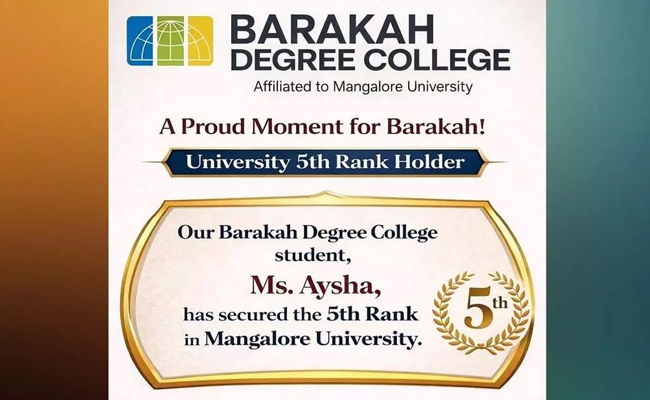
Aisha, a student of Barakah Degree College, has secured the fifth rank in the B.A. stream of Mangalore University.
Aisha is the daughter of Ashraf Ali and Ramlath. She is married to Althaf Umar and is currently pursuing a Master’s degree in English Literature at Mangalore University.
Following the announcement of the results, the management, Principal and staff of Barakah International School and College visited Aisha at her residence and honoured her for the achievement. They congratulated her and wished her success in her future academic pursuits.
Barakah International School and College, located in Adyar, offers education from Pre-KG to degree level. The institution has been recording notable academic results and its students have been receiving recognition in both academic and non-academic fields.
source: http://www.english.varthabharati.in / Vartha Bharati / Home> Karavali / by Vartha Bharati / March 06th, 2026
Bhairopur Dargah Village (Azamgarh District), UTTAR PRADESH / DELHI :
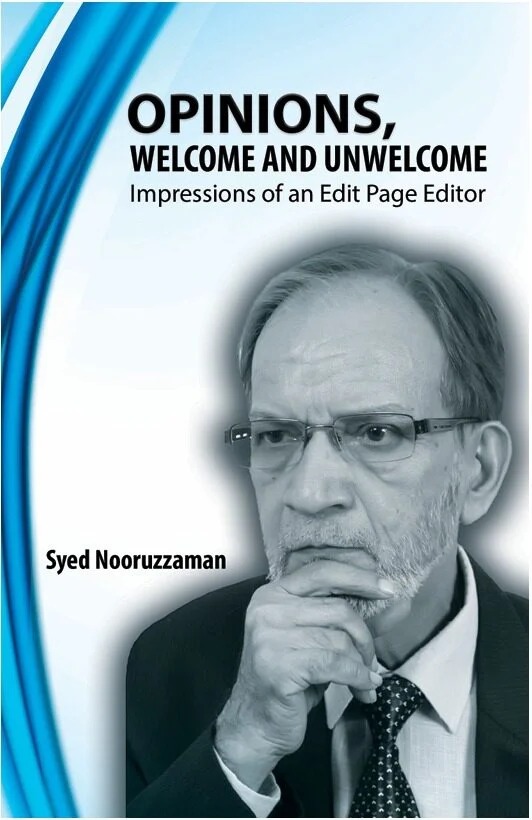
Book: Opinions, Welcome and Unwelcome: Impressions of an Edit Page Editor
Author: Syed Nooruzzaman
Publisher: The New Thinker Media Trust, New Delhi
Pages: Pages: 241 (XV + 226)
Price: ₹450
Reviewed by Dr. Abhay Kumar
Syed Nooruzzaman is a senior journalist with nearly four decades of experience in the field. Although he spent the greater part of his professional life at The Tribune, where he served in various capacities – from Sub-Editor to Assistant Editor – for more than three decades, his early journalistic training was at Radiance Viewsweekly. It is heartening that after his retirement he has published his memoir, in which he reflects on his journey of acquiring education, honing his writing skills, and eventually establishing himself as a seasoned journalist and accomplished writer.
The memoir begins with an account of his early life in his native village, Bhairopur Dargah, in Azamgarh district. It then moves on to narrate his years of struggle in New Delhi, where he went for higher education, and finally his long and productive innings at the office of The Tribune in Chandigarh. Through the story of his own life journey, the 73-year-old journalist offers many valuable lessons for aspiring journalists. The importance of the book lies in the fact that it presents the inspiring story of an ordinary person with limited resources who nevertheless strives, through perseverance and dedication, to become an accomplished journalist.
As the memoir shows, Syed Nooruzzaman remained deeply committed, from his early days, to improving the craft of writing throughout his career. It is therefore not surprising that his passion for reading and writing has continued even after retirement. The publication of this memoir stands as a testimony not only to his enduring intellectual engagement but also to his ability to write lucid prose and communicate his ideas in a clear, concise, and effective manner.
From his early days, the veteran journalist came to believe that language skills and effective communication are essential for success in the field of journalism. As he puts it forcefully, “There is no replacement for language skills…”. Among the languages he encountered, he was particularly inclined towards English, as he believed that “English was the best vehicle for socio-economic development”. At another point, he remarks: “English was my favourite subject.” His life does not fit the communal stereotype that Muslims are “averse to studying the English language” and are themselves responsible for their alleged “backwardness.”
Besides language skills, he also underscores the importance of a journalist having “an inquisitive mind” and the inclination to keep “asking questions in any situation.” With the rise of right-wing forces in Indian politics, the mainstream media, in the eyes of marginalised communities and the weaker sections of society, appears more willing to peddle the official narrative than to speak truth to power. Such a tendency existed in the past as well, but it seems to be more visible today than in earlier times. It is here that the significance of Syed Nooruzzaman’s advice becomes particularly evident.
The veteran journalist also spells out the reason why he chose the field of journalism over anything else: “I fully realised that the journey was worth undertaking as it provided opportunities to fight for injustice done to people by those in authority.”
To put it simply, the advice he offers to budding journalists, drawn from his long career in journalism, is to develop strong writing skills, never be afraid to ask questions of those in power, and use the platform of journalism to fight against injustice.
Apart from offering suggestions to budding journalists, the memoir also makes brief references to the wider political situation in the country during the 1970s, the 1980s, and the 1990s, when he was active as a journalist. However, the memoir could have benefited from a more detailed and in-depth discussion of these issues. Since the author, as he himself mentions several times in the book, was at the helm of the edit page, readers’ understanding might have been enriched further had he engaged more deeply with the larger political, social, and economic context of the country. Was it because the senior journalist wished to maintain his “neutrality”? But can one afford not to take a stand when injustice is being done?
One possible reason for this omission is that the memoir under review devotes considerable attention to the details of the author’s personal life. There is nothing wrong with discussing personal aspects in a memoir, but care should be taken to bring into the public domain only those personal details that have a wider public relevance.
For instance, the senior journalist spends considerable space at several places describing how he cleared various tests in order to secure a job. Similarly, he repeatedly mentions that he handled the important responsibility of the edit page and wrote editorials. However, more substantive issues – such as what he actually wrote, how he wrote it, what he wished to write but could not, what the social composition of the newsroom was, and what kinds of conflicts of interest or internal politics existed within the editorial team – remain largely unexplored.
While his treatment of the Punjab crisis is very brief – despite the fact that he worked and lived through those troubled and critical times – his analysis of the events is not particularly critical. Either he has largely ignored the subject, or when he does briefly mention it, he fails to offer any alternative framework beyond reiterating the larger State’s narrative.
It is to be noted that the author belongs to a minority community, and he might have been expected – perhaps more than many others – to show greater sensitivity to the issues faced by other minorities. However, the memoir does not quite live up to that expectation, and its tone often appears to be shaped by the official “nationalist” discourse.
Besides this, the veteran journalist has failed to engage with several major events of his time, such as the demolition of the Babri Masjid, the process of Globalisation, and the people’s protests against the new economic policy, despite the fact that he is a scholar of economics. More surprisingly, there is no mention of the Gujarat violence of 2002 in his memoir. Similarly, the State’s crackdown on marginalised castes and communities, and their struggles, are largely absent from the book. He briefly mentions the police encounter in Batla House in 2008, but does not analyse it in any substantive manner.
One of the debatable aspects of the memoir is the author’s claim that discrimination and hate politics were largely absent in earlier times: “There was no hate politics practised in the country” (p. 54). At another place, he states, “Those were different times. People did not like or dislike you because of your religious belief” (p. 65). While opinions may differ regarding the extent of discrimination today and in earlier periods, to deny its existence altogether is sociologically untenable. If discrimination had not existed, Muslims, Dalits, Adivasis, and Backward Castes would have been adequately represented in the media. Even today, while a Dalit and an Adivasi have risen to become the President of India – the highest constitutional office in the country – no one from these communities has become the editor-in-chief of a leading mainstream newspaper. What accounts for this absence?
While the veteran journalist denies the existence of discrimination in the past, his own narration of an incident appears to contradict this position. In the early part of the memoir, he recounts that when he met Indira Gandhi for an interview in the post-Emergency period, she referred to Radiance Viewsweekly as a “fundamentalist paper” (p. 50) and even asked him why he was working there. Such remarks themselves reflect the existence of certain prejudices against minority communities and other weaker sections within public institutions, including the media.
These facts suggest that the memoir under review could have benefited from a deeper engagement with some of the more complex issues surrounding journalism. For instance, the author briefly hints at the existence of power centres within the newsroom and editorial department but does not elaborate on them. A more detailed discussion of internal dynamics, the social composition of the media, and the gatekeeping mechanisms that shape entry and advancement in journalism would have added greater analytical depth. Similarly, the memoir might have explored how communal narratives are constructed within sections of the media and how the social profile of the Muslim community affects its representation in mainstream journalism. Given his background in economics, the author could also have devoted chapters to the political economy of the media.
The memoir would perhaps have been richer had the author devoted more space to discussing his own writings on major themes. This could have given readers a window into his times. While he mentions interviewing several high-profile leaders, including Indira Gandhi, he does not discuss the content of these interviews at all. Similarly, he has not elaborated on what he wrote over the years, how he wrote it, and what he was not allowed to write. One might expect that a senior journalist like Syed Nooruzzaman would have a wealth of stories and experiences to share with readers in the fields of media and politics. Such an in-depth and analytical discussion of his era and his critical writings would benefit journalists, researchers, historians, and readers alike. Can we hope for the inclusion of these discussions in the next edition of the memoir?
[Dr. Abhay Kumar is the author of the recently published book Muslim Personal Law: Definitions, Sources and Contestations (Manohar, 2026). Email: debatingissues@gmail.com]
source: http://www.indiatomorrow.net / India Tomorrow / Home> Education / by Dr Abhay Kumar / March 31st, 2026
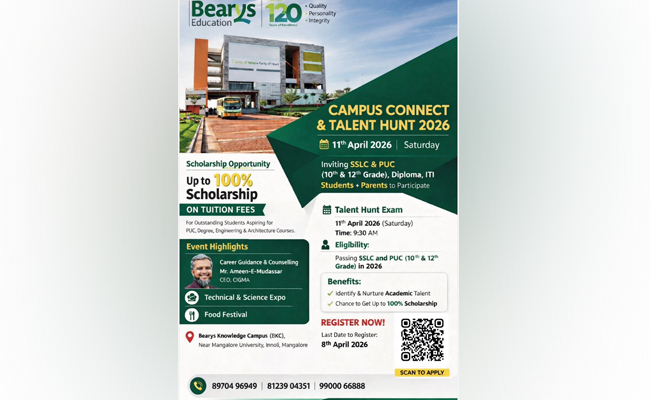
Bearys Education has announced the launch of its “Campus Connect & Talent Hunt 2026,” scheduled to be held on April 11 at the Bearys Knowledge Campus near Mangalore University in Innoli.
The initiative, aimed at promoting academic excellence and student empowerment, will offer scholarships of up to 100 percent on tuition fees for meritorious candidates.
The programme seeks to identify and support students aspiring to pursue Pre-University Course (PUC), degree, engineering and architecture programmes.
The event is open to students from SSLC (Class 10), PUC (Class 12), Diploma and ITI streams, along with their parents. Organisers said the day-long programme will focus on guidance, engagement and opportunities for students planning their academic future.
A Talent Hunt Examination will be conducted on April 11 at 9.30 am, with eligibility extended to students completing SSLC and PUC in 2026. Based on their performance, candidates will be considered for scholarships of up to 100 per cent.
The event will also feature a career guidance and counselling session led by Ameen-E-Mudassar, CEO of CIGMA. In addition, a technical and science expo showcasing student-led innovations, along with a food festival, will be organised as part of the programme.
Organisers stated that the initiative reflects the institution’s focus on quality education, personality development and integrity, while marking over 120 years of educational service.
Interested participants can register before April 8 by scanning the QR code provided in the official announcement (provided below) or by contacting 89704 96949, 81239 04351, or 99000 66888.
source: http://www.english.varthabharati.in / Vartha Bharati / Home> Karavali / by Vartha Bharati / March 31st, 2026
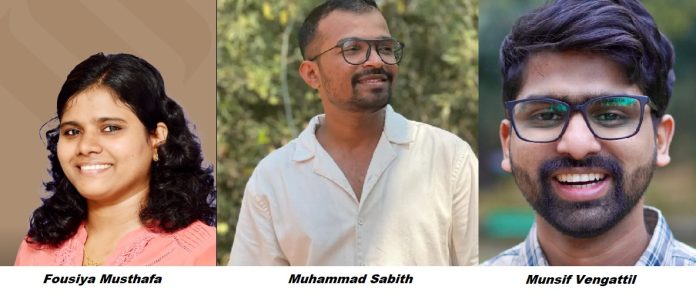
Muslim journalists Muhammad Sabith, Fousiya Musthafa and Munsif Vengattil have earned recognition at the Ramnath Goenka Excellence in Journalism Awards 2026, reflecting the growing contribution of diverse voices in Indian media.
Muhammad Sabith, representing Mathrubhumi, received the award in the Print and Digital Regional Languages category along with colleague Akhil Sivanand. Muhammad Sabith has built his work around regional reporting, bringing local developments into public focus. His stories reflect ground realities and strengthen the role of regional journalism in public discourse.
Fousiya Musthafa, associated with News Malayalam 24×7, secured the award in the Broadcast and Digital Regional Languages category. Fousiya Musthafa has gained recognition for consistent field reporting and clear storytelling across television and digital platforms. Her work highlights key social issues and ensures strong audience engagement.
Munsif Vengattil, based in Bengaluru, leads technology news coverage in India for Reuters. Munsif Vengattil tracks developments at the intersection of technology, business, and labour. With nine years of reporting experience, Munsif Vengattil has covered India’s electronics manufacturing push, tech policy developments, artificial intelligence and election interference, satellite internet, streaming platforms, and data breaches. Munsif Vengattil has also reported on corporate strategies of major global technology firms including Apple, Facebook, Google, Foxconn, Samsung, and Nvidia. His work focuses on India-specific challenges and initiatives within the global technology ecosystem, bringing clarity to complex policy and business developments.
The Ramnath Goenka Awards, instituted by the Indian Express Group, recognise excellence across categories such as investigative reporting, politics, environment, and regional journalism. The awards honour journalists who uphold accuracy and public accountability.
The recognition of Muhammad Sabith, Fousiya Musthafa and Munsif Vengattil highlights the strong presence of Muslim journalists in India’s evolving media space. Their work continues to bring forward important stories and strengthen informed public debate.
source: http://www.radiancenews.com / Radiance News / Home> Pride of the Nation> Awards> Markers of Excellence> Report / by Radiance News Bureau / March 28th, 2026