The Karnataka Government has ordered the nomination of representatives from newly added villages to the Virajpet Town Municipal Council (TMC).
The appointments are set to take immediate effect, with prominent names being included as additional members to the Municipal body.
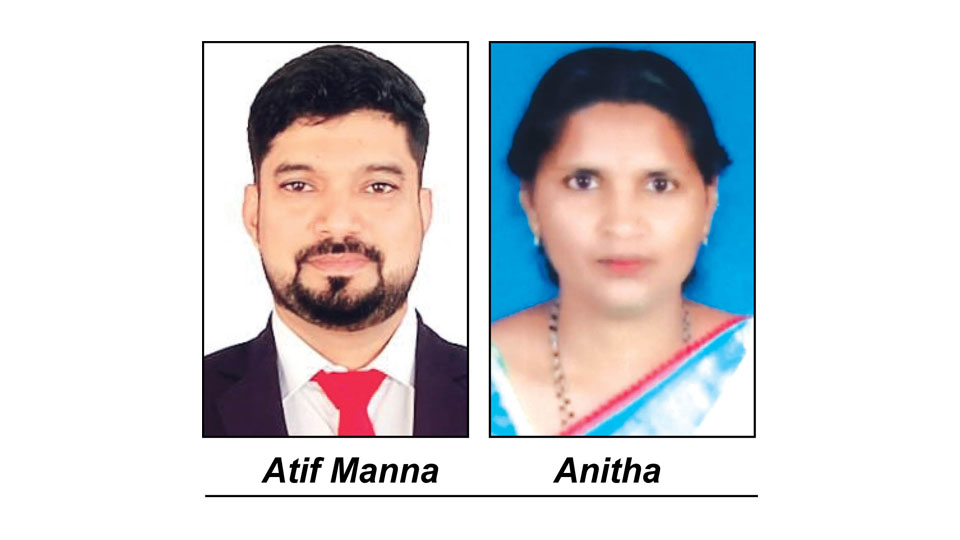
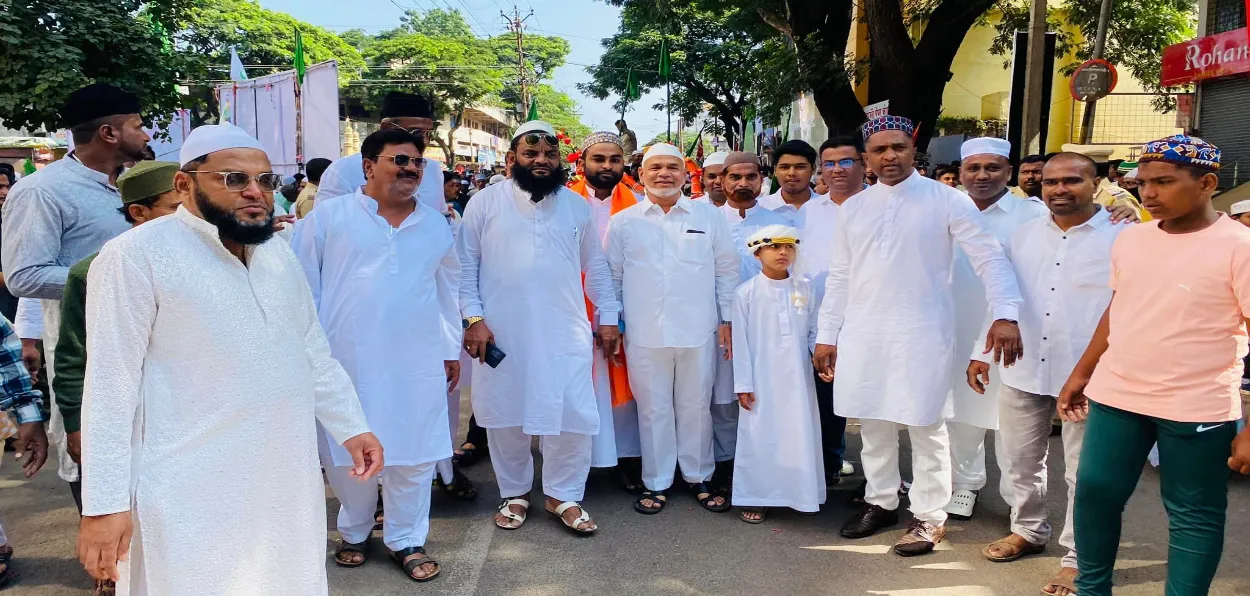
Among those nominated as Councillors is Atif Manna, son of late Shahul Hameed Manna, a former Councillor of Virajpet Town Municipality. Another appointee is H.B. Anitha, wife of Ahmed Wahid.
Atif Manna, who belongs to the Nawayathi community, brings with him a rich political legacy. His family has played a vital role in Virajpet’s governance for decades.
The first Nawayathi Councillor and President of Virajpet Municipality was late Janab Maani Hussain Saheb Bahadur, who served as the President for 11 years. His contributions to the region were recognised by the Coorg Government, which honoured him with the title ‘Bahadur.’
The family’s political involvement spans generations. Atif Manna’s grandfather, Meera Manna, was a Councillor for three terms and once served as Vice-President of the Municipality. His father, Shahul Hameed Manna, served two terms — once through an election and once by nomination.
Continuing this lineage, Atif Manna has now been nominated as the Councillor to represent the newly expanded areas of Virajpet TMC.
source: http://www.starofmysore.com / Star of Mysore / Home> News / October 25th, 2024
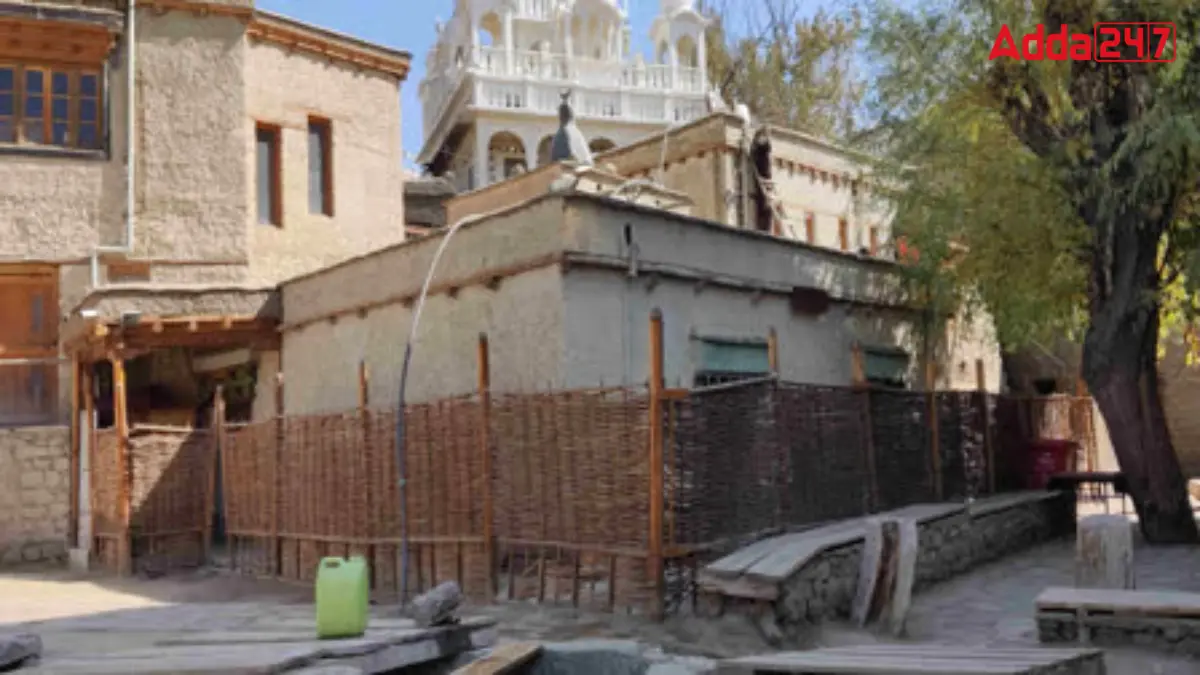
Leh’s oldest public mosque, the Tsas Soma Mosque, was built in the 17th century. Located in the heart of Leh, it served as a worship and learning center for Muslim traders traveling along the ancient Silk Route.
The Tsas Soma Mosque, located in the heart of Leh, Ladakh, is an important historical landmark. This mosque has roots dating back to the 17th century and has witnessed the vibrant history of trade and culture in the region. Here, we explore the mosque’s history, significance, and restoration.
Oldest Public Mosque of Leh
Leh’s oldest public mosque, the Tsas Soma Mosque, was built in the 17th century. Located in the heart of Leh, it served as a worship and learning center for Muslim traders traveling along the ancient Silk Route. Although it fell into disrepair by the 1950s, it was restored in 2007, preserving its historical features and cultural significance.
History of Leh’s Oldest Public Mosque
In the 1600s, Leh was a bustling trade center along the ancient Silk Route. The town attracted traders from different regions, including Central Asia, Kashmir, and Punjab. Many of these traders were Muslims, and they needed a place to pray. In response to their request, King Sengge Namgyal provided land for a mosque. This led to the establishment of the Tsas Soma Mosque, offering a place for worship and religious gatherings.
The Mosque Role as a Worship Center
The Tsas Soma Mosque was more than just a place for prayers. It also served as a Madrasah, where religious education took place. During its active years, the mosque was used by the local community for worship, including women who came to pray. The mosque continued to be functional until the 1950s, after which it fell into a state of disrepair.
The Tsas Soma Mosque Served as a Popular Stop for Traders
Leh was an important stop for traders traveling from Lhasa, Punjab, Kashmir, and other regions, including Iran and Europe. The Tsas Soma area became a key camping site for these travelers, with multiple camping grounds set up around the town. Caravans and their animals rested at various spots, including near the present-day police station and taxi stand. The mosque played a role in the community by allowing these traders to gather for prayers and even conduct barter trades.
Restoring a Piece of History
By the 1950s, the mosque was in poor condition and was largely abandoned as the main mosque in Leh was already established. However, the Tibet Heritage Fund (THF) and the Anjuman Moin ul-Islam Society worked together in 2007 to restore the Tsas Soma Mosque. The original features, such as the main door and wooden beams, were preserved to maintain its historical character.
Design and Architecture of the Tsas Soma Mosque
The Tsas Soma Mosque is a simple single-story building. It consists of one large room with six wooden pillars that have traditional Ladakhi-style carvings. The mosque originally had a wooden dome, which has since been moved to the Shah Hamdan Mosque at Shey. Notably, the mosque does not have a minaret, a feature typically found in many other mosques.
The Mosque’s Place in Ladakh’s Heritage
The mosque stands as a reminder of Ladakh’s diverse cultural and religious past. It reflects a time when Leh was a significant center for trade and cross-cultural interaction. The Tsas Soma Mosque is now part of the Central Asian Museum compound, attracting visitors who are interested in the history and culture of Ladakh.
source: http://www.currentaffairs.adda247.com / Adda247.com / Home> General Studies / by Akansha Arora (headline edited) / October 24th, 2024
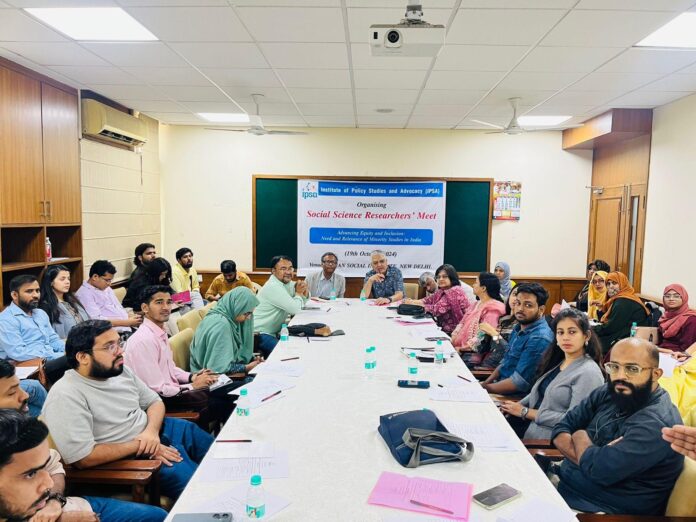
On October 19, 2024, the Institute of Policy Studies and Advocacy (IPSA) hosted a one-day workshop at the Indian Social Institute, focusing on the prospects and challenges of conducting research on minorities in the context of social inclusion.
The event aimed to gather key stakeholders—academics, PhD scholars, students, policymakers, and civil society organizations—to discuss the importance of minority studies, particularly regarding the Muslim community in India, and to propose actionable recommendations for aligning research with national and state policies.
The workshop brought together over 40 research scholars and senior academics from various universities, including Jawaharlal Nehru University, Jamia Millia Islamia, and Delhi University. The Social Science Researchers’ meet, titled “Minority Studies in India,” sought to create a collaborative environment for scholars to share insights and identify areas needing further exploration.
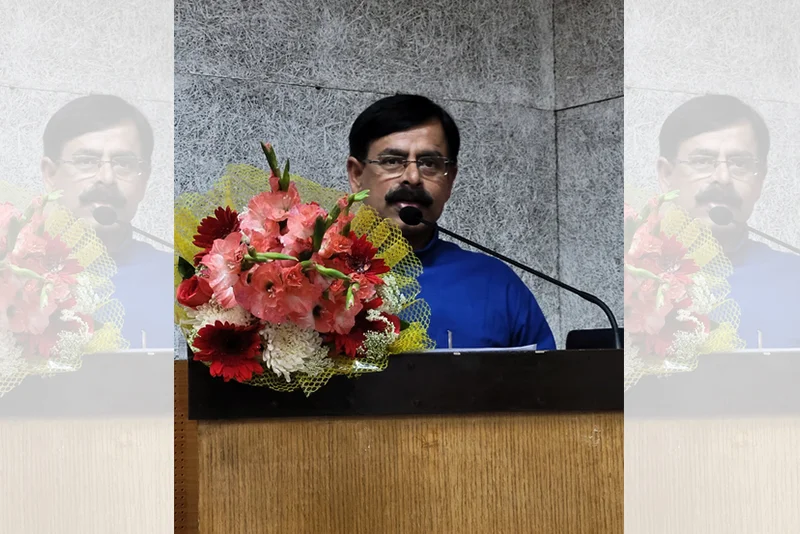
Dr. Jawed Alam Khan, General Secretary of IPSA, initiated the discussions by outlining the workshop’s objectives and context. He emphasized IPSA’s ongoing initiatives in minority research and highlighted the necessity for continued dialogue in this field.
Dr. Furqan Qamar, a professor at Jamia Millia Islamia, underscored the critical role of institutions in development and articulated the significant challenges faced by Indian Muslims. He called for studies that investigate the underlying causes of Muslim marginalization, including their access to financial resources, and stressed the importance of producing accessible and critical literature.
Dr. Tanvir Aeijaz from Delhi University contributed to the discourse by examining the distinction between “minority” and “Muslim” in academic literature. He discussed the need for equity and affirmative action, particularly in the context of the Post-Sachar Report, and raised crucial questions about citizenship amid rising deprivation and exclusion practices.
The workshop also featured a panel discussion chaired by Dr. Asheref Illiyan, Professor and Head of the Department of Economics at Jamia Millia Islamia. Dr. Ghazala Jamil, an Assistant Professor at Jawaharlal Nehru University, urged the need for fresh perspectives in studying Muslims, advocating for a shift away from outdated stereotypes. She emphasized areas like land rights, urbanization, and the unique challenges faced by Muslim women.
Dr. Khalid Khan discussed the importance of empirical research on inclusion and development theories, while Dr. Zakaria Siddiqui called for a redefinition of minority status and highlighted the critical gaps in data concerning Muslim communities.
Following the panel, an Open House session allowed participants to share their research and discuss the future of minority studies. Scholars expressed the need for collaborative efforts, research groups, and support mechanisms to foster engagement among minority researchers. The session was addressed by Professor Arvinder Ansari and Dr. Ghazala Jamil, who responded to participants’ questions and concerns.
In conclusion, the workshop highlighted the urgent need for in-depth research on Muslim communities in India, advocating for a multidisciplinary approach to address issues of equity, representation, and social justice. Participants agreed on the importance of forming a dedicated agency for minority research, which could produce newsletters, journals, and foster a network of scholars committed to advancing minority studies in India.
source: http://www.indiatomorrow.net / India Tomorrow / Home> News> Society / by admin india tomorrow / October 25th, 2024
Professor Mazhar Asif of Jawaharlal Nehru University (JNU) has been appointed the new vice-chancellor of Jamia Millia Islamia, an official statement said Thursday
New Delhi:
Professor Mazhar Asif of JNU has been appointed the new vice-chancellor of Jamia Millia Islamia, an official statement said Thursday.
Professor Mazhar Asif, School of Languages JNU, will serve on the post for five years.
“The President of India in her capacity as the Visitor of the university has appointed Professor Mazhar Asif, School of Languages, JNU New Delhi as the vice-chancellor of Jamia Millia Islamia for a period of five years,” the statement said.
The appointment of Dr Mazhar Asif, came after Prof. Najma Akhtar demitted Jamia VC office in 2023. Prof Najma was the first and so far only woman VC of Jamia Millia Islamia.
About Prof Mazhar Asif
Born on January 02, 1971, Dr Mazhar Asif is currently serving at Centre for Persian & Central Asian Studies, School of Language Literature & Culture Studies, Jawaharlal Nehru University, New Delhi.
Prof Mazhar is specialised in Indian Knowledge System, Sufism and Mysticism and has more than 27 years of teaching experience, including over 10 years as Professor.
As per his bio, he is fluent in Assamese, Bhojpuri, English, Hindi, Persian, Urdu and Vajjika.
He is Trustee, Dara Shikoh Research Foundation, Member, North East India History Association, Member, All India Persian Teachers Association and also holds a number of other posts and positions.
A very interesting mention in his bio is that during his time as a student at JNU, Prof Mazhar Asif was a member of the Akhil Bharatiya Vidyarthi Parishad (ABVP). ABVP is the students wing of the BJP and is affiliated with the right wing RSS.
source: http://www.ummid.com / Ummid.com / Home> Education & Career / by ummid.com news network (headline edited) / October 24th, 2024
“If we only remember Sir Syed over a plate of biryani once a year, we miss the essence of his mission. AMU was created to serve the community, and it’s our duty as graduates to stay true to that vision.”
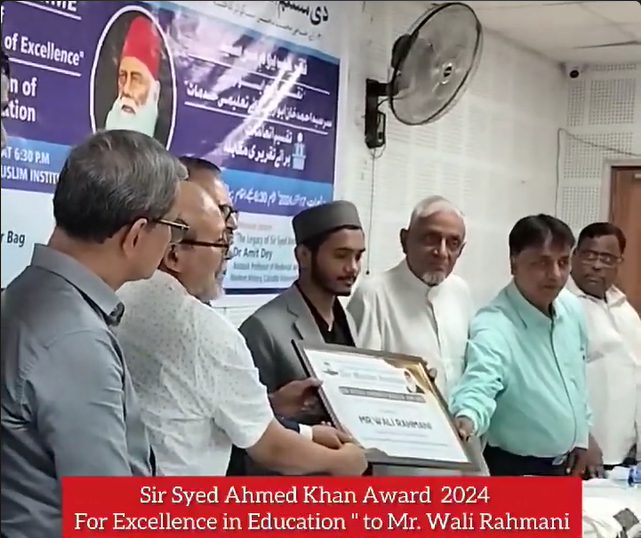
The Aligarh Muslim University (AMU) recently celebrated the 207th birth anniversary of its founder, Sir Syed Ahmad Khan, a visionary leader known for his contributions to education and social reform. On this occasion, Wali Rahmani, a prominent speaker and recipient of Sir Syed Ahmad Khan Award 2024 for Excellence in Education, delivered a compelling message urging the audience to deeply understand the compatibility between science and faith.
During his address, Rahmani challenged the common notion that science and religion are separate, emphasising that the Quran encompasses scientific principles. “To say that one hand holds science and the other the Quran implies that the Quran lacks scientific understanding, which is a misconception,” he stated.
“The Quran isn’t void of science; it contains scientific wisdom. When we speak of education, we must start in the name of Allah. Education divorced from His name isn’t complete.”
Reflecting on Sir Syed Ahmad Khan’s legacy, Rahmani highlighted how Sir Syed dedicated his life to the cause of education, building AMU to serve the community. He noted that Sir Syed’s vision extended beyond the establishment of a university; it was about empowering the community through knowledge and service.
“It is essential to remember why leaders like Sir Syed did the work they did,” he remarked, adding, “If we merely commemorate his work without continuing it, we aren’t doing justice to his legacy.”
Rahmani emphasised the need to go beyond token celebrations, stating, “If we only remember Sir Syed over a plate of biryani once a year, we miss the essence of his mission. AMU was created to serve the community, and it’s our duty as graduates to stay true to that vision.”
Expressing his gratitude, Rahmani acknowledged the honour of receiving an award in Sir Syed’s name, though he humbly expressed his doubts about deserving it.
“It’s an honour for my work to be recognised, but I also feel a sense of responsibility,” he shared. “While I cannot force anyone to become like Sir Syed, I can call them towards the truth, towards what is right.”
Rahmani’s words resonated with the audience, reinforcing the values and mission that Sir Syed Ahmad Khan championed – education, community service, and a harmonious integration of science and faith.
source: http://www.radiancenews.com / Radiance News / Home> Pride of the Nation> Awards> Education> Focus / by Radiance News Bureau / October 26th, 2024
Aligarh, UTTAR PRADESH / Murshidabad, WEST BENGAL :
Aligarh:
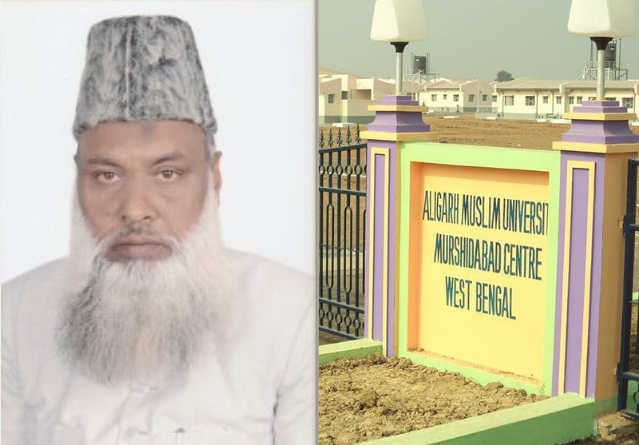
Dr. Mahboobur Rahman, Associate Professor in the Department of Sunni Theology at Aligarh Muslim University (AMU), has been appointed Director of the AMU Murshidabad Centre in West Bengal. His term will last for one year or until further orders or the convening of the General Selection Committee.
With over two decades of experience in teaching and research in theology, Dr. Rahman has been associated with AMU’s Department of Theology and has also taught at Senior Secondary School (Boys). His teaching portfolio includes a range of subjects such as Islamic culture, Quranic exegesis, Indian religions, sciences of Prophetic traditions, Islamic history, jurisprudence, and social sciences.
Dr. Rahman has authored two books, one of which is co-authored with Prof. Muhammad Ismail from the Department of Islamic Studies, and has published more than 50 research papers and articles in renowned national and international journals.
He previously served as Nazim-e-Deeniyat (Sunni) from 2012-2018, was Joint Editor of Fikr-o-Nazar, President of the Theological Society at AMU, and has been a member of several administrative bodies within AMU and beyond.
source: http://www.radiancenews.com / Radiance News / Home> News> Report / by Radiance News Bureau (headline edited) / October 26th, 2024
Idris Naikwadi celebrating Eid (Fourth from left, wearing a white skull cap)
A few days ago, elections were announced in Maharashtra and the code of conduct came into force in the state. Now preparations for the elections are going on everywhere. Before the code of conduct, many big and important decisions were taken in Maharashtra.
One of these was the Governor appointed seven nominated members of the Legislative Council which had been hanging fire for four years.,As per the rules, the governor of Maharashtra appoints 12 members having special knowledge or practical experience in respect of matters such as literature, science, art, co-operative movement and social service.
In the Legislative Council, BJP has three nominated members – Chitra Wagh, Vikrant Patil and Babusingh Maharaj Rathod, Eknath Shinde’s Shiv Sena is represented by Manisha Kayande, Hemant Patil and Ajit Pawar’s NCP hasPankaj Bhujbal and Idris Naikwadi.
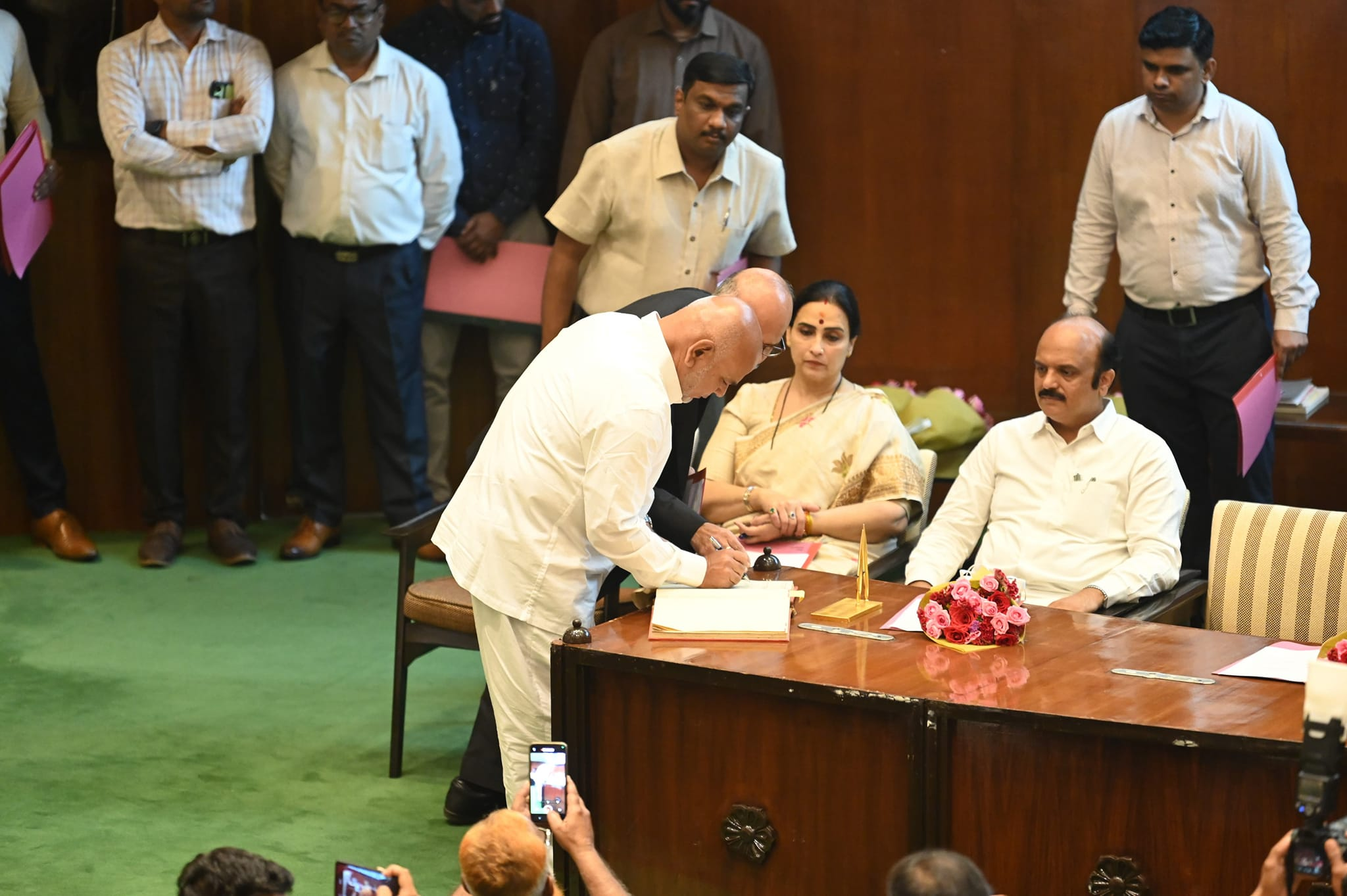
Idris Naikwadi signing his papers as a Member of Legislative Council
Thus Idris Naikwadi is the only Muslim member of the Maharashtra legislative council. It may be recalled that Maharashtra, Bihar and Andhra Pradesh, Uttar Pradesh, Telangana and Karnataka are the only states to have an upper House.
Naikwadi, a former Mayor has always been associated with the Nationalist Congress Party. Seen as a strong leader, Idris Naikwadi has always been active in public life.
He has worked as a councilor in Sangli Mira and became a Mayor of Sangli, Miraj, and Kupwad City Corporation.
For the first time, no Muslim was elected to the Legislative Council. The move was seen as a brazen phenomenon in keeping Muslims out of the legislative body.
Naikwadi was sworn in as a member of the Legislative Council sending thrill across Muslim communities in the State.
The NCP faced a split just before the Lok Sabha elections with 40 MLAs going with Ajit Pawar.
Analysts feel Idris Nayakwadi’s nomination to the Legislative Council is aimed at garnering Muslim votes in the upcoming Legislative Assembly elections.
After being sworn in as MLC, Idris Nayakwadi told the media, “Ajit Pawar’s role is for the justice of the loyal workers. My family has been with the Nationalist Congress for 20-25 years. I am thankful to my leader for keeping my work in mind and allowing me to become a member of the Legislative Council,’
He said,” I will not beg for the unity of the minority community with the Nationalist Party in the upcoming assembly elections. I will meet the migrant workers and minority workers across Maharashtra.”
source: http://www.awazthevoice.in / Awaz, The Voice / Home> Story / by Fazal Pathan, Mumbai / October 26th, 2024
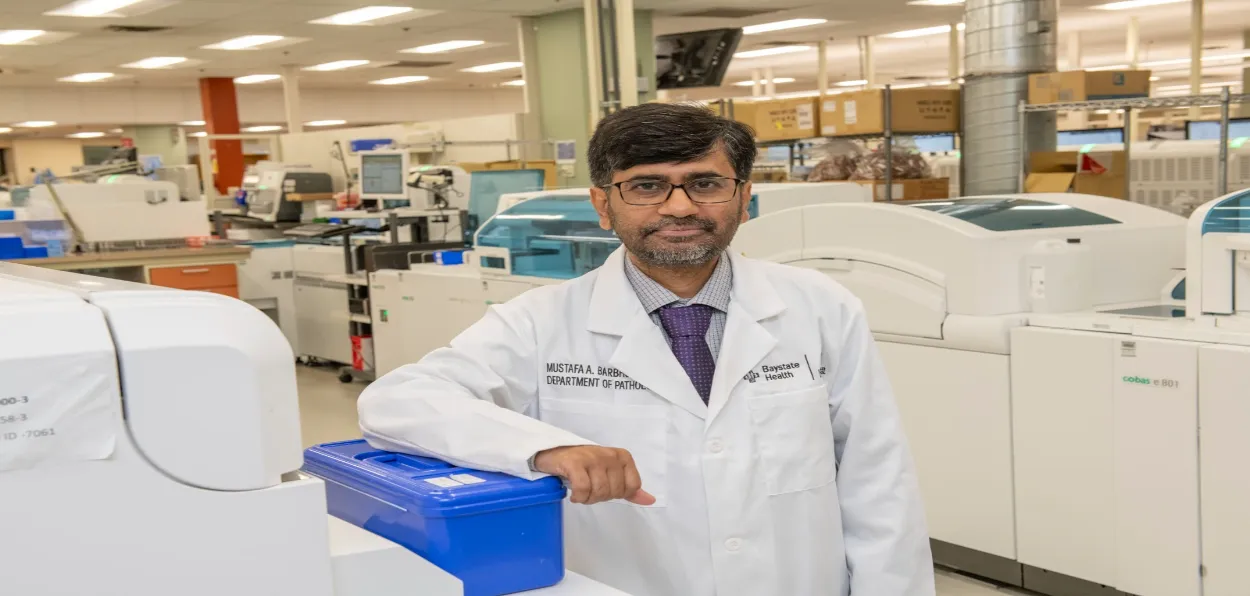
Dr. Mustafa A. Barbhuiya at his workplace in the US
Hailing from a remote village in southern Assam’s Hailakandi district, Dr. Mustafa A. Barbhuiya has been selected among top 100 most influential people in Pathology, specifically, as one of the Top 20 Heroes of Pathology in US for this year.
Featured in ‘The Pathologist Power List’ 2024, Dr Mustafa has demonstrated innovation, leadership, and achievement in the field of Pathology. But the journey of Dr Mustafa to achieve this coveted position was not so easy.
Dr Barbhuiya completed his elementary schooling (HSLC/10th) in Sanuhar Ali Memorial High School, Bahadurpur, a remote village in Hailakandi district of southern Assam. During those days in the early nineties, his village neither had electricity nor had motorable road communication.
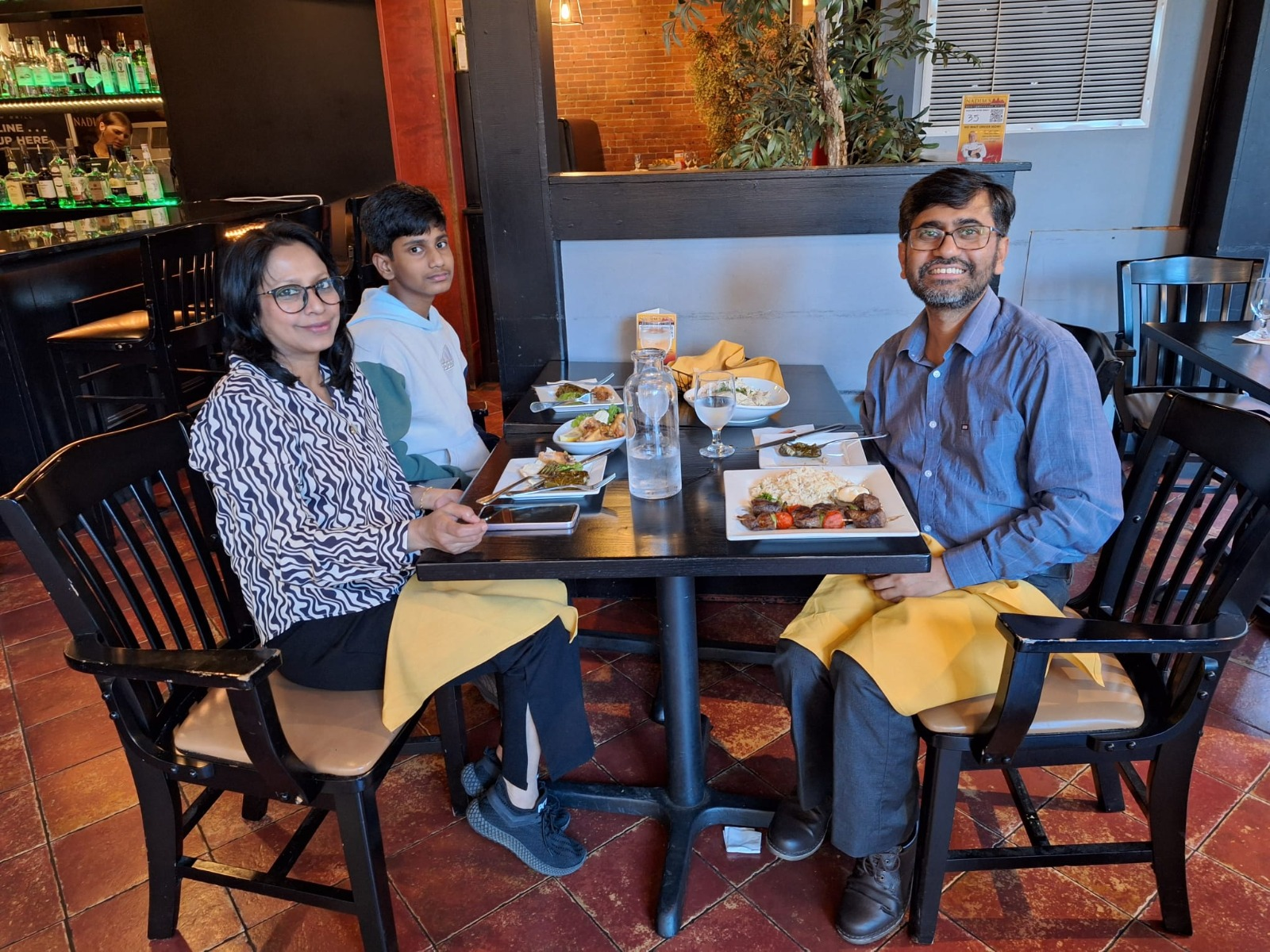
Dr Barbhuiya Mustafa with his family
“I used to cycle from my village on muddy roads to attend Advanced Mathematics and Science classes in Hailakandi town. I went to Gurucharan College, Silchar, Assam for 12th and Bachelor of Science with a major in Zoology and pass course in Botany, Chemistry and other science and language electives,” Dr Barbhuiya told Awaz – The Voice.
He studied further in Jiwaji University, Gwalior for Masters and PhD in Biochemistry which paved his way to become a Clinical Biochemist and a Molecular Biologist.
“I will remain ever grateful to two of my teachers who helped me to become what I am today. One is Prof. Baby Singha (Retired) of Department of Zoology, Gurucharan College, Silchar with whom I have specialized in the subject of Parasitology and I have never looked back. The other teacher who actually got me into Clinical Biochemistry was Late Prof. Meenu Rai, former Head of Biochemistry, College of Life Sciences, Cancer Hospital and Research Institute, Gwalior, Madhya Pradesh.
“My PhD guide Prof. Pramod K. Tiwari shaped me as the future molecular biologist with whom I have not only learnt about science of medicine, study of diseases but several life lessons that I continue to carry as of today,” Dr Barbhuiya said.
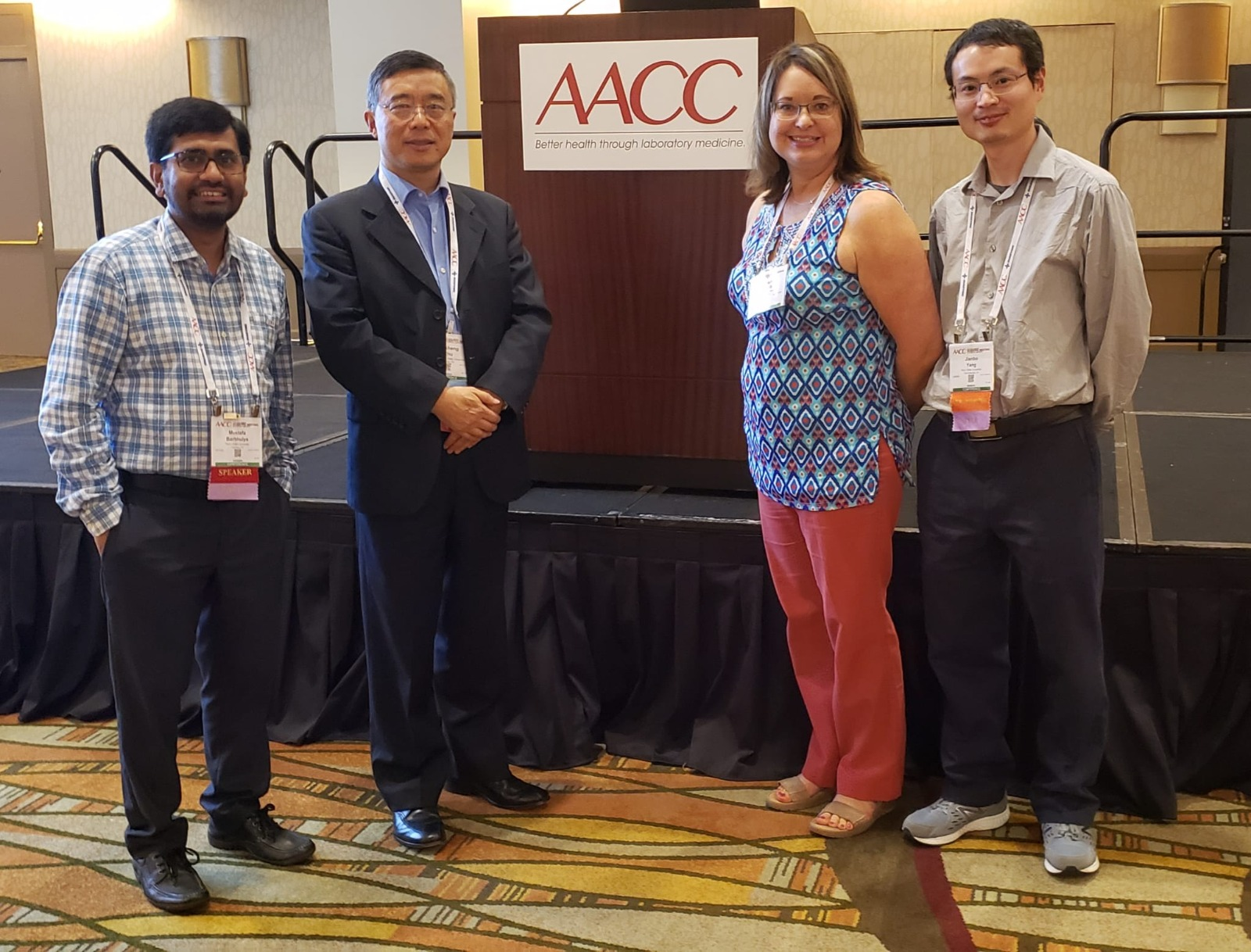
Dr Barbhuiya with his collegaues
Dr Barbhuiya completed his PhD in Biochemistry Jiwaji University, Gwalior, Madhya Pradesh in July, 2013. He went to Johns Hopkins School of Medicine, Baltimore, Maryland, USA in July 2013 to pursue advanced postdoctoral training.
“The ultimate goal was to return to India and set up my own laboratory around clinical biochemistry and molecular diagnostics in my home state Assam. But the circumstances after completion of my postdoctoral training in Johns Hopkins and lack of securing a suitable job back in India compelled me to pursue things in the United States. I further completed my clinical chemistry fellowship in Penn State College of Medicine, Hershey, Pennsylvania, USA and have become a practicing clinical biochemist and clinical laboratory director,” he said.
Dr Barbhuiya currently holds the position of section medical director overseeing the Clinical Chemistry and Point of Care Testing operations of Baystate Health Pathology services across Western Massachusetts, USA. He provides clinical consultation to physicians and other healthcare providers regarding the laboratory test interpretations in the subspecialty area as systems consultant.
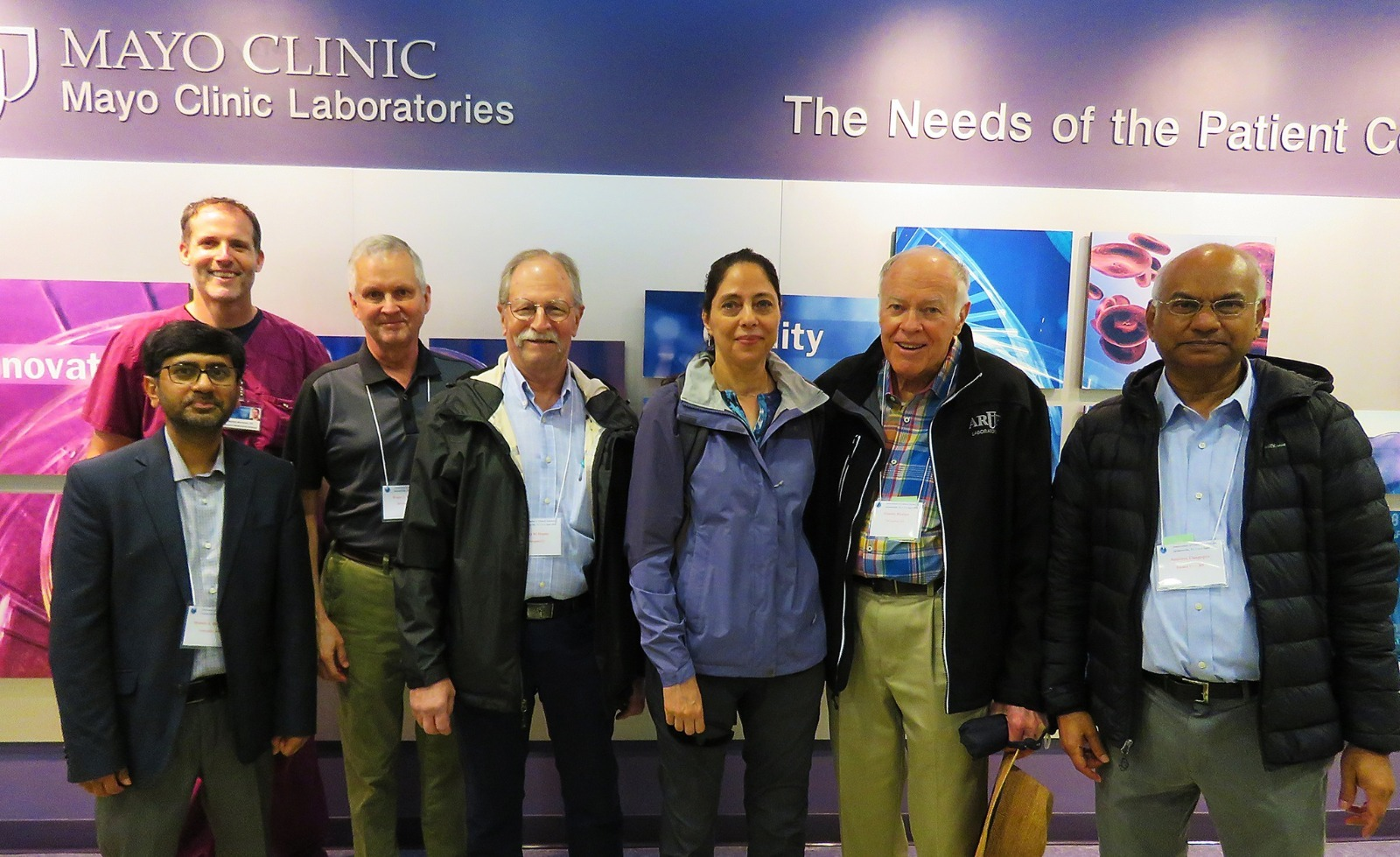
Dr Barbhuiya with other renowned pathologists
He ensures that the clinical laboratory meets several US federal and local state regulations delivering timely and accurate diagnosis for patients. He is accountable for the effective management and administrations of clinical operations of the Clinical Chemistry and Point of Care Testing service within the Baystate Health Pathology operations. He also serves as Assistant Professor of Pathology; Healthcare Delivery and Population Sciences, UMass Chan Medical School- Baystate Regional Campus.
Dr Barbhuiya has set up a global non-profit organization, Foundation for Advancement of Essential Diagnostics, both in the USA and India. “My next goal is to take my non-profit foundation activities to low and middle-income countries around the world and locally serve in underserved areas of the United States,” he added.
Academically, Dr Barbhuiya is making efforts to continue his research areas of interest. His primary areas of research are studying biliary tract (liver and gallbladder) cancer mechanisms, discover biomarkers of diagnostic and therapeutic values.
source: http://www.awazthevoice.in / Awaz, The Voice / Home> Story / by Daulat Rahman, Guwahati / October 27th, 2024
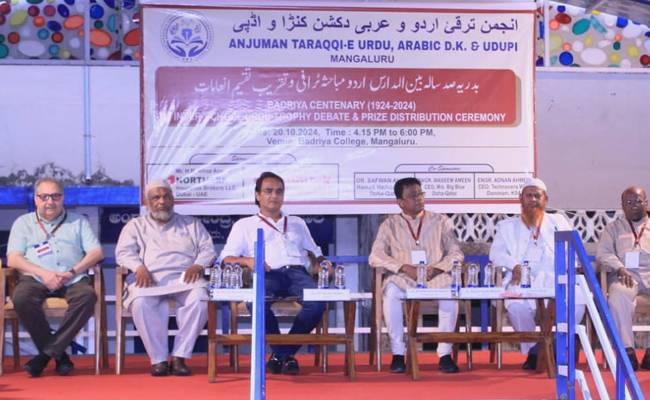
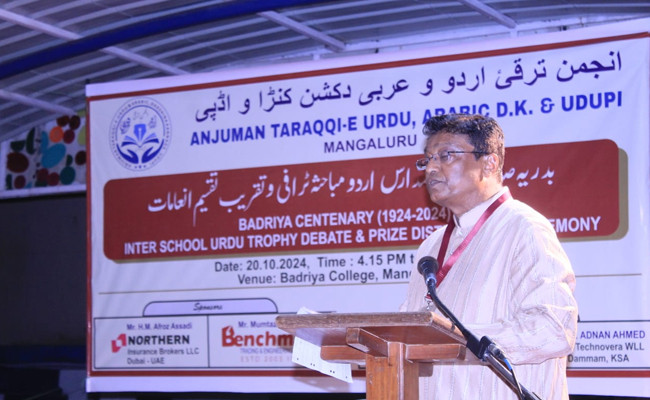
Anjuman Taraqqi E Urdu, an NGO promoting the Urdu language in Dakshina Kannada and Udupi districts, organised a debate competition on 20th October at the Badria College campus as part of the Badria Centenary celebrations (1924–2024). The competition featured the Badria Centenary Urdu Debate Trophy.
The event, divided into morning and evening sessions, saw a debate competition in the morning followed by a trophy award ceremony.
Chief Guest P.C. Hashir, Managing Director of Peecy Group of Companies and Correspondent of Badria Institution, alongside Keynote Speaker Abid Ulla Athahar Shimogavi, a retired principal and president of the State Organization, Secretary of Urdu Taraqqi Hind and H. M. Afroz Assadi, Managing Director of Northern Insurance LLC, Dubai, who sponsored the event, were present at the event Mumtaz Hussain, an NRI entrepreneur from Qatar, chaired the proceedings.
Both sessions commenced with a recitation from the Holy Quran. In his address, P.C. Hashir highlighted the role of debates and educational activities in fostering intellectual growth among students, suggesting that such competitions could help shape future lawmakers.
Keynote Speaker Abid Ulla Athahar stressed the importance of primary education in one’s mother tongue, citing the example of countries like Japan, Germany, and France, which educate children in their native languages. He noted that studying in the mother tongue allows for better comprehension compared to learning in foreign languages like English.
Mumtaz Hussain, an alumnus of Badria Institution, shared the brief history of the institution, founded in 1924 by Marhoom C. Mehmud as AL MADRASATHUL BADRIA, initially offering religious education to local children in Bunder and Kudroli. The relationship between Badria and the Urdu language is profound; it was the first school to offer Urdu studies in the undivided Dakshina Kannada and Udupi districts since 1947. After C. Mehmud’s passing, various presidents led the organization, with Marhoom Thumbe Ahmed Hajee serving the longest from 1975 to 2020. Hussain recounted that, in the past, students were required to speak Urdu within the institution or face punishment for using other languages.
The junior-level debate competition saw participation from seven higher primary schools in Dakshina Kannada.
Mohammed Ghouse from Higher Primary School Kandatpalli won first place, with Rifa and Fathima Suzana from Government Urdu Higher Primary School, Kawalkatte (Bantwal Taluk), securing second and third places, respectively.
At the senior level, five high schools from Dakshina Kannada and Udupi districts participated. Abdul Baari and Abdur Rahman from Thouheed English Medium High School, Gangolli, Udupi district, took first and second places, while Khadeejatul Farzana from Sayyed Madani Urdu High School, Ullal Taluk, D.K., came third.
The junior-level Badria Centenary Championship Trophy was awarded to Government Urdu Higher Primary School, Kawalkatte (Bantwal Taluk), and the senior trophy went to Thouheed English Medium High School, Gangolli, Udupi district. Twenty other participants received consolation certificates.
Five 10th standard students, Mohammed Meraj Khan, Fouzia Banu, Moulana Mohammed Uzaim, Sabiya Naaz, and Aysha Ruha were also felicitated for excelling in Urdu in the Karnataka State Board Examinations (2023–24).
The event began with a welcome address by Mohammed Hanif Master, Secretary of Anjuman. A.S. Madani, President of the organisation, outlined its objectives and future plans for promoting the Urdu language. Engineer Khaleel, Assistant Secretary, provided logistical support, and Rahmathulla, an active member of the Anjuman, gave the vote of thanks. The event was hosted by Badria alumnus and international emcee, Sahill Zahir.
source: http://www.english.varthabharati.in / Vartha Bharati / Home> Karavali / by Vartha Bharati / October 21st, 2024
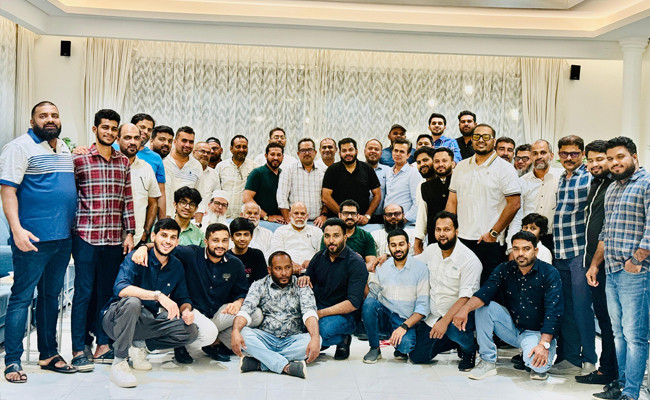
The Annual General Meeting of the NRI Brothers Mukka Committee was recently convened at the ‘Mask 7’ hall in Jubail.
Over 100 participants from Saudi Arabia, Dubai, and Qatar attended the event, which focused on reviewing the Committee’s achievements and planning future initiatives.
During the meeting, Committee President KM Hasan, along with Muzaffar and Shameem Moidin, introduced a new program, the Family Relief Fund (FRF) project. Mohammad Zainuddin provided an overview of the Committee’s establishment and its accomplishments to date.
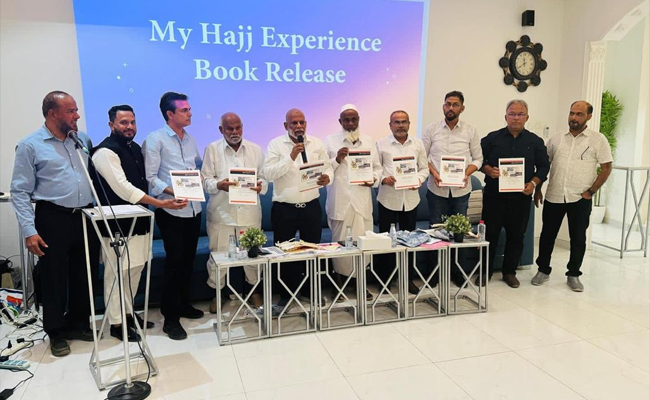
The occasion also witnessed the launch of Shameem Moidin’s book, Hajj Experience 2024.
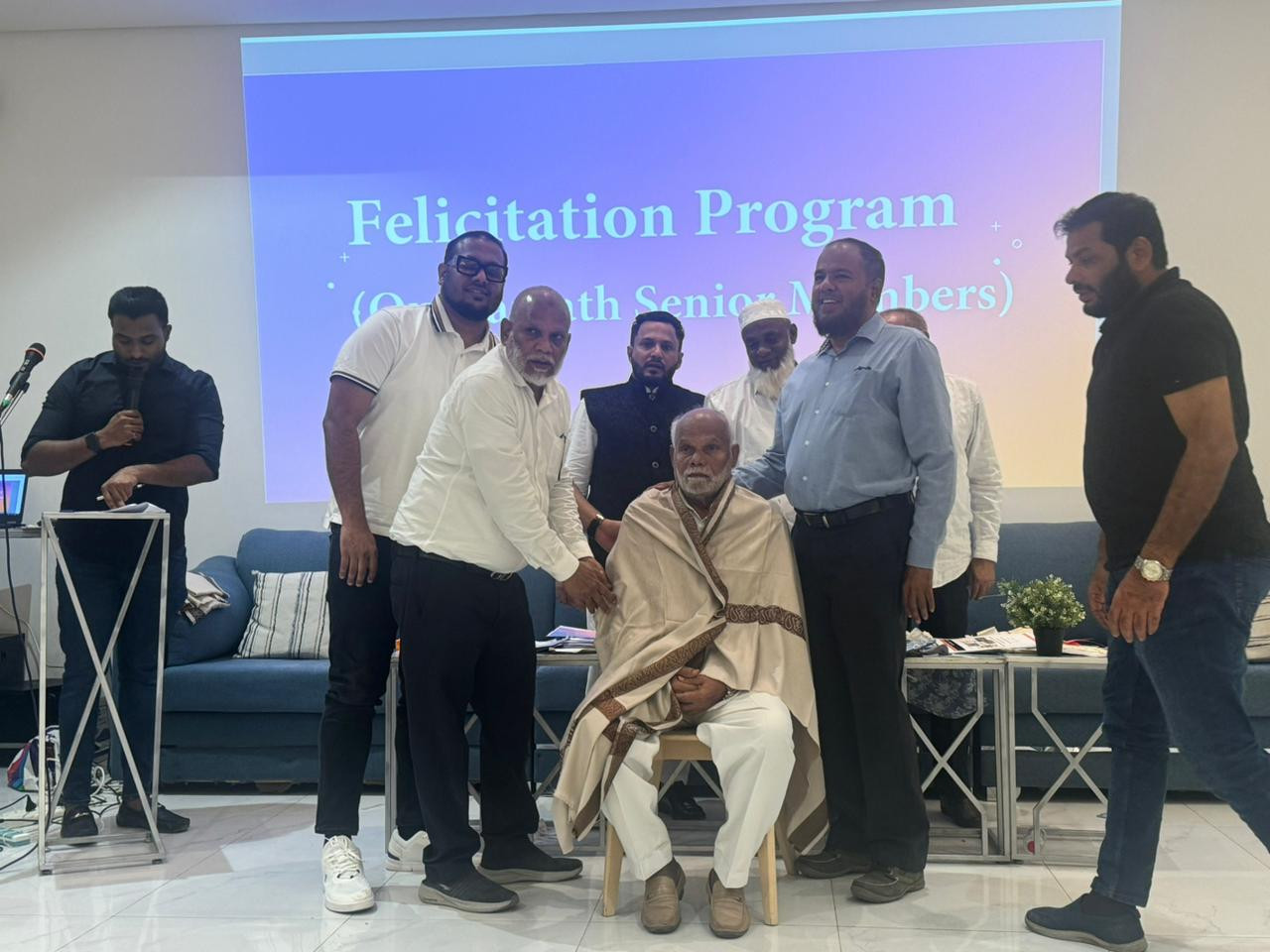
Senior members KM Iddinabba, Iqbal Hasan, and Abdul Ghafoor were honoured for their contributions to the Committee.
A quiz competition, led by Shameem Moidin, added an interactive element to the event.
New office-bearers were selected during the meeting. Sadiq Moidin assumed the role of President, while Mushtaq Ahmad and Mohammad Shaik were named Vice Presidents. Mohammad Safwan took over as the new General Secretary, with Mohammad Zainuddin and Rizwan Shafi as Joint Secretaries. KM Hasan was appointed as Treasurer.
The meeting commenced with a recitation of Quran by Muhammad Ashraf and concluded with the recitation of three salaths.
source: http://www.english.varthabharati.in / Vartha Bharati / Home> Gulf / by Vartha Bharati / October 07th, 2024