All posts by mpositiveone@gmail.com

Riyaz Bhat – ‘The Rugman of Doha’ who is weaving rugs & bringing his culture to Qatar

Srinagar, JAMMU & KASHMIR, INDIA / Doha, QATAR :
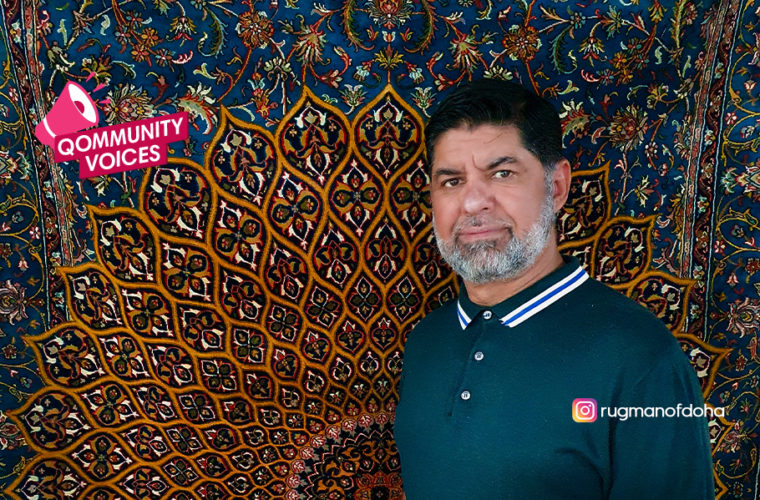
On Al Mirqab Street at Al Nasser is a tiny carpet store that’s been there since 2000. Its neighboring stores come and go but this one hasn’t changed its location for 21 years. Now, sandwiched between a shawarma restaurant and a telecom shop, the store regularly brings handmade rugs and carpets from Kashmir and Afghanistan. The store is owned and managed by a man known as ‘The Rugman of Doha’. Why is he known by this name and what is special about his carpets and rugs?
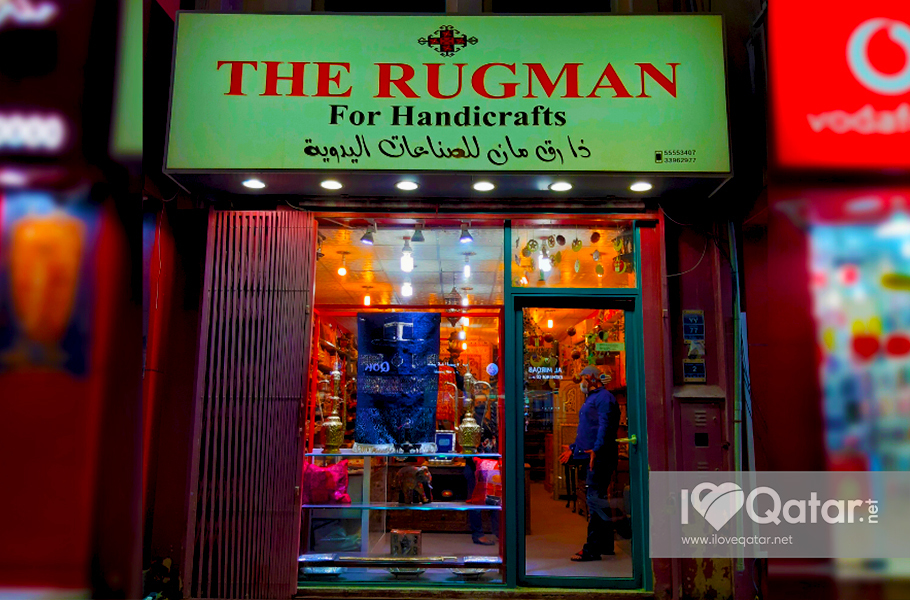
The Rugman For Handicrafts shop on Al Mirqab Street, Al Nasser.

The ILoveQatar.net (ILQ) team reached out to ‘The Rugman of Doha’, Riyaz Bhat, to learn more about his passion for tribal rugs and how he sees each rug he brings to Qatar as a work of art. Let’s get to know him better!

ILQ: Please tell us something about yourself.
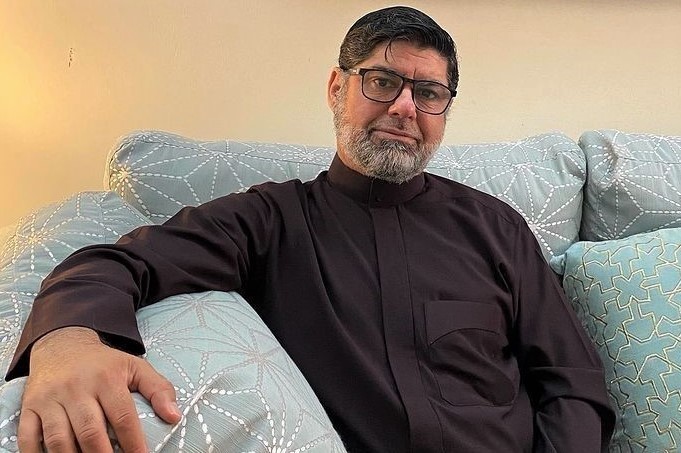
The Rugman of Doha’. / Image credit: Riyaz Bhat

Riyaz: My name is Riyaz Bhat. I was born and raised in Srinagar City in the valley of beautiful Kashmir in India. Since I was a child, I have always been fascinated by rugs handcrafted by my family of weavers — how they would fill tiny knots one by one with natural fibers like silk or wool, and then how those tiny knots on looms would take the shape of a beautiful carpet with amazing patterns. When I was in grade 8, I was given permission to use the loom and eventually learned how to weave rugs.

After I finished college I was planning to go for higher education and take a business course, but my destiny had something else planned for me. When I read the story of the nomad tribes of Central Asia and learned about how they make quality handmade rugs, I decided to travel to Afghanistan to see the process myself. So, in 1987 I started my adventure to war-torn Afghanistan. It really was a difficult journey, but very rewarding. I witnessed how the talented nomad women of the region would weave the most beautiful and fascinating rugs, which they would trade for food and money. I traveled back and forth to Afghanistan for more than 10 years, and as I learned more about designs, patterns, and dyes, my passion for carpets and rugs grew more as well.

ILQ: How long have you been here in Qatar and how has your journey been so far?

Riyaz: In 1999, while I was working with my uncle in Pakistan, a customer visiting from Doha came to our store and bought a few rugs from me. He introduced Qatar to me as a fast-growing and developing country and encouraged me to open up a store here. At first, I hesitated but destiny again planned one more great adventure for me. I landed at the old Doha Airport for the first time in October 1999 with a 14-day business visa, and that visa was extended and extended, and I’m happy to say that it’s my 22nd year now in this wonderful country.

ILQ: How did you get the title ‘The Rugman of Doha’?

Riyaz: After searching for many places here, I finally found a location for my store. On 4 April 2000, I opened my showroom at Al Mirqab Street in Al Nasser and have never changed location since then. During the first few days, customers started coming and my store was introduced to a great group of people from VCUarts Qatar. Among them was Cathleen Ferguson Huntington who upon entering my shop saw me and said, “Are you the Rugman?” And that’s how the ‘The Rugman of Doha’ was born.

ILQ: What do you value most about what you do? Why do you love what you do?

Riyaz Bhat weaving a silk rug on his family loom in Kashmir, India. / Image credit: Riyaz Bhat

Riyaz: Weaving rugs has been my passion since childhood, and I really love and value what I do. I value the times I’m with tribal groups and get to introduce nomad women designers and their amazing artworks to the world. By doing this I feel satisfied with what I have done in my life.

I also welcome students and small groups of people in our store for a free discussion about rug art and history. I enjoy discussing and providing information about the history of rugs and the beautiful story behind each rug that we have. I am thankful that I am gifted with the talent to weave and tell important stories.

ILQ: How will you describe your shop to people who’ve never seen it before?
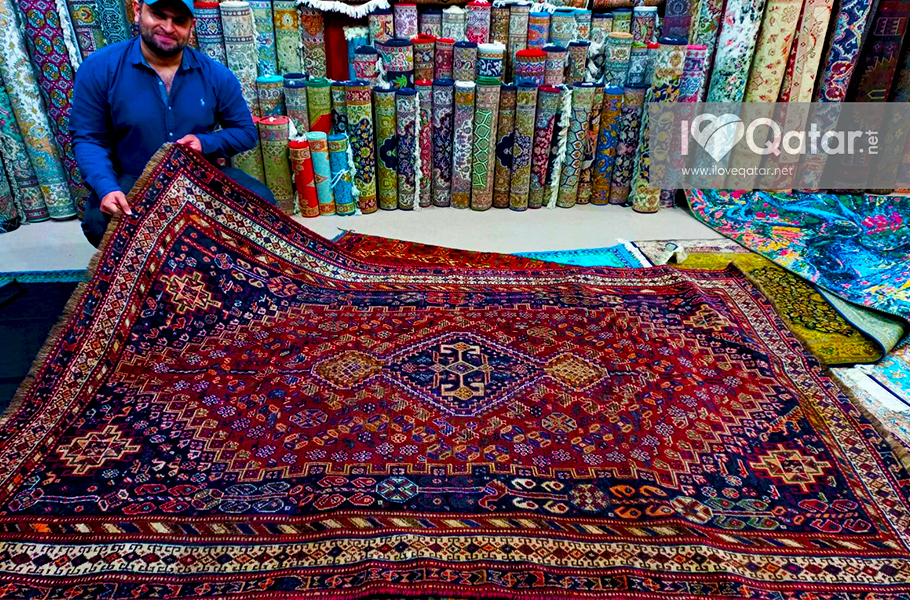
Waji Khan, cousin of Riyaz Bhat, holds a 150-year-old pure wool handmade Shiraz tribal rug. It’s a wedding sufra (dining) rug, made by the mother of the bride.

Riyaz: My store, The Rugman, is not just a carpet store. It is rather a learning class for art and history and I bet once you listen to our stories and see our collections, you are going to love it for a lifetime. Each carpet has a story. Each rug is an art.

ILQ: What motivated you to bring your carpets to Qatar?

Riyaz: As soon as I arrived in Doha, I went around the city and strolled to see different places. I went to markets and to the lone mall during that time – The Mall at D Ring road. I saw one rug store inside that mall with many customers. I also went to the old downtown where there were more rug stores, and I saw people buying rugs. That’s when I decided to open a store here.

ILQ: Was it easy to set up a carpet store here in Qatar?

Riyaz: Yes, at that time it was very easy to open a store and I was very lucky to find a great sponsor who also became my investment partner. He helped in every way to open my shop. Qatar is one lovely country, and living and working here has been a lot easier compared to other countries and has been very encouraging for my business.

ILQ: What kind of rugs and carpets will people find in your shop?

Riyaz: We have extremely high-quality handmade rugs from my family of weavers. Besides that, we also have genuine handmade rugs made by nomads like Turkmen, Kazak, Balouch, Uzbek, Shirwan, Ghazni, and many other small tribes of the region. Each rug collected from them tells a beautiful story.

ILQ: What is the biggest difficulty you have faced in bringing these carpets and rugs from Afghanistan to Qatar?
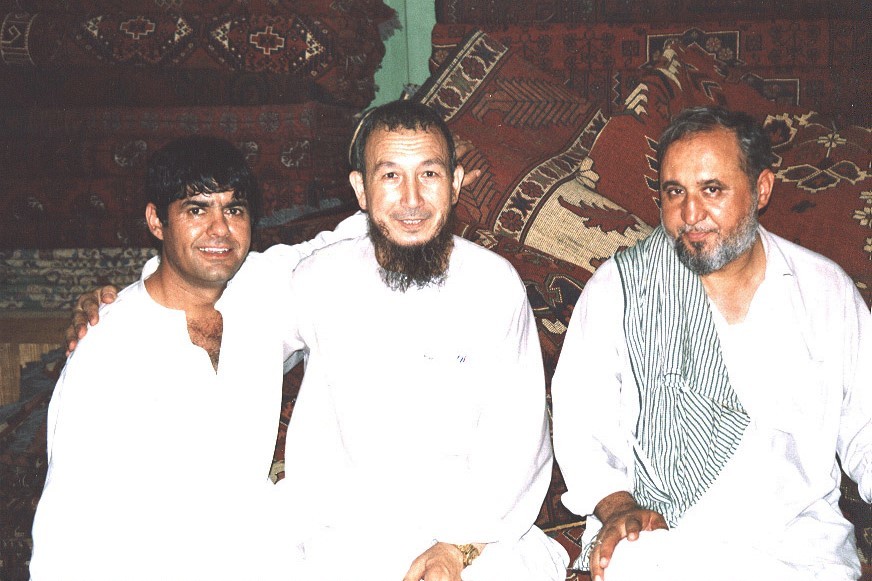
Riyaz Bhat (left) in Jalalabad, Afghanistan in 2005. / Image credit: Riyaz Bhat

Riyaz: Going to Afghanistan, collecting these rugs from these nomads one by one in person and getting them shipped to Pakistan first by trucks, and then from Pakistan to Qatar by plane. It really is an extremely tiring process.

ILQ: Have you participated in both local and international exhibitions?
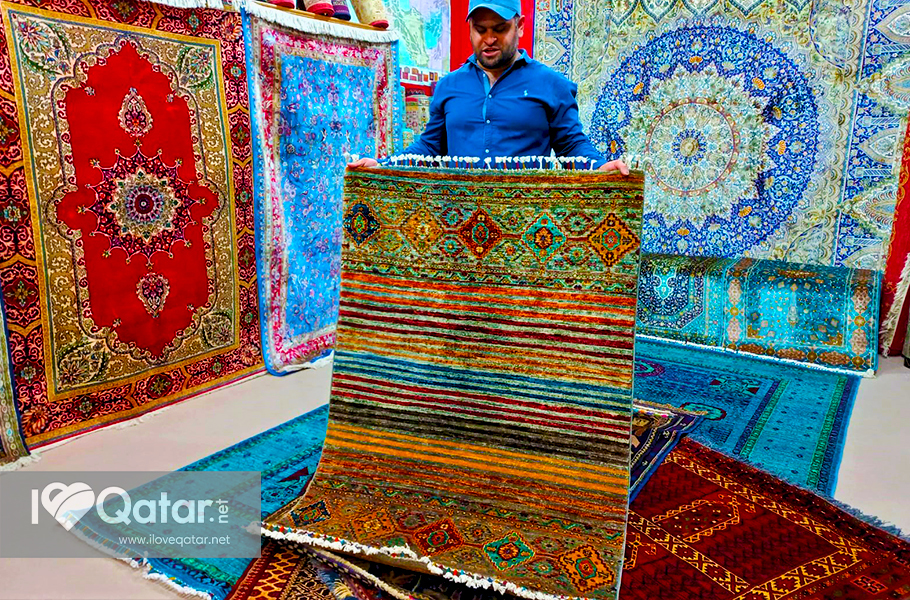
Waji Khan, cousin of Riyaz Bhat, describes one of the rugs available in the shop.

Riyaz: Yes, I have participated in both local and international exhibitions and shows. I recently returned from my shows in Houston, Texas, and Arlington, Virginia. These were my 5th and 6th shows in the USA. I have also done many shows for American Women’s Association Qatar, Tuesdays Ladies Group Qatar, Qatar Expat Women, US Embassy Qatar, Exxon Mobil Oil Qatar, Shell Qatar, and many other private shows.

ILQ: Do you have both local and international customers? How do you ship the rugs/carpets to your customers?
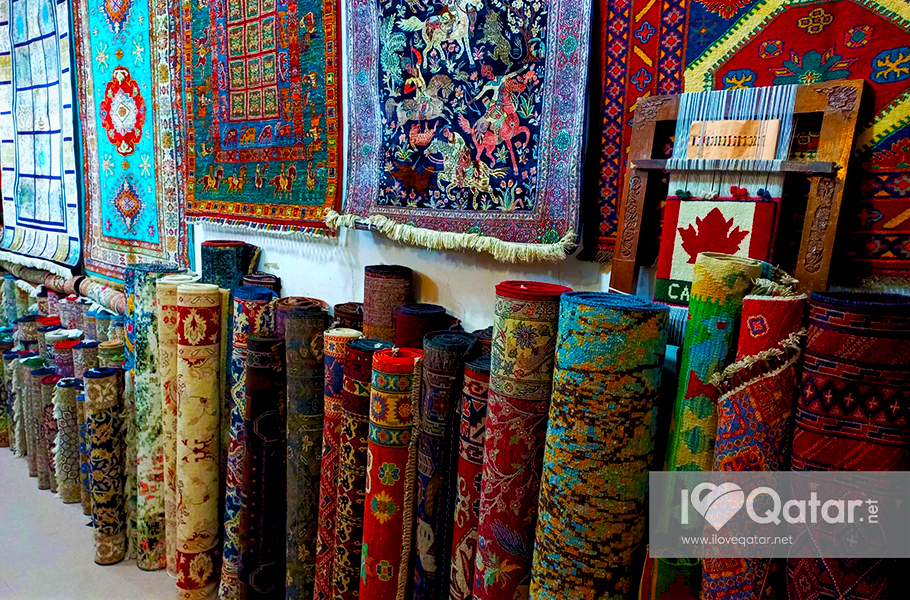
On the second floor of The Rugman store.

Riyaz: Yes, we have local and international customers and we ship our rugs all over the world. Our foreign customers are mostly from the USA, Canada, and Europe. We have a very economical door-to-door shipping facility.

ILQ: Why should people own at least one of the carpets/rugs you offer?
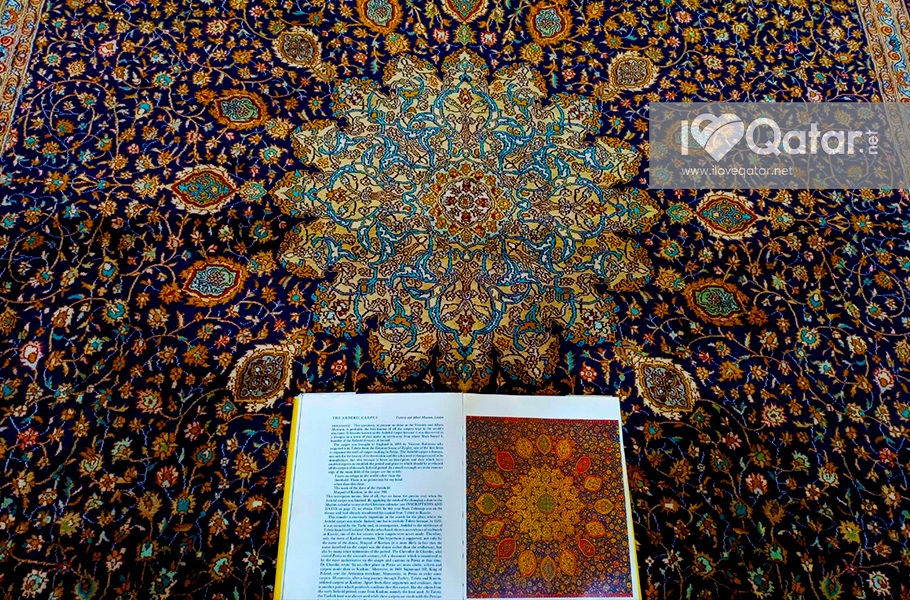
A rug inspired by the famous Ardabil Carpet is available at The Rugman store.

Riyaz: Our rugs are not like those commercial rugs you see in many stores. Our rugs are made by nomads and purely handmade using natural resources. These are the rugs that if taken good care of can end up in museums as they are extremely strong.

ILQ: What is the price range of rugs and carpets in your store?
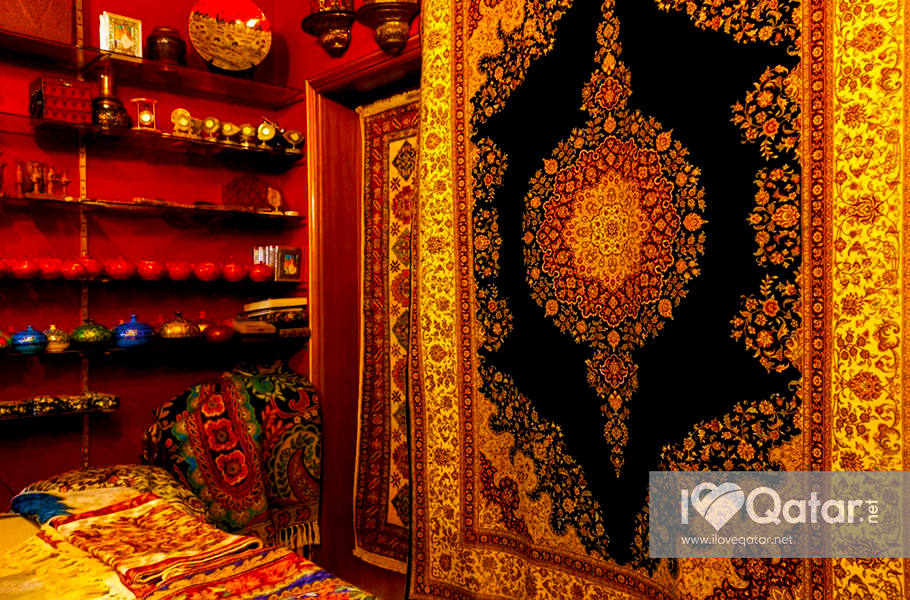
Carpets/rugs and other souvenir items are available at The Rugman store.

Riyaz: It depends on the quality, the material, and the work put into it. Sometimes a very small rug costs much more than a huge rug. But I would say rugs in our collection range from QR 600 up to QR 70,000. It depends on how crazy you are about rugs and how much budget you have.

ILQ: What do you think is the future of handmade tribal rugs and carpets?
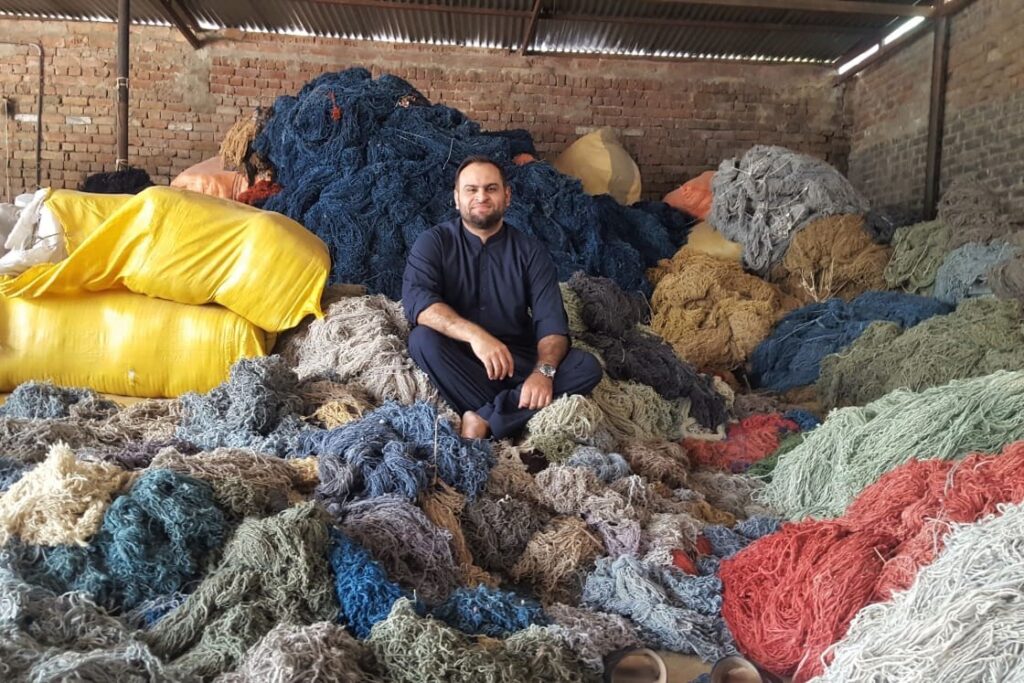
Carpets/rugs and other souvenir items are available at The Rugman store.

Riyaz: Carpet weaving is one difficult and time-consuming job. One must be very patient and creative to create rugs. The new generation is not taking it as a vocation, and it’s becoming a dying art. Sad to say, I feel that in the next 30 to 40 years we might not see genuine handmade rugs anymore.

ILQ: What message do you have for the people of Qatar?

Riyaz: Work with all the enthusiasm and confidence in you, and your achievement will just be right there at the corner. Obey and respect the rules and laws of this wonderful country.

Get in touch with Riyaz:

  • Phone: +974 5555 3407, +974 3396 2977
  • Instagram: @rugmanofdoha
  • Facebook: @therugmanofdoha
  • Website: www.the-rugman.com

Cover image credit: Riyaz Bhat

source: http://www.iloveqatar.net / I Love Qatar.net / Home> News / by Marivie / August 03rd, 2021

Sailing against the tide

Bengaluru, KARNATAKA :

Olympaid swimmer Srihari Nataraj’s coach, Nihar Ameen in a candid chat with CE, shares why Tokyo Olympics 2020 was the toughest mission for him

Bengaluru :

He may not have won a medal at the recently-concluded Tokyo Olympics 2020. But swimmer Srihari Nataraj’s coach, Nihar Ameen, is proud of his student who has faced several lows during the last one-and-a-half years as he prepared for the biggest sporting event. During a tete-a-tete with the coach on a weekday afternoon, Ameen shows no sense of disappointment at his ‘shishya’ not bringing home a medal. Instead, following Nataraj’s elimination at the Olympics, Ameen has got down to business immediately. He’s working on Nataraj’s performance who he feels needs to be stronger and fitter. “We are just waiting for the 2022 calendar to come out and we have already started the preparations for the Asian Games. We have got three years now to set everything right and we will come back with a medal from Paris in 2024,” says Ameen, a Dronacharya awardee.

Along the course of the conversation, Ameen, who has been a trainer for nearly four decades, confides that this has been the toughest mission for him so far.While the fear of Covid-19 remained on one side, the task to prepare Nataraj for the Olympics to “start from scratch” was another. Following the lockdown in India during 2020, a lot of sports arenas and training centres were shutdown. Swimming pools were no different. Ameen believes that the closure of swimming pools did take a severe toll on training. “In India, pools were completely shut for seven-eight months. Srihari got no training whatsoever. If at all the lockdown was relaxed and swimming centres opened early in 2020, Nataraj’s results would be different. I am confident that he would have reached the finals,” says Ameen, who had little time to get Nataraj to the top 16 in the world.

The inconsistent training periods also proved to be a major challenge for the coach. “Sportspersons become very rusty if there is no consistent training. I had to bring Nataraj from zero because he was not in the best of shapes. Although Nataraj is tough mentally, however, we had to build the natural processes. Being out of water for so long, he also suffered a shoulder injury during an event in Dubai,” says Ameen, adding that Nataraj had just 10 days to come to his best ahead of the competition at Tokyo Olympics.

From a very festive departure in New Delhi to a very subdued welcome at Tokyo, Ameen admits he was shocked and surprised at the “dead atmosphere” that shadowed the world’s most important sporting event. After landing in Tokyo, the team was made to wait for over six hours due to the strict health protocols enforced at the airport. “This wait too, affected the minds of participants,” feels Ameen.

The rapport between Ameen and Nataraj is like any other case study of a guru and his disciple. Ameen believes that with the right nurturing, Nataraj will go places. “He is a self-motivated person, and is a national asset who needs to be nurtured well,” Ameen adds. The two often sit together and plan the training programme. “Once he gets down to do what he is supposed to do, I am there to supervise. We don’t have any verbal communication after that,”says Ameen.

source: http://www.newindianexpress.com / The New Indian Express / Home> Cities> Bengaluru / by Sanath Prasad, Express News Service / August 12th, 2021

Man transforms home into bird sanctuary in Raichur

Manvi Town (Raichur District), KARNATAKA :

Raichur :

In the present day world, where the number of birds and animals is dwindling fast due to environmental issues and man-made calamities, a bird lover has made an attempt to provide shelter to sparrows at his home.

Salauddin, class I civil contractor of Manvi town of the district, is the Good Samaritan, who has given shelter to sparrows in his house for the past four and a half years. He has installed bamboo, tires, pots etc and feeds water and food to these birds through these equipment. In addition, he has built a small house for these birds. The birds use water and have food in this house. Salauddin is well known for his love of birds in the district like another bird lover Saleem Ali.

Salauddin’s house has become a tourist spot. Everyday hundreds of school children visit his house during school days.

Salauddin says that protecting the birds is his aim. In addition to sparrows, he also has Myna, Robin and Bulbul birds making nests in his house. His wife and children provide him full support in his noble work.

Salauddin opines that birds and animals have as much right to live on this earth as human beings. He says that everyone has to at least make arrangements to provide water to birds especially during summer.

source: http://www.daijiworld.com / Daijiworld.com / Home> Top Stories / by Daijiworld Media Network – Raichur (MS) / August 14th, 2021

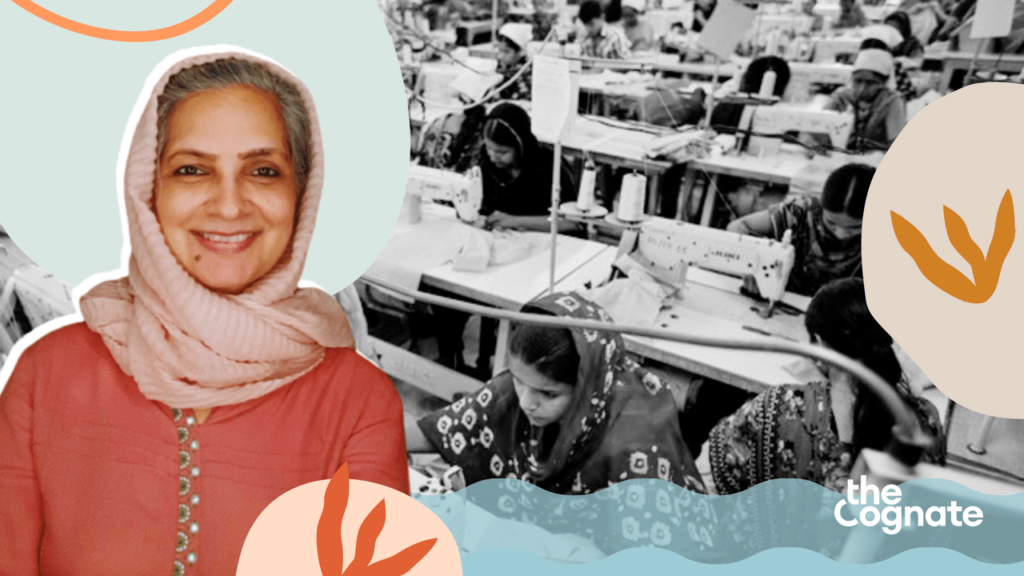
Meet Rubina Nafees Fatima, Empowering Women And Inspiring Social Change In Hyderabad’s Slums

Hyderabad, TELANGANA :

As a child, Ayesha Fatima aspired to become a doctor. But all her dreams were shattered when the most trusted and loving person in her life- her father, abandoned her at a very young age. Survival became a tough battle. The responsibility of feeding the family fell on Ayesha who gave up her studies and started working as a salesgirl for a minimal salary.

Ayesha then turned to Rubina Nafees Fatima and her NGO – SAFA, for help. She joined the ITES course for training and later got placed as a data entry operator at a private company. “The course changed my life,” she says.

Since 2006, Rubina Nafees Fatima’s Hyderabad-based organisation, SAFA, has helped thousands of women and youth from marginalized, socio-economically backward communities by empowering them to earn livelihoods through education and skill training and capacity building.

Rubina is a determined woman and a passionate social worker. She was conferred with the FLO Women Achievers award by the Federation of Indian Chamber of Commerce (FICCI) towards ‘empowering women to bring about a change in society’, the Social Enterprise award for ‘social impact’ by the Deshpande Foundation and the Australia Award by the Export Council, government of Australia.

‘Proud Muslim Woman’

Rubina believes that it is the duty of every Muslim woman to contribute positively to society. 

“Women need to assert themselves- within their families and also in the outside world- they need to be proud of their culture, their heritage and everything about themselves.”

“Be a proud Muslim woman,” she says. 

Rubina grew up with four sisters. “My father encouraged us all to be extremely independent. I believe economic independence is a freedom that every woman should have”, she says, adding that this led her to believe that women need to have a suitable platform to utilize their potential. “To first realise their potential and then use it to the maximum.”

A Leap Of Faith

“I was generally looking around for avenues and how I can contribute my bit, I feel it’s my duty, as an educated Muslim woman,” says Rubina who has been an active volunteer in various development programs since her college days. “I wanted to be working with Muslim women, largely because I feel I know the dynamics of the community. I feel, being a part of the community, I understand the challenges of the community. I know where the roadblocks are,” she says.

Rubina had initially set up a commercial venture for training and placements in Hyderabad. “I had to shut that down because I wanted to get into SAFA full-time. This didn’t make many people happy in my network,” she recounts.

“After the initial three years, I was on the verge of a shutdown. I picked a very difficult slum in Hyderabad. The crime rate was very high over there. No NGO had worked there for decades, as they felt they would not see any results,” Rubina says while narrating how the absence of a team and funding caused her to almost give up.

“But then I took a leap of faith,” she says.

“In each phase, there have been a different set of challenges and we continue to have them. It never stops. But I feel it builds our resilience, to face the many more to come,” Rubina adds.

SAFA has been conferred with the ‘e-NGO Challenge Award’ in the Southeast Asia category by Digital Empowerment Foundation and the Manava Seva Dharma Samvardhani – Fellowship Award. It was titled the ‘Pride Of Telangana’ by Round Table India in the ‘emerging NGO category’ and the ‘Trendsetter Award’ for innovative practices in Urban livelihoods by United Way Hyderabad.

‘Women Were Not Even Allowed To Come To Our Training Centres’

SAFA’s vision is to bring about change whilst retaining the cultural ethos of the community. Women are also given the freedom to work from home after being trained. “Our processes are designed in such a way that if the woman has a machine at home, she can work from home and give us the products,” Rubina says.

“Initially, women were not even allowed to come to our training centres,” she recounts. 

“We were very open in talking to the male members of the family and addressed the concerns they had about letting the woman come in and get trained. Men could have some insecurities that stop them from encouraging women to go to training centres and NGOs, it could also be a concern for the woman’s safety, coupled with the socio-cultural context.”

Rubina stresses the need for Muslims to talk about the issues that exist in the community. “In the urban slums of Hyderabad, every second home has an alcoholic husband. Why aren’t there any detox centres for Muslim men? Why are we still sweeping our issues under the carpet,” she asks, adding that “these issues will only get worse if left unaddressed.”

SAFA’s Empowerment Initiatives

Rubina, along with her team at SAFA are currently working on 14 three-year-long projects.

SAFA sets up skill training centres for women and youth who drop out of college or have discontinued school education. They are later connected to jobs. Currently, SAFA runs seven skills training centres in Hyderabad.

However, for semi-literate and illiterate women, SAFA trains them in culinary skills and tailoring. These women are later employed at Luqma Kitchens, a packaged food and catering service run by SAFA or Artizania – a manufacturing unit for apparel and eco-friendly lifestyle products.

“The end result is that women need to be engaged in some kind of a meaningful income generation in order to make a decent living,” Rubina says.

‘Luqma’ was launched to empower underprivileged women through a commercial community kitchen. It currently functions with two kitchens in the slums of Hyderabad, catering to fresh traditional Hyderabadi food and packaged products.

“Luqma is not just about food, it’s about the empowerment and livelihood of women. Most women working here are victims of domestic violence, deserted or abandoned and from below the poverty line,” she says. These women are trained in basic culinary skills by expert chefs and can cook up to 400 meals at a time.

Right next to the kitchen, is a space that can accommodate about 20-25 people – the Luqma Studio, which Nafis Fatima says is a ‘safe space’ for Muslim women. “Activists have been telling me that Muslim women are still reclusive and it’s challenging to find ways to interact with them. So, I thought why not create an open and safe space for them?”

Women from different communities engage in discussions on social and political issues at Luqma Studio. “Largely I want to bust stereotypes of Muslim women. I feel other communities do not get a chance to know about Muslims, especially Muslim women. The moment they think of Muslim women, they start stereotyping- they are the victims of patriarchy, are an oppressed group and other such notions,” she says.

The studio works as a platform for Muslim women to unwind, engage in dialogue, network, exchange ideas, and find out about other communities.

SAFA also helps in setting up micro-enterprises for women and connects them to banks for larger loans. With capital as little as 10,000 women have started small shops, tailoring shops and grocery stores.

Many Muslim women don’t even have bank accounts, especially those who hail from poor conditions. “All our women have bank accounts, now,” she says.

SAFA also runs self-help groups across Hyderabad, largely for Muslim women. “Despite 45,000 self-help groups existing on city records. Very few of them have Muslim women,” Rubina says.

With many more women approaching SAFA, their network and impact on the social landscape of Hyderabad is increasing by the day.

NOTE: SAFA is looking to expand its social enterprise product sales in India and abroad and looking for partners. You can reach them at rubina@safaindia.org / 9866174665 or visit their website www.safaindia.org

source: http://www.thecognate.com / The Cognate / Home> People / by Rushda Fatima Khan / August 11th, 2021

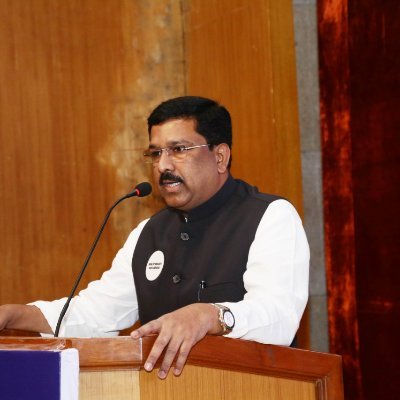
Congress appoints Naseer Hussain, Chhaya Verma as its whips in Rajya Sabha

Channagiri (Davangere District), KARNATAKA :

PC: @NasirHussainINC | Twitter

New Delhi :

The Congress on Wednesday appointed MPs Syed Naseer Hussain and Chhaya Verma as its whips in the Rajya Sabha, a party statement said.

“Chairperson Sonia Gandhi has appointed MPs Syed Naseer Hussain and Chhaya Verma as whips of Congress Parliamentary Party in Rajya Sabha,” the party statement by Congress chief whip in the Upper House Jairam Ramesh said.

The Congress has appointed Mallikarjun Kharge as leader of the Opposition and Anand Sharma as deputy leader of the Congress in the upper house and the move is seen as a measure to strengthen its floor management in the Rajya Sabha.

The party now has the same number of whips and chief whips in the upper house as in the Lok Sabha.

source: http://www.english.varthabharati.in / Vartha Bharati / Home> Vartha Bharati / August 11th, 2021

UAE based NRI entrepreneur announces Rs 1 crore reward for Sreejesh

KERALA, INDIA / UAE :

A non-resident Indian healthcare entrepreneur based in the United Arab Emirates on Monday announced a Rs one crore cash reward for the Indian men’s hockey team goalkeeper P R Sreejesh

P R Sreejesh, Indian men’s hockey goalkeeper

A non-resident Indian healthcare entrepreneur based in the United Arab Emirates on Monday announced a Rs one crore cash reward for the Indian men’s hockey team goalkeeper P R Sreejesh.

The announcement by Dr. Shamsheer Vayalil comes days after the Indian men’s team won the bronze medal at the recently concluded Tokyo Olympics.

Sreejesh, who belongs to Kerala, pulled off a series of stunning saves to help the country win its first Olympic medal in hockey after 41 years.

“Through his outstanding performance at the Olympics, Sreejesh has brought joy to Indians around the world. As a fellow Malayali, I take tremendous pride in his achievement,” Vayalil, Chairman and Managing Director of VPS Healthcare, was quoted as saying in a media release.

Vayalil also called Sreejesh to congratulate him for his exemplary performance.

Dr. Shamsheer has congratulated the entire team for this great achievement and offered his support to us. The announcement of the Rs. 1 crore reward caught me by surprise. A reward for winning a medal in the Olympics is delightful news and I feel very fortunate to be the recipient, said Sreejesh.

Over the last two decades, Sreejesh has carved a niche for himself in the field of hockey. Entering the junior national hockey team in the early 2000s, Sreejesh worked hard to make his way to the national team.

He also served as the captain of the national team in 2016. His quick reflexes and consistent performance have earned him the moniker The Great Wall of India’.

Sreejesh, who returns to India on Monday after the successful Tokyo campaign, will be presented with the cash prize at a special function in Kochi.

(Only the headline and picture of this report may have been reworked by the Business Standard staff; the rest of the content is auto-generated from a syndicated feed.)

source: http://www.business-standard.com / Business Standard / Home> Sports> Tokyo Olympics 2020> News / by Press Trust of India, Dubai / August 09th, 2021

In a first, Hyderabad mosque sets up operation theatre for minor surgeries

Hyderabad, TELANGANA :

OT is addition to a Primary care, dental chair, Community ophthalmology, NCD Desk it runs for the weaker sections free of cost.

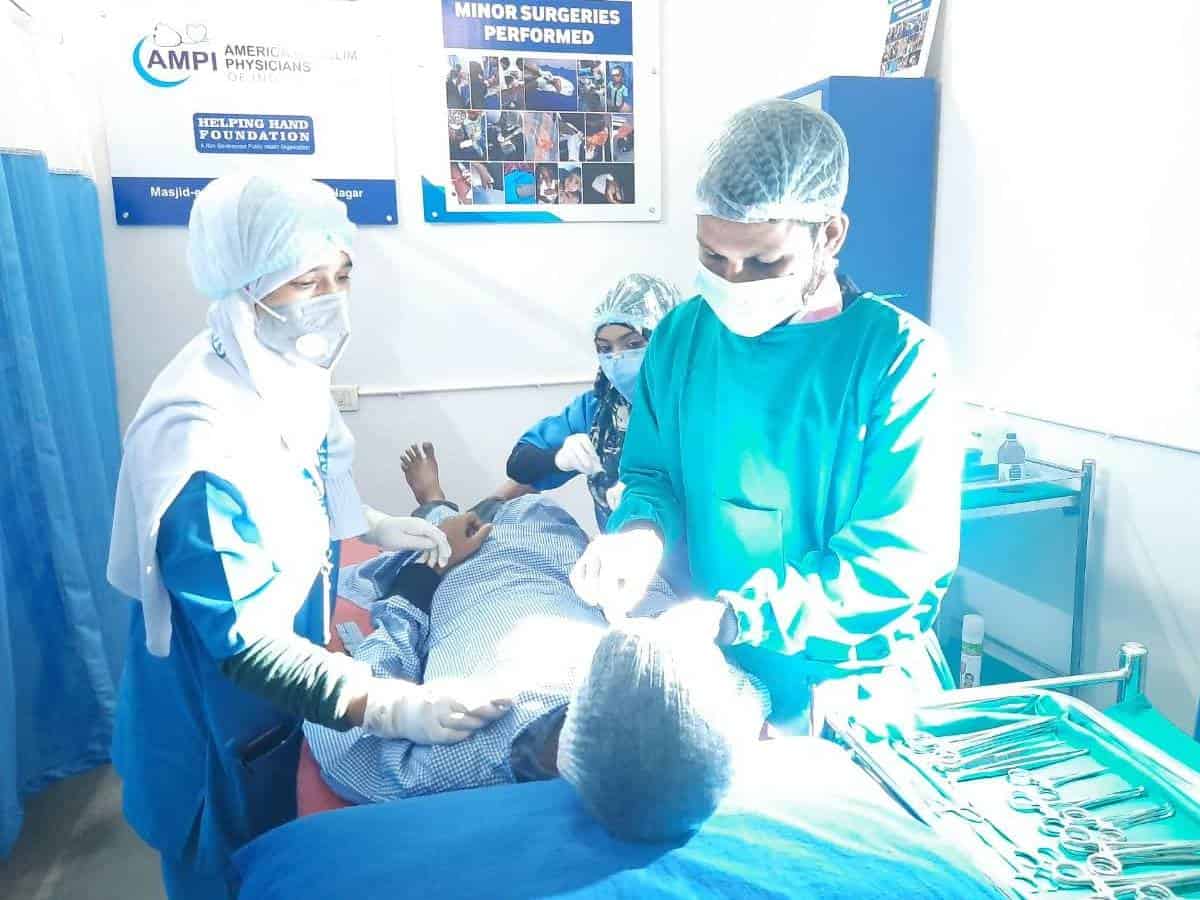
'First of its kind' operation theatre in Mosque for minor surgeries
The minor OT, which formally launched on Saturday in Masjid Omer-al-Shifa, located in Saif colony, Shaheenagar

Hyderabad: 

In a first of its kind initiative, a primary health care center run by a non-governmental organization (NGO), in Masjid Omer-al-Shifa, located in Saif colony, Shaheenagar has now set up a full-fledged operation theater (OT) for minor surgeries.

The minor OT, which was formally launched on Saturday will have state of the art equipment like surgery table, OT lights, advanced instrumentation, bio-waste disposal process for keeping good hygiene and sanitation for patient safety.

OT is addition to a primary care, dental chair, community ophthalmology, non-communicable disease desk it runs for the weaker sections free of cost.

The primary health care center run by the NGO Helping Hand Foundation (HHF).

All minor surgeries with pre-surgical profile and post op medicines will be given free of charge by HHF to all patients regardless of their caste or creed.

Most areas surrounding the health center have faced inundation last year October and continue to face problems of overflowing drains, nalas and flooding. Consequently, these slums are endemic to water borne and skin diseases.

The HHF in collaboration with AMPI (american muslim physicians of Indian origin), USA, is catering to the primary health care needs for over 20 urban slums since December, 2020.

With an average foot fall of seven hundred patients per day, it was observed that a significant number of patients suffering from diabetes, hypertension and other chronic diseases are having complications that require surgical procedures, which many cannot afford.

As per the survey done by the NGO, three per cent of the diabetics visiting the center had diabetic foot that very quickly translates into gangrene if untreated.

Cases of patients with Corns, Lipomas, Keloids, in growing nails, benign fibroadenomas, burning wounds, sebaceous cysts, non-healing ulcers are were also commonly seen in the center.

So far, 25 minor surgeries have been performed.

“Due to lack of awareness, poor hygiene and non-compliance to treatment many patients are landing in complications that require surgical intervention,” said Dr Arif Hussain, general surgeon at the clinic.

“Once a patient lands into complication the treatment for such conditions is prolonged and expensive and since majority of the patients are daily wagers with little saving, they tend to neglect resulting in devastating consequences,” said Mujtaba Hasan Askari, Helping Hand Foundation.

source: http://www.siasat.com / The Siasat Daily / Home> News> Hyderabad News / by Sakina Fatima / August 07th, 2021

Former coach recalls chubby Neeraj Chopra with a notebook, now an Olympic gold medallist

Khandra Village (near Panipat) / Panchkula (Ambala Dist. of Haryana), UT of CHANDIGARH :

Once a chubby kid with his notebook, Chopra now has an Olympic gold

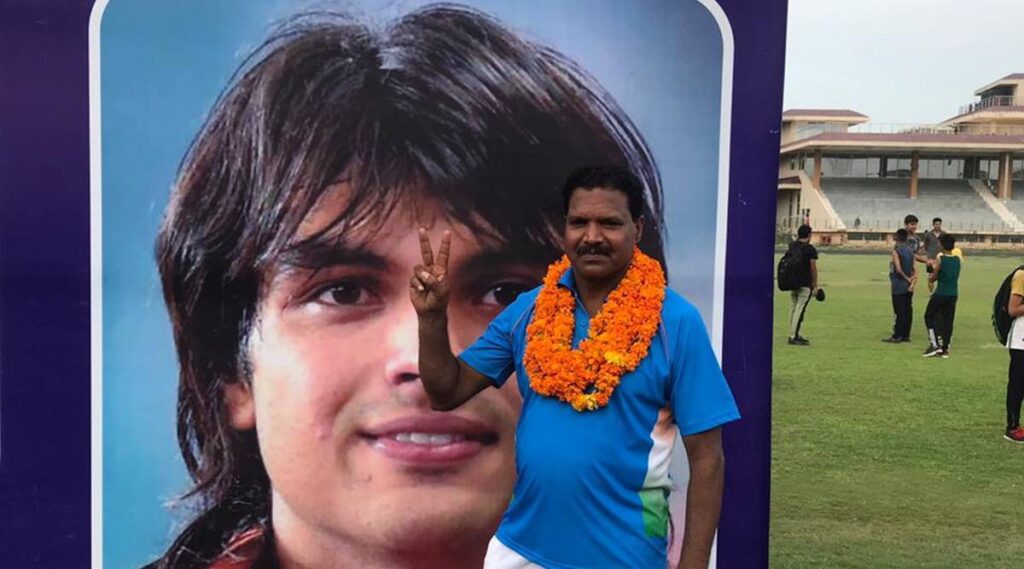
Nassem Ahmad starting coaching Olympic gold medallist Neeraj Chopra in 2011. (Express Photo: Nitin Sharma)

Javelin coach Naseem Ahmad remembers the day in 2011 when a chubby 13-year-old named Neeraj Chopra came to the Tau Devi Lal Sports Complex in Panchkula. The teenager travelled over four hours from his native, Khandra village, near Panipat, to enquire about the process of getting admission at the sports academy that had one of the only two synthetic tracks available in Haryana at the time.

That was a big step for the youngster to take in his budding athletics career. An even bigger one, the biggest yet, came on Saturday, when he launched a javelin 87.58 metres at the Tokyo Olympic Stadium to become only the second individual gold medallist at the Olympics from the country.

It’s an achievement that has created memories, and one that has brought back quite a few for Ahmad.

“I still remember how Neeraj would watch his seniors training at the nursery,” recalls an emotional Ahmad.

“He’d sit with his notebook and take tips from them. He would never shy away from training and would always set targets of winning each day’s round with the group. To see him win the gold medal today on the biggest stage is the greatest joy for us. And I am sure he will be spending time with the javelin throwers from the other countries just like he did here with his seniors and friends post training or competition.” shares an emotional Ahmad.

Chopra first learnt the art of javelin throwing from coach Jaiveer Singh in Panipat. In Panchkula he trained from 2011 till early 2016. But it wasn’t just the field event Ahmad would make him train for. At the stadium near the foothills of the Shivalik Range, Chopra’s morning sessions would be followed by him training with the long-distance runners, and then the javelin event again in the evening.

Staying at the hostel also meant that the 23-year-old would remain under Ahmad’s strict watch. But he doesn’t recall Chopra going astray – most of the youngster’s free time was spent reading books about his event, or pestering seniors to show him videos of old javelin events from Olympics past. At the same time, he started to perfect his craft in practice as well.

“His basics were always strong since he trained with a lot of seniors since when he was in Panipat. But since javelin throw requires a lot of stamina and strength, we first made an athletics training programme for him and it meant that he would also train with long-distance runners at the stadium,” the coach explains.

“Some months later, we would spend time on improving his technique. As he made throws with cross legs and had a wide last stride, it gave him the required momentum for the final jerk for smooth throws. Starting from throwing with two strides to three strides and five strides, we would progress to a full run-up each day and it helped him master the landing technique too. While he now falls after his throw in competitions, it was never the case in training here.”

Staying at the hostel in Panchkula with him were also a few friends who used to train with him in Panipat. They weren’t bereft of Chopra’s constant questioning about the sport either. Narender Ranbir, a Paralympian from London 2012 and Rio 2016, and silver medallist at the 2014 Para Asian Games, shared a room with Chopra when they were in Panipat.

“Neeraj would always come to us for advice about various javelin techniques,” recalls the 31-year-old.

“We all pooled in money and bought three local-made Crown javelins that the whole group trained with. At the time Neeraj threw around 25-30m. But once we moved to Panchkula, we borrowed foreign-made javelins from the seniors.

“Neeraj was also cooked a vegetable pulao dish that would make five-star chefs jealous. Wohi banane ko bolenge once he comes back with his gold medal (we’ll tell him to make us that once he comes back with the gold medal.”

In 2011, Chopra set a new junior national record of 68.40m in the junior nationals in Lucknow. In the senior category, Chopra would first cross the 70m mark in 2014 with a throw of 70.19m before he crossed the 80m mark with a throw of 81.04m, a world junior record, in the All India Inter-University Athletics Meet in 2015. The next year he threw 82.23m at the South Asian Games (SAFF) in Guwahati. But a month after the qualification process ended for the Rio Olympics, Chopra went on to throw 86.48m for a new junior world record in the IAAF World U-20 Athletics Championship at Poland.

The last five years have seen Chopra training under various coaches at the national camp. He’d also keep breaking the records – often his own – at regular intervals. Ahmad remembers the youngster writing about each throw in his notebook.

“Initially when he came here, he was touching the 55m mark. He would be throwing close to 50 throws three days a week, apart from 18-20 throws in a simulated competition with seniors and his age-group throwers twice a week,” the coach adds.

“Every time he crossed 60m, 70m, 80m, he would always write it down. Today he wrote his name in the history books, what more can I say.”

source: http://www.indianexpress.com / The Indian Express / Home> Olympics / by Nitin Sharma, Panchkula / August 08th, 2021

Muddappa posts fastest time as Bengaluru riders dominate drag races

Bengaluru, KARNATAKA :

Chennai (IANS): 

Riders from Bengaluru, spearheaded by reigning champion Hemanth Muddappa, swept the honours in the first round of the MMSC fmsci Indian National Motorcycle Drag Racing Championship which concluded at the MMRT, here on Sunday amidst Covid-19 safety protocols.

Muddappa, 31, astride his Suzuki Hayabusa, was the quickest of all riders, clocking 07.882 seconds over 302-metres strip while winning the featured Super Sport Above 1051cc category ahead of fellow-Bengalureans Hafizullah Khan (08.116) and Harish Naik (08.538).

Despite the comfortable win, Muddappa said due to the high track temperature, the timing was a tad slower than he wanted. “The track temperature affected all the riders and we all posted slower timings. We were much quicker in January during the final round of the 2020 championship,” said Muddappa.

Another Bengalurean, Mohd Riyaz (08.026) topped the time sheets in the Super Sport 851-1050cc class, followed by Muddappa (08.116), who was a bit slow off the mark, and debutant NV Satyanarayana Raju (08.191) from Hyderabad.

On Saturday, Chennai riders swept the podium spots in the Girls (4-stroke, up to 165cc) category with Lani Zena Fernandez, Nivetha Jessica and Soundari Sindy finishing in that order.

Results:

Super Sport (Above 1051cc): 1. Hemanth Muddappa (Mantra Racing, Bengaluru) (07.882secs); 2. Hafizullah Khan (Bengaluru) (08.116); 3. Harish Naik (Bengaluru) (08.538).

851-1050cc: 1. Mohd Riyaz (Bengaluru) (08.026); 2. Hemanth Muddappa (Mantra Racing, Bengaluru) (08.116); 3. NV Satyanarayana Raju (Hyderabad) (08.191).

Super Sport Indian – 361-550cc: 1. Aiyaz Rem (Bengaluru) (12.568); 2. Zuheeb Ahmed (Bengaluru) (12.860); 3. D Annish Samson (Speed Up Racing, Bengaluru) (12.942).

226-360cc: 1. Bharath Raj (Rockers Racing, Chennai) (12.602); 2. Yogeshwaran (Speed Up Racing, Chennai) (12.798); 3. D Annish Samson (Speed Up Racing, Bengaluru) (13.050).

Up to 165cc: 1. Kevin Kannan (RACR Castro Power, Chennai) (14.573); 2. Anand R (Chennai) (14.824); 3. Chandrashekar (Bengaluru) (14.910).

source: http://www.daijiworld.com / Daijiworld.com / Home> Sports / August 08th, 2021

Jamia Millia Islamia Class 10 results declared

NEW DELHI :

Jamia Millia Islamia has declared Class 10 (Regular) examination results, girls outshine boys.

Jamia Millia Islamia (JMI) has declared the result of Class 10 (Regular) today. Out of the total students assessed approximately 48 percent were boys and 52 percent were girls. The result is available online at www.jmicoe.in.

Girls outshine boys in the exam and grabbed top positions. Sumaiya Hasan Khan with 98.85 % got the first position. There was a tie on the second position as both Sadia Aman and Arisha Majeed Zahoory secured 97.85% . Nafisa Hasan secured 3rd position with 97.71% marks.

A total of 595 students secured 1st division with distinction and 209 students secured above 90% marks.

Due to the Covid-19 pandemic, Jamia Millia Islamia followed the alternative assessment policy submitted by the CBSE before the Delhi High Court which was designed by a 13-member committee set up by the board.

JMI Vice-Chancellor Prof. Najma Akhtar congratulated the successful students and wished them a bright future. She hoped that they would bring laurels to the Institution and Nation.

Prof. Akhtar appreciated the efforts of the Dean Faculty of Education and Dean Faculty of Engineering &Technology who were coordinators of the exam. She also appreciated the Controller of Examination and his team for timely declaration of results.

source: http://www.indiatoday.in / India Today / Home> Education Today> News / by India Today Web Desk, New Delhi / July 16th, 2021