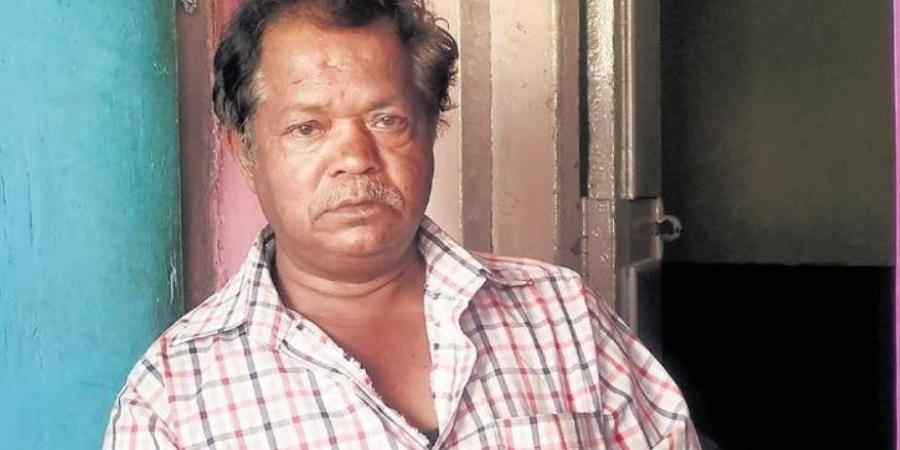
Urdu writer and Calligraphy expert M.A. Momin died in Hubballi on Sunday due to COVID-19 related complications. He was 72.
He frequently organised Urdu learning training courses for non-native Urdu speakers. He also conducted calligraphy training sessions for school and college students. He was an active member of Idara Farogh-e-Urdu Hubli, a literary organisation.
Momin was famous for his Nizamat or anchoring Urdu Shayari sessions across North Karnataka districts. He was a recipient of Karnataka Urdu Academy award.
source: http://www.thehindu.com / The Hindu / Home> News> States> Karnataka / by Special Correspondent / Belagavi – June 27th, 2021
Birur town (Kadur taluk-Chikkamagaluru District), KARNATAKA :
It became an abiding interest while studying Kannada at the pre-university level at Pandit Jawaharlal Nehru Memorial College.
Shivamogga :
To D Ismail, the mastigallu (masti stone) is a fascinating storyteller. It talks about the history and the people as he peers into the inscrutable inscriptions whether it is in Modi lipi or Halegannada (ancient Kannada).
The epigraphist from Birur town in Chikkamagaluru district took a fancy to the knowledge hidden in stones, and is one among a small number of people who can understand ‘Modi lipi’, a cursive script used to write several languages, including Kannada. It is just like English running hand, he says. It became an abiding interest while studying Kannada at the pre-university level at Pandit Jawaharlal Nehru Memorial College.
Ismail (63) says Modi lipi is a kind of early Kannada writing found from the times of Ashoka to the 18th century, which was used to record events and facts about emperors and their empires. In English, it is termed ‘cacography’, which according to the Kannada dictionary, means ‘illegible handwriting’, seen mostly in ancient stone inscriptions called mastigallu and veeragallu (hero stone).
Ismail is studying stone inscriptions to analyse their contents for anything related to astronomy and is compiling a research paper on the subject ‘Astronomy in Inscriptions’. Other issues that he is studying include natural calamities, music and life events, recorded in inscriptions to understand the culture of people going back to the Cholas, Gangas, Rashtrakutas and others who ruled South India.
The curiosity that drew him to these stones soon became his passion. “I studied various books related to Modi script, and under the guidance of epigraphist Shambhu Lingappa, I visited ancient sites in and around Birur, Kadur and Chikkamagaluru with him. I learned to read inscriptions in Modi script and also in Halegannada. I started reading books written by famous epigraphists like M M Kalburgi, Chidanandamurthy, A V Narasimhamurthy and others.”
Though Ismail could not pursue his education after pre-university, he never missed an opportunity to upgrade his Halegannada-related knowledge. Today, he is a well-known epigraphist who offers guidance to students of Kannada literature researching inscriptions and Halegannada in various universities. He has a rare collection of more than 5,000 books related to epigraphy, Halegannada, mastigallu and veeragallu.
He has written a book titled ‘Madhya Karnatakadalli Beeradevaru’ (still a manuscript) about Beeradevaru, a deity worshipped by the Kuruba community. The book throws light on the community, where they came from, and how they settled in Shivamogga, Chikkamagaluru and Chitradurga districts. He has travelled the length and breadth of these districts to collect information and did a field survey for more than two years.
He suggests that people interested in inscriptions read the book ‘Kannada Lipiya Ugama Mathu Vikasa’ by A V Narasimhamurthy, and ‘Lipi, Lipikara, Lipi Vyavasaya’ by Shettar, for those who want to learn Halegannada.
Ismail is one of the four sons of E M Dastagir Saab and Razia Begum of Birur, who have had a grocery business at M G Circle in Birur town for many decades. Even today, Ismail is the one who opens the grocery shop in the morning and takes care of the business.
He has a rare collection of more than 5,000 books related to epigraphy, Halegannada, mastigallu and veeragallu.
source: http://www.newindianexpress.com / The New Indian Express / Home> States> Karnataka / by Ramachandra V Gunari / Express News Service / June 27th, 2021
Delhi Pradesh Congress Committee (DPCC) Secretary Haji Meherban Qureshi on Sunday joined the Aam Aadmi Party (AAP) in the presence of the party’s state convenor and Delhi’s Cabinet Minister Gopal Rai.
Qureshi said he was moved by the public welfare work being undertaken by the Arvind Kejriwal-led AAP government in Delhi so he had decided to quit the Congress and join the AAP.
Rai said, “Haji Meherban Qureshi’s decision of joining the AAP has widened the reach of our party and strengthened it. We will all work together for the development of Delhi and its people.”
Qureshi, a resident of Delhi’s Sadar Bazaar, was associated with the Congress for many years.
The newly inducted AAP leader said he is impressed by the historic work being done by the Delhi government under the leadership of AAP’s National Convener and Chief Minister Arvind Kejriwal for the development of the national capital and its people for the last six years.
Quershi assured to work with full dedication to fulfill the vision of AAP leader Arvind Kejriwal.
Apart from being the former Delhi Pradesh Congress Committee Secretary, Qureshi is a patron of the Qureshi Graduates Association.
He is also the chief patron of the Federation of Sadar Bazaar Trade Association, President of Brotherhood Committee, Luv-Kush Ram Leela Committee, Vice Chairman of Red Fort, Chairman of Sadar Bazaar Green Market Trade Association and National Vice-President of All India Jamiatul Quresh.
source: http://www.daijiworld.com / DaijiWorld / Home> National-World / by IANS / New Delhi, June 28th, 2021
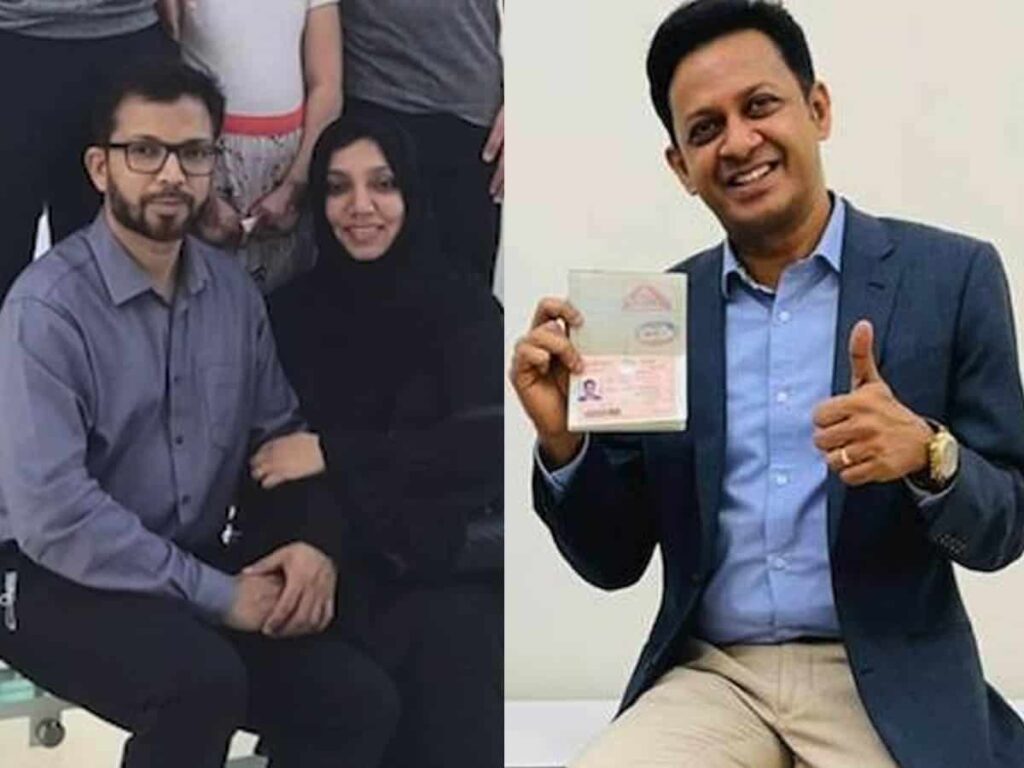
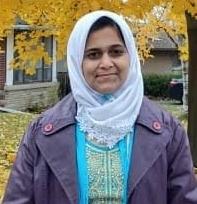
Left Dr Jasna Jamal with family. Right Dr Shyam Vishwanathan
Abu Dhabi:
Two Ayurveda doctors, who are originally from India’s Kerala state and now based in the United Arab Emirates (UAE), have received the Gulf nation’s coveted Golden Visa, according to a media report on Saturday.
A Golden Visa enables foreigners to live, work and study in the country without the need of a national sponsor and with 100 per cent ownership of their business on the UAE mainland.
They are issued for five or 10 years and are renewed automatically.
Both Shyam Vishwanathan Pillai and Jasna Jamal were granted the Golden Visas by the UAE’s Federal Authority for Identity and Citizenship (ICA).
Vishwanathan, CEO of Vaidyashala at the Burjeel Day Surgery Centre in Abu Dhabi, received it under the medical professionals and doctors category on June 17, the Khaleej Times report said.
“My sincere gratitude to the rulers and policymakers of UAE for the kind support to Ayurveda and Ayurveda practitioners,” Shyam, from Kollam, told the newspaper.
“I truly appreciate their vision in integrating the Ayurveda for the wellbeing of UAE residents and at the same time keeping in place strong measures to ensure the quality delivery of Ayurveda practice,” he added.
Shyam came to Dubai in 2002.
A resident of Al Mamzar in Dubai, Jamal, from Thrissur, was given the Golden Visa on June 24.
She moved to the UAE 12 years ago soon after getting married.
With over 16 years of experience in Ayurveda, Jamal established her own Ayurveda clinic in Al Mamzar.
source: http://www.siasat.com / The Siasat Daily / Home> News> Middle East / by IANS/ June 26th, 2021
This is the twelfth part of the series called “Scientist Says”, where we bring for our readers the significant research works of young scientists.
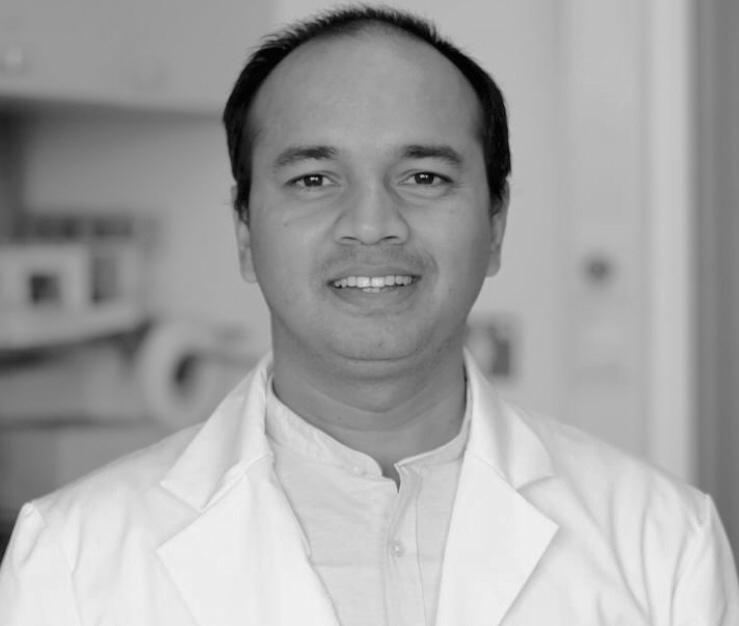
Dr. Mohammad Rehan completed his M.Sc. in Organic Chemistry (2010) from Jamia Millia Islamia University, New Delhi. Dr. Rehan started his doctoral studies at Indian Institute of Science Education and Research (IISER) Bhopal in 2011 with Prof. Prasanta Ghorai. During his doctoral studies, he worked on transition-metal catalyzed and transition metal-free synthesis of heterocycles & carbocyclic molecules. In 2017, he obtained his Ph.D. in chemistry from IISER, Bhopal, India. He joined as a postdoctoral research fellow in the group of Prof. H. Waldmann Max Planck Institute of Molecular Physiology, Dortmund, Germany, in May 2018 and worked till January 2021. He worked with the Group Leader Dr. Kamal Kumar, in the group of Prof. Waldmann, on asymmetric hetero-Diels–Alder reactions leading to biologically intriguing small molecules. He shares his research works with Rashida Bakait of India Tomorrow. Here are the excerpts of the interview.
Q. Please briefly explain your research.
Ans. My initial research was based on the development of synthetic methodology towards the synthesis of heterocyclic molecules and carbocyclic molecules. The purpose of developing a new synthetic methodology for the synthesis of heterocyclic molecules is that most marketed drugs contain heterocyclic fragments. Heteroatom’s (such as nitrogen, oxygen and sulfur) as well as heterocyclic scaffolds are often present as a key structural unit in several active pharmaceuticals natural products. Heterocyclic scaffolds are frequently present molecules in medicinal chemistry and among all such heteroclic molecules, nitrogen containing heterocyclic molecules are of great importance to medical science. Since nitrogen containing heterocyclic molecules are abundant in nature, existing as key units in several natural products, for examples, antibiotics, hormones and in vitamins. Nitrogen-containing natural products and some alkaloids compounds, showing various biological activities, several of them are even prescribed drugs such as serotonin, thiamine, which are called vitamin B1, papaverine, coniine, caffeine, nicotine, atropine, notorious morphine, and codeine. Statistically, more than 85% of all biologically active compounds contain heterocyclic moiety. These facts disclose and emphasize heterocyclic fragments play a central role in modern drug design and drug discovery.
At IISER-Bhopal, my doctoral research began with the development of a new synthetic method for the synthesis of heterocyclic molecules and their application towards the synthesis of biologically active compounds. It was divided into two section: 1st section (1) transition-metal catalyzed synthesis of heterocyclic compounds (such as synthesis of 2-benzyl indole and 2-benzyl benzofuran derivatives) here the developed method was used towards the synthesis of melatonin receptor, anti-tumor and hypocholesterolemic agent, cytotoxic and mTOR signaling agent. In the second section (2) (a) transition-metal free synthesis of heterocyclic (such as derivatives of quinoline derivatives) with this develop methodology I have successfully synthesized 2-styrylquinolines (which shows combined therapeutic and diagnostic activities against Alzheimer’s and prion diseases). The 2- styrylquinolines is a vital scaffold and having considerable biological significance.
Besides the above-mentioned research, my research focus as a postdoctoral research fellow at Planck Institute of Molecular Physiology, Dortmund, Germany, was based on (a) asymmetric hetero-Diels–Alder reactions leading to biologically intriguing small molecules (here I have developed a synthetic methodology that enabled us to identify a new biological annotation to piperidinoyl spirooxindoles, which were known to exhibit inhibition of p53-MDM2 interaction. This work also demonstrates how important it is to develop methods for various possible stereoisomers of a desired product with stereogenic centers), and (b) synthesis of bio-inspired Pseudo-natural products (PNPs).
Q. What was the objective of your research?
Ans. During my doctoral studies, I have gained immense experience in the development of new synthetic methodology. So I decided to extend my expertise towards drug discovery. It is only possible when there is a combination of chemistry and biology. I was looking for the research team where chemistry and biology work is going simultaneously, then only you can understand the real significance of the developed methodology for synthetic molecules. The scientific discipline of chemical biology is spanning the fields of chemistry and biology. It involves the application of chemical techniques, analysis, and often small molecules produced through synthetic chemistry to the study and manipulation of biological systems. When I joined the Prof. Waldmann research group (Prof. Waldmann is one of the renowned names in the field of chemical biology all over the world in academia and the pharmaceuticals industry) at MPI-Dortmund, my interest has developed to design and synthesize the Psuedo natural product based Molecular library towards the drug discovery. The synthesis of spiro-oxindole scaffold is present in various biologically intriguing natural products endowed with different biological activities. For example, Spirotryprostatin is isolated from the fermentation broth of A. fumigatus and shows antimitotic activity. Another natural product with spiro-oxindole core is Welwitindolinone which is isolated from H. welwitschii and reverses the effect of P-glycoprotein mediated multiple-drug-resistance. There are also various synthetic examples known where spiro-oxindoles show therapeutic effects, for instance, the antimalarial NITD609. An interesting subgroup of this class is the piperidinoyl-spirooxindole which consists of up to four consecutive chiral centers and up to three all-carbon-quaternary centers. Synthetic derivatives of this compound class appear to be promising anticancer agents. They inhibit the protein-protein interaction between the tumor suppressor p53 and MDM2. However, their potential in modulating other biological functions is not yet explored.
Till date, there are some enantioselective HDA reactions reported with great control over their stereo chemical courses. They are applied for the total synthesis of natural products and used in the synthesis of small molecules. Our aim was to develop asymmetric access to 3,3’-piperidinoyl-spirooxindoles employing a catalytic HDA reaction with a 2-azabutadiene.
Q. Please mention some of the new findings of your research?
Ans.The aim of chemical biology research is to get deeper insights into various known as well as novel biological processes by using chemical tools and techniques. An approach that is often chosen to accomplish this is to perturb a biological process that can be achieved with genetic approaches like gene silencing. The application of small molecules and the term small molecule is widely used and usually defines a molecular entity with a molecular weight under 1000 g/mol. Some of the important features of small molecules are their physicochemical properties like their permeability and solubility to penetrate the cell membrane and diffuse to their biological target in cell-based screenings. These properties are mainly influenced by molecular weight, lipophilicity, and the number of hydrogen bond donors and acceptors. So the design and development of synthetically small molecular libraries are very important in modern drug discovery.
Q What kind of challenges did you face?
Ans. Research is a lengthy process, so one must be self- motivated and should have a deep interest in the respective research areas. It will never be a cakewalk, your success will come after failure. Honestly, failure takes you towards success as you come to know various techniques and methods that might lead to failure. When I started my research for the development of a new synthetic methodology in chemistry I have faced similar problems.
Q. When did you begin and complete your research?
Ans. I started working as a doctoral researcher in August 2011 and successfully completed my Ph.D. degree in 2017. Then, I worked as a postdoctoral research fellow from May 2018 to January 2021 at Max Planck Institute of Molecular Physiology Dortmund Germany in the field of chemical biology. After the completion of my first post-doc, I took some break from my research work writing some reviews and research projects, now I want to start my own research group or would like to join the pharmaceutical industry to learn more about drug discovery.
Q. Any scholarships or awards for research?
Ans. For my doctoral studies, I received a fellowship from MHRD-CSIR-UGC for 5 years. During my postdoctoral research, I received Max Planck Institute-Gesellschaft Germany Postdoctoral fellowship for the Postdoctoral research in Max-Planck Institute of Molecular Physiology Dortmund Germany.
Q. How do you think your research would be beneficial to the industry or society?
Ans. Several decades of research in various fields by the scientific community have led us to where we human beings are today: a civilized society with the knowledge and instruments to move forward. I believe that the synthetic methodology which I have developed during my doctoral studies in the area of organic chemistry and the research work during my postdoc will be helpful for the pharmaceuticals industry. By using such synthetic methodology the pharmaceuticals industry can develop new drugs. In the modern drug discovery we need to make an economically, environmentally sustainable and easily accessible method to provide the drugs in the market for the benefit the society.
Q. Any new research you are planning to work on now?
Ans. Now , I would like to expand my research area on biocatalyst to develop new chemical transformation towards the drug discovery. Biocatalysis refers to the use of living systems or their parts to speed up (catalyze) chemical reactions. In biocatalytic processes, natural catalysts, such as enzymes, perform chemical transformations on organic compounds. In a class of catalysts of biocatalyst enzymes are accountable for the smooth transformation and enhancement of the rate of many crucial biochemical reactions in plants and animals. Nature is making biologically active compounds in plants via enzyme catalysis process from a longer time. The importance of enzyme catalyst is due to its efficiency, as a single molecule of the enzyme catalyst can convert up to a million of reactant molecules into the products in few seconds. Recent advances in the field of drug discovery helps the chemist to understand the structure and functional activities of enzymes, which have in turn led to an increase in their stability, activity, sustainability, and substrate specificity. At present, there are hundreds of different biocatalytic action that have been carried out in many pharmaceuticals, chemical, food, and agro-based industries (biocatalysis Tyler Johannes).
Q. Please give few tips and suggestions for the budding scientists.
Ans. Doctoral research sometimes can be highly frustrating. At that time researcher should try to develop his own self-confidence and self-belief. Seek positive feedback and acknowledge your achievements. If your lack of determination is actively affecting your strength to work then seek consultation and professional help. Time management is very crucial. If you are not executing your goals on time, then plan properly again. And in the end don’t fear failure you can learn more from your failures than achievements. Failure can bring a positive change in your personal and professional life. Never take it personally, remember that you are receiving training to be a scientist. Try to understand the expectations of your supervisor.
Finally, you may need to explain your busy schedule during your research work to your family and friends. They may not understand the magnitude of research studies. You shouldn’t be nervous and don’t try to reject any opportunity to get-together. Remember one thing that discussing your research work with a layman can help to brush up it and it will further boost your motivation.
source: http://www.indiatomorrow.net / India Tomorrow / Home> Education> Featured / by Rashida Bakait, India Tomorrow /June 15th, 2021
If it was not for BSNL fibernet at home at Khanabal in Anantnag district of Jammu & Kashmir, Kaisar Shabir would not have attended online interviews with companies scouting for talent under ‘campus selection’ in December 2020.
Kaisar, who graduated from Siddaganga Institute of Technology here, has been appointed as a software development engineer with cafter training, and his salary package is Rs 31.97 lakh per year. This is the highest among 700 Bachelor of Engineering students from SIT who got placed through campus recruitment.
“I was tense as the network dropped at times at our home. But thankfully it didn’t. I am sure interviewers would have rescheduled my interview if there were any internet issues,” said Kaisar. “It would have been even better if the mobile network was working at that time. But BSNL proved helpful,” he said.
After being selected, he worked from home, and now he is joining Amazon’s Bengaluru office to work offline. “I don’t have dreams of going abroad. I want to crack the UPSC in future and serve in India,” he said.
source: http://www.newindianexpress.com / The New Indian Express / Home> Good News / by Devraj B Hirehalli, Express News Service / June 26th, 2021
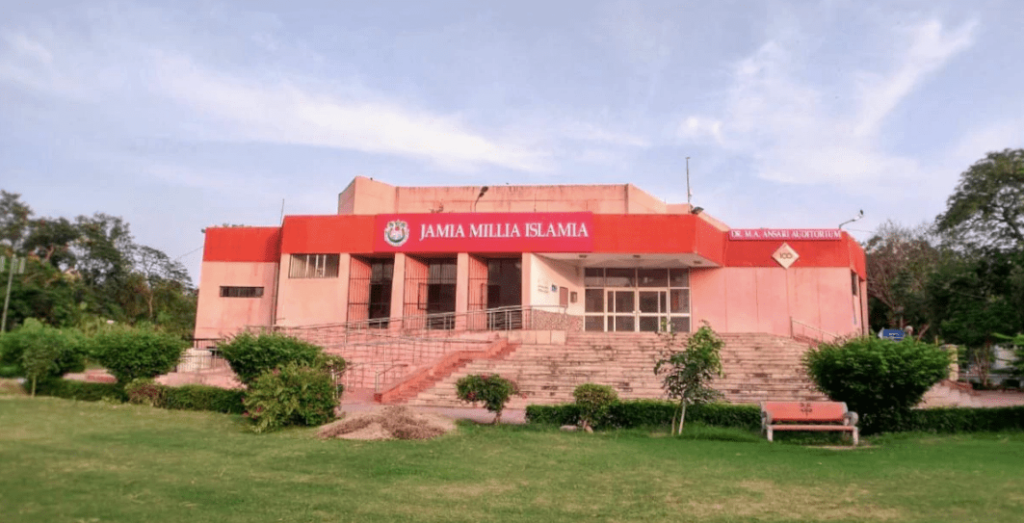
Dr Mohammad Askandar Iqbal and his team at the Department of Biotechnology, Jamia Millia Islamia(JMI), discovered the antagonistic roles of CBX2 and CBX7 genes in regulating glucose utilization in breast cancer cells. The discovery has enabled them to identify drugs that could be more effective in treating breast cancer patients with higher CBX2 and lower CBX7 expression.
Using a large amount of diverse molecular data from more than 3000 breast cancer patients along with gene silencing experiments, Dr Iqbal’s team identified the pro-cancer role of CBX2 and the anticancer role of CBX7, based on their effects on glucose metabolism in breast cancer.
Dr Iqbal and team also found that breast cancer patients with higher CBX2 and lower CBX7 expression in their tumors showed lesser survival probability compared to those having the reverse trends of expression of these two genes.
Highlighting the biological relevance of findings, CBX2 gene was found to be expressed at higher levels in breast cancer compared to normal breast tissue, whereas, the exact opposite trend was observed for CBX7. Further, the study reported that more deadly cancer tends to express higher levels of CBX2 and lower CBX7.
This research entitled “Multiomics integrative analysis reveals antagonistic roles of CBX2 and CBX7 in metabolic reprogramming of breast cancer” is published in Molecular Oncology, one of the most reputed journal worldwide in the field of oncology- a branch of medical science dealing with the study of cancer.
his is the first part of the series called-Scientist Says-where we would be presenting research works of young scientists in various fields.
Khadija Kanwal Khanum has done her PhD and Postdoctoral fellow from Indian Institute of Science (IISc), Bengaluru, India (2010-2018). Presently, she is a postdoctoral fellow at the University of Waterloo, Waterloo, Canada. She shares with Rashida Bakait of India Tomorrow, her significant studies and research on “Solar Cells’’.
Q. What was the topic of your research at IISc and a brief explanation about the same?
Ans. The broad topic of my doctoral and postdoctoral research at Indian Institute of science, Bengaluru, was fabrication, characterization and analyses of organic and hybrid photovoltaics (solar cells) to enhance the solar cell’s device performances. Specifically, the title of my doctoral thesis was “Morphological Architecturing of electroactive materials in organic electronics”. In this research, organic and organic-inorganic (hybrid) semiconductor/electroactive materials are used, instead of inorganic semiconductor materials/silicon to fabricate the solar cells. The organic and hybrid materials compare to the inorganic materials/ silicon counterparts are lab synthesized materials with ability to easily tailor the band gap (as semiconductors), and require less energy during their solar cell fabrication hence cost-effective. However, these organic and hybrid solar cells have till now reported, less power conversion efficiency, PCE (>25%) and are less stable in environment and therefore, require extensive research before their wide commercialization.
Q. What was the aim behind your research?
Ans. In this research, a different fabrication procedure was used called Electro-spinning, in order to enhance the light absorption as well as increase the charge (electron-hole) separation in the solar device, thereby increasing its PCE.
Q. What kind of new aspects were highlighted in your research?
Ans. The highlighting parts of the research were 1).The active layer of the solar cell which is generally in a thin film form was modified to fiber and various other forms such as network (Khanum and Ramamurthy, 2016), photonic (Khanum et al., 2017), two and three-dimensional triangles (Khanum and Ramamurthy, 2018) and spike-spheres (Khanum et al., 2015) structures using electrospinning/ electrospraying method. 2). The modified active layers assisted in improving the solar devices’ light absorption by 19 – 31% and PCE by 23 – 68%.
Q. When did you begin and complete your research?
Ans. I joined IISc as a doctoral student, in Aug 2010 and subsequently took few advance and elective courses in polymer science and technology, nanotechnology, vacuum systems, sensors and material characterization for one year, in order to gain knowledge and understanding of the above subjects, which helped me in my research. I started my research sometime around June 2011, submitted my doctoral thesis in July 2015, defended the thesis in July 2016, and continued the research as research associate and postdoctoral fellow till Mar 2018.
Q. What kind of challenges you faced?
Ans. Since organic electroactive materials used in this research are conjugated small molecules and polymers possessing, low molecular weight than conventional polymers hence, fiber formation using electrospinning was difficult. Therefore, lot of optimization of the electrospinning process parameters and modifications of the organic and hybrid materials used such as; preparation time, concentration and solvent used had to be meticulously carried out, during solar cells fabrication. Additionally, maintaining inert atmosphere both, during fabrication and characterization of solar cells required lot of patience and cautions, making this study iterative and time-consuming. For instance, it took almost two years in this study, to obtain first few successful solar cell devices.
Q. Any scholarships or awards for research?
Ans. For my PhD and postdoctoral research, major part of the funding was received as scholarship from Ministry of Human Resource Development (MHRD) and Institute (IISC) research associate fund while during last 15 months; I received scholarship from my Ph.D and Postdoctoral advisor from his project grant. I received few awards and grants to present the research work in various international conferences; Manish Narayan memorial award from Department of Materials Engineering, IISc in 2014, Indian Institute of Science support and grant in 2014 and 2015, Department of Science and Technology (DST) young scientist in 2016 and International Workshop on Advanced Materials (IWAM), Ras Al Khaimah, UAE travel grant in 2016 and 2018.
Q. How do you think your research would be beneficial to industry/ society?
Ans. Energy from sun that strikes the earth in a year is enormous, precisely equals to 3 x 1024 J, or about 10, 000 times more than current global energy consumption. Covering 0.1% of the earth’s surface with 10% efficiency solar cells would suffice the energy demand of the whole world (Siddiki et al., 2010). Therefore, my research of improving the light absorption and PCE of organic and hybrid solar cells through morphological architecturing would be one of the smart tools that can be used to trap and utilize the renewable and sustainable energy resource (solar energy).
Q. What was the conclusion of your research?
Ans. In conclusion, in this research `Electrospinning Processing Technique’ is evaluated as one of the novel processing techniques for morphology patterning, leading to improvements in structural, optical and opto-electrical properties of organic and hybrid electroactive materials. Further these electroactive materials based on morphological patterning were also evaluated as organic solar cells with 19 – 31% increment in light/ optical absorption and 23 – 68% enhancement in PCE (Khanum and Ramamurthy, 2016; Khanum et al., 2017; Khanum and Ramamurthy, 2018).
Q. How do you think your research can be carried forward?
Ans. The research could be extended in studying the life stability and field performance of these solar cells. The research could also be extended by using electrospinning processing technique to generate more morphological structures than studied in this research (mentioned in Q3’s reply) and evaluate their properties in the field of photovoltaics/solar devices. The already generated morphological structures such as network, photonic, two and three-dimensional triangles and spike-spheres structures are made up of organic electroactive materials and can be explored in the field of sensors and medical applications as in drug delivery and as tissue scaffolds, therefore the feasibility in these areas could also be one of the future direction.
Q. Can you brief us about your current research?
Ans. Yes, my research at University of Waterloo, Canada is on nanocomposites materials employed in power industry. As the World’s energy demand seems to be all time high and increasing, the focus of research is now more on renewable and sustainable energy. The power industry needless to mention, acts as a bridge between all types of energy generation and the consumers. In my present work, the importance of nanocomposites materials and its processing with respect to power industry are researched. Nanocomposites are remarkable class of materials, consisting of various types of nanofillers which act as reinforcement in the matrix and thus enhance the desired properties. These nanomaterials have to be dispersed homogeneously in the matrix to gain optimized effects and therefore require special processing tools. Therefore, in this research, processing of various polymer nanocomposites of silicone filled with Silica and Alumina fillers are studied.
Q. Apart from your main research topic, would you like to list any other work you collaborated and worked on?
Ans. Yes, besides fabrication, characterization and analyses of organic and hybrid solar cells, I collaborated and worked on few other interesting topics such as– Developed silk and melanin nanofibers mats for the bio-application such as scaffolds for tissue engineering, evaluated the effectiveness of non-water based cleaning mechanisms for photovoltaic (PV) systems. Studied the influence of dust density and composition on performance of PV systems using Infrared (IR) radiation and assessed magnetic materials and their integration in fibre reinforced polymer composites for structural applications.
source: http://www.indiatomorrow.net / India Tomorrow / Home> Education / by Rashida Bakhait, India Tomorrow / March 17th, 2021
In his career spanning over 60 years, Shah Manzoor Alam moved to Hyderabad in 1950 when job openings appeared in the Osmania university (OU).
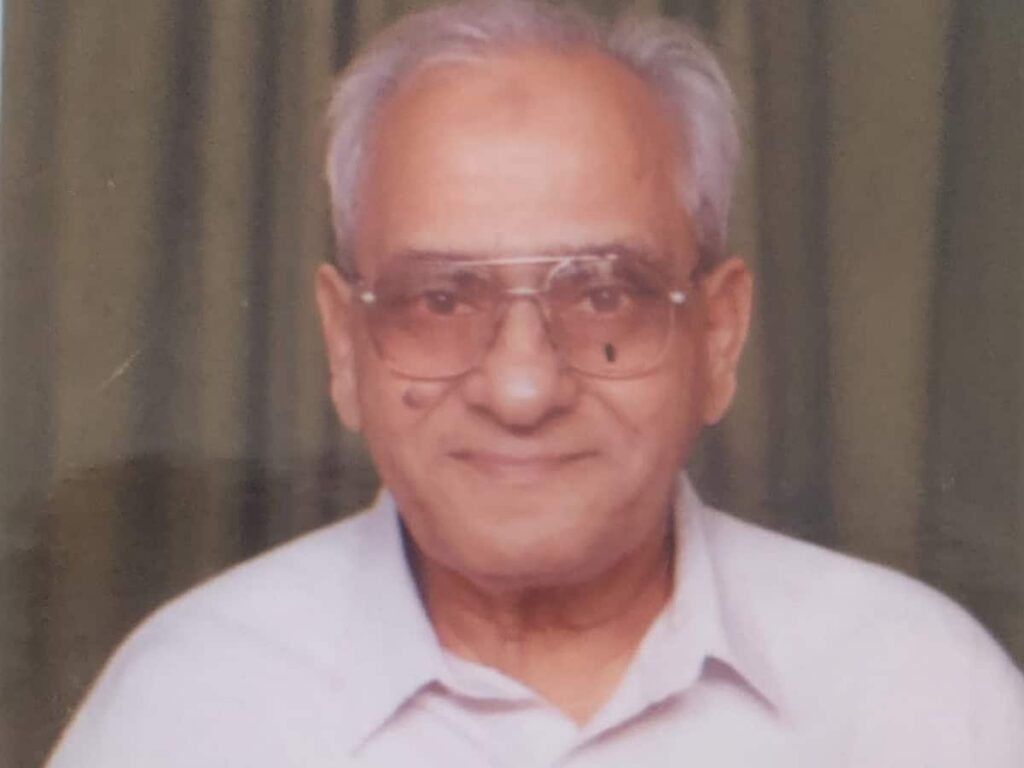
Former vice-chancellor of Kashmir University, Srinagar and the former head department of geography Osmania University, Shah Manzoor Alam, 93. (Photo supplied)
Hyderabad:
Renowned professor—former vice-chancellor of Kashmir University, Srinagar and the former head department of geography Osmania University, Shah Manzoor Alam, 93, has passed away of a cardiac arrest on Tuesday evening at his residence in Hyderabad.
A native of Ghazipur, Uttar Pradesh, Alam did his early schooling in Gorakhpur. He did his bachelor’s and masters in arts from Aligarh Muslim University (AMU).
In his career spanning over 60 years, Shah Manzoor Alam moved to Hyderabad in 1950 when job openings appeared in the Osmania university (OU) and joined the university as lecturer in geography in evening college.
In the mid-1960s, he became the head of the geography department in the arts college of the Osmania University (OU). Subsequently went to the United Kingdom to do a Doctor of Philosophy (PhD) from Edinborough.
In the year 1972, Manzoor Alam was invited to Australia as a visiting professor and later to New Zealand in 1974.
Shah Manzoor Alam was a vice chancellor (VC) of Kashmir university, Srinagar from 1984-1987.
In 1992 he was invited by the Al-Imam Mohammed ibn Saud university, Riyadh to work on the scientific significance in selected Quranic verses.
He was responsible for establishing a trust called Mustafa Educational Network trust. The trust had brought out a set of 30 monographs related to different aspects of Islam.
In 2004, he was key to establishing the Indian school of excellence trust that would provide quality education combined with human values at an affordable cost. A school under this trust was set up at Tolichowki and became functional in June 2004.
Professor Alam lost his wife to heart disease in 1998, lost his only son Shah Shahab Alam to lung cancer in 2013. In spite of these severe personal losses, his strong faith kept him going till he breathed his last on the evening of June 22 due to cardiac failure.
Professor Shah Manzoor Alam is survived by three daughters Rana Siddiqi (USA), Rumana Ahmed (Hyderabad), Rubab Ali Fareed (USA).
MANUU pays tributes
Maulana Azad National Urdu University (MANUU) on Thursday paid rich tributes to Professor Shah Manzoor Alam.
Prof Manzoor Alam was also closely associated with MANUU in it’s formative years as the member of it’s first executive council. He played an important role in the development of MANUU in its initial days.
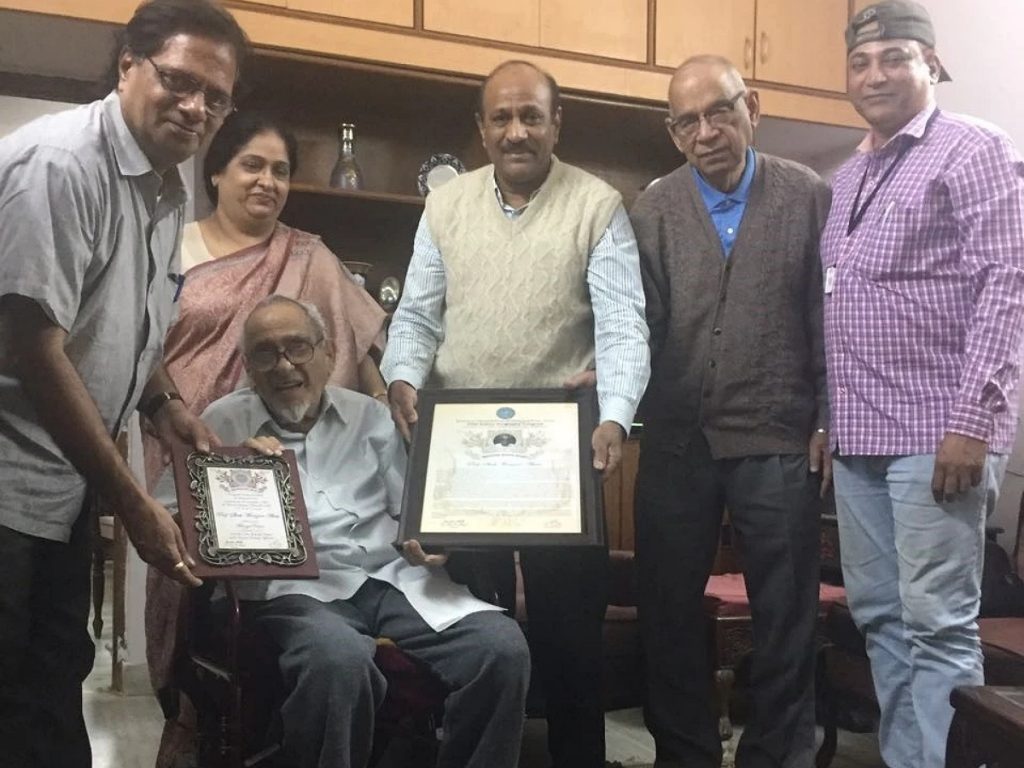
Prof Alam who was also the founder director of centre for area studies on the Indian ocean region, OU was also awarded the prestigious, ‘BHOOGOL RATNA AWARD’ for 2017 by NAGI (National Association of Geographers India), New Delhi, during the 39th, Indian geography congress (IGC) held at Osmania University.
Shah Manzoor Alam awarded the prestigious, ‘BHOOGOL RATNA AWARD’ for 2017 by NAGI (National Association of Geographers India), New Delhi
Professor S M Rahmatullah, Vice-Chancellor and Professor Siddiqui Mohd Mahmood, Registrar in their message expressed their condolences to bereaved family members.
source: http://www.siasat.com/ The Siasat Daily / Home> News> Hyderabad News / by Sakina Fatima / June 25th, 2021
However, the Social Data Initiatives Forum (SDIF) of Hyderabad helped those from rural and tribal places of Telangana.
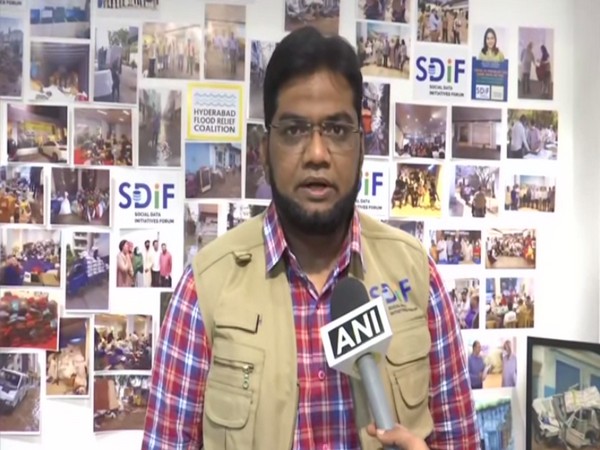
Khalid Saifullah, a member of SDIF (Photo/ANI) / aninews.in
Hyderabad:
Keeping in view the limited access of medical facilities in the rural and tribal parts of the society amid the COVID pandemic, a Hyderabad based non-profit organization (NGO) has combined both the fields of service and technology together to extend their help to those from inaccessible areas of the state.
While there are several NGOs and individuals who have stepped forward to do their part in the pandemic, most have limited themselves to the cities and urban establishments.
However, the Social Data Initiatives Forum (SDIF) of Hyderabad helped those from rural and tribal places of Telangana.
Speaking about the initiative, Mohammad Azam Khan, the Founder and Director of SDIF said that since the inception of the COVID-19 Pandemic, the organisation had been working at several hospitals and couldn’t help but notice that many people admitted in Hyderabad were from nearby rural areas.
“Looking at the condition of people from rural areas that came to Hyderabad in search of proper medical treatment but were unable to find a bed or Oxygen while their health deteriorated, we decided that medical assistance like oxygen should be provided to them at their place instead of them having to look for it in the cities,” he said.
Azam further mentioned that to achieve this, the NGO publicised their contact and helpline numbers and was able to set up Oxygen banks at several district headquarters and Government hospitals from where those who were in need could collect oxygen free of cost.
“To further speed up the supply of oxygen we requested the people to place a request of their requirement through the organisation’s website so that we can deliver oxygen to their doorstep,” he said. SDIF has recently started collaborating with several other NGOs of other states and at the district, levels to ensure support to the people from the rural backdrop.
Khalid Saifullah, a member of SDIF he mentioned that the organisation developed a digital program that interacts with the Application Programming Interface (API) of Twitter, which works on Search Engine Optimization (SEO) to identify tweets that have words like ‘Need Help, Oxygen’.
“Those people are contacted to cross-check the requirement and then we help them in receiving Oxygen from the nearest available source”, he added.
Khalid said, “During the peak days of the pandemic, there were about 150 to 200 requests; we ensured all requests were fulfilled.”
source: http://www.siasat.com / The Siasat Daily / Home> News> Hyderabad News / by ANI / posted by Sakina Fatima/ June 17th, 2021