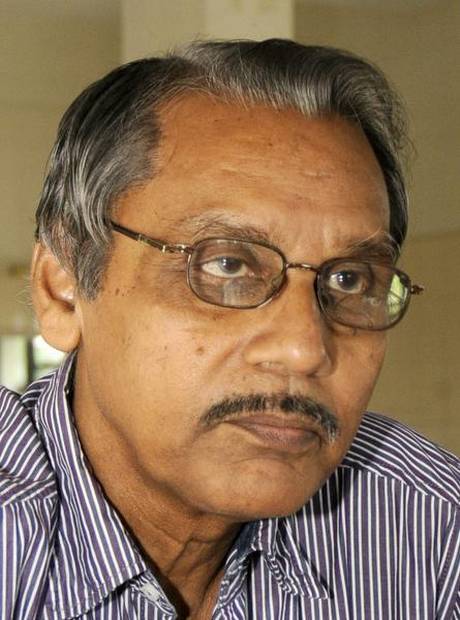
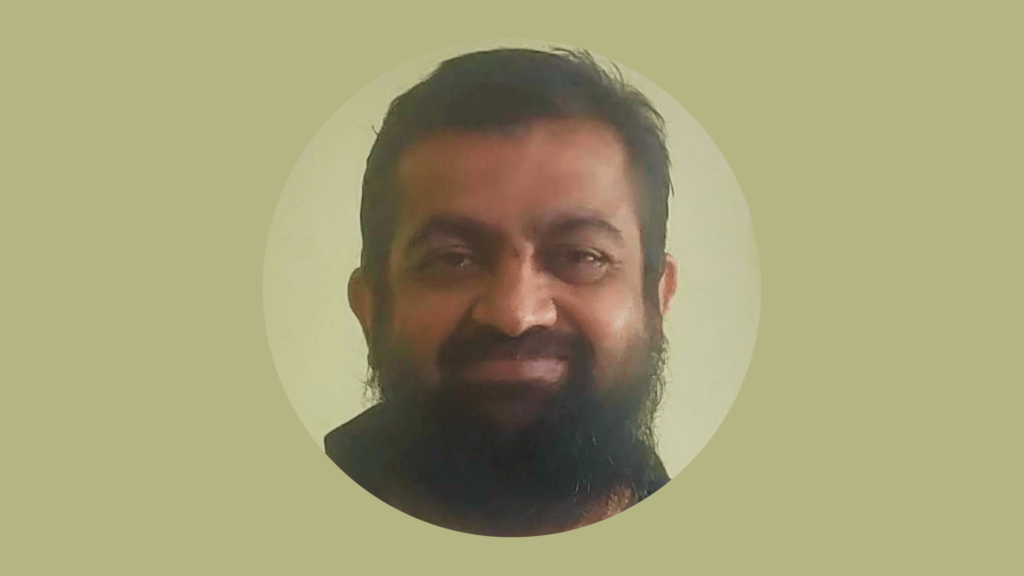
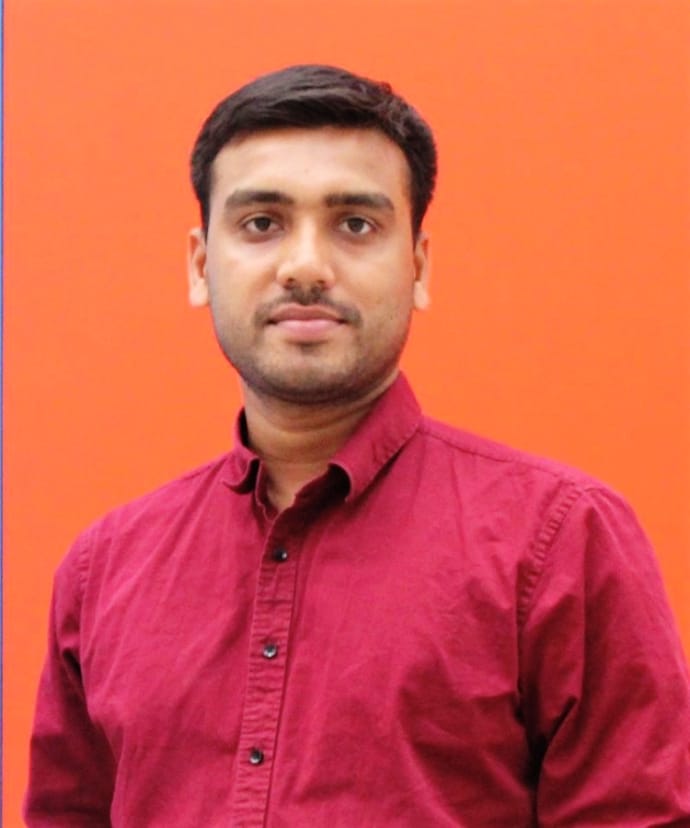
All posts by mpositiveone@gmail.com

Dr. Imtiyaz Ahmad Bhat: Developing Water Soluble Co-Ordination Cages For Applications In Catalysis And Drug Delivery

INDIA / Thuwal, SAUDI ARABIA :
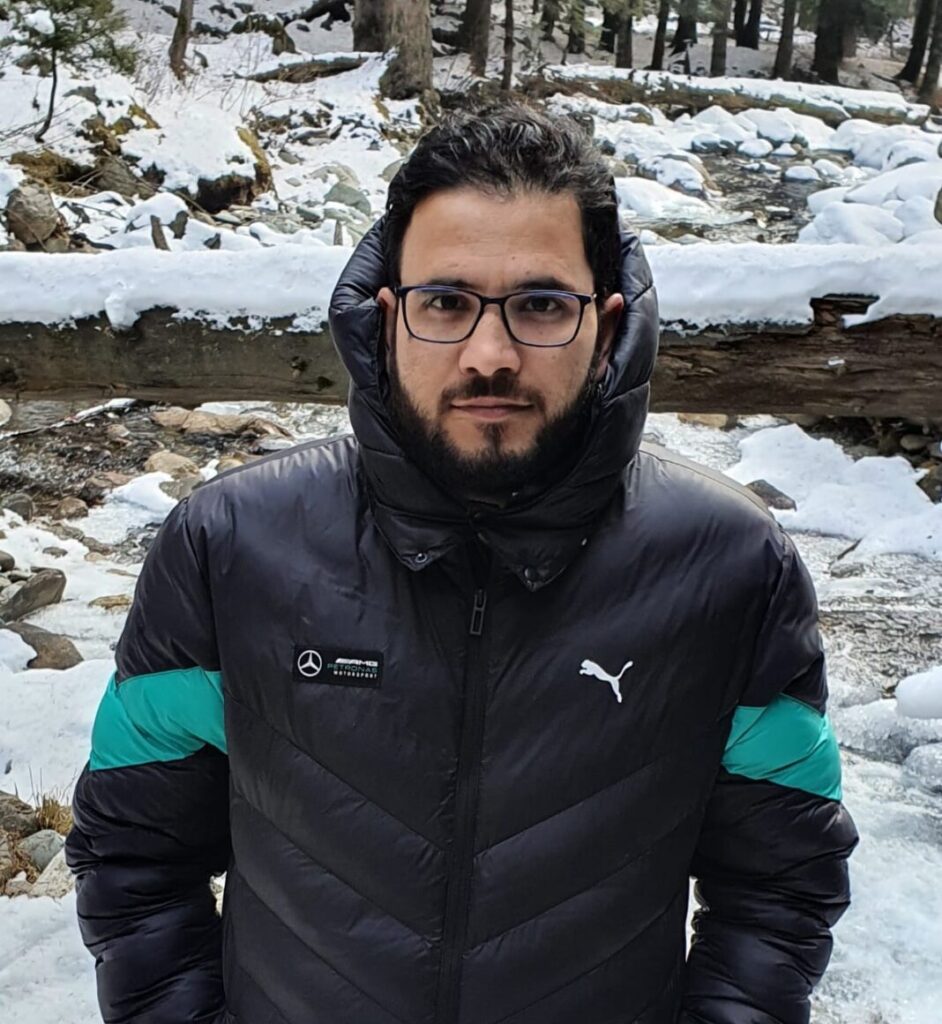
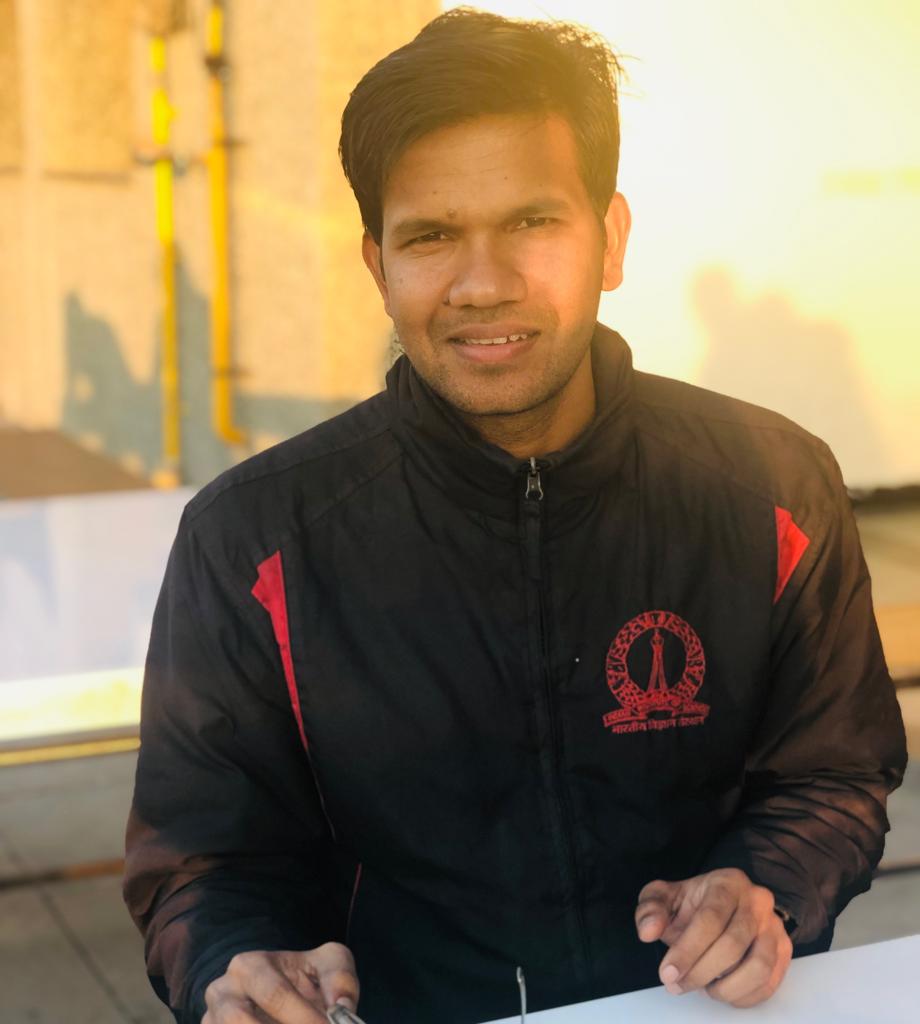
Dr Imtiyaz Ahmad Bhat.

This is the sixth part of the series – `Scientist Says’ –  where we bring for our readers the significant and commendable research works of young scientists in various fields.

Dr. Imtiyaz Ahmad Bhat started working as a researcher in the year 2013 with Prof. P.S Mukherjee lab, Inorganic and Physical Chemistry department, IISc Bangalore. He completed his Ph.D in 2018 and worked as a Research Associate in the same department. Currently, Dr. Imtiyaz is working as a post-doctoral fellow in King Abdullah University of Science and Technology (KAUST), Saudi Arabia. He shares his significant research works with Rashida Bakait of India Tomorrow. Here are the excerpts of the interview.

 Q. To begin with, please explain in brief to our readers about `Supramolecular Chemistry’ and the research works associated with the subject.

Ans. Nature has inspired  scientists to exploit the potency of weak non-covalent interactions to form complex functional Supramolecules, with wide range of applications, which led to the birth of a new field of chemistry called ‘Supramolecular chemistry’ i.e. chemistry ‘beyond molecule’. Supramolecules are large complex molecules formed upon aggregation of smaller constituent building blocks through non-covalent interactions by a process called ‘self-assembly’. ‘Self-assembly’ is a spontaneous process where components, either separated or linked, reversibly form complex ordered aggregates without any external direction. Supramolecular chemistry has emerged as a broad field and has given rise to vast number of diverse structures by using a variety of non-covalent intermolecular interactions.

 Over the past two decades, various methodologies of co-ordination driven self-assembly for the rational design of polygons and 3D supramolecular including tetrahedra, cubes, octahedra, cuboctahedra, and others have been developed. Enzymes, which are nature’s molecular containers, possess molecular pockets capable of binding substrates through non-covalent interactions and catalyze many important enzymatic reactions. Over the last two decades, with the advent of co-ordination driven self-assembly, the focus has greatly shifted to exploiting weak metal–ligand coordination for the self-assembly of molecular containers from individual components. The simple yet dynamic nature of coordination driven self-assembly has led to the construction of various capsules and cages with nanometre-size cavities capable of various applications.  The shape and size of inner cavity of the coordination cages, even those not possessing definite covalent interactions between the catalyst and substrate, play a paramount role in altering the reactivity and properties of the contained molecules.

The central theme of my doctoral research interest in IISc has been in the area of co-ordination driven supramolecular chemistry, arguably one of the hottest areas of chemical sciences. In my research work at IISc Bangalore, I was specifically engaged in developing novel coordination cages possessing confined cavity and demonstrate their applications in cavity directed catalysis and stimuli-responsive targeted drug delivery.

Besides thismy current research focus at King Abdullah University of Science and technology, Saudi Arabia as Post-doctoral fellow is to design and synthesize the Imine-based macrocycle which will act as Non Adaptive Crystal Systems (NACs) and will eventually be used for separation of hydrocarbon and their derivatives. These Imine based macrocycles offer plenty of merits, such as easy preparation, low cost, high recyclability, chemical resistance, and thermal stability and hence makes them ideal material for industrial application.

Q. What was the objective of your research?

 Ans. The supramolecular coordination complexes are obtained by mixing soluble metals as acceptors and ligand precursors as donors which spontaneously form metal-ligand bonds to generate a single thermodynamically-favoured product. Over the past two decades, various methodologies of coordination driven self-assembly for the rational design of polygons and 3D supramolecules including tetrahedra, cubes, octahedra, cuboctahedra, and others have been developed. My aim was to examine the self-assembly of pyridine and pyrimidine based ligands with square planar Pd(II) and Pt(II) metal ions to get the water soluble supramolecular structures with intrinsic hydrophobic cavity. These supramolecules with intrinsic hydrophobic cavity have a potential to function like the naturally found catalysts i.e enzymes by mimicking the cavity driven enzymatic reactions.

Q. When did you begin and complete your research?

Ans. I started in 2013 as a PhD student in Prof. P. S. Mukherjee lab at IISc Bangalore. Currently. I am working as a post-doctoral fellow in King Abdullah University of Science and Technology (KAUST), Saudi Arabia.

Q. What were the new findings of your research?

Ans. I could successfully synthesize and characterize various water soluble supramolecular structures with different shapes like sphere in sphere, tubes, tetrahedron, molecular barrels etc. and sizes. The tetrahedral cage with confined space was used as supramolecular catalyst to promote the Michael Addition Reaction of Indole and various nitro-styrene derivatives in water. The hydrophobic cavity of water soluble barrel like structures was successfully utilized to encapsulate curcumin and increased its solubility, enhanced its stability against UV light and thus acted as a safe aqueous carrier of curcumin to HeLa cancer cells. Also, an unusual supramolecule with triangular orthobicupola geometry was obtained, which is the first example of its type reported so far. The confined pocket of this cage with unique structural topology has been successfully used for the catalytic intramolecular cycloaddition reaction of substrates containing less reactive alkyne dienophile.   

Q. What was the conclusion of your research?

Ans. In conclusion, we could successfully synthesize and characterize a giant double layered spherical structure with 24 Pd (Palladium) ions and 24 Pyrimidine based ligands.  The strategy used here for the synthesis of double-shell superstructure establishes new guidelines for the creation of novel complex architectures. To further explore Pyrimidine as donors, various ligands with Pyrimidine as donors were synthesized and their self-assembly with cis-blocked Pt acceptor has led to formation of tube and tetrahedral cage structures. The tetrahedral cage with confined space was used as supramolecular catalyst to promote the Michael addition reaction of indole and various nitro-styrene derivatives. We were able to synthesize and characterize a water soluble barrel and cylindrical assemblies.The hydrophobic cavity of water soluble barrel was successfully utilized to encapsulate curcumin and increased its solubility, enhanced its stability against UV light and thus acted as a safe aqueous carrier of curcumin to HeLa cancer cells. The cylindrical assembly obtained was found to adopt an unusual triangular Orthobicupola geometry, which is the first example of its type reported so far. The confined pocket of this cage with unique structural topology has been successfully used for the catalytic intramolecular cycloaddition reaction of substrates containing less reactive alkyne dienophile.

Q. What kind of challenges did you face?

Ans.  Challenges and difficulties are the inherent part of the research and researchers have to find ways to overcome them and materialize their tasks. It was really a herculean task in characterizing these supramolecular structures. However, patience and positive attitude helped me to keep trying and I could finally characterize them well and obtained their crystal structures. As a beginner, I struggled with writing my results and presenting them in scientific journals.

Q. Any scholarships or awards for research?

Ans. My Research Associateship was extended for one more year in IISc for completing research within five years. In 2019 I received Irish research post-doctoral fellowship in Trinity College, Dublin

Q. How do you think your research would be beneficial to the society or industry?

Ans. The 3D metallo-supramolecular architectures with confined cavity have been exploited for many applications such as- guest encapsulation, catalysis and drug delivery etc. we were able to show that organic chemical reactions can be performed in water using these water soluble supramolecular structures. Barrel shaped molecules are highly promising which possess large open windows along with large confined cavity. Our approach provides one of the elegant and efficient methods to design such barrel shaped architectures and their use to perform the catalytic organic transformation in aqueous medium. A lot of effort is going on in the scientific field to design new such systems and utilize them for various applications. The importance of this field could be easily reflected from the 2016 Nobel Prize which was awarded for novel findings in supramolecular chemistry.

Q. How do you think your research can be carried forward?

Ans. The features of coordination driven self-assembly like high directionality, intermediate bond enthalpy and vast diversity of organic ligands make it unique over the other non-covalent self-assembly approaches. The coordination-driven self-assembly was initiated by Lehn and Sauvage and pioneered the field with the introduction of various architectures ranging from ladders, helicases, rings, knots, rotaxanes, catenanes, and several other architectures. Later on, other scientists have taken the field to newer heights by developing novel methodologies and approaches to design and synthesize various discrete metal-organic architectures of distinct shapes, sizes and functionalities. The breadth of coordination driven self-assembly has continuously increased with the introduction of numerous functional supramolecules each year and it keeps on growing with every passing day.

Q. Any new research you are working on now?

Ans. My current research focus at King Abdullah university of Science and technology, Saudi Arabia as Post-doctoral fellow is to design and synthesize the Imine based macrocycle which will act as Non Adaptive Crystal Systems (NACs) and will eventually be used for separation of hydrocarbon and their derivatives. These Imine based macrocycles offer plenty of merits, such as easy preparation, low cost, high recyclability, chemical resistance, and thermal stability and hence makes them ideal material for industrial application.

Q. Give few suggestions to budding scientists.

Ans. For those who have decided to take research as their career, I would like to suggest them that patience is the key and keep learning from the mistakes as this is how it works in research. As a researcher, update yourself with the current literature related to your field that will help you to give new directions to your ongoing projects. Time management is crucial. Plan your experiments in advance so that you are confident about tasks you will be performing. Wishing goodluck to all  budding scientists.

source: http://www.indiatomorrow.net / India Tomorrow / Home> Education> Featured / by Rashida Bakait, India Tomorrow / April 28th, 2021
COVID-19: Helping Humans Hyderabad steps up to ease the crisis

Hyderabad, TELANGANA :

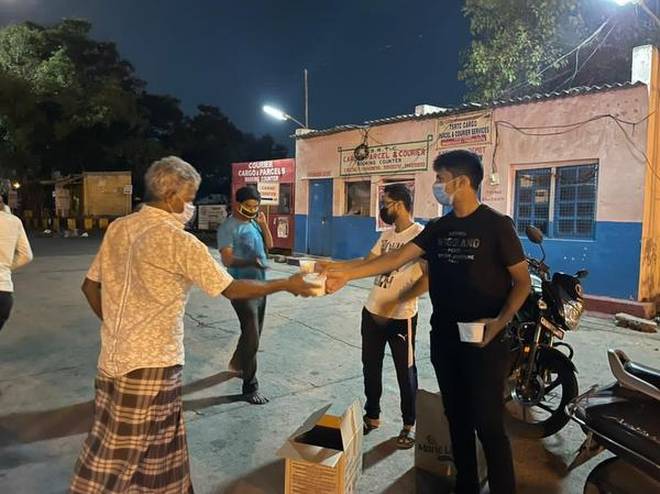
Volunteers distributing food   | Photo Credit: special arrangement

Mohd. Abdul Yousuf and his team of volunteers networked across the nation to help tackle the second wave of the pandemic

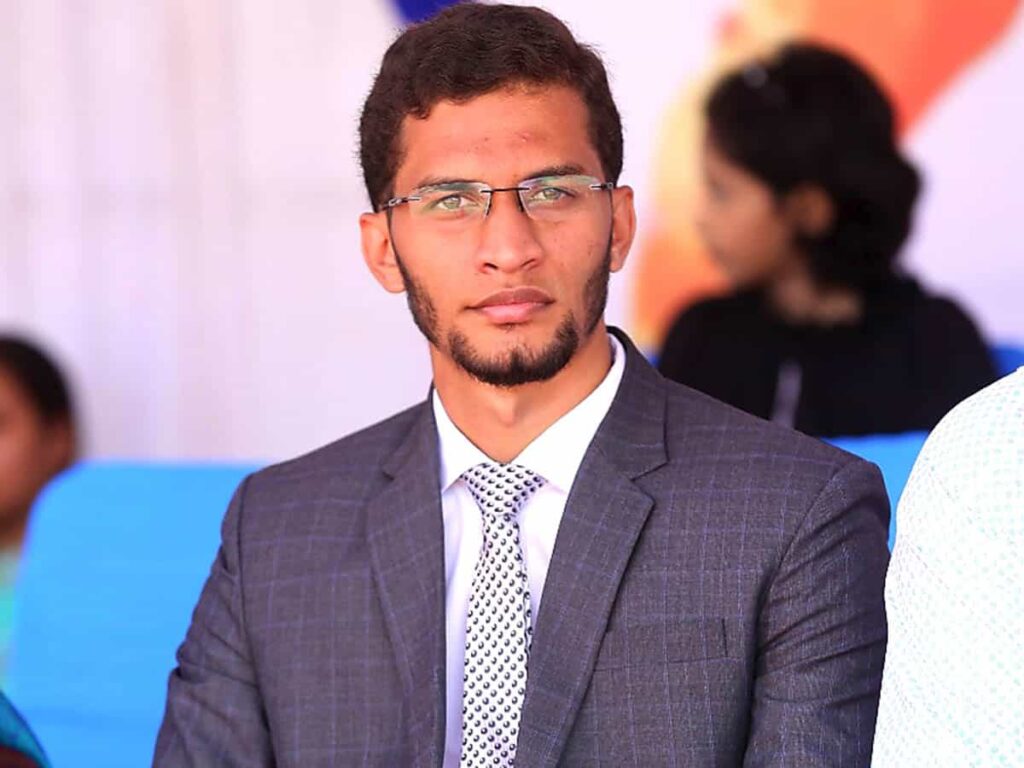
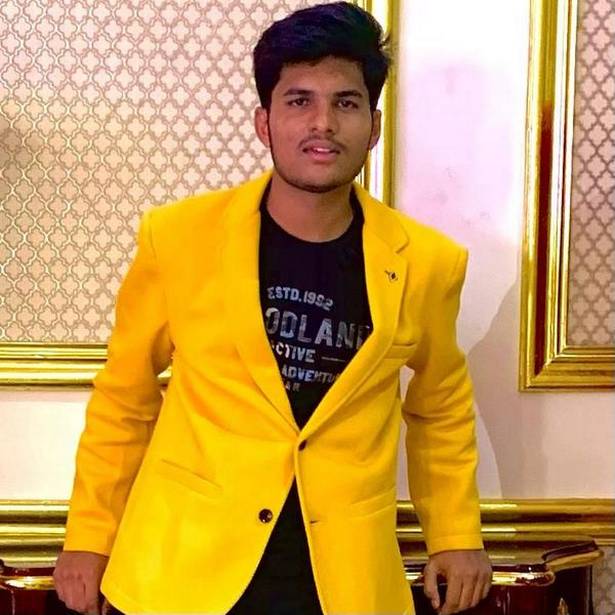
When Hyderabad-based Mohd. Abdul Yousuf, a fourth-year student of Symbiosis Law School in Hyderabad and his friends wanted to feed the needy hit by COVID-19, they could not afford to hire a chef at ₹1,200 per day to prepare a meal with 25 kilograms of rice. Undeterred, the boys watched cookery channels to learn to prepare it themselves. Now, the team of volunteers of Helping Humans Hyderabad founded by Abdul, packs 400 dinner boxes and distributes them at Tadbun, Charminar, Government Maternity Hospital in Afzal Gunj, Mahatma Gandhi Bus Station, Osmania General Hospital, Hyderabad Railway Station at Nampally, Public Gardens, MNJ̥ Cancer Hospital and Niloufer Hospital. “We make kaju, lemon and jeera rice and even made chicken biriyani sponsored by a friend,” says Abdul.

Mohd. Abdul Yousuf   | Photo Credit: special arrangement

Helping Humans Hyderabad is among several voluntary organisations helmed by youngsters to verify leads, identify and share information on hospital resources and medical supplies to help tackle the second wave of the pandemic. However, Abdul’s organisation reached out beyond Hyderabad to Bengaluru, Gujarat, Delhi, Patna and Kerala as he networked from his contacts across India.

It started when Abdul posted a friend’s plasma request on his Instagram account. Buoyed by the response and backed by his associates: Lamya Hussaini, Molshree Totla and Ismail Zabiullah, he launched Helping Humans on April 16, his birthday, to amplify appeals for help. “We launched the page at 9 pm and at 1.30 am, we got a request for an oxygen cylinder,” he recalls.

Abdul and four core members of Helping Humans pooled ₹20,000 from their pockets to steer the network. With friends across India, he created a network of individuals to provide info from their cities; volunteers then verified the leads and updated the information on a Google spreadsheet. ‘If you are sitting idle at home, give your time to us,’ was their message on social media, inviting volunteers to be part of the initiative which had more than 200 members from across India. The office of Kavitha Kalvakuntla responded to their tweets for hospital resources; which not only helped in closing the requests, but also airlifting a passenger from Bihar to Hyderabad.

“Oxygen shortage was a major one during those dreadful two months,” shares Abdul, adding that his phone has not stopped ringing since April. Most of the 400 to 500 calls used to be for oxygen cylinders. The team purchased these cylinders for ₹60,000 from their own pockets. “Now the calls for cylinders have reduced to 50; and enquiries now are for oxygen concentrators.”

Abdul hopes to find more sponsors for their free food distribution programme. “We are glad we were able to make at least a small difference,” he concludes.

source: http://www.thehindu.com / The Hindu / Home> Society – Relief Work / by Neerja Murthy / Hyderabad – June 18th, 2021

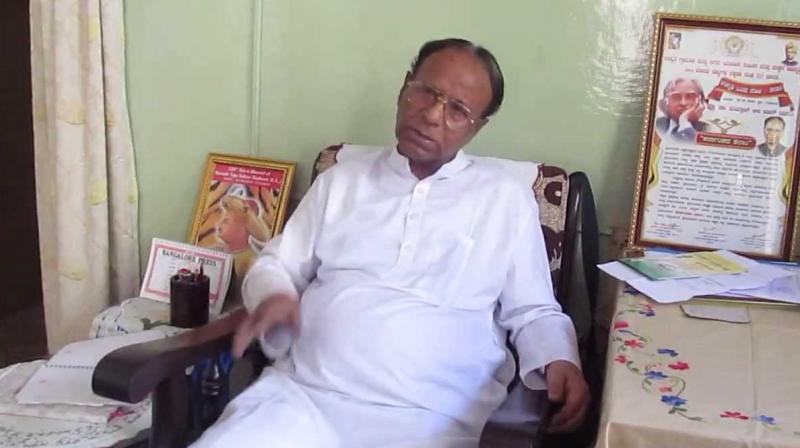
Former Karnataka Haj & Wakf Minister & Ex-BJP Leader Mumtaz Ali Khan Passes Away

Bengaluru, KARNATAKA :

Former Karnataka Minority Welfare Haj & Wakf minister and ex-BJP leader Prof Mumtaz Ali Khan passed away at his residence in Bengaluru in the early hours on Monday due to illnesses associated with old age. He was 94 years of age.

Khan, a sociology professor, who had taught at the University of Agricultural Sciences here, had contested the assembly election on a BJP ticket, from Bengaluru’s Jayamahal constituency in 2004. Though he lost the election, he was made the Minister for Minority Affairs, Haj, and Wakf by chief minister B S Yeddyurappa.

After Yeddyurappa quit BJP to form his short-lived Karnataka Janata Party (KJP), Khan joined the new front, only to quit it and join back the saffron party.

In 2013, when BJP announced the then Gujarat chief minister Narendra Modi as its Prime Ministerial candidate, Mumtaz Ali Khan joined the Congress party saying he was saddened by his party’s decision.

A self-avowed RSS admirer, Khan was the author of the book ‘Naa Kanda RSS’ (RSS which I have seen) in which he praised the leaders of the extremist outfit as nation builders and blamed the Congress party for allegedly misguiding Muslims towards it.

Under his tenure as the minority affairs minister, the government launched several schemes to provide financial assistance to minority students pursuing UPSC exams and provided overseas scholarships.

Khan and his family were running a free-school for the last three decades from his pension money and personal sources in memory of his late son.

Prof. Mumtaz Ali Khan is survived by his wife, one son, one daughter.

source: http://www.thecognate.com / The Cognate / Home> News / by Shaik Zakeer Hussain / June 07th, 2021

Dr. Kausar Raza : Finding A New And Safe Method To Treat Cancer

INDIA / California, USA :

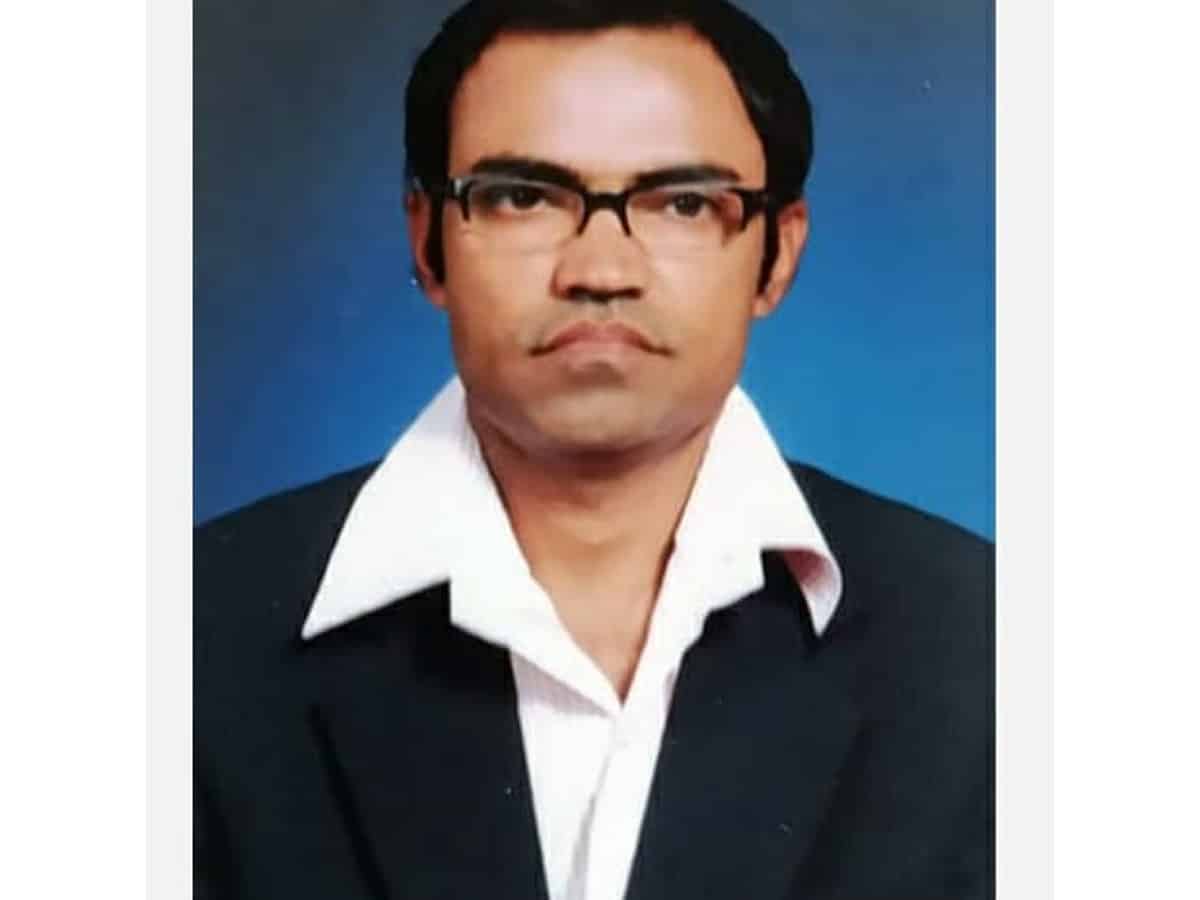
Dr. Kausar Raza.

This is the seventh part of the series called `Scientist Says’ where we bring for our readers the significant and commendable research works of young scientists.

Dr. Mohammed Kausar Raza completed his M.Sc. in Inorganic Chemistry from Jamia Millia Islamia, Delhi and began his Ph.D. in the year 2015 with Prof. Akhil Chakravarthy lab, Inorganic and Physical Chemistry Dept., IISc, Bangalore. After completing his Ph.D in the year October 2019, he joined California Institute of Technology (Caltech) in the United States as a postdoctoral research fellow in January 2020. He shares his significant research works with Rashida Bakait of India Tomorrow. Here are the excerpts of the interview.

Q. Please give a brief explanation of your research.

Ans. My research interest mainly focuses on to locate the lesions with the help of [4Fe4S] cluster and their treatment using Pt-based anticancer agents. The research area is divided into two parts: (i) Investigating the chemical role of [4fe4S] cluster in eukaryotic proteins through electrochemical and biochemical studies. (ii) Use of Pt-based complexes for chemo phototherapeutic treatment of cancer.

Cancer is considered as one the deadliest diseases which has been outspreaded in various parts of the human body. Various methodologies have been implemented till date to fight against the proliferation of cancerous cells, namely, Chemotherapy (mainly Pt-based anticancer drugs), Photodynamic Therapy (which involves photosensitizer, light, molecular oxygen), etc. To fill the pitfalls of the conventional chemotherapeutic and photodynamic therapeutic drugs including the NER machinery and less tissue penetration respectively, during my PhD research at Indian Institute of Science, Bangalore, I combined these two well known modalities, i.e.; chemotherapy and photodynamic therapy (PDT) by tuning the structural properties of Pt-based complexes to kill the cancer cells selectively. The idea was to develop the series of conjugates bearing the structural framework as of the conventional chemotherapeutic anticancer drug, cisplatin and BODIPY dyes for PDT activity. In photodynamic therapy, the growth of cancer cells can be terminated in the presence of light which generates ROS (reactive oxygen species) capable of cleaving the DNA of the tumor cells and in turn causing the cell death. The cell imaging is beneficial to track the anti-cancer drug inside the body. The combination of the Pt metal which encrusted the path for DNA cross-linking and the BODIPY motif attached which aided in cell imaging and killing of cancer cells in the presence of light, comes out as a new scope to design the more efficient photodynamic chemotherapeutic anticancer agents.

Earlier in my PhD, I have made efforts to treat the cancer, now I am exploring my research to detect the lesions through DNA mediated charge transport chemistry. It focuses on assessing the functional role of iron sulfur [4Fe-4S] in eukaryotic DNA replicative and repair proteins. We perform the electrochemical investigation to detect the tumor/disordered sites using DNA mediated electron transfer.

Q. When did you begin and complete your research?

Ans. My research started with my master dissertation work in the year 2014. I started working as a PhD researcher in the January 2015 and successfully submitted my thesis in Oct. 2019. Now, I have been doing research as a postdoctoral fellow in the field of biochemistry since January 2020.

Q. What was the objective of your research?

Ans. Since a variety of anticancer drugs are known to treat numerous kinds of cancers, namely colorectal cancer, breast cancer, oral cancer, and lung cancer etc. My aim was to design and synthesize a drug in such a way which is highly selective towards killing the cancer cells without harming the normal living cells. We intended to approach a dual action mechanism of platinum based anticancer drugs for real time tracking and selective cancer cell death.

Q. What were the findings of your research?

Ans. We prepared a series of mono-functional Pt-based complexes capable of binding with DNA for the treatment against cancer. We have mainly designed the mitochondrial targeting anticancer drugs, as mitochondria is known as the powerhouse of the cell and it lack NER machinery. Major outcome of our studies is in the form of a indigenously synthesized prodrug which have 100-fold better anticancer activity than FDA approved Photofrin drug. Moreover, this drug can be tracked inside the cell which is not the case with any of the FDA approved platinum based anticancer drugs. We have conducted the in-vivo anticancer studies of these drugs in the living mice models using photodynamic chemotherapeutic dual action mechanism and obtained promising results which is turned out to be a patent in this emerging field. This work was done with the collaboration in the department of biological sciences at IISc.

Q. What was the conclusion of your research?

Ans. My work presents a thorough investigation on the Pt-based anticancer drugs derived from cisplatin motif. Appendment of BODIPY moieties as florescent probes aided in cell imaging and production of ROS to kill the cancer cells in presence of light. The in-depth photophysical investigation of our Pt based complexes revealed their properties to absorb visible light and made them suitable for real time tracking. This study provides further scope for combinatorial research that includes photodynamic therapy and DNA cross linking ability of the monofunctional Pt (II) drugs (chemotherapy) against cancer. Finally, the in vivo assay results on mice showed significant arrest of tumor growth and its shrinkage in size thus giving new insights in the chemistry of platinum-based PDT agents.

Q. What kind of challenges did you face?

Ans. In my masters, I have pursued a research project in coordination chemistry. I have learned various synthetic procedures to synthesize a variety of transition metal complexes and carried out an in-depth characterization using various spectroscopic techniques. Then I joined a bioinorganic chemistry lab, where the challenge was to design the metal complexes with a sharp focus on its pharmacology (pharmacokinetics) by implementing a cost-effective methodology. Also, the fluorophore motifs incorporated in the structure must have the significant absorption and emission photophysical properties which can aid the drug in penetrating deep inside the body. It was achieved after studying the UV-Vis properties of the drugs. Developing a drug performing a dual action mechanism in treating cancer cells was itself a challenge. Furthermore, I joined a biochemistry lab at Caltech, moving from bioinorganic to biochemistry was another major challenge, where I had to learn the new techniques and methods prior to performing the experiments and analyzing the outcomes.

Q. Any scholarships or awards for research?

Ans. As the recognition of my doctoral work, I received the prestigious Carl Storm International Diversity (CSID) fellowship for Gordon Research Conference (GRC), Metal in Medicine, USA. I am also a recipient of “Government of India International Travel Research Award (DST), CSIR Travel Research Award, ICMR Travel Research Award, SBIC Student Travel Grants for ICBIC-19 in Interlaken, Switzerland. I received fellowship from MHRD and CSIR for the five year during my Ph.D.  

Q. How do you think your research would be beneficial to the society or industry?

Ans. Cancer counts among the second deadliest diseases in the world. Among all types of cancer, about 30% of India’s affected population accounts for oral cancer only. Among the various therapies established for cancer treatment, photodynamic therapy is well known for the treatment of oral cancer. My research on Pt based drugs will provide a new insight and scope to combine the two therapies and kill the tumor with notable potency. Our mice model demonstrated an excellent efficacy of our drug inside the living being. These new findings can lead to investigate the drug-tumor interaction inside the human body. Implementation of our Pt based prodrugs will provide a new way to treat the cancer. Moreover, commercializing these drugs may reduce the cost of treatment. In addition, it’s manufacturing at industrial level will increase the employment for several educated and skilled people in our country.

Q. Any new research you are working on now?

Ans. Currently, I am working on the DNA mediated charge (electron) transfer chemistry. My aim is to investigate the rapid communication among DNA-processing proteins for repairment through DNA-mediated redox signaling. These DNA-processing enzymes bear an iron-sulfur [4Fe4S] cluster which performs common redox switch on binding with DNA and gives rise to DNA-charge transport chemistry. It mainly focuses on the electrochemical investigation of the chemical role of the [4Fe4S] cluster in eukaryotic DNA primase and the polymerase.  Importantly, electrochemistry on the DNA-modified electrodes facilitates reaction under aqueous, physiological conditions with a sensitive electrical measurement of binding and activity.

Q. How do you think your research can be carried forward?

Ans. Organelle targeting is an emerging field and needs thorough investigation to study the action of metallodrug inside the biological systems. Introducing selectivity in structural framework of the drugs towards single organelle targeting can make the drug more potent and viable. Other metals are also prominent on anticancer platform, so it is possible to design and synthesize such cost effective and biocompatible metal ligand frameworks which is capable of performing multiple actions with significant potency. The preliminary in vivo results and pharmacokinetics suggested that a detailed study need to perform so that it can be taken to clinical trial.

Q. Give some suggestions to the budding scientists.

Ans. Academia is a never-ending journey full of exciting adventures. It should be spent with utmost pleasure and satisfaction while enjoying science. One should be able to eminence both the personal affairs and professional business. Be clear and rational. Do not hesitate while expressing and talking about yourself, be it stress or mental health imbalance. Also, create another world outside the lab and explore it. Hone your communication skills. In academia, communication is the key to success Always indulge in a teamwork, moreover, in order to be an interdisciplinary scientist, be open to accept and request for collaboration. Do something different which no one thinks is important and invest your efforts and time in it. Learn broadly. Be bold. Be passionate. Establish a name for yourself. Above all, perhaps, to be successful in academia you need to develop your persistence and preserve your creativity no matter what. The key to unlocking the untapped potential is to create and build a path conducive to novelty in science. Make your research plans wisely and execute them in a disciplined way. Always remember, slow and steady wins the race.

source: http://www.indiatomorrow.net / India Tomorrow / Home> Education / by Rashida Bakait, India Tomorrow / May 01st, 2021

Hyderabad: This young man is waging war against hunger and suffering

Hyderabad, TELANGANA :

Hyderabad: 

Known as the Oxygen Man of Hyderabad, Mohammed Sujathullah has been waging a war against hunger for more than four years. People started calling him Oxygen Man following him providing free oxygen cylinders to more than 1000 persons suffering from coronavirus.

Mohammed Sujathullah has been arranging free breakfast for 1000 people for the last four and a half years without missing a single day, in three government hospitals–King Koti Maternity Hospital, Sultan Bazaar, Niloufer Hospital, Red Hills, and NIMS, Punjagutta.  He has also been providing dinner to homeless people on the roadsides for the past year.

Mohammed Sujathullah spoke to siasat.com about his journey to help people. He also spoke about what motivated and inspired him.  He also shared his future plans in the fight against hunger.

Journey

Though he studied up to fifth grade, he could learn only the use of English alphabets.  “I don’t know whether it was a favor from the school to promote me from one class to another. I crawled up to the fifth standard but hardly learned anything,” he remembered.

Then came the turnaround. But he doesn’t know-how. He suddenly began focusing on studies and worked vigorously to get into B. Pharmacy in Sultan Uloom College. In the third year of the course in 2015, he realized that he has to clear an Organic Chemistry backlog which he was a tough subject for him.

He could somehow clear that subject in one of the re-examinations he wrote. Sujathullah had vowed that if he clears the examination he would feed 10 persons. Following the results remembered his vow and bought 10 food packets from his meager savings and gave them away.

“In 24 years of my life, I had never felt as happy as I did when I fed hungry persons,” Sujathullah said after his experience in charity. He went to distribute food at a railway station and found himself in a situation where he had only 4 packets and there were 15-20 hungry people looking at me expectantly.

“That’s when I realized what hunger is. I realized how privileged I was to have been born into a family where all my wishes were fulfilled by my parents,” Sujathullah added. He said that this was when he decided to start distributing food on a daily basis. That was the beginning of his journey.

Since he lived in a joint family, he told everyone what he was planning to do. His family members decided to pledge a part of their monthly earnings to feed the hungry. In 2015-16 he distributed food four times a week with the help of his friends. We started doing a supper distribution program beginning with 50 food packs and slowly reached up to 200.

During his years in Pharm. D, he wasn’t able to take time out for social service. Later he came up with the idea of organizing breakfasts. “I could benefit more people with a smaller budget,” he said.

He said that he started distributing food packets at a government hospital and later added more distribution points.

Until now he has completed 1700 days. Also, now he has been organizing breakfasts for people at three government hospitals without missing a single day.

Encouraged by the support and success of his work, Sujathullah founded an NGO, Humanity First Foundation. He is now working on various other issues.

He said that he manages the funds with the help of crown funding with a 100% donation system i.e., his NGO. At the same time, he doesn’t take any money for himself.

“Everyone has something special within himself or herself. They should recognize and use it. Pay attention to the life after death, and become a good human,” Sujathullah advises.

Future plans

“Currently we are organizing water camps at bus stops. Since the beginning of the pandemic we have arranged groceries and lunch for the migrant workers,” he informed.

Since the beginning of the pandemic last year his organization has bought 400 oxygen cylinders and 30 concentrators to benefit the people.

source: http://www.siasat.com / The Siasat Daily / Home> News> Hyderabad News / by Usama Hazari / June 21st, 2021

MANUU: Scholar completes PhD for study on impact of Urdu Satellite channels

Hyderabad, TELANGANA :

MANUU awards PhD in Journalism to Arif Moin on Monday.

MANUU awards PhD to Arif Moin on the impact of Urdu Satellite Channels

Hyderabad: 

The Maulana Azad National Urdu University on Monday declared Arif Moin qualified in Doctor of Philosophy in Journalism and Mass Communication.

Moin has worked on the topic “Socio-Cultural, Political and Religious Impact of Urdu Satellite TV Channels on Indian Muslims” under the supervision of Prof. Ehtesham Ahmed Khan, Dean, School of Mass Communication & Journalism.

The research topic covered four Urdu channels – ETV Urdu, Door Darshan Urdu Channel, Zee Salam and Munsif TV. Arif Moin has extensive experience in TV production and has been associated in various capacities with the programming department of ETV Urdu and News18 Urdu.

Maulana Azad National Urdu University (MANUU) has started online admission process for the year 2021-2022 into its various programmes being offered at Hyderabad headquarters, Lucknow and Srinagar (J&K) campuses and colleges of Teacher Education (CTEs) and Polytechnics spread in different parts of the country.

For more details, online application and e-prospectus logon to university website manuu.edu.in or email to admissionsregular@manuu.edu.in

source: http://www.siasat.com / The Siasat Daily / Home> News> Hyderabad News / by Sakina Fatima / June 21st, 2021

A prolific lyricist who penned many a hit

KERALA :

Poovachal Khader   | Photo Credit: Vipin Chandran

Poovachal Khader, 72, passes away in Thiruvananthapuram

Poovachal Khader, who died in Thiruvananthapuram on Tuesday at the age of 72 while undergoing treatment for COVID-19, was a most prolific lyricist who penned several all-time hit songs in Malayalam cinema.

In a career that spanned over five decades, he wrote over a thousand songs for more than 350 films. He was so busy in the late 1970s and 80s that he took leave from his job at the Public Works Department – he had a diploma in Engineering – to concentrate on his alternative career in cinema.

Poovachal Khader, who used to write poetry from his student days and went on to pen songs for the stage and radio, caught attention right from his early days in cinema. His two songs in the 1973 film Kattu Vithachavan – Neeyente prarthana kettu… and Mazhavillinanjnathavaasam… – were hits. Then the songs of Ulsavam (Aadya samaagama lajjayil…and Swayamvarathinu) established him as a lyricist to reckon with.

Chart-toppers

Among his chart-toppers are Naathaa nee varum kalocha… (Chamaram), Shararanthal thiri thaanu… (Kayalum Kayarum), Sindoora sandhyaykku mounam… (Choola), Ente janman neeyeduthu…(Itha Oru Dhikkari), Etho janma kalpanayil… (Palangal), Ponveene… (Thalavattam), Naanamaavunno… (Aattakalasam),Poomaaname… (Nirakkoottu) and Anuraagini itha en… (Oru Kudakkeezhil).

The accent on meaningful lyrics may have become less in Malayalam film music by the time Poovachal’s career peaked, but he came up with beautiful, poetic lines in song, such as Naathaa nee varum and Aadya samaagama lajjayil… (Ulsavam). That was also the time when a tune was composed first and the lyricist was asked to write lines accordingly. He was still able to write some fine lines.

Not many know that he wrote one of the most popular light songs in Malayalam – Jayadeva kaviyude…, which was set to a lilting tune by M.G. Radhakrishnan. Through songs like that, Poovachal will always be remembered.

source: http://www.thehindu.com / The Hindu / Home> News> States> Kerala / by P.K. Ajith Kumar / Kozhikode – June 22nd, 2021

Hyderabad FC sign young winger Abdul Rabeeh

Malappuram, KERALA :

Hyderabad (IANS): 

Hyderabad FC (HFC) have signed young winger Abdul Rabeeh AK for the upcoming Indian Super League (ISL) season, the club announced on Tuesday.

The 20-year-old from Malappuram becomes the second new addition to the club this season.

Rabeeh has featured in the All India Football Federation (AIFF) Youth Leagues at the U-16 and U-18 levels, apart from the 2nd Division League.

He spent the 2020/21 season with Luca SC, Malappuram, playing a crucial role for his side in the Kerala Premier League, where he was zeroed in upon by the HFC scouts.

Speaking after joining HFC, Rabeeh said, “Hyderabad FC is currently a club where most young footballers would love to play. The opportunity they are offering to youngsters like me is something I cannot let go. Their major contribution to the national team gives all young players belief, and I cannot wait to be a part of the club and show my quality.”

A versatile winger, who can also function as a full-back, Rabeeh joins as a developmental player. While he aims to break into the first team, reserve team coach, Shameel Chembakath, believes the youngster will be a valuable addition to the squad.

“I have seen a lot of youngsters with potential come and go. But Rabeeh is one player that has always stood out. He has the ability to control the tempo of the game even against tougher opponents. Also, he has potential in terms of speed, acceleration and skill, and puts in a lot of hard work every day,” said Shameel.

source: http://www.daijiworld.com / DaijiWorld.com / Home> Sports / June 22nd, 2021

Remembering Tippu Adam Khan, A Selfless Community Worker And COVID Warrior Who Strived To Help People And Save Lives

Bengaluru, KARNATAKA :

A doting father and husband, a selfless community worker, our dear friend, and a beautiful human being,” is how one message circulating on social media remembers Tippu Adam Khan, a 42-year-old man who volunteered to help many people in different ways during this pandemic. He succumbed to COVID-19 on Friday. Tippu, a former Vice President at J.P. Morgan played an immense role as a community worker leaving a lasting impact on his family, friends, and even on people who had never met him.

Tippu, along with his friends, had set up ‘Oxygen Helpline‘, a volunteer network to help procure and supply oxygen cylinders for free to people in need across the city.

Humer Khan, who started ‘Oxygen Helpline’ with Tippu Adam Khan says they started the service after he saw the crippling health situation in the city and people dying due to shortage of oxygen supply.

The group has helped more than 500 people across the city so far to procure oxygen cylinders, besides educating people and rendering other assistance to patients.

“Tippu bhai was an inspiration to work with. He worked day and night to help people get oxygen cylinders. He had no fixed timings. You could find him on a call with volunteers at 3 in the night trying to procure cylinders. I have not seen another person like him,” he said.

Mohammed Kaif, co-founder of the NGO Small Appeal, and a friend of Tippu says, he was a relentless and an altruistic individual. Days before he was tested positive for COVID, Tippu had arranged for 9000 masks and dispatched them to Lakshadweep. “When he got to know that there was a rise in Covid cases in the islands, and there was a lack of essential medical supply. He jumped right into it and formed a team to procure medical supplies. He got in touch with people in each island in Lakshadweep to try to understand the needs of people there”.

But friends and associates of Tippu say his work goes beyond providing relief during the pandemic.

Abdullah Raj, a revert and a friend describes Tippu as a genuinely loving person, who was passionate about spreading the message of Islam to the world. “He would talk endlessly about Islam to people trying to clear their misconceptions about the faith”.

Raj said Tippu even left his job as a vice president at J.P. Morgan because it wasn’t complying with Islam, which prohibits interest-based banking. “He was committed to Islam, even at the cost of personal loss,” he said.

In an online condolence meet that was organized in Tippu’s memory on Friday by his friend Imtiaz Chowdhry, more than a hundred people gathered to share their memories of him. One friend Aslam, shared an incident of how Tippu had arranged for monthly groceries for a few widows when he heard that they had no one to support them. Aslam said the families wept when they heard of Tippu’s passing away.

From his children’s school teachers to colleagues, there were tens of people who shared their stories of how Tippu had touched their lives and had helped people. One friend mentioned that he was the grandson of Muslim Vellori (Mohammed Abdul Wahid Khan), a freedom fighter, and a prominent social activist of his time, who took part in many anti-colonial struggles and was jailed several times.

The meeting that was started at 11 pm went on till 2 am. His friends said they had to organize another online meeting the next day to accommodate those who couldn’t attend due to Zoom’s participant limitations.

Tippu was admitted to the city’s Shifa Hospital on June 8th, his brother Tippu Ahmed Khan said. But within days, his condition started worsening and his oxygen level started fluctuating. But even in the hospital bed, Tippu did not stop going out of his to help people in need.

“He was texting and calling people to arrange for oxygen cylinders for other patients when his own health was fast deteriorating,” his brother said.

He was put on ventilator on Friday and he passed away in the evening.

Ameen-E-Mudassar, a Covid warrior who started the Covid Helpline Bangalore website said, in his last message to him, Tippu said that he wanted to start a school, as he had seen many people unable to afford school fees during the pandemic.

“If I come back alive, I want you to work with me on a plan for a school,” he had messaged Ameen. He never came back.

For Tippu’s friends, his silent efforts to help people, without letting anyone know about it is an inspiration they say they would carry forward for the rest of their lives. In the online condolence meeting, one constant statement everyone made about him was how despite knowing him for years there were facets of his life they were not aware of. He had touched the lives of many people in so many ways.

His friends are now planning to bring up a biography of Tippu, highlighting his life and contributions. “It will serve as an inspiration to friends and family and it will serve as a memory to his young children on what a selfless and beautiful man their father was,” said Ameen.

Tippu is survived by his wife and three children.

source: http://www.thecognate.com / The Cognate / Home> News / by Shaik Zakeer Hussain / June 20th, 2021

Dr. Ahamed Irshad: Developing Hydrogen Fuel and High Energy Batteries For Green Vehicles

Kerala, INDIA / Los Angeles, USA :

Dr. Ahamed Irshad.

This is the fifth part of the series called `Scientist Says’ where we bring for our readers the significant and commendable research works of young scientists.

Dr. Ahamed Irshad is a research associate in the department of chemistry, University of Southern California, Los Angeles. He has been associated with National Science Foundation, US Army, and Department of Energy on various battery projects. He has authored several articles in international journals published by American Chemical Society, Royal Society of Chemistry and Electrochemical Society. He served as the topic editor for Journal of Energy and Power Technology, and reviewer for international journals. He is also a recipient of Cottrell scholar award, Bristol-Myers-Squibb fellowship, Dr. J. C. Gosh medal, and Indian Academy of Science award. He shares some of his significant research works with Rashida Bakait of India Tomorrow.

Q. Please briefly explain your research.

Ans: My research interest is on developing novel materials for electrochemical energy conversion and storage devices. The research area can be broadly classified into two: (i) hydrogen fuel production from water and (ii) high energy batteries for electric vehicles.

The first project on hydrogen fuel was carried out during my PhD at Indian Institute of Science, Bangalore. Hydrogen is considered as a fuel for the future. While burning petrol or diesel release huge amount of greenhouse gases, the only by-product of hydrogen fuel is water. Currently, hydrogen is produced from methane by steam-methane reforming. This method also produces CO2 and hence cannot be counted as a green method. My research topic was on utilizing carbon free, inexpensive, and abundant water (H2O) molecules as the hydrogen source and use electricity to split water. The process requires energy close to 237 kJ mol-1 or theoretical voltage of 1.23 V. However, practical voltage is as high as  1.8-2 V due to sluggish kinetics. This limits the efficiency to 65-70 % and necessitates expensive catalysts such as IrO2 or RuO2. My research goal was to design and develop highly active, low-cost, and stable cobalt and nickel-based catalysts to improve the efficiency. The use of inexpensive catalysts would also reduce the overall cost and make hydrogen an attractive fuel.

The battery research was done in collaboration with US Army and Department of Energy at University of Southern California, Los Angeles. There is a growing demand for high energy batteries for electric vehicles. Current lithium-ion battery (LIB) technology has limited range (200-300 miles) and high cost of $130/kWh. In addition, LIBs use toxic cobalt-based materials. In recent years, lithium sulfur (Li-S) batteries have emerged as a promising substitute to LIBs due to its five times high energy density.  In addition, sulfur is earth abundant and less expensive. Commercialization of Li-S batteries is still hindered by its inability to charge/discharge quickly for several cycles. This has been attributed to high internal resistance and dissolution of soluble polysulfides. We proposed an electrode design with different carbons to reduce the resistance and developed an interlayer to improve the cyclability.

Q. What was the objective of your research?

Ans: Although water electrolysis is used to produce high purity hydrogen, its widespread deployment is impeded by the high cost. My goal was to develop cost-effective and robust catalysts based on nickel and cobalt instead of expensive platinum (Pt), ruthenium (Ru), and iridium (Ir) . I also wanted to investigate the key factors that affect the stability and activity. Similarly, Li-S battery technology has a high potential to replace LIBs(Lithium batteries). My primary objective was to identify the fundamental origin of the high internal resistance in Li-S batteries using a technique called electrochemical impedance spectroscopy. It was also intended to develop an advanced electrode structure to reduce the resistance that would allow to charge and discharge battery fast. Then again, we proposed a novel interlayer to stop soluble polysulfides diffusing from cathode to anode.

Q. What were the new findings of your research?

Ans: We prepared a series of novel materials such as cobalt-phosphate, cobalt-acetate, manganese-phosphate, etc. for water electrolysis. Our electrochemical quartz crystal microbalance studies suggested that the cobalt-phosphate catalysts are not stable at high voltage. In addition, the catalyst deposition was slow due to poor solubility of Co2+ in phosphate. We proposed the catalyst preparation from an acetate solution because the solubility of Co2+ in acetate is high and a large quantity of materials can be prepared in a short time. Cobalt-acetate also exhibited higher activity than cobalt-phosphate. In the case of Li-S battery, we used electrochemical impedance spectroscopy to probe the internal resistance. Our studies indicated that the high resistance originate from poor interparticle contact and sluggish battery reaction kinetics. When we added high surface area carbon, battery performed much better than before due to improved interparticle contact and high number of reaction sites. Adding an interlayer between electrodes stopped diffusion of soluble polysulfides. As a result of advanced cathode design and additional layer, our Li-S battery could be charged and discharged quickly for several cycles.

Q. What kind of challenges did you face?

Ans: The ideal catalyst should have high activity, stability, and preferably made of earth abundant, inexpensive, and non-toxic materials. It was a great challenge to incorporate all the features in a single material. For instance, cobalt-phosphate was very active but not stable. Low-cost manganese-phosphate didn’t show any catalytic activity or stability whereas highly expensive iridium-phosphate exhibited highest activity. Among all the materials tested, we identified cobalt-acetate as the most promising catalyst that showed high activity, stability, and relatively low cost. In the case of Li-S (Lithium-Sulfur) battery testing, identifying the key factors affecting the battery performance was a bit challenging. Impedance spectroscopy aided us to isolate a few factors that affected battery performance significantly. Fabrication of electrodes with different compositions and optimizing the electrode design was a herculean task.

Q. Any scholarship or award for research.

Ans: The battery project was financially supported by various federal and private agencies such as National Science Foundation, US Army, Department of Energy, and a battery startup called STAQ Energy. I was awarded the prestigious Cottrell award by the US National Science Foundation (NSF) and Research Corporation in 2020. I am also a recipient of Dr. J. C. Gosh gold medal in Physical Chemistry and Bristol-Myers-Squibb fellowship. The Council of Scientific and Industrial Research (CSIR), India, provided me fellowship for five years during my PhD. I also received Indian Academy of Science fellowship.

Q. How do you think your research would be beneficial to the society or industry?

Ans: There is a gradual increase in the CO2 and other greenhouse gases in the atmosphere. The transport sector contributes almost 30 % of the greenhouse gases. Moreover, the petrol and diesel price keep increasing every day, and these fuels will run out soon. It is the time to look for clean fuel like hydrogen. My research findings on low-cost catalysts will reduce the hydrogen fuel price and improve the efficiency of electrolyzer. It is also possible to interface the electrolyzer with solar panel or wind turbine to store renewable energy. Similarly, high energy batteries are essential for electric vehicles and portable applications. Our results on Li-S batteries will advance the battery technology beyond lithium-ion battery and reduce the weight and cost of car batteries. The use of high energy batteries will increase the driving range as well. These batteries will be useful for drones and other aerial vehicles also.

Q. When did you begin and complete your research? 

Ans: I have been doing battery research since I joined USC in 2017. My PhD started in 2011 and I submitted thesis in 2016. During five years of PhD, I entirely focused on developing catalyst for hydrogen production.

Q. Any other new research you are working on now?

Ans: Currently, I am investigating materials for fluoride-ion battery. In this case, the negatively charged fluoride ions are the charge carriers instead of positively charged lithium ions in lithium-ion battery. This is a new concept that has not been well explored. Another project is on alkaline batteries that are suitable for large scale stationary energy storage. I also continue to work on Li-S batteries for electric vehicles.

Q. How do you think your research can be carried forward further?

Ans: We have an extensive collaboration with scientists and research groups across the world. Currently, we are trying to utilize the technology and skills from different groups to understand the detailed molecular and crystal structure of the catalyst. This would allow us to establish structure-property relationship in these catalysts and investigate the fundamental reaction mechanism. We also communicated with battery companies and federal agencies to examine the feasibility of commercialization of our battery technology.

Q. Tips and suggestions for the budding scientists.

Ans: Career as a scientist is challenging yet a very rewarding experience. To be successful, you need to nurture scientific curiosity, creativity, deep passion, and perseverance. Always make sure that you learn the basic concepts thoroughly and keep yourself updated with scientific literature. Use the early years’ research career to learn as many techniques as possible that will help to tackle many scientific problems in future. Don’t hesitate to expose yourself to different ways of thinking by discussing ideas with peers, gaining experience in different research groups, and creating a network of friends. Communication is also important. You should learn to give presentations and write papers to share your research outputs with others. Just like in any other career, life as a scientist will have many ups and downs, but it’s your choice to scream or enjoy the journey.

source:http://www.indiatomorrow.net / India Tomorrow / Home> Education> Featured / by Rashida Bakait, IndiaTomorrow.net / April 16th, 2021