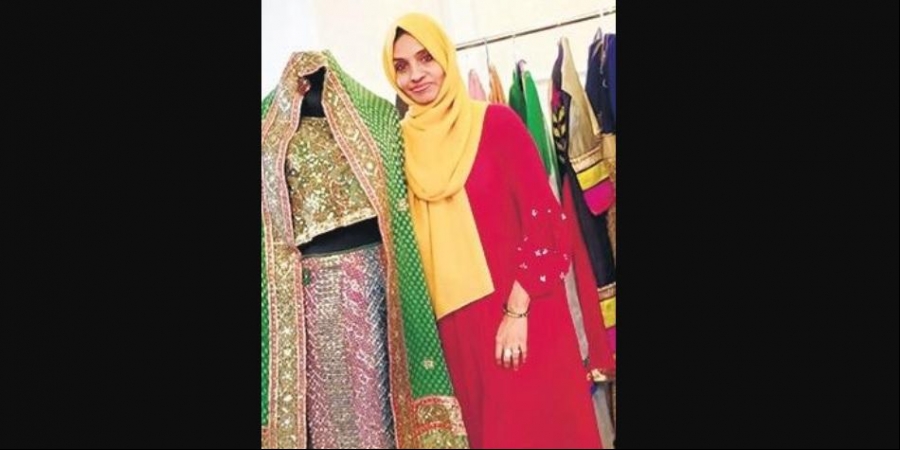
About two months ago, 41-year-old entrepreneur Sabitha AK—founder of Rainbow Women’s Outfits—received an SOS call.
About two months ago, 41-year-old entrepreneur Sabitha AK—founder of Rainbow Women’s Outfits—received an SOS call. The caller, a girl of 23, was inconsolable. Her wedding was in a few days’ time and she was unable to afford a wedding dress. She knew of Sabitha’s eight-year-old boutique that dealt with wedding finery, among other things, and decided to approach her on a whim.
Luck was on her side. Sabitha sent across a beautiful wedding dress with complimentary accessories. All free of cost.
The call got Sabitha thinking. She decided to reach out to her patrons and family through her social media handle to see if she could turn each underprivileged girl’s wedding dreams come true. She was in for a surprise. Her video has got one million views so far.
“The response was overwhelming. Many offered to donate their wedding dress. Bridal wear is mostly a one-time use. It ends up lying in our wardrobes for decades.
Moreover, in the Malabar region weddings last for three to four days.
Expensive outfits are bought for each day. Not many of these see the light of the day again,” she explains, adding that the dresses come from Mumbai, Ernakulam, Kochi, Dubai and even the UK.
She was also pleasantly surprised to get bridal outfits that cost Rs 1 lakh or more.
Now she had the problem of plenty. She decided to open a boutique exclusively for donated outfits, besides the one she runs in Pappinisseri in the coastal city of Kannur, Kerala.
Along with the dresses, many people also donated footwear, purses, jewellery, bed sheets and even makeup sets.
“I have everything a bride may want, and more,” Sabitha smiles. Based on word of mouth, she was inundated with calls from many districts. She has set up outlets in Thiruvananthapuram, Kollam, Ernakulam, Pattambi, Kasaragod, Kozhikode and Mangaluru.
Those who visit these outlets are allowed to take as many dresses as they want, with no compulsion of returning them. “If they want to return it after using it, it’s up to them. I want them to feel like they own the dress,” says Sabitha.
She has helped around 300 brides in the last couple of months. In fact, one might end up spotting a Sabyasachi or a Ritu Kumar outfit at her boutique. She has also started a free makeup arrangement for brides who come to her.
But Sabitha is wary of being taken for a ride and has made it mandatory for brides to produce a letter from community elders endorsing their need. At the same time, she makes it a rule to maintain the privacy of the brides. It’s all about providing a helping hand. But not in exchange for dignity. A story of Cinderellas in our backyard.
Sabitha has helped around 300 brides in the last couple of months. One might end up spotting a Sabyasachi or a Ritu Kumar outfit at her boutique. She has also started a free makeup arrangement for brides.
source: http://www.newindianexpress.com / The New Indian Express / Home> Magazine / by Medha Dutta Yadav / October 11th, 2020
Senior cleric, Maulana Wali Rahmani runs Rahmani 30, a movement to provide free coaching to students from economically, socially and educationally backward communities.
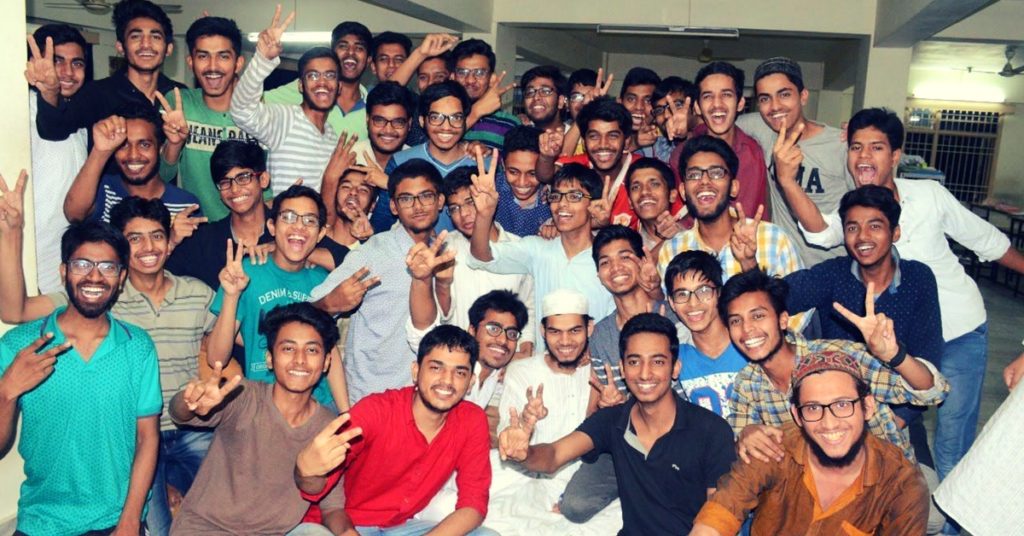
This year, the JEE Main results were yet another raging success for the famous ‘Rahmani 30’, with over 137 of its minority students qualifying for the JEE Advanced exams for admissions to India’s premier engineering institutes–like the National Institute of Technology (NITs) and the Indian Institute of Technology (IITs).
Senior cleric, Maulana Wali Rahmani runs Rahmani 30, a movement to provide free coaching to students from economically, socially and educationally backward communities.
The Rahmani Programme of Excellence includes free residential-cum-coaching programmes for JEE (Main), JEE (Advanced), NEET, chartered accountancy and law entrance exams.
Speaking to The Times of India , Fahad Rahmani, CEO of Rahmani Programme of Excellence, said, “We began in 2008, and till 2017 we have sent 213 students to the IITs. This year’s JEE (Main) results are very encouraging as our overall success rate, including Patna, Hyderabad and Aurangabad centres, is 75% while the Patna centre’s result is 100% (23 out of 23 students).”
The coaching centre which ran in association with Anjuman-I-Islam and financial support from the Memon Chamber of Commerce had coached two batches of JEE aspirants in Mumbai. But unfortunately, the Mumbai centres shut down last year as Anjuman-I-Islam ran into a financial crisis.
Even in the face of the closure of its Mumbai facilities, the authorities weren’t deterred from their will to help students. And so the centre moved to Aurangabad. The programme continues to benefit minority students in Bangalore, Hyderabad, Aurangabad and Chennai.
Rahmani 30 which started with the vision to search, find, house and train deserving students without any stated or implied fees, enrol a student after a screening–this involves a standardised objective written test followed by a behavioural interview for final selection.
Once selected, the students are provided with complete supervised hostel accommodation and nutritious meals during the tenure of coaching.
They are trained with the help of skilled teachers, hired to lecture and demonstrate specialised topics. There is a proper mechanism to measure student progress regularly. Even the lecturer’s progress is measured to maintain transparency between students and the administration and ensure a conducive learning environment. This also helps eliminate any communication issues or cultural misunderstandings and address student grievances.
The students are also thoroughly assisted through the process of applying for various standardised examinations.
As per TOI, over 17 students from the Aurangabad centre have qualified for JEE (Advanced) exams this year. There is hope for the revival of the Mumbai centre nonetheless as activists come together and request Muslim philanthropists and businesspersons to come forward and facilitate it.
(Edited by Shruti Singhal)
source: http://www.thebetterindia.com / The Better India / Home> The Better Home / by Jovia Aranha / May 02nd, 2018
Gujarat, INDIA / Blackburn (Lancashire) UNITED KINGDOM:
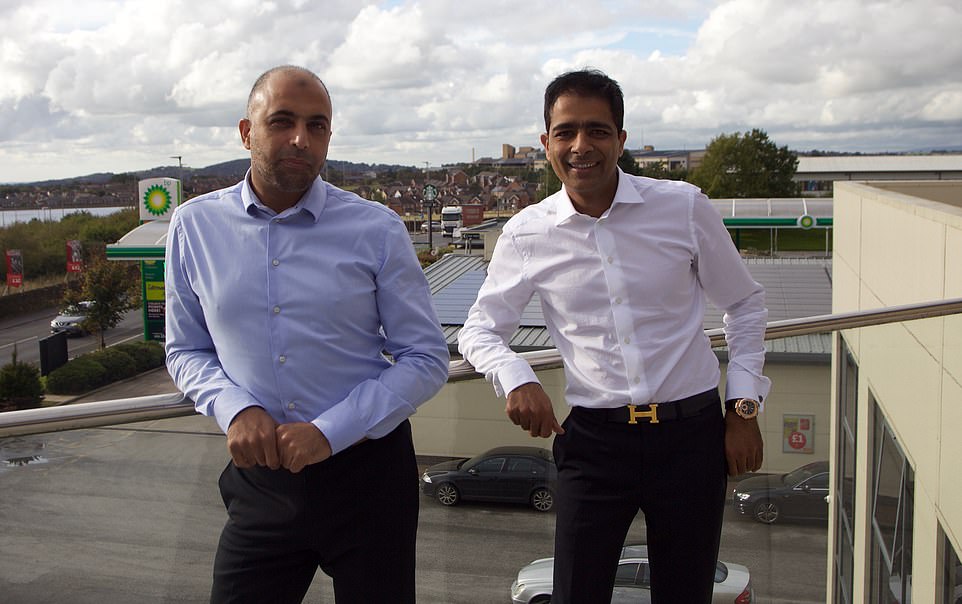
Mohsin Issa, 49, and brother Zuber, 48, stunned the City by being named as lead bidders for fight to buy Asda
Walmart, chain’s US owner, announced they had accepted bid from duo today but will retain a minority stake
Last stage of extraordinary rags to riches story that began with them taking over single petrol station in Bury
It comes more than a year after planned merger between Asda and Sainsbury’s was torpedoed by regulators
Two self-made billionaire petrol tycoon brothers have agreed to buy Asda from Walmart for £6.8billion to bring the supermarket back under British control.
Mohsin Issa, 49, and his brother Zuber, 48, from Blackburn, stunned the City by being named as lead bidders to take over the retail giant alongside private equity firm TDR Capital, and concluded the deal today.
The new owners have committed to keeping the retailer’s headquarters in Leeds and said they will invest to grow its convenience and online operations. Walmart will retain a minority stake in Asda as part of the agreement.
It is the latest stage in the brothers’ extraordinary rags to riches story, which saw them turn a single petrol station in Bury into an empire of 5,900 branches.
The duo, whose parents came to Britain from India ‘with nothing’, built EG Group – previously known as Euro Garages – from one site bought for £150,000 in 2001 into a £9billion giant employing 44,000 staff.
Today’s deal comes more than a year after a proposed merger between Asda and UK supermarket rival Sainsbury’s was torpedoed by regulators.
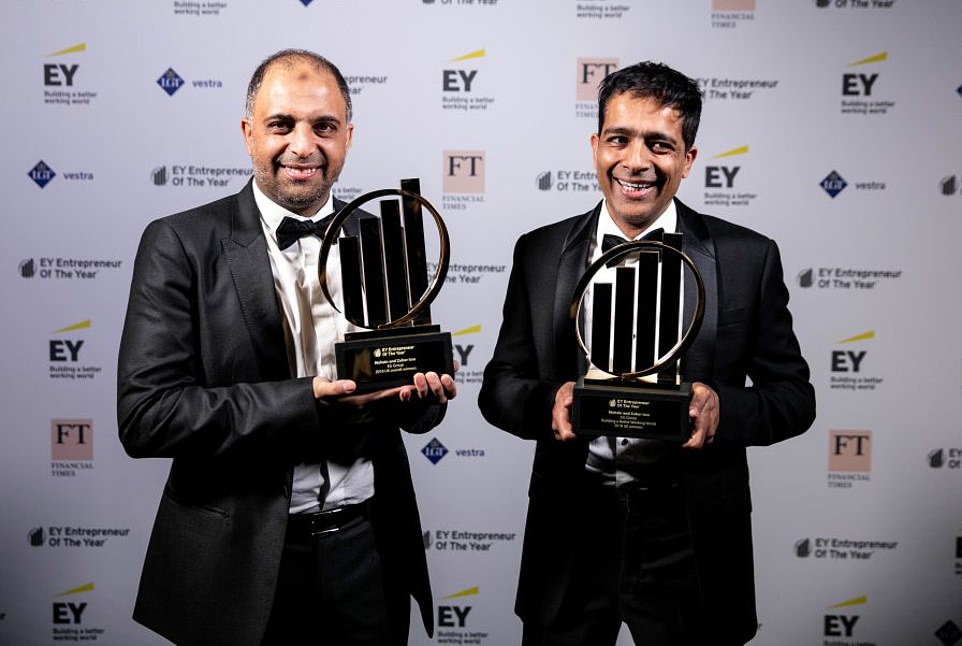
Mohsin Issa, 49, (left) and his brother Zuber, 48, whose parents came to Britain from India ‘with nothing’, today emerged as the winners of the battle to buy Asda The brothers holding trophies at an awards ceremony in London in 2018, which saw them named EY Entrepreneur of the Year
___________________________________________
The billionaire Issa brothers brothers and the rise and rise of EG Group
1970s – Mohsin and Zuber Issa’s parents arrive to the UK from Gujurat, India and the brothers are born not long afterwards in Blackburn, Lancashire.
They work at their parents’ petrol station before it closes.
2001 – The brothers buy their first filling station in Bury, Greater Manchester.
2015 – Private equity firm TDR Capital acquire a 50% stake in their Euro Garages chain.
2017 – Euro Garages buys EFR Group, a Dutch-based forecourt operator, and is renamed EG Group. The new company buys 1,000 garages from Esso in Germany.
2018 – EG Group announces it will buy 800 Kroger convenience stores in the US before buying 1,200 sites in Italy from Esso. Later that year it buys 97 fuel stations in the Netherlands and 540 from the Australian retailer Woolworths.
2019 – In another US expansion, EG buys 54 Fastrac sites in the US and 69 from Certified Oil.
2020 – EG becomes KFC’s largest franchisee in Europe after buying 145 KFC outlets in the UK & Ireland.
___________________________________________
Asda has seen its fortunes improve recently with trading strengthening through 2020, as shoppers have spent more money on groceries during the pandemic.
In the quarter to June, Asda saw online sales double but the new owners will be tasked with expanding its digital business further to take advantage of soaring demand and make ground on rivals, such as Tesco, who have a larger slice of the market.
The new owners will also face the challenge of keeping prices low amid tough economic conditions for shoppers and potential new tariffs on EU-imported foods, with the other big four supermarkets all announcing a raft of price cuts in recent months.
EG Group has sealed the deal after its offer was favoured by Walmart ahead of a move by US private equity firm Apollo.
Last week, a third bid from Lone Star Funds, fronted by former Asda executive Paul Mason, was dropped after failing to meet the price of its rivals during the latter stage of bidding.
Walmart sought a sale after the UK’s competition regulator blocked its merger with Sainsbury’s amid fears the move would push up prices and reduce product quality.
The US grocery started new discussions over a sale of Asda in February, but saw these halted due to disruption as a result of the coronavirus pandemic.
However, the auction process restarted in July as Walmart sought to exit the UK, 21 years after first purchasing the Leeds-based retailer.
Blackburn-based EG Group, formerly known as Euro Garages, already runs forecourt convenience stores for Spar and French hypermarket chain Carrefour.
The deal will have to pass through regulators, although it is expected to be given the green light.
Last week, EG Group announced a trial involving three ‘Asda on the Move’ convenience stores at its petrol forecourts.
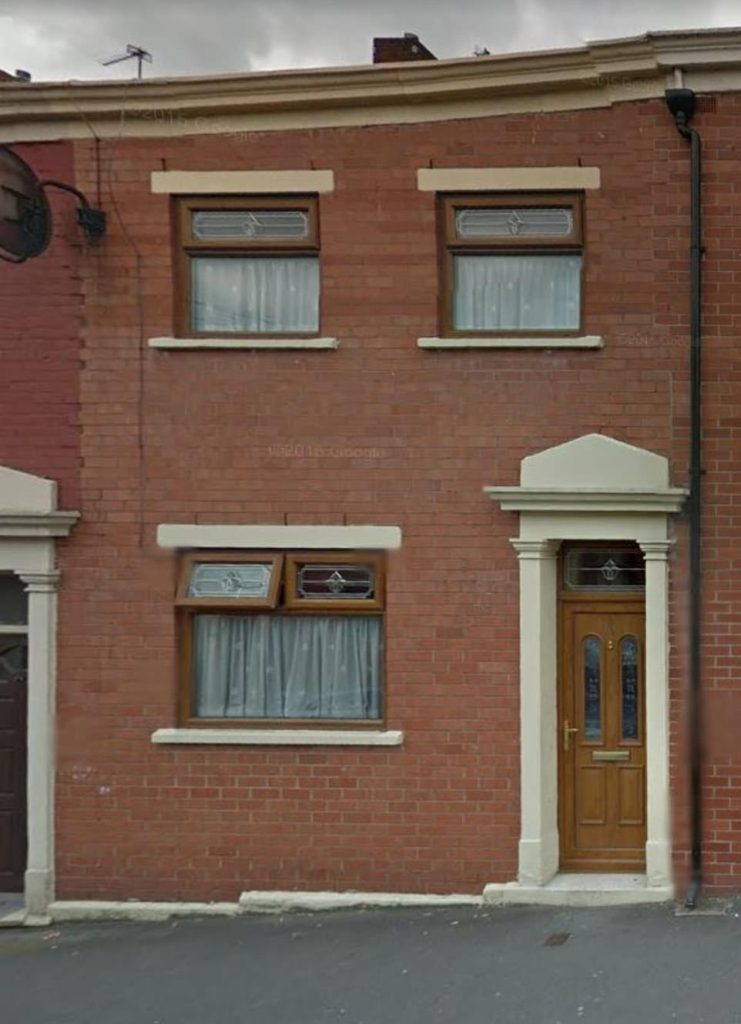
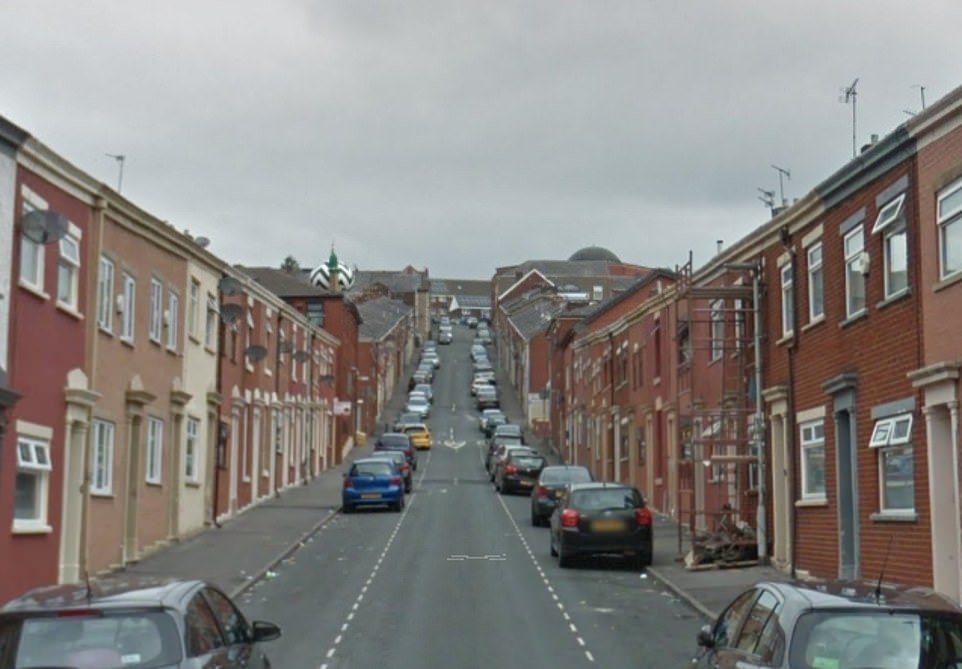
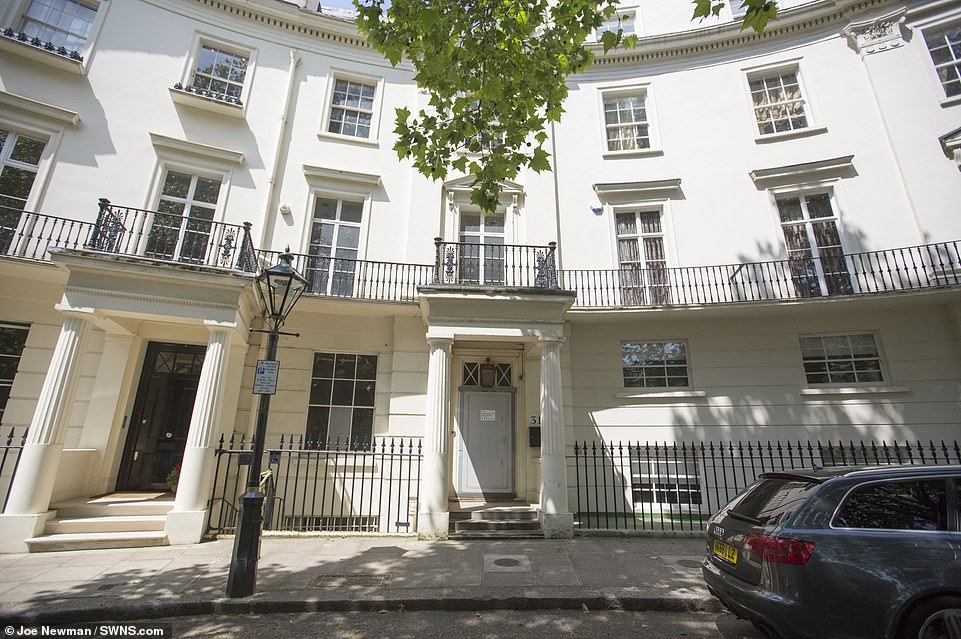
The £115,000 terraced house where the brothers grew up in Blackburn. They were born in the town after their parents moved from Gujurat, India A wider view of the road in Blackburn where the brothers grew up. Their company is still based in the town They are now worth an estimated £3.56bn, including a £25m Kensington townhouse (pictured) and a private jet that is kept in a hangar at Blackpool Airport alongside Donald Trump’s personal helicopter
______________________________
Asda history: How Britain’s third-largest supermarket began as a Yorkshire family butcher
1950s: The Asquith family (W.R. Asquith) open a butcher’s shop in Knottingly, West Yorkshire, which was eventually expanded to seven shops.
1958: They travel to the USA to visit Piggly Wiggly, probably the world’s first supermarket.
1963: The Asquiths open the UK’s first self-service supermarket in Wakefield, West Yorkshire.
The first Asda supermarket, which was opened in 1965 in Wakefield, West Yorkshire
965: Peter Asquith built his first new supermarket from scratch, next to a large car park, knowing that cars would change the way people shop. Associated Dairies were employed to run the in-store butchery operation and the name Asda was born by combining ASquith and DAiries.
1966: Asda becomes the first major food store to sell general merchandise.
1968: Associated Dairies buys out the Asquith Brothers.
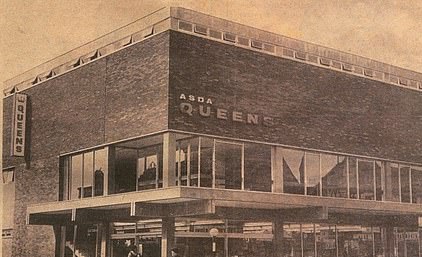
A newspaper article about one of the first ever Asda stores
1999 Asda is bought by Walmart.
2020 (February): Walmart says it is looking for a buyer.
______________________________
The Issa brothers are now worth an estimated £3.56bn, including a £25m Kensington townhouse and a private jet that is kept in a hangar at Blackpool Airport alongside Donald Trump’s personal helicopter.
They are also building five identical mansions just three miles from the £115,000 Blackburn two-up two-down where they were raised. Mohsin is expected to live there with his wife, Shamim with whom he shares two grown-up children.
As the children of immigrants who moved to Blackburn from Gujurat, India, in the 1970s, Mohsin and Zuber Issa – who were born in the former mill town – quickly learned the importance of hard work.
Their first experience of business was selling petrol from their parents’ filling station, where they would have their big idea that would revolutionise the industry and make their millions.
Petrol sales were in decline and fuel duty on the rise, cutting into already wafer-thin fuel margins and leading to hundreds of operators leaving the market.
At the time most garages – if they sold food at all – offered a measly selection of pre-packaged sandwiches, crisps, sweets and chocolate.
But the Issas realised fuel sales still had a purpose in creating a captive market at petrol stations, who could then be offered appetising food rather than the gruel offered elsewhere
The brothers struck franchise agreements with brands including Starbucks, Subway and KFC, before embarking on a buying spree to snap up sites that had previously become vacant.
They now own Europe’s largest forecourt operator, Euro Garages, which in 2019 reported revenues of more than £17.9bn.
The firm is now the largest Subway franchisee in Europe and earlier this year bought a group of 146 KFC stores.
Describing the secret of their success, Zuber told the Financial Times: ‘We wanted to create a destination where you could get fuel, food-to-go and shopping.
‘This is the formula and it works.
‘We were fortunate that the big players were leaving the market just as we were growing.’
TDR Capital – a London investment firm behind We Buy Any Car and David Lloyd gyms – bought a 50% stake in EG Group in 2015. The Issas retain the remaining 50%.
This prompted a debt-fuelled buying spree that saw the brothers buy thousands of new sites and expand into eight other countries around the world.
‘They never in their wildest dreams would have imagined 5,500 gas stations in nine markets,’ senior executive Ilyas Munshi told the American trade magazine CSP last year.
‘If they had only 20 sites, they would have felt they had done their job.’
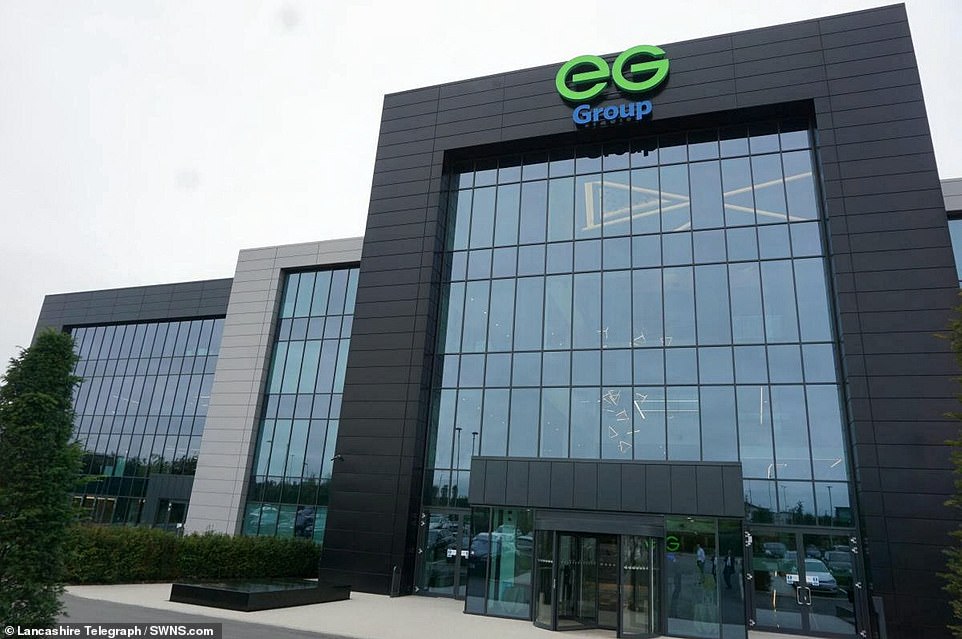
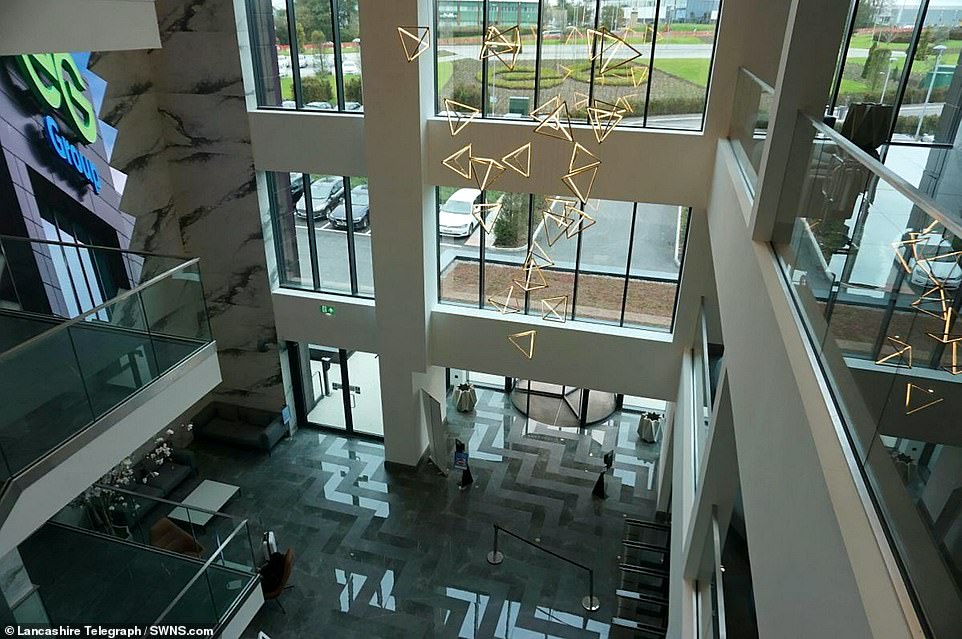
As proud Lancastrians, the brothers have insisted on keeping EG Group’s headquarters in Blackburn, and recently unveiled a new £35m headquarters.
‘People are always asking when we will move to London or Manchester,’ Zuber told the FT.
‘But the quality of life here is great. A lot of people do a few years in London then come to the North West.
‘They want to raise a family and have less pressure. We have got a lot of fantastic people that way.’
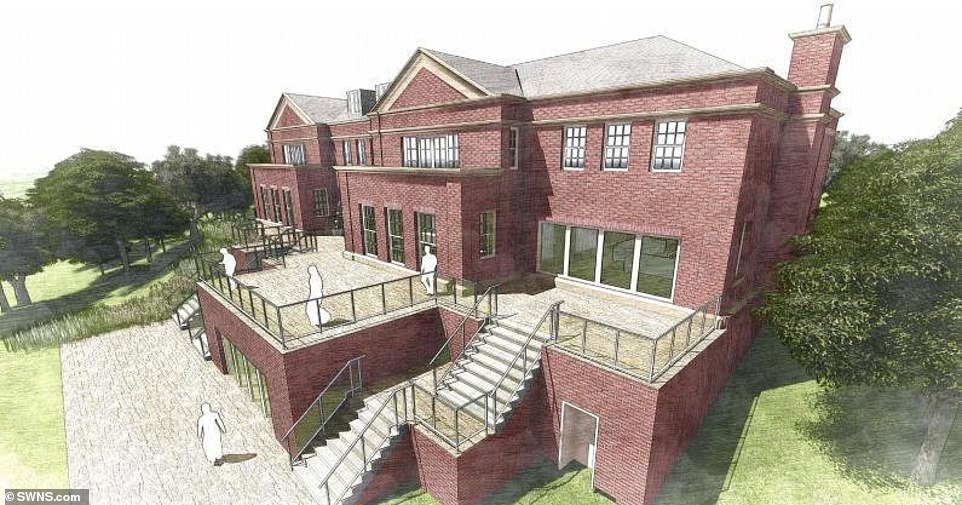
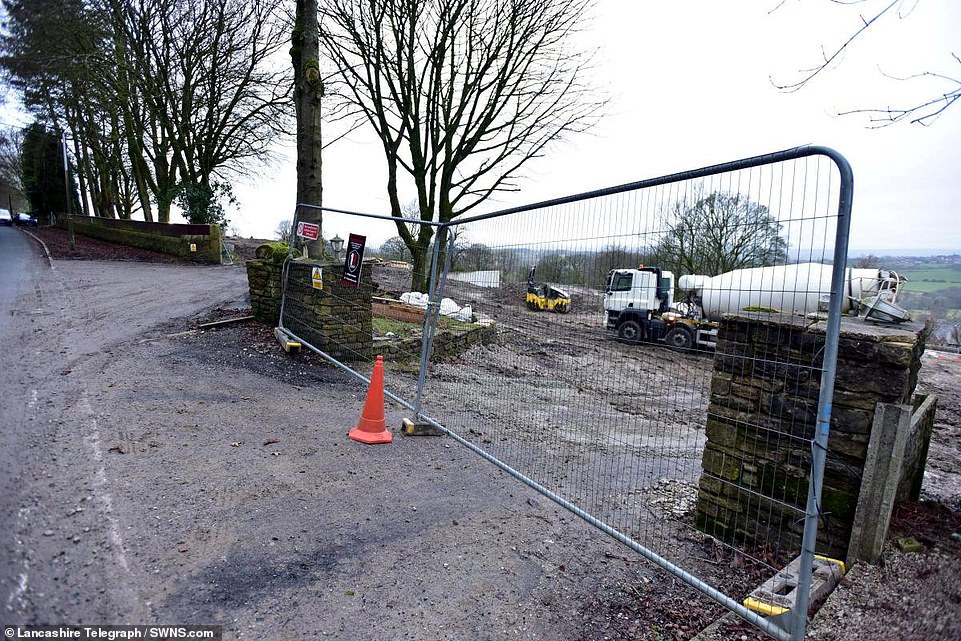
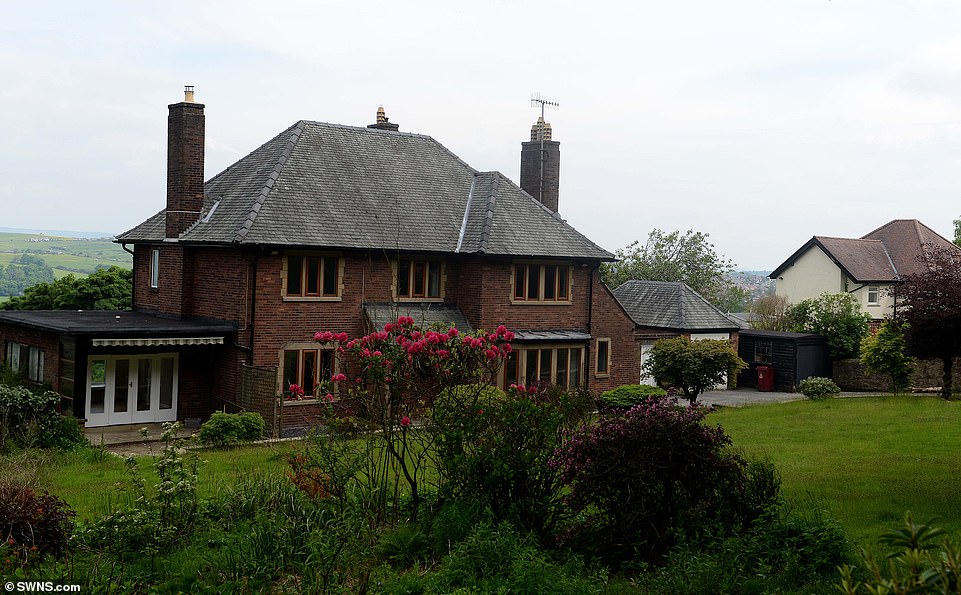
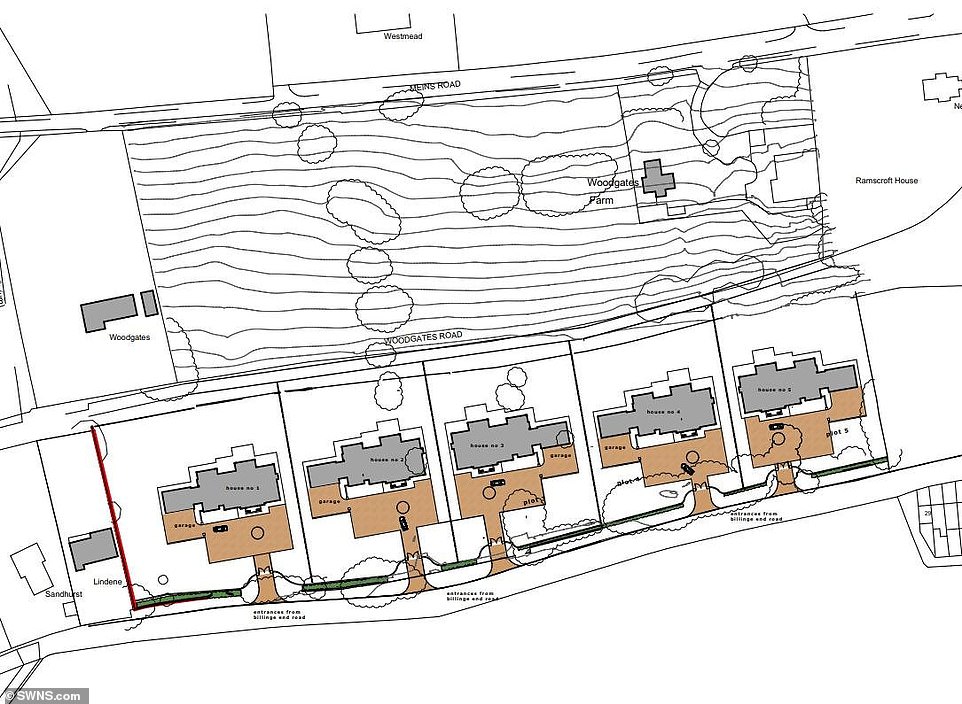
Architect’s plans for one of the five new homes that the brothers are building in countryside near BlackburnPlans for the large houses, which are located on a quiet rural road outside Blackburn where houses sell for up to £1 million, were lodged in April 2018. They are currently a building site Pictured: The homes on Billinge End Road, Blackburn, Lancashire, that was demolished in order to make way for the new houses
Mohsin has a wife Shamim, and their son and a daughter both work for EG. Both brothers rarely give interviews and have adopted a low-key public profile.
They are now building five identical ‘super-sized’ homes three miles from their childhood home.
Despite the fierce opposition, which saw the council face 30 letters of complaint, eight old houses have now been demolished and builders have laid foundations for the five 5,000 sq ft mansions.
Plans for the large houses, which are located on a quiet rural road outside Blackburn where houses sell for up to £1 million, were lodged in April 2018.
They sparked an uproar, with the properties described as ‘not in fitting with the local area’ as the homes stand over 4.5 metres taller with 1,500 square metres of floor space.
But planning permission was granted and pictures taken earlier this year showed builders had already moved in.
In 2017, the pair purchased a £25million mansion in Knightsbridge, which estate agents said could be worth £80million when planned renovations are carried out according to estate agents.
Their Grade II listed Georgian house is also at the centre of a long-running planning row.
The previous owner began digging a basement and left a vast 30ft-deep crater the size of two tennis courts, described by horrified neighbours to ‘Hitler’s bunker’.
When finished the luxury 22,000 sq ft home will have a huge underground car park, a swimming pool, spa, and cinema.
The brothers donate 2.5% of their earnings to charity through the Issa Foundation, which funds hospitals and provides free breakfasts for children in Lancashire.
The five new homes will stand over over 4.5 metres taller that the old homes with 1,500 square metres of floor spaceThese new photos show the EG Group’s gargantuan new premises in Blackburn, Lancashire, where the Issa’s were born and raisedBuilding took three years and staff began working there in August, although due to current social distancing only half can be there at once
source: http://dailymail.co.uk / Mail Online / Home> News / by Rory Tingle for Mail Online / October 02nd, 2020
KMS Hakkim Biryani also offered biryani for Rs 1 to frontline warriors who are battling the coronavirus pandemic.
Tiruchities throng in large as hotel chain offers biryani for 10 paisa | EPS
Tiruchy :
To celebrate the World Biryani Day in a unique manner, a popular Biryani chain in Tiruchy sold delicious biryani for a mere amount of 10 paise on Sunday. The restaurant chain also offered biryani for Rs 1 to frontline warriors who are battling the coronavirus pandemic .
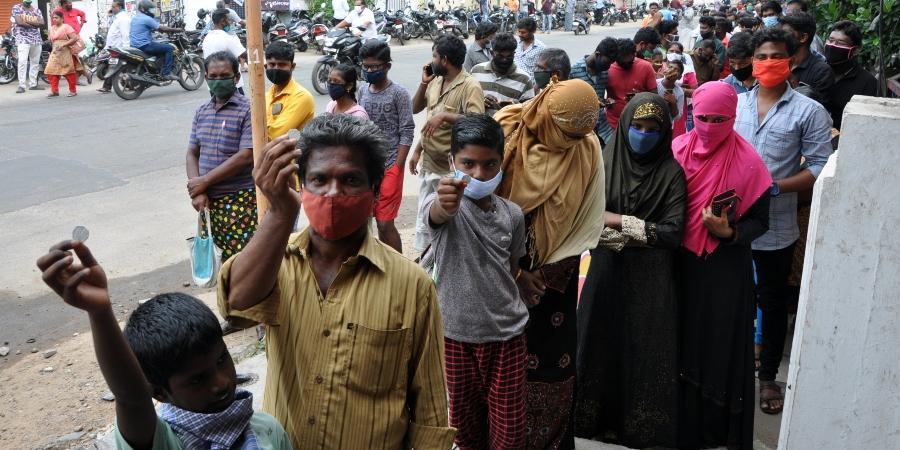
Contrary to the regular Sunday morning look, the Shastri road in Tiruchy was bustling with activity and excitement after KMS Hakkim Biryani centre sold Biryani to the public for 10 paise. With the outlet advertising that the offer is valid only for the first 100 customers, several people beelined in front of the restaurant holding demonetised 10 paisa coins in their hands.
Speaking to TNIE, KMS Mohideen, owner of the KMS Hakkim Biryani Chain said, “We wanted to appreciate the frontline workers for braving their lives and decided to offer biryani at a cost of Rs 1 on the World Biryani Day. However, we did not want the other customers to be left out, so we introduced an idea to sell biryani for the public who in possession of the demonetised 10 paisa coin.”
With the biryani being offered for such an unbelievable price, several people including children and women tried their luck. Incidentally, few customers waiting in the lines expressed that they spent the last couple of days searching their houses in and out so that they could find 10 paisa coins and purchase biryani.
Ravindran, a city resident who had come along with his son in hope of purchasing a packet said, ” My father in a conversation with my son had taught him about the currency values in the olden days and gave him a few 10 paisa coins as memorabilia. After we saw the advertisement on social media, our entire family started searching the house thoroughly to find the demonetised coin.”
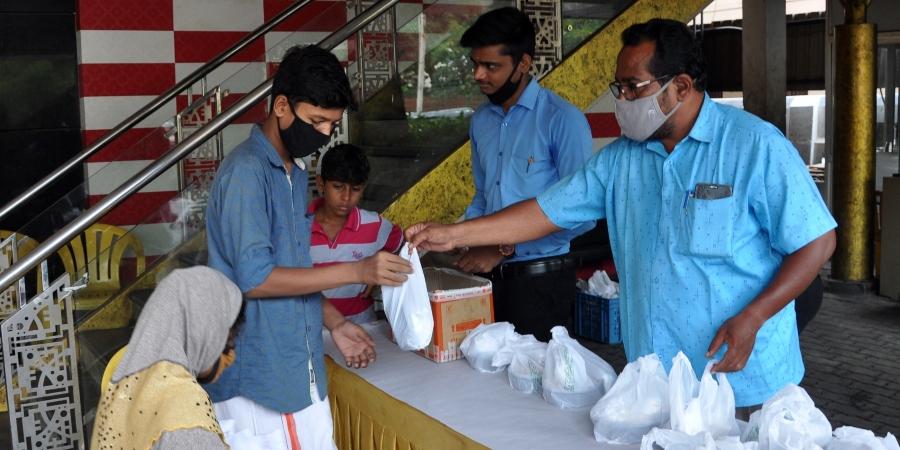
The biryani centre today through its two outlets served a total of 210 people- 100 customers through the 10 paisa offer and 110 COVID warriors. The customers were served with Chicken biryani along with raita and dalcha in neatly packed containers. Although they offered token to frontline workers on Saturday itself by verifying their ID cards, the tokens for 10 paisa offer were issued only on Sunday.
“A total of 110 frontline workers- 45 from the police department, 35 from the Corporation department, 20 from the health department and 10 sanitation workers were served with delicious biryani. Although the parcel to the regular customers was limited to the Biryani and the raita, we had added Chicken 65 and Sweet Kesari for the frontline workers parcels to appreciate their efforts and make them feel special,” said, a manager of the hotel chain.
source: http://www.newindianexpress.com / The New Indian Express / Home> States> Tamil Nadu / by Jayakumar Madala / Express News Service / October 11th, 2020
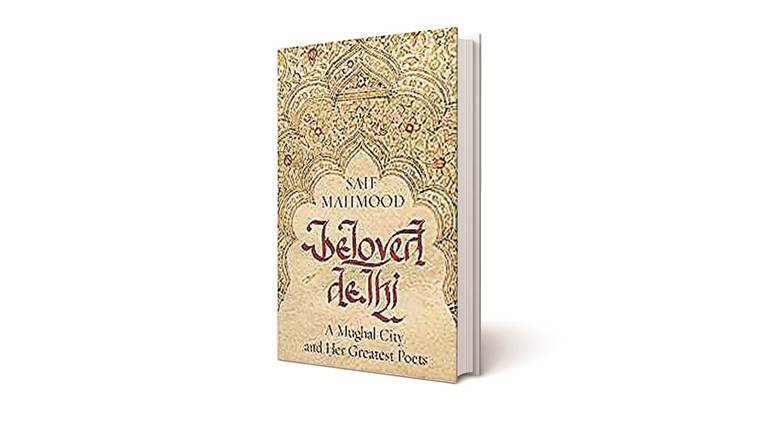
The life and times of Delhi’s leading poets of the Mughal era and their enrichment of a syncretic language
Beloved Delhi: A Mughal City and Her Greatest Poets
Beloved Delhi: A Mughal City and Her Greatest Poets Saif Mahmood Speaking Tiger 367 pages Rs 599
Shaikh Mohammad Ibrahim Zauq, the poetry ustaad of the last Mughal Emperor, Bahadur Shah ‘Zafar’ saw, in his lifetime, the Mughal Empire brought to its knees (though not formally ended — Zauq, perhaps mercifully, died three years before the ‘Ghadar’ of 1857, the uprising that was to so impact the fabric of Delhi’s social, cultural and literary life). But an impoverished Mughal court and an equally penurious north Indian aristocracy meant that many of Zauq’s contemporaries drifted south to Hyderabad, where there was still patronage to be sought and stipends to be earned. Zauq, however, when asked why he did not migrate to the Deccan, had famously remarked, “In dinon garche Dakan mein hai bohot qadr-e-sukhan/ Kaun jaaye Zauq par Dilli ki galiyaan chhor kar?” As Saif Mahmood translates this in his book Beloved Delhi: “Although poetry is greatly valued in the Deccan these days, Zauq, who would trade that for the lanes of Delhi?”
It is this — the connection between Delhi and her Urdu poets, an almost umbilical cord that binds the city to her greatest bards — that forms an important theme in Mahmood’s book. Beloved Delhi has, as its subtitle, A Mughal City and Her Greatest Poets, and those words describe the book perfectly: it is about the Mughal city of Delhi — not the city before or after the Mughals (though there is a fleeting mention of those as well), and about its greatest poets of the 18th and 19th centuries.
Mahmood examines the life and work of eight of Delhi’s greatest Urdu poets, against the backdrop of the city. Mirza Mohammad Rafi Sauda, Khwaja Mir Dard, Mir Taqi Mir, Mirza Asadullah Khan Ghalib, Momin Khan Momin, Bahadur Shah Zafar, Shaikh Mohammad Ibrahim Zauq and Nawab Mirza Khan Daagh Dehlvi are the eight poets who form the subject of Mahmood’s book. For each poet, Mahmood begins with a biography (often preceded by a description of the current state of the poet’s grave or former home). The biography is followed by an insight into the most relevant aspects of the poet’s work — Sauda’s satire, Zauq’s use of everyday language, Momin’s sensuality, Ghalib’s often cryptic verses, and so on. Finally, there are selected verses (with translations) by each poet.
There are several reasons to recommend Beloved Delhi. Firstly, it’s a well-written, readable book that manages to strike a balance between being informative on the one hand and unintimidating, entertaining, even witty on the other. Mahmood handles with commendable skill a subject that is often perceived as unapproachable by those not familiar with the Urdu script, or who are daunted by the more Persianised form of the language. But it’s also a subject that is regaining popularity and Mahmood’s translations, his occasional helpful notes, and the very fact that he takes care to bring in popular connections — Hindi film music’s use of couplets and ghazals from classical poets, for example, or ghazals rendered by popular singers — helps make this poetry more relatable.
Also playing a major role in making the poetry easier to relate to is Mahmood’s approach to the lives of the men who wrote that poetry. He uses various sources — autobiographies, reminiscences of contemporaries, memoirs, correspondence, even the poetry they penned— to bring alive the men behind the verses. Sauda, so acerbic that his satire repeatedly got him into trouble. Mir, the mad egoist, who willingly wrote poetry in exchange for groceries. Momin, a brilliant hakim as well as a great poet. Ghalib, so addicted to gambling that it brought him into repeated conflict with the law (which, Mahmood, himself a lawyer, points out as being reflected in the many legal and judicial terms — muddai, talab, hukm, faujdaari, giraftaari, etc — that Ghalib uses in his poetry). Mahmood even busts some myths, such as the authorship of popular works attributed to poets like Zafar and Ghalib.
And there is Delhi. The Delhi of mushairas. A city where fakirs and courtesans could be heard singing Ghalib’s ghazals, where a language born out of a syncretic confluence of cultures and traditions was nurtured even through the turbulence and horror of 1857 and its aftermath. As much as he brings alive the eight poets he focusses on, Mahmood brings alive the Delhi that was so beloved to them.
Madhulika Liddle is a Delhi-based writer
source: http://www.indianexpress.com / The Indian Express / Home> Lifestyle> Books / by Madhulika Liddle / May 18th, 2019
Researchers from four universities in West Bengal have been looking for fossils in the sediments of Chotanagpur plateau for almost a year
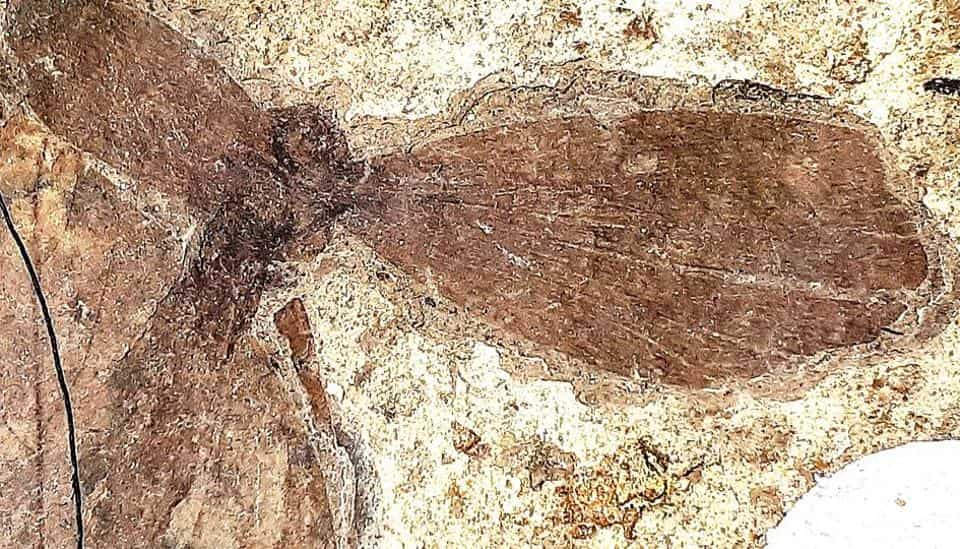
The dragonfly is around 3cm long and has a wingspan of around 2.5cm. This is, however, much smaller than the fossils of giant dragonflies, which have been found elsewhere in the world. (Sourced)
A team of scientists from West Bengal has discovered the first dragonfly fossil in India from Jharkhand’s Latehar district. The fossil is at least 2.5 million years old. A paper on the finding was published in the October 10 edition of Current Science journal.
“This is the first dragonfly fossil from India. It is a well-preserved one. The fossil belongs to the late Neogene period, which dates between 2.5 million and five million years ago,” said Subir Bera, a professor with the Centre for Advanced Study of the Botany department, University of Calcutta.
Researchers from four universities in West Bengal have been looking for fossils in the sediments of Chotanagpur plateau for almost a year. In January 2020, they dug the dragonfly fossil from a depth of around 5m below the soil surface.The team has also found fossils of various insects, fishes and leaves of some flowering plants.
The research was headed by Mahasin Ali Khan, assistant professor of Botany at Sidho-Kanho-Birsha University.
“The nearest living member of the fossil is Libellula depressa, a species of dragonfly that is found in any tropical country, including India,” said Manoshi Hazra, one of the team members and the first author of the research paper, which has been published in Current Science.
As dragonflies spend most of their lives near fresh water bodies, the scientists said that millions of years ago a freshwater body might have existed there, which has now dried up. The other fossils of plants and fishes, which the scientists have found, also support the theory.
“The very fact that the team has found the fossil of an adult dragonfly from the sedimentary bed is very interesting. Usually the prospect of finding an immature dragonfly from the sedimentary bed is huge because dragonfly-larvae live underwater. The prospect of finding insect fossils from sedimentary beds and coal beds is huge, but unfortunately little work has been done in India in this regard,” said TK Pal, a former scientist of the Zoological Survey of India.
source: http://www.hindustantimes.com / Hindustan Times / Home> Kolkata / by Joydeep Thakur / Hindustan Times, Kolkata / October 08th, 2020
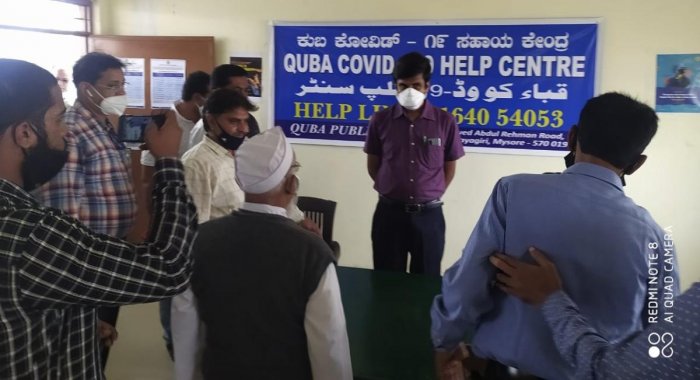
Deputy Commissioner Abhiram G Sankar inaugurates Quba Covid Care Centre at Mysuru recently.
Organisations of the Muslim community has opened three Covid Care Centres (CCC) under the Narasimharaja (NR) Assembly constituency in the city as the number of Covid positive patients is on the rise of late.
It has to be noted that NR segment, where Muslims are a majority, was being discussed over the past one week. District In-charge Minister S T Somasekhar has said that among the active cases, over 50% of the patients were from NR constituency and even most of the deaths related to Covid are from the same segment. There were also talks of ‘mini-lockdown in parts of the segment, citing non-cooperation by the residents.
On July 14 (Tuesday), Quba Covid Care Centre and Quba Covid-19 Care Centre and Quba Covid-19 Help Centre was opened, with its own 24/7 helpline number 91640 54053 at Quba Public School in Udayagiri, in the city. Deputy Commissioner Abhiram G Sankar inaugurated the Quba Covid-19 Care Centre and said this CCC should serve as an example for other districts and cities.
He said, it is an example of cooperation to the government by good citizens. “Particularly in such areas, where Covid-19 pandemic is on the rise exponentially, such positive cooperation will check the spread of Covid and help save critical patients.”
The centre initiated instant door-to-door Covid tests by Dr Nayaz Pasha Dr Shiraz Ahmed. Chaand Saab, ex-mayor Ayub Khan, Zaheerul Haq and Shahab Rahman were present.
The Quba CCC has set up three centres — 200 beds at Farooqia College in Udayagiri, 200 beds at Andalus Public School at Rajeev Nagar and Beedi Workers Hospital at Azeez Sait Nagar — in consultation of religious heads, NGOs and corporators. However, the Quba CCC will accommodate and help patients of all other communities also.
The Quba CCC has two ambulances and is used for ferrying Covid patients and unclaimed bodies.
The centre will provide all facilities like food. Besides, Muslim doctors have offered their services voluntarily. Healthcare workers and beds have to be provided by the district administration.
source: http://www.deccanherald.com / Deccan Herald / Home> State> Karnataka Districts / by T R Sathish Kumar / Mysuru – July 15th, 2020
He holds a 34-year teaching and administrative experience in various institutions
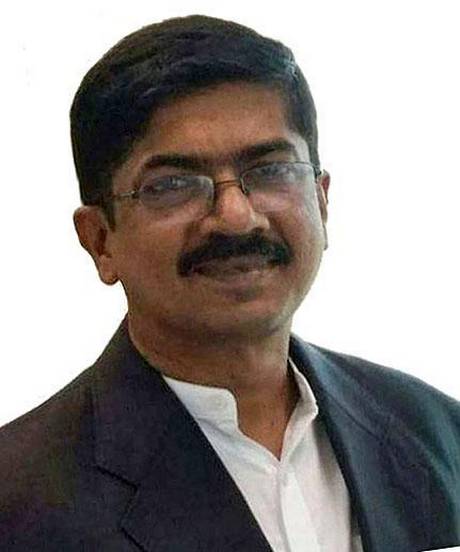
The State Cabinet on Wednesday decided to appoint P.M. Mubarak Pasha as the first Vice Chancellor of Sree Narayana Guru Open University.
Dr. Pasha, who hails from Kozhikode, holds 34-year teaching and administrative experience in various institutions of higher education. He has served as Director of the College Development Council and Director of School of Distance Education, both at the University of Calicut; and Principal of Farook College, Kozhikode.
He is currently the Head of Strategic Planning and Governance in the National University of Science and Technology in Oman where he has settled since 2007. He was previously the Deputy Dean (Finance, Administration, Institutional Planning, and Quality Assurance) in the National University College of Medicine and Health Sciences there.
Dr. Pasha has also been a member on various panels, including the Court of Aligarh Muslim University, NAAC peer team, and regional direct taxes advisory committee.
The government also decided to appoint S.V. Sudheer, former professor-director, UGC-Human Resource Development Centre, University of Kerala, and P.N. Dileep, Professor, TKM College of Engineering, Kollam, as Pro Vice Chancellor and Registrar respectively of the fledgling university.
Dr. Sudheer had held positions including those of Director of both Planning and Development, College Development Council, and Controller of Examination in the University of Kerala. Dr. Dileep was previously the member of the Faculty of Engineering in the University of Kerala and Board of Governors in the APJ Abdul Kalam Technological University.
source: http://www.thehindu.com / The Hindu / Home> News> States> Kerala / by Staff Reporter / Thiruvananthapuram – October 08th, 2020
Parvez Ali Khan’s restaurant in Armenia’s capital Yerevan is delivering packages of cooked food to those forced to flee their homes in the Nagorno-Karabakh region.
Patiala (PUNJAB)INDIA / Yerevan, ARMENIA :
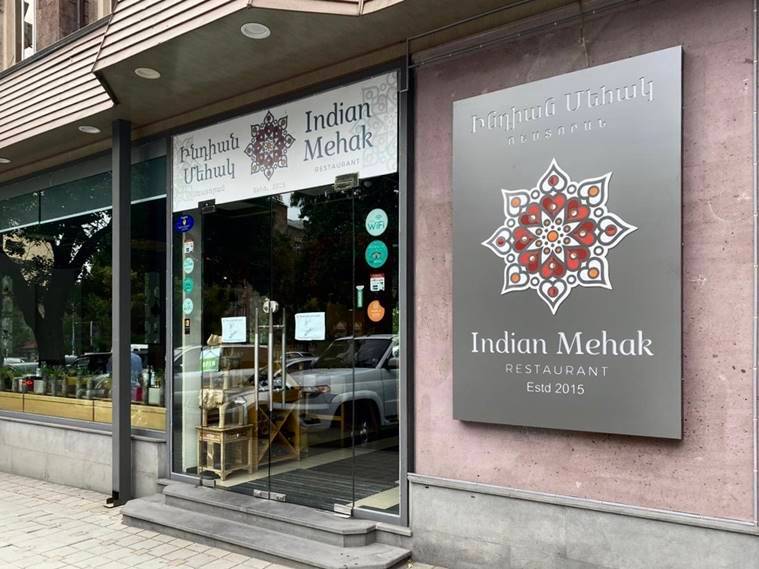
When fresh clashes erupted between Armenia and Azerbaijan in Nagorno-Karabakh in the South Caucasus approximately two weeks ago, Parvez Ali Khan knew that he had to do something for the country that he now calls home. Khan, a 47-year-old from Patiala, India, had moved to Armenia five years ago with his wife and two daughters, in the hope of economic prospects and now runs Indian Mehak Restaurant and Bar, a two-year-old establishment located in the heart of capital Yerevan, just minutes away from Republic Square.
Parvez Ali Khan runs Indian Mehak Restaurant and Bar in Yerevan, Armenia. (Photo credit: Aqsa Khan)
Since fighting broke out on September 27, Armenian officials have said that the total military death toll has gone up to 244 as of October 6, according to a Reuters report, making it one of the most violent clashes in the region since the 1990s. It is unclear how many people have been forced to leave Karabakh since the fighting began, but social media posts and witness reports suggest the numbers are high.
“I must have seen approximately 30,000 refugees in Yerevan,” Khan says. On October 4, on the restaurant’s Facebook page, the family announced that they were providing freshly-cooked Indian food to people who had fled the Nagorno-Karabakh region and were seeking refuge in the capital. “We are Punjabis and we help people wherever we are. We have always done it,” Khan says.
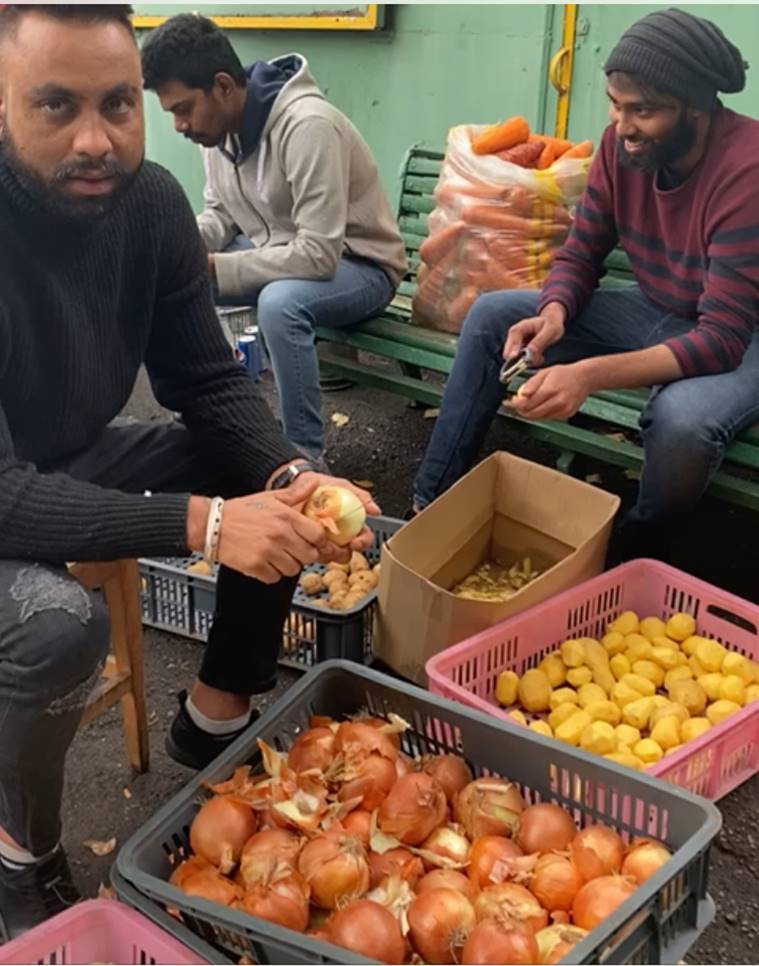
Since the clashes have intensified, Armenians across the country have stepped in to help in whatever way they can, and Khan says he wanted to do his bit. So he turned to the resources he had easy access to—his restaurant’s kitchen. People from the Nagorno-Karabakh region who were seeking refuge in Yerevan were being given dry ingredients, with no access to facilities where they could cook, Khan says.
Overnight, he turned his kitchen into a space where his staff could prepare hundreds of food packages to distribute in the capital. “I had some savings that I had kept aside to open a restaurant in Prague. That didn’t materialise due to the coronavirus outbreak. So I am using those funds for this.”
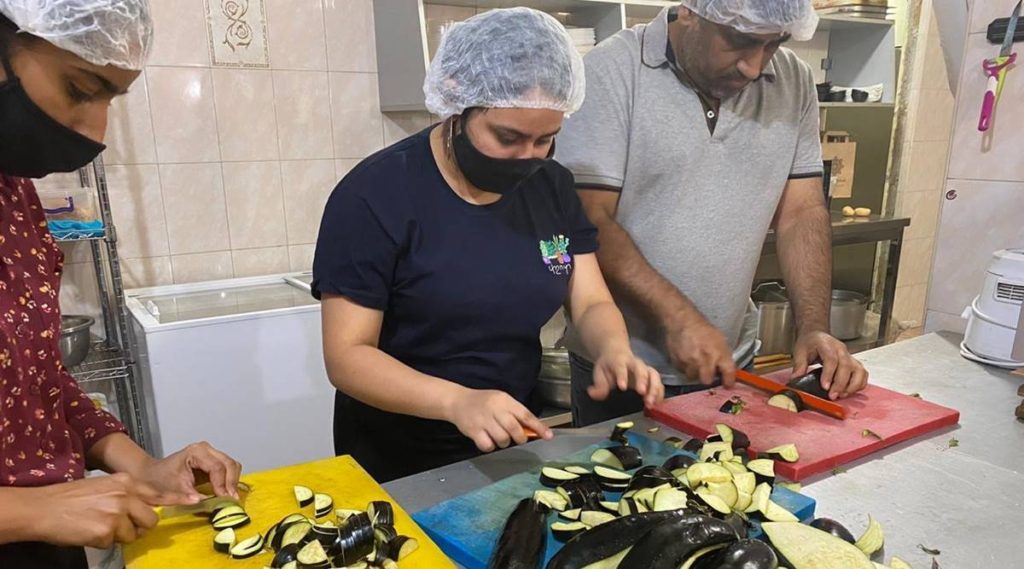
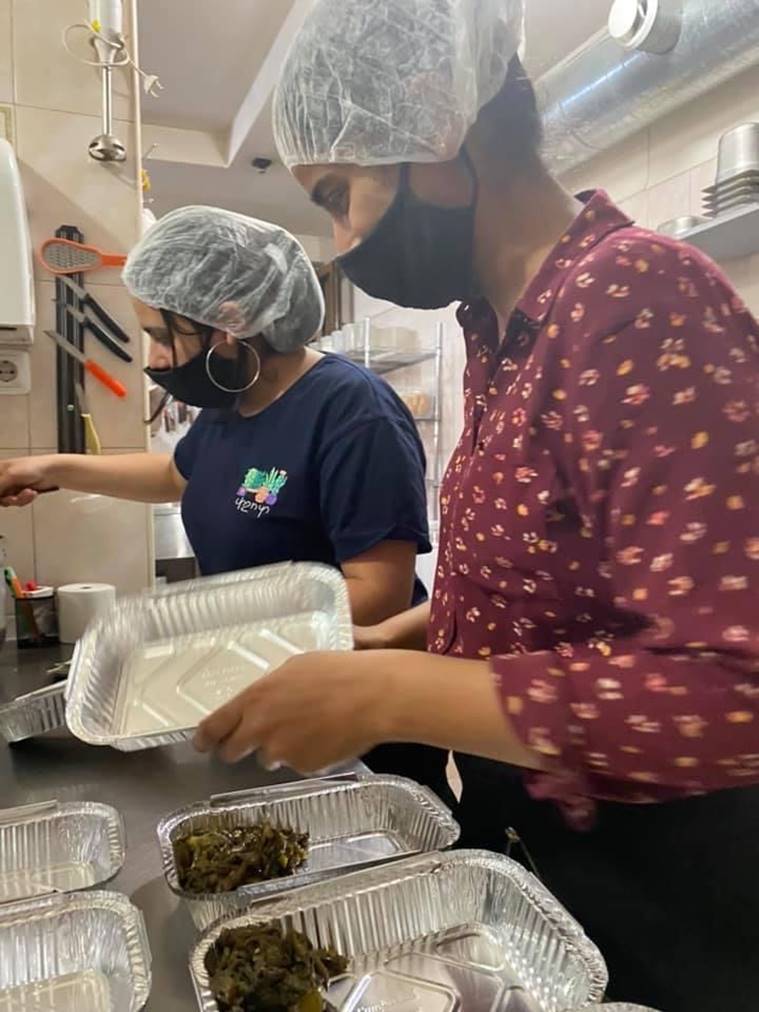
“We started on October 4, and it just blew up,” says 20-year-old Aqsa, Khan’s elder daughter. “We knew there were refugees, but we didn’t know there were so many.” Since then, Khan and his family, along with four employees, have been working 12-hour shifts to prepare boxes with rice and naan, chole-bhature, vegetable dishes with potatoes, brinjal etc., all cooked using less spice than what is customary in Punjabi cooking, to suit the preferences of Armenians.
Aqsa Khan (right) and her sister Alsa pack prepared food in their restaurant’s kitchen. (Photo: Aqsa Khan)
But the family doesn’t think they are doing anything unusual. “There is a lot of unity in Armenia,” Aqsa explains, pointing to citizens who have come together to donate whatever was possible—from money to essentials. “We were thinking about how we could help. So we first posted on the Facebook page about donating proceeds from delivery and take-out orders. But then we saw that the refugees didn’t have access to fresh food and we thought this was more impactful.”
Employees at Indian Mehak Restaurant and Bar in Yerevan, Armenia, work round the clock to prepare food packages. (Photo: Aqsa Khan)
Aqsa says that the family found inspiration for the initiative when a local resident approached the restaurant asking for dry ingredients that she could use to prepare food for children to whom she was providing shelter. The family offered cooked Indian food instead. “We thought that we would be doing it for 25 to 30 people only,” says Khan. But the family soon realised that there were many more who needed their assistance.
Aqsa and her sister Alsa, 18, then took to Facebook and announced that the restaurant was offering Indian food to whoever was coming in from Artsakh, another name for Nagorno-Karabakh. “On the first day, some 400 people asked for help,” says Khan. “It grew from there,” Aqsa adds.
As their social media post has spread, the Khans’ phones haven’t stopped ringing. While some callers have been requesting for food packages, many others have reached out to the restaurant to offer assistance in any way they can. “Women are calling us to ask if we need help in the kitchen. People are bringing their cars to help distribute the food,” says Khan.
Recently, a volunteer delivered food from the restaurant all the way to Hrazdan, a town some 50 kms away, where some residents of Nagorno-Karabakh have sought refuge. Another volunteer has helped deliver food to Tsaghkadzor, a town a little further away. While the Khans are cooking the dishes, four Armenians have stepped in to help package the food and deliver it across Yerevan.
“Now refugees are calling us directly, as are organisations who are helping them. Some hotels who have been hosting refugees have also asked us to provide (food packages) for one meal a day,” says Aqsa. “I have never seen anything like this.”
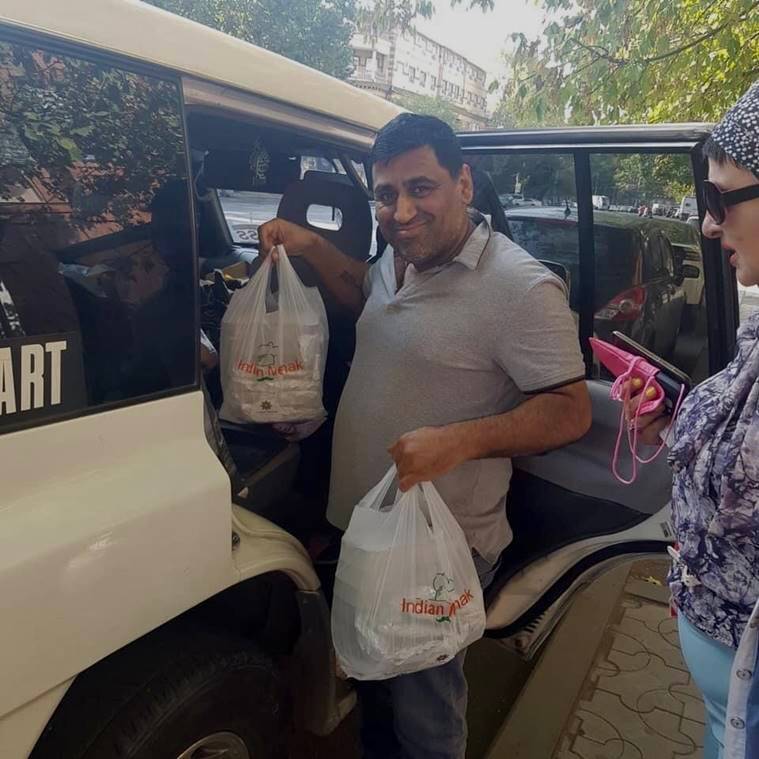
Parvez Ali Khan helps load food packages into a waiting van outside his restaurant in Yerevan, Armenia. (Photo: Aqsa Khan)
Since the initiative is only a few days old, for now, Khan is making use of his restaurant’s supplies to prepare these food packages. The restaurant has found an outpouring of support from people across Armenia and even those in the diaspora. Many have left them messages of gratitude, promising to visit the restaurant when they can. “After the war, I will visit your restaurant and celebrate our victory,” says one message on their Facebook page, with hundreds of others in a similar vein.
There aren’t too many Indians in Armenia, says Khan, and his establishment is among the few prominent Indian restaurants in the country. In Yerevan alone, he believes, there must be around 100 Indian families, with approximately 4,000 Indian students studying medicine, scattered in universities across the country. Following the Indian government’s operation of Vande Bharat flights to help citizens overseas return home during the coronavirus pandemic, many have temporarily left.
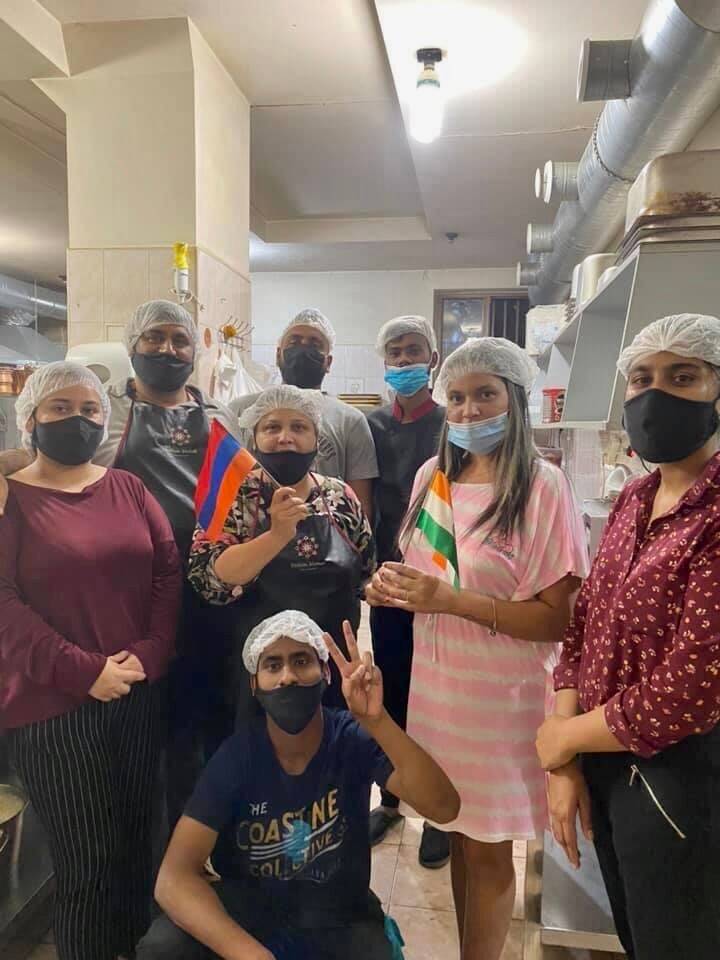
The Khan family and their employees pose with the Indian and Armenian national flags in their restaurant’s kitchen in Yerevan, Armenia. (Photo credit: Indian Mehak Restaurant and Bar)
Over the past five years, Khan says his daughters have developed a fondness for Armenia. During their years at school and college in the country, they have made friends, learnt the language and the culture and have adapted well here, while holding on to their Indian citizenship. “They like the country.” The family has been working non-stop to prepare the food packages and they don’t have too much time for more questions. For Aqsa, Nagorno-Karabakh is as much a cause as it is for her Armenian friends and she is doing whatever she and her family can to assist the country that is now home.
source: http://www.indianexpress.com / The Indian Express / Home> World / by Neha Banka, Kolkata / October 07th, 2020
Ravathurpalayam – Neduvacheri Village (Tirupur District) TAMIL NADU :
Villagers of Ravutharpalayam are aware of the Hindu temple built by a Muslim army commander under Hyder Ali in their locality and worshipping Goddess Mariyamman.
Tirupur :
Villagers of Ravutharpalayam are aware of the Hindu temple built by a Muslim army commander under Hyder Ali in their locality and worshipping Goddess Mariyamman. The temple is located 5 kilometres from Avinashi city in Neduvacheri village in Tirupur district.
Speaking to TNIE, Neduvacheri Panchayat President TG Varadarajan said, “Oral tradition point out the Mariyamman temple was built by a Muslim man. The small temple was built with Hindu style of architecture but has small dome on the top. The small dome instead of Gopuram was very unique.” Kumravel a local resident said, ‘Earlier I never believed that the temple was built by a Muslim man. Later, I got to know the facts from the local historians.
Goddess Mariamman is invoked several times a year to regenerate soil, fertility and protect the community against disease and death. Apart from the local villagers, residents from Coimbatore and Erode also visit the temple to get the blessings of the Goddess . According to Virarajendran Archaeological and Historical Research Centre, Director S Ravikumar, “The temple structure is similar village style Hindu temple. It is built in square type 8 feet by 8 feet.
Historical evidences point out, that Hyder Ali a powerful ruler of Mysore Kingdom, had the big influence over Kongu region such as Coimbatore and Erode in 18th Century. These places were ruled by several army commanders who were also in charge of revenue collection and administration. One such officer named Ravuthar was incharge of this region.
His daughter reportedly fell ill with chicken pox. Despite medical treatment the infection couldn’t be cured. Villagers told him the idea of worshipping Goddess Mariyamman. After he made offering and prayers, his daughter was cured. He immediately built a temple dedicated to the Goddess. Currently the temple is more than 250 years old. The entire locality is known by his name Ravutharpalayam.” Neduvacheri Panchayat secretary Kannan said, “The temple attracts quiet a following in the village. Donors have donated several tracts of the land.”
source: http://www.newindianexpress.com / The New Indian Express / Home> States> Tamil Nadu / by Saravanan MP / Express News Service / October 05th, 2020