All posts by mpositiveone@gmail.com

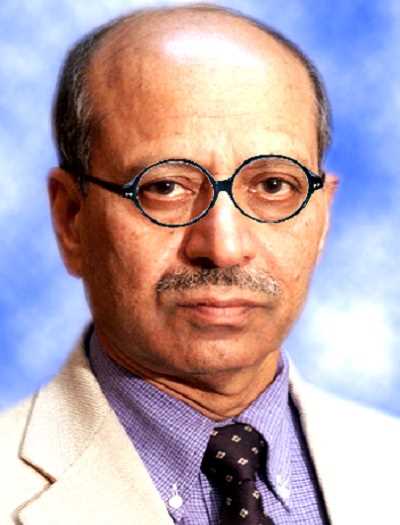
Mehmood ur Rehman: A tenacious fighter

Balinda (Fatehpore), UTTAR PRADESH :

His disarming quality was to avoid unnecessary arguments by deflecting the opponent with anecdotes and digressions
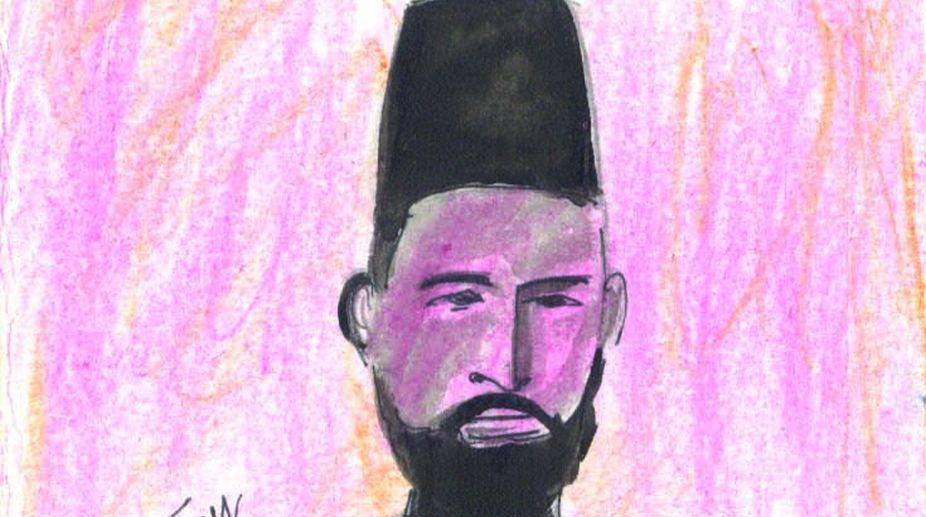
MehmoodUrRehmanMPOs31dec2017

He had his university education in Allahabad, where he briefly taught in the Department of Persian followed by few months’ stints in the Life Insurance Corporation and the Provincial Civil Service of UP before joining the Indian Administrative Service in 1966 and being assigned Jammu and Kashmir cadre.

In Jammu and Kashmir, he served in various capacities till 1995 before moving over to the Aligarh Muslim University as Vice Chancellor, a position he held till July 2000. He retired as Secretary Ministry of Parliamentary Affairs in the Government of India in March 2002 only to continue his active engagement with public affairs as Chairman (first Executive and then non Executive) of the Bombay Mercantile Cooperative Bank (BMC) till fairly recently.

His tenures in important positions be it as Principal Secretary (later Additional Chief Secretary), Home Department in J&K or VC AMU or with the BMC were marked by crises which he dealt with determination and generally on his own terms.

His contributions (and failures) were many but no one can deny that in success and adversity he remained in command and did not lose his aplomb. His signal contribution in the AMU was the relentless determination with which he worked towards freeing University land under unauthorised occupation and in that respect he succeeded where most Vice Chancellors in most of the older Universities had very limited success.

His innings with the BMC could be regarded as a mixed bag given the murky, almost sectarian atmosphere of the organisation, but there is no doubt that if he had not come at the helm of its affairs when he did, it would have been liquidated by the Reserve Bank.

For the most part my contacts with Mehmood Sahib were professional as between the first three years of his tenure in the AMU I headed the University and Higher Education Bureau in the Ministry of HRD and was the Central Government’s major contact point with the University till I moved over to the state of J&K on deputation.

As it happened, in three months or so that he spent with the state government during his tenures with the AMU and the Ministry of Parliamentary Affairs he was ‘attached’ with the organisation of the Resident Commissioner of the State in Delhi which happened to be within the remit of my responsibilities as Commissioner cum Secretary, General Administration Department.

During these periods, I had occasion to watch his professional side and personality to the extent it reflected in performance of his duties. The abiding impression of this fairly intense association is of a person who was clear headed about his objectives, who could tire down the opposition with his persistence without being rude or boorish.

His capacity for hard work and putting in long hours was phenomenal. His one disarming quality was to avoid unnecessary arguments by deflecting the opponent with anecdotes and digressions in a tactful manner which would not give offence to the other side.

He enjoyed power and liked a few people to hang around which is not uncommon among people who control, or are near, the levers of powers.

However, unlike many with these traits he did not lose his sense of proportion and would be fairly objective in assessment of his acolytes when called upon to judge them.

We had our differences of opinion, a few fairly significant, but if this did not affect mutual cordiality, I will give him the larger share for the spirit of amity.

He had a major neurological deficit last year and was on ventilatory support for a few days. The tenacious fighter that he was, he bounced back against heavy odds and in several conversations over the phone though his voice was weak, he was his ebullient self.

It was during the wedding of my colleague Asif Ibrahim’s daughter a few months back that I came face to face with him and realised that though the spirit was high the body was not keeping pace.

To my regret this was our last meeting though one could have met him during frequent visits to Mumbai. Possibly, he needed company of people with whom he could recount old campaigns valiantly waged unmindful of the outcomes.

This short tribute could be rounded off by the perceptive observation of one of his old associates from Kashmir who spoke to me earlier today.

He said there are many people who turn out to be larger than life, most in that category act the role for effect and clearly come out as humbugs; there are a few to whom this is a natural modus vivendi – they are ‘natural’ when acting thus and are likeable for this reason. That was Mehmood Sahib for you.

Author is a former IAS officer who retired as Secretary Government of India. / Naveed Masood / naveed.masood@gmail.com

source: http://www.risingkashmir.com / Rising Kashmir / Home> Obituary / by Naved Masood / July 10th, 2017
Portraying the life and myths of Paniyars

Kochi, KERALA :

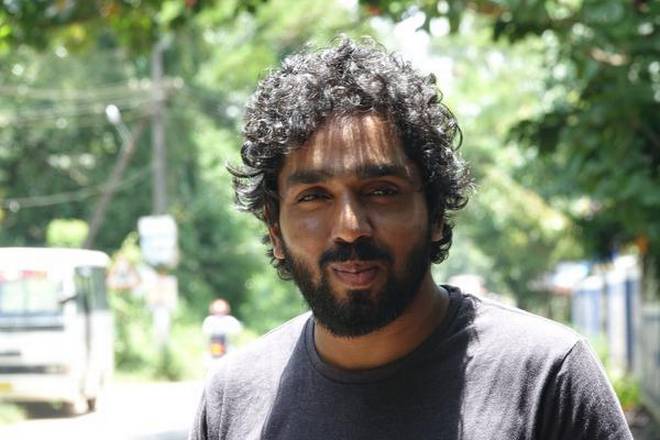
Documentary maker Aneez K. Mappila

Feature-length documentary on the Wayanad tribe’s struggle for existence

A humdrum yet clear rendition of Penappattu, the ballad of the Paniyar tribe of Wayanad with its narrative on their origin and life, soaks the Paniya household in bereavement seven days after someone’s parting.

The intoner, Athali, takes no break as he calmly retells from morning, well into the brooding night, the course of his clan’s struggle for existence from the beginning. “It’s like a swirling song of the dead – the soul of their forbears rattling out their saga,” says Aneez K. Mappila, who has authored the life and death of Paniyars in a feature-length documentary, The Slave Genesis. “The tribe, as you see in the film, is deeply and inwardly spiritual.” The Paniyars believe that long ago, a feudal landlord, Ithimala Gowda, also referred to as Ithimala Pappan, had trapped them using a hand net and engaged them for labour in the fields.

“There is no paddy field, coffee or pepper plantation in Wayanad, especially those owned by settlers, that hasn’t used their labour. The practice continues to date,” says Aneez, from Kalpetta. The film, shot single-handedly over three and a half years, has a scene in which Aneez’s grandfather Moidu Haji, who has since died, narrates the story of his grandfather Pakramar, left with no other option, migrating to Wayanad in the 1860s with three of his friends. “They bought 32 acres of land from a Gowda, who also parcelled out a few Paniyars for tilling their fields. The Paniyas were paid in kind, with a portion of rice as wages,” Haji says in the film. It was his long association with the Paniya workers that prompted Aneez to make a film on their life and after-life. The film opens with a personalised childhood recollection. “I was a single-man crew and as I went about shooting, a suicide happened in the community, which led me to their pithy Penappattu.”

From a death and the superstitions surrounding it, the film takes us through various facets of the Paniya life, all punctuated with hardship, misery and tales of exploitation. “They realise they’ve been historically exploited, as we understand from the Penappattu in which the Gowda, eager to have more of their ilk, asks Paniya siblings to stay man and woman below the waist.”

Cut to modern times, scenes of the elaborate ritual following a girl attaining menarche are followed by episodes of young men getting entangled in POCSO cases, thanks to the tribe’s practice of marrying off girls young.

A graduate in English, he worked as a journalist for sometime before taking documentaries on Wayanad’s agrobiodiversity and tribal food security.

The Slave Genesis was produced with support from DOCEDGE-Bang, crowdfunding from the Kalpetta Film Fraternity and his own Canopy Black production.

source: http://www.thehindu.com / The Hindu / Home> News> Cities> Kochi / by S. Anandan / Kochi – December 28th, 2017

The Extraordinary Life Of Educationist Begum Zaffar Ali | #IndianWomenInHistory

JAMMU & KASHMIR :

Begum Zaffar Ali. Credit: Wikipedia

In the year of 1987, Begum Zaffar Ali, the first woman matriculate of Kashmir was awarded a Padma Shri for her extraordinary perseverance in being a women’s liberation activist and working towards empowering women through education. Brought up in a conservative setting where women’s movements, ideologies and bodies were controlled by the patriarch of the family, the perseverance towards creating awareness regarding education was certainly extraordinary.

Early years

Born in 1900, Begum Zaffar Ali was an educationist, women’s liberation activist and a social workerShe was also a legislator. Her maiden name was Syyeda Fatima Hussain, she was the daughter of Khan Bahadur Aga Syed Hussain the first matriculate of Kashmir, later Governor, Judge of the First High Court of Jammu and Kashmir, and Home and Judicial Minister during Maharaja Rule. Her mother Syyeda Sakina Sadaat belonged to a Sayyid family of Sabzevar Iran, which was an affluent business family in Kashmir.

Even though the place was largely conservative and Purdah was considered an essential part of a woman’s life, her parents were mostly supportive of her natural inclination towards academics and encouraged her in her quest to be more informed and performing well in studies.

She had a Christian governess from Europe to familiarise her with formal education and there was also a separate tutor to teach Begum Zaffar Ali and her siblings religion. She was taught housekeeping, home science training, health education, society, family and childcare by her home governess.

Marriage and involvement with activism

She was married to her cousin – Agha Zaffar Ali and had three children. She managed to spare sufficient time for her education. Her husband was supportive of her endeavour and actively encouraged her to pursue academics and challenge herself.

In 1925, she was invited to join as a teacher at the girls’ school run by Miss Mallinson and Miss Bose in Fateh Kadal area of Srinagar. Despite her initial reluctance, she decided to join and started taking classes along with her children from their home tutor.

It was during this period she started her participation in social movements, and at a personal capacity started looking out for the girls she was teaching in schools. She taught them to maintain personal hygiene and inculcated good habits and etiquettes in them. Begum Zaffar Ali was not subtle about her love for education and she was suggested by the home tutor to take the matriculation exam.

Initially, she was hesitant as no woman in the Valley had passed the matriculation before, but putting her initial hesitation aside and giving precedence to her love for education, she decided to appear for the examination in 1930. She successfully passed in the second division in the exam and was celebrated for breaking the glass ceiling.

Since she was the first Kashmiri woman to achieve this feat, she was awarded a gold medal for the same.

Social Activism

She completed her graduation in 1938, immediately after which she started pursuing her post-graduation. As a credit to her qualifications, she served as Head Mistress for several different schools in the Valley. A staunch believer in women’s rights, Begum Zaffar Ali literally went door to door to raise awareness regarding girls’ education in the Valley and persevered to empower them through education. Shortly after, she was also appointed as Inspector of Schools in Kashmir, rewarding the passion she displayed as an educationist.

Begum Zaffar Ali was a fine orator, and would often indulge in public speaking to create awareness for the cause she backed. She would speak at several public events and in schools and inspired adulation among girls in the Valley for the very same reason. Her strong presence in public life and consciousness of Kashmir was further strengthened by the Teachers Club.

Teachers Club organised events and public gatherings, and Begum Zaffar Ali was instrumental in laying the foundation for it. She was a key member along with Tara Devi, the Maharani of Kashmir. The purpose of the club centred around discussion of women’s issues and their rights and she was actively involved in the conversation regarding women’s movement in India. She was the general secretary of the Ladies Club. Pre-Independence, she was also the secretary of All India Women’s Conference .

She later left the conference after a chance meeting with Muhammad Jinnah and his sister Fatima Jinnah, she directed her efforts towards the emancipation of women and their liberation.

She held several posts in the Department of Education and served in various capacities. She served as principal in several schools, she served as an education officer, she served as chief education officer as well as the chief inspector in schools of Kashmir.

As a chief inspector, she also introduced mid-day meals in school. Before her retirement, she was also appointed as the Deputy Director Education Kashmir for her relentlessness in the matter of empowerment through education. She was also a member of the Social Welfare Advisory Board, Jammu and Kashmir.

Later years

Begum Zaffar Ali also established a technical training centre for women of limited means in the Valley, in the capacity of Deputy Chairman of the advisory board. Between 1977-82, she also became a member of the Legislative Assembly and tried to bring out various reforms for education and women’s emancipation along with other social issues. The policies she endorsed were by and large progressive and directed towards the upliftment of women.

In 1987, she was the recipient of Padma Shri, India’s highest civilian award for her social work and her perseverance in working for women’s liberation and education. However, later in a televised protest in Doordarshan, she returned the award citing the then Government’s harsh and unfair policies as a reason.

Image Credit: Academy of American Poets

Death

Begum Zafar Ali died in 1999 at the age of 99 at the residence of her son Agha Shaukat Ali  in the United States of America. Her grandson Agha Shahid Ali an award-winning Kashmiri-American poet, wrote a poem in memory of her which was included in the collection The Veiled Suite : The Collected Poem 

source: http://www.feminisminindia.com / Feminism In India.com / Home> History / by Shruti Janardhanan / November 14th, 2017

Sharif Manzil’s Hakims

NEW DELHI :

Hakim02MPOs30dec2017

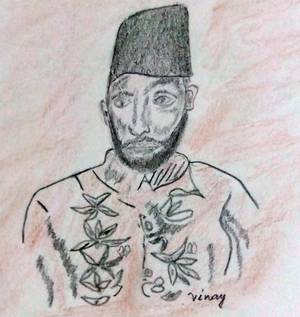
Not far from Gali Mir Qasim Jan, where Ghalib’s haveli is situated, is Sharif Manzil. Here the descendants of the famous hakim Sharif Khan live in comfort. Among the hakims of Sharif Manzil were such physicians as Mahmud Khan and his sons, of whom Hakim Ajmal Khan (in sketch) became almost a legend in his lifetime. It was he who established the Hindustani Dawakhana nearby and also the Tibbia College in Karol Bagh.

At Sharif Manzil, which had dropped the suffix haveli, came rajas and maharajas and even government officials, besides ordinary people to seek medical advice from Ajmal Khan and his two elder brothers. During the “Mutiny” of 1857, the Manzil was guarded by the troops of the Maharaja of Patiala, who patronised the hakims. Ghalib too escaped arrest and destruction of his haveli because the hakims sent some of the Patiala soldiers to guard it. When Ghalib’s younger brother died and a sort of curfew order was in force in the troubled city it was under the protection of these troopers that the dead body was taken for burial.

Lala Chunna Mal’s haveli in Chandni Chowk is a 120-room building with shops below it. The haveli is partly occupied by his descendants, while the others have locked their rooms and gone to stay in modern bungalows in the posh areas of New Delhi. Chunna Mal, who belonged to the Khatri community, was an influential banker of the Mughals and a friend of the Sharif Manzil hakims, but after the “Mutiny” he came into the good books of the British, who allowed him (on payment) to take control of some Mehrauli palaces and Fatehpuri Masjid, which was given back to the Muslims only in 1877, otherwise it was closed to the namazis.

Skinner’s haveli in Kashmere Gate area is now a ruin of its former self and occupied by transporters. It was at this haveli that Col Skinner used to hold his lavish parties in which the main attraction was his friend and British Resident at the Mughal court, William Frazer. The Christmas, New Year and Easter get-togethers here have passed into legend.

The havelis of Mirza Jahangir and fellow-royal Mirza Babar in Nizamuddin were magnificent buildings during the last days of the Mughals and still retain some of their old grandeur.

source: http://www.thestatesman.com / The Statesman / Home> Features / Statesman News Service  / December 17th, 2017

We believe, this season, the trophy is ours: Fazal

Vidharba (formerly Berar) , MAHARASHTRA :

Vidharbha captain Faiz Fazal during a practice session on the eve of the Ranji Trophy finals against Delhi in Indore on Thursday. | Photo Credit: R.V. Moorthy

On the eve of the final, skipper Faiz Fazal was understandably upbeat and considered Delhi a beatable side.

Precisely 13 months ago, when Delhi and Vidarbha last met in their rain-hit Ranji Trophy match in Chennai, it surprised none when the seven-time champion gained the first-innings lead. A third-day washout clearly saved Vidarbha and left Delhi understandably frustrated.

But a lot has happened since then. On Friday, Vidarbha figures in its most important match of the National championship. On the eve of the final, skipper Faiz Fazal was understandably upbeat and considered Delhi a beatable side.

Fazal, who in last June gain India cap against Zimbabwe and became the first Indian in 16 years to make his One-Day International debut in this 30s, reflected on Vidarbha’s discipline, routines, preparations and match simulations to substantiate his point.

“We all are really happy and enjoying our cricket very much. I don’t know why, we all believe that this season the trophy is ours. I want to have the feel of the trophy in my hands. I want to have that bite of success. So let’s see.”

In contrast, 20-year-old Delhi skipper Rishabh Pant reiterated well-rehearsed lines like, “We are only looking at our game and we want to play at our best. We want to play to our strength.”

Coach K. P. Bhaskar took over and explained, “When everyone contributes, a team clicks. We may not have (scored) too many big hundreds (this season) but everyone has been chipping in a fifty or a seventy or an eighty… we’re working as a unit and that’s what matters.”

Further, Bhaskar came out in support of the young, inexperienced captain.

“Rishabh was named captain last season itself. He led in the one-day games. He is improving. If the last game you had seen, there was a lot of improvement in his field-placing and the approach he has been able to inculcate in others.

“We discuss a lot many things when they (the players) come out in the breaks but otherwise he has been given a lot of free hand. In the end, they have to perform. No matter what you tell them, they have to execute those plans inside.”

source: http://www.thehindu.com / The Hindu / Home> Sport> Cricket / by Rakesh Rao / Indore – December 28th, 2017

The amazing Hakim Sahib

NEW DELHI :

Illustration by Vinay Kumar | Photo Credit: 01dmc rvsmith

Providing a healing touch to the sick and the destitute, there are several stories associated with Hakim Ajmal Khan

An Oriental wearing a Western suit and carrying a small box walked down a street in Paris when he saw a man rolling on the ground. Quickly he took out something from the box and, after a few minutes, the man got up, clutched his stomach for a while and then, with a nod of thanks, walked away. The Oriental was Hakim Ajmal Khan who had put away his sherwani and pyjamas to don a suit during his visit to France in 1925. It was widely believed by generations of Delhiites that Ajmal Khan had a magic chest from which he took out medicines to effect near-miraculous cures, like that of a woman in England with an abnormal issue of monthly blood and an epileptic at an Iraqi shrine. He spent nine years as the guest of the Nawab of Rampur, where he revived a dying begum.

Over the years, since his death in 1927, people seem to have forgotten the great hakim whose lasting legacy is the Unani Tibbia College in Karol Bagh. But last week Jamia Millia Islamia held a symposium on the works of Hakim Sahib, who was one of its founders and also the first Chancellor in 1920. It was decided to set up a Hakim Ajmal Khan Institute for Literary and Historical Research in Unani Medicine at Jamia Millia. The proposed institute would translate the classical works on Unani medicine which are hitherto available only in Urdu and Arabic.

Hakim Ajmal Khan was descended from Hakim Sharif Khan. His father Hakim Mahmud Khan was one of the three sons of Sharif Khan and, interestingly enough, also had three sons of whom Ajmal Khan was the youngest. His elder brother, Hakim Abdul Majid died in 1901 and the second brother three years later. Ajmal Khan founded the Tibbia Conference in 1906 to bring hakims together for joint initiatives. His popularity increased with each passing year and he began to be regarded as a man whose views on medicine, politics and religion were widely respected, not only by Hindus and Muslims but also by Europeans like C. F. Andrews and Sir Malcolm Hailey, Chief Commissioner of Delhi. Mahatma Gandhi, six years younger than Ajmal Khan, was the one who opened Tibbia College in 1920 though he regarded Unani and other medicines as “black magic” and believed in natural cures.

It is interesting to note that Ajmal Khan started off by wearing the Mughal angarkhas, then switched over to the Aligarh sherwani and pyjamas and then suits for foreign visits he made in 1911 and 1925, besides the one in between to Shia religious places in the Middle East. When Ahmed Ali wrote his “Twilight in Delhi”, he couldn’t help mentioning the great hakim in it as the one who had attended to the novel’s hero, Mir Nihal after a paralytic attack. The hakim gave him rare medicines and also prescribed the soup of wild pigeons, caught by the Mir’s Man Friday, Ghafoor, whose own wife had died of abdominal ulcers since she was wedded at a young age to a much older. Even the hakim could not cure her as Ghafoor did not exercise restraint. But Mir Nihal surely benefited from his medication, as also the goat being masqueraded as a sick purdah woman and prescribed green grass.

Barbara D. Metcalf, who wrote a learned paper on Ajmal Khan and his family, recalled the words of the poet Hali on the death in 1900 of Hakim Mahmud Khan: “…Mahmud Khan’s strength was an honour to our race/ But he too, left the World. Alas, the fortune of our race/Ajmal Khan filled up the gap with élan. Not only that, he was also a born poet with the pseudonym of Shahid Dihlawi (possessed lover from Delhi) and left behind a dewan of his poetry, which he sometimes recited at mushairas and during debates on who was greater: Daagh or Zauq. Surprisingly enough Ghalib was left hanging in between.”

Being a man of common sense, despite dabbling in romanticism, he refused to entertain fakirs who claimed to have secrets of alchemy. Ahmed Ali writes about Mir Sangi who had wasted his wealth in trying to make gold and of Molvi Dulhan, dressed as “the bride of God in red sari and with bangles and long hair like a woman”.

According to the Moulvi, there is a prescription written on the Southern Gate of the Jama Masjid which no one has been able to unravel. It says (for alchemy is needed) “half a piece of That”! However the vital word describing ‘That’ is missing though a fakir once claimed that it was ‘actually a small, golden flower with red circles and dots on the petals”. When the problem was referred to Ajmal Khan he wrinkled his forehead and remarked “There are other things worth seeking instead of the art of making gold which remains a fantasy”. The writing on the masjid gate is just a brain teaser.”

The hakim sahib is then said to have walked away with a shrug of his shoulders, still what followed him was the belief that the Sharifi family had a special verbal formula (amal-i-taskhir) which never failed to effect a cure. It is not known whether Ajmal Khan divulged it to his successors but those who came for treatment to the Hindustani Dawakhana in Ballimaran probably thought he had, for after all wasn’t he the “Masiha-e-Hind!”.

source: http://www.thehindu.com / The Hindu / Home> Society / by R.V. Smith / May 31st, 2015

HPS students represent India at U.N. session at Bonn

Hyderabad, TELANGANA :

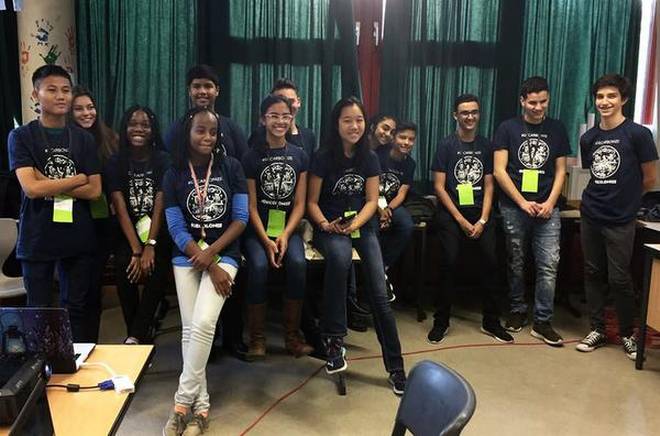
The students of Hyderabad Public School, Begumpet, who took part in the 13th Conference of Young Climate Activists.

A team of nine students and their facilitator from Hyderabad Public School, Begumpet, represented India for the first time in the 13th Conference of Young Climate Activists in the run up to the 23rd United Nations Climate Summit at the headquarters of United Nations Framework Convention on Climate Change at Bonn in Germany last month.

The students led by Tharunimm Jamal shared with the gathering at Bonn a report on climate change in India. The report was the result of four months of painstaking efforts by the students preparing blogs, researching and gathering information on climate change, a release said.

It added that Mr. Jamal presented India’s voice in green peace rally at Bonn and made some presentations on climate challenges facing the country. On return, Mayor Bonthu Rammohan met the team and presented it appreciation letters on behalf of the GHMC.

source: http://www.thehindu.com / The Hindu / Home> News> Cities> Hyderabad / by Special Correspondent /  Hyderabad – December 23rd, 2017

Mahmood Ali surprises the House by speaking in Telugu

Hyderabad, TELANGANA :

MahmoodAliMPOAS28dec2017

Hyderabad:

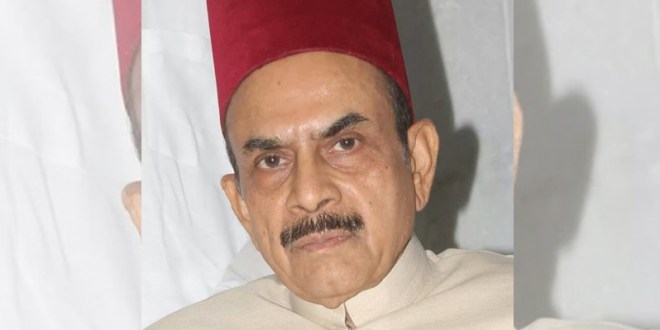
Deputy Chief Minister Mohammed Mahmood Ali surprised the Telangana Legislative Assembly by speaking in Telugu. On the question raised by Congress MLA T Sudhakar during question hour, regarding issue of pattadar pass book to farmers, Deputy Chief Minister read the answer in Telugu.

Members of the houses patted the table in appreciation of his gesture.

Deputy Chief Minister not only read the written answer in Telugu but also gave the reply to the questions in Telugu. He was donning traditional ‘sherwani’ and ‘topi.

Siasat News

source: http://www.siasat.com / The Siasat Daily / Home> Hyderabad> News / November 18th, 2017

Indians for Collective Action Hosts 49th Anniversary Gala Awards Banquet

UTTAR PRADESH / Saratoga, California, USA :

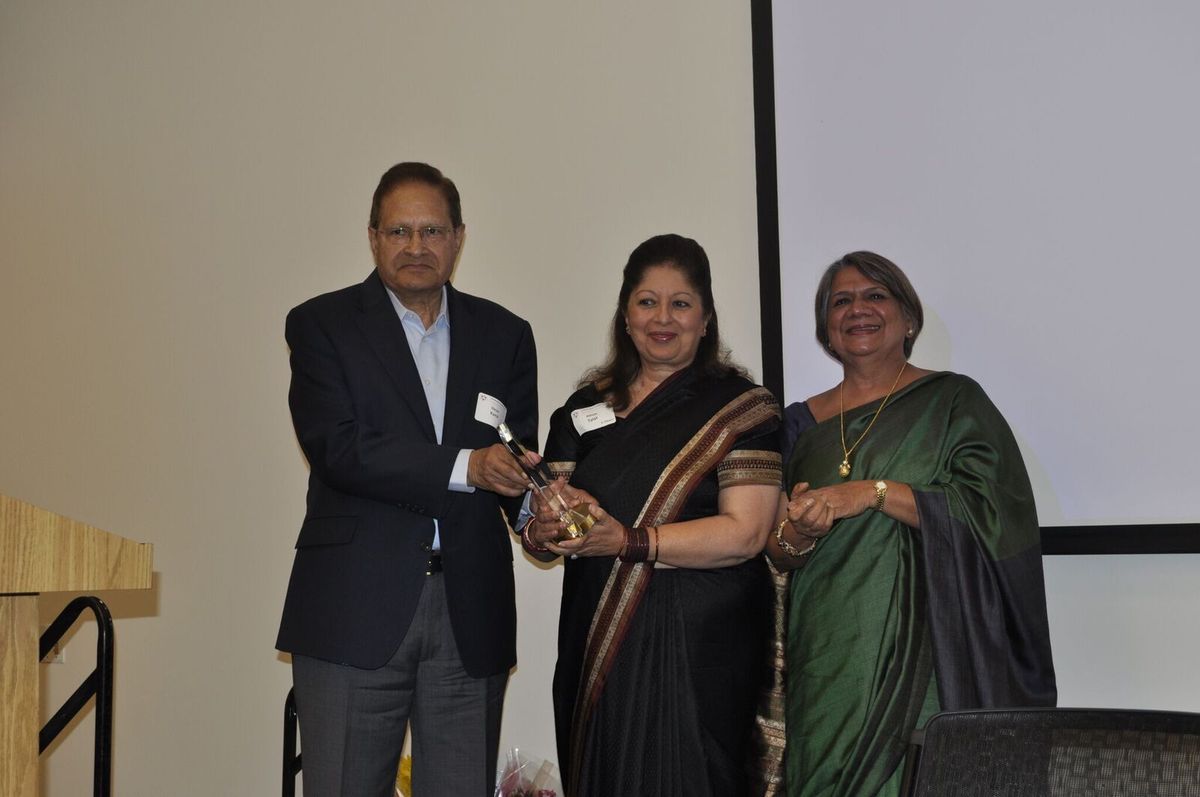
The Indians for Collective Action's Annual Awards Banquet Oct. 28 honored (l-r) Indian Americans Kamil and Talat Hasan, seen here with Dr. Anuradha Luther Maitra (photo provided)
The Indians for Collective Action’s Annual Awards Banquet Oct. 28 honored (l-r) Indian Americans Kamil and Talat Hasan, seen here with Dr. Anuradha Luther Maitra (photo provided)

Menlo Park, Calif. :

Indians for Collective Action, a San Francisco Bay Area-based nonprofit established in 1968 at the UC Berkeley campus with a motto of ‘Development through Innovation’, celebrated its 49th year anniversary with its ‘Annual Awards Banquet’ at the Arrillaga Family Recreation Center here Oct. 28.

The awardees this year were Sonam Wangchuk, founder of the Student Educational and Cultural Movement of Ladakh, and founder of the Himalayan Institute of Alternatives Ladakh; as well as Silicon Valley-based Indian American philanthropists Talat and Kamil Hasan.

The blockbuster Bollywood movie, “3 Idiots,” was in large part based on Wangchuk’s life. He has increased the high school graduation rate in Ladakh’s districts from 5 percent to 70 percent in a decade.

“It is pleasant to see that people from India in this country are connected and caring for the country of their origin. After having worked with schools to bring reforms, to make them future ready, we are now working with higher education universities to create an alternative university that does education as it should be—more engaged and practical rather than just theory, which is what happens in most institutes of higher learning whether in India or the U.S.,” Wangchuk told India-West.

“Just sitting down and listening to lectures is not in harmony with human nature. Youth are not suited for sitting for hours in a classroom. We are a more hands on species and that is how we learn. This is what we are working towards and hoping that it will not only solve the problems of higher education in a place like Ladakh but in other parts of India and the world too,” Sonam added.

“We are working to engage young people to solve real life problems and if it succeeds, the ripple effects will influence universities in rest of India and the world that needs something more engaging than what we currently have,” he continued. “Higher education is too theoretical, up in the air and abstract and not related to life in most places and people feel it. Higher education of today does not prepare you for real life and people are looking forward to something more real than mumbo jumbo of words.”

Working in partnership with dedicated social workers and organizations in India and the U.S., ICA has supported 370 development projects totaling to more than 8.5 million in 25 states in India.

Bhupen Mehta, the organization’s co-president spoke about some of ICA’s projects like SEWA Rural’s IamTeCHO mobile phone technology rolled out by Prime Minister Narendra Modi in cooperation with WHO and UNICEF, as well as the Jaipur Foot Camp Rajkot that has been scaled by Modi in Rajkot.

“I request you all to give your tan, man and dhan (efforts, heart, and wealth) in whichever order that you want to ICA,” Mehta said. “We are getting senior in age and would like to retire. We are looking for youth to take over ICA and run it for the next 50 years.”

The foundation only works with NGOs with guiding principles of secularism, non-partisanship and democracy with a vision of a secure life for every Indian, in a sustainable environment and a just society.

It provides seed funding, ongoing financial resources, moral and technical support to innovative, community-based, scalable development initiatives.

Some of the initiatives of ICA include the youth project helping connect youth in the U.S. with NGOs in India for hands-on social development experience; and its fellowship fund to help activists in India, especially women, in securing opportunities to come to the U.S. for higher training in the areas of environment, women and child development work.

Kamil Hasan expressed his admiration for ICA’s work and went on to say that the main impetus of all the philanthropic activities that he and his wife, Talat Hasan ,have engaged in are to raise the profile of the Indian American community, so that it can make an impact on mainstream American society economically, socially and politically.

He opined that the Jewish community is a good example to emulate and there are four angles — economic success, philanthropy, cultural education and political involvement — that any community keen to raise its profile in U.S., has to work on.

“We have done very well in the area of economic success and fairly well in philanthropy within the community and in India and cultural dissemination via Bollywood movies, actors, yoga, etc.,” Hasan said. “But we have a lot of work to do in expanding our philanthropy to the mainstream community and in political involvement and public service.”

This was followed by a speech on the legacy of philanthropy by Talat Hasan, who amusingly narrated the philosophy passed down by her father, historian and ambassador, Nurul Hasan. She said that her father told her that since she had been privileged by accidental birth, she has an obligation to give back more to society than she had taken.

“I learnt from my parents that working for the community is not a feel-good activity. It is an obligation and should be an integral part of life,” Talat Hasan said. “You should not wait until retirement to do good, and anything that you take on should be sustainable, not just financially but also in such a way that long after you are gone, the work continues.”

source: http://www.indiawest.com / India West / Home> Featured  / by Shalini Kathuria Narang, Special to India West / November 02nd, 2017

How a royal wedding erupted into an epic battle of wits between Ghalib and the court poet

DELHI :

Zauq and Ghalib took digs at each other through a sehra penned for a prince’s wedding and the Red Fort reverberated with this clash of titans.

The sehra, or prothalamion, (song to celebrate a wedding) is now a vanishing genre. I remember while I was growing up that almost all nikahs would have a sehra read by a relative with poetic aspirations, after the ceremony.

Though sehras are supposed to be in praise of the groom and a prayer for his wedded life, these would be witty and laudatory at the same time, usually a humorous dig at all relatives. A copy of this would then be distributed to the wedding guests.

Sehras fall into the category of nazms and have to be in meter.

The most famous sehra, of course, is the one penned by Mirza Ghalib (1797-1869) for a royal wedding, in which he took a dig at the emperor’s Ustad, Sheikh Ibrahim Zauq (1788/9-1854).

Zauq and Ghalib were contemporaries in Delhi, and their rivalry was legendary. Zauq had been given the title of Khaqani e Hind and drew a nominal salary of Rs 4 per month. The respect and position that he gained as a result was immense. It also gave him free access to the Qila e Moalla (Red Fort).

This was a constant thorn in the side of Mirza Ghalib, who felt he was better and deserved a royal position too. Thus, he never let go of any chance to score poetic points over his rival.

One such chance came at the last grand Mughal wedding, on April 2, 1852 – that of Jawan Bakht, Badshah Bahadur Shah Zafar’s son by his favourite and youngest wife Zeenat Mahal, to Nawab Shah Zamani Begum.

Begum Zeenat Mahal asked Ghalib to write a ‘sehra’ for her son’s wedding. The honour should have gone to Sheikh Ibrahim Zauq, but he was reportedly unwell.

William Dalrymple in his book The Last Mughal writes: “The marriage procession of Prince Jawan Bakht left the Lahore Gate of the Red Fort at 2 am on the hot summer night of 2 April, 1852.”

Dalrymple goes on to write that what was remembered longest and discussed most about the wedding was not so much the festivities or the feasting or the fireworks, but “the marriage odes recited by the Poet Laureate Zauq, and his rival Mirza Nausha, now more widely known by his pen-name Ghalib.”

Ghalib wrote a ‘sehra’ whose maqta (the last couplet in an Urdu ghazal which contains the poet’s pen name) was:

  • ‘hum suKhan_fahm haiN, Ghalib ke tarafdaar nahiN
  • dekheN keh de koi is sehre se baRh kar sehra’

We are connoisseurs of poetry, not partial to Ghalib

Let’s see if there’s anyone who can write a better ‘sehra’

The emperor, realising that this was a dig at his mentor Zauq, is said to have been displeased with the maqta. A slight to his mentor was seen as a slight to the emperor himself. Zafar asked Zauq to write a ‘sehra’ too. Not one to let go of an opportunity, Zauq included these line.

  • jin ko daawa ho suKhan ka yeh sunaa do unko
  • dekh is taraH se kehte haiN suKhanwar sehra

Tell those who claim to be eloquent

This is how poets write a sehra

The fort reverberated with this clash of titans and it is recorded that the Crown Prince Mirza Fakhruddin (also a disciple of Mirza Zauq) exclaimed, “Ustaad ne maidan maar liya“.Dalrymple writes: “The squabble at the wedding was over a single verse in Ghalib’s sehra (or wedding oration) where he appeared – characteristically – to suggest that no one in the gathering could write a couplet as well as he…. Zafar [the king] also encouraged Zauq to reply to Ghalib’s unprovoked sally. The fine sehra that the Poet Laureate came up with ended with a couplet tossing the challenge back to Ghalib:

The person who claims poetic skills,Recite this to him and say,”Look-this is how a poet”

This round went to Zauq as the singers in attendance picked up the verse and spread it all over Shahjahanabad. By next day it was in the newspapers.”

Ghalib then wrote his celebrated qat’a-e-ma’azerat’ (letter of apology), in response to the emperor’s reaction. However, the egoistic poet left no ‘verse’ unturned in adding insult to injury, using poetry as a medium to prove his supremacy and take a dig at Zauq’s humble origins and the Emperor’s negligence of him.

The maqta of this ghazal became even more famous.

      • manzoor hai guzaarish-e-ahvaal-e-waaqa’aii
      • apna bayaan-e-Husn-e-tabii’yat nahiN mujhe
      • I accept the request to state the facts, To praise oneself is not a habit of mine
      • sau pusht se, hai pesha-e-aaba sipahgarikuchh shayari,
      • zari’ye-e-izzat nahiN mujhe
      • My forefathers have been warriors for hundred generations
      • By writing poetry, fame I seek not
      • aazaadah rau huN, aur mira maslak hai sul
      • H-e-kulhargiz kabhi kisi se adaawat nahiN mujhe
      • I am a free spirit and my conduct is always peaceful,I bear malice against no one
      • kya kam hai yeh sharaf ke Zafar ka Ghulaam huN
      • maana ke jaah-o-mansab-o-sarwat nahiN mujhe
      • Is the privilege not enough that I serve Zafar,
      • Agreed rank, position and affluence I have not
      • ustaad-e-shah se ho mujhe par Khaash ka Khayaal
      • yeh taab, yeh majaal, yeh taaqat nahiN mujhe
      • The thought of a row with the king’s mentor
      • This arrogance, this audacity, this strength I have not
      • jaam-e-jahaaN_numa hai shahenshaah ka zameer
      • saugand aur gawaah ki Haajat nahiN mujhe
      • The king’s conscience is all encompassing,
      • The need for an oath and witness I have not
      • sehraa likhaa gaya ze_rah-e-imtiSaal-e-amr
      • dekhaa ke chaarah Ghair ita’at nahiN mujhe
      • The sehra was written in obedience of orders,
      • Non compliance with that order I dare not
      • maqt’e meiN aa paRi hai suKhan gustaraana baat
      • maqsood is se qat’a-e-moHabbat nahiN mujhe
      • I wrote something in the maqta’ which became popular,
      • A reason to ending friendship I want not.
      • ruu-e-suKhan kisi taraf ho, tau ruu_siyaah
      • sauda nahiN, junooN nahiN, veHshat nahiN mujhe
      • If I aimed it at someone in particular then may my face beblackened,
      • I am neither mad, nor crazed nor so deprived of sense.
      • qismat buri sahii, pa tabii’yat buri nahi
      • Nhai shukr ki jagah, ke shikaayat nahiN mujhe
      • Although my luck is bad, but my habits aren’t bad,
      • I’m in a place of thankfulness and complain I do not.
      • saadiq huN apne qaul meiN Ghalib Khuda_gawaah
      • kehta huN sach ke jhooT ki a’adat nahiN mujhe
      • Always true to his word is Ghalib, as God is my witness,
      • I tell you the truth as lie I do not.

This is the original sehra written by Ghalib for Mirza Jawan Bakht:

      • Khush ho ai baKht ke hai aaj tere sar sehraabaa
      • Ndh shahazada Javaa.N baKht ke sar par seharaa
      • [baKht = luck; pun on Groom’s name]
      • kyaa hii is chaaNd se mukhaDe pe bhalaa lagataa hai
      • hai tere husn-e-dil_afroz kaa zevar sehraa
      • [husn-e-dil_afroz = beauty that lights up the heart]
      • sar pe chaDhnaa tujhe phabataa hai par ai tarf-e-kulaah
      • mujhko Dar hai ke na chhiine tera lambar sehraa
      • [phabataa = suits]
      • nav bhar kar hii piroye gaye honge motii
      • varnaa kyun laaye hain kishtii mein lagaakar sehraa
      • saat dariyaa ke faraaham kiye honge motii
      • tab banaa hogaa is andaaz kaa gaz bhar sehraa
      • ruKh pe dulhaa ke jo garmii se pasiinaa Tapakaa
      • hai rag-e-abr-e-guharabaar saraasar sehraa
      • ye bhii ik be’adabii thii ke qabaa se baDh jaaye
      • rah gayaa aan ke daaman ke baraabar sehraa
      • jii me.n itaraaye.N na motii ke hamii.n hai.n ik chiiz
      • chaahiye phuulon ko bhii ek mukarrar sehraa
      • jab ke apane mein samaave’n na Khushii mein maare
      • guu.Ndhe phuulon kaa bhalaa phir koii kyuu.Nkar sehraa
      • ruKh-e-raushan kii damak gauhar-e-Galtaa kii chamak
      • kyuN na dikhalaaye faroG-e-maah-o-aKhtar sehraa
      • taar resham kaa nahii.n hai ye rag-e-abr-e-bahaar
      • laayegaa taab-e-giraa.Nbaari-e-gauhar sehraa
      • ham suKhan_faham hain “Ghalib” ke tarafadaar nahii.n
      • dekhe.n is sehare se kah de koii ba.Dhakar sehraa
      • [suKhan_faham = patron of poetry]
      • Zauq’s sehra
      • Ai Javaan Bakht mubarak tujhe sar par sehra
      • Aaj hai Yaman wa Sada’t ka tere sar sehra
      • Aaj woh din hai ke laaye durr e anjum se falak
      • Kashti e zar mah e nau ke lagakar sehra
      • Tabish husn se manind shua e khursheed
      • Rukh e pur noor pe hai tere munawwar sehra
      • Woh kahe Salle Alay eh kahe SubhanAllah
      • Dekhe mukhade pe jot ere mah o akhtar sehra
      • Taa banni aur banne mein rahe ikhlas baham
      • Goondhiye sura e ikhlas padhkar sehra
      • Dhoom hai gulshan e afaaq mein is sehre ki
      • Gaaye’n marghaan e nava sanj na kyunkar sehra
      • Ru e farkh pe jo hain tere baraste anwar
      • Taar e barish se bana ek sarasar sehra
      • Ek ko ek pe tazai’n hai dam e araaish
      • Sir pe dastar hai, dastar ke oopar sehra
      • Ek gauhar bhi nahin sadgaan e gauhar mein choda
      • Tera banwaaya hai le leke jo gauhar sehra
      • Phirti khushboo se hai itraayi huyi baad e bahaar
      • Allah Allah re phoolo’n se moatta’r sehraa
      • Sar pe turra hai muzaiyyan to gale mein baddhi
      • Kangana haath mein zeba hai to munh par sehra
      • Runumayi mein tujhe de mah o khurshid o falak
      • Khol de munh ko jot u munh se uthakar sehra
      • Kasrat e taar e nazar se hai tamaashiyo’n ke
      • Dam e nazara tere ru e niko par sehra
      • Durr e khush aab e mazameen se banakar laaya
      • Waaste tere tera Zauq sanagar sehra
      • Jis ko daawa hai suKhan ka yeh sunaa de usko
      • Dekh is taraH se kehte haiN suKhanwar sehra


(This article first appeared on the author’s blog.)

source: http://www.dailyo.in / Daily O / Home> Arts & Culture / by Rana Safvi  @iamrana / December 27th, 2017