Mumbai MFD Nikhat Ashraf Mohamedy has been offering home-cooked meals to underprivileged people during lockdown.
Maiñ akelā hī chalā thā jānib-e-manzil, magar log saath aate gae aur kārvāñ bantā gayā (I started a journey for the betterment of mankind alone but many people joined me and eventually it became a movement). By Mazrooh Sultanpuri, famous lyricist and poet.
This is what happened with Mumbai mutual fund distributor Nikhat Ashraf Mohamedy who started offering meals to those starving for food during lockdown and today many people have joined her in this noble cause.
It all started when Nikhat came across a child who did not eat food for two days. Nikhat took this child home and offered him homemade food. This episode made her realize that there must be many people around her vicinity starving for food due to the nationwide lockdown. She then started cooking food for 150 people on her own to distribute it among them.
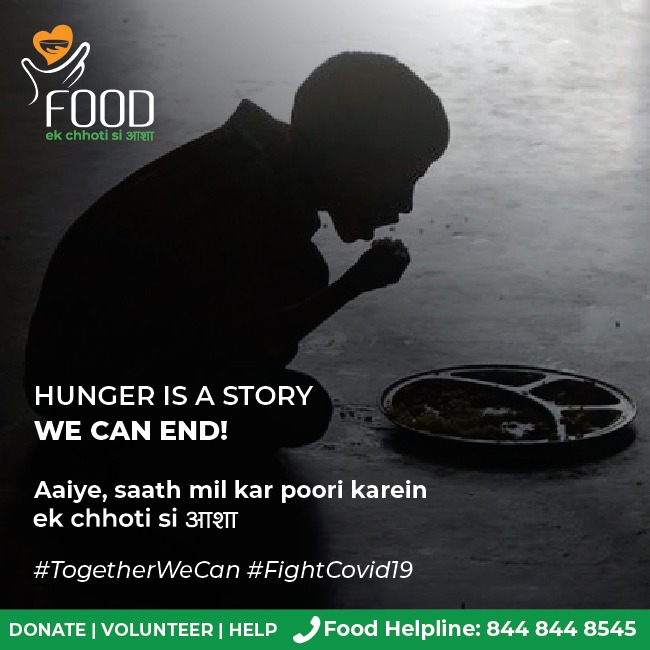
Soon, her neighbour and friends joined her in this initiative and set up a group called Food-Ek Choti Si Asha (A ray of hope) to help people starving for food. Today, her group provides meal for 10,000 people every day.
Nikhat believes that it is her moral duty to take care of those who are less fortunate. “We have been providing food to daily wage earners as these people did not have money to arrange for food due to sudden lockdown.”
Today, 75 volunteers across the city work with Nikhat to ensure that nobody sleeps hungry.
You can help Nikhat by becoming a volunteer or making contribution to her group. You can contact her @9967322224.
source: http://www.cafemutual.com / CafeMutual / Home> Tarraki Corner / by Vidyut Deshpande / April 16th, 2020
Across India, Muslims have been as engaged in operations to help people worst affected by the crisis as anyone else.
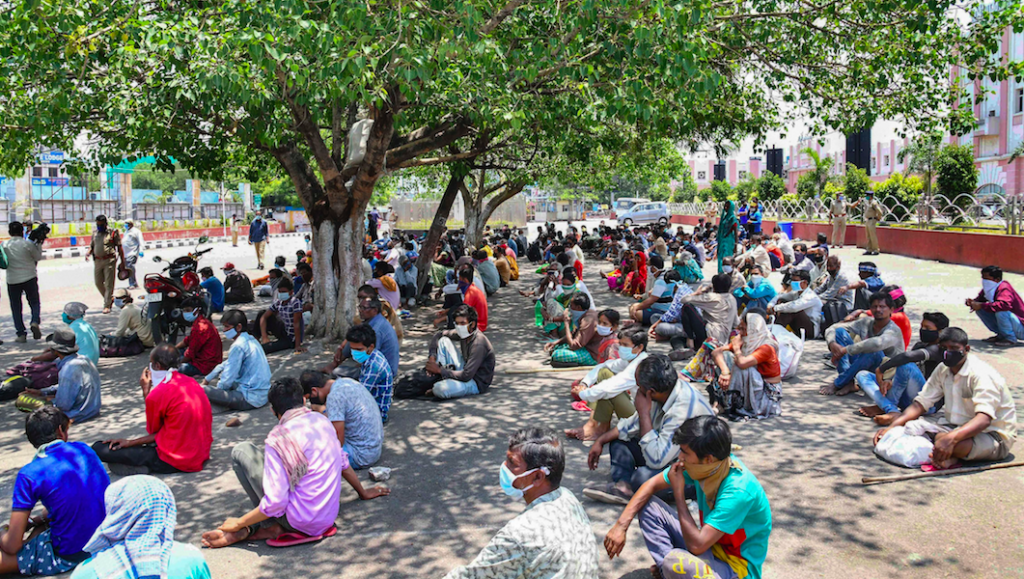
People sit in Hyderabad as volunteers distribute relief material. Photo: PTI
By its very nature, hate destroys and tears down; by its very nature, love creates and builds up.”
– Martin Luther King Jr.
As India soldiers through its lockdown amid the COVID-19 crisis, it is clear that the devastation it has wrought on lives and livelihoods is unprecedented in living memory.
From living on the fringes of society to now struggling for survival, the lived reality of millions of Indians today is one of deprivation and desperation. Dominating the narrative is also a vile and hateful worldview that seeks to find opportunity in a humanitarian catastrophe, and reflects a willingness to advance a “nationalist” agenda, albeit at the cost of the nation.
Thankfully, the story of COVID-19 in India does not begin with deprivation and end in hate. An integral aspect of our collective situation today is that tragedy has engendered resolve, and for some noble souls, countering hate is an exercise in demonstrating love and compassion.
Initiatives across the country to provide relief to the most vulnerable segment of society reflect how civil society can make a difference even in the face of government inefficacy and ineptitude. Especially heartening is the work of organisations that are working to provide succour to all, regardless of religious or caste identities.
In Mumbai, “Food – Ek Chhoti Si Asha” is a broad community relief effort initiated by Nikhat Mohamedy, a Hijab-clad Muslim lady.
Now serving over 25,000 meals a day to the poor and destitute across the metropolitan city and far-flung suburbs, it all started with Mohamedy coming across a daily wage worker from the slums who had not eaten for two days. This led to her cooking food for 150 people in the vicinity of her home near Crawford Market.
The sheer extent of the need and Mohamedy’s passion for relieving hunger saw many more people join and contribute to the effort with their time and money. Today, the organisation has one main kitchen serving 15,000 meals a day and several “satellite kitchens” across the city serving an additional 10,000 to 15,000 people.
Volunteers, donors and beneficiaries come from every religious community and every sect. “This is about recognising the fact that we are all children of Adam and Eve, and feeding those brothers and sisters who are hungry and deprived is fundamental to expressing our humanity, ” says Mohamedy.
“For me, personally, this work is also an expression of my identity as a Muslim. Widespread prejudice against Muslims cannot be allowed to get in the way of serving all who are impacted by this crisis regardless of their religious identify or social status,” she adds.
Helping Hand Foundation, a nationwide NGO operating in the health sector is another organisation that has pivoted towards awareness campaigns and emergency assistance in the wake of the COVID-19 crisis.
A dedicated team of 100 volunteers including several ambulance drivers, nurses, paramedics, counsellors and patient care givers are working on a daily basis to reach out to areas where food and medical attention are urgently needed. This is in addition to awareness campaigns on social distancing and hygiene, in government hospitals as well as in slums, along with the efforts it takes in educating the masses on ways to safeguard their health at this time.
“We have been engaged in the mission to serve our fellow citizens even before COVID-19. The magnitude of the challenge facing our country and the sheer plight of those in need has only strengthened our resolve to do more,” says Mujtaba Askari, the organisation’s founder and trustee who is based in Hyderabad.
“As for the demonisation of Muslims, the antidote to hate can never be hate. It is love and compassion,” Askari adds.
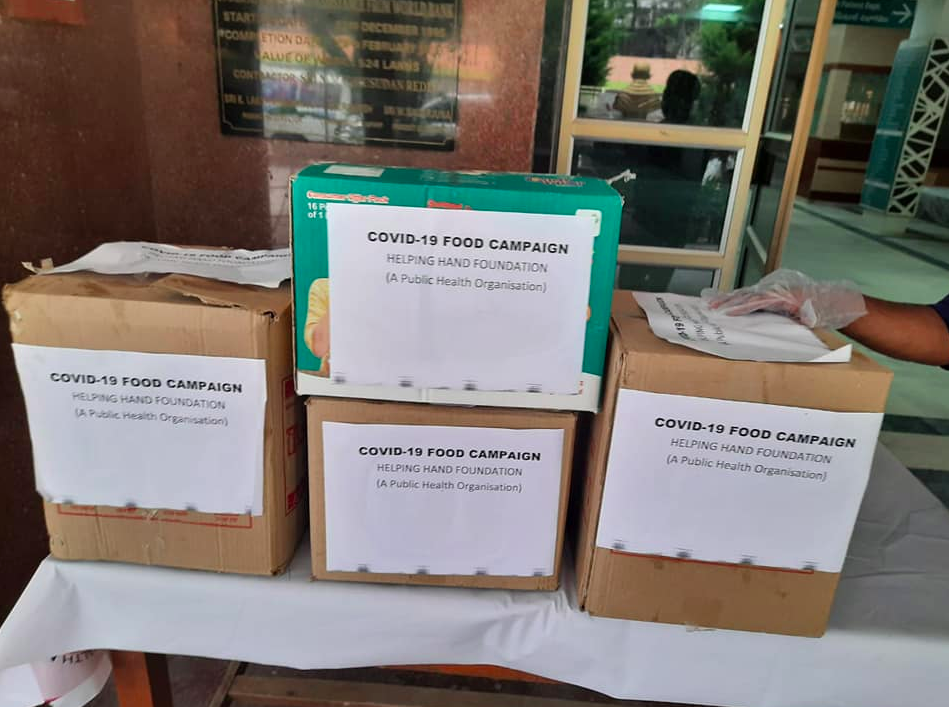
Food packets to be distributed by the Helping Hand Foundation. Photo: Facebook
The phenomenon of individuals and organisations transcending religious differences to serve all is not limited to Muslims.
In Mumbai, a Bengali Welfare Association has reallocated the funds meant for Durga Puja celebrations towards COVID-19 relief efforts. From Gurdwaras to Buddhist monasteries hundreds of houses of worship of practically every religious community have recognised the existential nature of the crisis facing the country and the world, and have risen to the occasion by welcoming everyone who needs help.
The point of highlighting Muslims doing the same is not to take anything away from the magnanimity of these laudable efforts. In the current climate, however, of unending vitriol being poured on Muslims by some public figures and media outlets, there is something especially uplifting about so many Indian Muslims rising above anger and bitterness to stay focused on providing relief to fellow citizens.
Not only are Muslim-led efforts in various states working towards relief a common phenomenon, established nationwide organisations of Indian Muslims such as the Jamaat-e-Islami Hind (JIH) have a long track record of being in the forefront of relief efforts in the face of natural calamities. Their grassroots-based nationwide network is now being effectively leveraged to provide relief to Indians of every creed and caste, which the organisation plans to continue until the lockdown is in place.
Undoubtedly, the struggle to save India’s soul will be long and hard, and things will likely get worse before they get better.
However, it is the acts of kindness that so many people of every religious community are willing to extend to each other that keeps the hope alive for millions of Indians.
These acts already represent a triumph of pluralism over bigotry, and of compassion over cruelty.
Musaddique Thange is a project management professional based in the US. He has served as a board member of the Indian American Muslim Council and has been engaged in social services in San Diego, California for the last 10 years.
source: http://www.thewire.in / The Wire / Home> Analysis / by Musaddique Thange / April 27th, 2020
What do people like Jahanara Bibi, Zakir Hussain, Heera, Rebecca, Mansura, Reshma, Hassanujjaman, Akbar, Raju and Rahim have in common?
One, they all are residents of West Bengal; two, they are Muslim and three, immune to the communal strife reported all around, they have dedicated themselves to help the poor, the ignorant and the needy in these times of Covid-19 irrespective of their communal identity.
Some of them are making masks and distributing these free of cost among poor people who cannot afford to buy them, creating awareness in their respective neighbourhoods about the need for wearing masks, maintaining social distancing and staying indoors during the lockdown. They live in neighbourhoods in extended Kolkata where the majority is Muslim but Hindus live here too and there does not seem any communal strife raising its head here.
According to Arunakshya Bhattacharya of the Anandbazar Patrika (May 4, 2020), Jahanara Bibi, a housewife, who lives in the neighbourhood of Duttapukur Police Station, happened to chance upon a group of children moving about without masks during the lockdown. So, she asked them why they were not wearing masks. They chorused that they did not have the means to buy masks. She at once made up her mind to make masks herself at home with leftover pieces of cloth and distribute these for free among poor children. She personally distributed these masks to different localities in the neighbourhood. To end this happy story, her husband, Zakir Hussain, has joined her in this effort.
Explaining what motivated her, Jahanara says, “I know that people in these outskirts and suburbs areas are not aware of the importance of wearing masks and the ill effects of not wearing them. There are many who cannot afford to buy masks or know to make them, So, I took it upon myself not to make masks but also to visit homes from door to door and distribute the masks and also, if possible, to explain the importance of wearing masks when stepping out.”
Happily, other women of the community such as Heera, Rebecca and Mansura are distributing masks across neighbourhoods like Jagulia, Duttapukur, Golabadi, etc from one house to the next and also selling some masks to those who can pay.
Aamdanga is a neighbourhood crowded with people of the minority community. The same applies to Hadipur and Gorpara in Deganga. A group of women from the minority community noticed that the residents of these places were crowding needlessly in some areas, in violation of the rules of social distancing. Some were even seen chit-chatting at small tea shops.
A group of Muslim women took it upon themselves to form small groups and visit these crowded areas and counsel the locals against crowding needlessly and advising them to stay home. Reshma Tarafdar, a college student, went from door to door to advise them to stay at home and not step out during the lockdown. Some among these groups are also helping out in the distribution of free food among the poor and the very poor.
Hassanujjaman Choudhury, a young man who lives in Noornagar within Deganga, has invented an original “Food ATM” machine which carries the label “Please maintain social distancing” on its body. The very poor who cannot afford their daily meals are handed a metal token with the picture of Netaji Subhash Chandra Bose. They have to slip this token into a slot in the machine and at once, two packets of rice, potatoes, onions, soyabean and oil come out. Others involved in similar volunteer work are Akbar, Raju and Rahim who have vowed to stand beside the deprived and the downtrodden in these dark days.
These incidents come in the wake of the story of Abdul Rehman Sheikh, 30, a businessman, who, along with other Muslim neighbours, came to the aid of the sons of Draupadi Bai Verma when her sister refused to take care of her as she suspected the old woman of being a Covid-19 patient. No one was there to take her to a hospital and she died the following day. This happened in the beginning of April this year.
She lived with one son who is very poor while the other was away and could not come down when the mother was serious. They were very poor. The neighbours refused to even touch the body leave alone joining to help in the funeral rites. At this juncture, Sheikh brought ten Muslim men and came forward to arrange the cremation of the lady by Hindu rites both physically and financially.
This happened in South Toda in Indore. The old woman was suffering from paralysis for three months. According to Sheikh, her sister’s sons, who live just 100 metres away refused to step inside the house. “If she was taken to a hospital the same day, she probably wouldn’t have died,” said Sheikh. the 10 men, along with her two sons and their children, took out the procession to the cremation ground around a kilometre away.
Man-made schisms within two communities do not exist except when politicians try to ignite them for their own axe-grinding motives irrespective of the degree and intensity of the harm this igniting of hate can fall on the harmony and secular feelings the present situation demands. These are just a few examples that illustrate how Kolkata and its suburbs are being witness to the wonderful effort being put in by women of the minority community in volunteering to help people in distress, specially the economically deprived classes, with their help, without thinking about how their exposure in the public domain might place them at risk.
According to a Reuters Report in The Japan Times,(April 20, 2020), “There is no official breakdown of coronavirus cases by religion. But many Muslims feel unfairly blamed for spreading the disease after a cluster emerged at a gathering of Muslim missionaries in New Delhi last month. Sensational news coverage about the event, fanned by some Hindu nationalist politicians, helped spur the trending topic “Coronajihad” on social media.
source: http://www.thecitizen.in / The Citizen / Home / By Shoma A. Chatterji / West Bengal / May 06th, 2020
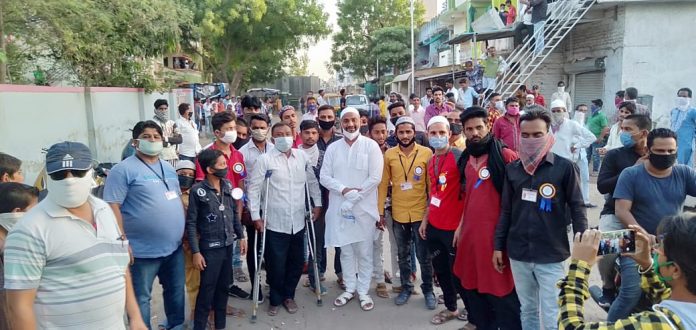
Babubhai (extreme right, with crutches) distributing ration kits to the differently-abled
Amid the ongoing nationwide battle against COVID-19 and the crisis created by the lockdown, Muslim groups in communally sensitive Gujarat have lent a helping hand to the administration, and aided scores, MAHESH TRIVEDI reports.
Gujarat :
As the coronavirus cases in BJP-ruled Gujarat spiralled to 3,548 and killed 162 people by April 29, the Muslim community of the state and voluntary organizations run by them have been silently lending a helping hand to the beleaguered state administration in fighting the deadly virus.
Muslims constitute 10 per cent of the population in this communally sensitive western Indian state. In spite of being a hard-pressed minority and having faced an anti-Muslim pogrom in 2002, the community has brushed aside its sorry state and in current pandemic has worked to bring relief to poor people of the state.
In Ahmedabad, a voluntary organization Vikalang Sahayak Kendra run by differently-abled Ghulam Murtaza (Babubhai) has not only distributed nearly 500 kits containing rice, sugar, wheat flour, edible oil, etc to widows, slum-dwellers and physically-challenged men and women but also has been providing meals once a day to homeless, besides guiding them on personal hygiene during the pandemic.
“It won’t be possible to give succour to the have-nots without financial assistance from generous donors from both Hindu and Muslim communities like Shankar Patel, Talha Sareshwala, Hanif Memon, Mohsin Memon, Akhtar Malik, Raju Patel, Ankur Patel, Ankit Patel, etc,” Babubhai told TwoCircles.net.
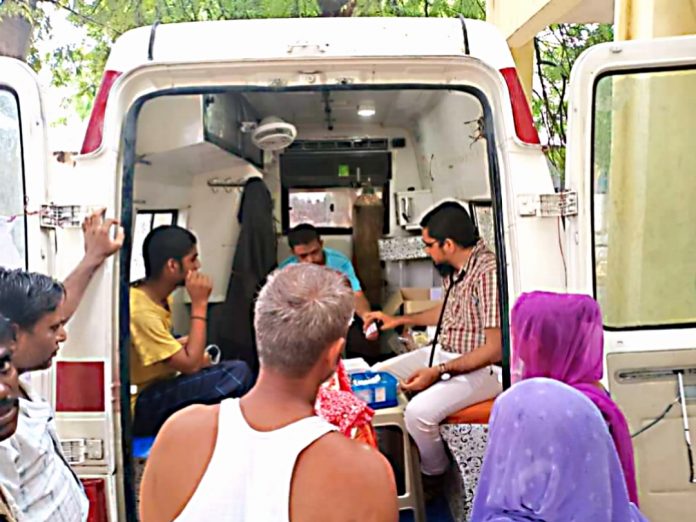
Medical check-up in a BMDA medical van
Other Muslims organizations like School of Education Campus, Chhipa Samast Jamaat, Anjuman-e-Saifee Jamaat, Qaswa Charitable Trust (Bhuj), etc have distributed hundreds of food and grains packets to needy in the ongoing lockdown.
At one of India’s largest Muslim ghetto on the outskirts of Ahmedabad in Juhapura, housing nearly 400,000 people, Muslim youth belonging to Ahmed Shah Army, an NGO took it upon themselves to sanitizing 30,000-odd houses.
Besides sanitizing the houses, the Muslim youth did not hesitate in providing free hair cuts to beggars – at least 180 of them, who had been lodged in a hostel by local authorities in Valsad in south Gujarat. The Muslim youth from the NGO also handed over two pairs of clothes to the beggar community.
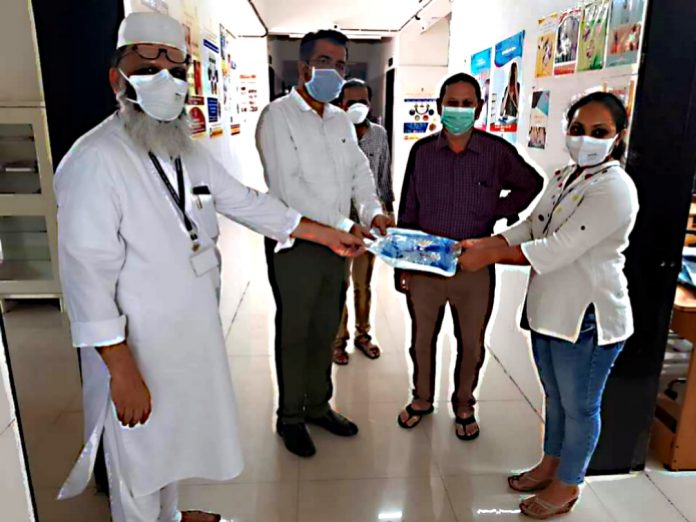
Zuber Gopalani (extreme left) and BMDA members gifting PPE kits to a municipal doctor
In Vadodara, the citizens remember a benevolent Muslim auto driver Ali Hussain Udawala, who has been ferrying passengers to hospital during the lockdown without charging any fare.
Riddhi Soni, a 28-year-old visually-challenged college teacher at Rajpipla in south Gujarat, lives alone in the staff quarters and could not go back to her parents in Ahmedabad because of the shutdown. It was her neighbour and colleague Numa Ansari (26) who has come to her aid in the current lockdown.
Soni told TwoCircles.net that Ansari has always remained at her beck and call, sanitized her room, bought essentials for her, and took care of her.
With the shortage of isolation units in municipal-run hospitals in Ahmedabad to house the increasing number of suspected cases of COVID-19, Issa Foundation, which has already been running community kitchens, offered its three buildings as quarantine facilities with 1,200 beds and also offered to bear food expenses of patients and medicos.
In Baroda, where the services provided by the 300-member Baroda Muslim Doctors’ Association (BMDA), headed by chairperson Dr Muhammed Husain is earning them laurels.
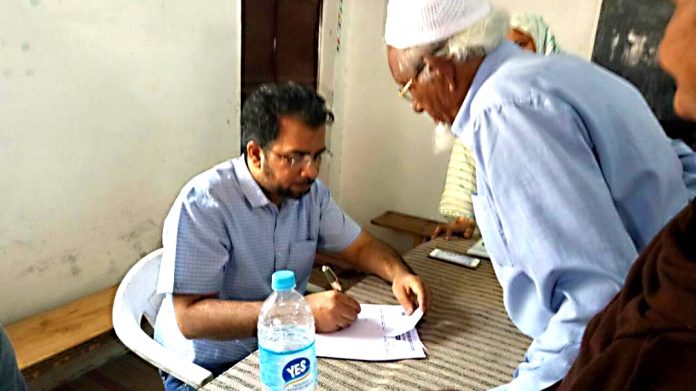
BMDA chief Muhammed Husain prescribing medicines to a senior citizen
Ever since the government enforced the lockdown, BMDA has organized free medical camps, launched blood donation campaigns, and joined hands with the Vadodara municipal corporation in preventive and curative interventions to boost its anti-virus drive.
Husain told TwoCircles.net that 150 dedicated doctors of the association have been risking their lives by conducting door-to-door surveillance in COVID-hit areas declared as ‘danger zones’ in the cultural city.
Ever since BMDA was set up in 2012, the association, besides organizing events for medicos, has also been carrying out a number of social activities for the underprivileged to bring the marginalized into the mainstream.
BMDA has done this by promoting academic scholars, helping high-school drop-outs to join skill-based learning, starting reading rooms in slums and semi slums, free malnutrition check-ups and so on.
According to Zuber Gopalani, famed social activist and educationist, BMDA’s biggest achievement came recently when an expert group from the federal government lauded the invaluable services rendered by the doctors and paramedics of the association at an ideal COVID-care centre at the Ebrahim Bawany ITI Hostel in Vadodara.
“BMDA medicos threw their full heart and soul into this COVID care centre while working with the civic body’s health team, regularly examining the patients’ blood sugar, blood pressure, temperature, etc and monitored their hygiene and sanitation. The result was that for the first time in India as many as 45 COVID-19 patients were completely cured within 10 days and discharged together from one single care centre”, Gopalani said.
source: http://www.twocircles.net / TwoCircles.net / Home> Indian Muslim> Lead Story> Pandemic / by Mahesh Trivedi for Twocircles.net / April 30th, 2020
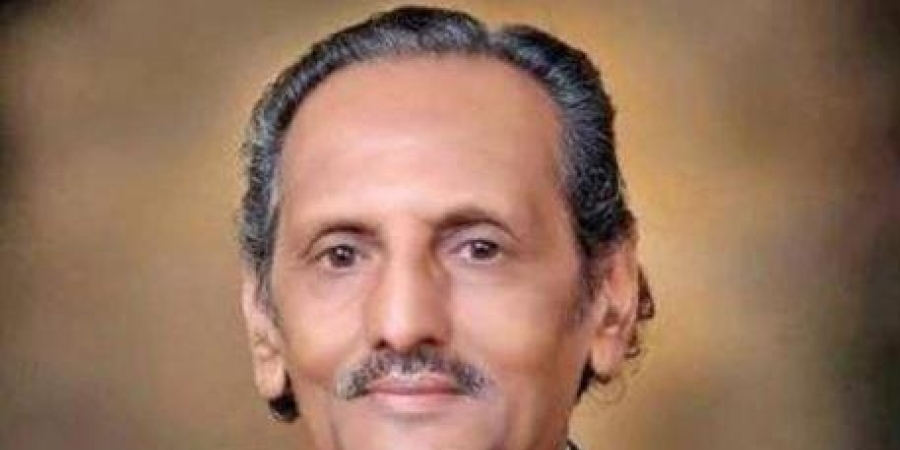
Born on February 5, 1936 at Devanahalli on the city’s northern outskirts, Ahmed was a prolific writer in Kannada and penned poems, plays, short stories and novels.
KS Nissar Ahmed
Bengaluru :
Eminent Kannada poet and writer K.S. Nissar Ahmed passed away here after prolonged illness, an official said on Sunday. He was 84.
“Ahmed died at his residence in the city’s south-west suburb after prolonged illness due to age-related complications,” a state information department official told IANS here.
Born on February 5, 1936 at Devanahalli on the city’s northern outskirts, Ahmed was a prolific writer in Kannada and penned poems, plays, short stories and novels.
A post-graduate in geology, Ahmed worked in the mines and geology department of the state government at Gulbarga in the state’s northern region in the 1950s-60s before moving to Bengaluru to teach the subject (geology) at the state-run central college in the city centre and later at Chitradurga and Shimoga in the state’s Malnad region during the 1970s.
“Ahmed is a recipient of several awards and honours, including Padma Sri and Sahitya Academy award in 2008 and state awards like Pampa in 2017, Nadoja in 2003 and Rajyotsava in 1981,” the official recalled.
Kuvempu University at Shimoga awarded honorary doctorate to Ahmed in 2010.
Ahmed is well known for his poems “Nityotsava” and other popular works such as “Manasu Gandhi Bazaru”, “Sanje Aidara Male” and “Manadondige Mathukathe”.
source: http://www.newindianexpress.com / The New Indian Express / Home> States> Karnataka / by IANS / May 03rd, 2020
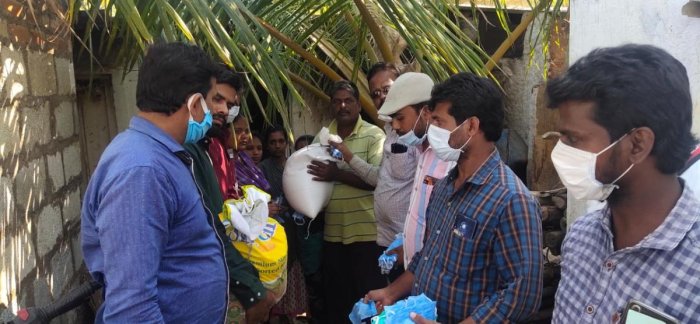
Every day at 9.00 am, three trucks loaded with ration kits leaves Khan’s godown to distribute ration kits to the villagers. These vehicles have essential pass provided by the local administration.
Narsulla Khan has supplied over 21,000 ration kits. (Express Photo)
A 40-year-old businessman from Valsad district has spent Rs 1.10 crore in more than a month to distribute ration kits to poor families in 35 villages in the district. Narsulla Khan who runs an electric panel manufacturing unit in Vapi GIDC has till date supplied over 21,000 ration kits.
Khan, a resident of Dungri falia in Vapi, began distributing the kits on March 27. He created a team of 70 people which included sarpanch of the 35 villages. Khan procured grocery items from wholesale traders in Valsad, Vapi, Navsari and Surat and the team helped put together the kits.
Every day at 9.00 am, three trucks loaded with ration kits leaves Khan’s godown to distribute ration kits to the villagers. These vehicles have essential pass provided by the local administration.
The kit comprises 10 kg rice, 5 kg wheat flour, 2 kg Tuver daal, 3 kg potato, 3 kg onion, 1 kg oil and 1 kg salt.
“The sarpanches and the team have the list of people who need help. So far we have covered or 35 villages and delivered 21,000 kits. I know what it feels like to sleep empty stomach. My father worked very hard to provide for us. By God’s grace, we have enough now. SO, I thought why not help the poor people during lockdown,” Khan said.
“We will continue supplying kits till the lockdown is lifted. The district administrations and even the police of Vapi have our numbers and they call us whenever anybody needs help,” he added.
Vapi taluka Mota Ponda village sarpanch Dhriubhai Ahir said, “The group helps whenever the delivery truck gets stuck anywhere or stopped by the police. Khan does not go out to deliver kits, it is distributed by his volunteers and sarpanches.”
source: http://www.indianexpress.com / The Indian Express / Home> India / by Kamaal Saiyed / Surat – May 01st, 2020
The doctor’s colleagues said she was dressed in her best attire, the protective gear, on the day of her marriage, which was postponed on her request.
Kerala doctor decided to serve coronavirus patients instead of getting married during the outbreak(Sourced Photo)
Sunday, March 29 was supposed to be one of the happiest days in the life of a young Kerala doctor as she was all set to get married to a Dubai based businessmen. However, the critical battle against coronavirus meant that instead of getting married, she decided to don her protective gear and treat patients afflicted by the dreaded virus.
Meet 23-year-old, Dr Shifa M Mohammed, a house surgeon, who was busy at the isolation ward of the Pariyaram medical college hospital in Kannur on Sunday, March 29. Instead of bridal finery, the young anti-Covid-19 warrior donned the personal protection equipment (PPE) that day. ‘Marriage can wait, not my patients, who are struggling for their lives in isolation wards,’ she had told her groom and parents. Both of them readily agreed to her decision.
“In every girl’s, life wedding is an important event. But my daughter has put her social responsibility and professional commitment before her personal needs. When she suggested postponement of her wedding, we readily agreed to it,” said her father Mukkam Mohammed, a leader of the Nationalist Congress Party and LDF district convenor in Kozhikkode.
“When we approached the groom Anus Mohammad, a businessman in Dubai, he also readily agreed to it. I am a social worker and my wife is a teacher. Both my daughters have imbibed this spirit from our social work,” Mohammed added.
His elder daughter is also a doctor and currently posted at the Kozhikkode medical college hospital.
Initially Dr Shifa was reluctant to speak about her decision, which she said was “not out of the ordinary”, but after much prodding, she said “I didn’t do anything great. I did only my duty. I don’t want to talk about it much. There are many like me who postponed their personal engagements. I am only one among them,” she said over the phone after coming out of the isolation ward.
“It is true, on marriage day I was in the corona ward and some of my friends teased me saying I was dressed in my best attire (PPE). But I always enjoy serving my patients. I don’t want to talk much about it as I did my duty only,” she said, and added that as a house surgeon, she can’t talk about her patients and other details.
As the number of Sars-CoV-2 infected have gone up significantly in Kerala, the state government has recently converted Pariyaram medical college hospital in Kannur to a dedicated facility to treat Covid-19 patients. The state has reported two disease-related deaths and 234 people are in isolation wards.
source: http://www.hindustantimes.com / Hindustan Times / Home> India News / by Ramesh Babu , Hindustan Times, Thiruvananthapuram / March 31st, 2020
Mohammadpur Village (Chintamani Taluk) / Kolar, KARNATAKA :
When Prime Minister Narendra Modi announced the nation-wide lockdown to contain COVID-19 from March 25, brothers Tajamul and Muzamil Pasha in Kolar took an exceptional step. They sold a 30*40 plot of land they owned in the town.
This was not to meet their financial needs in times of crisis. But to support those who had lost their livelihoods owing to the lockdown.
The two brothers, who live in the Housing Board colony of Kolar, raised Rs 25 lakh from the sale. The money was used to purchase groceries and other essentials for the underprivileged.
“Isolation is key in the fight against COVID-19. Poor people venture outside if they don’t get food. The ideal way to keep them inside their houses is by supplying groceries and food at their doorstep,” Tajamul Pasha told DH.
The Pashas hail from Mohammadpur village in Chintamani taluk in Chikkaballapur district. Tajamul was an eight-year-old and Muzamil, just five, when their parents passed away. Soon after, they relocated to Kolar with their grandmother.
Compelled to earn their livelihood, they had to discontinue studies after Class IV.
“A kind-hearted man gave us a house near the masjid in Gauripet. Hindus, Muslims, a Sikh family and several others gave us food those days. Religion and caste were never a barrier. What brought us together was humanity and we are now attending the call of humanity,” Tajamul says.
“Those days taught us the value of food. This childhood experience drove us to serve the poor till the lockdown ends,” he adds.
Community initiative
After raising Rs 25 lakh, the brothers tapped into a close network of friends, which includes members from all communities, to start the relief work. First, they bought groceries in bulk and stored them at their residence. Ration packets containing essential items: 10 kg rice, 1 kg all-purpose flour, 2 kg wheat, 1 kg sugar, edible oil, tea powder, spice powders, a bottle of hand sanitiser and face masks were prepared.
Then, they erected a tent in an open space next to their house and set up a community kitchen to serve food to those who can’t cook meals in their houses.
The volunteers have also been given passes by the police, so they can make deliveries of the essential items on their bikes.
They sourced information about those in need of help by visiting the localities themselves and seeking details from the locals and elected representatives.
Their main aim is to ensure that each member of the family receives three meals a day.
So far, the Pashas have delivered free groceries to over 2,800 families, covering some 12,000 people. They have also served food to over 2,000 people. Now, the brothers are working with other like-minded people to continue serving those in need.
“I didn’t know that the government would extend the lockdown. I have done my best, using resources the God has given me. I plan to continue to serve the needy till the lockdown ends,” Tajamul says.
source: http://www.deccanherald.com / Deccan Herald / Home> Specials / by Jagadish Angadi / April 22nd, 2020
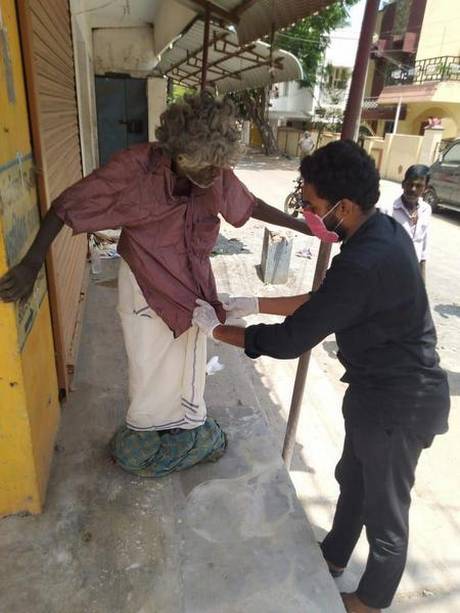
A homeless man being helped by a volunteer | Photo Credit: Special Arrangement
A trust started by a 24-year-old helps bury unclaimed bodies and takes homeless persons with injuries to government hospitals and shelters
A few weeks ago, Suseela, a 60-year-old homeless woman in Gaudiya Mutt Road, sustained a grievous injury on her head, and as she left it unattended, maggots formed in the wound. Similarly, Jeeva, a 70-year-old homeless man in Tambaram, with injuries on his legs, could not get medical attention. Luckily for them, 24-year-old Khaalid Ahmed came to their rescue during the lockdown. He, along with few other volunteers, cleaned their wounds, took them to nearest government hospitals and later, helped them move to shelters run by the Greater Chennai Corporation.
Khalid Ahmed, a mechanical engineering graduate, runs a trust called Uravugal, which helps bury unclaimed bodies after getting proper police and medical clearance. He has been running this trust since 2017 and has buried more than 800 bodies till date. There are around 500 volunteers working for the trust.
“People, who spot injured or dead homeless people, contact us after seeing our social media page. We immediately rush to the spot and co-ordinate with the respective government departments and render the help needed,” Mr. Ahmed says .
During the lockdown period, his team has not only been treating injuries of homeless persons, but have also been burying the bodies of daily wage earners, who are left without any money due to the curfew, and also of pavement dwellers who have no relatives.
“Since March 24, we have conducted final rites for nine persons. Most of the pavement dwellers manage to get food. But many are concerned about if they will get a proper burial once they die. This prompted me to start the trust,” explains Mr. Ahmed.
Apart from this, he has also helped three patients reach their hometowns. “We have our own ambulance for this purpose. Recently we shifted a pregnant woman to Jipmer, Puducherry,” he adds.
A senior police officer said that it was a very good initiative. “But if they do it in co-ordination with government, it will be more efficient,” he added.
source: http://www.thehindu.com / The Hindu / Home> News> Cities> Chennai / by Vivek Narayana / Chennai – April 18th, 2020
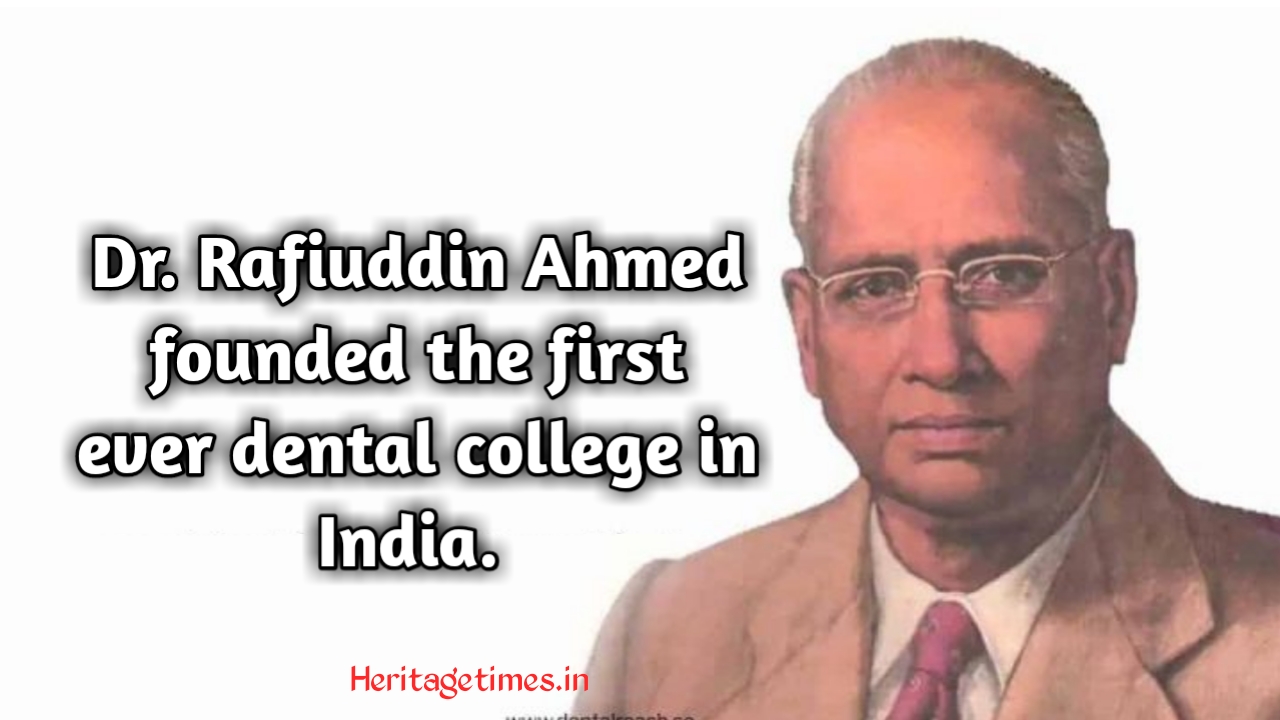
The beginning of this decade, 2020 marks the centennial anniversary of the very reputed Institute, R. Ahmed Dental College in Calcutta, West Bengal, India which was established solely by the effort of the “Father of modern dentistry” of India, Dr Rafiuddin Ahmed in the year 1920.
Dr Rafiuddin Ahmed established the Indian Dental Journal in 1925 and served as an editor till 1946. He published the first student handbook in Operative dentistry in 1928.
It was due to his constant efforts and endless endeavour that the year 1946 witnessed the formation of the Bengal Dental Association which was later renamed as the Indian Dental Association, as it is known today.
Dr Rafiuddin has an exemplary achievement in his professional career. After completing his alma mater from Aligarh Muslim University, He earned his D.D.S (Doctor of Dental Surgery) degree from the University of Iowa School of dentistry, USA in 1915. During the world war- I, he worked at the Forsyth Dental Infirmary for children in Boston, Massachusetts.
In 1919, a year after the war ended, he returned to India to open a dental institute in Calcutta. Initially, the college was run on an experimental basis with only eleven students from 1920 to 1923. Dr R Ahmed took the responsibility of teaching the student both theoretical and practical alongside other dedicated teachers. By 1928, this college was a well- organised institution for scientific dental education in India.
In 1947, Dr Ahmed was awarded a fellowship at the international college of dentistry. He also received a fellowship at the royal college of Surgeons of England and the Pierre Fauchard Academy in 1949.
The founding father of IDA became a minister of the Bengal Government and supervised the Department of Agriculture, Community Development, Co-operation, Relief and Rehabilitation until 1962.
This great personality is an epitome of excellence. His entire life revolved around providing services to the communities. His contribution in the field of dentistry is something to be remembered and truly appreciated. Dr R. Ahmad proved to be an all-rounder. He wasn’t just a dentist, but also was a publisher, an editor, a dedicated teacher, a minister, a president (of IDA). These are just to name a few.
The distinguished achievements of this great personality was recognised by the Government of India and in 1964 Dr Rafiuddin was awarded with the prestigious Padma Bhushan, making him the first Indian Dentist to be honoured with the third highest civilian award of the republic of India.
source: http://www.heritagetimes.in / Heritage Times / Home> Education / by Dr.Zareen Fatima / January 24th, 2020