On Teachers’ Day, Association of Muslim Professionals (AMP), a not-for-profit organisation working in the domains of educational and economic empowerment, has announced the launch of 2 significant initiatives which will benefit the Students’ fraternity. Specially those needing financial assistance for higher education or expert career and professional guidance by professionals.
The 2 new initiatives that have been launched are;
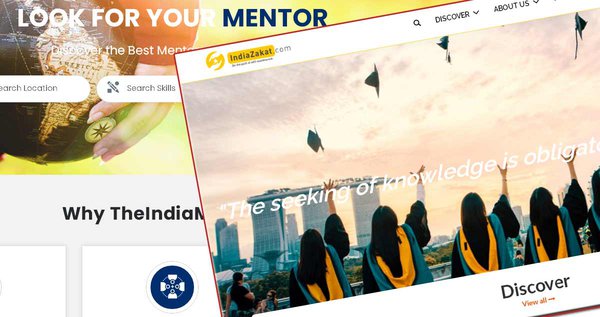
India’s 1st Free Higher Education Scholarship Crowd-Funding platform (IndiaZakat.com/Scholarships) and
Free Mentorship Project for Needy Students requiring guidance (TheIndiaMentors.com)
While speaking at the event Dr. M. Aslam Parvaiz, Former Vice-Chancellor, Maulana Azad National Urdu University (MANUU), based his presentation on the teachings of Holy Quran. He said “the Quran guides us to not just worship the Almighty but also help His creatures in all ways possible”. He went on to say “We should not be slaves of Rituals and Religious practices but understand the actual meaning of the Holy Book and implement the teachings in our lives to advance as a Community.”
Mr. Aamir Edresy, President-AMP, initiated the Webinar and welcomed the participants. He said “it’s a very historic day for AMP as we have finally realized our dream of helping and guiding students through Scholarship funding and Mentorship guidance. The Muslims’ representation in Government, Corporates, Higher Educational Institutions is very low and these initiatives intend to increase these representations.” He went on to say “For a large part of the Muslim Community, due to their socio-economic conditions, basic needs take priority over education. We need to create the awareness of the importance of Education and improve its priority in our lives”.
Prof. Furqan Qamar, Professor, Centre for Management Studies, Jamia Millia Islamia (JMI) went on say that the Community needs to be convinced of not just Higher Education but also basic education itself. More than anything the community needs to get rid of ‘Perceived Barriers’ and that we should always encourage ‘Merit’ to ensure that those who work hard are recognized and promoted.
Speaking form United Kingdom, Mr. Zahid Howladar, Head of Delivery – 1 Million Mentors, said “While the well-educated and well placed are well connected and are able to get access to good education and good guidance, it’s the disadvantaged in our Community who suffer due to the lack of guidance and mentorship. Mentorship is an initiative which will ensure that there are lot less dropouts from Schools and Colleges and also lowers Hate among groups. It is also impactful and transformative in our lives.”
Ms. Naghma Mulla, President & COO-EdelGive Foundation said “The difference between today’s underprivileged and self-sufficient people is the ‘Digital Divide’. People who were digitally more advanced managed the Pandemic situation better and this is the outcome of being more educated.” She went on to say “In today’s Post-#Covid-19 world, where the Governments & Economies are badly affected, it is all the more necessary that Students and their Parents are assisted and supported in the financial as well as career domains. These initiatives of AMP will help the Community in the long run.”
These initiatives were launched at a special Webinar today with the audience attending from all parts of India and Globe.
The Higher Education Scholarship Crowd-Funding will be done on AMP’s (www.indiazakat.com) platform, which is India’s unique digital platform, connecting donors & seekers. Launched just 4 months back, IndiaZakat.com has already raised more than 80 lacs and helped needy people especially in the Education domain.
The Free Mentorship Project (www.theindiamentors.com) being launched today is the culmination of a long dream of AMP for which the seeds were sown in as early as 2012. However, the importance of ‘Mentorship’ in India is quite lacking unlike the Western countries and hence it took a long time for a team to form who could handle and drive the project. TheIndiaMentors.com will guide students for academic as well career or professional issues without any fees by expert professionals of Industry as well as Academia.
The welcome note was given by Mr. Hafeez Iqbal (Ex-director, L&D, Pfizer) and Mr. Shehzad Mukadam and Ms. Humera Kabir hosted the event.
The Webinar was followed by the announcement of 4th AMP National Awards for Excellence in Education 2020 in which 103 Educators were honoured across the Country for helping in nation building.
Association of Muslim Professionals (AMP) is a platform for professionals and volunteers to share their knowledge, intellect, experience and skills for the overall development of not just the community but also the society at large and further empowering underprivileged in the educational, social, political and economic fronts of life.
source: http://www.milligazette.com / The Milli Gazette / Home> News> Education and Careers / by The Milli Gazette Online / September 14th, 2020
Aman Wadud, a human right’s activist and lawyer, practising at Gauhati High Court, has been selected for Fulbright-Nehru Master’s Fellowship 2021-2022. He will pursue LLM in the United States next year at an Ivy League Law School.
According to news reports he has in the past six years fought more than 300 citizenship cases for people who have been either marked doubftul voters or declared stateless in Assam.
Aman has extensively worked during Assam’s NRC process; he travelled across the state to educate people about NRC. He has also been organising training programmes for lawyers who work before Foreigners Tribunal. He recently co-founded “Justice and Liberty Initiative” to provide pro bono legal aid to underprivileged people whose citizenship has been wrongly questioned.
Earlier this year in March he was invited to speak on ‘Citizenship and Statelessness’ at the Harvard Kennedy School, Harvard Law School, Massachusetts Institute of Technology, Yale Law School and Columbia Law School, USA. During that visit he testified before the United States Commission on International Religious Freedom at Capitol Hill, Washington, on its hearing on Citizenship Laws.
As the news broke, Aman was flood with congratulatory messages. Member of parliament from Assam, Maulana Badruddin Ajmal tweeted: “Congratulations and Best Wishes to Advocate Aman Wadud on being selected for this year’s Nehru-Fulbright fellowship. A young, dynamic and extremely talented Human Rights Activist from Assam. May you become an inspiration for younger generations. Wish you all the success in life.”
Aman reacted to all the wishes with a facebook post: “Thank you everyone. I am overwhelmed by your wishes. The Fulbright committee selected me because of my commitment towards upholding constitutional rights of the most vulnerable and marginalized citizens — a cause that many of us are fighting together. My sincere gratitude to everyone who made this journey possible.”
Articles written by Aman Wadud have appeared in www.outlookindia.com, sabrangindia.in, dailyo.in, theprint.in, thehoot.org etc
For details about the fellowship visit: http://www.usief.org.in/Fulbright-Nehru-Fellowships.aspx
source: http://www/milligazette.com / The Milli Gazette / Home> News> Community News / The Milli Gazzette Online / September 10th, 2020
Mulnivasi Muslim Manch, an organisation headed by Anjum Inamdar, is one of the groups in Pune which have been performing the last rites of Covid-19 patients, as well as those who have died of other illnesses in the last two months.
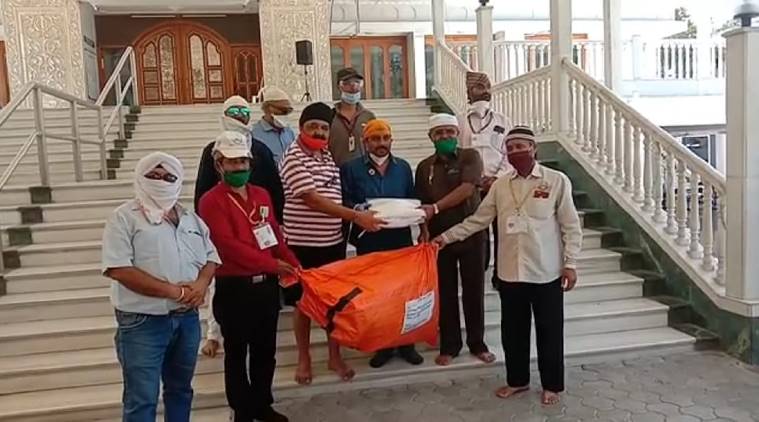
Activists of Muslim Manch were felicitated by the Gurudwara Guru Nanak Sahab at Pune Camp on Friday.
The stigma and fear surrounding coronavirus disease (Covid-19) is not only hampering efforts to conduct the last rites of those who have died due to the infection, it also posing hurdles in conducting the last rites of those who have died of other illnesses or natural causes.
Mulnivasi Muslim Manch, an organisation headed by Anjum Inamdar, is one of the groups in Pune which have been performing the last rites of Covid-19 patients, as well as those who have died of other illnesses in the last two months. The group has performed the last rites of about 30 persons belonging to various communities, said Inamdar.
The group performs the last rites of those whose family members are either not willing to accept the bodies due to fear, or are unable to perform the rituals due to societal pressures or logistical issues amid the ongoing lockdown.
“There are many cases where the person has died due to some other reason, or even due to old age, but people are not willing to participate in the funeral or help the family,” said Inamdar.
According to activists, performing funerals in case of non-Covid deaths is more challenging as there is no support from civic bodies, as is the case with coronavirus-related deaths.
“We have seen and assisted in many cases where the deaths had no connection with Covid-19 but the family found it difficult to conduct the last rites. The family members are wary of stigma and societal response. When neighbours and relatives run away… they ask us to do the needful,” said Inamdar.
He cited the example of a senior citizen from Maharshi Nagar, who died last week after a prolonged illness. The son and the daughter-in-law of the 65-year-old man were trying to make arrangements for his cremation, but failed to get any help from neighbours and relatives. “The body lay there for six hours before someone from the area called us and we reached there to help. The cremation was finally performed in the local crematorium,” said Inamdar.
In another case, villagers from Kedgaon, on the outskirts of Pune, opposed efforts by the family of a man, who died of cardiac arrest at Sassoon General Hospital, to bring his body back to Kedgaon to perform the last rites. “The daughter of the man then asked us to perform the last rites,” said Inamdar.
As it has been receiving an increasing number of such requests, the Manch has procured a vehicle to use it as a hearse so that it doens’t have to request ambulance owners for help each time. “Many a times, getting a vehicle to transport the body from the hospital to the burial ground or a crematorium becomes a challenge. We have now got a hearse, which we are using for speedy transport and timely cremation,” said Inamdar.
On Friday, the volunteers of Mulnivasi Muslim Manch were felicitated by the Gurudwara Guru Nanak Sahab at Pune Camp. The head of the Gurudwara, Charan Singh Sahani, handed over personal protective equipment (PPE) kits to the group as a token of appreciation for the work that the group was doing for the community “at great personal risk”.
source: http://www.indianexpress.com / The Indian Express / Home> Cities> Pune / Express News Service / May 29th, 2020
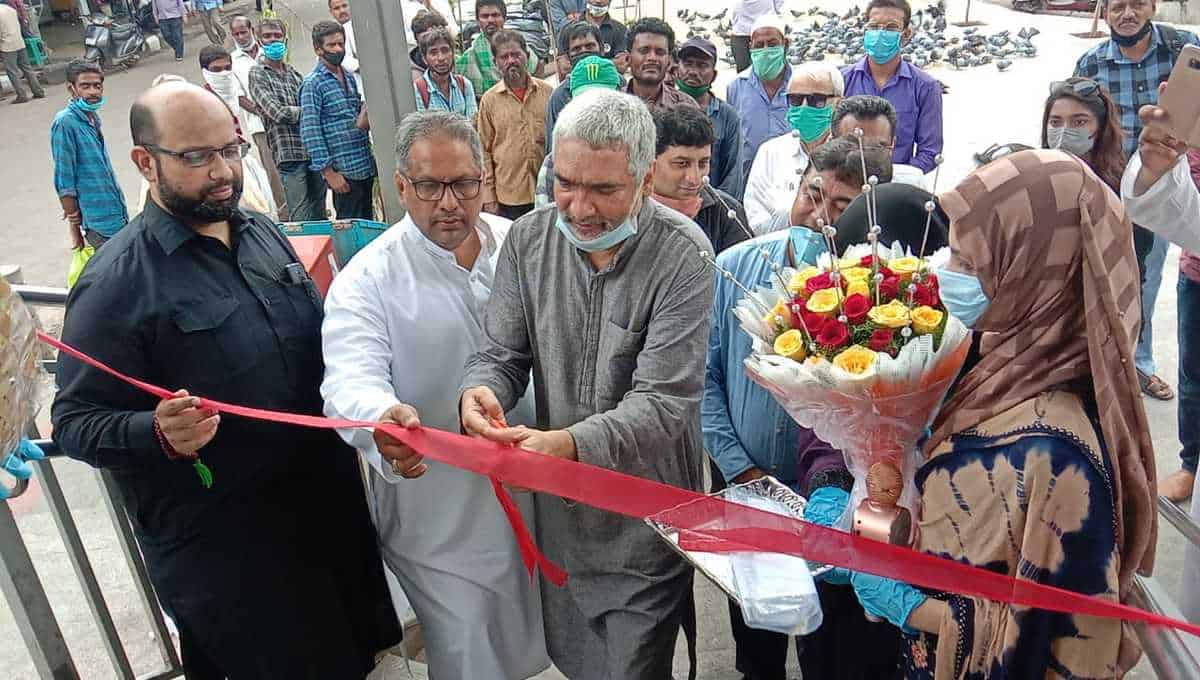
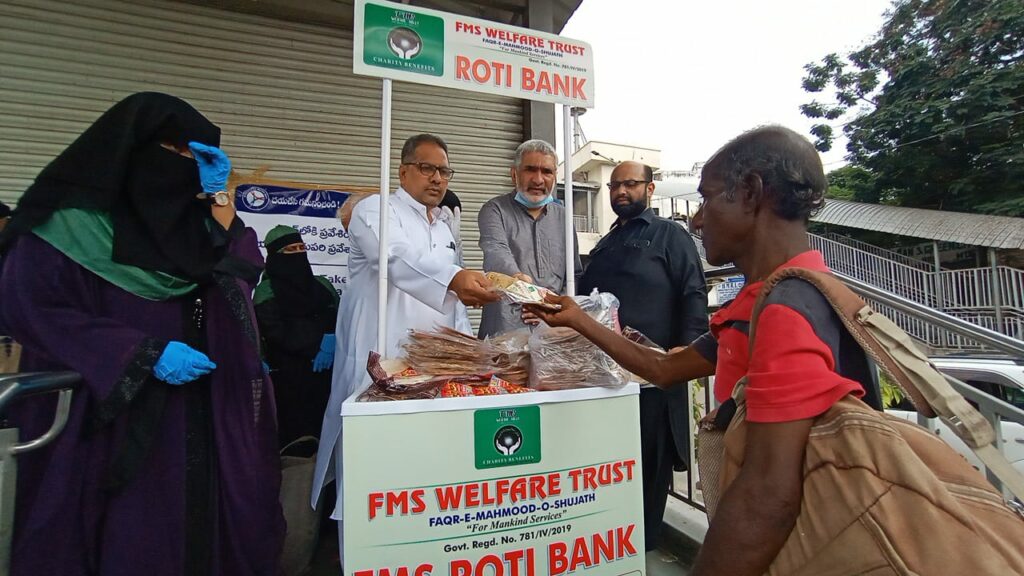
FMS Welfare Trust, with an aim to serve Sadaat-E-Ekraam and poor to eradicate hunger, inaugurated ‘Roti Bank’ on Friday at Nampally, Hyderabad.
The initiative was inaugurated by Siasat’s Managing Editor Zaheeruddin Ali Khan Ali along with other Welfare Trust members.
The trust was founded by Hasan Nawaz Khan in Chicago, with a team of five in July 2017. Multiple programs under the Trust are undertaken in Hyderabad and Gulbarga for improvement of social and economic status of the poor and needy.
source: http://www.siasat.com / The Siasat Daily / Home> Photos> Hyderabad (Photos) / by Shaik Nizamuddin Laeeq / September 18th, 2020
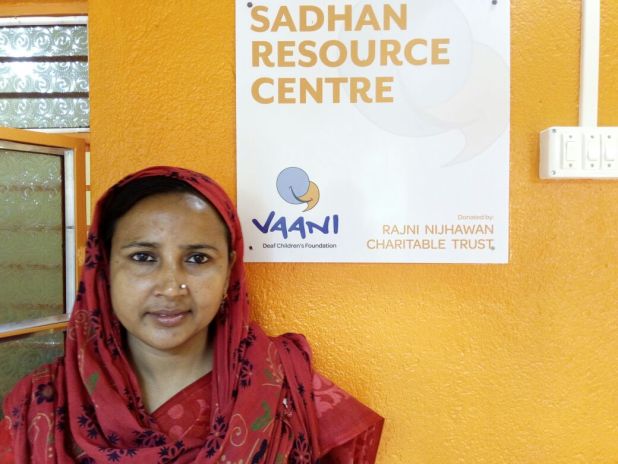
Muslima Bibi at the newly inaugurated Malancha Sadhan Resource Center
Muslima Bibi is a young mother of three. She lives in a little village near Malancha, 56km from Kolkata. Four years after she had her second son she discovered that he was deaf. She spent the next four years going from one facility to another across the state but was unable to find the right kind of help. The pain of not being able to communicate with her child was growing. She eventually heard about Vaani and decided to pay us a visit. Just around that time she had her second son who she later found out was deaf too. She has been bringing both her deaf sons to the Vaani Sadhan Resource Centre in Kolkata diligently despite having to travel 3 hours one way for each trip.
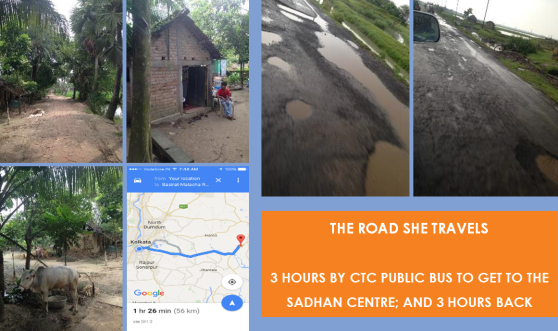
The Road she travels – 3 hours by CTC Public bus to get to the Sadhan Centre; and 3 hours back
Once the news about finding the right kind of services for her children spread across her village, other parents of deaf children began to approach her for details. But for most of them, the 3-hour travel was too much. Muslima began to see the need for such services in her village and decided to take the initiative. Little over a year ago, she approached Vaani to start services in Malancha. She offered up her cowshed as space and identified 4 other deaf children who would attend. Vaani started sending her 1 Teacher of the Deaf for 1 day of the week. And just 11 months later, she had 22 deaf kids enrolled!
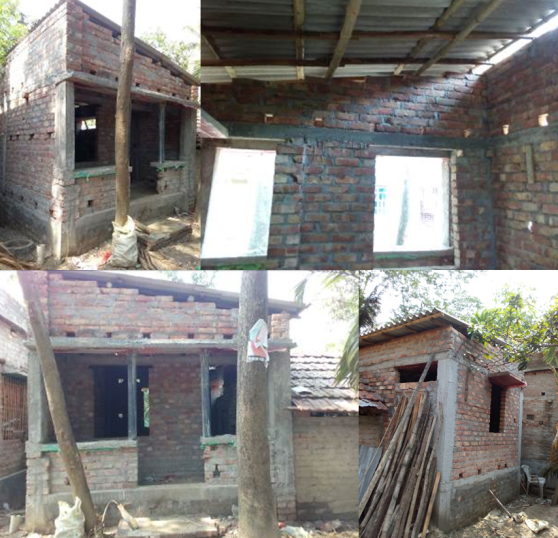
For months she made it work under the cowshed. But it really was just a cowshed. It was unsecured and had no doors that could be locked. After each day’s lesson, Muslima would lock all the teaching and learning materials in a box and keep it away in her house. She would also unhook the fan and light so that it would not be stolen. During the rains, the roof would leak and damage the toys and materials. Muslima and the other parents expressed their wishes to have a pucca structure and expanding it to accommodate the growing numbers. They also wanted to make their Link Centre a self-reliant one.
We took Muslima’s story of courage and initiative to prospective donors. Soon enough, the Rajni Nijhawan Charitable Trust picked up on it. They were so moved by the story that they decided to fund the entire renovation of the cowshed and a second room to accommodate the growing numbers.
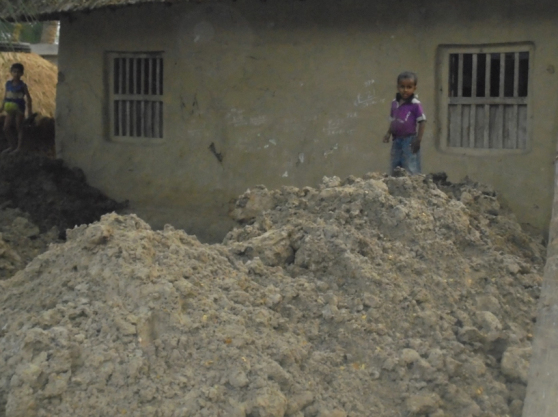
Digging begins. 20th November 2015The structure is finally taking shape! We’re very excited to have a new space for the kids! 30th May 2016
This two-year long journey has been one of the most gratifying and reassuring experiences. It proves to us that if we persevere, our beneficiaries will take our work forward themselves. It is always lovely to see parents take the initiative to give back to their communities. It nurtures a sense of camaraderie and lets every parent know that they aren’t alone in their struggles. We’re hopeful of what the future holds for the deaf children of Malancha. Without the generous support of the Rajni Nijhawan Charitable Trust, Muslima’s dream would not have materialised.
source: http://www.enabled.in / Enabled.in / Home> Success Stories / by Natasha Chandy / February 01st, 2017
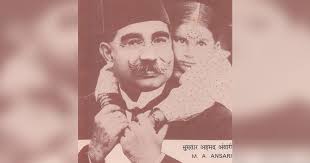
Dr Mukhtar Ahmed Ansari was a staunch Congressman and author of a book titled ‘Regeneration in Man’. Wednesday marks his 81st death anniversary.
India’s political leadership during the British Raj was dominated by lawyers and journalists. A noted exception was Dr Mukhtar Ahmed Ansari (1880-1936), one of Delhi’s richest men, who dexterously balanced his busy medical practice with a deep involvement with politics.
Ansari was a close companion of Gandhi and an icon of the Khilafat movement. The few scholars who have studied his life have focused solely on his role as a Congress leader, and on his skills on the negotiating table of high politics. His exploits with the scalpel have been ignored. More than 80 years after he died, on May 10, 1936, it is remarkable that forget any serious study, there is hardly any discussion about the hundreds of operations he conducted in India in which he grafted animal testicles – from bulls, monkeys and sheep – onto human beings.
Adviser to princes
Dr Ansari studied at Queen’s Collegiate school in Benares and at the Muir Central College in Allahabad (which was later incorporated into Allahabad University). He later joined the Nizam College in Hyderabad where he was given a scholarship in 1900 to study medicine in the UK. After earning a medical degree at the University of Edinburgh, he worked in London at Charing Cross hospital, the Lock Hospital and St Peter’s Hospital. He returned to India in 1910, and set up his practice in Calcutta before shifting to Delhi.
He acted as medical adviser to the princes of Alwar, Rampur, Joara and Bhopal. His two older brothers were well-known hakims, who practised the traditional unani system of medicine. They were close to the scholars at the respected Islamic school in Deoband. His own circumstances and family background proved crucial in his positioning as a key functionary during the Khilafat movement of 1919. This movement was launched by Indian Muslims to urge the British government to preserve the authority of the Turkish Sultan as Caliph of Islam with the disintegration of the Ottoman Empire after World War I.
A new science
Along with his political activity, Ansari turned his mind to a matter that has obsessed physicians for centuries: the quest for medical interventions to help ageing clients produce heirs. In the early 20th century, medical journals in Europe and America were increasingly documenting cases of xenotransplantation – the transplantation of living cells, tissue or organs from one species to another. It was through such articles that Ansari became interested in this field.
In his role as a medical practitioner, Ansari was also constantly faced with a large number of patients suffering from a “real or imaginary decline in their mental, physical and sexual powers”. His brothers attempted to treat such with traditional medicines. But Ansari looked to Europe for possible answers.
In 1921, 1925 and 1932 he visited Vienna, Paris, Lucerne and London and spent a considerable amount of time in laboratories, hospitals and clinics. He met and observed urologist Dr Robert Lichenstern, Eugen Steiach, Dr Serge Voronoff – all of whom are considered pioneers in the field of grafting animal testicles onto humans. He also collected vast amounts of literature on the subject, sourcing books and journals from Germany, France, Switzerland, Austria and the US.
This procedure may now be ridiculed but in the Roaring Twenties there was quite the rush of men wanting to undergo these regenerative surgeries. Ansari offered a treatment to his clientele in India that was only available to the elite in the West.
Rejuvenating the nation
According to Ansari, there were a few key reasons why the people of India suffered from poor health. These included unhygienic surroundings, poverty and the lack of medical facilities, as well as seclusion and segregation of the sexes, and rules confining the choice of marriage partner to a limited circle.
In his 1927 presidential address to the Congress in Madras, he dwelt on the problem of healthcare in India.
He said:
“Sixty percent of the revenues of India is absorbed by the Military Department in the name of Defence of the country but the government ought to know that there can be no defence of the country when people are allowed to exist in such a state of utter physical degeneration. The real defence lies in tackling the problem of manhood and improving the general health of the nation.”
In the last decade of his life, Ansari conducted such testicle grafting operations on around 700 people. These included property agents, merchants, jewellers, bankers, provincial civil servants, sportsmen and labourers.
In a letter to Aziz Ansari, his cousin, the doctor wrote that Eugen Steinach “urged me to publish my researches (sic) and not to hide my light under the bushel”.
Ansari meticulously noted down around 440 cases of grafting that he had done. He monitored or kept in touch with these individuals for a period of three to four years after the surgery. In one case, he wrote that a wrestler whose testicles were badly damaged by an opponent and lost his “sexual power” for eight years underwent grafting and found that his sexual appetite was restored. In another case, a man in his early 50s, who was a heavy drinker and had contracted sexual diseases in his 30s, found his health to be deteriorating drastically. After Ansari grafted slices of a bull’s testicles onto the man’s gonads, he gained weight, became healthy, and started leading a normal life with a new wife. Through such case studies, Ansari emphasised that his surgeries resulted in the rejuvenation of patients, which added to the productivity of the nation.
He gave Gandhi a copy of his book Regeneration in Man, who read it with great interest in one day. Describing it as evidence of “research and great labour”, Gandhi, whose aversion to western medical practices is well known, asked his friend: “What is revival of youth worth if you cannot be sure of persistent physical existence for two consecutive seconds?”
But for the short, well-built, moustachioed doctor who played the role of Othello in a play while a student at the University of Edinburgh, these procedures were part of a larger vision for a “universal campaign against the disability of old age”.
source: http://www.scroll.in / Scroll.in / Home / by Danish Khan / May 10th, 2017
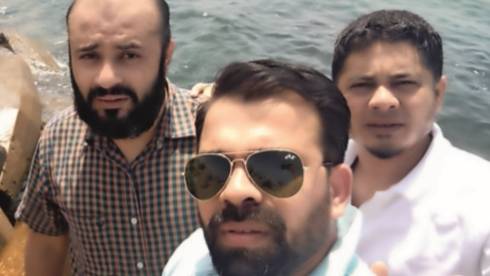
Shahid Rukhnuddin, Mudassir Kola and Mohiddin Anas / supplied image / khaleejtimes.com
Shahid Ruknuddin, Mudassir Kola and Mohiddin Anas had been fishing when they saw the Omanis crying for help.
Three Indian friends risked their own lives to save two Omanis from drowning after their boat reportedly capsized on Seeb Beach.
On the night of August 29, Shahid Ruknuddin, Mudassir Kola and Mohiddin Anas, based in Oman’s Seeb, went fishing.
For the first time, the trio tried fishing from the sea walls and not the seashore.
However, the trio couldn’t catch any fish, felt uncomfortable hearing sounds coming from the dark and decided to leave. But it was then they could spot two Omanis shouting for help. Ruknuddin jumped into the water, Kola followed him while Anas informed the police. The timely act helped save the lives of two Omanis.
Anas said it was destiny that they were at that spot at the right time. “I have been fishing since 2014 but for the first time we went to the sea walls. It was Ruknuddin’s idea to go there.
“Right from the start, we kept hearing some sounds. It was dark and a bit scary. I told Ruknuddin and Kola that maybe the fishermen were trying to scare us by making such sounds.
“We were not finding any fish and decided to leave. But whenever I switched off my flashlight, the sound got louder,” Anas said. The trio wondered if someone was in trouble and seeking help in Arabic.
So they decided to check all the spots. “For 15 minutes, we flashed our torch in different parts of the sea to spot any person. Our search was in vain and we decided to give up. Just when we were leaving, suddenly Kola spotted a face. They were two Omanis in the water seeking help. They were at a distance and we shouted at them with little Arabic we know.
“I informed the police. But we know even if police would reach the shore quickly, it would take a while to reach our spot. We kept encouraging them to try and swim towards us, but we felt they were exhausted,” Anas said. It was then that Ruknuddin jumped into the water and helped save the Omanis.
Recollecting the experience, Ruknuddin said: “It’s a great privilege that Allah gave me this opportunity to save lives. I jumped into the waters without thinking about anything else. By Allah’s grace, I was able to help two people.”
Anas added: “Ruknuddin is the real hero. He never thought about his life. He jumped into the water which had sharp rocks beneath.
“He got injured in the process but was strong.”
ashwani@khaleejtimes.com
source: http://www.khaleejtimes.com / Khaleej Times / Home> Region> Oman / by Ashwani Kumar, Khaleej Times, Abu Dhabi / September 03rd, 2020
Farsi, or Persian, was once counted among the great global sultans of language and culture. In a corner of Calcutta, the flame still glows. We chart the bygone glory of the tongue, and speak to some who keep its flicker alive.
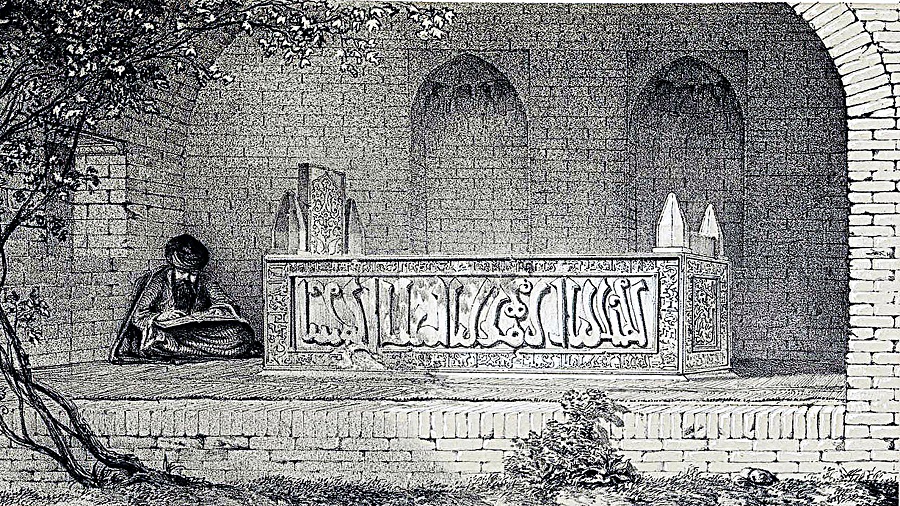
LANGUAGE LEGACY : The tomb of the great Persian poet Sheikh Saadi in the Iranian city of Shiraz, sketched by the 19th century French painter Eugene Flandin . Voyage en perse, avec flandin, ed. gide et baudry, 1851 : from Wikimedia Commons
Bani adam a’za-ye yekdigar-and/ke dar afarin-aš zeyek gowhar-and. All human beings are members of one frame, or body/Since all, at first, from the same essence came/When life and time hurt a limb/Other limbs will not be at ease/ You who is not sad for the suffering of others/Might not deserve to be called human.”
The portals of the Iran Society, a 75-year-old centre for Persian studies in Calcutta, reverberated with the musical rendition of verses one afternoon. The recitation of 13th-century poet Saadi Shirazi’s verse by Persian teacher Abid Hossain leaves a delegation from Tajikistan speechless.
Tajikistan is one of the central Asian countries where Persian is spoken and used officially, the others being Iran (earlier Persia), Iraq, Afghanistan, Ujbekistan and Azerbaijan. The Tajik delegates, a team of five experts, have been collecting samples of Persian literature, especially poetry, from across the world. “We didn’t know that this region, so far away from the Persian Gulf, had once been a seat of Persian literary activities. We knew about Delhi, Kashmir, Punjab, but not of Calcutta, Dhaka or Chittagong,” says Abdughani Mamadazimov, who teaches international relations at the Tajik State University in Dushanbe and is the leader of this delegation.
Persian or Farsi was introduced in the Indian subcontinent by the Persianate rulers of Central Asia in the 13th century. The language was not only the lingua franca of the classes — just like English in modern India — but also the language of creative literature and philosophy. In fact, the word Hindu, connoting people living in a geographical region beyond River Indus, is of Persian origin. So is the word Hindavi (later Hindi), used for the language spoken by the people in large parts this land. After having played a key role in communication and literature, the language was replaced by English in late 19th century. And now it faces ignominy or oblivion.
During the Muslim conquest of Persia in the mid-7th century, the Parsis took refuge in Gujarat and parts of western India to avoid religious persecution. And that is how Farsi floated into India. “Persian language, with pre-historic roots in southwestern Iran, is one of the oldest Indo-European languages,” says Amit Dey, a senior historian and professor at Calcutta University. He continues, “The Arabs conquered Persia but failed to impose Arabic on the conquered. The Persians were forced to accept the Arabic script but did not sacrifice their language. Instead, Farsi turned into a prestigious cultural language in various empires in Western Asia, Central Asia and South Asia. New literature, espe-cially Farsi poetry, developed as a court tradition in the eastern empires. Thus, Farsi became a vehicle of cultural conquest defying Arabic political hegemony.”
As a result, some of the classics of literature, such as Rumi’s Mathnawi, Firdausi’s Shah Nama, Omar Khaiyyam’s Rubaiyat, Hafez’s Divan and Saadi Shirazi’s Gulistan, were written in Farsi in the medieval period. Farsi also became the vehicle of Sufi mysticism, defying all orthodox religious boundaries.
Its secular, liberal and strong cultural moorings helped Farsi survive political threats from Arabic and other languages. Even rulers of Turko-Afghan origin in medieval India, including those of the Delhi Sultanate and the Mughal regime, accepted it as the language of the court and diplomatic discourse. “They chose Farsi rather than their mother tongue Turkish, or Arabic. Persian flourished in the Indian subcontinent, unlike in northern Africa where the conquered nations were Arabised,” says Dey.
According to him, the decision to embrace Farsi was actually a political move by the rulers to get the better of the orthodox ulemas or Muslim theocrats — mostly proponents of Arabic and Turkic.
Patronage of the language encouraged the flow of Persian texts and Persian speakers — soldiers, merchants, administrators, scholars, poets, Sufi saints, artists and artisans — to South Asia between the 11th and 18th centuries.
Irrespective of their ethnic, religious or geographical origin, these migrants from central and western Asia had skills in Farsi that would help them earn a livelihood in courts and bureaucracy.
Farsi reached its pinnacle in south Asia when Mughal emperor Akbar established it as the official or state language in 1582.
Mind you, this was despite the fact that the Mughals were native speakers of Chagatai Turkic. “He used the language as a tool to knit together diverse religious and ethnic communities in his court as well as his burgeoning kingdom, culturally,” adds Dey.
Not just Muslim aristrocrats, but also scribes of upper caste Hindu lineage — Brahmins, Kayasthas and Khatris — who served as clerks, secretaries and bureaucrats, learnt the language and got acculturated in Persian etiquette for social mobility. Ghazals, nazms and qawwalis (at Sufi shrines) in Farsi were wholeheartedly accepted as forms of literary and musical expression by the educated of all faiths and ethnicity.
Akbar and Jahangir commissioned Persian translations of the Ramayana and the Mahabharata. Dara Shikoh went a step further when he took up the task of translating the Upanishads into Persian, aided by veteran bureaucrat Chander Bhan. Persian romances, such as Laila Majnu and Yusuf Zuleika, were translated into many Indian languages.
The medieval Bahamani Sultanates and successor Deccan Sultanates and even the Hindu Vijayanagara kingdom had highly Persianised culture. The Sikh gurus as well as the Maratha ruler Shivaji were well-versed in Persian. The language had been used by the Bengal Sultanate as one of the court languages and in the chancery’s administration mainly in urban centres in Gaur, Pandua (today’s Malda), Satgaon (a port in Hooghly) and Sonargaon (near Dhaka), long before the Mughal period.
One of the principal patrons of Farsi in the early 15th century Bengal was Sultan Ghiyasuddin Azam Shah who established contact with the legendary Persian poet, Hafiz. Poet Alaol composed literature in the language and translated Persian classics into Bengali.
Royal patronage encouraged a section of non-Muslim elites in Bengal, especially the Bengali Hindu gentry and aristocracy, appropriate aspects of Persian culture, such as dress, social practices and literary taste. Rammohun Roy wrote treatises in Persian and started India’s first Persian newspaper Mirat-ul-Akhbar in 1823. The country’s first Persian printing press was also set up in Calcutta.
In the initial phase of the British administration, Persian was used as the language of the courts, correspondence and record-keeping. Governor-General Warren Hastings, well versed in the language, founded the Calcutta Madrasa where Persian, Arabic and Islamic Law were taught. The remnants of Persian judicial terms adalat, mujrim, munsif and peshkar are still used in courts across India.
The sharp decline of Persian began when English was made the language of governance through Lord Macaulay’s education policy in 1835. The emergence of vernacular languages, especially Urdu, ushered in further decay of Persian.
Says Dey, “Persian was, after all, a language of the elite. Urdu first emerged as the common language of soldiers of heterogeneous origin (Mughals, Rajputs, Pathans, Turks, Iranians, etc.) in the Mughal camp, and then became a language of the masses.” Urdu borrowed elements from Persian — idioms, styles, syntax, script — and mixed these with the local dialects, such as Poorvi and Brajbhasha. “Sufi saints like Nizamuddin Aulia also chose Urdu for discourse with his followers,” he adds. Furthermore, many madrasas started focusing on religious education with more emphasis on Arabic scriptures.
Notwithstanding its decay, Farsi survives in Hindi and Bengali as thousands of loan words used in everyday life. Sample these: abohawa (weather), jomi/zamin (land), maidan (ground), rang (colour), maja (fun), kalam (pen), chashma (spectacles), pyaz (onion), pulao (flavoured rice), jharu (broom), badmash (rogue) and so on.
It also survives as a discipline in “foreign language” departments of many universities in Calcutta, Delhi, Mumbai, Lucknow, Hyderabad, Guwahati and Patna. Says Iftekhar Ahmed, head of the department of Persian in Calcutta’s Maulana Azad College, “There are plenty of jobs for students of Persian in Central Asia and the Middle East. Some of the graduates are even hired by giant tech companies such as Amazon and Google.” Institutes like the Indian Institute of Persian Studies, Delhi, and Calcutta’s Iran Society are trying to keep the language and its heritage alive.
The Iran Society, founded by M. Ishaque, a Persian scholar, is the country’s oldest functioning centre for Persian studies.
The society offers a Farsi course and is a treasure trove of old and rare Persian books and journals. Fuad Halim, a council member of the society, says, “Most of our students are researchers of medieval Indian history, which is primarily documented in Persian. But there are some retired people too who join the course just for the sake of learning.”
Pritam Goswami and Prateeti Bhattacharya are two such PhD scholars. Pritam is researching the evolution of food habits of Bengalis which include food of the Nawabs of Murshidabad and Dhaka. Prateeti is working on the position of women in the Delhi Sultanate. She says, “Since there is a lot of misconception and misrepresentation of the history of the period, I want to read the original documents and treatises penned in Farsi.” Subhashini Majumder is a retired state land revenue officer who joined the course because she wants to read Rumi and Saadi in Persian.
The institute has been serving as a window to the Persian world hidden in the heart of the city. While visiting the institute at Kyd Street (now known as Dr Md Ishaque Road), Tajik scholar Abdughani expresses hope that the institute and the language can “build a bridge between secular Indians and secular central Asian nations.”
According to him, Persian is a language that has defied all borders and divisions. He adds, “It’s a neutral language of poetry, philosophy and culture that has united political and sectarian divisions for thousands of years.”
source: http://www.telegraphindia.com / The Telegraph, online / Home> Culture> Heritage> Big Story / by Prasun Chaudhuri / September 13th, 2020
In response to the COVID-19 pandemic crisis, a nationwide lockdown was imposed. During this time, we were exposed to a lot more information and news (both reliably and fake), than usual.
Almost all news channels and WhatsApp groups were filled with hate and communal bullying towards Muslims. In every way possible, this pandemic was driven towards giving the situation a communal angle. It’s not something new. We all have experienced the deteriorating quality of reporting of Indian mainstream media. Recent events like the Delhi riots, Shaheen Bagh protest , and now a Pandemic, were all politically propagandised to make them communal events.
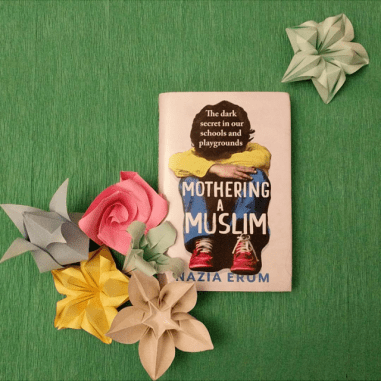
It became overwhelming for me to watch such hateful news channels. As an educator, this made me think, how do these news affect the children? Following the guidelines for this pandemic, to change this crisis into opportunity, I ended up reading ‘Mothering A Muslim’ by Nazia Erum in this lockdown. Nazia Erum in her book decodes Islamophobia in schools.
Nazia very eloquently writes about Islamophobia residing in our living rooms which then find its way in our children’s classrooms and playgrounds:
“This book only mirrors the world we have created for our children. In truth, it is not the words of the kids that hurt. It’s the imagined words in the speech of the parents and other adults around the kid that hurt more. What are we saying in our drawing rooms and over dinner tables which our kids translate into hatred for each other in classrooms and playgrounds? If we truly look into our hearts, and listen to our politicians and journalists with open minds, we will find the source.“
The language we use has a major impact on our children. How we talk about people who are different from us reflects our thoughts, beliefs, values, biases, and stereotypes. The way we talk has the power to include or exclude the people around us.
She wanted to bring together the experiences of motherhood and challenges of Muslim mothers, and highlight how their worries are different from mothers from other religious backgrounds. The book is an experiential journey of how a part of someone’s identity (here, the Muslim identity), became the utmost crucial factor to be marked and held accountable for.
The book was released in 2017, and it was a result of research conducted by the author about the experiences and anxieties of Muslim mothers. The book starts with Nazia’s dilemma to name her daughter. She shares her fear when she held her daughter for the first time; she was worried about even giving her a ‘Muslim’ name.
“Should I choose a name that signalled her religion, like Fatima, or pick a modern and neutral-sounding name, like Myra, to avoid too much spotlight on her being Muslim? I settled for the latter.“
Holding that fear in her heart, Nazia went on a journey with some questions in her mind. Many mothers shared this common fear with her. She wanted to bring together the experiences of motherhood and challenges of Muslim mothers, and highlight how their worries are different from mothers from other religious backgrounds. The book is an experiential journey of how a part of someone’s identity (here, the Muslim identity), became the utmost crucial factor to be marked and held accountable for.
This makes it an essential feminist book too as it is a powerful piece of writing that brings together the voices of mothers, which usually is lost in our patriarchal society.
Nazia writes, “Hate affects not just the tormented by also the tormentor.” The difference lies in how hate affects the tormentor and the tormented. When hate becomes a free commodity, we need to teach our children love and empathy. We often talk about communal hate that is increasing every day in our social surroundings. What we forget to address is how this communal bullying has reached our children’s classrooms and playgrounds. How schools, which are considered safe spaces for learning and making friends, have become institutions of communal bullying?
Mothering A Muslim will make you understand how deep and how early the communal hate gets in the discourse of children’s lives. Children as young as those attending kindergarten to the ones attending higher education do face communal bullying. Bullying is repeated and instances of misuse of power with intent to cause harm is common. It can be verbal, physical, and online to cause humiliation and exclusion.
Mothering A Muslim will make you understand how deep and how early the communal hate gets in the discourse of children’s lives. Children as young as those attending kindergarten to the ones attending higher education do face communal bullying. Bullying is repeated and instances of misuse of power with intent to cause harm is common. It can be verbal, physical, and online to cause humiliation and exclusion.
‘Paki’, ‘Terrorists’, and ‘Go to Pakistan’ have become the classroom and playground discourses. What we need here to pause and think, where is it coming from?
A mother shared:
“When a Muslim student is bullied it is on pronounced religious lines. Now he is called Baghdadi, Bangladeshi, Pakistani, or simply a terrorist. Everyone’s speech is borrowed from the language used in the news [channels].”
This book provides us a mirror to reflect on what is wrong in our society and forces you to question what lessons and values you teach your children. I recommend this book to present and future, teachers and parents, and to all those who want to get an insight into what it means to be a Muslim in this country.
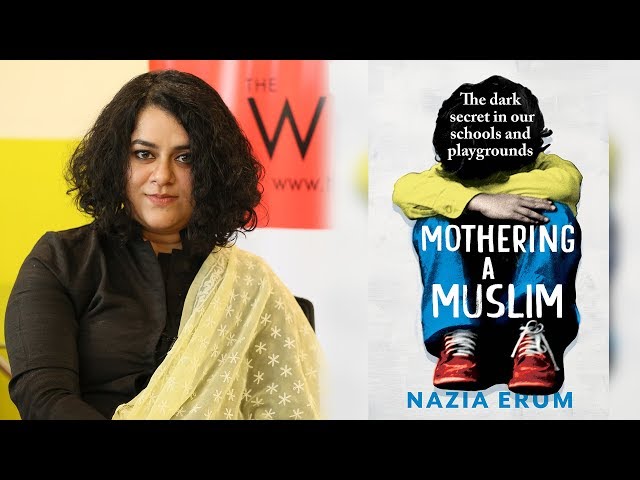
Also, watch Nazia Erum interview by The Wire.
Swati is a postgraduate in Education with a specialization in Early Childhood Care and Education, from the School of Education Studies, Ambedkar University Delhi. Her research interest lies in understanding gender issues in education. She can be reached at shukla011swati@gmail.com, Twitter, Instagram and Facebook.
Featured Image Source: The Wire
source: http://www.feminisminindia.com / Feminism In India / Home> Culture> Books / by Guest Writer / posted by Swati Shukla / September 11th, 2020
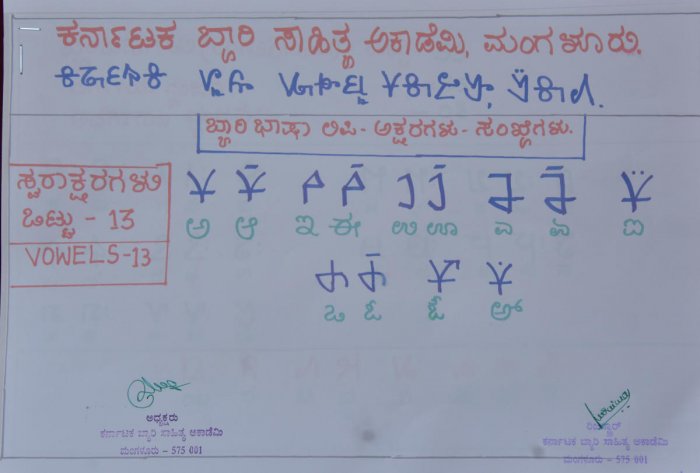
A script has been developed for the Beary language spoken mainly by a section of Muslims and others in the coastal region.
The initiative was taken by the Beary Sahithya Academy and the script was developed by nine-member Beary writers.
Academy President Rahim Ucchil launched the script and said that the script has been developed in such a way that it will sync with the Unicode.
The script is unique. There are plans to launch an app to download the script in mobile phones shortly.
The expert team who developed the script are Abdul Rasheed Zaini Kamil Sakhafi, Aboobakker Siddiq, Haider Ali, Abdul Razak Ananthady, A K Kukkila, Muhammed Fouzeed, Abdul Samad Bava, Abdul Rahiman Kuthethoor and Hamza Malar.
Speaking about the script, Ucchil said it has 13 vowels, 33 consonants, numbers, months and days. Efforts will be made to popularise the script using the online platforms.
Further, he said that the academy has submitted a proposal to introduce Beary as a third language in schools for students from class 6. Once it is approved, Beary language will also be taught in schools as a third language.
He said that Beary language is being spoken by nearly 20 lakh people across the world. It serves as a vital link for Tulu, Malayalam, Kannada, Konkani, Kodava and other languages.
The academy plans to publish Beary Calendar titled ‘Naalkanakk’ for the year 2021, he added.
source: http://www.deccanherald.com / Deccan Herald / Home> State> Mangaluru / by DHNS, Mangaluru / September 12th, 2020