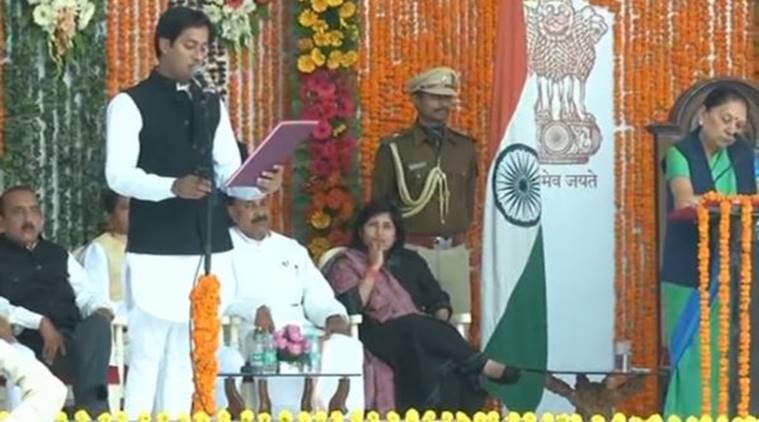
The swearing-in ceremony began at Raj Bhavan in Bhopal at 3 pm. Governor Anandiben Patel administered the oath to the newly inducted ministers. In the recently held assembly elections, Congress managed to win 114 seats in 231-member state assembly.
In the recently held assembly elections, Congress managed to win 114 seats in 231-member state assembly. (Photo-ANI)
Digvijay Singh’s son Jaivardhan Singh was among the 28 MLAs who were sworn in as the cabinet minister in Madhya Pradesh on Tuesday. Governor Anandiben Patel administered the oath to the new ministers at the Raj Bhavan in Bhopal.
Sajjan Singh Verma, Vijayalaxmi Sadho, Hukum Singh Karada, Govind Singh Rajput, Bala Bachchan, Pradeep Jayaswal, Imarti Devi were among those sworn in as ministers. Arif Aqueel was the lone Muslim face in the new council of ministers. Aqueel, MLA from Bhopal North, is the first Muslim minister in the state after 15 years.
The names of the ministers were cleared after Chief Minister Kamal Nath met Congress chief Rahul Gandhi over the weekend.
Congress’ chief whip in Lok Sabha, Jyotiraditya Scindia, former Madhya Pradesh chief minister Digvijaya Singh and ex-state Congress chief, Arun Yadav, also attended the meeting.
source: http://www.indianexpress.com / The Indian Express / Home> India / by Express Web Desk / New Delhi / December 25th, 2018
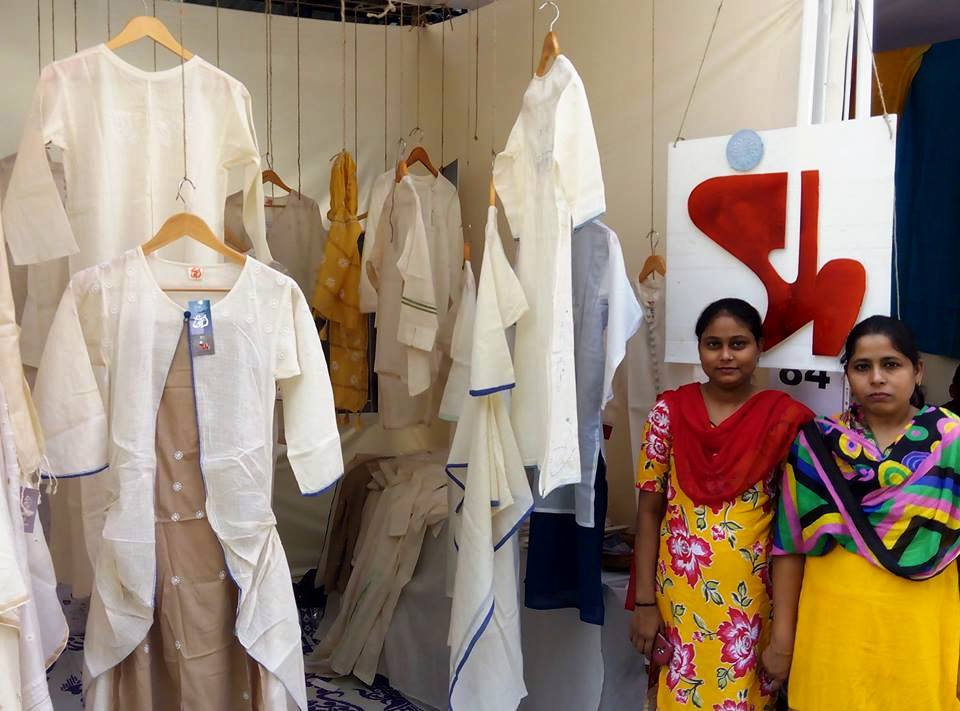
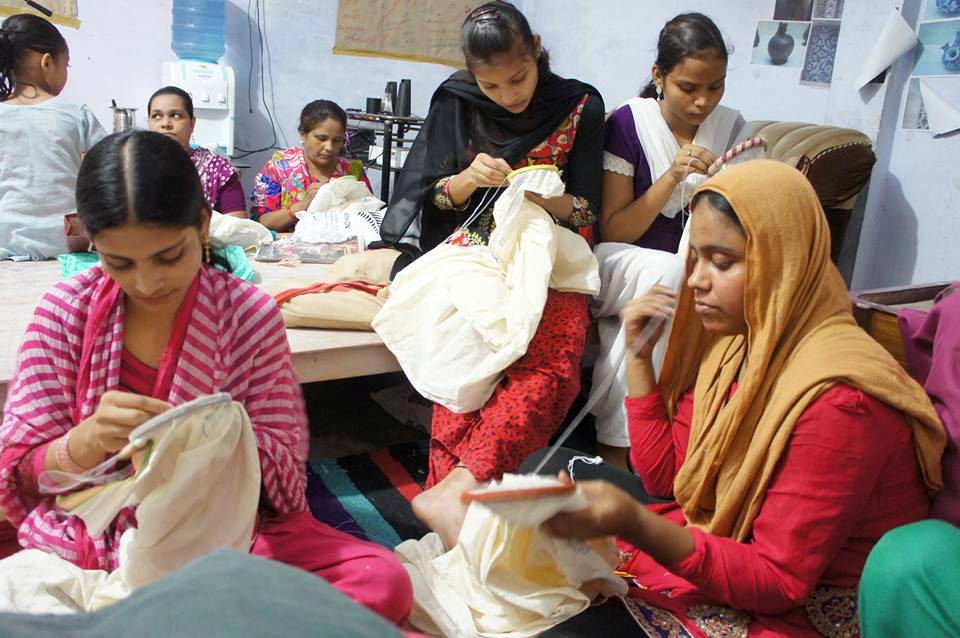
About 11 women in Lucknow are establishing their individual identities as chikankari embroidery artisans – all thanks to an organization that not only trained them but also connects them with buyers through an online platform.
Tabassum Khan, 25, and Sheeba Khan, 26, had wanted to apply for a bank loan once. Under the cover of their full-length black burqa, the two made their way to the branch of the nearest bank, criss-crossing through many narrow lanes in Lucknow’s congested Madegunj Khadra neighbourhood.
Encouraged by the recent sale of their embroidered cloth, the two were excited about the possibility of expanding their work and perhaps even striking out on their own. “We wanted money to buy more cloth. We dreamt of having our own wooden frames, more needles and more thread,’ recalls Tabassum. However, after spending a few minutes with the bank official, they promptly dropped the idea of applying for the Rs. 50,000 loan. “He wanted us to come home and told us that his wife was interested in learning embroidery. I felt he did not really mean what he was saying. I could see his actual intentions,” says Sheeba.
Of course, as they made their way back that day, they would have never imagined that they’d eventually be able to realize their dream of becoming artisan-entrepreneurs and selling clothes embellished with exquisite hand-crafted chikankari embroidery.
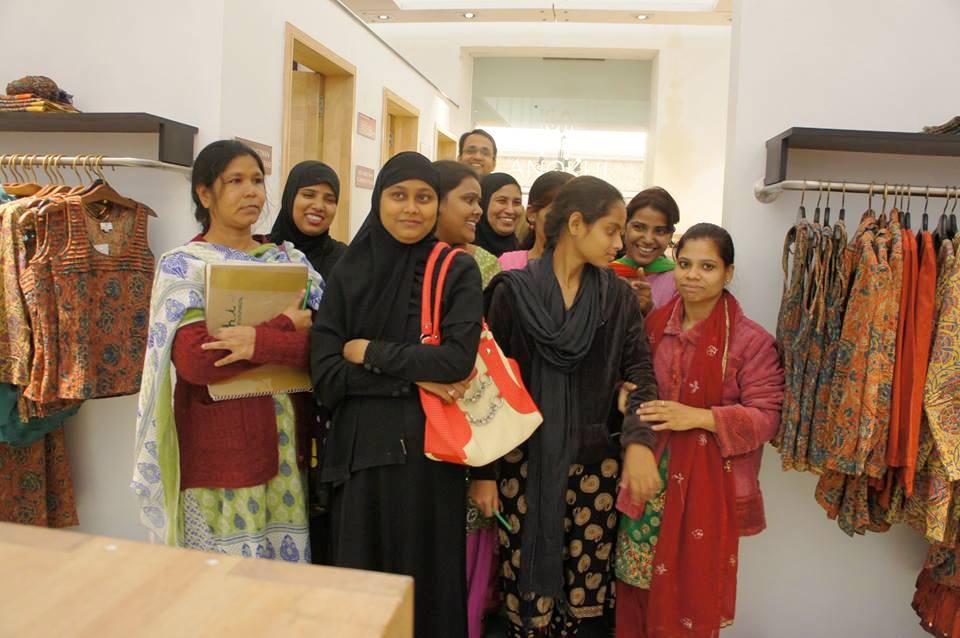
Today, Tabassum and Sheeba are part of a group of 11 women chikan karigars, who have broken free from the exploitation that is intrinsic to their line of work, to establish their individual identities as artisans.
The women chikankari artisans participate in various design exhibitions in Lucknow and also independently travel to other cities across India to showcase their craft.
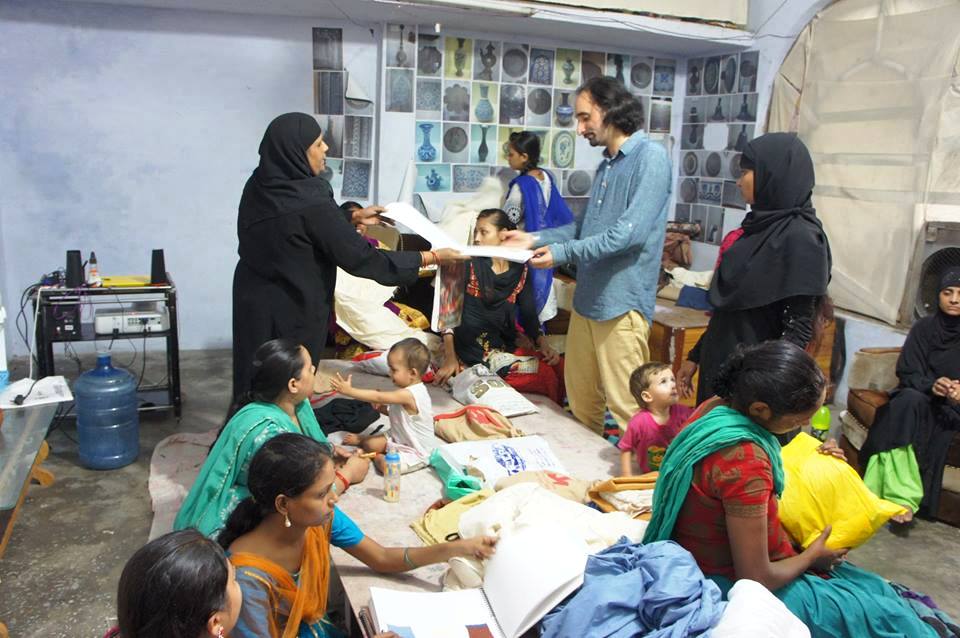
How did they manage to accomplish this seemingly unimaginable feat? Ask Tabassum and she immediately attributes this positive change to Jaspal Kalra, a professor of fashion design, who set up Sangraha, an organisation that not only conducts a ten-month training programme in design for chikankari artisans, but also connects them with prospective buyers through an online platform, apart from encouraging them to participate in design exhibitions across the country. Essentially, Kalra is a teacher and facilitator while the women take their own decisions regarding the kind of orders they want to take on. They even have a certain freedom to create their own designs, keeping in mind the clients’ needs. For women like Tabassum and Sheena, who would otherwise never get to experience this kind of autonomy in their personal or professional lives, this partnership has indeed been liberating.
Married at 16, Tabassum was back at her parents’ home barely a year later. Disheartened with the way things had unfolded for her – she never went to school, was pushed into early marriage and then had to go through the heartbreak of a broken relationship, all in her teens – she took up chikankari with the intention of supporting herself. She learnt the craft under the guidance of Shilpguru Ayub Khan, who taught her everything she knows about this centuries old technique of embroidery on fine cloth. For years she worked magic with her nimble fingers without receiving any real recognition for her skills. Eventually, though she was conferred with a state award for craftsmanship in 2005, her struggle to earn a decent living continued.
Indeed, awards or not, that’s the lived reality of chikankarigars. In and around Lucknow, chikan embroidery provides employment to about 2,50,000 artisans, mostly women, apart from close to a million people who are associated with the trade, as raw material suppliers, contractors, manufacturers and retailers.
Despite being a thriving sector, it is largely informal, which means that the artisans earn wages from sub-contractor or traders, on a per piece rate. Consequently, their bargaining power is non-existent and the earnings poor.
The chikan karigars at Sangraha enjoy camaraderie and kinship that enables them to do well.
Both Tabassum and Sheeba have grown up watching the women of their household sit down to embroider after finishing their chores. This was the only way for Muslim women, in particular, to add to their usually unstable family income. Literacy amongst these families is low and poverty is high and they continue to live in conservative neighbourhoods where women are not encouraged to be seen or heard. So, for the want of any other way to make money without having to step out of their home they readily take whatever amount is offered by the contractors.
There was a time when Naima Arshi’s illiterate mother did not know what lay beyond the boundary of her courtyard. “Ironically, poverty liberated me. When I began to earn some money by doing chikan embroidery my husband did not object. How could he? We were so poor. He welcomed the earnings and I used them to educate both my son and daughter. We are still poor but at least Arshi is a university graduate and that gives me great satisfaction,” she says.
Whereas her mother may consider them to be hand-to-mouth even now, Arshi, 28, does not see herself as either poor or deprived.
For women artisans like Tabassum, Arshi and Sheeba, Jaspal Kalra, who set up Sangraha is a teacher and facilitator.
She’s happy to inform that unlike many girls in her community, she has a bank account. Arshi has followed in her mother’s footsteps in so far as she has taken to doing chikankari for a living. However, her work experiences are very different. Like Tabassum and Sheeba she is attached with Sangraha, an association she greatly cherishes. “Sir has taught us the finer nuances of design and shared the different ways in which we can sell our work. He encourages us to deal directly with customers. While other chikankars get around Rs. 140, at Sangraha we earn Rs. 180 for a day’s work,” says Arshi.
Kalra set up Sangraha in 2015 with an idea to preserve the craft and help artisans gain sustainability and independence. With a mission to empower them with education, market-related services and finance, it started off by providing design education to 11 artisans and encouraging them to participate in various exhibitions in Lucknow and elsewhere, in Delhi, Pune and Jaipur.
“I have been embroidering for as long as I can remember but it is only now that I embroider with a passion I did not know I had,” confesses Tabassum.
Not long ago, she and her fellow ‘karigars’ had travelled to Delhi where customers showered them with praises and orders. At the time, Tabassum informs, she sold embroidered cloth worth more than Rs. 20,000. Mumtaz Jahan, 45, another artisan at Sangraha, happily talks about how she came back from Pune having sold goods worth Rs. 7,000. “All of us came back from exhibitions with loads of orders. We have enough work for the moment and an assured income for several months,” smiles Tabassum, who is a ‘guru’ of sorts to the women. Arshi, Mumtaz and Shabnam acknowledge that they have fine-tuned their stitches under her expert guidance. The women also share that Tabassum is never scared to take up a challenge or to experiment. Fearless and talented, she has a ready wish list, “It’s my dream to own a house, travel around the world with my girl-‘artisan’-friends and would love to see international models walk the runway in Paris clad in clothes designed by me!”
All this will be possible when the women continue to expand the scope of their work and Kalra’s direction will be valuable in this regard.
Whereas the majority of women chikan karigars don’t have the autonomy to either design or negotiate for wages, the ones at Sangraha have become the masters of their own designs and destinies.
———-
“The government has introduced schemes for entrepreneurs but I have yet to explore how these can assist the artisans associated with Sangraha. As I see it now, Make In India is more technology oriented and Stand Up India is targeted at women and SC/ST communities. Essentially, the core problem with many such schemes usually is that they don’t have any provisions for creating market linkages and simply stress on giving loans. And the lack of education and an understanding of the market trends expose the artisan to exploitation at the hands of buyers and customers,” he shares.
Dreaming big and having serious ambitions is never really an option for most women chikan karigars, but this lot has definitely moved on from the days of being exploited to being the masters of their designs and destinies.
Written by Mehru Jaffer for Women’s Feature Service (WFS) and republished here in arrangement with WFS.
source: http://www.thebetterindia.com / The Better India / Home> Art> Women / by Mehru Jaffer / May 02nd, 2016
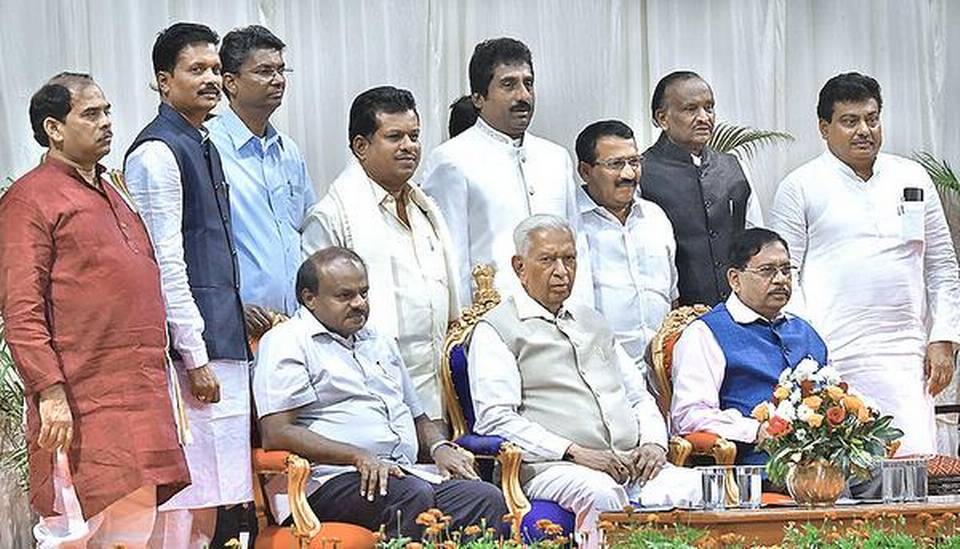
Governor Vajubhai Vala, Chief Minister H.D. Kumaraswamy, and his deputy G. Parameshwara posing for a photographs after the swearing in of eight new Cabinet Ministers at the Raj Bhavan in Bengaluru on Saturday.
R. Shankar, Ramesh Jarkiholi dropped from the Ministry
The long-awaited expansion of Karnataka Cabinet materialised on Saturday, with eight Congress legislators — seven of them hailing from the north Karnataka — being sworn in by Governor Vajubhai R. Vala.
While this fills the Congress quota in the coalition government’s Cabinet, Janata Dal (Secular) has chosen to keep its options open on its quota of two Ministers.
Ahead of the 2019 general elections, the decision of the Congress to give prominence to north Karnataka has assumed significance as the JD(S) is largely focussing on its electoral base in the southern districts of the State. This is also aimed at addressing the constant complaints of neglect of the people of north Karnataka.
While M.T.B. Nagaraj (Hoskote, Bengaluru Rural) is the lone MLA to become Minister from the southern part of the State this time, the other newly sworn-in ministers are M.B. Patil from Babaleshwar in Vijayapura district; R.B. Timmapur, MLC; Satish Jarkiholi from Yemkanmardi in Belagavi district; C.S. Shivalli from Kundgol in Dharwad district; P.T. Parameshwar Naik from Huvinahadagali in Ballari district; E. Tukaram from Sandur in Ballari district; and Raheem Khan from Bidar North.
All eight were administered the oath of office and secrecy at the Raj Bhavan in the presence of Chief Minister H.D. Kumaraswamy, Deputy Chief Minister G. Parameshwara and several Congress and JD(S) leaders. All eight are of Cabinet rank.
Forest Minister R. Shankar and Municipal Administration Minister Ramesh Jarkiholi have been dropped from the Ministry.
Protest
There were rumblings of discontent from some legislators not inducted into the Cabinet even as the oath-taking ceremony was on. Supporters of the Congress MLA, Ramalinga Reddy, protested near the Raj Bhavan to demand his induction into the Cabinet.
With the Ministry’s size fixed at 34, the Congress has filled its full quota (22) and the total strength of the Council of Ministers has increased to 32. Only two seats are vacant and both belong to the JD(S) quota.
Of the eight inducted, four have become Ministers for the first time. Mr. Satish Jarkiholi, Mr. Patil, Mr. Thimmapur, and Mr. Naik had served in the previous Siddaramaiah government.
Caste equation
The Congress struck a balance by providing fair representation to all major castes/communities. There are two Ministers from Kuruba community (Mr. Shivalli and Mr. Nagaraj), two from the Scheduled Castes (Mr. Naik and Mr. Thimmapur), two from the Scheduled Tribes (Mr. Tukaram and Mr. Satish Jarkiholi), one from Lingayat (Mr. Patil), and one Muslim (Mr. Khan).
To contain dissidence, the Congress has given postings to 31 legislators, including eight Ministers, nine parliamentary secretaries, and 19 heads to boards and corporations. The Congress has recommended to the government names of 19 MLAs to appoint as heads of various government boards and corporations.
The party has appointed three MLCs and six MLAs as Parliament Secretaries. Sharanappa Darshanapur, MLA for Shahpur in Yadgir, has been appointed as Deputy Chairman of the Planning Board.
Senior leader and former Minister H.K. Patil has been appointed as Chairman of the campaign committee of KPCC. He has replaced Minister for Water Resources and Medical Education D.K. Shivakumar.
Jewargi MLA Ajay Singh has been appointed as the special representative of the government in Delhi, while V. Muniyappa, MLA, is the Political Secretary to the Chief Minister.
source: http://www.thehindu.com / The Hindu / Home> News> States> Karnataka / by Special Correspondent / Bengaluru – December 23rd, 2018
The British unleashed ruthless violence over Mappilas to quell the rebellion in south Malabar taluks
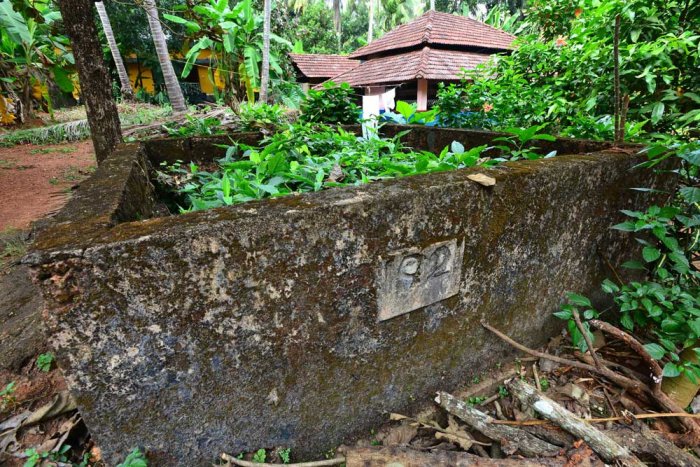
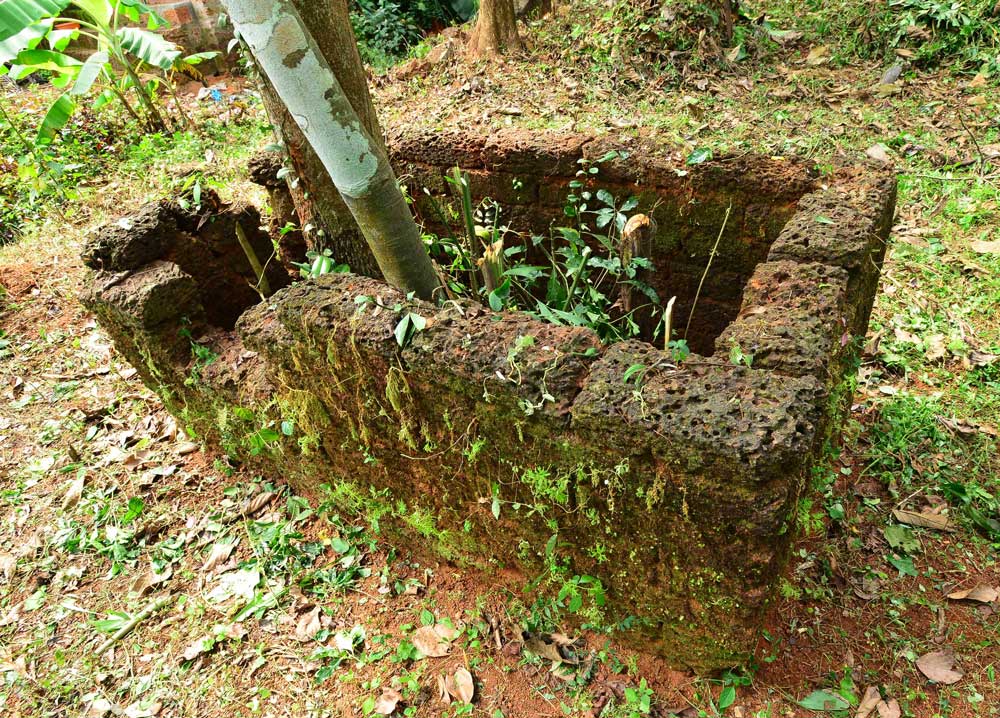
A mass grave in Adhikarathodi, Melmuri, where 11 bodies had been buried after the massacre. (Photo courtesy: Sameel)
Ninety-seven years ago on this day, the British army massacred 246 people in a small village in the Malappuram district of Kerala as part of a crackdown against the Mappila rebels.
The Mappila Rebellion was part of the non-violent Khilafat Movement led by Mahatma Gandhi and the Ali Brothers in 1921-22. The Mappila Muslims, who reside in the south Malabar region, had taken the movement seriously and engaged in combat with the well-equipped British army.
Ali Musliyar (Courtesy: Wikimedia)
The Mappila warriors, under the leadership of cleric Ali Musliyar and Variyam Kunnath Kunjahammed Haji (V K Haji), captured the taluks of Eranadu and Valluvanadu from the British and established their own rule.
After a short period, the British suppressed the rebellion savagely by letting loose the Gurkha Regiment, Dorset Regiment etc. According to official data, more than 2,300 people were killed and over 45,000 rebels were imprisoned in different jails across the country (the numbers are five-fold higher in unofficial records).
The rebellion had a huge impact on the region as well as the country. Mahatma Gandhi distanced himself from the rebels stating that the rebellion was just “an outburst of fanatics”. Several works, both critical and in support of the rebellion, have been published, but most of them are silent about the British crackdown on the rebels.
Two bodies were buried in this grave. (Courtesy: Sameel)
Unmarked graves
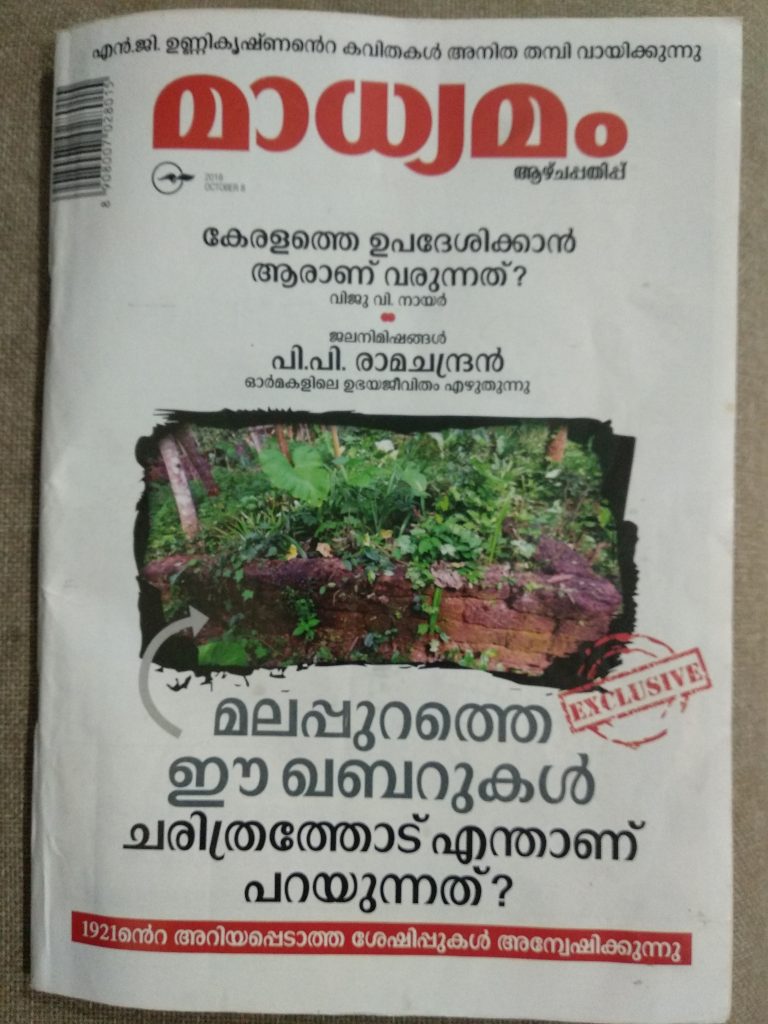
This bloodbath, which was largely forgotten, came to light after a three-year-long research by a journalist. Illikkal Sameel, who is with a Malayalam media organisation, spent four years documenting the history behind unmarked graves in a village located 3 km from the Malappuram district headquarters. In a detailed report published in Madhyamam Weekly, a Malayalam magazine, Sameel has illustrated the brutality of the British towards the Mappila, mostly innocents, including the old and the sick, to terrorise the rebels who had driven the mighty English force away from the region for months.
Cover page of Madhyamam Weekly.
In an ironic twist, Sameel, who resides in a nearby village, got to know about this forgotten historical episode four years ago from a friend, K Ashraf, who is pursuing his PhD from Johannesburg University, South Africa. Ashraf informed Sameel about the undocumented graves dating back to 1921 present in the area.
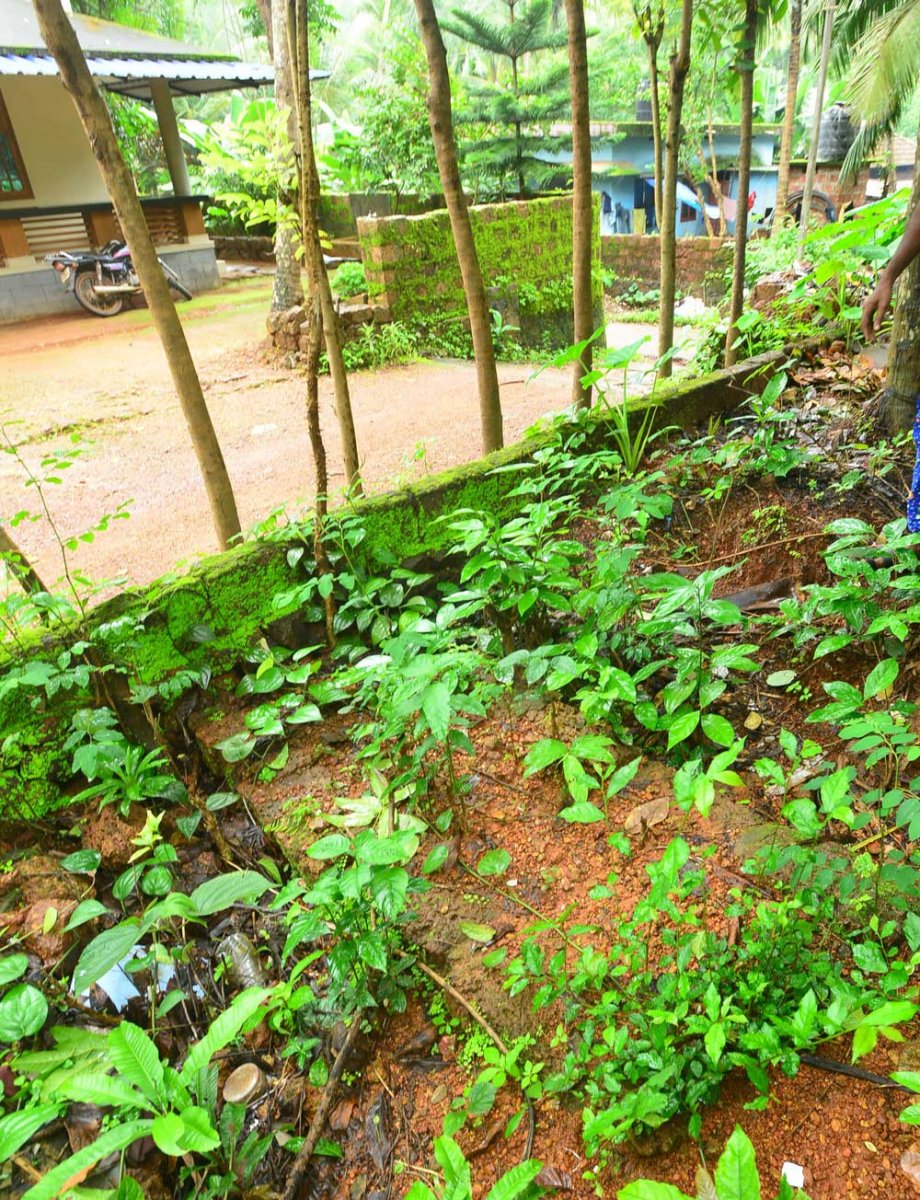
Initially, Sameel could find only five graves at Adhikarathodi in Melmuri village but nobody had any details about those buried there. After tracing the descendants of those buried, Sameel obtained information of 40 people from nine graves. All the graves had more than one body buried and among them one had upto 11 bodies.
“Malabar struggle is a well-researched topic from Kerala’s freedom movement and several scholars are still trying to explore more aspects. But I could find no trace of this particular massacre in any of those works,” Sameel said.
“In a casual conversation, a researcher in Malabar history mentioned Dorset Regiment and their involvement in suppressing the rebellion. I dug further to get details of the regiment and their expeditions, that was also futile,” Sameel explains.
From an octogenarian physician Dr Thorappa Muhammed, Sameel got to know that the number of people killed in the massacre was more than he could count. Muhammed told him that the number would go above 200 and challenged him to look at official British documents for more information.
Connecting the dots
“Most of the documents are not publicly available now, so I started flipping through the contemporary chronicles of officials. Among them, I went through a book of the Personal Assistant of Kozhikode Collector Mr Gopalan Nair’s ‘The Moplah Rebellion 1921’, which was published in 1924. In that book, he has just mentioned that the Dorset Regiment met some rebels near Melmuri and it led to the killing of 246 people on October 25, 1921,” said Sameel.
A book by the then police inspector of Malappuram, R H Hitchcock, describes every moment of his life as a British officer in Malappuram.
“The book is no more in print, hence, I got a photocopy of the book from one of my friends and a professor at Malappuram Government College, Dr Jameel Ahmed,” said Sameel.
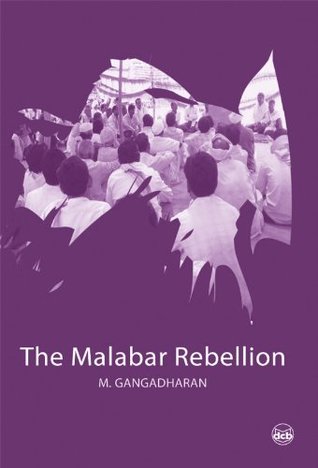
Another historian, Dr M Gangadharan, has cited British officials G R F Tottenham and C T Atkinson in his work on the Malabar struggle. Sameel found Tottenham’s book to be the most valuable as the author had added all the official communications, notes, commission reports etc., that were available during the rebellion.
“I stitched all these details together with the verbal accounts of various residents and stories of survivors to write this report. It was a painful effort,” said Sameel.
Earlier efforts
In the early 2000s, an article published in ‘Souvenir’ as part of the Pookkottur War anniversary had made some efforts to cover the massacre.
Some young enthusiasts and writers had also made videos regarding this massacre and related artefacts still available in the area. The information for these efforts led Sameel to more graves.
Two feet deep grave. (Courtesy: Sameel)
‘Girls were murdered’
“Dr Thorappa Muhammed had mentioned graves dug by Muslim women as men were unavailable to conduct the funerals,” elaborates Sameel. “I found two such graves in the latest expedition. Unlike the usual six-feet deep Muslim graves, these were only two feet in depth,” he said.
“As per some official documents and the accounts of descendants of the dead, a significant amount of the people killed in the massacre were innocent. Family members told me about men, including aged and sick, being forcefully dragged out of their home and shot. Two girls who were trying to protect their fathers were also shot by the army,” Sameel added.
Punished for links?
Apart from a telegram communication of the officials mentioning the short-engagement between Dorset and rebels in Melmuri after the Mappilas were attacked, there is no other evidence to lead us to the motive behind the massacre.
“A large gang reported last night four miles north-west of Malappuram. Operations are undertaken against them by Dorsets, Artillery and armoured cars. Enemy met in jungle west of Melmuri opposing our troops there and in the houses, refusing to come out when ordered to surrender and offering continued opposition resulting in 246 rebel casualties,” reads the telegram.
Sameel assumes the British unleashed violence in that particular place due to the presence of a big chunk of Ali Musliyar’s students and giving shelter to V K Haji when he was in underground.
He rules out any connections to the alleged Mappila brutality, including forceful conversion of non-Muslims. “In my research, I could not find any credible information about the forceful conversion. Rather, there are mentions of participation of lower caste people in the rebellion,” Sameel claims.
“If such forceful conversions had happened, where are the later generations of those people. But till now nobody came forward claiming as the descendants of ‘those people’,” says Sameel.
“The story of forceful conversion was to demonise Mappila warriors and justify the British brutality. Even the leaders in the freedom movement believed this story and ignored the ruthless suppression of the rebellion,” he added.
In his article, Sameel gives an account of assistance from Thiyya family, lower caste Hindus, to extinguish the fire set on homes of Muslim neighbours by the army.
The course of rebellion changes
The entire course of the rebellion changed after the massacre as more rebels surrendered. Also, the popular support to the rebellion had also diminished. The British created an impression among the people that none, despite being active or inactive in the rebellion, would be spared.
“This was the British strategy to terrorise the rebels as well as sympathisers of rebels to give a strong message: ‘either support British or die’,” Sameel added.
The British officials themselves accepted that all they killed were not rebels, but they cheered the increase in the number of submissions as a result of the army act.
“In the interval before they (Dorset Regiment) came into action, there had been several encounters with the rebels and on October 25th the Dorsets had killed 246 Mapillas in the Melmuri area. Not all of these probably were active rebels, and the encounter seems to have had a considerable moral effect, for shortly afterwards petitions began to be received from ‘amsams’ in the neighbourhood of Malappuram offering submission,” Under Secretary reported to superiors. (Tottenham, 39).
In the correspondence of F B Evans, I US, Special Civil Officer, he wrote that Malappuram Kazi with thousands of men and women pleaded for amnesty after the massacre. In continuation, he regrets about the bloodbath, saying, “I think this may be put down as the effect of the Melmuri show on the 25th when no doubt a certain number of comparatively innocent people were unavoidably killed.”
Complete cover-up
British and upper caste historians deliberately neglected this episode for their benefits, alleges Sameel.
British officials tried to cover up this brutality to suppress the rebellion as part of maintaining themselves from further reactions from Muslims from other parts of India and to avert the global scrutiny of the war crime.
Sameel demands an open apology and reparation from the British government for their brutality on innocent people.
“The massacres the British army unleashed as part of a crackdown on the rebellion in Malabar, including the one in Melmuri, was one of the deadliest violence in India when one looks at its intensity. There were families without men, as all men were killed or taken to prisons. Those families need both an apology as well as compensation. The Indian government should pressurise the UK for this,” Sameel said.
For generations to come
After publication of the article, Sameel received several calls from different corners detailing other similar massacres. He is planning to write a book with more descriptions and related events.
There is also a plan to produce a documentary on this. Malayalam filmmaker and director of hit movie ‘Sudani from Nigeria’, Zakaria Muhammed, has agreed to produce the documentary under the banner of his production house – Cross Border Camera.
Sameel hopes the history books will feature this episode in the coming days. “The episode of the massacre was known among the victims’ families, till the last generation. The present generation is not aware of this. I hope my work will instil curiosity among them,” Sameel added.
source: http://www.deccanherald.com / Deccan Herald / Home> Specials / by Ajmal V / DH News Service, Bengaluru / October 25th, 2018
The 13th Kodagu district Kannada literary meet will be organised at government PU College premises in Napoklu on December 22 and 23, said Kannada Sahitya Parishat district president B S Lokesh Sagar.
He told reporters here on Thursday that Madikeri tahsildar Kusuma will hoist the National flag at 8 am on December 22. Napoklu gram panchayat president K M Ismail will hoist the Kannada flag.
Exhibition stalls will be inaugurated by CMC president Kaveramma Somanna at 11 am.
The formal inaugural programme will be held at Jagadatmanada G Maharaj Sabhangana at 11.30 am. Zilla panchayat vice president Lokeshwari Gopal will inaugurate the programme.
The main stage, ‘Mahabaleshwara Bhat Pradhana Vedike’ will be inaugurated by zilla panchayat president B A Harish. Kannada Sahitya Parishat state president Dr Manu Baligar will inaugurate the literary convention.
Bharadwaj K Anand Theertha will preside over the literary convention. MLA K G Bopaiah, MLC Sunil Subramani and MLC Veena Acchaiah will take part. Cultural programmes will be inaugurated by social worker Sanket Poovaiah.
ZP member Latif will inaugurate Janapadotsava at 9.30 am on December 23.
An open forum will be held at 2.30 pm. The valedictory programme will be held at 4 pm, said B S Lokesh Sagar and added that various literary events will be held on both the days.
Kannada Sahitya Parishat district honourary secretary K S Ramesh, taluk president Kudekal Santhosh and office bearer Kodi Chandrashekhar were present in the press meet.
source: http://www.deccanherald.com / Deccan Herald / Home> State> Districts / by Adithya KA / DH News Service / Madikeri – December 20th, 2018
Nellikkunattu Desam (Evanad Taluk – Malabar District) KERALA :
The Malabar rebellion (also known as the “Moplah War”, Mappila Lahala in Malayalam) was an armed uprising in 1921 against British authority and landlords in the Malabar region of Southern India by Mappila Muslims and the culmination of a series of Mappila revolts that recurred throughout the 19th century and early 20th century. The 1921 rebellion began as a reaction against a heavy-handed crackdown on the Khilafat Movement by the British authorities in the Eranad and Valluvanad taluks of Malabar. In the initial stages, a number of minor clashes took place between Khilafat volunteers and the police, but the violence soon spread across the region.
An estimated 10,000 people lost their lives, although official figures put the numbers at 2337 rebels killed, 1652 injured and 45,404 imprisoned. Unofficial estimates put the number imprisoned at almost 50,000 of whom 20,000 were deported, mainly to the penal colony in the Andaman Islands, while around 10,000 went missing.
Contemporary British administrators and modern historians differ markedly in their assessment of the incident, debating whether the revolts were triggered off by religious fanaticism or agrarian grievances. At the time, the Indian National Congress repudiated the movement and it remained isolated from the wider nationalist movement. However, contemporary Indian evaluations now view the rebellion as a national upheaval against British authority and the most important event concerning the political movement in Malabar during the period.
Early life and career in Mecca
Ali Musliyar was born in Nellikkunattu desom, Eranad taluk, Malabar district to Kunhimoitin Molla and Kotakkal Amina. Kotakkal Amina was a member of the famous Maqdoom family of Ponnani, known for their religions scholarship. Musliyar’s grandfather, Musa, was one of several “Malappuram Martyrs”. Ali Musliyar began his education studying the Qur’an, tajwid and the Malayalam language with Kakkadammal Kunnukammu Molla. He was sent to Ponnani Darse for further studies in religion and philosophy, under the tutelage of Sheikh Zainuddin Maqdum I (Akhir), which he successfully completed after 10 years.
He then went to Haram, Makkah (Mecca) for further education. After spending seven years in Mecca, he went on to serve as the Chief Qasi in Kavaratti, Laccadive Islands.
Musliyar in Malabar
In 1894, after learning of the slaying of his brother and several other family members, Musliyar returned to Malabar. He discovered that many of his relations and fellow students were lost during an 1896 riot. In 1907 he was appointed as the Chief Musliyar of the mosque at Tirurangadi, Eranad taluk.
The revolt of 1921–22 began following the police arrest of a number of Tenancy Association – Caliphate Movement – Indian National Congress leaders in August, 1921. Rumours that the British troops had destroyed the Mampuram Mosque led to large scale rioting throughout South Malabar against both wealthy Hindu landlords and the British.
Although the British army troops were quick to take the upper hand in many towns, a number of rebels initiated guerilla operations, forcing the British to deploy additional military units and introduce “aggressive” patrolling. The revolt came to an end in February 1922. Ali Musliyar was among a dozen leaders who were tried and sentenced to death. He was subsequently hanged at the Coimbatore Prison on 17 February 1922.
The Punjabi festival of Lohri commemorates Dullah Bhatti for his act of defiance against the Mughal emperor.
Wikimedia Commons
Lohri in Delhi has bonfires, popcorn, peanuts, pine nuts, gur or jaggery and til and sundry sesame sweets. Around the bonfire, people gather to sing a popular Punjabi folk song , Sundar munderiye, about a certain Dullah Bhatti who helped to rescue poor Punjabi women from the rather cruel zamindar, landlord.
In the big city, cut off from folk legends, most of the people who sing that song are unaware of who Dullah Bhatti was. Bhatti, though, is a historical figure, a contemporary of Mughal emperor Akbar who lived in Pind Bhattian, a town about 50 kilometres west of Lahore.
Rai Abdullah Khan Bhatti – to use Dullah’s full name and title – lived in tumultuous times. Akbar was just beginning to consolidate the Mughal state, setting in process a new order that would ensure that his dynasty would rule Delhi for the next three centuries to come. The Mughal state proceeded to implement a system of land revenue devised by Akbar’s brilliant Rajput finance minister, Todar Mal, called the Zabt system. The Zabt revenue system made Mughal officers responsible for both the assessment and collection of revenue.
Punjab in chaos
What was victory from Delhi, though, often meant chaos and destruction on the ground, as old ways of life were overturned. The Zabt system underpinned the Mughal state but proved to be the end of the road for local power centres in the Punjab, as all authority was concentrated in the Mughal administration. One of those local power centres was Dullah Bhatti’s family, a Rajput landowning clan made powerless by the financial scheme of Mughal finance minister, Todar Mal. As a result, the Bhattis rebelled against Akbar – and lost. Both Dullah’s father and grandfather were executed – at the time, Dullah’s mother was pregnant with him.
Legend now has it that Akbar’s son Jahangir and Dullah were born on the same day. To make Jahangir brave, Akbar was advised to have his son breastfed by a Rajput wet nurse who – in an incredibly filmy twist – happened to be Dullah Bhatti’s mother, in one version of the legend. A more prosaic explanation for this myth is that the Mughals initiated a policy of reconciliation with the Bhattis. By providing Dullah and his mother with royal patronage, the Mughal state hoped to assuage their hurt, win them over and – most importantly – prevent future rebellions.
Things, however, didn’t go according to plan. Bhatti grew up to swear revenge on the Chughtais, Mughals who had executed his father and grandfather. So fierce was this local resistance that, says historian Ishwar Dayal Gaur, Akbar had to shift his capital to Lahore from Delhi for two decades to try and get things under control. Gaur also adds that Akbar exempted the Bari Doab or Majha (the region between the rivers Beas and Ravi) from taxes and also made peace with the Sikh guru, Arjan Dev by visiting him in Goindwal – Bhatti’s revolt was so effective that the Mughals couldn’t afford to make any new enemies.
Dullah Bhatti becomes legend
Ultimately, though, Akbar prevailed, the Mughals capturing and beheading Dullah publicly in the main bazar area of Lahore. Till the last, though, Bhatti remained defiant and his final words as recorded by sufi poet Shah Hussain were, “No honourable son of Punjab will ever sell the soil of Punjab”. His grave still exists in Lahore, although interestingly, there is no official recognition of the spot. Pakistan – a country which is dominated by Punjabis – still takes much of its national mythos from the Mughal state, making its recognition of Dullah Bhatti’s revolt against Akbar a rather delicate matter.
Nevertheless, Dullah’s revolt passed into popular Punjabi legend and his feats as a Robin Hood are still celebrated today in the popular song Sundar munderiye, which talks of how he protected Punjabi girls from being abducted by the Mughal zamindar. The custom of giving money and sweets to children, who go from door to door singing the song, is said to honour Bhatti’s acts of generosity, of looting the tributes and taxes sent to the emperor and redistributing them among the poor.
In 2015, Bhatti’s tale was even made into a Punjabi pop number, although the video of the song, interestingly, portrayed him as a Sikh battling the Mughals, rather than the Muslim Rajput Bhatti historically was. Given that our histories rarely talk of the complex nature of Mughal India, and reduce most situations to a mirror of the communal conflicts of the modern age, this, perhaps, is an expected error.
source: http://www.scroll.in / Scroll.in / Home> Festival Celebrations / by Shoaib Daniyal / January 13th, 2016
The Rajasthan elections are out and the Congress is all set to form a government in the state along with also doing the same in Madhya Pradesh and Chhattisgarh. The ousting of the BJP from Rajasthan has also resulted in a larger number of Muslim candidates being elected to the Rajasthan assembly, even though interestingly this is the first time that no Muslim won from the BJP since 1998. Compared with 2013 elections when the Rajasthan assembly had only two Muslim MLAs, this election resulted in seven Muslims from Congress and one Muslim from BSP winning. The Congress had given tickets to 15 Muslims in these elections.
Rafeek Khan, Adarshnagar Constituency(Photo: Social Media)
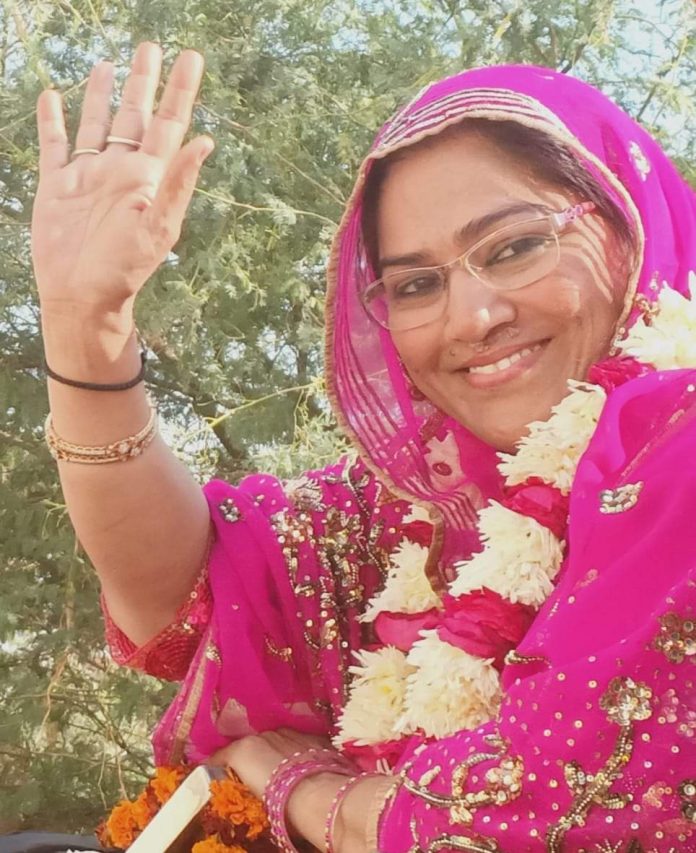
Rafeek Khan of Congress won from Adarsh Nagar seat with a margin of 12,553 over BJP’s Ashok Pamami, who was the current MLA of the region. In Kishan pole, Amin Kagzi won by a narrow margin of a little less than 1,500 votes. The closest fight among the eight Muslim candidates was for Saleh Mohammed from Pokhran, who beat Pratap Pani from the BJP by a margin of just 929 votes. The same could not be said about Zahida Khan, however. The only Muslim female candidate who won, Khan received over 1 lakh votes. She defeated her closest candidate by a margin of over 39,000 votes. Along with Khan, another strong victory for Muslim candidates came from Danish Abrar, who is also the party’s spokesperson for the state. Abrar beat popular BJP leader Ashok Meena by a margin of over 25,000 votes. The other Muslim candidates who won on a Congress seat were Hakam Ali from Fatehpur and Amin Khan from Shau constituency.
Hakim Ali Khan (Photo: Social Media)
Interestingly, the only non-Congress Muslim candidate who won from Rajasthan came not from the BJP but the Bahujan Samaj Party (BSP). Ali won by a margin of over 25,000 against Nempal Singh of the Samajwadi Party with the Congress and the BJP relegated to third and fourth respectively.
WajibAli Naagar constituency ( Photo: Social Media)
The only BJP candidate who won in 2013 elections, Mohammed Younus, was essentially turned into a sacrificial lamb for these elections. Younus, who was the number 2 to Vasundhara Raje, was made to change his constituency on the last day and to make matters worse, he was made to contest against Sachin Pilot in Tonk. No surprises, then, that Younus lost by over 56,000 votes to Pilot who polled over 1 lakh votes.
Amin Khan who won for the 5th time (Photo: Social Media)
These elections across five states have resulted in a total of 19 Muslim candidates winning across Madhya Pradesh, Rajasthan, Telangana and Chattisgarh. While Rajasthan and Telangana saw eight Muslim candidates each, two Muslim candidates won from Madhya Pradesh while one Muslim candidate also won from Chattisgarh. No Muslim candidate contested from Mizoram.
Sohail Mohammed with his father Ghazi Fakeer from Pohkhran ( Photo: Social Meida)
source: http://www.twocircles.net / TwoCircles.net / Home> Elections Update> Indian Muslim> Lead Story / by Aas Mohammed Kaif, TwoCircles.net / December 12th, 2018
Once driver and PA to a legislator, Mirza Rahmat Baig is MIM’s Rajendranagar nominee
Mirza Rahmat Baig criss-crosses several localities in the Rajendranagar Assembly segment as part of his paidal daura (canvassing). He is the Majlis-e-Ittehadul Muslimeen (MIM)’s candidate from the constituency. As he meets people, some at the doorstep and others passing by, he greets them with the traditional aadaab and says “Mere liye dua kijiye (pray for me)” as he promises to solve their problems once elected.
Speaking to The Hindu, he says, “The jamaat is not new here,” and proceeds to clarify that by jamaat, he means the MIM. “In fact, we have had a strong presence in this constituency for several years. We have always been with the people.”
The 31-year-old claims to have had humble beginnings. It was in 1994 that he first came in contact with the party leadership. Soon, he began to work with the MIM’s Ibrahimbagh primary unit. “After serving in the primary unit, Asad sahab (Asaduddin Owaisi) in 2004 instructed me to work for Charminar MLA Syed Ahmed Pasha Qadri. So, I became his driver, and then his personal assistant. I am grateful to Asad sahab for choosing me as a candidate,” he says.
Mr Baig says that the contest in the Assembly segment is between him and Bharatiya Janata Party candidate Baddam Bal Reddy. “Our fight has always been with the BJP,” he says.
While that may be the case, Mr Baig claims the constituency is in dire need of developmental work. The primary concerns are potable water and the drainage system. “Places in Narsingi, Sun City and Khizara Colony, among many others, have been facing major water supply issues. Also, drainage issues are seen in Narasareddy Colony and other places.”
He claims the area is in need of government schools, junior and degree colleges and accuses former MLA T. Prakash Goud of doing little there. “I would like to ask the MLA how many new Urdu medium schools have been sanctioned? How many new government schools have been established? There is a lot that needs to be done,” he says.
source: http://www.thehindu.com / The Hindu / Home> News> States> Telangana / by Syed Mohammed / Hyderabad – December 01st, 2018
A total of 356 candidates of different parties and independents are in fray for the 74 seats of Dhule Municipal Corporation (DMC)
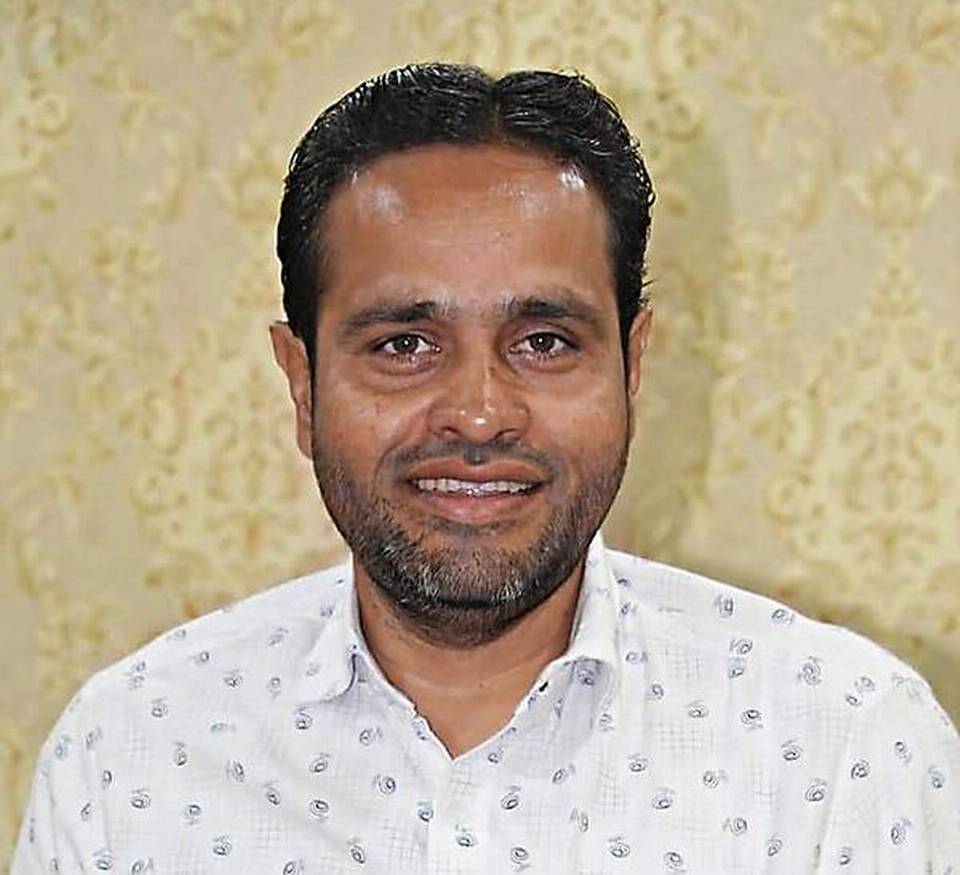
[AIMIM MLA Imtyaz Jaleel addressing an election rally in Dhule. (Photo: @imtiaz_jaleel)]Dhule :
Contesting the Dhule Municipal Corporation (DMC) elections for the first time, AsaduddinOwaisi’s All India Majlis-e-Ittehadul Muslimeen (AIMIM) has won 04 seats, election officers said after counting of votes Monday.
The AIMIM had fielded 11 candidates in the 2018 Dhule elections. Of them 04 candidates have won. 03 AIMIM candidates – Ansari Saeeda M Iqbal, Naziya Bano Nasir Khan Pathanand Saeed Baig Hashim Baig have won from Prabhag 03. The 4th one Mehrunnisa ZakirShaikh has won from Prabhag 13.
On the other hand, Samajwadi Party (SP) led bu Abu Asim Azmi had fielded 09 candidates. Two of them have won. One of them, Ansari Fatema, was declared unopposed. The other SP who has won the Dhule civic election is Patel Ameen Ab Kareem. He has won from Prabhag 12.
According to trends available at 02:15 pm, the BJP has won 50 seats of the total 74 Dhule Mahanagar Palika.
Congress+NCP alliance is a distant second with lead on 14 seats. Anil Gote’s Loksangram is also leading on 01 seat. Gote, a BJP MLA, is contesting this election on his own. He has projected his wife as Mayor of Dhule.
Dhule Municipal Corporation 2018 Election Result Live Updates
02:00 pm – BJP set to sweep Dhule Municipal Corporation 2018 Elections, leads on 50 seats
The Bhartiya Janta Party (BJP) look set to sweep the Dhule Municipal Corporation 2018 elections where counting of votes is in its final phase.
According to trends available at 02:00 pm, the BJP is leading in 50 seats of the total 74 Dhule Mahanagar Palika.
Congress+NCP alliance is a distant second with lead on 14 seats. Anil Gote’s Loksangram is also leading on 01 seat. Gote, a BJP MLA, is contesting this election on his own. He has projected his wife as Mayor of Dhule.
01:00 pm – BJP consolidates its lead
The Bhartiya Janta Party (BJP), which had taken early lead in Dhule Municipal Corporation (DMC), also known as Dhule Mahanagar Palika, has consolidated its lead.
According to trends available at 01:00 pm, the BJP is leading on 38 seats. Congress+NCP alliance leads on 18 seats. Anil Gote’s Loksangram is also leading on 03 seat. Gote, a BJP MLA, is contesting this election on his own. He has projected his wife as Mayor of Dhule.
Shiv Sena is leading on 07 seats. Others are ahead on 01. Samajwadi Party (SP) has already won 01 seat. Asaduddin Owaisi’s AIMIM and Raj Thackeray’s MNS have so far not leading on any seat.
11:30 am – BJP:31, Cong+NCP:28, Lok Sangram:03, Sena:03
The Bhartiya Janta Party (BJP) takes early lead in Dhule Municipal Corporation (DMC), also known as Dhule Mahanagar Palika, elections where counting of votes to elect a new body is underway.
According to trends available at 11:30 am, the BJP is leading on 31 seats. Congress+NCP alliance leads on 28 seats. Anil Gote’s Loksangram is also leading on 03 seat. Gote, a BJP MLA, is contesting this election on his own. He has projected his wife as Mayor of Dhule.
Shiv Sena is leading on 03 seats. Others are ahead on 01. Samajwadi Party (SP) has already won 01 seat. Asaduddin Owaisi’s AIMIM and Raj Thackeray’s MNS have so far not leading on any seat.
10:00 am – Counting of votes begins
Counting of votes in Dhule where polling to elect new body of the Dhule Municipal Corporation (DMC), also known as Dhule Mahanagar Palika, started at 10:00 am today i.e. Monday December 10, 2018.
Poll officers said counting of votes in Dhule started with counting of Postal Ballots. This will follow counting of votes registered in Electronic Voting Machines (EVMs).
07:15 am – Counting of votes to begin at 10 am
Counting of votes in Dhule where polling to elect new body of the Dhule Municipal Corporation (DMC), also known as Dhule Mahanagar Palika, was held on Sunday will start today i.e. Monday December 10, 2018 at 10:00 am, State Election Commission officials said.
Poll officers said counting of votes will start in Dhule to count votes in 19 prabhags comprising of 73 members. The process will start with counting of Postal Ballots, if any. After this, votes registered in Electronic Voting Machines (EVMs) will be counted. Dhule Municipal Corporation (DMS) has a total of 74 members. In Ward 12A, Samajwadi Party Candidate Ansari Fatema has been declared elected unopposed.
Voting for the remaining wards were held on Sunday December 09, 2018. According to the election commission officials, Dhule recored around 60% voting in the 2018 December Civic Elections. Poll percentage in 2013 Dhule Local Body election was 61%.
A total of 356 candidates of different parties and independents are in fray for the 74 seats of Dhule Municipal Corporation (DMC). Of them 82 candidates are Muslims who are contesting the elections in 08 Prabhags dominated by the members of the community.
Among the 82 Muslims contesting the Dhule Mahanagar Palika Chunav, Congress-NCP alliance has fielded 17 candidates, Samajwadi Party (SP) has fielded 09, Rashtriya Samaj Paksh has given its tickets to 11, Shiv Sena has given its tickets to 03 Muslims, BJP has given tickets to 02 Muslims whereas the Muslim League and Bahujan Samajwadi Party (BSP) have fielded 01 Muslim candidate each on their party symbol.
The All India Majlis-e-Ittehadul Muslimeen (AIMIM) of Asaduddin Owaisi is contesting the Dhule Municipal Corporation, also known as Dhule Maha Nagar Palika, election for the first time. It has fielded 11 candidates in the 2018 Dhule civic elections. The AIMIM had earlier won elections in the neighbouring Shahada local body election.
Besides the candidates from the mainstream and prominent regional parties, as many as 26 Muslims are contesting the Dhule local body polls as independents.
The Dhule Municipal Corporation (DMC) has a population of 4,46,094 and total number of voters are 3,29,596. More than 700 candidates had filed nomination papers for the 2018 Dhule civic election. Last date of withdrawal was November 26. After withdrawal of about half the candidates, 356 candidates finally contested the election.
In 2013, Dhule Municipal Corporation (DMC) election was held on Decemver 15, 2013 for 35 wards to elect a total of 70 councillors – two each from a ward.
As per the Dhule Municipal Corporation 2013 results, Nationalist Congress Party (NCP) won 34 seats in the 70-member house. Shiv-Sena won 11 seats. Its alliance partner BJP won just 03 seats whereas the Congress party won 07 seats. On the other hand, the Loksangram Party of local MLA Anil Gote could win just 01 seat.
The Independents had won on 10 seats whereas the Bahujan Samaj Party had won on 01 seat. The Samajwadi Party, which fought the election for the first time from Dhule had won 03 seats in the 2013 Dhule Municipal Corporation (DMC) elections. A total of 16 Muslims belonging to the NCP, Congress, Samajwadi Party and independents had won in the 2013 Dhule Municipal Corporation election.
source: http://www.ummid.com / Ummid.com / Home> India / ummid.com news network / December 10th, 2018
![[AIMIM MLA Imtyaz Jaleel addressing an election rally in Dhule. (Photo: @imtiaz_jaleel)]](http://www.mpositive.in/wp-content/uploads/2018/12/ImtyazJaleemMPOs12dec2018.jpg)