Nagpur (Central Provinces & Berar )- Now MAHARASHTRA / Madras (now Chennai) – TAMIL NADU :
Bhaskarendra Rao Ramineni who scours the Andhra Pathrika archives tells me that an obituary of Yakub Hasan says his wife Khadija Begum was a Member of the Madras Assembly and that Rajaji, paying tribute to his Public Works Minister in his 1937 Ministry, said that Hasan’s wife was from Turkey.
That gives a clear cut answer to my speculation in Miscellany, December 4.
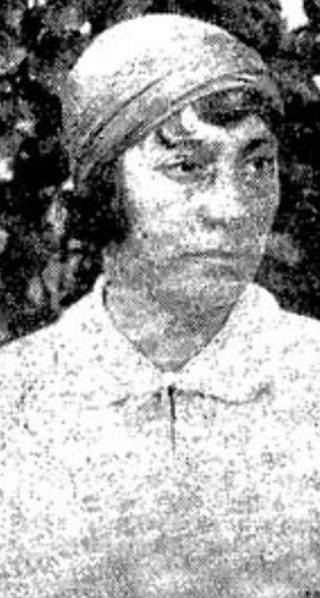
Bhaskarendra also sends me a picture from the paper showing Khadija Yakub Hasan in Western clothes, a reflection of Ataturk’s modern Turkish women.
Yakub Hasan, a founder of the Muslim Educational Society, represented the Muslim League in the Madras Legislative Council from 1916 to 1919. Later, he represented in the Council the Chittoor Rural (Muslim) constituency from 1923 till 1939.
As Minister in charge of the PWD he played a significant role in the negotiations with Hyderabad on the Tungabadhra Project.
He convened and presided over the first Khilafat Conference (1919) held in Madras and resigned from the Assembly over the Anglo-Turkish treaty (1920) which ended the Khilafat campaign to restore the Caliphate.
Note: The above content is edited from Madras Miscellany that contained 3 stories
source: http://www.thehindu.com / The Hindu / Home> News> Cities> Chennai> Madras Miscellany – Chennai / by S. Muthiah / December 18th, 2017
Congress general secretary in-charge of Gujarat Ashok Gehlot described Patel’s victory in the RS poll as a morale booster for party cadres across the country and a significant marker of the BJP’s fallibility.
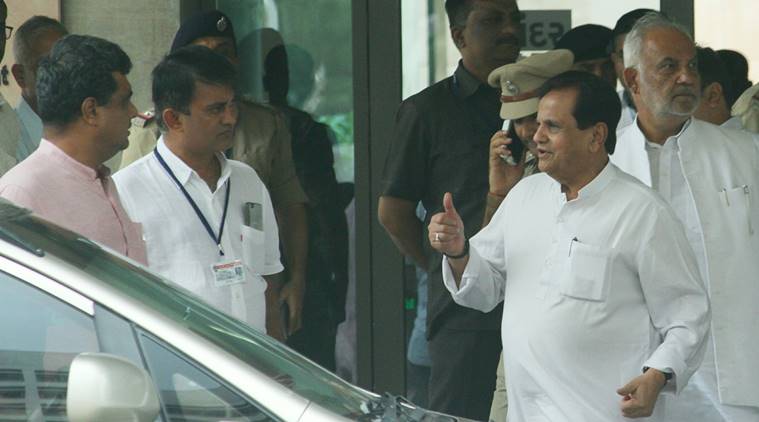
Gujarat Rajya Sabha election: The candidates Ahmed Patel from the Congress in gandhinagar.. Express photo javed raja
The dramatic Rajya Sabha win of Congress’ chief strategist Ahmed Patel is being widely hailed in internal circles as the booster shot the party needed and a turning point in its fortunes. Patel, Congress president Sonia Gandhi’s political secretary, pushed back an aggressive BJP to win a high stakes battle for the RS seat from Gujarat, providing state cadres a big reason to cheer. Gujarat goes for Assembly elections shortly.
Congress general secretary in-charge of Gujarat Ashok Gehlot described Patel’s victory in the RS poll as a morale booster for party cadres across the country and a significant marker of the BJP’s fallibility. “The BJP has suffered a lot of damage in this election. Its credibility has taken a huge hit. There was no tool they didn’t employ to put spokes in Congress wheels. BJP chief Amit Shah himself went and sat in Gujarat during counting.
“Ahmed Patel’s win will have a positive impact for us not just in Gujarat but across the country. People saw the extent to which BJP can fall to win one seat at the cost of democracy. One election has exposed the BJP totally and this victory will prove a boon for Congress,” Gehlot said.
Congress insiders hailed Patel’s win for another reason -the fact that it showed BJP’s electoral vulnerability after a long time. “This win has broken the myth of BJP invincibility and it has also boosted workers’ morale hugely. It will reverse the down slide Congress was facing. It will send a positive signal across India and will boost Congress’ chances in upcoming polls,” Gehlot said describing Patel as a pole of opposition unity and his win as the harbinger of positive electoral fortunes for the Congress.
Gujarat state leaders say Patel’s historic win against the might of BJP top brass will become an turning point in the upcoming state polls.
“Ahmed Patel’s win will prove a turning point for Congress in Gujarat. We are getting reports of people not appreciating the aggression the BJP put into winning one RS seat. This is bound to prove counterproductive for the BJP which lost out in the final game,” Shaktisinh Gohil, senior Congress leader from Gujarat and party’s spokesperson told PTI today.
Armed with the RS win of Patel, the Gujarat Congress is now in campaign mode, expecting to fire up the canvassing with some visits by Patel over coming days. Organisationally, also Patel’s win has a huge consequence considering he leads the party old guard which is perceived to be at odds with Congress vice president Rahul Gandhi-led young brigade.
“The fact is that this is the first win for Congress in a long time. And it’s a win against BJP’s might. This establishes the supremacy of Ahmed Patel in the party organisation and also outside among opposition forces,” a Congress leader said.
source: http://www.indianexpress.com / The Indian Express / Home> India / by PTI, New Delhi / August 13th, 2017
Wankaner is one of the only two constituencies in Gujarat where Muslim candidates have registered a victory. Mohammed Javed Peerzada won Wankaner Assembly seat with a slightly comfortable margin of 5200 votes. He got 59,000 votes while his nearest rival of BJP pulled 53,700 votes.
The Peerzada religious Sufi saint family has been holding the power threads of Wankaner from the last four decades. Javed Peerzada’s father Abdul Peerzada won the seat in 1971, by defeating then Jan sangh poster boy Keshubhai Patel who later became the CM of Gujarat.
Mohammed Javed Peerzada
Since then, for Peerzada family there was no looking back. After the death of Abdul Peerzada his sons Manzoor Peerzada and Khurshid Peerzada won the seat through 1980s and in 1995. When the baton of family politics was handed over to Javed Peerzada, a school principal in 2002, it was a troubling period; in the communal divide atmosphere, he couldn’t save the family seat.
But in 2007 Peerzada again bounced back and defeated BJP’s candidate with 18,000 votes. Wakaner has 27% Muslim population, but interesting fact about Peerzada family is that they have enjoyed the support of local Hindu community members.
At a time when the Muslim candidates of the Congress Party stumbled even in minority dominated constituencies, Javed Peerzada’s victory comes as booster.
Ilyas Khan Pathan, a young journalist with Guajarati daily from Wakaner said that Peerzada’s main force comes from his simplicity, his availability to the general public, and his non-discriminated development work.
TCN tried to contact Javed Peerzada to get his reaction on his election victory, but he was occupied in his vijay rath yatra in his constituency.
source: http://www.twocircles.net / Two Circles / Home> Indian Muslim / December 20th, 2012
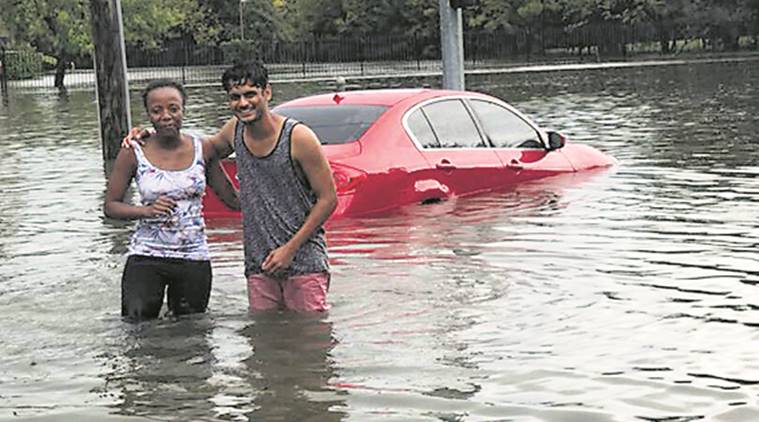
Salman in Houston when it flooded earlier this year.
SALMAN SAYYED may have summed up his life in a less-than-three-minute video but there could be a film on him, the 25-year-old jokes. A pavement dweller from Mumbai who now aims to become entrepreneur in social tourism, Sayyed’s video went viral on social media platforms on Saturday, tracing a young boy’s journey from Haji Ali traffic signal in central Mumbai to Houston, in Texas, where he is now pursuing a course in Business Studies.
“I am surprised the video went viral while I slept in the US,” Sayyed said, jokingly, from Texas on Saturday. Born on a footpath in Haji Ali area, Sayyed dropped out of school to support his family, comprising his parents, a sister with three children, her husband and a grandmother. While his mother worked as ragpicker, his father did odd jobs, and Sayyed sold second-hand books near Haji Ali signal.
“I would ask customers to explain words in the books I sold. My father had taught me basic alphabets,” he told The Sunday Express. When he was about 14, a volunteer from the NGO Akanksha Foundation, which provides aid in education, met him. “They were doing some survey. I spoke a little English, and they were impressed.”
Soon, Sayyed was coaxed to join the NGO, and study. For the next few months, he would wake up early to attend classes. In afternoon, he sold books, and spent the evenings playing. He quit after a few months — “they all spoke English. I didn’t feel comfortable.”
He does not remember his age at the time but one day, while selling books at Haji Ali signal, he wondered, “For how long will I sell books?” That was the “turning point”. He approached the NGO volunteers again and started studying. After failing in his first attempt in Class X Board examination in 2011, he reappeared the next year, and cleared it. In Class XI, funded by the NGO, he scored 91 per cent, following it up with 89 per cent in Class XII Boards.
He went on to pursue undergraduation in Sociology and worked as tour guide with Magic Tours of India alongside.
From the footpath his family moved to Kalyan, on the outskirts of Mumbai, and rented a small flat — his mother now works as a domestic help, and father photographs tourists at Haji Ali.
Last year, Sayyed came across a course under Community College Initiative, where he could study for 10 months in Houston’s Community College. He applied, and got through. “I am no different than anyone. Most of us are stuck at crossroads.. Today I want to help others like me,” he says in his video.
Ram Subramanian, former advertising professional and filmmaker who made the video on Sayyed, said even he was surprised when the video went viral from his Facebook page. “When I met him, we walked from my Khar office to home in Bandra. I realised he is very knowledgeable for his age. It is not academic knowledge — life has taught him a lot,” Subramanian, founder-director of Handloom Picture Company, said.
Sayyed has experienced the floods in Texas, joking that it is no different than Mumbai’s monsoon. The 25-year-old said several volunteers were “after my life, waking me up early morning to study”, and he now realises the importance of having that persuasion in life by an external force. Who does he think is happier, the rich or the poor. “The poor,” he replied. “We have nowhere to rush to. They (rich people) are always rushing, working.”
source: http://www.indianexpress.com / The Indian Express / Home> India / by Express News Service, Mumbai / December 17th, 2017
`Masjid-e-Meraj Bada Makan’ is tucked away in a nondescript lane on Lalbagh Main Road. Nothing about the structure or its adjoining dargah (now under renovation) seems `historic’. But then, first impressions can be misleading.
The story goes back to 1753, says the mosque’s secretary Abdul Shukur. Hyder Ali decided to take the blessings of a fakir in Salem before the battle of Tiruchinapally against the British. It is said he was shocked when the saint Attaullah Shah Shuttari forbade him from fighting. The commander went ahead nevertheless, a move that resulted in defeat, grave physical injury and loss of lives.
Hyder Ali then requested Shuttari to become his pir (spiritual guide). Pointing to a brickwalled home opposite the mosque, Shukur says, “Hyder Ali built this bada makan (large home) for the fakir and it continues to be occupied by his descendants.“ Local residents and historians believe Shuttari had a greater role to play.
Syed Suleiman Ali Shuttari, the eighth-generation descendent of Attaullah Shah Shuttari, says people from far and wide visited his illustrious ancestor. They travelled in bullock-carts and stayed put in the grounds next to the mosque, waiting for the saint to finish his prayers. During one of his visits, Hyder Ali was pained to see people wait in the blistering heat. So, he commissioned the making of Lalbagh in 1760.
“Lalbagh was originally planned over 30 acres of land here, before Tipu Sultan and the British planned it across the 240 acres that we see today ,“ says Mansoor Ali, founder, Bengaluru By Foot. Mosque members go a step further to claim that Lalbagh was named after Haider Ali’s mother Lal Bi.
Popular narratives of history , however, say Hyder Ali was inspired by the Mughal gardens in Delhi and so had Lalbagh built. The horticulture department website suggests that Lalbagh derives its name from the red roses that bloom year-round in the botanical garden. After Shuttari’s death in the the 1770s, a dargah was built on his grave. Hyder Ali himself passed away in 1782.
The place also has an old well, said to be 30feet deep. Popularly known as Bada Makan Ki Boudi, it was apparently built by Haji Nasiruddin, a district commissioner and a follower of Shuttari. His great-grandson Shabaz Shariff said that Nasiruddin spent `200 to build the well. “It never dries out. In fact, it was among the only sources of water during the famine of 1876,“ he says. Though the well is locked, it continues to supply water to the mosque and the local community .
source: http://www.economictimes.indiatimes.com / The Economic Times / ET Home> Magazines> Panache / by Divya Shekhar, ET Bureau / July 13th, 2017
Dr. Abdul Munaf, M.B.B.S., Founder President, Krishnagiri Islamic Trust for Education, Al-Ameen Manjil, 27/I, Jakkappan Nagar II Cross, Krishnagiri – 635 001.
Mr. G.N.Srinivasan, Secretary & Correspondent, Urumu Dhanalakshmi College, Tiruchirappalli
Prof. Hajee M.J.A. Meeran, Former Professor of Physics, The New College, Chennai.
Dr. P.M. Mansure, Principal, MIET College of Arts & Science, Tiruchirappalli.
Dr. M.M. Shahul Hameed, Head, Department of Biotechnology, Jamal Mohamed College, Tiruchirappalli.
Dr. M. Sheik Mohamed, Principal, Jamal Mohamed College, Tiruchirappalli.
Mr. R.K.Medhar Mydeen, Deputy Commissioner (Commercial Taxes), Zone-IV, Chennai-6.
Dr. A.Abdul Subhan Khan, Head (i/c), Commerce & Business Administration Self-Financing, Departments, Jamal Mohamed College, Tiruchirappalli.
Mr. Dawood Miakhan, Secretary and Correspondent, Quaide Millath College, Melavakkam,Secretary and Correspondent, Quaide Millath College, Melavakkam, Chennai – 601 302.
Prof. Mohamed Iqbal, Principal, Quaide Millath College, Melavakkam, Chennai -601302.
Mr. K.A.R. Mohideen, K.A.R.Leathers Pvt.Ltd., 86 E, Madurai Road, Begambur, Dindigul-2.
Mr. S. Mohamed Rahmathullah, Programme Manager, Mashreq Bank, Dubai, UAE
Mr. A. P. Rajendran, PG Teacher in Botany, Namakkal
Mr. M. Zahir Husain, Senior IT Infrastructure, Systems and SAN Storage Administrator, Petrochemical Industries Company, Kuwait
On 15th August 2014
Mr. N. ALTAF AHAMED, Director, MEASI Academy of Architecture, Chennai
Mr. P. SAMIIYA, Ex-Zonal Chairman, Tiruchirappalli City Corporation
Dr. AMEENUL HUSSAINI BIN ABDUL KADER, Malaysia
Alhaj Kazi, S.A. SHAIK HASSAN SAHIB, QADIRI, Government Town Kazi and Managing Trustee of Nagore Dargah Shariff
Dr. HABEEBULLAH KHAN BIN ABU BAKAR SIDIQ, Malaysia
Mr. G. RAMESH KUMAR, FCA, Chartered Accountant, Trichy
Mr. M. SAWKATH ALI, Area Warehouse Manager, Shuiba Water & Power Production Station, Kuwait
Mr. T.M.A. ABDUL MALIK, Joint Managing Director, Super Sonic Trading LLC Group, Dubai, UAE
Mr. K. M. KABEER MOOSA, Principal, Jamal Mohamed College Ayesha Girls Matric Hr.Sec. School, Trichy
Mr. D. ASHOK GANDHI, Vice President, All India Synthetic Gems Manufacturers and Dealers Association
Rtn S GOPAL, Prop: Sri Lakshmi Roadways, Trichy
Dr. A . M. MOHAMED SINDHASHA, Former Principal, Jamal Mohamed College Trichy
Dr. M. HUSSAIN MUNAVAR, Professor & Head, Department of Molecular Biology. School of Biological Sciences, CAS in Functional and Organismal Genomics, Madurai Kamaraj University, Madurai
Mr. M. S. HABEEBUR RAHMAN, Engineering Consultant, Chennai,
Dr. K. SATHIYAMURTHY, Associate Professor, Department of Bio Medical Science, Bharathidasan University, Tiruchirappalli
Mr. HAJA SHEIK ALLAUDIN, IT/E-commerce Manager and Director Revenue, Singapore
Dr. A. MOHAMED JAFFAR, Professor of Commerce, Tamilnadu Open University, Chennai
Shri. A. ARUNMOZHITHEVAN, Member of Parliament (Lok Sabha), Cuddalore Constituency
Mr. HAJA MOHIDEEN, CIO, Islamic Bank, Qatar
Mr. NOOR MOHAMED ABDUL MALIK, Project Manager, Tech Mahindra Ltd., Singapore
Mr. ABDUL KARIM ABDUL NAZIR, Associate Director, Banking, NCS PTE LTD, Singapore
Mr. N. AMEER AHMAD, GeneralManager, TRAVEL CLUB Tourism Company, Kuwait
Mr. R. RAHAMATHULLAH, Director- Radiant IAS Academy, Villuppuram
Mr. HABIBULLAH NOOR MOHAMED, Managing Director,MASS Education Institute, Singapore
Mr. MOHAMED SIDDIQUE, Project Manager, IT, Mannai Corporation, Qatar
Mr. A. MOHAMED SHAJAHAN, Universal Lubricants Factory (ZINOL) L.L.C., Sharjah – U.A.E.
Mr. A. NASHEER AHAMED, Chief Executive Officer, Sixth Star Technologies, Chennai
Mr. HABEEB RAHMAN M.I. SHARFUDEEN, Contract Administrative Officer, Qatar
Ms. SHEERIN SAMSUDEEN, Specialist – Manage Direct Tax (United States) M/s. Shell India Markets Pvt Ltd (SBSC)- Chennai
Ms. AIMAN ARISHA, Senior Technical Analyst, CITY Global Service, California, USA
Three Gulf expats among 13 NRI winners of the ‘Pravasi Bharatiya Samman’ award
Three Indian expatriates in the Gulf, including an Abu Dhabi-based doctor, have been conferred with an award for Indians living abroad by the government in New Delhi.
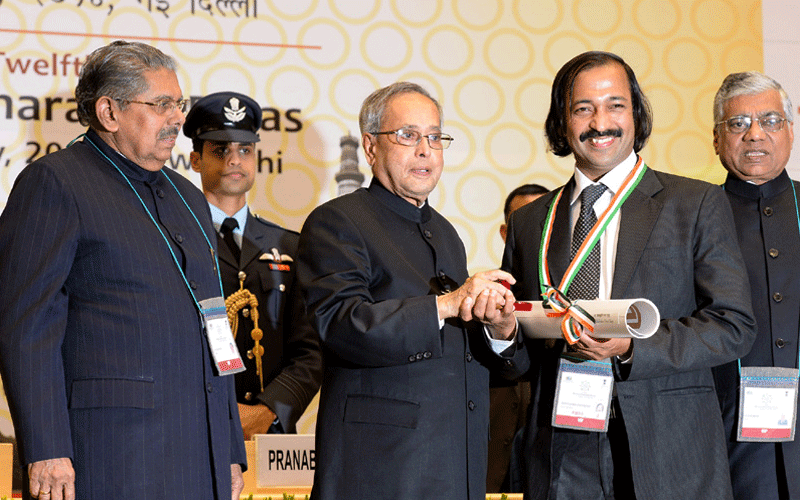
Indian President Pranab Mukherjee has conferred the Pravasi Bharatiya Samman Award to 13 non-resident Indians, PIOs and organisations for their contributions to the country of their residence as well as to India in different spheres of activity.
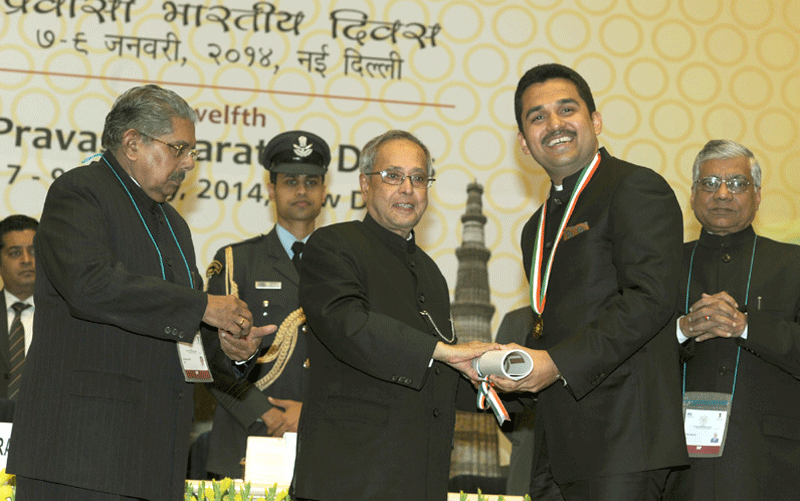
Dr. Shamsheer Vayalil Parambath receiving the ‘Pravasi Bharatiya Samman’ Award from Indian President Pranab Mukherjee in New Delhi.
Dr. Shamsheer Vayalil Parambath, founder and managing director of Life Line Healthcare Group of Abu Dhabi, won the annual award for his role in developing a major healthcare business in the UAE and in promoting UAE-India ties.
Dr Shamsheer’s healthcare business now covers India, Oman and the UAE and the group has undertaken humanitarian projects like giving free heart surgery to poor children and offering jobs to relatives of the Mangalore air crash victims. He is the youngest entrepreneur to receive this award.
A postgraduate in radiology, Dr Shamsheer was trained in Boston before joining Sheikh Khalifa Medical City in Abu Dhabi. Starting with a small hospital in 2007 in Abu Dhabi, he now has nine hospitals.
Shihabudeen Vava Kunju, an Indian social worker from Saudi Arabia, is another recipient of the award from the Gulf this year. He won the award for social service and in fostering good relations between India and Saudi Arabia.
Shihabudeen Kottukad of Saudi Arabia receiving the ‘Pravasi Bharatiya Samman’ Award from Indian President Pranab Mukherjee in New Delhi.
The third Gulf winner of the award this year is Shihabudeen Kottukad of Saudi Arabia. He won the Pravasi Bharatiya Samman Award for his social service for Indian expatriates in the kingdom.
Ms Lisa Maria Singh (Australia), Kurian Varghese (Bahrain), Vasdev Chanchlani (Canada), Satnarainsing Rabin Baldewsingh (Netherlands), Bikas Chandra Sanyal (France), Sasindran Muthuvel (Papua New Guinea), Ms. Ela Gandhi (South Africa), Shailesh Lakhman Vara (Britain), Dr. Parthasarathy Chiramel Pillai and Ms. Renu Khator (USA) are the other prominent NRIs who have been given the award this year. Ramakrishna Mission (Fiji) is also in the winners list for its humanitarian and community services on the Pacific Ocean island.
source: http://www.emirates247.com / Emirates 24X7 News / Home> News> Emirates / by Staff Reporter / Tuesday – January 14th, 2014
Out of the 25 member central secretariat five are women.
Mohammad Riyas
Kochi:
The 10th national conference of the Democratic Youth Federation of India (DYFI) ended without any major departure from the tradition of leaders from Kerala and West Bengal becoming president and general secretary of the organization. Mohammad Riyas from Kerala has been selected as the president replacing M.B. Rajesh while incumbent Abhoy Mukherjee retained in the post of general secretary.
Although the name of Preeti Shekhar from Maharashtra has been mentioned as a possible candidate for the post of president the meeting ended without disturbing the status quo. She will continue to be one of the joint secretaries of the outfit. The meeting also selected an 83-member central committee and a 25-member central secretariat. In the central committee nine are from Kerala. The induction of more women to the DYFI central committee, in tune with the decision to have at least 20 per cent women membership, is one of the major highlights of the Kochi meeting.
Out of the 25 member central secretariat five are women. The women members of the central secretariat included Preeti Shekhar, Deepa, Jerna Deb Burma, Manisha and Vintha. M Swaraj and NM Shamseer from Kerala are also in the 25- member central secretariat of the DYFI. Swaraj is also one of the five joint secretaries. P.P. Divya, Nithin Kanichery, Biju Kandakkai, S Satheesh, A.A. Rahim, V.P. Rejeena and V.P. Sanu are the other members of the central committee from Kerala. Although the meeting has selected 83-member central committee for the outfit only 70 persons have been inducted to the committee on Sunday. The remaining will be inducted later.
Riyas braved setbacks to hog limelight in career
The DYFI’s new national president, Mr P.A. Mohammad Riyas, 40, has steadily risen in the organisation through dedicated work, though he had suffered setbacks initially. He started as DYFI unit secretary of Kottooli in Kozhikode and became the national joint secretary. Mr Riyas hogged the limelight when he became the LDF candidate in the Lok Sabha election from Kozhikode in 2009.
Mr Riyas, who hails from Kottooli in Kozhikode, was defeated by Mr M.K. Raghavan of the Congress by a margin of 838 votes. The candidature of Mr Riyas had allegedly caused rift in the party with the official faction choosing him bypassing bigwigs such as Mr V.V. Dakshina Moorthy and Mr P. Sreeramakrishnan. After the debacle, Mr Riyas involved himself more deeply in politics and represented the DYFI in prime time channel discussions. He also held various posts in the DYFI, including as Kozhikode district president, secretary, state vie-president and state joint secretary.
source: http://www.deccanchronicle.co, / Deccan Chronicle / Home> Nation> Politics / by Deccan Chronicle / February 06th, 2017
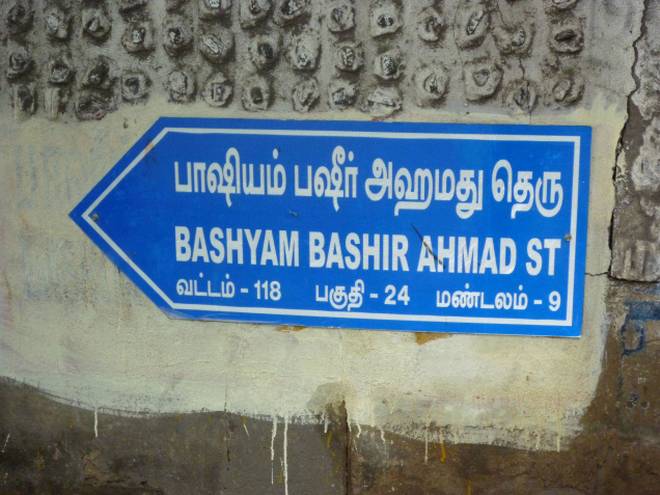
In an inspired moment, the street in Alwarpet was named after two giants of the legal field, K. Bhashyam Iyengar and Basheer Ahmed Sayeed
Fellow heritage enthusiast and writer, Dr G. Sundaram, wondered as to the origins of Bashyam Basheer Ahmed Street in Alwarpet. Have the signboard painters got it wrong he wondered. But for once they had it right. It is indeed Bashyam Basheer Ahmed Street. And as for its Vaishnavite-Muslim name combination, the explanation is simple — it commemorates two men — K. Bhashyam Iyengar and Basheer Ahmed Sayeed. Both were giants of the legal field.
Bhashyam enrolled as an advocate in 1906. He apprenticed under his father-in-law, the legendary Sir VC Desikachariar, and later worked with leaders such as VV Srinivasa Iyengar and S. Srinivasa Iyengar. He was greatly successful in independent practice as well. He wrote a classic commentary on the Negotiable Instruments Act, while still in the early days of his career and is even now referred to at times as NI Act Bhashyam to distinguish him from the other, Sir V Bhashyam Iyengar.
But it is his services to social causes that earned him immortality. Active in the freedom struggle he was beaten by the police and also sentenced. He took to representing in court, people charged for participating in the independence movement. He was to be a member of the Syndicates of the Madras and Annamalai Universities, a councillor, a member of the Legislature and a minister in the Prakasam Ministry of 1946-47. He died in 1959.
Basheer Ahmed enrolled in the High Court in 1925. An expert in languages and also Islamic law, he rose quickly in practice and was later made a judge of the Madras High Court. He was confirmed as a judge in 1950. Like Bhashyam, he too was actively involved in social causes, one of the prime beneficiaries being the Music Academy, of which he was a member of the executive committee.
It was at his prompting that the Academy purchased its present property. Justice Basheer Ahmed, in 1951, set up the Southern India Education Trust along with a few other prominent Muslims of Madras.
Sixteen acres of land were purchased in the Teynampet area and in 1955, Pt. Jawaharlal Nehru, who greatly admired Basheer Ahmed’s legal acumen and learning, laid the foundation stone of the SIET College, the first of the many SIET institutions. Justice Basheer Ahmed Sayeed died in 1984.
K. Bhashyam lived in Champaka Vilas, at the intersection of Luz Church Road and Mowbrays (now TTK) Road. That property is a rabbit’s warren of flats now. The other side of Mowbray’s Road, was mainly paddy fields, with the vast Sudder Court (native courts of the 18 century) in the distance. The main court building, Sadr Gardens, was Basheer Ahmed Sayeed’s residence. It still exists, a magnificent pile.
When the surrounding area was developed in the 1940s, roads were laid and one connected Sadr Gardens to Mowbrays Road. In an inspired moment, it was decided to name it after both men and so we have it, Bashyam Basheer Ahmed Street.
Happily, it remains so.
source: http://www.thehindu.com / The Hindu / Home> News> Cities> Chennai> Hidden Histories / by Sriram V. / January 02nd, 2013
A 100-member team of archivists is digitising over 10 crore documents to prevent further loss. The first phase of the project is expected to be completed in two years.
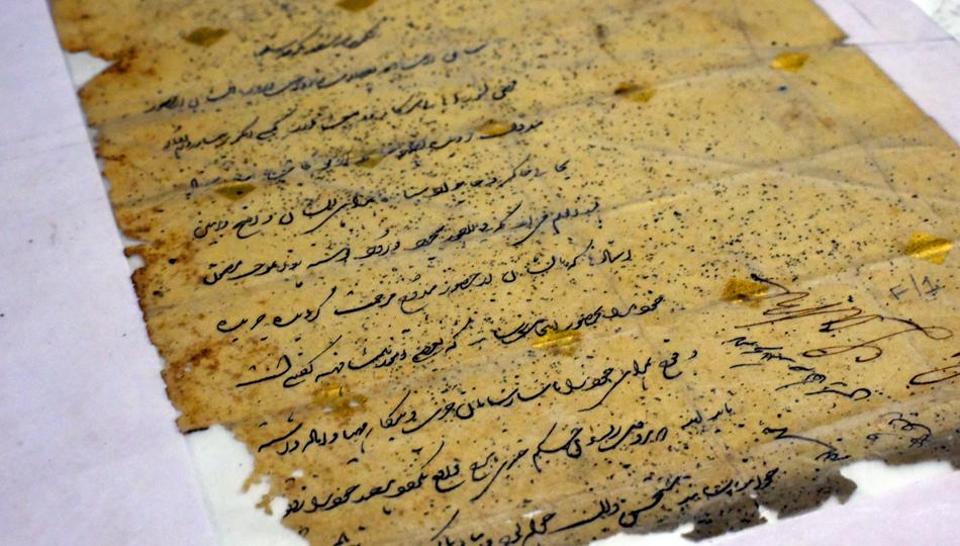
A letter from General Lake Sahib to Zaibun Nisa Baigum dated 8 October 1802 at Delhi archives.(Vipin Kumar/HT PHOTO)
On March 9, 1858, a British court declared Delhi’s last king, Bahadur Shah Zafar, guilty of rebellion, treason and murder before exiling him to Rangoon in the then British-controlled Burma. The trial was approved and confirmed a month later by N Penny, major general commanding, Meerut division.
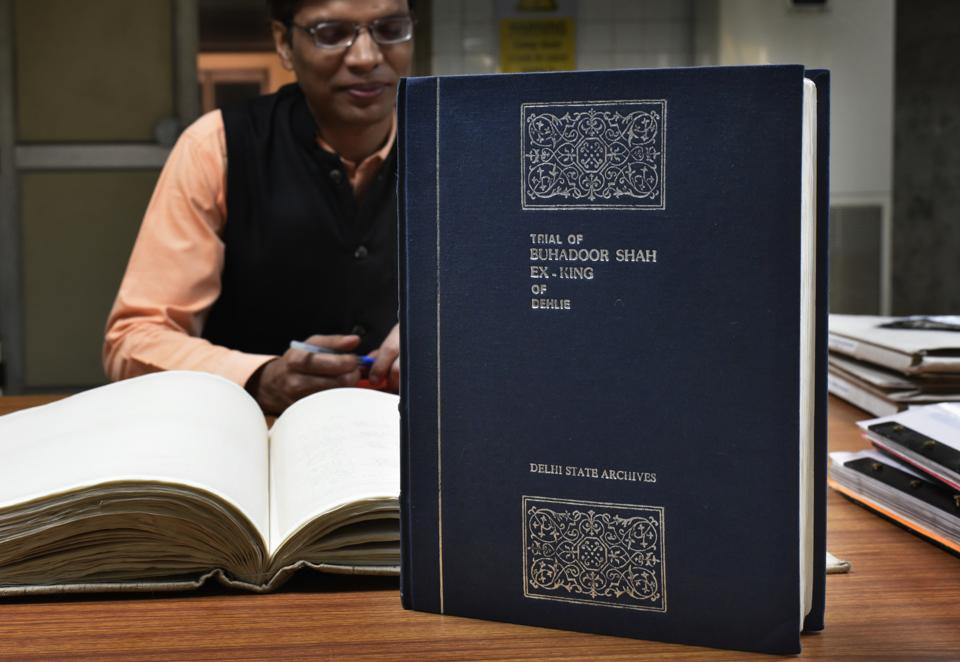
One hundred and fifty nine years later, the 42-day trial conducted at Diwan-e-Khaas of the Red Fort by British prosecutor Major F Harriott lies preserved word for word at the Delhi archives in the form of a hardbound book comprising 262-pages.
Apart from the handwritten trial papers, the Delhi archives is a repository of over 10 crore rare documents comprising Mughal firmans (imperial orders), maps, land acquisition award statements, jail records, manuscripts and government orders narrating the historical and political journey of Delhi since 1803.
So far accessible to only researchers, the treasure trove will soon be just a click away for those interested in the history of the national capital. An ambitious ‘digitisation and microfilming of archival records’ project started by Delhi government is underway with the target of converting 4 crore documents in the first phase by 2020.
An official with a copy of the trial of Bahadur Shah Zafar. (Vipin Kumar/HT PHOTO)
“Some of the records are so old that they might get damaged. So, it is required to preserve them in digital and microfilm formats for posterity,” said Sanjay Garg, the chief archivist of the archives. The Delhi Archives is city’s second repository of records from early 19th century after the National Archives of India.
Mughal firmans to land acquisition for Lutyens Delhi
In September 1803 East India Company’s forces under general Gerard Lake fought the Marathas in what is popular as Battle of Delhi, or Battle of Patparganj — named after the area now in east Delhi.The earliest documents at the Delhi Archives relate to this battle. Thought the British emerged victorious, they allowed Shah Alam II — the blind emperor of Delhi — to issue firmans in Persian language, many of which are also preserved at the archives.
“There are different sizes of royal seals in Persian language depending on the hierarchy in the Mughal courts on the firman with gold marks,” said Ashutosh Kumar Jha, assistant archivist pointing at ‘A letter from General Lake Sahib to Zaib-un-Nisa Baigum’ dating October 8, 1802.
The transfer of power to the British crown in 1958 followed setting up of a new administration and eventually the construction of the new capital, Delhi, in 1912. The Archives also have records of land acquisition during this historic shift of the national capital from Kolkata to Delhi.
“From photographs to award statements of land acquired from the owners, we have rare documents that bear testimony to how the present day Delhi came up,” said Sandeep Singh, assistant archivist. In one of the records dating March 1913, an individual named Ram Das was awarded a compensation of Rs 172, two paisa and nine annas for his 285.38 acre of land acquired by the government in Khanpur. The deal was signed by Kamruddin, revenue assistant, Delhi province.
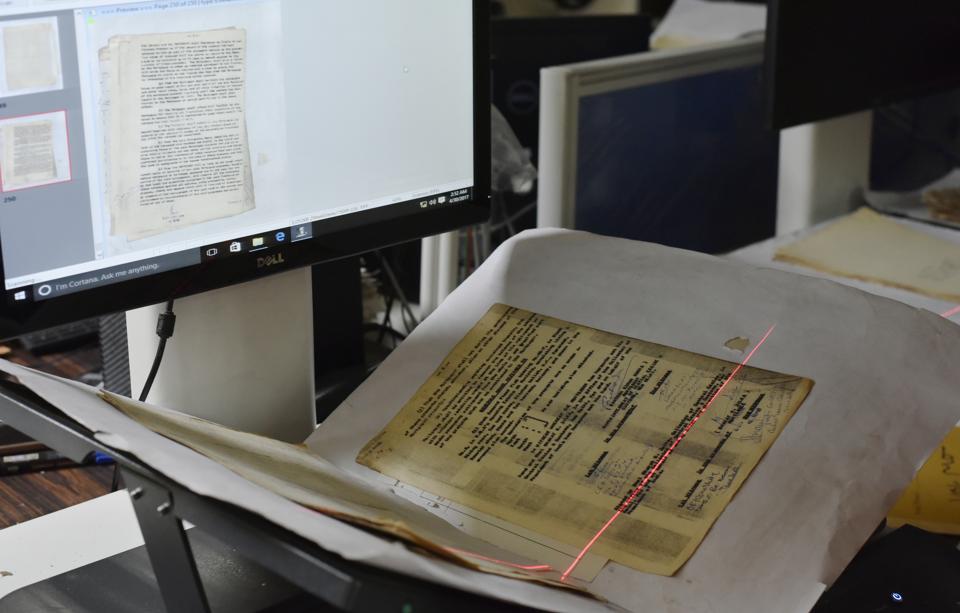
Documents being scanned for digitisation at Delhi archives. (Vipin Kumar/HT PHOTO)
The repository at the archives includes pictures of construction of historical buildings housing Parliament and Rashtrapati House in early 20th century. Originally called House of Parliament, the Sansad Bhawan was designed by the British architect Edwin Lutyens and Herbert Baker in 1912-1913 and was constructed between 1921 and 1927.
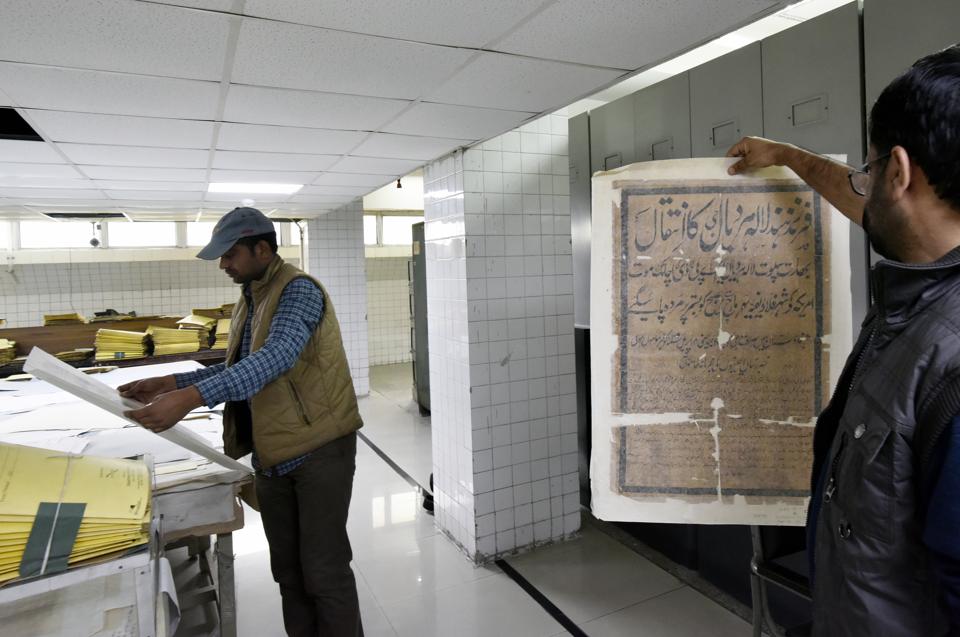
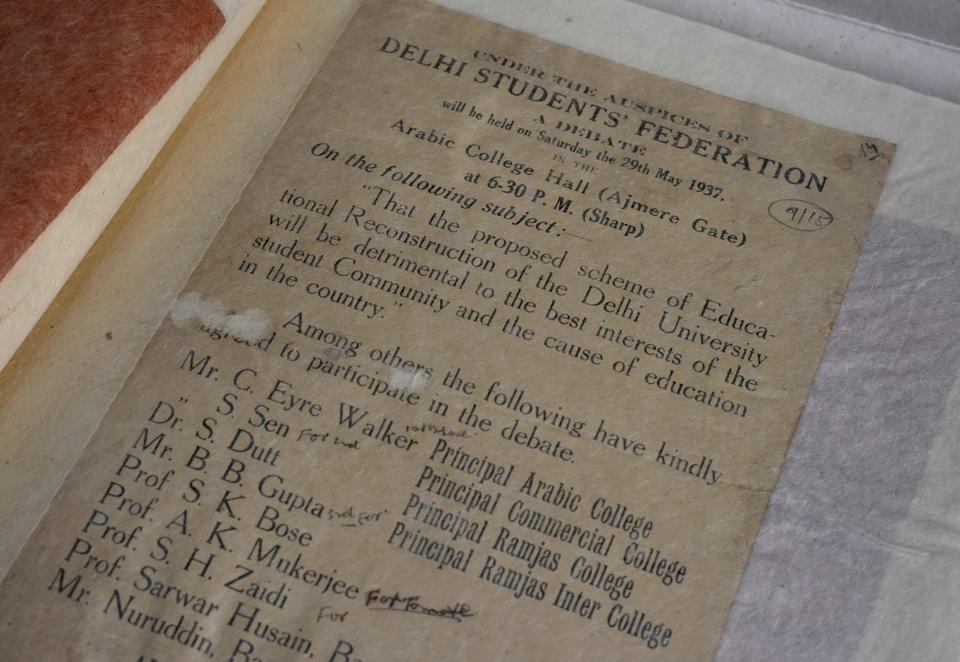
A poster of a debate being organised by Delhi Students’ Federation on May 29, 1937 at Arabic College Hall (Ajmeri Gate) is in the section of rare documents showing how teachers would support students’ concerns. The debate on why “the proposed scheme of educational reconstruction of Delhi University will be detrimental to the best interest of the students’ community and the cause of education in the country”, had C Eyre Walker, principal Arabic college, S Dutt, principal Ramjas College, and BB Gupta, principal Ramjas inter college among speakers.
A rare document dated April 7, 1912 is testimony to how ‘Khan Bahadur’ title was awarded to one Chaudhari Nabi Ahmed on the occasion of ‘His Majesty, the King- Emperor’s Birthday’.
The Delhi archives is a repository of over 10 crore rare documents comprising Mughal firmans, maps land acquisition statements, jail records, manuscripts and government orders. (Vipin Kumar/HT PHOTO)
Digitising 10 crore rare documents
The project, billed as the largest in Asia, envisages digitisation of 10 crore records stored in the four specially constructed floors of the Delhi Archives building in Qutub Institutional Area. In the first phase, four crore records are expected to be ready and uploaded on the website of the Delhi archives over a span of 30 months at a cost of Rs 25.4 crore.
The project was fist conceived in 2011 but was taken up by the incumbent government on August 31 this year. Led by Garg, a 100-member team of archivists, scholars and employers are busy with the digitisation task using computers and high-end German-made scanners.
“We have got eight scanners for now. We digitise about 50,000 pages each day,” Garg said
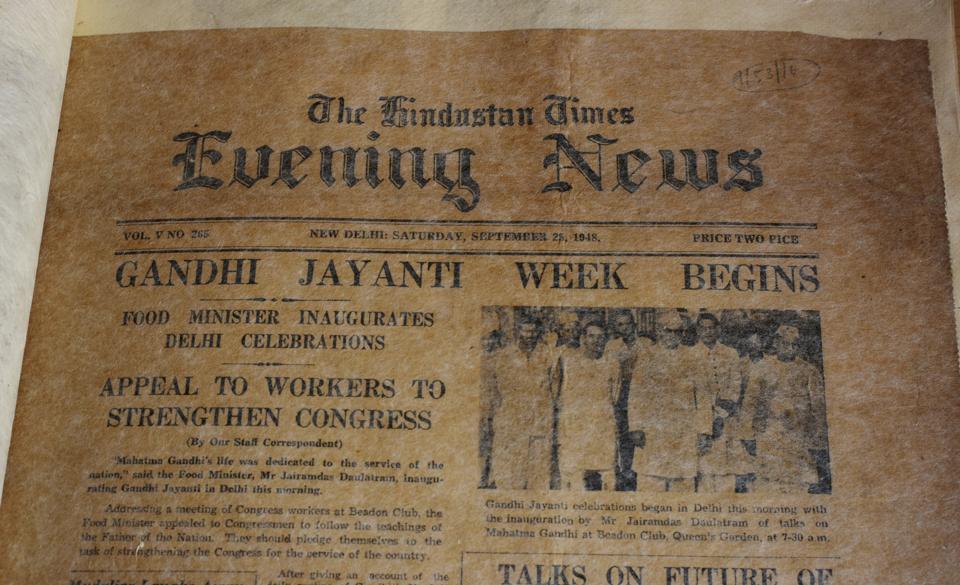
A collection of old newspapers at the archives includes a copy of Hindustan Times, Evening News, published on September 25, 1948. (Vipin Kumar/HT PHOTO)
Once digitised, the records would be transformed into microfilms.
“The thumbnails of the records with some information would be available on the website. For higher resolutions, one has to pay,” Garg said
A welcome move
“It’s a welcome move to preserve and digitise records particularly Bahadur Shah Zafar’s trial. The public will know who sided with British and who was with revolutionaries in the first war if Independence,” said historian Rana Safvi, who has translated Zahir Dehlvi’s Dastan-e-Ghadar which comprises eyewitness account of the 1857 uprising against the British
An old invite of Delhi Student Federation, now DUSU (Delhi University Student Union), at Delhi archives. (Vipin Kumar/HT PHOTO)
Established in 1972, the Delhi archives is a repository of non-current records of Delhi government under the department of art and culture. It is responsible for preservation of the archives and making them available research and references.
“We are committed to make knowledge more accessible to the common people. This is an important step towards preserving our precious heritage. While digitisation will ensure preservation of documents, making them available to a larger audience through a website and outreach events will play a key role in dissemination,” said Manish Sisodia, the minister of Art, Culture and Languages.
source: http://www.hindustantimes.com / Hindustan Times / Home> Cities / by Gulam Jeelani, Hindustan Times / December 14th, 2017