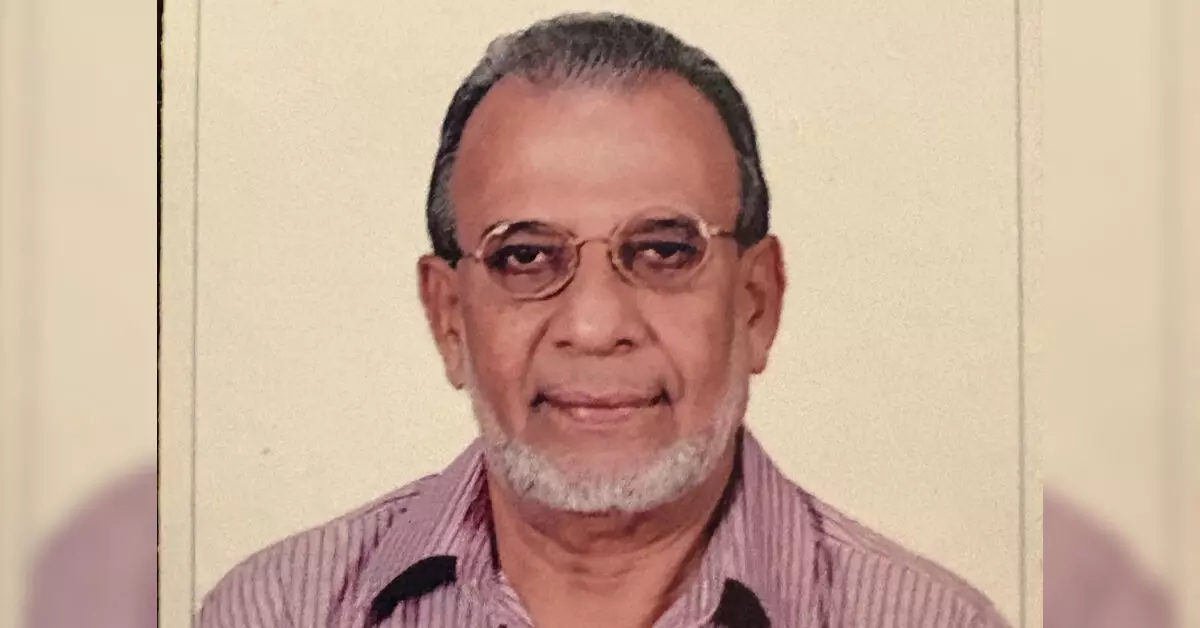
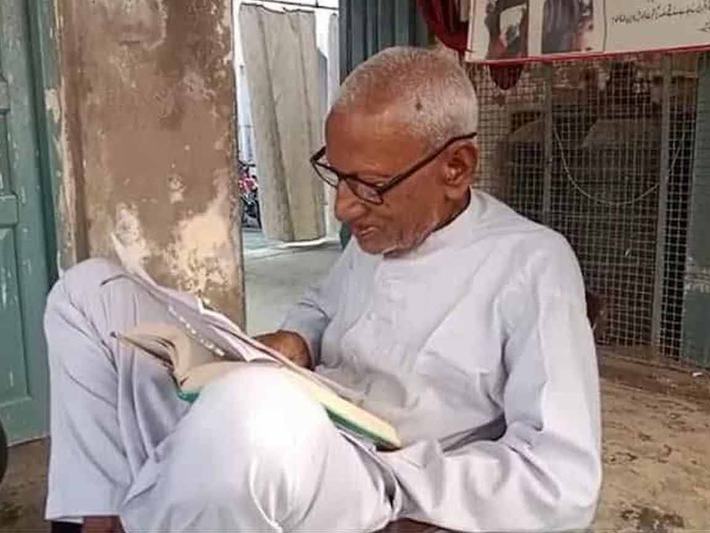
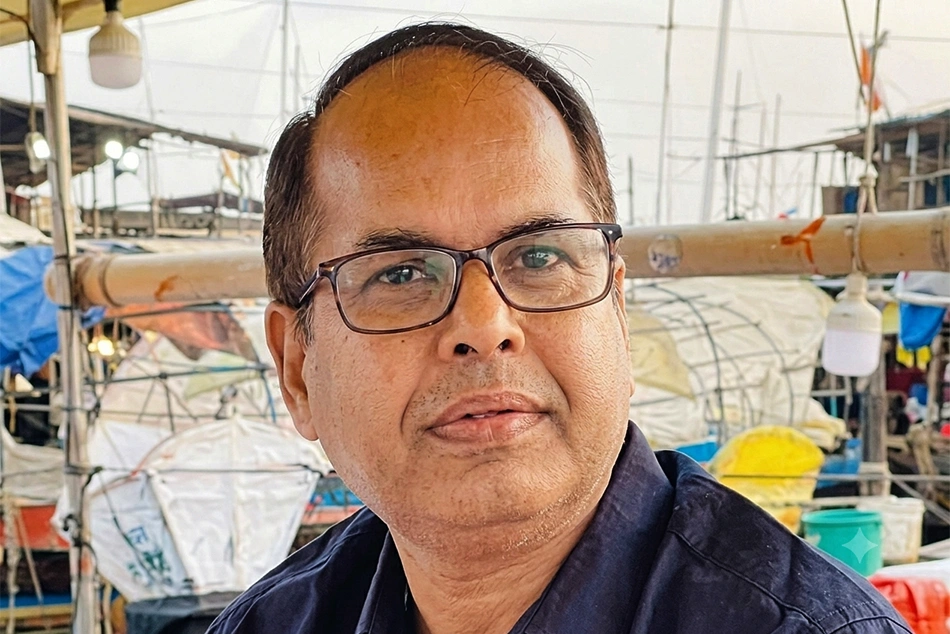
Major (Retd) D.M. Nizamuddin, a respected former Indian Army officer, war veteran and long-time Treasurer of Bolar Juma Masjid, passed away on Monday. He was 86.
Born on October 6, 1939, Major Nizamuddin was the son of late D.M. Shamshuddin and a resident of Faiq House at Yemmekere Cross Road in Bolar, Mangaluru.
Major Nizamuddin had a distinguished career in the Indian Army and served the nation during the Indo-Pak wars of 1965 and 1972. He sustained injuries while fighting in the 1972 war.
After retiring from the Army, he remained actively involved in community service. He served as the Treasurer of Bolar Juma Masjid for many years and was known for his commitment and sincerity in carrying out his responsibilities.
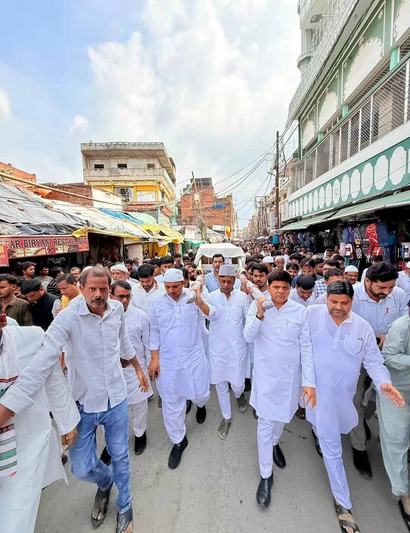
The mortal remains will be kept at his residence, Faiq House, Yemmekere Cross Road, Bolar, for the public to pay their last respects until 11 a.m. on Tuesday.
The Janazah (funeral prayers) and burial (Tadfeen) will be held after Duhr prayers on Tuesday at Bolar Juma Masjid.
source: http://www.english.varthabharati.in / Vartha Bharati / Home> Karavali / by Vartha Bharati / August 03rd, 2026
Baare duniyā meñ raho ġham-zada yā shaad raho aisā kuchh kar ke chalo yaañ ki bahut yaad raho (It does not matter whether you are happy or sad, but do something so that you are remembered for long)
— Mir Taqi Mir
This isn’t an obituary. Nor an elegy. For how do you write an obituary for someone so grand in stature and yet so humble in living, that it defies the usual human qualities. These are just pourings of the heart — from a niece to her ‘bade abba’ (uncle) who ever lovingly called her beti (daughter).
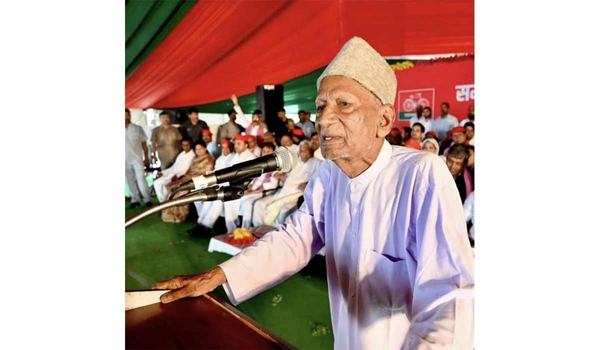
Alam Badi Azmi, the oldest serving member of the Uttar Pradesh Legislative Assembly and a five-time Samajwadi Party (SP) MLA from the Nizamabad constituency in Azamgarh district, died on July 22, 2026, at the age of 90. He was one of the longest-serving legislators from the region.
The ‘people’s leader’ breathed his last at his residence, bringing to an end a political career remembered as much for his simplicity as for his honesty and service to the people. Leaders from across parties, even the chief minister of the state, expressed profound grief over his death. Thousands of young and old supporters bid him farewell with tearful eyes, knowing well that a leader like him was a rarity.
Born on 16 March 1936, much before India’s independence, Alam Badi Azmi lived through every phase of the country’s political journey. He was a trained mechanical engineer and briefly worked in his profession before dedicating himself to public life.
He was fondly called ‘Chacha’ (uncle) by all. People across parties described him as a soft-spoken, compassionate, and honest leader whose values and personal integrity earned him widespread respect. He led a humble life, choosing modesty over political spectacle.
Stories abound of his high moral principles and values. He declined a ministerial position, when SP formed government in UP in 2012, saying he preferred to remain among his people and continue serving them directly. He never believed in political showmanship. During elections, he would refuse to put up posters or banners or indulge in spending money on publicity. He believed people would vote if one worked genuinely and hoenstly. His politics was never that of power and rhetoric, it was only about social service.
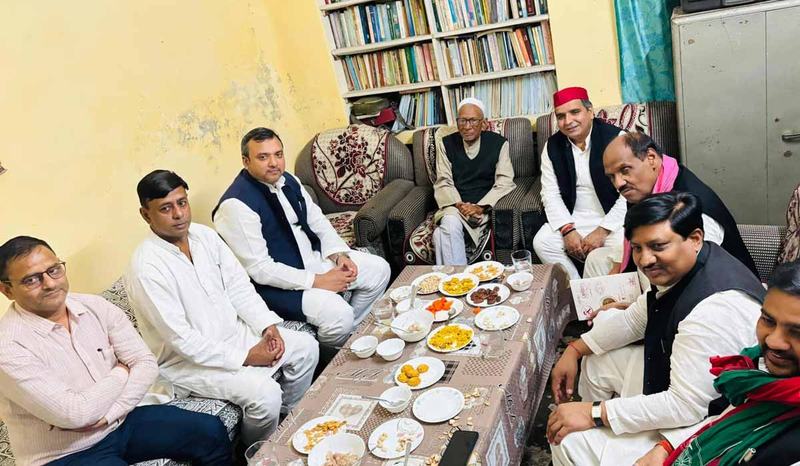
He was known for personally inspecting development work in his constituency, ensuring that public money was spent fairly. On his death, a leading national daily reported, “Unlike many public representatives, he lived without security or luxury. Visitors to his home were served black tea in small cups, while his son and grandson personally attended to guests as there were no domestic staff. He met visitors under a tin-shed outside his modest house and was known to travel on foot to interact with people. His clothes were simple – made from fabric costing Rs 30 a metre. He worked for social welfare, founded the Qaumi Ekta Manch in Azamgarh and authored a book focusing on communal harmony and national integration.
On the personal front, he was a committed family man. A loving and doting father to all, including his younger siblings. My memories of childhood and our much awaited summer vacations are majorly about how ‘Bade papa’ made our stay fun-filled ensuring we were served with the tastiest food and our favourite desserts every day.
Those were the times when vacations and outings were not about foreign trips and visits to exotic tourist locales. Vacations, for our generation, was the time to be spent at grandparents’ house, for which we waited year-long, bursting with excitement as the time drew near. Those stays were not just holidays. They were workshops of humanness, giving lessons along a spectrum of emotional vulnerabilities – to learn to live with extended families, cherish bonds, co-exist through highs and lows, lend helping hands, share experiences, and most importantly remain rooted to one’s traditions.
We lost our grandparents early, so the void was filled by bade abba, whose presence as the eldest in the family was that of a permanent guardian angel. When he came back home after his day-long work, he would never withdraw to his room to rest. Instead, he would spend his time talking and eating with all. Being the youngest in our family, I had the unique privilege of getting the best treats from bade abba, who would often silently hand over a candy or cookie pack exclusively meant for me. I distinctly remember the flavour of a peanut mix, which he often got for me, humorously called by him as ‘lighting of the tongue’ because of its very spicy taste.
Sleeping on roof-top with the family through summer nights, waking up unwillingly as the Sun shone on our faces and waiting to eat the most savoury of parathas which our badi ammi (his wife) made, are memories we can never forget. Bade abba’s earnings were meagre but his heart was one of gold. Lingering around him most of the time as his favourite child, I discreetly listened to many of his conversations with badi ammi about how personal finances were to be managed with a houseful of relatives. He never made anyone realise even if it was sometimes difficult catering to everyone. Our plates were always full, our hearts always brimming with joy. Bade abba knew his art. He knew how to keep things rolling and badi ammi supported him through her immaculate household management. He was the pillar which kept the family together – uncles, aunts, cousins everyone.
A noble soul who stood with the common people in their joys and sorrows, he remained steadfast in his values and continued serving people with unflinching dedication. His humility, kindness, and commitment to public concerns earned him respect throughout the region.
He remained an active worker till his last days. Truth and simplicity were the hallmark of his personality. His grassroot politics and connect with the local public made him an extremely popular leader.
With his passing, India has lost a sincere and hardworking people’s leader, the like of whom are so rate these days. He leaves behind a legacy of selfless public service. His life and ideals will continue to inspire generations. The fact that thousands of people of all communities gathered to pay their last respects on his death, speaks volumes about his character. His admirers believe the void left by him can never be filled. His death marks the end of an era.
For me, bade abba will always remain an example of warmth and love. I can still feel his hand on my head – his unique way of blessing his children.
Hazāroñ saal nargis apnī be-nūrī pe rotī hai Badī mushkil se hotā hai chaman meñ dīda-var paidā For thousands of years, the narcissus weeps over its lack of insight, it is with great difficulty that a true visionary is born
— The author is Professor at Faculty of Management Studies & Research, Aligarh Muslim University, Aligarh. She is author of “Strategic Human Resource Management,” published by Cambridge University Press, UK.
source: http://www.milligazette.com / The Milli Gazette / Home> News> Community News / by The Milli Gazette Online / by Feza Tabassum Azmi / August 08th, 2026
Prof Hani, who has taught economics at the college since 2000, plans technology-focused courses, ethical finance and new facilities for female students, alongside measures for their health and safety.
Mumbai :
Professor Dr Rakhshanda Hani has become the first woman to be appointed in-charge principal of Maharashtra College of Arts, Science and Commerce in Mumbai. She took charge on August 1.
Hani, who heads the college’s Department of Economics, has been associated with the institution since 2000, when she joined as an assistant professor. She has remained with the economics department throughout her teaching career and was appointed its head in 2015.
Located on Jehangir Boman Behram Marg near Mumbai Central, Maharashtra College is affiliated with the University of Mumbai and managed by the Khairul Islam Higher Education Society. The college’s 2025-26 prospectus lists Hani as head of the Department of Economics.
Speaking about her priorities as in-charge principal, Hani said she would focus on helping students make better use of technology and introducing courses that could support their future careers.
“The present age is the age of technology. Every student has a smartphone, and through its positive use, students can improve their educational abilities. Therefore, we have to explain to them how such devices should be used properly,” she said.
“Along with this, students also need to be introduced to AI and other modern courses that are useful for career-building so that they can move forward with the times,” she added.
Hani began her teaching career at Maharashtra College in 2000, when Professor Ishaq Hawaldar was the principal. According to Hani, Hawaldar interviewed her for the post.
With encouragement and support from her family, she continued her higher studies while working at the college. She also appeared for several competitive examinations and eventually completed a PhD in economics.
Her academic experience and qualifications led to her appointment as head of the economics department in 2015. Over the years, she has also held several other positions at the college.
Focus on Female Students
After taking charge, Hani said she had decided to expand facilities for female students, including making the college gymkhana accessible to them. The facility had previously been used by boys.
“First of all, I decided that facilities should be provided in the college gymkhana for girls as well as boys so that they too can benefit from them,” she said.
She added that measures were also being taken with the health, safety and other needs of female students in mind.
The college prospectus states that the institution places particular emphasis on facilities for female students and aims to create opportunities for higher education, especially for girls from the Muslim community. Its facilities include a college gymkhana, scholarships, a students’ aid fund and campus interviews.
New Courses Planned
Hani said the college was also planning to introduce several new courses, including one in ethical finance. She said the college had entered into an agreement with a British educational institution for the course.
Established in 1968, Maharashtra College offers undergraduate programmes in arts, science and commerce. Hani’s appointment marks a new chapter in the institution’s history, making her its first woman in-charge principal.
source: http://www.clarionindia.net / Clarion India / Home> Editor’s Pick> India> Indian Muslims / by Team Clarion / August 22nd, 2026
Data shows West Bengal has the second-highest number of registered properties, while Kerala, Maharashtra, Telangana and Karnataka also recorded large numbers
New Delhi :
The UMEED portal had recorded details of 7.99 lakh Waqf properties across India by August 7, with Uttar Pradesh accounting for the highest number at 1.52 lakh, according to data from the Ministry of Minority Affairs.
West Bengal ranked second with 1.31 lakh Waqf properties registered on the portal, followed by Kerala with 79,929 properties. Maharashtra had 71,947 properties, Telangana 63,982 and Karnataka 58,846.
The figures are part of the government’s effort to digitise Waqf property records and bring information relating to such properties onto a centralised platform.
According to documents from the Ministry of Minority Affairs, the process of entering details of Waqf properties on the portal began last year. The UMEED portal-2025 is intended to bring information about Waqf properties onto a single platform and improve transparency in their management.
Delhi Waqf Board had completed the entry of details of 3,233 Waqf properties by August 7.
At the other end of the list, the Union Territory of Dadra and Nagar Haveli and Daman and Diu had recorded details of two Waqf properties by the same date.
The state-wise figures show wide differences in the number of Waqf properties recorded on the portal. Uttar Pradesh had the highest number, followed by West Bengal, Kerala, Maharashtra, Telangana and Karnataka.
The government data also contains details of Waqf properties that were returned to the mutawalli or the person who had dedicated the property as Waqf.
Maharashtra recorded the highest number, with 9,292 properties returned to the Waqif, or the person who had dedicated the property as Waqf.
Kerala recorded 4,418 such properties, while 3,198 Waqf properties were returned in Gujarat, according to the ministry’s documents.
The data on returned properties is separate from the total number of properties whose details have been entered on the UMEED portal.
Minority Affairs Minister Kiren Rijiju had earlier explained the purpose of the UMEED portal in a written reply in the Lok Sabha.
According to the information provided by the minister, the Central UMEED Portal-2025 was developed following changes made to the Waqf law and was launched on June 6, 2025.
The portal was designed to record details of Waqf properties, facilitate registration of new Waqfs and improve transparency in the management and monitoring of Waqf properties.
Under the new provisions, details of all existing Waqf properties registered before the provisions came into force are required to be entered on the portal.
The government documents also state that technical problems were found in the portal during the initial phase of registration.
source: http://www.clarionindia.net / Clarion India / Home> Editor’s Pick> India / by Team Clarion / August 16th, 2026
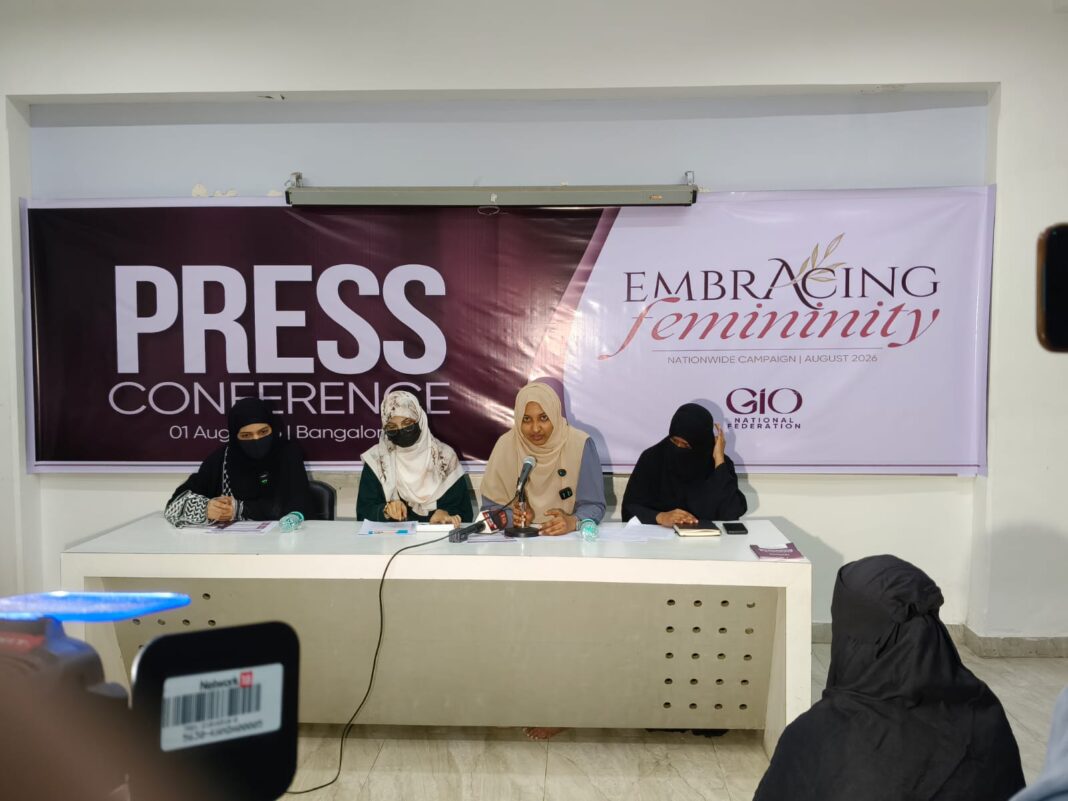
The National Federation of Girls Islamic Organisation (NFGIO) on Friday(July 31) announced the launch of its nationwide “Embracing Femininity” campaign, a month-long initiative aimed at encouraging young women to embrace their innate nature while fostering dignity, balance and holistic well-being.
The announcement was made at a press conference held at the Bangalore Islamic Foundation Trust (BIFT) Auditorium on Queens Road. The campaign will be observed throughout August across GIO units, educational institutions and campuses nationwide.
Introducing the campaign, Sameen Momin, National Campaign Convener, said a wide range of activities, including seminars, workshops, campus interactions, online sessions and public awareness programmes, have been planned to engage young women in discussions on identity, empowerment and well-being.
Speaking on the campaign theme, Afeefa Tahniyath, Vice President of NFGIO, said contemporary society often places women between two opposing pressures—restrictive social attitudes on one side and the expectation to reject femininity in the name of empowerment on the other. She said the campaign presents an alternative approach rooted in Islamic values, recognising femininity as a source of confidence, resilience and inner balance rather than a limitation.
Delivering the Kannada address, Basira Banu, Zonal Advisory Council member of GIO Karnataka, urged students and young women to actively participate in the campaign and benefit from its programmes.
In her presidential address, Adv. Sumaiya Roshan, President of NFGIO, said the initiative seeks to reaffirm women’s dignity, rights and meaningful participation in every sphere of society. She observed that a culture which evaluates women primarily through productivity and performance often overlooks their emotional and psychological well-being. The campaign, she said, advocates a balanced path that values women’s strengths without expecting them to compromise their femininity. She also stressed that families, educational institutions, workplaces and society at large share the responsibility of creating an environment where women can thrive with dignity and authenticity.
Replying to a question during the interaction, Adv. Roshan said the campaign would be conducted in 18 states where GIO has an organisational presence. She added that the initiative seeks to educate girls about femininity as an integral part of their ‘fitrah’—the innate nature with which every human being is created.
The press conference concluded with an interactive question-and-answer session. The campaign will be formally inaugurated on Sunday, August 2, at the Agricultural Institute Auditorium, Bengaluru, marking the beginning of a nationwide series of programmes throughout the month.
source: http://www.indiatomorrow.net / India Tomorrow / Home> News> Society / by Mohammed Talha Siddi Bapa /August 01st, 2026
At a Jamia seminar on freedom, responsibility and shared nationhood, the National Commission for Minorities vice-chairperson stressed education, skills, women’s advancement and linguistic unity
New Delhi :
National Commission for Minorities Vice-Chairperson S Munawari Begum called on students at Jamia Millia Islamia to focus on education, skills, women’s advancement and social unity, while sharing her own experience of growing up with Urdu and Hindi.
She was speaking as the chief guest at a one-day seminar titled “Freedom, Responsibility & Shared Nationhood”, organised by the Department of Sociology at Jamia Millia Islamia on August 18.
The seminar brought together students, teachers and members of the academic community to discuss freedom, civic responsibility and the idea of a shared nationhood. According to the department’s programme information, the event was intended to provide a forum for discussion on these issues.
Begum, who took charge as vice-chairperson of the National Commission for Minorities last month, was joined at the event by Jamia Registrar Prof Mehtab Alam Rizvi and other faculty members and guests.
Padma Shri Prof Akhtarul Wasey was the main speaker, while the programme was chaired by Prof Zubair Minai, Dean of the Faculty of Social Sciences. Prof Azra Abidi, head of the Department of Sociology, coordinated the seminar.
Language and communication were among the main themes of Begum’s address.
“I am a daughter of Urdu; Hindi raised me,” she said, while speaking about her experience with different Indian languages.
She also spoke about learning languages including Tamil, Malayalam, Kannada and Telugu. According to Begum, learning another language is not limited to acquiring linguistic knowledge but can help people communicate and build connections with one another.
She also spoke about her experience as an interpreter during Prime Minister Narendra Modi’s visits to Tamil Nadu and said she had helped facilitate communication when leaders from northern India visited the state.
Her remarks came at a time when language has remained a subject of public and political debate in India, but her message to students focused on communication and learning rather than linguistic divisions.
Education and Skills
Begum placed particular emphasis on education, telling students that young people have an important role in shaping the country’s future.
She said education and practical skills could help young people improve their own prospects while contributing to their families, communities and the country.
She also spoke about the need for students to acquire skills linked to employment alongside religious or traditional education.
Referring to the financial difficulties faced by students preparing for competitive examinations such as the Union Public Service Commission (UPSC) examinations, she spoke about her efforts to help students who cannot afford such preparation.
She also stressed the need to encourage women and girls to pursue education and opportunities, saying women should move forward alongside men and take part in the country’s development.
Urdu and Computer Training
Begum also recalled her earlier work providing Urdu education alongside computer training.
She said centres had been run to teach Urdu and computers to young people between the ages of 15 and 35. Referring to an initiative in Puducherry, she said a Hindu youth’s NGO had also been associated with one such centre.
The example, as presented in her address, reflected her view that education and skills should not be restricted by religious identity.
The broader theme of the Jamia seminar was the relationship between freedom and responsibility. The discussions focused on the idea that rights also carry responsibilities towards society.
Begum urged young people to maintain a positive outlook and contribute to the country’s progress. She said that progress at the national level would also benefit families, villages and communities.
The August 18 seminar brought academic discussion on freedom, civic responsibility and shared nationhood together with Begum’s focus on education, language, women’s advancement and the role of young people in society.
source: http://www.clarionindia.net / Clarion India / Home> Culture> Editor’s Pick> India / by Clarion India / August 21st, 2026
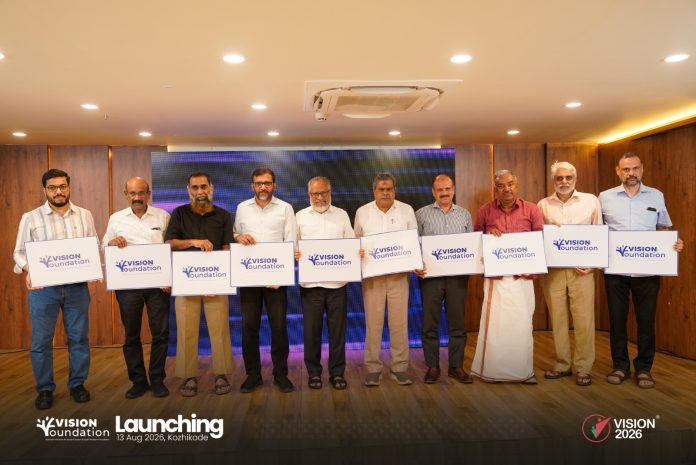
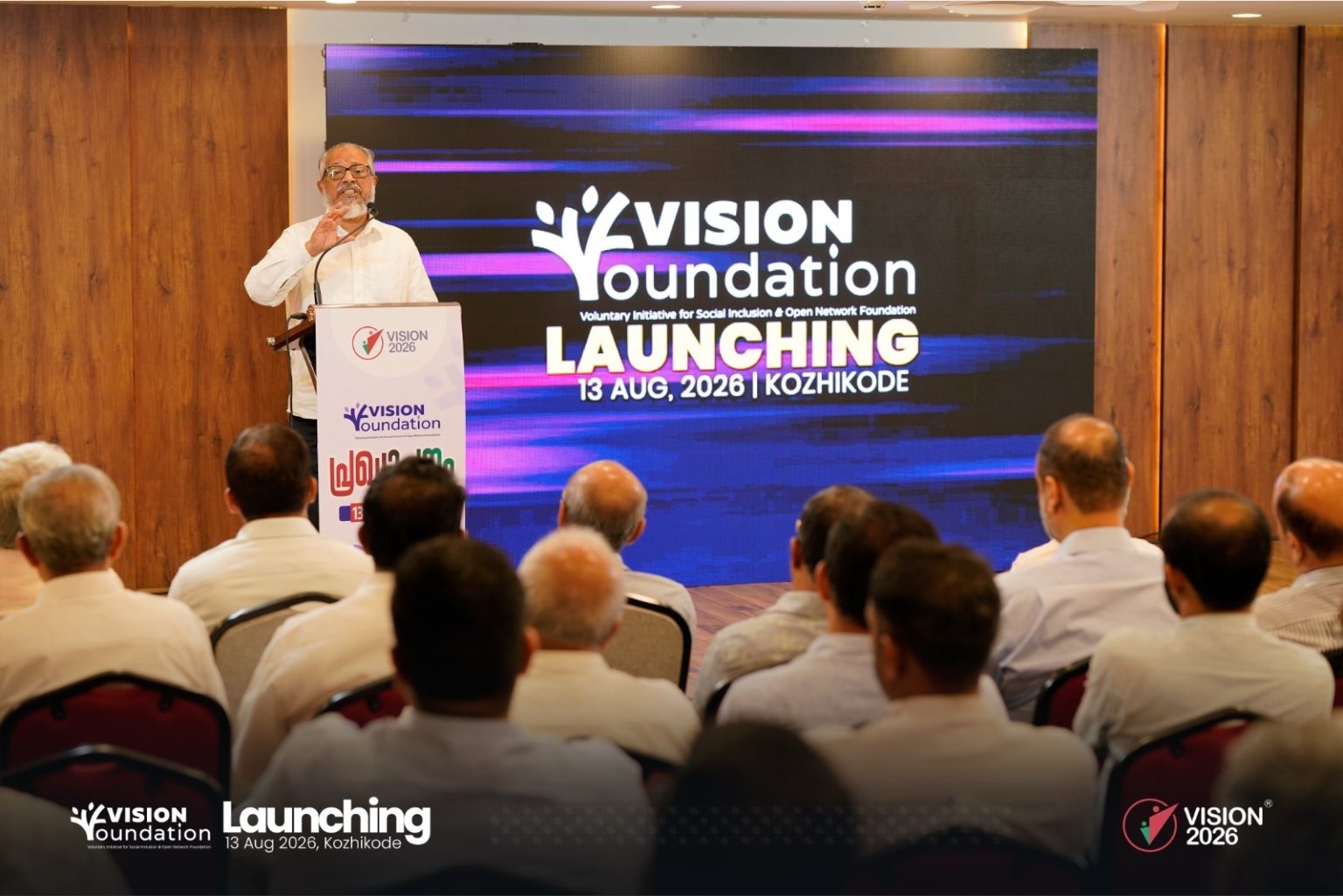
The VISION FOUNDATION (Voluntary Initiative for Social Inclusion and Open Network Foundation), a new initiative aimed at strengthening the capacity and reach of non-governmental organisations and social institutions across India, was formally launched in Kozhikode on Thursday, August 13.
The launch ceremony, held in the presence of prominent personalities from the social, educational, business and community sectors, marked another significant milestone in the institutional expansion of Vision 2026.
VISION FOUNDATION is the 10th NGO established under the umbrella of Vision 2026. The organisation has been envisioned as a platform to empower NGOs and institutions working in the northern, eastern and western regions of the country. Its primary objective is to enable such organisations to strengthen their institutional capacities, expand their outreach and improve their effectiveness and impact in the field of social development.
Jb. T. Arif Ali Sahib, Chairman of Vision 2026, formally declared the foundation’s launch. The logo of VISION FOUNDATION was jointly unveiled by several distinguished dignitaries attending the ceremony.
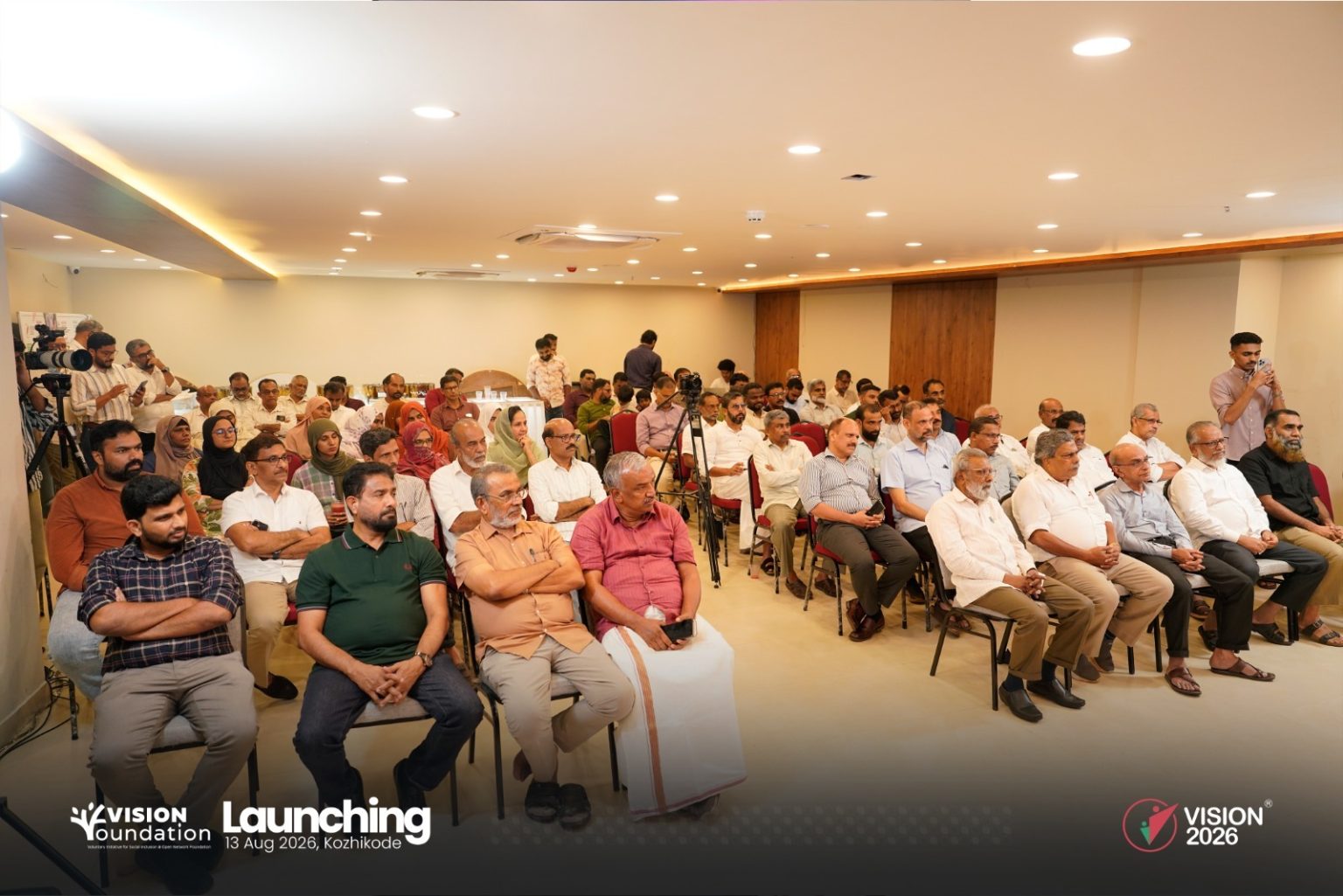
The launch brought together a wide cross-section of social workers, academics, entrepreneurs, community leaders and representatives of civil society organisations, reflecting the broad collaborative approach envisaged by the new organisation.
Among those present and felicitated at the event were Er. Mohammad Koya, General Secretary of the Muslim Service Society; M. A. Mehabub, Vice President, CREDAI South Zone; Mohammad Shafi, Managing Director, Minar Steels; Jb. Karadan Sulaiman, CMD, Karadan Lands; Dr. Aysha Swapna, Principal, Farook College; Z. A. Ashraf, General Secretary, CIGI; Dr. P. C. Anver, Executive Director, Iqraa International Hospital; Jb. K. Sajjad, Treasurer, Wisdom Islamic Organisation; Adv. Mohamed Haneefa, Vice President, Kerala Nadwatul Mujahideen Markazudawa; Jb. Razak Paleri, State President, Welfare Party of India; Jb. P. I. Noushad, Chairman, Peoples Foundation; Ms. Rajeena Beegum, General Secretary, JIH Women’s Wing, Kerala; Dr. Ausaf Ahsan; Dr. Azeez Tharuvana; M. M. Zubair; and Haneefa Haji.
Mr. M. Sajid, Director of Vision 2026, welcomed the guests and audience. The concluding address was delivered by Jb. P. Mujeeb Rahman Sahib, Ameer of JIH Kerala.
The formal launch was preceded by the inauguration of the newly established VISION FOUNDATION office at Dalenest Building in Kozhikode. Jb. T. Arif Ali Sahib inaugurated the office, marking the commencement of the organisation’s activities and providing it with an institutional base for its future programmes.
The establishment of VISION FOUNDATION is being viewed as an important step towards building stronger networks among civil society organisations and social institutions operating in different parts of India. By focusing on capacity building, networking and institutional development, the foundation seeks to help organisations overcome operational limitations and enhance the scale and sustainability of their social interventions.
The organisation’s proposed geographical focus on the northern, eastern and western regions also reflects an effort to extend institutional support beyond existing networks and create greater opportunities for collaboration among organisations working on social development issues.
The launch further expands the institutional network of Vision 2026, which has been working towards promoting social development through a network of organisations and initiatives. With VISION FOUNDATION becoming the 10th NGO under its umbrella, the initiative has added another institutional platform to its growing network.
The event concluded with an emphasis on cooperation, institutional strengthening and social transformation. The launch of VISION FOUNDATION is expected to create new avenues for collaboration between NGOs, educational institutions, businesses and community organisations, while supporting initiatives aimed at addressing social and developmental challenges in different parts of the country.
The new organisation will now begin its activities from its Kozhikode office, with its broader vision centred on creating stronger, more capable and better-connected civil society institutions capable of contributing more effectively to social development.
source: http://www.radiancenews.com / Radiance News / Home> Latest News / by Radiance News Bureau / August 15th, 2026
An Inspiring Journey of IIT Bombay Professor Dr. Azizuddin Khan from a Small Town in Bahraich to Global Recognition in Science and Research
In a landmark achievement for Indian Science and Research, Prof. Dr. Azizuddin Khan, eminent Psychologist, Neuroscientist and Psychophysiologist at the Indian Institute of Technology Bombay (IIT Bombay), has been recommended for the prestigious J.C. Bose Fellowship (ANRF J.C. Bose Grant).
The Anusandhan National Research Foundation (ANRF) recommended the honour in recognition of Dr. Azizuddin Khan’s outstanding scientific research, innovation and contributions aimed at improving human well-being in August 2026.
The J.C. Bose Fellowship is one of India’s prestigious recognitions for active senior scientists and engineers who have made outstanding contributions to science, engineering, medicine and related fields. The fellowship provides research support to enable distinguished scientists to continue advanced research and mentor the next generation of researchers.
From a Small Town to IIT
Prof. Dr. Azizuddin Khan hails from Mahinpurwa, a small town in Bahraich district of Uttar Pradesh. After completing his early education at a local inter college, he chose psychology as his field of study despite family expectations.
He secured first position in his undergraduate studies at Aligarh Muslim University (AMU) & subsequently completed his M.A. in Clinical Psychology. He later earned his Ph.D. in Cognitive Psychology from IIT Kanpur, which laid the foundation for his distinguished research career.
Distinguished Research at IIT Bombay
Prof. Khan has been associated with IIT Bombay for nearly two decades and currently serves as an India Value Chair Professor. He is among the leading researchers associated with the Psychophysiology Laboratory.
He is also associated with important research initiatives including the Sunita Sanghi Centre for Ageing & Neurodegenerative Diseases (SCAN), Koita Centre for Digital Health (KCDH) and the IIT Bombay-FedEx ALFA Centre.
He has played an important role in developing an advanced Psychophysiology Laboratory at IIT Bombay, where researchers use technologies such as EEG, Eye Tracking, Event-Related Potentials (ERP), Neurofeedback and other modern neuroscientific techniques to study the human brain, cognition and behaviour.
Diverse and Human-Centred Research
Prof. Khan’s research is closely connected with real-life human challenges. His major areas of research include:
Dyslexia and Reading Disorders
Autism and ADHD
Memory and Prospective Memory
Attention, cognition and brain processes
Parkinson’s disease and Alzheimer’s disease
Psychological stress and depression
Brain activity during Urdu, Hindi and bilingual reading
Urdu script and its processing in the human brain
Artificial Intelligence and mental health
Human psychology under extreme environmental conditions
Through his multidisciplinary research, he has contributed significantly to the fields of psychology, psychophysiology and neuroscience.
Technology-Based Research for Dyslexia
One of the most significant areas of Prof. Khan’s research is dyslexia. He has contributed to the development of ‘Brainu’, a screening application designed to facilitate the early identification of children who may have reading difficulties.
The application uses engaging, game-based activities to assess certain reading-related abilities and help identify children who may require further assessment or support.
He has also worked on innovative Haptic Belt/Bracelet technology, which uses specific vibrations to help children recognise and experience the correct sounds associated with letters and words.
Such technology has the potential to support children learning Urdu, Hindi, Marathi, Arabic and English, particularly those experiencing difficulties in reading and phonological processing.
Pioneering Research on the Urdu Script
Another distinctive area of Prof. Khan’s research is the neural processing of the Urdu script. His research examines how the human brain processes Urdu text written from right to left while simultaneously dealing with numbers written from left to right.
Using Eye Tracking and EEG technologies, he has investigated the cognitive and neural processes involved in Urdu and bilingual reading. His work has contributed to the scientific understanding of how multilingual readers process different writing systems.
Research in Antarctica
Prof. Khan has also participated in India’s Antarctic research programme, where he studied human psychology under extremely cold and isolated environmental conditions.
His research examined aspects such as memory, mental health, emotional well-being and behavioural changes among people living and working in extreme environments. He has also undertaken research related to self-awareness in penguins, attracting attention within the scientific community.
Representing India on the Global Research Platform
Prof. Khan has represented India at numerous international academic and scientific forums. He has presented his research in countries including the United States, United Kingdom, Germany, France, Japan, Australia, Finland, Spain, Italy, South Korea, Turkey, Brazil, the United Arab Emirates and several other countries.
His academic contribution includes more than 200 research publications, several international book chapters, patents and research projects. He has also guided numerous Ph.D. scholars, many of whom are today working as professors and researchers at leading IITs, NITs and universities in India and abroad.
An Inspiring Message for Young Students
According to Prof. Dr. Azizuddin Khan, success depends not merely on intelligence but on hard work, curiosity, perseverance, patience and a continuous desire to learn.
His own journey demonstrates that a student from a small town can achieve global recognition through education, determination and sustained research.
A Matter of Pride for the Nation
The recommendation of Prof. Dr. Azizuddin Khan for the J.C. Bose Fellowship is not only a personal achievement but also a matter of pride for the Indian scientific community, IIT Bombay, Aligarh Muslim University (AMU) and the residents of Bahraich.
His continuing work in psychology, neuroscience, education, mental health and artificial intelligence is expected to open new avenues of research and contribute to improving the lives of children, students and society at large.
[The writer, Akhlaq Shaikh, is a Career Counsellor, Mumbai. He alsow writes for Urdu Daily Inquilab.]
source: http://www.ummid.com / Ummid.com / Home> Education & Career / by Akhlaque (Akhlaq) Shaikh / August 18th, 2026
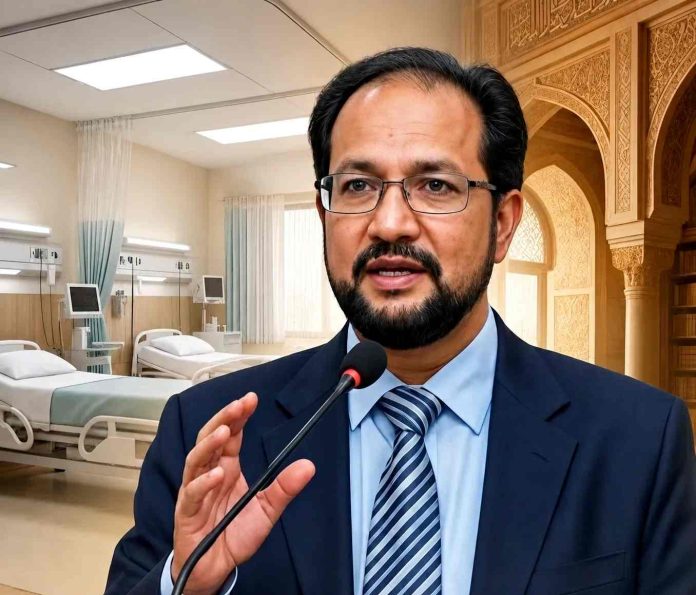
What is the true measure of a life well-lived? In an era obsessed with global mobility and material acquisition, the life of Dr. Muhammad Qutbuddin offers a compelling counter-narrative. An internationally acclaimed psychiatrist, academician, and philanthropist, Dr. Qutbuddin has spent more than 40 years in the United States, navigating the highest echelons of Western medicine. Yet, the glittering lights of America have done nothing to dim his devotion to his birthplace, Narayanpet. While his clinical practice operates within the high-tech medical landscapes of the West, his heart remains firmly tethered to the soil of Telangana.
Shattering the Vernacular Glass Ceiling
Long before he became the Director and Chief Psychiatrist at Star Psychiatric Services in Indiana, or taught the next generation of doctors as a professor at the University of Missouri, Dr. Qutbuddin was a young boy in Narayanpet, studying entirely in the Urdu medium from Class 1 to 11.
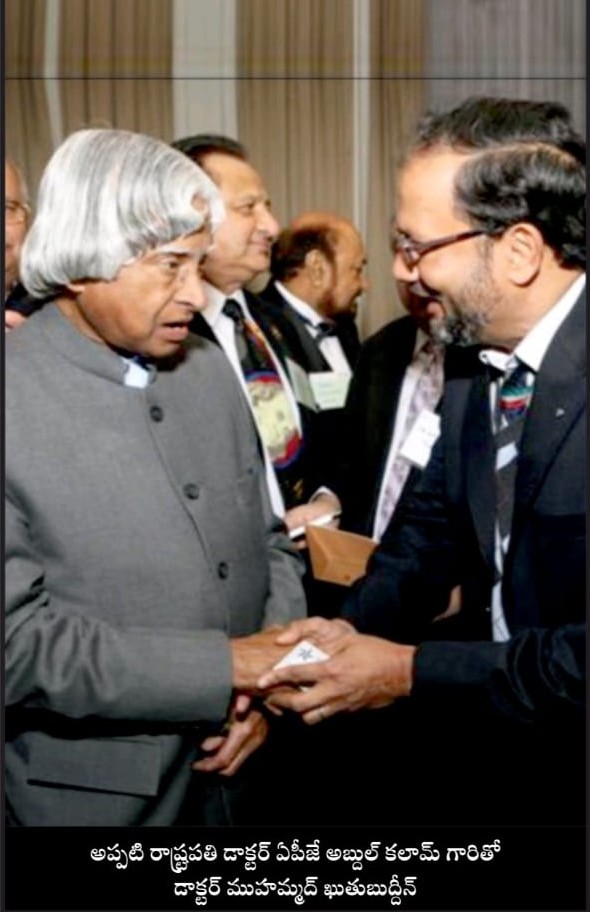
Dr. Muhammad Qutbuddin (R) with former President of India APJ Abdul Kalam
In today’s socio-educational climate, where vernacular schooling is often unjustly equated with limited horizons, Dr. Qutbuddin’s trajectory is a masterclass in resilience. Instead of letting language be a barrier, he turned it into a bridge, mastering five languages – Urdu, Hindi, Kannada, Telugu, and Marathi – during his childhood. He independently conquered English by devouring international periodicals like The Herald and Reader’s Digest.
His academic brilliance eventually earned him a highly competitive merit seat at the prestigious Osmania Medical College in Hyderabad for his MBBS and MD. He then transitioned to the United States for advanced training in Child and Adolescent Psychiatry, later earning a Ph.D., bridging Western Medicine and Islamic Studies from the Graduate Theological Foundation, an institution affiliated with Oxford University.
Confidant to a King
Among the many extraordinary chapters of his life is a deep, 27-year friendship with the legendary heavyweight boxing champion and civil rights icon, Muhammad Ali. Dr. Qutbuddin was not merely a casual acquaintance to ‘The Greatest’; he was a trusted personal advisor and confidant. Together, they walked through international philanthropic missions and social reform programmes across the United States, bound by a shared, fierce commitment to human equality, dignity, and social justice.
Healing the Homeland
Despite his high-profile life in the American Midwest, Dr. Qutbuddin never turned his back on the community that raised him. He was a critical, quiet catalyst in the socio-political movement that successfully advocated for Narayanpet to be recognised as a distinct district. Utilising his intellectual standing, he actively engaged with senior state leadership to bring vital development to the region, including a state-of-the-art medical college.
His philanthropy rejects the temporary band-aid of charity in favour of institutionalised empowerment. In honour of his lineage, he established the ‘Noor Jahan Library’ (named after his mother) and the ‘Muhammad Qasim Library’ (named after his grandfather), which fund free computer literacy centres and academic competitions for rural youth. Furthermore, he regularly returns to hold medical camps, providing free, specialised psychiatric evaluations and modern pharmaceutical supplies to impoverished communities that would otherwise suffer in silence.
The Clinical Lens on Gen-Z
As a seasoned clinician, Dr. Qutbuddin views the modern digital landscape with deep professional alarm. He writes extensively on the psychological warfare facing today’s youth, warning against the twin epidemics of internet addiction and substance abuse. From a strict neurological standpoint, he notes that persistent exposure to explicit digital content and excessive screen time fundamentally alters basic brain chemistry, weakening cognitive systems and eroding long-term willpower.
Similarly, he views the rising crisis of drug abuse not just as a social vice, but as a severe neurotoxic emergency that shatters families and robs the younger generation of their immense potential. To offer practical interventions, his organisation, American Youth for Positive Living, works globally with adolescents. Through structured mentorship, digital fasting, and goal-setting, he helps teenagers build the moral resilience and psychological armour needed to navigate the modern world.
A Dastarkhwan in the West: Foundations on the Floor
Walk into the private domain of this global medical expert, and you will not find the cold detachment of luxury. Despite his affluence, Dr. Qutbuddin maintains an unyielding adherence to simplicity. Rejecting the formal distance of modern dining, his family continues the sacred custom of sitting together on the floor around a traditional dastarkhwan (cloth-spread) to share meals. For him, this is not just a habit; it is a profound cultural anchor. It ensures that while his mind touches the peak of global achievement, his feet remain firmly planted on the ground.
In an age characterised by rapid cultural erosion and individualistic detachment, Dr. Qutbuddin stands as an inspiring testament to an eternal truth: true success is not measured by how far you travel, but by what you give back to the soil that nurtured you. He remains a living, breathing bridge between two worlds – proof that you can embrace global knowledge without ever losing your local soul.
source: http://www.radiancenews.com / Radiance News / Home> Focus> Pride of the Nation> Personality / by Mujahid Md / June 08th, 2026
Inayat Khan, the young IAS officer from Agra, came to Bihar when she was just 25 years old.
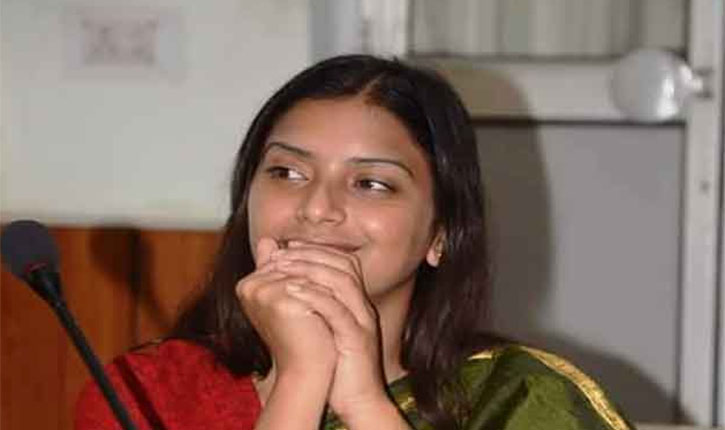
She is dynamic, she is young, she is upright, she is energetic, she is flamboyant, meet Ms Inayat Khan, IAS, and the new District Magistrate (DM) of Shiekhpura district of Bihar state. She is a 2012 batch IAS officer of Bihar cadre. The 31-year-old new district collector of Shiekhpura represents the aspiration of modern Indian Muslim middle class girls. She had cracked UPSC Civil Services Examination in 2011 and got the rank of 176 and secured IAS ranking along with Bihar Cadre.
Inayat is basically from Agra Uttar Pradesh. After completing her school education, she took admission in Anand Engineering College AEC, Agra. She completed B. Tech in 2007 with Electronics Engineering and started working with a software consultancy company.
But after one year, she realized that she is getting no satisfaction from the current job. She resigned and came to Delhi for the preparation of Civil Services exam. She took a room at Gandhi Vihar, near Mukherji Nagar, quite close to Delhi University and started preparing for the coveted exam.
Inayat wrote the UPSC Civil Service exam first time in 2009. She qualified Prelims and Mains but could not find her name in the Interview list. Thereafter in 2010 she qualified the Gramin Bank exam but she did not join the job and moved to Delhi for the preparation of the Civil Service exam. Inayat cracked the prestigious exam in 2011 and secured IAS ranking and Bihar cadre. Bihar is adjacent to her home state UP.
The young IAS officer came to Bihar when she was just 25 years old. She came to limelight during her probation period when she was sent to field for 6 months training program.
It was the election year. She took notice that there was no excitement among rural people about the election. She wrote few plays about election and convinced many folk artists to enact her plays. She organized plays in the rural area and her hard work was well appreciated and she hogged the limelight of the media.
Then her first posting was as the BDO of Pandarak, Patna District. After that she was got transferred to Rajgir, where she worked as the SDO. Then she got transferred to Bhojpur District where she worked as a District Development Commissioner DDC. Here, she single handedly transformed the face of MNREGA project. This employment scheme was deemed as a failure in Bhojpur but Inayat ensured that people get benefit of this social sector initiative. Her tireless and transparent work resulted in the huge increase in the completion of MNREGA project.
That is not enough, she was constantly working in a very praiseworthy manner. She is responsible for installing CCTV cameras and bio matrix machines to register in and out timing of the staff members in each circle offices of Bhojpur. She was also used to go for inspection every now and then and catch officers who are negligent of their duties. Many a time she was seen parking her jeep and walking with officials for assessing the ongoing development work.
Inayat Khan’s, last posting was as Managing Director of the Bihar State Tourism Development Corporation (BSTDC). She variously focused on eco-tourism and rural tourism and even cruises on river Ganga. She is reported to have said that Bihar actually is gods own place.
“We are rich in monuments, culture and heritage. Almost the entire Buddhist tourist circuit is here in places like Bodhgaya, Nalanda, Vaishali, Vikramsila and Rajgir. Among these, Bodhgaya alone gets five million plus visitors annually. We have Takht Sri Patna Sahib – the birthplace of the 10th guru of Sikhism, Guru Gobind Singh; Jain pilgrimage spots like Jalmandir in Pawapuri and several Hindu temples like the Janki Mandir at Sitamarhi,” she is reportted to have said in an interview.
Inayat Khan is widely regarded as an honest officer who is working tirelessly for the development of the society. There is lot of expectation by the people of Shiekhpura that she will do wonders for this backward district.
Every Indian Muslim should be proud of the officer like Inayat Kan. This dynamic officer whose date of birth is 17th May, 1987 is expected to reach greater heights of the glory of Civil Service Administration of India. She serves as a role model for the Muslim girls of our country. It is expected that more and more Muslim girls should take inspiration from Inyat Khan and aspire to join the Civil Services of India.
[Syed Ali Mujtaba is a journalist based in Chennai. He hails from a farming family of Shiekhpura. He can be contacted at syedalimujtaba2007@gmail.com.]
source: http://www.ummid.com / Ummid.com / Home> Education & Career / by Syed Ali Mujtaba / February 07th, 2019