On the sidelines of the educational seminars, various stalls and exhibitions on environment, and business have also been set up at the community’s sports ground in Khaimat al-Riyada to provide a holistic learning experience to the attendees.
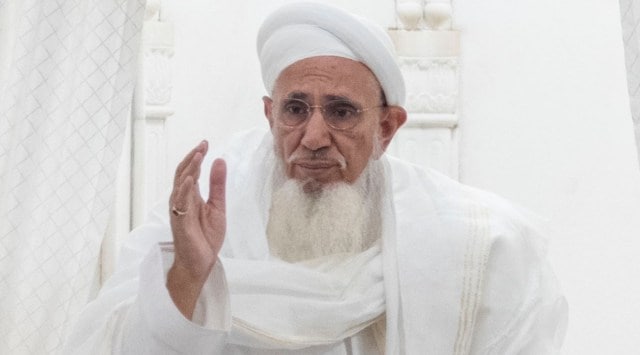
Mufaddal Saifuddin is the spiritual leader of the Dawoodi Bohra community (Express File Photo)
The leader of the global Dawoodi Bohra Muslim community, His Holiness Syedna Mufaddal Saifuddin, the 53rd al-Dai al-Mutlaq, arrived in Surat from Rajkot on Thursday on the occasion of ‘Istifada Ilmiyya’ (education seminar). He will be in the city till first week of November.
Every year, the education seminar — ‘Istifada Ilmiyya’ — is held in Surat that is graced by his presence, said organisers. ‘Istifada Ilmiyya’ comprises a series of learning and skill development sessions that cover a wide variety of topics such as Islamic philosophy, history, and jurisprudence, as well as contemporary topics. The attendees include students, business people, professionals, and teachers as well as members of Syedna’s administration, and graduates of the Aljamea-tus-Saifiyah Arabic Academy.
Thousands of community members annually register their presence at the event. This year, the event kicked off on Friday, and myriad programmes will continue till the first week of November.
Hatim Fakhar, public relations coordinator for the Dawoodi Bohras in Surat, said, “The anticipation and excitement to host thousands of attendees for this annual educational seminar in Surat are palpable, and we hope we will be able to provide them with a memorable experience. This year, the event is even more special as we will mark the 80th birthday of His Holiness Syedna Mufaddal Saifuddin on 3rd November.”
“We are grateful to the local authorities and government agencies for rendering their timely support and assistance as always in hosting thousands of community members in the city,” Fakhar added,
A large number of members of the Dawoodi Bohra community have already arrived in Surat from various parts of India and the world to attend the events in the Zampa Bazaar area on Thursday. With the venue intricately decorated, boasting of colourful lights and freshly painted buildings, hundreds of volunteers are also present to guide visitors.
The Surat unit of the community had been preparing for the event over the last 15 days by hiring open grounds and plots on rent and by erecting tents with various facilities for visitors to stay. Besides hotel rooms, several houses in Zampa Bazar, Sagrampura, Begampura, Salabatpura (walled city areas) have been rented out for visitors. Apart from this, the organisers have also arranged staff to maintain cleanliness on roads and halls. . Apart from this, Burhani Foundation & local organisers have also arranged staff to maintain cleanliness on roads and halls.
The Zampa Bazaar area in Surat is home to a large number of members of the Dawoodi Bohra community in India, where one can find religious places, an Arabic university, and shops run by the community.
On the sidelines of the educational seminars, various stalls and exhibitions on environment, and business have also been set up at the community’s sports ground in Khaimat al-Riyada to provide a holistic learning experience to the attendees.
Ummehani Ismail, a lawyer and a mother of two who travelled from the United States to attend the annual seminar, said, “Every year, I look forward to attending these seminars which have helped me develop new skills and broaden my knowledge base and understanding on various aspects of life. These sessions empower me to be a better person and create a positive impact on society. Throughout the event, we engage in thought-provoking discussions, attend workshops, and benefit from the speakers’ insights.”
source: http://www.indianexpress.com / The Indian Express / Home> News> Surat / by Express News Service, Surat / October 21st, 2023
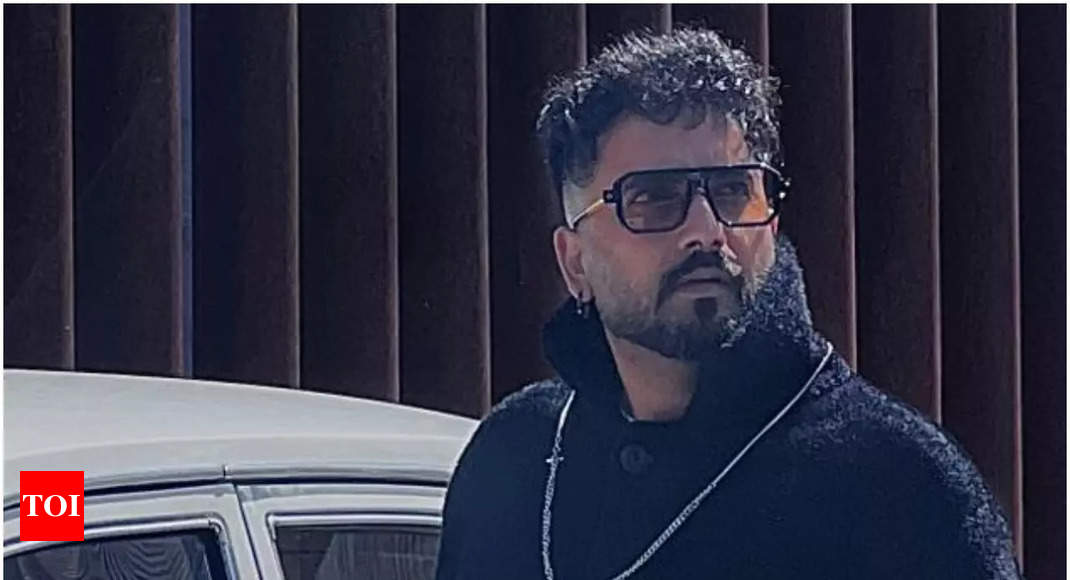
Jaan Nissar Lone was graced with the illustrious global humanitarian award by the World Humanitarian Drive. He is mainly known for his song ‘Harmukh Bartal’ featured in Manoj Bajpai Starrer Webseries ‘The Family Man’. This momentous occasion, graced by esteemed luminaries, reverberated with the essence of his contributions to the realm of music, particularly his role in fostering a sense of unity among diverse populations, including those residing in the picturesque yet troubled valley of Kashmir.
Jaan Nissar Lone’s musical artistry has transcended geographical confines and tugged at the heartstrings of individuals from all walks of life. His melodious compositions served as a wellspring of inspiration, galvanizing countless souls to embark on a journey characterized by love and mutual comprehension, not just for their homeland but for the entire global community. Through his educational music videos, he has empowered a legion of youthful enthusiasts to partake in endeavors aimed at heightening awareness of human unity, thus laying the foundation for a more harmonious and all-encompassing world.
The World Humanitarian Drive lauded Jaan’s remarkable endeavors in employing music as a unifying conduit, capable of bridging divides between communities and nations.
The ‘World Humanitarian Drive’ founder Dr Abdul Basit Syed lauded Jaan’s remarkable endeavors in employing music as a unifying conduit, capable of bridging divides between communities and nations. Lone’s journey as a musician and humanitarian transcends borders, languages, and cultures to promote harmony and peace worldwide. His work resonates with people globally, earning him recognition as a symbol of peace and tranquillity.
source: http://www.timesofindia.indiatimes.com / The Times of India / Home> News> Times Entertainment> Hindi> Music / November 08th, 2023
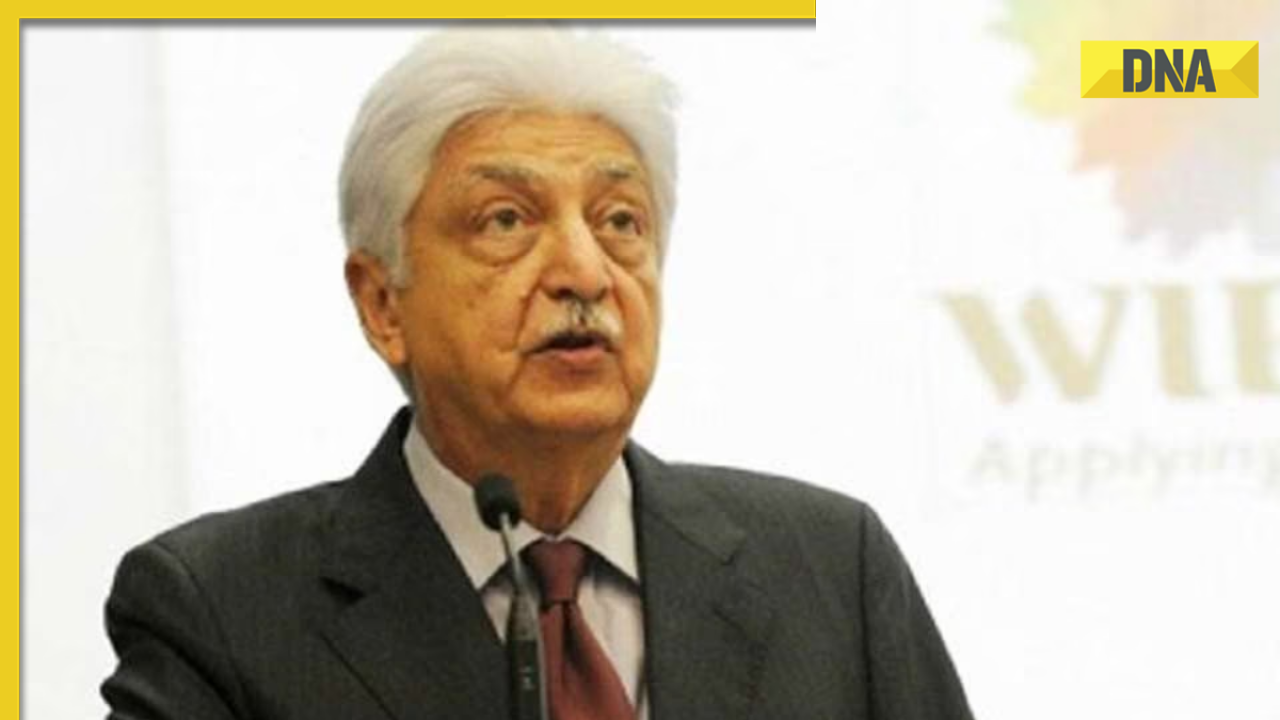
One such figure on the list is Azim Premji, the IT magnate from Wipro, who along with his family gave Rs 1774 crore, making him the second most generous person in India. Premji’s donation has exceeded Reliance boss Mukesh Ambani’s contribution, which was Rs 376 crore.
DNA Web Team / Updated: Nov 02, 2023, 07:14 PM IST
Indian millionaires have been recognised for participating in several charitable endeavours to give back to the community across a variety of fields. The Hurun India Philanthropy List includes some well-known people, like Shiv Nadar of HCL and Mukesh Ambani, the head of Reliance.
One such figure on the list is Azim Premji, the IT magnate from Wipro, who along with his family gave Rs 1774 crore, making him the second most generous person in India. Premji’s donation has exceeded Reliance boss Mukesh Ambani’s contribution, which was Rs 376 crore.
Who is Azim Premji?
Azim Premji, a Mumbai native, served as Wipro’s chairman and is currently a non-executive member. Hashim Premji was the name of his affluent businessman father. Azim graduated from Stanford University in 1966 with a degree in electrical engineering. Following his father’s death in 1966, Premji left Stanford to manage the family’s cooking oil company before branching out into software.
Remarkably, he used distance learning to finish his engineering degree from the institution in 1999. Azim Premji has built an enormous empire and is referred to be the “Czar” of the IT sector. Wipro has an innovation centre in Silicon Valley where they work with entrepreneurs and create new technologies.
Rishad, Premji’s son, took over as executive chairman of Wipro in July 2019. Wipro, the Rs 2 lakh crore company owned by Indian IT billionaire Azim Premji, is one of the biggest software services companies in India. Azim Premji is a wealthy Indian tycoon who also happens to be one of the most generous with a staggering net worth of $11.4 billion or Rs 94,000 crore.
He committed to donate half of his money in 2013. He gave the Azim Premji Foundation, which supports education in India, 2.2 billion dollars. In the 1980s, he founded Wipro in response to a request from the government to remove IBM. The 1990s saw a sharp surge in Wipro’s worth.
source: http://www.dnaindia.com / DNA / Home> Business / by DNA Web Team / November 02nd, 2023
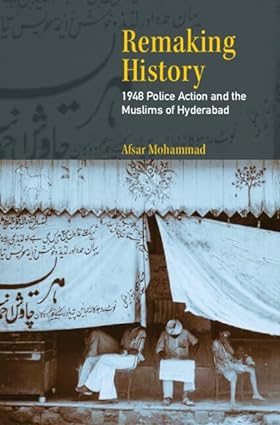
This is an excerpt from Afsar Mohammad’s latest book ‘Remaking History: 1948 Police Action and the Muslims of Hyderabad,’ which documents witness narratives of violence.
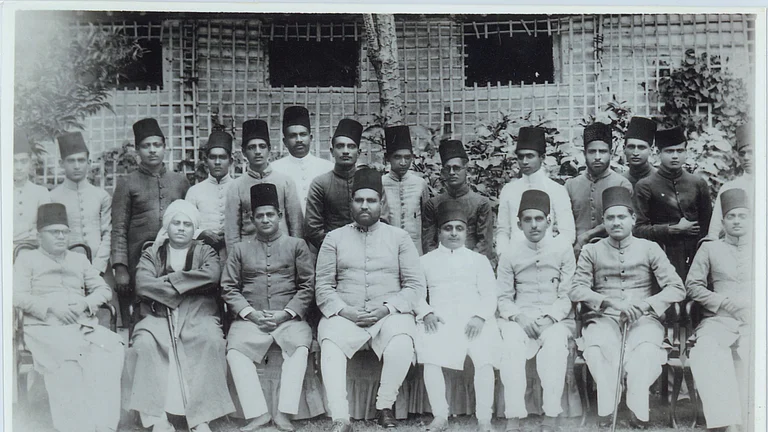
Bahadur Yar Jung with young Hyderabadi Muslims / Mohammed Ayub Ali Khan
Continuing our Deccan Series in collaboration with the Khidki Collective, this set of six articles presents alternative perspectives on the 1948 Police Action in Hyderabad. These perspectives challenge, modify, add nuance to the mainstream narrative of Hyderabad’s integration as ‘liberation’, a narrative currently used to further divisive politics.
The following is an excerpt from Afsar Mohammad’s latest book ‘Remaking History: 1948 Police Action and the Muslims of Hyderabad,’ published by Cambridge University Press (2023). Here, the author documents almost one hundred witness narratives of the 1948 violence. This chapter narrates the memories of Quddus Saheb, a folk-performer of Muharram and Prophet Mohammed’s stories. He was one of the witnesses of Police Action. With most witnesses having now passed away, this book then remains the last document of their life stories. Since the 1948 Police Action has been barely discussed, these witness narratives or testimonies offer fresh insights into the documentation of different aspects of everyday life during 1948 in Hyderabad and Telangana.
Note from Khidki: Oral histories not only offer us different perspectives of the past but also provide insights into how those who have lived through momentous times make sense of the challenges of the present. In this excerpt, Quddus Saheb’s account reveals how much Muslim life was affected in post Police Action Hyderabad, with many being branded Razakars and not being able to carry on with their daily lives. For him, contemporary India and the difficult place of Muslims in it is a persistent and poignant reminder that the after-effects of Police Action, such as the decimation of Muslim political leadership, continue to reverberate even now.
The five-day-long “battle” of the Police Action was certainly still fresh in their memory. But they also stressed that the “main history” or “official history” (pradhāna caritra or adhikāra caritra in Telugu) was centred on the celebration of the formation of the Telugu linguistic state of Andhra Pradesh and the leftist-centred Telangana armed struggle. The celebrations of the formation of a new state of Andhra Pradesh became a form of nationalist rhetoric, while the Telangana armed rebellion turned into a leftist campaign for the general elections of 1952. According to the Deccani Urdu literary historian Samala Sadasiva:
The very usage of the term Andhra was meant to relegate the history of Hyderabad and Telangana into some immemorial past. While growing up in the late 1930s or ’40s we all identified ourselves with the term Telangana as it represents the mixed history of Urdu and Telugu. Along with the new usage of Andhra, the state-sponsored histories gradually erased the centrality of Hyderabad and its Muslims. The khoonrezi (“massacre”) of the Police Action was totally removed from the recorded histories.
Sadasiva’s comments took me back to what the folk singer Abdul Quddus Saheb said in the introduction of this book. In 2006, when I was about to wrap up our conversation, he mentioned the statements made by the Bharatiya Janata Party (BJP) in 1998. Specifically, Quddus Saheb spoke of the Home Minister LK Advani’s speech in Hyderabad—a mammoth public meeting and, in fact, one I attended. Referring to the Police Action, Advani made a call to “celebrate” September 17 as a “day of the liberation,” later translated as vimōcana dinam in the Telugu public sphere. Advani’s usage of the term “liberation” triggered a new debate about the Police Action in the local print and electronic media, as well as in various political writings after 1998. Responding to Advani’s statement, several historians and social activists also began to revisit the history of the Police Action. Along with the events that led to the Police Action, what to do with Muslims of Hyderabad was again a question, while Muslims were also in a dilemma about their future. The chronology of this history was repeatedly considered in the public discourse as activists from different social and political groups continued to debate.
Quddus Saheb said:
Advani and BJP had actually stirred the hornet’s nest for their own political benefits! Not that we have all forgotten about it, but the way Advani fueled this issue was quite disturbing! We should talk about the Police Action, but the way Advani and his followers entered into this debate was all hate speech that caused a new antagonism between Muslims and Hindus. He and his party were just using this entire history—tārīkhu—of the Police Action to take advantage of Hindu vote.
Either Islamic or Hyderabad-related, the events from history—tārīkh— had always been a source of passion for Quddus Saheb. Growing up in the critical era of the late 1930s and 1940s, he had developed a keen interest in reading history materials both in Urdu and Telugu. Being a well-known folk performer and a public figure during the late 1940s, Quddus Saheb had also witnessed many historical events during his lifetime—from the powerful public speeches of Nawab Bahadur Yar Jung (1905–1944) to the beginnings of the Telangana separatist movement in 2004. Quddus Saheb recalled for me that:
Bahadur Yar Jung’s party Itteh ād, later known as Majlis-e-Itteh ād’ul Muslimīn (MIM) became extremely powerful and led many political and social movements. He was such an inspiration—josh—to the young Muslims of Hyderabad that we [knew] all his words by heart. He actually provided a language for our emotions and thoughts. Most importantly, he made us realise that young Muslims need to speak out about contemporary politics and understand how Islam could contribute to improve them.
Many times, during our conversations, Quddus Saheb tried to compare the late 1990s to the late 1940s. Of particular and significant concern for him was the lack of “proper” leadership—in his eyes—in the Muslim community. Even now I remember how Quddus Saheb’s eyes glowed when he spoke about Bahadur Yar Jung’s accomplishments. In the midst of his enthusiastic recollections of the speeches of Bahadur Yar Jung, he concluded, “These days we need such an orator and activist who can inspire with words and actions. More than that we need a force that unifies the entire Muslim community from the city to the remotest village in Telangana.” When Quddus Saheb said these words, he was not so much being nostalgic, but he was speaking from a pragmatic viewpoint. Bahadur Yar Jung, according to Quddus Saheb, was a combination of many dimensions—including leadership qualities, oratory, and political awareness—that the Muslim community should emulate in any period, and he emphasised, “particularly after the saffron wave of Hindutva.”
In speaking about the Police Action, Quddus Saheb repeatedly referred to the Battle of Karbala (680 CE), which he described as “the historical event that demanded many sacrifices from the Muslim community.” It took me a while to understand that he was making an important connection between the life story of Bahadur Yar Jung and the martyrdom of Imam Hussein in Karbala. “Just like the Imam Hussain, Bahadur Saheb was also a martyr in the battlefield.” While Quddus Saheb’s own life was filled with many tragic events, such as the loss of family members and close friends in the violence of 1948, he had also witnessed many persons who had gone incognito, been displaced, or had had their lives uprooted, and had seen a new generation of Muslims face the stigma of “being Muslim.” Explaining further about this stigmatisation, he said:
You know how hard it was when you were being labelled as a criminal and antisocial in the name of the Razakars. All Muslims, particularly, the younger generation between the age group 18 and 30 were stigmatised as the Razakars and hunted down. They had a hard time finding work, food, and shelter in their own hometown.
I included several such testimonies from my field research in Chapter 2; some of those testimonies also stressed that “not all Muslims are extremists or Razakars.” Conflating the identity of ordinary Muslims with the Razakars was one of the narrative strategies in many nationalist writings too. According to Quddus Saheb, such demonization was due to a lack of “proper” leadership. He said:
As the times had changed, Muslims had also lost that support and empathy. Now the very word Muslim arouses some fear for many people. Things have gotten even worse now and I feel so bad about the current generation of Muslims. Where have we come?!
Quddus Saheb stressed the Urdu term hamdardi (empathy) and noted a lack of empathy towards Muslims and Muslim issues. Despite all the hardships and tragedies in his personal life, Quddus Saheb had also contributed much to the making of this new generation of Muslims. A devoted performer, he successfully inspired at least a few young men, both Muslims and Hindus, and trained them in the folk performances of Muharram (known as pīrla pand. aga or “the festival of pīrs”) that memorialises the martyrdom of Imam Hussain and the Prophet’s family in the Battle of Karbala. As a performer of Muharram songs, Quddus Saheb had travelled extensively in various regions of the Hyderabad state and the current state of Telangana. Since he feared having to abandon such public performance, he was also passionate about training at least ten or twelve young men to continue the tradition. That way, he was always in communication with the new generation Muslims and Hindus wherever he traveled. He said:
Of course, I can say I was really successful in training more than twenty young men and then it arrived—the saffron wave of the Bharatiya Janata Party. At this moment, even young Muslims were not ready even to participate in any public rituals related to Muslims. I then started witnessing another phase of hatred. For Muslims now in India, it is like every day is a Karbala. Muslims are being killed for no reason and just for a few political motives.
Quddus Saheb was not alone in comparing the fate of Muslims under Hindutva to Karbala. Many interlocutors and contemporary political activists use similar metaphoric language, particularly to speak about their condition in the times of what the political scientists like Angana Chatterji call “a normalised majoritarianism and hostility to Muslims.” During our many conversations, Quddus Saheb often referred to the Babri mosque demolition on December 6, 1992. According to him:
It was nothing but another mode of Police Action, as both religion and governmental politics had joined hands once again to destroy the entire Muslim community in India. In fact, this demolition was more than destroying a mosque and a direct attack on the Muslims. As a person who witnessed the Police Action, I felt like this one is another testing moment, not only for Muslims, but also for Hindus. Here we are at the end of the twentieth century, and I just also heard about what is happening in Gujarat—the killings of Muslims.
As a response to Advani, several Muslim activists returned to the Muslim question discussed during the Police Action. They were concerned about how the “hasty” decision of the “military invasion” by the Union government of India had led to its tragedies. Some now describe those five days between September 13 and 17 as a “battle” and as the earliest phase of Hindutva.
pix: amazon.in
Excerpted with permission from Cambridge University Press.Afsar Mohammad is an internationally acclaimed and award-winning South Asian scholar working on Hindu-Muslim interactions in India. He also focuses on Muslim writing and Telugu studies. Afsar teaches at the University of Pennsylvania, Philadelphia.
The Khidki Collective is a network of scholars committed to building public dialogue on history, politics, and culture. This series has been curated by Yamini Krishna, Swathi Shivanand, and Pramod Mandade of the collective.
source: http://www.thenewsminute.com / The News Minute / Home> Telangana / pix: edited / September 16th, 2023
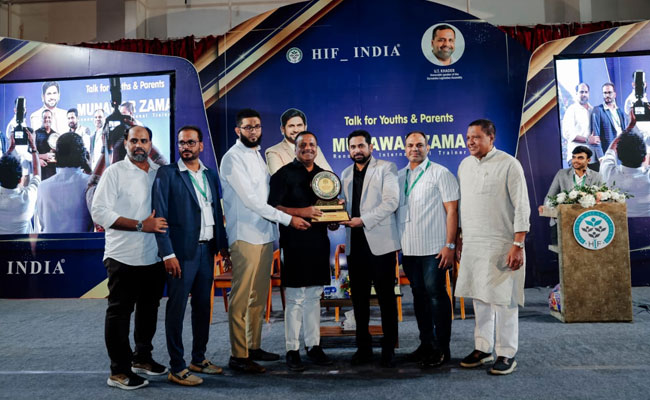
Highland Islamic Forum (HIF India) on Saturday honored motivational speaker Munawar Zama with the HIF Global Youth Icon Award here at the TMA Pai Hall in the city. Munawar Zama was in the city to hold a talk for youth and parents organised by HIF India.
The recognition was presented by UT Khader, Speaker of the Karnataka Legislative Assembly, after Zama’s address to youth and parents.
In his address, UT Khader commended Zama’s unwavering commitment to nurturing the potential of the youth, emphasizing the transformative impact of such efforts in shaping a brighter future for the world.
During the event, Munawar Zama emphasized the importance of mentorship and support systems for the younger population.
HIF members and other dignitaries including Shaz Ahmed AK as the program anchor, and Ashraf Ali – Trustee of Sana Shaheen Charitable Trust, Niyaz AK – Managing Director of AK Apple Ply Group, Naushad AK – Director of AK Apple Ply Group, and SM Farook – Director of SM Fisheries and Export, were present during the event.
HIF India President Adil Parvez presided over the event.
source: http://www.english.varthabharati.in / Vartha Bharati / Home> Karnataka / by Vartha Bharati / October 30th, 2023
Charmadi Hasanabba, a selfless social worker known for his tireless efforts in saving lives, has been honored with the Kannada Rajyotsava award by the state government for his remarkable 38 years of service to the community.
Hasanabba, born in 1951 to Ijjabba and Bifatima in Lala near Ujire in Belthangadi taluk of Dakshina Kannada district, displayed exceptional dedication to social service, especially in saving lives, irrespective of caste and creed.
Despite facing early challenges and limited educational opportunities, Hasanabba exhibited extraordinary resilience. At the age of eight, he moved to Balehonnuri and worked as a dishwasher in a small hotel, mastering the art of the hotel industry. At 18, he returned to his hometown, opened a small hotel, and built a home nearby.
Hasanabba’s journey in social service began in 1985 when he learned about daily accidents on the route frequented by truck drivers. Motivated to make a difference, he and his friends would rush to accident sites in his Maruti 800 car, providing immediate assistance and transporting the injured to hospitals. His dedication saved numerous lives, including a father-son duo from Chikkamagalur who were critically injured at Charmadi Ghat. Their recovery and gratitude inspired Hasanabba to continue his mission.
Beyond saving lives, Hasanabba actively participated in clearing roads after landslides, fearlessly navigating treacherous terrains to ensure safety for travelers. He also assisted the police as a witness in various cases, including murder and robbery.
Hasanabba’s contributions extended to community leadership as well. He served as the President of Juma Masjid from 1984 to 2015 and played a pivotal role in founding organizations like Belthangadi Taluk Muslim Union and the Muslim Unity Forum. His involvement in the Dakshina Kannada District Waqf Advisory Committee showcased his commitment to social causes.
Recognizing his outstanding service, Hasanabba received several awards, including the Beltangady Taluk and DK Zilla Kannada Rajyotsava Award, ‘Sarathy No. 1’ from the All India Drivers Association in Bangalore, the Person of the Year Award from Beary’s Welfare Association in Bangalore, the A Shyamarao Memorial Award, and the Alwas Nudisiri Awards from Beary Sahitya Academy, among others.
source: http://www.english.varthabharati.in / Vartha Bharati / Home> Karnataka / by Vartha Bharati / October 31st, 2023
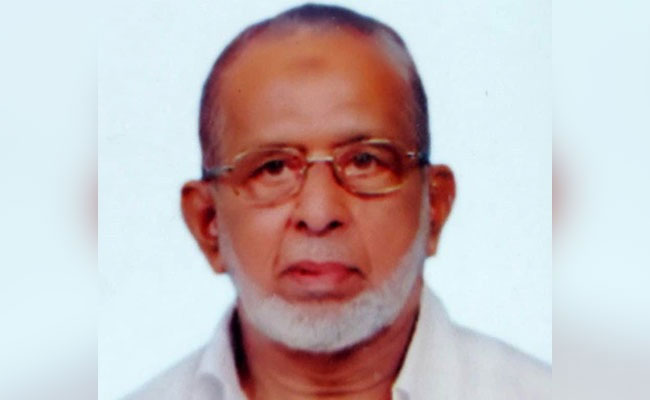
Parkala Haji Abdullah Saheb, a reputed social worker, senior socio-religious leader, successful businessman, and Honorary President of Udupi District Muslim Okkuta, has been conferred with the prestigious Karnataka Rajyotsava Award this year.
Born on the 16th of August, 1943, in Nileshwar, Kerala, to K. Ahmed and Aisha, he relocated to Udupi in 1967 at the age of 24 and commenced his career under the guidance of Dr. T. A. Pai of Manipal. With dedication and honest business practices, Abdullah Saheb transformed a small-scale venture into a thriving business, earning recognition as a prosperous businessman in Udupi.
Haji Abdullah Saheb has been a fervent supporter of students and underprivileged individuals arriving in Manipal from abroad for educational and healthcare services. He has consistently extended a helping hand to address students’ challenges and provided care for the less fortunate.
His contribution is evident in the construction of Masjid-e-Manipal in Manipal, accommodating pilgrims, the families of patients, and students seeking education and medical treatment. Additionally, he is acknowledged as a bridge fostering interfaith harmony in Manipal and Udupi.
Throughout his active involvement in renowned coastal associations such as Jamiatul Falah, Muslim Welfare Association, Millat Education Trust, and Zia Education Trust, Haji Abdullah Saheb has demonstrated his commitment to community welfare. His significant role in the establishment of Udupi District Muslim Okkuta highlights his dedication to community service. Serving as the organization’s first president, he successfully led the union for six consecutive years. Presently, he holds the honorary position of its president. In recognition of his selfless spirit and generosity, Udupi District Muslim Okkuta honored him with the Sevaratna Award for the year 2021-22.
Known for his humility, simplicity, and charitable nature, Parkala Abdullah Haji is revered as a philanthropist and community advocate.
source: http://www.english.varthabharati.in / Vartha Bharati / Home> Karnataka / by Vartha Bharati / October 31st, 2023
Karnataka government has awarded the Rajyotsava award to 68 people including ISRO Chairman S Somanath and golfer Aditi Ashok.
S Somanath, Chairman, ISRO
Here’s the complete list:
The Karnataka government’s Rajyotsava Award will be given to 68 people this year, including ISRO Chairman S Somanath and golfer Aditi Ashok, for their excellent service in their fields.
The Rajyotsava Award is the state’s second-highest civilian award given by the Karnataka government annually. The 68th Karnataka Rajyotsava Awards will be conferred on the occasion of the state’s formation day on November 1. This year is the golden jubilee of renaming Mysore state as Karnataka.
Chief Minister Siddaramaiah is the head of the Award committee, who has selected the winners.
The government also decided to give 10 awards to organisations along with 68 Rajyotsava awards on the occasion of ‘Karnataka Sambhrama’.
Minister for Kannada and Culture Shivaraj Tangadagi said that it is ensured that every district has been given representation while selecting the awardees. The awardees also include 54 men, 13 women and one transgender. The list also has two centenarians.
The Rajyotsava Awardee will get cash rewards of Rs 5 lakh, a 25-gram gold medal and a plaque.
Here’s the complete list of Rajyotsava Awardees
Music/Dance
Nayana S. More (Bengaluru)
Neela M. Kodli (Dharwad)
Shabbir Ahmed (Bengaluru)
Balesh Bhajantri (Belagavi)
Sculptures/Art/Handicraft
T. Shivashankar (Davangere)
Kalappa Vishwakarma (Raichur)
Martha Jakimovich (Bengaluru)
P. Gowraiah (Mysuru)
Yakshagana
Agrodu Mohandas Pai (Udupi)
K. Leelavathi Baipadithaya (Dakshina Kannada)
Keshappa Shillikyathara (Koppal)
Dalawai Siddappa (Vijayanagara)
Folk Art
Husenabi Buden Sab Siddi (Uttara Kannada)
Shivangi Shanmari (Davangere)
Mahadev (Mysuru)
Narasappa (Bidar)
Shankuntala Devala Naik (Kalaburagi)
H.K. Karamanchappa (Ballari)
Shambu Baligara (Gadag)
Vibhuti Gundappa (Koppal)
Chowdamma (Chikkamagaluru)
Social Service
Huchchamma Chowdri (Koppal)
Charmadi Hasanabba (Dakshina Kannada)
Roopa Naik (Davangere)
Nijagunanda Mahaswami (Belagavi)
Nagaraju G. (Bengaluru)
Administration
G.V. Balaram (Tumakuru)
Film/Cinema
‘Dingri’ Nagaraj and B. Janardhana (both Bengaluru)
Theatre
A.G. Chidambara Rao Jambe (Shivamogga)
P. Gangadhara Swami (Mysuru)
H.B. Sarojamma (Dharwad)
Thaiyabkhan M. Inamdar (Bagalkot)
Vishwanath Vamshakrutha Mata (Bagalkot),
P. Thippeswamy (Chitradurga)
Medical
C. Ramachandra (Bengaluru)
Prashanta Shetty (Dakshina Kannada)
Literature
C. Naganna (Chamarajanagar)
Subbu Holeyar (Hassan)
Satish Kulkarni (Haveri)
Lakshmipathi Kolara (Kolar)
Parappa Gurupadappa Siddapura (Vijayapura)
K. Sharifa (Bengaluru)
Education
Ramanna Havele (Raichur)
K. Chandrashekar (Kolar)
K.T. Chandru (Mandya)
Sports
Divya T.S. (Kolar)
Aditi Ashok (Bengaluru)
Ashok Gagigeppa Yenagi (Dharwad)
Judiciary
V. Gopala Gowda
Agriculture/Environment
Somanatha Reddy Poorva (Kalaburagi)
Dhyavanagouda T. Patil (Dharwad)
Shivareddy Hanuma Reddy Vasana (Bagalkot)
Miscellaneous
A.M. Madari (Vijayapura)
Haji Abdulla, Parkala (Udupi)
‘Mimikri’ Dayananda (Mysuru)
Kabbinale Vasanth Bharadwaj (Mysuru)
Lieutenant General Codanda Poovaiah Cariappa (Kodagu)
Media
Dinesh Amin Mattu (Dakshina Kannada)
Javarappa (newspaper distributor from Mysuru)
Maya Sharma (Bengaluru), and Rafi Bhandari (Vijayapura)
Science/Technology
S. Somanath (Bengaluru)
Gopalan Jagadish (Chamarajangar)
NRI Kannadigas
Seetharam Iyengar
Deepak Shetty
Shashikiran Shetty
Freedom fighter
Puttaswamy Gowda (Ramangara)
Organisations receiving the Rajyotsav Award
Here’s the list of organisations which received the award.
Karnataka Sangha (Shivamogga)
B.N. Shivarama Pustaka Prakashana (Mysuru)
Mythic Society (Bengaluru)
Karnataka Sahitya Sangha (Yadgiri)
Moulana Azad Shikshana and Samaja Kalyana Sanskrithika Sangha (Davangere)
Muslim Education Institutions Federation (Dakshina Kannada)
Sneharanga Havyasi Kala Samsthe (Bagalkot)
Chinnara Bimba (Mumbai)
Maruthi Janaseva Sangha (Dakshina Kannada)
Vidyadana Samithi (Gadag)
source: http://www.business-standard.com / Business Standard / Home> India> News / by Sudeep Singh Rawat, New Delhi / November 01st, 2023
On Friday morning, author of the famous and most resourceful Madinah Arabic Book, Shaikh Dr. V Abdur Raheem, passed away in Madinah, Saudi Arabia at the age of 90.
A master of the Arabic language, a world renowned Islamic Scholar, multi-linguist, author, teacher and translator he dedicated his life to extraordinary contributions to Arabic literature by helping millions learn the Arabic language in his over 50 years of experience.
Born in 1933 in Vaniyambadi, Tamil Nadu, he obtained his B.A in English from the University of Madras and M.A in Arabic from the Aligarh Muslim University, India in 1962. He also held a M.Phil. and a Ph.D. in Arabic Philology from Al-Azhar University, Egypt.
A recipient of the National Award from the President of India in 1997 for his services in teaching, he was a self made man who learnt Arabic from the scarcest resources available to him in his little town. His three-volume series, Madinah Arabic Book, a one of a kind in its field, is the official curriculum of the Madinah University, Saudi Arabia, and is also used widely in schools and universities across the world to teach students the Arabic language.
Former Professor of Arabic Language for 30 years at the International Islamic University of Madinah, he has taught Arabic Language at Islamic Universities around the world including at Omdurman in Sudan, Germany, Washington D.C and British Guyana. An expert on European Languages and their etymology, phonetic change and semantic development he was a former Director of the ‘Institute of Teaching Arabic as a Foreign Language’, at the Islamic University of Madinah.
A close associate of the Islamic Foundation Trust (IFT), Chennai, majority of his books have been published by IFT.
Along with the Madinah Arabic Book series he has to his credit a host of other books too including ‘Let’s Begin to Read Arabic: A Beginners Guide to Learning the Arabic Language and the Qur’aan’, ‘AL-TIBYAAN – Easy way to Qur’aanic Reading’, ‘Arabic Course for Non-Native Speakers of Arabic: Originally Devised and Taught at Islaamic University, Madinah’, ‘From Esfahan To Madinah In Search of Truth: Salmaan al-Faarisi’s Hadiith’,‘Both These Lights Emanate from the Same Niche’ – Hadiith of Umm Salamah (raDiyAllaahu “anhaa).’ ‘Suurah al-Hujuraat – With Lexical and Grammatical Notes and DVDs’.
His passing is indeed a great loss to both the Muslim world and to Islamic literature.
source: http://www.thecognate.com / The Cognate / Home> News / by The Cognate News Desk / October 21st, 2023
Traveling is a major part of human life and it creates a major impact on the working class of society, especially working women’s face so many difficulties in travelling. Being independent is a point of pride for most people. The freedom to travel anywhere we want, regardless of access to public transit or close friends and family, is something that many of us take for granted. However, for those who are unable to drive, this independence can be limited, especially for women.
The founder and CEO of “Unicorn for women by women” Arma Sahar, who is a final year data science student, informed us about the story of the establishment and achievements of his startup.
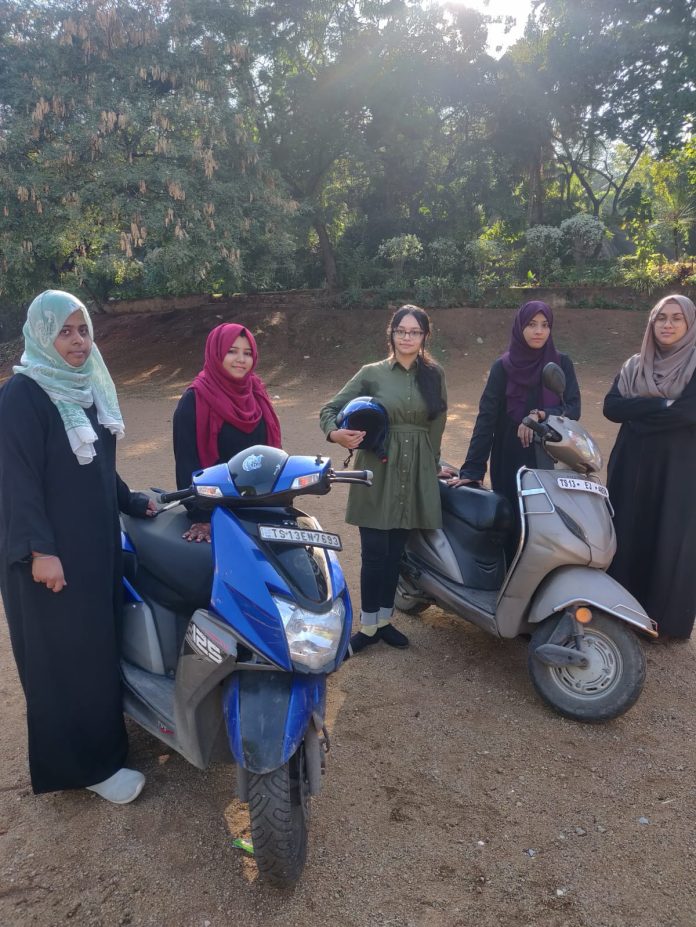
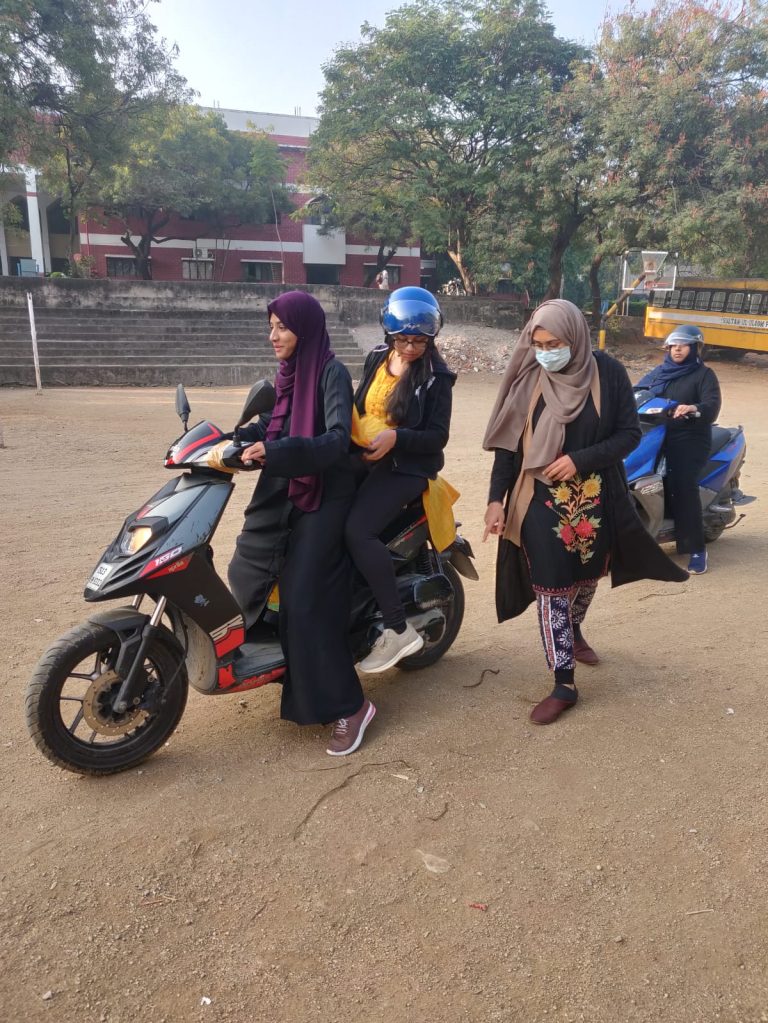
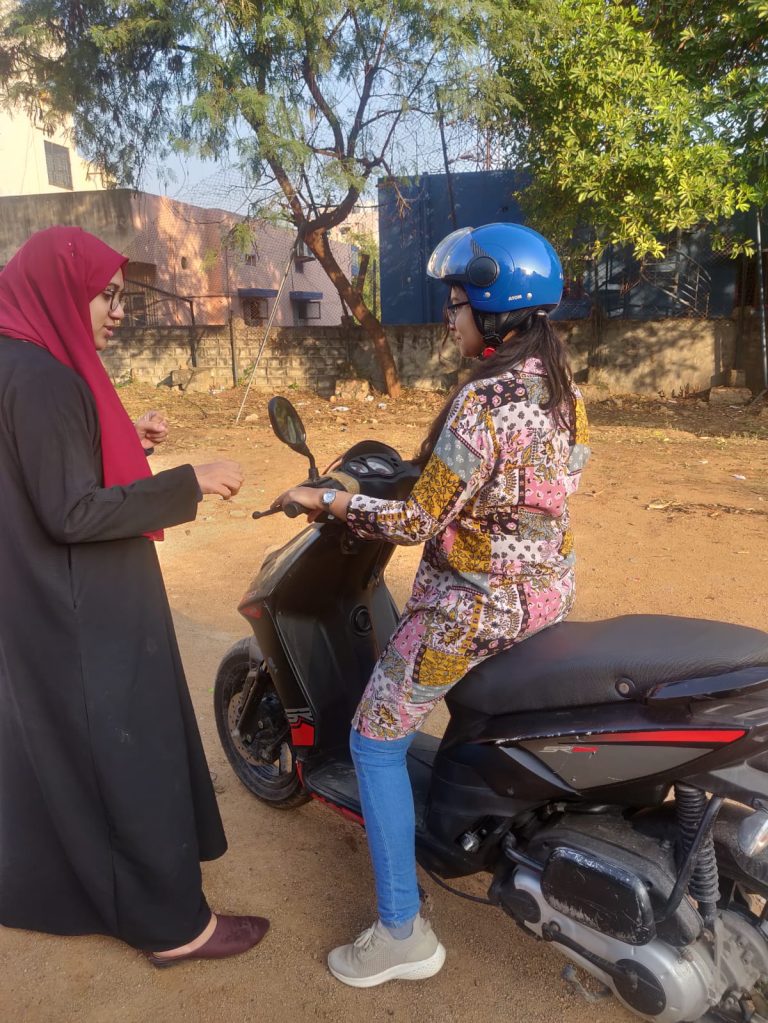
the challenges that women can face when it comes to transportation. When she moved from Adilabad to Hyderabad, Arma found herself reliant on her brothers for rides, which could be frustrating for both her and them due to their busy schedules. She also didn’t feel comfortable traveling alone, especially in autos which can be expensive. To address these issues, Arma founded Unicorn, a bike ride service run entirely by women. The service allows women to feel safe and comfortable while traveling and also gives them the independence and confidence to get around on their own. But after validating in the market Arma realised that more than 80% of the Women population didn’t know how to ride so they picked up the job opportunities offered by Unicorn and later they asked the girls if you are okay to learn and then drive later at Unicorn.
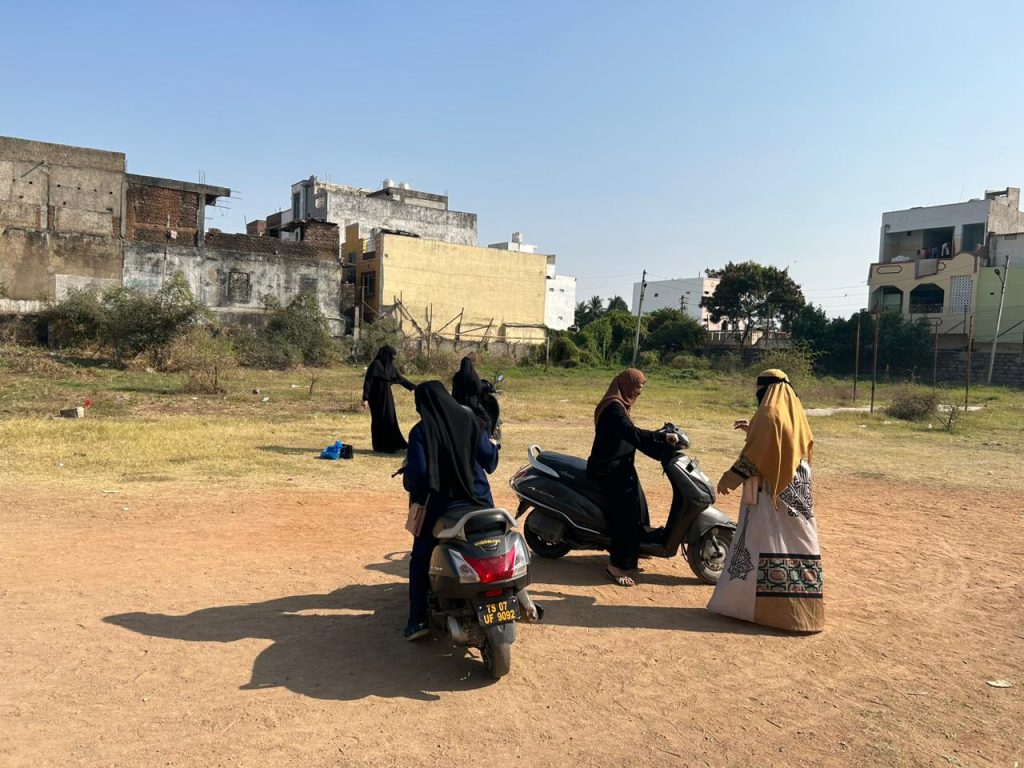
That’s when they thought to start and focus on training and many other girls started showing interest in the training program as it was offered by women instructors and that’s when we realised that this is the need of the hour. But Arma’s vision for Unicorn goes beyond just providing a transportation service. She also wants to empower women by teaching them how to ride two-wheelers. To this end, Unicorn offers training programs to teach women how to ride, with the goal of giving them more freedom and mobility. “After completing our first batch, we discovered that women are very eager to learn how to ride a vehicle, and as a result of this eagerness, they were able to pick it up within a few days,” Arma said. “This made us the fastest training option in India, where we started teaching women only in 5 Days, without any prerequisites.”
Unicorn has already conducted several training batches in Mehdipatnam, Santosh Nagar, and Yakutpura and is now expanding to the Old City to reach more women in need of safe transportation. The company’s innovative solution is filling a crucial gap in the market and helping to make travel safer and more accessible for women in Hyderabad. But what sets Unicorn apart from other driving schools? Arma explains that the company is focused on empowering women, not just training them for their own benefit. This unique approach has already gained praise from many women in the city, and the company plans to continue growing and helping more women gain independence and confidence through transportation. “We strive to empower women, not just train them for their own benefit,” Arma said. To participate in the Unicorn training program, interested individuals must first register on the company’s website (www.myunicorn.in) and await confirmation. The company currently operates through its website and WhatsApp and assigns each participant to a cohort with a confirmation letter. With its innovative transportation solution and commitment to empowering women, Unicorn is changing the way women in Hyderabad travel and helping them achieve greater independence. But Unicorn’s support for women doesn’t stop there.
Arma explained that the company’s website also creates connections between women who are capable drivers and those who are seeking transportation services. This allows women to make money while driving, Unicorn offers them the opportunity to find work and earn more than 25,000 per month. “We offer total support to women at every stage of their lives, from learning to drive to becoming a lady partner at our firm and partners,” Arma said. “We provide them with the choice of flexible driving hours so they can combine this career with their daily activities. Simply put, we act as their pillars of support.” Unicorn’s commitment to supporting women at every stage of their lives sets it apart from other driving schools and transportation services. By providing training, work opportunities, and flexible schedules, the company is helping women to achieve independence and empowering them to take control of their own lives.
Arma’s initiative is really appreciable for making women self-reliable in driving that creates a major impact on women’s independence over driving bikes. Moreover it also makes them financially strengthened, The advantages of having women as a part of the workforce are manifold. On a micro level, working women become financially independent and will have greater control over their own lives. This encourages women to stand against physical and emotional abuse, enabling them to handle social issues and pressures on their own. The families of working women are also able to enjoy a higher quality of living due to additional income. At the macro level, greater participation of women in the workforce is good for the overall economy.
source: http://www.thehindustangazette.com / The Hindustan Gazette / Home> News> Education / by Abdul Sami / October 14th, 2023

)

)