Category Archives: Education

Asaddudin Owaisi | The champion of identity politics

Hyderabad, TELANGANA :
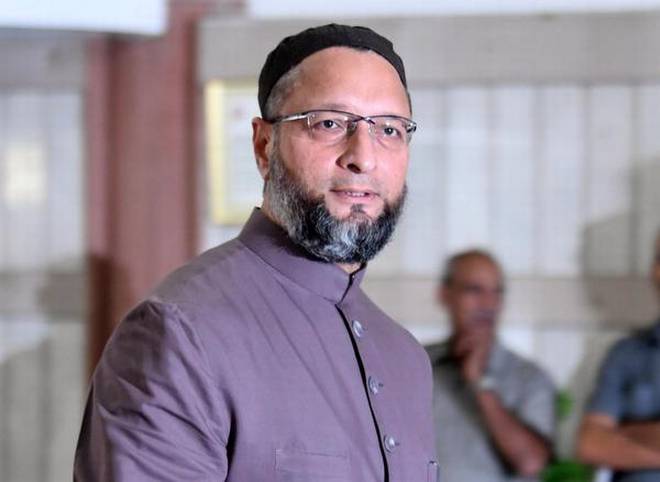
All India Majlis-e-Ittehad-ul-Muslimeen (AIMIM) leader and Hyderabad MP Asaduddin Owaisi. File   | Photo Credit: Sandeep Saxena

The young Owaisi, who wanted to be a lawyer, had to file his nomination papers to contest the 1994 Andhra Pradesh Assembly election

The year was 1994. Two years after the demolition of Babri Masjid in Ayodhya, there was turmoil in the All India Majlis-e-Ittehad-ul-Muslimeen (AIMIM), a party established by Abdul Wahed Owaisi. Members were deserting the AIMIM for not being vocal enough on the demolition of the masjid and there was an outcry that educated Muslims were not coming to join politics.

All eyes were on the 25-year-old Asaddudin Owaisi, Abdul Wahed’s grandson, who had just returned from London after completing a degree in law. “If in the early 1990s, you had told me that I would be contesting elections, I would have said you have gone bonkers,” Mr. Owaisi later said. It was a time when he worked at a denim store on Oxford Street, London, and served meals at McDonald’s to cover the tuition fee.

The young Owaisi, who wanted to be a lawyer, had to file his nomination papers to contest the 1994 Andhra Pradesh Assembly election.

Almost a lifetime since, he had been elected an MLA twice and an MP four times from Hyderabad, a seat that his father Sultan Salahuddin Owaisi represented six times. He has recast the archetype for Muslim leadership. Does he regret giving up law to be a lawmaker? “Regret…? I don’t know… It is a very subjective thing. I don’t regret things in life, you look at the good side of it and go ahead,” Mr. Owaisi said.

Rebirth of the party

The AIMIM is the reincarnation of Majlis-e-Ittehadul Muslimeen that opposed Hyderabad’s accession into the Indian union. Once the Hyderabad State was integrated into India, the party was banned and fell into disarray, many of its leaders migrating to Pakistan. Prefixing ‘All India’ to the MIM, Mr. Owaisi’s grandfather resurrected the party. Mr Owaisi doesn’t fail to remind frequently that the AIMIM is a party of those who did not go to Pakistan.

Years later, the same reason that led to Mr. Owaisi’s entry into politics is also a reason for his party’s expansion. The Congress and the Rashtriya Janata Dal (RJD), who were wary of engaging with Seemanchal voters on the question of the Citizenship Amendment Act (CAA) and the National Register of Citizens (NRC), left a vacuum into which Mr. Owaisi walked in, winning five seats in the Bihar Assembly election.

In his speeches across Seemanchal, he repeatedly asserted that he was the only one to tear off a copy of the “unconstitutional” CAA inside Parliament. He spoke of the “betrayal” by the RJD and the Congress. He delivers his speech in chaste Urdu, a language that is not exactly alien to his Bihari audience but definitely not conversational. His speeches were peppered with invocations of ‘Allah’. The Muslim identity is firmly in place, with a long sherwani, a skullcap and a moustache-less beard. The speech was delivered at a pace and pitch, similar to the Friday sermons by the clergy.

Broader alliance

However, Mr. Owaisi insists that he is not a “Muslim leader”. In a recent interview to The Hindu, he said: “We are not an exclusive Muslim party. I, Asaddudin Owaisi, am not a Muslim leader. I don’t want to be a Muslim leader, that is not my ambition or objective of my political journey.” The AIMIM has been working on forging an alliance between the Muslims, the Dalits and other backward groups.

Nor does he want his politics to be limited to Hyderabad. The AIMIM expanded in Maharashtra in 2012, winning in the Nanded Municipal Corporation election. The party’s success earned him the moniker of being a “BJP agent”, a long leap from supporting the Congress-led United Progressive Alliance during the 2018 no-confidence motion. Mr. Owaisi’s persistent indictment of mainstream parties for taking the ‘Muslim vote’ granted, coupled with the other parties’ attempt to look far more Hindu, has had political dividends for the AIMIM.

“They can call me all they want. It is like water off the duck’s back. During my childhood, RSS workers used to come to our home often, abuse us in an attempt to intimidate me. So, it is part of my growing up years,” he said.

Years ago, Mr. Owaisi may have joined politics unenthusiastically. But on November 10, when the Bihar results came, his 10-year-old son, wearing a similar long sherwani, sat on a chair next to him when he addressed his victory press conference. “He is a child. He wanted to sit with me, so how could I deny him,” Mr. Owaisi said.

He claims he was always an average student. He tries to read, but says that he is a very slow reader and its takes long preparations for him before speaking in Parliament. Despite Hyderabad being his base, Mr. Owaisi doesn’t speak Telugu. He says he has tried many times to study the language with a tutor who used to come to his home in Hyderabad. But politics always overtakes his plans.

source: http://www.thehindu.com / The Hindu / Home> News> States> Telangana / by Sobhana K Nair / November 15th, 2020
Faizan Mustafa elected president of the consortium of national law universities

UTTAR PRADESH :

Hyderabad:

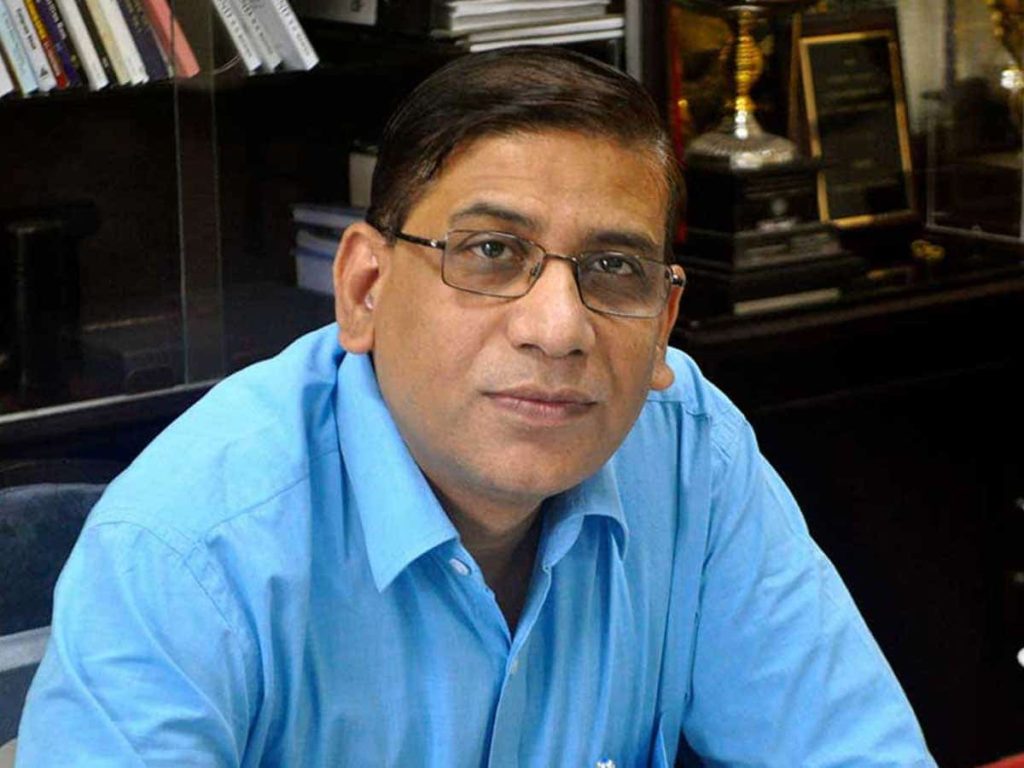
The National Academy of Law Studies and Research (NALSAR), Vice-Chancellor Professor Faizan Mustafa, has been elected president of the consortium of national law universities.

The consortium unanimously elected him president at its annual meeting.

Professor Poonam Saxena, Vice-Chancellor, NLU Jodhpur, was elected Vice President; Professor Vijender Kumar, Vice-Chancellor, MNLU, Nagpur, as convener, admission test for common law (CLAT) 2021; and Professor VC Vivekanandan, Vice-Chancellor, HNLU, Raipur, as a member of the Executive Committee for CLAT-2021.

After Mustafa virtually accepted his new role, he thanked the members for having confidence in him. He thanked the outgoing President, Professor V. Vijaykumar, for his visionary leadership.

Mustafa also thanked Professor Paramjit S. Jaswal, the outgoing vice-president, for his contributions to the issues fought by the consortium and his interventions in the executive committee and meetings of the governing bodies.

He seeks continued support and protection for Vijayakumar, who will continue as a member of the executive committee in his half-time position. The new executive committee will meet soon to finalize the details of CLAT-2021.

The governing body considered and approved the report of the grievance committee chaired by former Chief Justice of India Judge S. Rajendra Babu.

The members also thank Balraj Chauhan, Convener-CLAT 2020, for the successful completion of the process in an unprecedented year of Covid-19.

In his report, Chauhan gave details on CLAT-2020 and thanked the president and the members of the executive committee and governing body.

The governing body also appreciates the efforts of Mustafa, who fulfilled the duties of the secretary in the unusual circumstances of the sudden decision of the National Law School of India University to abandon CLAT 2020.

Mustafa said in his report that as many as eight meetings of the executive committee and six meetings of the governing body were held between September 3 and November 12 and that all decisions were taken in a consultative manner.

He also appreciated the efforts made by Sudhir Krishnaswamy to implement the reforms until the 3rd of September in the format of the CLAT paper and all other related matters.

Out of the 23 NLUs in the country, 22 students are increasing via CLAT.

source: http://www.deccan.news / Deccan News / Home> Local / November 14th, 2020

KBN Darga Bags National Award | Union Minister Muqtar Naqvi presented to Janab Ali Hussaini

Gulbarga, KARNATAKA :

First time ever Central Wakf Council has awarded the Mutawallis of Wakf Institutions for their Excellence in the management of Wakf Institution.


Sajjada Nashin and Mutawalli Dr. Syed Shah Khusro Hussaini Sahab of Dargah Hazrath Khaja Bandanawaz RH bagged this prestigious national award by the Ministry of Minorities Affairs through the central Wakf Council which was presented by the Janab Mukhtar Abbas Naqvi-Hon’ble Union Minister of Minority Affairs.

On Behalf, Janab Syed Ali al Hussaini received the award who is the Janasheen of Hzt Khaja Bandanawaz Darga & Pro-Chancellor KBN university.


The Darga has many modernized up-to-date systems like AC rooms for Visitors, Mist Cooling system in open area, Airconditioning inside the tomb, Cleaning machines, Cabbie for Old people, Research center and much more.


3 Awards per zone were to be distributed in four zones East West North South Out of the Five States in south zone Karnataka Bagged 2 awards out of 3.


127 years old “The Muslim Orphanage Bangalore “ also bagged this award from Karnataka, A gesture of appreciation from the minority ministry Govt of India.

source: http://www.gohash.in / Go Hash / Home> Gulbarga / July 31st, 2019

Wipro’s Azim Premji emerges as most generous Indian in FY20

Bengaluru, KARNATAKA :

Premji pipped HCL Technologies’ Shiv Nadar, who had earlier topped the list collated by Hurun Report India and Edelgive Foundation, by a wide margin.

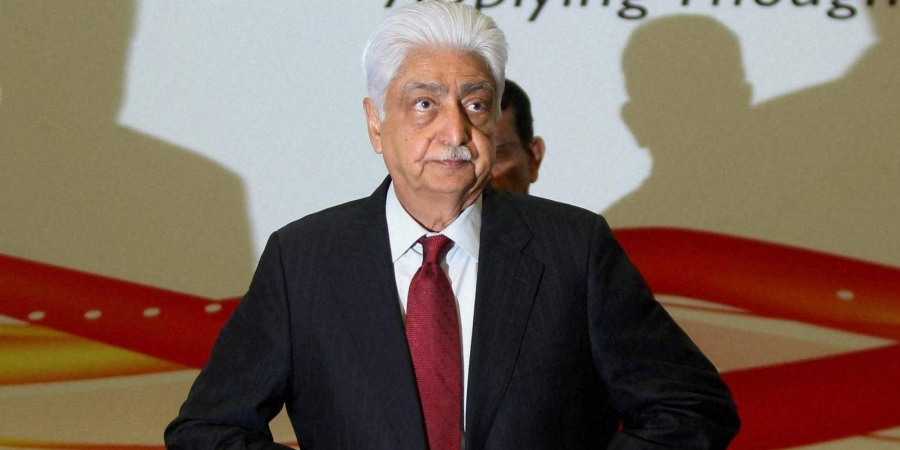
Wipro Chairman Azim Premji (File Photo | PTI)

Mumbai :

IT major Wipro’s Azim Premji donated Rs 22 crore a day or Rs 7,904 crore in a year to emerge as the most generous Indian in FY20 and top a list of philanthropy.

Premji pipped HCL Technologies’ Shiv Nadar, who had earlier topped the list collated by Hurun Report India and Edelgive Foundation, by a wide margin.

Nadar’s donations stood at Rs 795 crore for FY20 as against Rs 826 crore in the year-ago period.

Premji had donated Rs 426 crore in the previous fiscal.

Richest Indian Mukesh Ambani of Reliance Industries retained the third spot among the list of givers by donating Rs 458 crore as against Rs 402 crore a year ago, it said.

The raging pandemic had the corporate honchos repurposing their donations to fight the COVID infections, and the top giver on this turned out to be Tata Sons with a Rs 1,500- crore commitment, followed by Premji at Rs 1,125 crore and Ambani’s Rs 510 crore.

A bulk of the corporate commitments seemed to be given to the PM-CARES Fund, with Reliance Industries committing Rs 500 crore, and Aditya Birla Group donating Rs 400 crore, the report said.

It can be noted that Tatas’ commitment also includes a Rs 500 crore donation to the newly created fund.

Premji’s generosity pulled the total donations up by 175 per cent to Rs 12,050 crore in FY20, the list said.

Azim Premji Endowment Fund owns 13.6 per cent of the promoter’s shareholding in Wipro and has the right to receive all money earned from promoter shares, the report said.

The number of individuals who have donated more than Rs 10 crore increased marginally to 78 from the year-ago period’s 72, the report said.

With a donation of Rs 27 crore, Amit Chandra and Archana Chandra of ATE Chandra foundation are the first and only professional managers to ever enter the list.

The list has three of Infosys’ co-founders with Nandan Nilekani (Rs 159 crore), S Gopalkrishnan (Rs 50 crore) and S D Shibulal (Rs 32 crore).

The list of 109 individuals who have donated over Rs 5 crore has seven women, led by Rohini Nilekani’s Rs 47 crore.

Education is the highest beneficiary sector with 90 philanthropists, led by Premji and Nadar, donating Rs 9,324 crore, the report said, adding healthcare came second with 84 donors and was followed by disaster relief and rehabilitation with 41 donors.

The financial capital led by donor count at 36, followed by New Delhi at 20 and Bengaluru at 10.

E-commerce firm Flipkart’s co-founder Binny Bansal was the youngest donor at 37 with a commitment of Rs 5.3 crore and the average age of the donors on the list was 66 years, it said.

source: http://www.newindianexpress.com / The New Indian Express / Home> Business / by PTI / November 10th, 2020

Muhammadi Begum: The First Woman Editor of a Magazine in India

Shahpur, PUNJAB / Shimla, BRITISH INDIA :

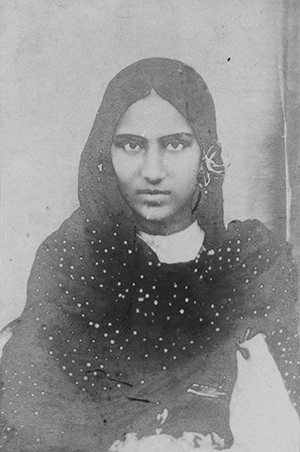
Syeda Muhammadi Begum was the first woman in the Indian sub-continent to be the editor of a weekly magazine,‘Tehzeeb-e-Niswaan’. The Urdu magazine was dedicated to emancipate the women. The magazine came out with its first edition on 1st July, 1898.

 Muhammadi Begum started her work along with her husband Mumtaz Ali. Mumtaz, who had also written a book stressing upon the rights of women, ‘Huqooq-e-Niswaan’, was a Darul Uloom, Deoband educated Lahore based publisher. He was a close associate of Sir Syed Ahmad Khan during the later years of the leader of Aligarh Movement. In fact, a hostel has been named after Mumtal Ali in AMU. Muhammadi and her husband realised that its was important that Muslim women also access modern education along with Muslim men. It must be kept in mind that when the magazine was launched Aligarh College was only a boys institution and there was no women’s college in Aligarh.

In fact, Sir Syed Ahmad Khan disagreed with Mumtaz and Muhammadi on women’s education. It was not until the demise of Sir Syed that they actually launched the magazine for women.

Muhammadi Begum, born in 1878 in Shahpur, Punjab, married Mumtaz Ali in 1897 after the death of his first wife. Syed Muhammad Shafi, father of Muhammadi, was the Principal of Wazeerabad High School and ensured that his daughters received modern education. In fact, Muhammadi used to play cricket and ride horses as well in those days when women were kept inside homes. When she married Mumtaz, he was already owning a publishing house and a printing press in Lahore. 

Within a year, Muhammadi learned the art of publishing, editing and proofreading from her husband. She could read English, Hindi, Urdu, Persian and Arabic. Soon the first Urdu weekly dedicated to the cause of women was launched, ‘Tehzeeb-e-Niswaan’.

As expected, people did not take such progressive magazine positively. Muhammadi and Mumtaz used to send free complimentary copies to the well known educated people. In return they would receive the copies back along with letters abusing Muhammadi. The magazine picked very slowly and even after three months only 70 people subscribed to the magazine, after three years 345 and after five years 428.

Muhammadi had one son, Imtiaz Ali, whom he used to affectionately call Taj. She used to write stories, poems, plays and lullabies especially for him. She trained him to be a man of literary taste. Imtiaz grew up to edit the magazine and established himself as one of the greats of Urdu literature.

Muhammadi later launched another magazine for women, ‘Musheer-e-Madar’, in 1905. Which did not survive much after her death. She also established schools for women. A very interesting experiment carried out by Muhammadi was of an all-Women shop. This shop was operated by the women and for the women and no man was allowed inside the shop for any work. Interestingly, the title of Ashraf Ali Thanvi’s Bahishti Zewar is inspired by one of the poems written by Muhammadi.

From 1897, Muhammadi’s life was busy with social work. She edited magazines, wrote essays, stories, poems and held public meetings to emancipate the women of India. This hard work took a great toll on her health and left this world at a young age of 30, in 1908.   

(Author is a well known historian)       

source: http://www.heritagetimes.com / Heritage Times / Home> Women / by Saquib Salim / September 14th, 2020

Jamia Millia’s Prof. Imran Ali adjudged India’s number 1 scientist by University of Stanford

NEW DELHI :

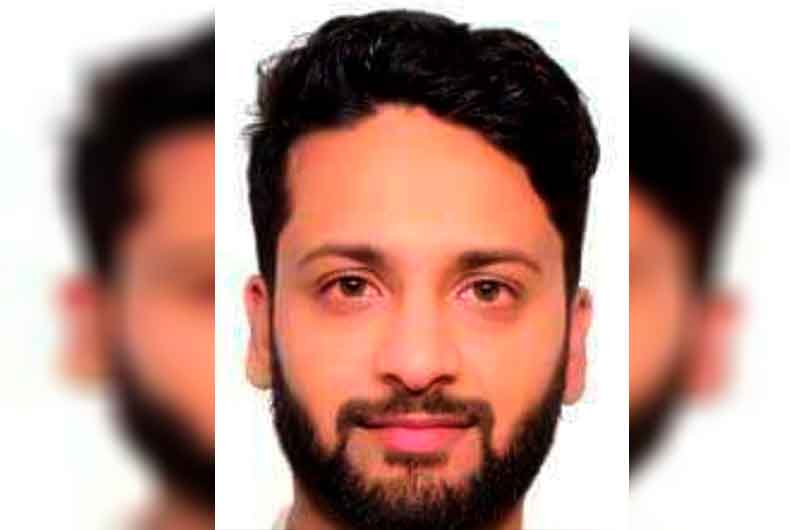
Prof. Imran Ali

Jamia Millia’s Prof. Imran Ali adjudged India’s number 1 scientist by University of Stanford

The list has been published in the globally renowned journal PLOS Biology. Prof. Ali is at 24th rank in the world while number one in the country. PLOS Biology has published the list of 68,80,389 (Sixty Eight Lakh Eighty Thousand Three Hundred Eighty Nine) scientists excelling in different scientific fields in the research paper entitled “Updated science-wide author databases of standardized citation indicators” authored by John P A Ioannidis et al, an India Today report added.

Apart from Prof. Ali many elite researchers from Jamia Millia Islamia secured top 2% position in the list of 60 lakh plus Global Scientists. Prof. Faizan Ahmad, INSA Senior Scientist at the Centre for Interdisciplinary Research in Basic Sciences has been adjudged as 4th top scientist in the country in the field of Biophysics. Other elite scientists from the university who secured their names in the coveted 2% top scientists list are as follows:

Prof. Mohammad Sami, Centre for Theoretical Physics: All India Rank: 10 in Nuclear & Particle Physics

Prof. Anjan Ananda Sen, Centre for Theoretical Physics: All India Rank: 31 in Nuclear & Particle Physics

Prof. Sharif Ahmad, Department of Chemistry: All India Rank: 1048 in Polymers

Prof. Haseeb Ahsan, Faculty of Dentistry, All India Rank: 377 in Biochemistry & Molecular Biology

Prof. Sushant Ghosh, Centre for Theoretical Physics; All India Rank: 782 in Nuclear & Particle Physics

Prof. Tabrez A. Khan, Department of Chemistry; All India Rank: 831 in Environmental Sciences

Dr. Rafiq Ahmad, Ramalingaswami Fellow, Centre for Nanoscience and Nanotechnology; All India Rank: 1182 in Analytical Chemistry

Dr. Atiqur Rahman, Department of Geography, All India Rank: 1219 in Geological & Geomatics Engineering

Dr. Abid Haleem, Department of Mechanical Engineering, All India Rank: 1422 in Business & Management

Dr. Arun Kumar, Department of Physics, All India Rank: 1540 in Energy

Prof. Tokeer Ahmad, Department of Chemistry: All India Rank: 1687 in Materials

Dr. Md. Imtaiyaz Hassan, Centre for Interdisciplinary Research in Basic Sciences; All India Rank: 1746 in Biophysics

Professor Najma Akhtar, Vice-Chancellor, Jamia Millia Islamia expressed her happiness and congratulated all the scientists as they brought laurels to the University exactly when it was celebrating 100th years of its foundation. This array of scientists once again proved that JMI is excelling well in both high-quality research and teaching, she said.

source: http://www.varthabharati.in / Vartha Bharati / Home>India / by Vartha Bharati / November 06th, 2020

Two Female Nanoscience Researchers from Jamia Millia Selected for Prime Minister Research Fellowship

NEW DELHI :

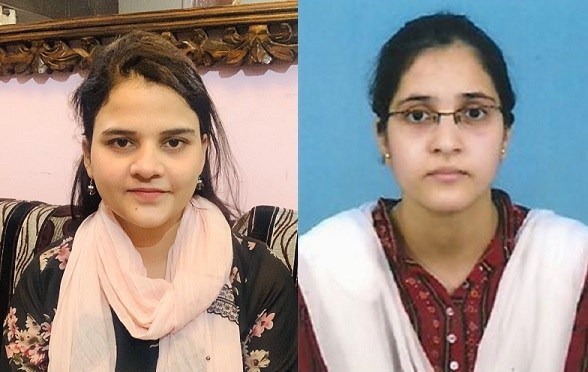
Nanoscience researchers from Jamia Millia Islamia – Marya Khan and Abgeena Shabir – selected for Prime Minister Research Fellowship 2020

New Delhi :

Two research scholars from Jamia Millia Islamia’s Centre for Nanoscience and Nanotechnology – Ms Marya Khan and Ms Abgeena Shabir – have been selected for the coveted Prime Minister Research Fellowship (PMRF) under the Lateral Entry category of the May-2020 drive.

Dr Aurangzeb Khurram Hafiz, Officiating Director of the centre said that as part of the PMRF both researchers would be getting a fellowship of Rs 70, 000 for first two years, Rs 75,000 for 3rd year, Rs.80,000 for the fourth year and Rs.80,000 for the fifth year also.  Apart from this, each Fellow would be eligible for a research grant of Rs. 2 Lakhs per year (total of Rs 10 Lakhs for five years).

Jamia Millia’s Vice Chancellor Prof. Najma Akhtar congratulated both researchers and hoped that it will inspire other students of the university to do well in research. Jamia Millia stands for excellence and strive hard to provide its students every possible support to achieve great heights, she added.

“It is a matter of great pride for the Jamia Millia Islamia,” said Ahmad Azeem, PRO-Media Coordinator of the central university.

In a press statement, he said that Ms Marya Khan’s PhD work will be based on “Multifunctional Hybrid Nanomaterial based Biosensors for Health Monitoring”. The overall object is to synthesize multifunctional hybrid nanomaterials and further use them for the development of different biological sensing devices.

Functionalization of active area of biosensors with multifunctional hybrid nanostructures will not only improve the biosensor device stability, but also enhances selectivity, sensitivity and lowers detection limits of the biosensor. Additionally, the aim is to use micro-fabrication techniques to produce highly sensitive biosensors.

The development of multifunctional hybrid nanostructures based biosensors will help to overcome the limitations of sensing performances. Making them disposable and flexible will impact directly on socially and economically crucial arenas such as improved detection of clinically important biomolecules for effective response and treatment as well as an integrated smart sensing device will provide a simple, facile approach capable of selective and simultaneous detection of different biomolecules.

The PhD work of Ms Abgeena Shabir, who is pursuing PhD in nanotechnology under the supervision of Prof. S.S. Islam at Jamia, will be based on “Fabrication of High Performance Anode Materials For Li-Ion Batteries”. Through her research work she seeks to synthesize high specific capacity anode materials using facile and scalable techniques such that high energy demands are met and limitations of conventional batteries are overcome. The main aim of her work would be to synthesise Silicon/Graphene nanocomposite based anode materials with extraordinary properties of high stability, conductivity and coulombic efficiency. Her research work will pave a way for new future of silicon/graphene based batteries which will be cost effective and easy to operate.

The Prime Minister’s Research Fellows (PMRF) Scheme has been designed for improving the quality of research in various higher educational institutions in the country. With attractive fellowships, the scheme seeks to attract the best talent into research thereby realizing the vision of development through innovation. The scheme was announced in the Budget 2018-19.

source: http://www.inclusiveindia.net / Inclusive India / Home> Education / by Editor / November 06th, 2020

Meet 21-Year-Old Asman Khan, One Of Jaipur’s Youngest Councillors

Jaipur, RAJASTHAN :

Asman Khan, a 21-year-old female Congress candidate from Jaipur, recently became one of the city’s youngest councillors. Contesting from ward number 81 in Jaipur Heritage Municipal Corporation elections 2020, Khan won the seat in her first attempt .

Here are some things you must know about Asman Khan: 

• Coming from a middle-class family, Asman Khan is the middle child among six brothers and sisters. She says she has received immense support from her family. ” I was scared initially but my family supported me “

• Her father Salim Khan has been associated with the Congress party as a party worker for quite some time now. He even had plans to contest the municipal elections himself. However, their ward became reserved for women. Consequently, he convinced his daughter to contest elections.

•Khan is currently an undergraduate student a Muslim Girls Degree College, Jaipur, and will take her final year exams soon . She will devote her entire attention to her ward’s welfare only after taking her final exams.

• Asman Khan became one of the youngest councillors in her first attempt. Describing her decision to contest elections as a “sudden” one, she told Times of India , “I always wanted to serve the public and this election has given me an opportunity to do so.”

• Talking to News18, Khan said that although there were a lot of contenders for the post, she emerged as a favourite because she is a young student.

• Khan has mentioned that she received a lot of love from her ward’s members during her campaigning. She also ensured that the public voiced their plight to her.

• As per Asma Khan, the major everyday problems being faced by her ward include mismanagement of garbage, sewerage, and dysfunctional street lights. She also wants to ensure that Muslim girls in her ward receive adequate training and opportunities. Khan hopes to work extensively for the development of her council in the next five years.

• Asman Khan has plans to pursue a post-graduation degree in humanities. She also aims to further her political career and ambitions in the future. Picture Credits: Times of India

Tarini Gandhiok is an intern with SheThePeople.TV.

source: http://www.shethepeople.tv / She The People / Home / by Tarini Gandhok / November 04th, 2020

CSIR-CDRI’s Dr Saman Habib Elected as Fellow of Indian National Science Academy

Lucknow, UTTAR PRADESH :

Her research group’s interest in the malaria parasite is driven by the desire to understand (a) the molecular workings and functions of the relict plastid (apicoplast) of Plasmodium, (b) mechanisms of protein translation employed by Plasmodium organelles and (c) human genetic factors and susceptibility to severe P. falciparum malaria in endemic and non-endemic regions of India.

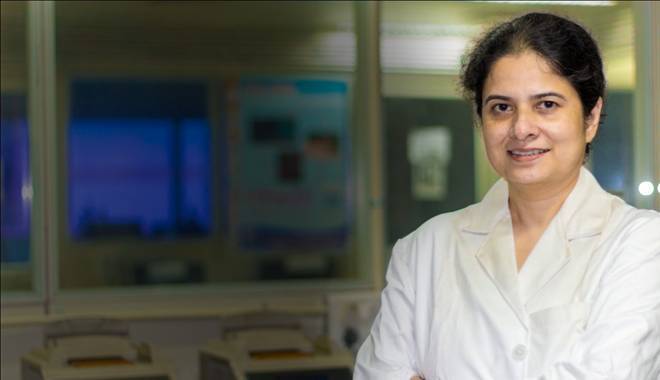
Dr. Saman Habib, Chief Scientist and Professor (AcSIR) in Molecular Biology Division, CSIR-CDRI, Lucknow brought the laurels to the Institute again through her outstanding work for understanding the malaria parasite.

She is elected as fellow of Indian National Science Academy, New Delhi.

Her research group’s interest in the malaria parasite is driven by the desire to understand (a) the molecular workings and functions of the relict plastid (apicoplast) of Plasmodium, (b) mechanisms of protein translation employed by Plasmodium organelles and (c) human genetic factors and susceptibility to severe P. falciparum malaria in endemic and non-endemic regions of India.

Other important honours and awards in her credit:

  • Fellow of Indian Academy of Sciences, Bangalore (2016)
  • Fellow of The National Academy of Sciences India, Allahabad (2015)
  • National Women Bio-scientist Award, Department of Biotechnology, Govt. of India (2012)
  • Prof. BK Bachhawat Memorial Lecture Award, National Academy of Sciences, India (2008)
  • CSIR Young Scientist Award, CSIR (2001)

source: http://www.smestreet.com / SME Street / Home> News> Covid-19 / by SME Street Edit Desk / October 22nd, 2020

Gazi Abdullah’s journey from orphanage to clearing KAS exam

JAMMU & KASHMIR :

As many as 25,188 candidates had appeared in the preliminary exams in September 2018

New Delhi: 

Twenty-four-year-old Gazi Abdullah of Gundana, a village at 9,000 feet above sea level in the mountainous Doda district, is one among the 70 youths who have been declared qualified for the Union Territory’s most prestigious Civil Services by the Jammu and Kashmir Public Service Commission (JKPSC).

These are the first results after the Commission was reconstituted as a legal requirement under the J&K Reorganisation Act of August 2019.

In the Combined Competitive Examination held in 2018-20, these 70 youth have qualified for recruitment on the equal number of vacancies in the Jammu and Kashmir Administrative Service (KAS), the Jammu and Kashmir Police (Gazetted) Service and the Jammu and Kashmir Accounts (gazetted) Service.

Those found fit in a medical test will be appointed in the three major services.

As many as 25,188 candidates had appeared in the preliminary exams in September 2018. On August 25, 2020, the UT’s reconstituted Commission ratified and confirmed the quondam PSC’s decision and held the viva voce of the 194 candidates who appeared in the test in September 2020. Finally the selection of 70 candidates was notified on September 29.

Son of an anganwadi worker

Gazi’s mother is an anganwadi helper working with the Centre-sponsored Integrated Child Development Scheme (ICDS) for a monthly honorarium of Rs 3,000. She has never shared with her only child how her husband had died when he was just two-year-old in 1998.

How did Gazi’s father die? “I don’t know. I have never asked my mother,” he told Indianarrative.com in a conversation.

After receiving elementary education upto the fourth standard at his village’s Rafeeq Memorial Academy, his mother managed Gazi’s admission in an orphanage at Bemina in Srinagar.

From a downtrodden family with no support

He stayed at the orphanage’s boarding and lodging facility for seven years and passed his 11th standard exam before completing his 10+2 from Srinagar’s Iqbal Memorial Institute.

Thereafter, Gazi returned to his home across the Pir Panjal mountains and completed BSc from Government Degree College, Doda. His elementary schooling happened in the period of the peak of militancy in Jammu’s Chenab valley.

“I knew that I was from a downtrodden family with no support. So there was no compromise on seriousness, perseverance and focus on the studies. I used to read interviews of the IAS and other UPSC exam toppers which gave me inspiration and confidence to crack the JKPSC exam.

“I learned how to convert challenges into opportunities with full self-confidence and dedication. Finally it paid me off and I have made it to the civil services,” Gazi said.

First sparks of success

He revealed that the first sparks of success through competition came from the lectures some visiting officers and bureaucrats delivered at the orphanage from time to time.

Unlike most of the successful candidates of his batch, Gazi has not received any coaching for the JKPSC exam.

“After BSc, I completed MSc in Botany from the Aligarh Muslim University (AMU) where I devoted maximum time to my preps for the KAS exam. I am expecting the PG results from the AMU in a few days,” said Gazi, figuring at rank 46 in the JKAS final list.

Hailing from a backward area, he has fourth rank in the RBA category.

“I am lucky enough to be one of the youngest in my batch,” he said. With the age on his side, he would rise to the rank of a Principal Secretary in his 36 years of service in the UT.

Civil Services is popular among Kashmiris

The batch’s topper Malik Kamila Mushtaq of Karan Nagar, Srinagar, is B Tech in Civil Engineering from the National Institute of Technology (NIT), Srinagar. Her father is a retired government employee and her mother is still in the public service. She picked anthropology as her optional subject and cracked the JKPSC exam in her first attempt.

“I had coaching for just one month in the beginning but later I relied on self-studies. My mother is the only source of inspiration for my dreams of higher civil service. She is an embodiment of courage and dedication and commitment from day one. I have inherited many of her values and attributes,” Kamila asserted.

Kamila’s younger sister has completed M Tech in electrical engineering from NIT Srinagar and her younger brother is currently in the counselling process for B Tech.

How did she trust the system in the wake of allegations of irregularities against the JKPSC which had to once cancel its declared results for the JKAS Preliminary? How was she confident that she would make it to the JKAS?

“Cynicism and scepticism are cureless diseases. Once you enter a competition, you must have full faith in the system. I am not aware of the past practices but I had full faith in the system which I found completely transparent and flawless,” Kamila said.

The number of the aspirants for IAS, IPS, IFS and the UT’s JKAS, JKPS and other gazetted service examinations has remarkably increased after Shah Faesal of Kupwara was declared as the IAS topper by the UPSC in 2010.

Even as few candidates qualified for the All-India services from J&K in the first 20 years of militancy, over 60 youths have cracked the country’s most competitive and prestigious civil services exam in the last 10 years. Hundreds of others have entered the civil administrative services, Police and Accounts service through the JKPSC exam during the same period.

The UT’s youngsters have shown remarkable enthusiasm in all the all-India competitive exams as thousands of them have appeared in 2020 not only in the National Eligibility Entrance Test for medical and engineering colleges and institutes but also for the tests of National Defence Academy which picks recruits for commissioned ranks in Army, Navy and Air Force.

(This content is being carried under an arrangement with indianarrative.com)

source: http://www.ummid.com / Ummid.com / Home> India> Education & Careers / by Ahmed Ali Fayyaz, IANS / October 03rd, 2020