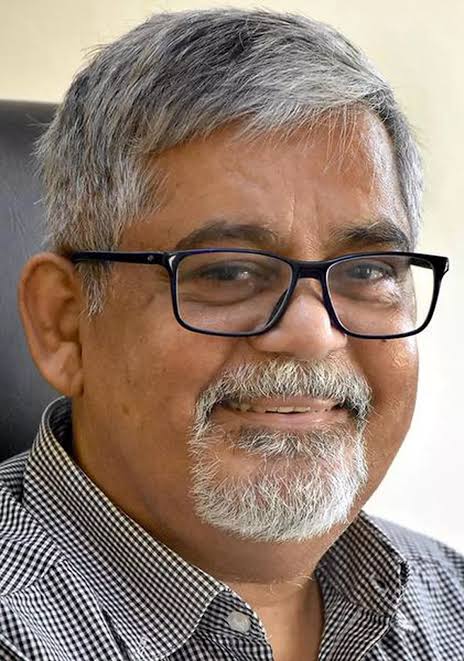
Senior scholar, thinker, and writer, Prof. Muzaffar Hussain Assadi, who served as the Acting Vice-Chancellor and Dean of the Political Science Department at Mysore University, passed away late Friday night at a private hospital in Bengaluru. He was 63 years old.
Prof. Muzaffar Assadi conducted extensive studies on the lives and lifestyles of tribal communities.
He served as the chairperson of a committee appointed to address the displacement of tribal populations. His research and contributions spanned areas such as agricultural studies, globalization, Gandhian philosophy, political sociology, democratic theories, social movements, comparative governance, Indian politics, human rights, and global political theories, earning him significant recognition.
Hailing from Shirva in Udupi district, Dr. Muzaffar Assadi completed his postgraduate degree from Mangalore University, followed by an M.Phil. and Ph.D. from Jawaharlal Nehru University (JNU), New Delhi.
He later pursued a Rockefeller Fellowship and Post-Doctoral studies at the University of Chicago.
He authored 11 books during his illustrious career.
As the chairperson of the High Court Committee on Tribal Displacement, he submitted an impactful report.
His notable works include Multifaceted Feminist Narratives and Movements in Karnataka, Asmita, among others.
Previously, he served as the Special Officer of the newly established Raichur University.
Prof. Assadi received numerous honors, including the Karnataka Sahitya Academy Award.
source: http://www.english.varthabharati.in / Vartha Bharati / Home> Karnataka / by Vartha Bharati / January 04th, 2025
A distinct day in the entire calendar year of Kanachur Group of Institutions, where the integral force of Kanachur Family namely students, staff, faculty, principals and trustees meet as a single unit; to remember and express their gratitude to their leader, chief and founder – Haji U K Monu was recently observed.
Kanachur Islamic Education Trust ®, under its flagship honors the following institutions: 1. Kanachur Institute of Medical Sciences 2. Kanachur College of Nursing Sciences 3. Kanachur College of Physiotherapy 4. Kanachur Institute of Paramedical Sciences 5. Kanachur Institute of Management & Science 6. Kanachur PU College for Women 7. Kanachur Public School 8. Kanachur Primary School 9. Kanachur Pre-Primary School
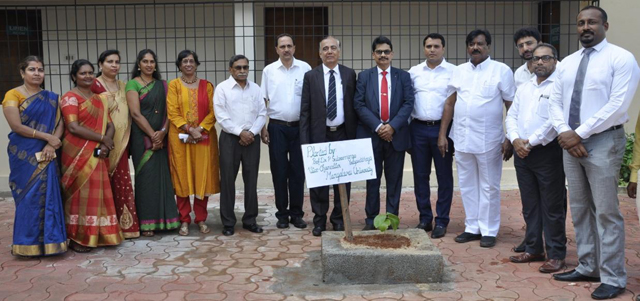
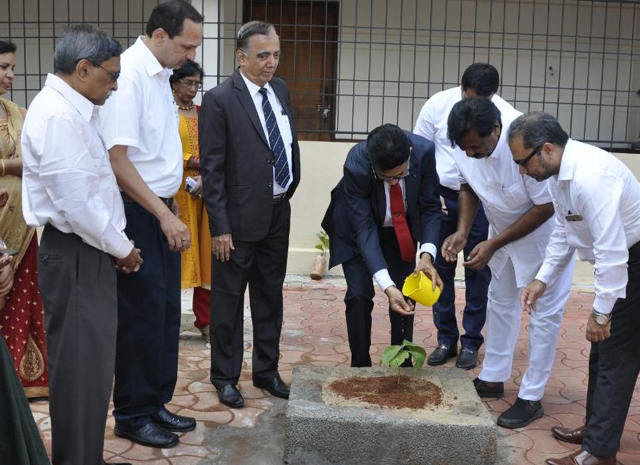
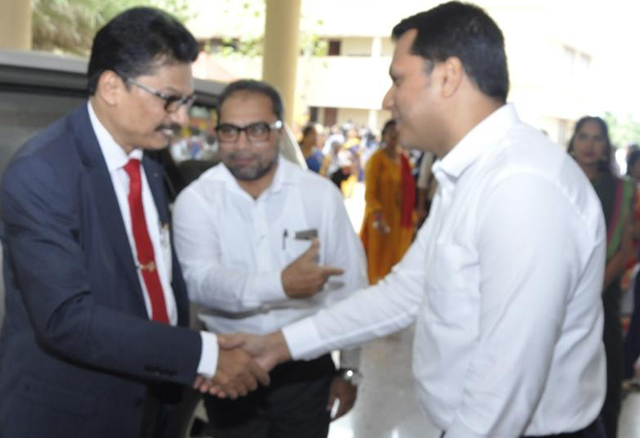
The momentous day started with a Vanamahotsava programme, where the chief guest Prof Dr P Subramanya Yadapadithaya – vice chancellor of Mangalore University planted a teak sapling in the Kanachur Health Education Campus. Prof Yadapadithaya was then welcomed with a ceremonial guard of honor, by the student scouts and guides who did a brilliant job.
A prayer song by the students of Kanachur Public School and a Quranic citation gave this amazing day a head start. Then followed a cultural extravaganza where in the student units of all constituent colleges under the trust displayed excellence and sheer talent, at the Medical College auditorium, Kanachur Academic Block.
Abdul Rahiman, director – Kanachur Institute of Medical Sciences warmly welcomed the entire Kanachur fraternity on and off the dais. He travelled down memory lane to when the trust was formed and he was in his late teens; the dreams that his father carried to offer education to the underprivileged and left no stone unturned to make this 70 acre campus transform into a temple of learning in rural India.
With these few words he welcomed the founder and chairman of the trust. Zohara Monu, trustee – Kanachur Islamic Education Trust; Prof Dr P Subramanya Yadapadithaya – VC, Mangalore University; Prof Dr M Abdul Rahiman, chairman, Advisory Board – Kanachur Academy of General Education and former VC – Kannur and Calicut Universities; Dr H S Virupaksha, dean – Kanachur Institute of Medical Sciences; Dr Sreesha Khandige, associate dean – Kanachur Institute of Medical Sciences; Dr Deviprasad Shetty, medical superintendent – Kanachur Hospital & Research Centre; Dr Rohan Monis, chief administrative officer – Kanachur Hospital & Research Centre; Dr Vivian D’Souza, principal – Kanachur Institute of Paramedical Sciences; Suhail Khan, principal – Kanachur College of Physiotherapy; Prof Renilda Shanti Lobo, principal – Kanachur College of Nursing Sciences; Prof Iqbal, principal – Kanachur Institute of Management & Science; Hemalatha, principal – Kanachur PU College for Women; Vinitha Mathias, principal – Kanachur Public School; Anandi, principal – Kanachur Primary School; Linnet, principal – Kanachur Pre-Primary and Dr Shahnawaz Manipady, HOD – Forensic Medicine were on the dais.
Prof Dr P Subramanya Yadapadithaya was respectfully felicitated by Haji U K Monu. In his chief guest addressal, he hailed the efforts of Kanachur U K Monu. He stressed that in today’s times, just a degree does not suffice. One needs KASH – Knowledge – to be ahead of the race, Attitude – so that all around are amicable, Skills – a mixed skillset and Habits – one that is infectious and aiming for excellence. Today’s era is evidence based and research informed and it is just going to get tougher.
Prof Dr M Abdul Rahiman was the guest of honor for this pompous occasion. He stressed on the fact that U K Monu always stressed on quality and that they as leaders and faculty of Kanachur should support him.
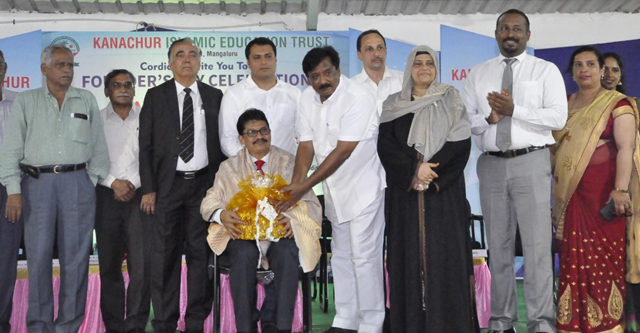
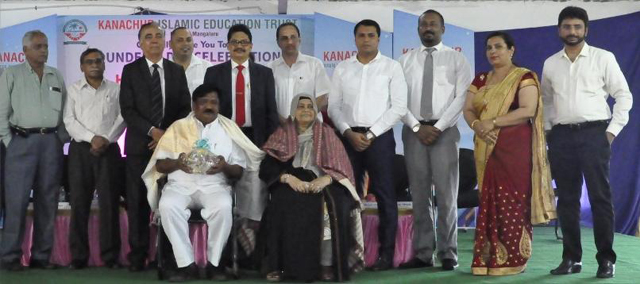
Haji U K Monu and his able life companion Zohara Monu were felicitated by Prof Dr Abdul Rahiman and Shanti Lobo. Later, all the heads of all the constituent institutions paid their floral tributes to them and wished them on the occasion of Founder’s Day. In his presidential address, Haji U K Monu stressed that this day is a special day with all his faculty and students and that he appreciates every hard working person in the institute. He said there is no replacement for hard work and that is the way it should be.
The vote of thanks was given by Dr H S Virupaksha. The event ended with the National Anthem.
Dr Annet, assistant professor – Dept of Microbiology was the emcee.
All the principals, faculty, staff and students were present at the Medical College auditorium. It was a day filled with pride and was very inspiring indeed.
Kanachur Islamic Education Trust ® and their group of institutions are very proactive in helping to realise the dream of the needy students in rural India. This is an active nation building process and education of young minds and their hearts is their mainstay.
In the words of Nelson Mandela ‘Education is the most powerful weapon which can be used to change the world’ which the trustees stand by.
source: http://www.daijiworld.com / DaijiWorld.com / Home> Campusbeat> Mangaluru / by Media Release / July 18th, 2018
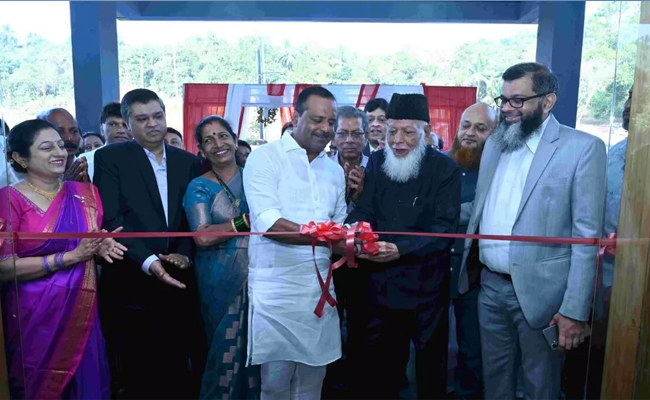
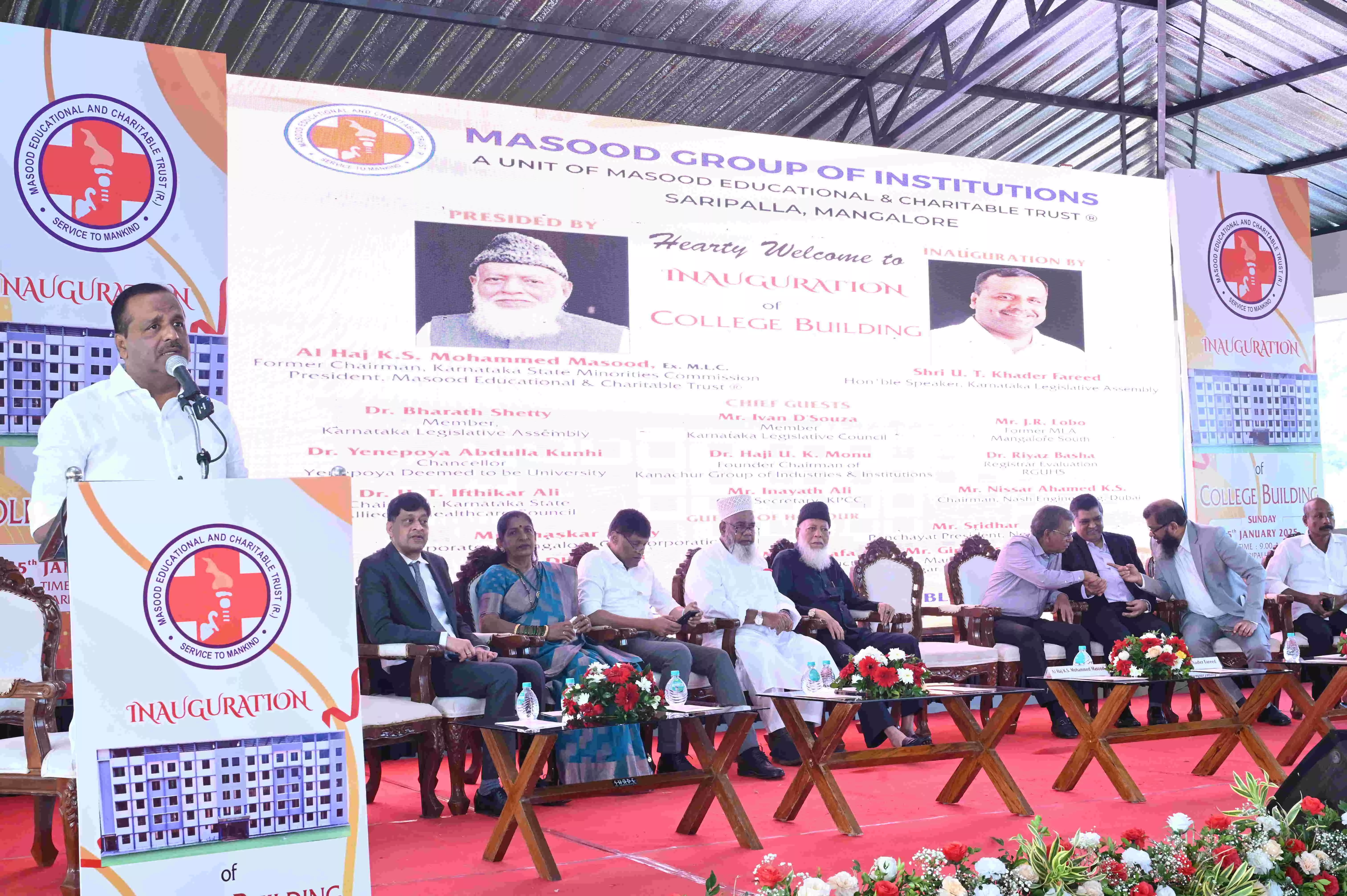
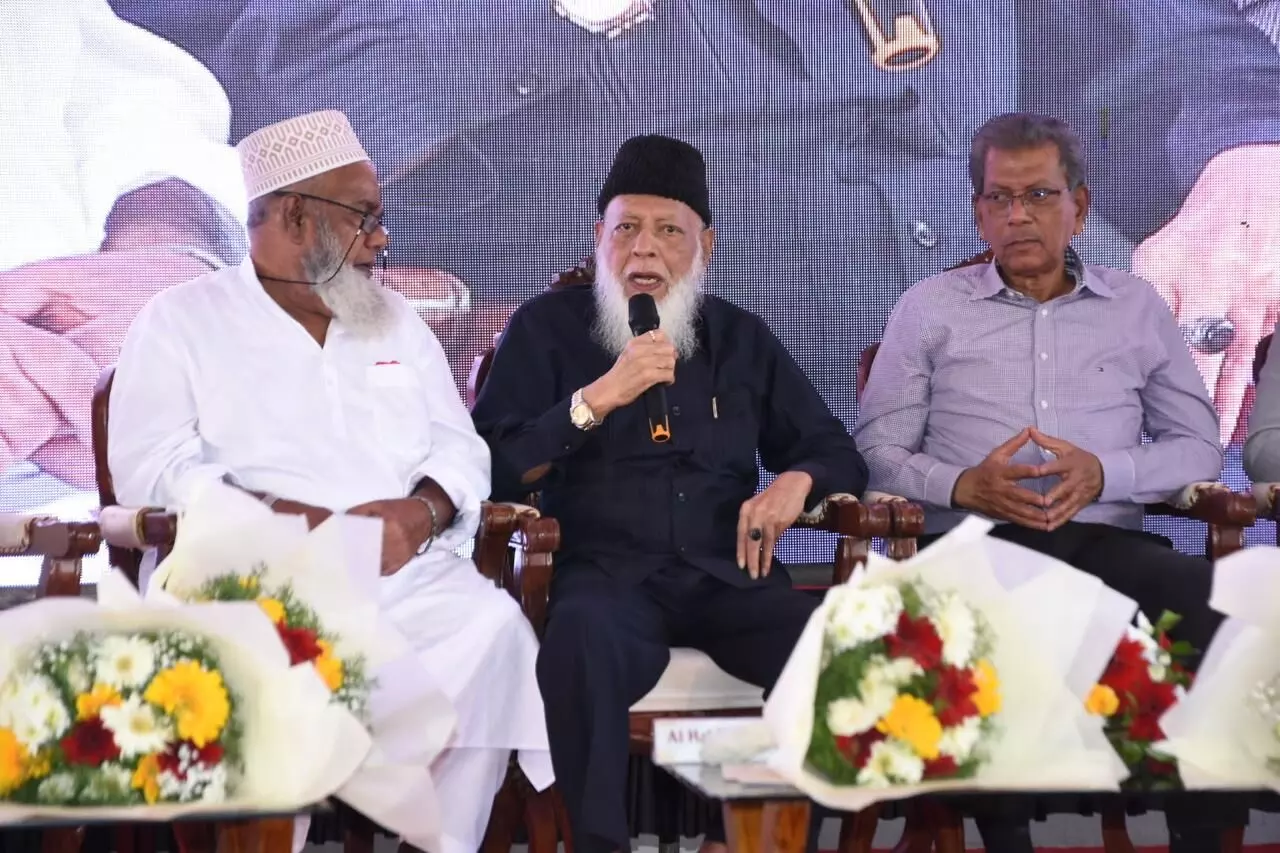
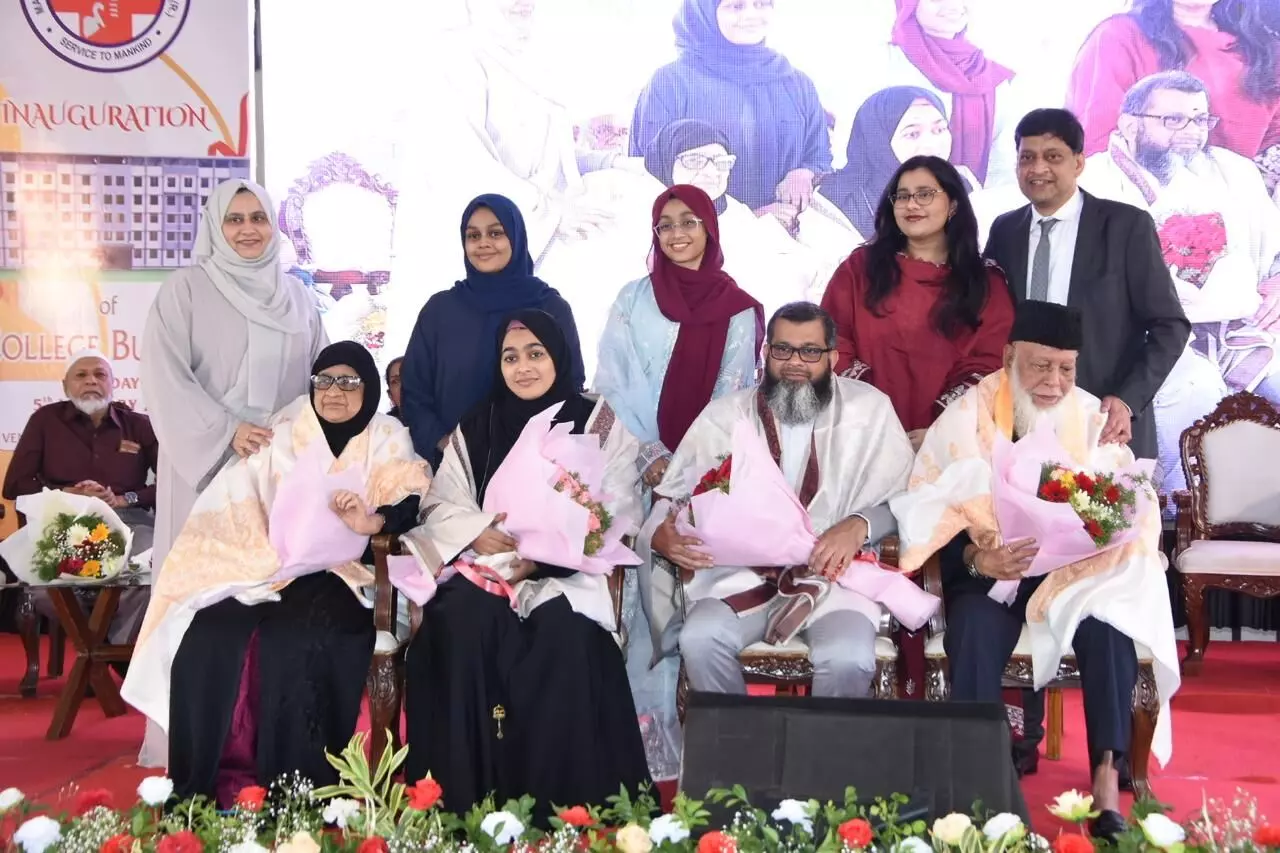
Masood Group of Institutions inaugurated its new campus building on Sunday at Saripalla village, located on the outskirts of Mangaluru city. The event was marked by the presence of several eminent dignitaries, with the Hon’ble Speaker of the Karnataka Legislative Assembly, UT Khader Fareed, formally inaugurating the facility.
Joining the occasion was Dr. Riyaz Basha, Registrar Evaluation, Rajiv Gandhi University of Health Sciences (RGUHS) along with other distinguished guests.ix
Al Haj KS Mohammed Masood, former MLC, ex-chairman of the Karnataka State Minorities Commission, and the President of Masood Educational and Charitable Trust, presided over the event.
During his address, UT Khader Fareed congratulated Al Haj KS Mohammed Masood and his family for their visionary efforts in prioritizing education at a time when it is crucial for the progress of society. He lauded their commitment to creating opportunities for learning and empowering the younger generation.
Khader expressed his confidence that the Masood Group of Institutions would emerge as one of the premier educational establishments in the country, setting benchmarks for excellence in academics and overall development. He urged the students to take their studies seriously, emphasizing that education is the foundation for personal growth and societal advancement.
Highlighting the significance of such initiatives, Khader remarked that starting educational institutions is a form of true patriotism. He stated that by investing in education, the trust is not only nurturing young minds but also contributing to the upliftment and progress of the nation as a whole.
In his address, Riyaz Basha highlighted the growing demand for health sciences education in Karnataka, particularly in the post-COVID era. He noted that the pandemic underscored the critical importance of a robust healthcare system, leading to significant transformations in the state’s health sciences infrastructure. According to Basha, this evolution has positioned Karnataka as a hub for advanced medical education and healthcare services, attracting students and professionals alike.
He observed that India’s healthcare system is gradually transitioning towards a Western model, where the concept of teamwork in medicine is gaining prominence. Basha explained that unlike the traditional approach where the doctor was viewed as the sole authority, the emerging system emphasizes the collaborative efforts of an entire team of health sciences professionals. This shift, he pointed out, places greater responsibility and opportunities on allied health professionals, nurses, technicians, and administrators, making their roles indispensable in delivering holistic patient care.
Basha urged students to view education not merely as a means to attain degrees but as a tool for building strong character and moral values. He emphasized the importance of humility, stating that true education goes beyond academic achievements and is reflected in one’s behavior and attitude. He encouraged students to remain grounded, focus on continuous learning, and contribute positively to society, embodying the essence of education through their actions and interactions.
UT Iftikhar Ali, Chairman of the Karnataka State Allied and Healthcare Council, addressed the gathering with a special request to Riyaz Basha, urging him to consider designating Masood College as an examination center for Rajiv Gandhi University of Health Sciences (RGUHS). He emphasized that such a move would be a significant step forward for the institution, providing convenience to students and enhancing its standing within the academic community.
In addition, Ali took the opportunity to invite everyone present to participate in the inauguration of the Regional Centre of RGUHS in Mangalore, scheduled for January 17. He highlighted the importance of this event in strengthening the presence of RGUHS in the region and its commitment to advancing health sciences education. Ali also reaffirmed his support for Masood Group of Institutions, pledging to assist in every possible way to help the institution achieve its goals and contribute meaningfully to the healthcare sector.
MLC Ivan D’Souza, addressing the gathering, spoke about the highly competitive nature of the world today, emphasizing the importance of providing students with the right environment to excel. He remarked that the facilities and infrastructure at Masood Group of Institutions are designed to create an atmosphere conducive to learning, growth, and overall development.
D’Souza commended the institution for its commitment to nurturing young minds by offering a supportive and stimulating environment that prepares them to meet the challenges of a competitive world. He expressed confidence that the campus would serve as a platform for students to not only excel academically but also to develop the skills and resilience needed to succeed in their chosen fields.
In his presidential address, Al Haj KS Mohammed Masood, President of the Masood Educational and Charitable Trust, extended heartfelt gratitude to everyone who had gathered to celebrate the inauguration of the new campus building. He expressed his appreciation to all dignitaries, guests, faculty, students, and well-wishers for their support and encouragement, which he said has been instrumental in the institution’s journey of growth and excellence.
Masood made a special mention of UT Iftikhar Ali, Chairman of the Karnataka State Allied and Healthcare Council, acknowledging his support and guidance. He thanked Ali for his encouragement and for advocating the inclusion of Masood College as an examination center for Rajiv Gandhi University of Health Sciences (RGUHS).
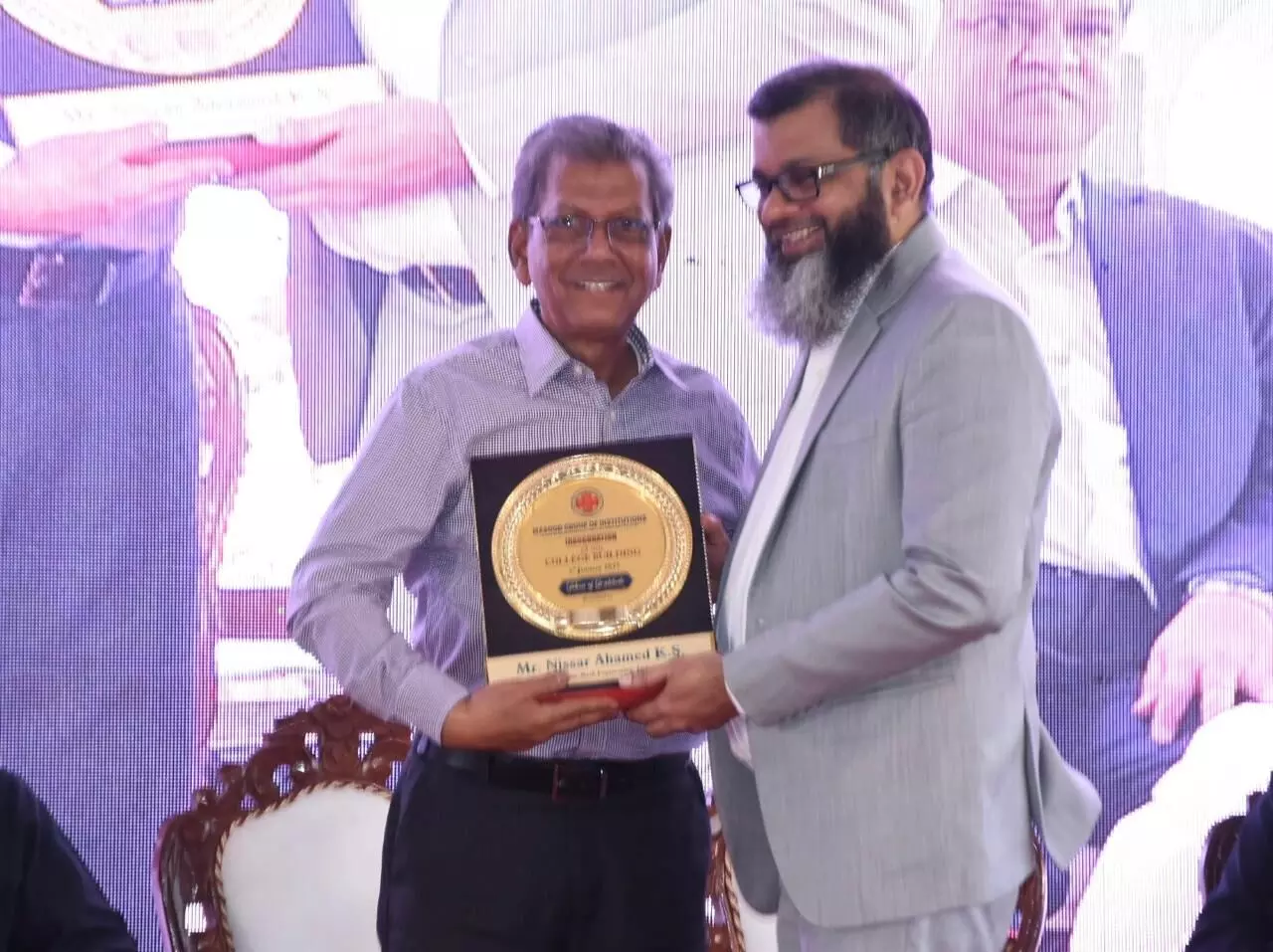
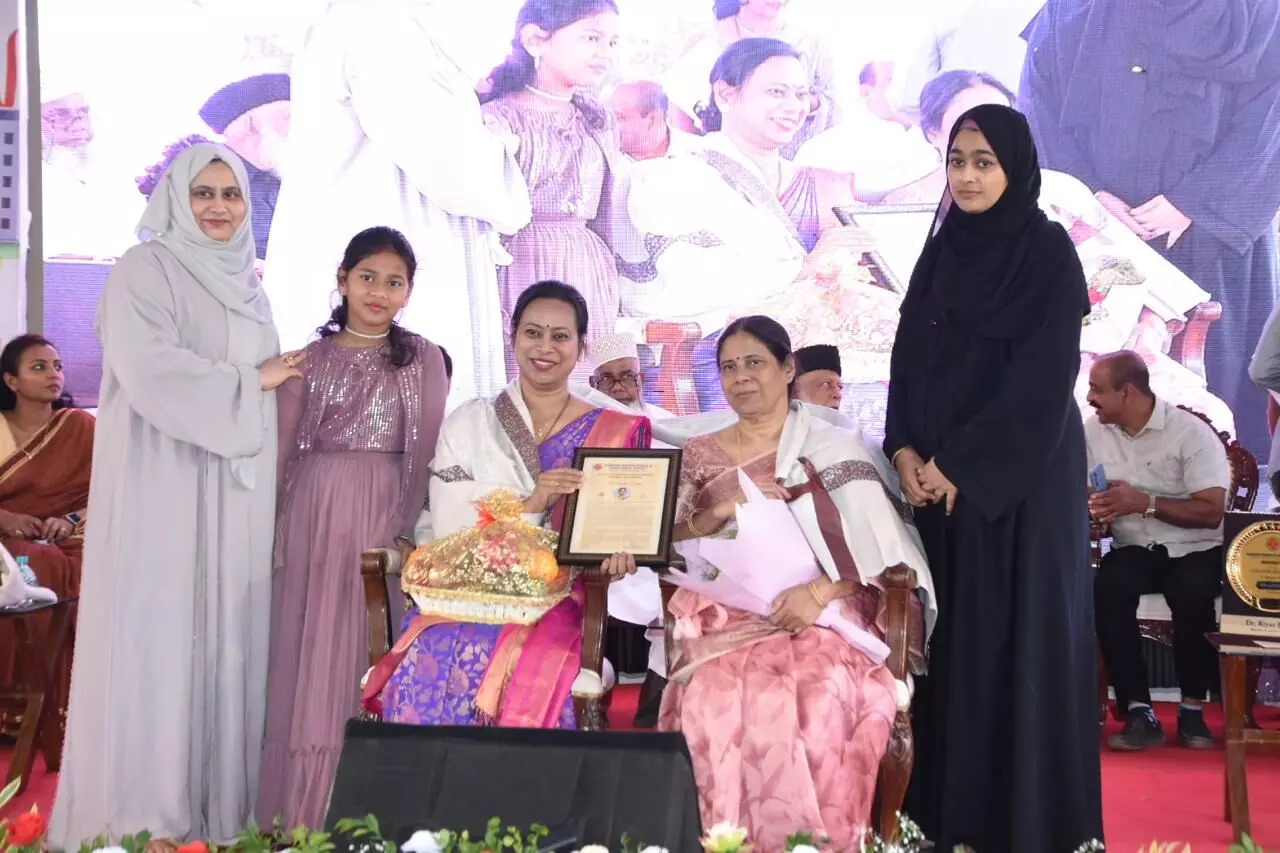
Several members of the staff and those contributing in the construction and development of new campus were felicitated during the event.
Arif Masood, Secretary, of Masood Educational and Charitable Trust welcomed the guests and gathering while his Asif Masood, Trustee of the group presented vote of thanks.
Former MLA of Mangalore South JR Lobo, KPCC General Secretary Inayath Ali, and SM Mustafa of New Bharath Infrastructure addressed the gathering.
Nissar Ahamed KS, Chairman, Nash Engineering Dubai, Bhaskar Moily, Corporator Mangalore City Corporation, Sridhar, Panchayath President Neermarga, Dhanvathi, Ex President Neermarga Panchayath, Dr. Vaishali, Senate Member of RGUHS, Dr. Haji UK Monu, Founder Chairman of Kanachur Group of Industries and Institutions, and others were present during the event.
source: http://www.english.varthabharati.in / Vartha Bharati / Home> Karavali / by Vartha Bharati / January 05th, 2025
Tonk has been renowned for its calligraphy, a centuries-old art form that has earned the nawabi city an esteemed reputation on the international stage. This rich cultural heritage continues to thrive through the dedication of talented artists.
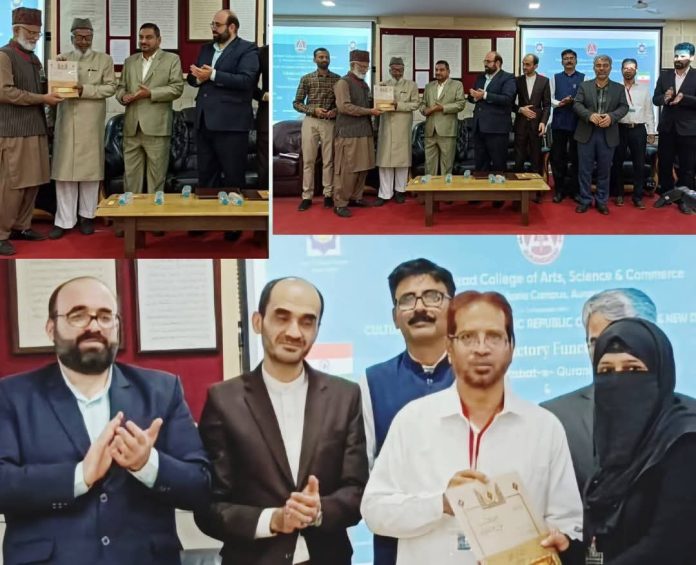
Recently, a national-level calligraphy competition was held in Aurangabad, attracting participants from across India, including Telangana, Maharashtra, Kashmir, and Rajasthan. Ustad Zafar Raza Khan and his student Shahjahan, both from Tonk’s Markaz-Talimul-Khutut institute, represented their city at the Second All-India Quranic Calligraphy Competition. The event was organised in collaboration with Maulana Azad College of Arts, Science, and Commerce (Aurangabad) and the Iran Culture House, Mumbai and New Delhi.
Participants were initially shortlisted based on online submissions of their work. Those selected were invited to the competition held on December 27. Among the contenders, Tonk’s calligraphers distinguished themselves, securing the top two honours and bringing glory to their city.
Ustad Zafar Raza Khan received high praise for his exceptional skill in the Nasta’liq script. While judges unanimously considered his work the finest, he was awarded the second prize due to international competition rules. These rules stipulate that if only one individual meeting the standard for first place remains in the competition, the top prize is withheld, and the second prize is awarded instead.
Shahjahan, another participant from Tonk, triumphed in the Naskh Arabic (Osmani Naskh) script category, winning first prize. Their achievements underscore the exceptional training provided at Markaz-Talimul-Khutut, a new institute established in Tonk on January 1, 2024.
The institute has rapidly gained prominence, thanks to its internationally acclaimed instructors, Ustad Zafar Raza Khan and Ustad Khurshid Alam. Both are celebrated as among the finest calligraphy masters globally. Their dedication has elevated the institute and inspired a new generation of artists to master this ancient art form.
The institute’s officials attribute their success to the hard work of their students and faculty, pledging continued efforts to preserve and promote the art of calligraphy. This achievement is a source of pride not only for Tonk but for Rajasthan and the entire nation.
source: http://www.radiancenews.com / Radiance News / Home> Latest News / by Raheem Khan, Radiance News Bureau / January 01st, 2025
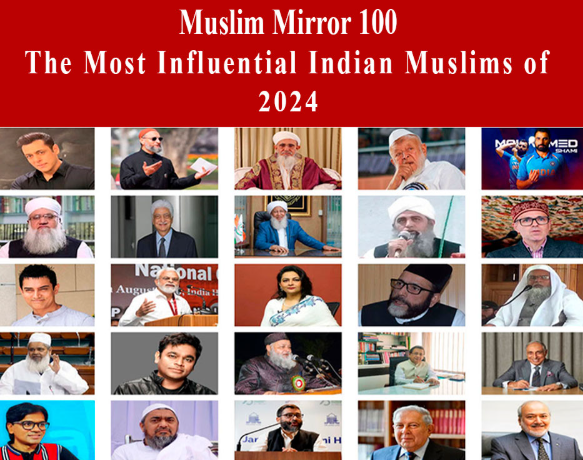
Muslim Mirror, in collaboration with the Minority Media Foundation, has released its highly anticipated list of the“100 Most Influential Indian Muslims of 2024.” This initiative, celebrated as a benchmark of excellence, acknowledges the remarkable contributions of Indian Muslims across various fields, showcasing their leadership and societal impact on a national scale.
A Mission to Shift Narratives
The project aims to counter the negative portrayal of Muslims often propagated by corporate-funded media serving political agendas. By curating this list, Muslim Mirror presents a positive narrative, celebrating the vibrant and diverse contributions of Indian Muslims to the nation’s development and society.
Comprehensive and Inclusive Representation
The selection process emphasizes inclusivity and diversity, representing achievers from Kashmir to Kanyakumari and Assam to Gujarat. The list spans a wide array of sectors, including politics, religion, activism, literature, entrepreneurship, academia, sports, and entertainment.
In an effort to reflect the broad spectrum of the Muslim community, individuals from all sects—Barelvis, Deobandis, Ahle Hadith, Shias, Bohras, and others—have been recognized. The selection underscores the community’s rich cultural and social diversity.
Spotlighting Leadership and Impact
The list features leaders from prominent Muslim organizations and unsung heroes who have made unparalleled contributions in their respective domains. Special attention was given to young achievers, whose recognition aims to inspire future generations of leaders.
Notably, the initiative also includes individuals facing legal challenges and imprisonment, underscoring the principle that they are accused, not convicted. This approach highlights their contributions despite the adversities they face, reaffirming the importance of justice and fairness.
A Rigorous and Ethical Selection Process
Selecting 100 individuals from a community of over 200 million posed significant challenges. Extensive consultations with grassroots representatives across India informed the process. A team of experts finalized the list, which is presented in alphabetical order due to the absence of a ranking mechanism.
While the team strived for accuracy and fairness, they acknowledged the possibility of unintentional exclusions. Readers and stakeholders are encouraged to provide suggestions for deserving individuals to be included in the 2025 list. To maintain ethical standards, members of the Muslim Mirror team and the Minority Media Foundation were not considered for the list.
The Muslim Mirror 100 serves as a testament to the exceptional contributions of Indian Muslims in shaping the nation. By shining a light on their achievements, the initiative not only celebrates their successes but also fosters a sense of pride and inspiration within the community.
As the list continues to evolve, it stands as a powerful reminder of the resilience, talent, and leadership within the Indian Muslim community, setting the stage for even greater accomplishments in the years to come.
source: http://www.muslimmirror.com / Muslim Mirror / Home> Big Story> Indian Muslim> Positive Story / by Muslim Mirror / January 03rd, 2025
Asar-us-Sanadid was published in 1847. Yet, Syed Ahmad Khan distresses over the ‘recent’ increase in Delhi’s population.
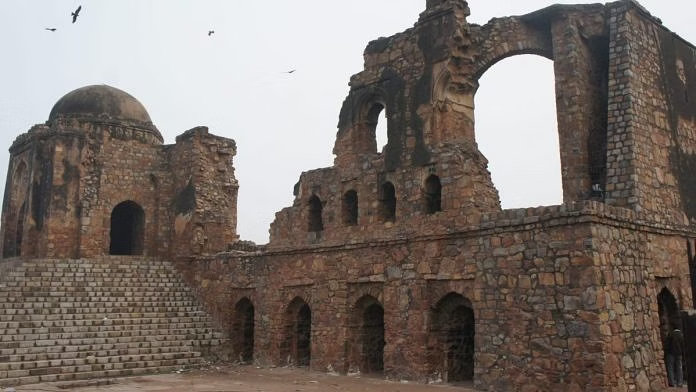
Ruins of Feroz Shah Kotla in Delhi | Commons
Delhi is introduced, interpreted, and celebrated all the time through walks, performances, talks and articles. But not many realise that the person who began telling the stories of Delhi was a young man in his 20s named Syed Ahmad Khan. Two centuries after he was born, his work Asar-us-Sanadid can now enjoy a wider readership because of its translation into English by Rana Safvi in 2018.
Syed Ahmad Khan was not the first writer to describe Delhi, but when he compiled his notes on the ‘remains of the great’ (asar-us-sanadid) into a book, he chose to write not in Farsi but in the accessible Urdu — making him a pioneer. Another first was that it appeared as a book rather than as a manuscript because his brother had just installed a new Urdu printing press in Delhi. Khan’s qualifications to write were not that of a narrow specialist. In those happy days, when education was not one fixed menu, he had studied science, mathematics, Farsi and Urdu. In his 20s, living in his family home in Shahjahanabad (present-day Old Delhi), Khan was a junior official in the East India Company, helping his brother publish an Urdu newspaper, and translating Farsi manuscripts.
Asar-us-Sanadid was published in 1847, and had a quality of eagerness explained by Khan learning the subject as he went along. Khan went to great lengths to transcribe inscriptions (‘He is climbing up with such enthusiasm/That people think he has some work in the sky’ was an affectionate comment about his swinging round the Qutub Minar in an improvised basket-and-poles contraption to read the inscriptions on the higher storeys). The artists’ drawings for the book were based on his own sketches.
There are very few extant copies of the original edition. The better-known second edition, published in 1854, bears the blue pencil marks of the Collector A.A. Roberts, who did a hatchet-job, reducing it by a half, adhering to chronology, giving British scientists a role in the Jantar Mantar project, removing all the poets and artists, and making it an altogether dull book.
Sights, sounds and silences
To Khan, historic architecture was not just patrons, materials, form and function. It was part of a continuous culture, nourished by new infusions. Political history, the overlapping cities and forts, the increasingly sophisticated elements in architecture – these became four-dimensional by reading mosques, dargahs and mazhars as sacred spaces, calm with the presence of mystics and scholars long departed. They were to be experienced in silence, reading the inscriptions, not listening to the patter of a guide. He delineates the complementarity of a vibrant urban culture —music, poetry, dance — and animated bazaars, the tranquil atmosphere of the countryside, fields and hills dotted with ruins. “The charm of the Delhi scene,” as historian Percival Spear would describe it a century later.
In a sentence that sounds startlingly contemporary, Syed Ahmad Khan is distressed by the “recent” increase in the city’s population, making it — and also the bracing hills of Mehrauli — unpleasantly congested. But he insists that “in spite of all these factors, the climate of Delhi is still a thousand times better than that of other cities.” The magnificent Mughal fort (remember that he was writing well before 1857) is described in the second chapter; Shahjahanabad in the third; the artists, poets and musicians in the fourth (the section captioned, charmingly, ‘The nightingale-like sweetly-singing people of Shahjahanabad on the outskirts of Paradise’).
Shining light on Delhi for other historians
It was a challenging task. Delhi’s landscape was not easy to read in the complete absence of any older accounts or images. There was overlap, modification (particularly in the Qutub Minar area), vandalism (of poet Abdul Rahim Khan-I-Khana’s tomb by the ruler of Awadh). As a teenager, Syed Ahmad Khan was interested in astronomy, so his distress over the neglect of Jantar Mantar is understandable. He would have liked to spend more time studying it: “I will need a separate book to describe the workmanship, use and effectiveness of these instruments.”
Mirza Ghalib, in the ‘Foreword’, describes his friend’s book as one that would “numb the hands of other writers.” Khan’s meticulous account of buildings, even those in ruins, became the template for later books in English. “He who undertakes to write the archaeology of Delhi must constantly seek for light in the pages of Syed Ahmed Khan’s interesting work on that subject,” wrote Carr Stephen in The Archaeology and Monumental Remains of Delhi (1876).
More than 20 years lapsed between Asar-us-Sanadid’s second edition and Stephen’s book. A world separated the two publications. Khan, posted in Bijnor (in present-day Uttar Pradesh), was not caught in the trauma of 1857 (the Great Revolt). Some of the poets he had listed in Asar-us-Sanadid — like Ghalib — sought relief by writing laments to their ravaged city. His own reaction was different. With a sense of grief at seeing an efficient machine derailed, Khan would write Asbab-e-Baghawat-e-Hind (The Causes of the Indian Rebellion) to understand what had gone wrong. His bond with Delhi was severed. He went on to become a distinguished public figure in north India, remembered today for the institution he founded, the Aligarh Muslim University.
Hopefully, reading Asar-us-Sanadid now will return the young Syed Ahmad Khan to us. The past is in many ways a foreign country, and to walk with a guide through towns of the past is an invigorating exercise.
This article is the first of an eight-part series on Reading A City with Saha Sutra on www.sahapedia.org, an open online resource on the arts, cultures and heritage of India. Read the series here.
Dr Narayani Gupta writes on urban history, particularly that of Delhi. Views are personal.
source: http://www.theprint.in / The Print / Home> Opinion> Sahapedia / by Narayani Gupta / December 01st, 2019
(From left) Lokaraj Urs (Founder, Madilu Seva Trust NGO), Veeresh, President, Suvarna Karnataka Chemists and Distributors Association, S. Manjunath, President, Mysore District Chemists and Distributors Association, C.K. Muralidharan, Ashok Kumar, Joint Secretary, Mysore District Chemists and Distributors Association and Nigin.
World’s youngest Head Master (HM) Babar Ali, who was in city recently, was felicitated by the office-bearers of Mysore District Chemists and Distributors Association.
source: http://www.starofmysore.com / Star of Mysore / Home> Photo News / December 31st, 2024
The All India Ideal Teachers Association (AIITA), after completing its 2020-2024 term, conducted elections for the new term 2025-2028 in New Delhi.
Delegates from across the country participated in the process and elected Abdul Rahim Sheikh from Maharashtra as national president for the next session. Mukhtar Kotwal will serve as general secretary.
Elections were also held for state presidents, and Khalid Akhtar was elected president of AIITA Rajasthan. Mohammad Yunus Ansari was nominated as state secretary.
State Advisory Council Members are Abdul Hameed Rangrej, Qari Mohammad Ishhaq, Mohammad Juned, and Ansar Ahmed from Jaipur; Mohammad Shakir, Makrana; Khalid Akhtar, Sikar; and Mohammad Yunus Ansari, Mangrol.
AIITA is functioning nationwide among teachers with objectives to improve the declining moral standards of educational institutions, to prevent the commercialisation of education, to make society aware of the respect for teachers, to curb the growing trend of violence among students, to inspire students to become good human beings, and to keep the curriculum free from communalism.
source: http://www.radiancenews.com / Radiance News / Home> Latest News> Report / by Raheem Khan, Radiance News Bureau / December 30th, 2024
Haleema Mizna, a local resident, has achieved a remarkable milestone by clearing her Chartered Accountancy (CA) exams in her first attempt. The results were announced on Friday.
Haleema began her education at The Yenepoya School and later completed her Pre-University education at St. Agnes College. She pursued her CA studies at St. Aloysius Evening College in Mangaluru and completed her articleship under CA Narendra Pai.
Haleema is the daughter of SM Saleem and Fathima Naseera. Her achievement has brought pride to her family and community, marking an accomplishment in the competitive field of Chartered Accountancy.
source: http://www.radiancenews.com / Radiance News / Home> Latest News> Report / by Mohammed Atherulla Shariff, Radiance News Bureau / December 28th, 2024
Prof. S.M. Khan, Department of Psychology, Aligarh Muslim University delivered a talk on “Feasibility of Project Management – Generative AI”, at Hindustan Institute of Management & Computer Studies (HIMCS), Sharda University, Farah, Mathura.
Prof. Khan delved into the practical applications of GenAI in various facets of project management, including risk management, resource allocation, project planning and scheduling and communication and collaboration throughout the project lifecycle.
source: http://www.radiancenews.com / Radiance News / Home> Latest News> Report / by Radiance News Bureau / December 28th, 2024