Tag Archives: Muslim Women of India

10 Muslim women who shine while running institutions

INDIA :

Representational Image

New Delhi :

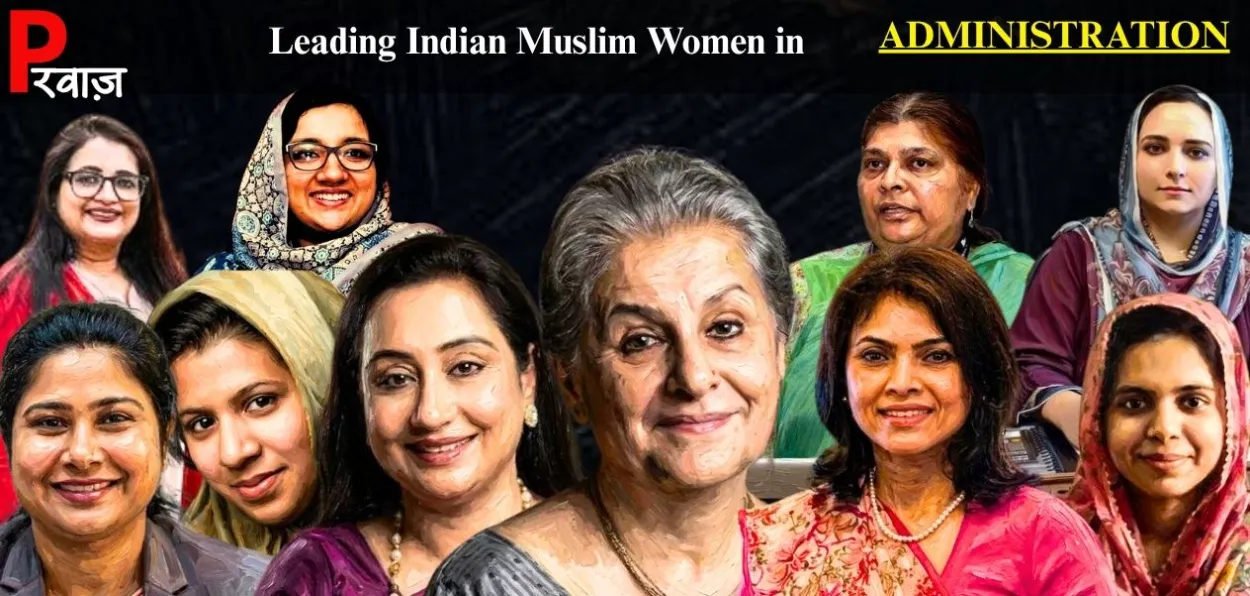
Across India’s administrative corridors, diplomatic missions, universities, welfare departments, and heritage institutions, a generation of Muslim women is redefining leadership through intellect, perseverance, and public service. Their journeys are rooted in struggle, shaped by education, and driven by a deep commitment to society.

Under the Parvaz series, Awaz-the Voice brings you the stories of ten such Muslim women, whose lives and work should become an inspiration for all women in India.

Adeeba Anam Ashfaq Ahmed Shaikh
Adeeba Anam Ashfaq Ahmed Shaikh

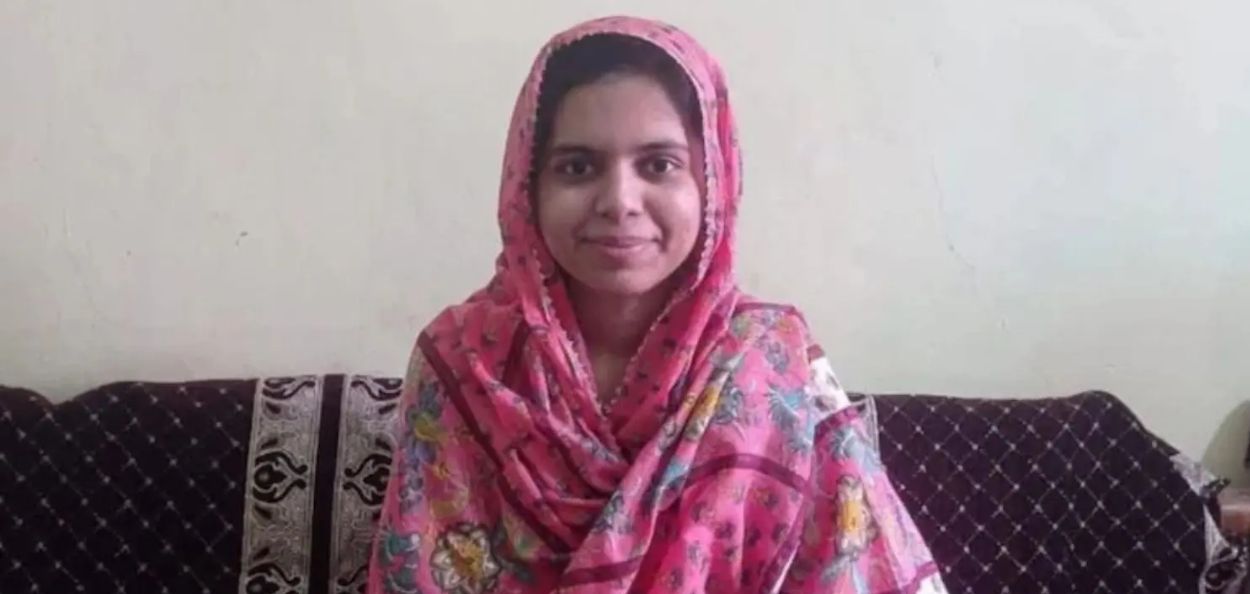
Adeeba Anam Ashfaq Ahmed Shaikh’s journey from a modest home in Yavatmal to becoming Maharashtra’s first Muslim woman IAS officer is a story of determination overcoming adversity.

The daughter of an auto-rickshaw driver, she rose above financial hardship, repeated failures, and social prejudice to secure All India Rank 142 in UPSC 2024. Her success stands as a beacon of hope for countless girls from rural and marginalised communities who dream of changing their destinies through education and hard work.

Dr Adeela Abdulla
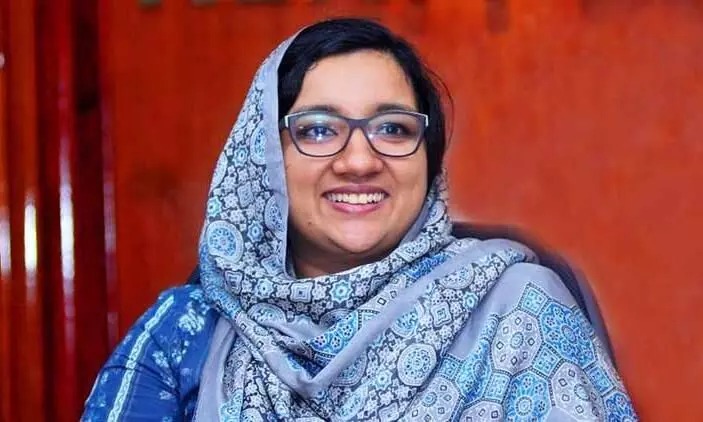
Dr Adeela Abdulla

Dr Adeela Abdulla represents a compassionate and thoughtful face of governance in Kerala. One of the early Muslim women from Malabar to join the IAS, she has played a vital role in strengthening social welfare systems and urban governance.

Whether through her work in Kerala’s Solid Waste Management Project or as Special Secretary in the Social Justice Department, her leadership reflects empathy, accountability, and a deep commitment to human dignity, particularly for vulnerable sections of society.

Dr Chabina Hassan
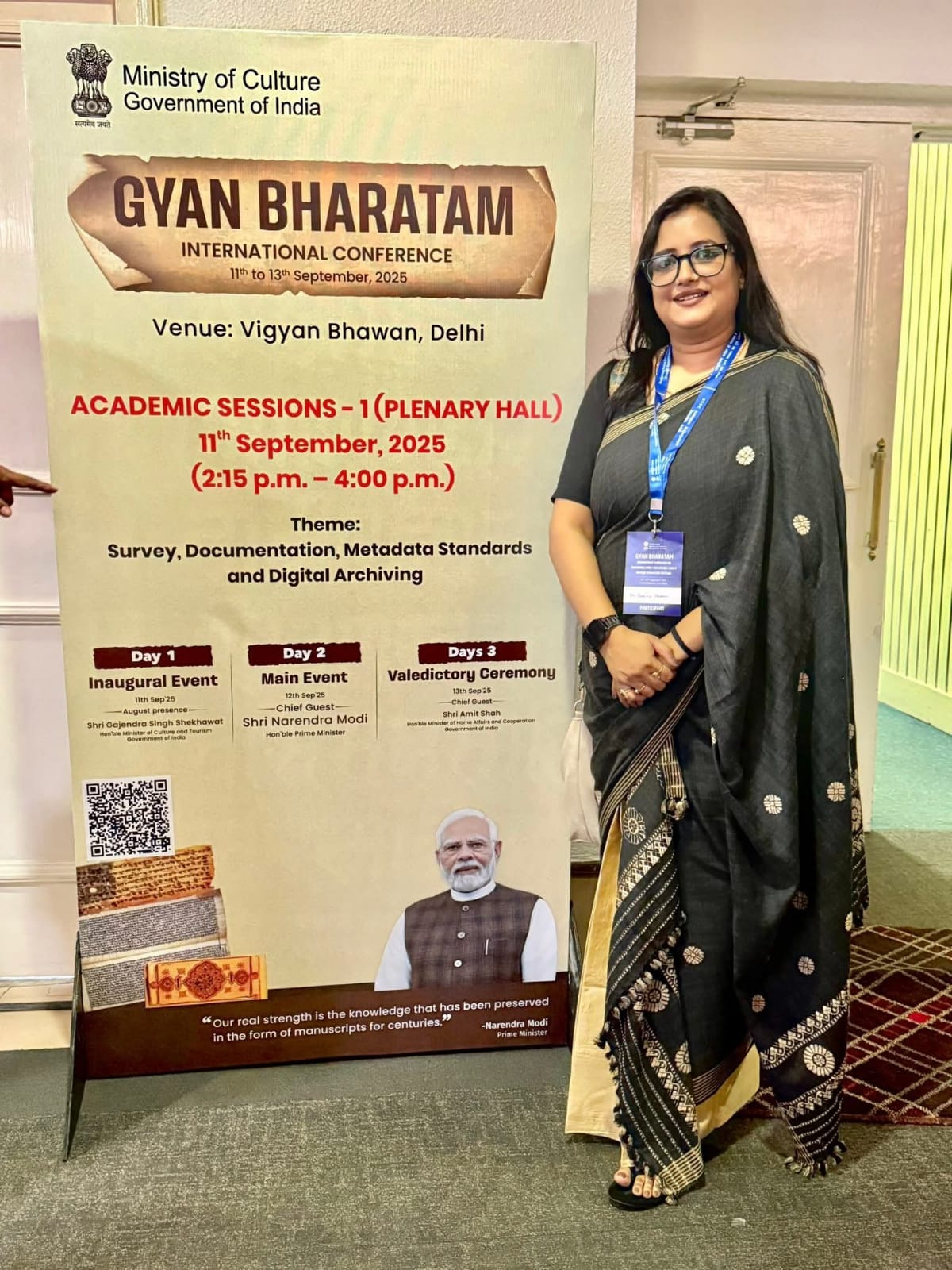
Dr Chabina Hassan

In Assam, Dr Chabina Hassan has emerged as a powerful force in heritage conservation and archaeology. As Deputy Director at the Directorate of Archaeology, Assam, she played a key role in securing UNESCO World Heritage recognition for Charaideo Maidam and made groundbreaking discoveries in Dima Hasao.

Balancing motherhood, academics, and fieldwork, she has transformed archaeology into a bridge connecting communities with their cultural roots while inspiring younger generations to value history and preservation.

Dr Syed Sehrish Asgar
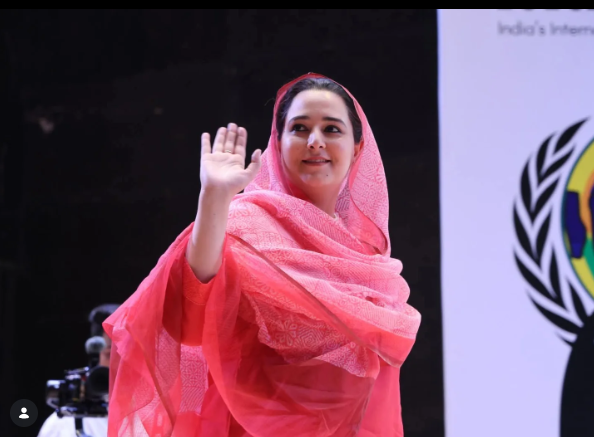
Dr Syed Sehrish Asgar

Dr Syed Sehrish Asgar’s career reflects excellence, resilience, and transformative public service. A doctor by training, she topped the J&K Administrative Services examination in 2010 and later secured AIR 118 in UPSC.

From becoming Budgam’s first woman Deputy Commissioner to spearheading initiatives like the SAATH programme that empowered over five lakh rural women through Self Help Groups, her administrative journey has been marked by innovation and social impact.

Her recognition with the Prime Minister’s Award for Excellence in Civil Services further highlights her contributions to governance and public welfare.

Naghath Tabassum Abroo
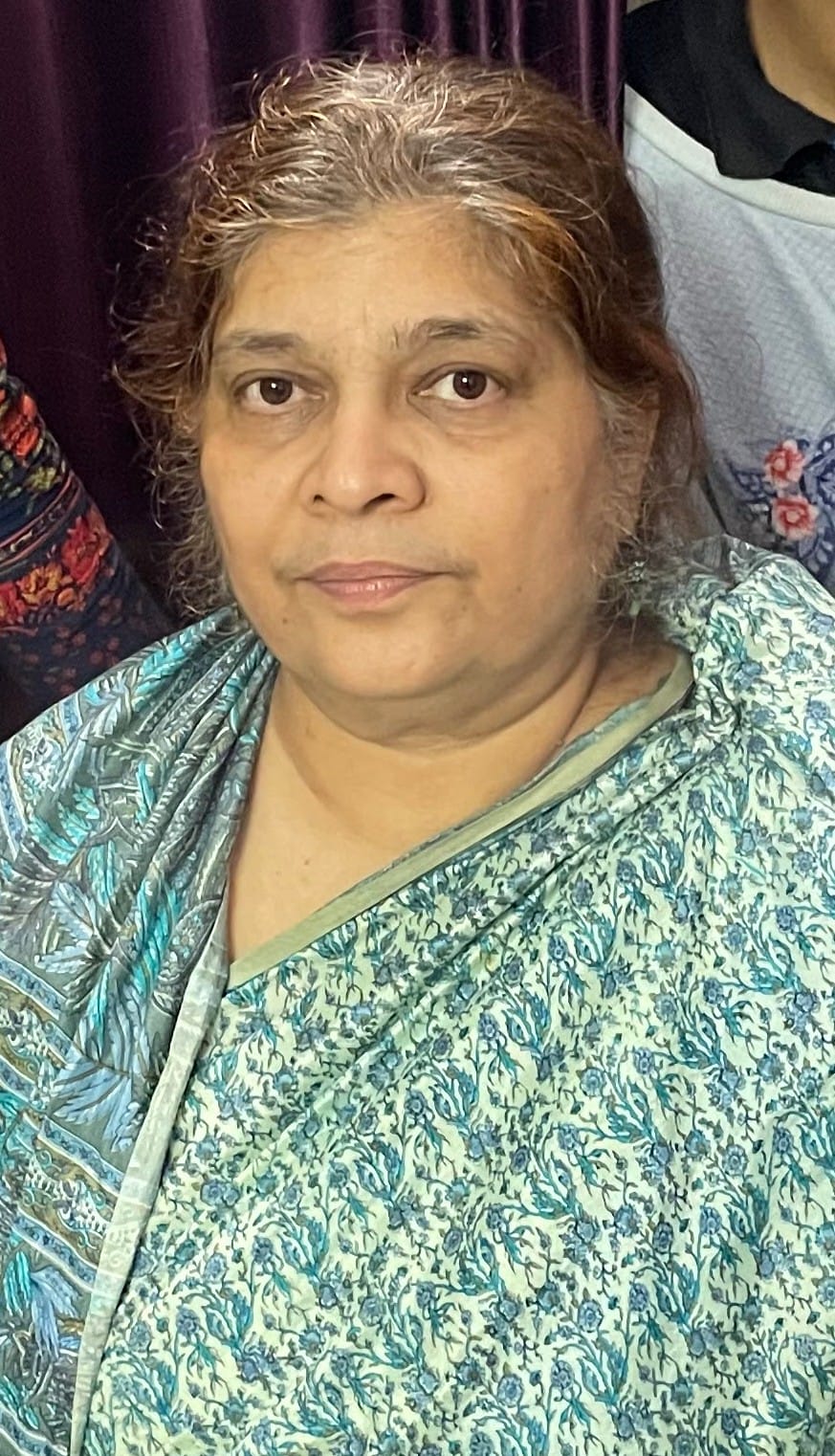
Naghath Tabassum Abroo

Naghath Tabassum Abroo’s life story is deeply rooted in the strength of family values, education, and perseverance. After a decade-long break from academics due to marriage and motherhood, she returned to secure third rank in the KPSC examination and later rose to become one of Karnataka’s pioneering Muslim women IAS officers

Through initiatives in women’s welfare, sanitation, healthcare, and e-governance, including Bengaluru One and Khajane II, she demonstrated how compassionate leadership and administrative innovation can improve public systems and people’s lives.

Nagma Mohammad Mallick
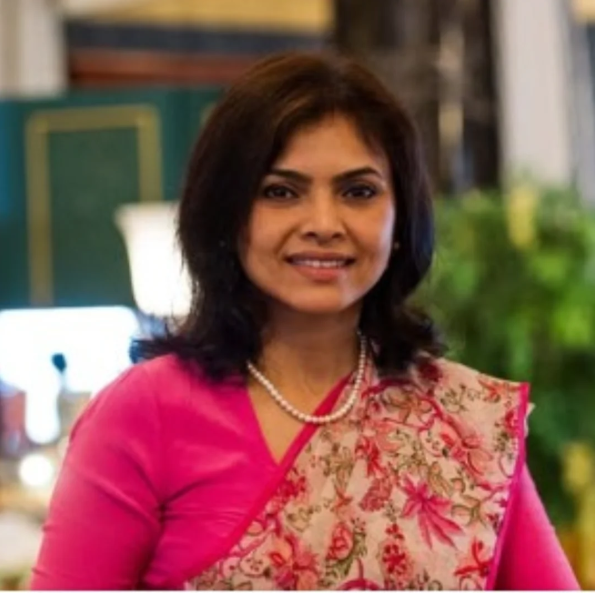
Nagma Mohammad Mallick

Nagma Mohammad Mallick carved history as India’s first Muslim woman IFS officer and built a distinguished diplomatic career through quiet yet impactful service. Currently serving as India’s Ambassador to Japan and the Marshall Islands, she has represented India in several countries while strengthening international partnerships in diplomacy, technology, and economic cooperation.

Through her thoughtful articulation of democracy, dialogue, and non-violence, Mallick has projected India’s values on the global stage with dignity and restraint.

Nahida Zam Zam
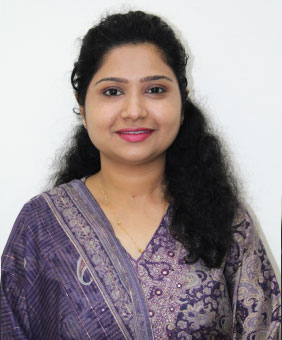
Nahida Zam Zam

Nahida Zam Zam has become known as a fearless and people-centric administrator in Karnataka. Through her public speeches and grassroots engagement, she consistently advocates for women’s empowerment, education, and freedom of thought.Her dedicated fieldwork during the COVID-19 pandemic, even while pregnant, earned her admiration as a compassionate officer deeply connected with ordinary people.

Whether speaking to students, women, or marginalised communities, she challenges restrictive social norms and encourages self-reliance and awareness.

Syeda Saiyidain Hameed
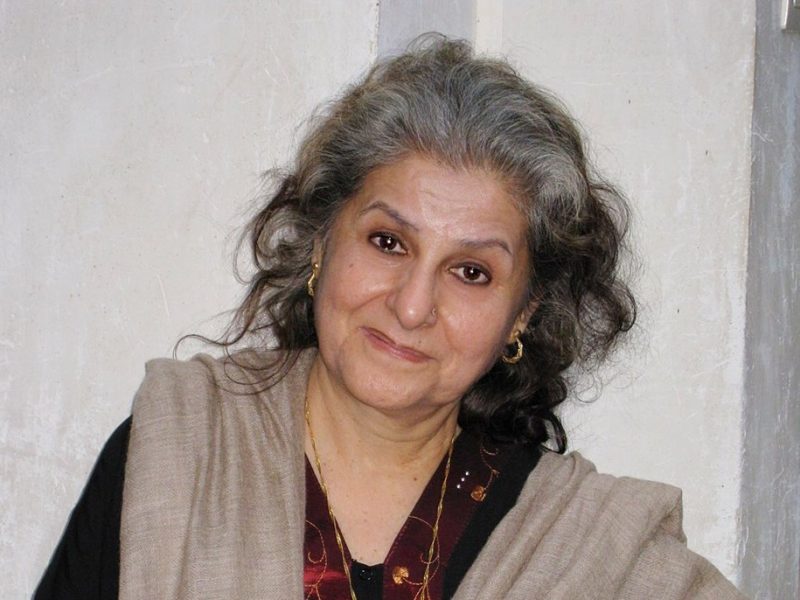
Syeda Saiyidain Hameed 

Syeda Saiyidain Hameed stands as one of the most influential voices for women’s rights, peace, and social justice in India. An acclaimed author, educationist, former member of the Planning Commission, and member of the National Commission for Women, she has devoted her life to defending human rights and promoting dialogue across communities.

As a founder of the Muslim Women’s Forum and Women’s Initiative for Peace in South Asia, she worked tirelessly for peace-building efforts between India and Pakistan, proving that courage and compassion can coexist in public life.

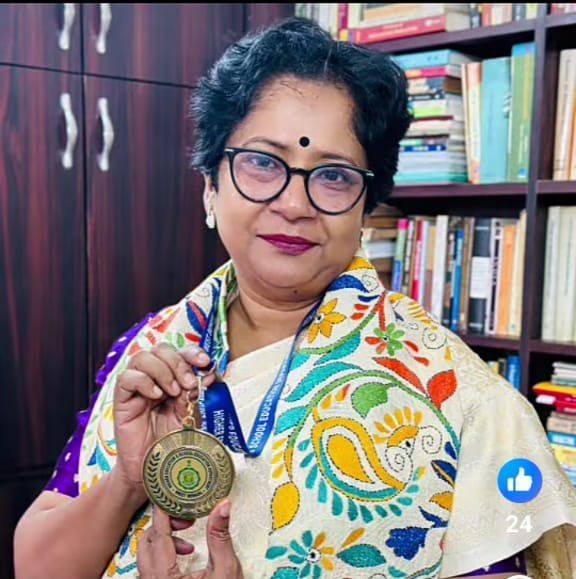
Professor Shabina Nishat Omar
Professor Shabina Nishat Omar 

Professor Shabina Nishat Omar has emerged as a dynamic symbol of academic leadership and women’s empowerment in West Bengal. With over twenty-five years in education and administration, she has transformed institutions through her leadership while advocating inclusive education, digital literacy, and gender awareness.

As an educator, speaker, and administrator, she continues to inspire young people to view education not merely as a profession, but as a powerful tool for social transformation and self-reliance.

Zaynab Syed
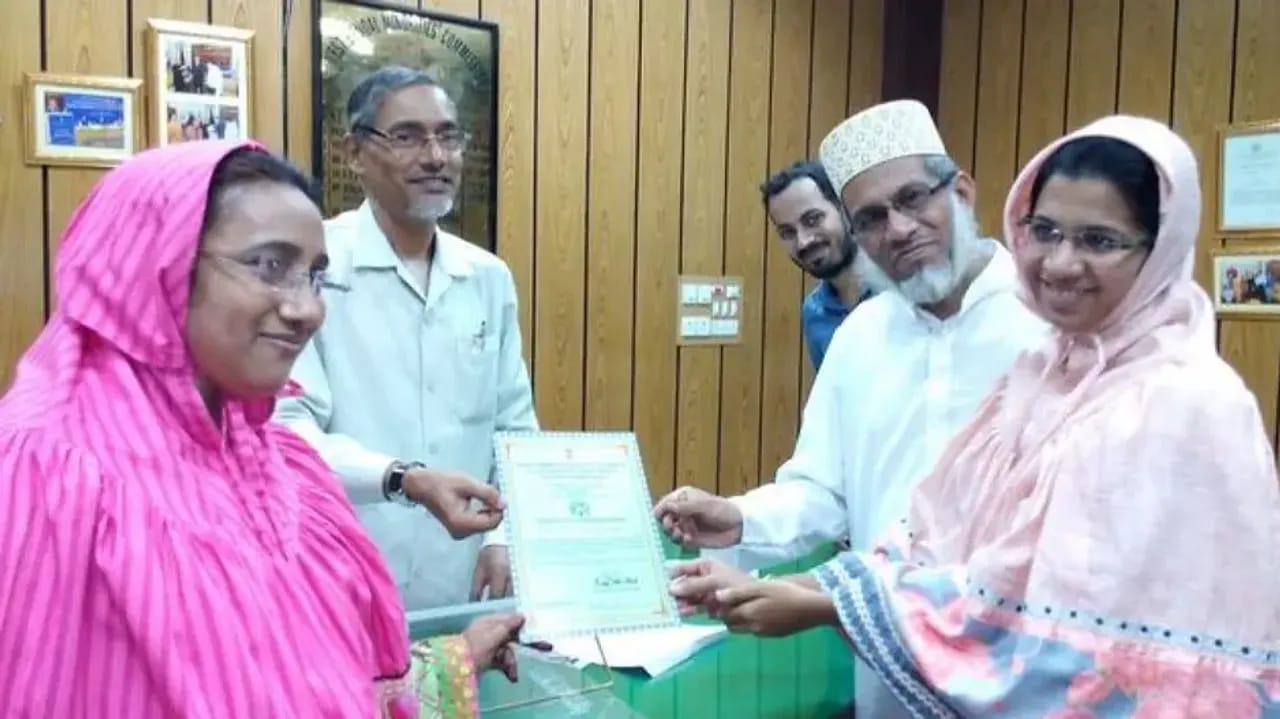
Zaynab Syed

Zaynab Syed’s journey reflects perseverance, discipline, and dedication to public service. From overcoming repeated failures in the civil services examination to securing an All India Rank 107, she proved the power of resilience and self-belief. Today, through her role at TRIFED, she works to strengthen tribal livelihoods and expand economic opportunities for artisans and self-help groups across eastern India.

Her story demonstrates how determination and commitment can turn setbacks into opportunities to serve society meaningfully.

By breaking barriers and creating spaces for future generations, they are not only shaping institutions but also redefining what leadership looks like in contemporary India.

source: http://www.awazthevoice.in / Awaz, The Voice / Home> The Changemakers / by Vidushi Gaur /May 30th, 2026
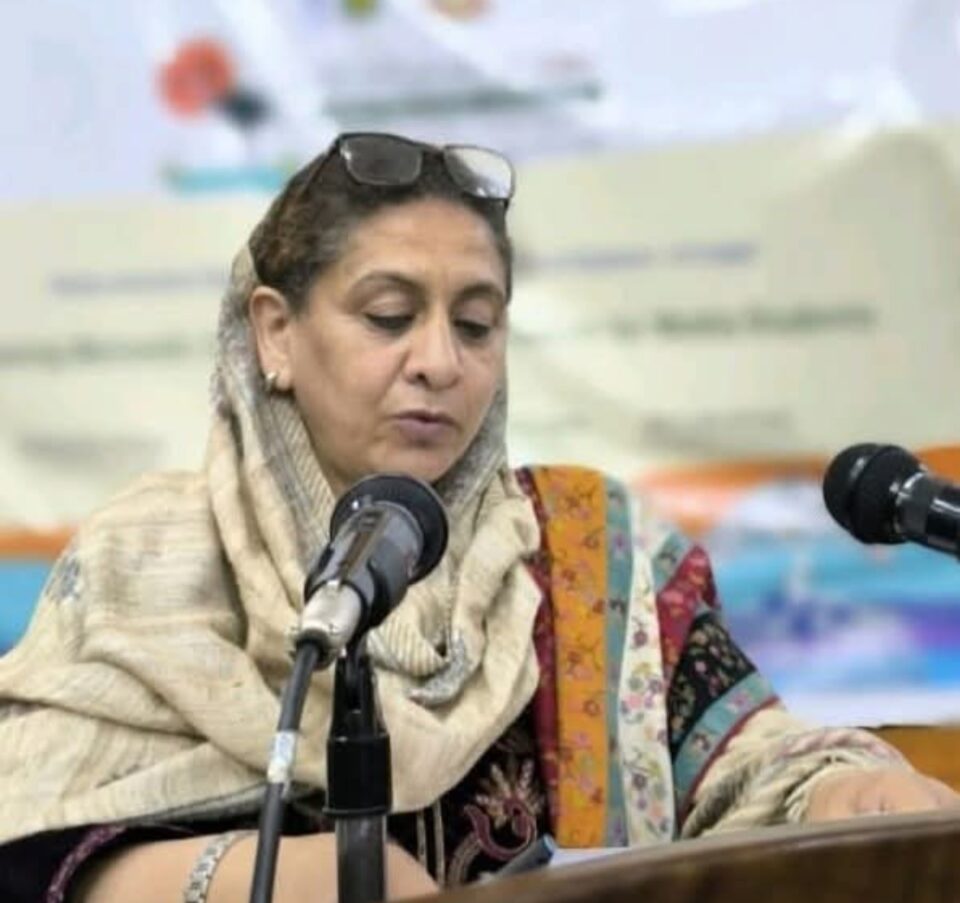
Prof Sabeha Mufti assumes charge as Dean Social Sciences KU

JAMMU & KASHMIR :

Srinagar :

Prof. Sabeha Mufti assumes charge as the Dean, Faculty of Social Sciences, University of Kashmir. Currently serving as the Head of the Media Education Research Centre (MERC), Prof. Mufti brings with her rich academic experience, distinguished scholarship, and an extensive contribution to media studies and social science research.

Prof. Mufti holds a Ph.D. in Mass Communication & Journalism from the AJK Mass Communication Research Centre, Jamia Millia Islamia, and an M.Phil from University of Kashmir. Her academic work has largely focused on media research and media sociology, with significant contributions in areas such as media and representation of women, media and development in society, media audiences, and contemporary communication studies.

A distinguished scholar and academic, Prof. Mufti has published several research papers in reputed journals and has actively participated in numerous national and international conferences and seminars. Over the years, she has also guided and supervised a good number of M.Phil and Ph.D scholars, contributing immensely to research and academic mentorship in the field of media and social sciences.

The University fraternity extends heartfelt congratulations to Prof. Sabeha Mufti on assuming this important academic responsibility and wishes her continued success in strengthening teaching, research, and academic excellence in the Faculty of Social Sciences.

source: http://www.kashmirindepth.in / KINS Communication / Home> Breaking News> Kashmir / by Zainab Hamdani / May 23rd, 2026

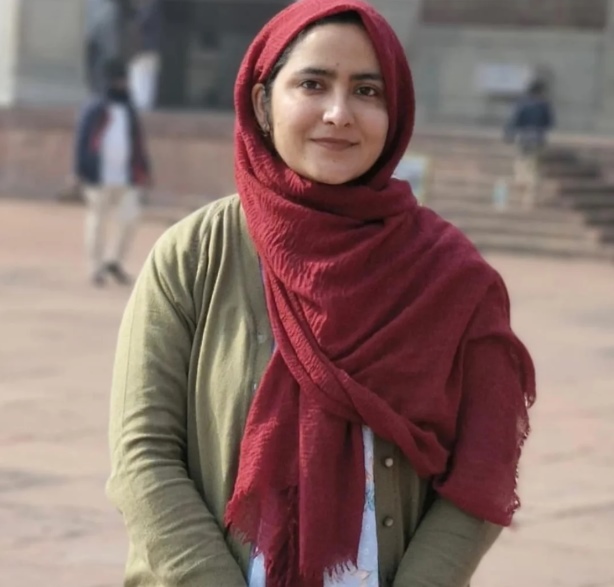
Dr. Naila Majid Bags IAUA Outstanding Ph.D. Thesis Research Award

Hazratbal (Srinagar), JAMMU & KASHMIR :

Dr. Naila Majid has been selected for the IAUA Outstanding Ph.D. Thesis Research Award 2025 under the Social Sciences category.

Hailing from Hazratbal, Srinagar, Naila did her Ph.D. in Fisheries Extension from Central Institute of Fisheries Education, Mumbai in 2025 under the Indian Council of Agricultural Research (ICAR). She is currently working as assistant professor in Sher-e-Kashmir Institute of Agricultural Sciences and Technology (SKUAST), Srinagar.

This prestigious recognition by the Indian Agricultural Universities Association (IAUA) highlights exceptional research contributions across key disciplines including Crop Sciences, Horticultural Sciences, Animal Sciences, Fisheries Sciences, Natural Resource Management, Agricultural Engineering, and Social Sciences.

Her achievement reflects dedication, innovation, and commitment to advancing knowledge that contributes to sustainable development and society.

source: http://www.radiancenews.com / Radiance News / Home> Pride of the Nation> Awards / by Radiance News Bureau / May 23rd, 2026

‘Talat Mahmood: The Definitive Biography’ is a befitting introduction to a singing genius

Lucknow, UTTAR PRADESH / Mumbai, MAHARASHTRA :

The book reads more like a collection of anecdotes

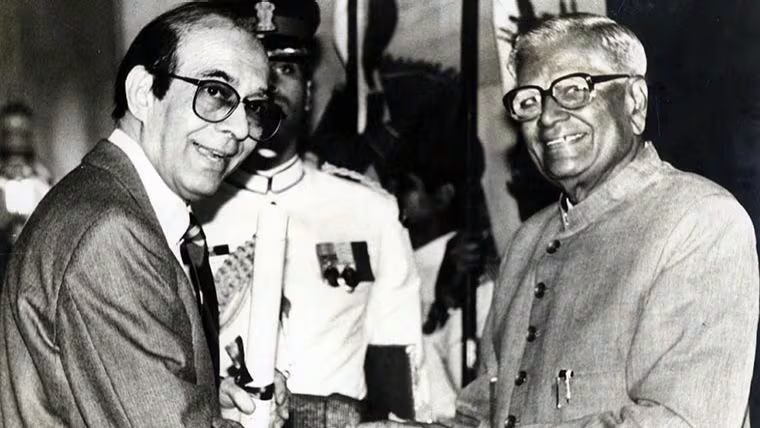
Nation’s pride: Talat Mahmood receiving Padma Bhushan from president R. Venkataraman in 1992 | P. Musthafa

To encapsulate the life of a man often described the ‘King of Ghazals’, though he was much more than that, is no easy task. Just for attempting that, Sahar Zaman deserves applause.

” Mahmood’s musical life was a rich amalgamation of traditions and languages “

Talat Mahmood, born in Lucknow and trained at what was then the Marris College of Music (now Bhatkhande Sanskriti Vishwavidyalaya) was a singer unlike any other. His natural velvet voice bore a slight quiver. It is a quiver which singers take years to cultivate. Musically termed vibrato, this quick and subtle change of voice between notes which are pitched very closely conveys emotions more powerfully than lyrics. When used without dedicated cultivation, a vibrato sounds contrived and the unevenness of breath can be made out by the trained ear; but when it comes naturally, it is as smooth as the wax and wane of emotion. Yet, in his early years in Mumbai, Mahmood strove to hide this unique quality, attempting often to sing in the nasal tones of his idol K.L. Saigal. This would not last long as Anil Biswas, a composer he had worked with for long, angrily walked out of a recording studio asking Mahmood to return only when the real Talat was found.

Ghazals came first to Mahmood because of his affinity with Urdu, and also because of the cultural bearings at home. His father, Manzoor Mahmood, who was a member of the Indian Medical Mission to Ottoman, would often sing to pep up his fellow travellers, while his sisters were flawless renderers of the nath (songs in praise of the Prophet), and his elder brother, Kamal, too, had a rich singing voice. While everyone in the family had strong voices with good throws, Mahmood’s was tuned differently. It was far gentler, almost like a dewdrop caressing a rosebud. It was the kind of voice that could dull the impact of the unkindest of blows. In the 2022 release Gangubai Kathiawadi, for instance, when the lead character learns of being sold to a brothel by her boyfriend, there is a snippet of a song that plays in the background. Mahmood’s voice is like a gentle nuzzle that softens the harsh truth.

Pathos was the most marked emotion of Mahmood’s voice. It was the embodiment of a disembodied, deep sadness. No wonder then that ‘Tragedy King’Dilip Kumar spoke of him as the ‘true musical speaker of my soul’.

Mahmood’s musical life was a rich amalgamation of traditions and languages. Under the name Tapan Kumar, he was a leading voice of the modern Bengal Music movement in which lyrics became as important as the music. He sang in 16 languages including Malayalam, Tamil and Kannada. And while you can close your eyes and imagine him most readily as a dejected Dilip Kumar pictured behind gauzy, fluttering curtains singing ‘Shaam-e-Gham ki qasam’ (On the promise of this sadness soaked evening), close them for some more time and you will just as easily picture him as a boyish Raj Kapoor singing ‘Main dil hun ek armaan bhara’ (I am a heart full of desires), a song that lends itself most readily to the waltz.

As a singer he had many firsts to his name, including being the pioneer of world tours. His pleasant face (which incidentally is also the meaning of Talat) made him a singing-actor and he also dabbled in composition. To audiences in the USA, he was introduced as the Frank Sinatra of India. He became a recognised voice, courtesy All India Radio, at just the age of 16. The book records a delightful incident in which the young Mahmood was accosted by a group of girls in Lucknow to sing as he cycled his way to his music college. Among that gaggle of fans was Qurratulain Hyder, who would go on to become a famed Urdu writer.

He was also a man deeply devoted to the larger cause of his art. He raised his voice for the payment of royalties to singers and also became a part of programmes to raise funds for senior, out-of-work artists. He joyfully gave away songs to Mukesh when he was going through a rough patch. His delight in singing for troops and in encouraging new talent all made him a perfect gentleman, a word often used in the book to describe him.

Biographies can never be divorced from the times that their subjects lived in. Thus, we read in bits about the decline of the film industry in Kolkata after the partition of Bengal, the government’s press for the Bhoodan movement, for which Mahmood sang; the start of recordings in sound-proof rooms; the introduction of multi-instrument orchestra for playback singing; and the rise of version songs. We also read of how the Partition tore apart Mahmood’s family. In a particularly poignant recollection, his father asked his elder son who would water the plants in the courtyard if he left for Pakistan (he did anyway).

The book at places digresses from a linear telling of Mahmood’s story and moves to talking about other stars of the time. This could appear jarring to some, but it is perhaps inevitable given that Mahmood’s journey was intertwined with those of others. One example being that of the actor Shyam, whose death resulting from an accident on a film set is talked about in some detail, to later merge it with the fact that his last three songs, sung by Mahmood, became ‘locked’in his voice.

If you are looking for a book which offers an undeviating narrative of Mahmood’s life, this perhaps is not it. This book reads more like a collection of anecdotes―some known, some not so well known. His gentleness is a quality emphasised throughout the book. He earned it perhaps from spending his formative years with his paternal aunt Mahlaqa Begum. We also come to know that he was a keeper of his words―both to friends and the girlfriend he left in Kolkata.

To those who have known the music of Mahmood, this book is a ready reckoner of his songs and will send you to listen to those you have loved and search for those you have forgotten. To those who do not know the music of Mahmood, take this as a befitting introduction to a singing genius. To do both in under 500 pages, in easy language, peppered with countless photos of the handsome Mahmood, is Zaman’s biggest achievement.

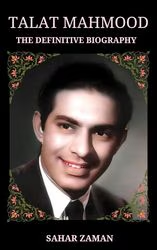
TALAT MAHMOOD: THE DEFINITIVE BIOGRAPHY / Author: Sahar Zaman / Pages: 480

source: http://www.theweek.in / The Week / Home> TheWeek / by Puja Awasthi / February 11th, 2024

10 Muslims women academicians of India

INDIA :

10 Muslim women academicians of India

New Delhi :

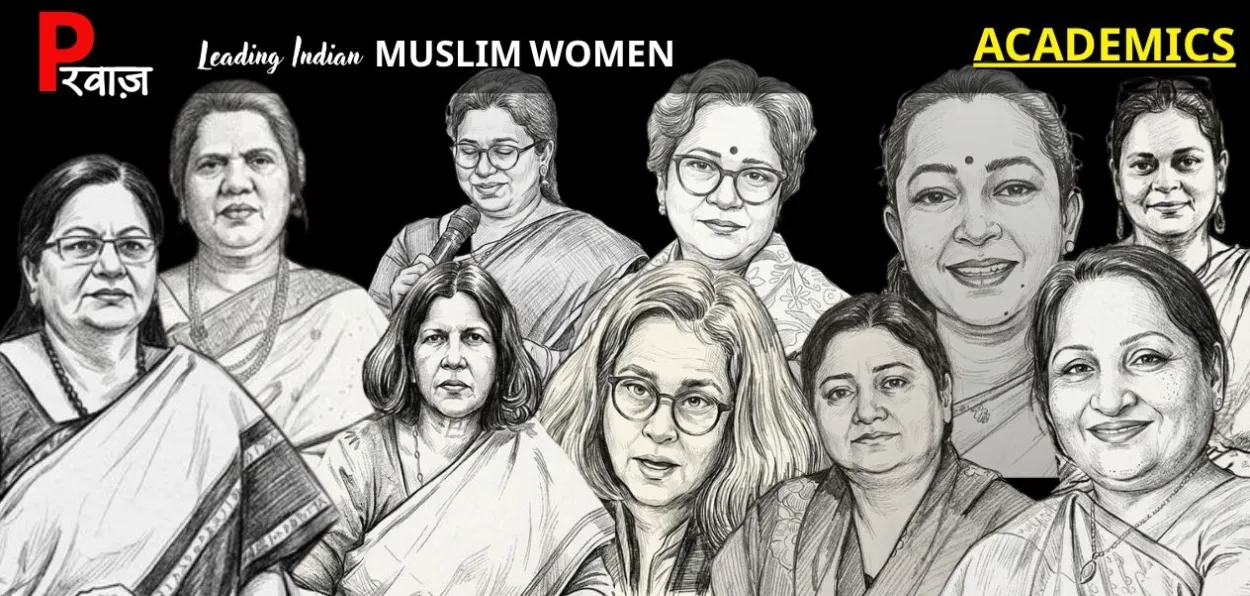
In its series Parvaz, Awaz-the Voice brings you stories of remarkable Muslim woman academicians, whose work across India’s universities, research institutions, and centres of learning, has redefined scholarship.

Their journeys span literature, history, science, social reform, diplomacy, and educational leadership, yet they are united by a shared belief that knowledge must serve society. Through classrooms, research labs, policy platforms, and grassroots engagement, these women have not only broken barriers but have created pathways for future generations.

Here is an introduction to ten selected Muslim Women Academicians of India:

Arjumand Ara :

Arjumand Ara stands as a distinguished scholar of language, literature, and feminist thought. A professor at University of Delhi, she has translated more than twenty major literary works and earned the Sahitya Akademi Translation Award in 2021.

Through her scholarship, she has built enduring bridges between Urdu and Hindi while preserving literary heritage and amplifying women’s voices.

Syed Tanveer Nasrin :

Syed Tanveer Nasrin has brought together scholarship, diplomacy, and social activism with rare distinction. Serving at University of Burdwan, she strengthened India’s cultural ties with the Maldives during her tenure in Malé while emerging as a respected voice on women’s rights, minority identity, and interfaith harmony.

Educated at Presidency College, Jadavpur University and JNU, she specializes in Gender Studies.

Abeda Inamdar :

Abeda Inamdar chose service over security when she left a prestigious government career to dedicate herself to education.

Through the Maharashtra Cosmopolitan Education Society and the celebrated Azam Campus, she has transformed educational opportunities for thousands of girls and marginalized students, creating institutions that continue to uplift generations.

Benazir Tamboli :

Benazir Tamboli turned personal adversity into a lifelong mission of empowerment and justice.

Through her work with the Muslim Satyashodhak Mandal and educational institutions, she has emerged as a fearless advocate for Muslim women, constitutional rights, and progressive social reform.

Naima Khatoon :

Naima Khatoon created history in 2024 by becoming the first woman Vice Chancellor of Aligarh Muslim University.

A renowned psychologist, author, and academic leader, she is steering institutional reforms, research excellence, and women’s empowerment while modernizing one of India’s most iconic universities.

Najma Akhtar :

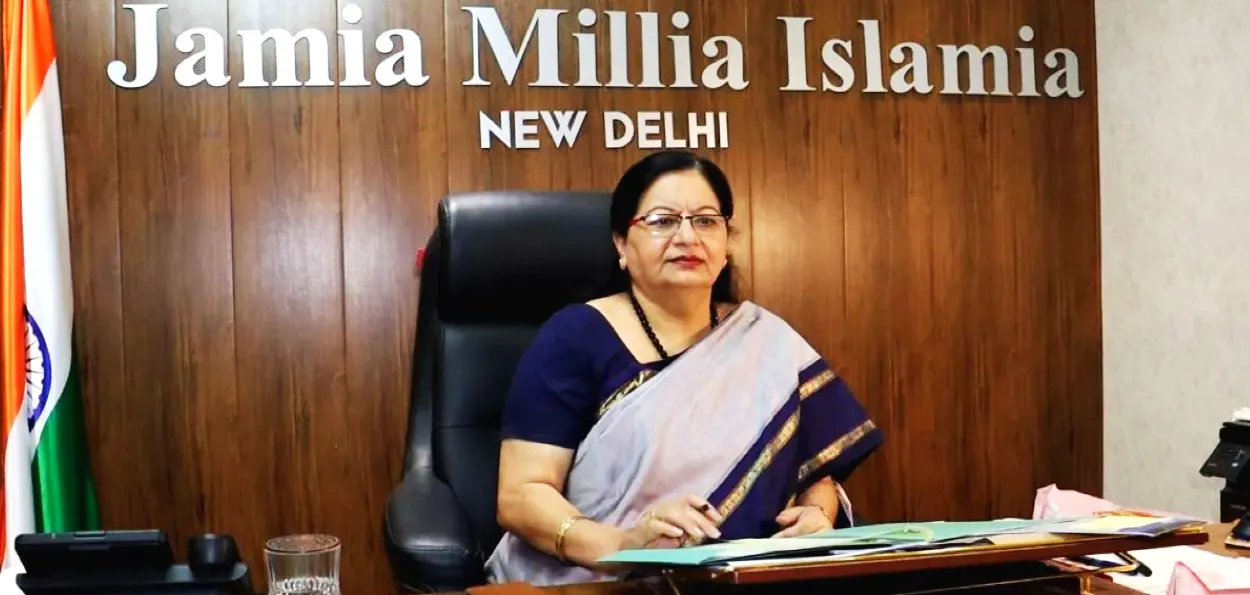
Najma Akhtar broke another glass ceiling as the first woman Vice-Chancellor of Jamia Millia Islamia. A recipient of the Padma Shri, she introduced transformative reforms, expanded professional education, and helped shape Jamia’s emergence as a globally respected academic institution.

She is also the first woman to hold the post in JMI. In 2022, she was awarded with Padma Shri by the Government of India.

Nilofer Khan :

Nilofer Khan became the first woman to lead the University of Kashmir, marking a historic moment for higher education in the region. With nearly four decades of academic service and over a hundred research publications, she continues to inspire women to aspire to leadership in academia.

Shahida Murtaza :

Shahida Murtaza has spent over three decades documenting the realities of marginalized women across southern India. A former Dean at Maulana Azad National Urdu University, she has turned ethnographic research into a powerful mission for gender justice, awareness, and grassroots empowerment.

Sofia Banu :

Sofia Banu represents the growing force of women in scientific innovation. As an Associate Professor at Gauhati University, her groundbreaking work in biotechnology, biodiversity, and agricultural sustainability is creating real-world impact while inspiring young scientists across Northeast India.

Syed Mubin Zehra :

Syed Mubin Zehra has established herself as a leading scholar, author, and public intellectual. Serving at Atma Ram Sanatan Dharma College of the University of Delhi she continues to shape national conversations on gender equality, education, and social harmony through scholarship, advocacy, and global academic engagement.

source: http://www.awazthevoice.in / Awaz, The Voice / Home> Parvaz> The Changemakers / posted by Aasha Khosa / May 09th, 2026

Muslim Students Shine Nationwide in 2025–26 Exams, Scaling New Academic Heights

INDIA :

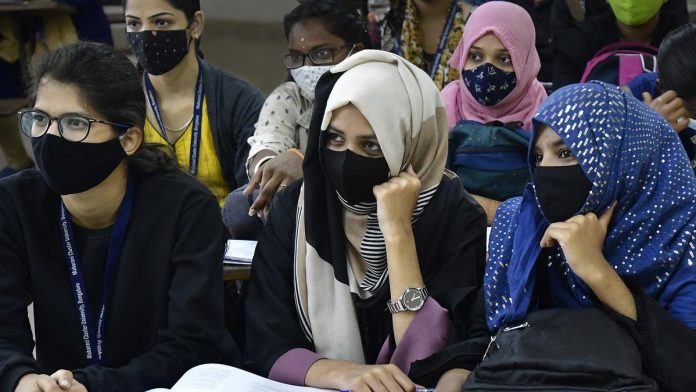
Photo Credit: The Hindu

A quiet but significant academic shift is unfolding across India, as Muslim students register notable successes in some of the country’s most competitive examinations. From civil services and national-level entrance tests to state and central board results, the 2025-26 academic year has emerged as a milestone, reflecting both individual perseverance and gradual systemic improvements in access to education.

One of the clearest indicators of this progress is visible in the Union Public Service Commission (UPSC) Civil Services Examination 2025 results. A total of 53 Muslim candidates successfully cleared the exam, the highest number in nearly a decade. Out of 958 successful candidates, this represents approximately 5.5%, marking a steady increase compared to previous years. While still below the community’s population share of 14-15%, the rise signals a growing presence in India’s administrative framework.

Several candidates secured top ranks, underscoring the depth of talent emerging from the community. A.R. Rajah Mohaideen secured Rank 7, placing him among the top 10 achievers, while Ifra Shams Ansari (Rank 24), Nabiya Parvez (Rank 29), and Hassan Khan (Rank 95) featured within the top 100. These achievements highlight a shift in a field historically marked by underrepresentation, offering new role models for aspiring civil servants.

Parallel success stories have emerged in engineering entrance examinations. Majid Mujahid Hussain from Madhya Pradesh secured an exceptional All India Rank 3 in JEE Advanced 2025, one of the most challenging engineering entrance exams globally. His accomplishment stands out not only for its academic merit but also for challenging the perception that top ranks are reserved for students from elite urban coaching ecosystems. Majid’s journey, built on disciplined self-study and determination, reflects a broader democratisation of opportunity in competitive education.

In the medical field, Muslim students have also demonstrated competitive strength. Umaid Khan from Maharashtra secured All India Rank 21 in NEET-UG 2025, contributing to the state’s strong overall performance. While comprehensive nationwide data on religious representation in NEET remains limited, individual achievements such as these point to increasing participation in high-stakes medical admissions.

At the school level, Muslim students have consistently excelled in both central and state board examinations. The CBSE Class 10 and 12 results for 2025 recorded an overall pass percentage of 88.39%, within which minority students have shown increasing competitiveness. Across states such as Uttar Pradesh, Kerala, Telangana, and West Bengal, Muslim students have frequently appeared among district and state toppers, particularly in science and commerce streams.

Regional trends further underline the importance of educational ecosystems. Southern states like Kerala and Telangana, known for their robust literacy rates and institutional support, continue to produce high-performing Muslim students. In several districts, pass percentages among Muslim students have reportedly exceeded 85-90%, particularly where access to coaching and academic resources is more developed.

Among the standout individual stories this year is that of 15-year-old Syed Zaid Sadiq from Nashik, who topped JEE Main 2026 with an impressive percentile of 99.927. A Hafiz who has memorised the Qur’an, Zaid successfully balanced madrasa education with mainstream academic studies, scoring above 99% in both sessions of the examination. His achievement challenges common stereotypes surrounding religious education and highlights the potential for integrated learning approaches. He now aims to clear JEE Advanced and secure admission to an Indian Institute of Technology (IIT).

In Bihar, Sabreen Parveen emerged as a joint topper in the Class 10 board examinations, scoring 492 out of 500 (98.4%). A student from Vaishali district and the daughter of a tyre shop owner, Sabreen’s achievement exemplifies how determination and family support can overcome financial constraints. Aspiring to become a doctor, her success has inspired students in her community and beyond.

Equally inspiring is the story of Zainab Bilal from Srinagar, who scored 95% in her CBSE examinations despite being visually impaired. Relying on auditory learning, memory techniques, and assistive technology, she independently prepared for her exams. Her journey underscores the role of resilience and innovation in overcoming physical challenges, offering a powerful message about inclusivity in education.

From Jamia Millia Islamia schools, Md Fauzan topped JMI Class 10 2026 exams with 98.71%. Mohammad Ali and Mohammad Arham shared second place scoring 98.43%, from Syed Abid Hussain Senior Secondary School. Atiqua Zia and Ansari Zeenat Fatima secured third with 98.29%, representing Syed Abid Hussain Senior Secondary School and Jamia Girls Senior Secondary School.

Another noteworthy development is the increasing participation and success of Muslim women. In the UPSC 2025 results, 13 of the 53 successful Muslim candidates were women, indicating a positive shift toward gender inclusion. Notably, 38 students from Jamia Millia Islamia qualified UPSC this year thus setting example before all major universities. This trend also is mirrored in school-level examinations, where girls consistently outperform boys across communities. Initiatives encouraging girls’ education are also gaining momentum at the grassroots level.

In Rajasthan’s Sikar district, a unique initiative by philanthropist Adil Khan recognised the achievements of top-performing girls from government schools, irrespective of religion. Rewards included a car for one student and cash prizes of ₹1 lakh for others. The initiative not only celebrates academic excellence but also promotes awareness about the importance of girls’ education, particularly among underrepresented communities.

Experts attribute these encouraging trends to multiple factors. Increased awareness about the importance of education, greater parental support, and the expansion of coaching facilities into smaller towns have all contributed. Additionally, digital learning platforms and scholarship programs have made quality resources more accessible to students from economically weaker backgrounds.

Mentorship initiatives by non-governmental organisations and community groups have also played a critical role. By providing guidance for competitive exams such as UPSC, JEE, and NEET, these programmes have helped bridge long-standing gaps in access to information and preparation strategies.

However, challenges remain. Despite the visible progress, Muslim representation in elite institutions and services still lags behind proportional levels. Socio-economic barriers, disparities in school infrastructure, and limited awareness in certain regions continue to affect outcomes. Addressing these issues will require sustained policy efforts, community engagement, and investment in education at the grassroots level.

Educationists emphasise that the current momentum must be nurtured. “The improvement is real, but it needs continuity,” said one academic expert. “Access, affordability, and awareness are the three pillars that must be strengthened to ensure long-term change.”

The achievements of 2025-26 collectively tell a story of aspiration and gradual transformation. Whether it is a civil services aspirant securing a top rank, a student from a modest background topping a state board, or a visually impaired learner excelling against the odds, each success contributes to a larger narrative of empowerment.

As India continues to evolve as an educational hub, the rising performance of Muslim students reflects not only community progress but also the broader democratisation of opportunity. While the journey toward equitable representation is far from complete, the trajectory is unmistakably upward.

In classrooms, coaching centres, and homes across the country, a new generation of students is quietly rewriting expectations – one exam, one rank, and one success story at a time.

source: http://www.radiancenews.com / Radiance News / Home> Education> Focus / by Mohd Naushad Khan / May 08th, 2026

Kupwara’s Meer Sehrish among India’s 24 girls selected for NDA

Kupwara District, JAMMU & KASHMIR :

Kupwara :

Meer Sehrish from Kupwara district of Jammu & Kashmir has brought pride to the Union Territory by clearing the prestigious National Defence Academy (NDA) examination and securing a place among the only 24 girls selected across India.

Her achievement is being hailed as a major milestone for the region and an inspiration for young girls aspiring to join the armed forces. Residents, teachers and local officials congratulated Meer Sehrish for her dedication and hard work in cracking one of the country’s most competitive defence entrance examinations.

The NDA examination, conducted by the Union Public Service Commission (UPSC), is the gateway for entry into the Indian Army, Navy and Air Force. Since the inclusion of women candidates in NDA, the competition among aspirants has remained extremely high.

Meer Sehrish’s success highlights the growing participation of girls from Jammu & Kashmir in national-level competitive examinations and defence services. People across Kupwara expressed hope that her accomplishment would motivate more students, especially from remote areas, to pursue careers in the armed forces.

Her selection is also being viewed as a positive sign of changing aspirations among the youth in Kashmir, where students are increasingly excelling in academics, sports and national competitive platforms.

source: http://www.kashmirahead.com / Kashmir Ahead / Home / by News Desk Kashmir Ahead / May 09th, 2026

2026 Tamil Nadu Elections Final Results: List of Muslim MLAs

TAMIL NADU :

The newly elected 234-member Tamil Nadu Assembly will have a number of Muslim MLAs belonging to different parties, including Actor Vijay’s Tamilaga Vettri Kazhagam (TVK), according to the Election Commission data released after counting of votes Monday May 04, 2026.

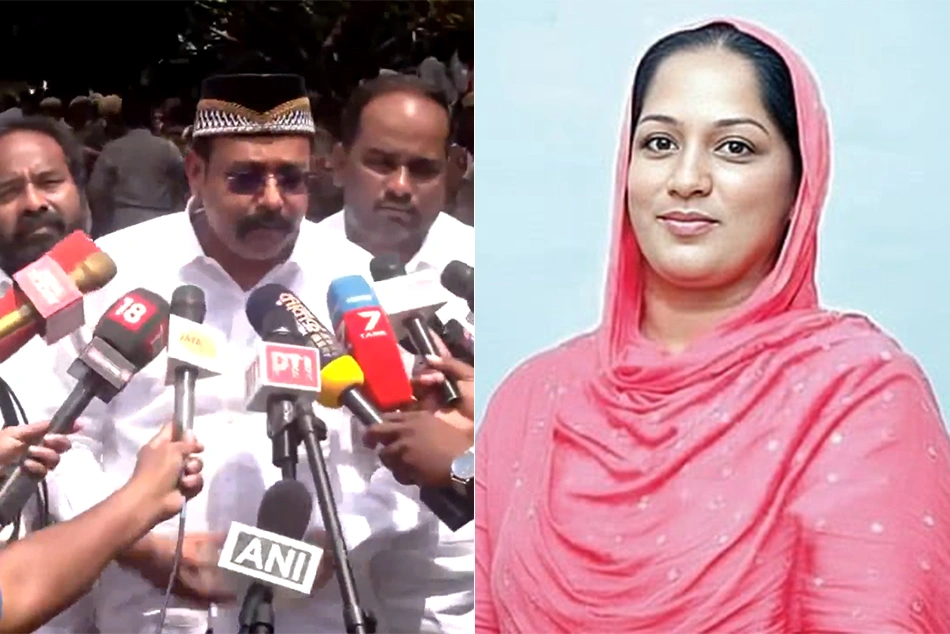
Newly elected TVK MLAs Madhar Badhurudeen and I. Thahira.

Tamil Nadu Assembly Election Results 2026: 

The newly elected 234-member Tamil Nadu Assembly will have a number of Muslim MLAs belonging to different parties, including Actor Vijay’s Tamilaga Vettri Kazhagam (TVK), according to the Election Commission data released after counting of votes Monday May 04, 2026.

As per the final elections released Monday, the new Tamil Nadu Assembly will have 09 Muslim MLAs – 02 more than the 2021 elections when 07 Muslims had won.

Among the Muslims, who have won the 2026 Tamil Nadu elections, 03 each are from actor Joseph Vijay’ Tamilaga Vettri Kazhagam (TVK) and MK Stalin’s DMK.

The others Muslim MLAs in Tamil Nadu included 02 from the Indian Union Muslim League (IUML) and 01 from the Congress Party.

List of Muslim MLAs in Tamil Nadu

Following is the complete list of Muslims MLAs in Tamil Nadu along with the constituencies they represent.

Tamilaga Vettri Kazhagam (TVK)

  1. I. THAHIRA (RANIPET)
  2. MOHAMED FARVAS. J (ARANTHANGI)
  3. MADHAR BADHURUDEEN (MADURAI CENTRAL)

Dravida Munnetra Kazhagam (DMK)

  1. THAMIMUN ANSARI. M (CHIDAMBARAM)
  2. M.H.JAWAHIRULLAH (NAGAPATTINAM)
  3. M.ABDUL WAHAB (PALAYAMKOTTAI)

Indian Union Muslim League (IUML)

  1. SYED FAROOQ BASHA SSB (VANIYAMBADI)
  2. A.M. SHAHJAHAN (PAPANASAM)

Indian National Congress

  1. JAMAL MOHAMED YOUNOOS. Y.N (MAYILADUTHURAI)

Tamil Nadu Assembly Elections 2026: Final Result

In Tamil Nadu, Tamil Actor Vijay’s Tamilaga Vettri Kazhagam (TVK) has succeeded in ending the 10-year-long rule of DMK Chief M.K Stalin. The TVK has won 108 of the 234 assembly seats in Tamil Nadu where counting of votes was done and final results announced on Monday May 04, 2026.

The DMK could win 59 seats seats as compared to 133 seats it had won in 2021. The 2026 election was also a personal setback for MK Stalin as he lost his Kolathur constituency by V.S. Babu of TVK.

As per the final result, AIADMK won 47 seats and BJP just 01.

Meanwhile, Puducherry, which also went to polls along with Tamil Nadu, Keralam, West Bengal and Assam, will have 01 Muslim MLA. The only Muslim MLA in Puducherry Assembly is A.M.H. NAZEEM who has won from KARAIKAL SOUTH). NAZEEM is a senior leader of DMK in Puducherry.

source: http://www.ummid.com / Ummid.com / Home / by Ummid.com news network / May 05th, 2026

AMU Women’s College Students Win Silver at Indiaskate National Championship

Aligarh, UTTAR PRADESH :

Aligarh :

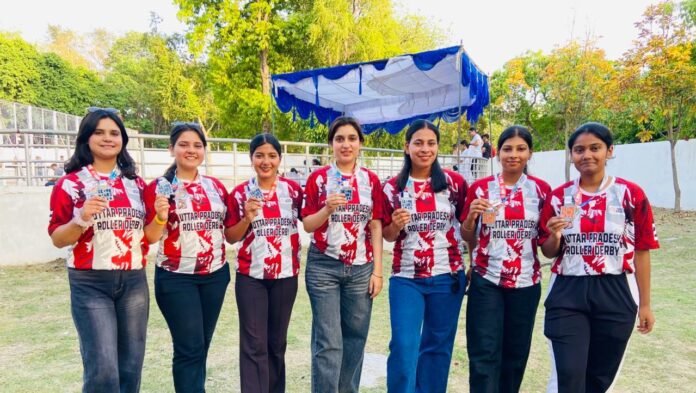
Students of Women’s College, Aligarh Muslim University, brought laurels to the institution as Nabeela Khan (B.Sc. Biochemistry) and Ashfia Khan (B.A. Psychology) secured a silver medal at the Indiaskate National Championship 2026 held from April 23 to 28.

Leading the Uttar Pradesh team, captain Nabeela Khan displayed strong leadership and determination throughout the tournament. In the final against Tamil Nadu, the team delivered a spirited performance, finishing 16–8 to clinch the silver medal.

Both players played a key role in guiding the team to the finals, showcasing excellent coordination, resilience and competitive spirit at the national level.

source: http://www.indiaeducationdiary.in / India Education Diary / Home> National News> University News / by India Education Bureau / May 02nd, 2026

Assam Polls 2026: New assembly to have 22 Muslim MLAs

ASSAM :

The newly elected 126-member Assam Assembly will have a total of 22 Muslim MLAs, according to the Election Commission data released after counting of votes Monday May 04, 2026.

Assam Assembly Election Results 2026: 

The newly elected 126-member Assam Assembly will have a total of 22 Muslim MLAs, according to the Election Commission data released after counting of votes Monday May 04, 2026.

The number of Muslim MLAs in the Assam assembly formed after the 2026 state polls is 09 less than the last time when 31 Muslims had won.

As many as 18 Muslim MLAs elected to the Assam assembly are from the Indian National Congress (INC). Interestingly, the Congress has won only 19 seats, and 18 of them are Muslims. The Congress had 30 MLAs in the last assembly.

Other Muslim MLAs elected to the Assam assembly in the 2026 polls are 02 from AIUDF (13 less than 2021), and 01 each from Raijar Dal (RJRD) and Trinamool Congresss.

List of Muslim MLAs in Assam

Following is the complete list of Muslims MLAs in Assam along with the constituencies they represent.

Congress

  1. MD ASHRAFUL ISLAM SHEIKH (PARBATJHORA)
  2. ABDUS SOBAHAN ALI SARKAR (GAURIPUR)
  3. BABY BEGUM (DHUBRI)
  4. WAZED ALI CHOUDHURY (BIRSING JARUA)
  5. Mohibur Rohman Bappy (MANKACHAR)
  6. AFTAB UDDIN MOLLAH (JALESHWAR)
  7. ABUL KALAM RASHEED ALAM (GOALPARA EAST)
  8. MD. NURUL ISLAM (SRIJANGRAM)
  9. ABDUR RAHIM AHMED (CHENGA)
  10. JAKIR HUSSAIN SIKDAR (PAKABETBARI)
  11. REKIBUDDIN AHMED (CHAMARIA)
  12. DR ASIF MOHAMMAD NAZAR (LAHARIGHAT)
  13. NURUL HUDA (RUPAHIHAT)
  14. TANZIL HUSSAIN (SAMAGURI)
  15. AMINUL HAQUE LASKAR (SONAI)
  16. ZUBAIR ANAM MAZUMDE (ALGAPUR-KATLICHERRA)
  17. JAKARIA AHMED (KARIMGANJ NORTH)
  18. AMINUR RASHID CHOUDHURY (KARIMGANJ SOUTH)

All India United Democratic Front (AIUDF)

  1. MAZIBUR RAHMAN (DALGAON)
  2. MOHAMMED BADRUDDIN AJMAL (BINNAKANDI)

Raijar Dal (RJRD)

  1. MEHBOOB MUKTAR (DHING)

All India Trinamool Congress (TMC)

  1. SHERMAN ALI AHMED (MANDIA)

Assam Assembly Elections 2026: Final Result

In Assam, the ruling BJP has retained power winning 82 of the total 126 seats in the Assam Assembly – 23 seats more than the party’s tally 59 in the 2021 Assam State Polls, as per the final result of the 2026 Assam Assembly Polls.

The Congress has won a total of 19 seats – 11 less than its tally in 2021. On the other hand, the AIUDF, which has won 16 seats in the 2021, has won just 02 seats in the 2026 state elections.

The Congress and AIUDF had contested the 2021 Assam Elections forming an alliance, which had together won a total of 49 seats. The two parties fought the 2026 election separately, and could together won just 21 seats.

Interestingly, most of the assembly constituencies the Congress party has won in 2026 were earlier represented by the AIUDF, indicating that the Muslim voters preferred Congress over Badruddin Ajmal Qasmi’s AIUDF.

In 2021, the BJP had 01 Muslim MLA. However, the party had not fielded any Muslim candidate in the 2026 Assam Polls.

source: http://www.ummid.com / Ummid.com / Home / by Ummid.com news network / May 05th, 2026