As the results of II PU were announced, the department has released the list of students who became the toppers in the district.
In arts stream, Hanumanth, Swami Vivekananda PU College in Gurmitkal, secured 577 marks with 96.17%, Maheboob Shaikh Sahir from commerce stream, who is studying in Don Bosco PU College Yadgir, secured 560 marks with 93.33%, while Prajna B.M. from science stream, who is studying in Sairam PU College Shahapur, has secured 588 marks with 98%.
The other toppers in arts stream are: Amaresh secured 575 marks (95.83%), Chaitanya 575 marks (95.83%), Arunkumar 569 marks (94.83%), and Nagamma 569 marks (94.83%).
In commerce stream: Ishwarya secured 547 marks (91.16%) and Nagaraj secured 546 marks (91%).
In science stream: Abhishek secured 588 marks (98%), Savitri 580 marks (96.66%), Akash 580 marks (96.66%), Shruti secured 580 (96.66%), and Surendra secured 577 marks (96.16%), respectively.
source: http://www.thehindu.com / The Hindu / Home> News> India> Karnataka / by The Hindu Bureau / April 22nd, 2023
Nadvi has been the president of the All India Muslim Personal Law Board for the last 21 years.
President of the All India Muslim Personal Law Board Maulana Rabe Hasni Nadvi. (Photo | Twitter)
Lucknow :
President of the All India Muslim Personal Law Board Maulana Rabe Hasni Nadvi died here on Thursday after a prolonged illness.
Senior executive member of the board Maulana Khalid Rasheed Farangi Mahali told PTI that Maulana Rabe Hasni Nadvi died around 3.30 pm at the Lucknow-based Islamic Educational Institute Nadwatul Ulama (Nadwa).
Mahali said Nadvi had been brought to Lucknow from his ancestral home in Raebareli four days ago as he was suffering from pneumonia.
He is survived by three daughters.
Nadvi has been the president of the All India Muslim Personal Law Board for the last 21 years.
His farewell prayers will be held at 10 pm in Nadwa and the body will be laid to rest in Raebareli on Friday.
source: http://www.newindianexpress.com / The New Indian Express / Home> Nation / by PTI / April 13th, 2023
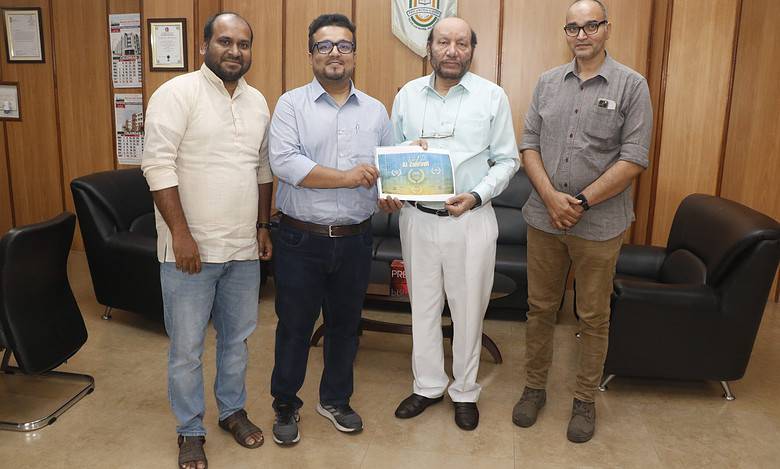
The film ‘Alzahravi’ bagged the best film award in the category of Best Visual Effects and Animation whereas ‘Polymer, the Promise of PDMS’ has been recommended for a citation.
Hyderabad:
Two films of the Instructional Media Centre, Maulana Azad National Urdu University (MANUU) produced under the MANUU Knowledge Series have won accolades at the 24th CEC UGC Educational Video Festival organized by Consortium for Educational Communication (CEC), an Inter-University Centres set up by the University Grants Commission.
The film ‘Alzahravi’ bagged the best film award in the category of Best Visual Effects and Animation whereas ‘Polymer, the Promise of PDMS’ has been recommended for a citation under the Best Film Documentary award category along with the other three films.
According to Rizwan Ahmad, Director, IMC, the film Alzahravi by Omer Azmi, Producer IMC explores the life, struggles, and achievements of the renowned scholar, Alzahravi, and his contributions to the field of medicine.
Polymer, the Promise of PDMS by Obaidulla Raihan, Cameraperson, is a thought-provoking film based on a research output by researchers from the Central University of Hyderabad, where they have developed a polymeric material which is graphene base media mists smart composite material which will revolutionise the technology in near future.
Prof Syed Ainul Hasan, the Vice-Chancellor, congratulated the centre on this achievement and said IMC is steadily gaining recognition for its unique and thought-provoking approach to digital media. Appreciating the Media Centre Team’s effort who met him today at his office the Vice-Chancellor expressed the hope that the MANUU knowledge Series will continue to inspire and educate audiences and contribute to the growth and development of Urdu and dissemination of knowledge.
Rizwan Ahmad said both films were also selected previously at various film festivals nationally and internationally. This honour is a testament to the hard work and dedication of the directors of the films and the entire team. MANUU Knowledge Series aims to promote the Urdu language and culture, as well as highlight important issues and stories through the medium of film, a press release said.
source: http://www.siasat.com / The Siasat Daily / Home> News> Hyderabad / by Indo Asian News Service (IANS) / April 12th, 2023
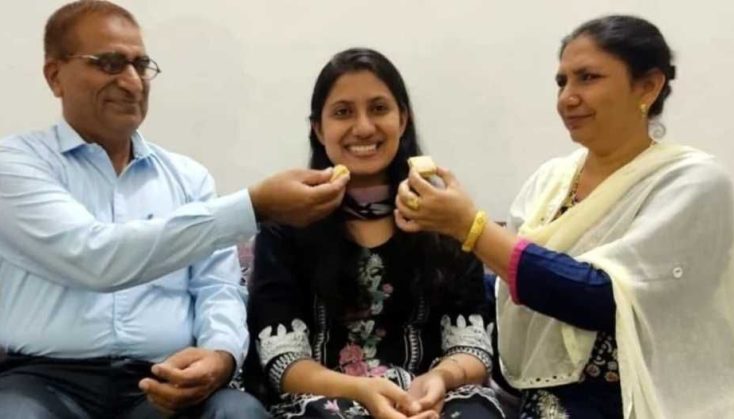
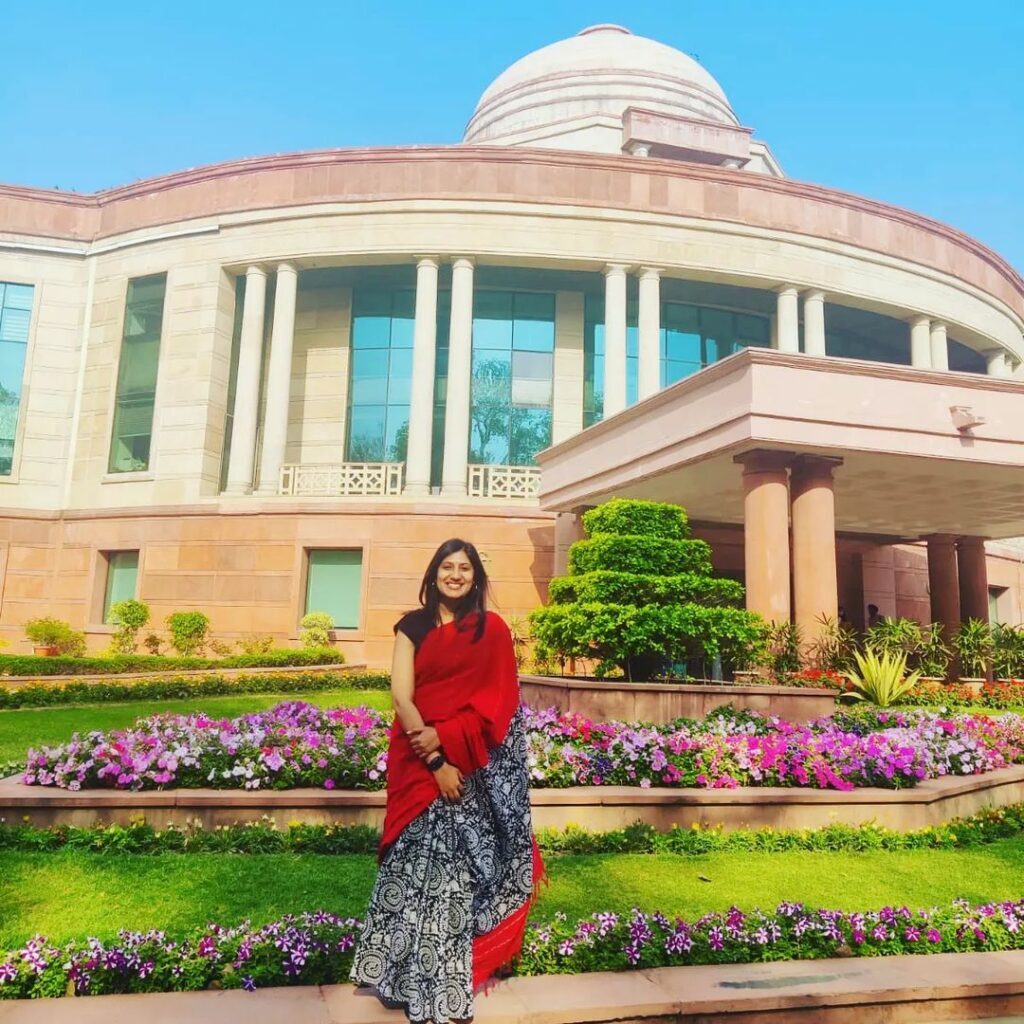
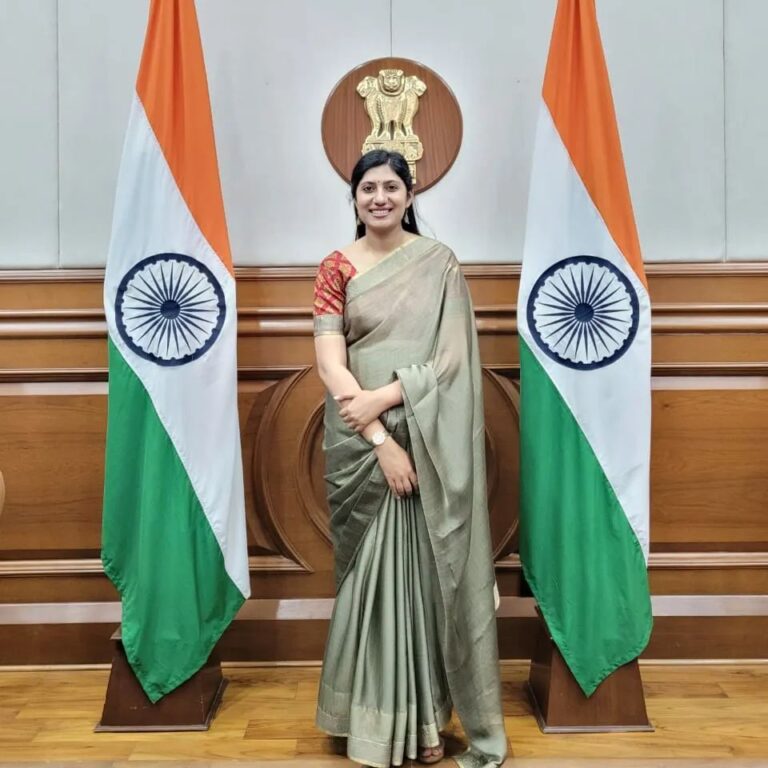
Ms. Sadaf Choudhary, who hails from Roorkee, Uttarakhand, was the topper among Muslim candidates in UPSC CSE 2020.
The 23rd rank holder in CSE 2020 is a BTech from NIT Jalandhar and had quit her MNC job to prepare for the exam.
With her high score, she could have easily opted for IAS, but she chose Indian Foreign Service, as she wanted to represent her country abroad.
Ms. Sadaf Chaudhary
Ms. Sadaf Choudhary from Rourkee, Uttarakhand, became the topper among Muslim candidates in UPSC CSE 2020 with AIR 23. That year, 29 people from her community managed to clear the examination, a dip from the previous year, when 44 Muslim candidates made it to the prestigious list.
Ms. Choudhary not just topped the Muslim candidates list in 2020, she made it to the Top 25 in the general list, bringing focus to her native place and community, as people started looking up her background soon after the results were announced.
After her success, Ms. Choudhary revealed through media interviews that she firmly believes that improving the education rate of girls in India will bring great social changes and, hence, called for giving special attention to education of girls.
Early Life
Ms. Choudhary was a good student from the primary years and was very fond of reading books. She is the eldest daughter of Israr Ahmed and Shahbaz Bano. Her father was a former manager at Gramin Bank at the Deoband branch.
Ms. Sadaf Choudhary
After completing her BTech from NIC Jalandhar, she joined an MNC where she used to get a decent paycheck. However, with the aim of having a bigger purpose in life, she started looking at Civil Services as a career option.
Clearing UPSC CSE 2020
Ms. Choudhary said that she considered herself preparing for the UPSC exam since past 20 years, from the time she was being nurtured in school. While talking to media, she reminisced her time when she was in school and used to visit her grandparents’ place in Saharanpur during summer vacations. As her grandparents had a school there, she used to effectively utilise her summer vacations in studying literally everything.
After quitting her job, she dedicated her heart and soul into studying for the UPSC exam and chose self-study over coaching. After breakfast in the morning, she used to start her study session for as long as she could. She would also review and assess her preparations once a week.
Ms. Sadaf Choudhary clears UPSC 2020 with an AIR 23
In the first attempt, she did not manage to make it because of a few marks, but in UPSC CSE 2020, she was so satisfied with her performance that she already knew she had cracked the exam even before checking the results. Her confidence proved to be right, and when the result date came, she emerged as a topper.
It was a moment of pride not only for her and her parents, but for all people of her community.
Choosing Foreign Service
Before sitting for the exam, Ms. Choudhary was greatly inspired by IFS officer Sneha Dubey, who came into limelight for her fiery response to Pakistan Prime Minister Imran Khan at the UN General Assembly. She decided then that she would follow in Ms. Dubey’s footsteps and join the Indian Foreign Service.
Ms. Sadaf Choudhary
With her high score, she could easily have joined Indian Administrative Service (IAS). However, she chose the Foreign Service over it, as her dream was to become a diplomat and represent her country abroad. And do it in style, leaving a mark. Just like Ms. Sneha Dubey did.
source: http://www.indianmasterminds.com / Indian Masterminds / Home> Features> Be Inspired / by Raghav Goyal / April 04th, 2022
Lucknow’s Saltanat Praween secures 6th rank in UPPCS-2022 in her fourth attempt
Her mother believes she will pass the toughest of all, UPSC CES, as well
Preparing amid a joint family atmosphere boosted her support system
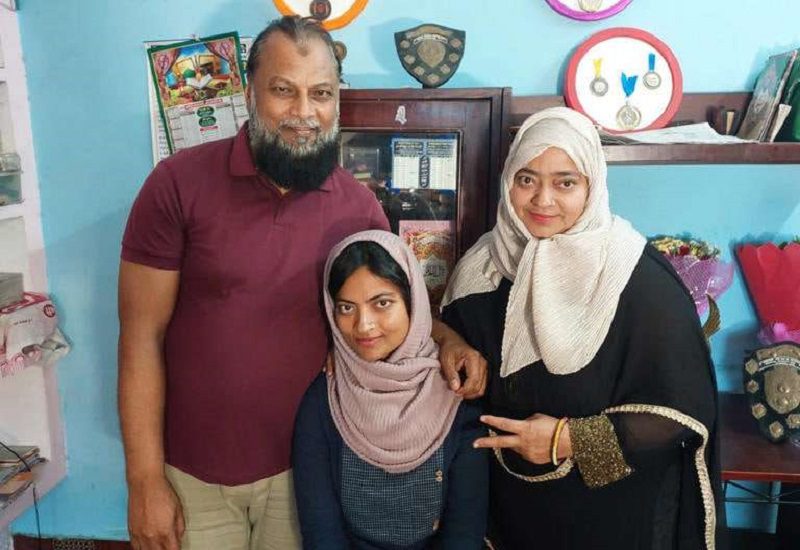
Saltanat Praween (in the middle) with her parents (Credit: Saltanat Praween)
“Khudi ko kar buland itna/Ke har taqdeer se pehle/Khuda bande se khud pooche/Bata, teri raza kya hai?” an old saying that completely fits Saltanat Praween’s journey in delivering as one of top scorer in the UPPCS-2022 exams.
A national-level volleyball player, Ms. Praveen, who is from a lower-middle-class family in Lucknow, cracked the UP PCS exams after giving in 7 years of her life and in her 4th attempt. She terms the exams “no less than psychological war”.
Ms. Praween was ranked sixth and got the post of deputy collector.
Saltanat Praween, UPPCS-2022, 6th Rank
Journey So Far
Speaking with Indian Masterminds about her success, Ms Praween got emotional and said, “Like others, my journey was also full of struggles. But what matters now is the win that came with overcoming all those hurdles that made me what I am today.”
She was a national-level volleyball player until 2016, and it was later that she moved toward civil services.
In her previous three PCS attempts, Saltanat, who originally hails from Salemgarh of Tamkuhi Raj Tehsil in Kushinagar district of Uttar Pradesh, could not reach the Interview Round.
She had succeeded in qualifying for UPPCS Forest (ACF/RFO) Interview round though, but could not make it to the final list lagging by just 10 marks.
“It was heartbreaking and I nearly lost hope. But something kept me going,” remembers Ms. Praween, who now lives in Aliganj, Lucknow, in a 35-member joint family.
Her father runs a general store and her mother is a housewife. She is the only girl child of her parents.
Sultanat Praween, who was always a meritorious student and a good sportsperson, completed her primary education in Salemgarh. After completing her Intermediate, she completed her B. Tech in Computer Science (CS) from Integral University, Lucknow in 2016.
Saltanat Praween with her family
Preparing for PCS
She started preparation after completing B. Tech and cleared the Residential Coaching Academy (RCA) exam from Jamia Millia University for civil services coaching in the 2021 session.
She focused on topic-specific targets. “Until I achieved my target, I never stopped studying the topic,” she said.
Ms. Praween, a CS student, had to take up Anthropology as her optional subject as CS was not available. What went down for her though were the objective-type questions in the preliminary exam.
“I could not succeed earlier in Prelims, though my Mains were better. One thing that also contributed to repeated failures was I never went in with an integrated approach,” Ms. Praveen accepts.
She says anyone preparing for the civil services should prepare for prelims and mains together.
“One does not need to stop socialising or be cocooned in a room but just don’t lose your prime focus — the studies, and also minimise social media use.
Saltanat with her father and his friend
Word of Advice
Her suggestion to all civil service aspirants is to have a support system that will always motivate and stand by them.
“This exam is no less than a psychological war, where sometimes you feel disheartened and distracted. But if you have the right support system and people who care about you, then you will certainly overcome all those difficulties,” Ms. Praween said.
She said while studying one shouldn’t count the hours. “Studying fewer hours doesn’t matter if the focus is unwavering. Nothing is unachievable if you are determined and have faith in yourself,” she added.
source: http://www.indianmasterminds.com / Indian Masterminds / Home> Features> UPSC Stories / by Ayodhya Prasad Singh / April 11th, 2023
Sikri Village (Nagar Pahari Tehsii, Bharatpur District),RAJASTHAN:
Wajib Ali.
Jaipur:
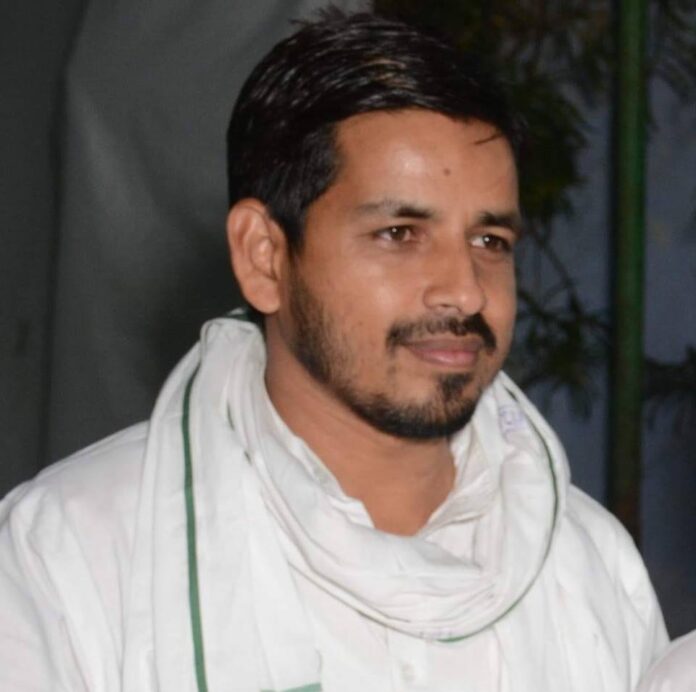
A successful young Indian Muslim educationist from Australia, who has made his way into the Rajasthan Assembly as an MLA with the dream to bring about a change at his native place, has made a mark by improving social conditions in the Meo-dominated region in the eastern part of the state. The MLA from Nagar constituency in Bharatpur district, Wajib Ali, 40, defies the image of typical politicians.
Born in a Meo Muslim family of Nagar block’s Sikri village, Ali had left his native place to pursue higher studies in 2005, when he first went to New Delhi’s Jamia Millia Islamia and later migrated to Australia. He came back to Bharatpur in 2013 and contested the State Assembly election as a National People’s Party candidate, but he lost to Bharatiya Janata Party’s sitting MLA Anita Singh.
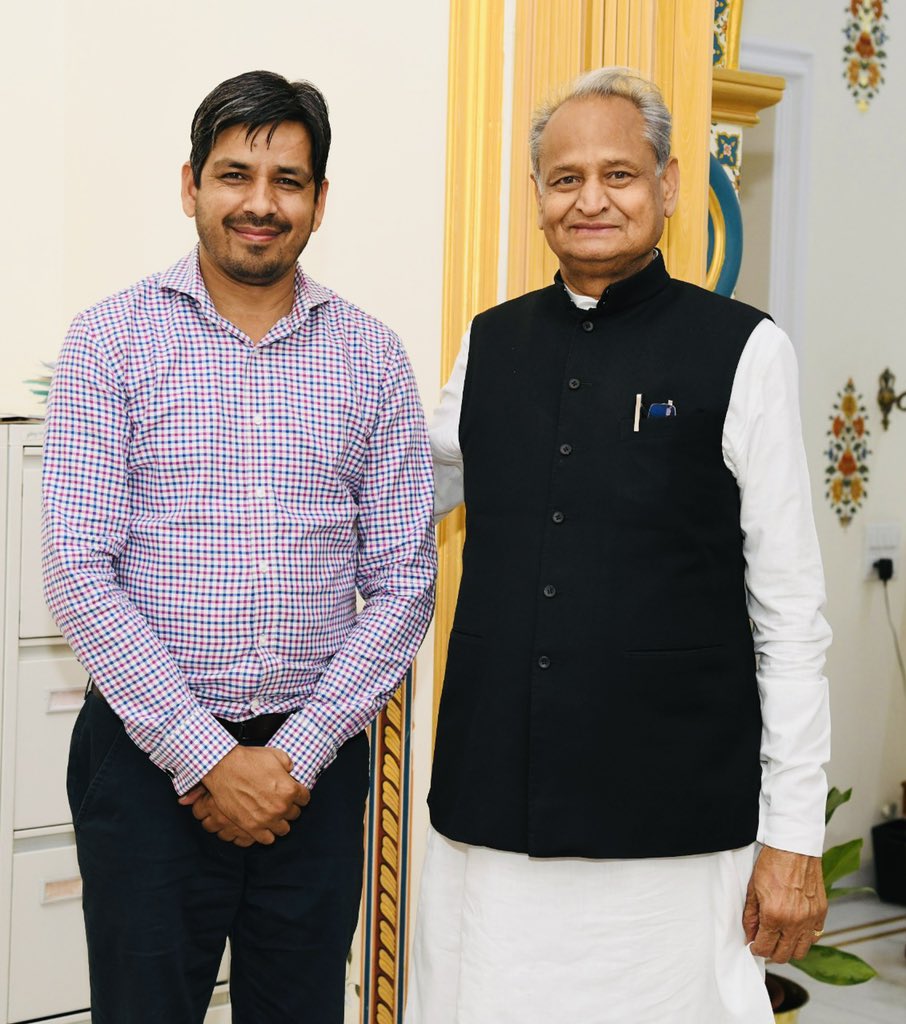
MLA from Nagar constituency Wajib Ali with Chief Minister Ashok Gehlot
Ali has a thriving real estate business in Australia and he runs eight colleges and a school, along with his two brothers, in the cities such as Sydney, Melbourne and Brisbane. He led a successful election campaign in the rural heartland during the December 2018 Assembly polls and was elected an MLA on the Bahujan Samaj Party’s ticket from the Nagar seat.
In 2019, Ali defected to the ruling Congress along with five other BSP MLAs while declaring that all of them wanted to ensure the State Government’s stability. The move came amid reports of the BJP trying to lure the BSP MLAs in a bid to repeat a Karnataka-type upheaval in Rajasthan. Ali and his fellow MLAs also supported Chief Minister Ashok Gehlot during the political crisis in 2020, caused by the rebellion of the then Deputy Chief Minister Sachin Pilot, and voted for the Congress candidates in the Rajya Sabha elections held in June 2022.
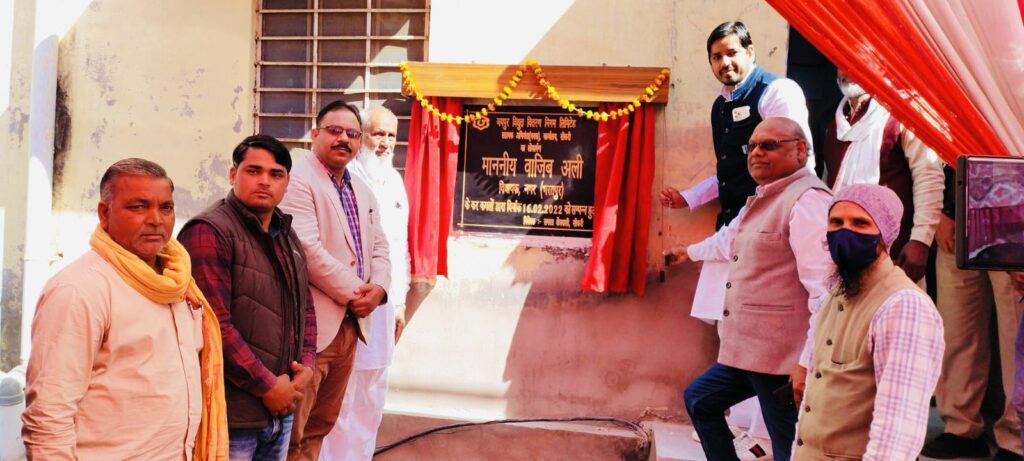
Ali was later appointed the Chairperson of the Rajasthan State Food Commission in August 2022. He has been active in the Meo-dominated region since 2013, extending support to the people’s struggles and raising their issues with the Government authorities.
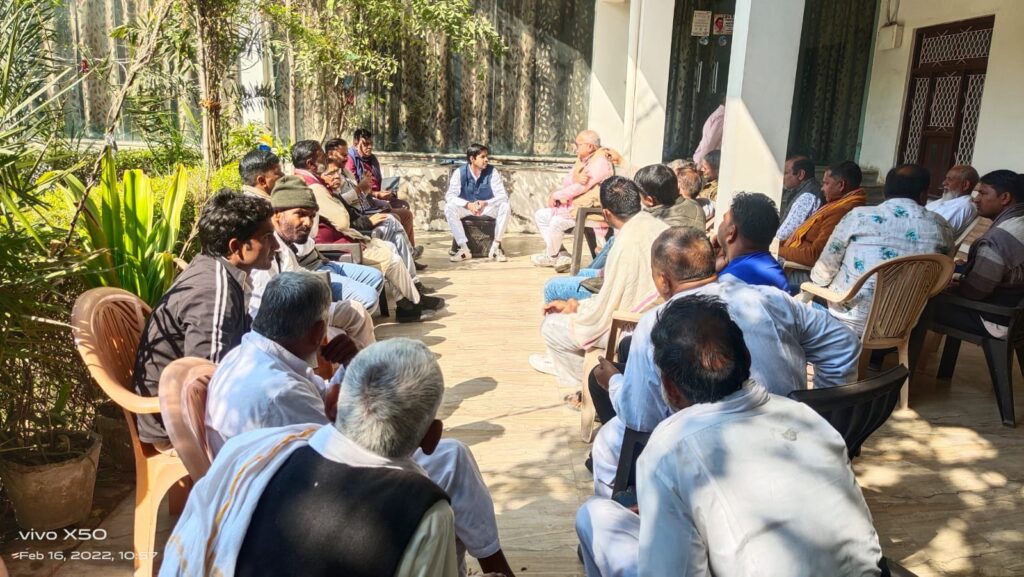
Ali says that he had come back to India with the desire to make a difference in people’s lives and improve the social conditions in eastern Rajasthan. “This is the most backward area in Rajasthan and the basic facilities are lacking here. Moreover, the people belonging to the Meo Muslim community are treated with suspicion,” he says.
In his election campaign, Ali succeeded in convincing the voters about his honest intentions. “People from all castes voted for me in Nagar constituency, where Muslims comprise 20% of population. The voters were convinced that I had sacrificed my comforts in Australia to do something for them,” he says with a sense of satisfaction.
“Moreover, I have defeated the idea of communalism and hate campaign, which is used for climbing up the ladder in politics. Common people have reposed faith in me,” Ali says. In the election results, BJP’s Anita Singh was relegated to the third position, while Samajwadi Party’s Nem Singh was the runner-up. Having secured 62,644 votes, Ali won with a margin of 25,467 votes.
Ever since his election, Ali has focused on education and health in his constituency in order to raise the standard of living of the villagers. “I have been working for improving the quality of Government education system. Private education is not a solution. Even if I open schools and colleges in Nagar, it cannot serve the numbers. Only a robust Government education set-up can benefit everyone,” he points out.
As regards the health sector, the condition of Government facilities was earlier pathetic in the villages, where 95% of the women’s delivery cases were referred to private hospitals. Ali’s interventions at various levels have helped improve the situation. He has also brought relief to Muslims and other marginalised groups by raising their issues on various forums.
Ali has drawn the attention of Government authorities to the law and order situation and corruption in various offices with public dealing. He has sought to utilise his position as an MLA for betterment of society and setting the things correct on various occasions. He recently raised the issue of suspension of an Urdu teacher, Amin Kayamkhani, with the Education Minister when the teacher drew the Minister’s attention to the Urdu subject being sidelined in the schools.
As a result of Ali’s sustained efforts, a large number of announcements were made for the development of the Nagar Assembly constituency in the 2023-24 State Budget presented in the Assembly last month. The announcements included construction of a hostel for girls belonging to minority community and a new sub-district hospital, establishment of an Agriculture College, installation of a faecal sludge treatment plant and upgradation of Khoh and Jaluki village panchayats as sub-tehsils.
The selfless and dedicated work by Ali in the eastern Rajasthan region both before and after his election as an MLA has set an example of how the young educated Muslims can bring a change by entering the multifarious fields of public service. The common people in Nagar constituency, who have reposed faith in Ali’s leadership, are hopeful that he will set new standards of public service and bring a new identity to the backward region.
source: http://www.indiatomorrow.net / India Tomorrow / Home> News> Society / by India Tomorrow Correspondent / March 31st, 2023
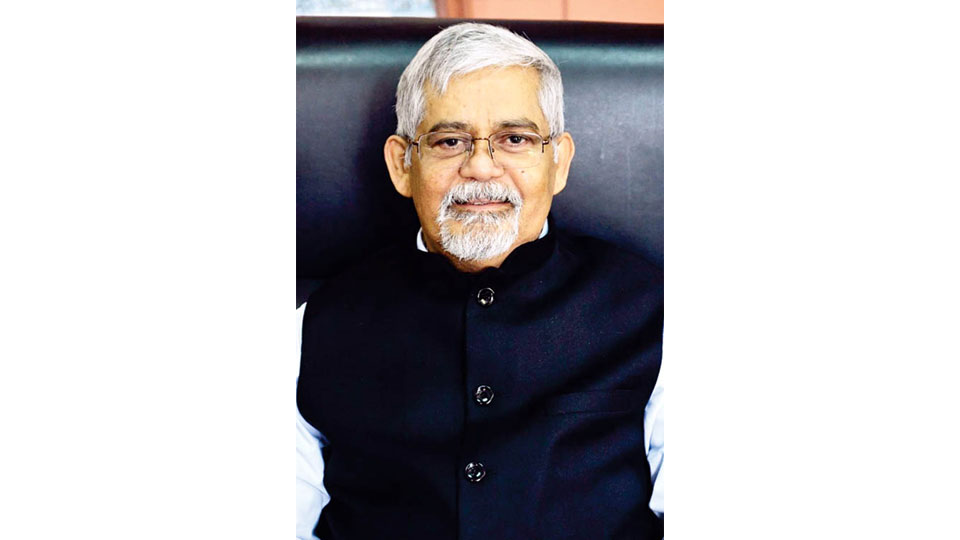
Prof. Muzaffar Assadi, former acting Vice-Chancellor and currently Dean of the Faculty of Arts and senior-most Professor at the University of Mysore, was elected unopposed as the President-Elect of the Indian Social Science Academy for the year 2024-2025. He was formerly its Vice-President.
Indian Social Science Academy (ISSA) was founded in 1974 with the goal of evaluating, integrating and disseminating scientific knowledge about man, society and nature in relation to India’s specific circumstances and fostering harmony between social sciences, natural sciences and technology. ISSA is the only institution in the world that defines science as social and encompasses all fields of natural, social and behavioural sciences.
ISSA organises the Indian Social Science Congress (ISSC) every year with the goal of discovering, developing and disseminating science of Nature. The UGC, DST, ICSSR, ICHR, ICPR, INSA, ISRO, CSIR and ICMR are supporting ISSA.
Prof. V.K.R.V. Rao, one of the greatest economists in India and founder of the Delhi School of Economics, Institute of Economic Growth, and Institute of Social and Economic Change in Bengaluru, is among its former Presidents.
A Professor in the Department of Studies in Political Science, Prof. Assadi is also the Chairperson of the Department of Studies in Public Administration, University of Mysore and in-charge Chairperson, Department of English.
Prof. Assadi is a native of Shirva, Udupi Taluk, and a former student of St. Mary’s Institutions and Hindu Higher Elementary School in Shirva. He graduated from Mangalore University, JNU, New Delhi and University of Chicago.
source: http://www.starofmysore.com / Star of Mysore / Home> News / (headline edited) / April 10th, 2023
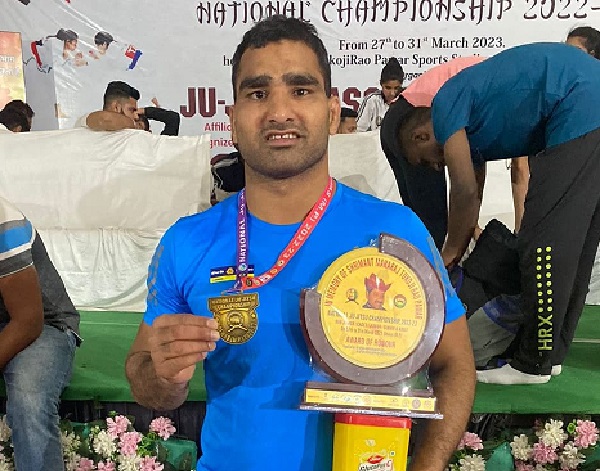
Mohd. Lukman Ali, a first year student of Master of Social Work (MSW), Jamia Millia Islamia has won the gold medal in National Ju-Jitsu Championship 2023.
This championship was organized by Indian Ju-Jitsu Association in Madhya Pradesh recently.
On this occasion, Lukman said, “My dream is to win medals for India at the international level in Olympics, World Championships, Commonwealth Games and Asian Games.
Most recently, Lukman represented India in the seventh edition of Asian Championship 2023 held in Thailand in the month of February and secured the sixth rank.
JMI Vice Chancellor Prof. Najma Akhtar (Padma Shri) congratulated Luqman for these achievements and wished him success in his future endeavours.
Prior to his Master of Social Work (MSW), Lukman also studied BA (Hons) Hindi from Jamia.
source: http://www.jmi.ac.in / Jamia Millia Islamia / Home> Public Relations Office, JMI / April 06th, 2023
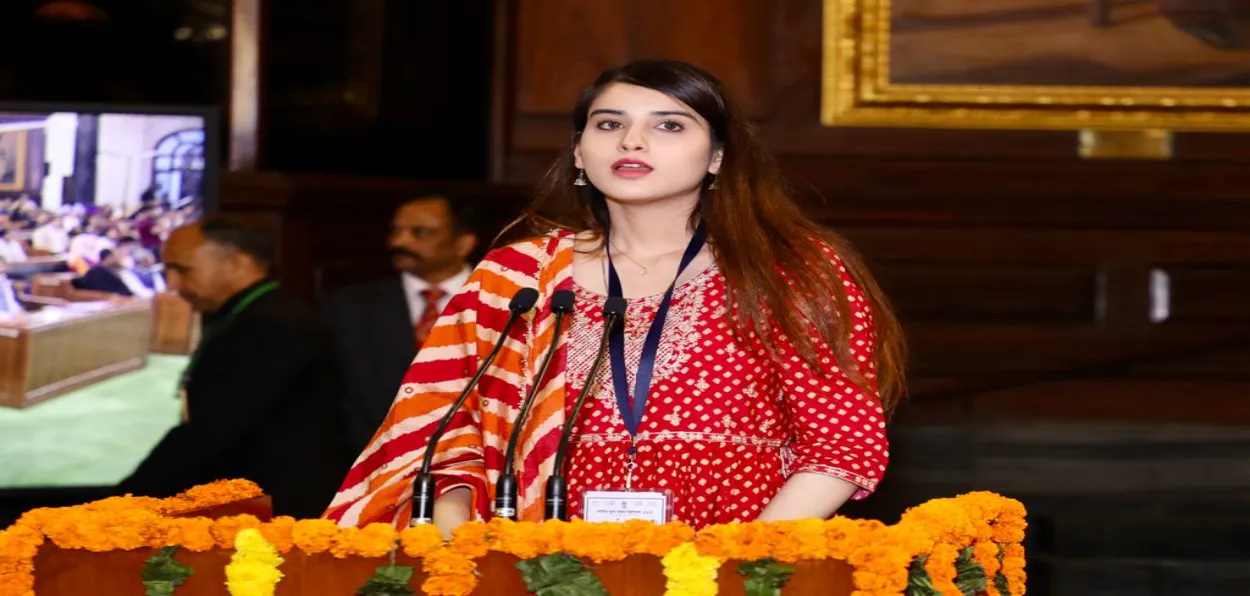
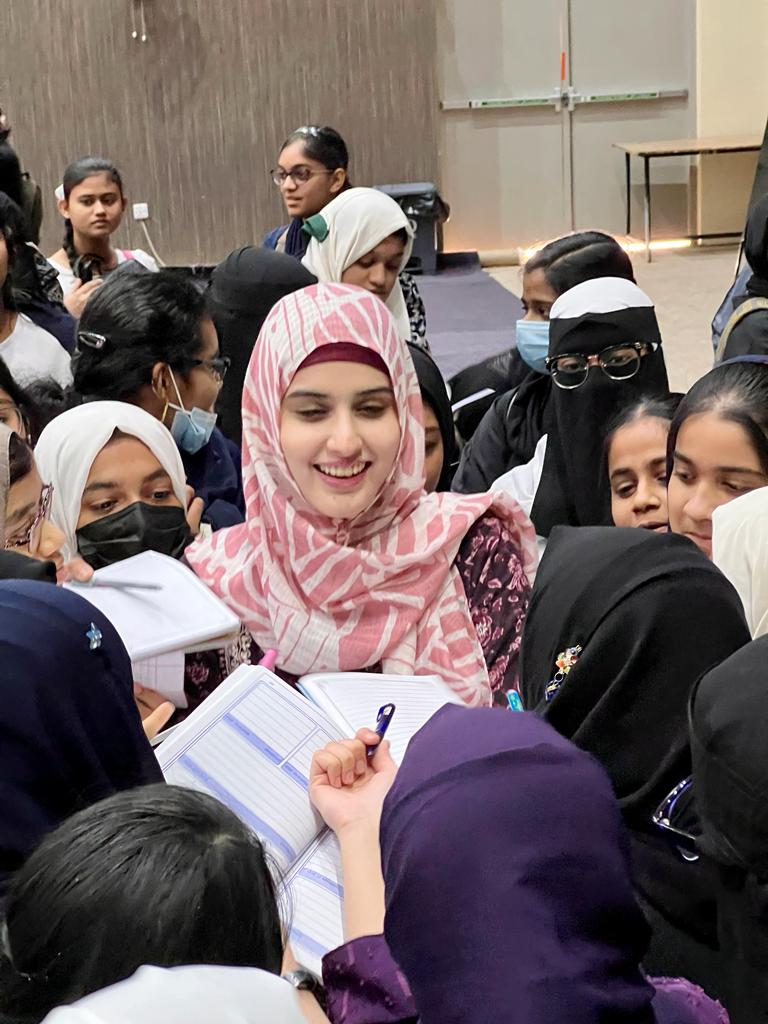
Mahira Khan in Parliament House delivering her speech in the Youth parliament
Mahira Khan, a winner in the recent National Youth Parliament debate, is getting international recognition for her grand oration. Her diplomat style speech on the theme ‘Peacebuilding and Reconciliation: Ushering in an era of no war’, earned her an invitation from a school in Saudi Arabia.
Her speech in the Central Hall of Parliament was an instant hit and was uploaded by Sansad TV and many Indian news channels. Mahira began her speech with Hindi poetry and concluded in Urdu.
Like 28 participants from different States, Mahira delivered her speech on two consecutive days – the competition speech on the first day and the winners’ speech for dignitaries the following day.
By the time she landed in Mecca with her family a couple of days later for Umrah, she was already a star on social media.
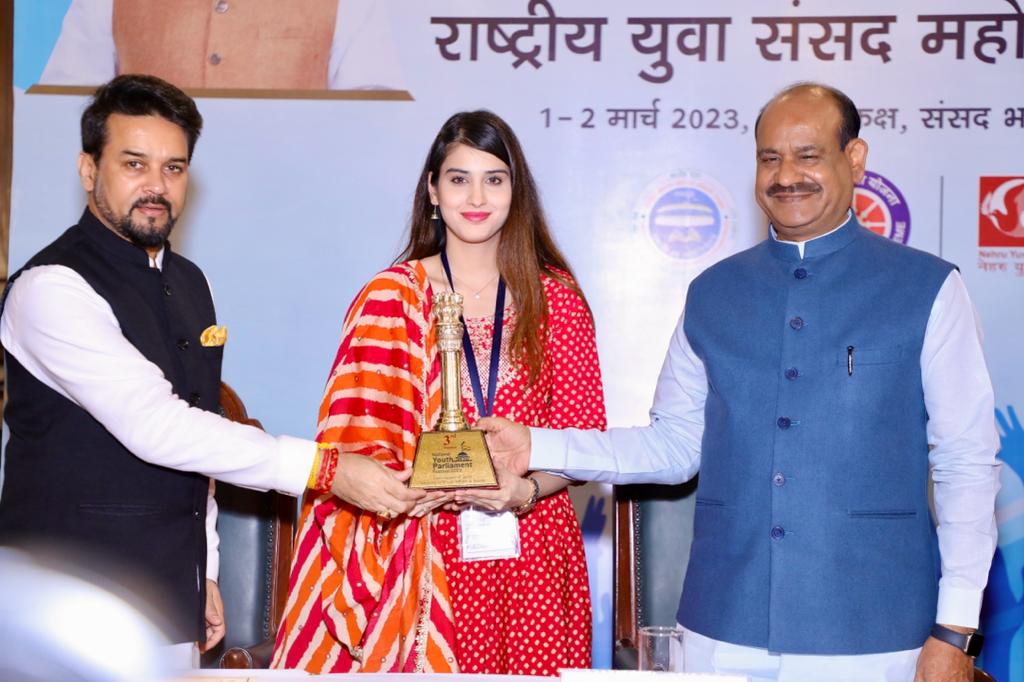
Mahira Khan receiving the trophy from Lok Sabha Speaker Om Birla and Union Minister Anurag Thakur
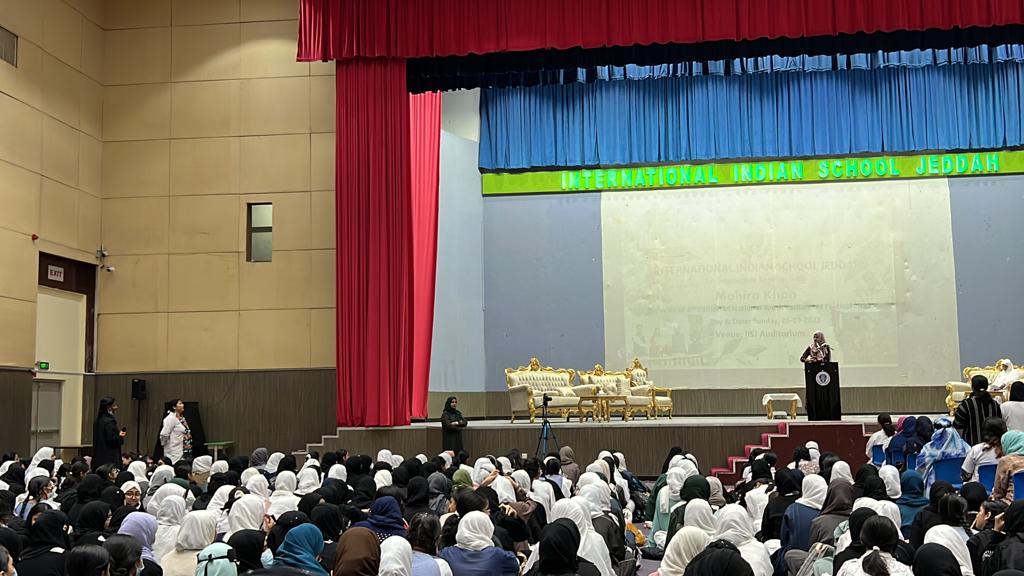
This soft-spoken 24-year-old lady from Chhattisgarh was pleasantly surprised when she received a call from Dr. Muzaffar Hassan, Principal of International Indian School, Jeddah to address a gathering of 1000 senior students. She addressed them on the theme ‘How making mistakes can make you more confident.’
In Jeddah, her speech at the National Youth Parliament was replayed for the benefit of the students. She interacted with the students and it was followed by pre-Ramazan lunch. Dr.Hassan noticed Mahira on social media and decided to invite her and her family.
In conversations with Awaz-the Voice, from Raipur and later Dammam, she said, “Whatever I say now has more value. People listen to me very attentively.’’
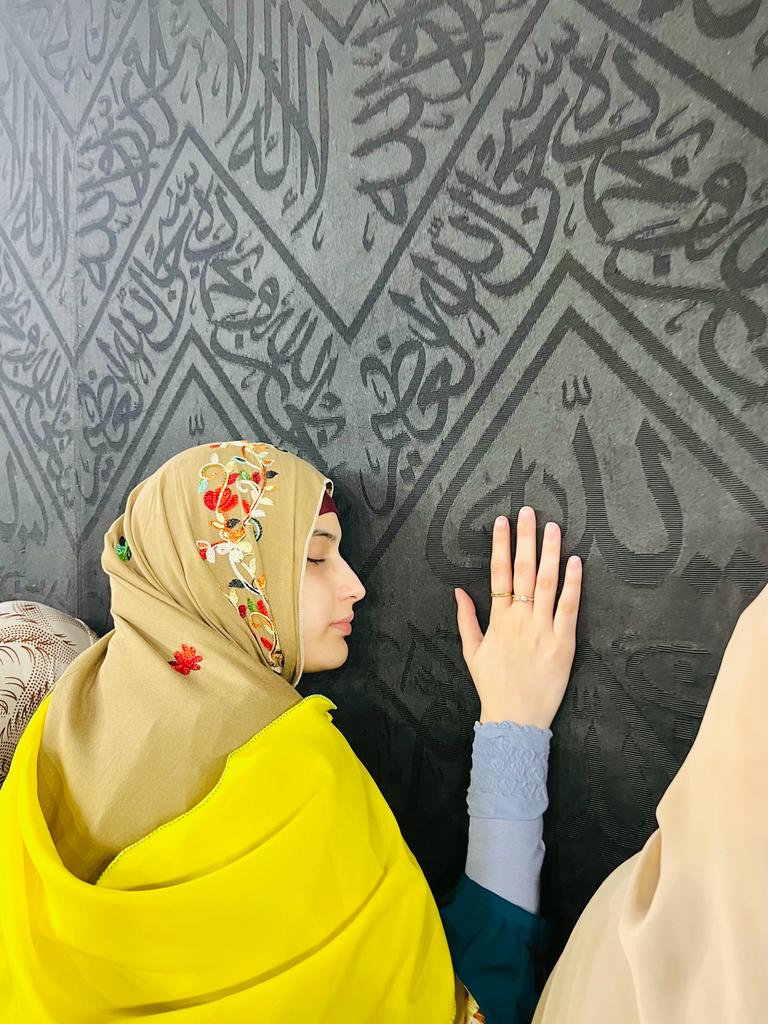
But what was an extraordinary experience was her visit with her parents and siblings to Kabah, Islam’s holiest shrine in Mecca. “It was a surreal experience. I cannot describe it. I felt an extraordinary spiritual power. My family also felt that it was an experience of a lifetime. It was an invitation from Allah. So, we are very grateful. And I feel like giving back much more than I have got.”
Mahira Khan addressing students in a Jeddah School
This star orator was overwhelmed by her visit to Kabah.She told this correspondent that she is feeling a sense of enlightenment and serenity.
A perfect example of beauty and brains, Mahira says that she wrote the speech in a single sitting but kept updating it. “I departed from the written script when I spoke. This is the second time I was contesting. Selection is not easy. One has to win at the district level. Only those participants who get the first and the second position make it to the State level. Then, at the state level, one has to get the first, second, or third position to get a chance to represent the state in the Central Hall of Parliament. The 29 speakers who assemble there are selected from two lakh speakers,’’she explained.
When Mahira flew back to Raipur with a trophy, a certificate, and prize money of Rs one lakh, she was received at the airport by her parents and two school teachers.
She says, “I want to go to schools, colleges, and communities to teach them how to develop communication skills.’’
In 2020, Mahira also secured a position in an inter-university festival.
Her participation in the National Youth Parliament in 2022 was a learning experience. “I understood that to produce good content for a short-duration speech, it is important to get perspective and research well. My speech was only five minutes and 45 seconds. Last time, I spoke on the topic’ Patriotism and nation building. This year, the theme was ‘Ideas for a better tomorrow- India for the world’. So, I decided to understand the viewpoint of some of my classmates from Jamia and also my friend, Barkha Soni in Bhillai.’’
Mahira Khan interacting with students in Jeddah
Mahira who is awaiting the results of her postgraduate course in Mass Communication from Jamia Millia Islamia is grateful to her friend Barkha Soni who gave her meaningful lines of her poem, for her speech. Mahira used two lines of Barkha’s poem as the opening line. “Jab jab dehla vishw hamaara aur jab jab bemaqsad khoon baha, Cheen, Roos, Japan sabhi ne, Bharat ko ek doot kaha’.Mahira says, “After I got the prize, I went to meet Barkha in her father’s office in Bhilai to thank her.’’
Mahira has been offered a corporate communication job in a private company and her training is likely to start in May-June.
An avid reader, Mahira says, “I am very concerned about children and youth who are neither reading nor writing but just sitting with mobile phones.’’
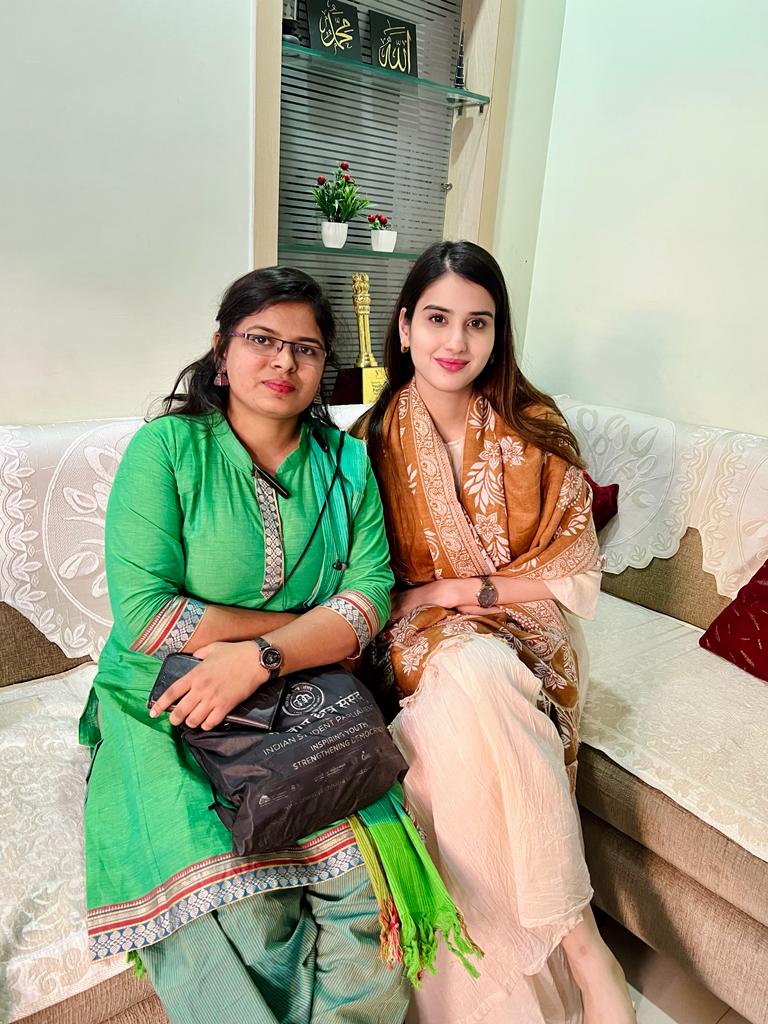
Mahira Khan with her friend Barkha Soni
Apart from Shah Rukh Khan’s films, she likes watching fantasy and animated films. Her favourite film is ‘The Lion King.’
Born and raised in Raipur, Mahira has clear views on nationalism. “We may make big statements but all we need to do is take small steps. Even clearing garbage or helping the poorest of the poor is nationalism. We can be responsible citizens and can try and pass on skills.’’
Mahira studied in DPS, Raipur till Class XII.
In her hour of glory, Mahira misses her paternal grandmother who died of cancer. She remembers her bed-ridden grandmother telling her after she did not win last year: “Mahira is anyway a winner for me. I have won because of her blessings.”
Mahira Khan in Kabba
Her father is in the construction business while her mother is a homemaker.
Mahira says her habit of jotting down important ideas and lines in a diary also helped her end her speech in Urdu which read, “Bade chalo, Bade chalo, Yahi nadai waqt hai, ye Kainath yeh zameen, yeh kehkahsa ka raasta, Issi pe gaamzaan raho’’
Mahira adeed the line, ‘aman ki raah par chalo.”
She said that she chose to use Urdu as the language does not get the recognition it deserves.
She also likes to give credit to her maternal grandfather, Syed Mahfooz Ali Madni, a retired railway man who kindled her interest in Urdu. “He is the one who gave me my name Mahera from the word ‘Maher’ in Urdu. He lives in Raipur and he is always encouraging us to use Urdu. My siblings and I had a Maulana who would come to our house to teach us how to read the Quran. He taught us Arabic but my father also requested him to teach us Urdu. ‘’
Mahira says, “We did not have Urdu in school or college. My father would make sure that we wrote one page in Urdu from an Urdu book every day. This was the only way we can preserve our language. We are trying to save our legacy in our own way.’’
The family is now heading back to India after spending nearly three weeks in Saudi Arabia where they also have relatives.
source: http://www.awazthevoice.in / Awaz, The Voice / Home> Story / by Tripti Nath, New Delhi / April 07th, 2023
DeoraBandhauli Village (Darbhanga District), BIHAR / Mumbai, MAHARASHTRA:
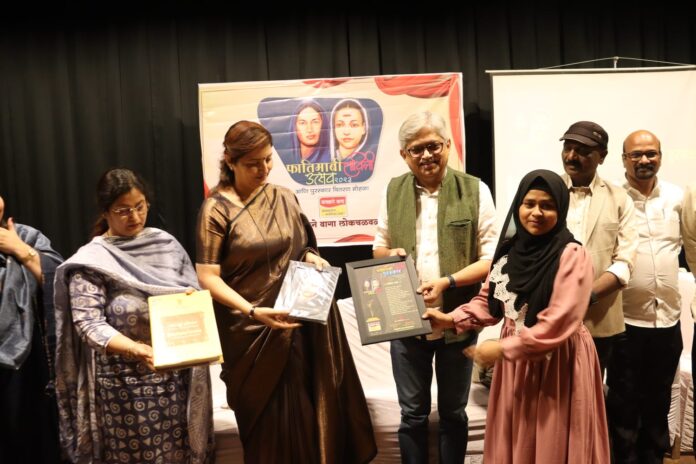
Sadiya Shaikh receiving the Savitri Bai-Fatima Bi Award
Born in Bihar, Sadiya’s family shifted to Mumbai when she was 4 years old. Sadiya, eldest of her 5 siblings has recently been awarded with the Fatima Bi Savitri Bai Award in 2023 for her contribution to society towards education and community upliftment.
At the age of 21, Sadiya’s tremendous efforts towards social work has won her accolades from both regional and national institutions. She is a recipient of the ‘All India Women Achievers Award 2021 organised by Twell TV and Tanishq in Karnataka’s Mysore; part of 100 inspiring women featured at the Global Women Inspiration Awards and Conclave 2021; and ‘Humanitarian Excellence Award’ by ICan Foundation and the more recent Fatima Bi Savitri Bai Award 2023.
Her journey in activism
“Savitri Bai Phule and Fatima Begum have done huge work in the field of education to be such icons. My work in comparison is just a small baby step,” says Sadiya smilingly as she recounts how she was informed of her most recent honour. One morning she got a call from an organisation named ‘kaide ne vagya’ (walk with the constitution) asking her to send her details. Much later she got to know that this organisation identifies 5 young achievers ever year who overcome stereotypes and make a difference in the society. And thus, along with 4 others Sadiya was selected to receive the prestigious Fatima Bi Savitri Bai Award that commenced in the year 2017.
Presently working for international child rights and advocacy group, KidsRights.org, Sadiya’s journey in activism began with the anti-CAA protests in 2019. She had a lot of friends from all faiths till the Citizenship Amendment Bill was passed. When people came out in protest against the Act, she noticed that her friends had all backed out and did not join in the protest.
“I realised we have to fight our own battles and stand up for our rights. It was then that reality hit me that I was living in a dream world,” she recalled. Thus began her journey as a social activist. She got actively involved in organising peaceful protests, supporting groups in advocacy and using her education to empower masses. “People around us have tried to demotivate me, some even told my father not to give me so much of liberty or else I will never get good alliances for marriage,” she added. However, that didn’t deter her from pursuing her path and joining youth activists from different cities in the country to work for bigger causes.
Her first notable work across different communities was when Sadiya helped flood-affected victims in Darbhanga in 2020. This was when she had started ‘Rehnuma Welfare Foundation’ with help from her father, who runs a small leather goods manufacturing unit in Dharavi. The foundation is aimed at stopping child marriages and child labour while paving way for women empowerment from marginalised communities.
“They even mocked him, asking things like do you want your daughter to contest the elections?” but her father did not bother about any outside influence or lack of support. Instead, he accompanied her everywhere she went – conferences, protests, or workshops.
“He accompanied me to Shaheen Bagh, Karnataka and other places,” she said with pride while talking to TwoCircles.net.
Community library
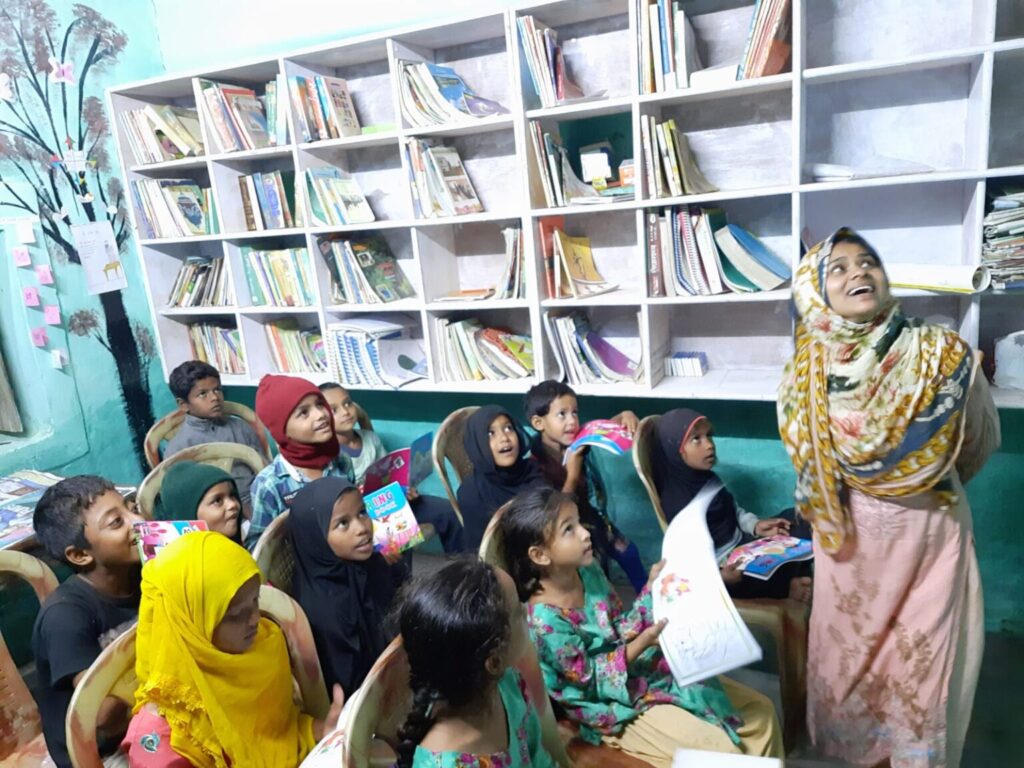
Sadiya hails from Darbhanga district of Deora Bandhauli village in Bihar. This is where her journey as an emerging community leader began. Looking at poverty and inaccessibility of resources, she started a community library for the children of her village called ‘Maulana Azad Library.’ This library houses Bihar School Board and NCERT books from classes I to XII which are issued free of cost to the needy children. There are other books on history, literature, social sciences, etc. that can be borrowed for reading. The children nearby are also helped with their studies at the library which is being managed by Sadiya’s cousin who is pursuing her postgraduation.
Her library has gained a lot of reputation in the surrounding villages as well. Sadiya says her dream is to equip this library with computers and internet facility so the children in the village can access these facilities as well.
The road ahead
“I will continue to work for child welfare and education with renewed energy and inspiration with support from donors, well-wishers and parents,” says a determined Sadiya. Currently pursuing her Masters in Sociology, Sadiya is the eldest among her five siblings – three sisters and a brother with progeria genetic disorder. This emboldens her to work harder and bear the family’s responsibility along with her father.
“I am humbled by these honours as they motivate me to work harder to change the lives of many young children and women from my country India,” she shares when asked about what she feels about winning such big achievements at 21. Sadiya was recently honoured with ‘Emerging Social Work Leader 2021’ at the Asia World Model United conference.
When asked about her future plans, Sadiya says that her focus besides her fulltime postgraduate degree lies on developing more community libraries in other villages and improving education of girls as they suffer the most in underprivileged backgrounds. Her key takeaway from Shaheen Bagh protests was “women can fight to retain the secular fabric of India, end communalism and defeat fascist forces.”
“Muslims, especially women should work on improving their lives at all levels especially education in which we are lagging behind,” Sadiya feels. Motivated by this, she plans on establishing a school for girls with support from funds at ‘Rehnuma Welfare Foundation’ in villages. At present, the organisation is mainly funded and managed by her sisters who are also studying. Therefore, she wants the encouragement of her supporters, donors and parents to make them proud.
Her message to aspiring women leaders is “to be politically, socially aware to raise questions where there is injustice. We should keep the interests of the nation at heart and work towards building a harmonious and peaceful environment.”
source: http://www.twocircles.net / TwoCircles.net / Home> Education / by Nikhat Fatima , TwoCircles.net / April 05th, 2023