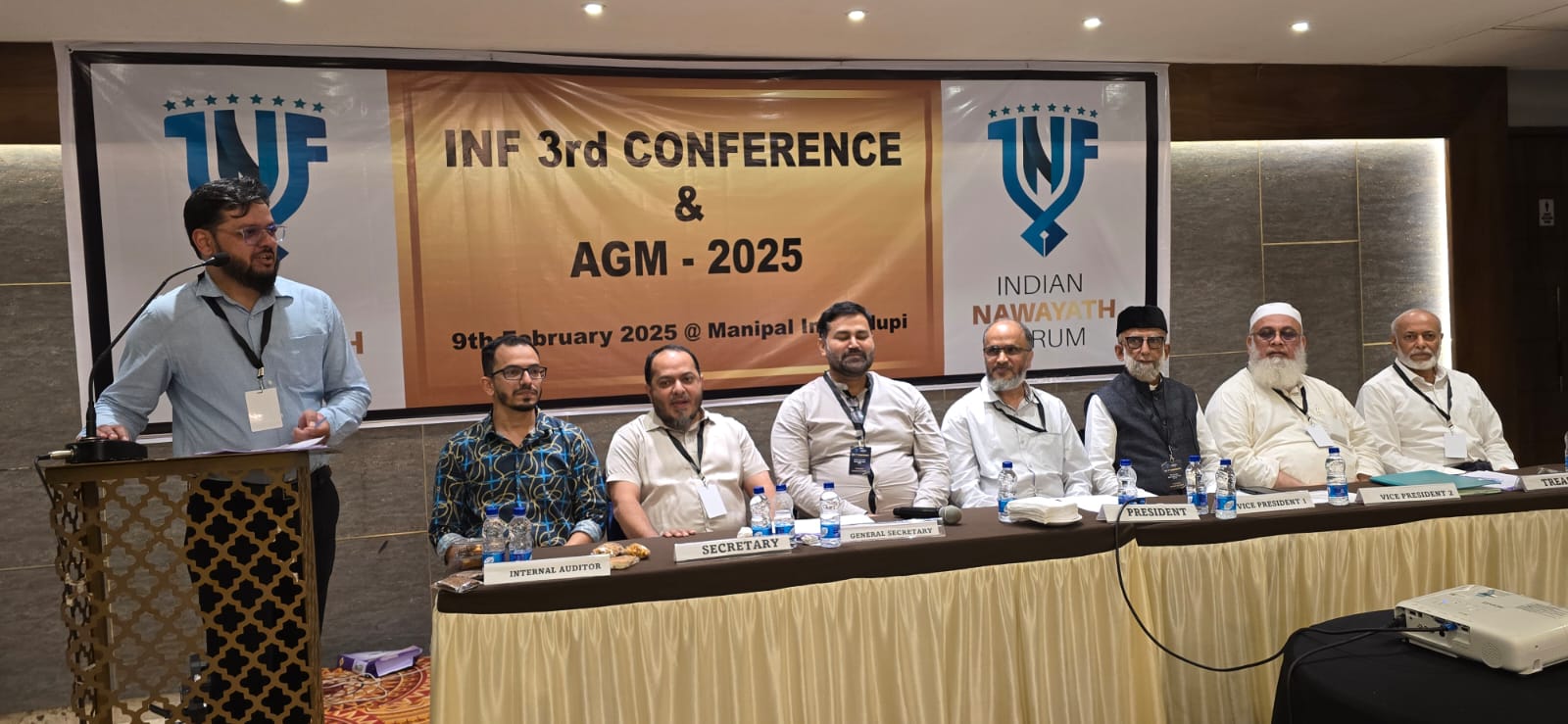
The Indian Nawayath Forum (INF) has appointed its new office bearers for the term 2025-2028, with Aftab Kola assuming the role of President. Hashim Mohtesham (Barni) and Fayyaz Mohtesham have been named as the first and second Vice Presidents, respectively.
Adil Nagarmat has been entrusted with the responsibilities of General Secretary, while Gufran Lanka will serve as Secretary. The forum’s financial management will be overseen by Treasurer Ummer Khalifa, and Faizan Lanka has been designated as the Internal Auditor.
The Indian Nawayath Forum, a prominent organization working for the upliftment and welfare of the society, plays a crucial role in social, educational, and cultural initiatives. With a strong commitment to community development, the newly appointed team aims to carry forward the organization’s objectives and address various issues concerning the Nawayath people.
source: http://www.english.varthabharati.in / Vartha Bharati / Home> Karavali / by Vartha Bharati / February 10th, 2025
He can afford to hand out fistfuls of Liv.52 to anyone feeling liverish, although he would prefer to sell the pill. As Meraj Manal says, one Liv.52 is bought every second somewhere in the world. The only ayurveda pill among the 12 bestselling medications in India, Liv.52 has powered its manufacturer The Himalaya Drug Co into the ranks of Big Pharma in India.
But ask Manal to sell a slice of his privately-held company and you are shown the door. Many consumer care companies have tried to acquire a stake in Bangalore-based Himalaya. Dealmakers know it is not up for sale, but they do not give up hope or stop making bids.
Why should they? Himalaya, started by Manal’s father, the late M. Manal, in 1930 to make herbal tablets in the Himalayan town of Dehradun, is today an established brand in over 70 countries with about 160 products – 66 in pharma, 63 in personal care, nine in baby care and 22 in animal care.
After India, its three top markets are West Asia, Russia and the CIS, and South East Asia. In 1999, Himalaya took its personal care range into global markets, piggybacking the equity of its pharma products.
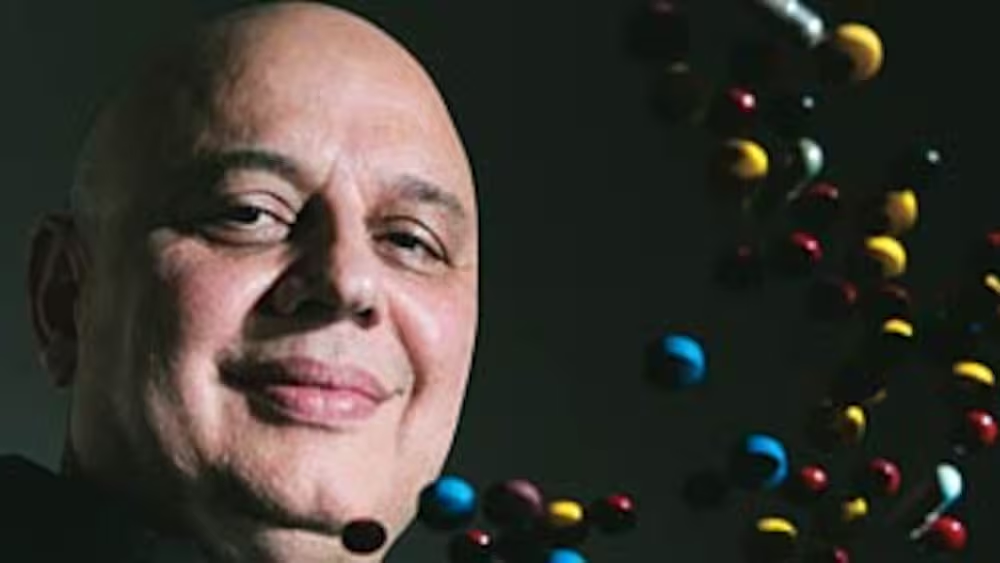
Figures are not available, but Manal says turnover has crossed Rs 1,000 crore on the back of Liv.52, some similar pills and the personal care products. “Liv.52 is one of the biggest successes of my father,” says Manal, Chairman of Himalaya Global Holdings, which owns the nine operating subsidiaries in different regions.
___________________________
I get 3 or 4 offers a year: Meraj Manal
Meraj Manal, 62, has always let his business heads to do the talking. In a rare interview with BT’s K.R. Balasubramanyam, he explains why he does not want outside investments, and why values count more than profits. Edited excerpts
How did your father get into the herbal medicine business? My father spent his lifetime gathering knowledge about traditional household remedies, standardising them, testing them for safety and efficacy and demonstrating them to doctors. He was the first who thought of producing herbal medicines in tablet form so doctors can prescribe them… Whenever he heard about a remedy, he would jot it down on a plain card to work on them later. We have tens of thousands of such cards stored in boxes. Our toothpaste is a product from one such card scribbled 40 years ago.
Why are you still not a public company? I don’t want a rupee from anyone other than the bank, because it is difficult to explain what we do to a shareholder. Can I accept outside investments and allow these cards (pointing to the stacks of his father’s cards) to disappear? Our whole philosophy, our value system is so different, how do I explain this to investors? All my children – four daughters and three sons – think so.
Do you get offers? I receive three or four offers a year. Multinationals have spoken to me and one of them even said we are the nugget of the herbal industry. If I accept these offers and put that money in a bank, I would no doubt get millions every month… What will I do with that money? I don’t want the liability of someone else’s money with me, big or small. Once you accept outside investment, they will start advising us on things like cutting the number of curries in the lunch at our canteen… or the staff transport. They will ask us why you are doing this and that. There is no “why” here. This is how it is. Since we are closely held, I have the luxury to say profits are not everything.
How much of your revenues goes into R&D? In this company, there is no limit on expenses on R&D. That is the only division without a budget. These (pointing to the cards) have to be converted into products.
How are you professionalising the company? As you grow, you need people who know more than you do. You cannot reach the next step unless you professionalise…. We will reserve the holding company for family members and the subsidiaries will have only professionals. We have separated ownership from management. Family members will be responsible for nurturing our value system. I don’t want family members on the business side. If they have energy, they are free to go out and pursue their interests.
So a family member becomes part of the holding company by default? Admission is not by default. They must have something to contribute….My son heads the US business, and not because he is my son, but because he is a professional who knows the US market the best. He is doing remarkably well.
What about this Deputy Chairman’s post? I created the post two years ago and appointed Ravi Prasad for a very special reason. To send a strong message that the operational head does not have to be a Manal. People were astonished and are happy about the decision. Like any CEO of any other region, my son too reports to Ravi. (Ravi Prasad was elevated as Executive Chairman in October. He leads the global management team.)
Are you satisfied with your growth? The growth we have had is more than satisfactory. If I want more than that, then we are greedy. We crossed Rs 1,000 crore in revenues last year. I don’t know much about finances. Professionals handle that. I just sign on the papers. …When I joined the business in 1965, the revenues were Rs 40 lakh…. The way we are growing in North and South America tells me that 20 years from now, they could possibly be our largest markets by volume.
Where is Himalaya headed? We will never move from our core competence. I am not for diversifying. I am not a person who can do other things. Opportunities for growth are unlimited and there is no real need to diversify. Our global operations have taught us many things. The country does not matter. As long as there are homes with people, we will go there.
_______________________________
Research backbone Although Himalaya’s reliance on Liv.52 has come down after both its new as well as old pharma products picked up steam in the market, and it launched personal care products, it all began with this blockbuster, whose recipe was among the many jotted down by Manal’s father on a card.
(Himalaya’s future lies in thousands of similar cards with notes that are stacked in boxes in Manal’s room.) The 52nd formula was a hit. Manal senior’s aim had been to make herbal remedies available in tablet form, scientifically tested for efficacy, identified by name and prescribed by doctors. The passion for research continues.
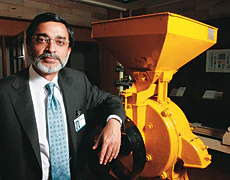
Ravi Prasad
Himalaya has raised its research, development and manufacturing standards so that its products clear regulatory hurdles abroad. “Apart from ayurvedic institutions, we also do clinical trials in leading allopathic institutions both in India and abroad,” says Ravi Prasad, Executive Chairman of Himalaya Drug Company, who leads the team of professionals worldwide.
“The regulatory picture is not clear in many countries and in some countries our standards have been recognised as the benchmark,” he says. Himalaya’s R&D facility, he says, is one of the biggest for an ayurveda manufacturer, with about 120 multidisciplinary scientists. As Manal proudly declares, R&D is the “backbone” of the company.
Himalaya knows the key to growth lies in its ability to create more patents. The US Patent and Trademark Office has granted it patents for its sunscreen, under-eye cream, laxative, sedative, immunestimulant, anti-acne range and hairloss cream, and 76 applications are pending. It has just released in the US markets a new type of tablet in which the binders are also derived from herbs. “No company has done this before, and we have filed for a process patent,” says Ravi Prasad. Until the 1990s, Himalaya’s portfolio had only pharma remedies. It entered the equally lucrative consumer care market with some 20 products under the Ayurvedic Concepts range in 2001. Two years later, it created the umbrella brand Himalaya Herbal Healthcare. It also began opening exclusive outlets: there are 130 shops in India and 25 in Singapore, Malaysia, South Africa and the Cayman Islands.
Dream run According to Ravi Prasad, Himalaya’s personal care products are growing much faster globally than pharma products, because pharma faces tough regulations in some countries. As of now, Himalaya gets 58 per cent of its revenues from pharma products, but that seems set to change. Saket Gore, Business Head of the consumer products division, says: “Today, we are the market leaders in face washes in the UAE, India and Malaysia.”
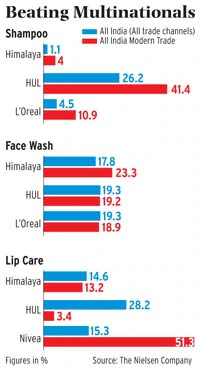
According to The Nielsen Co figures for April-June 2010, Himalaya face washes had a 17.8 per cent market share in India, less than two percentage points behind multinationals Hindustan Unilever Ltd and L’Oreal. Himalaya’s individual products also face competition from firms that are strong in one or just a few products, such as Colgate in toothpaste and Fair & Lovely in face masks. Doctors have been Himalaya’s biggest brand ambassadors in pharmaceuticals.
Philipe Haydon, President & CEO for pharmaceuticals, says Himalaya is in touch with about 3.75 lakh doctors and reaches 94 per cent of pharma retailers. “We are the modern face of ayurveda in India and our medical representatives promote products with scientific detailing,” says Haydon, who is also the CEO of the Asia Pacific region. In ayurveda retail, Himalaya competes with the likes of Dabur, Charak, and Baidyanath
Source: Indian Pharmaceutical Market rankings based on Org SSA report / Aug 2010
__________________________
Internationally, consumer care and pharma contribute equally to revenues. “In 20 years from now, North and South America could possibly be our largest markets by volume. They are very big on herbal medicine,” says Manal. These markets are headed by his son Nabeel, 36.
The Prognosis Industry observers believe that while Himalaya has built a cult in Liv.52, it needs more such blockbusters to make up for its low-key marketing and a distribution network weaker than that of rivals such as Dabur India.
“Today, the brand Himalaya is recognised and closely associated as a natural remedy, but on the personal-care front it sends out no cues to a consumer. This is important in the FMCG category where it competes with many others,” observes Kannan Sitaram, a former chief operating officer of Dabur.
Analysts say that opening shop-in-shops and branded stores is a good strategy. “But brandbuilding investments are required so that consumers will walk into a shop only for the Himalaya display. Also, being positioned as a mass brand, it needs greater presence and investment in distribution,” says Sitaram. But the company has to figure out if its returns are justified. “After all, rentals are going up,” he says.
In pharma, Himalaya is stronger. “It has very sharply- positioned products for the eyes, liver, bones and so on. It is also present in areas that are not crowded. Besides, it spends huge sums on R&D and can compete with some of the best pharma companies in India,” says R.B. Smarta, Managing Director, Interlink Marketing Consultancy.
This also gives it an edge in global markets, where the demand for natural, ayurvedic and herbal remedies is growing. “They have very precise and extensive documentation on each of their ingredients, that can withstand the rigor of clinical trials. Their patents also stand them in good stead,” says Smarta.
By buying raw materials directly from growers, collectors and nongovernmental organisations, Himalaya keeps costs under control. Recently, it signed an agreement with the Sikkim government to prepare farmers in organic farming of herbs and sustainable collection. In September, Himalaya, along with a few others, came under fire from the Centre for Science and Environment or CSE, which claimed that Himalaya’s honey contained antibiotics beyond the stipulated standards. Ravi Prasad denies the charge. “The same batch was tested at three independent laboratories and none found any trace of antibiotics.
Our technical team will soon meet the CSE with these findings and seek its comments,” he says.
No entry Manal does not run day-to-day affairs and has professionalised the company by elevating Ravi Prasad as the executive head, so that his father’s legacy grows independent of the family. “My father’s life’s mission was to help people and we will move in his footsteps,” says Manal, who follows the modest example set by his father. (In September, when Ravi Prasad called on Manal at his apartment in Dubai, the chairman travelled with him to Himalaya’s office in the Metro and then took a bus to attend another meeting.)
Of Manal’s seven children, only Nabeel works for the company. Two daughters are married and homemakers, and the other two daughters and a son are still studying. One son works in the financial sector in the US. Manal is content with bank funding, and proud of his 40-yearold relationship with Union Bank of India. In turn, M.V. Nair, the bank’s Chairman and Managing Director, says its long relationship with Himalaya is a wonderful example of a banker- entrepreneur growth story.
Himayala’s requirement of funds depends on projects. It borrowed Rs 100 crore two years ago from the bank to make its manufacturing unit in Bangalore compliant with European and American standards.
Dealmakers and investment bankers are not put off by Manal’s “No Entry” board. Recently a personal-care multinational contacted Bangalore’s Viedea Capital Advisors, looking for a sizeable stake in Himalaya. Deepak Srinath, cofounder of Viedea, says: “The management did not entertain any conversation on the subject.”
Himalaya, Srinath says, is a dream mandate for any investment banker because it has all the ingredients that a PE or strategic investor looks for – a highly credible brand name, an impressive product portfolio, a professional management and profitability.
“Also, the promoters have a reputation for being ethical,” says Srinath. According to the India head of an American PE firm, Himalaya is an ideal target since its capex needs are not large and can be met by internal accruals and bank funding. Such companies usually give robust returns.
But Manal is focused on different things: “The scope for growth is unlimited. As long as there are homes with people, that family is our customer. We don’t recognise borders.”
With inputs by Shamni Pande
source: http://www.businesstoday.in / Business Today.in / Home> News> BT Magazine> Features / by K R Balasubramanyam / Print edition / November 28th, 2010
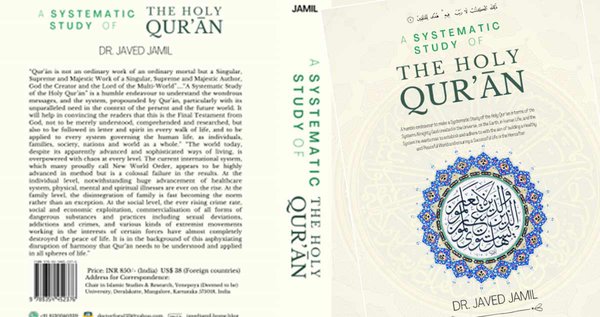
Review of Dr. Javed Jamil’s book “A Systematic Study of the Holy Qur’ān”
Dr. Javed Jamil has already earned wide acclaim for his innovative and holistic approach on the world affairs and for his concept of Applied Islamics, which implies examining the scientific theories, international ideologies and developments in the light of Islamic principles and presenting Islamic Paradigms/Models/Definitions/Concepts/Programmes in different areas of knowledge in Natural Sciences, Social Sciences as well as Health Sciences. His books like “Muslims Most Civilised, Yet Not Enough?”, “Muslim Vision of Secular India: Destination and Roadmap”, “Justice Imprisoned”, “Economics First or Health First?” have brought a new approach based on the facts and figures, which have not only highlighted the failure of the modern systems in creating a healthy and peaceful world but have also successfully countered the propaganda by Western and other forces against Islam. His latest book, “A Systematic Study of the Holy Qur’ān” may well become his most applauded work in coming times because of, (using the title of the Foreword by Former Vice Chancellor of University of Hyderabad, Padamshri Prof. E Hasnain,) its “Unique Insight into the Wondrous Verses of the Holy Qur’ān”. It will be worthwhile here to quote a passage from the Foreword:
“What attracted my attention at the very outset was the caption on the cover of the book. The book describes Qur’ān as “a humble endeavour to make a Systematic Study of the Holy Qur’an in terms of the Systems Almighty God created in the Universe, on the Earth, in Human Life, and the System He wants man to establish and adhere to with the aim of building a Healthy and Peaceful World and ensuring a Successful Life in the Hereafter”. This is a categorical confirmation of the fact that, in Qur’ān there are a very large number of verses, which describe the Creation and Functioning of the Universe as a whole and the Functioning of the Earth, including its flora and fauna. There is absolutely no doubt that, if human beings have to establish on earth the kind of harmonious functioning existing in the universe, they have no option but to follow God’s injunctions in full. The particles of the universe, the stars, the planets and all other celestial bodies follow the Laws of Nature created by God with unimaginable precision. If God gave us human beings certain flexibility, we should endeavour to work only within the boundaries prescribed by Qur’ān. Moreover. the system that God has directed through His Final Book and Final Prophet (SAW) needs to be established not only in the lives of the people, but in the world as a whole, including the legal, social, political and administrative levels.
By just viewing the list of contents of the book, one can have an idea of the holistic nature of the work. It has five major parts: Iman (Realization with Commitment), Philosophy, Constitution, Systems and History of Confrontation between the Right and Wrong. The chapter on Iman covers Qur’ānic view of God/Allah with His Creation and Governing of the universe , the role of Prophets, especially the Last Prophet Muhammad (PBUH), the Books of God, Hereafter, Executive Angels and Predestination. Part 2 on Philosophy covers Philosophical issues related to Qur’ānic position of Monotheism, life, different religions, human nature, etc. Chapter 3 on Constitution covers Fundamental Rights, Fundamental Duties and Fundamental Prohibitions, Civil and Criminal Laws. Part 4 on Systems of Governance include Social, Political, Economic, Moral, Spiritual and Health Protective Systems and the Part 5 on History of Confrontation between the Right and Wrong compiles the stories of Prophets from Adam (AS) to Muhammad (SAW).
The book presents Islam as a Holistic System for Health, Security and Peace for mankind in this world as well as Hereafter, and effectively counters modern ideologies based on the supremacy of Economics. His arguments are highly convincing, as they are accompanied with facts and figures. He argues that while the modern constitutional systems are two-dimensional based on Fundamental Rights and Duties, while ignoring prohibitions altogether, Qur’ānic system of governance is Three-Dimensional with equal emphasis on Rights, Duties and Prohibitions. He lambastes the concept of Freedom of Choice, which is being used by the market forces to exploit the human susceptibilities at the huge cost of life and peace, resulting in tens of millions of deaths due to Alcohol, Sexual corruptions (including Homosexuality, Promiscuity and Prostitution), Gambling, Suicides, Pork, etc.
In each chapter, first a well thought and crafted article is presented followed by the compilation of the Qur’ānic verses related to that subject. The verses are followed by notes wherever necessary, providing huge information. In the first chapter on “The Supreme Being”, the components of the universe and their functioning in accordance with God’s designs are presented, and a full-blown picture of the physical State (Mulk) of universe created and governed by Head of State, Almighty God/Allah, through a unique system of the Laws of Nature (Umoor) has been developed. The arguments in Theoretical Physics about the universe being created without God have also been countered in a unique manner. The author has translated “Samaawaat” as “Cosmic Tiers” and has shown their positioning in terms of the structure of the universe. For example, Sky of the earth (atmosphere, clouds, protective roof) is the First Cosmic Tier, Solar System (Samaa-al dunyaa) the Second, Galaxy (Milky Way being ours) the Third, Cluster and Supercluster being the next in order and so on. Terms like Najam, Kawaakib, Shihab-at-Thaqib, Najm-ath-thaqib, Tariq, Samaa- dhaatil burooj, dhaatil-raj’a etc have been explained. The author notes that further researches will more specifically point out the exact positioning of these Samaawaat. When the terms Sajda, Tasbeeh, Hamd etc, are used in relation to the physical components of the universe, their existence being only physical, these terms also indicate their different physical movements like rotation on their own axis or around other objects in compliance of the Laws of Nature created and implemented by God, the Lord of the Universe. Human Sajdahs, Tasbehs and Hamd of course have physical, biological, mental, spiritual and social dimensions as well.
But the author clarifies that instead of studying Qur’ān in the light of Sciences, modern sciences and ideologies have to be studied in the light of Qur’ānic positions. Sciences can be in an evolving phase but Qur’ān is the Word of God, with absolute facts. It is another matter, due to our immense paucity of knowledge about the facts of the vast universe; more often than not we cannot fully understand their meaning.
In the chapter on different systems, he has presented alternative Islamic paradigms/models of Economic, Political, Social, Moral, Spiritual and Health protective systems of Islam, with critical review of the modern systems prevalent at the international level. He argues that the primary aim of Islamic Prohibitions and Permissions is to ensure highest standards of physical, mental, social, spiritual health and family peace and crimeless society, free of all forms of exploitation. Following these injunctions with total commitment to God, Last Prophet and Last Testament Quran will also ensure a Blissful life in Paradise after death.
The chapter on History becomes doubly interesting, as it also uses the excerpts from Torah, Evangel (Injil) and Psalms (Zabur) to explain in detail the lives and achievements of the Prophets/Ambassadors of God.
The book has used many terms, which are different from the traditional ones, but they add to the advanced understanding of the Holy Qur’an in exploring the functioning of the universe, life on earth and human existence. The basic argument according to the author which comes out from the study of Qur’an is that if the unimaginably vast universe is functioning with impeccable harmony for billions of years, it is because each and every particle and area of the universe is following with utmost precision the Laws of Nature, Biological and other laws created by God, and if the mankind has to have a peaceful and harmonious existence, they have no option but to follow the Laws sent through His Ambassadors by God, Qur’an being the Final Constitution for all times to come till the Doomsday.
The cover is attractive and the printing of the book is of good quality. Over-all, it is a must-read book for all Muslims, especially the students, scholars and analysts, and has the potential to revolutionise the future studies of Qur’an and Islam, with their application in every field of the human existence – individual and collective, internal and external. It will be worthwhile to conclude this review by quoting a few paragraphs from the book:
“The world today, despite its apparently advanced and sophisticated ways of living, is overpowered with chaos at every level. The current international system, which many proudly call New World Order, appears to be highly advanced in method but is a colossal failure in the results. At the individual level, notwithstanding huge advancement of healthcare system, physical, mental and spiritual illnesses are ever on the rise. At the family level, the disintegration of family is fast becoming the norm rather than an exception. At the social level, the ever rising crime rate, social and economic exploitation, commercialisation of all forms of dangerous substances and practices including sexual deviations, addictions and crimes, and various kinds of extremist movements working in the interests of certain forces have almost completely destroyed the peace of life. It is in the background of this asphyxiating disruption of harmony that Qur’ān needs to be understood and applied in all spheres of life.”
“True Version of Anthropic Principle says that (1) It is God Who created the universe ultimately leading to the creation of man; (2) God controlled the whole process of creation; (3) the creation of man was not an unintended coincidence but an intended act of God; (4) the purpose of man is not simply describing the beauty of the universe, but to attain the Realization that this harmonious universe has been created, and is being governed by God; and (5) man has to submit to the System of existence perfected through His Ambassadors and Testaments, and govern the Earth in accordance with the Divine commands.”
“In short, the message of Qur’ān, the Final Document of Peace, is unequivocal. Anything good, healthy and desirable in terms of health, peace and tranquillity, has to be promoted, and anything unhealthy and undesirable has to be discouraged. Both, short term and long terms benefits are allowed; but if short term benefits seriously endanger the long term benefits, long term benefits have to be preferred. All possible means within the ambit of Islam are to be availed for achieving the goal. The goal, however, cannot be achieved with perfection, unless there is unity of mankind; and mankind cannot unite unless it submits to One God, imitates One Prophet, follows One Book and faces One Direction. This is the real meaning of Wahdat (Unity), which is central to all the Islamic systems of affairs. Wahdat of God means, in effect, the Wahdat of mankind.” “Islam’s agenda, as shown by the Quran and Prophet (SAW), is to establish Natural and Just Word Order. The agenda of the present world is to establish and sustain New World Order. It has led to the development of a strange kind of world, which appears to be paradise from outside, but as one enters it, one finds nothing but hell. We are living in a world where, thanks to the designs of merchants, immorality reigns. The globe of New World Order is therefore rapidly developing into nothing but a fireball of chaos.It is in the backdrop of this universal disharmony that Islam, in its final form established by the Last Prophet (SAW), has to play its role. We have to challenge New World Order and establish Natural Just World Order, in accordance with the principles laid down by the Book of God and the life of the Prophet (SAW).”
Price: INR 850/- Outside India: US$ 38, for copies WhatsApp on: +918130340339, Email: doctorforu123#yahoo.com
source: http://www.milligazette.com / The Milli Gazette / Home> News> Books / by J Ali / March 24th, 2021
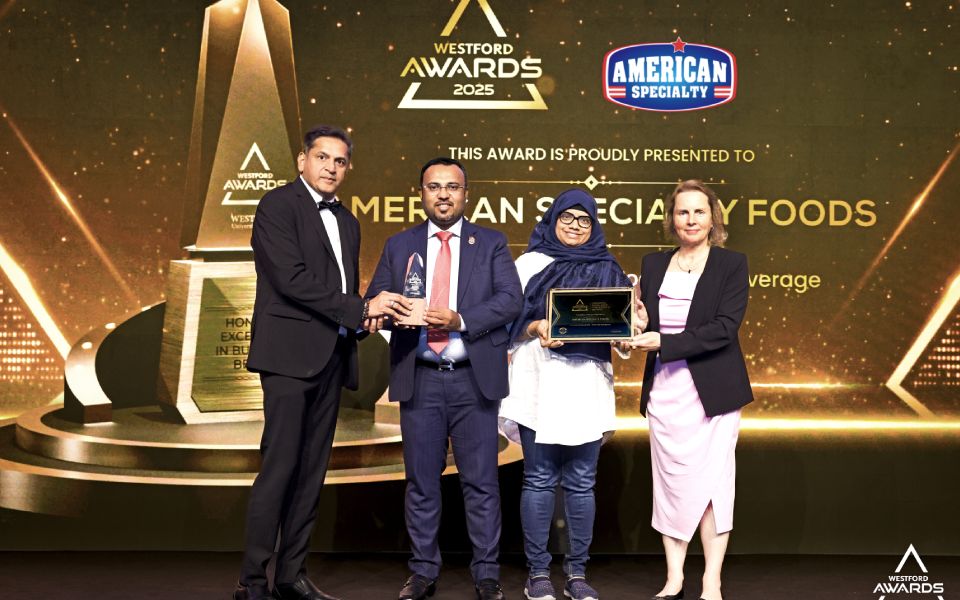
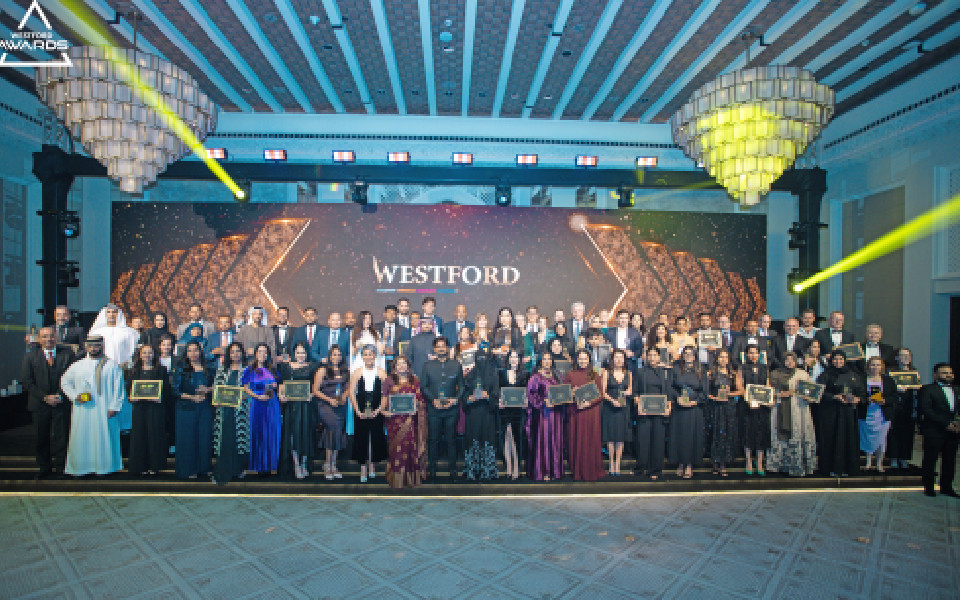
American Specialty Foods Co has been honored with the prestigious Westford Award for Business Excellence in the Food & Beverage category. The award was presented at a grand ceremony held at Madinat Jumeirah, Mina Al Salam, Dubai, on January 24, 2025.
The award was received by the company’s Founder and CEO, Hany M. Haneef, along with Co-founder and Director, Shahanaz Haneef. Expressing his gratitude, Haneef stated, “I am truly honored to receive this award. It belongs to our incredible team, partners, and supporters. Success is built on dedication, teamwork, and excellence. This is just the beginning; there is so much more ahead.”
Established in 2013, American Specialty Foods Co has grown into a leading provider of premium global food solutions. Headquartered in Maryland, USA, the company also has offices in New York, Mexico, the UK, and the UAE. With a distribution network spanning over 50 countries, the company offers more than 20 specialty food categories and actively participates in major international food trade events worldwide.
The Westford Awards recognize outstanding business achievements across various industries, providing winners with greater visibility and networking opportunities. “This recognition further cements American Specialty Foods Co’s position as a leader in the specialty food and beverage sector,” a statement from the company added.
source: http://www.english.varthabharati.in / Vartha Bharati / Home> Gulf / by Vartha Bharati / January 31st, 2025
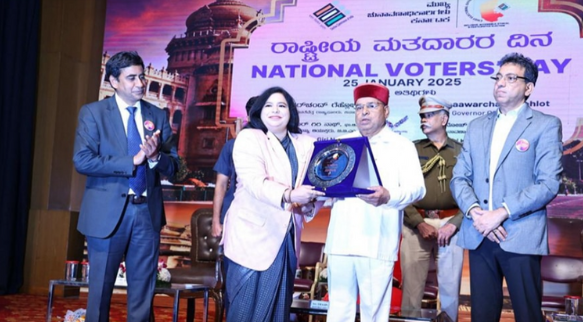
Anjum Tabassum, Tahsildar of Humnabad in Bidar district of Karnataka was presented with an award for her excellent performance as Assistant Electoral Registration Officer during Parliamentary elections 2024.
State governor Thawarchand Gehlot gave away the award to her on National Voters’ Day in Bengaluru on January 25.
This prestigious recognition is a testament to her outstanding efforts and dedication during the Lok Sabha Elections 2024. Her hard work has paid off, and this award is a well-deserved acknowledgment of her commitment to ensuring free and fair election.
Anjum Tabassum Lashkari from Gulbarga cracked the Karnataka Administrative Services (KAS) in 2014. She did her masters from Gulbarga University and had schooling earlier in Shahbad town.
source: http://www.radiancenews.com / Radiance News / Home> Pride of the Nation> Awards> Latest News / by Mohammed Atherulla Shariff / January 27th, 2025
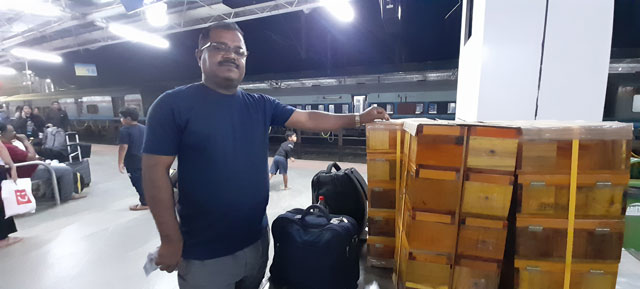
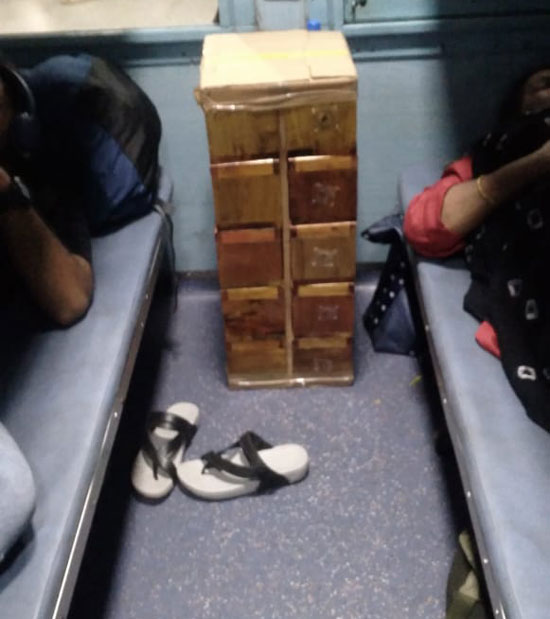
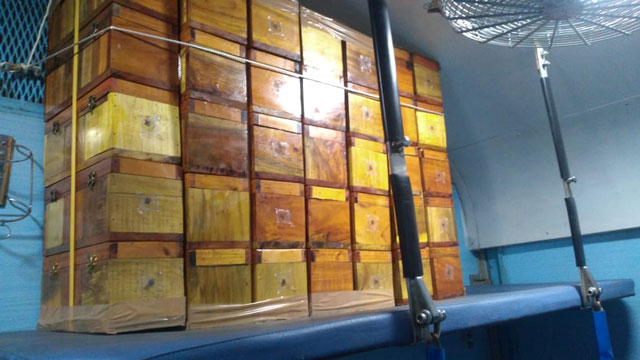
In a significant achievement, Abdul Gaffar, a resident of Berikey House, Nekkilady, Uppinangady, has successfully transported 100 stingless bee colonies along with bees to Gujarat. The transportation was carried out via train from Mangaluru to Gujarat, passing through Bengaluru.
A Gulf returnee, Gaffar initially took up beekeeping as a hobby during the COVID-19 pandemic. However, his passion soon turned into a full-time profession. He attributes his success to the guidance of Manmohan Arambya, who directed him to RUDSETI Ujire for scientific training in beekeeping.
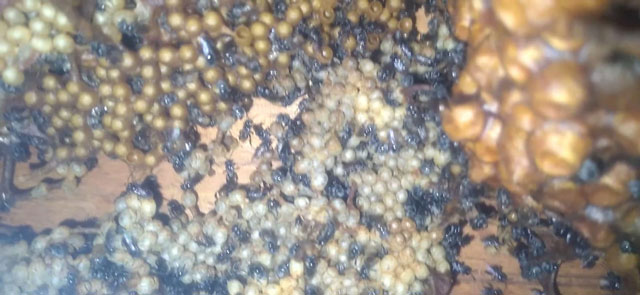
Today, Gaffar manages an extensive collection of bee colonies, including 2,000 stingless bee colonies, 500 cerana bee colonies, and 10 white stingless bee colonies, known as Lisotrigona.
Notably, he is the only beekeeper in Karnataka to own Lisotrigona colonies. As part of his contribution to research, he has also donated one Lisotrigona colony to the University of Agricultural Sciences, Bengaluru.
Gaffar has expanded his work beyond beekeeping. He now deals in high-quality honey, bee pollen, beeswax, bee comb, and bee propolis. Additionally, he has designed innovative beehives tailored for stingless bees, making beekeeping more accessible and efficient. With the increasing demand for stingless bee colonies due to their medicinal benefits, his work has gained widespread recognition.
Acknowledging his journey, Gaffar expressed gratitude to his mentor Manmohan Arambya, RUDSETI Ujire, and senior researchers from the University of Agricultural Sciences, Bengaluru—Dr Shashidhar and Dr K T Vijayakumar—for their unwavering support and guidance.
His remarkable success stands as an inspiration, highlighting the potential of beekeeping as a promising profession and contributing to the preservation of these essential pollinators.
source: http://www.daijiworld.com / Daijiworld.com / Home> Karnataka / by Media Release / January 29th, 2025
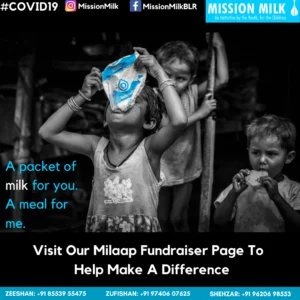
In an interview with The Global Hues, three cousins from Bengaluru – Zeeshan Javid, Zufishan Pasha, and Shehzar Sheriff shared their incredible journey of mission milk ensuring milk supply to impoverished kids in their city since the onset of the first lockdown in April 2020.
In what would arguably be the largest mass exodus in the history of independent India, the plight of migrant workers and their kids — stranded, exhausted, physically battered, mentally drained, forced to travel hundreds of miles on foot, often on hungry stomachs and with no money to get by — brought to the fore the vulnerability, dread, and agony of millions. As the centre and state governments tried their best to ensure the supply of essentials to the needy, milk (a basic source of nutrition for kids ) was being overlooked.
Realizing the urgency of this salient requirement, these young cousins from Bengaluru began Mission Milk in April 2020. The idea of Mission Milk originated with a ration distribution drive that was conducted by the families of this trio. Zufishan recounts how once while conducting these drives, a group of really poor migrant workers had approached them with the woes of their children who often had to go to bed hungry as it wasn’t always plausible to make arrangements to cook the dal and rice that they would receive through the ration kit distribution.
“We are lucky enough to be in a situation where we don’t necessarily have to worry about basic needs such as food,” says Zeeshan. It was a sense of empathy and personal responsibility they felt regarding the condition of poverty-stricken children going hungry during the pandemic that birthed the idea of “Mission Milk”. Today, they are distributing about 500 liters of milk a day throughout the city.
Why Milk?
While brainstorming ways to help out these kids, they came up with the idea of distributing milk. Compared to ration kits, which would sometimes cost up to 3000 rupees per kit, milk was relatively cheap. Moreover, distributing milk which costs around rupees 37 per liter would allow for more people to help out at their capacity. Even a child could help out the needy with milk by saving up some money from his weekly allowances. This would allow for a wider network to join hands with the initiative and amplify its reach.
Remaining faithful to their tagline “By the youth, For the children”, they aspired to take the mission in a direction that surged youth participation, not only for the sake of the children but also for their personal growth as humble individuals. Mission Milk believes in giving back to society by helping the distraught in times of need, such as the pandemic. It teaches one humility and compassion and makes one feel grateful about their own situation.
A Movement To Inspire
Zeeshan, the co-founder of Mission Milk tells us that their goal was to spark a nationwide movement where people felt stirred enough to organize similar initiatives in their cities to help out the needy. He tells us that theirs is not an organization with any secrets which aspires for popularity or recognition. They have put up several videos on their platform showcasing methods to implement such initiatives anywhere in the country. The idea behind its inception is to galvanize people, especially the youth, to take prompt actions in improving the condition of their immediate neighborhoods.
The goal is to allow this movement to set off the build-up of similar organizations like theirs which work dedicatedly in their areas & capacities for the benefit of those hit severely by the pandemic. In the words of Shehzar (co-founder, Mission Milk) “It has been the immense motivation received from donors, milk angels ( anybody who has been involved with mission milk), and the joy on children’s faces that has kept them going at it tirelessly”.
Functioning Of Mission Milk
The first step involves the collection of funds which is followed by a survey to analyze the number of families and kids in a designated area who could benefit from the initiative. To make this happen, local volunteers are chosen who have a better idea about the demographics of the area and are aware of the location of dairy points. An agreement is set up with the dairy partner regarding the designated packets that the local volunteers would be buying to distribute.
A decentralized and adaptable approach is used whereby the local volunteers are free to buy and distribute milk as per the requirement of the community. For example, migration workers who were leaving for train stations as the lockdown was announced last year, were provided with tetra milk packets that guaranteed longevity and did not require refrigeration or heating to be consumed. Taking assistance from the already available databases of various NGOs, they could ensure better reach to those in need. It helped them nearly double their reach.
A decentralized approach of Mission Milk makes local and NGO volunteers work hand in hand in surveying new places and estimating their requirements.
After getting repeated requests from orphanages throughout Bangalore, they have recently started distributing milk to around 5 orphanages in different parts of the city during the second wave of the pandemic.
source: youtube.com
COVID-19 Care :
Their job simply doesn’t end at distributing milk. With the help of local volunteers, information regarding covid-19 safety is spread throughout the communities they serve. The volunteers make sure to make use of masks, sanitizers, and gloves not just for their own safety but also to set an example for these communities.
Overcoming Barriers
“Funding was a roadblock initially but things fall in place once you get into the thick of things and begin the work”
Zeeshan exclaimed. Updates about their activities are regularly given to the donors through texts to maintain accountability and trust. The creation of a fundraising page was premier in helping them gather enough funds to get the mission started. With the second wave of the pandemic hitting people much closer to home, it was not feasible to gather enough volunteers to do the job. This situation was grappled with by seeking help from local NGO volunteers who were dedicated enough to carry out these services during the pandemic.
Delivering milk before it gets spoiled was another challenge that was overcome by coordinating timings with the local milk vendor and making timely deliveries. Future plans of this organization involve getting registered as an authentic company or a trust to spread their reach nationwide and help as many as possible.
source: http://www.theglobalhues.com / The Global Hues / Home> Interview> Magazine / by The Global Hues / May 31st, 2021
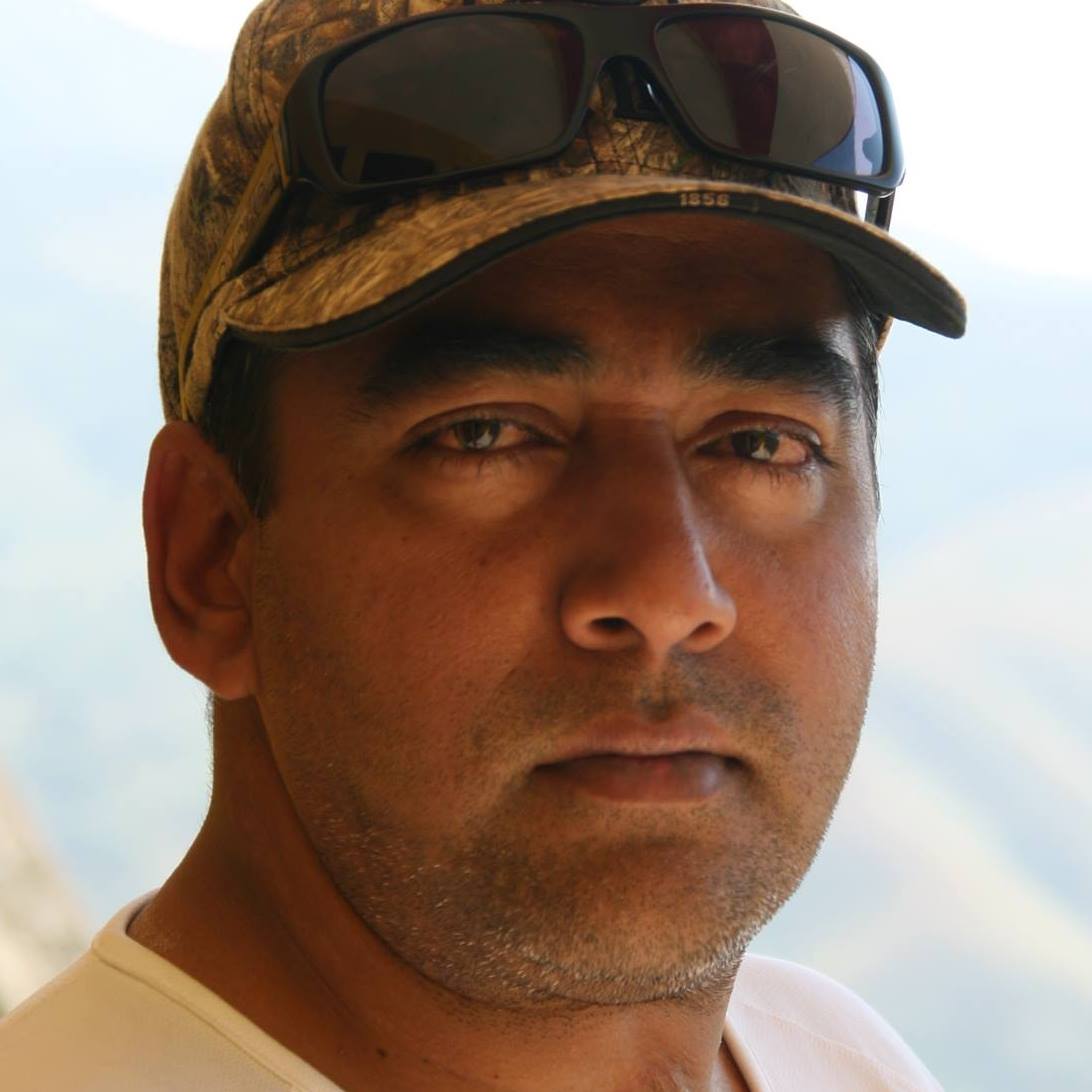
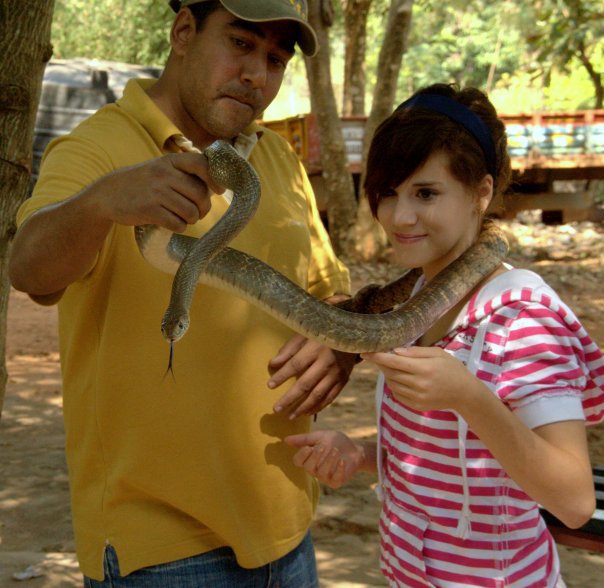
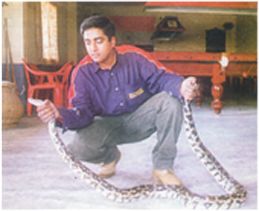
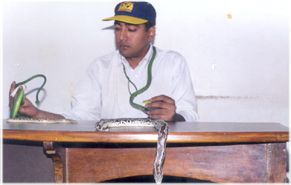
After catching thousands of snakes (venomous and non-venomous), featuring in several shows on Animal Planet, Discovery and National Geographic, shooting one-hour documentaries on snakes for the same channels and having acquired the status of a celebrity snake-catcher over 20 long years, what reason could Mohammed Anees have to be slightly bitter about it all? In his words, ‘the lack of respect people have for the profession’.
His passion for snakes began as a child, and he trained himself over the years through various books by respected herpetologists and experts and despite opposition from his family, he made long trips on his bike in the early days to follow up on calls from bite victims and people who wanted snakes removed from their property.
But Anees is quite upset with the government’s approach towards snakes and snake- catchers.
“They are not supporting them at all.
All their pleas have fallen on deaf ears for so long now. Unlike other professions, here you have to put in money from your own pocket to survive. I can’t pin the blame on a single person, it is the system to blame which doesn’t respect snakes or snake-catchers,” says Anees.
“It’s a thankless job, but I have stuck to it for the sake of the many lives which are at risk from snakes, and of course for the snakes too,” he says. It never did and still doesn’t pay enough to clear his overheads, and he addresses that problem with his construction business and by manufacturing billiards tables.
His life is a heady mix of many things, of course snakes figure predominantly, despite him not being able to go out on calls often due to a niggling back problem.
He loves cats and has several Persian cats, besides his beloved Lost-2, the cat he is most attached to. His son Shoaib, is following his footsteps, as is evident from a picture of the spirited kid with large snakes hanging from his body.
Just like any other day in his life which is flooded by calls from people wanting his expert advice regarding snakes, Tuesday began with a call from Tumkur at 6 am, from a family who wanted him to help their daughter, who was suspected to have been bitten by a snake. He gave them real-time advice and asked them to send him pictures of the bitten area. This was followed by a slew of calls from JP Nagar, HSR Layout and a lot of other places.
He now has a team of four boys he has trained personally, who go out on regular calls. When it comes to training people and raising awareness about the reptiles, he has trained over 300 people till now, who are now practising snake catchers across the state. One more thing that he is proud of is the fact that none of his students have ever got bitten.
“By god’s grace till now I have never been bitten by snakes and I have never even killed one in my life.” says Anees.
“A snake-catcher who knows his profession will never need to kill one,” he signs off.
source: http://www.newindianexpress.com / The New Indian Express / Home> Bengaluru / by The New Indian Express – Online Archive / pixs edited from facebook.com / May 16th, 2012
Mohammed Anees was in the 3rd standard and on his way to Baldwin Boys high School, where he studied, when he laid eyes on the first one. It was run over by a truck and the hind part of its tail smashed on the tarmac.
But, little Mohammed, picked it up, put it in his school bag and took it to school. During class, somehow it managed to wriggle out. In no time the whole class was screaming, and Mohammed got beaten by his class teacher, his Principal, and later in the day by his parents and then his uncles, in that order.
It was Mohammed’s first encounter with the species.
The snake.
Since that fateful day, which he remembers with a sheepish grin, Mohammed has rescued caught and rehabilitated more than 2500 snakes, earning him the title ” The Snake Charmer of Bangalore”.
From Majestic to Shivajinagar, residents remember him fondly as the man who ‘charmed’ hundreds of poisonous snakes out of their compounds and houses.
Online Bangalore met up with this extraordinary human who snaked his way into our hearts. He talks fondly of his undying love for snakes, their habitats and our relationship with the most misunderstood of God’s creatures. As we seated ourselves on his balcony, and sipped tea, Mohammed unwraps a cloth covered glass tank, and displays to us two baby snakes, each about 15 centimeters long.
With one eye on these beautiful specimens, and the other on Mohammed, their guardian, we start the conversation.
What Snakes are these? These are baby Trinkets. And this is for the first time in India that they are being bred in captivity. I found their mother almost dead. I brought her home, and nurtured her. She laid 8 eggs. These are the two which hatched ( He tosses in a baby lizard into the tank as feed).
Contrary to what the reptile theoreticians assume, it took 85 days for them to hatch. They said 45 to 50 days. I have proved them wrong. Until you do it by yourself, you’ll never know for sure.
Have you bred any other snakes in captivity before? Yes. I have incubated, hatched and raised 17 cobras in captivity.
When and where was your earliest contact with snakes? On my uncles farm in Chickballapur. It was punishment transfer according to my folks, ‘coz I’d fared badly in my 10th standard exams. But for me, it was some of the greatest days of my life, as I would catch lots of snakes and then release them in the nearby forests. I guess I became an expert from those days on the farm.
How did you become popular as a snake catcher in Bangalore? After I moved to Bangalore after the farm days, I used to help catch snakes initially from the houses of my friends and relatives. Gradually the word spread and then people from all parts of the city started calling me.
Which parts of Bangalore are most infested with snakes? The whole of Bangalore actually. But, the most densely infested areas are Kamanahalli, Bashweshwar Nagar, HAL – Indiranagar, Rajarajeshwari Nagar and Giri Nagar areas.
Which were your biggest and memorable catches upto date? The biggest catch was 57 snakes from the compound of the Drug Testing Laboratory and 21 snakes from the compound of the residence of the Chief Judicial Magistrate, then Mr. Bhaskar Rao, both on the same road.
What is the reaction of the people after you catch the snakes. Relieved naturally. But, I’m surprised at the concern that the people of Bangalore have for snakes. In some cases, after they find out that the snake is not poisonous, they have requested me to release it there itself. Having a non poisonous snake in your yard is actually a prevention against poisonous ones and they also get rid of all the rodents.
Do you have anybody to assist you? Earlier, I was alone, but now I have about 16 persons who have been trained by me.
What is your ‘modus operandi’ so to speak? We are alerted of the presence of snakes by phone calls. We then reach the spot immediately and trace out the snake. The catch is made usually with bare hands, but we use the hook at times when we have to get them out of holes or crevasses. We then put them into specially made snake bags that are 4 feet long and then bring them to my house where they are then placed in snake boxes. After a gap of 7-8 days, we then take them to the Banerghatta forest where they are released in the presence of the Government Forest officer.
Where do these snakes normally tend to hide? Almost anywhere actually. I have caught them from ceiling fans, inside car bonnets, motorbikes, suitcases…..practically everywhere.
What are the varieties common to Bangalore? Cobras, which are poisonous and rat snakes which are non-poisonous. In all there are 19 varieties of snakes in Bangalore, (though the theoreticians wrongly state 21) including the big four poisonous snakes. In fact after all these years I can tell where the snake is from when I see it. The ones from Bashweshwar Nagar area have a dark tinge to their skin, while those from other areas bear different characteristics.
What are the Big Four? They are the four most poisonous snakes in the world, and Bangalore has all four of them. The Cobra, Krait, Russell’s Viper and the Saw-scaled Viper.
Why do snakes attack humans? Actually snakes never attack unless they are provoked or attacked. So if you see a snake, just keep still and look at it in the eye. Don’t ever make a move towards it. 65% of all snake bite cases are those that take place when the snake is attacked. 25% when they are stamped upon unknowingly in the dark. 5% when people roll over them in their sleep, especially in the villages where the snake snuggles up to keep warm. And only 5% to so called ‘freak’ causes. Remember,snakes never bite that which they cannot swallow and all they know is eating, mating and hiding!
How do you manage without any public support? I love snakes. Somehow I feel it my duty to protect these lovely creatures from unwanted killing. By the grace of God or by the strangest of coincidences, every time I rescue a snake after a call, I manage to get an order for making a Billiard table, which is my line of business. So, touch wood, so far I have not felt the pinch. But I sincerely wish someone would come forward with help. It is always welcome. But somehow it is not in me to go around asking for it.
Have you won any awards for your meritorious service? One Government official has been telling me for the last 3 years that they propose to give me the Rajyotsava Award for the service I’m doing for the public. Nothing has happened. Nothing will, even for the next 3 years. ( He laughs) The S.P.C.A. gave me an award last year for my service .I attend to snake calls for the S.P.C.A. also.
Do you have any future plans? Yes. I have a lot of plans. But without funding It’s helpless. I have compiled all my experiences with snakes into a book, which I feel can be read and understood by both 3rd standard school kids as well as medical professionals. I hope to publish it someday, if somebody is willing to fund it.
As we thank him and get up to go, one of his assistants arrive with a cobra, caught that morning from Kamanahalli. Mohammed is suddenly alert as he inspects the snake and instructs the man to put it in one of the snake boxes.
We wonder if the cobra is aware that in a week’s time, it will be free again, in its own habitat, thanks to a 29 year old, who became their protector and guardian since that fateful morning 21 years ago.
Interviewed by Monu D. Surendran
If you wish to donate to the cause of rescuing and rehabilitating snakes or for snake rescue:
Contact: Mohammed Anees / No.15 Coles Road,/ Opp. Bank of Baroda Frazer Town / Bangalore 560 005 / Ph: 5487424, Mobile: 98440 37424
source: http://www.onlinebangalore.com / Online Bangalore.com / Home / by Monu B Surendran
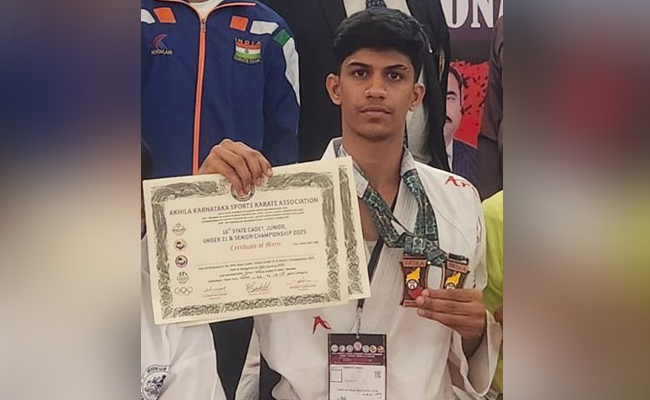
Ismail Nameer, a ninth-grade student at Huda Islamic School, Mangaluru, won two bronze medals at the State Karate Selections held at Koramangala Indoor Stadium, Bengaluru, on January 26, 2025.
The event was organized by Akhila Karnataka Sports Karate Organization.
He secured bronze in the 14-15 years below 63kg category and another in the under-21 years below 65kg category. The event had around 650 participants from across Karnataka.
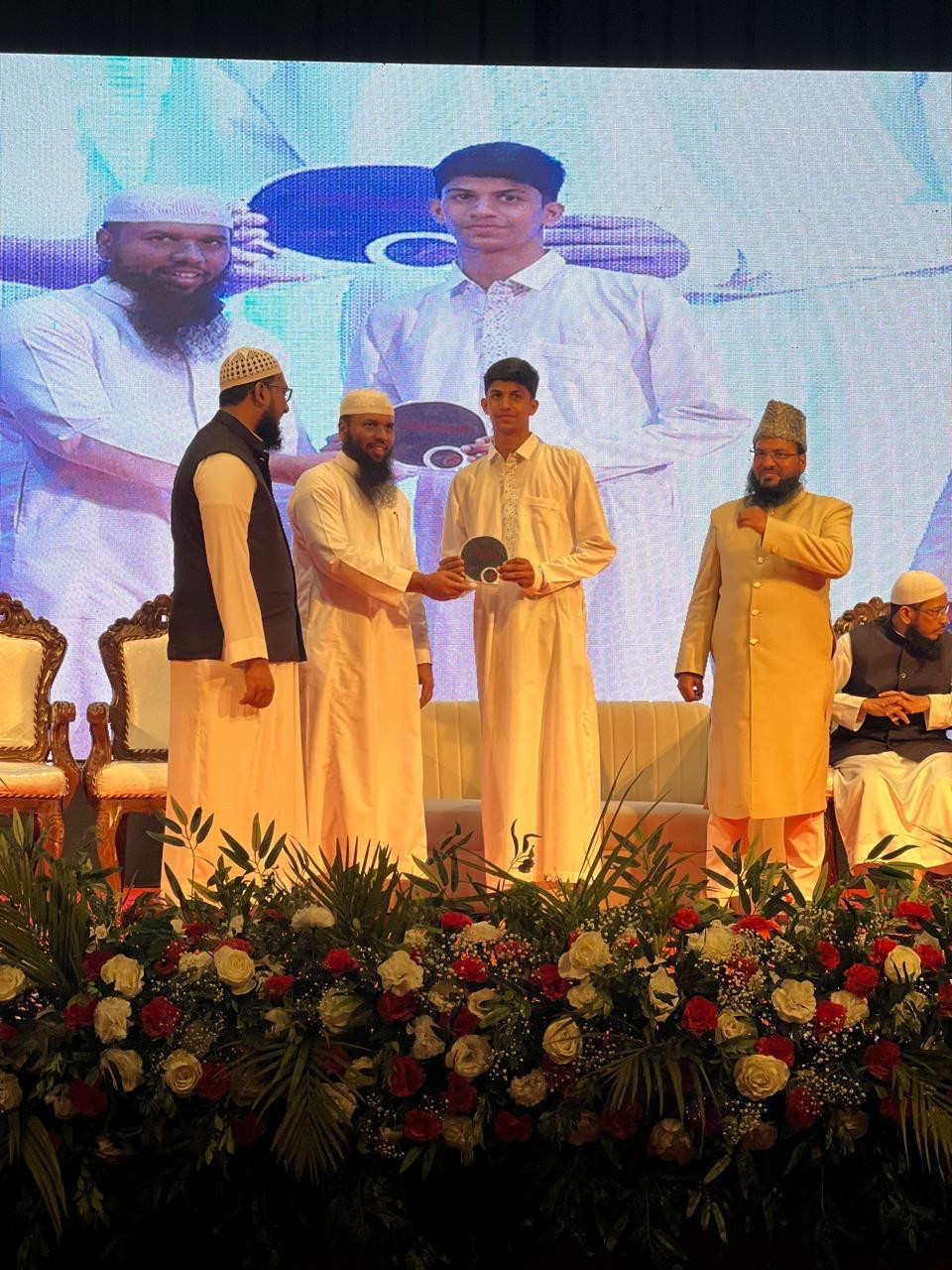
Originally from Bhatkal in Uttara Kannada district, Nameer has been living in Mangaluru with his family for the past few years. His school recognized his achievement during its annual day celebrations on Monday with a special award.
In previous competitions, Nameer had won first place in kata and kumite at a national-level event in 2023, organized by Guru Goju Ryu Karate Academy India. He also secured third place at the 24th Asian/International WFSKO Open Karate Championship in Mumbai in 2019. In 2020, he won first place in kata and third in kumite at the 5th National Level Open Karate Championship in Moodbidri.
source: http://www.english.varthabharati.in / Vartha Bharati / Home> Karavali / by Vartha Bharati / January 26th, 2025