Category Archives: Leaders

Owaisi’s AIMIM makes BMC debut

MAHARASHTRA :

GulnazMPOs05apr2018

The party also registered a good showing in Amravati, Solapur and Pune.

The Asaduddin Owaisi-led All India Majlis-e-Ittehadul Muslimeen (AIMIM) has entered the Brihanmumbai Corporation for the first time with two members, with Gulnaaz Salim Qureshi winning from Ward number 92 and Shahnawaz Sheikh from Ward 145. Apart from the Mumbai civic polls, AIMIM also registered a strong showing in the Amravati and Solapur, winning ten seats each in the civic bodies.

The party also had winning candidates in Pune, Akola and Thane.

Hyderabad-based Owaisi conducted 32 rallies in 20 days. “Five candidates of MIM won 22,000 votes in Byculla, so the assembly constituency votes are matched. But the Muslim vote bifurcation happened between Samajwadi Party and Congress, and that helped the Shiv Sena and BJP to win,” said Waris Pathan, the party’s MLA from Byculla.

But Prakash Akolkar, Political Editor, Sakaal said that, “The voting in Mumbai has proved that Muslim voters doesn’t vote in a set pattern as per the orders of religious leaders. They have voted strategically.”

source: http://www.mumbaimirror.indiatimes.com / Mumbai Mirror / Home> Mumbai> Other / by Alka Dhupkar, Mumbai Mirror / August 04th, 2017

How the fashionable sixth Nizam helped in the evolution of the ‘sherwani’

Hyderabad , (Old – ANDHRA PRADESH ) :

MahbubAliKhanMPOs04apr2018

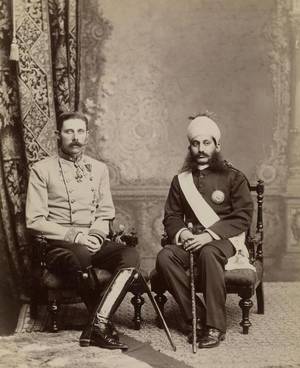
The sherwani that Mahbub Ali Khan wore evolved from the achkan with elements from Edwardian and Victorian frock coat

It is a known fact that the Sixth Nizam Mahbub Ali Khan had a taste for the good things in life. Visitors to the Nizam’s Museum in Purani Haveli area of Hyderabad  are stunned to see the walk-in wardrobe that appears endless. “He never repeated a dress,” is the whispered word. But new research has spotlighted his role in the evolution of the sherwani which is now the dress of choice during weddings and is preferred by the political class during ceremonial occasions. Former prime minister Jawaharlal Nehru even used the sherwani as a style statement during his visits to various foreign countries and events in India. Soldiers of the Pakistani Army are allowed to wear it for various events.

But it was on January 24, 1893, perhaps at 4 pm, that the world got its first memorable glimpse of the sherwani when Mahbub Ali Khan wore it and sat down with Archduke Franz Ferdinand of Austria, then travelling in India, for a post-lunch photograph by the team of Raja Deen Dayal at the Chowmahalla Palace. History was made. According to a Ph D thesis by Toolika Gupta, the photograph is the first evidence of sherwani being used as it evolved from achkan. The achkan itself evolved from a garment called angarakha with the addition of buttons which were a European novelty.

The Lucknow historian Abdul Halim Sharar who spent a few years in Hyderabad tutoring the sons of a Paigah nobleman wrote about the evolution: “The achkanwas extremely popular and the style started to find its way from the towns to the villages. In a very short time it was worn throughout India. In Hyderabad, it developed, with a few alterations, into the sherwani. Its sleeves were made like those of an English coat, the adornments over the chest were discarded and for the lower part the shape of an English overcoat was adopted. It became so popular everywhere, including Lucknow, that it is now the national dress of all Hindus and Muslims in India.”

While the achkan is the gift of the nobility from Lucknow, Hyderabad can lay claim on the ownership of the sherwani. The sherwani was a gradual evolution of angarakha which had laces on either the right or left shoulder to tie up the flaps. A similar garment would be a women’s kurti with the cut not in the middle but across the right or left shoulder. But the sherwani revolution happened when the buttons moved to the centre and the oriental dress appeared like a version of frock coat which was popular during Edwardian and Victorian eras in England. One only has to think of Darcy and Bingley in Jane Austen’s Pride and Prejudice for the frock coat (some of the more popular illustrations were done by Hugh Thomson in 1894).

The 28-year-old Nizam who was a fashionista naturally adapted the trend, though Archduke Ferdinand remarks: “He always wears European dress; most of the times he is in a black frock coat and the only native piece preserved in his costume is a turban-like cap made out of yellow cloth with a golden tassel. He never takes off this headdress.” But for casual events, the Nizam knew the comfort factor in Indian clothes.

It was just perfect that it was in a kingdom where the British mingled with Indians with absolute freedom that the sherwani evolved.

source: http://www.thehindu.com / The Hindu / Home> Society> History & Culture> Living Hyderabad / by Serish Nanisetti / March 10th, 2018

Free JEE coaching to 40 talented Kashmiri students

JAMMU & KASHMIR :

Srinagar : 

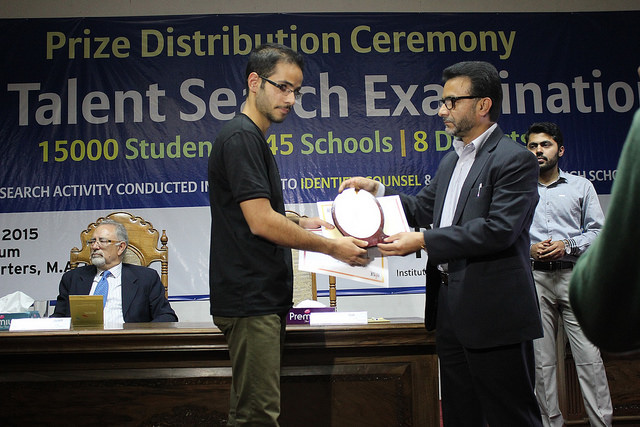
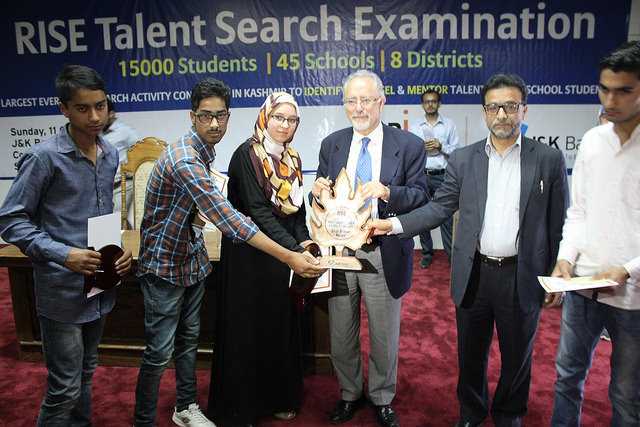
RISE, an institute for coaching students for Joint Entrance Examination (JEE) and other career oriented programmes in Kashmir Valley co-founded by three IITians on Sunday organized a prize distribution ceremony in which the toppers of Rise Talent Search Examination (RTSE) were facilitated.

The event was hosted by Jammu & Kashmir Bank which is also a co-sponsor of the initiative at their corporate headquarters in Srinagar

RiseMPOs31mar2018

The first three positions of Humanities, Commerce and Science streams from Class 11th, 12th and 10th were awarded cash prizes for their achievements at the prize distribution ceremony.

Besides free coaching was announced to 40 talented aspirants of JEE, which will be a regular feature starting this year. The toppers included students from various government and private schools of Bandipora, Shopian, Sopore, Baramulla, Ganderbal and Budgam.

“Starting this year, RISE will offer free coaching to 40 talented aspirants of JEE. The course will be conducted by the team of IITians at RISE. We want to ensure that the lack of resources is not a hindrance to any talented student towards achieving his/her dreams,” said Salman Shahid, Co-founder of the RISE.

Importantly, RISE had started an ambitious talent search examination across the valley to identify talented students who do not possess the resources to pursue quality education. The examination primarily targeted the economically weaker sections of the society. Almost 15,000 students had taken the test in over 8 districts which included 40 schools across Kashmir Division of J&K, this year.

The Chief Guest for the event was Abdul Rauf Bhat, Executive President of the J&K Bank. While speaking about the RTSE and the support J&K Bank bestowed to the initiative, Rauf said, “J&K Bank is always forthcoming in supporting such initiatives as they identify and encourage talent, inspire local youth to think big, train and guide them to realize their potential. Further, the fact that the initiative is being taken by local IIT graduates adds weight and worth, sense and seriousness to the idea.”

Rise02MPOs31mar2018

Further, he advised the RISE team to develop quality coaching facilities for other competitive examinations, at graduate and post-graduate levels as well, as that is “the need of the hour for our region”.

Another Speaker, Mohammad Shafi Pandit, Chairman at Ascent Group handed over the trophies and the cash prize to the toppers of RTSE. Speaking about the state of educational awareness in Kashmir, Pandit said, “Back in time, when I was preparing for civil services, I faced similar, but bigger, challenges that students face these days. There was lack of information and awareness with respect to civil services or any other competitive examinations. The situation is still grim, as most of the students of the valley are unaware of the educational opportunities that they can avail, and lack the necessary guidance to pursue the same.”

“Through RTSE, RISE is doing a commendable job in addressing these bottle-necks. Identifying talented students and apprising them about the educational opportunities, and encouraging them to chase excellence is the need of the hour,” he added.

Meanwhile, Shah-i-Hamdan Memorial Institute from Shopian district received the award of Best School in the valley as it produced the top 3 positions of Class 10th in RTSE.

Adeeba Tak, Topper of RTSE Class 10th was exhilarated on receiving the first prize trophy and the cash prize. While sharing her overall experience, she said, “Thanks to RTSE, I am motivated to prepare for IIT right after I am done with my class 10th examinations. This award and recognition has given me a sense of belief that if I work hard, I am capable enough to achieve my dream of studying at IIT. I don’t have any doubt in my dream now.”

RISE, started in 2012 in the valley, has brought hopes among the students community that they can make it to the prestigious institutions and look beyond traditional mode of education. The institute was co founded by three IITians from three different parts of India Mubeen Masudi (Kashmir), Salman Shahid (Delhi) , Imbesat Ahmad (Bihar).The coaching centre has become a hub of very affordable IIT coaching for students in Kashmir.

source: http://www.twocircles.net / TwoCircles.net / Home> Indian Muslims / by Raqib Hameed Naik, TwoCirlces.net / October 11th, 2015

Bussy’s Charminar home

Hyderabad :

Dupleix_meeting_the_Soudhabar_of_the_Deccan

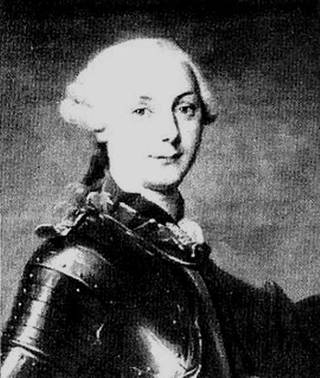
General Bussy enjoyed an unassailable position in the Nizam’s court

If Pondicherry was a colonial trading pocket for the French, Hyderabad by the middle of the 18th century became their nerve centre of great political activity much before the British could establish their power in this part of the country.

The French were the first European power in Hyderabad state to have huge territorial gains when they were granted the Circars (present coastal Andhra) for their military support to the Nizam, thus becoming the forerunner for the Subsidiary Alliance the British replicated decades later.

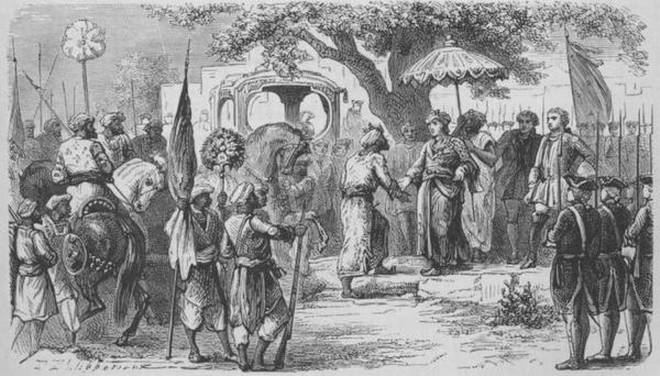
The architect of this French policy of Indirect Rule in Hyderabad was the indomitable General Bussy, the French commander, who at the express orders of Dupleix, the Governor of Pondicherry, arrived in Hyderabad in February, 1751 at the head of a strong French contingent. It was Bussy who declared Salabath Jung as the new Nizam, after the murder of Muzafar Jung. Bussy enjoyed an unassailable position in the Nizam’s court at Hyderabad.

War of succession

Bussy02MPOs29mar2018

After the death of Nizam-ul-Mulk the first Asaf Jah, in May 1748, there was political turmoil in Hyderabad due to war of succession among his immediate descendants.

The Nizam had six sons and an equal number of daughters. Ghazi ud din, the first son was a representative of his father at the Imperial Mughal court in Delhi and was not inclined to be his father’s successor. The second son, Nasir Jung therefore proclaimed himself as the Nizam of Hyderabad. But an ambitious, Muzafar Jung, grandson of the dead Nizam, (son of his favorite daughter, Khairunnisa begum) claimed the throne for himself.

The French governor at Pondicherry, General Dupleix, saw an opportunity to fish in troubled waters at Hyderabad.

There was also a war of succession brewing at Arcot, where Chanda Sahib laid claims to the Nawabi as successor to his father-in-law, Anwar ud din, against the claims of Mohammad Ali, Anwar ud din’s son. Dupleix decided to side Chanda Sahib at Arcot and Muzafar at Hyderabad.

He asked Muzafar Jung to come to Arcot to first settle the dispute there, promising to make him the Nizam at Hyderabad later.

Muzafar and French armies under Dupleix defeated Anwar ud din in a battle at Ambur and Chanda Saheb was declared as Nawab of Arcot.

The British at Madras who wanted to arrest the growing French power, advised Nasir Jung, the Nizam to come to south to check Muzafar- Dupleix nexus. Nasir Jung accordingly went with his forces but when engaged in a fight, was killed in one of the minor skirmishes near Arcot on 25 December, 1750. Muzafar Jung immediately was declared the Nizam of Hyderabad by Dupleix.

Victorious Muzafar was taken in great pomp by Dupleix to Pondicherry where a grand Durbar for the new Nizam was held. Muzafar was toasted, feasted and entertained by the French General.

In return, Muzafar was so pleased that he made Dupleix as a jagirdar of Villianallur with a personal grant of 80 villages. He also conferred the title, “Subedar”, and the French governor was happy to be addressed as Dupleix Sahib. After a month of festivities, and French hospitality, Muzafar set out to Hyderabad accompanied by a strong French contingent sent for protection by Dupleix headed by his close confident and an able commander, General Bussy.

However, on way back to Hyderabad, Muzafar Jung, 38 days after becoming the Nizam, was treacherously murdered in a spine chilling melodrama. As the contingent came close to Cuddapah and entered Lakkireddypalle pass, Muzafar was assassinated on February 3, 1751, by the Nawab of Kurnool, who earlier supported him but was disillusioned when the new Nizam, he thought, was not keen to keep the promises made.

An astute diplomat that he was, Bussy continued his journey with his French armies to Hyderabad and made Salabath Jung, an younger brother of Nasir Jung as the new Nizam. The death of Muzafar and the march of French armies to Hyderabad through the territories carrying fire and thunder under Bussy, made him such an object of terror that even now in the Telugu States the mothers try to silence their crying babies with the arrival of “Booochi”, a corrupted version for Bussy!

Marquis de Bussy worked under Dupleix at Pondicherry for a long time. He married Marie, a step daughter of Dupleix. His arrival in Hyderabad marks a new era of French connections with Hyderabad and the northern Circars.

Bussy wanted to make use of the opportunity to the best of the French advantage as the new Nizam, Salabath Jung was at his mercy. He decided to stay back with his army to give protection to the Nizam. His army consisted of 900 European and 4000 of sepoys and was a strong instrument of war fare.

In order to meet the expenses for the maintenance of army, estimated at ₹21 lakhs a year, Bussy got the entire coastal Andhra, from Guntur to Srikakulam, which yielded an annual income of ₹31 lakhs. Masulipatam and Yanam were granted as personal jagirs to Bussy.

Charminar as home

When Bussy arrived in Hyderabad, as there was no immediate accommodation worthy of his position and importance, he decided to put up in the very Charminar, the majestic, sturdy and the “tallest structure in the entire city”, then. Huge curtains were tied on all sided making Charminar as his home.

Muhammad Quli Qutub Shah who built Charminar in 1591 must not have ever dreamt that it would one day serve as home to a French General, Bussy. When the beautiful Charmahal on the banks of Musi got readied, Bussy shifted there and Salabath Jung built Khilwath Mahal (part of Chowmahal palace complex) for his own stay. Charmahal, where Bussy finally shifted to, was a multi floored beautiful palace with cloth of gold used as door curtains, (Charmahal stood on the grounds where now the High court buildings are located.)

When the Seven Years War ( 1756- 73) broke out in Europe, the French and English armies in India also started to fight. Robert Clive buoyed by his stunning victory at Plassey in 1757, sent Col. Forde who with his armies occupied Northern Circars, held by the French.

Count de Lally, the French General who arrived from France to fight the English, on reaching Pondicherry, recalled Bussy from Hyderabad to make a combined attack on the British at Madras. However, in the battle at Wandiwash, the French armies were defeated and both Lally and Bussy were taken prisoners. They were let off later and Pondicherry was returned to the French.

The French influence in Hyderabad steeply declined on the departure of Bussy. His name is immortalised in the Hyderabad dominions for his participation in the famous Bobbili battle that took place in January, 1757.

Bussy supported Vijayarama Raju of Vizianagaram in vanquishing Bobbili. There is a street in Yanam today named after Bussy. He became the French governor at Pondicherry two years before he died in 1785. Thus, while Bussy’s rise in Hyderabad heralded the high watermark of French power in India, his withdrawal from here marked the collapse of its political power.

After the departure of Bussy from Hyderabad, the British with the tacit agreement with Shah Alam, the Mughal emperor, deposed Salabath in September and made his younger brother, Nizam Ali Khan as the new Nizam in 1762. Salabath Jung was imprisoned by the new Nizam in the fort at Bidar, and was killed a year later.

By recognizing Nizam Ali as Asaf Jah II, the Mughal emperor has derecognized the three predecessors, Nasir Jung, Muzafar Jung and Salabath Jung who all had violent deaths as the rulers, though between them they had a rule of 14 long years from the death of Nizam ul Mulk in 1748 up to the accession of Nizam Ali II in 1762. If those three Nizams were also counted, there were ten Nizams who ruled Hyderabad ; and the last Nizam, Osman Ali Khan must have been the X th Nizam and not the VII, as he is generally considered.

source: http://www.thehindu.com / The Hindu / Home> Society> History & Culture / by K S Seshan / March 24th, 2018

Justice Badar Durrez Ahmed

Shillong, MEGHALAYA / NEW DELHI :

JusticeBadarMPOs29mar2018

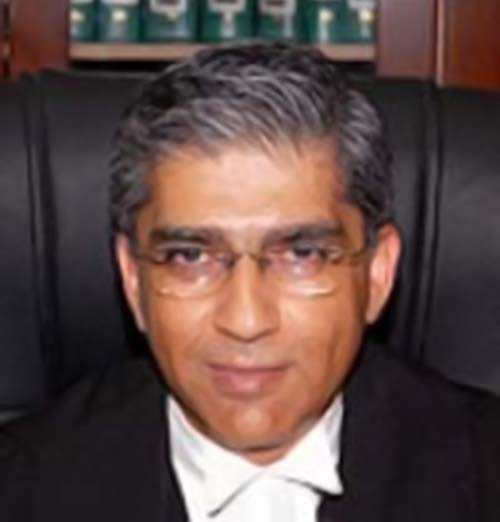
On March 14, Badar Durrez Ahmed completed his stint as the Chief Justice of Jammu and Kashmir. He has served since April 2017. Son of Dr Fakhruddin Ali Ahmed, former President of India (24 August 1974 – 11 February 1977), and Abida Begum, a lady from Haldoi, Ahmed was born in 1956.

His family is related to the royal family of Loharu and to the famous Urdu poet Mirza Ghalib. An economics lecturer in St Stephen’s College, Justice Ahmed was enrolled as an Advocate in 1980 with the Bar Council of Delhi and started practice in the Supreme Court of India and Delhi High Court. He was appointed a Judge of the Delhi High Court in December 2002. Prior to that, Ahmad was Secretary of Ghalib Institute, Delhi. He has been acting Chief Justice of Delhi High Court twice. To bid adieu to Justice Ahmed, a full Court farewell reference was held in the Chief Justice’s Court at High Court of Jammu and Kashmir, Jammu on March 15, 2018, were people were all praises for his intellect, etiquette and humble nature.

“In my experience here, I have found that the members of the bar at both places, Srinagar and Jammu, are extremely competent,” he said while thanking everyone present in the Full Court Reference.

He said advocates have an important role to play in Justice Delivery System (JDS). The role of advocates is not limited to mark your attendance in the court but the ultimate goal must be to make justice available to the common people and help judicial system to deliver it to the doorsteps of people.

Earlier, Ahmed in his tenure as Chief Justice, said the law enforcing agencies need to be extra cautious and sensitive in Jammu and Kashmir while dealing with the juveniles as the children in the state have been brought up in a very violent atmosphere that has affected their mental as well as the physical growth. He said the juveniles have to be treated differently and the one dealing with juveniles should have a great understanding and extra sensitive towards the children.

Stating that the children are the backbone of human civilization and shall shape its destiny in future, Ahmed said regardless of the political, economic or social philosophy of a government, welfare of the children is of the utmost importance and must be given top priority.

While identifying that in the disturbed socio-political climate of J&K, the problem is magnified; Ahmed stressed on the state government to adopt effective and proactive measures to, not only rehabilitate the juveniles who do come into conflict with law, but also prevent juveniles from coming into conflict with the law.

During his farewell speech, Ahmed expressed his gratitude and affection for the entire judicial system of the magnificently diverse state of J&K.

In his response to the reference stated in his address, Ahmed said that he is very proud of the fact that the introduction of paperless e-Courts in the High Court was facilitated in large measure by his colleagues on the Bench and welcomed by members of the bar. The fact that this Court is now a front-runner in the adoption and use of technology in the courtrooms is the result of a huge collaborative effort.

Justice Ramalingam Sudhakar has been appointed as acting Chief Justice of the Jammu & Kashmir High Court after the retirement of Justice Ahmed.

source: http://www.kashmirlife.net / Kashmir Life / Home> Personality / by Kashmir Life / March 22nd, 2018

Dir museums receives Gaurav Samman award

JAMMU & KASHMIR :

ShafiZahid01MPOs28mar2018

Srinagar:

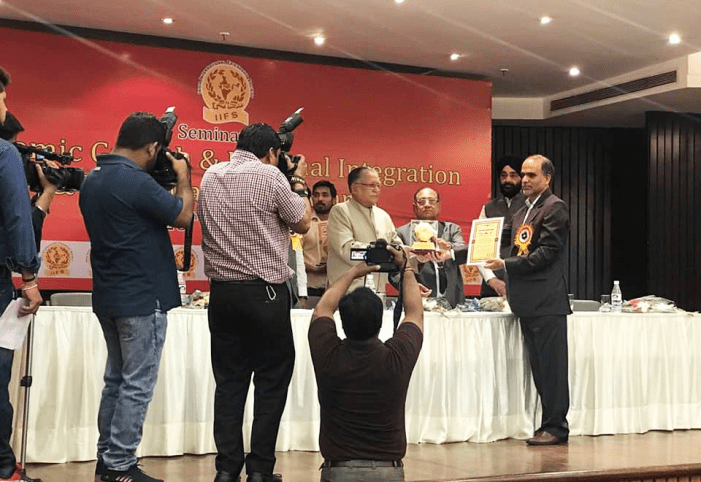
India International Friendship Society on Monday awarded Muhammad Shafi Zahid, Director Department of Archives, Archeology and Museums with ‘Rashtriya Gaurav Award’ at India International Centre, New Delhi.
The award was conferred to him for his contribution in the archeological studies and preservation of artifacts during his tenure in the Department, a statement said.
“The major archaeological discoveries were made during the time of Mohammad Shafi Zahid in early decades of 21st century AD. This young scholar, who had got training from M.S University Baroda (Gujarat and had a passion to explore the hidden treasures.

He excavated the Buddhist site at Letpora (Pulwama) in 2004, wherefrom, he exhumed a treasure of wonderful terracotta heads, busts and jewelry artifacts of early 8th century AD of Karkota Period.

This discovery was followed by another Buddhist site of Kushan era (100-400 AD) at Kotebal in south Kashmir (2005) where a magnificent terracotta tile pavement was exposed,” said the citation received by him.
The department was earlier headed by several learned historians and archaeologists including Prof P N Pushup, Fida Mohammad Hussnain, Dr. Sheikh Mohammad Iqbal and Mohammad Shafi Zahid.
The citation said that Zahid had made remarkable numismatic discoveries of ancient copper Coin hoards, (1500 coins) at Watnar Kokernag, (193coins) at Charari Sharef, Budgam and (850 coins) at Nunar Budgam, in the years 2011, 2014 and 2016 respectively.
“As such he brought to light the numismatic evidences of Hindu Rajas, Muslims sultans and Mughal Emperors of Jammu and Kashmir.

He also discovered a number of rare stone and bronze sculptures from the length and breadth of the state.

At Qasbiyar in District Pulwama, he recovered an exquisite Sculpture identified as Ek Mukh Linga of the 9th century AD.

The most outstanding sculpture discovery was made at Zurhama Kupwara in 2006 where from a treasure trove of rare bronze images of the 9th century AD, was recovered by him,” the citation reads.
“These all archaeological discoveries made by the archaeologist are housed and exhibited in this gallery of the museum. It is in place to mention here that the state archaeology is the main source for the archaeology and numismatic galleries of this museum.”

source: http://www.kashmirreader.com / Kashmir Reader / Home / by Reader Correspondent / March 27th,2018

SC appoints Justice Jawad Rahim as Acting Chairperson of NGT

KARNATAKA  / NEW DELHI :

New Delhi :

The Supreme Court today appointed Justice Jawad Rahim, judicial member of National Green Tribunal (NGT), as the acting chairperson of the green panel.

A bench comprising Chief Justice Dipak Misra and justices A M Khanwilkar and D Y Chandrachud said that the new acting chairperson will discharge his duties until a regular appointment is made and will take part in selection process of other members of the NGT.

“Justice Rahim shall discharge the duties of Chairperson (of NGT) for all purposes, including participating in the selection process for filing up vacancies of members, until a regular appointment of a new Chairperson is made,” the bench said.

It, however, made it clear that this appointment is an “interim arrangement” and shall not be construed to be a final determination of the seniority between Justice Rahim and Justice R S Rathore by this court.

The order came on a plea of the NGT Bar Association that has said that due to the non-appointment of chairperson at NGT, the selection process to fill up vacancies has been stalled.

The bench was told that Justice Rahim and Justice Raghuvendra S Rathore are the judicial members of the NGT and both were appointed to the NGT on 12 January 2016.

The Centre, represented by Attorney General K K Venugopal, left to the apex court the issue of appointing the acting chairperson in view of the fact that both the judges were appointed in the NGT on same day.

The apex court noted that the Attorney General has indicated that the central government would abide by the interim arrangement that is made by the court, so as to facilitate the discharge of duties of the Chairperson until a regular appointment is made.

“The making of an interim arrangement is also necessitated in order to enable the acting Chairperson to participate in the selection process for filling up vacancies of members of the NGT,” it said.

SJK PPS MNL SJK RT RT

source: http://www.timesofindia.indiatimes.com / The Times of India / News> Business> Business India News / PTI / March 27th, 2018

How Thumbay Moideen Became A Healthcare Billionaire In The U.A.E.

Mangaluru, KARNATAKA / UNITED ARAB EMIRATES :
ThumbayMPOs25mar2018

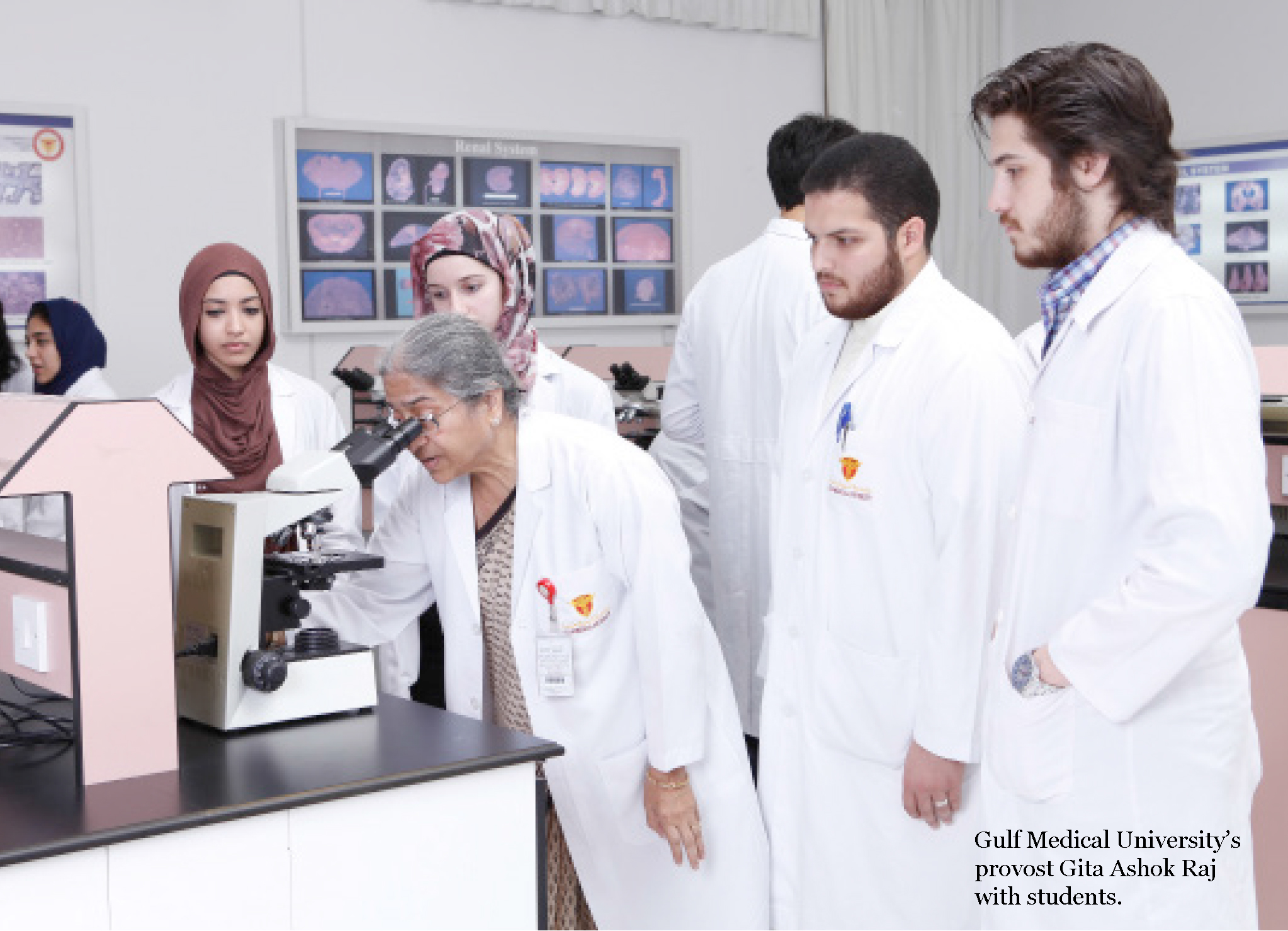
With the tinge of an Indian accent, a bespectacled professor rattled off medical terminology in English as students frantically took notes. Unfazed by the stench of embalming fluids, they examined the torso of a cadaver at Gulf Medical University (GMU) in Ajman, United Arab Emirates. Nothing unusual as far as anatomy classes go,  except that GMU is the only privately owned academic medical center in the U.A.E. It is part of a network of four pioneering teaching hospitals that now train 19% of doctors in the country and treat nearly 1,800 patients a day.

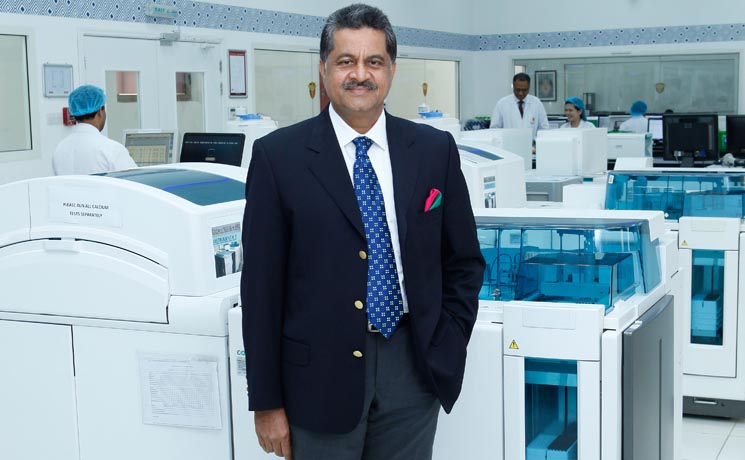
The founder is Thumbay Moideen, a 58-year-old former timber trader from Mangalore, a port city on the Arabian Sea in southern India. He is as surprised as anyone to find himself at the helm of a growing healthcare empire, Thumbay Group, which generated $700 million last year, up more than 20% from 2014. “It’s an unlikely tale,” says Moideen.
The career switch has made Moideen a billionaire, with a fortune FORBES MIDDLE EAST estimates at $1.8 billion, based on comparable publicly traded healthcare companies in the U.A.E. He says he’s Thumbay Group’s sole shareholder.

What began as an institution to teach aspiring medical professionals from India in the U.A.E.—Indians make up half of the country’s population, turned into training grounds for all expats, and includes a sizeable Arab student body. The university gets up to 6,000 applications a year for a total of 270 spots. Tuition ranges from $8,000 a year for a degree in physiotherapy to $32,000 annually for a medical degree—more than three times the cost of an MD at a government-run university. Other specialties include dentistry and pharmacy. Since 2003, over 2,000 students have graduated.

Healthy Choice

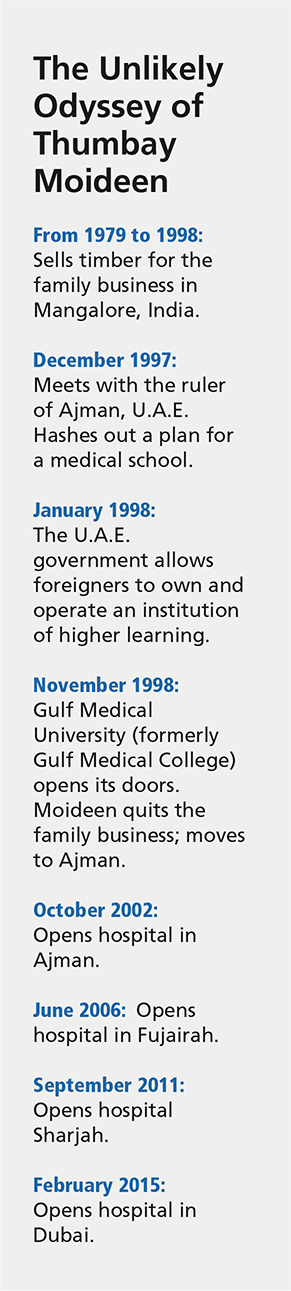
The tale of Moideen’s ascent into medical academia begins in December 1997.  Traveling from Mangalore to Tanzania, he made a stop in Ajman and paid a visit to a member of the royal family, Sheikh Majid bin Saeed Al Nuaimi, a family acquaintance.

Moideen was then working for his family’s timber and real estate company, BA Group Thumbay, a pillar of the Mangalore business community.  His father, Ahmed Hajee Moideen, formed the establishment in 1957. It imports wood from Malaysia, Papua New Guinea, Tanzania, Nigeria and Ghana, and processes them in its factories. After graduating with a degree in commerce from St. Aloysius College in Mangalore, Moideen joined the business in 1979, and traveled frequently.

Over dinner that December evening in Ajman, Sheikh Al Nuaimi asked him, “Can you think of a project which could have multiple effects on the economy of Ajman?” recalls Moideen.

Ajman is the smallest emirate in the U.A.E., and the royal family was on the hunt for new projects to help boost its economy.

“In those days, Ajman was like a village. There was nothing,” says Moideen.

He proposed expanding the family business in Ajman, but the Sheikh pushed for new ideas. Moideen told him the story of a medical university and affiliated hospital close to his hometown. Kasturba Medical College in Manipal began accepting medical students in 1969, and it built Kasturba Hospital. “The whole town grew around the college and it became world renowned,” says Moideen. In 2015, an India Today/Nielsen survey ranked Kasturba Medical College one of the top 10 medical schools in India—a feat in a country with more than 280 medical colleges.

Moideen thought their conversation was casual brainstorming, but the Sheikh immediately saw potential. Three days later, he brought up the idea of an academic medical center for Ajman with the Emirate’s ruler, Sheikh Humaid bin Rashid Al Nuaimi, who asked to see Moideen. He told the Emir that although it was an exciting idea, he didn’t have expertise in education or healthcare. The Emir persisted. “As we spoke, the ruler said, ‘you look like a smart chap, why don’t you try it? I’ll help you,’” recalls Moideen..

“It was a risky move, but I’m an adventurous fellow,” he says. It didn’t take him long to abandon his career in the family company in 1998, and immerse himself in the business of healthcare. “I was rushing between India and Ajman. I couldn’t keep up anymore and this was so much more exciting.”
OdyssesyThumbayMPOs25mar2018

His first move was to seek advice from Kasturba Medical College. Consultants from the school helped him draw a feasibility study. The only other medical schools in 1998 in the U.A.E. were Dubai Medical College, which is only open to women, and government-owned Al Ain University.

The Ministry of Higher Education didn’t allow expats to own a license for educational institutions, but a royal decree soon waived that requirement in January 1998. Moideen bought 25 acres of land from the government the following month, bankrolling the venture with an initial investment of nearly $41 million in bank loans and his own capital. In March, he began building the university and by the fall of that year, it started accepting students.

To his surprise, the school hardly got any Indian applicants. Arabs and expats from countries such as the U.K. and Germany enrolled. Gulf Medical University, which had only recruited Indian staff, quickly had to hire personnel from other nationalities.

The student body is now made up of 36% Arabs, 32% Asians (including Indians, Pakistanis and Sri Lankans) and 22% Africans; the rest comes from Europe and the U.S. Gita Ashok Raj, a pathologist from Mangalore, oversees a faculty of 162 from 22 countries. Students straighten up when she walks down the university corridors.  “We have fast evolved from a college offering one full-time program to a full-fledged university offering 15 full-time programs,” she says.

To build the school’s reputation, Moideen began raising its profile by sponsoring conferences with top medical schools, such as Johns Hopkins, Mayo Clinic and Hamburg University. “We took the initiative 17 years ago and contacted these big universities,” he says. Early on, for example, GMU organized a national conference on ophthalmology along with the U.A.E.’s Ministry of Health and Mayo Clinic. James Garrity, Chair and Professor of Ophthalmology at Mayo Clinic, delivered the keynote address. To date, the school has organized more than 275 national and international conferences.

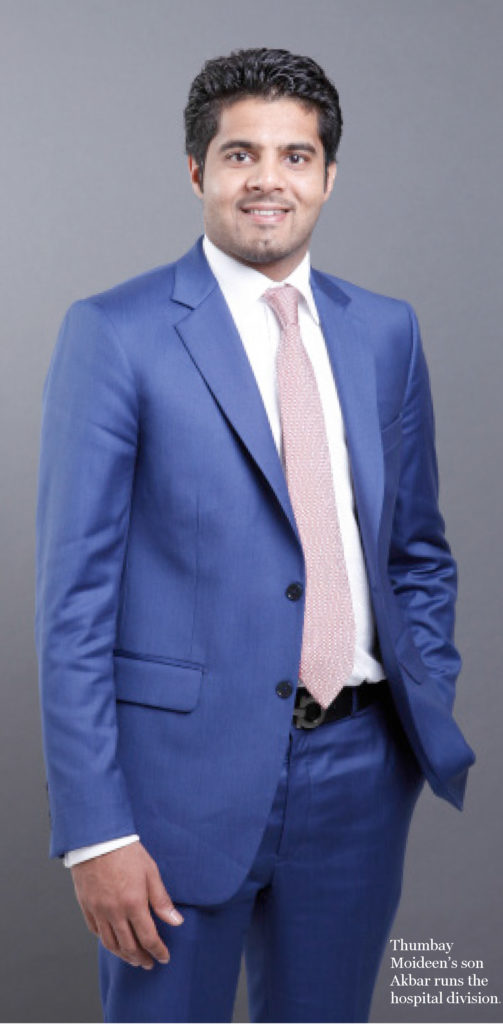
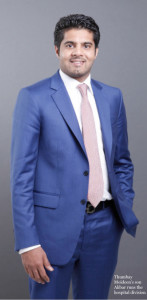
The plan for a teaching hospital began in 2000. For the first two years, students were sent to Iranian Hospital in Dubai, while Moideen built the first 200-bed Thumbay Hospital in Ajman. Financed with $81 million in loans from Islamic banks and his money, it opened in 2002, a year before the first graduating class. He opened three other hospitals with 60 beds each in Fujairah in 2006 and Sharjah in 2011, and 150 beds in Dubai in 2015. His eldest son Akbar who studied hospital management at the SDA Bocconi School of Management in Milan, Italy, runs the hospital division.
AkbarThumbayMPOs25mar2018

GCC countries still struggle with a shortage of medical professionals. There are 1.5 physicians per 1,000 people, while hospital beds lag at 21 per 10,000 people, according to Colliers International, a global real estate consultancy firm.

One law hasn’t changed for Thumbay Group: its medical school graduates are required to complete a year of internship at a government-owned hospital. Besides Al Ain University, they now include the University of Sharjah, and Ras al-Khaimah Medical and Health Sciences University.

The majority of GMU students go on to specialize in areas such as cardiology, neurology, and dermatology; 22% are admitted to U.S. medical schools for further training.

The school’s academic record hasn’t necessarily translated into a preference for its physicians, or any U.A.E.-trained doctor for that matter. Saudi German Hospital in Dubai, for example, hires GMU graduates with three years of experience, but a western education still carries prestige. “Western-trained doctors are preferred by patients,” says Semira Dikbas, executive, International Patients Program at Saudi German Hospital.  “Gulf Medical University is well recognized, but we cannot compare it with any other university in Europe, the U.S. or India.”
 

Thumbay02MPOs25mar2018

In an effort to gain prestige, Moideen started the first medical journal in the GCC. Launched in 2012, the Gulf Medical Journal is a peer-reviewed publication with an international advisory board that includes doctors from India, the U.K. and U.S. Researchers at Gulf Medical University are expected to publish two to three articles a year. The school spends close to $3 million a year on research, and faculty is regularly awarded external grants. Recently, for example, the World Health Organization provided a $10,000 grant to study at-risk relatives of patients with diabetes, which affects one in five people in the U.A.E.

The strategy is slowly paying off at Thumbay hospitals too. In 2013, they received accreditation from Joint Commission International, a U.S. non-profit organization. It bestows its highly coveted stamp of approval on hospitals that meet benchmarks for quality and safety.

Thumbay Group runs the only privately owned teaching hospitals in the U.A.E., but the number of hospitals is growing to meet demand. VPS Healthcare, HNC Hospitals and NMC Healthcare, to name a few, are expanding. Their founders are also Indian entrepreneurs, who have staked out a claim in the healthcare sector in the Gulf.

Moideen has now set his sights on Ghana where he expects to open a medical school by 2017. He inaugurated a hospital in Hyderabad in November 2015, and plans to build hospitals in Saudi Arabia, Qatar, Bombay and Bangalore next year.

source: http://www.forbesmiddleeast.com / Forbes Middle East / Home> Business / March 01st, 2016
BBMP to invest in bike ambulances

Bengaluru, KARNATAKA :

MotorcycleAmbulanceMPOs25mar2018

Will mainly cater to areas in the outer zones

First aid and emergency care may soon become easy, if all goes as per BBMP’s plan. The civic body recently decided to invest in 100 bike ambulances, mainly to ensure that health care is accessible when most needed.

The idea, which was first tabled before the Standing Committee for Health, has been approved by the BBMP council. The city already has nearly 20 bike ambulances that are being operated by the Department of Health and Family Welfare.

Sources in the BBMP said that bike ambulances are most required in the outer zones where the wards are more spread out than those in the core zones. “It is here that the bike ambulances will be most useful in reaching the spot as soon as possible to provide immediate health care,” they said.

Paramedical staff trained in providing emergency care will be outsourced. Of the 100 bike ambulances, 50 will be of lower engine capacity, but equally well-equipped. Sources said these bikes will be given to women paramedical staff. Each bike ambulance will have a first aid kit, cardiac care kit, ortho kit, portable oxygen cylinder, and emergency and life saving medicines.

A mobile app will be developed to enable citizens to access the nearest bike ambulance, apart from a dedicated control room / call centre.

Mujahid Pasha, Chairperson of the Standing Committee for Health, told The Hindu that the bike ambulances will be purchased at a cost of ₹1 crore, from the ₹2 crore allocation for purchase of hearses, health and sanitation in the 2016-17 BBMP budget. “But this may not be enough. We will require at least ₹4 crore a year for operation and maintenance, salary of the paramedical and control room staff, etc. We are hoping for more allocation in the next budget.”

He said that the BBMP is in talks with healthcare providers, including GVK and Spencers. “We are taking inputs from these companies. We will check the feasibility of their inputs and then call for tenders,” he added.

source: http://www.thehindu.com / The Hindu / Home> News> Cities> Benglauru / by Special Correspondent / February 10th, 2018

Udupi: K P Ibrahim Matpady takes charge as president of district WAKF board

Udupi, KARNATAKA :

Udupi :

K P Ibrahim Matpady, the new president of the district WAKF board advisory committee of Udupi, appointed by the Karnataka state WAKF board Bengaluru took charge here on Thursday, March 22 at Udupi VS Acharya zilla panchayat auditorium, Rajathadri Manipal.

Gulam Ahmed Hejmady and Abdul Khader Yousuf K took charge as vice-presidents of the board.

The oath taking ceremony was administered by Maulana Rashid Ahmad Nadvi, a religious leader of Udupi Jama Masjid for the newly appointed office bearers.

Speaking to the gathering, KP Ibrahim Matapady said, “The purpose of WAKF Board is to take responsibility of the welfare of people and also unite them for the development of organization. Everyone should work in unity without any discrimination. WAKF board is a non political organization.

“The first work is to facelift the masjids and also construct cemetery. We do not have proper records for WAKF properties. This issue needs to be addressed at the earliest. We also intend to construction Muslim sabhabhavan,” he said.

Habib Ali, Ismael Moulana Byndoor, T Hussain Saheb Byndoor, B S Shamsuddin Navunda, Khalif Abdul Munaf Kandlur, Mohammed Ali Kunjimon Kodi, Shabhan Hangaluru Kundapura, Mohammed Gouse Sastan, Tajuddin Ibrahim Brahmavar, Faruk Saheb Baikady, B Afzul Saheb Hoode, Hazi Abbobakker Nejar, Habeeb Ali Ambagilu, Riaz Palli Udyavar, Nasir Ali Bailur, Azeezuddin Rizwan Moulana Karkala, Hassan Shaikh Ahmed, Abdul Khader and Abdul Rehman K Hejamady received their respective duties.

Yasin Malpe, president of District Muslim Okkoota, Haji Abbobakker Atrady, Gudan Bhasha former president of Muslim Okkoota, Ismail Athrady and others were present.

Muzauddin welcomed the gathering. Abdul Aziz compered the programme.

source: http://www.daijiworld.com / DaijiWorld.com / Home> Karnataka / by Daiji World Media Network – Udupi (HB) / March 23rd, 2018