Category Archives: Leaders

Major Mohammed Ali Shah’s diversity to the fore

UTTAR PRADESH / NEW DELHI :

Mohammed Ali Shah
Mohammed Ali Shah

Theatre actor Major Mohammed Ali Shah turned a motivational speaker for a session ‘Disruppt’ held in Hyderabad

If diverse experiences are what people seek from life, Major Mohammed Ali Shah has had plenty of those. The son of Lt. Gen. Zameer Uddin Shah (vice-chancellor of the Aligarh Muslim University and brother of actor Naseruddin Shah) wanted to be an actor since childhood, dabbled with a lot of career options before he chose the stage.

After a stint with a call centre when the IT boom was on, he was selected for a Short Service Commission posting — he was a young lieutenant deployed at Jammu and Kashmir,LOC — and then he did an executive programme in Marketing at IIM-Calcutta and switched over to a corporate career.

Yet Shah left it all to pursue a career in theatre and films. Now, in his latest avatar, he has turned a motivational speaker, addressing in a session in the city for a platform Disruppt, that seeks to help people overcome issues in their personal and professional lives.

“Surprisingly, Hyderabad was a place where I had tried for acting opportunities several years ago but things didn’t work out. Destiny brings me back to the same place now. The Disruppt session here even had a few people writing handwritten letters to me. That, in times where people don’t take time to send Whatsapp messages. I had suffered a lot of setbacks in life, so if I can contribute to people’s wellbeing by narrating my personal experiences, why not,” says Shah asks.

Amid all the professional churn, there haven’t been any regrets. “In my corporate life, I was paid well, there was no risk or adventure and I was even growing, getting promoted each year. When I looked back at satisfaction, things weren’t falling in place. I quit it one day to pursue my ambitions in the city of dreams, Mumbai. There was initial regret, but I gathered courage soon enough, my parents and my wife stood by me,” Shah states.

This phase also made him a nuanced actor. His army stint was crucial in landing him roles in Haider, Bajrangi Bhaijaan and the Malayalam film titled The Ruffian. Post two unsuccessful attempts to get into NSD (which was once his long-time goal), life came full circle when he worked with Tom Alter and Saif Haider Hasan.

Hasan even went on to produce his theatre series ‘The Major Actor’s Assorted Monologues’ that had shows at Kuwait, UK, Mumbai and Delhi. “Besides, my army stint had me equipped at everything from polo to rock climbing to martial arts and paragliding, mostly the Short Service Commission stint taught me to be a thorough gentleman. If I’m happy about one thing in life, it’s about taking no help from my family, be it from my sister (a social activist), father or uncle,” he says.

He’ll be next seen in Tigmanshu Dhulia’s Yaara (also stars Vidyut Jamwal and Shruti Haasan) and an untitled film where he plays a Punjabi.

source: http://www.thehindu.com / The Hindu / Home> Entertainment> Theatre / by Srivathsan Nadadhur / April 29th, 2017

SAUDI ARABIA – Community bids farewell to Indian diplomat

Jeddah , SAUDI ARABIA :

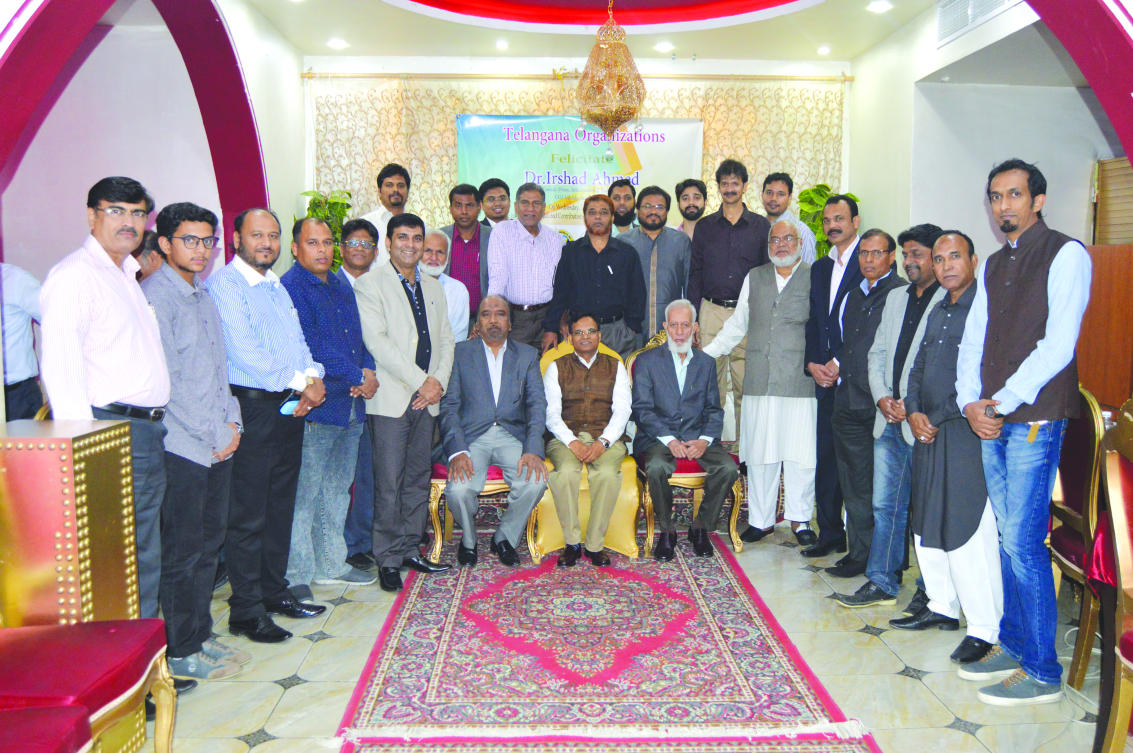
Dr.Irshad Ahmed (seated centre) with leading members of the Indian community in Jeddah at the farewell event
 JEDDAH:
An evening to bid farewell to Dr. Irshad Ahmed, consul for press, information and culture, on completing his four-year term at the Consulate General of India in Jeddah was held recently.
 It was organized by Jeddah-based community welfare organizations from Telangana, including Khak-e-Taiba Trust, Urdu Academy, Deccan NRIs, Noor Education Society, Pain & Palliative Care Trust and Telangana Welfare Foundation.
 Ahmed thanked the Telangana organizations for holding the event in his honor. He spoke about his memorable experiences in the Kingdom and applauded the hospitality of the Hyderabadi community residing in Jeddah.
 “People living in this holy land are very blessed and very proactive when it comes to community welfare,” he said, adding he will miss the Indian community.
Ahmed said he enjoyed his stay in Jeddah and felt very fortunate to be able to help the expats residing here.
The evening commenced with the recitation of the Holy Qur’an by Hafiz Noor, followed by a heart touching naat by Khalid Hussain.
Mirza Qudrath Nawaz Baig, along with senior community members, welcomed Chief Guest Ahmed and lauded the brotherly hand he had extended toward overseas Indians.
The presidents and vice presidents of the Telangana organizations praised Ahmed for his dedication to the Indian community and in organizing various events; specifically pointing out the large-scale mushaira held at the Consulate of India and promotion of the Urdu language in a foreign land.
Ahmed was presented with a plaque of appreciation. Members of the Telangana organizations said they would not say goodbye to Ahmed but would rather say “see you soon.” They said they are looking forward to seeing Ahmed soon in Jeddah on a new assignment.
One of the key hosts of the event, Imran Kausar, gave the audience an overview of the consul and his achievements.
He started his career as an Arabic lecturer in Jamia Millia Islamia in 1995; he later joined the Ministry of External Affairs, Government of India in 2001. His first foreign posting was at the Embassy of Riyadh as third secretary (Information and Culture from 2003 to 2005; then he was transferred to Consulate General of India, Jeddah as consul (Education and Culture) from 2005 to 2008.
He then worked as undersecretary (Gulf) from 2008 to 2012 and was then posted to the Consulate General of India, Jeddah again where he continued his posting as consul (Press, Information & Culture) from 2012.
He will continue his new assignment at the Ministry of External Affairs (headquarters) in New Delhi, India.
Leading members of the community at the event included Shameem Kausar, Siadat Ali Khan, Hasan Bayazeed, Jamal Qadri, Abdul Razzak, Abdul Wahab, Asimuddin Ansari, Aslam Afghani, Asif Daudi, Tahir Ali, Noorul Amin, Majid Saleem, Munawar Khan, Mazharullah Jibran, Sheikh Ibrahim, Rashid Razzak, Saleem Farooqui, Mahmood Misri, Ghazanfar Zaki, Mir Arif Ali, Abdul Rafay and Liaqat Ali Khan.
source: http://www.arabnews.com / Arab News / Home> Saudi Arabia / Wednesday – April 26th, 2017

Aslam Parvez brings to life the time and poetry of Bahadur Shah Zafar in new book

NEW DELHI :

First published in Urdu in 1986, the book highlights the life and poetry of Zafar (1775 to 1862), whose reign marked a crucial period in the Indian history.

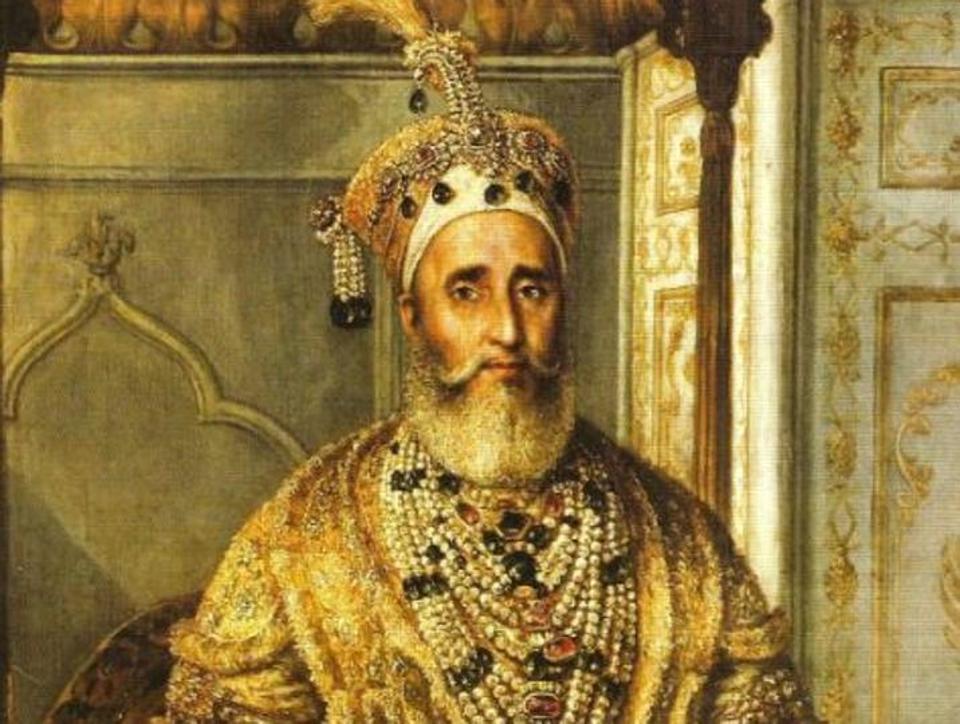
Bahadur Shah Zafar’s oil portrait, painted in 1854 by Austrian artist August Schoefft, now in the fort of Lahore.(photo_kraft/Instagram)

A new book brings alive the life and poetry of the last Mughal Emperor Bahadur Shah Zafar as author Aslam Parvez weaves together the strands of the political, the personal, the cultural and the literary aspects of a bygone era.

Publisher Hay House describes The Life and Poetry of Bahadur Shah Zafar as an absorbing, authentic and exemplary chronicle — studded with rare nuggets of information and enthralling anecdotes — of one of the most tragic figures of history who was witness to the end of a glorious dynasty.

First published in Urdu in 1986, this book brings alive the life and poetry of Zafar (1775 to 1862), who presided over a crucial period in Indian history when the country was subjugated and became a colony of the fast-expanding British Empire.

This work is as much about the 1857 Rebellion as it is about Zafar, the reluctant leader of the rebels. The pages also evoke the captivating ambience of a period when formidable poets such as Mirza Ghalib, Sheikh Muhammad Ibrahim Zauq and Momin Khan Momin, apart from Zafar himself, came up with one creative gem after another.

The author also provides a vivid picture of Delhi during the last days of its cultural and literary splendour as the Mughal capital and as a custodian of Urdu literature and poetry.

Finally, he recounts, in a touching manner, how Zafar spent his last days in Rangoon (where he had been exiled by the British) — a lonely and forgotten individual — far away from his beloved Delhi and from the trappings of empire.

source: http://www.hindustantimes.com / Hindustan Times / Home> Books / PTI, New Delhi / April 25th, 2017

Only Hebrew teacher in Indian university is a Muslim

Gopalganj, BIHAR / NEW DELHI :

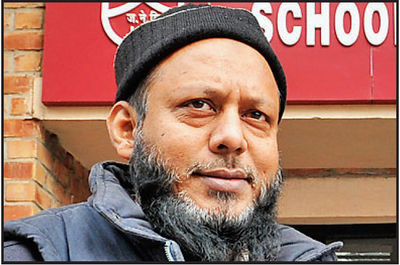
JNU professor Khurshid Imam.

New Delhi :

He has prayed in synagogues and observed the Sabbath, Judaism’s day of rest, and enjoyed crispy falafel on the streets of Jerusalem. A map of Israel hangs in his study where Yasser Arafat shares space with David Ben-Gurion. And he doesn’t mind if his 10-year-old daughter greets him with ‘Shalom’ instead of ‘Assalam Alaikum’. Meet Dr Khurshid Imam, a devout Muslim and the only teacher of Hebrew at a university in India, Jawaharlal Nehru University.

The bearded, skull cap-donning Imam hopes for a new dawn in India-Israel ties, which received a boost with foreign minister Sushma Swaraj’s West Asia visit last week. Unlike most Muslims who look upon Jews with suspicion – just as most Jews don’t trust Muslims – this assistant professor of Hebrew at the Centre of Arabic and African Studies doesn’t harbour any animosity. And he wants to use Hebrew, the ancient language in which the sacred Torah was revealed, to bring Jews and Muslims closer.

The cause of animosities between Muslims and Jews is political. Religion is a pawn in the hands of politicians who don’t want adherents of the two Abrahamic religions cementing ties,” said Khurshid Imam, 46, whose unique distinction “baffles” many of his co-religionists brought up on a heavy dose of hatred for Jews.

“Many call me ‘Mossad agent’ among Indian Muslims, a Zionist promoter and some even jokingly call me ‘nek Yahudi’ (benevolent Jew) because of my passion for Hebrew,” laughs Imam, third among six siblings who grew up in Gopalganj, Bihar, and went to Hebrew University of Jerusalem in 1998. He stayed there till 2000 post-M Phil at JNU.

“Government of Israel scholarship and Golda Meir scholarship funded my courses in Hebrew and study of the Modern Middle East,” he said. “I wanted to learn Hebrew to understand Judaism and find commonalities between Islam and Judaism.”

He also wanted to conform to a hadith (tradition) of Prophet Muhammad, who is believed to have asked some of his companions to learn Hebrew. “If the Prophet encouraged Muslims to learn Hebrew, who are clerics and community leaders to issue fatwa against those who visit Israel?” he asked.

Despite apprehensions of friends and family, Imam chose to stay amid Jewish students who he discovered were not as “rabidly anti-Muslim” as many paint them to be.

“Many Jews first thought I was a non-Arab Muslim jihadist plotting to bomb their establishments. Similarly, Arab Muslims in Israel and Palestine mistook me for a Zionist disguised as a practising Muslim. Once, some kids even threw stones at me, shouting, “Yahud, Yahud” (Jew, Jew). I was moved when several Jewish friends wept when I left Jerusalem,” recalled Imam.

He is, however, disappointed by the “cold” response from several Indian universities to his proposal for teaching Hebrew. “Khurshid’s efforts are laudable and I believe Indian universities should open their doors to Hebrew because languages help build bridges between people,” said S A Rahman, retired professor of Arabic who mentored Imam at JNU.

source: http://www.timesofindia.indiatimes.com / The Times of India / News Home> India / by Mohammed Wajihuddin / TNN / January 24th, 2016

Aamir Khan gifted Maulana Azad’s speech to sister

Pune, MAHARASHTRA :

Aamir Khan's family
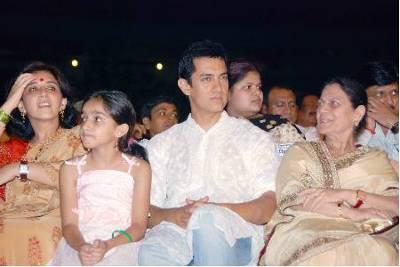
Aamir Khan’s family

For her elder sister Nikhat’s 50th birthday, Aamir Khan gifted her five speeches of  Moulana Abul Kalam Azad.

Aamir Khan’s sister, Nikhat celebrated her 50th birthday on Saturday and the entire Khan-daan was in Pune celebrating her birthday with lot of fanfare.

Aamir Khan had been thinking since a really long time of a special birthday gift for his sister. The entire family had been pitching in ideas for gifts to give to Nikhat. Everyone in the family had given him several options.

However, our perfectionist Khan wanted to look for the most perfect birthday gift for his sister. He especially wanted the gift to be extremely special, as it was Nikhat’s 50th birthday.

After a long brainstorming session Aamir Khan did the unbelievable. “He sourced and got the copy of five speeches of Maulana Abul Kalam Azad, the great Indian freedom fighter and Aamir Khan’s great grand uncle”, says a source. “At the get-together in Pune, everyone in the family heard all the speeches together and was teary eyed at the end of the session”.

“As it was much before their time and way back in history, no one from the family had ever heard Maulana Abul Kalam Azad’s voice ever before including Aamir, his sisters, bothers and cousins”, adds the source.

Aamir Khan and Kiran’s son Azad Rao Khan has been named after Maulana Abul Kalam Azad.

2012 has been Aamir Khan’s busiest year ever. Aamir is known for doing one project at a time. This is the first time in his career that he has been juggling between his magnanimous TV show Satyamev Jayate, Talaash and Dhoom 3 all in the same breath. Hence Aamir Khan hasn’t been able to spend quality time with his family.

source: http://www.http://www.timesofindia.indiatimes.com / The Times of India / News> Entertainment> Hindi> Bollywood> News / TNN / August 07th, 2012

Bhopal: Royal family scion Nasir Mirza passes away

Bhopal, MADHYA PRADESH :

Nasir Mirza, who was the scion of the royal family of Bhopal, and the grandson of last Nawab Hamidullah Khan, passed away on Wednesday. He was the son of Hamidullah Khan’s youngest daughter, Rabia Sultan.

Nasir-Mirza-third-from-left-who-passed-away-in-Bhopal-on-Wednesday-HT-photo

Nasir Mirza, who was the scion of the royal family of Bhopal, and the grandson of last Nawab Hamidullah Khan, passed away on Wednesday. Mirza was 64. He was the son of Hamidullah Khan’s youngest daughter, Rabia Sultan.

The last rites took place on Wednesday afternoon. Fondly called Prince Nasir Mirza, he was a private person who stayed away from public glare. Mirza ran a school, Falcon Crest. “He was the aakhri chashm-o-chiragh (last descendant) of the Nawabi family in Bhopal and the only among scions of the royal family who stayed in Bhopal,” said Syed Akhtar Husain, author of the book, Royal Journey of Bhopal.

Nawab of Bhopal, Hamidullah Khan’s eldest daughter Abida Sultan had migrated to Pakistan while the second daughter, Sajida Sultan, was married to Iftikhar Ali Khan Pataudi (Nawab of Pataudi Senior). The third daughter, Rabia Sultan, had stayed in Bhopal, and married Agha Nadir Mirza. Nasir Mirza was Rabia Sultan’s son.

His relatives in Pakistan have been informed and they will arrive in Bhopal on Thursday, said family sources.

source: http://www.hindustantimes.com / Hindustan Times / Home> Cities> Bhopal / HT Correspondent, Hindustan Times / December 03rd, 2014

Tackle Militancy, Not Militants, Says 1st Kashmiri Muslim Army Gen

Dadsura (Pulwana Dist.) , JAMMU & KASHMIR :

Major General Mohd Amin Naik is the first Kashmiri Muslim General of the Indian Army. Maj Gen Naik’s journey to the Indian Army began with his inclination for athletics.

The Maj Gen, who is interested in rowing, and has a fondness for trekking, remembers spending his first salary – that he drew as a school teacher – on what he called ‘hunter shoes’.

https://www.youtube.com/watch?v=ZCN4GKw-H0E

Undefeated Episode 6 Courage for Excellence Maj Gen Md Amin Naik Full Episode Director’s Cut

The sixth episode of Undefeated, titled ‘Courage For Excellence’, explores the life of the Maj Gen, winner of the Sena Medal and the highest medal awarded to an Indian sportsman, the Arjuna Award. He also won India a bronze medal at the Asian Games (1982).

Additionally, he led a successful Nanda Devi Ecological Mountaineering Expedition. Elaborating on what he learnt from his expeditions as part of the Army, the Maj Gen says there were times when he had to choose between saving his life or risking it to ensure the safety of his team of mountaineers. He says he always chose the latter because those were the values he had imbibed during his time in the Army.

A behind the scenes still of Maj Gen Mohd Amin Naik with Alka Sibbal, Principal of Salwan Girls School. (Photo Courtesy: Paper Weight Entertainment)

He is currently the chairman of Salwan Girls School, a school that funds the education of girls from humble backgrounds.

Family Life

His family had trouble coming to terms with his life in the Army, Maj Gen Naik says. His son had to change 12 schools, he says, adding that his wife has been an invaluable support to him along the years.

“Need to Tackle Militancy”

A behind the scenes still of Maj Gen Mohd Amin Naik. (Photo Courtesy: Paper Weight Entertainment)

The Maj Gen, who hails from the same village as the slain militant leader Burhan Wani, also shared his thoughts on the menace of militancy. One way to ensure the end of militancy in the Valley is to train people, allow them to develop and hone skills and give them employment, he says.

source: http://www.thequint.com / The Quint / Home> India / by Rosheena Zehra / April 25th, 2017

Nusrat Jahan: Calcutta Times Most Desirable Woman 2015

Kolkata, WEST BENGAL :

NusratMPOs25apr2017

Standing tall at 5’7”, Nusrat Jahan’s beauty is right there -staring at you. And no, you can’t look away because she’s absolutely gorgeous in her simplicity. Nusrat, who has been voted as Calcutta Times Most Desirable Woman of 2015, is on cloud nine! The overwhelming number of votes received online on http:www.itimes.compolls, along with our vote, has helped us decide the winners. When we reached out to Nusrat, who has topped the list, the twinkle in her eye got brighter.Excerpts:

How does it feel to be voted as the Most Desirable Woman of 2015? I am at a loss of words to express my feelings at this moment. I feel on top of the world. Still pinching myself to believe this is true. Times Most Desirable Woman is a prestigious honour given by The Times of India and I sincerely thank all those who thought I deserve this title.

What, according to you, makes a woman desirable? I believe beauty comes from within. A woman’s inner strength and her personality make her desirable. It has nothing to do with her looks. Her behaviour also matters.

How many times a day do you check yourself out in the mirror? Rarely. I believe I look good all the time (laughs), so I don’t need to keep looking in the mirror. On a serious note, I am too lazy . I am miles away from the mirror unless I am shooting or going out.

Who do you think is the most desirable man? Bradley Cooper -suave and oh-so-hot! You can find me drooling over him.

What do you find attractive in a man? Honesty and chivalry . I also like men with a good sense of humour, someone who can engage me in a conversation for hours.

Are you aware that men find you desirable? Well, yes! Name one woman who will not enjoy getting attention from men.

Who, according to you, is more desirable than you? Nicole Kidman -she is elegance and beauty personified.

What is that X-factor in you that makes men go weak in the knees? My eyes and smile!

Tell us about the milestones you want to achieve in life. I am a happy-go-lucky person, who lives in the present. I don’t waste time fretting about the future I can’t control. I work hard and leave the rest to the Almighty , who has already chalked out the course of my life .

source: http://www.timesofindia.indiatimes.com / The  Times of India / News> Entertainment> Bengali> Movies / TNN / January 12th, 2017

Meet City Girl Zainab Sayeed IRS from Kolkata

Chitpur (Kolkata), WEST BENGAL :

ZainabMPOs11apr2017

Zainab Sayeed, the first Muslim woman from West Bengal cracked the Civil Services Examination by achieving All India Rank 107 and has also topped the UPSC interview by scoring highest marks.

Marks Obtained

 Total Marks  Marks Obtained
Total (Written)  1750 731
 Interview 275  220
 Total  2025  951 (46.96%)

Topper of UPSC Interview

Interview is the last stage of the Civil Services Examination. Zainab Sayeed scored more than even the score of the first rank holder Ira Singhal. Ira scored 167 marks in the interview whereas Out of 275 marks, Zainab scored 220 in the interview that is 58 marks more than the top ranked Ira scored. She has made a record as the highest scorer in the interview round and ranked 107 in the examination.

Zainab Sayeed said that she hoped if she was allotted the Indian Administrative Service (IAS), it would be good for her if not then she would like to join the Indian Revenue and Customs Service.

Family Background

Zainab Sayeed comes from Chitpur in North Kolkata and belongs to an elite Bohra Muslim family. Her father Taiyab Sayyed is a hardware businessman based in Kolkata; her mother Farida Sayyed is a homemaker and assists her husband’s business. Zainab is second daughter of her parents. Eldest sister Tasneem Sayyed is running her own consulting firm. Youngest daughter Fatima Sayeed is pursuing BDS from Jamia Millia Islamia University, Delhi. Zainab Sayeed got married to Hussain Izzy, a hardware businessman.

Zainab Sayeed parents were very supportive and encouraged her to go for UPSC. During preparation of the Civil Services Exam her husband played an important role in motivating her and he used to set the time table for her to study which was of great help for Zainab. She says she is lucky to have parents and husband who always encourage her to go ahead.

Educational Background

Zainab Sayeed got graduated in English from St Xavier’s College. Again she went to Delhi and enrolled at the AJK Mass Communication and Research Centre at the Jamia Millia Islamia and completed her Masters in Convergent Journalism in 2011. While pursuing Masters in Jamia, she simultaneously signed up at the Jamia’s coaching centre for the UPSC exam preparation.

When she returned back to Kolkata she got a job in the English daily ‘The Telegraph’. She worked in the editorial department of The Telegraph, Kolkata till her final UPSC results were out.

Attempts by Zainab Sayeed

Zainab Sayeed of West Bengal has qualified UPSC Exam in her third attempt. She took the Civil Services Exam in 2012 and 2013, but could not clear the Prelims.

Preparation Strategy

Zainab Sayeed set a target, studied hard and displaying strong determination achieved her goal. She devoted six to seven hours a day seriously for preparations and her punctuality paid off in the end.

Dress Preference

Zainab Sayeed belongs to the Bohra community and wears the traditional ‘Rida’ since she was 13 years old. She wears “Rida, a headscarf, or Hijab every Bohra girl and woman wear”, and appeared for the UPSC personal interview in the same traditional attire.

The interviewers asked why she wore the attire which is a religious marker. She was neither ashamed nor apologetic. She said “Rida or Hijab is part and parcel of her persona. Besides there is a saying that one should wear clothes one feels comfortable in, she cited the instance of a Prime Minister who wore a turban which is also a religious symbolism”.

source: http://www.syskool.com / Syskool / Home> People / by Praful / March 31st, 2016

The Colours Of Kotwara

Lucknow, UTTAR PRADESH / NEW DELHI :
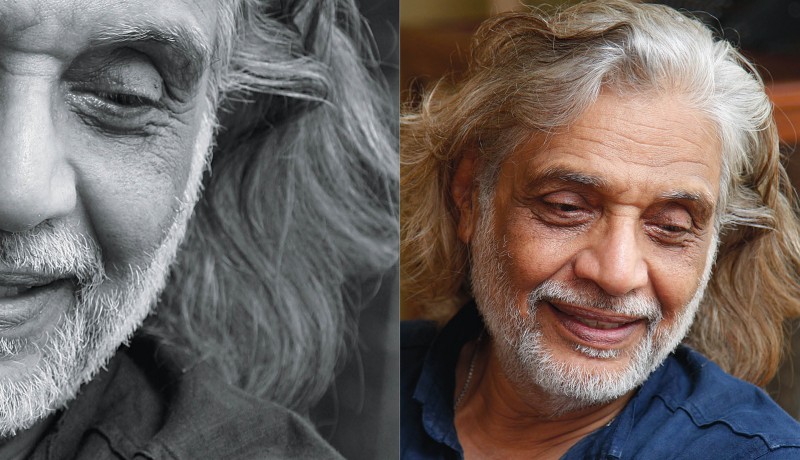
MuzaffarFPMPOsapr2017

Muzaffar Ali wears many hats—filmmaker, painter, poet, fashion designer, revivalist, Sufi exponent, social worker—with consummate ease. As he prepares to release his latest labour of love, Jaanisaar, he speaks to Ambica Gulati about being in a ‘constant state of inspiration’

Filmmaker. Painter. Sufi exponent. Revivalist. Fashion designer. Music lover. Social worker. Just some of the ways Muzaffar Ali is described. But the man himself is loath to be labelled. For him, life is a singular pursuit: a quest for harmony and love as elucidated by the Sufi philosophy, “surrender of the highest order, which manifests through human compassion”.

Our introduction to Ali takes place at his charming farmhouse in Gurgaon, where Barrack, his horse, runs freely in the grassy expanse while dogs laze contentedly in the morning sun. In another corner, vintage cars are parked in a shed, pregnant with stories of a royal past. Ali is the current Raja of Kotwara, a former princely state 160 km from Lucknow, but there is nothing pretentious about him or his lifestyle. Enter the farmhouse and you notice how mud, mortar and brick blend seamlessly, mirroring the owner’s constant quest for harmony and balance in keeping with the Sufi way of life. Inside the massive door, red pillars catch the eye, and once inside the glass doors, you are introduced to the sophisticated yet mellow world of a man with seemingly infinite creative nuances. Designed by his wife Meera, Ali’s farmhouse is a fusion of styles that perfectly capture the personality of the Raja—his paintings adorn the walls, old books lie open on tables, and a fireplace painted by Ali himself occupies pride of place in the centre of the room.

At the age of 70, white hair flowing across his elegant shoulders, Ali speaks with a quiet passion about his films, establishing the Kotwara clothing brand with Meera, spreading Sufism, creating beautiful minds, reinventing the lives of the people of Kotwara and his umbilical ties to the region. During the conversation, the Padma Shri (2005) recipient also sheds light on his soon-to-be-released film Jaanisaar, and receiving the Rajiv Gandhi National Sadbhavana Award (2014) for promoting peace and harmony.
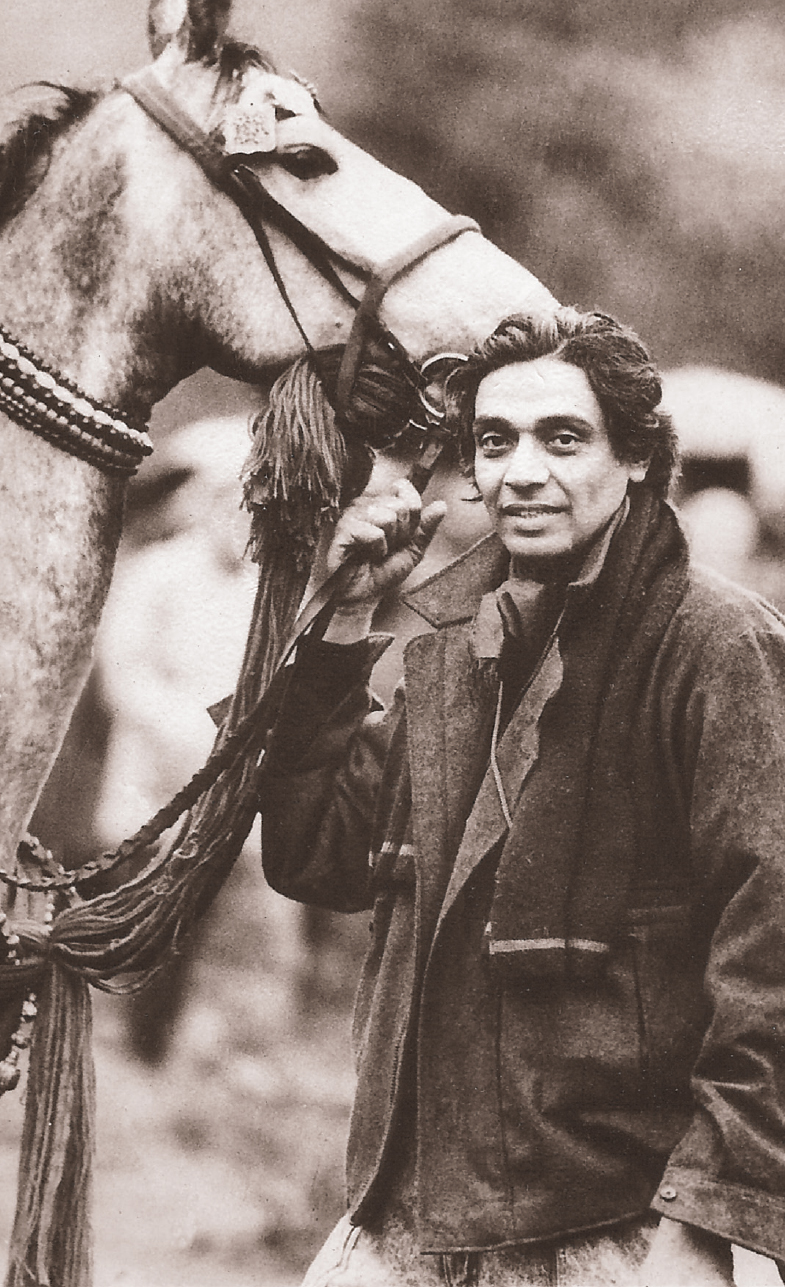
Muzaffar01MPOsapr2017

EXCERPTS FROM AN INTERVIEW

Who really is Muzzafar Ali?

I am my parent’s child, shaped by my father Syed Sajid Husain Ali’s progressive thinking and groomed by my mother Kaneez Hyder’s cultural feathers. I grew up in an era of turmoil, when India was all for independence. Awadh had a prominent Nawabi culture. My father was the head of Kotwara, but he thought like the common man. He had studied in Scotland where he dressed up like the British, drove a sports car and was influenced by the philosophy of the Communist Party of Great Britain. He believed in an egalitarian society, and focused on health, education and work for all. In 1937, he fought his first elections against the Muslim League as he believed in a secular, democratic India. Humanism and secularism were his principles. My mother followed the purdah system. She was interested in art, culture, music and all the influences you see in Umrao Jaan.

What is common to Muzzafar Ali the filmmaker, social worker, painter, Raja and fashion designer?

An artist in quest for a balance between humanity and beauty.

Were you groomed for the arts at home? And was the pursuit of creativity a deliberate career choice?
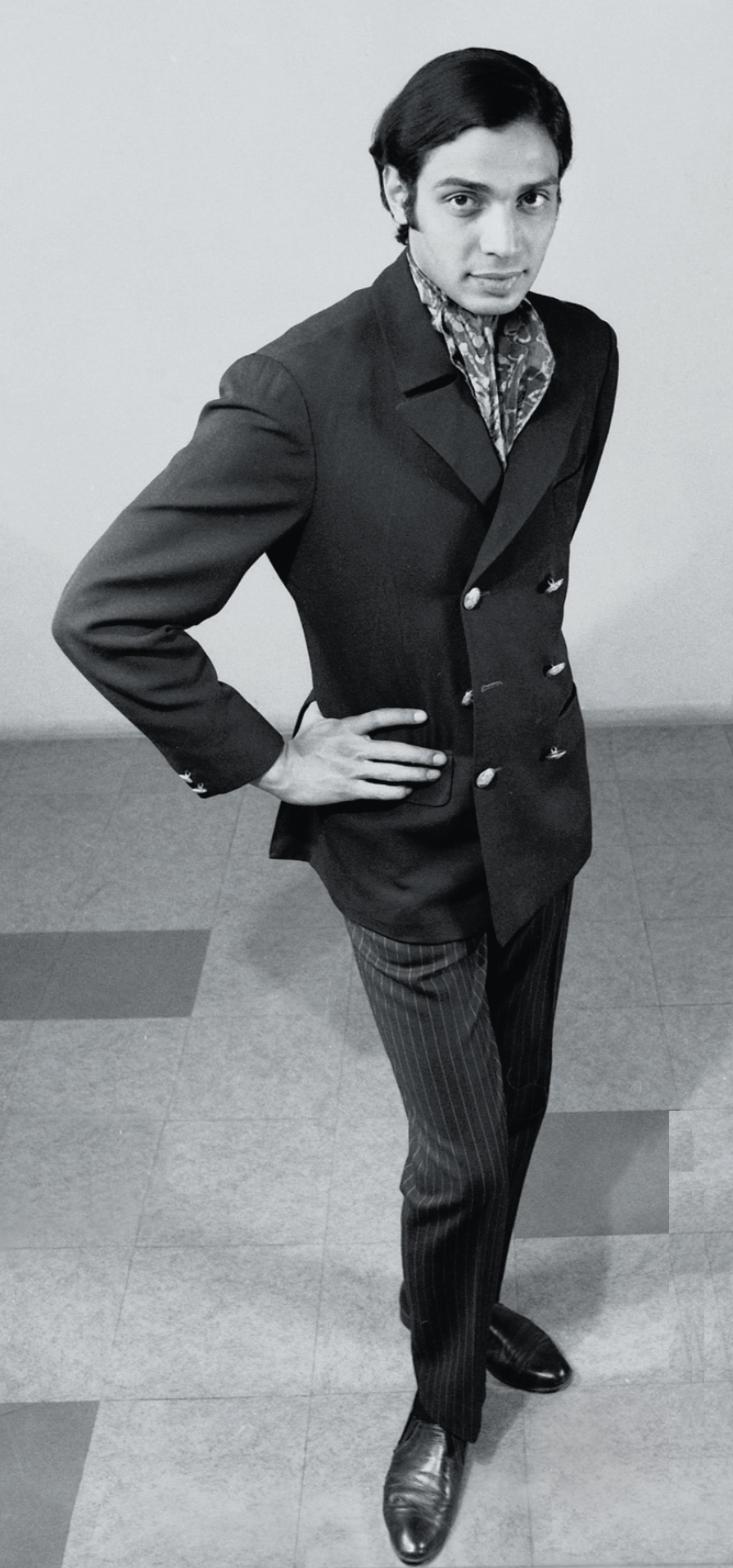
I was studying science at Aligarh Muslim University. My father believed in the Nehruvian vision, which was progress through science and technology. He wanted me to be a part of that. After the zamindari system was abolished in 1957, he locked himself up and studied law. During India’s transition, he also transformed. He gave up wearing mill-made clothes and opted for khadi. Suddenly, there was a perceptible shift from a lavish lifestyle to a Spartan one. I guess something similar happened to me in university. I discovered poetry and poets like Faiz Ahmed Faiz and Rahi Masoom Raza, and my education became an art of science or perhaps it was the science of art that got to me. I read the works of Rumi and became passionate about the Sufi way of love and surrender.
Muzaffar02MPOsapr2017

I completed my BSc but went to Kolkata to work in an advertising agency headed by renowned filmmaker Satyajit Ray. His thoughts and style were a strong influence on me. I realised that film was an interesting medium to express your beliefs. But my introduction to the arts was through painting. I loved to sketch and paint since childhood. I even won many prizes in school.

Do you still paint?

I still paint as much as I can create time for it. I like to live with my paintings, in constant dialogue with them. Therefore, I am in a constant state of inspiration. These works are in my own homes, mostly in the Gurgaon home. I have had 10 one-man shows; I would like to show soon if I meet the correct person through whom I should hold an exhibition.

Did you have any doubts when you chose a career different from the one you were being prepared for?

Nothing is impossible and I was brought up in an open-minded atmosphere. I had seen my father take a quantum leap from being a zamindar to giving people a voice and wearing hand-woven clothes. He did not believe in a capitalist society and always said ‘a penny saved is a penny earned’. My salary in Kolkata was ₹ 300 and my hostel fee was ₹ 150 per month. But I managed.
Muzaffar04MPOsapr2017

How did films happen?

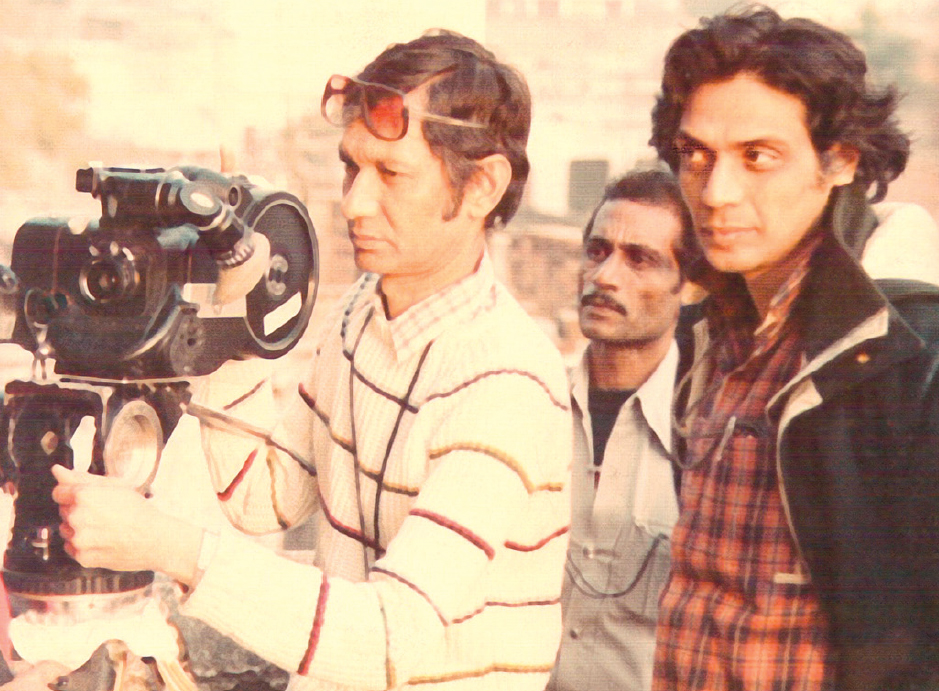
The first film I made was Gaman. Working with Satyajit Ray, I had realised what a camera could do. So my journey was from sketching to moving images. It’s a journey I continue to repeat every time I make a film. Each film, therefore, became a milestone in my understanding and expression of life and has been rooted in the soil of Awadh, Lucknow and Kotwara. They have been shot there, with natives featuring in them.

I had started working with Air India in the communications department in the 1970s. I worked there for 11 years. I lived in Mumbai and I would see people coming from villages to the city. They would lose their identity to earn a living. This was the theme of my film Gaman. Social issues and cultural ethos always influenced me. In 1976, I started Umrao Jaan. The film captured the culture of Awadh and times of Wajid Ali Shah. All the detailing in the movie was what I had seen and learnt at home. All the poetry and love and surrender I was in love with found its way into the songs. In Anjuman, I explored the lives of chikan workers and the exploitation of women.

What about your famed film Zooni, which is yet to see the light of day?

Zooni was based on the folklore surrounding 16th century Kashmiri poetess Habba Khatoon. It was my way of expressing pride in the beautiful state of Kashmir, my way of showing that violence will lead us nowhere. Zooni is a big exploration into the people and culture of the Valley and something that neither I nor the people are ready to undertake because of what has happened since 1989. It is an unfinished dream and if I meet the right people, it may become a reality. The script will need to be revisited to suit the audience of today but the spirit is universal and, therefore, it has to be a global film.

What can we expect in Jaanisaar? Is it a sequel to Umrao Jaan?

This film is centred on the siege of Awadh, the revolt of 1857, and romance between an Anglicised Raja and a courtesan. It stars newcomers Imran Abbas Naqvi and Pernia Qureshi. It is not a sequel to Umrao Jaan but takes off from where Umrao Jaan ends in the same region. This is my fifth feature film. Not counting Zooni, I have done several serials and short films on Sufism.

Umrao Jaan established Rekha as one of the most beautiful women in the country. It also had classical songs such as Dil cheez kya hai…. Will Jaanisaar offer something similar?

The focus is on the culture of Awadh. The rest is up to the audience, to see where it goes.

What will be your next artistic endeavour after Jaanisaar?

Plans after Jaanisaar will become reality only after the film is released and accepted. I think big but take small, measured steps. Every film is a dialogue with my audience.
Muzaffar05MPOsapr2017

The creation of the Kotwara brand—how did that happen?

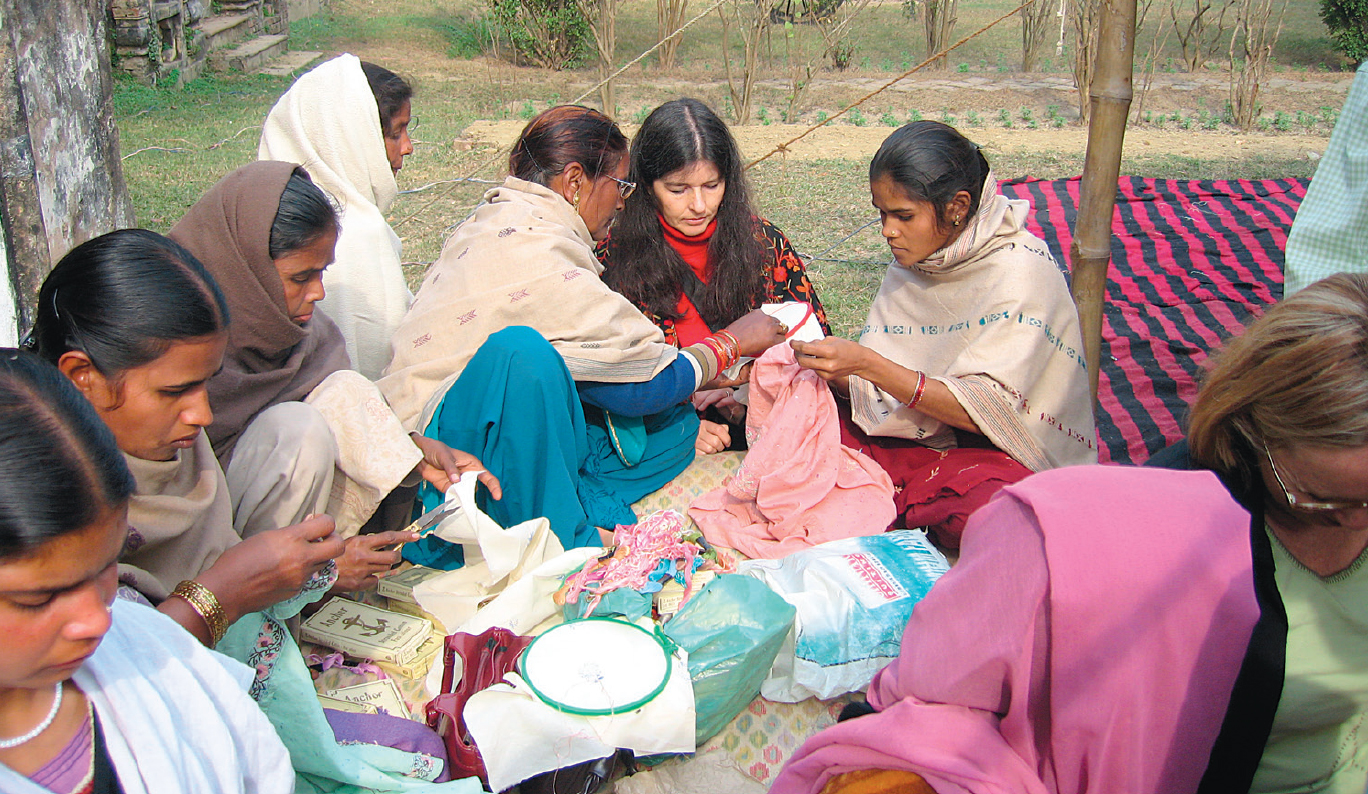
Ambience is very important for me. Kotwara is a beautiful 14-acre, green land with mango groves. In films, my actors always look beautiful, so I thought why not clothes in real life? Kotwara has been my studio for all my creative shades. It was where I began painting and it is where my work with the revival of chikan began. It also houses a school for children and Jaanisaar is also being shot there.

Fashion happened during the making of Zooni in 1988. American fashion designer Mary McFadden visited us back then and after seeing Kotwara, she said it could be a haven for crafts. Fashion was still evolving in those days and even known names like Suneet Verma worked with Mary. In 1991, my father passed away and I was wondering what to do next with his huge legacy. Meera supported me and helped turn Kotwara into an asset. Sugarcane farming was the mainstay of the region but there was never enough. We decided to revive the crafts and got a few people from Lucknow to train a few willing workers. We looked at how to make new motifs suited to the changing world and new works with zardozi. And ‘Dwar Pe Rozi’ [a charitable society] was born. Now, there are 300-400 people working on this in different pockets. Then, we built a small school for children; there are 300 children studying there.

How did the brand hit the limelight?

We started participating in fashion weeks in 2000, and the rest is history.

What do you feel is the biggest contribution to your hometown through the Kotwara brand?

Kotwara is a concept, an idea. Inspired by my first film Gaman, it aims to provide employment at one’s doorstep under the Dwar Pe Rozi vision. In Kotwara, I have tried to pour in my creative skills with human resources from the village to create craft and couture in which my films could add value. I think it is a very slow process and is succeeding because of the thought and style that is going into it, from both Meera and I.

How did Jahan-e-Khusrau, the annual Sufi festival you have been organising at Humayun’s tomb in Delhi, happen?

The Sufi way of love and surrender has always been my approach to peace and harmony. The soul’s call is to create a union. The music albums I have brought out are centred on this Sufi spirit. Paigham-e-Mohabbat had lyrics by some of the most distinguished poets such as Rahi Masoom Raza, Ali Sardar Jaffery, Faiz Ahmad Faiz, Ahmad Faraz, Qazi Nazrul Islam and Jan Nisar Akhtar. Other albums are Jahan-e-Khusrau, a tribute to Hazrat Amir Khusrau, while Raqs-e-Bismil (Dance of the Wounded) is a collection of ghazal inspired by Rumi. I received the support of then Delhi chief minister Sheila Dixit for the festival. Delhi is the land of Sufi saints and has the dargah of 36 saints. This festival was a natural way of felicitating the Sufi spirit of union. We started in 2000. Given the chance, I would also like to organise a Wajid Ali Shah festival in Lucknow. In 2005, I also started the Rumi Foundation and published two motivational journals and poetry.

Are you also translating Sufi works? And how can Sufi music bring peace to the subcontinent?

For me, Sufi poetry is the final stage of love and surrender. Every time I use it in an album or in Jahan-e-Khusrau, I try to translate it. Although I am not very good at translation, I don’t want listeners to miss out on the meaning. Raqs-e-Bismil with Abida Parveen, selected, composed and translated by me, is one such effort.

Life’s journey has brought you to the Rajiv Gandhi National Sadbhavana Award. How does this make you feel?

I sometimes wonder if I even belong there. I have been graced along with a galaxy of people such as famous scientist Yashpal and Mother Teresa. The award is a significant recognition in our country. In a nation of such vast ethnic diversity, taking the route of religion to unite people can lead to unprecedented intolerance. We need to celebrate those who have upheld these human values. The award leaves you with the responsibility of living up to these ideals.

Have you ever felt that you may not be able to live up to the expectations of the people around you?

I feel I could do more for the school. But I focus on creating more beautiful minds and let the doubts out.
Muzaffar03MPOsapr2017

How did you meet Meera? Does the age difference ever make you feel insecure?

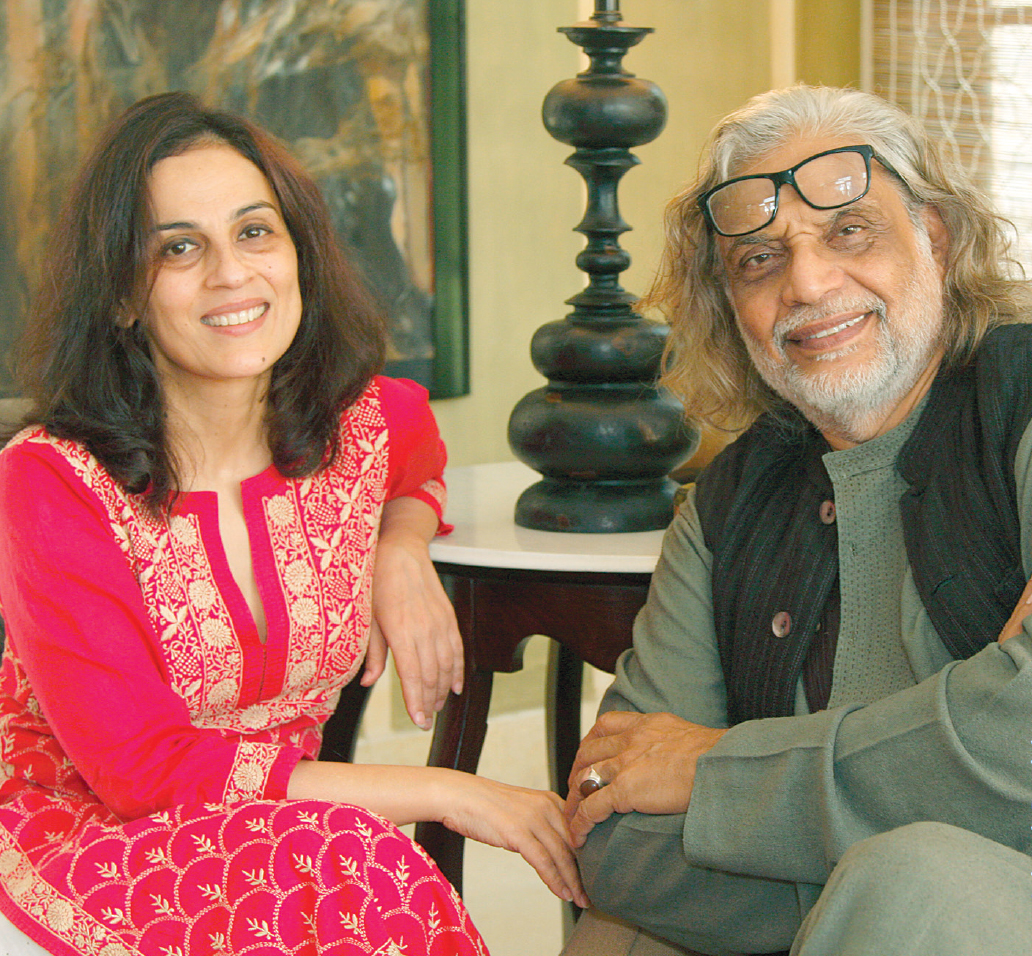
I met Meera in Delhi when I was uprooted from Kashmir with an incomplete film. I found her an extremely powerful anchor in my life. I was making an hour-long film on the life of Hazrat Khwaja Moinuddin Chishti of Ajmer, called Seena Ba Seena (From the Heart to the Heart). I gave her a small role and we married soon after that. That was 25 years ago. Age did not matter then, nor does it now. She is honest and dedicated. She thinks out of the box, is a talented architect, and open and receptive to new things and ideas.

Are your children also involved in creative pursuits?

My eldest son Murad [from his first marriage] is based in Delhi and is an actor; Shaad [from his second marriage] lives in Mumbai and is directing films; and my daughter Sana [with Meera] has started helping us with the clothing brand. But now I look at the whole world as a child. I do not think about my biological children only, but in a broader scope of creating happier worlds.

What is a typical day like for you?

Walk with my dogs. Playing with my horse. Work on my thoughts. Sharpen my aesthetics through poetry and music. Sketch and paint.

Has age made any difference to your life and work? Has it mellowed you or contributed to your growth?
By His grace, I have learnt to become sharper with age, and I believe this is the time to enlighten the youth with dreams to improve the world in which we live. Create open and questioning minds.

What is your future vision?

To create beautiful, open minds. I find pleasure in seeing the children in school. They are going to be the new harvest. In turn, they will create a happier world for others. I will keep sharing whatever I can, in my own way.

Photos: Avinash Pasricha
Featured in Harmony — Celebrate Age Magazine
January 2015

source: http://www.harmonyindia.org / Harmony India.org / Harmony – Celebrate Age Magazine / January 2015