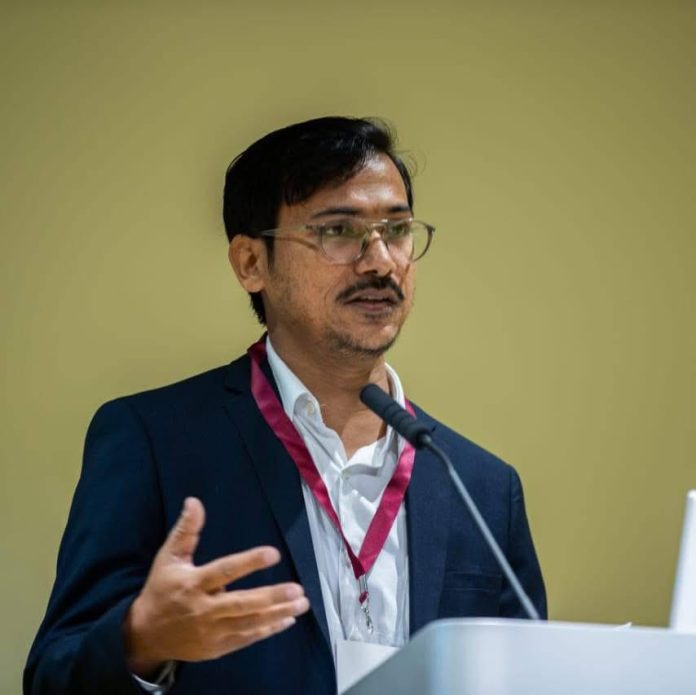
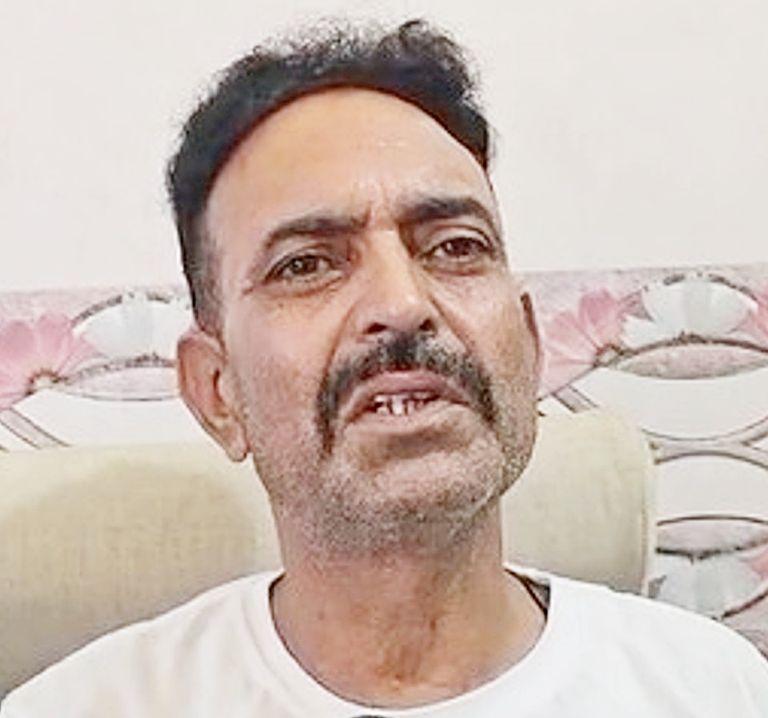
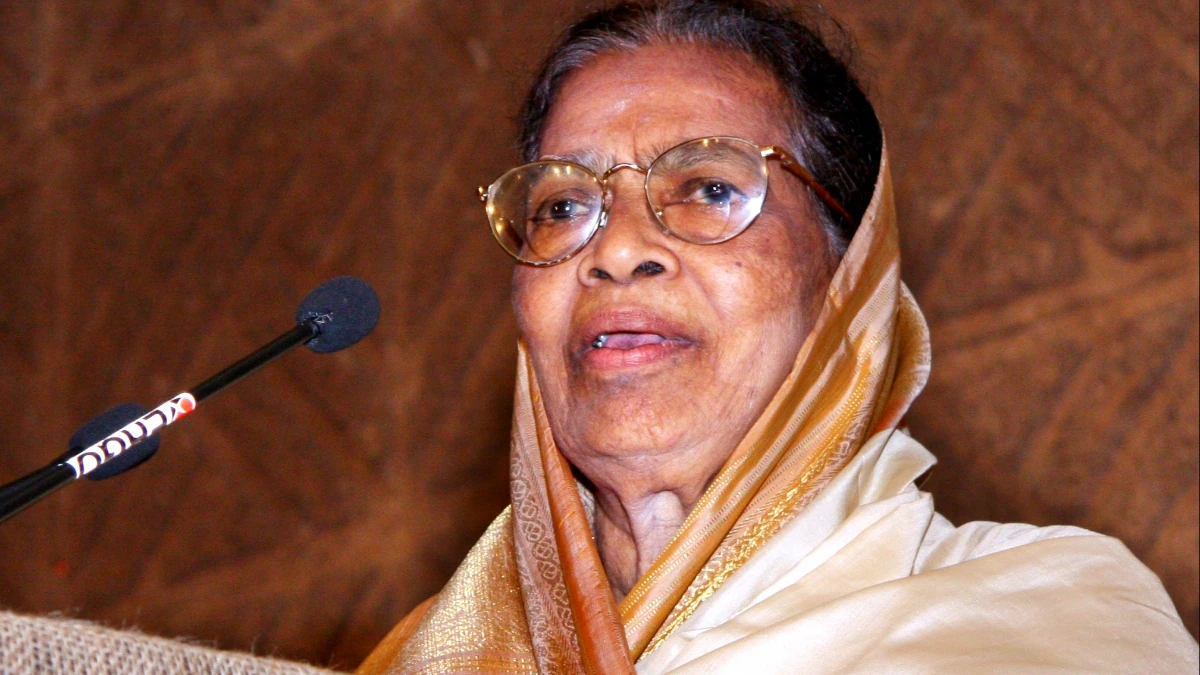
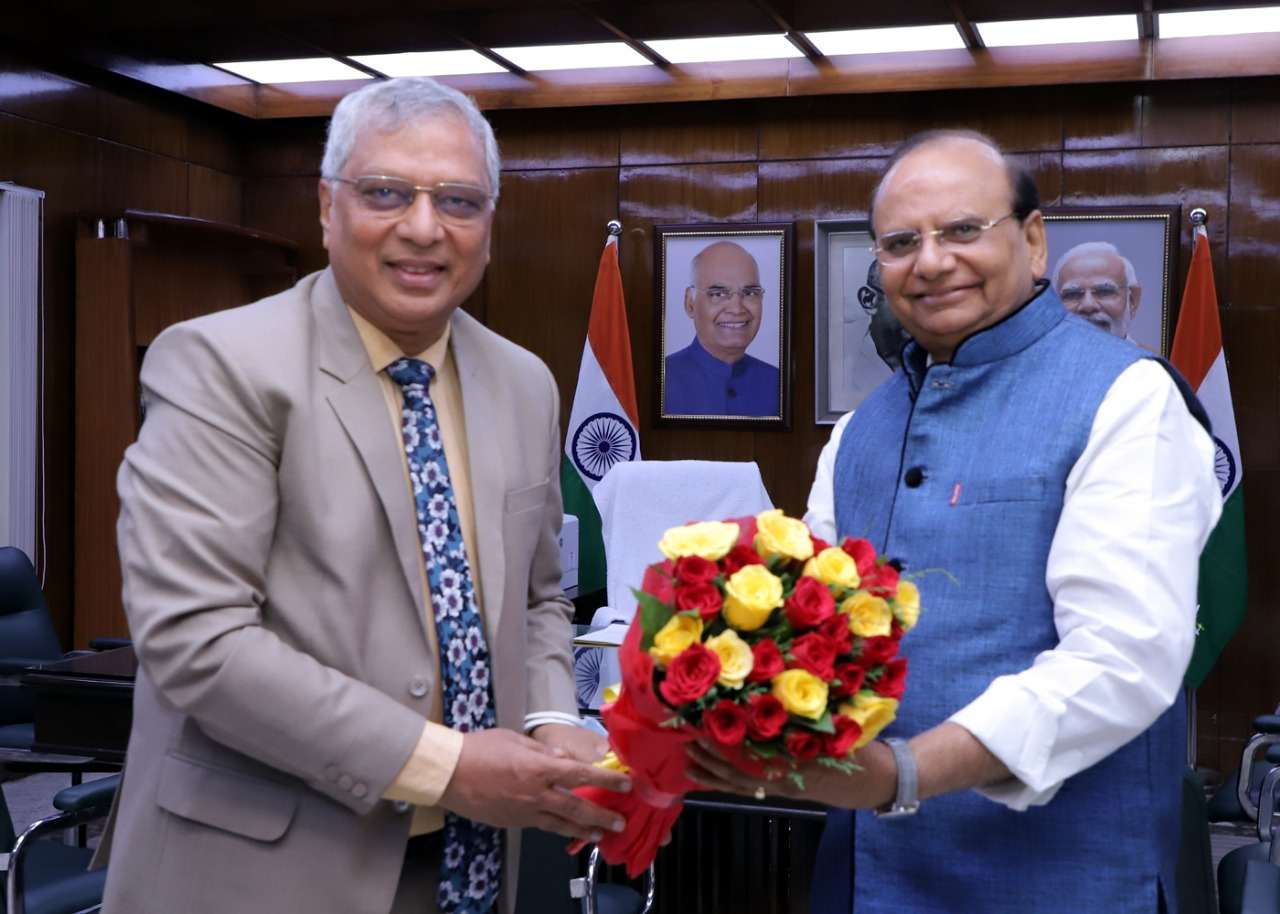
Bringing pride to Mumbai’s minority neighbourhoods, Hazil is among 50 chosen from 207 players across India after FIFA expert Richard Allen’s evaluation.
Mumbai :
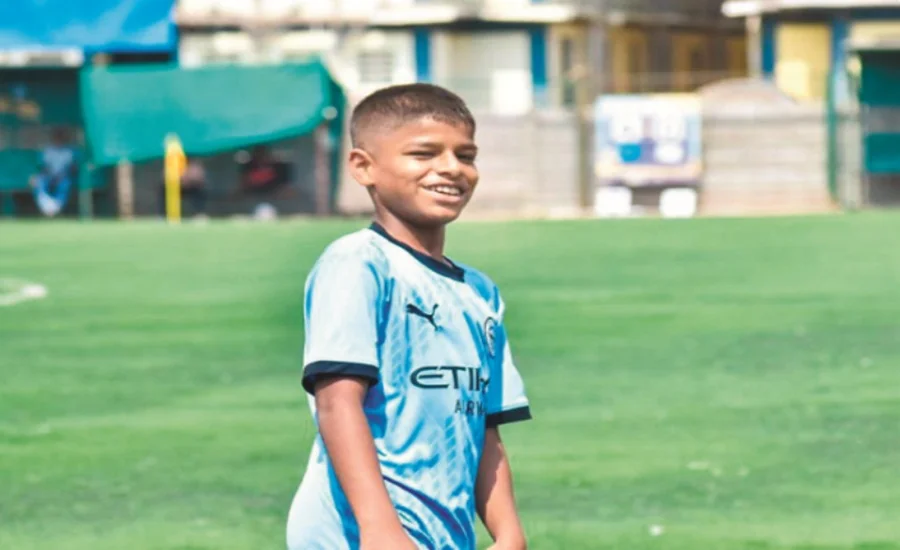
In a moment of great joy and pride for the people of Kurla West area in Maharashtra’s capital city, 13-year-old Hazil Irfan Ansari has been shortlisted for the final trials of the All India Football Federation’s (AIFF) Under-14 national team. The teenager received the official intimation on July 15 and has been called to Hyderabad for a three-day trial period, which began on Friday.
Hazil, a resident of LIG Colony in Kurla West, is among the 50 young footballers selected for the next round out of an initial list of 207 players shortlisted by FIFA expert Richard Allen. Allen observed thousands of children playing across India—from school-level matches to national championships—before drawing up the first list.
Hazil’s name among the top 50 players is a big achievement not only for his family but also for Mumbai’s grassroots football scene, especially for aspiring athletes from minority communities.
Football experts in Hyderabad will now conduct a three-day selection trial from August 1 to 3.
Those who prove themselves in the Hyderabad exercise will be trained further and may secure a place in the national U-14 football team.
Hazil’s father, Irfan Ansari, could barely hide his emotions while speaking to Clarion India. “Hazil has been working very hard for the past few years. He wakes up at 6:30 in the morning and goes to Fatima High School in Vidya Vihar. He returns by 2:30, then attends Quran class for an hour. After a short rest, he goes for tuition—unless he has football practice.”
He added, “On practice days, he takes a train to CSMT and then a bus to Cooperage Ground. Practice finishes around 9:30 or sometimes even 10:30 pm. After that, he comes home and goes straight to bed. This has been his routine for years.”
Hazil currently plays for Mumbai City FC. His current coach, Satij, praised the youngster’s discipline and talent. “Hazil has shown excellent commitment and football sense. He’s a quiet boy, but very focused on the field. His selection is well-deserved.”
His former coach, Sarfaraz Ansari of Eleven Star Club in Madanpura, also expressed happiness. “Hazil was always serious about the game. He came regularly to practice and listened carefully. I always felt he had the potential to go far. Today, he has proved that hard work and faith can open doors.”
Locals in Kurla West say Hazil’s selection has inspired many boys in the area who dream of playing for India. In a neighbourhood often ignored in mainstream media, Hazil’s rise offers a refreshing and hopeful story.
His teachers at Fatima High School have also expressed their support. One of them, speaking on condition of anonymity, said, “Hazil is a respectful student and manages both his studies and sports very well. We are proud to have him in our school.”
Hazil’s selection shows that despite limited resources and long daily commutes, dedicated children from ordinary families can compete at the highest level with the right support and encouragement.
If Hazil succeeds in the trials in Hyderabad, he will move one step closer to representing India at the international level. For now, his neighbourhood, school, and family wait with prayers and pride.
source: http://www.clarionindia.net / Clarion India / Home> Featured>Indian Muslims / by Team Clarion / August 02nd, 2025
Dr K. V. Abdul Nazar’s Akbar Travels became India’s largest travel company, empowering thousands of Indian Muslims and creating global opportunities.
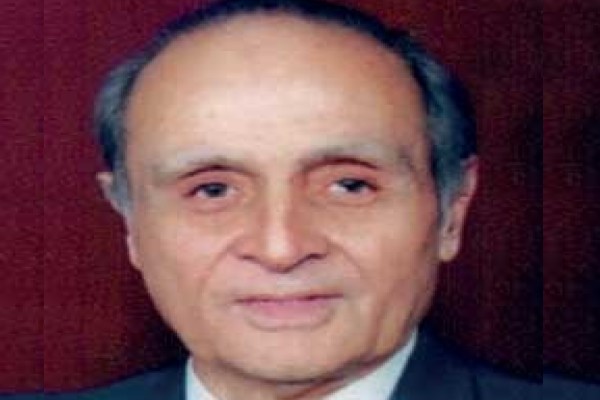
KERALA’S Ponani town is home to a remarkable story of determination, faith, and social responsibility. Dr K. V. Abdul Nazar, a Muslim businessman from this small town, has built Akbar Travels of India from a modest travel agency in 1978 into the largest travel company in India. Today, the company operates over 120 branches worldwide and serves millions of customers across continents, including the Middle East, America, Europe, Canada, Malaysia, and Africa.
Dr Abdul Nazar’s journey is not merely a tale of business success but a powerful example of how Indian Muslims can lead with purpose, uplift their communities, and create wide-reaching employment opportunities. Thousands of Indian Muslims, especially from Kerala and other minority regions, owe their livelihoods to his vision and dedication.
Unlike many other companies that focus solely on profits, Akbar Travels operates on the principle of serving all customers equally, regardless of language, culture, or religion. Dr Abdul Nazar insists on breaking social and cultural boundaries, making travel services affordable and accessible to all.
The company offers a wide range of services on a single platform, including flight bookings, hotel reservations, visa processing, Hajj and Umrah packages, holiday tours, cruises, corporate travel, car rentals, travel insurance, foreign exchange, and medical tourism.
“We believe that business should serve the community,” Dr Abdul Nazar told us in an exclusive interview. “Our goal is not just to grow financially but to make travel easier for every Indian, especially Muslims who face many challenges in this sector.”
Akbar Travels is also set to launch an advanced customer portal soon, aiming to provide even more convenience to travellers globally.
Under Dr Abdul Nazar’s leadership, Akbar Group has expanded beyond travel into health, education, IT, logistics, and foreign currency exchange. His companies operate in 24 different sectors worldwide.
A notable example of his social commitment is the hospital he established in his hometown Ponani to address the lack of healthcare facilities. This initiative alone has improved the health services available to thousands in the area.
Dr Abdul Nazar’s efforts have extended to creating job opportunities for the Malayali diaspora in Gulf countries, helping Indian Muslims abroad build a better future. Recently, the company also started operations in Nairobi and Dar es Salaam, further proving its global reach. Plans are underway to launch services in Bangladesh, Australia, and the Philippines.
Dr Abdul Nazar stands as a symbol of what Indian Muslims can achieve despite societal challenges and discrimination. At a time when Muslims in India often face unfair prejudice, his story shows the power of entrepreneurship coupled with social responsibility.
Mr Salman Ahmed, a community leader from Kerala, said, “Dr. Abdul Nazar is an inspiration for Indian Muslims. He has proven that with hard work, faith, and commitment, Muslims can succeed globally and uplift their community.”
Dr. Nazar’s business ethics challenge the negative stereotypes often directed at Indian Muslims by some sections of society. His company hires thousands of Muslims, giving them the chance to build their careers and support their families.
Despite the success, Dr Abdul Nazar’s journey has not been without challenges. Indian Muslims often face barriers in education, employment, and business, with many struggling against societal prejudices.
“Running a company of this scale while fighting against discrimination is tough,” said Dr Nazar. “But our faith teaches us patience and perseverance. We continue to move forward for the benefit of our community and the country.”
His story is a clear rebuttal to the narrative that Muslims are lagging in business or social progress.
Akbar Group’s focus remains on sustainable growth combined with social welfare. The company continues to invest in skill development, technology, and inclusive growth programmes. Its Aviation Academy and Tech Ventures are examples of how the group nurtures new talent and provides training for young Muslims.
“We want to create not just jobs but meaningful careers for our youth,” Dr Nazar explained. “This is how we ensure that Indian Muslims become an integral part of India’s development story.”
Dr K. V. Abdul Nazar’s story offers hope and motivation for millions of Indian Muslims who dream of success without sacrificing their values and identity. From a small travel agency in Kerala to a global business empire, his achievements show the strength of determination and the importance of serving society.
As Dr Nazar himself says, “Business is not just about profits; it is about making a positive impact on society. That is the true measure of success.”
source: http://www.clarionindia.net / Clarion India / Home> Featured> India> Indian Muslim / by Mohammad Bin Ismail / July 23rd, 2025
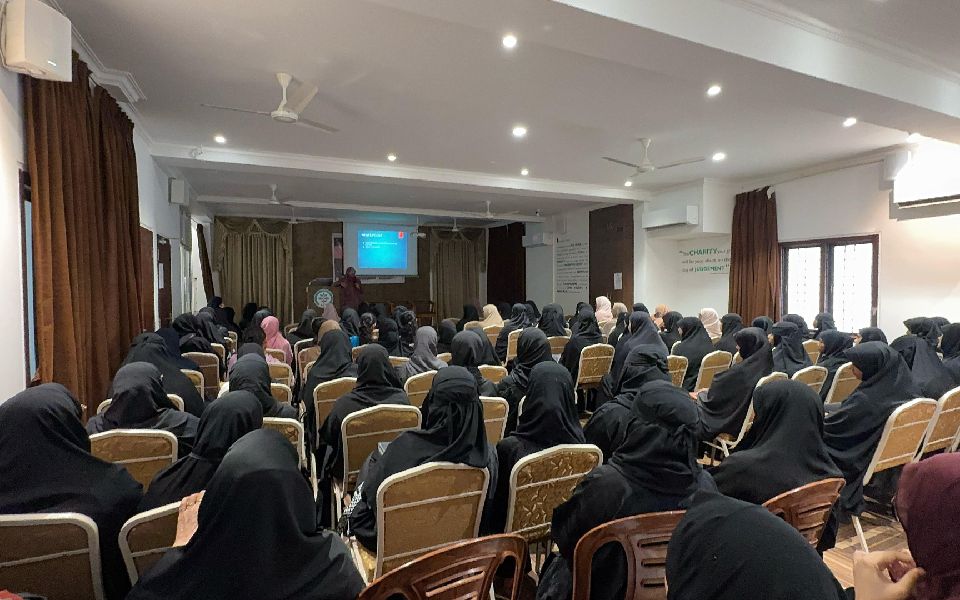
Over 100 women from different backgrounds gathered at the HIF auditorium, Masjidul-Ehsaan in Vaslane on Sunday for a special event titled “She Matters – A Gift of Health, From Her to Her.”
The program, organised by Highland Islamic Forum (HIF) Girls Youth, was focussed on women’s health and well-being and marked the official launch of Project Aafiyah, an initiative aimed at promoting physical, emotional, and mental wellness among women.
The two-hour session began at 10:30 AM and was led by Dr. Thameema, who served as the Master of Ceremonies. The event opened with a recitation from the Holy Qur’an by Mafaz, followed by a welcome address from Dr. Shabla, who spoke about the need for open and supportive spaces to discuss women’s health.
The key moment of the program was the launch of Project Aafiyah, formally introduced by Dr. Shirin. The project plans to hold awareness drives, support circles, and offer educational materials on important but often overlooked topics such as menstrual hygiene, fertility, menopause, and cancer prevention.
The main part of the event featured a Women’s Health Awareness Session addressed by three medical experts, Dr. Anjum Ifthikar, Gynaeco-oncologist at Yenepoya Medical College, who spoke about cancer-related issues in women.
Dr. Naina Fathima, Gynaecologist and Senior Resident at Father Muller Medical College, shared insights from her medical experience.
Meanwhile, Dr. Aysha, also a Gynaecologist and Senior Resident at Father Muller, discussed general women’s health matters.
The doctors answered questions submitted by the audience, who could ask anonymously through written slips or an online form. This allowed women to raise personal and sensitive concerns more freely.
As part of the outreach efforts under Project Aafiyah, 125 sanitary napkin packs are being distributed to women in need.
At the event, 75 packs were symbolically handed over to members of the Women’s India Movement, Bengre Kasaba, by Sunaina, Seeliya, and other HIF Women’s Wing members.
Attendees also received a health booklet that includes useful information about menstrual care, menopause, PCOS, breast and cervical cancer signs, and self-check methods.
Guest speakers were presented with mementos by Seeliya, and Reeha delivered the vote of thanks, appreciating the efforts of the team, volunteers, and participants.
The event also honoured the vision of the late Mr. M. Ahmed AK, who had hoped the masjid would be more than just a place of prayer, but a hub for learning and community support.
In her closing remarks, Dr. Thameema encouraged the audience to continue the conversation and care for each other, reminding everyone, “Let this be the beginning of more awareness, more care, and more support , because she matters.”
source: http://www.english.varthabharati.in / Vartha Bharati / Home> Karavali / by Vartha Bharati / August 01st, 2025
In independent India, Muslims served in various fields, including scientific research. Be it medical science or space science, the contribution of Muslims is etched on the pages of history. After the partition, a majority of educated Muslims had left for Pakistan. Still, despite this, due to a free environment and opportunities, Muslims joined the national movement to make India a scientific power.
Here is a list of ten names who have remarkable achievements to their credit in the field of science and technology in independent India.
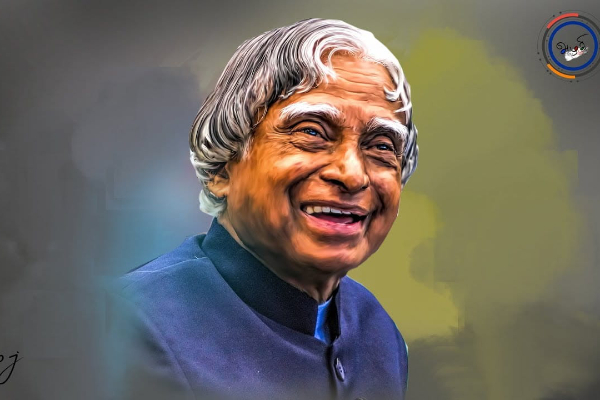
Dr. APJ Abdul Kalam
Dr. Arvul Pakir Jainulabedin Abul Kalam, popularly known as Dr. A.P.J. Abul Kalam, caught national and international attention as “India’s Missile Man” with the successful launch of ‘Agni’ from Chandipur(Orissa) on May 22, 1989. An Indian aerospace scientist and statesman who served as the president of India from 2002 to 2007.
Born in 1931 at Rameshwaram in Tamil Nadu, Dr. Abul Kalam is a DMIT (Diploma from the Madras Institute of Technology) in Aero Engineering. He was awarded a Doctor of Science (D.Sc.) degree (Honoris Causa). He was Director-in-charge of ASL-V mission at Indian Space Research Organization (ISRO) before becoming the Director of the Defense Research and Development Laboratory (DRDL), which is located in Hyderabad, in Andhra Pradesh. He is a Fellow of the Indian Academy of Sciences.
Dr. APJ Abdul Kalam
Dr. Abul Kalam is the brain behind “Agni”; the indigenously developed 17-meter-long and 75-ton multiple-stage missile with a payload of 1000 kg. Its range is anywhere between 1600 km and 2500 km. He was assisted by a 400-strong team of scientists.
Due to his team’s efforts, India overcame the stipulations made by the seven Western Countries’ Missile Technology Control Regime (MTCR) to deny missile technology to third-world countries.
He was appointed Advisor to the Defense Minister IN 1989 and subsequently awarded “Bharat Ratna,” the highest civilian award by the Government of India.
Syed Zahoor Qasim
Dr. Zahoor Qasim is known for India’s Antarctica mission. Sayed Zahoor Qasim (31 December 1926 – 20 October 2015) was an Indian marine biologist. Qasim helped lead India’s exploration to Antarctica and guided the other seven expeditions from 1981 to 1988. He was a Member of the Planning Commission of India from 1991 to 1996.
He was the Vice Chancellor of Jamia Millia Islamia from 1989 to 1991 and an Honorary Professor of universities including Aligarh Muslim University, Madurai Kamaraj University, Anna Malai University, Indian Institute of Technology Madras, and Jamia Millia Islamia. He was awarded the highest civilian awards Padma Shri and Padma Bhushan.
Dr. Obaid Siddiqui
Dr. Obaid Siddiqui, an expert in neurobiology and genetics, was a prominent scientist of India who played an important role in the establishment of the Tata Institute of Fundamental Research’s National Center for Biological Sciences.
Obaid Siddiqi was born in 1932 in Basti district of Uttar Pradesh. He received his early education at Aligarh Muslim University where he completed his MSc and later his PhD at the University of Glasgow. He carried out his post doctoral research at the Cold Spring Harbor Laboratory, and University of Pennsylvania.
He was invited by Homi Bhabha to set up the molecular biology unit at the Tata Institute of Fundamental Research (TIFR) in Bombay in 1962. He became the founding director of the TIFR National Center for Biological Sciences in Bangalore, where he would continue his research into his final days of life. He was President of the Indian Academy of Sciences, Member, Royal Society, London, and also Member, US National Academy of Sciences, Washington. He was conferred with Padma Bhushan in 1984.
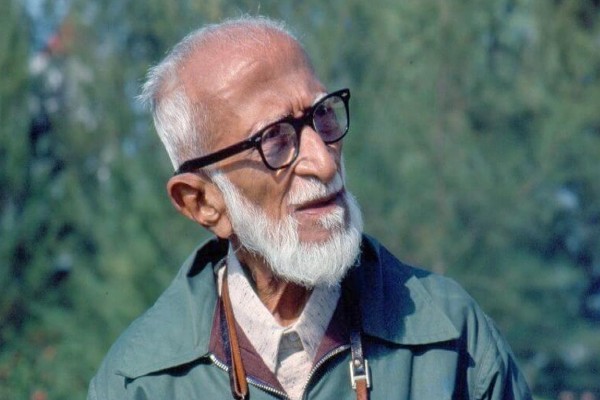
Dr. Salim Ali
Known as the Bird Man of India ,Salim Moizuddin Abdul Ali, better known as Salim Ali, the bird watcher extraordinary was born on November 12, 1896. He is a recipient of the J. Paul Getty Wild Life Conservation Prize for his contributions to ornithology, the study of birds. He has won several national honors and awards as well. Surprisingly, Salim Ali has no university degree. He is a world renowned expert on weaver birds. Salim discovered Finn’s Baya which was believed to have been extinct for 100 years until he discovered it in the Kumaon hills.
In 1941 he published ‘The Book of Indian Birds’ that contained lively descriptions and colored pictures of every species. It made spotting a bird easy for the layman.
In 1948 he began an ambitious project in collaboration with S. Dillon Ripley, an ornithologist of international repute, to bring out in ten volumes Handbook of the Birds of India and Pakistan. This work contains all that is known of birds of the subcontinent, their appearance, where thy are generally found, their breeding habits, migration and what remains to be studied about them. Salim Ali has travelled all over India on his bird-watching surveys. It is claimed that there is hardly a place in the country where his heavy rubber shoes have not left their mark.
Ebrahimali Abubacker Siddiq
Ebrahimali Abubacker Siddiq (born 1937) is an Indian agricultural scientist, whose research in genetics and plant breeding has helped in the development of various high-yielding rice varieties such as dwarf basmati and hybrid variety of paddy. He was honoured with the fourth-highest civilian award Padma Shri in 2011.
His career started at the Indian Agricultural Research Institute, as a cytogeneticist in 1968,a post he held till 1976 when he was promoted as the Senior Scientist. In 1983, he was deputed to Egypt as the Rice Breeder and in 1986, transferred to Philippines as the Professor of Genetics. The next year, he returned to India as the Project Director of the Directorate of Rice Research, Hyderabad and worked there till 1994.The next move was to Indian Council of Agricultural Research (ICAR), New Delhi as the Deputy Director General of the Crop Science Division.
In 1997 Siddiq was honored as the National Professor of ICAR and in 2002,he took charge of the Centre for DNA Fingerprinting and Diagnostics (CDFD) as the Distinguished Chair. On his retirement in 2007, he was appointed as the Adjunct Scientist at CFFD. He also holds the positions of Adjunct Professor of the University of Hyderabad, Adjunct Professor of the Indian Agricultural Research Institute (IARI) and the Honorary Professor of Biotechnology at Acharya NG Ranga Agricultural University, Hyderabad.
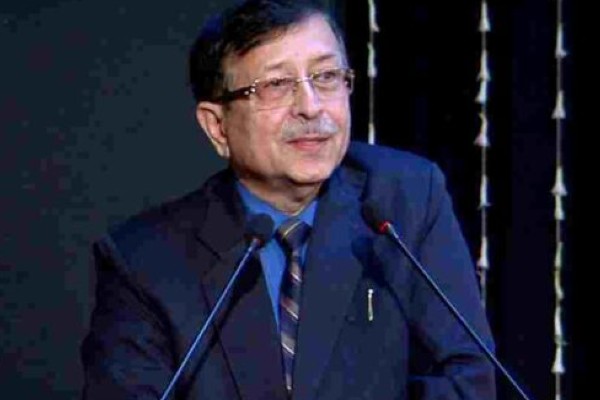
Seyed E. Hasnain
Seyed E. Hasnain spent several years at the Texas A&M University, U.S., and returned to India in 1987 to work as a staff scientist at the National Institute of Immunology (NII). Hasnain was appointed as the first director of Centre for DNA Fingerprinting and Diagnostics (CDFD) in February 1999. He served as the 7th vice-chancellor of University of Hyderabad from 2005 to 2011.
He took charge as vice-chancellor of Jamia Hamdard, New Delhi on 2 September 2016 and served the office till 2021. An invited professor at the Indian Institute of Technology, Delhi (2011–2018), he is currently serving as one of the first 5 National Science Chair of SERB at IIT, Delhi.
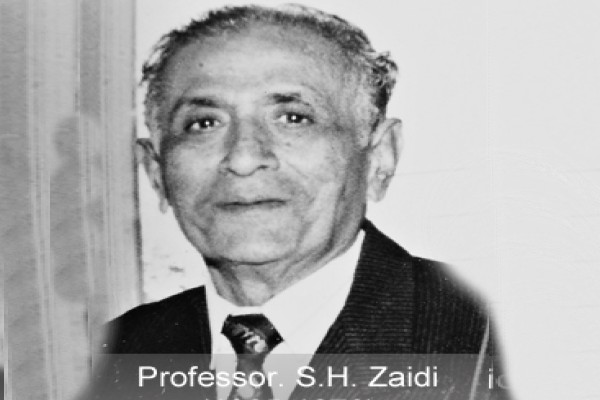
Sibte Hasan Zaidi
Sibte Hasan Zaidi was an Indian pathologist and toxicologist recognized for his contributions to experimental toxicology. He trained in pathology at Hammersmith Hospital in London, where he also conducted research in toxicology.Upon completing his training, Zaidi returned to India to do research in experimental toxicology.
His work focused on the biological effects of industrial toxins, and he participated in national and international initiatives addressing environmental and occupational health hazards. Zaidi also served on multiple committees, including those of the World Health Organization, where he provided expert advice on toxicology and public health. He was conferred Padma Shri in 1977.
Chittoor Mohammed Habeebullah
Chittoor Mohammed Habeebullah is gastroenterologist, known for his contributions to the research in the field. He was born in 1937 in Andhra Pradesh where he graduated from the Guntur Medical College in 1958. He completed his master’s degree in general medicine (MD) from Andhra University and DM from the Post Graduate Institute of Medical Education and Research, Chandigarh. He started his career as an assistant professor at the Department of Gastroenterology, Osmania Medical College where he worked till 1992.
He was promoted as the principal of the College and served till 1994. He also served as the Director, Centre for Liver Research and Diagnostics, Deccan College of Medical Sciences, Hyderabad and as the Director of Medical Education, Government of Andhra Pradesh. He was a 1997 Fellow of The National Academy of Sciences, India and had many scientific publications to his credit. A recipient of the Khwarizmi International Award in 1997, Habeebullah was honored with Padma Shri. He died on 10 July 2010.
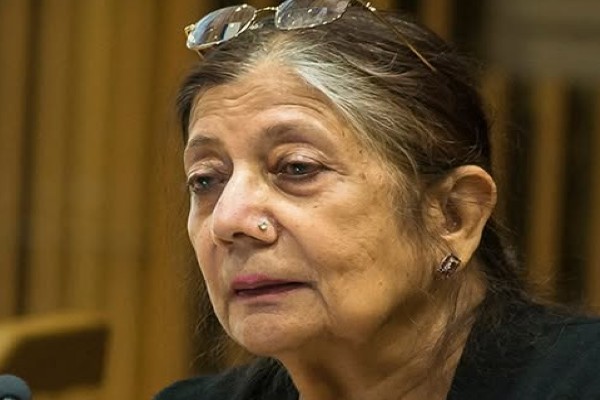
Qamar Rehman
Qamar Rehman worked has researched on the physiological effects of nanoparticles during last four decades. He is internationally known for her work on the effects of asbestos, slate dust and other household and environmental particulate pollution and on ways to improve occupational health.
Dr. Qamar Rehman was born a year before independence into a prominent scholarly family in Shahjahanpur, UP. Despite the strict tradition of secrecy in the family, she achieved success in the field of science. Dr. Qamar Rehman is among the ten women scientists of India, and is the first Indian scientist to be awarded an honorary doctorate by the University of Rostock, Germany, the 600-year-old institution which honoured Einstein.
She was also awarded the prestigious Vigyan Vibhushan and Yash Bharati Awards. Under her supervision, 45 students completed their PhD research. Dr. Qamar Rehman has the honour of being on the advisory panel of the World Health Organization. She is a professor at the University of Rostock in Germany and Amity University in Lucknow.
Dr. Israr Ahmed
Dr. Israr Ahmed, Director, Center for Promotion of Science, Aligarh Muslim University (AMU), Aligarh, is a distinguished scientist. He is considered an authority on Theoretical Nuclear Physics and Quantum Scattering Theory. Besides, he has been editing the AMU’s Urdu monthly ‘Tahzibul Akhlaq’ and Hindi monthly ‘Nishant’ since 1986.
Israr Ahmed earned a Ph.D. in Physics from AMU. He joined the AMU as a Lecturer in 1961. Since 1984 he is serving the Physics department as its Chairman.
His 48 research papers have so far been published in the international journals. A number of research scholars have been awarded M.Phil and Ph.D. under his supervision.
Dr. Israr Ahmed is an associate member of the International Center for Theoretical Physics located in Trieste (Italy) headed by the late Nobel Laureate, Dr. Abdus Salam. He is a member of the New York Academy of Sciences and as well as the Indian Physics Association.
source: http://www.awazthevoice.in / Awaz, The Voice / Home> The Changemakers / by ATV – Aasha Khosa / August 10th, 2025
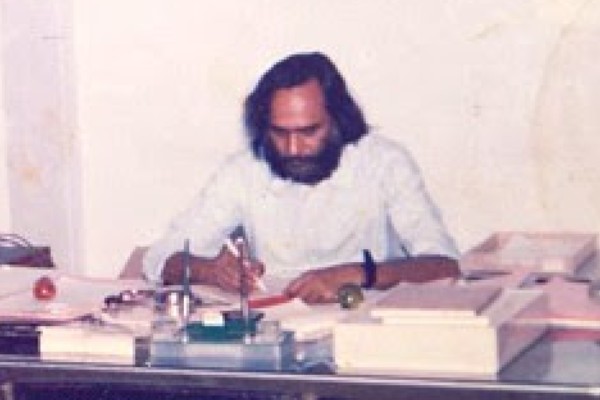
For the past three years, Basheer Ahmad Teroo has been collecting vestiges of his community’s culture – items that he has begun storing and displaying at his home in Dawar town.
Basheer Ahmad Teroo with his collections.
The Dard-Shin tribe, which once ruled large parts of Kashmir in the 16th Century and is now nestled in the Gurez valley with Pakistan border posts in the backyard, has found an archivist in Basheer Ahmad Teroo.
For the past three years, Mr. Teroo, 48, has been travelling the length and breadth of what was once known as Dardistan, collecting vestiges of his community’s culture – items that he has begun storing and displaying at his home in Dawar town.
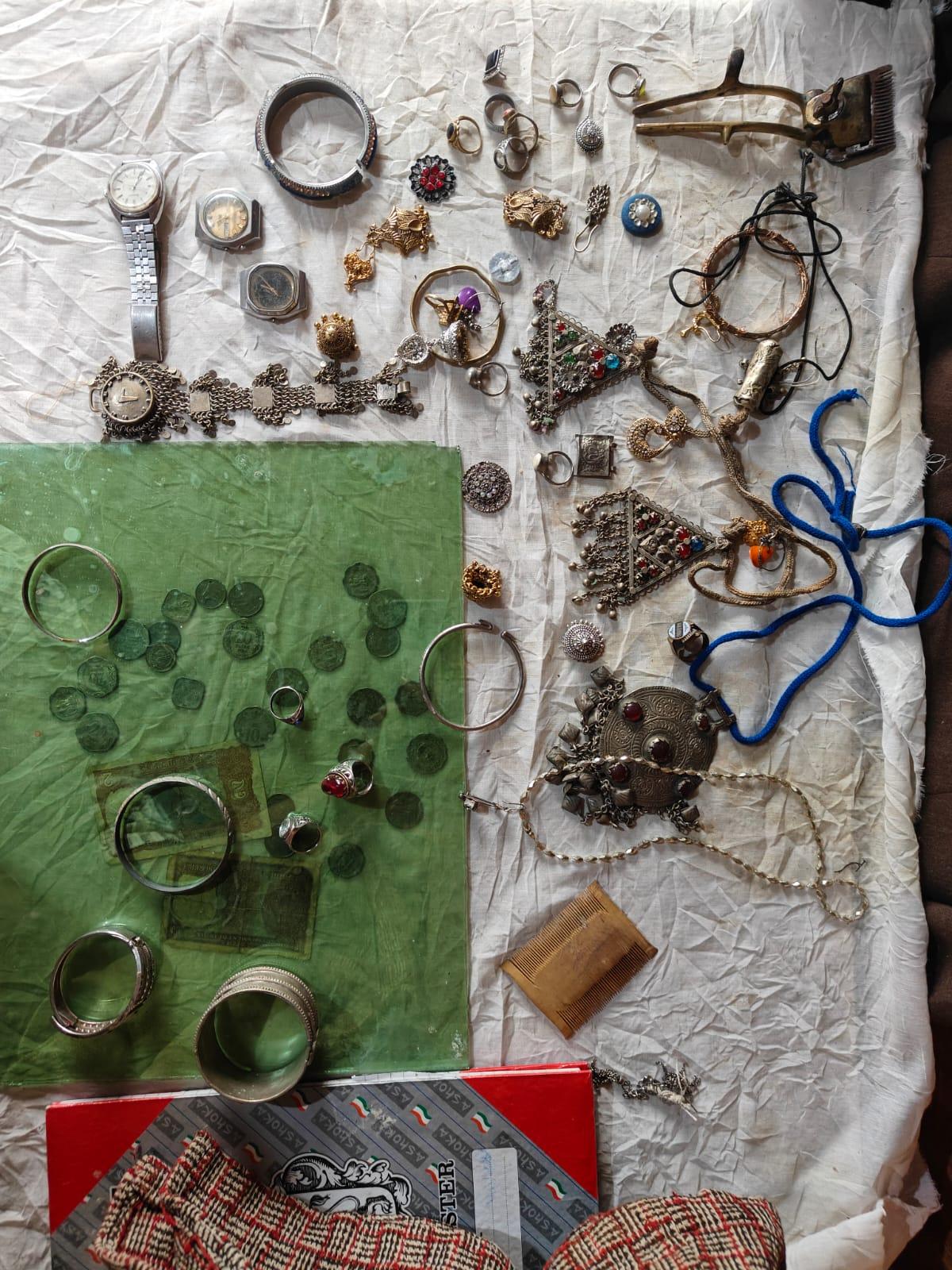
In 2022, just as India was coming out of the COVID-19 pandemic, Mr. Teroo said his mother had gifted him 75 items – jewellery, kitchen utensils, footwear, clothing among others. “I remember she said it was for safekeeping. These were things that reminded her of our community and how we have lived. I just thought one morning, why not do something with it,” he recalled.
He started displaying the items whenever he would visit the Dard-Shin people across the Gurez region, including Tulail, where the community is concentrated. In three years, Mr. Teroo has amassed 457 antique items – ranging from a woman’s 20-year-old wedding pheran to a 107-year-old wooden horse saddle – all donated or sold by people of the community, most of whom have found Mr. Teroo instead of him seeking them out.
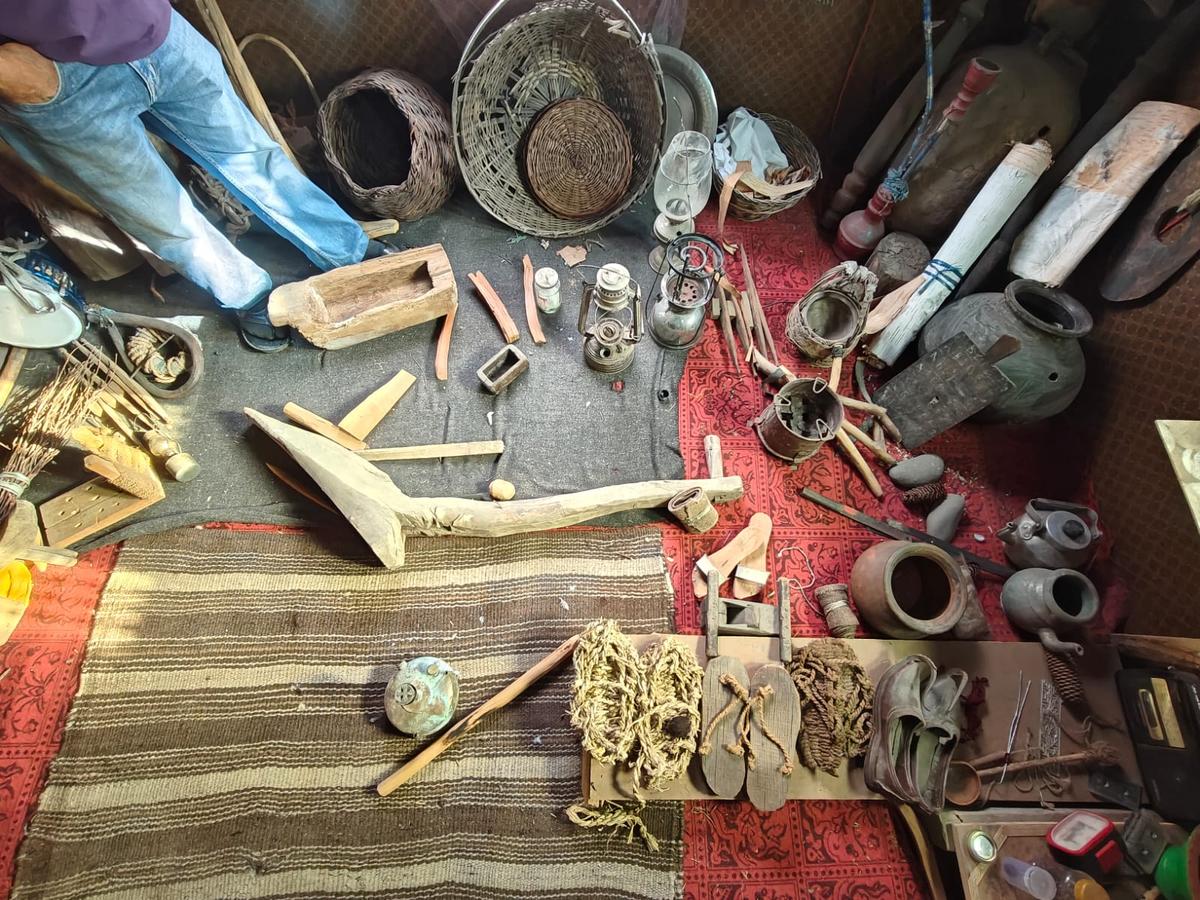
Articles collected by Basheer Ahmad Teroo who runs the Dard-Shin Museum.
“The internet has helped. I put out photos on Facebook, and my visits also help. So, people reach out to me themselves. Sometimes, they just want to leave a piece that represents their community’s culture in safekeeping, just like my mother did. There are hundreds of more items that are currently in the pipeline, and I have also started the work of logging and cataloguing them,” he told The Hindu while showing around his small home which also doubles up as the Dard-Shin Museum.
Right outside Mr. Teroo’s home sits a grey log with a deep washbasin-like depression. “This is a washer. We fill it up with water, put our clothes in it, and then stomp on it with our feet to rinse it. It helps with heavy materials that our community is used to wearing,” he said, before proceeding to show a room in his museum that displayed traditional clothing of the Dard-Shin people, made of sheep’s wool.
Jewellery used by the Dard-Shin people are also a part of the collection.
While one room of the museum houses clothing and jewellery items, the second room has daily household and farm items such as horse saddles made of wood, footwear made from grass among others. There is a collection of Shina literature and poetry written by eminent Dard-Shin writers. “These will remind the Dard-Shin people of their community’s identity and which of it they want to preserve,” Mr. Teroo said, showing a cigarette case gifted to a Dard-Shin man by Maharaja Hari Singh in the early 1940s.
The Dard-Shin is classified as a Scheduled Tribe by the India government and the community traces its origins to Gilgit. Currently, the community in India is spread over the regions of Gurez, Tulail, and Drass. The Chak dynasty, belonging to this community, ruled over Kashmir for over 25 years in the mid-16th Century before surrendering to Akbar their territory known as Dardistan. The 2011 Census recorded a total of 48,440 Dard-Shin people, for whom the principal means of sustenance are farming and raising livestock, and more recently, tourism.
The community’s geography in India has placed it literally on the edge, with mountains in the backyard housing Pakistan posts in Pakistan-occupied Kashmir. However, the Indian Army in the Gurez sector has maintained that the security forces and the Dard-Shin people share an intimate bond that has helped India secure the region and the community live peacefully.
Mr. Teroo said that when he was starting his museum, the Indian Army had approached him. “They wanted to build a Shina cultural centre to celebrate our culture and had approached me to display my items at the museum they were building,” he said.
“I asked the people who placed their trust in me with these items. One or two said I should sell those if it helps me financially, but most of them were uncomfortable with the idea of me giving away all the things that they trusted me with. So, I said no,” Mr. Teroo said.
A year later, the Indian Army built the Shina Culture Centre in Dawar with expert anthropologists and historians reconstructing articles of Dard-Shin culture as observed by them in Mr. Teroo’s collection.
Just outside Dawar town, the Shina Culture Centre sits on the banks of Kishanganga river. Inside the campus is a small hut, representative of a traditional Dard-Shin kitchen, with a wooden structure framing the Habba Khatoon peak for tourists to take photographs. The museum displays artefacts and details their uses and also houses sections on the history of the community. In the language section, there are posters showing “common words” in Shina language and Sanskrit, and mentions of ‘Dardistan’ in works such as the Mahabharata and Rajatarangini.
“These experts that helped build the culture centre came to visit my collection. The items in the museum are good and accurate but, they were built recently for the displays. The items in my collection are everyday items that were actually used and have memories attached to them,” Mr. Teroo said.
While his social media presence continues to get him more articles for his collection, Mr. Teroo said he does think of monetising it. “But I can’t think in that direction unless I have a sure-shot plan of helping my community with that.”
source: http://www.thehindu.com / The Hindu / Home> News> India / by Abhinay Lakshman / August 09th, 2025
A PhD scholar from West Bengal has scored a 100 percentile in UGC-NET 2025 while conducting research in Bengali.
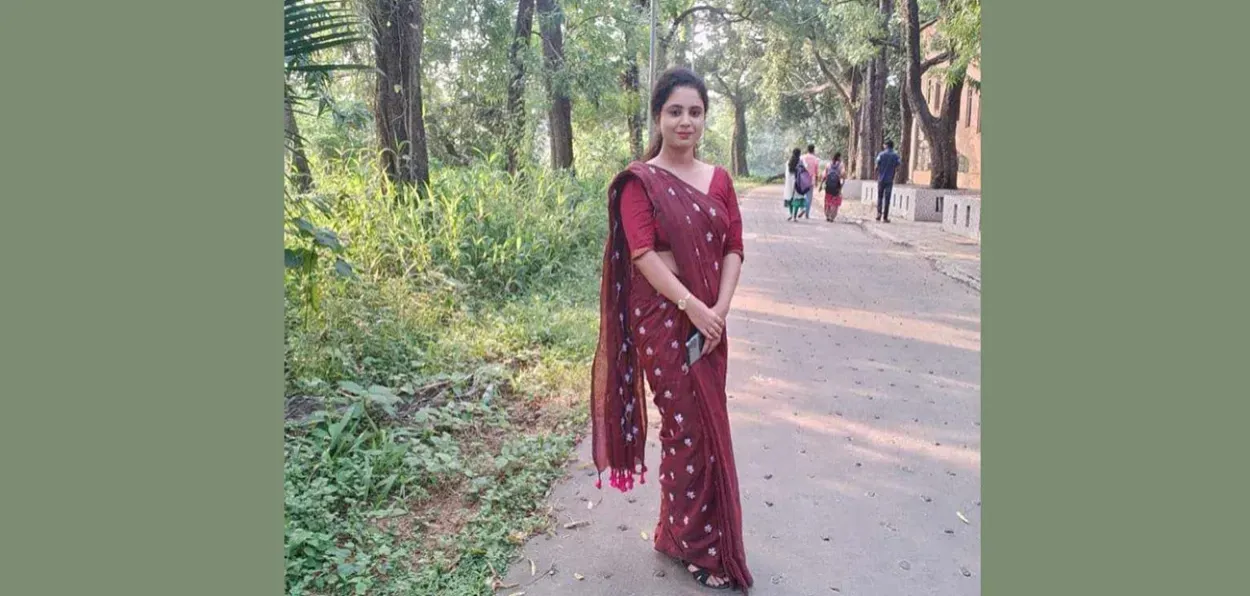
Neelofa Yasmin, 26, hails from the Kathua district in Bengal. She has topped the recent UGC’s National Eligibility Test (NET) examination which qualified candidates for appointment as assistant professors and Junior Research Fellowship scholarship during their PhD studies.
Neelofa loves Bengali literature and is currently researching Madhugiri Bangla Shahtu (medieval Bengali literature).
Neelofa said that when she wrote the NET exam on June 26, she had a feeling that he would get the JRF (Junior Research Fellowship). “However, I did not even think that I would top it.”
This was her third attempt. “In the first two exams, she cleared the NET, but missed the JRF. This time, I was determined to get a good rank.”
Her parents are teachers. Neelofa says her parents never forced her to follow their profession. “I’m not an early riser,” she says with a laugh. “I used to study late into the night. Often until the morning. Whenever my father would see me awake at these odd hours, he would say, ‘Don’t put so much pressure on yourself, you don’t need to study so hard.’
With her excellent academic record, it was her love for literature that led her to pursue higher studies in Bengali literature. She scored more than 90% in both the Madhyamik and Uchchu Madhyamik (10th and 12th) examinations.
“Everyone told me to take the science stream, but I chose the arts. And later, I chose Bengali because I loved singing and literature, especially Bengali literature. What was the study routine behind my success? Neelofa laughs. “I didn’t have a specific routine. Sometimes I would study for hours, sometimes I would take long breaks. Many times I would get bored by reading the same thing over and over again, and call my mother. Whenever I complained about this exhaustion, my mother would calmly say, ‘Don’t worry, this time you will get full marks.”
What does Neelofa do in her spare time from research work?
I am a trained Rabindra Sangeet singer, and I also have a YouTube channel. Singing is my passion. When I get tired of research, singing gives me new energy,” she says happily.
Does she want her success to be a beacon of hope and inspiration for others?
That is what I would like. Every girl who wants to do something in the academic field should try for JRF. It makes you financially independent during your PhD.”
source: http://www.awazthevoice.in / Awaz, The Voice / Home> Story / by Aasha Khosa / July 26th, 2025
The Embassy of India in Riyadh has highlighted the inauguration of Peacock Restaurant on its official LinkedIn and Twitter/X accounts, giving official recognition to the new Indian dining destination in Riyadh.
The opening ceremony, held on August 8, was led by H.E. Dr. Suhel Ajaz Khan, Ambassador of India to Saudi Arabia. He was joined by senior embassy officials, Ms. Manusmriti, Counsellor (Economic & Commerce), and Mr. Sabir Yumkhaibam, Counsellor (Community Welfare).
Peacock Restaurant is a joint venture between Wayez International Company (Saudi Arabia), Peacock Restaurant and Hospitality Group (India), and Majic Investments (India). Owners Syed Wayez Ahmed, Mohammad Asghar Ali, and Mohammad Al Jaidi, along with Vice President Mohammad Zaki Uddin, hosted the ceremony attended by dignitaries, business leaders, and community members from both India and Saudi Arabia.
As part of the launch, the venue showcased Karimnagar Silver Filigree Works, a centuries-old craft from Telangana, under India’s One District One Product initiative. The display, along with “Incredible India” posters, received appreciation from embassy officials and guests for promoting Indian heritage abroad.
Located on Farazdaq Road in Al Malaz, Riyadh, Peacock Restaurant aims to blend authentic Indian flavours with cultural exchange, strengthening ties between the Indian diaspora and the Saudi community.
source: http://www.radiancenews.com / Radiance News / Home> Muslim World> Asia / by Radiance News Bureau / August 09th, 2025
Masihuzzaman Ansari, newly elected Chairman of National Federation of Youth Movement
Masihuzzaman Ansari, newly elected Chairman of National Federation of Youth Movement (NFYM), spoke in detail with Mohd Naushad Khan about his vision for youth in order to empower them for a better tomorrow.
You have been elected as Chairman of National Federation of Youth Movement (NFYM). How do you view this new responsibility?
NFYM is a youth organisation founded by Jamaat-e-Islami Hind in 2023. Its goal is to address the issues facing young people, guide them properly, and help them move in a positive direction. In a diverse society like India, being chosen as the chairman of such a federation is certainly a challenge, but it’s also filled with opportunities and hope. I see this role as a significant opportunity to work for youth-related issues. As a young person myself, getting a chance to work for the youth and to understand India’s diversity through their perspectives is truly an honour for me.
You mentioned that India is a diverse society. In that context, how easy or difficult will it be for you to lead a national-level organisation? Do you have prior experience in similar organisations?
In a diverse society, the process of learning and understanding is constant. The more inclusive a person becomes, the more they must learn. As for experience, I’ve served as the National Secretary of the Students Islamic Organisation (SIO), which is the student wing of Jamaat-e-Islami Hind.
I’ve also held various positions at both the state and national levels, including serving as the State Secretary and later the State President of SIO in Uttar Pradesh. These roles gave me the opportunity to understand not just Uttar Pradesh but also the broader context of North India. I’ve closely observed organisational methods and expansion strategies. So yes, I do bring experience from those roles, and I believe that experience will help me fulfil my responsibilities at NFYM.
In today’s socio-political ambience, what role do you see the Youth Federation playing?
India is a country with a large youth population, and the current thinking of this generation will shape the future of the nation. But the question is: what is the current mindset of the Indian youth? What direction are they heading in?
Today, political parties often mislead youth for their own short-term gains, using them to further their agendas. Instead of demanding their rights – such as employment or fair treatment – many young people get caught in the traps of these ideologies. NFYM aims to counter this opportunistic environment by promoting a harmonious society, encouraging mutual coexistence, and building a democratic and inclusive social fabric. The Federation can play a crucial role in achieving these goals.
What is the core objective behind the establishment of NFYM?
NFYM is a national platform of youth organisations operating at the state level across India. Its purpose is to organise young people around leadership, social responsibility, and constitutional values. The Federation aims to harness the creativity, innovation, and energy of the youth for nation-building. We believe youth are not just the future, but also a powerful force in shaping the present.
At a time when India has its largest youth population in history, NFYM is working to provide intellectual direction, leadership training, and organisational opportunities to mobilise youth for social change. Our goal is to create a shared vision among youth and bring about meaningful and impactful transformation through a federated structure.
We work in various fields – education, entrepreneurship, cultural expression, and socio-political participation – to support holistic youth development. We also seek to guide young people facing challenges such as addiction, negative thinking, family stress, and emotional disconnection, inspiring them to live purposeful lives and contribute positively to society.
NFYM is built on principles like personal integrity, mutual respect, adherence to collective decisions, lawful functioning, protection of human rights, and resolving conflicts through dialogue.
Ultimately, we aim to develop youth who are socially aware, responsible citizens – individuals who promote justice, peace, and harmony in society through their actions and leadership.
Why was there a need for a new Youth Federation? What is NFYM doing that existing youth organisations aren’t?
Necessity is the mother of invention, and that’s precisely the case with NFYM. There was indeed a clear need for a new youth federation. Many of the challenges young people face today are either ignored or inadequately addressed by existing youth organisations.
Currently, trust in democratic institutions is steadily being eroded, especially among the youth. Unemployment is rising, and young people are increasingly becoming directionless. Rather than being empowered with skill development, they are often manipulated by vested interests. Communal forces are diverting youth away from employment-focused activities and undermining constitutional values. Instead of being viewed as assets, young people are often seen as cheap labour.
There is a constant effort to diminish youth confidence, keeping them entangled in issues that hold no real promise for their future. NFYM seeks to reverse this trend – rebuilding trust in democracy, showing new paths of hope, providing skill-building opportunities for employment, and promoting harmony, peace, and brotherhood.
We want to transform the current narrative. In our vision, youth are not mere labourers; they are active participants in nation-building and witnesses to a progressive India.
As Chairman, where do you plan to take NFYM during your tenure? What goals have you set?
NFYM’s policies and programmes are decided by our Federal Committee, which will be convening soon. However, the Federation primarily focuses on four key areas: Community Development, Youth Culture, Youth Issues, and Socio-Political Issues.
Based on these four pillars, we will design our national programmes and initiatives. These will be implemented across the country through various campaigns and grassroots engagement activities aimed at reaching young people directly.
My commitment as Chairman is to ensure that these programmes are meaningful and action-oriented. We aim to cultivate leadership among youth, promote constitutional values, and build a stronger, more united society. The Federation’s mission is not limited to raising awareness – it’s about igniting action, encouraging critical thinking, and inspiring youth to become responsible, empowered, and empathetic citizens.
The NFYM is not just another organisation – it’s a vision for the future. In an era where youth are often pulled in different directions, NFYM seeks to provide clarity, purpose, and a collective voice. Its emphasis on social responsibility, democratic values, and inclusive leadership makes it a unique and timely initiative.
source: http://www.radiancenews.com / Radiance News / Home> Face-to-Face / by Mohd Naushad Khan, Radiance News Bureau / August 07th, 2025
"We fought for this country, took bullets for it. Now, I fight to save its future. Sports can instil discipline, self-confidence, and patriotism. That’s my new mission,” said Subedar Major (Rtd) Nawab Wasim ur Rehman
Ramnagar :
Every year, as India marks Kargil Vijay Diwas on July 26, the nation salutes the bravery and sacrifice of its soldiers who repelled enemy forces from the icy heights of Kargil in 1999. Among the countless tales of valour, one that continues to inspire generations is that of Subedar Major Nawab Wasim ur Rehman, a war hero from Ramnagar, Uttarakhand, who stood his ground and kept fighting for 20 minutes even after being hit by seven bullets.
When the Kargil war erupted between India and Pakistan, brave soldiers from every corner of the country were deployed to the treacherous, snow-covered battlegrounds. Around 75 soldiers from Uttarakhand laid down their lives, and many others sustained serious injuries. One of them was Nawab Wasim from Nainital district, who was struck by seven AK-47 bullets – six in his right leg and one in his left – yet continued to fight alongside his battalion.
“That morning was not ordinary,” recalls Nawab Wasim.
“We were advancing near Tiger Hill when enemy gunfire rained down upon us. My comrade, Captain Sumit Rai, was martyred in the initial assault. We knew retreat was not an option. If we stepped back, we would lose the nation’s honour.”
Originally from Lansdowne in Pauri Garhwal, Nawab Wasim joined the Garhwal Rifles in 1990. After serving for two years in Kupwara (Jammu & Kashmir), he was slated to move to Joshimath, but the onset of the Kargil War rerouted him straight to the frontlines—perched at a staggering altitude of 4,700 metres.
“The enemy was stationed at a higher elevation. Bullets and mortars were raining down from above. We kept climbing through the night. Amid chaos, six bullets tore through my right leg and one into the left. But I felt no pain, only the fire to defeat the enemy. I kept firing, unaware of my injuries. It was only when I tried to stand and couldn’t that I realised I had been hit,” he told IANS.
Wasim was eventually airlifted and treated by Major General Chopra, who performed the surgery that saved his legs. After a long recovery, Nawab Wasim stood once again, both literally and symbolically, as a pillar of courage and resilience.
After nearly 20 years of service, Nawab Wasim retired from the Indian Army in 2019 with the rank of Subedar Major. But his mission did not end there. Today, he continues to serve, not on the battlefield, but on the football field.
Now settled in Ramnagar, Wasim has dedicated himself to uplifting local youth. Disturbed by the growing menace of drug abuse and directionless adolescence, he decided to channel his energy into coaching. He now trains over 150 children from Ramnagar and surrounding areas – free of cost – in football. His passion and discipline have turned his coaching ground into more than just a place for sport; it has become a school of values.
“Seeing children fall prey to drugs is heartbreaking,” he said.
“We fought for this country, took bullets for it. Now, I fight to save its future. Sports can instil discipline, self-confidence, and patriotism. That’s my new mission.”
Thanks to his efforts, several of his students have gone on to play at the national level, a testament to his mentorship and the spirit of never giving up.
His football ground in Ramnagar has become a beacon of hope, a space where young minds are shaped, and hearts are inspired to love and serve the nation.
“All we ask is for the country to remember us. Let future generations know the price that was paid for the freedom they enjoy today,” he added.
Kargil Vijay Diwas is celebrated every year on July 26th, honouring India’s hard-earned triumph in the Kargil War of 1999. The conflict started in May 1999 when Pakistani troops, disguised as militants, covertly occupied key high-altitude positions in the Kargil region of India. To regain control, the Indian Army initiated “Operation Vijay”, a challenging mission to recapture these perilous mountain heights under harsh weather conditions. — IANS
source: http://www.clarionindia.net / Clarion India / Home> Editor’s Pick> India> Indian Muslims / by Clarion India / July 26th, 2025
Muslims have enriched the Indian judiciary and legal profession in the post-independence era. Here is a list of 10 top Indian legal luminaries who played a key role in evolution of India as a country which runs on the rule of law and where people get justice:
M C Chagla
Mahommedali Currim Chagla was the first Indian Chief Justice of the Bombay High Court after Independence. He played a significant role in shaping modern India’s legal and political landscape. Born in 1900 in Bombay, Chagla was educated at Oxford and called to the Bar at Lincoln’s Inn. Besides his legal career, he was known for his clarity, integrity, and liberal outlook.
M C Chagla With the US President John F Kennedy
His judgments often reflected a deep concern for civil liberties and constitutional morality. Chagla also served as India’s Ambassador to the USA and High Commissioner to the United Kingdom, and later as Minister of Education and Minister of External Affairs in the Union Cabinet.
In all his roles, he remained a fierce advocate for democratic values and transparency. His autobiography, Roses in December, remains a candid and insightful reflection on his public life and principles. Chagla’s legacy endures as that of a statesman who combined intellect with moral courage, earning respect across political and ideological divides.
A M Ahmadi
Chief Justice Aziz Mushabber Ahmadi is one of India’s most respected jurists. Born in Surat, Gujarat, into a Dawoodi Bohra family. His father served as a lower court judge. He began his legal practice in 1954 in the Ahmedabad courts. Interestingly, when he was appointed Civil Judge at the age of 32 years in March 1964, he was the only Muslim judge at that level.
Justice A M Ahmadi with his grand-daughter
His appointment sparked protests. He was Elevated to the Supreme Court of India in December 1988 and Promoted to CJI on 25 October 1994.
He has authored over 232 judgments and sat on more than 800 benches during his tenure. His landmark judgments include S.R. Bommai v Union of India (1994). He was Part of the nine-judge bench that upheld OBC reservation but set a 50% ceiling and clarified the ‘creamy layer’ exclusion.
M. Fathima Beevi
Justice Fathima Beevi was appointed a judge of the Supreme Court of India, becoming the first woman judge of India’s apex court—and also the first female such judge in Asia on 6 October 1989. She hailed from Pathanamthitta, Kerala. In 1950, she made history by becoming the first woman to top the Bar Council exam, earning the gold medal, and started practising as an advocate in Kollam.
Justice M Fatima Beevi
he entered the Kerala Subordinate Judicial Services as a Munsiff in 1958, gradually rising through the ranks and was elevated as a Judge of the Kerala High Court in 1983, becoming the first Muslim woman in India’s higher judiciary. She famously described her appointment as “opening a closed door” for women in the judiciary. Later, she was also appointed Governor of Tamil Nadu.
M H Beg
Justice Mirza Hameedullah Beg served as the 15th Chief Justice of India from January 1977 to February 1978. Known for his scholarly approach and deep understanding of constitutional law, Justice Beg played a significant role during a turbulent period in Indian judicial history. Before becoming Chief Justice, he was a judge in the Allahabad High Court and later a judge in the Supreme Court of India.
One of the most notable aspects of his career was his involvement in the ADM Jabalpur case (1976), where he controversially upheld the suspension of fundamental rights during the Emergency. After his retirement, he served as the Chairman of the Minorities Commission of India.
Mohammad Hidayatullah
Mohammad Hidayatullah was the 11th Chief Justice of India, serving from 1968 to 1970. Known for his sharp intellect and deep understanding of constitutional law, he played a key role in shaping Indian jurisprudence. Born in 1905 in Lucknow, Hidayatullah had an illustrious academic background and was a distinguished jurist even before joining the Supreme Court.
Justice M Hidaytullah
Apart from his judicial contributions, he also served as the Acting President of India in 1969 and later as the Vice President of India from 1979 to 1984. Hidayatullah was admired for his integrity, scholarship, and commitment to justice. His legacy continues to inspire generations of legal professionals in India.
Altamas Kabir
Justice Altamas Kabir served as the 39th Chief Justice of India. He hailed from a prominent Bengali Muslim family and pursued law at the University of Calcutta. Justice Kabir began his legal career in 1973 and was appointed as a judge of the Calcutta High Court in 1990. He later served as the Chief Justice of the Jharkhand High Court. In 2005, he was elevated to the Supreme Court of India and eventually became the Chief Justice in September 2012.
Justice Altmas Kabir
Justice Kabir was known for his compassionate approach and for delivering several landmark judgments, especially in the fields of human rights and social justice. He was particularly respected for his concern for the marginalized and for ensuring access to justice for all. Justice Altamas Kabir passed away on February 19, 2017. His life remains an inspiration in the Indian legal landscape
Baharul Islam
Justice Baharul Islam was a prominent Indian jurist and parliamentarian. Born in Assam in 1918, he began his career as a lawyer. He served as a member of the Rajya Sabha from the Congress and later became a judge of the Gauhati High Court.
Justice Baharul Islam
In 1980, Justice Islam was elevated to the Supreme Court of India, becoming one of the few judges to have also served as a legislator before holding the country’s highest judicial office. His judgments were marked by clarity, fairness, and a concern for human rights. After retiring from the judiciary, he returned briefly to politics and was elected to the Rajya Sabha again.
Ahsanuddin Amanullah
Justice Ahsanuddin Amanullah is a judge of the Supreme Court of India, known for his integrity, legal acumen, and commitment to justice. Born in 1963, he hails from a family with a background in law and public service. He began his legal career in the Patna High Court, where he gained recognition for handling a wide range of constitutional and civil cases with fairness and depth.
Justice Ahsanuddin Amanullah
He was elevated as a judge of the Patna High Court in 2011 and later served at the Andhra Pradesh High Court. In February 2023, he was appointed as a judge of the Supreme Court of India. Throughout his judicial career, Justice Amanullah has earned respect for his balanced judgments, progressive views, and efforts to ensure transparency and accountability in the legal system.
Faizan Mustafa
Faizan Mustafa is an academic and legal scholar. He is the former Vice-Chancellor of the National Academy of Legal Studies and Research (NALSAR) University of Law, Hyderabad, and the founding V.C. of the National Law University Odisha (NLUO). He sits on the board of directors of the technology incubator, the T-Hub. Most recently, he was the Vice-Chancellor at Chanayka National Law University, Patna.
Faizan Mustafa
Sabihul Hasnain
Justice Sabihul Hasnain graduated in Law from Lucknow University in 1980. He enrolled as an advocate in 1984 and practiced mainly on the Civil Side/Constitutional & Service.
Sabihul Hasnain (Left)
He was appointed as an Additional Judge in May 2008. He became a permanent Judge on April 19, 2010, and retired as a Judge of the Allahabad High Court. After his retirement, he was appointed as the chairperson of the Delhi Electricity Regulatory Commission (DERC).
source: http://www.awazthevoice.in / Awaz, The Voice / Home> Stories / by Aasha Khosa , ATV / August 05th, 2025