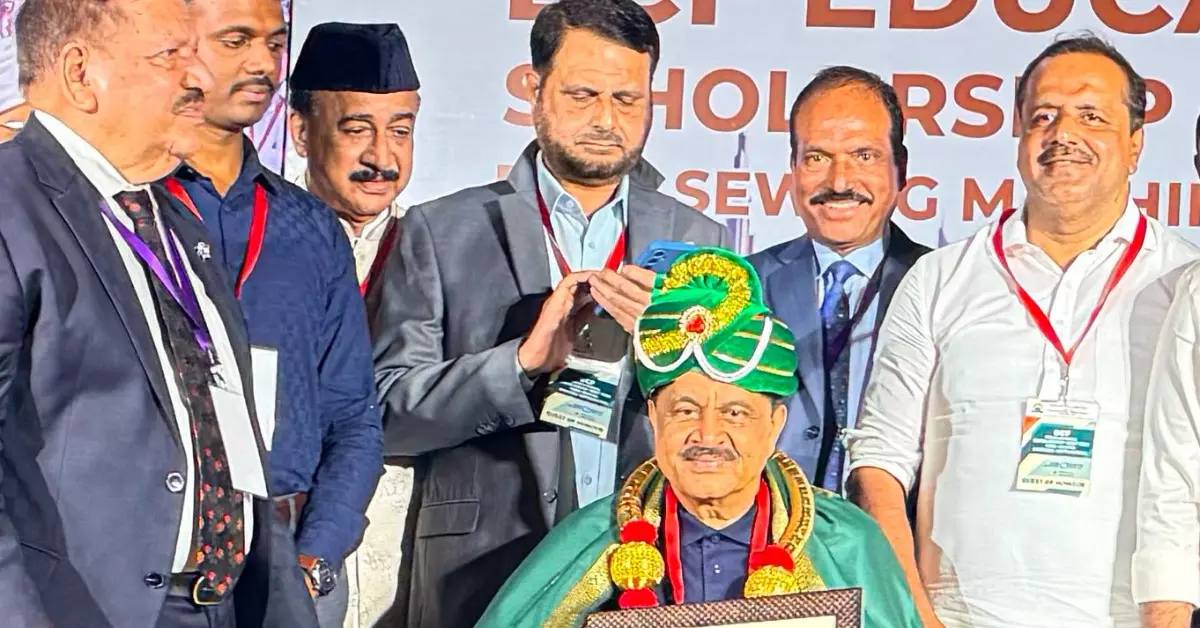
Thumbay Group Founder President receives Global Leadership Award
Mangaluru :
Thumbay Group Founder President Dr. Thumbay Moideen has offered a scholarship of ₹1.5 crore to a deserving and meritorious student to pursue an MD degree under the Thumbay International Pathway Programme (TIPP).
The scholarship was announced at the BCF Scholarship Distribution and Global Leadership Award 2026 ceremony held at Town Hall, Mangaluru, on Sunday. Dr. Moideen handed over the scholarship sanction letter for the Thumbay International Pathway Programme to a student.
The programme was held under the presidency of Dr. B.K. Yusuf, President of BCF UAE. Karnataka Health and Family Welfare Minister U.T. Khader inaugurated the programme and presented the Global Leadership Award for Quality and Innovation 2026 to Dr. Thumbay Moideen.
The event was jointly organised by the Bearys Cultural Forum (BCF), Dubai, and the Bearys Cultural Forum Trust, Mangaluru. Scholarships were distributed to students who had performed exceptionally well in the SSLC and PUC examinations. Free sewing machines were also distributed to women from economically weaker sections to support self-employment. An entrepreneurship seminar was also held as part of the programme.
The Global Leadership Award for Quality and Innovation is an honour presented to individuals who have achieved excellence at the global level through their vision and leadership. After receiving the award, Dr. Thumbay Moideen announced his decision to make the substantial contribution towards the MD education of a student.
Under the Thumbay International Pathway Programme, selected students will complete the first three years of their medical education at Gulf Medical University in Ajman. They will then complete the remaining three years at a partner medical university in Uzbekistan and obtain an MD degree.
Thumbay Group has launched the scholarship initiative with the aim of making medical education accessible to talented students facing financial difficulties.
source: http://www.english.varthabharati.in / Vartha Bharati / Home> Karavali / by Vartha Bharati / August 17th, 2026
At a Jamia seminar on freedom, responsibility and shared nationhood, the National Commission for Minorities vice-chairperson stressed education, skills, women’s advancement and linguistic unity
New Delhi :
National Commission for Minorities Vice-Chairperson S Munawari Begum called on students at Jamia Millia Islamia to focus on education, skills, women’s advancement and social unity, while sharing her own experience of growing up with Urdu and Hindi.
She was speaking as the chief guest at a one-day seminar titled “Freedom, Responsibility & Shared Nationhood”, organised by the Department of Sociology at Jamia Millia Islamia on August 18.
The seminar brought together students, teachers and members of the academic community to discuss freedom, civic responsibility and the idea of a shared nationhood. According to the department’s programme information, the event was intended to provide a forum for discussion on these issues.
Begum, who took charge as vice-chairperson of the National Commission for Minorities last month, was joined at the event by Jamia Registrar Prof Mehtab Alam Rizvi and other faculty members and guests.
Padma Shri Prof Akhtarul Wasey was the main speaker, while the programme was chaired by Prof Zubair Minai, Dean of the Faculty of Social Sciences. Prof Azra Abidi, head of the Department of Sociology, coordinated the seminar.
Language and communication were among the main themes of Begum’s address.
“I am a daughter of Urdu; Hindi raised me,” she said, while speaking about her experience with different Indian languages.
She also spoke about learning languages including Tamil, Malayalam, Kannada and Telugu. According to Begum, learning another language is not limited to acquiring linguistic knowledge but can help people communicate and build connections with one another.
She also spoke about her experience as an interpreter during Prime Minister Narendra Modi’s visits to Tamil Nadu and said she had helped facilitate communication when leaders from northern India visited the state.
Her remarks came at a time when language has remained a subject of public and political debate in India, but her message to students focused on communication and learning rather than linguistic divisions.
Education and Skills
Begum placed particular emphasis on education, telling students that young people have an important role in shaping the country’s future.
She said education and practical skills could help young people improve their own prospects while contributing to their families, communities and the country.
She also spoke about the need for students to acquire skills linked to employment alongside religious or traditional education.
Referring to the financial difficulties faced by students preparing for competitive examinations such as the Union Public Service Commission (UPSC) examinations, she spoke about her efforts to help students who cannot afford such preparation.
She also stressed the need to encourage women and girls to pursue education and opportunities, saying women should move forward alongside men and take part in the country’s development.
Urdu and Computer Training
Begum also recalled her earlier work providing Urdu education alongside computer training.
She said centres had been run to teach Urdu and computers to young people between the ages of 15 and 35. Referring to an initiative in Puducherry, she said a Hindu youth’s NGO had also been associated with one such centre.
The example, as presented in her address, reflected her view that education and skills should not be restricted by religious identity.
The broader theme of the Jamia seminar was the relationship between freedom and responsibility. The discussions focused on the idea that rights also carry responsibilities towards society.
Begum urged young people to maintain a positive outlook and contribute to the country’s progress. She said that progress at the national level would also benefit families, villages and communities.
The August 18 seminar brought academic discussion on freedom, civic responsibility and shared nationhood together with Begum’s focus on education, language, women’s advancement and the role of young people in society.
source: http://www.clarionindia.net / Clarion India / Home> Culture> Editor’s Pick> India / by Clarion India / August 21st, 2026
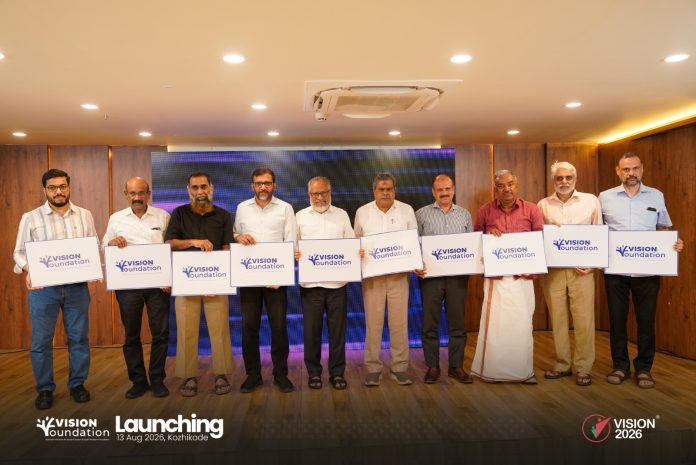
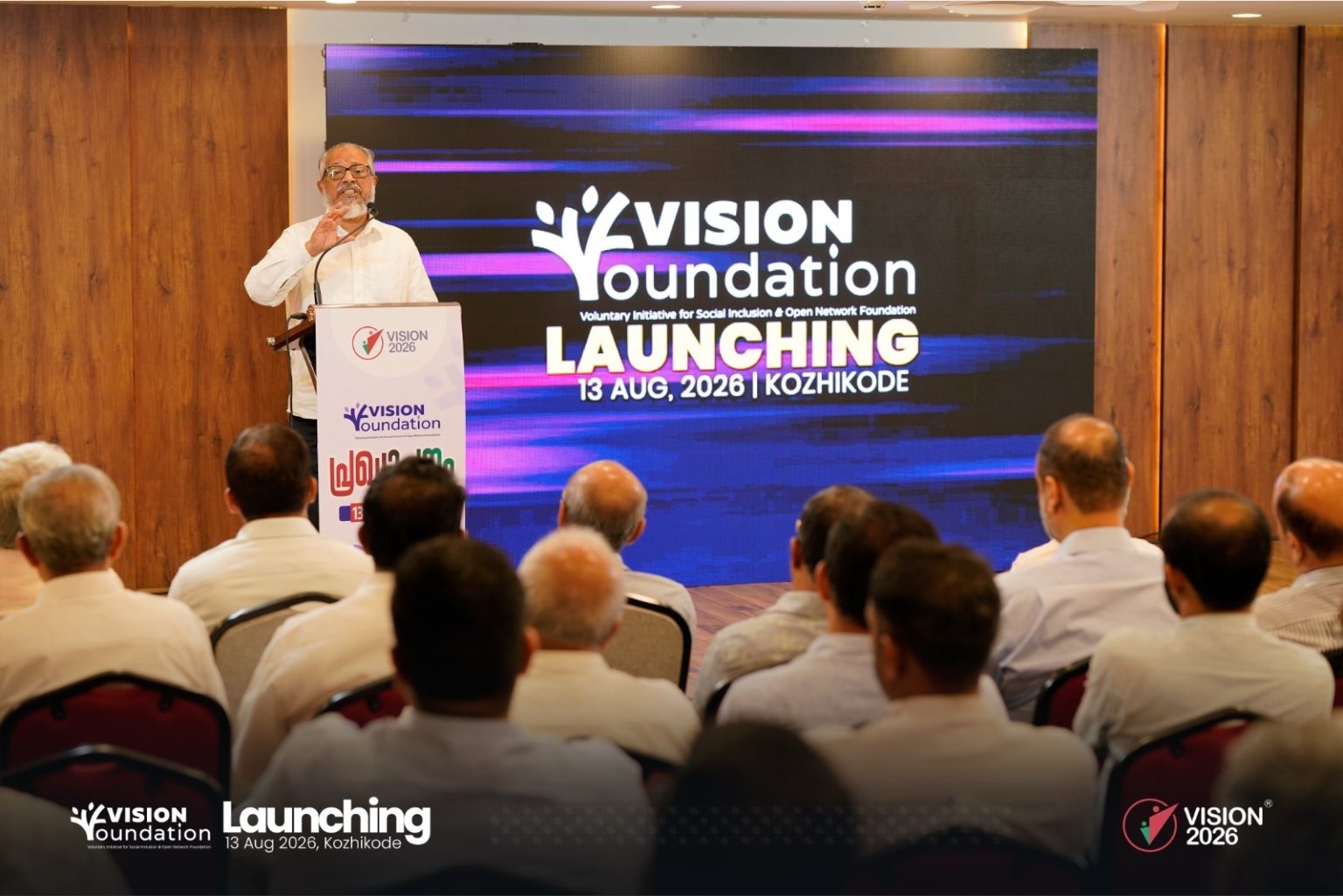
The VISION FOUNDATION (Voluntary Initiative for Social Inclusion and Open Network Foundation), a new initiative aimed at strengthening the capacity and reach of non-governmental organisations and social institutions across India, was formally launched in Kozhikode on Thursday, August 13.
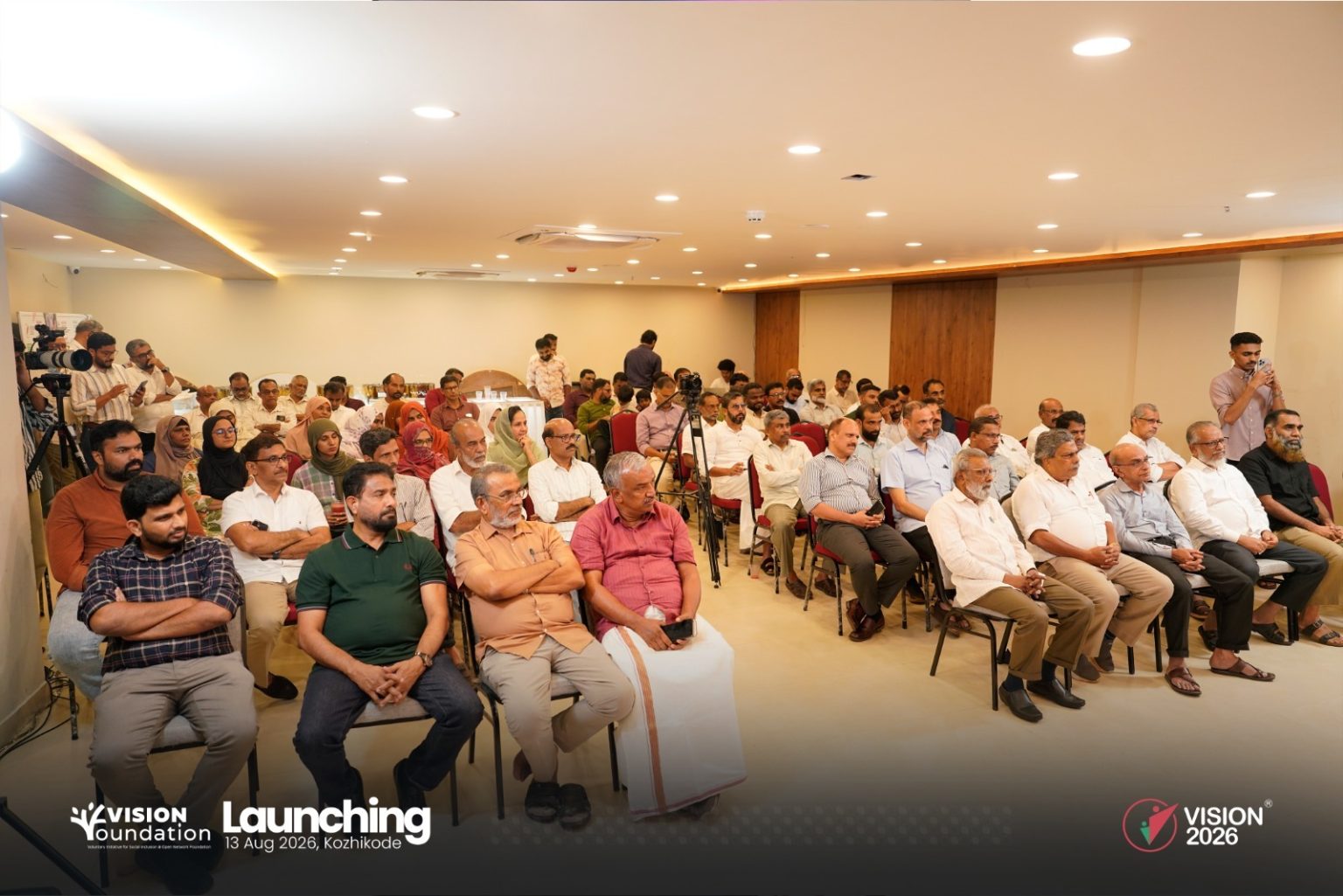
The launch ceremony, held in the presence of prominent personalities from the social, educational, business and community sectors, marked another significant milestone in the institutional expansion of Vision 2026.
VISION FOUNDATION is the 10th NGO established under the umbrella of Vision 2026. The organisation has been envisioned as a platform to empower NGOs and institutions working in the northern, eastern and western regions of the country. Its primary objective is to enable such organisations to strengthen their institutional capacities, expand their outreach and improve their effectiveness and impact in the field of social development.
Jb. T. Arif Ali Sahib, Chairman of Vision 2026, formally declared the foundation’s launch. The logo of VISION FOUNDATION was jointly unveiled by several distinguished dignitaries attending the ceremony.
The launch brought together a wide cross-section of social workers, academics, entrepreneurs, community leaders and representatives of civil society organisations, reflecting the broad collaborative approach envisaged by the new organisation.
Among those present and felicitated at the event were Er. Mohammad Koya, General Secretary of the Muslim Service Society; M. A. Mehabub, Vice President, CREDAI South Zone; Mohammad Shafi, Managing Director, Minar Steels; Jb. Karadan Sulaiman, CMD, Karadan Lands; Dr. Aysha Swapna, Principal, Farook College; Z. A. Ashraf, General Secretary, CIGI; Dr. P. C. Anver, Executive Director, Iqraa International Hospital; Jb. K. Sajjad, Treasurer, Wisdom Islamic Organisation; Adv. Mohamed Haneefa, Vice President, Kerala Nadwatul Mujahideen Markazudawa; Jb. Razak Paleri, State President, Welfare Party of India; Jb. P. I. Noushad, Chairman, Peoples Foundation; Ms. Rajeena Beegum, General Secretary, JIH Women’s Wing, Kerala; Dr. Ausaf Ahsan; Dr. Azeez Tharuvana; M. M. Zubair; and Haneefa Haji.
Mr. M. Sajid, Director of Vision 2026, welcomed the guests and audience. The concluding address was delivered by Jb. P. Mujeeb Rahman Sahib, Ameer of JIH Kerala.
The formal launch was preceded by the inauguration of the newly established VISION FOUNDATION office at Dalenest Building in Kozhikode. Jb. T. Arif Ali Sahib inaugurated the office, marking the commencement of the organisation’s activities and providing it with an institutional base for its future programmes.
The establishment of VISION FOUNDATION is being viewed as an important step towards building stronger networks among civil society organisations and social institutions operating in different parts of India. By focusing on capacity building, networking and institutional development, the foundation seeks to help organisations overcome operational limitations and enhance the scale and sustainability of their social interventions.
The organisation’s proposed geographical focus on the northern, eastern and western regions also reflects an effort to extend institutional support beyond existing networks and create greater opportunities for collaboration among organisations working on social development issues.
The launch further expands the institutional network of Vision 2026, which has been working towards promoting social development through a network of organisations and initiatives. With VISION FOUNDATION becoming the 10th NGO under its umbrella, the initiative has added another institutional platform to its growing network.
The event concluded with an emphasis on cooperation, institutional strengthening and social transformation. The launch of VISION FOUNDATION is expected to create new avenues for collaboration between NGOs, educational institutions, businesses and community organisations, while supporting initiatives aimed at addressing social and developmental challenges in different parts of the country.
The new organisation will now begin its activities from its Kozhikode office, with its broader vision centred on creating stronger, more capable and better-connected civil society institutions capable of contributing more effectively to social development.
source: http://www.radiancenews.com / Radiance News / Home> Latest News / by Radiance News Bureau / August 15th, 2026
The Class 10 student from St Joseph English High School wins silver in Kyorugi and bronze in Poomsae at the event
Mumbai :
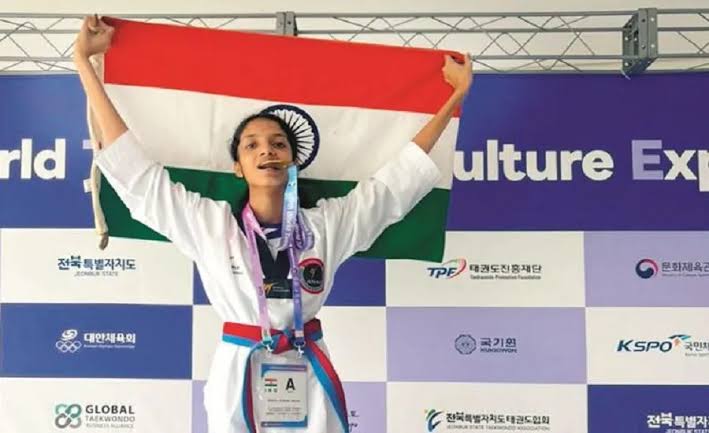
Rania Rizwan Ansari, a young taekwondo player from Agripada in Mumbai, has won two medals at the 19th World Taekwondo Culture Expo held in South Korea.
Representing the Jalna Wala Sports Training and Research Centre, Mumbai, Rania put in a strong performance at the international event held at Taekwondowon in Muju County, South Korea.
The young athlete won a silver medal in Kyorugi and a bronze medal in Poomsae, bringing home two medals from two different competitions.
Rania is a Class 10 student at St Joseph English High School on Moreland Road. She has been practising taekwondo since Class 1 and has continued with the sport for several years alongside her studies.
Rania won a silver medal in Kyorugi, the combat form of taekwondo in which competitors face each other under competition rules.
She also won bronze in Poomsae, which involves performing a set sequence of taekwondo movements with attention to technique, control and accuracy.
Winning medals in both disciplines at an international event marks an important achievement for the Mumbai schoolgirl.
Her performance has also brought recognition to the sports training centre under whose guidance she prepared for the competition.
Rania’s development as a taekwondo player has been supported by coach Rohidas Shirke, an experienced coach associated with the academy.
Her training and preparation under Shirke have helped her compete at different levels and take part in major events.
Following her success in South Korea, the management and teachers of St Joseph High School congratulated Rania and her coach.
The school authorities also wished both of them success in their future sporting and professional pursuits.
Rania’s connection with taekwondo began when she was in Class 1.
She has continued training throughout her school years and has gradually moved from taking part in competitions to winning medals at major events.
Her latest performance in South Korea follows an earlier success in India.
In 2023, Rania won a gold medal at the District Sports Office (DSO) competition held in Goa after putting in a strong performance.
The gold medal in Goa gave her further experience in competitive taekwondo and added to her record before her appearance at the international event in South Korea.
Rania’s achievement is also a source of pride for her school and the local sporting community in Agripada.
Competing outside India requires athletes to adjust to a different setting, a higher level of competition and the demands of an international event.
For a Class 10 student who began learning the sport in primary school, winning two medals in South Korea is a significant step in her sporting career.
Her success also highlights the role of regular training and coaching in helping young athletes develop their skills.
With the support of her family, school and coach, Rania is now looking ahead to further competitions and hopes to continue her progress in taekwondo.
The two medals — silver in Kyorugi and bronze in Poomsae — have given the young player from Agripada an international achievement to add to her growing sporting record.
source: http://www.clarionindia.net / Clarion India / Home> Editor’s Pick> India> Indian Muslims / by Team Clarion / August 14th, 2026
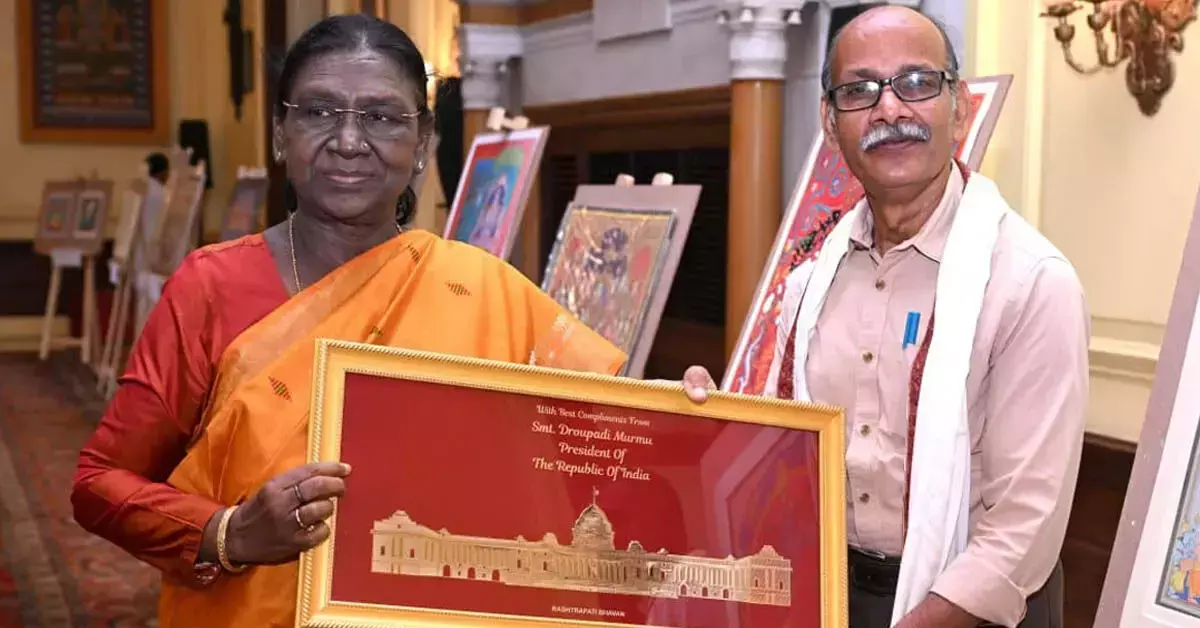
Renowned miniature painter Kamal Ahmed Malekoppa, a native of Gadag district and currently residing in Karkala, was honoured by President Droupadi Murmu after participating in the Artist-in-Residence programme held at Rashtrapati Bhavan in New Delhi.
The 10-day programme brought together 12 artists from across India, representing traditional art forms such as Banaras mural, Thangka, Nayak, Kerala mural, Basohli, Surpur and Mysuru styles.
Kamal Ahmed has been practising miniature painting for nearly three decades. He has drawn inspiration from the Vijayanagara Garudadri style and has developed a distinctive style of his own.
As part of the programme, he created an artwork at Rashtrapati Bhavan and displayed two artworks in total. One of the works was based on stories from the Panchatantra.
President Droupadi Murmu interacted with the participating artists and viewed their works. She appreciated their contribution towards preserving India’s traditional art forms and passing them on to future generations.
The Artist-in-Residence programme was organised to celebrate India’s artistic heritage and promote traditional art forms while strengthening the country’s cultural identity. Malekoppa’s selection has also brought national recognition to the Vijayanagara Garudadri-inspired painting tradition.
Kamal Ahmed previously worked as an art teacher for 18 years at Government High School in Shivapura, Hebri taluk, Udupi district. His artworks are displayed on the walls of government office buildings in Hebri and at various institutions.
Speaking about his selection for the programme, Malekoppa expressed happiness at getting the opportunity to participate in the prestigious event at Rashtrapati Bhavan. He described the experience as an unforgettable moment in his life and said the recognition had brought national attention to the Vijayanagara Garudadri-inspired painting style and its place in India’s artistic heritage.
source: http://www.english.varthabharati.in / Vartha Bharati / Home> Karavali / by Vartha Bharati / August 20th, 2026
An Inspiring Journey of IIT Bombay Professor Dr. Azizuddin Khan from a Small Town in Bahraich to Global Recognition in Science and Research
In a landmark achievement for Indian Science and Research, Prof. Dr. Azizuddin Khan, eminent Psychologist, Neuroscientist and Psychophysiologist at the Indian Institute of Technology Bombay (IIT Bombay), has been recommended for the prestigious J.C. Bose Fellowship (ANRF J.C. Bose Grant).
The Anusandhan National Research Foundation (ANRF) recommended the honour in recognition of Dr. Azizuddin Khan’s outstanding scientific research, innovation and contributions aimed at improving human well-being in August 2026.
The J.C. Bose Fellowship is one of India’s prestigious recognitions for active senior scientists and engineers who have made outstanding contributions to science, engineering, medicine and related fields. The fellowship provides research support to enable distinguished scientists to continue advanced research and mentor the next generation of researchers.
From a Small Town to IIT
Prof. Dr. Azizuddin Khan hails from Mahinpurwa, a small town in Bahraich district of Uttar Pradesh. After completing his early education at a local inter college, he chose psychology as his field of study despite family expectations.
He secured first position in his undergraduate studies at Aligarh Muslim University (AMU) & subsequently completed his M.A. in Clinical Psychology. He later earned his Ph.D. in Cognitive Psychology from IIT Kanpur, which laid the foundation for his distinguished research career.
Distinguished Research at IIT Bombay
Prof. Khan has been associated with IIT Bombay for nearly two decades and currently serves as an India Value Chair Professor. He is among the leading researchers associated with the Psychophysiology Laboratory.
He is also associated with important research initiatives including the Sunita Sanghi Centre for Ageing & Neurodegenerative Diseases (SCAN), Koita Centre for Digital Health (KCDH) and the IIT Bombay-FedEx ALFA Centre.
He has played an important role in developing an advanced Psychophysiology Laboratory at IIT Bombay, where researchers use technologies such as EEG, Eye Tracking, Event-Related Potentials (ERP), Neurofeedback and other modern neuroscientific techniques to study the human brain, cognition and behaviour.
Diverse and Human-Centred Research
Prof. Khan’s research is closely connected with real-life human challenges. His major areas of research include:
Dyslexia and Reading Disorders
Autism and ADHD
Memory and Prospective Memory
Attention, cognition and brain processes
Parkinson’s disease and Alzheimer’s disease
Psychological stress and depression
Brain activity during Urdu, Hindi and bilingual reading
Urdu script and its processing in the human brain
Artificial Intelligence and mental health
Human psychology under extreme environmental conditions
Through his multidisciplinary research, he has contributed significantly to the fields of psychology, psychophysiology and neuroscience.
Technology-Based Research for Dyslexia
One of the most significant areas of Prof. Khan’s research is dyslexia. He has contributed to the development of ‘Brainu’, a screening application designed to facilitate the early identification of children who may have reading difficulties.
The application uses engaging, game-based activities to assess certain reading-related abilities and help identify children who may require further assessment or support.
He has also worked on innovative Haptic Belt/Bracelet technology, which uses specific vibrations to help children recognise and experience the correct sounds associated with letters and words.
Such technology has the potential to support children learning Urdu, Hindi, Marathi, Arabic and English, particularly those experiencing difficulties in reading and phonological processing.
Pioneering Research on the Urdu Script
Another distinctive area of Prof. Khan’s research is the neural processing of the Urdu script. His research examines how the human brain processes Urdu text written from right to left while simultaneously dealing with numbers written from left to right.
Using Eye Tracking and EEG technologies, he has investigated the cognitive and neural processes involved in Urdu and bilingual reading. His work has contributed to the scientific understanding of how multilingual readers process different writing systems.
Research in Antarctica
Prof. Khan has also participated in India’s Antarctic research programme, where he studied human psychology under extremely cold and isolated environmental conditions.
His research examined aspects such as memory, mental health, emotional well-being and behavioural changes among people living and working in extreme environments. He has also undertaken research related to self-awareness in penguins, attracting attention within the scientific community.
Representing India on the Global Research Platform
Prof. Khan has represented India at numerous international academic and scientific forums. He has presented his research in countries including the United States, United Kingdom, Germany, France, Japan, Australia, Finland, Spain, Italy, South Korea, Turkey, Brazil, the United Arab Emirates and several other countries.
His academic contribution includes more than 200 research publications, several international book chapters, patents and research projects. He has also guided numerous Ph.D. scholars, many of whom are today working as professors and researchers at leading IITs, NITs and universities in India and abroad.
An Inspiring Message for Young Students
According to Prof. Dr. Azizuddin Khan, success depends not merely on intelligence but on hard work, curiosity, perseverance, patience and a continuous desire to learn.
His own journey demonstrates that a student from a small town can achieve global recognition through education, determination and sustained research.
A Matter of Pride for the Nation
The recommendation of Prof. Dr. Azizuddin Khan for the J.C. Bose Fellowship is not only a personal achievement but also a matter of pride for the Indian scientific community, IIT Bombay, Aligarh Muslim University (AMU) and the residents of Bahraich.
His continuing work in psychology, neuroscience, education, mental health and artificial intelligence is expected to open new avenues of research and contribute to improving the lives of children, students and society at large.
[The writer, Akhlaq Shaikh, is a Career Counsellor, Mumbai. He alsow writes for Urdu Daily Inquilab.]
source: http://www.ummid.com / Ummid.com / Home> Education & Career / by Akhlaque (Akhlaq) Shaikh / August 18th, 2026
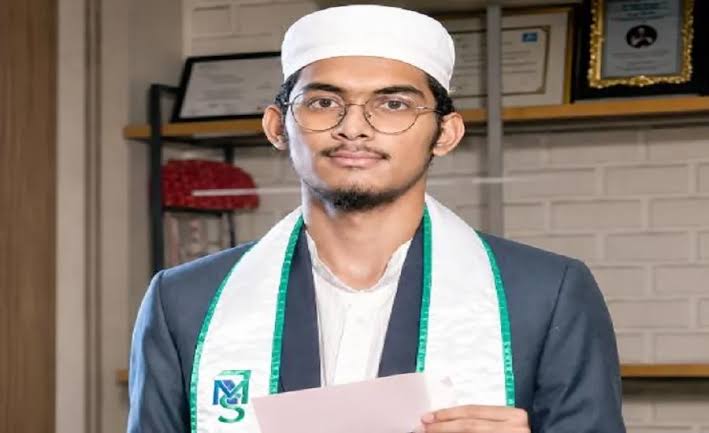
Mohammad Taqi Ahmed Ali Shams secured the highest rank among minority students in Telangana with 666 out of 720 marks and an All India Rank of 652.
Hyderabad :
Mohammad Taqi Ahmed Ali Shams, a student of MS Junior College of the city, has secured the first rank among minority students in the Telangana NEET 2026 State Merit List, delivering another major achievement for MS Education Academy.
Taqi Ahmed scored 666 marks out of 720 in the NEET 2026 examination and secured an All India Rank (AIR) of 652, making him the highest-ranked minority student in Telangana.
The academy also announced that 34 students scored 500 marks or more in NEET 2026, describing the result as another reflection of its consistent academic performance and quality teaching.
Several other students from MS Junior College also secured prominent positions in the Telangana Minority Merit List.
The successful students include:
Daniya Mirza – 23rd State Minority Rank
Mohammad Misbah Ali – 27th
Asid Tabish Antule – 28th
Shafia Begum – 43rd
Kausar Fatima – 48th
Liza Hussain – 57th
Zeba Rouheen – 68th
Sana Fatima – 73rd
Kausar Mirza – 75th
Fauzia Khanam – 98th
Sadia Sanobar – 102nd
Fakhra Tasneem – 105th
Bilal Shaikh – 106th
Sidra Jabeen – 108th
Syeda Amina – 109th
Congratulating the successful candidates, the management of MS Education Academy extended its best wishes to the students, their parents and teachers for their contribution to the outstanding performance.
The academy said the results reflected the dedication of students and the continued support of parents and faculty members.
The institution also expressed confidence that more than 200 students from the academy would secure free MBBS seats in leading government and private medical colleges across Telangana and other parts of the country through the NEET 2026 admission process.
The latest results further strengthen MS Education Academy’s record of producing successful medical aspirants and maintaining a strong presence in the Telangana State Merit List year after year.
source: http://www.clarionindia.net / Clarion India/ Home> Editor’s Pick> India> Indian Muslims/ by Team Clarion / August 03rd, 2026
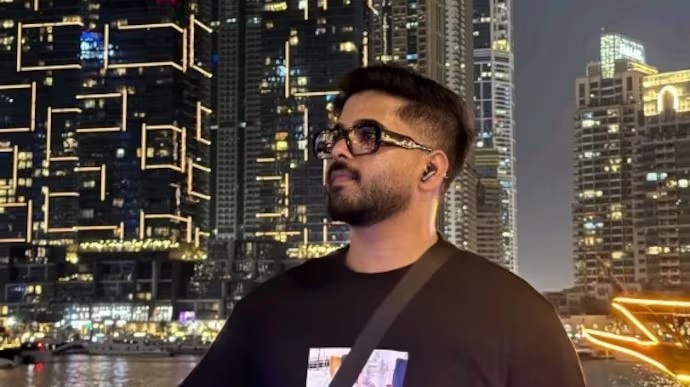
At 25, Zaid Khan is already running a business worth an estimated Rs 5 crore while pursuing his MBA at the Indian Institute of Management (IIM) Bangalore. The founder of Zedital Media Private Limited, a branding and media company, Khan recently shared his entrepreneurial story on The Crore Club podcast, hosted by Shreya Hegde.
His classmates at IIM Bangalore are preparing for annual job packages of Rs 25 to 40 lakh. Khan, by contrast, already leads a company offering Online Reputation Management, Content Distribution Management, and LinkedIn Profile Amplification Management services.
For students hoping to launch their own ventures, Khan offered two clear pieces of advice. The first is to start selling something, no matter how small. “Start selling something, whether it is a skill, a piece of advice, or any service, even if it is just for Rs 100 or Rs 200. It helps build confidence,” he said. The second is to build a strong online presence. “Content is the digital currency. Build your online presence because that is what creates opportunities,” he added.
Khan grew up in a middle-class family where conventional careers were strongly encouraged. “Everyone told me to become a doctor. The second option was engineering,” he recalled. During Class 12, he faced pressure to prepare for the NEET medical entrance examination. He chose a different path instead.
He began working with YouTube creators and took up freelance projects. A turning point came when he secured a freelancing assignment with a California-based influencer, earning Rs 1.24 lakh, his largest payment at the time. That experience convinced him a career outside traditional professions was possible.
Khan later completed a Bachelor’s degree in Communication and Journalism at Graphic Era Hill University between 2019 and 2022 before joining IIM Bangalore’s Business Administration programme in September 2024.
His recognitions include Youngest Entrepreneur of Uttarakhand, Innovative Entrepreneur 2024, and Trailblazer in Digital Marketing Solutions.
His journey demonstrates that starting early, gaining real-world experience, and consistently building a digital identity can open professional doors well before graduation.
source: http://www.radiancenews.com / Radiance News /Home> Features> Pride of the Nation>Markers of Excellence/ by Radiance News Bureau / July 29th,2026
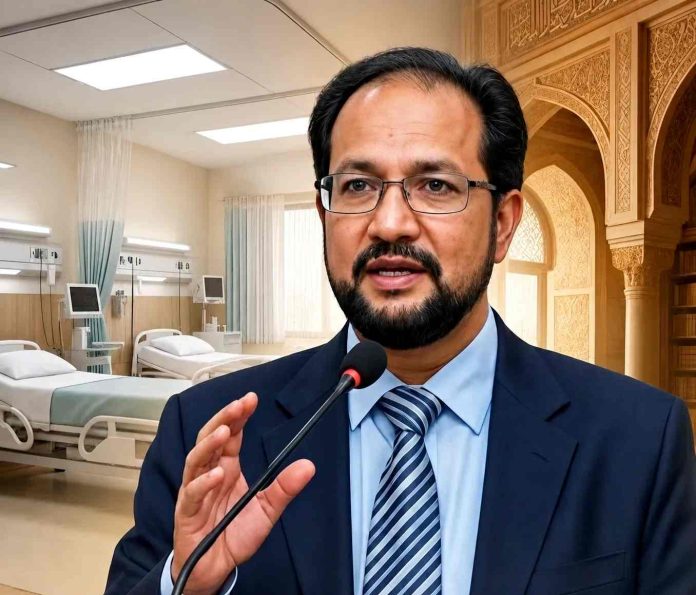
What is the true measure of a life well-lived? In an era obsessed with global mobility and material acquisition, the life of Dr. Muhammad Qutbuddin offers a compelling counter-narrative. An internationally acclaimed psychiatrist, academician, and philanthropist, Dr. Qutbuddin has spent more than 40 years in the United States, navigating the highest echelons of Western medicine. Yet, the glittering lights of America have done nothing to dim his devotion to his birthplace, Narayanpet. While his clinical practice operates within the high-tech medical landscapes of the West, his heart remains firmly tethered to the soil of Telangana.
Shattering the Vernacular Glass Ceiling
Long before he became the Director and Chief Psychiatrist at Star Psychiatric Services in Indiana, or taught the next generation of doctors as a professor at the University of Missouri, Dr. Qutbuddin was a young boy in Narayanpet, studying entirely in the Urdu medium from Class 1 to 11.
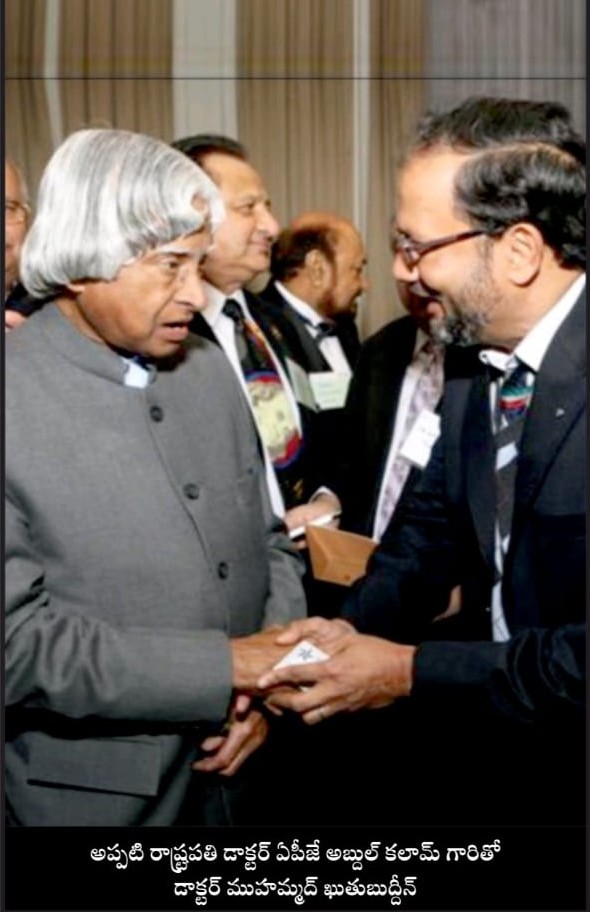
Dr. Muhammad Qutbuddin (R) with former President of India APJ Abdul Kalam
In today’s socio-educational climate, where vernacular schooling is often unjustly equated with limited horizons, Dr. Qutbuddin’s trajectory is a masterclass in resilience. Instead of letting language be a barrier, he turned it into a bridge, mastering five languages – Urdu, Hindi, Kannada, Telugu, and Marathi – during his childhood. He independently conquered English by devouring international periodicals like The Herald and Reader’s Digest.
His academic brilliance eventually earned him a highly competitive merit seat at the prestigious Osmania Medical College in Hyderabad for his MBBS and MD. He then transitioned to the United States for advanced training in Child and Adolescent Psychiatry, later earning a Ph.D., bridging Western Medicine and Islamic Studies from the Graduate Theological Foundation, an institution affiliated with Oxford University.
Confidant to a King
Among the many extraordinary chapters of his life is a deep, 27-year friendship with the legendary heavyweight boxing champion and civil rights icon, Muhammad Ali. Dr. Qutbuddin was not merely a casual acquaintance to ‘The Greatest’; he was a trusted personal advisor and confidant. Together, they walked through international philanthropic missions and social reform programmes across the United States, bound by a shared, fierce commitment to human equality, dignity, and social justice.
Healing the Homeland
Despite his high-profile life in the American Midwest, Dr. Qutbuddin never turned his back on the community that raised him. He was a critical, quiet catalyst in the socio-political movement that successfully advocated for Narayanpet to be recognised as a distinct district. Utilising his intellectual standing, he actively engaged with senior state leadership to bring vital development to the region, including a state-of-the-art medical college.
His philanthropy rejects the temporary band-aid of charity in favour of institutionalised empowerment. In honour of his lineage, he established the ‘Noor Jahan Library’ (named after his mother) and the ‘Muhammad Qasim Library’ (named after his grandfather), which fund free computer literacy centres and academic competitions for rural youth. Furthermore, he regularly returns to hold medical camps, providing free, specialised psychiatric evaluations and modern pharmaceutical supplies to impoverished communities that would otherwise suffer in silence.
The Clinical Lens on Gen-Z
As a seasoned clinician, Dr. Qutbuddin views the modern digital landscape with deep professional alarm. He writes extensively on the psychological warfare facing today’s youth, warning against the twin epidemics of internet addiction and substance abuse. From a strict neurological standpoint, he notes that persistent exposure to explicit digital content and excessive screen time fundamentally alters basic brain chemistry, weakening cognitive systems and eroding long-term willpower.
Similarly, he views the rising crisis of drug abuse not just as a social vice, but as a severe neurotoxic emergency that shatters families and robs the younger generation of their immense potential. To offer practical interventions, his organisation, American Youth for Positive Living, works globally with adolescents. Through structured mentorship, digital fasting, and goal-setting, he helps teenagers build the moral resilience and psychological armour needed to navigate the modern world.
A Dastarkhwan in the West: Foundations on the Floor
Walk into the private domain of this global medical expert, and you will not find the cold detachment of luxury. Despite his affluence, Dr. Qutbuddin maintains an unyielding adherence to simplicity. Rejecting the formal distance of modern dining, his family continues the sacred custom of sitting together on the floor around a traditional dastarkhwan (cloth-spread) to share meals. For him, this is not just a habit; it is a profound cultural anchor. It ensures that while his mind touches the peak of global achievement, his feet remain firmly planted on the ground.
In an age characterised by rapid cultural erosion and individualistic detachment, Dr. Qutbuddin stands as an inspiring testament to an eternal truth: true success is not measured by how far you travel, but by what you give back to the soil that nurtured you. He remains a living, breathing bridge between two worlds – proof that you can embrace global knowledge without ever losing your local soul.
source: http://www.radiancenews.com / Radiance News / Home> Focus> Pride of the Nation> Personality / by Mujahid Md / June 08th, 2026
It’s not a small number and there are very few who could match the sacrifices of Ahle Hadees for this country, Qasmi says.
Malegaon (Maharashtra):
In the strongest ever rebuttal of baseless allegations raised against Ahle Hadees, Jamiat Ahle Hadees Maharashtra on Sunday reminded the country of the sacrifices made by the group during the freedom struggle of India.
“Over five lakh (500,000) Ahle Hadees had sacrificed their lives during India’s freedoom fighter. People travelling in villages and towns saw their corpses hanging on trees all around”, Jalaluddin Qasmi, an alumnus of Darul Uloom Deoband, said quoting Tara Chand.
Renowned archaeologist and historian, Tara Chand, who taught at Allahabad University and also served as its Vice Chancellor in 1940s, is the author of ‘History of Freedom Movement in India’.
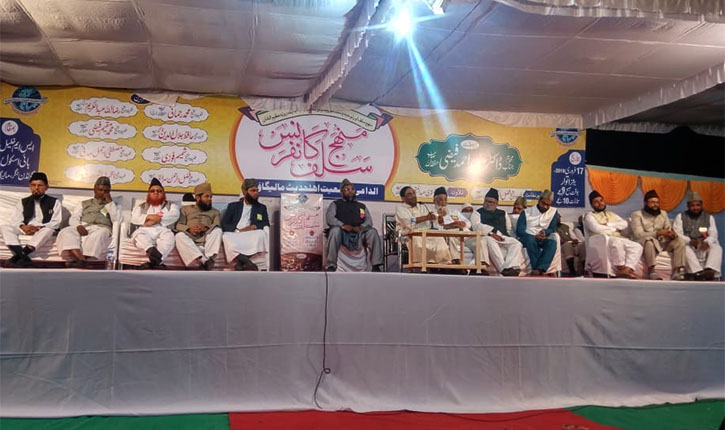
“It’s not a small number and there are very few who could match the sacrifices of Ahle Hadees for this country”, Jalaluddin Qasmi addressing the day-long Manhaj e Salaf conference jointly organised by Jamiat Ahle Hadees Maharashtra and Jamiat Ahle Hadees Malegaon Sunday.
“Nothing can be more shameful and condemnable than the act of some people and a section of media who despite such a glorious history of Ahle Hadees level unfounded allegations against them just to fulfill their vested interest”, he added.
To further draw his point, Jalaluddin Qasmi quoted Jawaharlal Nehru, former Prime Minister of India and one of the frontal leaders of India’s freedom movement, who praised the sacrifices of Ulema of Sadiqpur Patna, Bihar for the country as extraordinary and unmatchable.
“Nehru had said if sacrifices of the Ulema of Sadiqpur Patna Bihar are put on one side of a balance and our entire efforts are put on the other, their’s will be heavier and our’s will be worthless in comparision”, Qasmi said.
Qasmi also said that it is because of the strong and firm stand taken by Ahle Hadees against terrorism and extremism because of which terrorist organisations hate Ahle Hadees the most.
Taking forward Jalaluddin Qasmi’s assertions, Mohammad Rahmani Sanabili, President of Jamia Islamia Sanabil, New Delhi, while addressing the valedictory session of day-long Jamiat Ahle Hadees Manhaj e Salaf conference shared of historical evidence to prove the contributions of Ahle Hadees during the Indian freedom movement.
“It is Ahle Hadees who called terrorists and violent groups Khawarij and ran campaigns to exposed them”, he said.
In his keynote speech of the conference, Mohammad Rahmani Sanabili condemned once again Pulwama terrorist attack and reiterated Jamiat Ahle Hadees’s stand against all kinds of violence,.
At the same time, he urged the Ahle Hadees, especially the youth, to focus more on practices based on the path laid down in the Holy Quran and Sunnah of the Prophet Mohammad (peace be upon him).
Earlier in the morning, the day-long national conference organised by Jamiat Ahle Hadees Maharashtra opened with a strong condemnation of the terror attack on the CRPF convoy in Pulwama district of Kashmir in which more than 40 CRPF troopers were killed and a large number of others were left injured.
“Terrorists will never succeed in their evil design to weaken our country by such cowardly attacks”, Razaullah Abdul Kareem, senior cleric of Jamiat Ahle Hadees Hind, said while opening the day-long conference.
“We want to make it very clear that the Indian Muslims and Jamiat Ahle Hadees are with the country in its fight against terrorism and violence”, he said while condemning the Pulwama terrorist attack.
Presided over by Dr Saeed Ahmed Faizee, president of Jamiat Ahle Hadees Maharashtra, the day-long conference was held at the SM Khaleel High School in Malegaon and was attended by a large number of delegates from all over Maharashta and the neighboring states.
source: http://www.ummid.com / Ummid.com / Home> India / by ummid.com staff reporter / February 18th, 2019