All posts by mpositiveone@gmail.com

How a women’s collective revived the food of Nizamuddin

NEW DELHI:

Zaika-e-Nizamuddin, run by 11 women of Delhi’s Nizamuddin basti, is carrying forward the 700-year-old legacy of culture and cuisine.

Members of Zaika-e-Nizamuddin

The awe-inspiring neighbourhood of Nizamuddin is located in the heart of Delhi. One of the oldest parts of the capital city, this bustling area comprises the World Heritage Site of Humayun’s Tomb, the vibrant seven centuries-old settlement of Hazrat Nizamuddin Basti and the 70-acre Sunder Nursery, among other landmarks. It also has a delectable cuisine, that is distinct in its rootedness and flavour, which is integral to Delhi’s food scene.

A women’s collective—Zaika-e-Nizamuddin (ZeN)—is carrying forward this 700-year-old legacy of culture and cuisine. As the name suggests, it is the flavours (zaika) of Nizamuddin that the group curates. Swati Batra, Women’s Livelihood coordinator of the initiative, says, “Zaika-e-Nizamuddin was initiated in 2012 under the Nizamuddin Urban Renewal Initiative of the Aga Khan Trust for Culture (AKTC) in response to a study conducted under the initiative’s ECCD (Early Childhood Care and Development) component. The study revealed more than 50 percent of the children under the age of six in Nizamuddin Basti are malnourished. Further exploration highlighted junk food to be one of the major causes of malnourishment in children. ZeN came into existence when a group of mothers was brought together to make and supply healthy homemade alternatives to the junk snacking.”

What makes the dishes made by this group of chefs different from what one eats at Jama Masjid? “That food is more commercial, and laden with oil and spices . We, on the other hand, are simple home cooks. We don’t have a degree in culinary skills,” says Fatima Shahjahan, a member of the collective. “Our food is loved because we make every dish from scratch with age-old recipes. The taste upholds the living heritage and also gives a peek into the culture of Nizamuddin,” says another member, Kulsum. “It looks simple, but it has struck a chord with many,” says ZeN member, Noorjahan.

The group started its catering wing in 2015, and since then it has grown into an independent women’s enterprise and provides food beyond Nizamuddin. They were invited to Park Hyatt, Hyderabad, and JW Marriott Mumbai for special food festivals in 2019 and 2020. The group recently got registered as an LLP company with 11 women members as partners.

The product repertoire of ZeN includes home delivery, picnic baskets, catering, pop-up restaurants and live counters with dishes like khichda, salans, koftes, laddoos, namkeens and more. They also participate in several food exhibitions and have a weekend stall in Delhi’s nature hub, Sunder Nursery. “The main value proposition is that every order is made exclusively (from scratch), using fresh ingredients (no refrigeration) and age-old recipes (no internet),” says Batra.

It is empowering to see the ‘bajis’ (elder sister in Urdu) of Nizamuddin sport aprons and headgears to make nihari and haleem using their grandmother’s recipes in a commercial bawarchi khana (kitchen). It has been a transformative journey for 11 illiterate women, who have never done any work outside their homes, apart from being domestic helps. To work on something of their own has been empowering. “It wasn’t as difficult to form a group as it was to keep the group together, especially during phases of low income. All the women come from a difficult reality and investing time into something without any immediate income has been very trying. They faced a lot of resistance from their families initially. But fortunately, the members held on to the hope and stuck around. Now they are partners of their firm,” says Batra.

The AKTC team responsible for incubating and anchoring the group tried to keep the women active during lean periods and the initial phase (when the quantum of business was lesser) by involving them in different kinds of training, regular meetings and organising exposure visits. When they started out, the women made around ₹200 a month. They are now earning up to ₹6,000 a month per person. There is also a communal kitty that they circulate among themselves. Over the years, ZeN has been able to create a place for its brand in the multi-faceted food space of Delhi. It has a small but loyal customer base who appreciate the quality of the food along with the journey of the enterprise.

“ZeN works with the objective of creating sustained, dignified, and enhanced incomes for its women members through promoting the indigenous cuisine of Basti Hazrat Nizamuddin,” emphasises Batra. As the group coordinator receives an order from a customer she puts in the duty of the chef(s) according to an internal roster. The chef(s) in charge procures fresh meat and vegetables and prepares the order which is finally delivered by a local delivery boy working with the group. Bigger or difficult orders are made under the supervision of group leaders.

The collective works on a flexible model where the members can choose the number of hours they want to devote. If a member decides to not take up the order, the one next in line in the roster gets it, and so on. Every member has a work passbook that records their daily duties. At the end of every month, the chefs’ income, according to the work they have done, is transferred directly to their bank account.

The pandemic was challenging and the collective is still coming to terms with it. “It was a huge and disappointing speed breaker, and the kitchen remained closed for months. Concealment of Nizamuddin, after it was marked a ‘red zone’, made everything worse. The annual turnover reduced by more than 20 percent in FY 2020-21 compared to FY 2019-20. The enterprise also lost many hard-earned customers,” rues Batra.

The catering service re-started after a break in July 2020 after collecting customers’ responses through a survey on their willingness to place orders. During the second wave, ZeN launched a new product idea of simple home-cooked food. The food received encouraging response and was mostly ordered by Covid-positive patients across the city. “The biggest learning has been to take feedback constructively and continue to work in a systematic manner with constant efforts towards improvement. For community enterprises like these, teamwork is very important,” says Batra, revealing that Zaika-e-Nizamuddin is planning to scale up in the future by considering collaboration with cloud kitchens and delivery partners while maintaining their authentic value proposition. “I can’t say any more on this topic. Just keep a watch out for us going big,” she smiles.

ZeN can be contacted through their Instagram page: @zaika_e_nizamuddin. They deliver across Delhi-NCR and orders can be placed via WhatsApp on 9891543356.

source: http://www.lifestyle.mint.com / Mint / Home> Mint Lounge> Food> Discover / by Medha Dutta Yadav / March 28th, 2022
Meet Saudi-return Indian farmer cultivating Gulf-like dates using tissue culture

Ariyakulam (Dharmapuri District), TAMIL NADU:

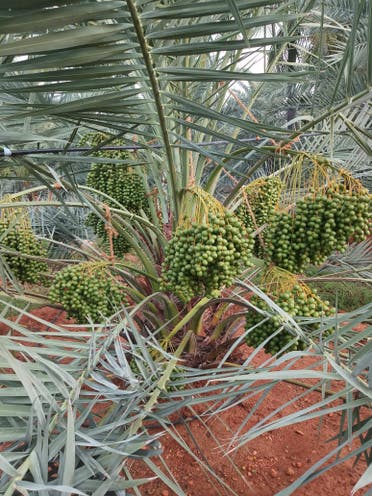
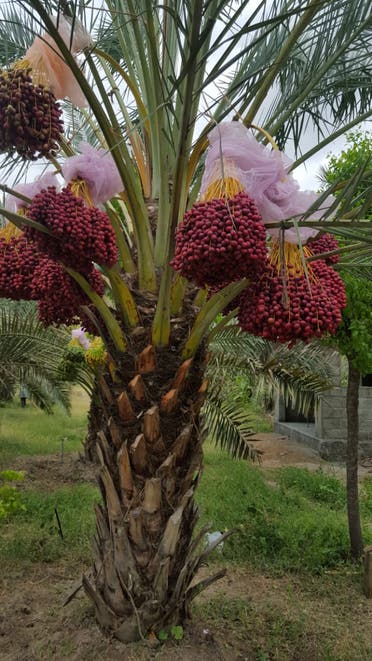
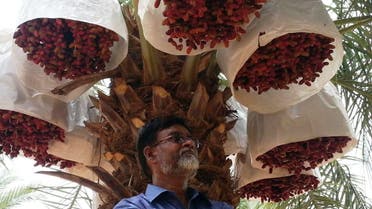
Nizamuddin S. cultivates 32 varieties of the luscious fruit as well as date palms. (Supplied)

In India there is a presumption that good, juicy dates are procured only in the Gulf Cooperation Council (GCC) countries. Little do we know that similar quality dates can be grown in India too.

Though the Kutch region in Gujarat, Punjab and Rajasthan are two major date-growing states, with Gujarat alone home to 2 million date palm trees, Tamil Nadu in south India is fast catching up.

Despite India being the one of the largest importers of dates in the world – around 3.5 million metric tons every year – there is good market for homegrown dates both locally and abroad.

India imports around 3.5 million metric tons every year. (Supplied)

Farm-cum-nursery

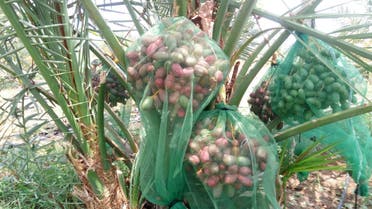
Meet Nizamuddin S., who cultivates 32 varieties of the luscious fruit as well as date palms. His farm-cum-nursery at Ariyakulam in Dharmapuri district in western part of Tamil Nadu literally bears fruits of hard labor and innovation.

The dangling cluster of dates on date palms at his farm are feast for the eyes. Owner of Saliah Dates, Nizamuddin got the idea of cultivating dates while working in Saudi Arabia.

Nizamuddin got the idea of cultivating dates while working in Saudi Arabia. (Supplied)

Finest Saudi dates

Responding to emails from Al Arabiya English, Nizamuddin said: “Saudi Arabia has the finest dates in the world. One fine day I thought why such dates cannot be grown in India? It seemed possible and I bought 100 plants for testing and the idea blossomed”.

There has been no looking back since then as his nursery-cum-farm now has more than 32 varieties of date palms. One of them is the Barhee dates, which costs Rs. 300 per kilogram. Barhee is the best variety and yields more than 200kg per plant.”

Tamil Nadu is an important state for dates in southern India. Here climate, soil and irrigation facilities in some coastal regions like Tirunelveli, Tuticorin and Ramanathpuram districts favor date palm cultivation.

Tamil Nadu is an important state for dates in southern India. (Supplied)

Tissue culture technology

Over decades of cultivation practices followed in different regions, regenerating dates either by seeds or offshoots and trying different imported cultivars, have led to the present date fruits of great variations in size, shape, color, weight, taste and astringency.

Moreover, controlling date palm diseases using methods, which do not pollute soil, plant and products, has not been easy.

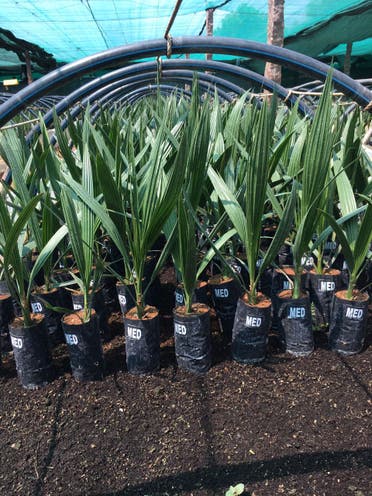
The obvious solution was to produce date palms by adopting tissue culture technology, which enables farmers to select only the best trees as every plant produced from the cut stem is genetically identical to the parent tree.

Nizamuddin imports tissue culture plants from wherever they have been developed. (Supplied)

Transforming technology

Nizamuddin is aware that tissue culture can do wonders to the plantation. So he started to import tissue culture plants from abroad where such technologies have been developed.

“Twenty years ago first we tried seedlings. But there was an issue in the sense that we could not differentiate between a male and female plant. Only the female date palm can bear date fruits. But with tissue culture the plant is 100 percent female and we can get yield by 2 1/2 years”, says Nizamuddin.

“We import such plants from Abu Dhabi and sell all over India. We are soon planning to introduce new varieties. Ajwa dates are our first priority. Depending on how successful the yield is we will go for further new varieties. On the anvil are making different types of food products with dates like date syrup, chocolates, etc.”

source: http://www.english.alarabiya.net / AlArabiya News / Home> Features / by Aftab Husain Kola / June 21st, 2018

Pilgrim and the seven magical seeds that brought Arab coffee to shores of India

Chikkamagaluru, KARNATAKA:

India is home to 16 distinct varieties of coffee. (Supplied)

India, the world’s sixth-largest coffee grower, on an average produces about 3.2 lakh tons of coffee every year of which 75 percent are exported to countries like Italy, Germany, Russia, Belgium and Turkey. Today, India is home to 16 distinct varieties of coffee.

The journey of coffee to India has a vivid Arab connection. A devout pilgrim hailing from Chickmagalur, a picturesque hill station in India’s Karnataka state, Hazarat Shah Janab Magatabi, fondly known as Baba Budan, on his return journey, around 1600 AD via Yemen brought with him seven Coffee Arabica seeds by strapping them to his chest under his tunic.

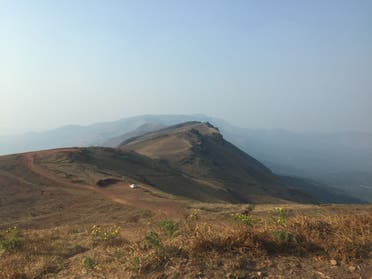
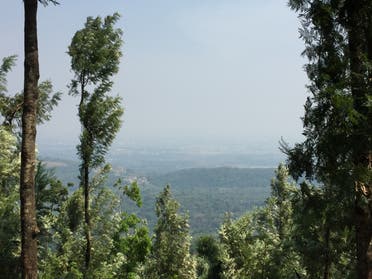
Bababudangiri Hills in Chickmagalur where coffee was first planted in India. (Supplied)

Legend has it that Arabs were extremely protective about their coffee industry and taking the seeds outside was not allowed. The saint had known that they were magical seeds for making refreshing beverage as he had tasted the kahwa (Arabic for coffee) in Mocha, a port city of Yemen that overlooks the Red Sea.

Besides being a trading hub for coffee, Mocha was the source of the popular Mocha coffee beans. After reaching his native place, Baba Budan sowed the seeds in his hermitage garden near a hill cave at Chandragiri and the rest is history.

Chickmagalur is a picturesque hill station in India’s Karnataka state. (Supplied)

The coffee plants gradually spread as backyard plantings, and later on to the hills. The hills are now called Baba Budan Hills after the him. Today Chickmagalur, the birthplace of coffee in India, is filled with coffee plantations throughout its length and breadth.

Besides Chickmagalur, the charming region of Coorg is also one of the major grower of coffee. Coffee cultivation grew and thrived in India during the British rule and beyond.

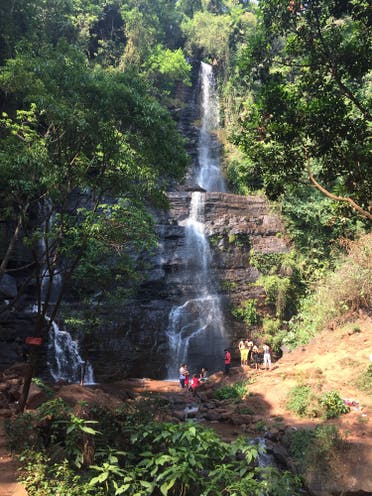
A fall amid coffee plantations in Chickmagalur. (Supplied)

The Dutch began to harvest coffee in the Malabar region, but a major transition happened when the British led a relentless drive to set up Arabica coffee plantations across the hilly regions in South India, where the climatic conditions were more favorable for the crop.

Grown under a canopy of thick natural shade in ecologically sensitive regions of the Western and Eastern Ghats spread over Karnataka, Kerala and Tamil Nadu, Indian coffee quickly spread to non-traditional areas like Andhra Pradesh and Odisha on the Eastern Coast; Assam, Manipur, Meghalaya, Mizoram, Tripura, Nagaland and Arunachal Pradesh in the North East. Despite many states growing coffee, Karnataka and Kerala, accounting for nearly 90 percent of total production.

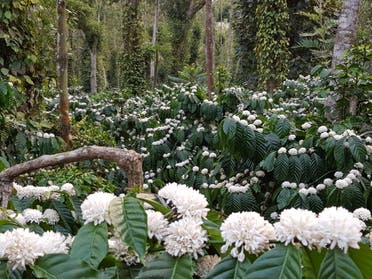
The charming region of Coorg is also one of the major grower of coffee. (Supplied)

In India, based on region of production, 13 regional coffees are classified: Anamalais, Bababudangiris, Biligiris, Araku Valley, Brahmaputra, Shevaroys, and Pulneys (for Arabica) and Wayanaad and Travancore (for Robusta). Coorg, Chikmagalur, Nilgiris and Manjarabad are famous for both Arabica and Robusta.

Apart from these 13, there are three Specialty Coffees classified based on their international popularity. They are Monsooned Malabar, Mysore Nuggets and Robusta Kaapi Royale.

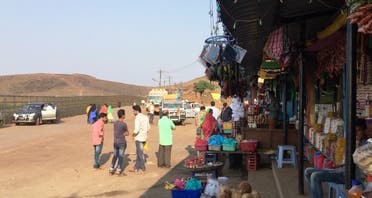
Stall owners are thankful to Arabia for the wonderful coffee. (Supplied)

During a recent visit to Baba Budan hills, this correspondent spoke to stall owners and few tourists who still are thankful to Arabia for the wonderful coffee.

One stall owner who sells cool drinks and snacks on the hills overlooking the shrine summed up, “It is because of Baba Budan that India got coffee so early and the credit for discovering coffee goes to Arabs who invented and discovered hundreds of stuff including the coffee.”

Little wonder then a small cup of coffee has so much history behind it.

source: http://www.english.alarabiya.net / AlArabiya News / Home> Features / by Aftab Husain Kola / October 07th, 2018

On this day in 1857, Maulvi Muhammad Baqir was shot dead by Major Hudson

DELHI :

Maulvi Baqir was among the first to be arrested when the British Army entered Delhi on September 14, 1857.

On this day in 1857, Maulvi Muhammad Baqir was shot dead by Major Hudson

Maulvi Muhammad Baqir was Editor, Founder and Owner of “Delhi Urdu Akhbar“. He was shot dead on September 16, 1857 for writing articles in Nationalist tone. Maulvi Muhammad Baqir was the first journalist to lay his life during the Independence Movement of India and the Freedom Struggle of India.

Maulvi Baqir, his name sometimes also spelled as Maulvi Maqar, started the first Urdu newspaper of Delhi, Delhi Urdu Akhbar, in 1835 – a year after the British government amended the “Press Act” and allowed publications.

Delhi Urdu Akhbar” survived for nearly 21 years, proving to be a milestone in the field of Urdu Journalism. With the help of this newspaper, Maulvi Muhammad Baqar played key role in highlighting social issues as well as bringing political awakening in public and uniting them against foreign rulers.

When the Indian revolutionaries started the first war of national independence in 1857, he dedicated his newspaper to the national cause. Soon after the revolt or mutiny broke out in Meerut on May 10, 1857, Baqir gave his newspaper a new name “Akhbar uz Zafar” (Paper of Zafar) to pay tribute to Mughal Emperor Bahadur Shah Zafar who was leading the mutinying sepoys and the revolt against the British.

A staunch supporter of Hindu Muslim unity, Journalist Maulvi Baqir on June 04, 1857, printed articles in his newspaper appealing to both the communities to unite and come together, “Don’t miss this opportunity, if missed, no one will come to help, this is a good opportunity for you to get rid of British rule”.

Mohammad Baqir was used to publish his newspaper on Sundays, instead of Saturdays as a mark of his own rebellion and protest against the British, who observed Sabbath – a day of religious observance and abstinence from work, kept by Jewish people from Friday evening to Saturday evening, and by most Christians on Sunday.

Suppression of the Indian Revolt by the English

Baqir was among the first to be arrested when the British Army entered Delhi on September 14, 1857. Two days later, on September 16, he was produced before Major William S.R. Hudson who ordered to shoot him dead without trial. Major Hudson shot dead Maulvi Baqir on the same day, making him the first Indian Journalist to lay his life for the country.

It is said Maulvi Baqir was tied to the mouth of a cannon which is then fired by Major William Hudson. Some historians however have disputed this claim. Nonetheless his contributions and sacrifice were later immortalised in Russian artist Vasily Vereshchagin ‘Suppression of the Indian Revolt by the English’ painting portraying the woes of freedom fighters and the brutal way Maluvi Baqar was claimed to have been executed.

source: http://www.ummid.com / Ummid.com / Home> Life & Style / by Ummid.com News Network / September 16th, 2023

AMU Dept of Mathematics Declared Number One in India

Aligarh, UTTAR PRADESH:

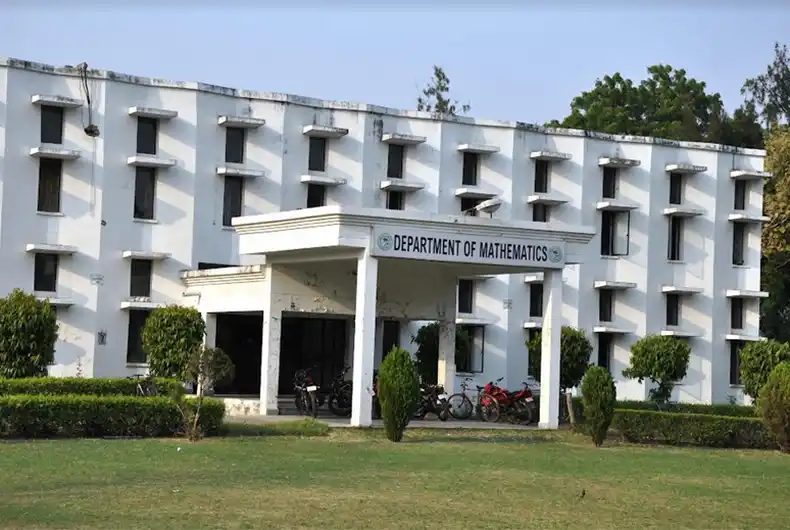
Established on January 8, 1877, AMU Mathematics Department is one of the oldest in the university.

AMU Dept of Mathematics Declared Number One in India

Aligarh: 

Up-scaling on the graph of achievements among the best departments of Mathematics in the country, the Department of Mathematics, Aligarh Muslim University has become number one in India, taking a big leap to 137th position from the 175th in 2022, according to the Best Global Universities for Mathematics in India.

The latest ranking has been published by the U.S. News and World Report 2023.

Where AMU Maths Dept Stands?

Prof Mohammad Ashraf, Chairman of the Department said the AMU Mathematics Department’s progress is evident from an outstanding overall subject score of 56.8, positioning it at the top most on the national level followed by TIFR, whose ranking is 324 worldwide.

The third position is secured by the ISI, Kolkata with a ranking of 342, and the fourth by IIT Kanpur whose ranking in world list is 352.

On the other hand, IIT Madras and IISC Bangalore are at fifth and sixth positions with ranking 372 and 384 respectively. There are only six institutions of India on the list.

“Our achievement in this important global ranking is a testimony to the several years of dedicated efforts from our faculty and research scholars to enhance the ranking of the department. It is an accomplishment that could truly change the trajectory of the Department’s future”, Prof Mohammad Ashraf said.

“The department’s recognition also highlights the caliber of mathematics education and it is a testament to the impact of our teaching and research in India on the global stage”, he added.

One of the oldest departments in AMU

Prof Ashraf pointed out that the department is one of the oldest departments of studies in the university with its foundation dating back to January 8, 1877 with the establishment of Mohammadian Anglo Oriental College, which later became a university in 1920. The department has had the honour of having the great mathematicians like J.C. Chakravarti, Dr Ziauddin Ahmad, Mr. M.A. Aziz and Mr. Abdul Majeed Kuresihy on its staff.

The US News Education monitors higher education data for the world’s research-led institutions and it is through these rankings that students all over the world make their choices for study and career.

The subject rankings, according to the US News, are powered by Clarivate Analytics, which provided the data and metrics used in the rankings and the bibliometric data are based on the Web of Science.

The bibliometric indicators used in this US News ranking analysis have been drawn over the last five-year period from 2018-22. However, the citations to these papers came from all publications up to the most recent data available.

Some of the indicators on which the ranking is based, include publications, total citations, books, conferences, number of publications that are among the 10 percent most cited, number of highly cited papers that are among the top 1 percent most cited in their respective fields, international collaborations, etc.

source: http://www.ummid.com / Ummid.com / Home> Education & Career / by ummid.com news network / September 18th, 2023

Courtyard By Marriott Bengaluru Hebbal appoints Mohammed Sirajuddin as Indian Master Chef at Nazaara

Bengaluru, KARNATAKA:

He will celebrate authenticity with traditional cooking styles in tandoor and Mughlai dishes with a selection of signature curries and biryanis from the famed royal kitchens.

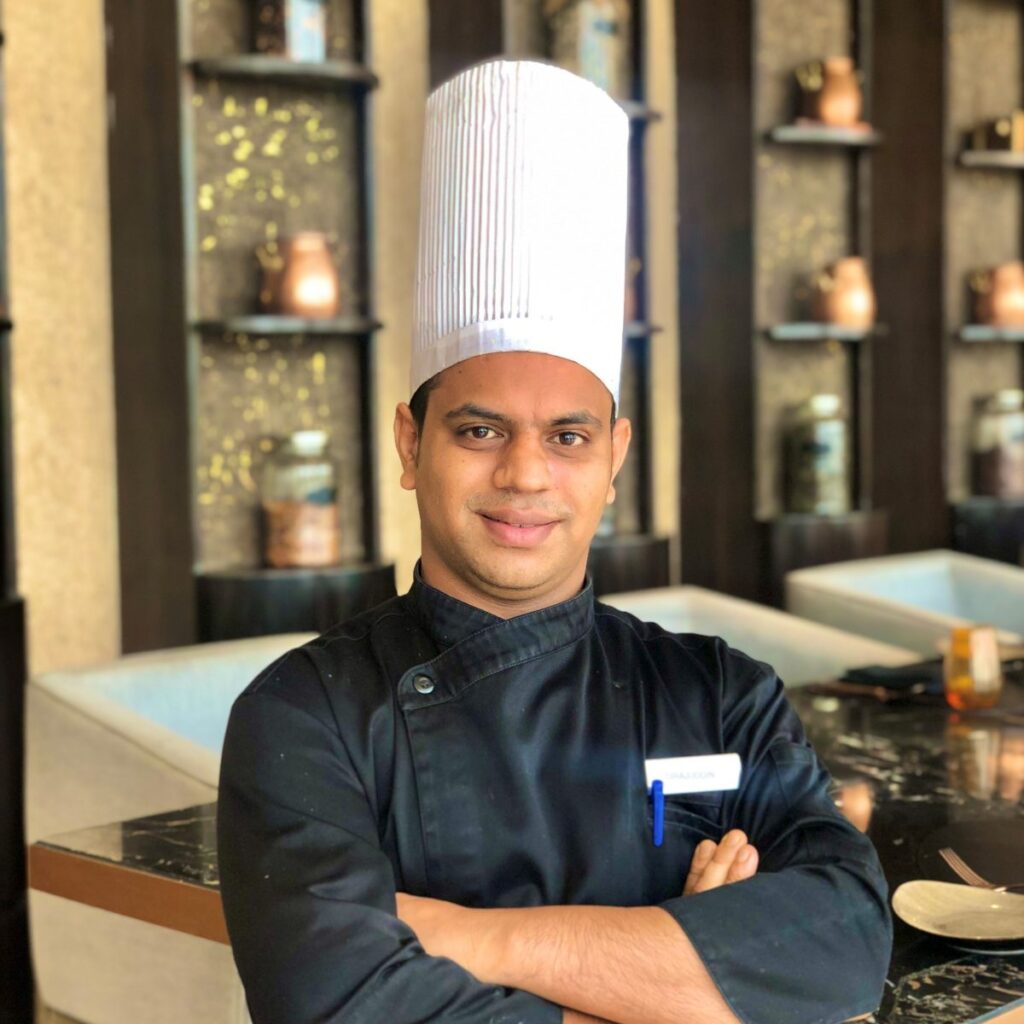
Mohammed Sirajuddin, Indian Master Chef- Nazaara, Courtyard By Marriott Bengaluru Hebbal.

Chef Mohammed Sirajuddin has been appointed as the Indian Master Chef at Nazaara, the rooftop restaurant at Courtyard by Marriott Bengaluru Hebbal . An experienced culinary professional, he is ready to spice up the gastronomic scene at Nazaara, known for its extensive offering of authentic Indian cuisine. 

In his new role, he will take the dining experience at the restaurant a notch higher, celebrating authenticity with traditional cooking styles in tandoor and Mughlai dishes with a selection of signature curries and biryanis from the famed royal kitchens.

Prior to joining Courtyard By Mariott Bengaluru Hebbal , Sirajuddin was associated with JW Marriott Mumbai Juhu, where he began his culinary journey and mastered the intricacies of the art of cooking. At Courtyard By Marriot Bengaluru Hebbal, Chef Sirjauddin will spearhead the operations at Nazaara. With his immense passion for aesthetics and love for Indian and Mughlai Cuisine, he will play a crucial role in enhancing the skills of his team and further elevating the dining experience for the patrons.

He will also be responsible for the smooth and safe running of the kitchen operations while ensuring all health and safety and service standards are being enforced. He enjoys engaging with his guests and presenting his dishes while recounting the unique history and tradition behind each dish.

When not at work, Chef Sirajuddin spends his quality time cooking for his family and playing cricket. He loves travelling and listening to music.

source: http://www.hotelierindia.com / Hotelier India / Home> Operations / by Staff Writer / April 25th, 2022

Wali Rahmani, 23, is close to setting up 100 schools for poor Muslim children

WEST BENGAL:

Wali Rehmani with students

The National Commission for Protection of Child Rights (NCPCR), the apex watchdog for the rights of Indian children has released stunning figures about education and poverty. It says 10 lakh people stopped going to school in 2021 because they could not pay the fees.

While most of us read it and moved on, the 23-year-old Wali Rahmani, a student of law, is working hard to change this situation. His focus is on Muslims, who have the worst record in education among the Indians.

The Kolkata-based Wali Rahmani is studying in the final year of law. He has studied at the country’s best schools, St. James, Kolkata, and Genesis Global School, Noida. As a student of the Singapore International School, he won the national-level gold medal in the turncoat debate held in Mumbai.

Wali Rehmani has set up Umeed Academy, an institution where he is trying to impart “Convernt-style” education to girls and boys who come from poor Muslim families. Soon after passing his 12th standard in 2018, he started the Umeed Foundation and his school project with 10 children.

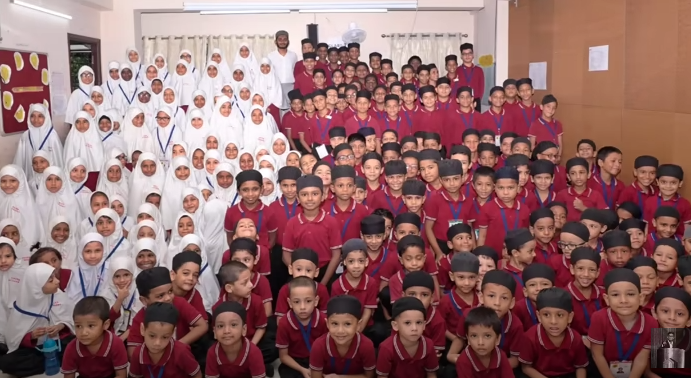
Students of Umeed Academy

Wali Rehmani’s dream is to provide A-class and “Convent-style” education to a large number of Muslim students. At present the campus of the Umeed Academy is being built on a two-acre plot near Kolkata. When completed, it will have a school, separate hostels for boys and girls, a football ground and a basketball court.

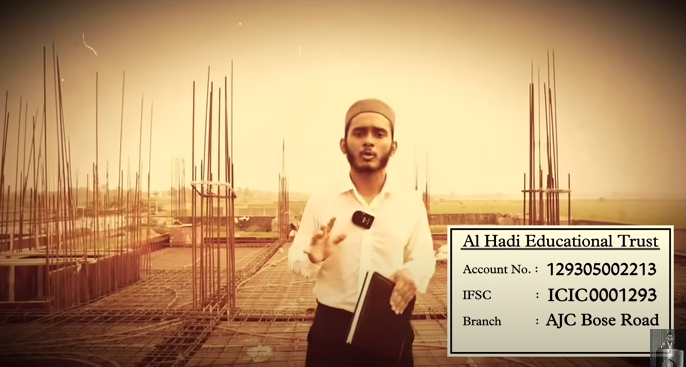
However, since all this costs money and is beyond the means of one person, Wali Rehmani has released a video on social media to raise funds transparently and innovatively. In it, he says if 10 lakh Muslims donate Rs 100 each it will raise Rs crore and give wings to his dreams and those of the children who lose the race in life because of poverty.

In the video message released on YouTube recently, Wali Rehmani tries to explain easily the figures of school dropouts among Muslims.

Besides quoting the NCPCR, he also quotes the 2019 data of the National Council for Applied Economic Resources, which says that 21 percent of the Muslims in the country are forced to live below the poverty line. The monthly income of 6 crore Indian Muslims is less than Rs 2500, while there is no data available for those earning Rs 2500 to Rs 10,000 per month.

Wali Rahmani says, in his video, that after passing his 12th standard, he decided to provide Islamic-convent education to the children of hard-working Muslim families.

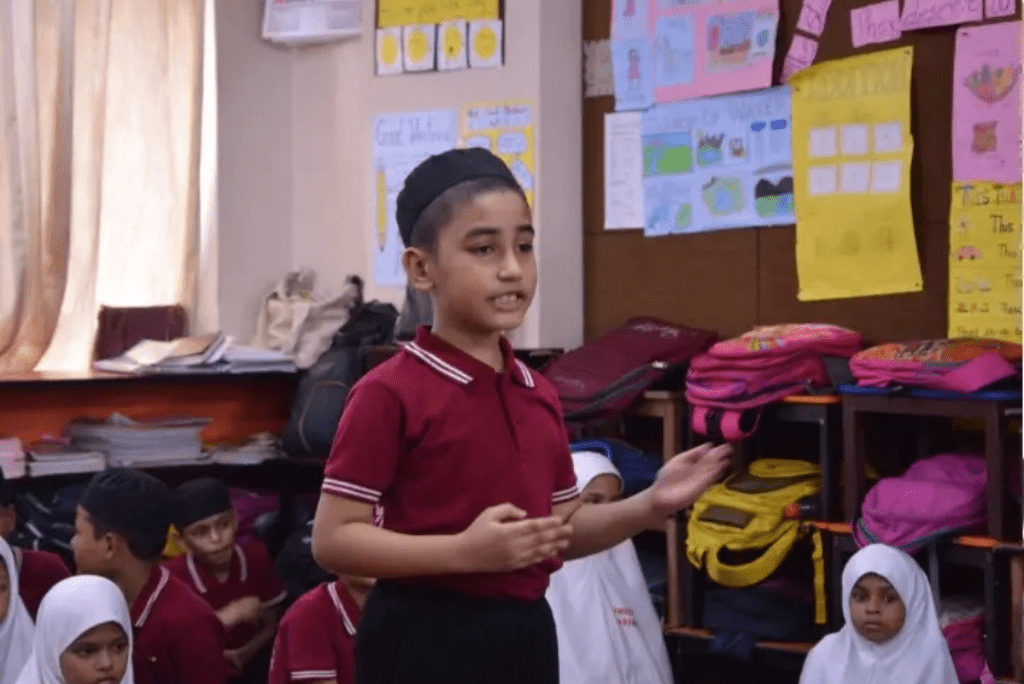
A student makes a presentation 

He says the existing Umeed Academy campus in Kolkata is small, the upcoming campus on two acres is being constructed. He says if this experiment is successful the corpus of Rs 10 crore will help him build 100 more such schools.

His message is impactful. People are donating money and his video is being shared widely on other platforms to spread the message.

As such, Wali Rahmani is a social influencer with more than one million followers on social media. He appears in various national television debates. He says his work is not ‘social work’ but his social duty.

Wali Rehmani believes that leaders are not born, they are made.

Wali Rehmani is the recipient of the Young Social Hero Award at the South India NGO Conference in 2019.

He has established the Al Hadi School Trust to carry forward the work of the school.

Wali Rahmani says Umeed Academy is not just an institution but an expression of a dream. It works towards the holistic development of destitute children and orphans and enables them to take control of their lives. “The goal is to convert these children, who are currently considered a liability into assets of the society.”

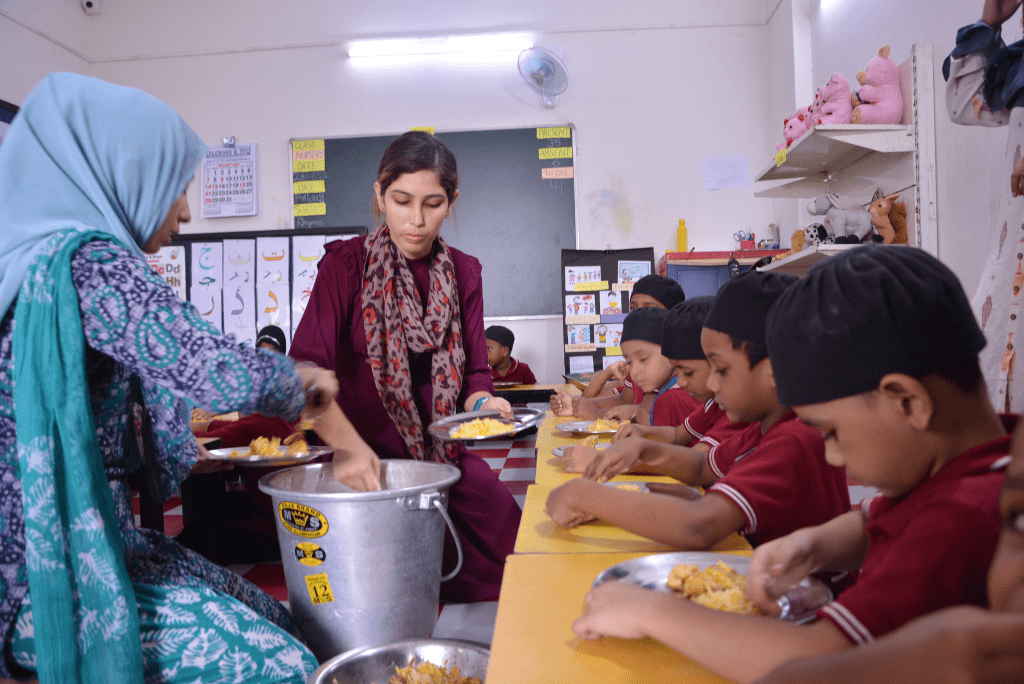
Meal time in Umeed Academy

The Ummeed Academy has a curriculum that combines worldly education and Islamic principles to inculcate the idea of civilization and spirituality at the same time.

Wali Rahmani says every child who graduates from Umeed Academy will become an institution builder and leader.

“Our mission is to promote inclusive growth by educating and skilling underprivileged children through easy access to quality education. Our objective is to bring rapid educational transformation in the weaker sections of the society who generally cannot afford to educate their children.”

The school has the CBSE and ISC curriculum. Given the background of students, they are mostly malnourished and not in good health. That aspect is also taken care of at the Academy.

The Umeed Foundation also aims to work on social problems like child marriage, sexual violence, lack of awareness about menstrual hygiene and child labour, drug addiction, and drug-induced environment faced by children from marginalized communities.

According to Wali Rahmani, Umeed Academy has adopted a holistic approach for its children. Our goal is to provide privileged education to the underprivileged. To achieve that goal, we follow the CBSE curriculum with special emphasis on outcome-based learning, discussion, debate, and interdisciplinary learning.

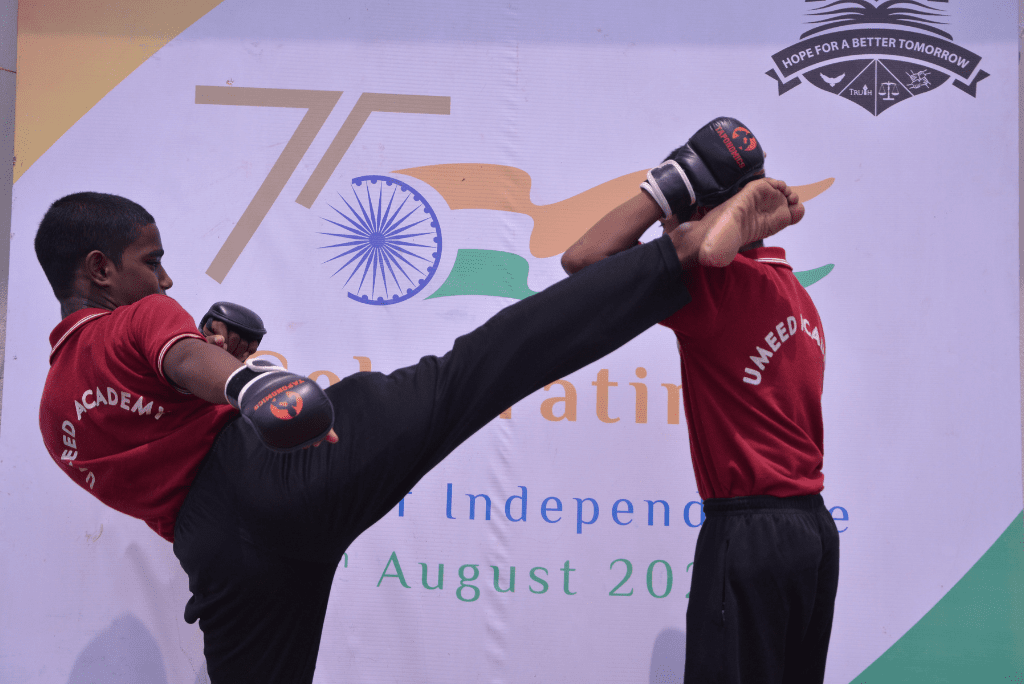
Students in the kickboxing class

We have developed a well-integrated system of curriculum, instruction, and assessment, where learning outcomes, teaching objectives, and goals are clearly defined for teachers.

The lesson plans are divided into three categories. Smart classes are installed in all the classrooms. We believe in visual and auditory learning. Muslim children are taught Quran recitation, Islamic history, Seera, Dua, Hadith, and Islamic etiquette.Rehmani says he is proud of the fact that the children have a glow on their faces because of the good and nutritious food provided to them at the academy.

The students also also taught kickboxing as a means to defend themselves. He says most children have faced sexual and domestic violence and kickboxing empowers them and makes them bodily and mentally stronger. They also learn martial arts from coach Noor Muhammad Bhutia.

Wali Rahmani says, “We have introduced research and presentation as a part of our curriculum, which mainly focuses on subjects like science and social studies.’

According to Wali Rehman, the foundation of our curriculum is to impart ethics and values. We want to give our children a healthy environment where they can develop unique personalities. Besides, research and presentation are also part of the curriculum.

Wali Rehmani offering bank details for donation

The Academy has developed a well-integrated system of curriculum, instruction, and assessment, where learning outcomes, teaching objectives, and goals are clearly defined for teachers.

The lesson plans are divided into three categories. Smart classes are installed in all the classrooms. We believe in visual and auditory learning. Muslim children are taught Quran recitation, Islamic history, SeeraDuaHadith, and Islamic etiquette.

curriculum, instruction, and assessment, where learning outcomes, teaching objectives, and goals are clearly defined for teachers.

The lesson plans are divided into three categories. Smart classes are installed in all the classrooms. We believe in visual and auditory learning. Muslim children are taught Quran recitation, Islamic history, Seera, Dua, Hadith, and Islamic etiquette.

“Our children come from dark backgrounds, which have distorted them in some way or the other. Most of all, we want our children to grow up as kind and decent human beings. We tell children the difference between good and bad and right and wrong,” Wali Rehmani said.

Every morning, children attend an assembly where morals and values are taught. Along with education, teachers also work with children on language skills, basic etiquette, table manners, politeness, love, compassion, kindness, agreement, caring, appreciation, and integrity.

Umeed initially visited underdeveloped target areas to promote a clean, hygienic environment and safe drinking water, but as time passed, our team learned about all the social issues that come with illiteracy.

Today, apart from providing exemplary education, our efforts are also towards addressing social issues like child labor, child marriage, sexual and domestic abuse, and substance abuse.

Studies have shown that almost 70 percent of girls do not know anything about the menstrual cycle before their first menstruation. So the girls in the school learn about this biological process well in time to remain prepared to handle it.

source: http://www.awazthevoice.in / Awaz, The Voice / Home> Story / by Malick Asghar Hashmi, New Delhi / September 19th, 2023

Mangaluru: Industrialist Usman Kukkady passes away

Mangaluru, KARNATAKA:

Mangaluru: 

Industrialist and Philanthropist Usman Kukkady breathed his last at a private hospital in the city on Monday night following brief illness. 

Kukkady, aged 56, was a respected industrialist, and also served as the Deputy Governor of Rotary International, and was partner in Uno Pack Industries and Plama Plywood.

Hailing from the popular Kukkady family of Baikampady, Usman Kukkady had earned a reputation not only for his business achievements but also for his dedication to social work.

He is survived by his wife, one son, one daughter and a large circle of relatives and friends. 

The mortal remains of Usman Kukkady have been kept at his brother, Abdul Kader Kukkady’s residence near Surathkal Vidyadayini School. The final rites are scheduled to be held at Idgah Masjid, Krishnapura 7th Block at 11 am on Tuesday, said family sources.

source: http://www.varthabharati.in / Vartha Bharati / Home> Karavali / by Vartha Bharati / September 18th, 2023

Snacking: How an IT worker changed the snack game in Hyderabad

Hyderabad, TELANGANA:

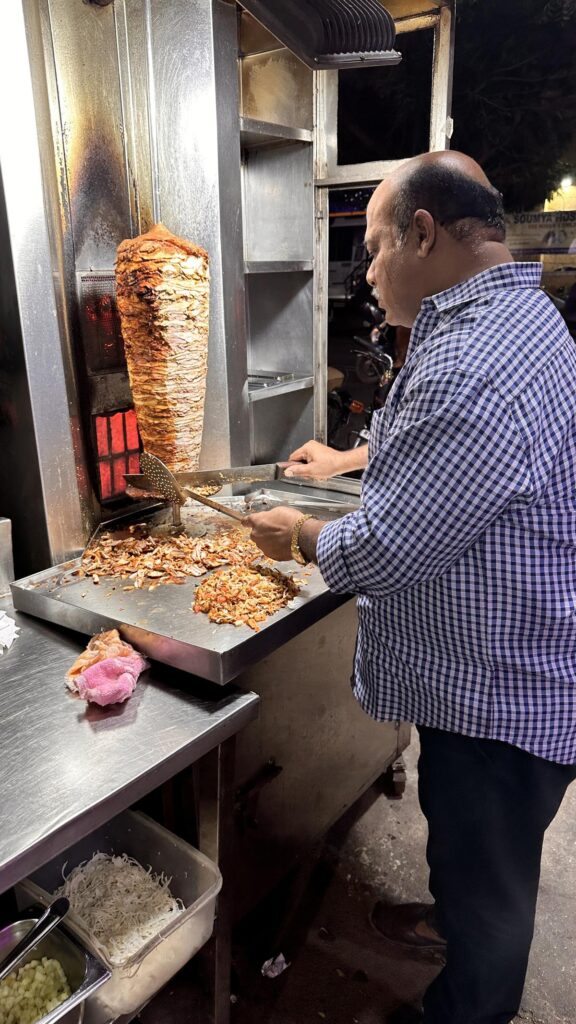
Idris Khan Mohammed, who runs the popular Mohammedia Shawarma, gets candid about his small business journey.

Idris Mohammed Khan shows how the perfect shawarma is made. | Photo Credit: Serish Nanisetti

Hyderabad, which is known for biryani, haleem, mirchi bajji and Irani chai has a new contender in popularity: the shawarma. The credit largely goes to one man — Idris Khan Mohammed. He is an elusive man but the brand he has created —Mohammedia Shawarma — is everywhere in Hyderabad. 

His food can be found across the city, in malls, on street corners, and restaurants. In the evening, he sits in a small cubicle reached by a fire-escape and watches the CCTV feed of his dozens outlets. “I start my day at 4 a.m. to supervise the arrival of meat from three chicken producers. I check the quality of all the ingredients to ensure that my outlets have the same quality, be it in Qadeer Bagh or DD Colony,” says Mr. Khan. 

Beginning as a DTP operator in a financial firm, Mr. Khan dabbled in real estate until the 2009 Telangana agitation crushed his plans. Mr. Khan took the calculated risk of starting a small business. “I realised that shawarma as a snack requires very little investment. But it was available only in two or three places in the city. I decided I can do this business with a low investment.” He invested ₹80,000 in 2011 and started the business in the Qadeer Bagh area just beside the place where he has his office now. 

“I used to use one or two chickens. Make the preparation at home and bring it here. Before this, I had never cooked salan (curry) or even entered the kitchen. Some days, I sold one. Other days I could not sell any,” says Mr. Khan. He tried to hire an expert chef but to no avail. “Then I turned to YouTube and watched hundreds of videos and noted down the ingredients. I noted they had 30 ingredients in common. I got my formula by tweaking them. Using that information, I turned around my business,” says Mr. Khan who now uses 40 kilograms of green chillies every day for the marination process. 

Shawarma is a middle-eastern dish that uses a vertical rotisserie to turn and roast thin slices of meat which is used as a filling, along with mayonnaise and chopped vegetables to stuff bread and served as a roll. Idris had spiced it up with chillies and turned it into an appetising and filling snack that is popular among the younger people who eat on their bikes and scroll through Instagram reels and YouTube videos about food.

“By 2013, people started enjoying my shawarma and I had to start a token system as the crowd became unmanageable. The kitchen of my rented house was not big enough to cook so much food,” says Mr. Khan. He bought a larger premises and built a warehouse as well as a palatial home in an area known as Golden Heights. How many shawarmas does he sell? Mr. Khan remains tightlipped about the figure. But a back of envelope calculation yields a figure upwards of 10,000 per day.

Now there are dozens of franchisees who invest money and lease premises while Mr. Khan provides the chefs and processed food. For a man who began with a hired help, a scooter and a kitchen in a rented house; Mr. Khan now employs hundreds of people who source, process, cook, slice up meat, and deliver his shawarmas through the city. 

source: http://www.thehindu.com / The Hindu / Home> News> India> Telangana / by Serish Nanisetti / September 16th, 2023

In India, 1,000 Tipu Sultan-era ancient rockets to be showcased in museum

KARNATAKA:

India rocket musuem
These were the first iron-cased rockets used in the military thus paving the way for rockets use around the world. (Supplied)

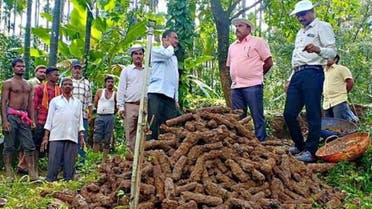
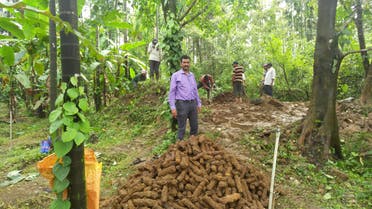
More than 1,000 unused rockets of India’s freedom fighter Tipu Sultan’s era found toward the end of July this year, will now be showcased at a newly created rocket gallery at the museum at Shivappa Nayaka Palace in Shivamogga city in the state of Karnataka.

The gallery, named as Bidanur Rocket Gallery after the famous Bidanur Fort at Nagar in Hosanagar taluk of Shivamogga district, will open to receive visitors in October.

Visitors will be able to feast on the rockets used by Tipu Sultan, the illustrious son of Karnataka, who was known as “Tiger of Mysore” for his daring acts against the British who ruled India then.

India rocket musuem
India rocket musuem

Bidanur served as an important administrative centre of Mysore State (renamed as Karnataka) and Tipu Sultan had even established a mint and an armory here.

Speaking to Al Arabiya English, R. Shejeshwara, Assistant Director of the Department of Archaeology, Museums and Heritage, said that the findings were discovered during a field excavation at a farmer’s well in Nagara village in Hosnagar Taluk, Shivamogga district, conducted by Department of Archeology, Museums and Heritage.

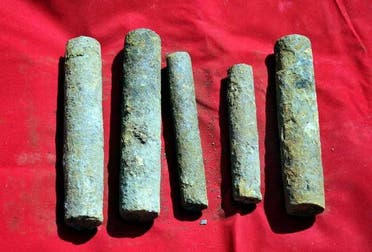
He said, “the shape of a cylinder and having a fuse at one end reveal that these rockets were used during the eighteenth century AD during Tipu’s time. Each unused rocket is of 7 to 10 inches in length and 1 to 3 meter in diameter and are rusted because of continuous exposure to soil moisture”.

India rocket musuem
India rocket musuem

Shejeshwara further said that like the earlier rockets found in 2002, those recovered recently also are iron-cased with black powder, a mixture of sulfur, charcoal and potassium nitrate filled inside. The 15-member crew of archaeologists, excavators and laborers took three days to unearth the armory and the ammunition.

Shejeshwara said that after the fourth Anglo-Mysore War, it is likely that Tipu’s army, stationed in Nagara, could have dumped the rockets in the well to prevent them from getting into the hands of the East India Company.

The media spotlight on the recent findings speaks volumes about how this powerful 18th century ruler of Mysore is remembered. Mysore under Tipu stood as a bulwark against the British.

Tipu conceptualized, designed and manufactured cylindrical iron tubes that ensured for great compression of the filled gunpowder and consequently, greater range (nearly 2 km). The brave freedom fighter then fastened them to swords or bamboo poles to provide stability, that would, in turn, lead to better accuracy.

Fitted with sharpnels that traveled a considerable distance, these air-borne weapons would target the enemy with edges of the sharpnels facing them.

India rocket musuem
India rocket musuem

These were the first iron-cased rockets used in the military thus paving the way for rockets use around the world.

The first rocket, which was fired by Tipu Sultan in 1792 against the British forces, is displayed at the British Museum. Though the British lost the war, they have exhibited the rocket.

After being the victims of these innovative locally-crafted rockets, the British eventually adopted the technology. Tipu Sultan wrote a military manual called Fathul Mujahideen in which he explains that 200 rocket men were assigned to each Mysorean cushoon (brigade).

Little wonder then the credit for developing the first-ever iron-clad rockets goes to Tipu Sultan and they were successfully deployed for military use.

In the Battle of Pollilur (the Second Anglo-Mysore War in 1780), Tipu’s rockets set afire the East India Company’s ammunition dumps. It was the British Army’s one of the worst ever defeats in India.

India rocket musuem
India rocket musuem

It may be recalled that a set of 24 rare and rediscovered preparatory paintings depicting the Battle of Pollilur was sold to a bidder for £769,250 at the Sotheby’s biannual Arts of the Islamic World Sale in 2010. The Britishers described these rockets filled with gunpowder on swords as “flying plagues”.

Tipu took advantage of them and established four taramandalpets (star-cluster bazaars, a name that refers to the pattern of mid-air explosions of these rockets that then pounded shrapnel on the enemy) at Srirangapatna, Bidanur, Chitradurga, and Bangalore to conduct research on Mysore rocket technology.

The armory in Kalasipalyam in Bangalore was among the four that were constructed by Tipu Sultan to store ammunition. The 18th century armory that housed the famed rockets of Tipu Sultan is hardly known.

After the death of Tipu in 1799, the British Army discovered as many as 600 launchers, 700 serviceable rockets and 9,000 empty rockets at Tipu’s fort.

One of the major beneficiary was the Royal Artillery Museum in Woolwich in the UK. The powerful ruler was killed in the fourth Anglo-Mysore war in 1799 after a slew of victories in battle against the British.

http://www.english.alarabiya.net / AlArabiya News / Home> Life > Travel & Tourism / by Aftab Alam Kola / August 09th, 2018