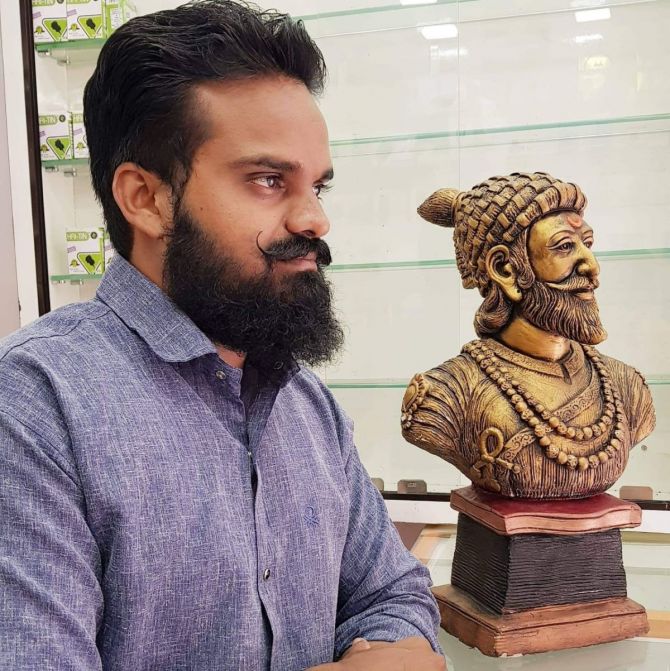
In the present day world, where the number of birds and animals is dwindling fast due to environmental issues and man-made calamities, a bird lover has made an attempt to provide shelter to sparrows at his home.
Salauddin, class I civil contractor of Manvi town of the district, is the Good Samaritan, who has given shelter to sparrows in his house for the past four and a half years. He has installed bamboo, tires, pots etc and feeds water and food to these birds through these equipment. In addition, he has built a small house for these birds. The birds use water and have food in this house. Salauddin is well known for his love of birds in the district like another bird lover Saleem Ali.
Salauddin’s house has become a tourist spot. Everyday hundreds of school children visit his house during school days.
Salauddin says that protecting the birds is his aim. In addition to sparrows, he also has Myna, Robin and Bulbul birds making nests in his house. His wife and children provide him full support in his noble work.
Salauddin opines that birds and animals have as much right to live on this earth as human beings. He says that everyone has to at least make arrangements to provide water to birds especially during summer.
source: http://www.daijiworld.com / Daijiworld.com / Home> Top Stories / by Daijiworld Media Network – Raichur (MS) / August 14th, 2021
As a child, Ayesha Fatima aspired to become a doctor. But all her dreams were shattered when the most trusted and loving person in her life- her father, abandoned her at a very young age. Survival became a tough battle. The responsibility of feeding the family fell on Ayesha who gave up her studies and started working as a salesgirl for a minimal salary.
Ayesha then turned to Rubina Nafees Fatima and her NGO – SAFA, for help. She joined the ITES course for training and later got placed as a data entry operator at a private company. “The course changed my life,” she says.
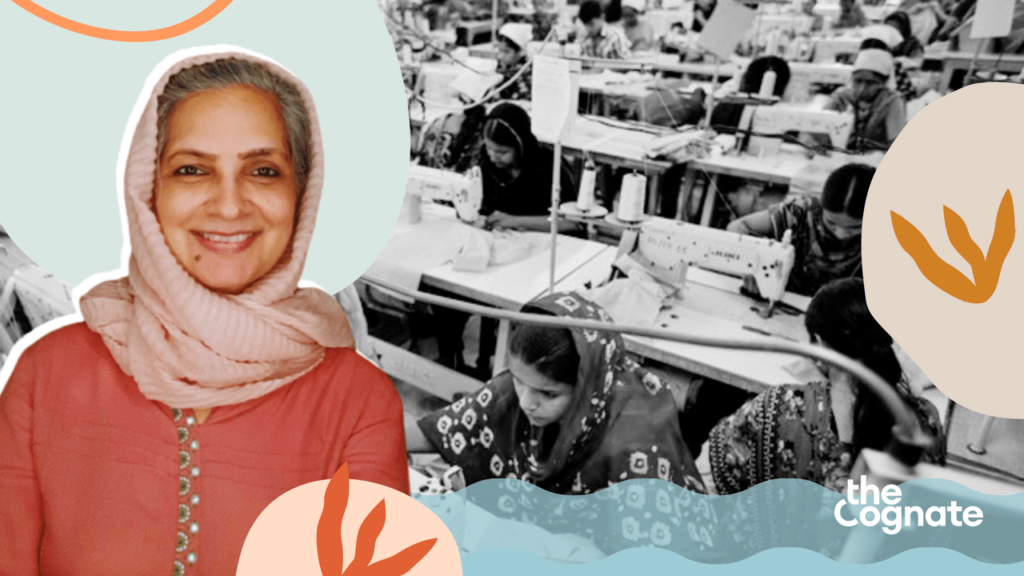
Since 2006, Rubina Nafees Fatima’s Hyderabad-based organisation, SAFA, has helped thousands of women and youth from marginalized, socio-economically backward communities by empowering them to earn livelihoods through education and skill training and capacity building.
Rubina is a determined woman and a passionate social worker. She was conferred with the FLO Women Achievers award by the Federation of Indian Chamber of Commerce (FICCI) towards ‘empowering women to bring about a change in society’, the Social Enterprise award for ‘social impact’ by the Deshpande Foundation and the Australia Award by the Export Council, government of Australia.
‘Proud Muslim Woman’
Rubina believes that it is the duty of every Muslim woman to contribute positively to society.
“Women need to assert themselves- within their families and also in the outside world- they need to be proud of their culture, their heritage and everything about themselves.”
“Be a proud Muslim woman,” she says.
Rubina grew up with four sisters. “My father encouraged us all to be extremely independent. I believe economic independence is a freedom that every woman should have”, she says, adding that this led her to believe that women need to have a suitable platform to utilize their potential. “To first realise their potential and then use it to the maximum.”
A Leap Of Faith
“I was generally looking around for avenues and how I can contribute my bit, I feel it’s my duty, as an educated Muslim woman,” says Rubina who has been an active volunteer in various development programs since her college days. “I wanted to be working with Muslim women, largely because I feel I know the dynamics of the community. I feel, being a part of the community, I understand the challenges of the community. I know where the roadblocks are,” she says.
Rubina had initially set up a commercial venture for training and placements in Hyderabad. “I had to shut that down because I wanted to get into SAFA full-time. This didn’t make many people happy in my network,” she recounts.
“After the initial three years, I was on the verge of a shutdown. I picked a very difficult slum in Hyderabad. The crime rate was very high over there. No NGO had worked there for decades, as they felt they would not see any results,” Rubina says while narrating how the absence of a team and funding caused her to almost give up.
“But then I took a leap of faith,” she says.
“In each phase, there have been a different set of challenges and we continue to have them. It never stops. But I feel it builds our resilience, to face the many more to come,” Rubina adds.
SAFA has been conferred with the ‘e-NGO Challenge Award’ in the Southeast Asia category by Digital Empowerment Foundation and the Manava Seva Dharma Samvardhani – Fellowship Award. It was titled the ‘Pride Of Telangana’ by Round Table India in the ‘emerging NGO category’ and the ‘Trendsetter Award’ for innovative practices in Urban livelihoods by United Way Hyderabad.
‘Women Were Not Even Allowed To Come To Our Training Centres’
SAFA’s vision is to bring about change whilst retaining the cultural ethos of the community. Women are also given the freedom to work from home after being trained. “Our processes are designed in such a way that if the woman has a machine at home, she can work from home and give us the products,” Rubina says.
“Initially, women were not even allowed to come to our training centres,” she recounts.
“We were very open in talking to the male members of the family and addressed the concerns they had about letting the woman come in and get trained. Men could have some insecurities that stop them from encouraging women to go to training centres and NGOs, it could also be a concern for the woman’s safety, coupled with the socio-cultural context.”
Rubina stresses the need for Muslims to talk about the issues that exist in the community. “In the urban slums of Hyderabad, every second home has an alcoholic husband. Why aren’t there any detox centres for Muslim men? Why are we still sweeping our issues under the carpet,” she asks, adding that “these issues will only get worse if left unaddressed.”
SAFA’s Empowerment Initiatives
Rubina, along with her team at SAFA are currently working on 14 three-year-long projects.
SAFA sets up skill training centres for women and youth who drop out of college or have discontinued school education. They are later connected to jobs. Currently, SAFA runs seven skills training centres in Hyderabad.
However, for semi-literate and illiterate women, SAFA trains them in culinary skills and tailoring. These women are later employed at Luqma Kitchens, a packaged food and catering service run by SAFA or Artizania – a manufacturing unit for apparel and eco-friendly lifestyle products.
“The end result is that women need to be engaged in some kind of a meaningful income generation in order to make a decent living,” Rubina says.
‘Luqma’ was launched to empower underprivileged women through a commercial community kitchen. It currently functions with two kitchens in the slums of Hyderabad, catering to fresh traditional Hyderabadi food and packaged products.
“Luqma is not just about food, it’s about the empowerment and livelihood of women. Most women working here are victims of domestic violence, deserted or abandoned and from below the poverty line,” she says. These women are trained in basic culinary skills by expert chefs and can cook up to 400 meals at a time.
Right next to the kitchen, is a space that can accommodate about 20-25 people – the Luqma Studio, which Nafis Fatima says is a ‘safe space’ for Muslim women. “Activists have been telling me that Muslim women are still reclusive and it’s challenging to find ways to interact with them. So, I thought why not create an open and safe space for them?”
Women from different communities engage in discussions on social and political issues at Luqma Studio. “Largely I want to bust stereotypes of Muslim women. I feel other communities do not get a chance to know about Muslims, especially Muslim women. The moment they think of Muslim women, they start stereotyping- they are the victims of patriarchy, are an oppressed group and other such notions,” she says.
The studio works as a platform for Muslim women to unwind, engage in dialogue, network, exchange ideas, and find out about other communities.
SAFA also helps in setting up micro-enterprises for women and connects them to banks for larger loans. With capital as little as 10,000 women have started small shops, tailoring shops and grocery stores.
Many Muslim women don’t even have bank accounts, especially those who hail from poor conditions. “All our women have bank accounts, now,” she says.
SAFA also runs self-help groups across Hyderabad, largely for Muslim women. “Despite 45,000 self-help groups existing on city records. Very few of them have Muslim women,” Rubina says.
With many more women approaching SAFA, their network and impact on the social landscape of Hyderabad is increasing by the day.
NOTE: SAFA is looking to expand its social enterprise product sales in India and abroad and looking for partners. You can reach them at rubina@safaindia.org / 9866174665 or visit their website www.safaindia.org
source: http://www.thecognate.com / The Cognate / Home> People / by Rushda Fatima Khan / August 11th, 2021
A non-resident Indian healthcare entrepreneur based in the United Arab Emirates on Monday announced a Rs one crore cash reward for the Indian men’s hockey team goalkeeper P R Sreejesh
P R Sreejesh, Indian men’s hockey goalkeeper
A non-resident Indian healthcare entrepreneur based in the United Arab Emirates on Monday announced a Rs one crore cash reward for the Indian men’s hockey team goalkeeper P R Sreejesh.
The announcement by Dr. Shamsheer Vayalil comes days after the Indian men’s team won the bronze medal at the recently concluded Tokyo Olympics.
Sreejesh, who belongs to Kerala, pulled off a series of stunning saves to help the country win its first Olympic medal in hockey after 41 years.
“Through his outstanding performance at the Olympics, Sreejesh has brought joy to Indians around the world. As a fellow Malayali, I take tremendous pride in his achievement,” Vayalil, Chairman and Managing Director of VPS Healthcare, was quoted as saying in a media release.
Vayalil also called Sreejesh to congratulate him for his exemplary performance.
Dr. Shamsheer has congratulated the entire team for this great achievement and offered his support to us. The announcement of the Rs. 1 crore reward caught me by surprise. A reward for winning a medal in the Olympics is delightful news and I feel very fortunate to be the recipient, said Sreejesh.
Over the last two decades, Sreejesh has carved a niche for himself in the field of hockey. Entering the junior national hockey team in the early 2000s, Sreejesh worked hard to make his way to the national team.
He also served as the captain of the national team in 2016. His quick reflexes and consistent performance have earned him the moniker The Great Wall of India’.
Sreejesh, who returns to India on Monday after the successful Tokyo campaign, will be presented with the cash prize at a special function in Kochi.
(Only the headline and picture of this report may have been reworked by the Business Standard staff; the rest of the content is auto-generated from a syndicated feed.)
source: http://www.business-standard.com / Business Standard / Home> Sports> Tokyo Olympics 2020> News / by Press Trust of India, Dubai / August 09th, 2021
OT is addition to a Primary care, dental chair, Community ophthalmology, NCD Desk it runs for the weaker sections free of cost.
The minor OT, which formally launched on Saturday in Masjid Omer-al-Shifa, located in Saif colony, Shaheenagar
Hyderabad:
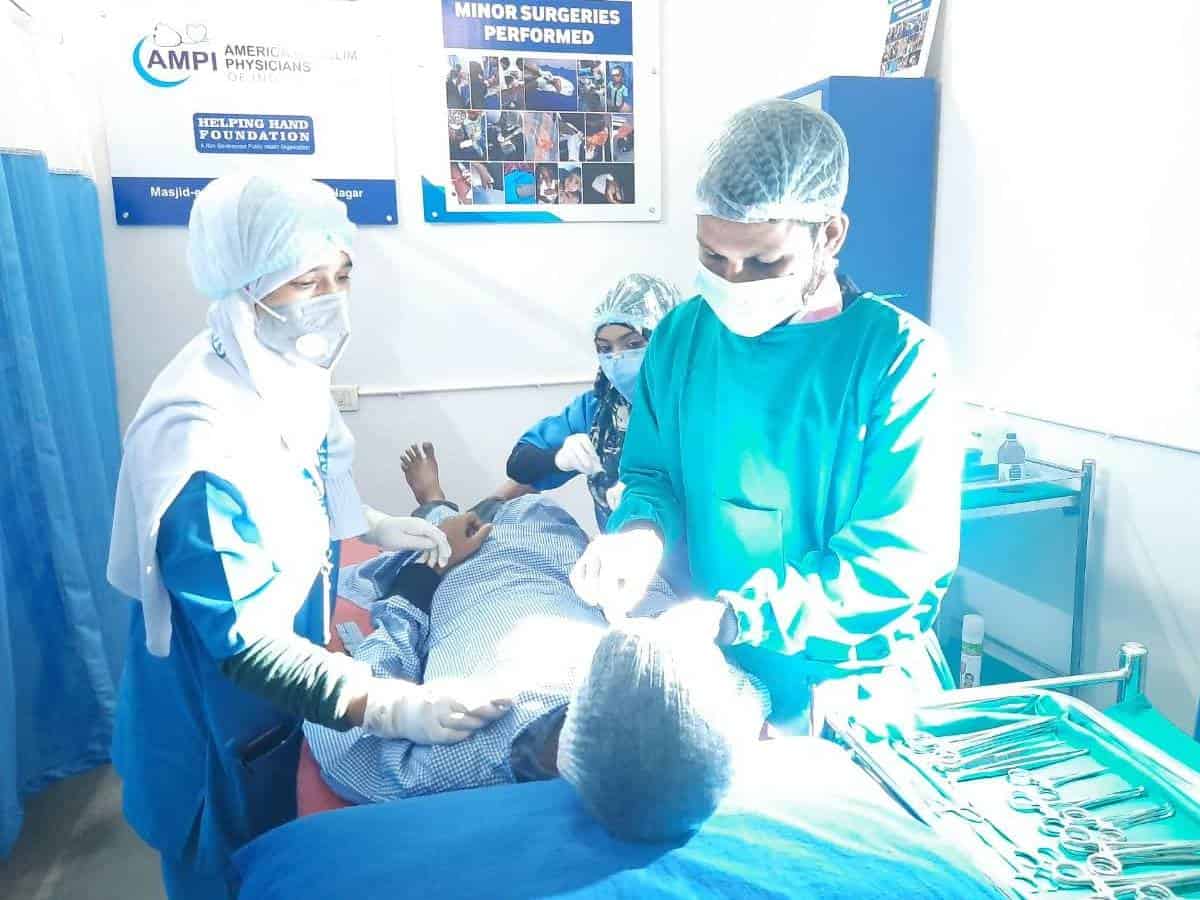
In a first of its kind initiative, a primary health care center run by a non-governmental organization (NGO), in Masjid Omer-al-Shifa, located in Saif colony, Shaheenagar has now set up a full-fledged operation theater (OT) for minor surgeries.
The minor OT, which was formally launched on Saturday will have state of the art equipment like surgery table, OT lights, advanced instrumentation, bio-waste disposal process for keeping good hygiene and sanitation for patient safety.
OT is addition to a primary care, dental chair, community ophthalmology, non-communicable disease desk it runs for the weaker sections free of cost.
The primary health care center run by the NGO Helping Hand Foundation (HHF).
All minor surgeries with pre-surgical profile and post op medicines will be given free of charge by HHF to all patients regardless of their caste or creed.
Most areas surrounding the health center have faced inundation last year October and continue to face problems of overflowing drains, nalas and flooding. Consequently, these slums are endemic to water borne and skin diseases.
The HHF in collaboration with AMPI (american muslim physicians of Indian origin), USA, is catering to the primary health care needs for over 20 urban slums since December, 2020.
With an average foot fall of seven hundred patients per day, it was observed that a significant number of patients suffering from diabetes, hypertension and other chronic diseases are having complications that require surgical procedures, which many cannot afford.
As per the survey done by the NGO, three per cent of the diabetics visiting the center had diabetic foot that very quickly translates into gangrene if untreated.
Cases of patients with Corns, Lipomas, Keloids, in growing nails, benign fibroadenomas, burning wounds, sebaceous cysts, non-healing ulcers are were also commonly seen in the center.
So far, 25 minor surgeries have been performed.
“Due to lack of awareness, poor hygiene and non-compliance to treatment many patients are landing in complications that require surgical intervention,” said Dr Arif Hussain, general surgeon at the clinic.
“Once a patient lands into complication the treatment for such conditions is prolonged and expensive and since majority of the patients are daily wagers with little saving, they tend to neglect resulting in devastating consequences,” said Mujtaba Hasan Askari, Helping Hand Foundation.
source: http://www.siasat.com / The Siasat Daily / Home> News> Hyderabad News / by Sakina Fatima / August 07th, 2021
Launch of centralized call center and formation of teams for rehabilitation for the flood victims
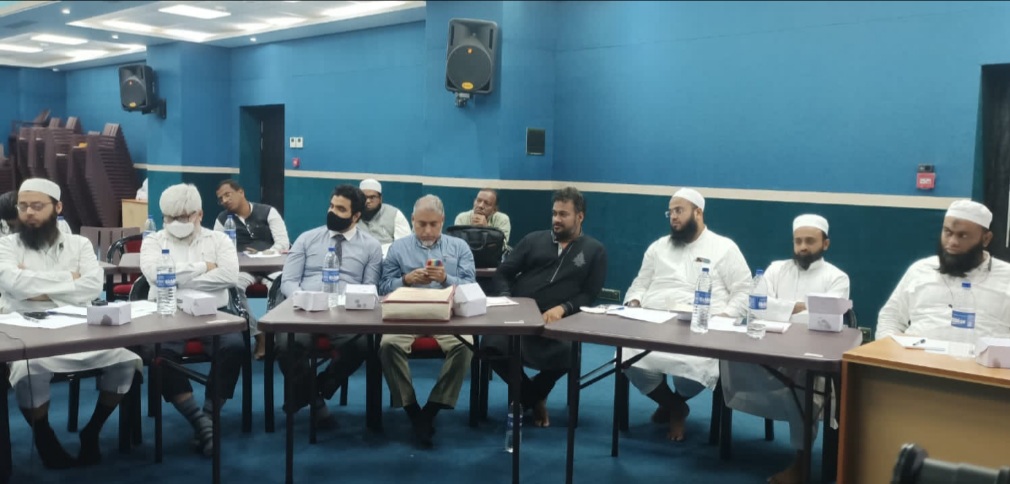
A meeting of community leaders and representative of various NGOs held in Haj House in Mumbai to support the flood victims of the Konkan region mainly Chiplun, Khed and Mahad. Notably, Mumbai has not geographical connection but also a spiritual connection with Konkan region, so the Mumbaikars’ heartbeat is a bit faster on the tragic situation of Konkan region.
Konkan flooded region is not only concerned in Mumbai and Maharashtra but also abroad countries for the relief work due to the flood damage, so the organizers made it very clear at the beginning of the meeting that the local NGOs and social workers of Mahad, Khed, and Chiplun and their associations have been working hard from day one to bring back the flood-affected areas. This meeting is aimed to make better communication and coordination between the ongoing work in the affected areas, for fruitful results, so that whatever is done on the ground with the help of Mumbaikars can be fruitful.
Among the issues came under discussion over which consensus was made:
A call center will be established through which all the working people and social organizations will be contacted to further organize the relief work in the Konkan region. wherein Information on the affected areas will also be collected in this call center. The Call center will also provide database assistance to relief and rehabilitation workers. This call center will work in collaboration with all national and social organizations. It will not be affected by any particular organization or specific party. There will be a joint liaison platform for all organizations and government agencies for Konkan relief work. To ensure this call center as soon as possible, all the participants expressed their support and a plan of action was drawn up for its immediate establishment.
During the discussion in the meeting, there were concerns over efforts to ensure the reconstruction of flood-damaged Kokni families by all possible means of rehabilitation, and a team was set up to prepare a report on the damaged houses and shops, which is very important.
Survey and panchnama team, who will start working with the following personalities: 1) Kazim Malik. 2) Ejaz Pendlikar 3) Abdul Haseeb Bhatkar 4) Mubashir Jamadar 5) Shakir Sheikh 6) Yasin Dalvi 7) Arif Malaji
For the next legal action of relief, a permanent team was selected to represent the government and non-government affairs of permanent relief and rehabilitation work.
The Legal team is as follows: 1) Saleem Alware 2) Amin Solkar 3) Shadab Kate 4) Farid Sheikh Peace Committee 5) Mushtaq Dalvi 6) Dr. Danish Lambe 7) Faqir Muhammad Thakur.
In addition, another very important and useful thing is the establishment of the Federation of Konkani NGOs, which will liaise with the presidents and secretaries of all All jamaats and organizations working in Konkan. And will work with them to move things forward.
The Relief team following dignitaries from Mumbai are currently the only ones to be named for this federation, with room for further expansion: 1) Prof. Sirajuddin Chogle, 2) Mufti Mohammad Ashfaq Qazi Jamia Masjid Mumbai 3) Mufti Abdul Ahad Falahi, Patharwali Masjid, Mohammad Ali Road, 4) Abdul Aziz Mahate 5) Shoaib Khatib Chairman Jamia Masjid Bombay 6) Dr. Wasim Phophlonkar 7) Imran Alvi 8 (Mufti Yahya Moin 9) Mufti Tahir Chauhan 10) Amin Solkar. 11) Abdul Haseeb Bhatkar
All of these people were already working hard and selflessly for the welfare of Konkan. Now all the work is being streamlined and the scope of work is being expanded to streamline government agencies. In which it is established that at the local level Chiplun, Mahad, and Khed as well as at the party level, found social and religious organizations such as, Leaders of Anjuman-e-Dardmandan, Tablighi Jamaat, Jamiat Ulema-i-Hind, and local units of Jamaat-e-Islami, Jamiat Ahle Hadith, Jamiat Ahl-e-Sunnat and Jamaat will continue to be included in them.
It will also liaise with committees and local Kokan officials and representatives of the federation who are already working there, e.g. Rafiq Purkar, Khalid Parkar, Yasin Dalvi, Maulana Sadiq Mastri Chiplun, Mufti Anwar Khan Sargroh Ratnagiri, Qazi Hussain Mahamkar Shrivardhan Mufti Umar Dhamskar Pimpli, Maulana Abdul Salam Jalal Raigarh And with other responsible gentlemen whose names are difficult to cover in this report, the work will be organized with their liaison.
Similarly, associations of different professions will be formed in the context of this federation which will make the public welfare affairs in Kokan stable and useful.
Muhammad Ali Patankar, Amin Solkar, Farid Sheikh, Shoaib Khatib, Mufti Abdul Ahad Falahi, Mufti Habib Patel, Mufti Tahir Chauhan, Abdul Aziz Mahat, Nayyar Shaaban, Kazim Malik, Abdul Haseeb Bhatkar, Mushtaq Dalvi, Dr. Wasim Phophlonkar, Dr. Sirajuddin Chogle, Dr. Danish Lambe, and other social leaders discussed valuable advice and useful suggestions and put them into practice.
The meeting began with the recitation of the Holy Quran, Mufti Yahya Moin presented the agenda, and the organizer of the meeting, Mufti Muhammad Ashfaq Qazi, concluded the proceedings of the meeting with great care and goodwill.
It is hoped that these arrangements will further benefit the victims of the Kokan Flood, whose shops have been damaged or their livelihoods have been ruined in any way. This is the teaching of Islam and the need for humanity to stand up for society. May Allah Almighty look at this gathering of Hajj House, reward the organizers, and accept the religious and human feelings of the participants. And ensure the things that are planned and enrich us all with the wealth of sincerity.
source: http://www.muslimmirror.com / Muslim Mirror / Home> Featured / by Samiullah Khan / August 07th, 2021
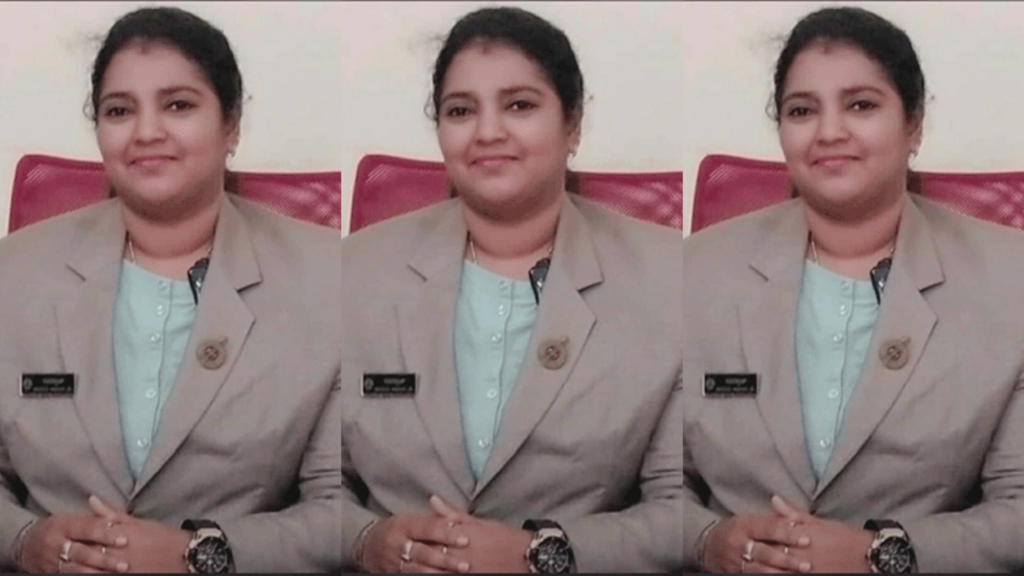
Udupi’s Assistant Director of Prosecution (ADP) Mumtaz has been appointed as the district judge, making her the first Muslim woman in Karnataka to become a district magistrate.
Mumtaz secured the first rank in the judicial exams held in Feb-March earlier this year. She is among the 12 among people who got selected to become district judges.
Mumtaz completed her LLB degree from SDM Law College in Mangaluru before moving to Mysuru for master’s degree.
Mamtaz was selected as the assistant public prosecutor in the JMFC court of Bhatkal in 2010. Later, she was shifted to Udupi JMFC. In 2018, Mamtaz got promoted as ADP to the district SP office of Udupi.
source: http://www.thecognate.com / The Cognate / Home> News / by Shaik Zakeer Hussain / August 06th, 2021
Nallur Village, Bajagoli (Karkala Taluk -Udupi District), KARNATAKA :
Karkala:
Naseera Banu, who was born in a poor Muslim family in Bajegoli near here has written the examination for the post of judge and is waiting for the appointment order.
Naseera’s father Aliabba owns a driving school and her mother Nabisa is a housewife. Naseera is the first lady, who will become a judge in their family. Naseera studied in the Kannada medium school of her village. But she realized that it is necessary to be proficient in English language, if she wanted to achieve her goal. Now she has reached the destination. Her parents also have supported her whole-heartedly.
Naseera’s achievement has made her parents proud. Her father Aliabba says, “We, who have spent the whole life with difficulties, were dreaming that our children should achieve something in their life. My daughter Naseera has realized my dream.”
The other two daughters of Aliabba and Nabisa are married. Their son is working in Qatar. Naseera completed her PUC in Bajegoli. Later she completed her LLB in 2010 from Vaikunta Baliga Law College in Udupi.
After completion of LLB, she was getting law training with advocate Vijendra Kumar in Karkala. At present she has been working as an assistant with advocate G Muralidhar Bhat where she began in 2015.
“I was involved in games and studies like any other child. But I always had an eye on my goal.” she says.
Naseera had faced her last round of interview on June 13 for the position of judge.
sourc: http://www.daijiworld.com / DaijiWorld.com / Home> Top Stories / by Daijiworld Media Network – Karkala (MS) / July 12th, 2019
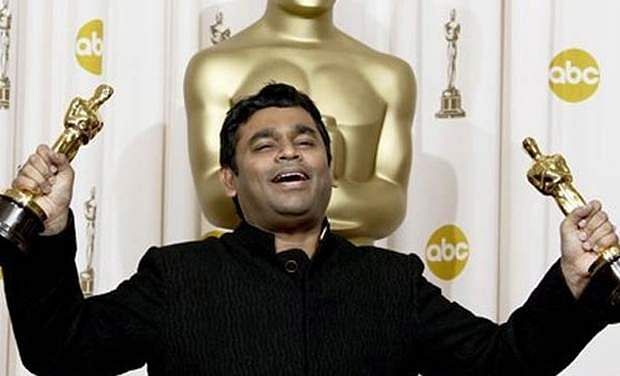
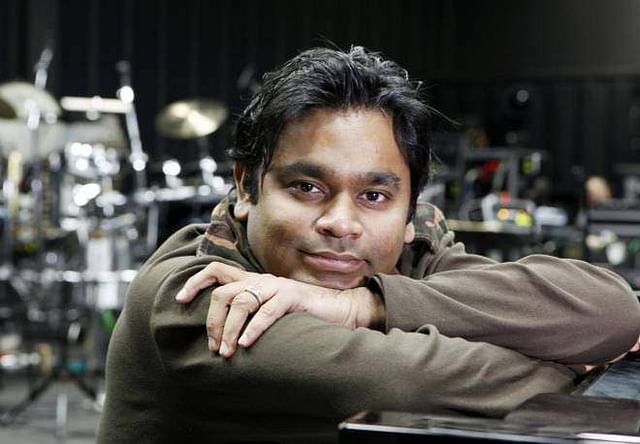
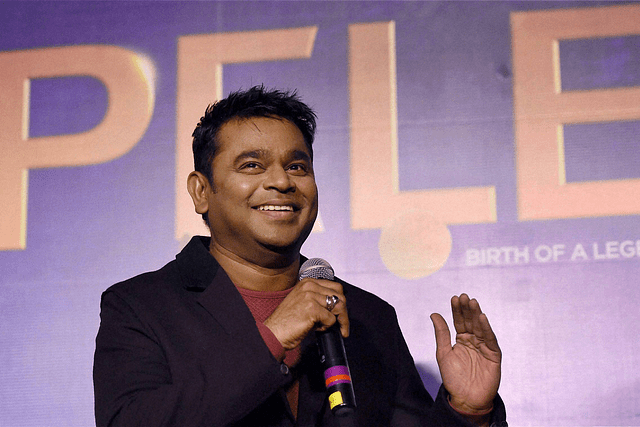
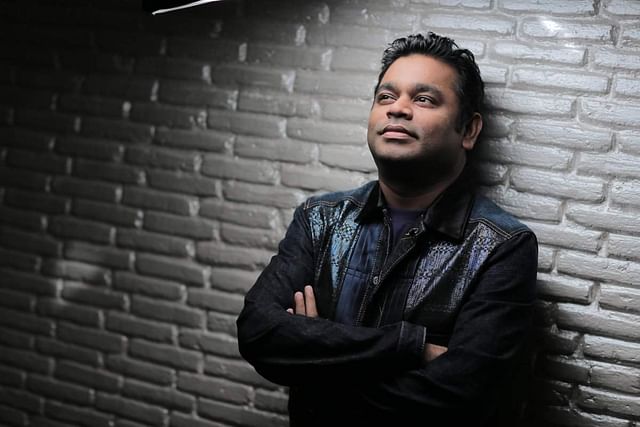
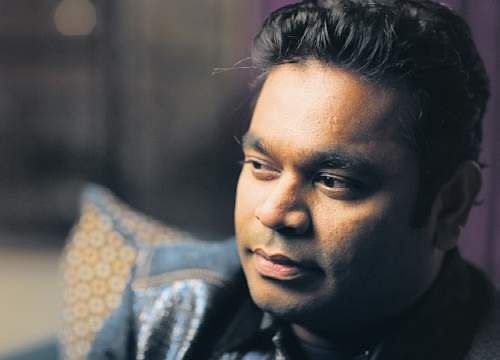
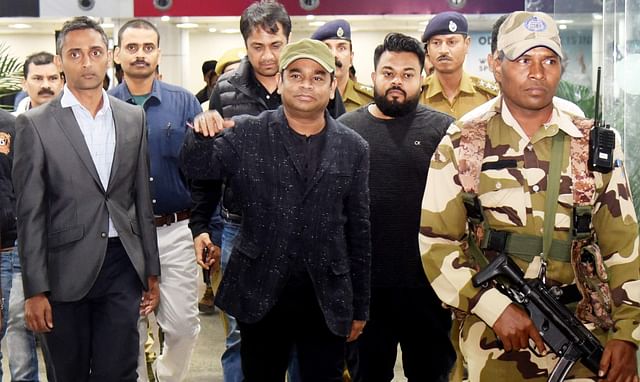
It is Henry Ford who said, “Anyone who stops learning is old — whether at twenty or eighty. Anyone who keeps learning stays young. The greatest thing in life is to keep your mind young.” While it isn’t a crime not to know who AR Rahman is, one must also know icons who fill each cell of your body with pride are hard to come by. A true legend of his craft, it is never late to know a thing or two about the gifted man who has made every Indian proud. Here are 10 facts that could help a complete stranger to know the giant AR Rahman is, and why he is a true emotion that bonds the entire country.Winner of six National Film Awards, two Academy Awards, two Grammy Awards, a BAFTA Award, a Golden Globe Award, fifteen Filmfare Awards and seventeen Filmfare Awards South, AR Rahman is fondly called “the Mozart of Madras.”(Photo | AP)In 2012, AR Rahman revealed that he was invited for a dinner at the White House by the family of the President of the United States. (Photo | AP)Considering his professional experience ARR was given the scholarship to study at Oxford’s Trinity College, where he received a degree in Western classical music. (Photo | PTI)AR Rahman is the first Asian to win two Oscars in the same year. (File Photo)In 2013, a street in Markham, Ontario, Canada, was named after him to honour his contributions to the world of music. (Photo | Twitter)In 2000, a French TV commercial for Volvic starring football icon Zinedine Zidane used a piece of theme music composed by ARR for the movie ‘Bombay’. (File Photo)In 2011, GQ (formerly called Gentlemen’s Quarterly), an American international monthly men’s magazine, elected him Legend of the Year. (File Photo)In 2003, ARR-composed ‘Chaiyya Chaiyya’ from ‘Dil Se’ was voted 9th in “The World’s Top Ten” songs of all time by BBC World Service. (Photo | PTI)ARR composed Airtel’s signature tune, which had over 150 million downloads by 2019 – the most in the world in the mobile music genre.(Photo|Facebook.com/arrahman, BTOS PRoductions)In 2009, Rahman’s soundtrack for ‘Lagaan’ was ranked No. 45 on Amazon.com’s “The 100 Greatest World Music Albums of All Time” list. (Photo | Youtube screengrab)11 / 13‘Roja’, ARR’s debut soundtrack, was listed in TIME’s “10 Best Soundtracks” of all time by film critic Richard Corliss in 2005. (File Photo)‘Heroes get remembered, but legends never die!’: Max Holloway (File Photo)
source: http://www.newindianexpress.com / The New Indian Express / Home> Galleries> Entertainment / July 22nd, 2021
Over the last decade, individual Muslims have started breaking from the tradition of sacrificing animals on Bakra Eid, motivated by the thought that the considerable amount spent on buying and sacrificing animals would be put to better use for the community’s welfare, specially education.
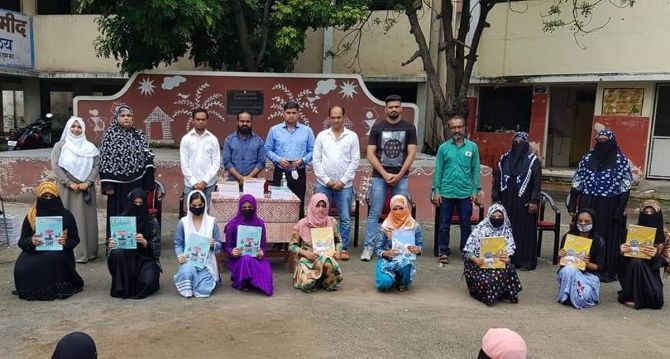
Paigambar Shaikh (with beard) flanked by Rafique Shaikh, left, and Alam Pathan with the beneficiaries of Aarthik Qurbani in 2020.
Wednesday was a busy day for Pune activists Paigambar Shaikh, Alam Pathan and Rafique Shaikh. It marked the start of the distribution of funds collected by Paigambar through his ‘Aarthik Qurbani‘ campaign.
It’s happened elsewhere, but the ‘Aarthik Qurbani‘ movement started by Pune activist Paigambar Shaikh is unique.
Over the last decade, individual Muslims have started breaking from the tradition of sacrificing animals on Bakra Eid, motivated by the thought that the considerable amount spent on buying and sacrificing animals would be put to better use for the community’s welfare, specially education.
In Bengaluru, some of these Muslims have managed to convince others to follow their example. After the 2018 Kerala floods, social media helped convince many across the country to donate the money kept for the sacrifice, or at least a part of it, for the floods, as reported in Rediff.com.
However, Paigambar Shaikh’s Aarthik Qurbani movement is different from all these, in that it is not restricted to Muslims. In fact, the campaign run by this self-employed content writer on Facebook, gets more responses from Hindus than Muslims, and the beneficiaries of the monetary sacrifice are also from all communities.
This reflects the concerns of 31-year-old Shaikh and his colleagues: All three are social activists, not just community activists.
“Not once has any Muslim who has contributed Aarthik Qurbani told us that his/her money should only go to Muslims,” Paigambar tells Rediff.com Senior Contributor Jyoti Punwani. “And we would never accept such a condition.”
The meat that is sacrificed on Bakra Eid, points out Paigambar, does not go only to Muslims. “It’s in three parts: One kept for yourself, one for those who are needy among your relatives, and the third for the poor. The poor need not be from your community only,” he explains.
“Also, the money you spend on buying animals does not go to Muslims; most of the sellers are non-Muslims,” he points out.
However, since he started his campaign in 2014, more and more Muslims have been getting drawn to it. This year, of the 117 persons who donated, 50 were Muslim.
They collected almost Rs 95,000, less than earlier years, but more than what they expected, given the financial blow dealt by the two lockdowns.
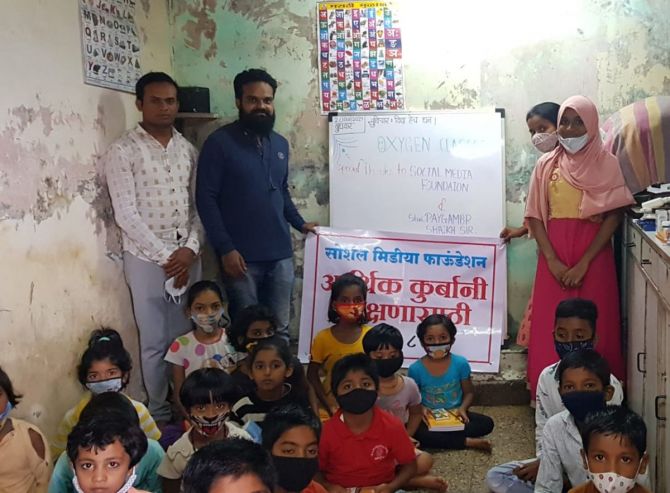
On Wednesday they kicked off their distribution by donating educational material to two women, one Hindu, the other Muslim, who teach poor children for free. Needy students are their main beneficiaries, but they have also helped flood victims in Kerala and Maharashtra.
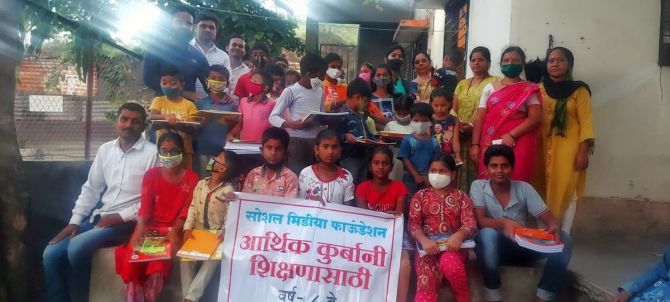
Distribution of Aarthik Qurbani in 2021.
While orthodox Muslims oppose substituting animal sacrifice with monetary sacrifice, Paigambar reveals that it was his study of the Quran that prompted him to begin this practice.
“In the Quran it says one must sacrifice that which is dearest to our hearts. How can an animal that is purchased with the express aim of sacrificing it be the closest thing to our hearts,” he asks.
In the last two years, the Maharashtra government has insisted that because of Covid compulsions, Muslims should perform a ‘symbolic’ sacrifice. But community leaders have rejected this suggestion, saying no such concept of symbolic sacrifice exists.
However, Paigambar Shaikh maintains that the Bakra Eid sacrifice is symbolic. “Hazrat Ibrahim dreamt that Allah had asked him to sacrifice that which was dearest to him, and prepared to sacrifice his son. But at the crucial moment, Allah presented a dumba (ram) for the sacrifice. Doesn’t that show that it was a symbolic sacrifice? Our Aarthik Qurbani too is symbolic.”
Finally, what set the seal on Paigambar’s conviction were the words from the Quran: ‘Their meat will not reach Allah, nor will their blood, but what reaches Him is piety from you.’
“It’s the intention that counts,” says Paigambar.
Those who oppose the concept of substituting charity for animal sacrifice point out that Bakra Eid is the one occasion that the poor get to eat mutton which is otherwise out of their reach.
However, asks Paigambar: “What is more important — eating mutton or getting out of poverty? Those who go around distributing mutton to poor families, would be surprised to know that some of those families can’t even afford to buy the half-a-dozen notebooks needed for their children’s school. It’s not in our hands to abolish poverty, but by enabling a poor family to educate its children, we are providing them a means to come out of their poverty.”
At any rate, he adds, the prime motive for the animal sacrifice is not feeding the poor; it is pleasing God.
This year’s distribution of Aarthik Qurbani: Rafique Shaikh and Paigambar Shaikh with the recipients.
Rafique Shaikh joined Paigambar’s campaign in 2019, when Sangli, Satara and Kolhapur were hit by floods. The eldest of four brothers, this 33-year-old businessman decided that the money they’d kept aside for sacrificing goats would go for the flood hit.
“The satisfaction we got from wiping the tears of those in distress by this sacrifice was a completely different experience,” he recalls.
Alam Pathan was already performing Aarthik Qurbani since 2009. That year, Pathan’s father died a day before Bakra Eid, and the family felt it inappropriate to celebrate the festival. Instead, they donated the money they would have spent on the animal sacrifice to the poor, and have since stuck to that practice.
Opposition from the orthodox, including threatening calls, have not fazed these men.
“We don’t tell anybody to give up animal sacrifice,” points out Rafique Shaikh. “This year, I could afford to sacrifice a goat and also make an Aarthik Qurbani, so I did both. One can buy a goat for Rs 11,000 or Rs 50,000. Isn’t it wasteful to spend so much on one goat? We just suggest that instead of spending all that money on an animal, why not keep a part of it for those who need it?”
Alam Pathan has one way of dealing with opposition: Ignoring it.
Were he to heed opposition from the orthodox, this 39 year old’s life would be very different.
Paigambar Shaikh derives his inspiration from Prophet Mohammed and Shivaji Maharaj.
As the only Muslim family in his village, says Pathan, the palkhi carrying the padukas of Sant Tukaram taken out during the annual Pandharpur pilgrimage, would stop at his house. He would participate in all the village bhajans and keertans, and continues to do Shri Dnyaneshwari Pravachan — he lectures on the Dnyaneshwari written by the 13th century poet Sant Dnyaneshwar. He also visits the famous Tirupati Balaji temple in Andhra Pradesh every year.
“This is how my father brought us up,” says the real estate dealer.
Paigambar Shaikh has received threatening calls for his campaign. But says he, he derives inspiration from two personalities when confronted with such opposition.
First, Prophet Mohammed, who said nothing even to the woman who threw garbage on him whenever he passed by her house. The day she didn’t do so, he went to check if she was okay and tended to her.
That gesture made her accept Islam.
Paigambar’s second inspiration is Shivaji Maharaj, who never accepted defeat.
“Aarthik Qurbani is now here to stay. No one can stop us. Next year onwards, we will be spreading the movement from Pune to other districts of Maharashtra.”
My journey has been very tough. However, every success story has a struggle behind it. I too had to struggle as we were financially weak, says Tanveer.
Srinagar :
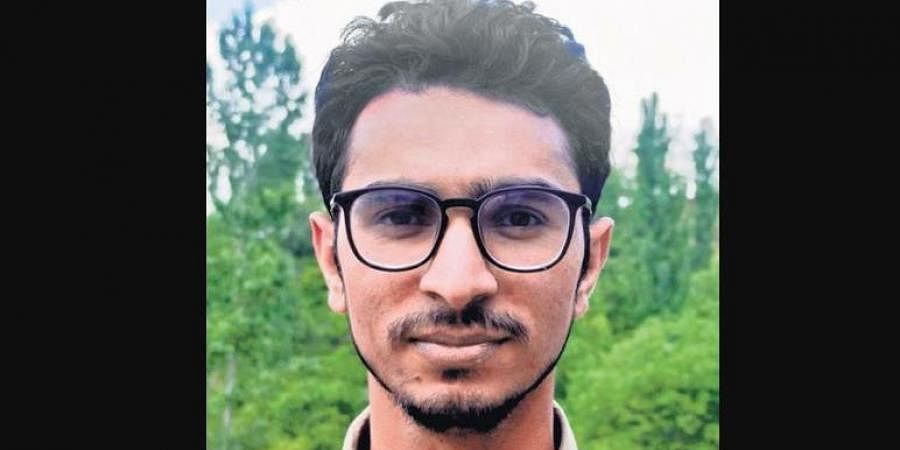
Tanveer Ahmed Khan, son of a rickshaw puller and farmer, has secured second rank in the prestigious Indian Economic Services (IES) examination conducted by Union Public Service Commission (UPSC).
“My journey has been very tough,” Tanveer said. “However, every success story has a struggle behind it. I too had to struggle as we were financially weak. It was my positive side that made me want to change our poor condition by studying and making it count.”
Tanveer’s father hails from remote Nageenpora Kund in South Kashmir’s Kulgam’s district. He also works as a seasonal rickshaw puller in Amritsar, Punjab, during the winter months to earn extra money to provide quality education for his son.
He has done his schooling in government schools and got his BA from Government Degree College Anantnag in 2016. He secured third rank in the entrance test for a post-graduate course in economics at University of Kashmir.
“I worked very hard and my family fully supported me. The support from my parents, uncles and teachers has brought me to this point,” said Tanveer. Tanveer secured Junior Research Fellowship (JRF) during his last year of post-graduate programme and says the fellowship helped him a lot. He went to Institute of Development Studies, Kolkatta, for Masters in Philosophy (M.Phil) in Development Studies, which was awarded to him in April. Tanveer is in the Open Category.
Tanveer’s father said he is proud his son did not waste the parental toil and effort. “I am very happy that mine and my son’s hard work has paid off,” he added.
source: http://www.newindianexpress.com / The New Indian Express / Home> Nation / by Fayaz Wani, Express News Service /August 02nd, 2021