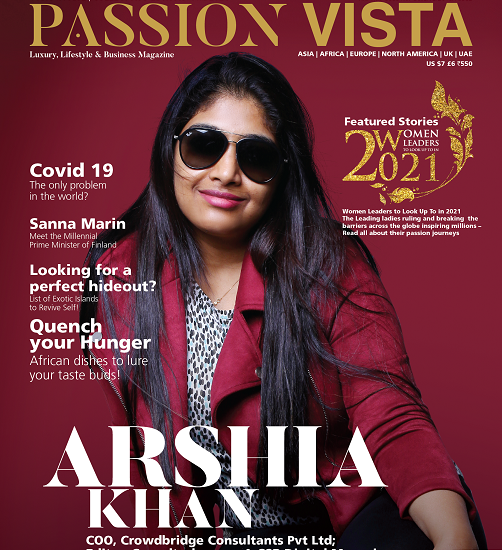
COO, Crowdbridge Consultants Pvt Ltd; Editor, Crowdteck.com – A CSR Digital Magazine; Associate Director, Crowd Central Technology
Against all odds, Arshia Khan lives to tell the tale. The year was 1985; city, Mumbai. The building Arshia’s family was residing in, collapsed, and they lost everything including her elder brother. Arshia was declared dead and taken to a morgue. Destiny however had other plans. Arshia suffered a loss of eyesight and memory, but thanks to God’s grace and timely medical intervention led by Dr Machiswala, she gradually bounced back to normalcy.
From then on, Arshia’s fighting spirit battled every obstacle in her path to emerge victorious.
One of six siblings, Arshia grew up in humble surroundings. Despite being the lone breadwinner, her father ensured good education for all. And so Arshia attended St Anne’s High School in Bandra, Mumbai which is also alma mater to renowned personalities like actor Aamir Khan and politician Baba Siddiqui.
Valuing everything that life had to offer, Arshia worked hard and excelled at everything in school. From being among the top three rankers in class to winning scholarships and best students awards, Arshia was God’s favourite child.
Following an interest towards daily affairs and national issues, Arshia pursued a degree in Mass Media (Journalism) at Rizvi College of Management. During this time, she was academically adopted on merit by an NGO called MESCO, which supports educational necessities of worthy students. The selfless service of MESCO went a long way in encouraging her to participate in social causes. Now one of her co-ventures that she is passionate about is Crowd Bridge Consultants Pvt Ltd which covers all that creates and promotes social development, wellbeing and betterment.
At Rizvi College, Arshia was mentored by (late) Prof P K Ravindranath who was an iconic journalist in his days. Following her mentor’s advice, ‘If you want to be a journalist, be on the ground, network, and build relationships’, she didn’t pursue her masters. She started networking, which eventually landed her a job at the Indian Express Newspapers. She learnt everything about journalism and media at The Indian Express. In 2010, she moved to Network 18 Media and Investments Ltd. as a Features Editor, managing a bigger team. She later diversified into the PR industry and worked at Perfect Relations’ healthcare arm – Imprimis. Two years hence, she moved to Adfactors, the PR giant, as an account manager.
As her professional life flourished, marital bliss followed. Soon after having her first baby Yahya in 2017, Arshia moved to Doha, Qatar. During 2017 – 18, she worked as a freelance consultant. By the end of 2018, she joined Crowd Central Technology as the Head of Content. Crowd Central’s CEO, Waseem Ahmed Kazi, always spoke at length about how he wanted to make a positive difference in society. Their thoughts resonated, and eventually Arshia was leading an exciting new venture, Crowdteck.com – a CSR Digital Magazine.
The objective of the magazine is to encourage good work in humanitarian causes, irrespective of cast, creed or religion. Their aim to restore faith in humanity helped them to connect with a global audience, and their online global readership quadrupled in two years.
From Mumbai to Qatar, what has been Arshia’s biggest challenge? “I have always been a passionate journalist, but was naïve about the business aspect until 2018 when I was promoted as the Associate Director at Crowd Central Technology. This big push meant that I was not only dealing with publishing of content but also specialised areas like revenue, business, and the like. As I was delegated the responsibility of handling international business across India, I learnt the specifics of a brick-and-mortar business model, including the online implications of its cyber footprint,” shares Arshia.
Although professionally satisfying and rewarding, this leap posed some challenges at the personal level. “My husband and I would work separate shifts and take turns to be with our toddler. It can be heart-breaking to leave your months-old toddler for work, and all new mothers will relate to this.”
However Arshia was lucky to be working with a company like Crowd Central Technology, which not only accommodated her requests as a new mother but also rewarded and motivated her to continue unabated.
On the other hand is Arshia’s most gratifying moment. Without a blink, she says, “Motherhood! Being a mother has been a blissful journey, which has taught me that patience and perseverance take you far. My child has disciplined me in more ways than one, and I can’t thank the Almighty enough for this little bundle of joy.”
As a parting note, inspirational Arshia shares a very important piece of advice, “I was embarrassed to seek aid or assistance of any kind. It is important that we inculcate the habit of reaching out for help in our children, who will be future leaders.”
source: http://www.passionvista.com / Passion Vista / Home> Collector’s Edition – Featured Stories – Women Leaders 2021 / April 2021
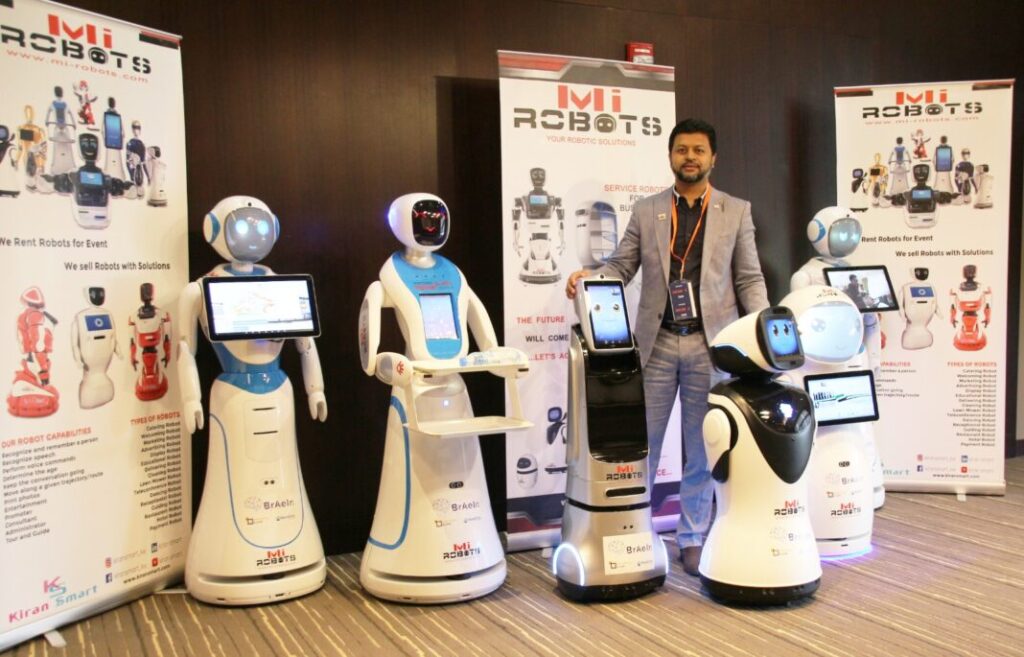
When his friends were busy playing with toy guns, Mohammed Mubin Mallick was building robots like a pro. For Mubin, robotics was a passion that eventually became his profession.
From an amateur innovator to a global leader in robot solutions, 39-year-old Mubin has come a long way to earn a sobriquet of `Robotman’ of India and middle east. A native of Kolkata, he holds MBA degree from Cardiff University, United Kingdom.
Being the school captain, Mubin grew up as an achiever, bagging awards in various recreational activities like sports, dance, speech, etc. He continues to be an achiever even today. Recently, he received Agata Lo Tauro Special International Award 2020 and a certificate for being the Mentor for ROBOCON 2020.
Mubin ventured into digital solutions and robotics solutions with his IT service company `Kiran Smart’. Always on the lookout to cater to the market’s needs, he set out to innovate and take steps beyond what others already offered.
Since the time he realized that he had the power to think out-of-the-box and innovate, Mubin dreamt of building a company that he could run depending on his ideas. The cradle for his innovation comes from very munificent thoughts of wanting to create job opportunities and donating the profits. It is for this reason that Mubin doesn’t want to leave any stone unturned to make his firm a global leading light.
“Our company Kiran Smart is into IT Solutions and Services for the past 15 years. We have been looking for diversification in our business portfolio. We did diversification into Digital Transformation and then recently we launched and started Robotics and Artificial Intelligence. Our market research on Humanoid Service Robots indicated a considerable demand for Robots. Therefore, our company decided to launch a brand Called Mi-Robots,” he said.
The pandemic, however, came as a blessing in disguise for Mubin and his company. “One of our delivery Robots serving food in China in 2019 December to COVID 19 quarantine centre became breaking news around the world. This news around the world helped us gained the trust of the people,” he said.
It was in 2017 that he came across a humanoid robot. He invested time in GITEX technology and ultimately made his passion and childhood dream come true. Understanding the working of robots and offering solutions related to them is Mubin’s only focus now.
“To be very honest, there were many challenges which cannot be listed here. Apparently, the major aspect was the financial crunch. Firstly, it is very crucial to survive in the local market. Secondly, we need smart and loyal team members who can run the company,” he said.
Over the years, Mubin learned both professional and personal lives play a considerable role in making an achiever or a failure. According to him, success in personal lives has a direct and positive impact on professional lives.
“To overcome these challenges, we adopted different strategies like inviting investors locally and globally. Apart from in-house human resources, we tied up with international firms to induct more innovative people to work with us remotely. Finally, our satisfied customers are our revenue. We do the regular follow-ups and technology updates with our customers so that we can fulfill their needs as per their growing needs,” he said.
Mubin is dealing with different kinds of Robots. These include Delivery Robots for restaurant and hotels, Educational Robots for Schools, hospitality Robots for hotels, UVC Disinfection Robots for all, Spray Dry Mist Disinfection Robot, Humidifier Robots for Home and Office, and Robots for children.
“Robots have played a major role during the pandemic as they helped people tremendously. For example, Disinfection robots are used to disinfect the places and those robots are UVC Lights Robots and Dry Mist Spray Robots. Many robots are used to check the temperature of people. Robots are used in hospitals to carry hand sanitizer, masks, and gloves in hospitals, hotels, shopping malls, restaurants, and many places,” he said.
Even corporates are using to communicate with their remote employees so that managers and team leaders can stay focused on live meetings. “Many universities across the globe have launched courses for Robotics and Machine Learning. There is data supporting the popularity of Robot installation in restaurants, hotels, hospitals, warehouses, home delivery, and schools,” he said.
Headquartered in Kuwait, Mubin’s Robots are going places. From all GCC to Africa, UK, Canada, Mexico and few European countries, Mubin is trying to introduce technology for making the life of the common man easy.
“It is really difficult to define the demand or maximum interest was shown by any specific country in this future technology because most of the countries are working on all the innovative technologies to lead the world. So, according to me, I see South Korea, China, Japan, Singapore, Canada, and UAE from the Middle East. The global market for robots is expected to grow at a compound annual growth rate (CAGR) of around 26 percent to reach just under 210 billion U.S. dollars by 2025,” he said.
His company, `Kiran Smart’, is a reflection of Mubin’s achievements. It has been recognized as the Top Most Robotics Company of 2020. The firm also received awards from the Ministry of Awqaf as the Most Innovative Company. KISR honored Kiran Smart for being their Most Innovative Supporter in Science and Technology for their Children’s Exhibition.
His message for the youth who aspire to reach as far as he has is boosting, “Don’t give up even if you fail. Failure teaches you a lesson and makes you stronger. Accept the reality, believe in yourself, and try again! Caring for humanity and seeing a smile on people’s faces keeps us motivated in life. People should be thankful to God, respectful to their parents, and be humble,” he said.
*The author is a Bengaluru-based freelance journalist.
source: http://www.indiatomorrow.net / India Tomorrow / Home> Education> Featured / by Rashida Bakait / February 10th, 2021
Birur town (Kadur taluk-Chikkamagaluru District), KARNATAKA :
It became an abiding interest while studying Kannada at the pre-university level at Pandit Jawaharlal Nehru Memorial College.
Shivamogga :
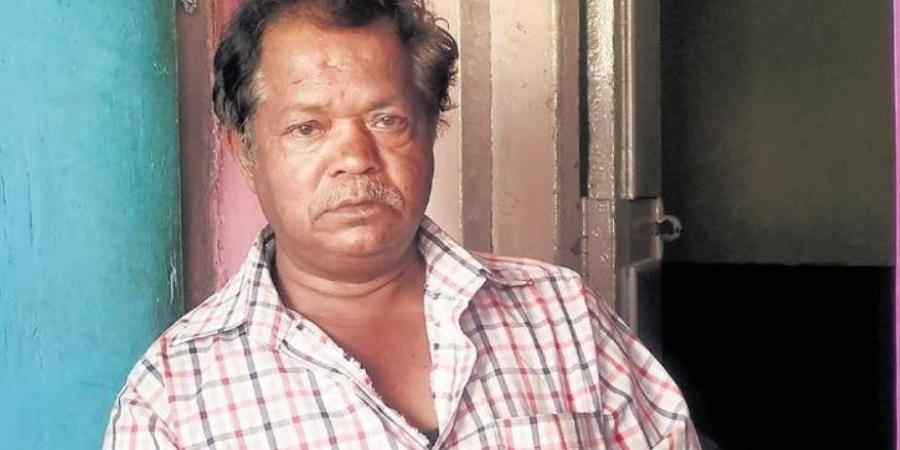
To D Ismail, the mastigallu (masti stone) is a fascinating storyteller. It talks about the history and the people as he peers into the inscrutable inscriptions whether it is in Modi lipi or Halegannada (ancient Kannada).
The epigraphist from Birur town in Chikkamagaluru district took a fancy to the knowledge hidden in stones, and is one among a small number of people who can understand ‘Modi lipi’, a cursive script used to write several languages, including Kannada. It is just like English running hand, he says. It became an abiding interest while studying Kannada at the pre-university level at Pandit Jawaharlal Nehru Memorial College.
Ismail (63) says Modi lipi is a kind of early Kannada writing found from the times of Ashoka to the 18th century, which was used to record events and facts about emperors and their empires. In English, it is termed ‘cacography’, which according to the Kannada dictionary, means ‘illegible handwriting’, seen mostly in ancient stone inscriptions called mastigallu and veeragallu (hero stone).
Ismail is studying stone inscriptions to analyse their contents for anything related to astronomy and is compiling a research paper on the subject ‘Astronomy in Inscriptions’. Other issues that he is studying include natural calamities, music and life events, recorded in inscriptions to understand the culture of people going back to the Cholas, Gangas, Rashtrakutas and others who ruled South India.
The curiosity that drew him to these stones soon became his passion. “I studied various books related to Modi script, and under the guidance of epigraphist Shambhu Lingappa, I visited ancient sites in and around Birur, Kadur and Chikkamagaluru with him. I learned to read inscriptions in Modi script and also in Halegannada. I started reading books written by famous epigraphists like M M Kalburgi, Chidanandamurthy, A V Narasimhamurthy and others.”
Though Ismail could not pursue his education after pre-university, he never missed an opportunity to upgrade his Halegannada-related knowledge. Today, he is a well-known epigraphist who offers guidance to students of Kannada literature researching inscriptions and Halegannada in various universities. He has a rare collection of more than 5,000 books related to epigraphy, Halegannada, mastigallu and veeragallu.
He has written a book titled ‘Madhya Karnatakadalli Beeradevaru’ (still a manuscript) about Beeradevaru, a deity worshipped by the Kuruba community. The book throws light on the community, where they came from, and how they settled in Shivamogga, Chikkamagaluru and Chitradurga districts. He has travelled the length and breadth of these districts to collect information and did a field survey for more than two years.
He suggests that people interested in inscriptions read the book ‘Kannada Lipiya Ugama Mathu Vikasa’ by A V Narasimhamurthy, and ‘Lipi, Lipikara, Lipi Vyavasaya’ by Shettar, for those who want to learn Halegannada.
Ismail is one of the four sons of E M Dastagir Saab and Razia Begum of Birur, who have had a grocery business at M G Circle in Birur town for many decades. Even today, Ismail is the one who opens the grocery shop in the morning and takes care of the business.
He has a rare collection of more than 5,000 books related to epigraphy, Halegannada, mastigallu and veeragallu.
source: http://www.newindianexpress.com / The New Indian Express / Home> States> Karnataka / by Ramachandra V Gunari / Express News Service / June 27th, 2021
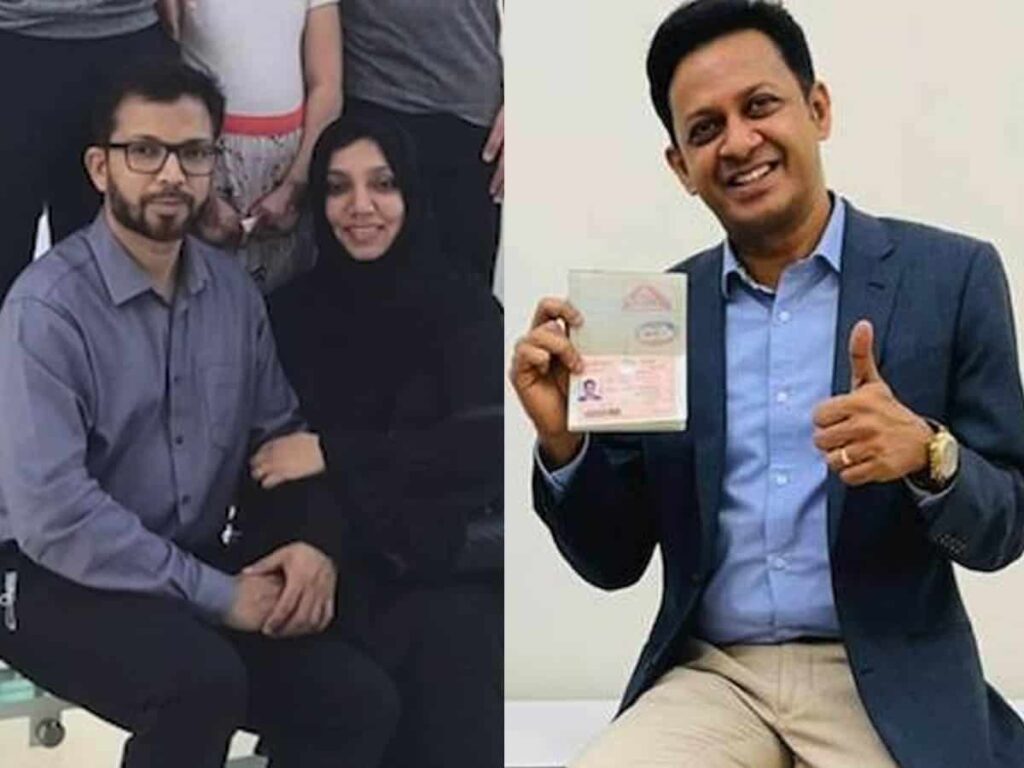
Left Dr Jasna Jamal with family. Right Dr Shyam Vishwanathan
Abu Dhabi:
Two Ayurveda doctors, who are originally from India’s Kerala state and now based in the United Arab Emirates (UAE), have received the Gulf nation’s coveted Golden Visa, according to a media report on Saturday.
A Golden Visa enables foreigners to live, work and study in the country without the need of a national sponsor and with 100 per cent ownership of their business on the UAE mainland.
They are issued for five or 10 years and are renewed automatically.
Both Shyam Vishwanathan Pillai and Jasna Jamal were granted the Golden Visas by the UAE’s Federal Authority for Identity and Citizenship (ICA).
Vishwanathan, CEO of Vaidyashala at the Burjeel Day Surgery Centre in Abu Dhabi, received it under the medical professionals and doctors category on June 17, the Khaleej Times report said.
“My sincere gratitude to the rulers and policymakers of UAE for the kind support to Ayurveda and Ayurveda practitioners,” Shyam, from Kollam, told the newspaper.
“I truly appreciate their vision in integrating the Ayurveda for the wellbeing of UAE residents and at the same time keeping in place strong measures to ensure the quality delivery of Ayurveda practice,” he added.
Shyam came to Dubai in 2002.
A resident of Al Mamzar in Dubai, Jamal, from Thrissur, was given the Golden Visa on June 24.
She moved to the UAE 12 years ago soon after getting married.
With over 16 years of experience in Ayurveda, Jamal established her own Ayurveda clinic in Al Mamzar.
source: http://www.siasat.com / The Siasat Daily / Home> News> Middle East / by IANS/ June 26th, 2021
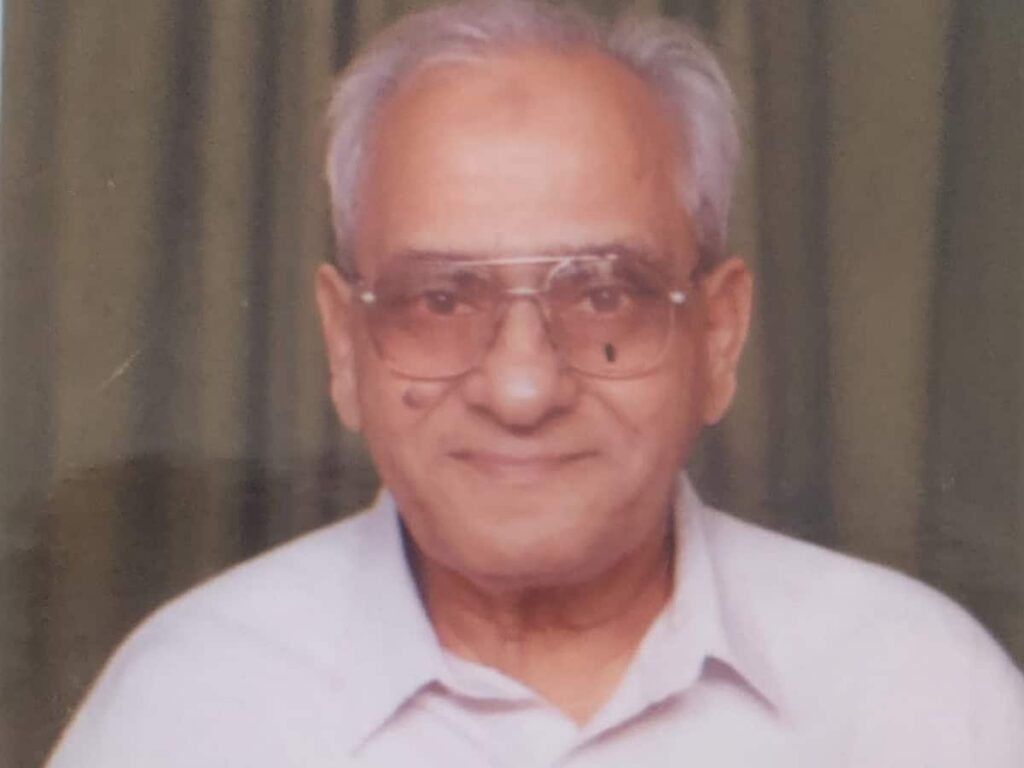
In his career spanning over 60 years, Shah Manzoor Alam moved to Hyderabad in 1950 when job openings appeared in the Osmania university (OU).
Former vice-chancellor of Kashmir University, Srinagar and the former head department of geography Osmania University, Shah Manzoor Alam, 93. (Photo supplied)
Hyderabad:
Renowned professor—former vice-chancellor of Kashmir University, Srinagar and the former head department of geography Osmania University, Shah Manzoor Alam, 93, has passed away of a cardiac arrest on Tuesday evening at his residence in Hyderabad.
A native of Ghazipur, Uttar Pradesh, Alam did his early schooling in Gorakhpur. He did his bachelor’s and masters in arts from Aligarh Muslim University (AMU).
In his career spanning over 60 years, Shah Manzoor Alam moved to Hyderabad in 1950 when job openings appeared in the Osmania university (OU) and joined the university as lecturer in geography in evening college.
In the mid-1960s, he became the head of the geography department in the arts college of the Osmania University (OU). Subsequently went to the United Kingdom to do a Doctor of Philosophy (PhD) from Edinborough.
In the year 1972, Manzoor Alam was invited to Australia as a visiting professor and later to New Zealand in 1974.
Shah Manzoor Alam was a vice chancellor (VC) of Kashmir university, Srinagar from 1984-1987.
In 1992 he was invited by the Al-Imam Mohammed ibn Saud university, Riyadh to work on the scientific significance in selected Quranic verses.
He was responsible for establishing a trust called Mustafa Educational Network trust. The trust had brought out a set of 30 monographs related to different aspects of Islam.
In 2004, he was key to establishing the Indian school of excellence trust that would provide quality education combined with human values at an affordable cost. A school under this trust was set up at Tolichowki and became functional in June 2004.
Professor Alam lost his wife to heart disease in 1998, lost his only son Shah Shahab Alam to lung cancer in 2013. In spite of these severe personal losses, his strong faith kept him going till he breathed his last on the evening of June 22 due to cardiac failure.
Professor Shah Manzoor Alam is survived by three daughters Rana Siddiqi (USA), Rumana Ahmed (Hyderabad), Rubab Ali Fareed (USA).
MANUU pays tributes
Maulana Azad National Urdu University (MANUU) on Thursday paid rich tributes to Professor Shah Manzoor Alam.
Prof Manzoor Alam was also closely associated with MANUU in it’s formative years as the member of it’s first executive council. He played an important role in the development of MANUU in its initial days.
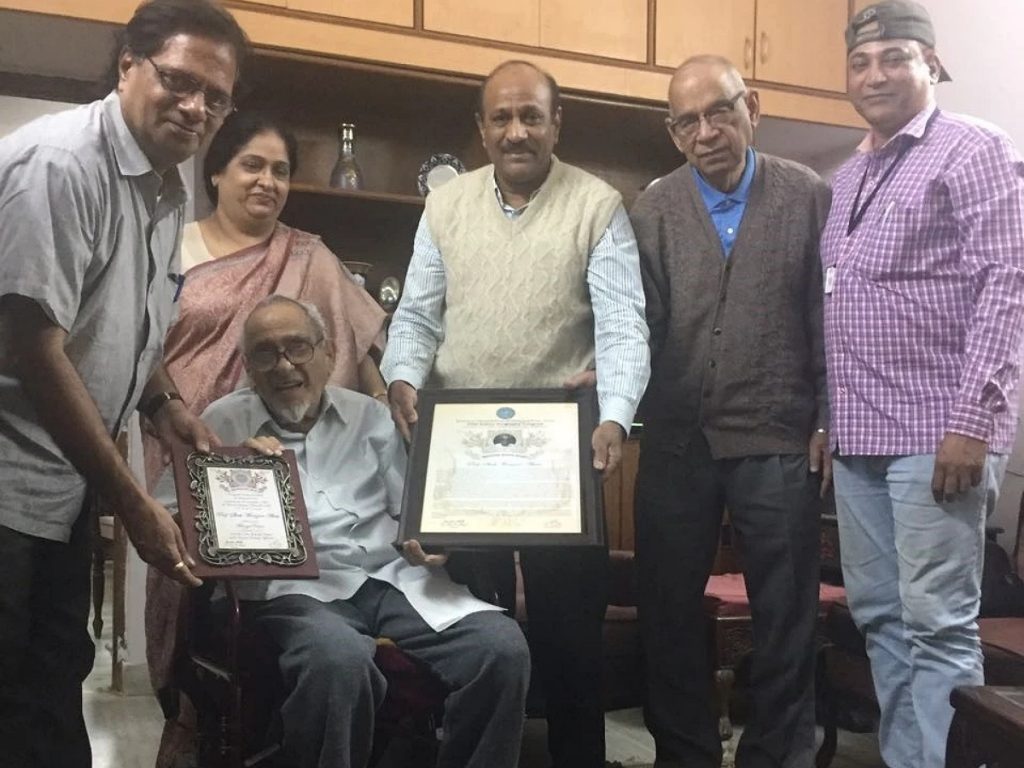
Prof Alam who was also the founder director of centre for area studies on the Indian ocean region, OU was also awarded the prestigious, ‘BHOOGOL RATNA AWARD’ for 2017 by NAGI (National Association of Geographers India), New Delhi, during the 39th, Indian geography congress (IGC) held at Osmania University.
Shah Manzoor Alam awarded the prestigious, ‘BHOOGOL RATNA AWARD’ for 2017 by NAGI (National Association of Geographers India), New Delhi
Professor S M Rahmatullah, Vice-Chancellor and Professor Siddiqui Mohd Mahmood, Registrar in their message expressed their condolences to bereaved family members.
source: http://www.siasat.com/ The Siasat Daily / Home> News> Hyderabad News / by Sakina Fatima / June 25th, 2021
However, the Social Data Initiatives Forum (SDIF) of Hyderabad helped those from rural and tribal places of Telangana.
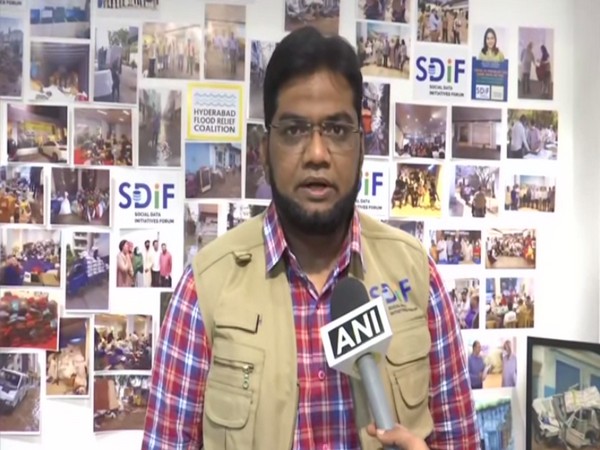
Khalid Saifullah, a member of SDIF (Photo/ANI) / aninews.in
Hyderabad:
Keeping in view the limited access of medical facilities in the rural and tribal parts of the society amid the COVID pandemic, a Hyderabad based non-profit organization (NGO) has combined both the fields of service and technology together to extend their help to those from inaccessible areas of the state.
While there are several NGOs and individuals who have stepped forward to do their part in the pandemic, most have limited themselves to the cities and urban establishments.
However, the Social Data Initiatives Forum (SDIF) of Hyderabad helped those from rural and tribal places of Telangana.
Speaking about the initiative, Mohammad Azam Khan, the Founder and Director of SDIF said that since the inception of the COVID-19 Pandemic, the organisation had been working at several hospitals and couldn’t help but notice that many people admitted in Hyderabad were from nearby rural areas.
“Looking at the condition of people from rural areas that came to Hyderabad in search of proper medical treatment but were unable to find a bed or Oxygen while their health deteriorated, we decided that medical assistance like oxygen should be provided to them at their place instead of them having to look for it in the cities,” he said.
Azam further mentioned that to achieve this, the NGO publicised their contact and helpline numbers and was able to set up Oxygen banks at several district headquarters and Government hospitals from where those who were in need could collect oxygen free of cost.
“To further speed up the supply of oxygen we requested the people to place a request of their requirement through the organisation’s website so that we can deliver oxygen to their doorstep,” he said. SDIF has recently started collaborating with several other NGOs of other states and at the district, levels to ensure support to the people from the rural backdrop.
Khalid Saifullah, a member of SDIF he mentioned that the organisation developed a digital program that interacts with the Application Programming Interface (API) of Twitter, which works on Search Engine Optimization (SEO) to identify tweets that have words like ‘Need Help, Oxygen’.
“Those people are contacted to cross-check the requirement and then we help them in receiving Oxygen from the nearest available source”, he added.
Khalid said, “During the peak days of the pandemic, there were about 150 to 200 requests; we ensured all requests were fulfilled.”
source: http://www.siasat.com / The Siasat Daily / Home> News> Hyderabad News / by ANI / posted by Sakina Fatima/ June 17th, 2021
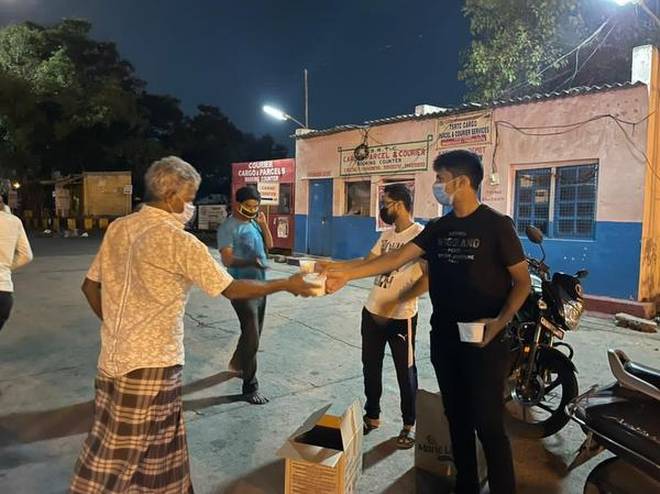
Volunteers distributing food | Photo Credit: special arrangement
Mohd. Abdul Yousuf and his team of volunteers networked across the nation to help tackle the second wave of the pandemic
When Hyderabad-based Mohd. Abdul Yousuf, a fourth-year student of Symbiosis Law School in Hyderabad and his friends wanted to feed the needy hit by COVID-19, they could not afford to hire a chef at ₹1,200 per day to prepare a meal with 25 kilograms of rice. Undeterred, the boys watched cookery channels to learn to prepare it themselves. Now, the team of volunteers of Helping Humans Hyderabad founded by Abdul, packs 400 dinner boxes and distributes them at Tadbun, Charminar, Government Maternity Hospital in Afzal Gunj, Mahatma Gandhi Bus Station, Osmania General Hospital, Hyderabad Railway Station at Nampally, Public Gardens, MNJ̥ Cancer Hospital and Niloufer Hospital. “We make kaju, lemon and jeera rice and even made chicken biriyani sponsored by a friend,” says Abdul.
Mohd. Abdul Yousuf | Photo Credit: special arrangement
Helping Humans Hyderabad is among several voluntary organisations helmed by youngsters to verify leads, identify and share information on hospital resources and medical supplies to help tackle the second wave of the pandemic. However, Abdul’s organisation reached out beyond Hyderabad to Bengaluru, Gujarat, Delhi, Patna and Kerala as he networked from his contacts across India.
It started when Abdul posted a friend’s plasma request on his Instagram account. Buoyed by the response and backed by his associates: Lamya Hussaini, Molshree Totla and Ismail Zabiullah, he launched Helping Humans on April 16, his birthday, to amplify appeals for help. “We launched the page at 9 pm and at 1.30 am, we got a request for an oxygen cylinder,” he recalls.
Abdul and four core members of Helping Humans pooled ₹20,000 from their pockets to steer the network. With friends across India, he created a network of individuals to provide info from their cities; volunteers then verified the leads and updated the information on a Google spreadsheet. ‘If you are sitting idle at home, give your time to us,’ was their message on social media, inviting volunteers to be part of the initiative which had more than 200 members from across India. The office of Kavitha Kalvakuntla responded to their tweets for hospital resources; which not only helped in closing the requests, but also airlifting a passenger from Bihar to Hyderabad.
“Oxygen shortage was a major one during those dreadful two months,” shares Abdul, adding that his phone has not stopped ringing since April. Most of the 400 to 500 calls used to be for oxygen cylinders. The team purchased these cylinders for ₹60,000 from their own pockets. “Now the calls for cylinders have reduced to 50; and enquiries now are for oxygen concentrators.”
Abdul hopes to find more sponsors for their free food distribution programme. “We are glad we were able to make at least a small difference,” he concludes.
source: http://www.thehindu.com / The Hindu / Home> Society – Relief Work / by Neerja Murthy / Hyderabad – June 18th, 2021
This is the seventh part of the series called `Scientist Says’ where we bring for our readers the significant and commendable research works of young scientists.
Dr. Mohammed Kausar Raza completed his M.Sc. in Inorganic Chemistry from Jamia Millia Islamia, Delhi and began his Ph.D. in the year 2015 with Prof. Akhil Chakravarthy lab, Inorganic and Physical Chemistry Dept., IISc, Bangalore. After completing his Ph.D in the year October 2019, he joined California Institute of Technology (Caltech) in the United States as a postdoctoral research fellow in January 2020. He shares his significant research works with Rashida Bakait of India Tomorrow. Here are the excerpts of the interview.
Q. Please give a brief explanation of your research.
Ans. My research interest mainly focuses on to locate the lesions with the help of [4Fe4S] cluster and their treatment using Pt-based anticancer agents. The research area is divided into two parts: (i) Investigating the chemical role of [4fe4S] cluster in eukaryotic proteins through electrochemical and biochemical studies. (ii) Use of Pt-based complexes for chemo phototherapeutic treatment of cancer.
Cancer is considered as one the deadliest diseases which has been outspreaded in various parts of the human body. Various methodologies have been implemented till date to fight against the proliferation of cancerous cells, namely, Chemotherapy (mainly Pt-based anticancer drugs), Photodynamic Therapy (which involves photosensitizer, light, molecular oxygen), etc. To fill the pitfalls of the conventional chemotherapeutic and photodynamic therapeutic drugs including the NER machinery and less tissue penetration respectively, during my PhD research at Indian Institute of Science, Bangalore, I combined these two well known modalities, i.e.; chemotherapy and photodynamic therapy (PDT) by tuning the structural properties of Pt-based complexes to kill the cancer cells selectively. The idea was to develop the series of conjugates bearing the structural framework as of the conventional chemotherapeutic anticancer drug, cisplatin and BODIPY dyes for PDT activity. In photodynamic therapy, the growth of cancer cells can be terminated in the presence of light which generates ROS (reactive oxygen species) capable of cleaving the DNA of the tumor cells and in turn causing the cell death. The cell imaging is beneficial to track the anti-cancer drug inside the body. The combination of the Pt metal which encrusted the path for DNA cross-linking and the BODIPY motif attached which aided in cell imaging and killing of cancer cells in the presence of light, comes out as a new scope to design the more efficient photodynamic chemotherapeutic anticancer agents.
Earlier in my PhD, I have made efforts to treat the cancer, now I am exploring my research to detect the lesions through DNA mediated charge transport chemistry. It focuses on assessing the functional role of iron sulfur [4Fe-4S] in eukaryotic DNA replicative and repair proteins. We perform the electrochemical investigation to detect the tumor/disordered sites using DNA mediated electron transfer.
Q. When did you begin and complete your research?
Ans. My research started with my master dissertation work in the year 2014. I started working as a PhD researcher in the January 2015 and successfully submitted my thesis in Oct. 2019. Now, I have been doing research as a postdoctoral fellow in the field of biochemistry since January 2020.
Q. What was the objective of your research?
Ans. Since a variety of anticancer drugs are known to treat numerous kinds of cancers, namely colorectal cancer, breast cancer, oral cancer, and lung cancer etc. My aim was to design and synthesize a drug in such a way which is highly selective towards killing the cancer cells without harming the normal living cells. We intended to approach a dual action mechanism of platinum based anticancer drugs for real time tracking and selective cancer cell death.
Q. What were the findings of your research?
Ans. We prepared a series of mono-functional Pt-based complexes capable of binding with DNA for the treatment against cancer. We have mainly designed the mitochondrial targeting anticancer drugs, as mitochondria is known as the powerhouse of the cell and it lack NER machinery. Major outcome of our studies is in the form of a indigenously synthesized prodrug which have 100-fold better anticancer activity than FDA approved Photofrin drug. Moreover, this drug can be tracked inside the cell which is not the case with any of the FDA approved platinum based anticancer drugs. We have conducted the in-vivo anticancer studies of these drugs in the living mice models using photodynamic chemotherapeutic dual action mechanism and obtained promising results which is turned out to be a patent in this emerging field. This work was done with the collaboration in the department of biological sciences at IISc.
Q. What was the conclusion of your research?
Ans. My work presents a thorough investigation on the Pt-based anticancer drugs derived from cisplatin motif. Appendment of BODIPY moieties as florescent probes aided in cell imaging and production of ROS to kill the cancer cells in presence of light. The in-depth photophysical investigation of our Pt based complexes revealed their properties to absorb visible light and made them suitable for real time tracking. This study provides further scope for combinatorial research that includes photodynamic therapy and DNA cross linking ability of the monofunctional Pt (II) drugs (chemotherapy) against cancer. Finally, the in vivo assay results on mice showed significant arrest of tumor growth and its shrinkage in size thus giving new insights in the chemistry of platinum-based PDT agents.
Q. What kind of challenges did you face?
Ans. In my masters, I have pursued a research project in coordination chemistry. I have learned various synthetic procedures to synthesize a variety of transition metal complexes and carried out an in-depth characterization using various spectroscopic techniques. Then I joined a bioinorganic chemistry lab, where the challenge was to design the metal complexes with a sharp focus on its pharmacology (pharmacokinetics) by implementing a cost-effective methodology. Also, the fluorophore motifs incorporated in the structure must have the significant absorption and emission photophysical properties which can aid the drug in penetrating deep inside the body. It was achieved after studying the UV-Vis properties of the drugs. Developing a drug performing a dual action mechanism in treating cancer cells was itself a challenge. Furthermore, I joined a biochemistry lab at Caltech, moving from bioinorganic to biochemistry was another major challenge, where I had to learn the new techniques and methods prior to performing the experiments and analyzing the outcomes.
Q. Any scholarships or awards for research?
Ans. As the recognition of my doctoral work, I received the prestigious Carl Storm International Diversity (CSID) fellowship for Gordon Research Conference (GRC), Metal in Medicine, USA. I am also a recipient of “Government of India International Travel Research Award (DST), CSIR Travel Research Award, ICMR Travel Research Award, SBIC Student Travel Grants for ICBIC-19 in Interlaken, Switzerland. I received fellowship from MHRD and CSIR for the five year during my Ph.D.
Q. How do you think your research would be beneficial to the society or industry?
Ans.Cancer counts among the second deadliest diseases in the world. Among all types of cancer, about 30% of India’s affected population accounts for oral cancer only. Among the various therapies established for cancer treatment, photodynamic therapy is well known for the treatment of oral cancer. My research on Pt based drugs will provide a new insight and scope to combine the two therapies and kill the tumor with notable potency. Our mice model demonstrated an excellent efficacy of our drug inside the living being. These new findings can lead to investigate the drug-tumor interaction inside the human body. Implementation of our Pt based prodrugs will provide a new way to treat the cancer. Moreover, commercializing these drugs may reduce the cost of treatment. In addition, it’s manufacturing at industrial level will increase the employment for several educated and skilled people in our country.
Q. Any new research you are working on now?
Ans. Currently, I am working on the DNA mediated charge (electron) transfer chemistry. My aim is to investigate the rapid communication among DNA-processing proteins for repairment through DNA-mediated redox signaling. These DNA-processing enzymes bear an iron-sulfur [4Fe4S] cluster which performs common redox switch on binding with DNA and gives rise to DNA-charge transport chemistry. It mainly focuses on the electrochemical investigation of the chemical role of the [4Fe4S] cluster in eukaryotic DNA primase and the polymerase. Importantly, electrochemistry on the DNA-modified electrodes facilitates reaction under aqueous, physiological conditions with a sensitive electrical measurement of binding and activity.
Q. How do you think your research can be carried forward?
Ans. Organelle targeting is an emerging field and needs thorough investigation to study the action of metallodrug inside the biological systems. Introducing selectivity in structural framework of the drugs towards single organelle targeting can make the drug more potent and viable. Other metals are also prominent on anticancer platform, so it is possible to design and synthesize such cost effective and biocompatible metal ligand frameworks which is capable of performing multiple actions with significant potency. The preliminary in vivo results and pharmacokinetics suggested that a detailed study need to perform so that it can be taken to clinical trial.
Q. Give some suggestions to the budding scientists.
Ans. Academia is a never-ending journey full of exciting adventures. It should be spent with utmost pleasure and satisfaction while enjoying science. One should be able to eminence both the personal affairs and professional business. Be clear and rational. Do not hesitate while expressing and talking about yourself, be it stress or mental health imbalance. Also, create another world outside the lab and explore it. Hone your communication skills. In academia, communication is the key to success Always indulge in a teamwork, moreover, in order to be an interdisciplinary scientist, be open to accept and request for collaboration. Do something different which no one thinks is important and invest your efforts and time in it. Learn broadly. Be bold. Be passionate. Establish a name for yourself. Above all, perhaps, to be successful in academia you need to develop your persistence and preserve your creativity no matter what. The key to unlocking the untapped potential is to create and build a path conducive to novelty in science. Make your research plans wisely and execute them in a disciplined way. Always remember, slow and steady wins the race.
source: http://www.indiatomorrow.net / India Tomorrow / Home> Education / by Rashida Bakait, India Tomorrow / May 01st, 2021
Known as the Oxygen Man of Hyderabad, Mohammed Sujathullah has been waging a war against hunger for more than four years. People started calling him Oxygen Man following him providing free oxygen cylinders to more than 1000 persons suffering from coronavirus.
Mohammed Sujathullah has been arranging free breakfast for 1000 people for the last four and a half years without missing a single day, in three government hospitals–King Koti Maternity Hospital, Sultan Bazaar, Niloufer Hospital, Red Hills, and NIMS, Punjagutta. He has also been providing dinner to homeless people on the roadsides for the past year.
Mohammed Sujathullah spoke to siasat.com about his journey to help people. He also spoke about what motivated and inspired him. He also shared his future plans in the fight against hunger.
Journey
Though he studied up to fifth grade, he could learn only the use of English alphabets. “I don’t know whether it was a favor from the school to promote me from one class to another. I crawled up to the fifth standard but hardly learned anything,” he remembered.
Then came the turnaround. But he doesn’t know-how. He suddenly began focusing on studies and worked vigorously to get into B. Pharmacy in Sultan Uloom College. In the third year of the course in 2015, he realized that he has to clear an Organic Chemistry backlog which he was a tough subject for him.
He could somehow clear that subject in one of the re-examinations he wrote. Sujathullah had vowed that if he clears the examination he would feed 10 persons. Following the results remembered his vow and bought 10 food packets from his meager savings and gave them away.
“In 24 years of my life, I had never felt as happy as I did when I fed hungry persons,” Sujathullah said after his experience in charity. He went to distribute food at a railway station and found himself in a situation where he had only 4 packets and there were 15-20 hungry people looking at me expectantly.
“That’s when I realized what hunger is. I realized how privileged I was to have been born into a family where all my wishes were fulfilled by my parents,” Sujathullah added. He said that this was when he decided to start distributing food on a daily basis. That was the beginning of his journey.
Since he lived in a joint family, he told everyone what he was planning to do. His family members decided to pledge a part of their monthly earnings to feed the hungry. In 2015-16 he distributed food four times a week with the help of his friends. We started doing a supper distribution program beginning with 50 food packs and slowly reached up to 200.
During his years in Pharm. D, he wasn’t able to take time out for social service. Later he came up with the idea of organizing breakfasts. “I could benefit more people with a smaller budget,” he said.
He said that he started distributing food packets at a government hospital and later added more distribution points.
Until now he has completed 1700 days. Also, now he has been organizing breakfasts for people at three government hospitals without missing a single day.
Encouraged by the support and success of his work, Sujathullah founded an NGO, Humanity First Foundation. He is now working on various other issues.
He said that he manages the funds with the help of crown funding with a 100% donation system i.e., his NGO. At the same time, he doesn’t take any money for himself.
“Everyone has something special within himself or herself. They should recognize and use it. Pay attention to the life after death, and become a good human,” Sujathullah advises.
Future plans
“Currently we are organizing water camps at bus stops. Since the beginning of the pandemic we have arranged groceries and lunch for the migrant workers,” he informed.
Since the beginning of the pandemic last year his organization has bought 400 oxygen cylinders and 30 concentrators to benefit the people.
source: http://www.siasat.com / The Siasat Daily / Home> News> Hyderabad News / by Usama Hazari / June 21st, 2021
A doting father and husband, a selfless community worker, our dear friend, and a beautiful human being,” is how one message circulating on social media remembers Tippu Adam Khan, a 42-year-old man who volunteered to help many people in different ways during this pandemic. He succumbed to COVID-19 on Friday. Tippu, a former Vice President at J.P. Morgan played an immense role as a community worker leaving a lasting impact on his family, friends, and even on people who had never met him.
Tippu, along with his friends, had set up ‘Oxygen Helpline‘, a volunteer network to help procure and supply oxygen cylinders for free to people in need across the city.
Humer Khan, who started ‘Oxygen Helpline’ with Tippu Adam Khan says they started the service after he saw the crippling health situation in the city and people dying due to shortage of oxygen supply.
The group has helped more than 500 people across the city so far to procure oxygen cylinders, besides educating people and rendering other assistance to patients.
“Tippu bhai was an inspiration to work with. He worked day and night to help people get oxygen cylinders. He had no fixed timings. You could find him on a call with volunteers at 3 in the night trying to procure cylinders. I have not seen another person like him,” he said.
Mohammed Kaif, co-founder of the NGO Small Appeal, and a friend of Tippu says, he was a relentless and an altruistic individual. Days before he was tested positive for COVID, Tippu had arranged for 9000 masks and dispatched them to Lakshadweep. “When he got to know that there was a rise in Covid cases in the islands, and there was a lack of essential medical supply. He jumped right into it and formed a team to procure medical supplies. He got in touch with people in each island in Lakshadweep to try to understand the needs of people there”.
But friends and associates of Tippu say his work goes beyond providing relief during the pandemic.
Abdullah Raj, a revert and a friend describes Tippu as a genuinely loving person, who was passionate about spreading the message of Islam to the world. “He would talk endlessly about Islam to people trying to clear their misconceptions about the faith”.
Raj said Tippu even left his job as a vice president at J.P. Morgan because it wasn’t complying with Islam, which prohibits interest-based banking. “He was committed to Islam, even at the cost of personal loss,” he said.
In an online condolence meet that was organized in Tippu’s memory on Friday by his friend Imtiaz Chowdhry, more than a hundred people gathered to share their memories of him. One friend Aslam, shared an incident of how Tippu had arranged for monthly groceries for a few widows when he heard that they had no one to support them. Aslam said the families wept when they heard of Tippu’s passing away.
From his children’s school teachers to colleagues, there were tens of people who shared their stories of how Tippu had touched their lives and had helped people. One friend mentioned that he was the grandson of Muslim Vellori (Mohammed Abdul Wahid Khan), a freedom fighter, and a prominent social activist of his time, who took part in many anti-colonial struggles and was jailed several times.
The meeting that was started at 11 pm went on till 2 am. His friends said they had to organize another online meeting the next day to accommodate those who couldn’t attend due to Zoom’s participant limitations.
Tippu was admitted to the city’s Shifa Hospital on June 8th, his brother Tippu Ahmed Khan said. But within days, his condition started worsening and his oxygen level started fluctuating. But even in the hospital bed, Tippu did not stop going out of his to help people in need.
“He was texting and calling people to arrange for oxygen cylinders for other patients when his own health was fast deteriorating,” his brother said.
He was put on ventilator on Friday and he passed away in the evening.
Ameen-E-Mudassar, a Covid warrior who started the Covid Helpline Bangalore website said, in his last message to him, Tippu said that he wanted to start a school, as he had seen many people unable to afford school fees during the pandemic.
“If I come back alive, I want you to work with me on a plan for a school,” he had messaged Ameen. He never came back.
For Tippu’s friends, his silent efforts to help people, without letting anyone know about it is an inspiration they say they would carry forward for the rest of their lives. In the online condolence meeting, one constant statement everyone made about him was how despite knowing him for years there were facets of his life they were not aware of. He had touched the lives of many people in so many ways.
His friends are now planning to bring up a biography of Tippu, highlighting his life and contributions. “It will serve as an inspiration to friends and family and it will serve as a memory to his young children on what a selfless and beautiful man their father was,” said Ameen.
Tippu is survived by his wife and three children.
source: http://www.thecognate.com / The Cognate / Home> News / by Shaik Zakeer Hussain / June 20th, 2021