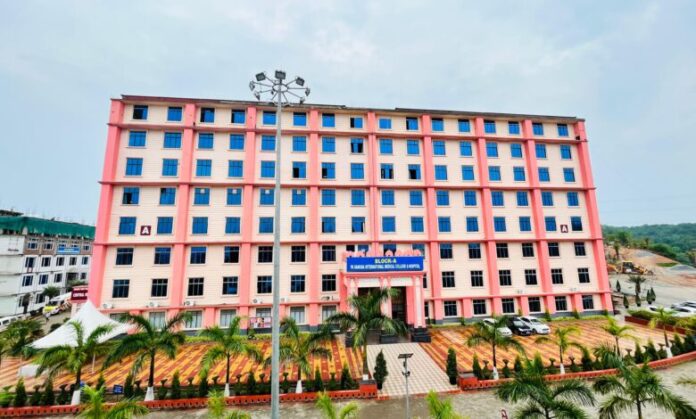
Medical College and Hospital (PIMC) , a project under the University of Science and Technology Meghalaya (USTM),
The University of Science and Technology Meghalaya (USTM) has been awarded the prestigious title of “University of the Year 2024” at the Academic Insights Education Excellence Awards & Summit 2024, held in Bengaluru.
The honor was received by USTM’s Vice Chancellor, Prof. GD Sharma, a former President of the Association of Indian Universities. The event witnessed the presence of over 200 dignitaries, including Vice Chancellors, Deans, Principals, Directors, and leading educational thought leaders.
Renowned for its commitment to innovation, research, and holistic education, USTM outshone a competitive pool of institutions nationwide to secure this esteemed accolade. Organized at the Courtyard by Marriott, Hebbal, Bengaluru, the Academic Insights Education Excellence Awards recognize exceptional contributions in education. USTM was presented with a Certificate of Excellence and mementos in the “University of the Year 2024” category.
This recognition underscores USTM’s remarkable contributions to quality higher education and impactful social initiatives. The university has consistently demonstrated excellence through its unique policies and achievements. Notably, it ranks 52nd in India according to the globally acclaimed Nature Index, which measures scientific contributions and high-impact research. Accredited with an ‘A’ grade by NAAC and recognized by NIRF, USTM is celebrated for providing transformative opportunities to the youth of Northeast India, fostering skill development, and contributing to nation-building.
Prof. GD Sharma, while accepting the award, expressed his gratitude and pride. He remarked, “This recognition is a testament to the collective efforts of our faculty, staff, students, and alumni. Each has played a vital role in shaping USTM’s success story. We extend our heartfelt thanks to everyone who has been part of this extraordinary journey.”
Mahbubul Hoque, the Founder and Chancellor of USTM, shared his joy, stating, “This is a moment of immense pride for the entire USTM family. Being named ‘University of the Year’ acknowledges our steadfast dedication to quality education and creating an environment of continuous learning and growth.”
USTM’s achievements have attracted significant attention from institutions across India, many of which have expressed interest in collaborations to advance shared goals of educational excellence and societal development. This milestone reinforces USTM’s standing as a leader in higher education, inspiring others to prioritize innovation and community impact.
source: http://www.muslimmirror.com / Muslim Mirror / Home> Education> Indian Muslim> Positive Story / by Muslim Mirror Desk / January 21st, 2025
Janakinath Bose, Bivabati Devi, Subhas Chandra Bose and Sarat Chandra Bose in Shillong, 1927
‘The Great Escape of Subhas Chandra Bose’, i.e., his escape from house arrest by the British Government in Kolkata (then Calcutta) to Berlin in 1941 is now part of folklore. Almost every Indian with a basic knowledge of the Indian Freedom Struggle knows that Bose escaped dressed as a Pathan and reached Berlin via Delhi, Peshawar, and Kabul.
Historians have overlooked the role of women in many historical events and this case is no exception. Writers have discussed in detail how Mian Akbar Shah, Sisir Bose, Bhagat Ram Talwar alias Rahmat Khan, Uttam Chand, Haji Amin, etc. helped Bose in this journey to Berlin. They have failed to note the contributions of Bivabati Devi, Ramo Devi, Larissa Quaroni, and Mrs Haji Abdul Sobhan in the great escape.
Netaji held Bivabati Devi, wife of Subhas Chandra Bose’s elder brother Sarat Chand, in high esteem. Bhagat Ram Talwar, who had accompanied Subhas in his journey through Peshawar and Afghanistan, writes, “He considered her as his second mother. He said that in times of difficulty, he always turned to her for advice and guidance. He took her into confidence as also did Sarat Chandra Bose and their son Sisir Bose. With their help, he succeeded in dodging the police.”
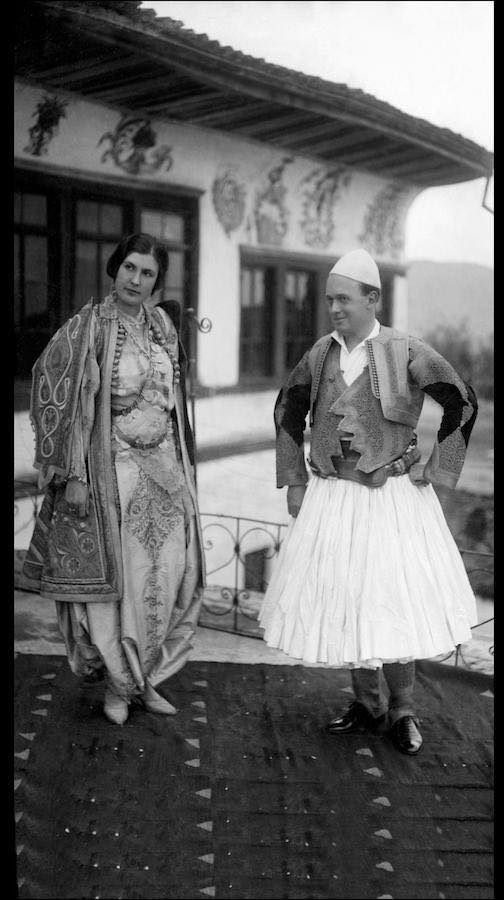
Larissa Quaroni and Alberto Pietro Quaroni
It was Bivabati who ensured that after Subhas’ escape all his meals reached his room and empty dishes removed so that police did not know about his absence till 27 January 1941, and by then he had reached Kabul.
Talwar also noted, “He had spoken to me of her (Bivabati’s) capacity to judge a particular situation and understand things and of her tact to adapt and prepare herself to meet a certain situation and thus how she was of tremendous help to him all his life.”
Ramo Devi, wife of Uttam Chand, an Indian who owned a shop in Kabul, was another person who helped Netaji in his escapade. Uttam was a revolutionary who served the jail in India during the 1930s for his nationalistic activities. Subhas stayed at his house in Kabul for a few days.
Talwar recalled, “Ramo Devi played a great and noble role in affording us protection in our difficult days during our stay in Kabul. She displayed wonderful tact and presence of mind in handling the situation. Credit goes to her for the fact that during our stay for such a long period, the neighbours or visitors never got suspicious of us. She spared no pains to make Netaji’s stay in her house as comfortable as possible. She always provided good food for Netaji and looked after him with great care, particularly when Netaji was unwell. She managed the children so well that we never had a reason to suspect that they would let the secret out. Under her control, even the servant proved to be useful and reliable. I think she gave very valuable support to her husband in this difficult task of sheltering a personality so well-known and so much sought after by the police.”
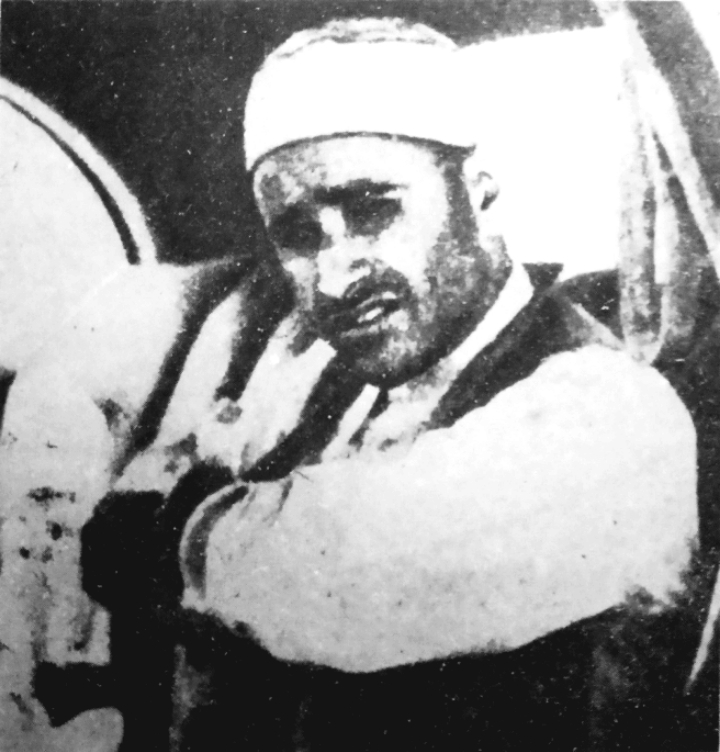
Bhagat Ram Talwar alias Rahmat Khan Bhagat Ram Talwar alias Rahmat KhanBhagat Ram
Bhagat Ram Talwar alias Rehmat Khan
Larissa Quaroni was married to Mr. Alberto Pietro Quaroni, the ambassador of Italy in Kabul. After his futile attempts to get help from the USSR and German embassies, the Italian ambassador extended all the help to Subahs to get out of Kabul and reach Berlin. He gave him a new passport with the fake identity of an Italian, Orlando Mazotta.
The government in Kabul would not support anti-British activity on its soil. Larissa acted as a messenger between the Italian embassy and Subhas. She would take the messages from the embassy to Uttam Chand’s shop. She procured Bose’s new Italian passport and also arranged clothes for his travel.
Haji Abdul Sobhan, an Indian revolutionary based in Kabul, had served jail as a member of the Ghadar Party. He married a German woman. He and Uttam Chand looked after Subhas’ stay in Kabul.
Sobhan’s wife was Subha’s link with Germany. She suggested that if everything went as planned the German forces could reach Afghanistan in six months and with their help tribals could attack the British in India. When Subhas was living in Berlin, she kept sending clothes and messages to him through her sister.
There is no denying that Subhas Chandra Bose and other men with him did something heroic but these women were no less. It is unimaginable that the escape could have succeeded if these women were not there.
source: http://www.awazthevoice.in / Awaz, The Voice / Home> Story / by Saquib Salim / January 23rd, 2025
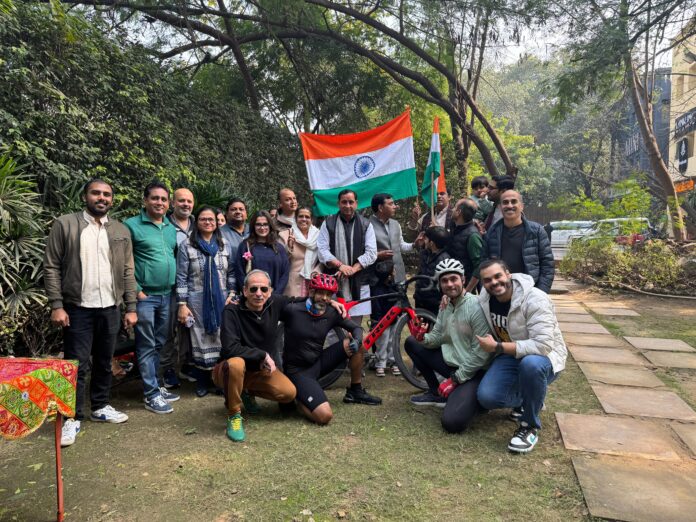
Sunday saw an impressive flag-off ceremony for two determined cyclists, Akbar Ali Bandukwala and Rishabh Jain, who set off on an extraordinary journey of 1500 kilometers from India Gate in New Delhi to the Gateway of India in Mumbai, all in the name of promoting cleanliness and health as part of ‘Swachh Bharat, Swasth Bharat’ vision on this Republic day.
The ceremony, hosted at Vasant Kunj, South Delhi, was marked by high enthusiasm as local councillors Jagmohan Mahlawat and Dharamveer Singh waved the Indian tricolour to send the cyclists on their mission.
Sister Falak BK, who organized the ceremony, highlighted the cyclists’ remarkable journey, nicknamed “G2G” (India Gate to Gateway of India), as a symbol of their dedication to spreading awareness on fitness and cleanliness across the country. The cyclists will travel through several cities, raising awareness about health and cleanliness in schools, public spaces, and communities along the way.
On this occasion, a large number of participants, including notably another host Rakesh Kothari and their enthusiastic team of supporters, warmly welcomed both cyclists with great enthusiasm and fervour.
Later on Sunday, Judicial Magistrate Rishabh Tanwar also joined at India Gate, helping to kick-start the journey with the rallying cry: “Let’s pedal towards a cleaner, healthier India!”
On this occasion, Akbar Ali Bandukwala, an iron trader turned fitness enthusiast, shared his inspiring story at the ceremony. Originally from Udaipur, Rajasthan, Akbar’s life took a dramatic turn after a severe spinal injury in 2013, which led doctors to warn him that he would be restricted to only baby steps for the rest of his life. However, driven by his indomitable spirit, Akbar defied the odds. After months of rehabilitation, he began running again. His journey from bedridden to marathon runner became a story of triumph.
By 2015, Akbar completed a half marathon, and soon after, he participated in marathons across India and China. In 2018, he organized the Bandukwala Marathon, inviting his family to run alongside him. The crowning achievement came in June 2023, when Akbar ran an astounding 50 kilometers to celebrate his 50th birthday. The event saw thousands of supporters join him in solidarity, running in cities across the world. According to him, his wife Tasneem Bandukwala is his biggest supporter and motivator.
Akbar has pushed his limits further. In January 2024, Akbar participated in the ‘Fundraiser Ultrathon for Gaza,’ where he achieved yet another milestone. He completed a gruelling 70-kilometer Vertical Trail Run, covering a total distance of 78.14 kilometers in 15 hours and 40 minutes, taking an astounding 101,258 steps in Guangzhou, China. The trail was incredibly challenging, with vertical, uneven, rocky, and steep terrain, making the task extraordinarily difficult. Yet, for Akbar, it was just another feather in his cap.
Earlier last year, Akbar also promoted the ‘Swachh Bharat Abhiyan’ under the Guangzhou Consulate General of India and emerged as a pioneer in strengthening India-China public relations. He was also awarded the Parvasi Bhartiya Award.
Later in 2024, he turned 51, he cycled 151 kilometers non-stop, battling heavy rainfall and completing the feat in just 6 hours and 15 minutes. This remarkable achievement has led him to embark on the G2G journey, spreading Prime Minister Narendra Modi’s message of ‘Swachh Bharat, Swasth Bharat’ with every pedal. Akbar is now strongly committed to inspiring others to follow his path toward better health with cleanliness drive.
From Iron Trader to Ironman, Akbar Ali Bandukwala is now embarking on the “G to G” journey, covering 1500 kilometres by bike from India Gate to the Gateway of India. In his own words, “Chalo aur kuch toofani karte hai, Delhi to Mumbai ab cycle par chalte hai.”
This Republic Day, Akbar aims to express his love for his nation through the campaign, ‘Swachh Bharat, Swasth Bharat.’”Good health and cleanliness are life’s greatest blessings, and they cannot be bought but can only be earned through enduring,” Akbar shared at the flag-off ceremony.
Through his G to G journey, Akbar is dedicated to promoting Swasth Bharat. Along the way, he plans to visit schools, collaborate with NGOs and health organizations, and engage with people from all walks of life. His mission is to educate citizens about the critical connection between physical health and mental well-being, and the importance of living a long, active life without being dependent in old age. In his own words, “Chalo aur kuch toofani karte hai, Delhi to Mumbai ab cycle par chalte hai.”
Rishabh Jain, Akbar’s cycling partner and fellow fitness fanatic, is no stranger to endurance challenges. An Ironman finisher and certified fitness expert, Rishabh has completed numerous grueling cycling and marathon events, including the Manali to Leh ride and a 1450km ride from Udaipur to Mumbai. He runs the Triform Fitness and Adventure Club in Udaipur and has coached many fitness enthusiasts, including Akbar, who was a novice cyclist just a year ago. Under Rishabh’s guidance, Akbar has transformed into a cycling enthusiast.
Sharing details of their epic 1500-kilometer journey, Rishabh Jain on this occasion, disclosed that they are undertaking this ambitious ride from India Gate in Delhi to the Gateway of India in Mumbai. They will cover the entire distance in just 7 days, spreading the message of Swachh Bharat and Swastha Bharat as part of their campaign for cleanliness and health.
According to their cycling itinerary, after departing Delhi, they will reach Jaipur on January 20, Bhilwara in Rajasthan on January 21, and Udaipur’s Kherwara on January 22. From Kherwara, they will head to Godhra, Gujarat on January 23, and embark on their journey to Surat on January 24. They will continue to Manor on January 25, before concluding their ride at the iconic Gateway of India in Mumbai on January 26.
Rishabh shared that along the way, they will participate in various awareness programs in cities and towns, focusing on cleanliness and health. They will also visit schools to raise awareness about fitness, health, and the importance of sports among children, students, and adults alike.
Reflecting on his own experiences, Rishabh noted that he has always enjoyed long cycling adventures and connecting with people. He also shared the story of Akbar, who just a year ago knew little about cycling but approached Rishabh for training. After months of hard work and dedication, Akbar has transformed into an avid cycling enthusiast, proving that with determination, anyone can achieve their fitness goals.
As the cyclists progress on their 7-day journey, they will organize health awareness programmes in schools and collaborating with NGOs to spread the message of fitness and hygiene. The duo’s cycling itinerary spans 1500 kilometers, with the final destination being the iconic Gateway of India on Republic Day, January 26th. Along the way, they will meet communities, educating people about the importance of fitness in maintaining good mental health and a long, healthy life.
In a bid to encourage the younger generation to adopt a healthier lifestyle, Akbar and Rishabh are determined to leave a lasting impact on everyone they encounter, from school children to senior citizens. Their journey is not just about cycling, it’s about motivating people to take small steps towards a healthier and cleaner future of the country.
source: http://www.indiatomorrow.net / India Tomorrow.net / Home> National Interest / by admin indiatomorrow.net / January 20th, 2025
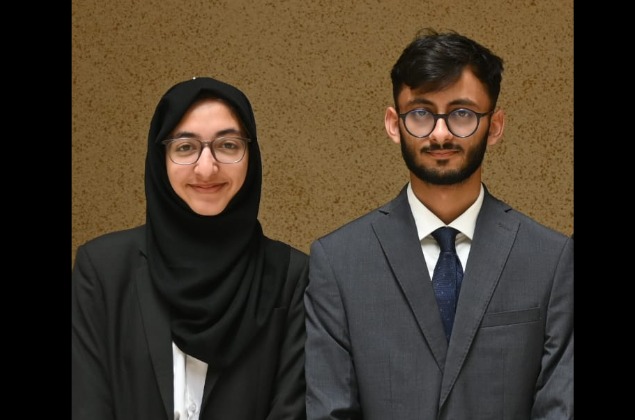
Zainab-ul-Kubra (3rd year), and Intizar-ul-Islam (4th year), Prize winners from NUSRL
Ranchi:
Students of National University of Study and Research in Law (NUSRL), have secured first place in the International Arbitral Award Writing Competition. Two university students, Intizar-ul-Islam (4th year) and Zainab-ul-Kubra (3rd year), achieved the top honour in the 5th Surana & Surana RGNUL International Arbitral Award Writing Competition 2024.
This is a significant achievement for the university, as the duo won this accolade by outperforming participants from some of the most renowned universities in India and abroad. The competition was organised by Center for Alternative Dispute Resolution (CADR) at Rajiv Gandhi National University of Law (RGNUL), Punjab, in collaboration with Surana & Surana International Attorneys.
Participants were tasked with drafting an arbitral award based on a hypothetical legal problem.
More than 72 contestants took part, including students pursuing BA-LLB, LLM, PhD, MPhil, or other law-related courses. The competition deadline was October 30, 2024, and the results were announced in January.
Based on their exceptional skills, Intizar and Zainab not only secured the first position but also received a cash prize of ₹25,000 for their victory. Their success highlights their dedication and expertise in the field of law. The competition served as an excellent platform for students to showcase their legal writing abilities.
The Vice-Chancellor of the university, Professor Dr. Ashok R. Pal, congratulated Intizar and Zainab on their achievement.
source: http://www.radiancenews.com / Radiance News / Home> Pride of the Nation> Awards> Latest News / by Radiance News Bureau / January 21st, 2025
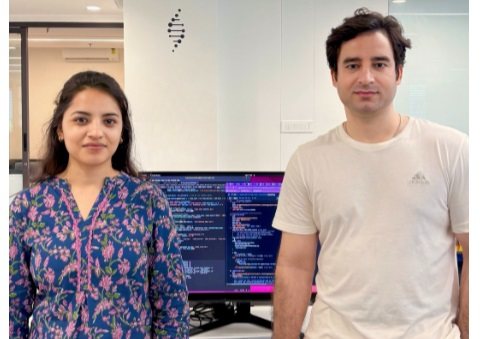
In a landmark achievement, the Government of India has recently awarded Patent No. 556810 to Jamia Millia Islamia (JMI) scholars Dr. Tanveer Ahmad, an Assistant Professor, and his PhD student, Miss Nisha Chaudhary, from the Multidisciplinary Centre for Advanced Research & Studies (MCARS) at JMI.
The patent granted on December 24, 2024, recognises their pioneering invention titled “A SYSTEM AND METHOD FOR GENOMIC MARKERS AND DIGITAL PATHOLOGY IMAGE-BASED PREDICTION OF ORAL MALIGNANT DISORDERS.”
Their innovative methodology, developed in collaboration with partners, leverages artificial intelligence (AI) and digital pathology to enhance the diagnosis and prediction of oral cancer.
Miss Nisha Chaudhary and Dr. Tanveer Ahmed
This advanced system can study tissue images to identify if they are linked to oral submucous fibrosis (OSMF), oral leukoplakia (OLL), oral lichen planus (OLP), or oral squamous cell carcinoma (OSCC). For OSCC, it can also determine how severe the cancer is—welldifferentiated, moderately differentiated, or poorly differentiated—using AI technology. The system predicts the chances of OSMF or OLP/OLL developing into OSCC, giving doctors helpful information about risks. By using genetic markers and digital tools, it provides clear treatment insights and lowers diagnostic costs compared to traditional methods. This invention is set to transform oral cancer detection by making it more affordable and accurate.
In addition to the patent, the research team has recently achieved another significant milestone with their publication in Scientific Data, a high impact factor (9.8) journal from the Nature Publishing Group. Their paper, “High-resolution AI image dataset for diagnosing oral submucous fibrosis and squamous cell carcinoma,” highlights the dataset underpinning their innovation, offering a valuable resource for researchers worldwide.
This accomplishment is shared with distinguished collaborators, including Dr. Akhilanand Chaurasia, Dr. Arpita Rai, Dr. Deepika Mishra, and Dr. Charbel Darido, whose contributions have been pivotal.
Together, these achievements have significant implications for medical treatment, underscoring the transformative potential of AI-driven solutions in digital pathology and oral cancer research, marking a significant leap toward improved diagnostic and prognostic outcomes.
Professor Mohammad Husain, Director of MCARS at JMI, congratulated all who were part of the study and expressed pride in the achievement.
source: http:/www.jmi.ac.in / Jamia Millia Islamia / Home / by Public Relations Office / December 31st, 2024
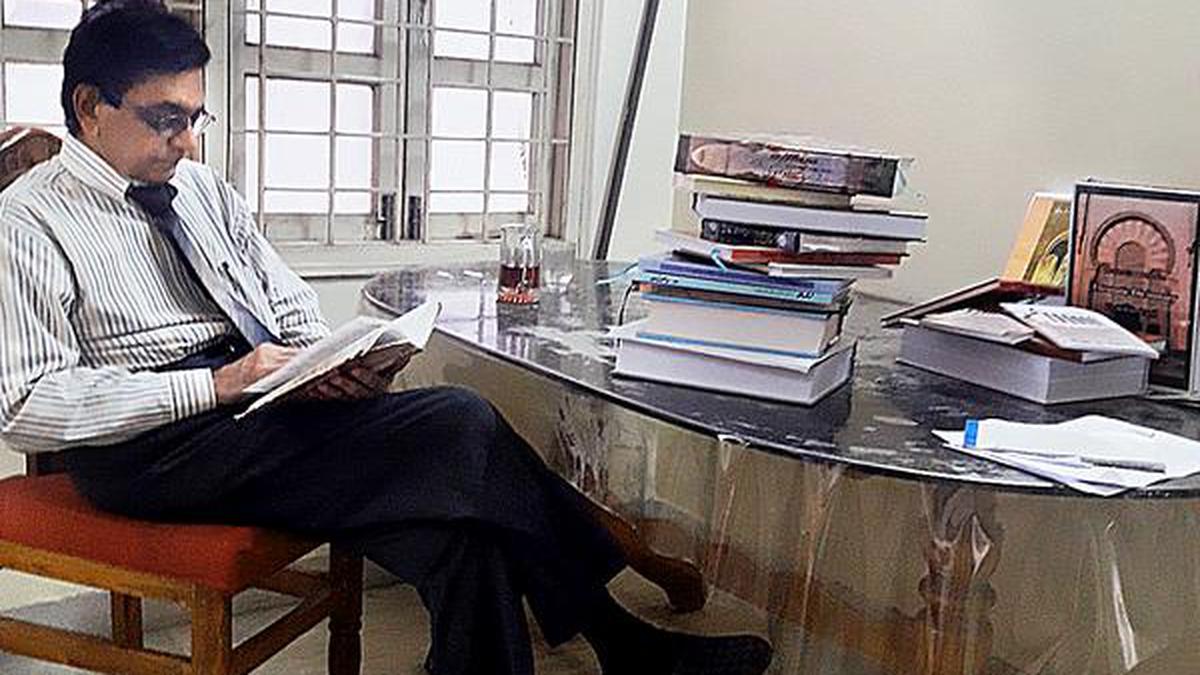
If published, Amir Rizvi’s work would be the largest set of lexicons
When this monumental work sees the light of the day, Urdu readers will have the largest ever set of lexicons — six dictionaries spread over nearly 4000 pages are awaiting publication. Only, Syed Jafar Amir Rizvi doesn’t have the wherewithal to publish them.
A nuclear scientist by profession and a linguistic buff by passion, Amir has slogged for ten years to write the dictionaries on subjects which are totally new to Urdu language. Having accomplished the task, he is desperately looking for a sponsor to publish his works. His talks with the National Council for Promotion of Urdu Language (NCPUL) and the Maulana Azad National Urdu University in this connection have remained unfruitful.
Lexicography runs in his genes. His grandfather, Syed Tasaduqh Hussain Rizvi, authored the Loghat-e-Kishwari , way back in 1886; that still remains a popular reference point in Urdu. But what triggered Amir’s interest is Gossamer Years’ the tenth century classic of a Japanese writer, presented by his daughter. So impressed was he with the book that he wanted to translate it in Urdu. But when he sat down to translate he couldn’t get appropriate words in Urdu. “It was then that I decided to compile a comprehensive dictionary,” says Amir who served in the Department of Energy, US.
After retirement in 2007 he devoted his time and energy to writing seven dictionaries – Farhang-e-Amir, Farhang-e-Mauzoee (thematic dictionary), Farhang-e-Mutaradif and Mutazad (dictionary of synonyms and antonyms), Farhang-e-Qafia (rhyming dictionary), Urdu Lugath ki Tareekh (history of Urdu lexicography) and Farhang-e-Lisaan (linguistic dictionary). Of these only Farhang-e-Amir has been published; the rest await publication.
Salient features
What is unique about Amir’s lexicons is their encyclopaedic range. They not only provide information related to language and literature but are also a treasure trove of words for students and research scholars. For instance the thematic dictionary is a thesaurus in four languages – Urdu, Persian, Arabic, English. So one can find the meaning of a word in four languages at once. With more than one lakh words, the 1100-page lexicon is structured subject-wise.
Amir has fulfilled a long-felt need for a thesaurus in Urdu with a 2000 page dictionary. “Its benefits will be known once you start using it”, he says.
The Farhang-e-Qafia is also exceptional; it could be of immense help to poets in search of appropriate rhyming words. “Such a dictionary simply doesn’t exist in Urdu”, says Shujat Ali Rashid, a Urdu writer.
Apart from this, Amir has also penned Urdu and English poetry under the title Milak-e-Shairi and Distant Song, and has authored a Hand Book of Nuclear Science and Engineering on design and construction of nuclear power plants. What worries this 80-plus writer is the fate of his lexicons. He wants them published during his lifetime. Will someone come forward to help him?
source: http://www.thehindu.com / The Hindu / Home> Todays Paper> Features> Friday Review / by J S Ifthekhar / December 07th, 2018
How a Madrasa student Mohammad Israr became a Maritime Archaeologist in the UK
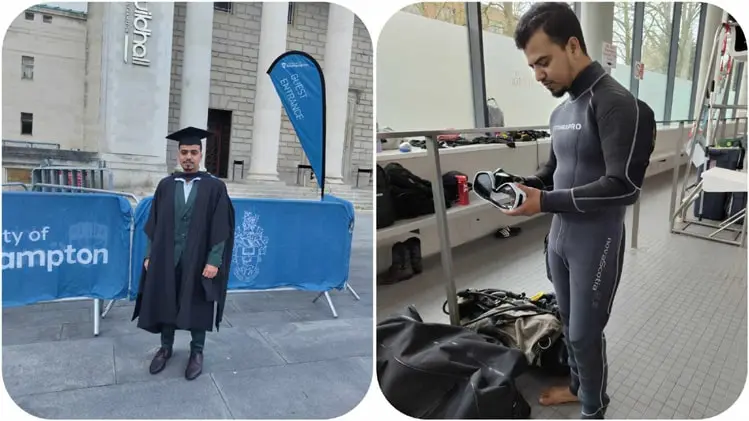
Mohammed Israr on December 19, after the convocation of University of Southampton and in his uniform as Maritime Archeologist | Arranged
Kolkata:
Madrasa Chaap is an abusive or slang term increasingly used to demean Indian Muslims. However, such people should meet Mohammad Israr, who, in the last decade, completed not only his Madrasa education (along with secondary school) but also his senior secondary education, graduation, and a Master’s degree from India’s top college and university. Recently, he earned another Master’s degree from the University of Southampton, that too as a fully funded student.
Last week, Israr, a resident of Kolkata, received his MSc in Maritime Archaeology from the University of Southampton. The 24-year-old, who comes from a modest family, aims to pursue a Doctorate in Philosophy (PhD) at an international university before embarking on a full-time professional career.
Israr’s father, the late Mohammad Mushtaque, passed away when he was only four years old. His father was a small businessman. Since then, Israr’s elder brother, Mohammed Istiak, has been supporting him.
But how did the journey of a Madrasa student, starting in the lanes of Elliot Lane, lead to the United Kingdom?
Inspired by a Friend to Pursue Additional Education Beyond Madrasa
“Since my father passed away early in my life, I was sent to a Madrasa (Jamia Abdullah ine Masood, Kolkata) for studies. However, my childhood friend Hassan Abdul Ghaffar, who attended an English medium school and excelled in academics, inspired my interest in modern and professional courses,” Israr told eNewsroom over phone from Southampton.
His friend is now a software engineer working with Accenture.
“Because of Hassan, I developed an interest in studying at colleges and universities considered mainstream in our country. After my initial studies at Madrasa, I joined Jamia Arifia Madrasa in Allahabad (now Prayagraj), which was recognized by Aligarh Muslim University,” he explained.
Shaikh Abu Saeed, the Founder of Jamia Arifia | Arranged
Jamia Arifia’s curriculum includes English, Mathematics, Science, and Hindi alongside traditional subjects. However, Israr, with clear goals in mind, pursued senior secondary education at AMU.
“After completing higher secondary school, I earned a bachelor’s degree in History (Honours) from AMU. Then, I enrolled at Maulana Azad National Urdu University, Hyderabad, and completed a Master’s degree in History there,” he mentioned.
While studying in Hyderabad, Israr worked at Genpact to support himself financially.
Balancing Work and Studies
Israr worked tirelessly to achieve his degrees. “I had to attend classes from 9 a.m. to 1:30 p.m. and then work from 3 p.m. until midnight. Sometimes, I had to work until 3 a.m. It was a tough schedule, but I succeeded,” he said.
Daring to Dream Big
Israr’s story is not just inspiring for Madrasa students but also for those pursuing modern education.
“After my Master’s, I applied for a fully funded MSc in Maritime Archaeology at the University of Southampton. Although I came from an arts background, I challenged myself to pursue a science-based Master’s degree. Initially, it was difficult, but I began enjoying it. Archaeology is a part of history, but the study of maritime archaeology is still uncommon, especially in India. Nonetheless, I completed the course successfully,” said Israr, who proudly embraces his Madrasa background in ‘New India.’
“In my journey so far, my mother, Amna Khatoon, has been my backbone, supporting me in every decision,” he added.
source: http://www.enewsroom.in / eNews Room India / Home>Bengal> Education / by Shanawaz Akhtar / December 28th, 2024
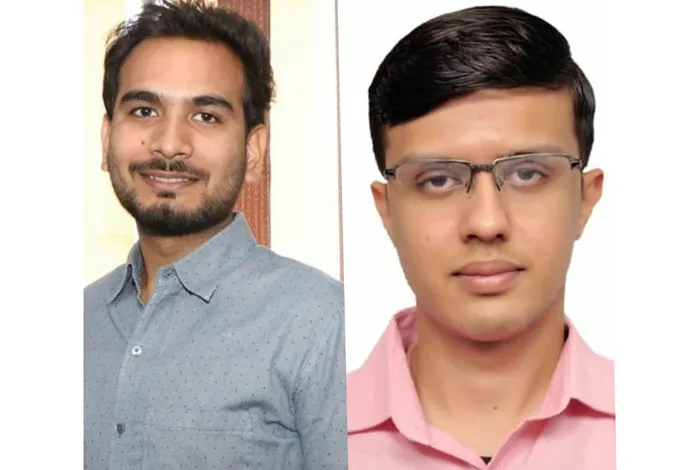
Kota’s Shadab Hussain and Shahid Husen Shokat Menon of Koday village, Gujarat both secured top two positions
Shadab Hussain (Left), and Shahid Shokat Memon, first and second rank holder of CA Exam
Kota/Kolkata:
He was frantically trying to find out his result online. But slow internet connectivity was playing a truant. A quick call made to his office colleague brought the sweetest news to his ears. He was in a sense of disbelief.
“When my office friend called me back, informing me about me having secured the first rank in CA examination, I was in a denial mode. I had heard that the president had called the topper and I had not received any such calls. But later, I realized that I had actually topped when the President of India called me to congratulate me on my achievement,” he shared.
CA Shadab Hussain with his family members
Overcoming adversities
Meet Kota’s Shadab Hussain, the tailor’s son, who made it to rank one in his first attempt for the Chartered Accountant (CA) exam this year. Shadab, overcame all adversities to make it big in his life. However, despite all the hard work and labour put in, he feels that his father is the bigger hero. “He is a ladies tailor and only a matric pass. My mother, on the other hand, is a school dropout, but they never compromised with our education. My three sisters are all graduates and my father kept motivating me to work. He always believed that I could top the CA exam,” he revealed.
However, the boy from Kota, who has kind of written history, by becoming the first Muslim to top the CA exam (old syllabus), had to face many financial constraints. He even took up a job as an accountant at a private firm. “It was really difficult for me. I used to study from 6 am to 10 am and then work from 11 am until six in the evening, following which I would again study till 10 pm. Long walks and badminton session were my way of distressing,” recounts Shadab, who now wants to join a big corporate house.
On being asked, why he chose to become a CA when aspirants come to Kota with the dream of cracking the engineering and medical entrance examinations, he replied, “The future at present looks bleak for the engineering aspirants. There are too many engineers around. That apart, it’s an expensive course, in comparison to doing MCom along with preparing to crack the CA exam.”
From Kota to Koday
CA Shahid Shokat Menon with his family members
Scoring only 13 marks lesser than Shadab, approximately 837 kilometres away from Kota, in Gujarat’s Koday village, is Shahid Husen Shokat Menon. United by their identity of being representative of the minority community, both have confronted their shares of adversities to make it to the first and second rank of one the most difficult examination to crack in India.
“I come from a small village in the Kutch region of Gujarat. My father is into business. So, financially it was not very difficult for us. But the biggest challenge was to travel 100 kilometres on a daily basis for my preparatory classes for the CA Integrated Professional Competence Course examination,” revealed Shahid.
Even as a school student, he had to travel 10 kilometres a day to his alma mater, St Xavier’s School. Commerce, as a subject had always interested him, hence CA was an obvious career choice for the 23-year-old. Surprisingly, when he had expressed his desire to become a CA, his family, where almost everyone is a businessman, supported him in every possible way.
He said, “When I took the decision of cracking the CA exam, I gave my 100 per cent for the preparation and left the rest to the almighty. I believed that since I had put in my best, my result would also be good.”
What it means for the community?
On being asked what it meant for the community, he said, “Two Muslims securing the top two rank for the CA exam is definitely good news for the community. Our success story for sure will inspire many. It feels great when leaders message to congratulate.”
Answering the same question Kota’s pride, Shadab said, “It’s really amazing to see Muslim youths performing well in competitive exams. It will also make people believe that hard work can help one scale any obstacle. Our success will make many realize that oue religion is not a barrier to our community and individual success. Talent and hard work are all that is needed to make it big in life.”
He also added, “Apart from joining a big corporate house, I also plan to do something for students from financially backward families. Once in a job, I will try my best to support the education of at least three students on an annual basis. We need to help such students so that the poor in our country get empowered.” Shahid too aspires to join a big corporate firm to make it big professionally.
source: http://www.enewsroom.in / eNews Room India / Home>Freshly Brewed / by Shabina Akhtar / January 27th, 2019
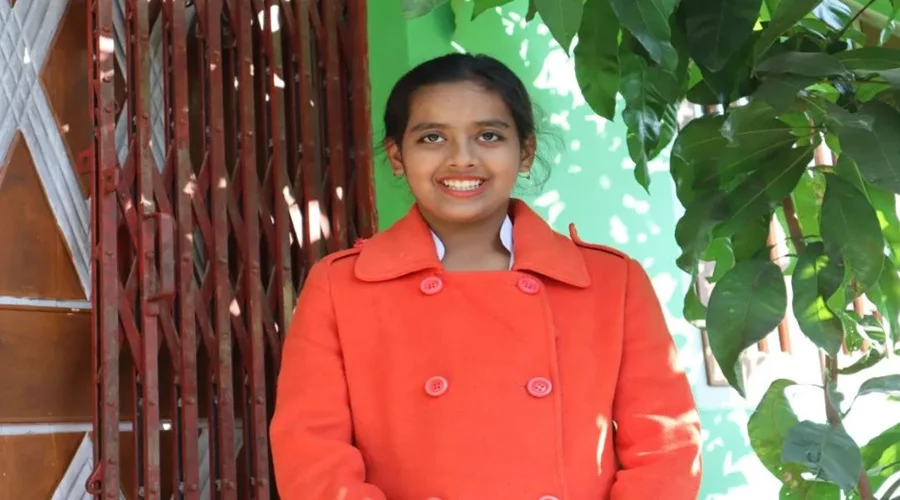
Ten-year-old Alia Nasreen from Nalbari excels in both the Quran and the Bhagavad Gita
Guwahati :
Assam, known for its diversity of races, languages, and cultures, has once again demonstrated the spirit of inter-religious harmony and unity through the remarkable achievements of a young Muslim girl from Nalbari.
Alia Nasreen Rehman, a ten-year-old student from Nalbari’s Shantipur, has captivated her community with her mastery of both the Quranic verses and the Sanskrit shlokas of the Bhagavad Gita. A student of Vivekananda Kendriya Vidyalaya, Alia’s fluency in these sacred texts has made her a symbol of cultural inclusion and mutual respect.
Her father, Mukib-ur-Rehman, believed in the importance of understanding different religions, saying, “I am teaching my daughter the Gita because we all need to know about each other’s religions. We should not shy away from learning and reading anything.”
Mukib-ur-Rehman ensures that Alia receives a balanced religious education. “As a Muslim girl, I am also teaching her the Holy Quran and Hadith. We send her to the mosque to learn Arabic. She prays with me, although she is still very young for formal prayers,” he added.
Alia’s linguistic talent extends beyond spiritual texts. She can fluently recite Arabic alongside Sanskrit verses, impressing both her local community and educators. Her achievements have earned praise from both Muslims and Hindus, reflecting the spirit of coexistence Assam is known for.
However, her family’s progressive approach has not been without challenges. Mukib-ur-Rehman acknowledged that some within the Muslim community have criticised his decision to teach her the Gita. “There are some ignorant people who criticise her, but we ignore their words. We should study everything and remove all kinds of ignorance,” he stated firmly.
Alia excels in academics and the arts. She is a talented dancer, performing in Satriya and Kathak styles, and has won awards for singing and painting. “She has not taken any formal dance training, but this year, I have enrolled her in an art school where she will receive proper guidance,” said her father.
Recently, Alia was honoured with the prestigious Shilpi Sadhana Award from the Qazi Para Club in Behanpur, Nalbari District, for her exceptional talent. This recognition highlights her growing influence as a young ambassador of peace and understanding.
The support of Alia’s parents, Mukib-ur-Rehman and Papuri Begum, has been instrumental in her development. They ensure she receives quality education but also teach her about her culture, religion, and the importance of harmony. “We want her to become a real human being who respects all cultures,” said Mukib-ur-Rehman.
Alia’s story continues to inspire many in Assam, reinforcing the state’s identity as a land of unity in diversity. Her example stands as a powerful message against communal divisions, showing how understanding different faiths can strengthen societal bonds.
source: http://www.clarionindia.net / Clarion India / Home> Editor’s Pick> India> Indian Muslim / by Team Clarion / January 09th, 2025
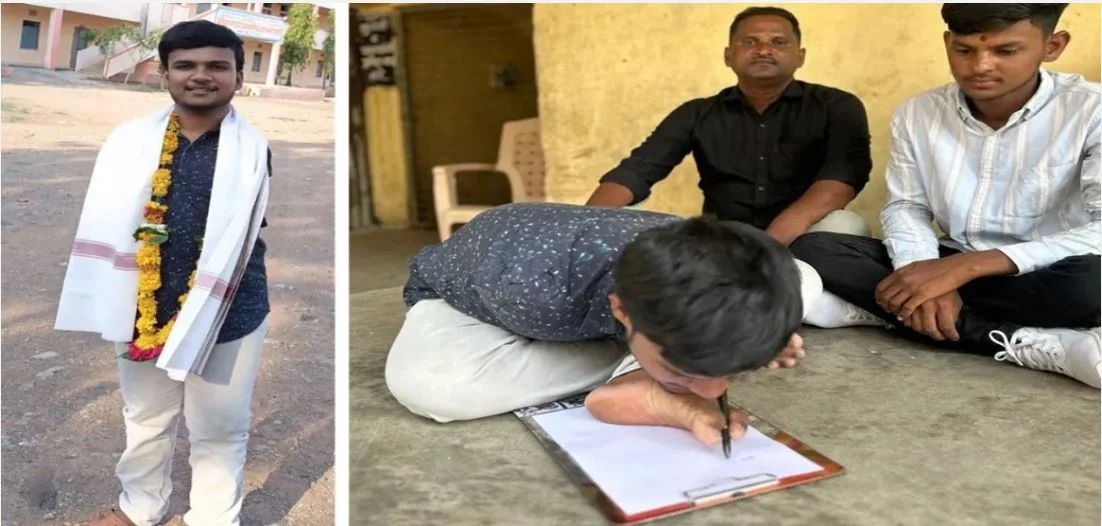
The success saga of a youth who was born without hands. He was able to conquer disability with determination
Latur :
Disability may limit the body, but it cannot confine the spirit when fuelled by determination and support. This fact is exemplified by Gaus Sheikh, a young student from Mahapur, a village near Latur city in Maharashtra, whose extraordinary journey of resilience and success is a source of inspiration for many.
Born without both hands, Gaus Sheikh’s life was marked by challenges from the very beginning. His father, an employee at an ashram school, and his mother, a homemaker, raised him with love and positivity, considering him a blessing from Allah rather than a burden. Despite his physical condition, they nurtured his abilities, believing in his potential.
When Gaus started school, his peers wrote with their hands, but he was unable to do the same. Undeterred, his parents and teachers encouraged him to write by holding a pencil with his toes. Through relentless practice, he not only mastered the art of writing with his foot but also developed exceptional handwriting that could make anyone envious.
Academically, Gaus continued to shine. He consistently topped his class, scoring an impressive 89% in his 10th-grade exams and 78% in the science stream in 12th grade. Currently, he is pursuing his arts degree at Swami Ramanand Teerth Marathwada University, Latur.
Despite the allowances granted to disabled students, such as extra time during examinations, Gaus has never sought such concessions. Instead, he completed his papers within the standard time of three hours and often with additional material, showcasing his exceptional capabilities and determination.
Reflecting on his achievements, Gaus humbly credits his parents for their unwavering support and sacrifices. He says, “Those who are aware of the hard work of parents, if their steps do not go astray, they lead us in the right direction. Do not hurt your parents who themselves bear the heat and rain and give you shelter.”
Gaus has adapted to his physical limitations with remarkable resilience. Describing his daily life, he shared, “Since I don’t have hands, my parents help with my bathing and feeding. However, I do as much as possible on my own. I eat food using a spoon with my feet, and I even operate my mobile phone with my toes.”
His aspirations are equally inspiring. Gaus dreams of becoming a chartered officer and has already begun preparing for competitive examinations with unwavering dedication. He expressed, “I want to become an officer and serve society. I believe hard work and consistency can overcome any obstacle.”
His story is not one of seeking sympathy but rather a testament to strength and perseverance. “I don’t cry for not having hands. I practised writing with my toes, and my teachers and family supported me. I even started drawing, and today, I can draw beautiful pictures with a brush held in my toes. I can also play cricket using my feet,” Gaus shared proudly.
His teachers recall his journey with immense pride. One of them noted, “Gaus was never seen as different. His spirit always stood out. His handwriting was better than many students who wrote with their hands. He is truly an inspiration.”
Gaus Sheikh’s story stands as a powerful message for society. It challenges the perception of disability, proving that physical limitations cannot define a person’s capabilities. Through hard work, support, and an unyielding spirit, Gaus has turned his struggles into milestones, reminding us all that true success is measured by perseverance, not physical perfection.
source: http://www.clarionindia.net / Clarion India / Home> Editor’s Pick> India> Indian Muslim / by Team Clarion / January 04th, 2025