Category Archives: Amazing Feats

Five From Karnataka Among ‘100 Indian Muslim Achievers’ Recognized by Muslim Mirror

KARNATAKA / NEW DELHI :

Muslim Mirror’s list of 100 Indian Muslim achievers features four notable personalities from Karnataka, recognized for their contributions to education, business, journalism, and community development.
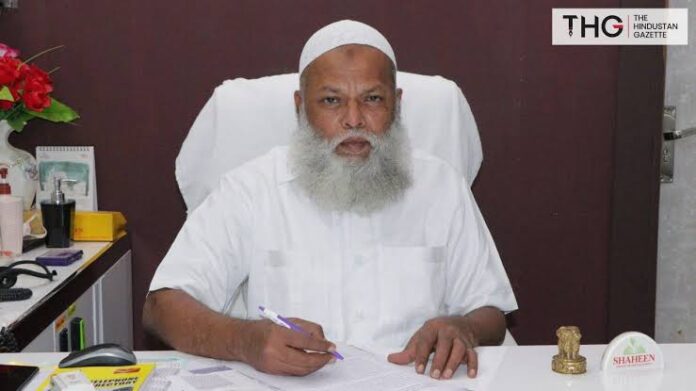
Bidar’s Abdul Qadeer – Educator and Visionary Leader
Abdul Qadeer, a renowned educationist and founder of the Shaheen Group of Institutions in Bidar, has dedicated his life to empowering marginalized communities through education.

Under his leadership, Shaheen Institutions have grown into a network providing quality education, emphasizing academic excellence and holistic development. His commitment to integrating modern and traditional education has enabled numerous students to excel in competitive examinations and achieve higher educational aspirations.

Mangaluru’s Dr. Abdullah Kunhi – Entrepreneur and Educationist
Dr. Yenepoya Abdullah Kunhi, the founder of Yenepoya University in Mangalore, has transformed education and healthcare in Karnataka.

Known for his vision and humanitarian spirit, Dr. Kunhi established Yenepoya University as a multidisciplinary institution offering innovative programs across various fields.

He also expanded healthcare access through advanced medical facilities and initiated programs to uplift marginalized communities, including scholarships and community health initiatives.

Azim Hashim Premji – Business Tycoon and Philanthropist
Azim Premji, former chairman of Wipro Limited, revolutionized India’s IT industry and emerged as one of the country’s most influential business leaders.

A recipient of the Padma Bhushan and Padma Vibhushan, Premji is also one of the world’s leading philanthropists. Through the Azim Premji Foundation, he has donated over $21 billion, primarily to improve education and healthcare in India, leaving an indelible mark on society.

Mohammed Zubair – Journalist and Fact-Checker
Mohammed Zubair, co-founder of the fact-checking website Alt News, is a pivotal figure in combating misinformation in India.

Transitioning from an engineering background to journalism, Zubair has exposed numerous instances of fake news and disinformation, fostering accountability and promoting responsible journalism. Despite facing harassment and legal challenges, his dedication to truth and transparency remains unwavering.

Irfan Razack – Real Estate Mogul and Community Advocate
Irfan Razack, Chairman and Managing Director of Prestige Group, is one of India’s leading real estate entrepreneurs.


Based in Bengaluru, he has played a pivotal role in shaping India’s real estate landscape, making Prestige Group one of the most prominent property developers in the country.

Razack is also the co-founder of Inventure Academy in Bengaluru and has held esteemed positions, including Honorary Secretary of the Al-Ameen Educational Society and Chairman of CREDAI.

His community contributions through the Kutchi Memon Jamat and philanthropic initiatives have earned him numerous awards, including the Real Estate Excellence Award (2008) and Entrepreneur Extraordinaire Award (2010).

According to the 2024 Forbes list of India’s 100 richest tycoons, Irfan Razack and his siblings are ranked 49th, with a net worth of $6 billion.

These five distinguished individuals from Karnataka exemplify excellence, resilience, and a commitment to societal progress, earning them well-deserved recognition on this prestigious list.

source: http://www.thehindustangazette.com / The Hindustan Gazette / Home> News> Education / by The Hindustan Gazette / January 06th, 2024
Scholar, Writer Prof. Muzaffar Assadi passes away at 63

Shirva, UDUPI District / Mysuru / KARNATAKA :

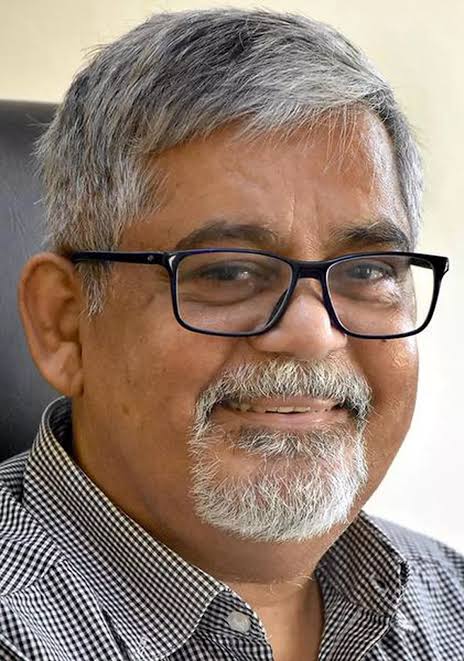
Prof. Muzaffar Assadi

Bengaluru:

Senior scholar, thinker, and writer, Prof. Muzaffar Hussain Assadi, who served as the Acting Vice-Chancellor and Dean of the Political Science Department at Mysore University, passed away late Friday night at a private hospital in Bengaluru. He was 63 years old.

Prof. Muzaffar Assadi conducted extensive studies on the lives and lifestyles of tribal communities.

He served as the chairperson of a committee appointed to address the displacement of tribal populations. His research and contributions spanned areas such as agricultural studies, globalization, Gandhian philosophy, political sociology, democratic theories, social movements, comparative governance, Indian politics, human rights, and global political theories, earning him significant recognition.

Hailing from Shirva in Udupi district, Dr. Muzaffar Assadi completed his postgraduate degree from Mangalore University, followed by an M.Phil. and Ph.D. from Jawaharlal Nehru University (JNU), New Delhi.

He later pursued a Rockefeller Fellowship and Post-Doctoral studies at the University of Chicago.

He authored 11 books during his illustrious career.

As the chairperson of the High Court Committee on Tribal Displacement, he submitted an impactful report.

His notable works include Multifaceted Feminist Narratives and Movements in Karnataka, Asmita, among others.

Previously, he served as the Special Officer of the newly established Raichur University.

Prof. Assadi received numerous honors, including the Karnataka Sahitya Academy Award.

source: http://www.english.varthabharati.in / Vartha Bharati / Home> Karnataka / by Vartha Bharati / January 04th, 2025

Mangaluru: Kanachur Group of Institutions meet to observe Founder’s Day

Mangaluru (Dakshina Kannada District), KARNATAKA :

Mangaluru : 

A distinct day in the entire calendar year of Kanachur Group of Institutions, where the integral force of Kanachur Family namely students, staff, faculty, principals and trustees meet as a single unit; to remember and express their gratitude to their leader, chief and founder – Haji U K Monu was recently observed.

Kanachur Islamic Education Trust ®, under its flagship honors the following institutions:
1. Kanachur Institute of Medical Sciences
2. Kanachur College of Nursing Sciences
3. Kanachur College of Physiotherapy
4. Kanachur Institute of Paramedical Sciences
5. Kanachur Institute of Management & Science
6. Kanachur PU College for Women
7. Kanachur Public School
8. Kanachur Primary School
9. Kanachur Pre-Primary School

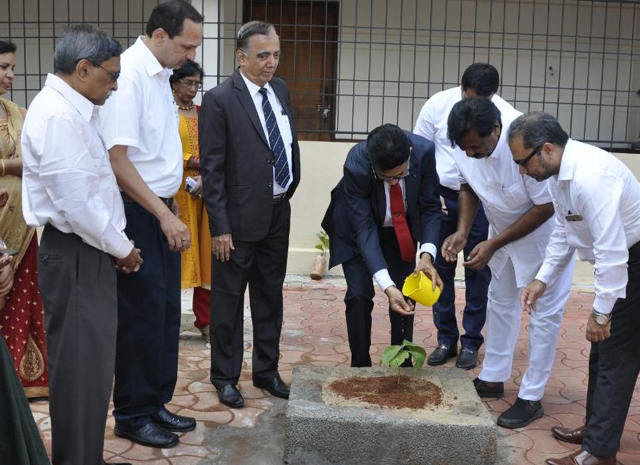
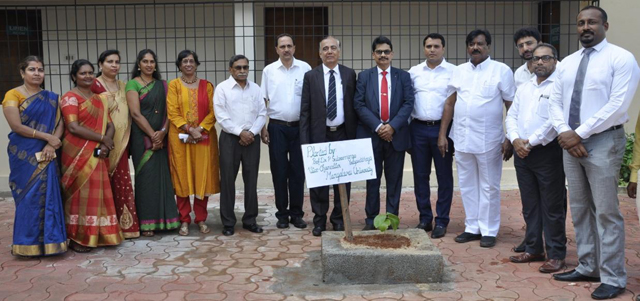
The momentous day started with a Vanamahotsava programme, where the chief guest Prof Dr P Subramanya Yadapadithaya – vice chancellor of Mangalore University planted a teak sapling in the Kanachur Health Education Campus. Prof Yadapadithaya was then welcomed with a ceremonial guard of honor, by the student scouts and guides who did a brilliant job.

A prayer song by the students of Kanachur Public School and a Quranic citation gave this amazing day a head start. Then followed a cultural extravaganza where in the student units of all constituent colleges under the trust displayed excellence and sheer talent, at the Medical College auditorium, Kanachur Academic Block.

Abdul Rahiman, director – Kanachur Institute of Medical Sciences warmly welcomed the entire Kanachur fraternity on and off the dais. He travelled down memory lane to when the trust was formed and he was in his late teens; the dreams that his father carried to offer education to the underprivileged and left no stone unturned to make this 70 acre campus transform into a temple of learning in rural India.

With these few words he welcomed the founder and chairman of the trust. Zohara Monu, trustee – Kanachur Islamic Education Trust; Prof Dr P Subramanya Yadapadithaya – VC, Mangalore University; Prof Dr M Abdul Rahiman, chairman, Advisory Board – Kanachur Academy of General Education and former VC – Kannur and Calicut Universities; Dr H S Virupaksha, dean – Kanachur Institute of Medical Sciences; Dr Sreesha Khandige, associate dean – Kanachur Institute of Medical Sciences; Dr Deviprasad Shetty, medical superintendent – Kanachur Hospital & Research Centre; Dr Rohan Monis, chief administrative officer – Kanachur Hospital & Research Centre; Dr Vivian D’Souza, principal – Kanachur Institute of Paramedical Sciences; Suhail Khan, principal – Kanachur College of Physiotherapy; Prof Renilda Shanti Lobo, principal – Kanachur College of Nursing Sciences; Prof Iqbal, principal – Kanachur Institute of Management & Science; Hemalatha, principal – Kanachur PU College for Women; Vinitha Mathias, principal – Kanachur Public School; Anandi, principal – Kanachur Primary School; Linnet, principal – Kanachur Pre-Primary and Dr Shahnawaz Manipady, HOD – Forensic Medicine were on the dais.

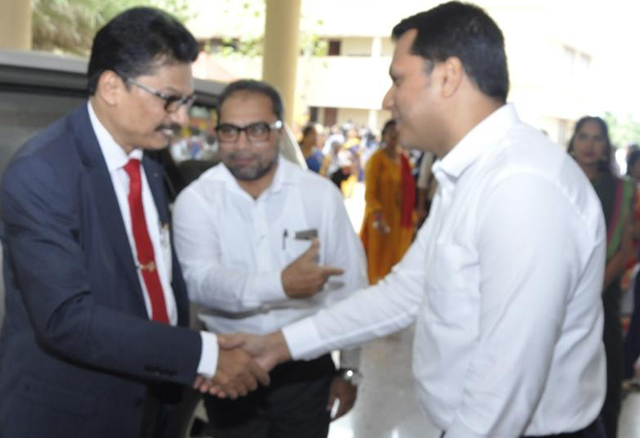
Prof Dr P Subramanya Yadapadithaya was respectfully felicitated by Haji U K Monu. In his chief guest addressal, he hailed the efforts of Kanachur U K Monu. He stressed that in today’s times, just a degree does not suffice. One needs KASH – Knowledge – to be ahead of the race, Attitude – so that all around are amicable, Skills – a mixed skillset and Habits – one that is infectious and aiming for excellence. Today’s era is evidence based and research informed and it is just going to get tougher.

Prof Dr M Abdul Rahiman was the guest of honor for this pompous occasion. He stressed on the fact that U K Monu always stressed on quality and that they as leaders and faculty of Kanachur should support him.

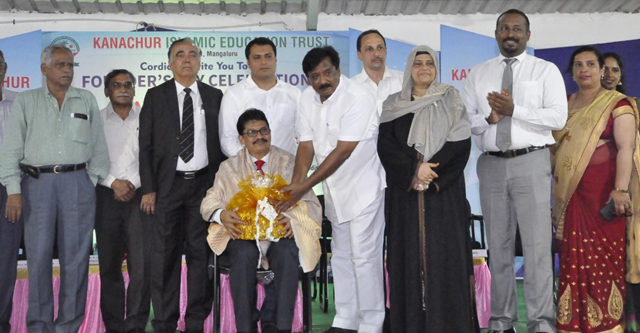
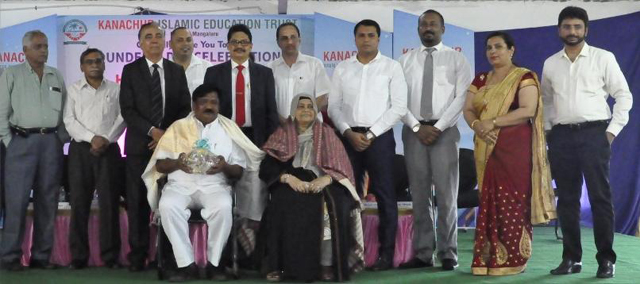
Haji U K Monu and his able life companion Zohara Monu were felicitated by Prof Dr Abdul Rahiman and Shanti Lobo. Later, all the heads of all the constituent institutions paid their floral tributes to them and wished them on the occasion of Founder’s Day. In his presidential address, Haji U K Monu stressed that this day is a special day with all his faculty and students and that he appreciates every hard working person in the institute. He said there is no replacement for hard work and that is the way it should be.

The vote of thanks was given by Dr H S Virupaksha. The event ended with the National Anthem.

Dr Annet, assistant professor – Dept of Microbiology was the emcee.

All the principals, faculty, staff and students were present at the Medical College auditorium. It was a day filled with pride and was very inspiring indeed.

Kanachur Islamic Education Trust ® and their group of institutions are very proactive in helping to realise the dream of the needy students in rural India. This is an active nation building process and education of young minds and their hearts is their mainstay.

In the words of Nelson Mandela ‘Education is the most powerful weapon which can be used to change the world’ which the trustees stand by.

source: http://www.daijiworld.com / DaijiWorld.com / Home> Campusbeat> Mangaluru / by Media Release / July 18th, 2018

Prof Nizamuddin Khan Bags Bhoogol Vachaspati Award

Aligarh, UTTAR PRADESH :

Prof. Nizamuddin Khan receives the prestigious Bhoogol Vachaspati Award at Osmania University Hyderabad

Agra :

Prof. Nizamuddin Khan, former Chairman, Department of Geography, Aligarh Muslim University has been honoured with the prestigious Bhoogol Vachaspati Award, conferred on him by the National Association of Geographers, India (NAGI) at the inaugural function of Indian Geography Congress organised by the Department of Geography, Osmania University, Hyderabad.

The award recognises Prof Khan’s seminal contributions and services in promoting the cause of Geography in India.

Prof. Khan has had an illustrious teaching career spanning over thirty years with a special thrust on agricultural geography, livestock and rural marketing, livelihood generation, poverty reduction, sustainable development in rural regions and environmental studies.

source: http://www.radiancenews.com / Radiance News / Home> Awards> Focus / by Radiance News Bureau / January 01st, 2025

Tonk’s Ustad Zafar Raza Khan and Student Shahjahan Shine in National Calligraphy Competition

Tonk, RAJASTHAN :

Tonk:

Tonk has been renowned for its calligraphy, a centuries-old art form that has earned the nawabi city an esteemed reputation on the international stage. This rich cultural heritage continues to thrive through the dedication of talented artists.

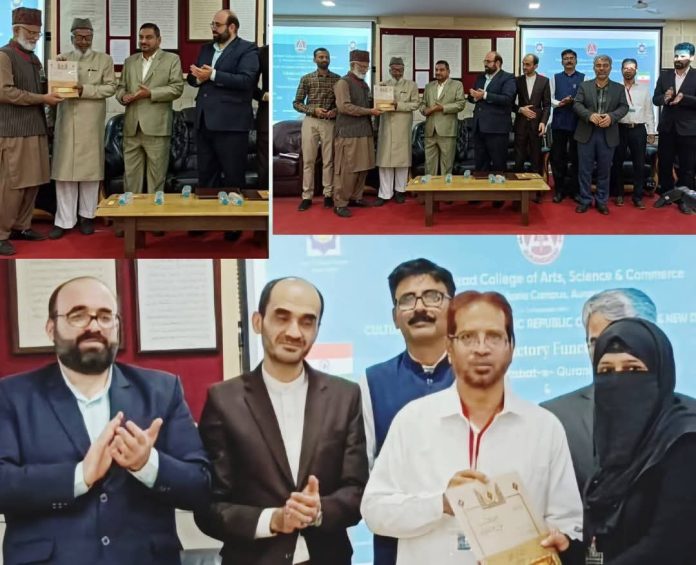
Recently, a national-level calligraphy competition was held in Aurangabad, attracting participants from across India, including Telangana, Maharashtra, Kashmir, and Rajasthan. Ustad Zafar Raza Khan and his student Shahjahan, both from Tonk’s Markaz-Talimul-Khutut institute, represented their city at the Second All-India Quranic Calligraphy Competition. The event was organised in collaboration with Maulana Azad College of Arts, Science, and Commerce (Aurangabad) and the Iran Culture House, Mumbai and New Delhi.

Participants were initially shortlisted based on online submissions of their work. Those selected were invited to the competition held on December 27. Among the contenders, Tonk’s calligraphers distinguished themselves, securing the top two honours and bringing glory to their city.

Ustad Zafar Raza Khan received high praise for his exceptional skill in the Nasta’liq script. While judges unanimously considered his work the finest, he was awarded the second prize due to international competition rules. These rules stipulate that if only one individual meeting the standard for first place remains in the competition, the top prize is withheld, and the second prize is awarded instead.

Shahjahan, another participant from Tonk, triumphed in the Naskh Arabic (Osmani Naskh) script category, winning first prize. Their achievements underscore the exceptional training provided at Markaz-Talimul-Khutut, a new institute established in Tonk on January 1, 2024.

The institute has rapidly gained prominence, thanks to its internationally acclaimed instructors, Ustad Zafar Raza Khan and Ustad Khurshid Alam. Both are celebrated as among the finest calligraphy masters globally. Their dedication has elevated the institute and inspired a new generation of artists to master this ancient art form.

The institute’s officials attribute their success to the hard work of their students and faculty, pledging continued efforts to preserve and promote the art of calligraphy. This achievement is a source of pride not only for Tonk but for Rajasthan and the entire nation.

source: http://www.radiancenews.com / Radiance News / Home> Latest News / by Raheem Khan, Radiance News Bureau / January 01st, 2025

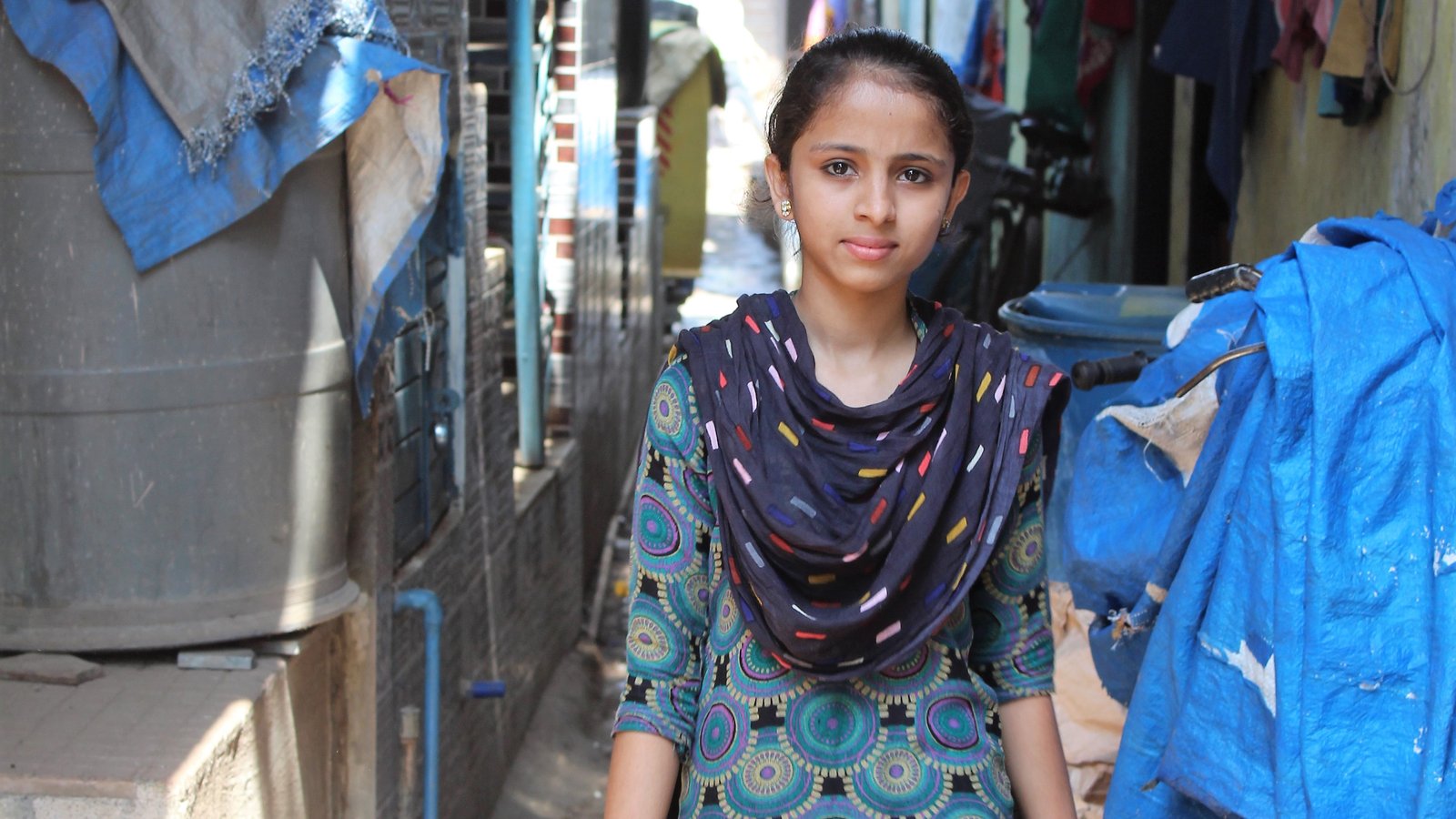
17-Year-Old Saleha Is Shattering Menstrual Taboos in Mumbai

Govandi-Mumbai, MAHARASHTRA :

An award winning activist and trainer, Saleha is an inspiration to many !

Period. Just the word alone has the power to make people uncomfortable, but why?

Troubled by the ubiquity of this discomfort, young Saleha decided to take it upon herself to break the stigma and lead the change in her slum in Mumbai city. An inspiring change-maker at 15, the story of Saleha is the clarion call for society at large to start talking about menstruation. It is indeed high time to not just talk but also celebrate these celebrate small steps towards change.

It is shocking that less than half of India’s 355 million menstruating women use sanitary napkins (SNs). These are not mere statistics, but a reality we can no longer ignore. For millions of women in India, the struggle begins with the lack of basic awareness about menstruation and therefore not following the right menstrual health and hygiene practices.

Saleha lives in the Govandi slums, located close to Mumbai’s biggest dump yard, with one of the lowest human development indices of the city. Her brave efforts despite the odds she faces every day may not end the problem that Govandi and even India faces at large but she is surely a part of the solution!

How did it all begin?

Saleha’s journey was not an easy one. Initially, she had minimal support from her family. After marrying off her elder sister, the family was faced with financial difficulties. Then as they faced the choice of sending either Saleha or her brother to school, they did what many families do. She was in class 8th  then.

Saleha’s family mindset was only able to change with her extraordinary perseverance coupled with months of consistent effort put forward by Save the Children’s team. Today, Saleha is in class 11th and an active member of Save the Children children’s group in her area.

She was 12 when she first attended a menstruation session in her school.

She recalls: “We were taken to a separate class for the session and boys were not a part of it. I think even if boys don’t menstruate, they too should be educated about it,” says Saleha.

The fact that menstruation is one hush-hush topic that is usually avoided by our parents, teachers and the community.

As an active member of the children’s group, Saleha stood at the forefront of a unique child-led campaign called WASH4LIFE. In this campaign she strongly advocated water and sanitation issues in her community. Saleha has conducted more than 250 sessions on menstrual hygiene and other issues related to water and sanitation-issues over the last three years. She has been able to influence more than 2,500 adolescent girls who have adopted healthy menstrual hygiene practices. She does it through innovative (and fun) methods of messaging such as street plays, photo exhibitions and talk shows – reaching out to over 10,000 community members.

When Saleha first joined the group, she was very fascinated by the program, as it provided an opportunity for her and other children to understand the changes in their body at the time of puberty – something that was not discussed elsewhere. The girls also learned how to use sanitary napkins. She aspired to and then became a trainer very quickly thereafter.

“Twice or thrice a month we conduct sessions for groups of 30 girls. We conduct these sessions after school hours, with each session lasting three to four hours. I made many friends here and also gained  confidence.,” she beams proudly.

Saleha remembers, “My father did not speak to me for days when I went against his wishes and conducted training sessions. My mother has only now begun to understand what I stand for. It was tough convincing her, but now she acknowledges the change this has brought about in all our lives.”

Today she has the support from her family, peers, and community.

Her exceptional contribution in various community welfare activities got her the most prestigious award – Savitribai Phule Award. She was also selected as an Ashoka Youth Venturer and will be mentored in leadership skills for one year. More recently she was nominated for the International Peace Prize which she hopes will be a stepping stone for her future endeavours!

Global Citizen India campaigns for better access to menstrual health and hygeine awareness for young girls and women in India. Take action here.

Save the Children, India aims to catalyse a movement for and with children for achieving the greatest improvement in the child rights indicators related to survival, education, development and participation aligning with national and global commitments to tackle exclusion and inequalities.

source: http://www.globalcitizen.org / Global Citizen / Home> Partner> Demand Equity / from Save The Children / April 12th, 2018

‘Phool-Patti embroidery of Aligarh needs upgradation to survive’

Aligarh, UTTAR PRADESH :

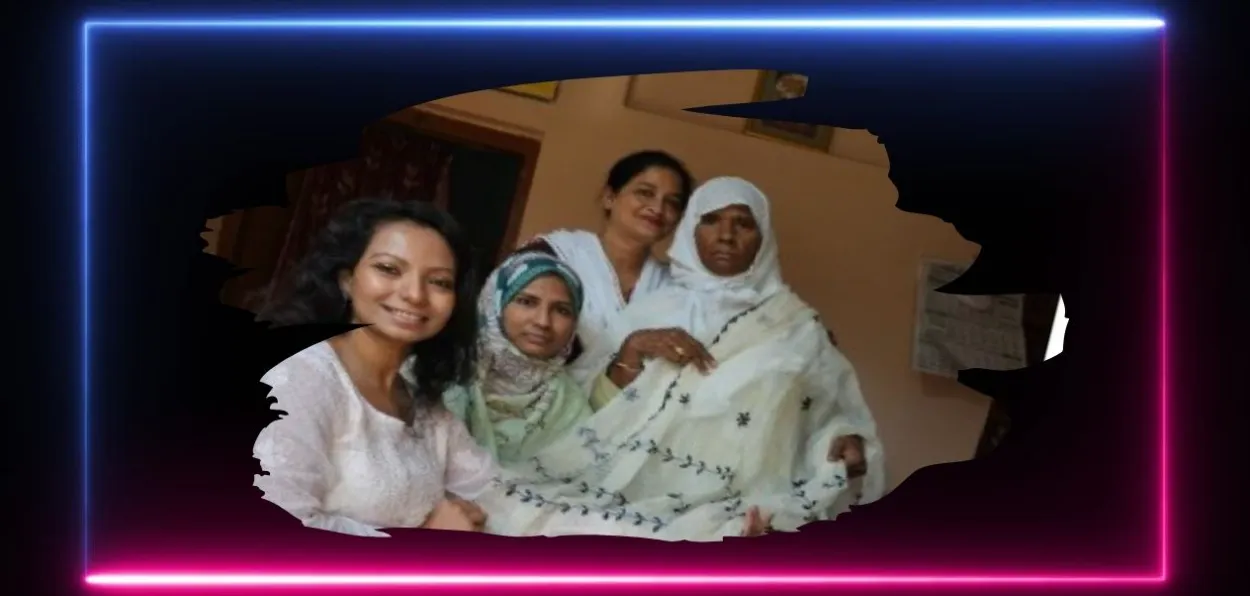
Rubina Rashid Ali with artisans (Source: Instagram)

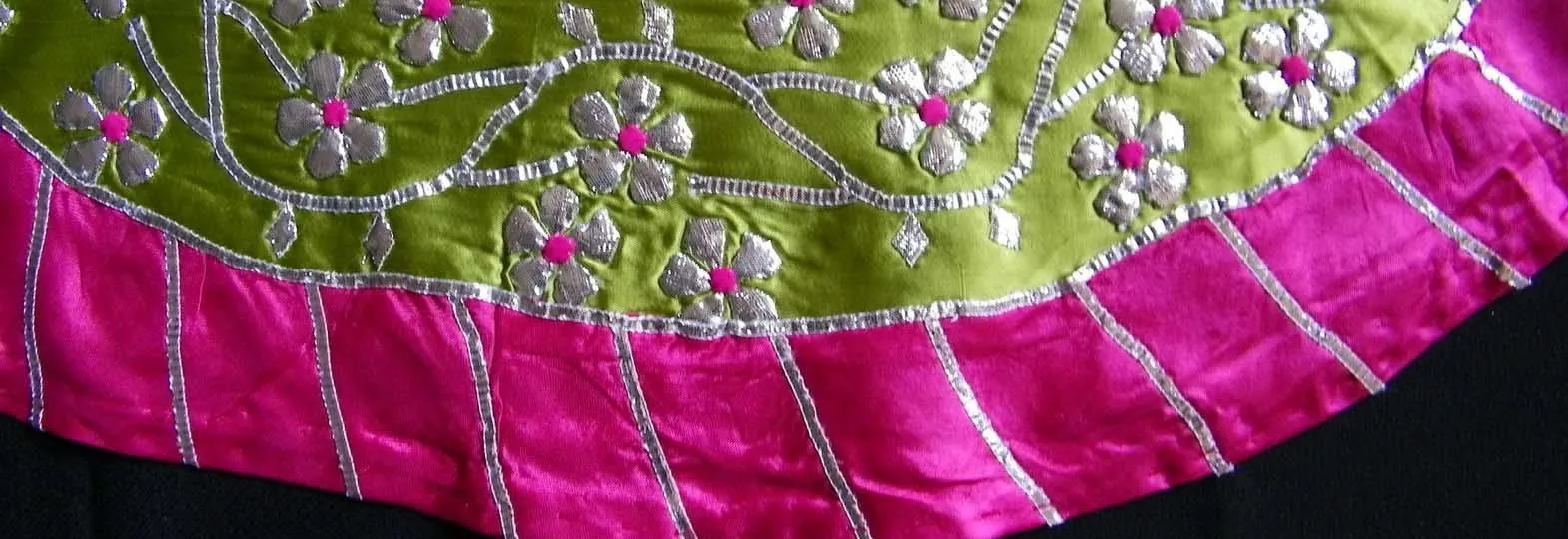
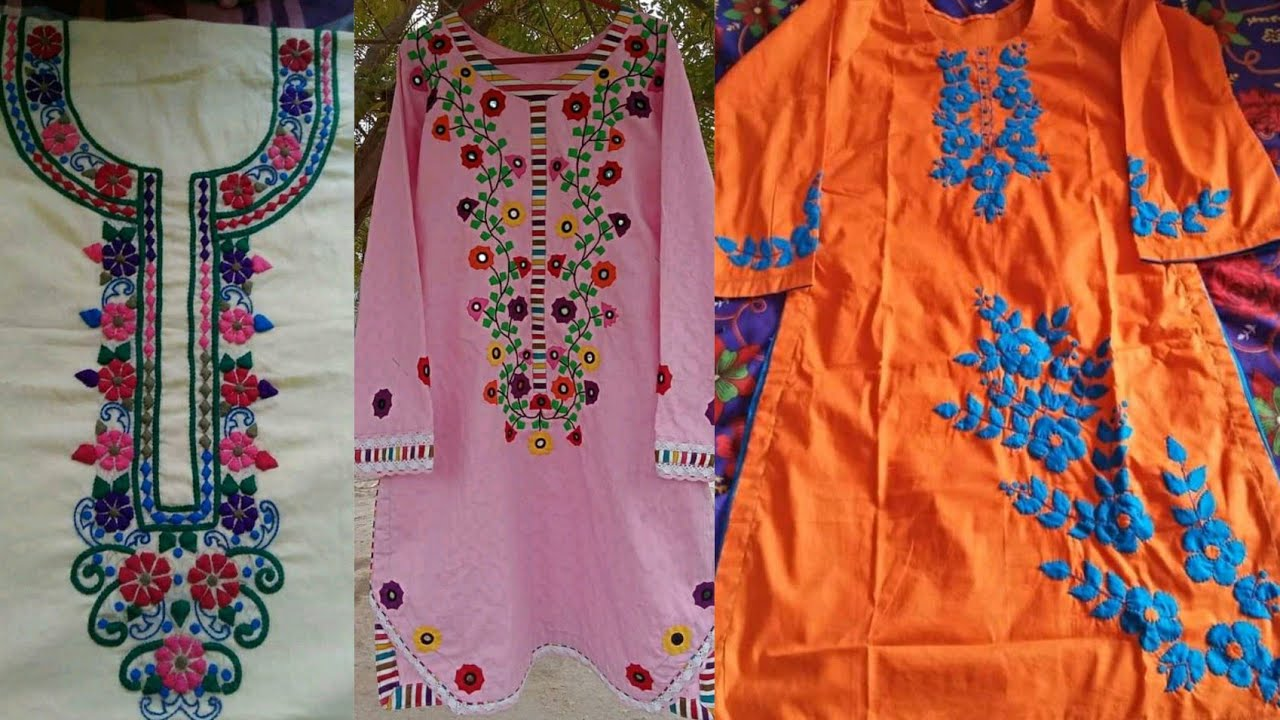
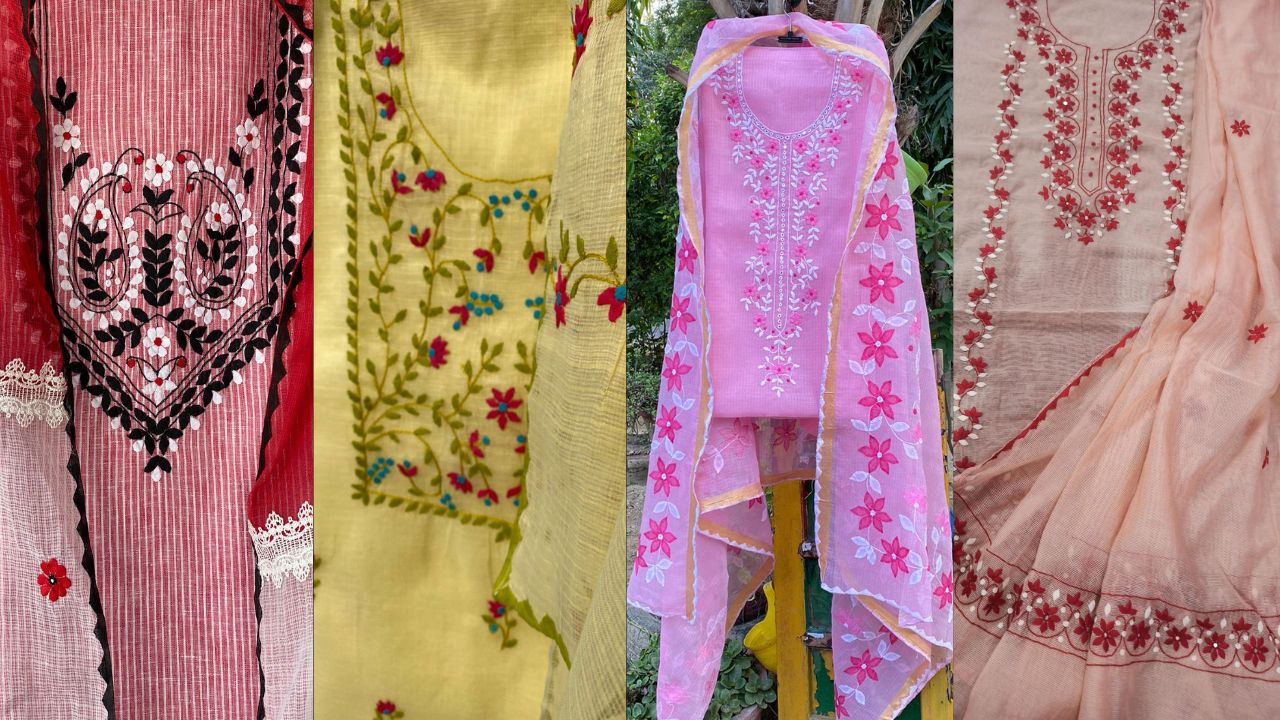
Phool Patti embroidery or applique work has been the forte of women of Aligarh and Rampur regions of Uttar Pradesh since the Mughal period.

Rubina Rashid Ali from Aligarh told Awaz-the Voice that after she realised that women who are preserving this art were not getting due remuneration, she took up the cause of popularising this art form.

Rubina Rashid Ali works in the administrative department of Aligarh Muslim University. She lives on the AMU campus with her three children and husband. She did her Masters in Advertising and Communication from the National Institute of Advertising, Delhi.   

Rubina Rashid Ali told Awaz-The Voice that she has been interested in ‘Phool-patti’ work and embroidery since 2003. However, only after becoming stable in her studies, job, and family life, did she dedicate her time and energy to promote it in 2019. She got connected to women who are into applique style. Now they take orders online and deliver them with their team on a contract basis.

Rubina Rashid Ali told Awaz-The Voice that women are mainly engaged in making articles with embroidery, while men take orders. This drained the earnings as a big part of the profit went to the middlemen.

“This craft suffers from a lack of design intervention and diversification and has to catch up with the contemporary aesthetics,” she said.

 Rubina Rashid Ali said that the book Phool-Patti Ka Kaam is the first publication on this unique embroidery form. Phool-Patti Ka Kaam is the story of embroidery told through glimpses of Saleha Khan’s work with artisan women and girls during the 1970s and 1980s.

A beautifully illustrated book, it traces its background and scope. it takes us through the array of different floral patterns, designs, and materials. It covers experiments with ornamentation and innovations, including its use on various garments and home décor. And most importantly, it provides a glimpse of the artisans of Aligarh

This book is for art connoisseurs and those who appreciate, learn, promote, explore, and experiment with this unique applique style. 

Apart from being a useful resource for craft lovers, the book aims to generate interest among designers, entrepreneurs, and policy planners to further the scope, popularity, and prospects of Phool-Patti, while ensuring a fair share of economic benefits and recognition for its artisans. 

Rubina Rashid Ali told Awaz-the Voice that the suitable combination of flower leaf work with other crafts like Chinkara, Gota Patti work, hand-painting, tie and dye, Mukesh work, etc. needs to be widely explored in different colour palettes.

Product diversification not only in clothing and fashion accessories but also in home decor, lifestyle-based products, corporate gifts, souvenirs, etc. ensures its wide reach and penetration in various segments.

In the era of easy availability of fabrics, many people are interested in spending extra money for handmade applique work. 

Rubina Rashid said that the original cotton, cambric cotton, Kota cotton, etc. are used for embroidery. However, these days it is also being done on Chanderi silk which is a unique silk from Madhya Pradesh. To promote the flower-leaf embroidery, she does new experiments every day in which sometimes she does the flower-leaf work using crochet, and sometimes other types of embroidery so that she can make that piece even better. 

Rubina Rashid Ali and her artisans make articles like ladies’ kurtas, saree, dupatta, etc. for sale. She says this work involves designing it on fine fabric, cutting and skilfully folding these before shaping each piece into small petals and leaves by embroidering on the cloth.

This special applique work finds limited mention in the collection of Indian and global embroidery forms. 

Rubina Rashid Ali prepares all her designs and also takes full care of the welfare of the artisans working with her. Rubina Rashid Ali told Awaz-The Voice that she exhibited her works at Delhi Haat, Kolkata Bazaar, Bangalore, Rajasthan, Kota, etc. She found people appreciated her work.

Rubina Rashid Ali told Awaz-The Voice that over time, crafts have become an integral part of the socio-cultural aspect of the country. Unfortunately, in the last few years, many crafts have reached the verge of extinction as fast fashion brands are dominating the market with their easily available cheap clothing options.

source: http://www.awazthevoice.in / Awaz, The Voice / Home> Story / by Onika Maheshwari, New Delhi / January 12th 2025

Muslim Mirror unveils 100 Most Influential Indian Muslims of 2024

INDIA :

New Delhi :

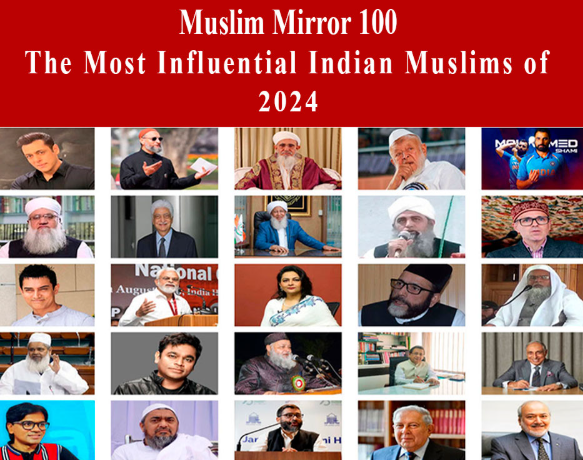
Muslim Mirror, in collaboration with the Minority Media Foundation, has released its highly anticipated list of the “100 Most Influential Indian Muslims of 2024.” This initiative, celebrated as a benchmark of excellence, acknowledges the remarkable contributions of Indian Muslims across various fields, showcasing their leadership and societal impact on a national scale.

A Mission to Shift Narratives

The project aims to counter the negative portrayal of Muslims often propagated by corporate-funded media serving political agendas. By curating this list, Muslim Mirror presents a positive narrative, celebrating the vibrant and diverse contributions of Indian Muslims to the nation’s development and society.

Comprehensive and Inclusive Representation

The selection process emphasizes inclusivity and diversity, representing achievers from Kashmir to Kanyakumari and Assam to Gujarat. The list spans a wide array of sectors, including politics, religion, activism, literature, entrepreneurship, academia, sports, and entertainment.

In an effort to reflect the broad spectrum of the Muslim community, individuals from all sects—Barelvis, Deobandis, Ahle Hadith, Shias, Bohras, and others—have been recognized. The selection underscores the community’s rich cultural and social diversity.

Spotlighting Leadership and Impact

The list features leaders from prominent Muslim organizations and unsung heroes who have made unparalleled contributions in their respective domains. Special attention was given to young achievers, whose recognition aims to inspire future generations of leaders.

Notably, the initiative also includes individuals facing legal challenges and imprisonment, underscoring the principle that they are accused, not convicted. This approach highlights their contributions despite the adversities they face, reaffirming the importance of justice and fairness.

A Rigorous and Ethical Selection Process

Selecting 100 individuals from a community of over 200 million posed significant challenges. Extensive consultations with grassroots representatives across India informed the process. A team of experts finalized the list, which is presented in alphabetical order due to the absence of a ranking mechanism.

While the team strived for accuracy and fairness, they acknowledged the possibility of unintentional exclusions. Readers and stakeholders are encouraged to provide suggestions for deserving individuals to be included in the 2025 list. To maintain ethical standards, members of the Muslim Mirror team and the Minority Media Foundation were not considered for the list.

The Muslim Mirror 100 serves as a testament to the exceptional contributions of Indian Muslims in shaping the nation. By shining a light on their achievements, the initiative not only celebrates their successes but also fosters a sense of pride and inspiration within the community.

As the list continues to evolve, it stands as a powerful reminder of the resilience, talent, and leadership within the Indian Muslim community, setting the stage for even greater accomplishments in the years to come.

source: http://www.muslimmirror.com / Muslim Mirror / Home> Big Story> Indian Muslim> Positive Story / by Muslim Mirror / January 03rd, 2025

Indians Dr. Shamim Butt and CEO Faraz Khalid conferred with Saudi citizenship

JAMMU & KASHMIR / NEW DELHI / SAUDI ARABIA :

Dr Shamim Ahmad Butt and Faraz Khalid

New Delhi :

To retain talented expatriates working in the Kinddom, Saudi Arabi has granted citizenship to two Indians – Dr Shamim Ahmad Butt and Faraz Khalid. The two are in the first batch of outsiders who have been given this privilege. Others include young professionals from France, Singapore and Lebanon.

This comes in the wake of a royal decree issued on July 4 that aims to grant Saudi citizenship to individuals with exceptional talents in various fields and is also in line with the Saudi Vision 2030 which aims to foster an environment that attracts, invests in, and retains exceptional creative minds, the local media reported.

Dr Shamim Ahmad Butt is the Deputy Head of the Emergency Department at King Saud Medical City, Riyadh.

Dr Butt is accredited by the Saudi Commission as a resident of the Saudi Council of Emergency Medicine.

He is also the winner of the 2007-2008 Zonn Perkin Gold Medal for Emergency Research.

Faraz Khalid, CEO of Noon holds an MBA in entrepreneurial project management from the Wharton School of the University of Pennsylvania.

He serves as the CEO of Noon, co-founded Namshi, and has been instrumental in the creation, launch, and expansion of the e-commerce platform.

According to Saudi Gazette Newspaper as per a Royal decree, Saudi citizenship can be granted to scientists, medical doctors, researchers, innovators, entrepreneurs, and distinguished talents with unique expertise and specializations.

The announcement aligns with the Kingdom’s initiative to attract experts and exceptional global talents in religious, medical, scientific, cultural, sports, and technological fields.

This move supports Saudi Arabia’s Vision 2030 goal of creating an attractive environment that fosters retention and investment in exceptional creative minds.

This decree is an extension of the Kingdom’s ongoing efforts to attract prominent talents whose expertise contributes significantly to economic development, health, culture, sports, and innovation.

Asharq Al-Awsat newspaper reported on several notable individuals who have been granted Saudi citizenship by the recent royal decree. Among them is Mehmood Khan, an American and the CEO of the Hevolution Foundation, recognized for his contributions to the health sciences.

Jackie Yi-Ru Ying, an American scientist of Singaporean origin, has also been granted Saudi citizenship. Ying was the founding Executive Director of the Institute of Bioengineering and Nanotechnology in Singapore and currently leads the NanoBio Lab.

Lebanese scientist Niveen Khashab has been honored with Saudi citizenship for her advanced scientific expertise and contributions to bioengineering and nanomaterials. Khashab is a founding member of King Abdullah University of Science and Technology (KAUST) and has been an Associate Professor of Chemical Sciences and Engineering there since 2009.

Noreddine Ghaffour, a French scientist, has been recognized for his expertise in environmental science and engineering, particularly in desalination technologies. Holding a PhD in membrane separation techniques from the University of Montpellier, Ghaffour is a Professor at KAUST.

source: http://www.awazthevoice.in / Awaz, The Voice / Home> Stories / posted by Aasha Khosa, ATV / July 11th, 2024

She was the first woman builder in Mughal rule and gave Delhi Humayun’s Tomb

DELHI :

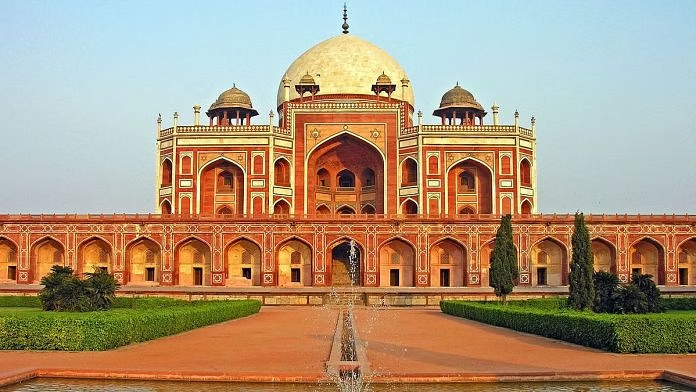
Humayun’s Tomb introduced India to the Persian style of a domed mausoleum set in the centre of a landscaped char-bagh garden.

Humayun’s Tomb, Delhi | Photo: Commons

Humayun’s first wife was a Persian from Khorasan and a daughter of Humayun’s maternal uncle. She was also called Haji Begum, probably because she had gone on the Haj to Mecca. During Humayun’s reign, she appears in history at the Battle of Chausa, where the harem was captured by Sher Khan. In all the chaos of battle, a boat carrying women capsized and her young daughter, Aqiqa Begum, was drowned. Bega Begum did not have any more children. Today she is remembered for the tomb of Humayun that she built in Delhi. After the death of her husband, when she decided to build the mausoleum, she was encouraged in her endeavour by her stepson Akbar, who was very fond of her.

Among all Humayun’s wives, Bega Begum lived a life of surprising independence. She went off to the Haj and came back with Arab craftsmen who worked at the tomb. This was much before Gulbadan Begum and Hamida Banu Begum went to Mecca during the reign of Akbar, their trip getting much more coverage in contemporary writing. Bega Begum did not join the harem in Agra but remained in Delhi, supervising the building work. An episode described by Gulbadan shows that she was a spirited woman who even spoke sharply to her husband when he did not visit her.

Among all Humayun’s wives, Bega Begum lived a life of surprising independence. She went off to the Haj and came back with Arab craftsmen who worked at the tomb. This was much before Gulbadan Begum and Hamida Banu Begum went to Mecca during the reign of Akbar, their trip getting much more coverage in contemporary writing. Bega Begum did not join the harem in Agra but remained in Delhi, supervising the building work. An episode described by Gulbadan shows that she was a spirited woman who even spoke sharply to her husband when he did not visit her.

Then Humayun replied, ‘It is a necessity laid on me to make them happy. Nevertheless, I am ashamed before them because I see them so rarely… I am an opium-eater. If there should be any delay in my comings and goings, do not be angry with me.’ However, Bega Begum was not reassured and said, ‘Your Majesty has carried matters to this point! What remedy have we? You are emperor. The excuse looked worse than the fault.’ Gulbadan ends her tale saying, ‘He made it up with her also.’

The contemporary historian Badauni writes that Akbar and Bega Begum were very close and he describes her as a ‘second mother to Akbar’. Once when the boy Akbar had a toothache, Bega Begum brought some medicine but Hamida was reluctant to give it to him. This was understandable since, in a harem that was often full of politics and jealousy, the mothers feared that their children could be poisoned. Abul Fazl quotes Akbar as saying, ‘As she knew what the state of feeling was, she [Bega Begum] in her love to me swallowed some of it without there being any order to that effect, and then rubbed the medicine on my teeth.’

Bega Begum would often travel to Agra to meet Akbar and she spent her allowance doing charity. The Jesuit Antoine de Monserrate wrote, with reluctant approval, of her good works, ‘Throughout her widowhood she devoted herself to prayer and to alms-giving. Indeed, she maintained five hundred poor people by her alms. Had she only been a Christian, hers would have been the life of a heroine.’

Bega Begum was the first of the Mughal women to become a builder, and many would follow to build mausoleums, mosques, madrasas, seminaries, bazaars and gardens. Humayun’s Tomb introduced India to the Persian style of a domed mausoleum set in the centre of a landscaped char-bagh garden, which would reach its peak with the Taj Mahal. Built near the dargah (mausoleum) of the Sufi saint Sheikh Nizamuddin Auliya, the mausoleum complex became the graveyard for many members of the dynasty. Bega Begum is buried in the mausoleum near her husband, and somewhere nearby is the grave of one of the most unfortunate princes of the dynasty – Dara Shukoh.

___________________________

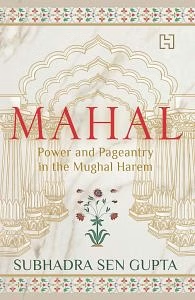
This excerpt from Mahal: Power and Pageantry in the Mughal Harem by Subhadra Sen Gupta has been published with permission from Hachette India. Hardback Rs 599.

_______________

source: http://www.theprint.in / The Print / Home> Page Turner> Book Excerpts / by Subhadra Sen Gupta / November 30th, 2019