Award has been Conferred in Category of Aspirational Districts Prog; Becomes 1st DC of B’la to Win the Prestigious Title
Baramulla :
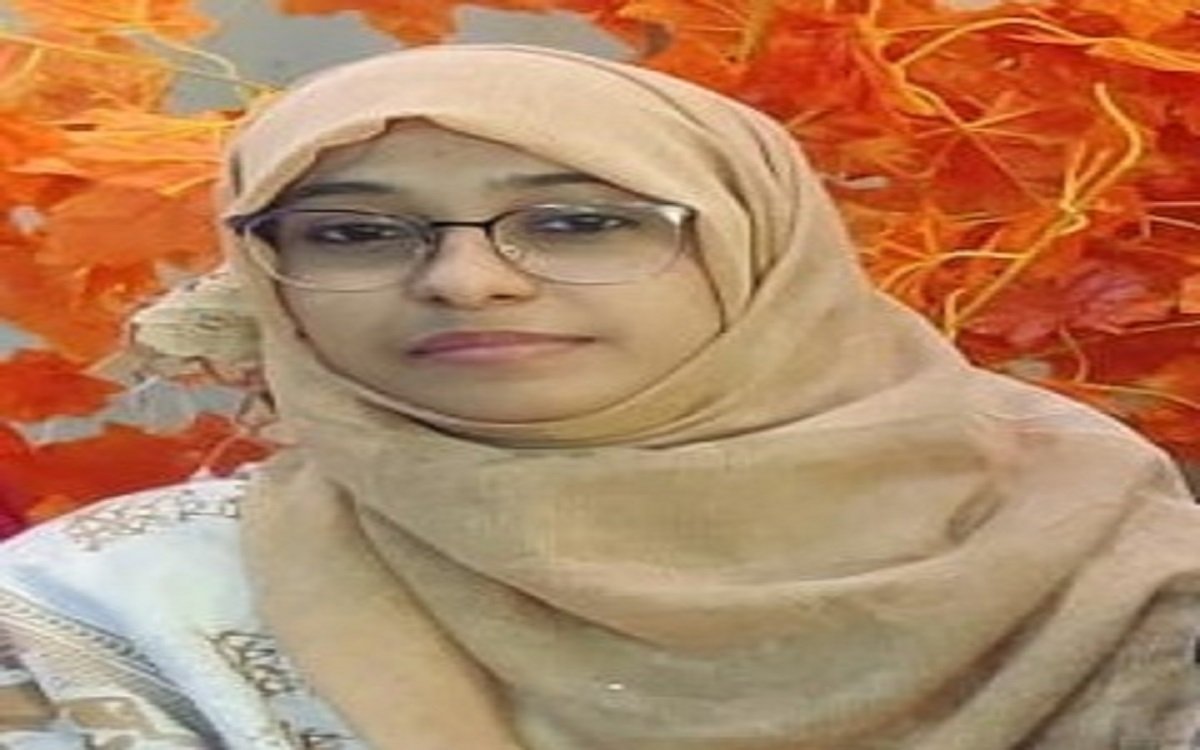
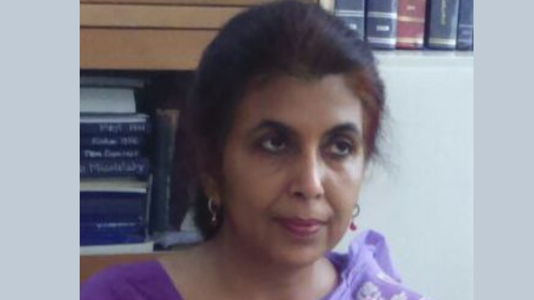
Bringing laurels for the UT of Jammu and Kashmir in general and for district Baramulla in particular, Deputy Commissioner Baramulla Dr Syed Sehrish Asgar has achieved the coveted Prime Minister’s Award for Excellence in Public Administration-2022, India’s highest award in civil services.
Dr Sehrish has been selected for this prestigious achievement in the category of Aspirational Districts programme as she has brought transformative changes in the identified parameters envisaged in the said programme.
As per reports, key aspects for Aspirational District Programme in Baramulla for which the Deputy Commissioner was awarded by the Prime Minister include establishment of Birth Waiting Wards in Primary Health Centres, Community Health Centres, Upgradation of diagnostic services at all delivery points and Poshan Tracker Tabs for all Anganwadi workers.
The Deputy Commissioner supported farmers through mechanism, plant protection, nursery strengthening, robust root stocks, quality planning material etc and organized marketing facility established at Sopore which is the second largest Fruit Mandi in Asia.
Severe Acute Malnutrition has been reduced in the district to 0.01 percent from 3 percent and Moderate Acute Malnutrition to 0.039 percent from 11.93 percent. A two-year paramedical diploma course has been introduced for 300 border area students to fill up the critical gap in the health sector.
Under financial inclusion, 56,215 PM Jan Dhan Yojana accounts have been opened in Baramulla district.Meanwhile, various stakeholders including Lieutenant Governor have extended their warm appreciations and felicitations to Dr. Syed Sehrish for this achievement besides earning accolades from several other quarters.
(Source: GNS)
source: http://www.globaltoday.in / Global Today / Home> English> Kashmir> News / April 18th, 2023
Govandi’s Daughter Makes the Country Proud by Pursuing MBBS
Mumbai:
In the heart of Govandi, an area grappling with challenges like limited access to education and rising crime, a remarkable tale of triumph emerges. Khan Sadia Kawsar, a resident of this humble locality, is defying odds by pursuing her dream of becoming a doctor, thus becoming a shining example for the aspiring youth of her community.
Despite the dearth of quality educational institutions in Govandi, Khan Sadia Kawsar’s journey stands out as an inspiration. A local official highlighted the prevalent issues, noting that the area often makes headlines for crime-related incidents, with little attention from politicians or concrete initiatives from religious leaders to address the root causes. The suggestion to uplift Govandi’s image centers around establishing better educational institutions and providing improved training for the younger generation.
Khan Sadia Kawsar, a second-year MBBS student, is the daughter of Hafiz Alauddin Sahib, a respected figure in the community and a dedicated honey trader. Despite the challenges, Hafiz Alauddin spared no effort in providing religious education to his children. An accomplished computer engineer himself, he played a pivotal role in guiding Sadia towards her academic pursuits.
Sadia’s academic prowess became evident early on, consistently scoring high marks in school. Her remarkable achievement of securing 98.5% in the twelfth examination from the Govt.Jr.College in B. Kothakota, Andhra Pradesh, paved the way for her current pursuit of a medical degree at the Fathima Institute of Medical Sciences in Kadapa.
Khan Sadia Kawsar’s journey symbolises the triumph of determination and hard work. Her success challenges societal stereotypes, proving that with determination, even the daughter of a humble businessman can achieve great heights. Hafiz Alauddin Khan, reflecting on the challenges he faced to support his children’s education, emphasised the importance of unwavering faith in God and the merit of one’s children.
Originally from Basti district, Uttar Pradesh, Hafiz Alauddin Khan is not only a devoted father but also a prominent scholar and supporter of religious institutions. Along with his contributions to organisations like Darul Uloom Deoband and Jamiat Ulema, he maintained a focus on his small honey business, always expressing gratitude for Almighty’sblessings.
Hafiz Alauddin’s advice to parents echoes a belief in the inherent merit of their children. He advocates trust in God and encouragement of the youths, emphasising that success is destined for those who persevere.
In the face of societal challenges and limited opportunities, Khan Sadia Kawsar’s journey serves as a guiding light, illuminating a path of hope and possibility for the new generation in Govandi and beyond.
source: http://www.clarionindia.net / Clarion India / Home> Editor’s Pick> Features> Indian Muslim / by Mohammad Alamullah, Clarion India / December 18th, 2023
Her work pinpoints the sources of aerosols and their role in driving regional climate change in India, besides equipping the Ministry of Environment with the right knowledge regarding policymaking.
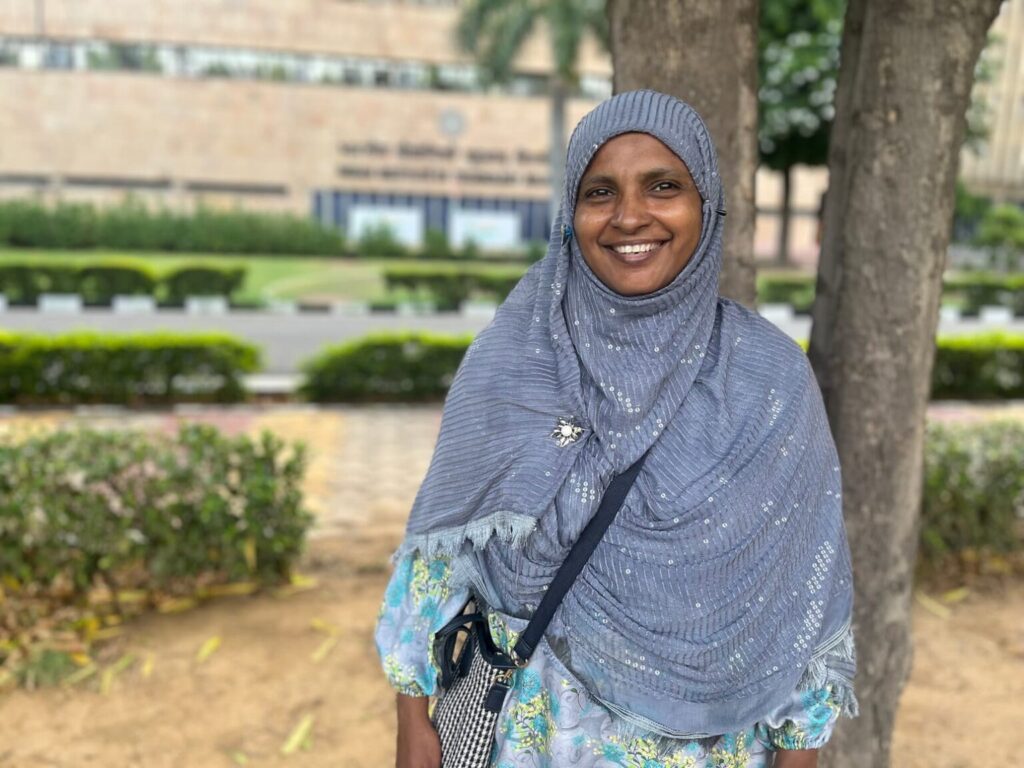
Dr Gazala Habib never imagined she would be a scientist one day. She recalls entertaining the idea of becoming one while watching the 1969 Bollywood spy thriller Yakeen at her home in Raipur, Chhattisgarh, but the moment was short-lived.
In the movie, Dharmendra plays a swashbuckling scientist who battles everything from enemy agents to his own doppelganger as part of a secret mission to save the country. “As much as I wanted to be like him, I also knew that it was out of the question. I came from a small town and a very conservative background, and had not heard of any woman scientist growing up,” says Dr Habib, now 49.
Eventually, Dr Habib did get to live her childhood dream. A professor at the Department of Civil Engineering of the Indian Institute of Technology Delhi (IIT Delhi), her work focuses on measuring air pollutants, particularly aerosols, in ambient air using innovative equipment and approaches.
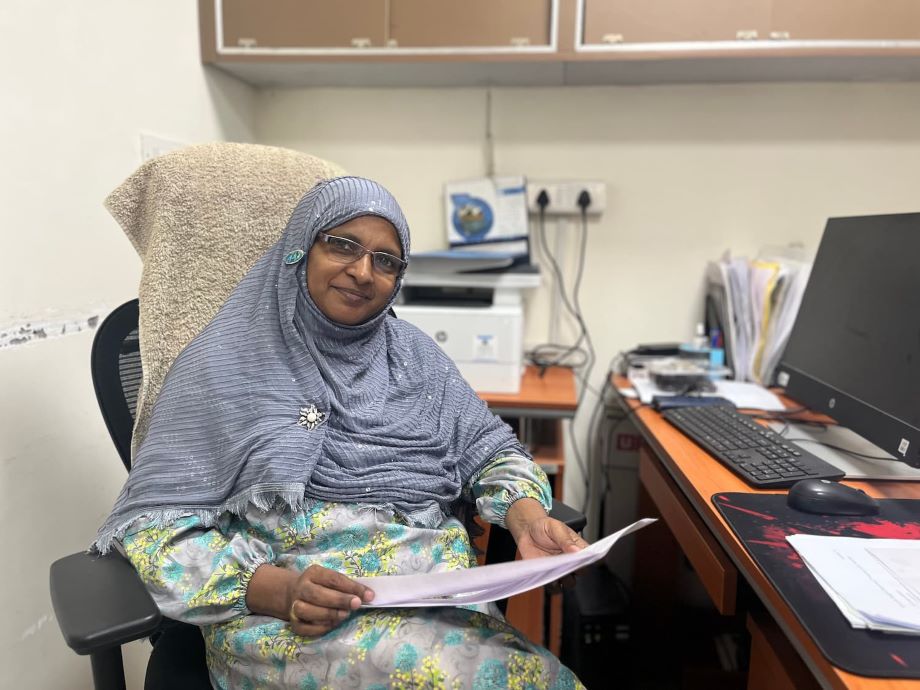
Dr Habib set up and heads the Aerosol Research and Characterization Laboratory at IIT Delhi
She also set up and heads the Aerosol Research and Characterization Laboratory at IIT Delhi, which undertakes cutting-edge research on sources of aerosols and their impacts on human health. “We strive to fill up the significant gaps in our understanding of personal exposure to particulate matter [PM] in urban areas. This will assist policymakers to better measure the impacts and inform policy initiatives,” she explains.
Dr Habib says only limited studies on PM have been conducted in India, and that too mostly at one or two locations. “None of them provide an overarching assessment of human exposure in an urban context — integrating a variety of typical exposures across a typical day, and being useful in comparing different types of exposures throughout a person’s daily activity,” she details.
Much of the work has been carried out as part of the Emissions Inventory Building Activity under the National Carbonaceous Aerosols Programme-Carbonaceous Aerosol Emissions, Source Apportionment and Climate Impacts (NCAP-COALESCE), a multi-institutional research and capacity building initiative funded by the Ministry of Environment, Forests and Climate Change. Dr Habib is the project incharge and coordinator in IIT Delhi for this programme.
“India does not have a uniform emissions inventory system [to measure total emissions from each pollutant from each sector]. The work under NCAP-COALESCE aims at equipping the Ministry of Environment with the right knowledge to aid sound decision-making on pollution policy,” she says.
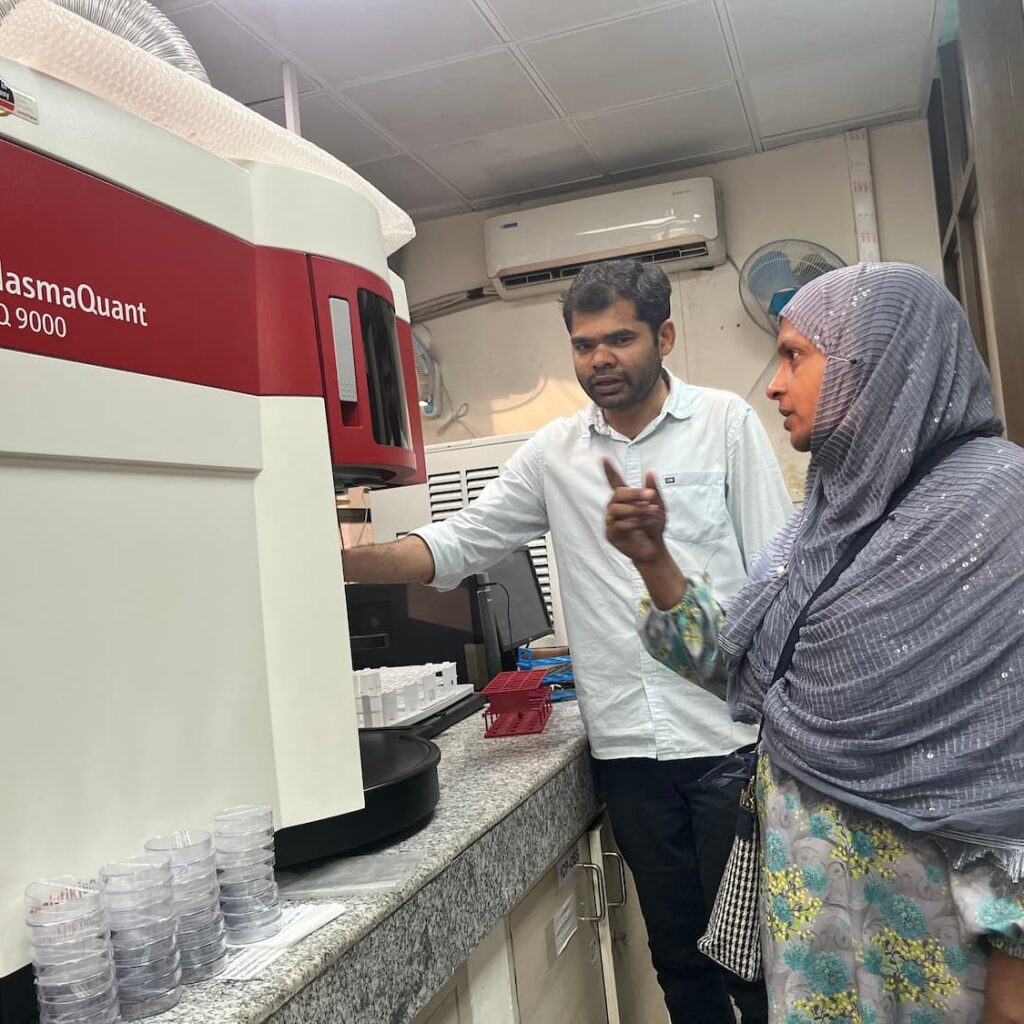
To that end, Dr Habib and a team of researchers have developed a Versatile Source Sampling System (VS3), which will measure emissions and help monitor pollutants. The compact unit allows air to be drawn through a preweighed filter at a known rate, thus collecting particles in the air on its surface. The filter is weighed again to determine the mass of particles collected, and by dividing the mass by the total volume of air, the particle concentrations can be measured.
In comparison with other air monitoring equipment, VS3 is more sophisticated, sensitive and capable of measuring emissions, particularly small particulate matter, from a variety of sources such as residential cooking stove, open biomass burning, brick kilns and vehicles. While the technology was developed in IIT Delhi, Dr Habib says it is being used across NCAP-COALESCE partner institutions to understand complexities related to carbonaceous aerosols.
Challenging the traditional mindset
By her own admission, Dr Habib’s journey into the scientific world was not easy. “My father was a telephone operator, and my mother a primary school teacher. I am one of the eight siblings. We did not have luxuries, but my parents, especially my father, prioritised our education,” she says.
Her parents were strict about school, but their expectations relaxed a bit when time for enrolling in college arrived. “There were people in my family who were like, ladkiyon ko zyada padhane ki zaroorat nai hai [there is no need to educate girls much]. At one point, my father also contemplated the idea of my marriage after BSc,” she says.
“They expected my brothers to do engineering, and thought I should do a science degree and start preparing for IAS. But I felt that my brother was more admired by my parents because he was inclined towards engineering. He is 10 minutes older than me, and I thought to myself, if he can do it, why not me?” she adds.
With a little help from her brother, she managed to convince her parents to study engineering. Later, she gained admission to Bachelors of Engineering at the National Institute of Technology, Raipur. Subsequently, she pursued MTech in environmental engineering from Visvesvaraya National Institute of Technology, Nagpur.
Dr Habib’s earliest memories revolve around working with a large group to identify carcinogenic compounds present in emissions generated from burning crop waste in rural India
Rigours of research
Dr Habib believes destiny defined the trajectory of her career. “I was contemplating about PhD, when a junior directed me to a vacancy at IIT Bombay. I managed to apply just in time,” she says.
There were only two vacancies, and on account of a particularly gruelling panel interview, she recalls putting down her chances of selection as next to nil. However, she got selected. Her PhD mentor was Chandra Venkatraman, a Professor of Chemical Engineering and Climate Studies at IIT Bombay, who Dr Habib says “changed her way of thinking”.
“I was very shy and conventional. I remember telling her that I had never travelled alone. I told her I am not the girl who can go out and measure pollution,” she recalls. Venkatraman laid her apprehensions to rest, and Dr Habib eventually joined her mentor to work on a project analysing emissions from residential fuel sources.
The five years at IIT Bombay groomed Dr Habib to become the scientist she is today.
“I remember I started work in January and she immediately put my name up for speaking at an international conference in October. I was from a Hindi medium background, and did not even know English! She taught me to make my first PowerPoint presentation and my first Excel sheet. She taught me not only science, but also communication. Whatever I am today, it is because of her,” says Dr Habib.
Dr Habib’s earliest memories revolve around working with a large group to identify carcinogenic compounds present in emissions generated from burning crop waste in rural India
Her earliest memories revolve around working with a large group to identify carcinogenic compounds present in emissions generated from burning crop waste in rural India. “I learnt a lot from this group about how to collect samples, what kind of machines to use and how to use them,” she says. This was soon followed by her first international trip to France, where she got to work with Olivier Boucher, Director of Research, French National Centre for Scientific Research.
The coursework was demanding, and added to that was the pressure to get married. “I think the rush to get women married is also why a large number of them end up dropping out of PhDs or giving up their careers,” she adds. After consulting Prof Venkatraman, Dr Habib decided to get married only after finishing her PhD, a promise she ended up keeping.
The rigours of research eventually got to her and she remembers a point in her PhD when she became depressed. Her time at the University of Illinois, and then University of San Diego, for postdoctoral work, worsened things. “I felt lonely during my US stint, but rediscovered myself after frequenting a mosque based on a colleague’s advice,” she says.
Entry into academic sphere
In June 2008, Dr Habib joined IIT Delhi as an assistant professor. In November the same year, she got married.She was regularised in her post in 2010, and promoted as an associate professor in 2018. In March this year, she became a professor.
In the last 15 years, she has provided valuable data that helps understand air pollution better. For example, her team measured the impact of PM 10 and 2.5 particle concentration on mortality rates to assess that the numbers attributable to PM 2.5 particle concentration in Ghaziabad was 70% higher than Delhi.
“Exposure to PM has been recognised as a well known human health risk factor, however, its quantification for various regions, including India, is still not well established. In the last few years, we have undertaken many studies to help quantify this data by studying the impact of pollutants on different organs, including heart and lungs, as well as different demographic populations,” she says.
With respect to Delhi’s pollution problem, she says, “In the winters, we cannot stop talking about stubble burning in Punjab and Haryana. If you read the source apportionment papers from Delhi, you will find that pollution due to stubble burning lasts only a few days. The long-term problem that we should be solving is suspension of dust from roads. From a personal exposure perspective, vehicles account for 20 to 30% of PM 2.5 concentration,” she says.
She believes having a policy on effectively managing crop waste is the need of the hour. “In a paper we recently submitted to Nature, we discovered that despite the Pradhan Mantri Ujjwala Yojana, a majority of rural households still use fuel dung for energy. If they use crop waste for biogas generation in addition to cow dung, there is no need of pushing LPG down their throats. It will cost less also,” she adds.
Dr Habib thinks funding needs should be simplified and freed from the shackles of bureaucracy for the research to contribute more effectively to policy. Also, India should follow an integrated approach and make the data publicly available. “What we need is a network programme that brings scientists under one umbrella, gives them standard equipment, procedure and a common goal,” she says.
“Source apportionment studies are being done in India by state Pollution Control Pollution Boards (PCBs) and Central PCB in non-attainment cities, but there is no national network. Every state is following its own rules — so methodologies, data analysis and data curation methods are different. Therefore, you cannot compare data from two cities,” she adds.
At present, Dr Habib’s focus is on setting up a state-of-the-art laboratory where all kinds of devices related to air pollution safety and monitoring can be evaluated for their performance
State-of-the-art laboratory
At present, Dr Habib’s focus is on setting up a state-of-the-art laboratory where all kinds of devices related to air pollution safety (like air purifiers, masks) and monitoring can be evaluated for their performance. “We have just received a grant from the Department of Science and Technology under SATHI [Sophisticated Analytical and Technical Help Institutes]. The laboratory will be developed at IIT Delhi’s Sonipat campus. At present, gate number 3 of IIT Delhi has such a facility,” she says.
Dr Habib swears by the support of her husband, her 13-year-old son and 11-year-old daughter. “There are creches and day care centres on campus now, but they were not available when I had children. I do not think I would have been able to manage it all without my husband,” she says.
She believes that for more girls to study sciences and mathematics in India, discrimination needs to end. “When you put differences in their minds from the beginning, they start believing they are weak,” she says, adding that true equality can be gauged from the representation women receive. “I am still the only woman in the room in most conferences. This needs to change.”
“I never thought I would be able to do this. I had this epiphany a couple of times that I wanted to be a scientist, but the guidance came from somewhere, somehow. It was all god’s plan I say, because I never planned this,” she sums up.
source: http://www.rukhmabai.com / Rukhmabai Initiatives / Home / by Shikha Sharma / August 28th, 2023
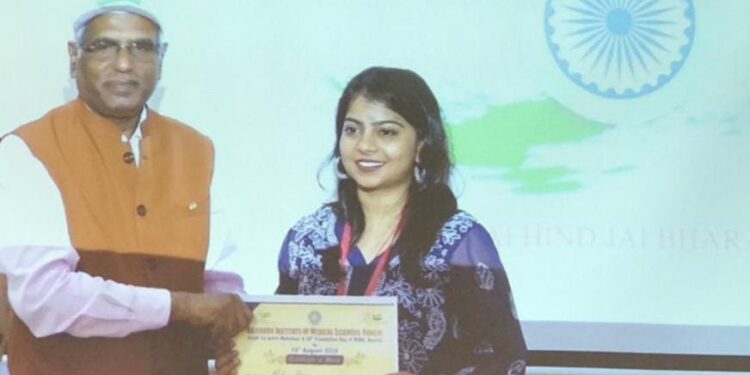
Shahina Khanam, a resident of Hesla on Ramgarh-Argadda road, will be awarded a gold medal for being a topper for four years in BDS.
The medal will be awarded by Governor CP Radhakrishnan at the convocation ceremony of Ranchi University on May 2.
Topper Shahina Khanam is the sister of Rinkle Khan, the town vice president of AJSU. The family members are very happy with the news of getting the gold medal and there is an atmosphere of happiness in their house.
Shahina Khanam’s mother, father, brother, sister and other people distributed sweets.
AJSU Nagar Vice President Rinkle Khan said that earlier education was neglected in Muslim society. But now the Muslim society is also rapidly increasing its step towards education.
source: http://www.lagatar24.com / Lagatar / Home / by Manoj Sinha / April 26th, 2023
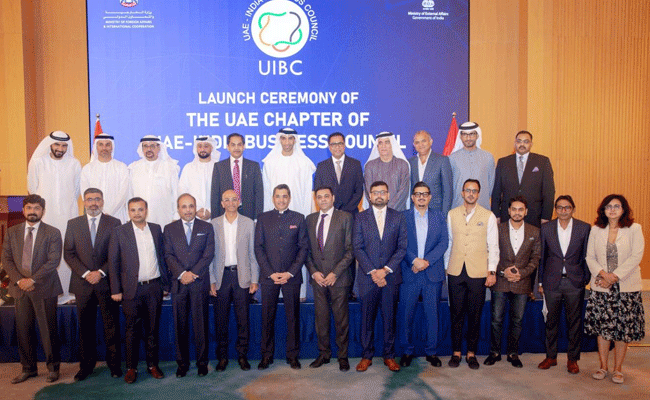
The UAE-Indian business council has been established on the first anniversary of the Comprehensive Economic Partnership Agreement (CEPA) deal signed by India and the United Arab Emirates. The formation of the council is aimed at increasing investment and bilateral trade between the two countries.
The UAE India Business Council – UAE Chapter (UIBC-UC) was launched in Dubai by Dr. Thani bin Ahmed Al Zeyoudi, UAE Minister of State for Foreign Trade, in the presence of Ambassador of India to the UAE Sunjay Sudhir, Consul General of India in Dubai Dr. Aman Puri and founding members of the UBIC-UC.
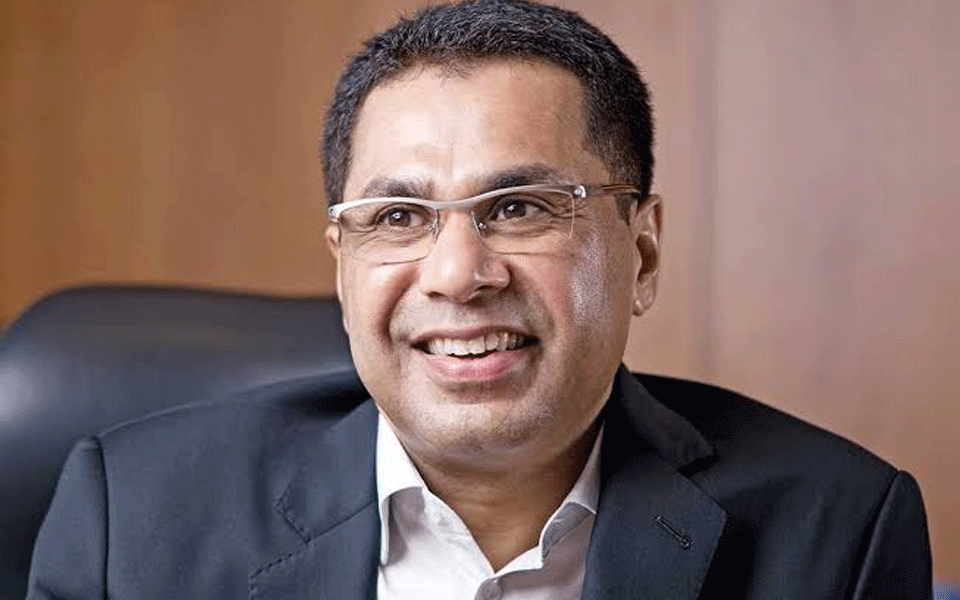
(Faizal Kottikollon)
NRI businessman Faizal Kottikollon was appointed as the chairman of the council. Faizal Kottikollon said the main purpose of the council was to build trust.
“In the past, several UAE companies have taken some poor decisions while investing in India because they were not confident to invest large amount of money,” he said. “We will act as a channel partner and a bridge. The basis of any business is trust. When you develop trust, everything becomes easier.” He was quoted as saying by Khaleej Times.
With both countries growing rapidly, Faizal, who is the chairman of KEF Holdings, said this council was the need of the hour. “UAE has become the centre of the world after Covid,” he said. “India has got so much knowledge, but we need a lot of capital. UAE got a significant amount of capital. So, if you can marry these two things, it’s a powerhouse. What this council does is identifying projects in both the countries and bring investment through this channel.”
Faizal confirmed that there are several projects already in the pipeline. “We are very confident that there’ll be three large investments coming into India soon,” he said. “We will announce the details in due course of time, but I can assure you that it is indeed a very exciting time.”
“This is a very significant thing,” said Sunjay Sudhir. “We want to bring together their experience of doing business in both countries so as to further lubricate the investment and business corridor between both countries. They will discuss ideas on how to further generate trade and investment opportunities.”
The founding members of the UIBC-UC from the UAE side are Mubadala, Wizz Financial, DP World, Emaar, Emirates airline and Emirates NBD. From the Indian side, conglomerates such as Tata, Reliance, and Adani are represented, as well as tech innovators like OLA, Zerodha, Udaan, and EaseMyTrip, along with prominent Indian entrepreneur-led corporations based in the UAE such as KEF Holdings, Buimerc Corporation, Apparel Group, EFS and Lulu Financial.
Siddharth Balachandran, executive chairman and CEO of Buimerc Corporation Ltd said the UIBC-UC will further strengthen the growth of India-UAE relationship. “To channelise the various investments, we need channels like these,” he said. “It will add a layer of credibility and give investors a channel to verify investment opportunities.”
Rizwan Soomar, CEO & MD (India Subcontinent) at DP World, will serve as the Co-Chairman of UIBC-UC. Major General (Retd.) Sharafuddin Sharaf, who serves as the Chairman of the UIBC India Chapter, will also hold the position of Vice Chairman of UIBC-UC.
The council will have its office in Abu Dhabi and will be a pan-UAE body focusing on promoting trade and investment relations between the UAE and India. Membership to UIBC-UC will be by invitation only, and institutional members will be invited over time.
An India chapter of the business council was established in New Delhi in 2015 by Sheikh Abdullah bin Zayed Al Nahyan, UAE Minister for Foreign Affairs and International Cooperation, and the late Sushma Swaraj, who was then Minister of External Affairs of India, during the 11th Session of the India-UAE Joint Commission Meeting.
source: http://www.english.varthabharati.in / Vartha Bharati / Home> Gulf / by Vartha Bharati / February 18th, 2023
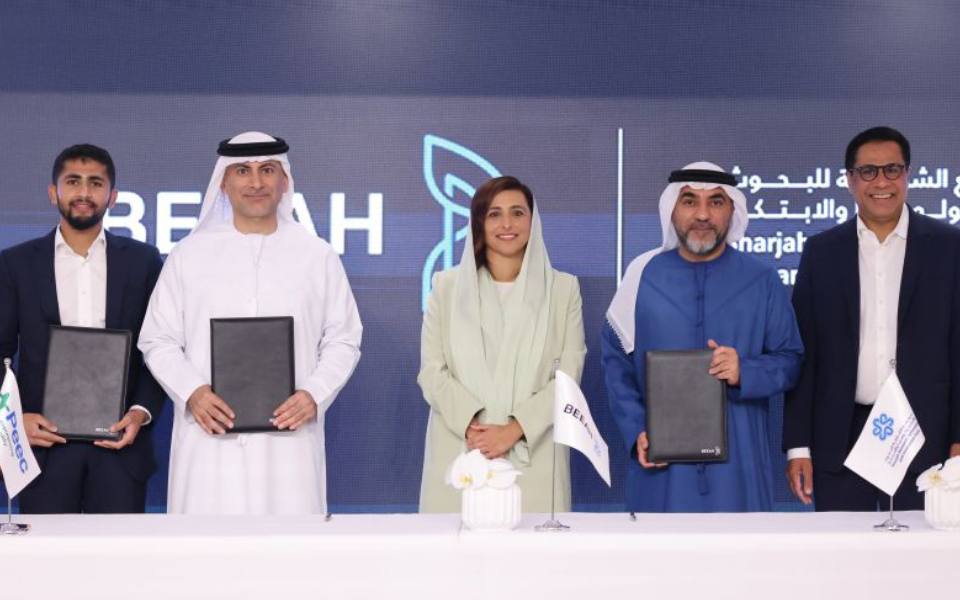
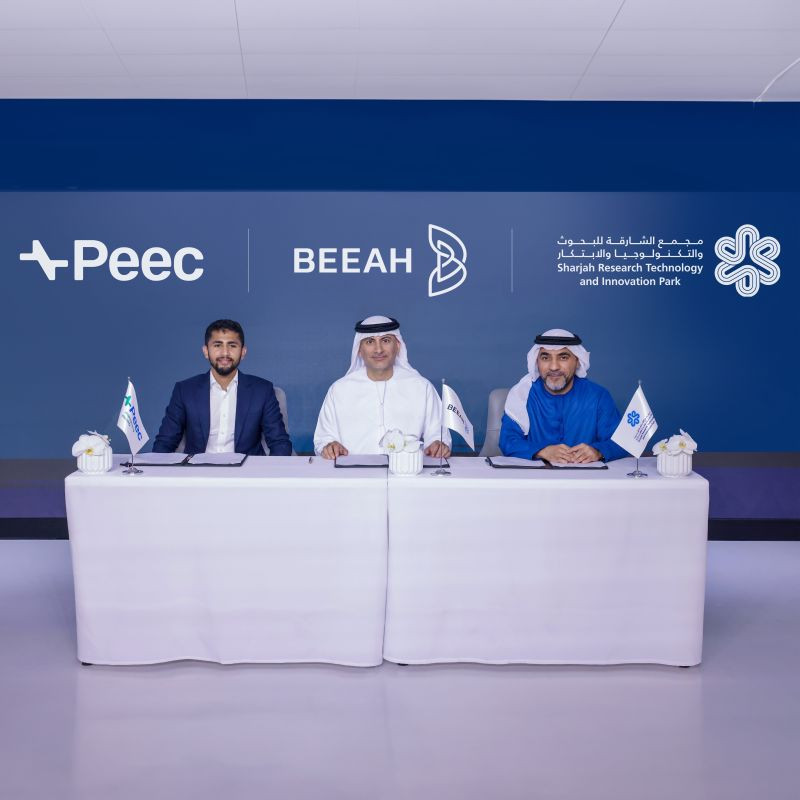
In a groundbreaking move toward sustainable transportation, BEEAH has officially entered into a strategic partnership with Peec Mobility and the Sharjah Research, Technology and Innovation Park (SRTIP).
The collaboration aims to revolutionize local electric vehicle production by repurposing end-of-life petrol vehicles, fostering recycling practices to support a circular economy, and driving research and skill development in the burgeoning field of sustainable mobility.
The partnership agreement, signed at the BEEAH Headquarters, saw the participation of key figures, including Her Excellency Sheikha Bodour bint Sultan Al Qasimi, President of the American University of Sharjah and Chairperson of SRTIP; Khaled Al Huraimel, Group CEO of BEEAH; Zach Faizal, Founder of Peec Mobility; and HE Hussain Al Mahmoudi, CEO of SRTIP.
Zach Faizal’s brainchild, Peec Mobility, has been at the forefront of innovation since its inception in 2022. The Dubai-based startup specializes in the repurposing of retired petrol vehicles, seamlessly transforming them into electric vehicles with a remarkable 30% cost reduction and an 80% decrease in manufacturing time compared to the production of new electric vehicles.
Faizal, a 24-year-old entrepreneur, envisions Peec Mobility’s technology as a game-changer for the region. He emphasizes that their re-engineering process offers a more cost-effective, quicker, and environmentally friendly transition to electric mobility than investing in entirely new electric vehicles.
“Today, re-engineering is quicker, smoother, and greener than buying new EVs, and proves cost-efficient,” Faizal stated during the announcement. “Peec’s vehicles are aimed to be priced at 30 per cent to 50 per cent lower with the volumes we’re looking at, thus solving the affordability challenge in the sector,” he added.
Peec Mobility’s focus extends beyond individual cars, with ambitious plans to repurpose entire fleets of ICE buses, cars, and trucks on UAE roads. Faizal believes in the efficacy of reusing existing vehicles, stating that “waste is minimized, and a new life cycle begins.”
The partnership seeks to support Sharjah’s transition to sustainable mobility while minimizing the environmental impact of the production and repurposing processes. The overarching goal is to contribute to national and global objectives for zero-waste, circularity, sustainable transport, and decarbonization.
Zach Faizal expressed his commitment to the cause, stating, “Conversion is the most pragmatic route to Net-Zero. Once we succeed with our business strategy here, we will take it to other countries to redefine the used-car market.”
As part of the collaboration, Peec Mobility and its partners plan to unveil the first lineup of repurposed mid-sized sedans and buses at the UN Climate Change Conference, showcasing the innovative technology and commitment to sustainable practices.
With the support of the government, Peec Mobility aims to implement the conversion at scale, creating a replicable model not only for the UAE but potentially for other countries. Faizal proposes a policy to repurpose 5.0% of existing vehicles on the road annually for the next seven years, aligning with the UAE’s Net Zero goal.
As of now, Peec Mobility is on track to introduce at least 500 repurposed EVs on Dubai roads by 2024, offering a tangible solution to the affordability challenge associated with electric vehicles.
Zach Faizal is the son of Faizal Kottikollon and Shabana Faizal, a well-known Indian entrepreneur couple based in the UAE. The couple is not only known for their business endeavors but also for their philanthropic contributions.
Shabana hails from Mangaluru in the Karnataka state of India. She is the only daughter of prominent businessman and socio-religious leader Late B Ahmed Haji Mohiudeen who founded the prestigious BA Group of Businesses in Thumbay near Mangaluru.
source: http://www.english.varthabharati.in / Vartha Bharati / Home> Gulf / by Vartha Bharati / December 13th, 2023
Prof. Qudsia Tahseen, Department of Zoology at Aligarh Muslim University has been named as the National Committee representative for the International Union of Biological Sciences (IUBS), announced by the Indian National Science Academy (INSA).
Commencing her three-year term on January 1 this appointment emphasizes Prof. Qudsia’s contributions to the fields of Taxonomy and Biodiversity. She has the distinction of holding fellowships in all three prestigious National Academies.
The IUBS, founded in 1919, is a global non-profit organization dedicated to facilitating and coordinating biological research worldwide. Its mission spans diverse areas, with the goal of addressing global biological challenges. Prof. Qudsia’s appointment to the newly formed INSA National Committee for IUBS, consisting of seven experts, solidifies her role as a representative for India in the realm of biological sciences.
Prof. Qudsia while acknowledging her appointment said the committee, serving as the national arm of IUBS, is pivotal in advancing IUBS initiatives at a domestic level. This includes policy advocacy, tackling global challenges, setting research priorities, fostering collaborations, and promoting the sustainable use of biological resources.
source: http://www.timesofindia.indiatimes.com / The Times of India / Home> News> India News / by TNN (headline edited) / January 05th, 2024
Viswakudi Village (Veppanthattai Block),Perambalur, TAMIL NADU:
With limited formal education but an interest in electronics, Rahmatullah leveraged his experience as an electrician and TV mechanic to make the modern wood stoves as a replacement to gas stoves.
Perambalur :
The high pricing of Liquefied Petroleum Gas (LPG) cylinders is forcing Perambalur residents to switch back to cooking with firewood.
But instead of traditional firewood cooking, the residents are using modern wood-burning stoves, thanks to an entrepreneur from Viswakudi village in Veppanthattai block.
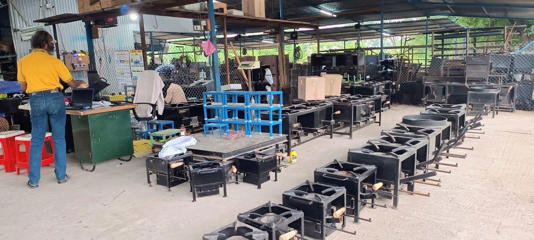
The stoves, designed and manufactured by 57-year-old S Rahmatullah, are in high demand in the district. Three years ago, Rahmatullah recognised the need for an alternative and established a workshop on Attur Road. With limited formal education but an interest in electronics, Rahmatullah leveraged his experience as an electrician and TV mechanic to make the modern wood stoves as a replacement to gas stoves.
He develops wood-burning stoves equipped with blower technology, ensuring high efficiency, quick cooking, and minimal fuel consumption. The stove, ignited by air from the blower, caters not only to homes but also finds application in hotels in Perambalur and other districts. The price ranges from Rs 5,300 to Rs 2 lakh depending on the specifications.
“I initially made this stove for personal use and found it more efficient than traditional firewood stoves. It requires only 30 per cent of the wood used in conventional stoves. We sell three types of stoves to homes. If people buy firewood for around Rs 500, it will fuel the stove for 4-5 months,” Rahmatullah told TNIE. “The firewood should be cut into small pieces before keeping it in the stove.
The stove with controlled combustion using a blower ensures efficient cooking without a spike in electricity bills. I sell 1-2 stoves per day to hotels and 2-3 stoves to homes. In the last two and a half years I have sold over 2,100 stoves,” he added.
A Naseera Banu, a resident of Vadakkumadevi said, “There are four members in our house. We used to buy a gas cylinder once a month and the prices has been high for a few years. Unable to cope with this, we purchased the modern wood-burning stove two years ago. We have been cooking with it since. It has allowed us to cook faster, at a lower cost, and the taste is even better.”
source: http://www.newindianexpress.com / The New Indian Express / Home> States> Tamil Nadu / by Thiruselvam , Express News Service / January 06th, 2023
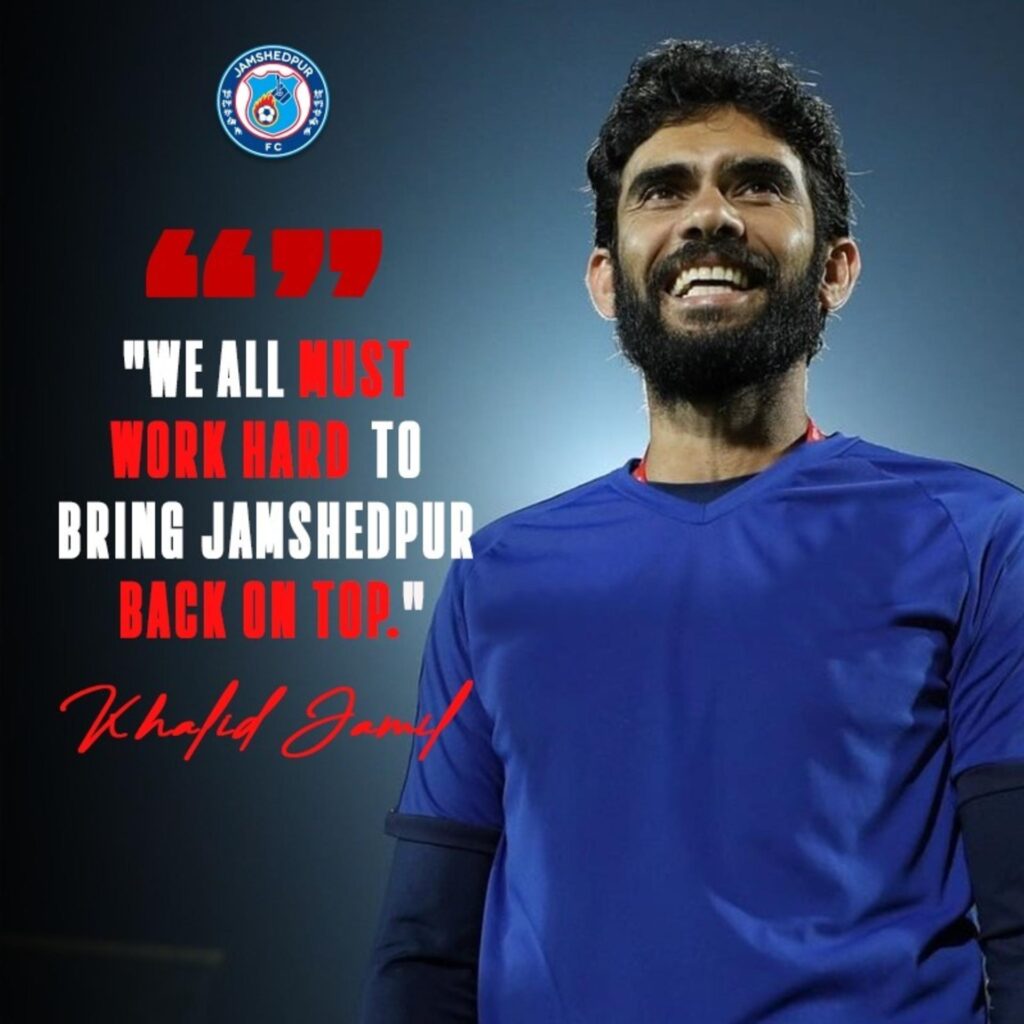
Jamshedpur FC announce the appointment of Khalid Jamil as the Head Coach. The experienced and highly regarded AFC Pro Licensed Coach will embark on his journey with Jamshedpur FC, starting with the Kalinga Super Cup in January, followed by the remainder of the Indian Super League (ISL) 2023-24 season.
Khalid Jamil is a distinguished figure in Indian football, both as a former player and a successful manager. He is notably the first Indian to be the permanent Head Coach of an Indian Super League (ISL) team and the only Indian coach to have guided a team to the ISL playoffs. Khalid’s illustrious career includes individual accolades of having won the I-League Best Coach Award for the 2016–17 season with Aizawl and the FPAI Indian Football awards: Coach of the Year (2020–21) with NorthEast United FC.
Jamshedpur FC CEO, Mukul Choudhari said, “I welcome Khalid Jamil, a coach with thorough experience in ISL and ILeague. We have everything to play for with the Kalinga Super Cup and half of the ISL remaining. Hence, we believe he has the understanding, experience and track record in Indian Football to build and take us forward, starting with the very next game.”
Khalid’s first engagement in the ISL was with NorthEast United where he signed as the Head of Academy in 2019-20. His breakthrough with the club came in 2020-21 when he was hired as the interim head coach for the remainder of the season and he led the Highlanders to the playoffs including a 10-game unbeaten streak. In lieu of his performances, Khalid was appointed as their head coach for the 2021-22 season, making him the first Indian permanent head coach of an ISL club. He also led Aizawl FC to the 2016–17 I-League title, making Aizawl the first club from Northeast region of India to win the national title. His heroics with Aizawl FC were noticed by the entire Indian football fraternity and his achievement took him to be the head coach at East Bengal and later Mohun Bagan.
Khalid expressed his delight on signing for Jamshedpur. He said, “I want to thank the club management to give me this opportunity and I feel very excited to join Jamshedpur FC. Our target is to bring Jamshedpur FC in a better position and for that we all must work hard to bring Jamshedpur on top.”
Khalid also had a message for the ever present and vociferous fans of Jamshedpur and Jharkhand and said, “Keep supporting Jamshedpur FC, we need your support in every match, more than ever.”
Khalid will be and taking charge of the squad immediately as the attention shifts to the Kalinga Super Cup where Jamshedpur’s first challenge is versus NorthEast United FC in Bhubaneswar on 10th January.
source: http://www.fcjamshedpur.com / FC Jamshedpur / Home> News / December 30th, 2023
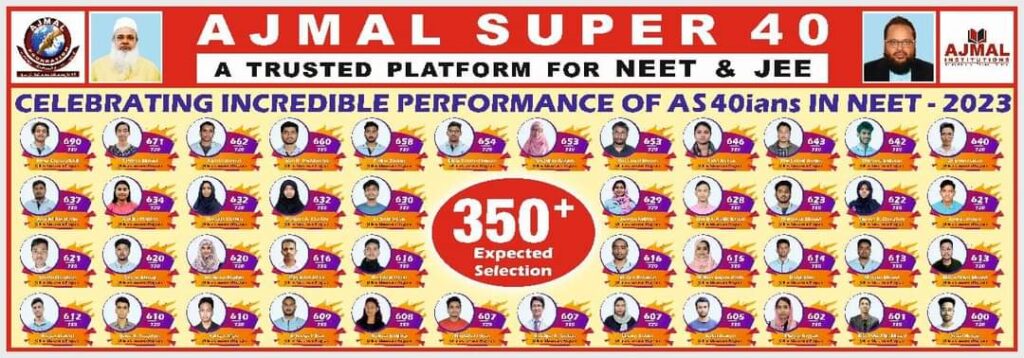
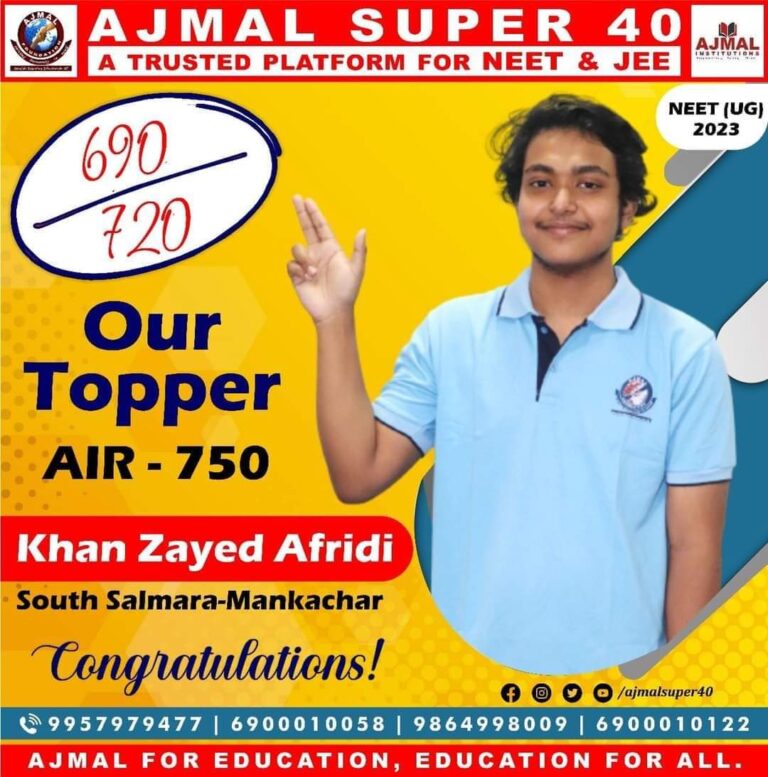
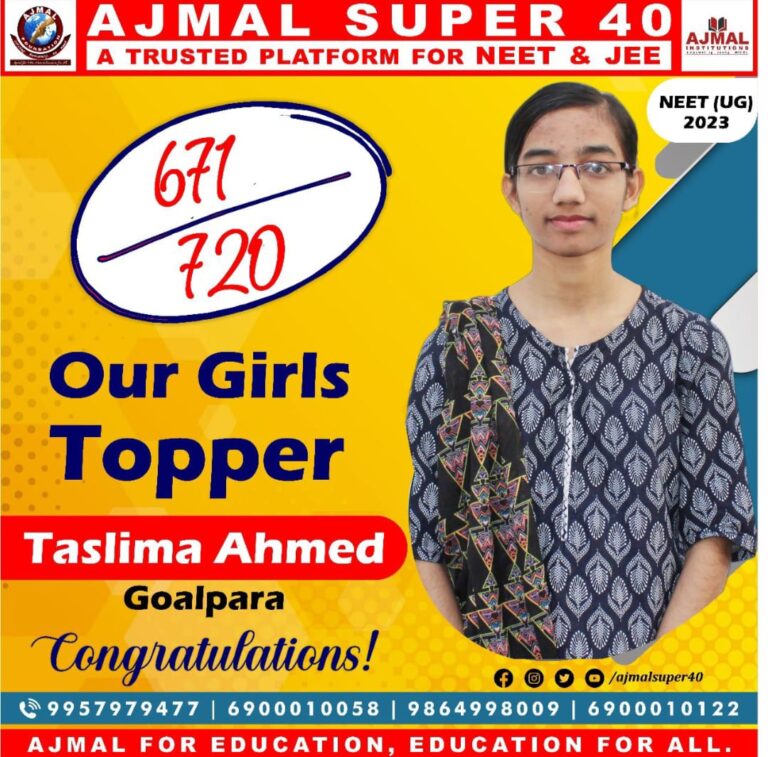
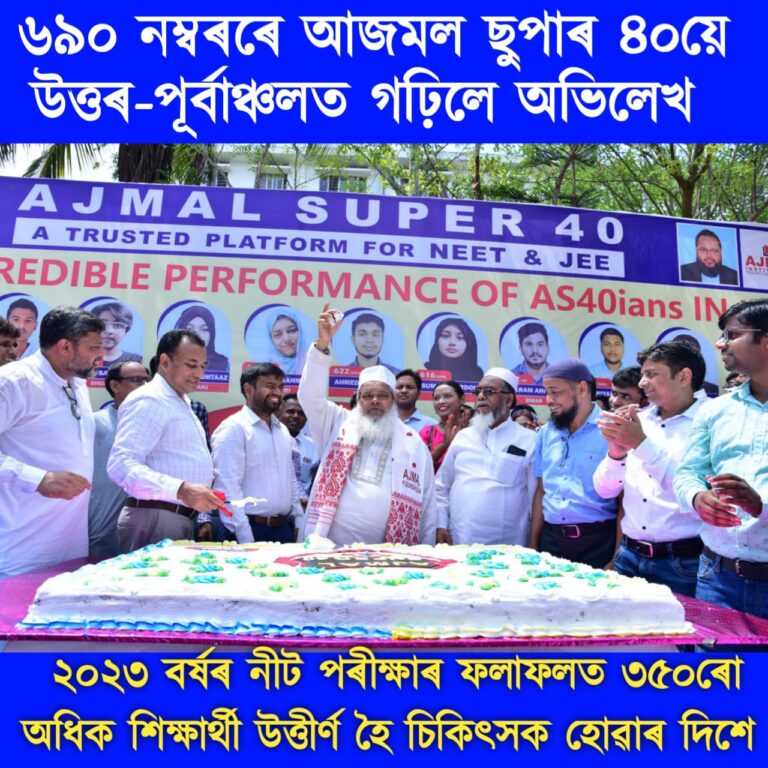
Being a medical doctor has always been a well cherished dream and a coveted profession, as it provides opportunity to save human lives. This public zeal towards the field of medicine gave rise to a number of academic institutions. Sensing the demand from students and parents, corporate sector also stepped in to provide courses for preparation of the NEET exam, as it proved to be a hugely profitable business for them. But this trend restricted the children of poor families from dreaming to become a doctor. However, some non-profitable institutions are rendering remarkable services to the nation by providing NEET coaching free or at a very low cost, like Ajmal Super-40 run by Ajmal Foundation.
Ajmal Foundation has been running this program for the last three years and its results have remarkably been improving by each year. The number of qualifying students of Ajmal Foundation in NEET exam last year was 245 which has this year increased up to 350.
This is indeed a huge gain for the Foundation, while a great hope for the underprivileged section of the society. Other institutions running on the same pattern are Shaheen of Bidar, Al-Ameen of Kolkata and Rahmani-30 of Patna.
The results for NEET 2023 were finally announced on June 13th this year. Just like every previous years, it was finely a nerve-wracking time for all the aspiring medical students who gave their best to crack this competitive exam. Among over 20 lakh applicants from across the country, half of the candidates could be declared as qualified but due to the seats limitations in the medical colleges, all passed candidates may not be the doctors they dreamed about.
The giant coaching institutions are busy celebrating the success of their toppers. But success of the non-profitable institutions should be celebrated and appreciated by common masses. Maulana Badruddin Ajmal, CEO Ajmal CSR and the philanthropic endeavours of Ajmal family, especially in the northeast of India, are laudable.
source: http://www.easterncrescent.net / Eastern Crescent / Home> Blog> National> North East / by Eastern Crescent Desk / December 02nd, 2023