The historical accounts of Malappuram were written by outside people
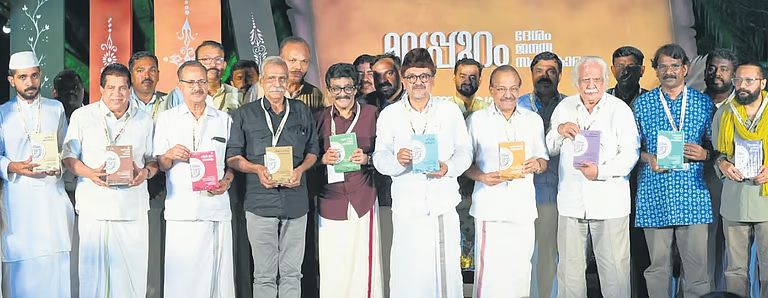
Release of the book on Malappuram Photo / Express
Kozhikode :
Why does Malappuram continue to appear as a trouble spot and the hub of religious fundamentalism in popular imagination and in some political utterances? A book on the history of the geographical area, which is part of the multi-volume project on different aspects of the district, asserts that the notion that Malappuram is a ‘fanatic zone’ was the creation of colonialists, which continues to linger in popular discourses even after the country became independent.
“People of this area fought against the British invasion and boycotted their language as a token of protest. Naturally, the colonialists had an antagonism towards the people.
But the tragedy is that there are people who still nurture the colonial mindset,” said Minister for Industries and IUML national general secretary P K Kunhalikutty, while launching the 10-volume book ‘Malappuram: Geography, People, Culture’ in Malappuram on October 4.
“The areas under the present Malappuram came under British rule in 1792. Since then, there were resistances against the British and the colonialists brought a number of black laws like the Mappila Outrages Act to contain the agitations.
There were a number of British reports like that of T L Strange, which depicted Malappuram as an unmanageable spot,” said Moyin Hudavi Malayamma, one of the general editors of the volume.
“The historical accounts of Malappuram were written by outside people. The people of Malappuram seldom got a chance to express what they actually are. Our project, in a way, is people writing their own history,” he added.
“Colonial records were the only available materials for those who studied the history of Malappuram. Naturally, those who wrote about Malappuram later were heavily influenced by these records.
The Hindutva narrative on Malappuram was built on this notion. Curiously, the Left is also parroting the narrative,” said Ashraf Valoor, one of the editors of the volume.
“Ours is an academic response to stereotyping. This is an alternative to the colonial and Hindutva narratives on Malappuram,” Valoor said. “It is true that early writers like EMS Namboodirippad viewed the 1921 agitation from the correct perspective. But later we see that the Left also internalised the colonial notion and that is why anti-Malappuram remarks are coming from some CPM leaders at regular intervals,” he added.
Valoor believes that the fact that the IUML is on the other side of the political spectrum also compelled the CPM to take an antagonistic stand towards the people of Malappuram. “Political enmity of some CPM leaders sometimes crosses the border and descends to communal level,” he said.
The volume contains academic articles on the process of ‘otherisation’ of Malappuram, the hate campaign during the formation of the district, the stories on the ‘aggression’ by Tipu Sultan and the communal amity in Malappuram. The project was envisaged by the Malappuram district committee of the Muslim Youth League and financially supported by the Saudi unit of Kerala Muslim Cultural Centre (KMCC), a feeder organisation of the IUML.
source: http://www.newindianexpress.com / The New Indian Express / Home> Kerala / by MP Prashanth / October 17th, 2026
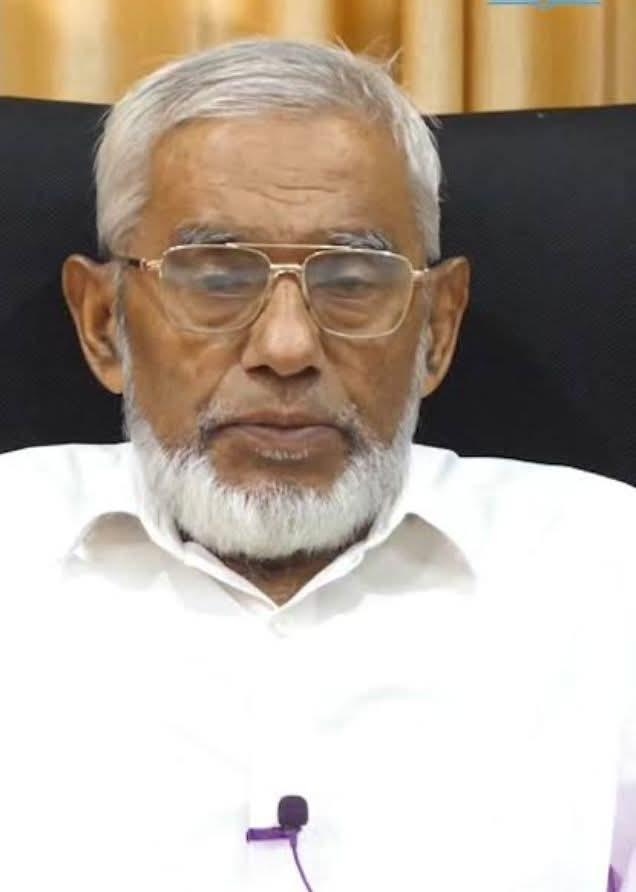
Islamic scholar, renowned social worker and senior leader of Jamaat-e-Islami Hind, K.K. Mammunni Maulavi Sahab (may Allah have mercy on him), passed away at his residence in Shantapuram at the age of 82. His death marks the passing of a multifaceted personality who devoted his entire life to the service of knowledge and faith, the promotion of education, social welfare, and support for the deprived and vulnerable sections of society. His life was a journey of knowledge, action, service and selflessness, whose imprint will long be felt across various religious, educational and charitable fields.
In his practical life, he discharged a range of religious and educational responsibilities with great sincerity and dedication. He taught at Kariyad Madrasa, served as Imam of Chavakkad Muthuvattur Mahall, and also served as Principal of Muvattupuzha Madrasatul Banat. However, the scope of his activities was not confined merely to teaching and institutional duties – a large part of his life was spent in building, nurturing and developing educational, religious and charitable institutions that became a source of support for the needy members of society. He had a deep and long-standing association with numerous orphanages and welfare institutions established in Kerala and elsewhere, playing a prominent role in their patronage and development, and helping strengthen them into centres that continue, even today, to serve the weak, the destitute and the deprived. His contributions were also notable in mosque construction, the development of educational institutions, the provision of basic amenities, and various social welfare projects. Thus, his personality was not merely that of a religious scholar or teacher, but that of a quiet servant who devoted his energies to the building and welfare of society.
K.K. Mammunni Maulavi was born in 1944 in Mulliyakkurishi, Malappuram district. His father was Kalakkanthal Mohammed and his mother Kadan Thodi Mariyakutty. He studied at Shantapuram Islamia College from 1955 to 1965, obtaining his FD and B.Sc. degrees. He later channelled the training gained from this education into a practical life devoted to the service of religion and humanity. He is survived by his wife, Khadija, and his children namely Hafsa, Naseema, Sajida, Najmunnisa, Nazira, Mubaraka, Yasir, Abdur Rab and Bilal.
The legacy of his life lies in the prayers of countless people and in the institutions whose construction and development benefited from his labour, sincerity and time. His departure is undoubtedly a void, but his scholarly, religious, educational and charitable services will keep his memory alive in the days to come.
Tahreek-Related Services
Mammunni Maulavi Sahab served for a long period as a member of the Kerala Shura and the All India Representative Council of Jamaat-e-Islami Hind. He was Secretary of the Perinthalmanna Islamic Mission Trust, Assistant Qazi of Shantapuram Mahal, and also served as Principal of the Islamia College at Vadanapally Orphanage.
He played an important role in launching and publishing the children’s magazine Malar Vadi and served as its publisher for a long time.
He also held administrative responsibilities on the committees of numerous institutions, including Shantapuram Islamia College, Vadanapally Orphanage, Pathiripala Mount Sinai, Perumpalav Ansar institutions, and the Azhikode Islamic Educational Complex.
He served as chairman of several institutions, including the Pathiripala Bait-ush-Shariqa al-Khairi Trust, the Perumpalav Ansari Charitable Trust, the Vadanapally Orphanage Committee, Kechery Al-Islah, the Azhikode Islamic Educational Complex, Peringadi Al-Falah, and Thavoor Hira English School.
He also played a significant role in extending the welfare activities of Jamaat-e-Islami Hind beyond Kerala. As Vice-Chairman of the Vision 2026 project, he toured underdeveloped regions of India and played a key role in launching educational and welfare initiatives there.
From 1977, he served for ten years as Zonal Nazim (organiser) of Jamaat-e-Islami Hind, during which time the districts of Ernakulam, Alappuzha, Kollam, Thiruvananthapuram, Kottayam, Idukki, Pathanamthitta, Thrissur and Palakkad fell under his charge. This long list is not merely a record of positions and responsibilities, but reflects that a large part of his life was spent in collective and constructive work.
An Active Life
Mammunni Maulavi Sahab is no longer in this world, but the memories of his simple life, tranquil personality and selfless service will remain forever in the hearts of those whose lives he helped, in one way or another, to succeed. The most prominent aspect of his personality was his calm temperament. A faint smile on his face, gentleness in conversation, and simplicity in manner were part of his identity. There was a quiet energy within him that never sought to draw attention to itself, yet it never failed to impress those around him. He was among those whose lives are recognised more by action than by claims.
Mammunni Maulavi Sahab had devoted his life to a greater purpose rather than to personal comfort and ease. After 1965, his working life remained continuously tied to religious, educational and social activities. Alongside his participation in the various works of the Islamic movement, he also played a major role in advancing its educational activities. His association with institutions working for orphans, the needy and the destitute remained strong throughout. His services were also notable in the construction and expansion of mosques and in shaping religious and social life. For him, service was not merely an activity but a way of life. As such, there was no place in his life for self-promotion or display. He did not merely speak of simplicity as a virtue, simplicity was an essential part of his life. Travelling by train and bus, riding a motorcycle from place to place when necessary, and constantly travelling to reach people, were part of his routine, for his priority was never comfort, but the achievement of his purpose.
Mammunni Maulavi Sahab was among those who valued purpose over publicity. He never sought crowds or praise, yet the large number of people who gathered on the final journey of his life reflects how service rendered quietly can still leave a deep impression on people’s hearts. People arrived from different parts of the country for his funeral prayer in Shantapuram. Young children and teachers attended; elderly men and women arrived; and even the sick, despite their frailty, participated in the funeral. Ordinary people from various parts of northern and southern Kerala travelled long distances to reach Shantapuram for one last glimpse of their beloved.
The funeral prayers began around 1:30 in the afternoon and continued without a break until 9:30 at night. T. Arifali, Secretary General of Jamaat-e-Islami Hind, led the final funeral prayer.
Even then, the mosque remained full of people. Large numbers remained near the grave after the prayer as well, reciting tasbeeh, praying, and staying on for a long while, as though everyone wanted a little more time to bid farewell to a life that had touched them at some point.
A significant feature of Mammunni Maulavi Sahab’s life was his connection across generations and social groups. From children to the elderly, from teachers to ordinary workers, and from religious to social circles, many found in him an elder and compassionate guide from whom they sought advice, encouragement and direction. To some he was a teacher, to others a leader, to others a counsellor, and to others simply an elder whose very presence brought comfort. Perhaps this is why the impact of his passing was not confined to his immediate family or associates, but was felt by a much wider circle.
Family’s Sacrifices
Behind every great collective service lie sacrifices that never come to public attention. Mammunni Maulavi Sahab’s life was no exception. His wife spent years enduring his busy life, constant travel, and social and religious responsibilities with patience and fortitude. His children, too, came to see their father not merely as a family member, but as someone fulfilling a broader social responsibility. Those who devote a large part of their lives to collective service are accompanied, in that journey, by the quiet sacrifices of their families. In this sense, a significant part of Mammunni Maulavi Sahab’s legacy also belongs to the sacrifices of his wife, children and family.
The earth has now taken Mammunni Maulavi Sahab into itself, but his simple way of life, constant travel, selfless service, and his manner of instilling hope amid difficult circumstances will remain in the hearts of those who knew him. His life stood as an example that the building of society is not always achieved through grand slogans or prominent positions; sometimes, a quiet, simple and steadfast person can leave an impact across generations. Perhaps the truest description of Mammunni Maulavi Sahab’s life is that he lived less for himself and more for others. Such a life comes to an end physically, but its effects remain among those who found light, encouragement or support in it. May Allah Almighty forgive Mammunni Maulavi Sahab, grant him a place in His mercy, accept his religious, educational and social services, and make the sacrifices offered by his family throughout this long journey a source of reward for them as well.
[The writer is Secretary Jamaat-e-Islami Hind, Kerala]
source: http://www.radiancenews.com / Radiance News / Home> Focus> Markers of Excellence> Personality> Obituary / by Shihab Pookkottur / October 05th, 2026
Kuttippuram (Tirur Taluk , Malappuram District), KERALA :
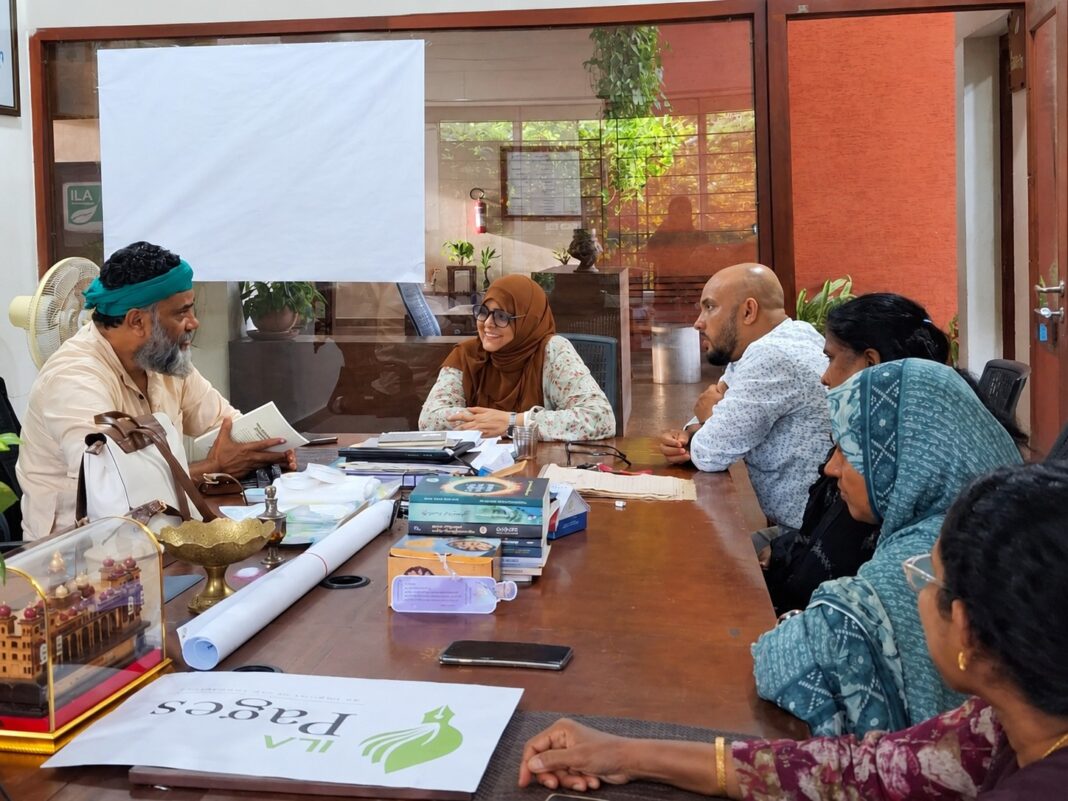
Author Sajida A Zubair with volunteers and members of the Ila Foundation during a discussion at its centre in Kerala.
“We human beings have started living in compartments. Muslims go to the masjid, Hindus go to the temple, Christians visit the church, and Sikhs go to the gurudwara. But where are the spaces for human beings, for all of us to visit simply as human beings?” –Ila Foundation’s Mohammed Najeeb.
Kuttipuram (Kerala) :
Travelling to Kuttipuram in Kerala was not merely a journey I had planned. It was a journey that carried with it a deep sense of emotion and transition. When I boarded the flight to Thiruvananthapuram earlier this month, I was setting out to leave my youngest daughter to follow her own choice of college and take the next step towards her higher education. As a parent, it was a moment filled with conflicting emotions: Pride in watching her move towards her dreams, and a quiet ache in letting her take those steps away from home.
After completing all the formalities and spending some cherished time with friends during the Onam holidays, I set out once again, this time by train. It was my first train journey in 22 years. A small journey in distance, perhaps, but one that felt significant in ways I had not anticipated. I finally reached Kuttipuram, carrying with me a sense of gratitude and anticipation, to meet Mohammed Najeeb Kuttipuram and thank him personally for the remarkable work he has been doing.
Though I went straight to their home from Tirur railway station, I met him only the following morning. I was told that Najeebka is a man who is deeply disciplined when it comes to time. There was no exception to that rule.
That morning, I was not simply meeting Najeebka. I was about to be introduced to a dream he had nurtured with conviction and purpose- the Ila Foundation.
The first question I asked him was perhaps the most natural one: “Why Ila?”
Najeebka, as he is fondly called by those around him, paused for a moment before answering.
“Life is a lesson,” he said. “We spend this journey going to school, finding a job, getting married, raising children, and then focusing on their education and building a house. We spend much of our lives fulfilling these responsibilities. But what’s next? What comes after all these responsibilities are fulfilled? That thought gave me the push to do something beyond these responsibilities.”
Here are excerpts from my conversations with the founder and volunteers of the Ila Foundation, recorded during my visit.
Sajida A Zubair (SAZ): What is Ila?
Najeebka: Ila which means leaf, comes from the fable of the ‘Ant & Leaf.’ Ila is a breathing space We human beings celebrate the first breath of life, and we mourn the last. In between those two moments, we breathe every single day, every single moment, yet we rarely pause to think about those breaths. We take them for granted. Ila is a space that allows us to pause- to breathe, to reflect and simply be. We human beings have started living in compartments. Muslims go to the masjid, Hindus go to the temple, Christians visit the church, and Sikhs go to the gurudwara. But where are the spaces for human beings, for all of us simply as human beings? Ila is that space. It belongs to everyone. That is why Ila has no doors. It is open to everyone. There are no compartments at Ila Foundation that differentiate among human beings.
SAZ: How is Ila’s palliative care initiative different from other such center?
Najeebka: I felt that there was very little change or evolution in the way palliative care was being provided in many centres. Many of them remained where they were when they first began. The focus was largely on medicines, injections, catheter changes and other forms of medical support. But Ila was conceived as something beyond medical care. We wanted to provide emotional support as well, to create a space where people could feel heard, cared for and valued.
SAZ: What makes Ila different from other organisations? What does it mean to be a volunteer at Ila?
Every volunteer who comes here is first made to understand one thing: before anything else, we are human beings. Learning how to be a human being is the first lesson we give to anyone who comes here to contribute. Our volunteers come from different religions, castes, races and creeds. But the understanding that we are human beings first is what brings us together and makes us a family. That is also why Ila does not have the usual hierarchy. We don’t have board members, a president or a secretary. We simply have volunteers. We come together because we believe in the same purpose.
We need to realise that the health we have is one of the greatest blessings we receive in life. The moment we truly understand that, we should feel the responsibility to reach out to those who are struggling with their health. At Ila, we try to see ourselves simply as human beings, and to see the people we care for in the same way.
Ila foundation is not just to care for those who are suffering, but to make all of us a little more human in the process.
SAZ: What is Ila doing to prepare the next generation with this same idea?
Najeebka: One of our important initiatives is the CEEP- Capital Exploration and Enhancement Programme, which begins with children from the eighth standard onwards.
We want to encourage these children to ask themselves some fundamental questions: Who am I? What am I capable of? What do I want to achieve in my life? We train them to discover their strengths, develop a sense of purpose and build a mission for their lives. More importantly, we help them understand how to face and overcome the challenges that life will inevitably bring.
We give special attention to the training of female students as well. So far, 24 training sessions have been conducted. These children will, in another ten years, become part of different sections of society- some may enter politics, some may become professionals, teachers or take up other roles. Wherever they go, Ila hopes they will carry with them the values they have learned here and contribute to a positive and compassionate transformation of society. Our dream is not simply to train children for successful careers. It is to nurture human beings who can make a meaningful difference wherever life takes them.
SAZ: How would you describe your association with the idea behind Ila?
Sulfikhar, Volunteer, Ila Foundation: Najeebka is my childhood friend and an elder brother for me. I have known him for many years. He is a traveller, and during his journeys across North India, particularly through villages, he spent a great deal of time doing social work and reaching out to people in need.
For more than 25 years, these travels became a part of his life. It was through these experiences, and the people he encountered along the way, that the idea of the Ila Foundation gradually took shape.
But Ila is much more than a charity or a place that simply provides assistance. It offers care and compassion to people dealing with health challenges, but its purpose extends beyond those who are unwell.
Ila is also a space for those who are healthy. It’s a place where they can look within themselves and work towards cleansing their inner selves. We all carry our own diseases of the soul- ego, jealousy, anger and many other negative emotions. Ila encourages people to recognise these within themselves and try to overcome them.
That, for me, is what makes Ila different. It is not only about caring for a person’s physical suffering; it is also about helping people become better human beings.
SAZ: What kind of care and support does Ila Foundation provide?
Fasina, who coordinates the palliative care volunteers: Ila provides support to people with a range of health needs. The Drug Bank provides medicines, particularly for psychiatric patients. Those requiring rehabilitation support are registered, and the medicines they need are provided to them. We also have a dialysis unit with 10 machines, operating in two shifts. At present, 34 patients are receiving dialysis care through Ila.
Our palliative care programme extends beyond the walls of the Foundation. We have four home-care units that visit patients at their homes every 15 days. The visits include checking their vital signs, wound dressing and attending to other medical needs.
But medical care is only one part of what we do. Just as important is the time we spend with them, sitting beside them, listening to them and offering emotional and moral support. Sometimes, simply knowing that someone is there for you can make a great difference to a person who is suffering.
During my visit to the Ila Foundation, I had the opportunity to accompany one of its home-care units. We set out at 9 in the morning, travelling from one home to another and meeting families who, despite the immense difficulties they face, continue to hold on to hope and remain remarkably positive about life.
What struck me most was the way many of them spoke about Ila, not merely as a source of medical care, but as an institution that had brought a sense of confidence, dignity and hope back into their lives.
One such story is that of Shabiri Girish, 45, who lives with his wife and two school-going children. A construction worker by profession, his life changed dramatically when he fell from the fourth floor of a building and suffered a serious head injury.
For nearly three years, his family explored every available avenue of treatment, hoping that he would one day regain the ability to walk. But despite their efforts, he eventually lost movement in his legs.
It was then that Shabiri Girish registered for palliative care with the Ila Foundation.
When Ila’s care began, it offered him something that went beyond medical assistance. The emotional and moral support he received gradually helped him regain confidence and look at life with renewed hope. In time, Ila provided him with an electric wheelchair and helped him set up a small shop beside his home.
Today, Shabiri Girish has regained a measure of independence that once seemed almost impossible. His journey is not simply a story of overcoming physical limitations; it is also a story of dignity, resilience and the power of being supported when life seems to have taken everything away.
He and his family now speak of Ila with deep gratitude. More than recipients of its care, they hope to remain connected with the Foundation and contribute as volunteers, sharing their own journey to inspire others who may be going through similar struggles.
I was also given the opportunity to spend some time with a group of specially abled beneficiaries of Ila. We sang, played games and shared moments of laughter. They welcomed me into their circle with such warmth and innocence that, for those few hours, there seemed to be no sense of difference-only the simple joy of being together.
One of the children smiled and told me, “We love coming here every week. We wait eagerly for Tuesdays for these sessions.”
The excitement in those words said more about what Ila means to them than any explanation could. For these children, Tuesday is not just another day of the week. It is a day they look forward to- a day of friendship, play, laughter and belonging.
And that’s when I knew Ila Foundation is indeed a space to breathe freely and perhaps that is the most powerful aspect of Ila’s work-the transformation of those who once needed support into people who themselves want to become a source of strength for others.
If you are in Kerala, Ila Foundation deserves to be on your itinerary.
source: http://www.indiatomorrow.net / India Tomorrow / Home>Health / by Sajida A Zubair /edited in headlines / September 14th, 2026
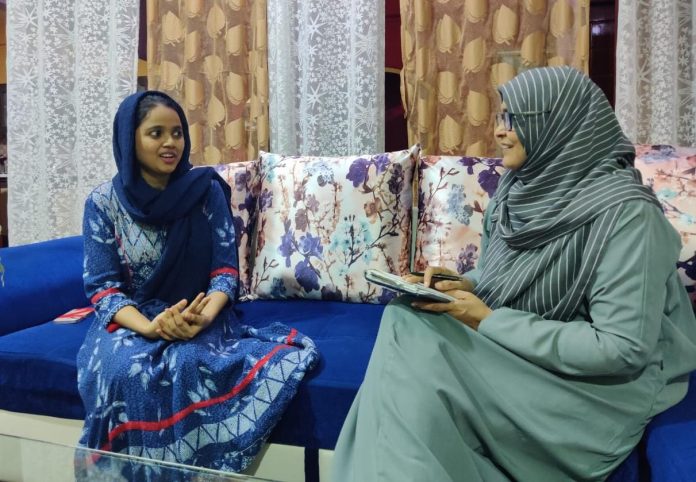
In an exclusive interview, with Sajida A Zubair , an educator, counselor, script-writer, voice-over artist and Radiance Correspondent for Andaman and Nicobar Islands, we delve into the inspiring journey of Zohra Banu, who recently achieved the remarkable feat of securing the 469th All India Rank (AIR) in the UPSC examinations.
Hailing from the remote Andaman and Nicobar Islands, Zohra’s story is one of determination, courage, and unwavering commitment to service. From her humble beginnings at Ummat Public School to her pursuit of Engineering in computer science at Andhra University, her educational background has molded her into the resilient and driven individual she is today. Transitioning from a successful corporate career to civil services, Zohra’s decision reflects her deep-seated desire to make a meaningful contribution to society. Let’s uncover the motivations, challenges, and aspirations of this inspiring young woman on her journey to serve the nation.
SZ: Could you share with us how your educational background and experiences have influenced your personality and career choices?
ZB: Certainly. My educational journey has played a significant role in shaping who I am today. The patience and work ethic instilled by my teachers during my school years, coupled with the resilience learned during my university days, have been instrumental in my career choices. Additionally, my corporate experience highlighted the importance of values, ultimately leading me to pursue a career dedicated to serving society.
SZ: Moving from the Andaman and Nicobar Islands to a more competitive environment must have been quite a challenge. How did this transition affect you and your approach to academics?
ZB: Indeed, it was a significant transition. Initially, I felt lost and experienced a dip in self-confidence. However, I embraced the challenge and realized that hard work was the key to success. This experience taught me the importance of consistent effort and resilience in the face of adversity.
SZ: What motivated you to pursue the UPSC exams, considering the shift from a successful corporate career?
ZB: Interestingly, UPSC was not a childhood dream for me. It was witnessing my roommate’s dedication to the exams that sparked my curiosity. My primary motivation has always been to contribute to society, and I saw the UPSC exams as an opportunity to do just that, aligning more closely with my values and aspirations.
SZ: It’s inspiring to hear about your dedication to service. As a Muslim woman from Calicut in the Andaman and Nicobar Islands, did you face any challenges in pursuing your dreams, and how did your parents’ support help you overcome them?
ZB: While challenges certainly existed, I am grateful for the unwavering support of my parents. Despite societal pressures and stereotypes, my parents encouraged me to pursue my aspirations, emphasizing that the sky was the limit. Their support and belief in me were invaluable in overcoming any obstacles I encountered along the way.
SZ: Faith often plays a significant role in navigating challenges. How has your relationship with your faith helped you during your journey?
ZB: Faith has been a pillar of strength for me throughout my journey. Connecting with a Higher Power provided me with solace during challenging times, enabling me to face setbacks with hopefulness and perseverance. It has been a source of comfort and guidance, guiding me through both the highs and lows of my academic and UPSC journey.
SZ: Your commitment to serving society is truly commendable. How do you plan to advocate for the rights and interests of marginalized communities, especially in the Andaman and Nicobar Islands?
ZB: I am deeply committed to advocating for the rights of marginalized communities, particularly children, women, and tribals. If given the opportunity, I would work tirelessly to address their grievances and ensure their voices are heard. Additionally, I aim to enhance the visibility of the Andaman and Nicobar Islands on the global stage, shedding light on the unique challenges faced by its diverse communities.
SZ: Finally, what message would you like to convey to our readers?
ZB: I would like to express my gratitude to my parents for their unwavering support and encouragement. Their belief in me has been my driving force throughout my journey. To all the parents out there, I urge you to recognize and nurture the potential of your children, regardless of societal pressures or expectations. Believe in them, support them, and watch them soar.
source: http://www.radiancenews.com / Radiance News / Home> Focus> Markers of Excellence / by Sajida A Zubair / May 03rd, 2024
Safna Nazarudeen, youngest Muslim woman from Kerala to crack UPSC with All India Rank 45, now serves as Labour Commissioner. Her journey from a Kendriya Vidyalaya student to an IAS officer reveals the power of early focus, disciplined routines and a desire to serve.
Growing up in Valiyavila, Thiruvananthapuram, Safna Nazarudeen was surrounded by the world of public service. Her father rose from the ranks of the Kerala Police, eventually retiring as an inspector. Her mother worked as a typist in the state employment exchange. From an early age, Safna watched the values of discipline, dedication, and community service take shape in her household.
It was around class 8 when she first entertained the idea of joining the civil services, not because she knew the mechanics of the exam, but because she sensed that an IAS officer could do a lot for society.
She attended Kendriya Vidyalaya, excelling academically and choosing the social sciences stream, against her father’s wish for science. Undeterred, she pursued a BA in Economics at Mar Ivanios College, topping the Kerala University in her batch.
CRACKING THE UPSC IN HER FIRST ATTEMPT
In 2020, at the age of 23, Safna cleared the Union Public Service Commission exam in her first attempt, securing All India Rank 45. She became the youngest Muslim woman from Kerala to enter the IAS.
Her preparation followed a rigorous pattern: she turned off social media, spent two hours daily on newspapers, attended coaching classes, and devoted 7-10 hours to self-study every day. She also kept a dedicated notebook to jot down what she studied for weekend revision.
Public speaking was a challenge at first, so she practised by speaking on selected topics daily in front of a mirror, a method suggested by her mentors.
FROM ASSISTANT COLLECTOR TO LABOUR COMMISSIONER
Once she entered the Kerala cadre of the IAS (Batch 2020), Safna was posted in Malappuram district as Deputy or Assistant Collector. Over time, she rose to become the Labour Commissioner, heading the Labour Commissionerate, Government of Kerala (Thozhil Bhavan, Thiruvananthapuram).
Her role now involves dealing with migrant labour issues, irregular employment, unemployment and implementation of labour laws across multiple industries.
In a recent government order, she was also given an additional charge as Director of the Fisheries Department.
VALUES, APPROACH AND LEADERSHIP STYLE
While the public often assumes that bureaucrats are always under strong political pressure, Safna says the reality is more complex. Multiple stakeholders need to be consulted and aligned before solutions that benefit all can be implemented. She says that while busy days are inevitable, there are also comparatively lighter days and that the job offers a mix of responsibility and reasonable balance.
Her early life, seeing a working‐class household, understanding privilege and the importance of service, shaped her commitment. She has spoken of recognising during her school days that she was more privileged than many, and that propelled her to aspire to serve people who were less advantaged.
WHAT HER STORY OFFERS TO ASPIRANTS
Start early with your goal: Safna’s idea of joining IAS surfaced as a teenager, even without full clarity of the exam system.
Make your dream your own: It wasn’t family pressure; it was her personal choice, and she owned it.
Structure matters: A disciplined routine, self-study and regular revision helped build momentum.
Complement knowledge with skills: She recognised the importance of speaking and presentation early.
Service mindset: Her ambition was not just personal status but to bring change and fairness for others.
LOOKING FORWARD
At a still young age in her bureaucratic career, Safna’s journey is already remarkable. But there is room ahead for deeper policy initiatives, sectoral reforms in labour, and perhaps district- or state-wide programmes that shape livelihoods and rights. Her trajectory suggests that when the aspiration aligns with preparation and execution, leadership roles in public service open up, and they carry the potential to impact lives.
source: http://www.indianmasterminds.com / Indian Masterminds / Home> Features> UPSC Stories / by Bhakti Kothari / November 05th, 2025
Genrobotic Innovations, a company based in Pallippuram, Kerala has been conferred with the Medicall Made in India Innovation 2023 Golden Award for developing the advanced robotic gait trainer G-Gaiter that helps patients recover rapidly from paraplegic disabilities. Afsal Muttikkal, Regional Director, Genrobotics Medical and Mobility received the award from Shyam Vasudevarao, Founder and Director of Forus Health, Renalyx, and Rx DHP.
The company’s flagship medical product, the G-Gaiter is an advanced gait training robot which has earned this prestigious acknowledgement for its unwavering dedication to driving innovation within the health-tech sector. The G-Gaiter’s services are currently accessible in numerous hospitals across Kerala.
Instituted by Chennai-based Medicall Innovation, the award is given for promoting and recognising advanced technological innovations in the healthcare industry.
G-Gaiter assists patients with paraplegic conditions caused by stroke, traumatic spinal cord injury and cerebral palsy to increase their mobility, consistency, and quality of gait pattern.
G-Gaiter’s AI (Artificial Intelligence)-powered natural human gait pattern and top-notch rehabilitation functions aim to increase mobility as well as the consistency and quality of gait patterns. It helps patients with paraplegic disorders achieve their goal of re-walking flawlessly.
Taking off as a startup, Genrobotics has displayed innovation in solving different social issues and emerged as one of the most impactful companies through various robotic solutions. It made a big socio-technological impact by developing the world’s first robotic manhole cleaner, ‘Bandicoot’, aimed at phasing out manual scavenging.
source: http://www.radiancenews.com / Radiance News / Home> Pride of the Nation> Awards / by Radiance News Bureau / August 24th, 2023
A 42-year-old Muslim Ayurvedic doctor from Kerala, Sajna S.A., who had been working in Bhopal for the past six months, passed away after suffering a severe brain haemorrhage (subarachnoid haemorrhage). She was admitted to a private hospital in Bhopal on May 15 after her condition became critical.
Despite intensive medical care, her condition worsened, and doctors later declared her brain-stem dead.
Family Agrees to Organ Donation After Counselling
Following the diagnosis, doctors and transplant coordinators counselled the family about the possibility of organ donation. After careful discussion, her family agreed to donate her organs, turning a moment of personal loss into an act of life-saving generosity.
Hospital authorities said the entire process followed the guidelines of the National Organ and Tissue Transplant Organisation (NOTTO), which regulates organ donation and transplantation procedures in the country.
What is Brain-Stem Death
Doctors explained that brain-stem death is a medically and legally recognised form of death. It refers to the irreversible loss of all brain functions, including those that control breathing and consciousness. Even if a ventilator keeps the heart beating, recovery is not possible.
Medical experts said such cases allow organ donation under strict protocols, as the organs remain viable for transplantation for a limited time.
Organs Transplanted to Save Lives
According to hospital officials, Sajna’s liver and one kidney were transplanted into patients admitted at the same hospital in Bhopal. Her second kidney was sent to another private hospital, where it was used for a patient in urgent need.
Dr S.K. Trivedi, Director of Bansal Hospital, said the family showed remarkable compassion during a difficult time.
“When asked if they had any preference regarding the recipient’s religion or identity, her husband said, ‘Give it to whoever needs it,’” he stated.
Doctors confirmed that all three organs helped save the lives of two patients.
Emotional Farewell With Full Honour
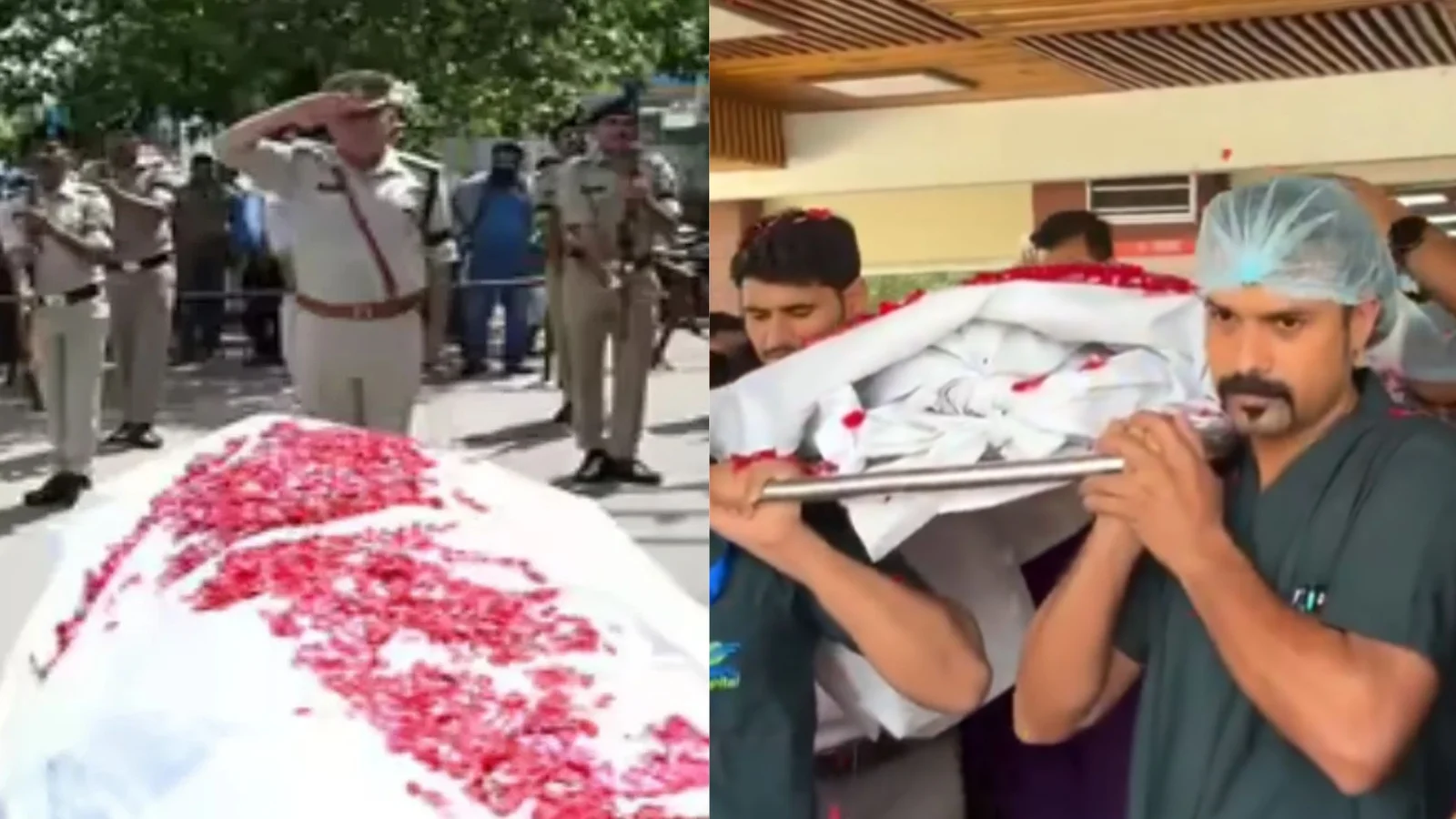
After the organ retrieval procedure, Sajna S.A.’s body was given a respectful farewell. Police personnel and hospital staff paid their tributes as part of the state’s recognition of organ donors.
Her body was later transported to Thiruvananthapuram for final rites in her hometown.
Hospital staff, local administration officials, and representatives from various organisations honoured the family for their decision, describing it as an example of humanity and compassion.
Debate and Public Response
The incident has drawn widespread attention on social media, where many users praised the family’s decision, calling it an example of “humanity beyond religion.”
Some users wrote that “humanity is the greatest religion,” while others highlighted the act as an example of interfaith harmony and selflessness.
Medical experts also said the case highlights the importance of organ donation awareness, especially in brain-stem death cases, where timely decisions can save multiple lives.
source: http://www.theobserverpost.com / The Observer Post / Home> India> Indian Muslims> Positive Story / by The Observer Post / May 29th, 2026
The newly elected 140-member Kerala Assembly will have a total of 35 Muslim MLAs, according to the Election Commission data released after counting of votes Monday May 04, 2026.
Among the IUML MLAs, who have won the 2026 Keralam state elections, is also Fathima Thahiliya. Fathima is IUML’s first woman MLA.
Kerala Assembly Election Results 2026:
The newly elected 140-member Kerala Assembly will have a total of 35 Muslim MLAs, according to the Election Commission data released after counting of votes Monday May 04, 2026.
The number of Muslim MLAs in the Kerala assembly formed after the 2026 state polls is 03 more than the last time when 32 Muslims had won.
As many as 22 Muslim MLAs elected to the Kerala assembly are from the Indian Union Muslim League (IUML). The IUML had fielded 27 candidates in the 2026 elections – 22 of them have got elected. Among the IUML MLAs, who have won the 2026 Keralam state elections, is also Fathima Thahiliya. Fathima is IUML’s first woman MLA.
The IUML had won 15 seats in the 2021 Kerala Elections . The IUML had in 2016 elections won 18 seats, and the assembly had a total of 29 Muslim MLAs.
Other Muslim MLAs elected to the Kerala assembly are 08 from Congress (5 more than 2021), 04 from the CPI-M (05 less than 2021), and 01 from CPI (Kerala).
List of Muslim MLAs in Kerala
Following is the complete list of Muslims MLAs in Kerala along with the constituencies they represent.
Congress
ADV. T SIDDIQUE (KALPETTA)
ARYADAN SHOUKATH (NILAMBUR)
K.P NOUSHAD ALI (PONNANI)
ANWAR SADATH (ALUVA)
MOHAMMED SHIYAS (KOCHI)
ADV. SHANIMOL OSMAN (AROOR)
M. M. NASEER (CHADAYAMANGALAM)
MUHAMMED SUDHEERSHA S (VAMANAPURAM)
CPI (M)
P.A MOHAMED RIYAS (BEYPORE)
P.MAMMIKUTTY Muhammed (SHORNUR)
A C MOIDEEN (KUNNAMKULAM)
N. K. AKBAR (GURUVAYOOR)
Indian Union Muslim League (IUML)
A K M ASHRAF (MANJESHWAR)
KALLATRA MAHIN Abdul Khader Haji (KASARAGOD)
PARAKKAL ABDULLA (KUTTIADI)
ADV. FATHIMA THAHILIYA (PERAMBRA)
ADV. FYZAL BABU (KOZHIKODE SOUTH)
M.A. RAZAK MASTER (KUNNAMANGALAM)
P K FIROS (KODUVALLY)
C K KASIM (THIRUVAMBADI)
T.P. ASHRAFALI (KONDOTTY)
P.K.BASHEER (ERNAD)
ADV. M. RAHMATHULLA (MANJERI)
NAJEEB KANTHAPURAM (PERINTHALMANNA)
MANJALAMKUZHI ALI (MANKADA)
P.K. KUNHALIKUTTY MUHAMMAED HAJI (MALAPPURAM)
K.M. SHAJI (VENGARA)
T V IBRAHIM (VALLIKUNNU)
P M A SAMEER (TIRURANGADI)
P K NAVAS (TANUR)
KURUKKOLI MOIDEEN (TIRUR)
PROF. ABID HUSSAIN THANGAL (KOTTAKKAL)
ADV. N. SAMSUDHEEN (MANNARKKAD)
ADV. V E ABDUL GAFOOR (KALAMASSERY)
CPI (Kerala)
MUHAMMED MUHASSIN (PATTAMBI)
Kerala Assembly Elections 2026: Final Result
In Kerala, the opposition UDF led by the Indian National Congress has removed from the power the Left-led LDF. The LDF was in power in Kerala since 2016.
As per the final result of the 2026 Kerala Assembly Polls announced by the Election Commission of India (ECI) the UDF has won 89 of the total 140 seats.
The LDF won a total of 35 seats – 57 less than its tally in 2021. On the other hand, the BJP has won just 03 seats – all for the first time.
source: http://www.ummid.com / Ummid.com / Home> 2026 Kerala Assembly Election Result / by ummid.com news network / May 04th, 2026
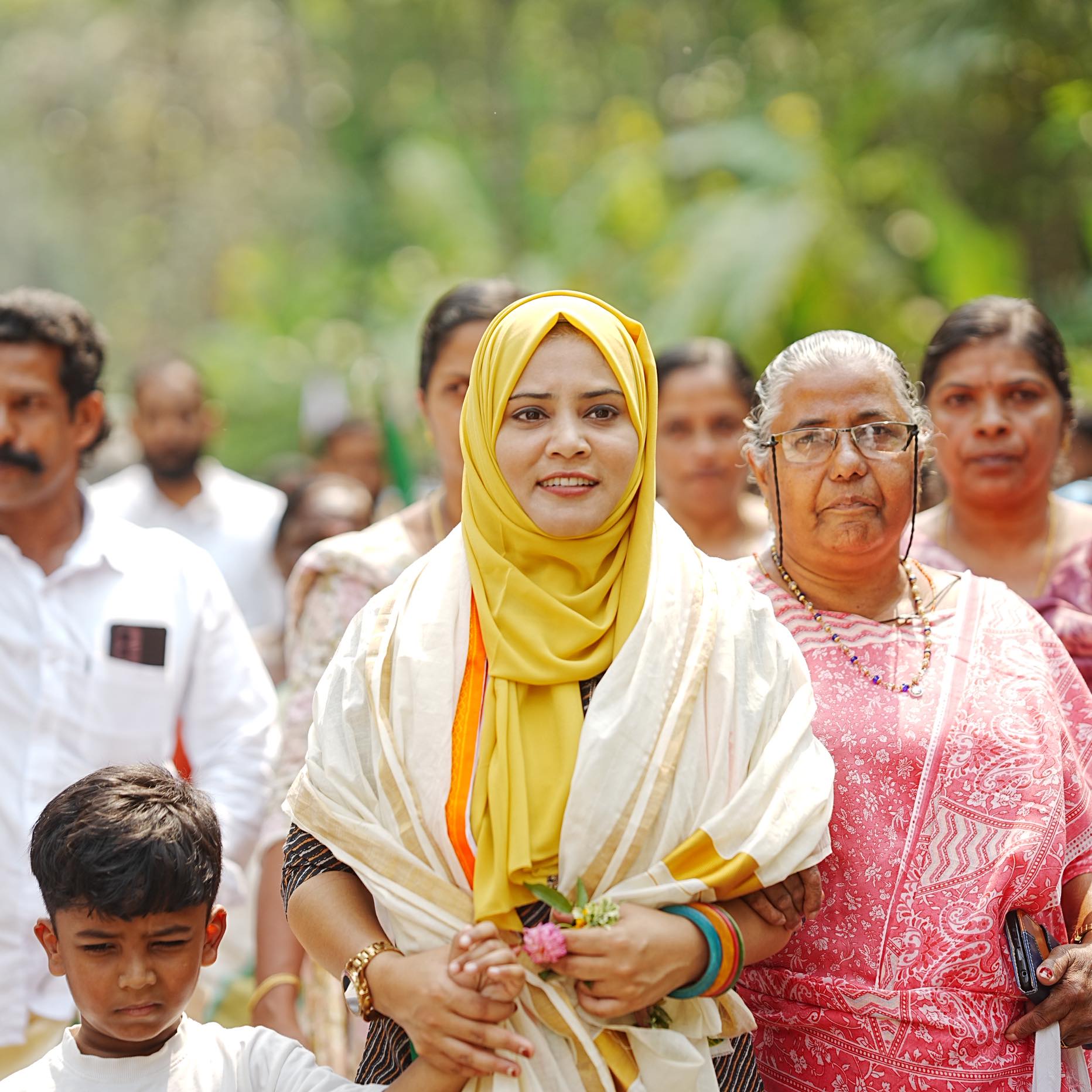
Fathima Thahiliya has faced cyberattacks and online abuse since her candidature in Perambra Assembly constituency was announced, including sexually derogatory, and communal remarks.
Fathima Thahiliya, a 34-year-old advocate and postgraduate in law from the University of Calicut, won the high-profile Perambra Assembly constituency, defeating the senior leader of the Communist Party of India (Marxist), T. P. Ramakrishnan.
Thahiliya got 81429 votes, winning the strongly contested seat with 5087 margin.
Born in Peruvayal in Kozhikode, Thahiliya rose through student politics before entering electoral politics, serving as a leader in the Muslim Students Federation and later as a councillor in the Kozhikode Corporation.
She completed her B.A. LL.B from Government Law College, Kozhikode, and an LL.M from Government Law College, Thrissur, and currently practises as an advocate at the Calicut District Court.
She also serves as a State Secretary of the Muslim Youth League, marking her steady rise within the Indian Union Muslim League.
Representing the Indian Union Muslim League, Thahiliya is among the 2 women candidates fielded by the party, making her contest particularly significant in a constituency long considered a Left stronghold.
Her candidature drew widespread attention across Kerala, not only because of the high-stakes electoral battle but also due to the controversies that unfolded during the campaign.
Fathima Thahiliya faced significant cyberattacks and online abuse soon after her candidature in Perambra Assembly constituency was announced, with her social media pages flooded with sexually coloured and derogatory comments, including vulgar remarks and personal attacks.
Much of the abuse targeted her identity as a young Muslim woman wearing a hijab, and questioned her capability to contest elections.
Thahiliya stated that such attacks were not new to her, noting that she had faced similar cyber harassment during earlier local body elections in Kozhikode.
Another controversy, the “Kauminte Kutti” row, erupted after allegations that campaign vehicles linked to the Left Democratic Front made announcements referring to Fathima Thahiliya as a “community candidate.”
The United Democratic Front alleged that attempts were made to communalise the election by portraying her through her religious identity, with campaign messages that sparked political backlash and complaints to the Election Commission.
Despite these challenges, Fathima Thahiliya emerged as a strong contender and went on to win the Perambra Assembly constituency, marking a significant shift in a traditionally LDF-dominated seat.
source: http://www.maktoobmedia.com / Maktoob Media / Home> India>South India / by Maktoob / May 04th, 2026
Some victories are seen with the eyes, but Jaseela’s is one that truly fills the heart. Defying all odds and turning her personal challenge into an inspiration for differently-abled UPSC aspirants, visually impaired 30-year-old Jaseela Jannath P from Vadakara, Calicut, has secured the 397th rank in the UPSC Civil Services Examination.
This marks Jaseela’s fourth attempt at the exam. Her optional subject, Sociology, reflects her deep passion for social issues, honed through her M.A. in Social Work with a Women-Centred Practice specialisation from the Tata Institute of Social Sciences (TISS), Mumbai. Prior to focusing on her UPSC preparation, Jaseela worked as a Project Associate at Prajaahita Foundation in Kozhikode from July 2021 to March 2022, contributing to community development initiatives.
Jaseela credits much of her success to the one-year UPSC preparation journey covering Prelims, Mains, and interview guidance at Xylem IAS, where she joined the civil services batch in March 2025. Speaking about her learning approach, Jaseela relied on audio-based learning methods, voice-to-text tools, and peer-led discussions to navigate and master the vast syllabus.
“Blindness tested me, but it never defined me. With the right support, including personalised mentorship, innovative tech-aided learning modules, and a supportive community, I was able to crack it,” she said. Looking ahead, Jaseela aspires to serve and empower people facing challenges similar to her own.
Apart from her academic pursuits, she has also established herself as an eloquent public speaker and secured A grades in Mimicry, Vanchippattu (boat song), Folk Song, and Malayalam Recitation at school youth festivals.
Jaseela is the daughter of the late Kunhabdulla P and homemaker Sainaba.
Including Jaseela, a total of 29 students from Xylem IAS have secured ranks in the examination.
source: http://www.businessnewsthisweek.com / Business News This Week / Home> Education / by Neel Achary / March 06th, 2026