Category Archives: Community Involvement / Social Issues

Arshia Khan

Mumbai, MAHARASHTRA / Doha, QATAR :
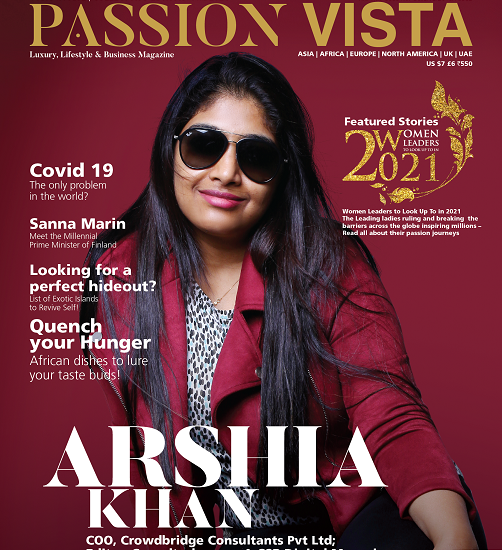
COO, Crowdbridge Consultants Pvt Ltd;
Editor, Crowdteck.com – A CSR Digital Magazine;
Associate Director, Crowd Central Technology

Against all odds, Arshia Khan lives to tell the tale. The year was 1985; city, Mumbai. The building Arshia’s family was residing in, collapsed, and they lost everything including her elder brother. Arshia was declared dead and taken to a morgue. Destiny however had other plans. Arshia suffered a loss of eyesight and memory, but thanks to God’s grace and timely medical intervention led by Dr Machiswala, she gradually bounced back to normalcy.

From then on, Arshia’s fighting spirit battled every obstacle in her path to emerge victorious.

One of six siblings, Arshia grew up in humble surroundings. Despite being the lone breadwinner, her father ensured good education for all. And so Arshia attended St Anne’s High School in Bandra, Mumbai which is also alma mater to renowned personalities like actor Aamir Khan and politician Baba Siddiqui.

Valuing everything that life had to offer, Arshia worked hard and excelled at everything in school. From being among the top three rankers in class to winning scholarships and best students awards, Arshia was God’s favourite child.

Following an interest towards daily affairs and national issues, Arshia pursued a degree in Mass Media (Journalism) at Rizvi College of Management. During this time, she was academically adopted on merit by an NGO called MESCO, which supports educational necessities of worthy students. The selfless service of MESCO went a long way in encouraging her to participate in social causes. Now one of her co-ventures that she is passionate about is Crowd Bridge Consultants Pvt Ltd which covers all that creates and promotes social development, wellbeing and betterment.

At Rizvi College, Arshia was mentored by (late) Prof P K Ravindranath who was an iconic journalist in his days. Following her mentor’s advice, ‘If you want to be a journalist, be on the ground, network, and build relationships’, she didn’t pursue her masters. She started networking, which eventually landed her a job at the Indian Express Newspapers. She learnt everything about journalism and media at The Indian Express. In 2010, she moved to Network 18 Media and Investments Ltd. as a Features Editor, managing a bigger team. She later diversified into the PR industry and worked at Perfect Relations’ healthcare arm – Imprimis. Two years hence, she moved to Adfactors, the PR giant, as an account manager.

As her professional life flourished, marital bliss followed. Soon after having her first baby Yahya in 2017, Arshia moved to Doha, Qatar. During 2017 – 18, she worked as a freelance consultant. By the end of 2018, she joined Crowd Central Technology as the Head of Content. Crowd Central’s CEO, Waseem Ahmed Kazi, always spoke at length about how he wanted to make a positive difference in society. Their thoughts resonated, and eventually Arshia was leading an exciting new venture, Crowdteck.com – a CSR Digital Magazine.

The objective of the magazine is to encourage good work in humanitarian causes, irrespective of cast, creed or religion. Their aim to restore faith in humanity helped them to connect with a global audience, and their online global readership quadrupled in two years.

From Mumbai to Qatar, what has been Arshia’s biggest challenge? “I have always been a passionate journalist, but was naïve about the business aspect until 2018 when I was promoted as the Associate Director at Crowd Central Technology. This big push meant that I was not only dealing with publishing of content but also specialised areas like revenue, business, and the like. As I was delegated the responsibility of handling international business across India, I learnt the specifics of a brick-and-mortar business model, including the online implications of its cyber footprint,” shares Arshia.

Although professionally satisfying and rewarding, this leap posed some challenges at the personal level. “My husband and I would work separate shifts and take turns to be with our toddler. It can be heart-breaking to leave your months-old toddler for work, and all new mothers will relate to this.”

However Arshia was lucky to be working with a company like Crowd Central Technology, which not only accommodated her requests as a new mother but also rewarded and motivated her to continue unabated.

On the other hand is Arshia’s most gratifying moment. Without a blink, she says, “Motherhood! Being a mother has been a blissful journey, which has taught me that patience and perseverance take you far. My child has disciplined me in more ways than one, and I can’t thank the Almighty enough for this little bundle of joy.”

As a parting note, inspirational Arshia shares a very important piece of advice, “I was embarrassed to seek aid or assistance of any kind. It is important that we inculcate the habit of reaching out for help in our children, who will be future leaders.”

source: http://www.passionvista.com / Passion Vista / Home> Collector’s Edition – Featured Stories – Women Leaders 2021 / April 2021
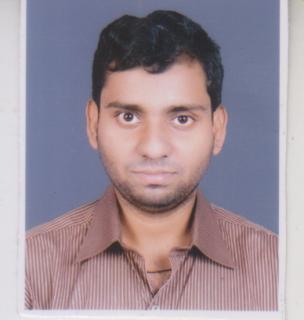
Meet Dr. Mohammad Rameez : Reducing CO2 To Control Global Warming

INDIA / TAIWAN :

Dr. Mohammed Rameez

This is the third part of the series called “Scientist Says” where we bring for our readers the significant research works of young scientists.

Rashida Bakait from India Tomorrow interviews Dr. Mohammed Rameez who is presently working as Academia Sinica postdoctoral research fellow at the Institute of Chemistry, Academia Sinica, Taiwan.

Here are the excerpts of the interview with him.

Q. What is the topic of your research and please give a brief explanation?

Ans: With the increased manufacturing activities, large amount of carbon dioxide (CO2) is being released in the environment, causing Earth–Carbon disparity, leading to global warming issue. Further, there is an additional rising demand of fine chemicals such as p-benzoquinone, which are obtained from the processing of fossil fuels. However, these processes operate under high energy and high pressure conditions generating more CO2. Therefore, decreasing CO2 production and transforming CO2 into valuable solar fuels seem to be an essential issue to be considered for future sustainable development. So, this scenario has given the researchers a challenging topic of as to how to reduce the amount of CO2 and further convert it into useful low-carbon fuels. Hence, my research topic is based on reduction of carbon dioxide to other useful chemicals using electricity and catalysts. This process is known as electroreduction of CO2.

My research is developing an ideal resource-efficient solution based on catalysts i.e. artificial photosynthesis – mimicking how plants use sustainable sources of sunlight, CO2 and water to drive the production of energy-rich carbohydrates. As such, promising research efforts have been intensified in reducing CO2 to similar energy-rich fuels and chemical feedstocks through electro-catalytic routes. Recently, we report a novel g-C3N4/Cu2O-FeOheterogeneous nanocomposite catalyst for COelectrochemical reduction to CO, with a maximum Faradaic efficiency of 84.4% at a low onset overpotential. This research was published in topmost journal in the field of environmental engineering. This research was done in Academia Sinica, a premier research institute of Taiwan. A PhD student Girma from Ethiopia and I worked on it in Prof. Hung’s lab. I was also one of the corresponding authors.

Q. What is the motive/ aim of your research?

Ans: Different semiconducting materials and metals, such as Pt, Pd, TiO2, SrTiO3 CdS, g-C3N4, ZnO, Bi2WO6 and so on have been used as catalyst for COreduction. However, the practical applications of these catalysts for CO2 reduction are still limited by the low CO2 conversion efficiency due to low light harvesting efficiency, high production cost, low catalytic activity, insufficient catalyst durability and a lack of mechanistic understanding.

Hence, our aim was integrating heterostructures containing oxides of non-noble metals, such as iron and copper with g-C3N4 that may result in stable materials that could function as active electrochemical catalysts for CO2 reduction.

Q. What important findings/aspects are highlighted in your research?

Ans: We prepared a novel g-C3N4/Cu2O-FeO heterostructure nanocomposite catalyst by a simple hydrothermal synthetic route and tested it for electrochemical CO2 reduction in aqueous systems. To the best of our knowledge, this is the first experimental report on a hybrid g-C3N4/Cu2O-FeO nanocomposite for electrochemical CO2 reduction. We demonstrated that g-C3N4/Cu2O-FeO is a promising electrocatalysts for COreduction in neutral medium. Incorporating mixed metal oxide into g-C3N4 layers could be a potential strategy to improve the electrocatalytic catalytic activity of the composite materials. With careful experimental design, this research may help us obtain a library of highly efficient water stable and less toxic catalysts optimal for various catalytic applications.

Q. What kind of challenges did you face?

Ans: Many semiconductors, doped and sensitized semiconductors have been used as photocatalysts for CO2 reduction for higher conversion efficiency. The selectivity of products not only depends on the catalysts’ compositions but also on the choice of reductant and the solvent. However, the practical applications of these catalyst for CO2 reduction are still limited by the low CO2 conversion efficiency. It is important to raise the photocatalytic conversion efficiency and long-term stability to make this process economically feasible. Here, our main challenge was to enhance the selectivity and efficiency of the process for the novel g-C3N4/Cu2O-FeO catalyst, which uses earth abundant materials.

Q. Any scholarships or awards for this research?

Ans: We got financial support from Ministry of Science and Technology of Taiwan (109-2113-M-001-020) and Academia Sinica (AS-KPQ-106-DDPP) for this research on CO2 reduction.

I have received Taiwan government’s most prestigious scholarship for PhD ‘TIGP’ and was given an opportunity to study and carry out my research in the Academia Sinica and National Chiao Tung University, a renowned research institution of Taiwan and one of the top three Universities. It was a type of dual degree with my research focused on Sustainable Chemical Science and Technology. After obtaining PhD, I also got Song Pei Wu applied chemistry thesis award for my thesis on Perovskite solar cells. Moreover, two of my research papers also received the best paper award from my university ‘National Chiao Tung University’.

Currently, I have been awarded the most prestigious postdoctoral fellowship in Taiwan (Academia Sinica postdoctoral research fellow) offered by Academia Sinica and I am working as a Postdoctoral research scholar here.

Q. How do you think your research would be beneficial to the society or industry?

Ans. I hope that this research would help in solving the prevalent issue of global warming befalling due to the rapid industrial developments across the globe. Currently, the conversion efficiency is too low to be practically useful in industry, this research would definitely help solving the existing low conversion efficiency.  We are also confident that the proposed hybrid low-dimensional functional materials would help in promoting the conversion of the product yields to some extents and to gain in-depth understanding of the basic principle of CO2 reduction using the advanced spectroscopy/dynamics techniques available in our laboratory. Based on our results we will be able to design better, cheaper and inexpensive catalysts. Finally, we hope these catalysts can be used for a large-scale industrial fixation of carbon dioxide to useful chemicals. This can help us achieve two goals – 1) CO2 amount reduction and 2) valuable chemical productions without using fossil fuel. Ultimately, we will be able to attain the goal of sustainable development.

Q. When did you begin and complete your research?

Ans: I joined the above mentioned project in the month of June 2020, after finishing my PhD, and the first draft of the manuscript was ready by the end of November 2020. The research was finally published in the reputed journal named Applied Catalysis B: Environmental inthe field of environmental engineering in the month of March 2021.

Q. Any new research you are working on now?

Ans: The recent research still requires solutions like finding a viable approach, providing better stability, reducing toxicity and superior catalytic performance. Currently we are working on introducing newer class of materials known as Perovskite. Our goal in this proposal is to develop novel photocatalysts that are inexpensive and efficient. Additionally, the photocatalytic materials should be able to generate large number of electron-hole pairs, while separating charges efficiently at the same time, and providing large amount of active catalytic sites at the interface between the surface of the photocatalyst and the CO2 carriers (either in liquid phase or in gas phase).

Q. What was the conclusion of your research?

Ans. We successfully demonstrated that cheaper catalyst can also work efficiently as expensive catalysts for CO2 reduction with better efficiency and selectivity. More details can be found in our research article.

Q. How do you think your research can be carried forward?

Ans. We expect to establish a standard protocol for employing catalysts for efficient Electro Chemical systems which may ultimately lead to development of the large-scale integrated reactor, including highly efficient buffered system, high conductivity membrane material, and large surface area electrode (e.g. gas diffusion electrode, single-atom membrane, and bio-conductive membrane electrodes). Further, we will be able to tune the selectivity of products by tuning the solvents. Ultimately, research groups around the world will be able to harness CO2 for various applications.

Q. Lastly, please give some tips to the budding scientists?

Ans. My advice to the budding scientists is that they should keep themselves updated with the recent literature and findings. Never lose hope as it takes time to obtain results. Always have plan B and C ready for the research and experiments.

source: http://www.indiatomorrow.net / India Tomorrow / Home> Education> Featured / by Rashida Bakait, India Tomorrow / March 30th, 2021

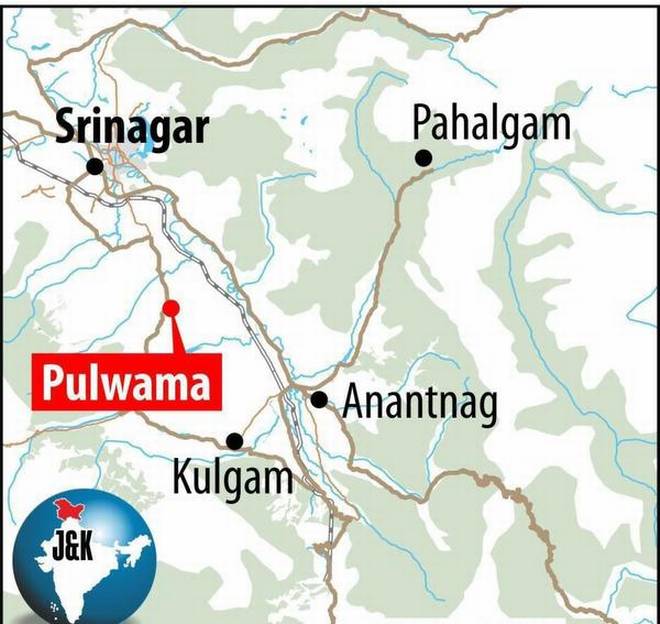
Policeman, wife, daughter shot dead in Pulwama

Hariparigam Awantipura (Pulwama), JAMMU & KASHMIR :

Lieutenant Governor condemns the attack.

Suspected militants killed a policeman, his wife and daughter in Pulwama’s Awantipora area on Sunday night.

The police said militants barged into the house of Special Police Officer (SPO) Fayaz Ahmad at Hariparigam area of Awantipora and opened indiscriminate fire on Sunday night.

“In the firing, Ahmad along with his wife, Raja Bano, and daughter, Rafia Jan, received bullet wounds. Later, the couple succumbed to their injuries in the hospital,” the police said.

Jan, 24, also succumbed to her injuries on Monday morning in a Srinagar hospital.

Earlier this month, militants killed two off-duty policemen in Srinagar in two separate attacks, including an inspector of the Criminal Investigation Department.

“I strongly condemn brutal terrorist attack on SPO Ahmad and his family at Awantipora. This is an act of cowardice and perpetrators of violence will be brought to justice very soon,” Lieutenant Governor Manoj Sinha said.

source: http://www.thehindu.com / The Hindu / Home> News> States> Other States / by Special Correspondent / Srinagar – June 28th, 2021

M.A. Momin dead

Hubballi, KARNATAKA :

Urdu writer and Calligraphy expert M.A. Momin died in Hubballi on Sunday due to COVID-19 related complications. He was 72.

He frequently organised Urdu learning training courses for non-native Urdu speakers. He also conducted calligraphy training sessions for school and college students. He was an active member of Idara Farogh-e-Urdu Hubli, a literary organisation.

Momin was famous for his Nizamat or anchoring Urdu Shayari sessions across North Karnataka districts. He was a recipient of Karnataka Urdu Academy award.

source: http://www.thehindu.com / The Hindu / Home> News> States> Karnataka / by Special Correspondent / Belagavi – June 27th, 2021

Decoding history cast in stone

Birur town (Kadur taluk-Chikkamagaluru District), KARNATAKA :

It became an abiding interest  while studying Kannada at the pre-university level at Pandit Jawaharlal Nehru Memorial College.

Shivamogga :

To D Ismail, the mastigallu (masti stone) is a fascinating storyteller. It talks about the history and the people as he peers into the inscrutable inscriptions whether it is in Modi lipi or Halegannada (ancient Kannada).

The epigraphist from Birur town in Chikkamagaluru district took a fancy to the knowledge hidden in stones, and is one among a small number of people who can understand ‘Modi lipi’, a cursive script used to write several languages, including Kannada. It is just like English running hand, he says. It became an abiding interest  while studying Kannada at the pre-university level at Pandit Jawaharlal Nehru Memorial College.

Ismail (63) says Modi lipi is a kind of early Kannada writing found from the times of Ashoka to the 18th century, which was used to record events and facts about emperors and their empires. In English, it is termed ‘cacography’, which according to the Kannada dictionary, means ‘illegible handwriting’, seen mostly in ancient stone inscriptions called mastigallu and veeragallu (hero stone).

Ismail is studying stone inscriptions to analyse their contents for anything related to astronomy and is compiling a research paper on the subject ‘Astronomy in Inscriptions’. Other issues that he is studying include natural calamities, music and life events, recorded in inscriptions to understand the culture of people going back to the Cholas, Gangas, Rashtrakutas and others who ruled South India.

The curiosity that drew him to these stones soon became his passion. “I studied various books related to Modi script, and under the guidance of epigraphist Shambhu Lingappa, I visited ancient sites in and around Birur, Kadur and Chikkamagaluru with him. I learned to read inscriptions in Modi script and also in Halegannada. I started reading books written by famous epigraphists like M M Kalburgi, Chidanandamurthy, A V Narasimhamurthy and others.”

Though Ismail could not pursue his education after pre-university, he never missed an opportunity to upgrade his Halegannada-related knowledge. Today, he is a well-known epigraphist who offers guidance to students of Kannada literature researching inscriptions and Halegannada in various universities. He has a rare collection of more than 5,000 books related to epigraphy, Halegannada, mastigallu and veeragallu.

He has written a book titled ‘Madhya Karnatakadalli Beeradevaru’ (still a manuscript) about Beeradevaru, a deity worshipped by the Kuruba community. The book throws light on the community, where they came from, and how they settled in Shivamogga, Chikkamagaluru and Chitradurga districts. He has travelled the length and breadth of these districts to collect information and did a field survey for more than two years.

He suggests that people interested in inscriptions read the book ‘Kannada Lipiya Ugama Mathu Vikasa’ by A V Narasimhamurthy, and ‘Lipi, Lipikara, Lipi Vyavasaya’ by Shettar, for those who want to learn Halegannada.

Ismail is one of the four sons of E M Dastagir Saab and Razia Begum of Birur, who have had a grocery business at M G Circle in Birur town for many decades. Even today, Ismail is the one who opens the grocery shop in the morning and takes care of the business.

He has a rare collection of more than 5,000 books related to epigraphy, Halegannada, mastigallu and veeragallu.

source: http://www.newindianexpress.com / The New Indian Express / Home> States> Karnataka / by Ramachandra V Gunari / Express News Service / June 27th, 2021

DPCC Secretary Haji Meherban Qureshi joins AAP

NEW DELHI :

New Delhi : 

Delhi Pradesh Congress Committee (DPCC) Secretary Haji Meherban Qureshi on Sunday joined the Aam Aadmi Party (AAP) in the presence of the party’s state convenor and Delhi’s Cabinet Minister Gopal Rai.

Qureshi said he was moved by the public welfare work being undertaken by the Arvind Kejriwal-led AAP government in Delhi so he had decided to quit the Congress and join the AAP.

Rai said, “Haji Meherban Qureshi’s decision of joining the AAP has widened the reach of our party and strengthened it. We will all work together for the development of Delhi and its people.”

Qureshi, a resident of Delhi’s Sadar Bazaar, was associated with the Congress for many years.

The newly inducted AAP leader said he is impressed by the historic work being done by the Delhi government under the leadership of AAP’s National Convener and Chief Minister Arvind Kejriwal for the development of the national capital and its people for the last six years.

Quershi assured to work with full dedication to fulfill the vision of AAP leader Arvind Kejriwal.

Apart from being the former Delhi Pradesh Congress Committee Secretary, Qureshi is a patron of the Qureshi Graduates Association.

He is also the chief patron of the Federation of Sadar Bazaar Trade Association, President of Brotherhood Committee, Luv-Kush Ram Leela Committee, Vice Chairman of Red Fort, Chairman of Sadar Bazaar Green Market Trade Association and National Vice-President of All India Jamiatul Quresh.

source: http://www.daijiworld.com / DaijiWorld / Home> National-World / by IANS / New Delhi, June 28th, 2021

Jamia Scientists Identify Drugs For Treatment Of Breast Cancer, Discover Key Genes That Allow Cancer Cells To Thrive On Glucose

NEW DELHI :

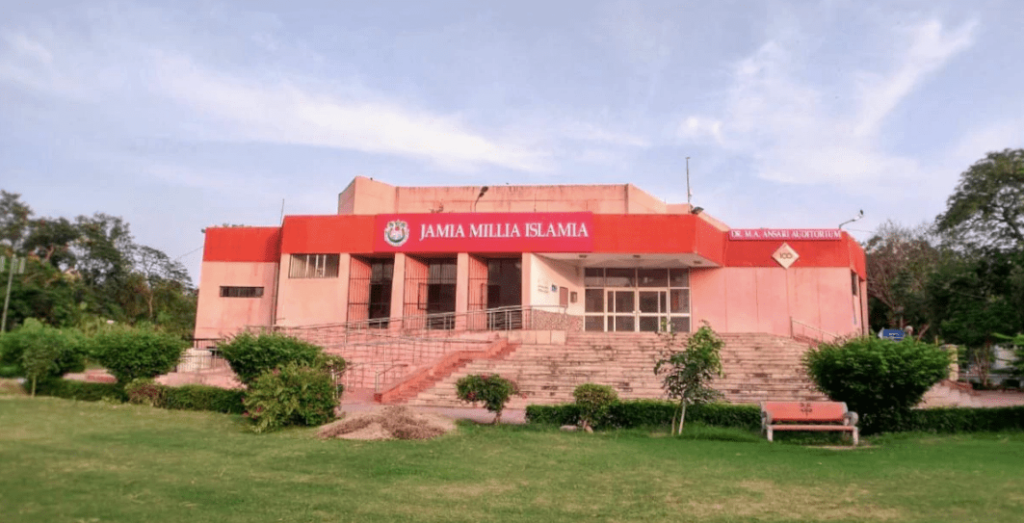
Dr Mohammad Askandar Iqbal and his team at the Department of Biotechnology, Jamia Millia Islamia(JMI), discovered the antagonistic roles of CBX2 and CBX7 genes in regulating glucose utilization in breast cancer cells. The discovery has enabled them to identify drugs that could be more effective in treating breast cancer patients with higher CBX2 and lower CBX7 expression.

Using a large amount of diverse molecular data from more than 3000 breast cancer patients along with gene silencing experiments, Dr Iqbal’s team identified the pro-cancer role of CBX2 and the anticancer role of CBX7, based on their effects on glucose metabolism in breast cancer.

Dr Iqbal and team also found that breast cancer patients with higher CBX2 and lower CBX7 expression in their tumors showed lesser survival probability compared to those having the reverse trends of expression of these two genes.

Highlighting the biological relevance of findings, CBX2 gene was found to be expressed at higher levels in breast cancer compared to normal breast tissue, whereas, the exact opposite trend was observed for CBX7. Further, the study reported that more deadly cancer tends to express higher levels of CBX2 and lower CBX7.

This research entitled “Multiomics integrative analysis reveals antagonistic roles of CBX2 and CBX7 in metabolic reprogramming of breast cancer” is published in Molecular Oncology, one of the most reputed journal worldwide in the field of oncology- a branch of medical science dealing with the study of cancer.

The full research article is available at https://febs.onlinelibrary.wiley.com/doi/10.1002/1878 0261.12894

source: http://www.thecognate.com / The Cognate / Home> News / by Rushda Fatima Khan / January 13th, 2021

Hyderabad: Noted professor Shah Manzoor Alam passes away at 93

Ghazipur, UTTAR PRADESH / Hyderabad, TELANGANA :

In his career spanning over 60 years, Shah Manzoor Alam moved to Hyderabad in 1950 when job openings appeared in the Osmania university (OU).

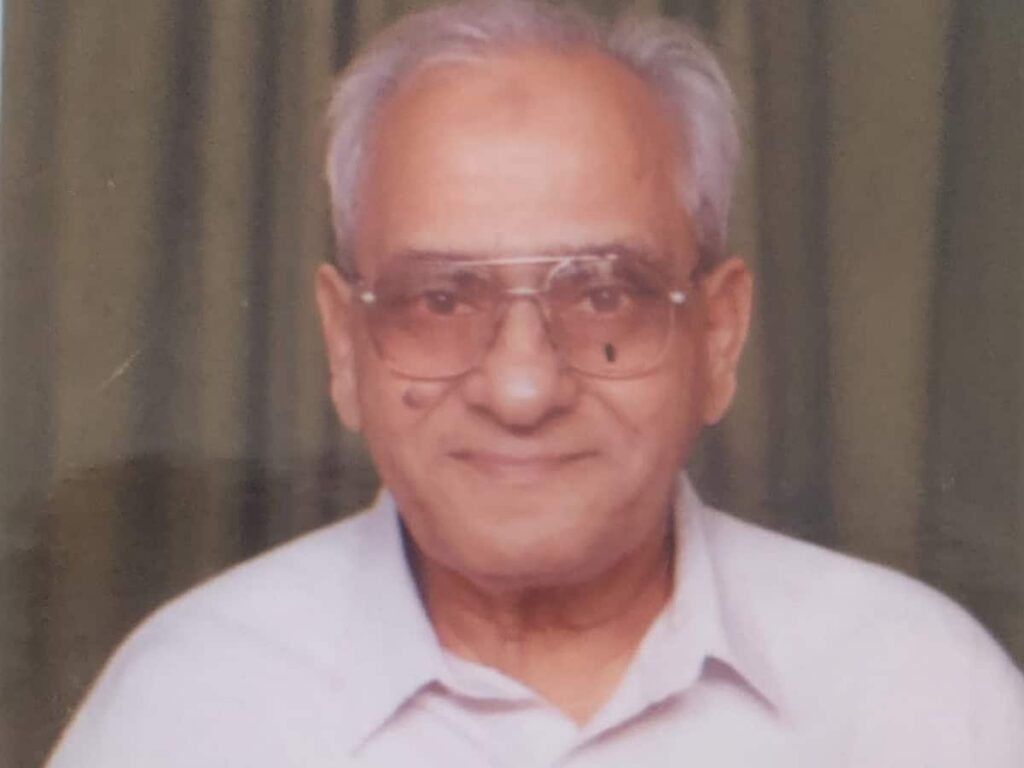
Former vice-chancellor of Kashmir University, Srinagar and the former head department of geography Osmania University, Shah Manzoor Alam, 93. (Photo supplied)

Hyderabad: 

Renowned professor—former vice-chancellor of Kashmir University, Srinagar and the former head department of geography Osmania University, Shah Manzoor Alam, 93, has passed away of a cardiac arrest on Tuesday evening at his residence in Hyderabad.

A native of Ghazipur, Uttar Pradesh, Alam did his early schooling in Gorakhpur. He did his bachelor’s and masters in arts from Aligarh Muslim University (AMU).

In his career spanning over 60 years, Shah Manzoor Alam moved to Hyderabad in 1950 when job openings appeared in the Osmania university (OU) and joined the university as lecturer in geography in evening college.

In the mid-1960s, he became the head of the geography department in the arts college of the Osmania University (OU). Subsequently went to the United Kingdom to do a Doctor of Philosophy (PhD) from Edinborough.

In the year 1972, Manzoor Alam was invited to Australia as a visiting professor and later to New Zealand in 1974.

Shah Manzoor Alam was a vice chancellor (VC) of Kashmir university, Srinagar from 1984-1987.

In 1992 he was invited by the Al-Imam Mohammed ibn Saud university, Riyadh to work on the scientific significance in selected Quranic verses.

He was responsible for establishing a trust called Mustafa Educational Network trust. The trust had brought out a set of 30 monographs related to different aspects of Islam.

In 2004, he was key to establishing the Indian school of excellence trust that would provide quality education combined with human values at an affordable cost. A school under this trust was set up at Tolichowki and became functional in June 2004.

Professor Alam lost his wife to heart disease in 1998, lost his only son Shah Shahab Alam to lung cancer in 2013. In spite of these severe personal losses, his strong faith kept him going till he breathed his last on the evening of June 22 due to cardiac failure.

Professor Shah Manzoor Alam is survived by three daughters Rana Siddiqi (USA), Rumana Ahmed (Hyderabad), Rubab Ali Fareed (USA).

MANUU pays tributes

Maulana Azad National Urdu University (MANUU) on Thursday paid rich tributes to Professor Shah Manzoor Alam.

Prof Manzoor Alam was also closely associated with MANUU in it’s formative years as the member of it’s first executive council. He played an important role in the development of MANUU in its initial days.

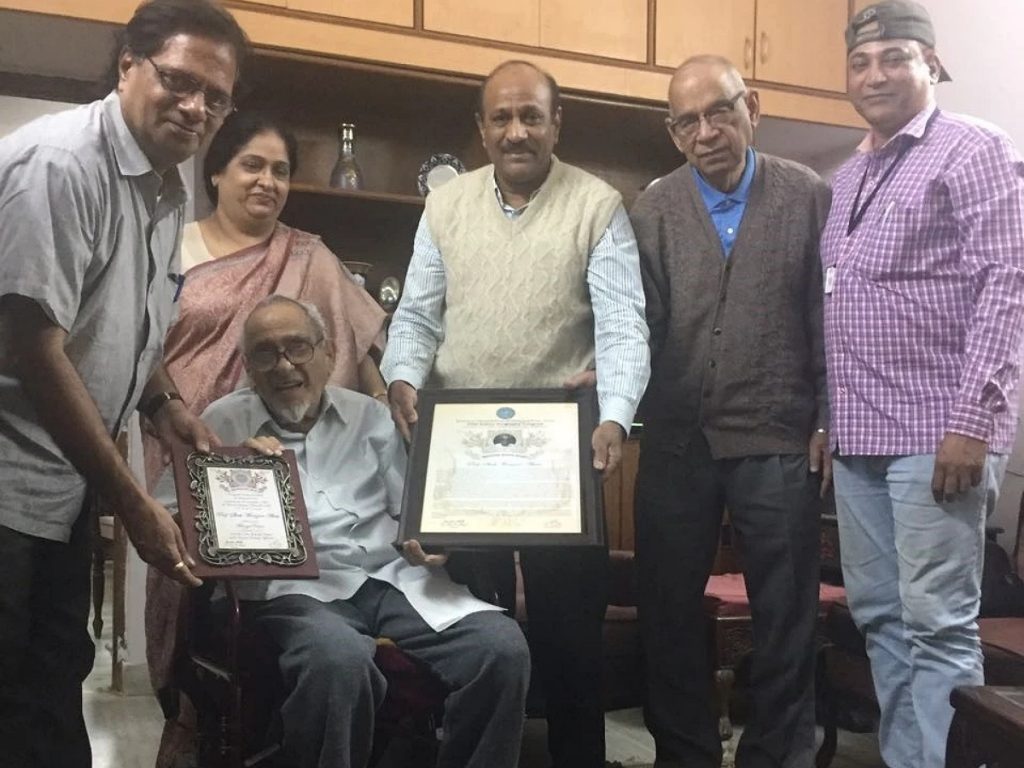
Prof Alam who was also the founder director of centre for area studies on the Indian ocean region, OU was also awarded the prestigious, ‘BHOOGOL RATNA AWARD’ for 2017 by NAGI (National Association of Geographers India), New Delhi, during the 39th, Indian geography congress (IGC) held at Osmania University.

Shah Manzoor Alam awarded the prestigious, ‘BHOOGOL RATNA AWARD’ for 2017 by NAGI (National Association of Geographers India), New Delhi

Professor S M Rahmatullah, Vice-Chancellor and Professor Siddiqui Mohd Mahmood, Registrar in their message expressed their condolences to bereaved family members.

source: http://www.siasat.com/ The Siasat Daily / Home> News> Hyderabad News / by Sakina Fatima / June 25th, 2021

Hyderabad NGO uses technology to help rural, tribal areas

Hyderabad, TELANGANA :

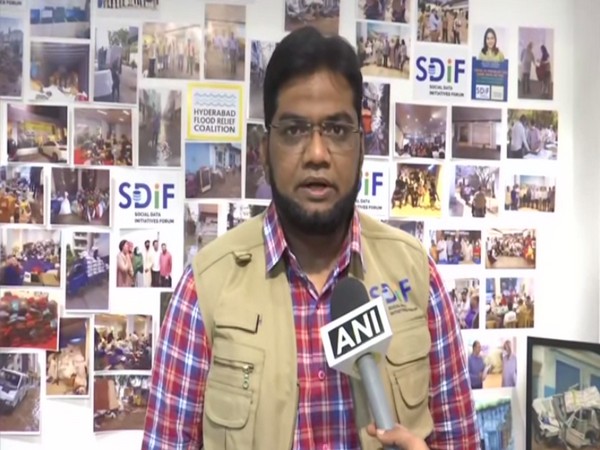
However, the Social Data Initiatives Forum (SDIF) of Hyderabad helped those from rural and tribal places of Telangana.

 Khalid Saifullah, a member of SDIF (Photo/ANI) / aninews.in

Hyderabad: 

Keeping in view the limited access of medical facilities in the rural and tribal parts of the society amid the COVID pandemic, a Hyderabad based non-profit organization (NGO) has combined both the fields of service and technology together to extend their help to those from inaccessible areas of the state.

While there are several NGOs and individuals who have stepped forward to do their part in the pandemic, most have limited themselves to the cities and urban establishments.

However, the Social Data Initiatives Forum (SDIF) of Hyderabad helped those from rural and tribal places of Telangana.

Speaking about the initiative, Mohammad Azam Khan, the Founder and Director of SDIF said that since the inception of the COVID-19 Pandemic, the organisation had been working at several hospitals and couldn’t help but notice that many people admitted in Hyderabad were from nearby rural areas.

“Looking at the condition of people from rural areas that came to Hyderabad in search of proper medical treatment but were unable to find a bed or Oxygen while their health deteriorated, we decided that medical assistance like oxygen should be provided to them at their place instead of them having to look for it in the cities,” he said.

 Azam further mentioned that to achieve this, the NGO publicised their contact and helpline numbers and was able to set up Oxygen banks at several district headquarters and Government hospitals from where those who were in need could collect oxygen free of cost.

“To further speed up the supply of oxygen we requested the people to place a request of their requirement through the organisation’s website so that we can deliver oxygen to their doorstep,” he said. SDIF has recently started collaborating with several other NGOs of other states and at the district, levels to ensure support to the people from the rural backdrop.

Khalid Saifullah, a member of SDIF he mentioned that the organisation developed a digital program that interacts with the Application Programming Interface (API) of Twitter, which works on Search Engine Optimization (SEO) to identify tweets that have words like ‘Need Help, Oxygen’.

 “Those people are contacted to cross-check the requirement and then we help them in receiving Oxygen from the nearest available source”, he added.

Khalid said, “During the peak days of the pandemic, there were about 150 to 200 requests; we ensured all requests were fulfilled.”

source: http://www.siasat.com / The Siasat Daily / Home> News> Hyderabad News / by ANI / posted by Sakina Fatima/ June 17th, 2021

COVID-19: Helping Humans Hyderabad steps up to ease the crisis

Hyderabad, TELANGANA :

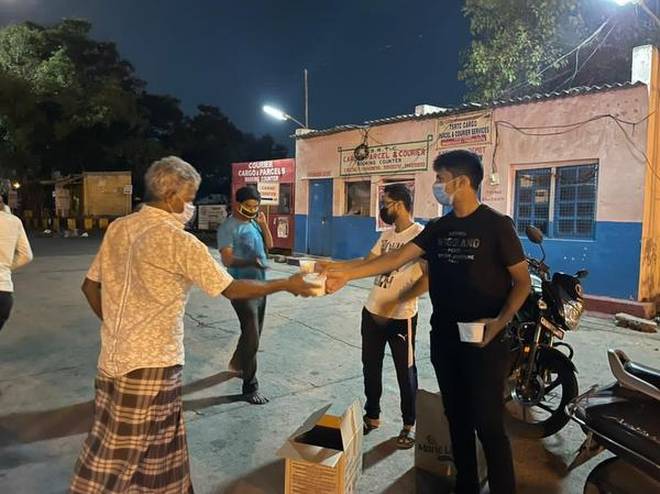
Volunteers distributing food   | Photo Credit: special arrangement

Mohd. Abdul Yousuf and his team of volunteers networked across the nation to help tackle the second wave of the pandemic

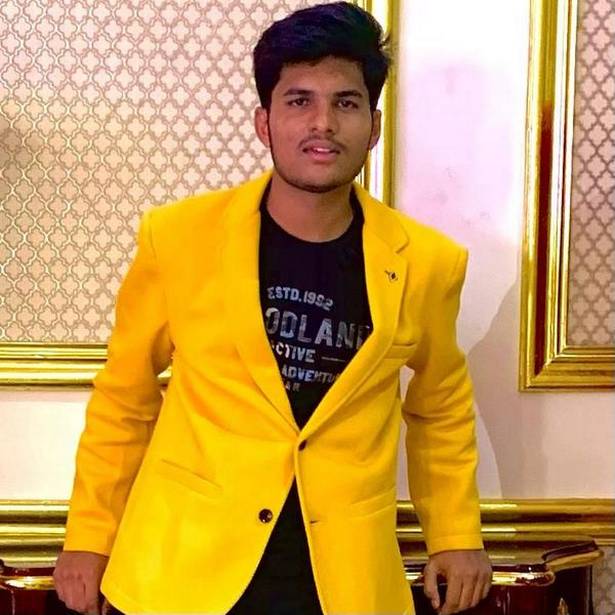
When Hyderabad-based Mohd. Abdul Yousuf, a fourth-year student of Symbiosis Law School in Hyderabad and his friends wanted to feed the needy hit by COVID-19, they could not afford to hire a chef at ₹1,200 per day to prepare a meal with 25 kilograms of rice. Undeterred, the boys watched cookery channels to learn to prepare it themselves. Now, the team of volunteers of Helping Humans Hyderabad founded by Abdul, packs 400 dinner boxes and distributes them at Tadbun, Charminar, Government Maternity Hospital in Afzal Gunj, Mahatma Gandhi Bus Station, Osmania General Hospital, Hyderabad Railway Station at Nampally, Public Gardens, MNJ̥ Cancer Hospital and Niloufer Hospital. “We make kaju, lemon and jeera rice and even made chicken biriyani sponsored by a friend,” says Abdul.

Mohd. Abdul Yousuf   | Photo Credit: special arrangement

Helping Humans Hyderabad is among several voluntary organisations helmed by youngsters to verify leads, identify and share information on hospital resources and medical supplies to help tackle the second wave of the pandemic. However, Abdul’s organisation reached out beyond Hyderabad to Bengaluru, Gujarat, Delhi, Patna and Kerala as he networked from his contacts across India.

It started when Abdul posted a friend’s plasma request on his Instagram account. Buoyed by the response and backed by his associates: Lamya Hussaini, Molshree Totla and Ismail Zabiullah, he launched Helping Humans on April 16, his birthday, to amplify appeals for help. “We launched the page at 9 pm and at 1.30 am, we got a request for an oxygen cylinder,” he recalls.

Abdul and four core members of Helping Humans pooled ₹20,000 from their pockets to steer the network. With friends across India, he created a network of individuals to provide info from their cities; volunteers then verified the leads and updated the information on a Google spreadsheet. ‘If you are sitting idle at home, give your time to us,’ was their message on social media, inviting volunteers to be part of the initiative which had more than 200 members from across India. The office of Kavitha Kalvakuntla responded to their tweets for hospital resources; which not only helped in closing the requests, but also airlifting a passenger from Bihar to Hyderabad.

“Oxygen shortage was a major one during those dreadful two months,” shares Abdul, adding that his phone has not stopped ringing since April. Most of the 400 to 500 calls used to be for oxygen cylinders. The team purchased these cylinders for ₹60,000 from their own pockets. “Now the calls for cylinders have reduced to 50; and enquiries now are for oxygen concentrators.”

Abdul hopes to find more sponsors for their free food distribution programme. “We are glad we were able to make at least a small difference,” he concludes.

source: http://www.thehindu.com / The Hindu / Home> Society – Relief Work / by Neerja Murthy / Hyderabad – June 18th, 2021