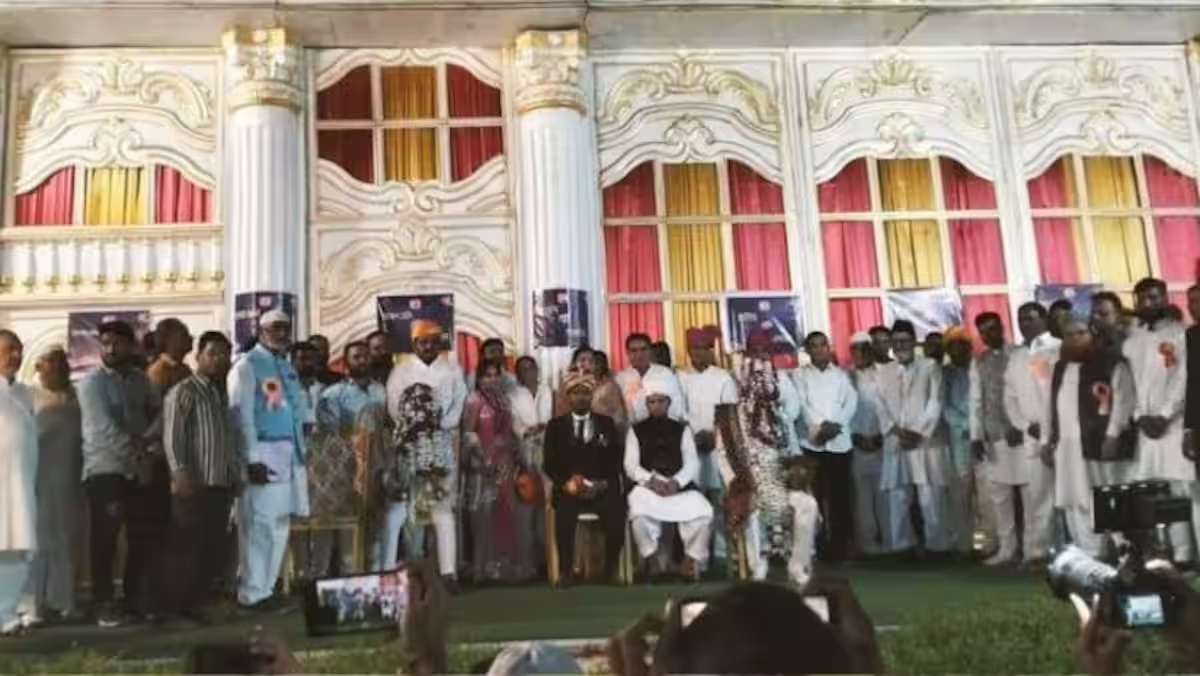
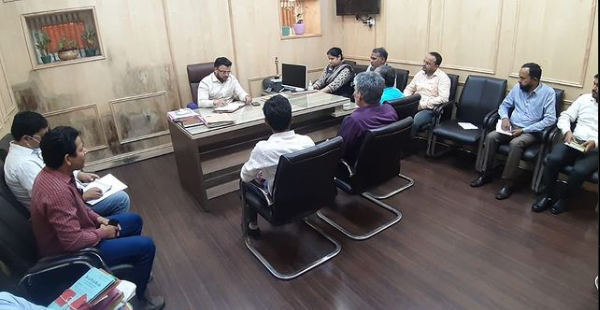
In Jodhpur, 11 Muslim couples were married for just Rs 1 each. The Marwar Sheikh, Sayed Mughal, and Pathan Vikas Samiti organized the event to curb extravagant wedding expenses.
The newlyweds also received essential household items through community contributions.
Jaipur :
Rajasthan is known for lavish, expensive weddings. But now, weddings are taking place where there’s no dowry or excessive spending. One such event recently saw 11 couples married for just Rs 1 each.
11 couples wed for Rs 1 each
Eleven Muslim couples exchanged vows for a mere Rs 1. Their aim was to curb wasteful spending and make marriage accessible to everyone. The Marwar Sheikh, Sayed Mughal, and Pathan Vikas Samiti organized the event in Jodhpur. This was their tenth such event, with 11 couples participating.
Newlyweds receive essential items
Committee president Sikandar Khan said the event aimed to make marriage easier and more accessible. Donations provided the newlyweds with essential items like cupboards and utensils. They aim to arrange weddings for 51 couples next year.
Rs 5 million raised through community contributions
Sikandar explained that the committee has organized nine mass weddings in the past nine years, spending over Rs 5 million, all through public contributions. He highlighted the significant expenses associated with weddings and the need for affordable alternatives for those with limited resources.
source: http://www.newsable.asianetnews.com / Asianet Newsable / Home> English News> India News / by Ajay Joseph / October 22nd, 2024
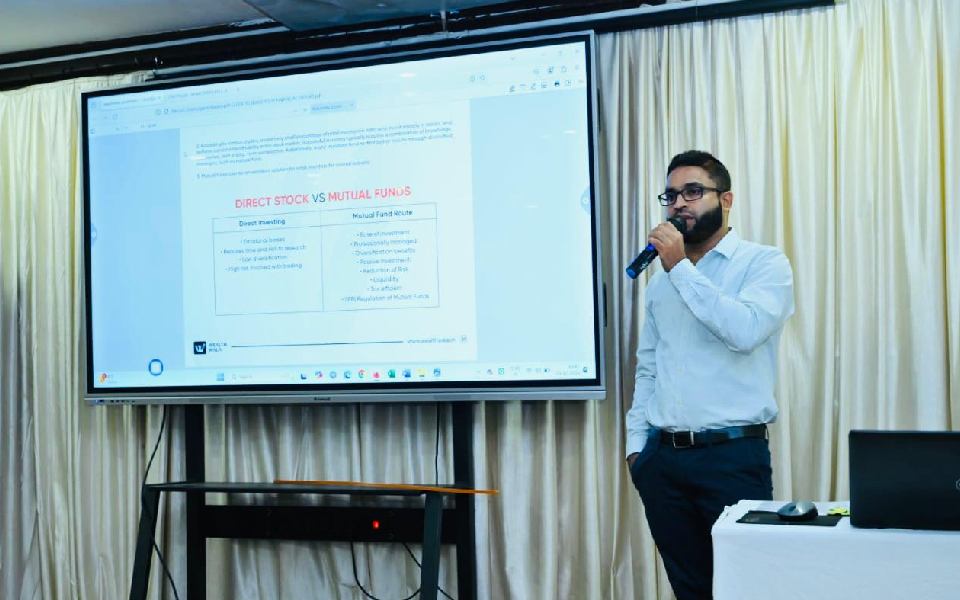
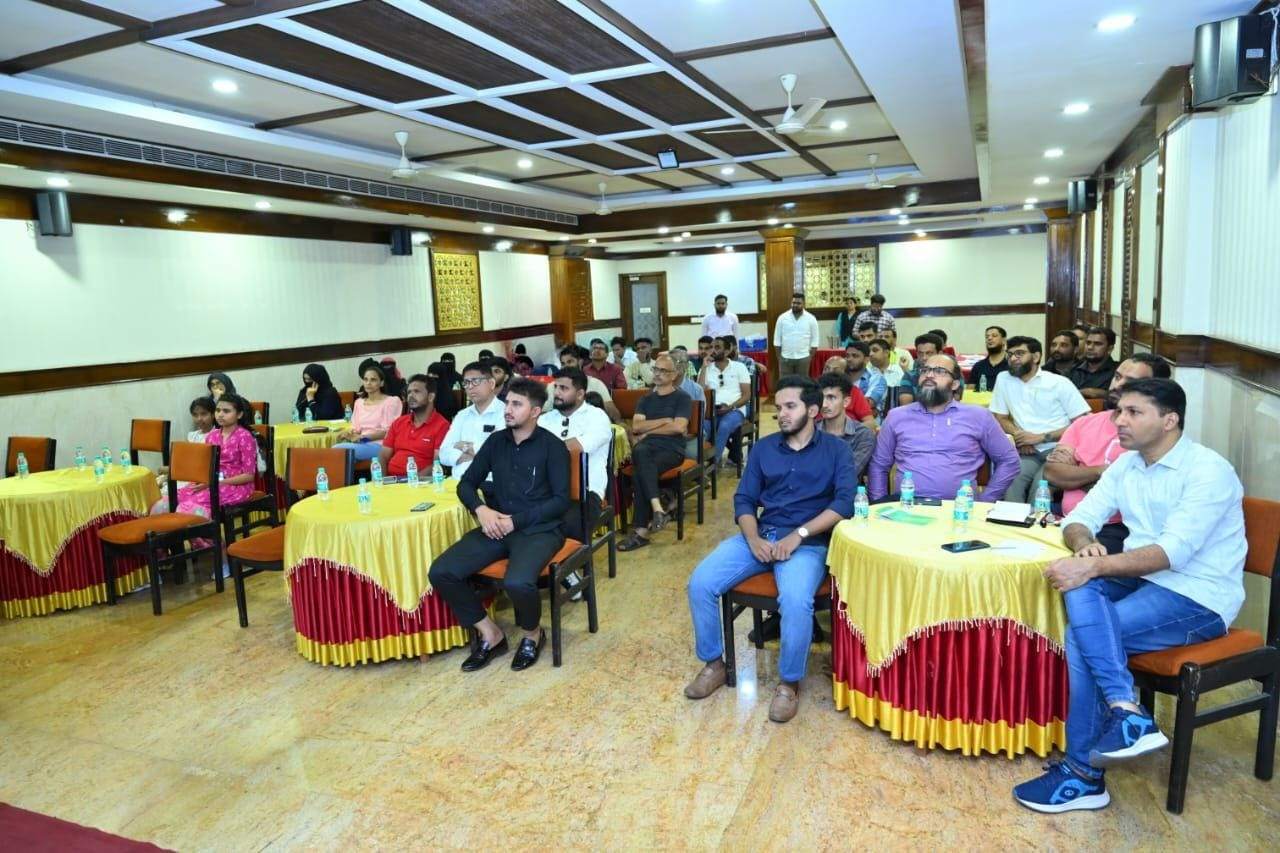
A stock market workshop led by experienced investor and trainer Mohammad Salahuddeen took place at Hotel Srinivas in Mangalore on November 3, 2024, attracting a strong turnout of participants eager to enhance their understanding of the stock market.
Salahuddeen, who has over a decade of experience in stock market investing, organized the workshop with the aim of empowering attendees to become informed investors. His session focused on simplifying complex investment concepts and providing practical strategies for navigating stock market dynamics effectively.
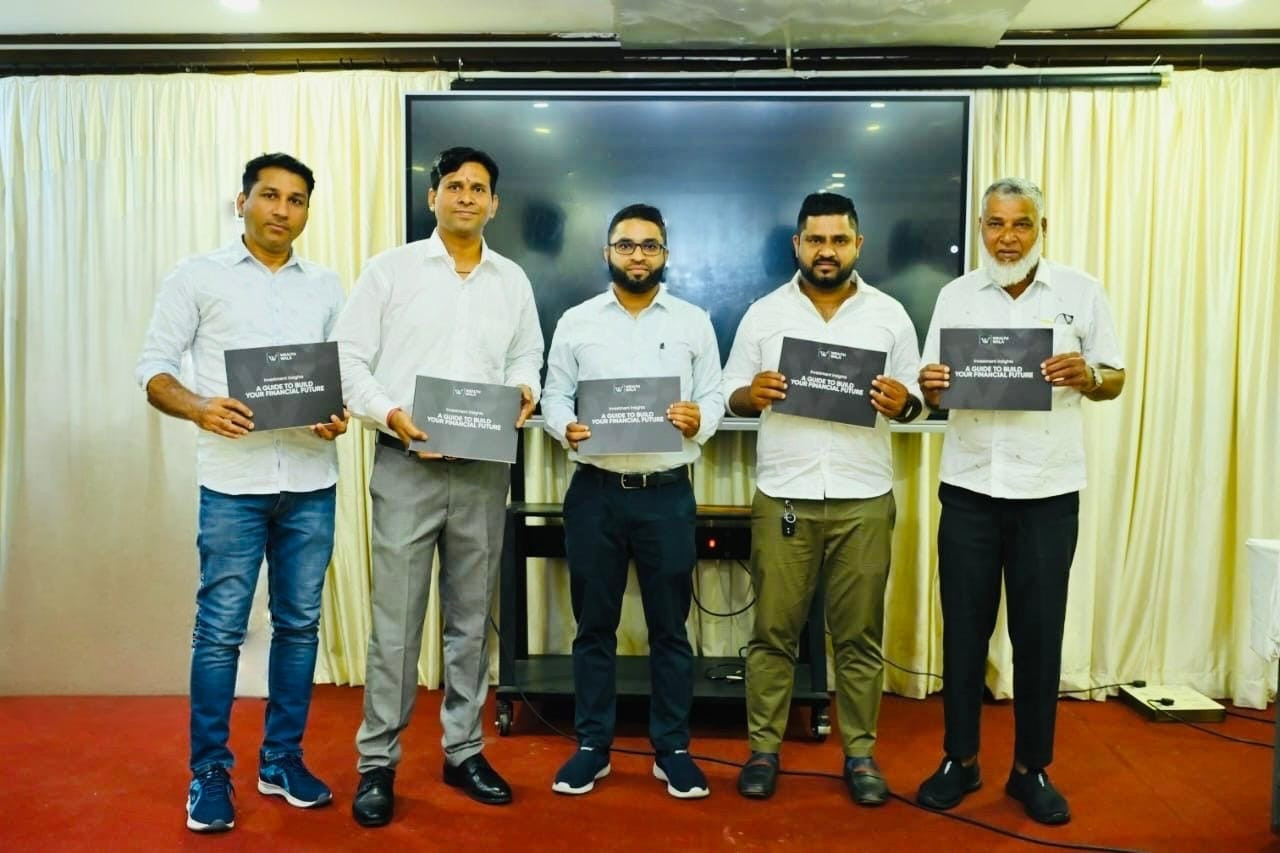
During the event, Salahuddeen also launched his much-awaited guidebook on stock market investing, providing an additional resource for participants to continue their learning journey.
Salahuddeen announced plans to continue sharing valuable insights on personal finance and stock market strategies through his website, [wealthwala.in] (https://wealthwala.in), expanding access to these resources for individuals across the region.
source: http://www.english.varthabharati.in / Vartha Bharati / Home> Karavali> Karnataka / by Vartha Bharati / November 03rd, 2024
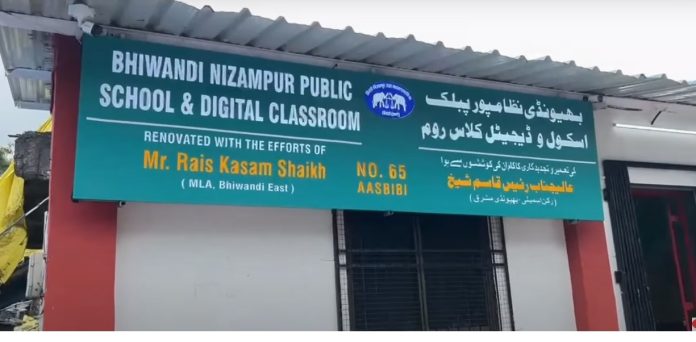
The city of power looms marked an educational milestone with the inauguration of its first municipal digital classroom at the historic Municipal Urdu School. This achievement is a result of the concerted efforts of the MLA Raees Sheikh.
The newly introduced digital classroom aims to modernize municipal schools and level the playing field for students compared to private institutions. This initiative started at one of the oldest municipal Urdu schools, previously shut down due to inadequate facilities. The digital classroom features a 55-inch television for online learning, writing capabilities, a digital syllabus for grades 1 to 4, Wi-Fi, and CCTV cameras. The classroom’s walls are painted with vibrant colors and educational cartoons, creating an engaging environment.
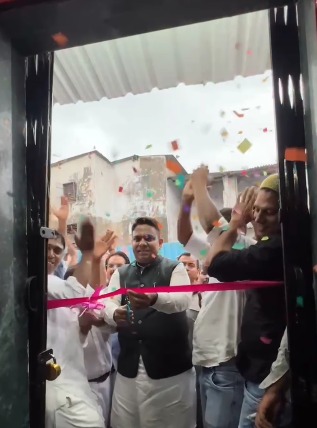
The grand opening at School No. 65 was attended by former teachers, students, families, and local residents, who were impressed by the modern facility. MLA Raees Sheikh, who inaugurated the classroom, highlighted that Bhiwandi’s government schools would become a model for Maharashtra. He announced plans to implement similar digital classrooms in all municipal schools, with 20 schools in the Eastern constituency currently undergoing upgrades. School No. 65 is the first to be completed, and Sheikh committed to ensuring that municipal schools are equipped with facilities comparable to private institutions.
Previously, School No. 65, located on Kalyan Road in the As-Bibi area, operated for 63 years in a small, dilapidated room with minimal amenities, including a lack of drinking water and sanitation. Despite operating for over six decades, these needs were ignored by educational authorities. After media reports, the State Human Rights Commission ordered improvements, but instead, the corporation closed the school and relocated students. Responding to local protests and educational disruption, MLA Raees Sheikh recognized the need for a new building. He allocated ₹60 lakh for construction on nearby PWD land and ₹7.5 lakh for a digital classroom in the old building. While construction of the new building is ongoing, efforts to improve educational facilities continue.
source: http://www.radiancenews.com / Radiance News / Home> Education / by Radiance News Bureau / August 17th, 2024
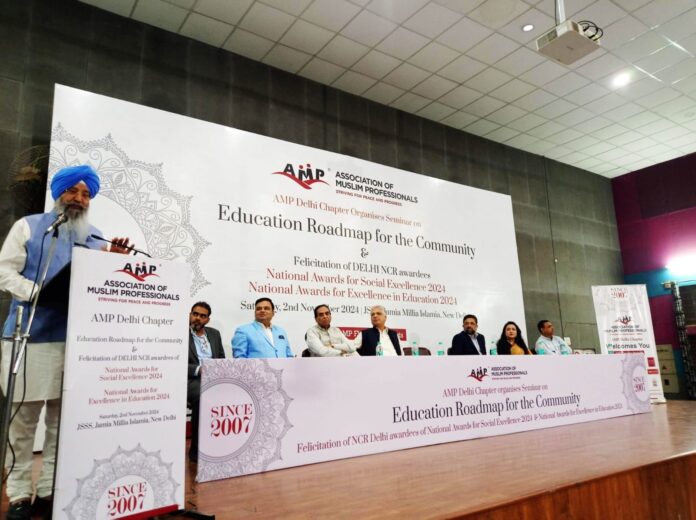
The Association of Muslim Professionals (AMP) organized a national seminar on “Education Roadmap for the Community” on Sunday at the JSSS Auditorium, Jamia Millia Islamia University. The event was attended by notable educators, social leaders, vice-chancellors, deans, senior professors, and school principals from across the country, who discussed strategies to promote education and foster collaboration for national development.
The Chief Guest, Mr. Iqbal Singh Lalpura, Chairman of the National Commission for Minorities (Government of India), praised AMP’s nationwide efforts in promoting education and employment, and expressed his support for such initiatives. He called upon organizations and individuals engaged in community development to collaborate and share their challenges and potential solutions. Mr. Lalpura reaffirmed the government and commission’s commitment to minority welfare and commended AMP’s career guidance and education-employment initiatives. He appreciated the AMP Career Chart displayed at Jamia for student career guidance, calling it a commendable step, and advised AMP to display charts of government welfare schemes in schools as well.
The keynote speakers at the seminar included:
– Dr. Khwaja M. Shahid (Former Vice-Chancellor, MANUU, Hyderabad)
– Professor Khan Masood Ahmad (Former Vice-Chancellor, KMCLU, Lucknow)
– Professor Furqan Qamar (Former Vice-Chancellor, University of Rajasthan and Central University of Himachal Pradesh)
– Prof. Dr. Rehan Khan Suri (Director, Centre for Innovation and Entrepreneurship, Jamia Millia Islamia)
– Professor Wasim Ahmad Khan (Former Faculty, Department of Teacher Training & Non-Formal Education, Jamia Millia Islamia)
– Mrs. Fauzia Mumtaz (Principal, Crescent School)
– Professor Zubair Minai (Department of Social Work, Jamia Millia Islamia)
– Dr. Javed Alam Khan (Economist)
– Mrs. Bushra Khanam (Senior Journalist)
– Dr. Mohammad Arshad Khan (Principal, Jamia Senior Secondary School)
Each speaker shared their valuable insights on promoting educational empowerment within the community.
On this occasion, the AMP National Talent Search 2024 poster was also unveiled by the Chief Guest and other dignitaries.
The program was skillfully anchored by AMP’s National Head Coordination, Mr. Farooq Siddiqui, who highlighted AMP’s 17-year journey, supported by over 150 chapters and thousands of volunteers across India, dedicated to promoting educational awareness and employment.
AMP Delhi Chapter Head, Mr. Altamash Mohammad, welcomed the dignitaries and appreciated the contributions made by AMP under the leadership of its President, Mr. Aamir Edresy, over the past 17 years.
On this occasion, AMP also presented the AMP National Awards 2024 for Social Excellence to the Delhi NCR awardees. The honorees in the national category included:
– Institute of Objective Studies (IOS)
– Association for Protection of Civil Rights (APCR)
– Taraqqui Foundation
In the State NGO category, the following organizations were honored for their impactful work:
– Tasmia All India Educational and Welfare Society
– Muslim Education Foundation (MEF)
– Rahat Welfare Foundation
– The Evangelical Fellowship of India Commission on Relief (EFICOR)
– Hamari Sada Trust
– Rahbar Foundation
– Guncha Foundation
The individual changemaker awards recognized:
– Syed Mahmood Akhtar, IRS (Retd.)
– Syed Zubair Ahmad
– Advocate Maryam Fawzia Rahman
– Dr. Sheikh Mujibur Rahman
– Zia us Salam
– Dr. Mohammad Arshad Khan
– Dr. Hasnain Akhtar
– Hammad Rahman
– Dr. Mohammad Shoaib Akram
– Professor Majid Jameel
– Ali Javed
– Wadood Sajid
– Abdul Majid Nizami
– Advocate Juneis Padalath
– Ashraf Ali Bastawi
– Senior Advocate M. R. Shamshad
– Fatima Khan
– Advocate Abubakr Sabbak
– Adil Meraj
Recipients of the AMP National Award for Excellence in Education 2024 from Delhi NCR included esteemed teachers:
– Prof. Furqan Qamar
– Professor Dr. Reshma Nasreen
– Dr. Irfanullah Farooqui
– Professor Arvinder Ansari
– Professor Nafees Ahmed
– Professor Nisar Khan
– Professor Sheema Aleem
– Rubina Gul Khan
– Fauzia Mumtaz
– Sumera Khan
– Dr. Mohammad Mukeet Khan
The event concluded with a vote of thanks by AMP Delhi Chapter Secretary, Dr. Aftab Alam, who expressed gratitude to the Chief Guest, speakers, Jamia Millia Islamia administration, guests, media, and AMP Delhi team for their hard work and dedication in making this event a success. Key members of AMP Delhi Core Team, including Monu Khan, Faizy Wasik, Adnan Khan, Shafi Ullah, Aftab Fazil, Mohammad Azharuddin, Shadab Ahmad, Arif Hussain, and Anwar Khursheed, provided exceptional support in organizing the program.
source: http://www.indiatomorrow.net / IndiaTomorrow.net / Home> Education / by admin indiatomorrow / November 04th, 2024
The Indian group intends to expand further in Saudi Arabia, with schools and other educational institutions, into cities like Jeddah, Al Khobar, and Madinah.
(Photo: Shaheen Group)
Jeddah:
Following the footsteps of leading educational institutions from Europe and the United States, India’s Shaheen Group is now preparing to enter the Saudi market. Saudi Arabia’s ambition to become a global education hub, aligned with Crown Prince Mohammed Bin Salman’s Vision 2030, is rapidly gaining momentum as several prominent academic institutions establish campuses in the Kingdom.
Shaheen Group, based in Karnataka, has achieved impressive results in medical and engineering entrance exams across southern India, known for its strong educational standards.
The group has long been a preferred choice for many NRI students from Saudi Arabia and the Gulf, who study in India to bypass domicile norms and improve their chances of securing spots in professional courses such as medicine and engineering. However, the Shaheen Group’s move to Saudi Arabia aims to address this issue by bringing quality education directly to the Kingdom.
India group expands with new school in Riyadh, Saudi Arabia
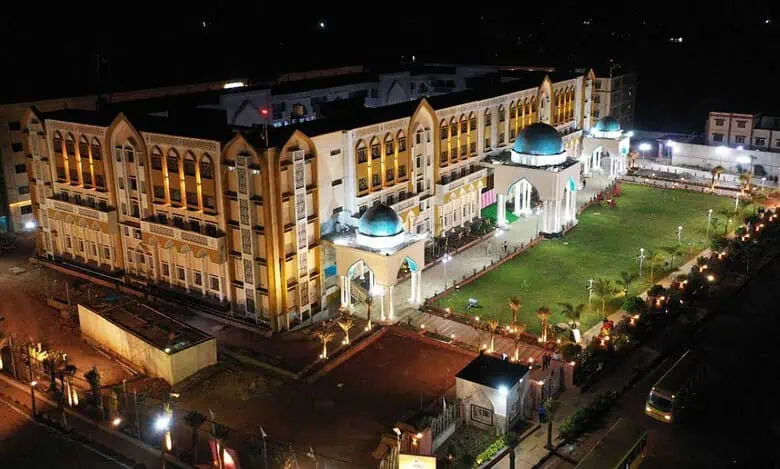
The Indian group of educational institutions plans to open a new school in Riyadh, Saudi Arabia, offering classes from Kindergarten through to Class 12, alongside integrated coaching for competitive exams such as NEET, JEE, and the CA Foundation.
Chairman of Shaheen Group of Institutions, Dr Abdul Qadeer, announced the ambitious project, likely to begin operations in March 2025, pending the completion of building and accreditation processes. The school will be located in either Malaz or Sulemaniya.
Additionally, the Indian group intends to expand further in Saudi Arabia, with schools and other educational institutions, into cities like Jeddah, Al Khobar, and Madinah.
At an academic event in Riyadh, Dr Abdul Qadeer highlighted that a large number of NRI students from Gulf Cooperation Council (GCC) countries enrol in Shaheen Group institutions across Karnataka, Telangana, and other regions of India.
Dr Abdul Qadeer also revealed the new leadership team in Saudi Arabia. Syed Wayez Ahmed has taken on the role of managing director for the group in Saudi Arabia and the Middle East.
Mohammed Zaki will take on the role of vice president of operations for Saudi Arabia, while Fahad Saleh Al Jurais will serve as the HR and administrative director and Sarah Mohammed Al Sharief will be the director of the Riyadh school.
source: http://www.siasat.com / The Siasat Daily / Home> News> Middle East / by Irfan Mohammed / November 03rd, 2024
Dr. Mohd. Rehan Raza has been appointed as the full-time Chief Executive Officer (CEO) of Delhi Waqf Board, replacing his previous part-time role. This decision comes after Raza was removed from his position as Additional District Magistrate (ADM) in Shahdara, where he faced scrutiny allegedly for submitting false affidavits related to the Eidgah case and for his involvement in the demolition of several mosques and shrines, reports Urdu daily Roznama Inquilab.
The Muslim community in Delhi has long demanded a change in leadership at the Waqf Board, but sources indicate that Raza’s removal from the ADM role has merely transitioned him to the CEO position. Prominent observers of Waqf affairs in Delhi have noted that Raza’s tenure has seen significant losses for Waqf properties, including demolitions at the Mamu Bhaiya shrine and the controversial affidavit regarding the 30,000-square-yard royal Eidgah.
Social activist Muhammad Faizan Dehlvi criticised the current administration, stating that the board, as a self-governing body under the government’s purview, requires urgent restructuring. He highlighted the ongoing issues faced by the board, including the lack of salaries for mosque imams, delays in welfare payments for widows, and late salaries for board employees, while simultaneously noting that substantial fees have been paid to lawyers from the Waqf fund.
Another activist, Nasser Khan, emphasised the inappropriateness of retaining an officer responsible for the destruction of numerous places of worship. He urged Chief Minister Atishi Marlena to replace the CEO and expedite the restructuring of the board to ensure better governance by its chairman and members.
Khan expressed frustration at the lack of action from Delhi’s five assembly members, none of whom have raised concerns about the board’s situation. He called for greater legal and community advocacy to safeguard Waqf properties, stressing that the community must hold its elected leaders accountable for their inaction.
The current state of the Waqf Board raises alarm among community leaders, who fear that the ongoing negligence and poor management may lead to further deterioration of its assets. Activists like Naseem Ahmed have reiterated the need for the Muslim community to actively engage with their leaders to demand improvements and accountability.
The community’s outcry continues as they await a response from the government to address the pressing issues surrounding the Delhi Waqf Board.
source: http://www.radiancenews.com / Radiance News / Home> Latest News> Report / by Radiance News Bureau / November 03rd, 2024
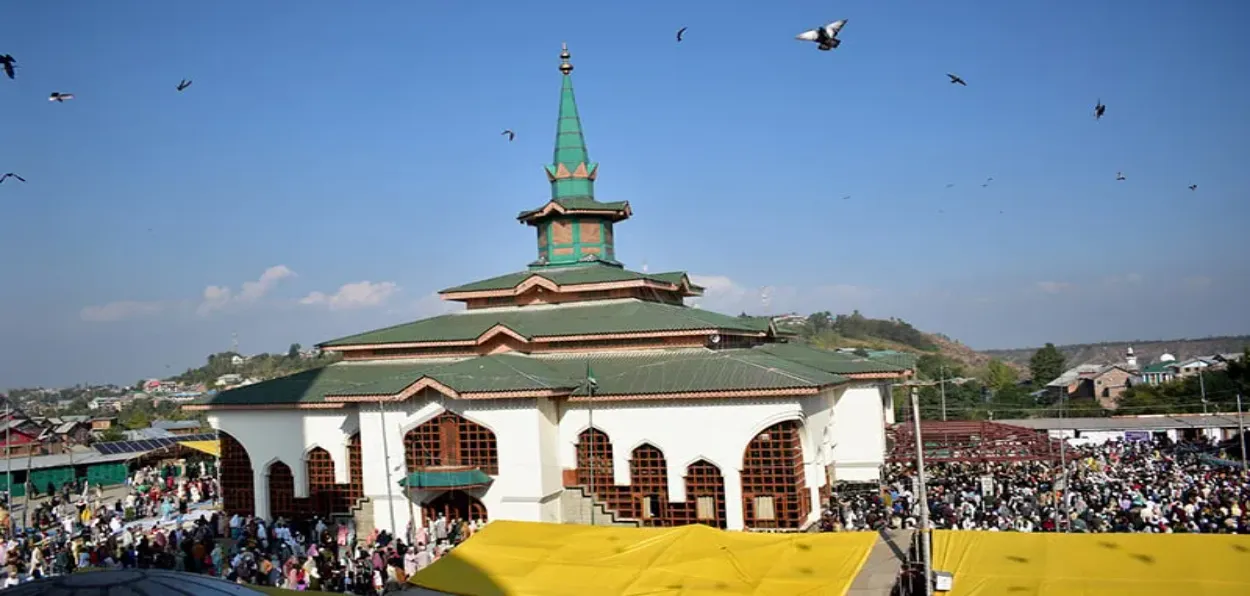
The Urs of Sheikh Noorudin Wali at Chrar-e-Sharif, Budgam, Kashmir
Prof Farooq Fayaz Bhat, author and historian says that since over 80 percent of Kashmiri live in villages and are into agriculture, it’s just right that the Urs of Sheikh Nooruddin Wali, the founder of the Rishi cult (Sufi) and the Patron saint of Kashmir, be celebrated by his teachings which were not for the elitist but the common masses.
He was explaining the phenomenon of Noorudin Noorani’s Urs being celebrated last week, instead of on the date of his passing away. He said this fluctuation in the calendar of the Urs is in tune with the aspirations of people who are done with harvesting and therefore can visit the shrine for Urs.
“Sheikh-ul-Aalam gave religious philosophy based on the holy Quran and the Sunnah, aligned himself with the unlettered masses, and had a simple living in terms of dress and diet”, Farooq Fayaz commented. There was no reference to “Wazwan” or luxurious life with the Sufi saint, added Farooq Fayaz.
On the other hand, the elite and educated class knew two languages, Sanskrit and Persian, while the Sheikh represented the rural majority, who only spoke in their mother tongue. The rural majority would remain busy toiling for more than nine months but had sustenance only for three to four months a year, the historian commented.
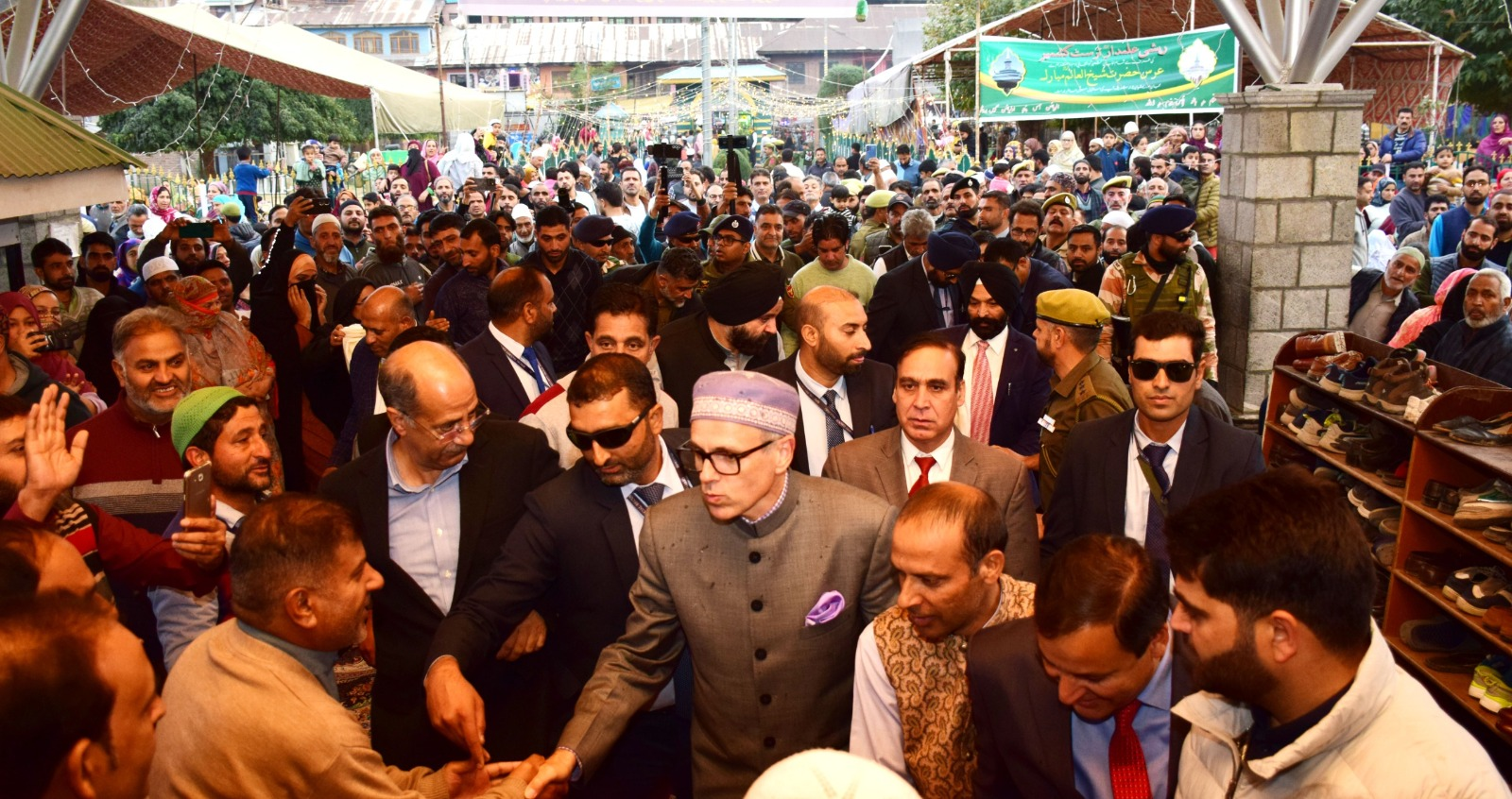
People led by CM Omar Abdullah thronging the shrine
He said that October being towards the end of the harvest season of paddy, grains, and fruits, led to free time for over 90 percent of the rural folk. Elaborating on the sociological perspective, Prof Farooq Fayaz said that in the absence of cash, the rural masses had to resort to barter systems and “take asylum in the serene atmosphere of shrines”.
For the unlettered rural society, Sheikh Nooruddin Wali was Alamdaar-e-Kashmir (flag bearer of Kashmir), who would visit the shrines with all their offerings (in kind)”, the author said. The rural masses were “resourceful only in October” and thus, keeping in view the material, physical, and economical aspects has to be kept in mind.
For the past six decades, the practice of celebrating the life of Sheikh Nooruddin Noorani or Sheikh-ul-Aalam (1377 to 1440 AD) at the three-day Urs is being held in October every year, coinciding with the 26th day of the running Islamic month.
The Saint is revered as Alamdar-e-Kashmir, Nund Rishi, and Sheikh Noorudin Noorani. He lived for 63 years between the 10th of Dhul Hijjah 779 and 26 Jumada al-Thani 842 Hijri. He passed away on the 26th day of the month of Ramazan.
The Urs was organized on October 13 last year and October 23 in 2022.
The Urs began with the “Gilafbandi”, a change of sacred cloth on the graves of the saint and his followers on Monday, followed by night-long special prayers on Tuesday. The Urs was celebrated on Wednesday, 26th of Rabi ul Thani and the celebrations concluded with the following Friday prayers.
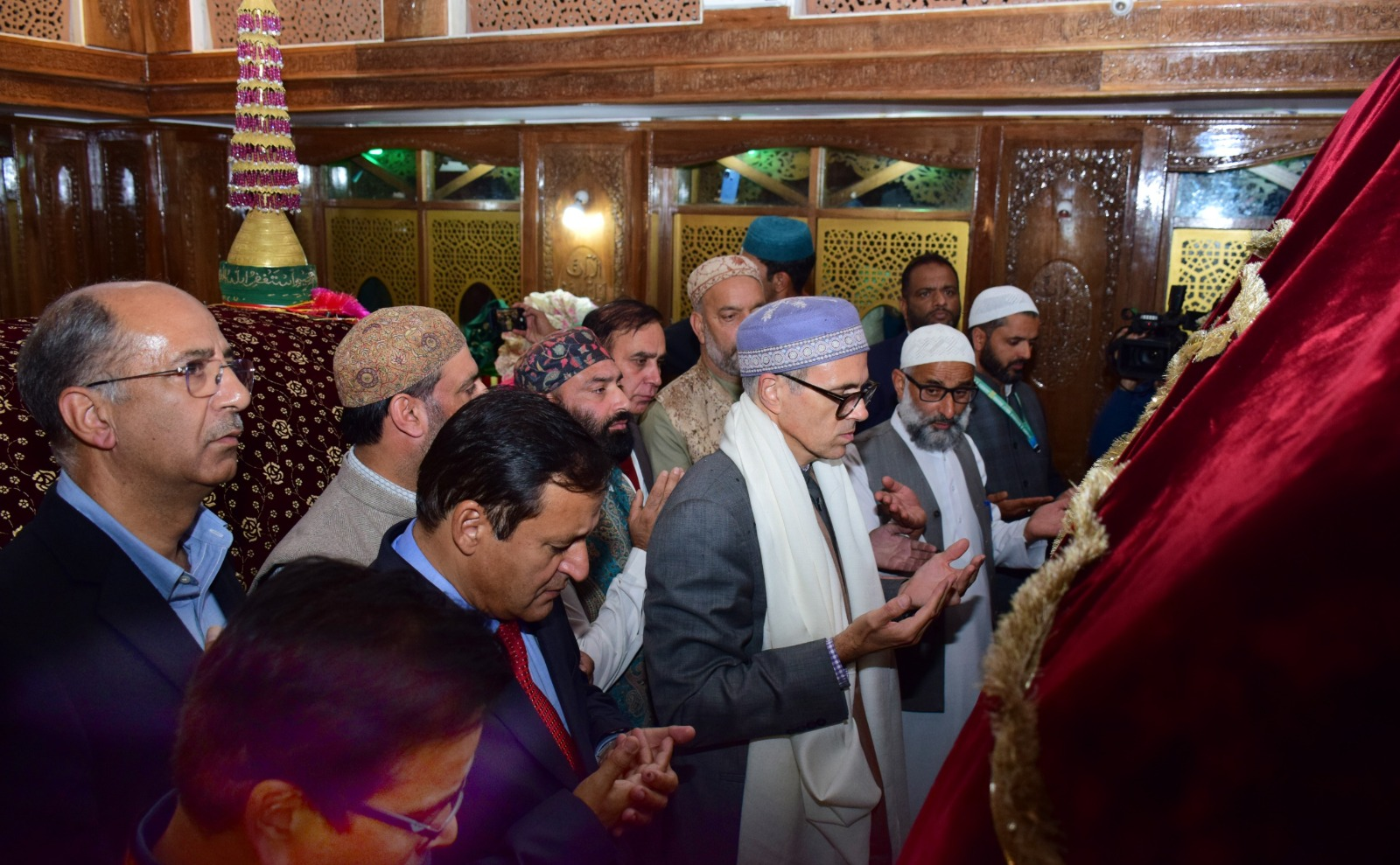
CM Omar Abdullah praying at the shrine
The Urs was earlier scheduled to be observed on September 30, coinciding with the 26th day of Rabial Awwal, of the Islamic calendar. However, on the recommendations of the J&K Wakf Board, it was rescheduled to be observed a month later on this day to fall in October.
The officials said that scheduling of the annual Urs had been worked out to be held in October, a practice for the past six decades, to avoid any inconvenience to the devotees during harsh winter conditions.
This schedule was adopted during the tenure of the former Prime Minister (as the head of the government was then called in J&K) Bakshi Ghulam Mohammad, who ruled J&K from 1953 to 1964.
On one such occasion, many devotees died due to harsh winter conditions prompting the authorities to devise a pragmatic approach to celebrating the Urs.
An official of the J&K Wakf Board told Awaz The Voice that October had been chosen for its moderate climate when farmers are free from the harvesting of paddy, apples, and other fruits.
Nund Rishi’s shrine, which is thronged by devotees daily, is also known for night-long prayers on Thursdays every week, attended by a larger number of pilgrims from all across the valley. This practice was restricted during Covid 19 period and has been restored over the last couple of years.
Sheikh-ul-Aalam is revered by both Muslims and Hindus for his eternal teachings. “His poetic expressions are universal. His guidance for a pious life is very impressive. His message of harmony and spiritual excellence is relevant everywhere and every time”, Chairperson of J&K Wakf Board Dr Darakhshan Andrabi stated.
source: http://www.awazthevoice.in / Awaz, The Voice / Home> Story / by Ehsan Fazili, Srinagar / November 02nd, 2024
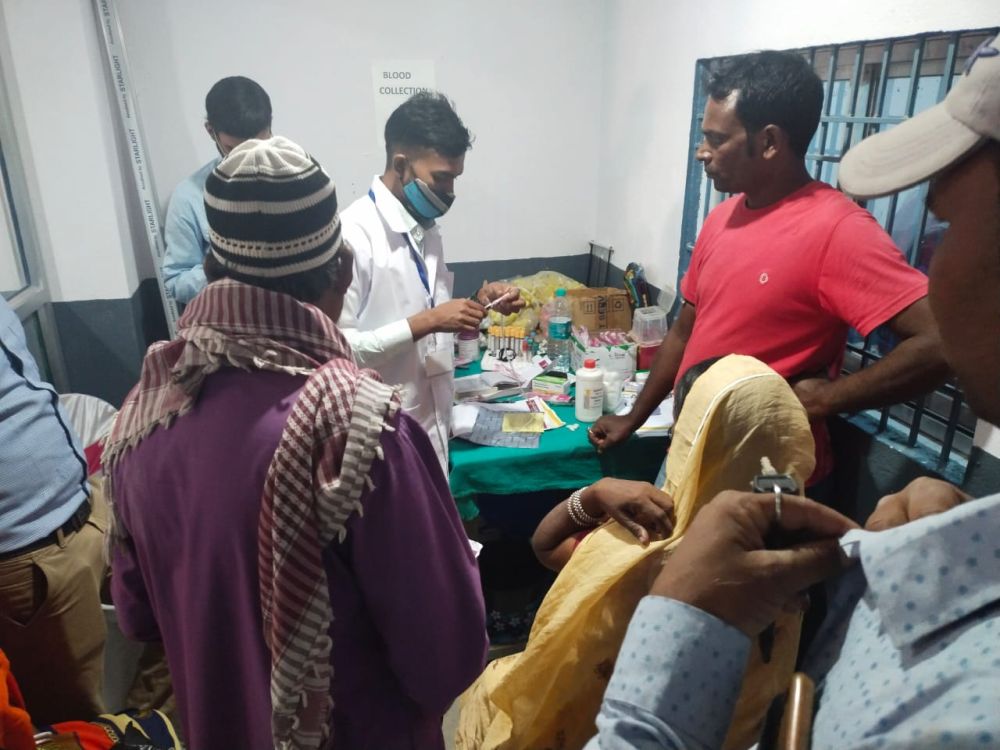
On the day of Diwali a record was stored in files of medical service. As many as six hundred ailing patients were checked and medical treatment provided by top doctors of the Jharkhand government run hospital RIMS.
Their aim was to pay tributes to the departed soul of a RIMS doctor Dr Siraj Uddin who had died due to COVID-19 this year. All patients were provided free medical service inside Siraj Memorial Hospital in Giridih.
The medical aid was part of free medical camp held to screen people for blood Sugar, Cardiac complications.
All doctors and nurses of Siraj Memorial Hospital included Dr M. S. Ahmad, Dr Ahmad Sharfuddin Dr Syed Azaz Hashmi, Dr Alimuddin, Dr Md Khurshid Ansari, Dr Nayeem Akhtar, Dr Shadab Hassan(MS,Surgery,RIMS) Dr Syed Md Sharique (MS,Surgery,SR,RIMS), Dr Shefa Habib, Dr Md Arif Tauheed, Dr Md Shafique Alam, Dr Md Ragheeb Tauheed, Dr Saquib jamal (MBBS,HS,RIMS), Dr Prerna Nag, Dr Binita Agarwal,Dr Abdul Zafar, Dr Hasnain, Dr Fuzail Akram, Dr Iqbal Hassan, Dr Md Athar Alam, Dr Saddam, Dr Rehan.
Dr M.S.Ahmad said, his hospital is committed to serve the public. “This was our first medical camp after the pandemic patients had complained of rise in blood sugar and BP after recovery from Covid-19.
Through free check-ups, people knew if they needed consultation and treatment. Many were referred to RIMS HOSPITAL Ranchi , Than for further investigation and treatment,” said Sabir Warsi, and chairperson Dr M. K. Uddin.
“More such free camps for the poor are needed. Moneyed people should come forward and hold such camps across the Ghorthamba city, according to Dr M. S. Akhtar.
The spokesperson of the Siraj Memorial Hospital said, “This is was this year’s biggest medical camp which included tests for diabetes and, cardiac even cancer. There was a doctor for consultation in” EYE” and “ENT”treatment too. The purpose was to detect the after-effects of Rural Poor Patients. It was also held to remove hesitancy among some people about getting vaccinated for child .”
source: http://www.jharkhandstatenews.com / Jharkhand State News / Home> Top Stories / by admin (headline edited) / November 05th, 2021
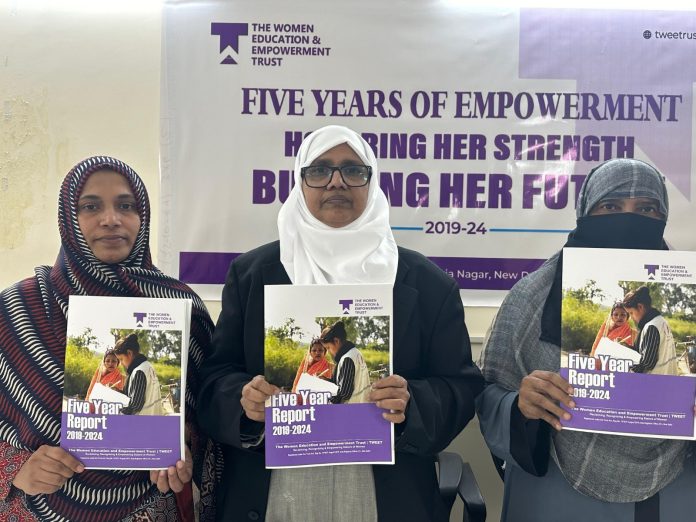
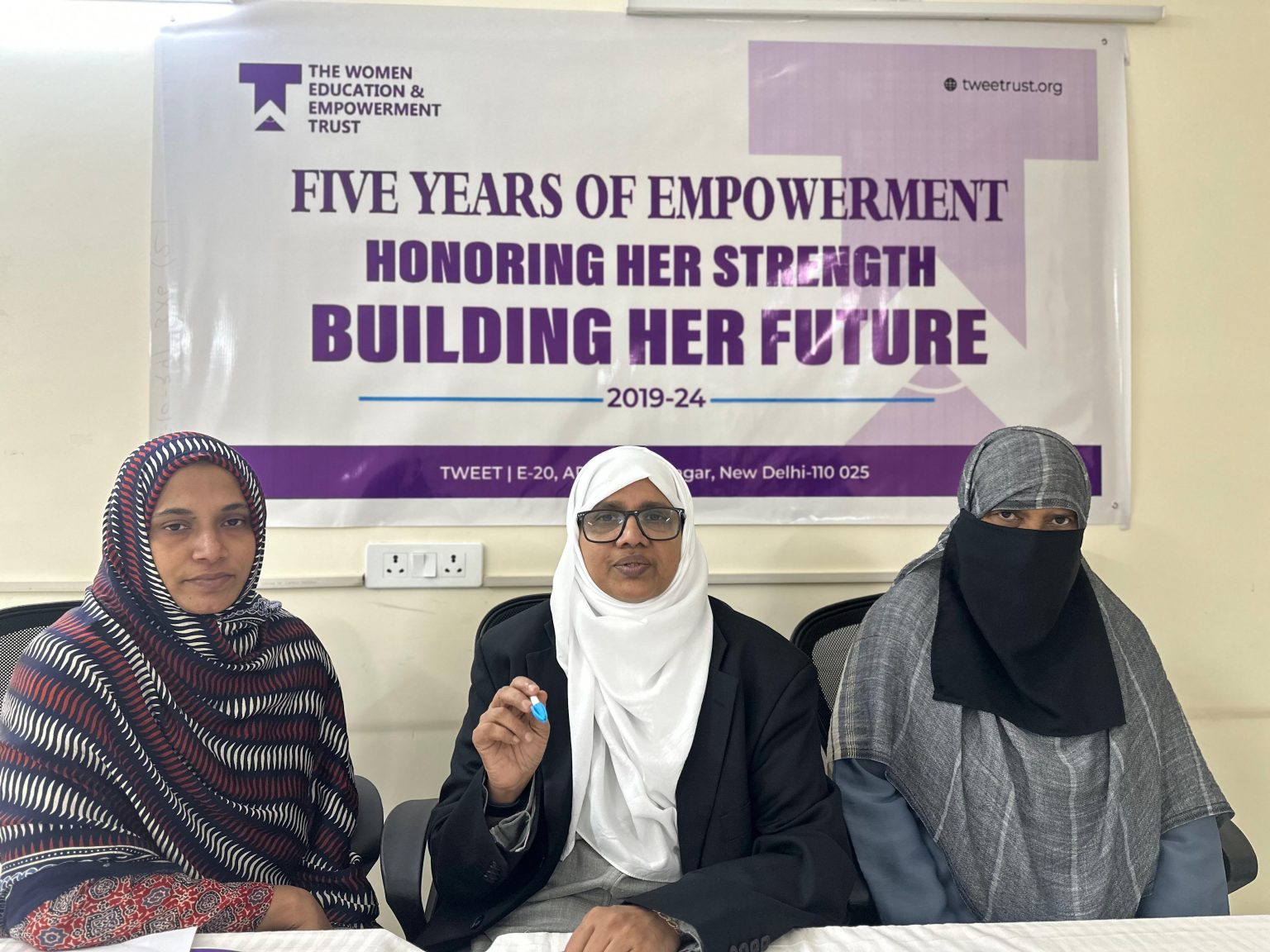
Since its founding in 2019, the Women Education and Empowerment Trust (TWEET) has empowered 8,257 women and now aims to reach 50,000 more in the next three years. TWEET also announced plans to host a National Women NGOs Conclave in April 2025 to foster capacity building, collaboration, and effective resource utilisation.
At a press conference held here Sunday, TWEET’s Chairperson, Rahamathunnissa A. shared the organisation’s vision to promote social and economic empowerment of women, enabling them to lead dignified lives with equal participation in society. She emphasised TWEET’s mission to support women in need, tackle the root causes of women’s issues, and offer comprehensive support through multifaceted initiatives.
A five-year progress report was also presented, with highlights of the programmes and areas where women have benefited under TWEET’s initiatives.
Educational Empowerment:
TWEET believes that education is the foundation of empowerment. The organisation offers merit-based scholarships for girls to pursue higher education at prestigious institutions domestically and abroad. The one-year campaign “Freedom from Illiteracy” from August 2022 to July 2023 mobilised educated women to teach non-literate women nationwide, extending literacy to underserved communities.
Economic Empowerment:
To promote economic independence, TWEET supports small business ventures such as boutiques, tiffin services, and cosmetic shops, as well as home-based businesses like detergent units.
TWEET’s support has empowered many women to become self-sufficient, enabling them to start sustainable businesses. Moreover, training sessions equip women with skills to establish their own start-ups, creating additional income for their families.
Emotional and Financial Support to Widows:
Recognising the challenges faced by women who have lost their spouses, TWEET provides counselling and financial support, ensuring they can live dignified lives.
Mahila Help Desk
This initiative empowers women by raising awareness about various government welfare schemes and guiding them to access these benefits. This programme helps women achieve financial stability by utilising government support for their livelihoods, paving the way toward a dignified and self-sufficient life.
Life Skills and Safety Programmes:
Collaborating with Special Police Unit for Women and Children, Delhi Police, TWEET conducted self-defence training programmes for girls and women. Through sensitisation initiatives, TWEET raises awareness about women’s rights and social issues, including domestic violence, empowering women to advocate for themselves and their communities.
TWEET provides internship opportunities for female students from diverse disciplines and has also established a hostel to support both students and working women.
The press meet was also addressed by TWEET General Secretary Shaista Rafat, and Treasurer Dr. Sharnas Muthu.
TWEET also announced the unanimous election of the following trustees as office-bearers for the next three-year term.
Chairperson: Rahamathunnissa A, an educationist, writer, and trainer Vice Chairperson: Zeba Zaferali Baig, a social worker and counselling expert General Secretary: Shaista Rafat, an expert in grassroots development Secretary: Rajeena Beegum, an educationist and social worker Treasurer: Dr. Sharnas Muthu, specializing in psycho-social and legal support
The extended team includes Khalida Parveen, a social worker; Dr. Jueria Reemi, a healthcare specialist, and Fakhira Atheeqe, a social entrepreneur working with women and children with special needs.
source: http://www.radiancenews.com / Radiance News / Home> Latest News> Report / by Radiance News Bureau / October 27th, 2024
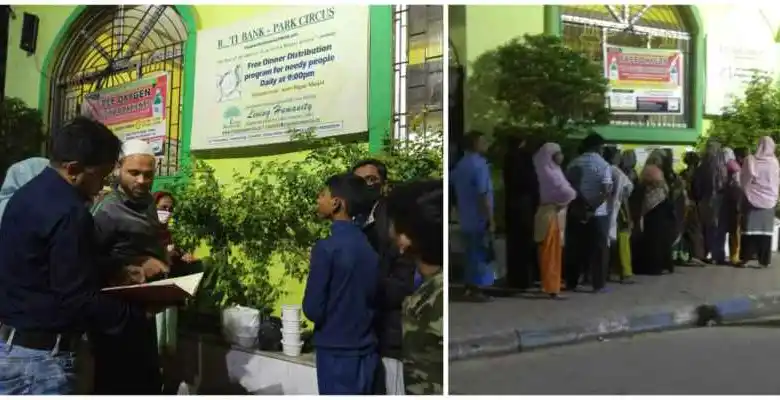
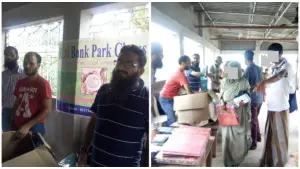
Kobi Bagan Mosque with the support of Roti Bank has been offering free meals and ration kits to the poor for seven years in a row.
Volunteers of Roti Bank distribute dinners to the needy (file pictures) | Pictures: Arranged
Kolkata:
At a time when mosques across India are being targeted, a mosque in Central Kolkata has chosen to open its door to the hungry, irrespective of one’s faith. Like the langars of Gurudwaras, Kobi Bagan Masjid, Park Circus not has been providing free dinner to the poor but also ration kits for the last seven years.
What began as an experimental Roti Bank way back in 2016 went on to become a centre, which helps the poor and destitute in several ways. It also provided meals and rations during the pandemic and Amphan cyclone in West Bengal.
The initiative is the collaboration between Kobi Bagan Masjid and Living Humanity, a non-government organization (NGO). The mosque located near Aliah University, Beniapukur has offered Living Humanity its premise to provide dinner for the destitute. They now have more than fifty people including non-Muslims among regular beneficiaries.
The idea, a brain-child of Faiz Anwar, a Chartered Accountant and Rashid Jameel, a Software Engineer began running a roti bank, in the hope of ensuring that none in the area go to sleep with an empty stomach.
“Inspired by someone in Aurangabad running a roti bank, I along with a few like-minded friends thought of starting it in Kolkata, So, we began it outside my residence, after taking permission from the police,” Faiz Anwar of Living Humanity told eNewsroom,
However, this was just the beginning of something big. “As numbers grow, we need a bigger space. So we talked to the masjid management, who happily agreed. And, when we interacted with the beneficiaries, it made us realise that providing roti won’t solve the problem. So, we thought of providing free meals and then even went on to provide free rations. Just like, during Ramazan we provide ration kits. We also give monthly ration kits to those who have a family,” recounts Anwar, a chartered accountant by profession and a philanthropist by passion.
CA Faiz Anwar (blue t-shirt) with his team distribute clothes to the beneficiaries | Pictures: Facebook/Roti Bank
On being asked about the poster put up on the walls of Kobi Bagan Mosque that talks about free meals being provided from the premises of the mosque and how they got into a working collaboration with the mosque, he elaborated, “I believe that places like mosques need to be more socially active. It has a role to play in society. We, with this belief, approached the working committee of the mosque with a proposal of using a portion of the mosque premise to distribute meals and ration to those in need.”
Confirming the same was Shakir Ali, a member of the working committee of the mosque, “Yes, we are in an association with Living Humanity, provide the meal and ration which get distributed from our premises.”
However, during the pandemic, when we were confined to our homes, mosques were shut, and then Living Humanity reached out to the areas outside Kolkata that needed help during the lockdown. “Working in close association with Helping Hand we reached out to the pandemic as well as Amphan cyclone-affected people. We worked in Nandigram, Canning Ghutari and Mazdurpara during the pandemic, reaching out to around 5000 families during this time.”
Living Humanity and Helping Hand, founded by Miran Ahmed have done several projects jointly.
“A major work that we did during the pandemic was distribution of free oxygen cylinders. It still runs today from the premises of another mosque Tanti Bagh Ahle-Hadith masjid. There were at least 1000 patients who benefited from the cylinders we had distributed,” said the CA.
After the restrictions were over, they began functioning like earlier, from the Kobi Bagan Mosque.
To avail the free meal or ration, one need not be a Muslim by faith, the food or items are distributed to those in need irrespective of their religious beliefs.
“Some of our beneficiaries are non-Muslims. The idea is to help those in need,” said Anwar.
So, how does it work?
Can anyone take the benefit or do they have a roster?
“Initially, it was a first-come, first-serve policy that we followed. However, we began to notice that we were having follow-up visits by many. So, we began interacting with them and now we have a roster. We hand out coupons to regular visitors. The ration is provided to those, who have more than two family members queuing up for meals. Dinner is available for any single person coming to the mosque in search of food around 9 pm,” said Jameel, the co-founder of Living Humanity.
Talking about the future plans, Anwar added, “We plan to do a lot more social upliftment work through Kolkata Masajid Association. We will try to reach out to a larger section of the society, who are sleeping empty stomach.”
source: http://www.enewsroom.in / eNewsRoomIndia / Home> Bengal> Inclusive India / by Staff Reporter / April 16th, 2023