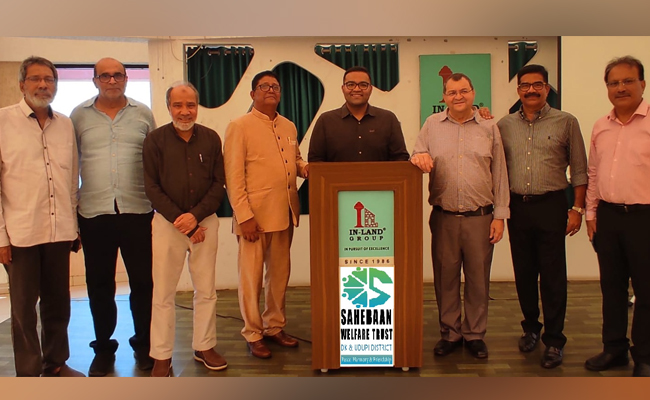
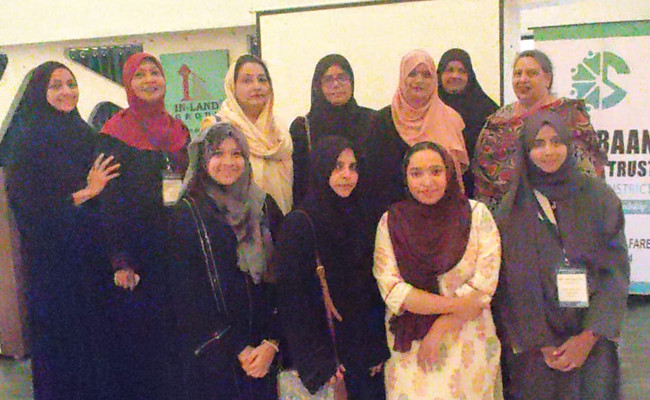
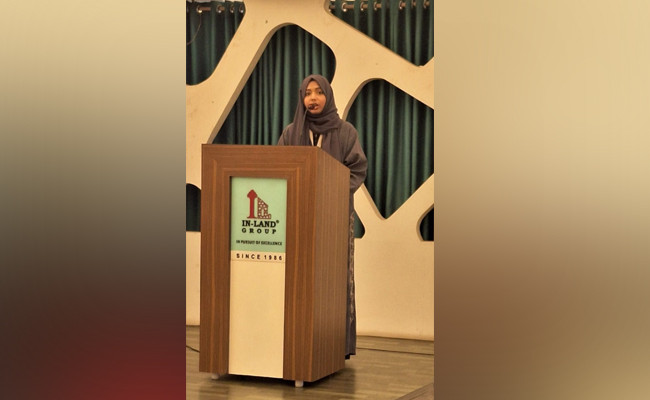
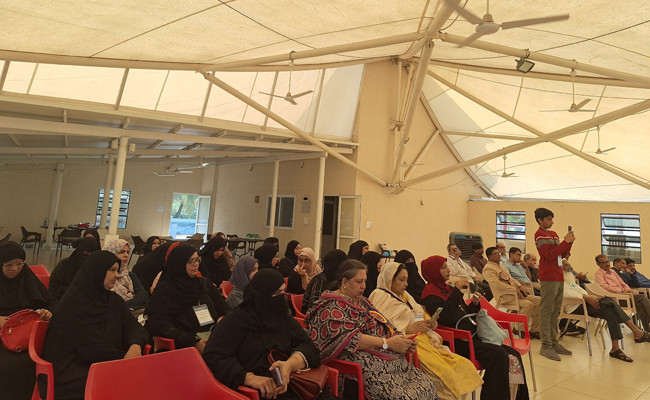
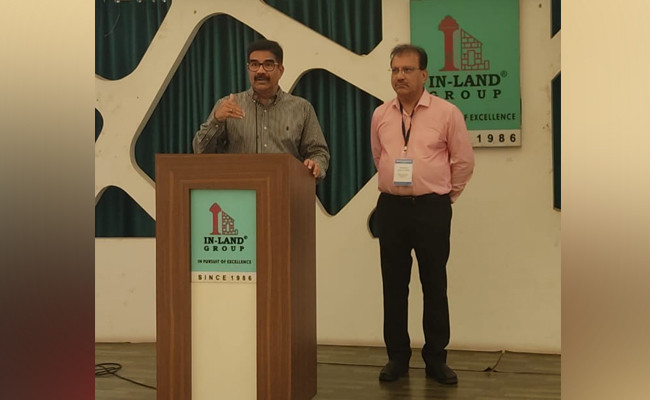
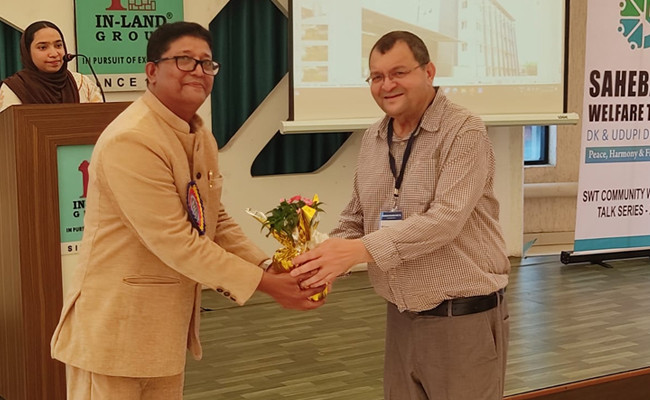
The ladies’ wing of Sahebaan Welfare Trust (SWT) hosted the inaugural session of the ‘Community Welfare Talks Series 2024’ at Senate Hall, Inland Ornate Complex, in the city on January 21, with Siraj Ahmed, Managing Director, Inland Infrastructure Pvt Ltd, inaugurating the event.
Ahmed, in his inaugural address, lauded the efforts of SWT at initiating the talk series for the benefit of the community members as well as the society at large.
Meraj Yousef, Executive Director, Inland Buiders, who spoke on the occasion, pledged his support towards community welfare activities of SWT.
Educationist and Motivational Speaker Obeida Shoukath, who was one of the speakers of the day, spoke on the challenges faced by students on campus and the remedial measures while the second speaker Dr. Mohammed Noorulla, Senior Unani Consultant at the District Wenlock Hospital, Mangaluru, explained on the occasion the history and benefits of AYUSH, the Indian Alternative Medicine system, and the services available at the Ayush Hospital in the city.
Syed Siraj Ahmed, Secretary of SWT, welcomed the gathering on behalf of the President, Afroze Assadi Saheb. The program was ably compered by Zaiba Khatib.
The Qirat was read by Fariha Fathima and Ayesha Shahnaz.
The event was conducted by the Ladies’ Youth Wing of the SWT under the leadership of Amreen Khatib, who was ably assisted by Aliya Imtiaz and Rifaa Sheikh, with the support extended by Ayaan Sheikh and Luqman Tonse.
Umme Kulsum proposed the Vote of Thanks.
Senior Sahebaan Community members and SWT trustees Althaf Khatib, Rafik Assadi and Imtiaz Khatib were present on the occasion.
source: http://www.english.varthabharati.in / Vartha Bharati / Home> Karavali / by Vartha Bharati / January 26th, 2024
For gender-responsive law-making, it is imperative to have a clear definition of consent.
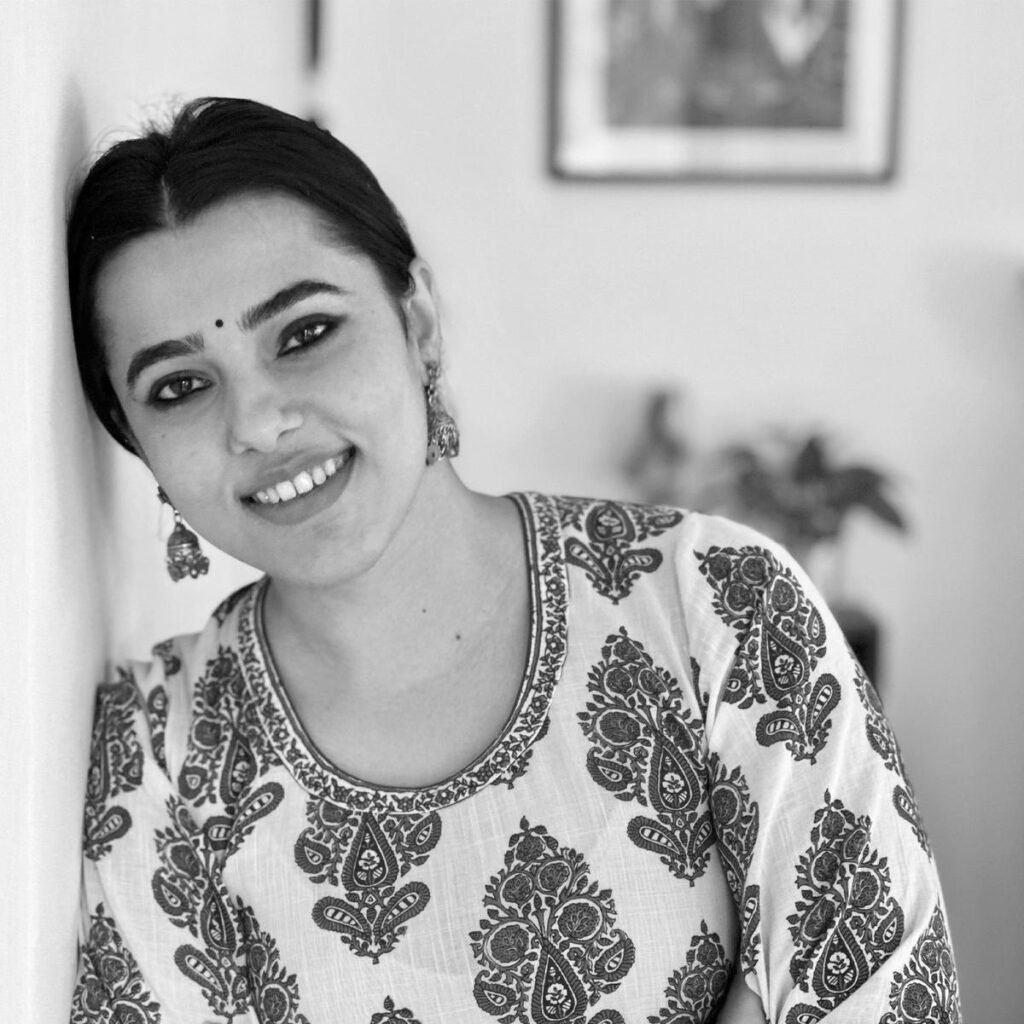
An advocate at the High Court in Delhi, Aaliya Waziri lives with the horrors of the 2012 Delhi gangrape. In the aftermath of the Nirbhaya case, the J.S. Verma committee’s recommendations led to amendments in Indian criminal law. But why do women still live in fear? Waziri’s collection of essays, In the Body of a Woman, takes stock of the progress that has been made and the long road left to cover, even as she pushes for gender-responsive law-making. Excerpts from an interview.
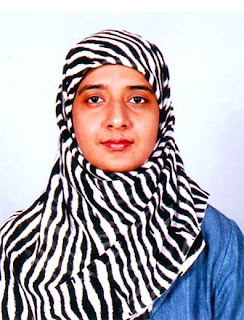
Aaliya Waziri | Photo Credit: special arrangement
A majority of women and girls live in some sort of fear — they fear for their safety in buses and trains and sometimes even at home. After the Nirbhaya case, a stringent law was put in place. What more needs to be done to make women feel safe?
As women, we carry pain and fear for our safety. Ask any woman walking the street after sunset how many times she looks over her shoulder. Nirbhaya was the tipping point for our insecurities related to our safety. It was also a watershed moment in terms of pointing out the lacunae in the legal framework. It would be false to state that things haven’t changed since Nirbhaya. For example, we now have vulnerable witness deposition complexes in district courts, victim compensation schemes etc. but there is much more to be done. We can do more to strengthen our laws and have a robust system in place that does not allow for procedural lapses. We must have a judicial gender-sensitisation training system that ensures victims are not subjected to re-victimisation. We need to allocate more resources and personnel to fast track courts and precipitate the specialised redressal mechanism in place. We can expand the definition of consent to make it more gender responsive by affirming what consent is.
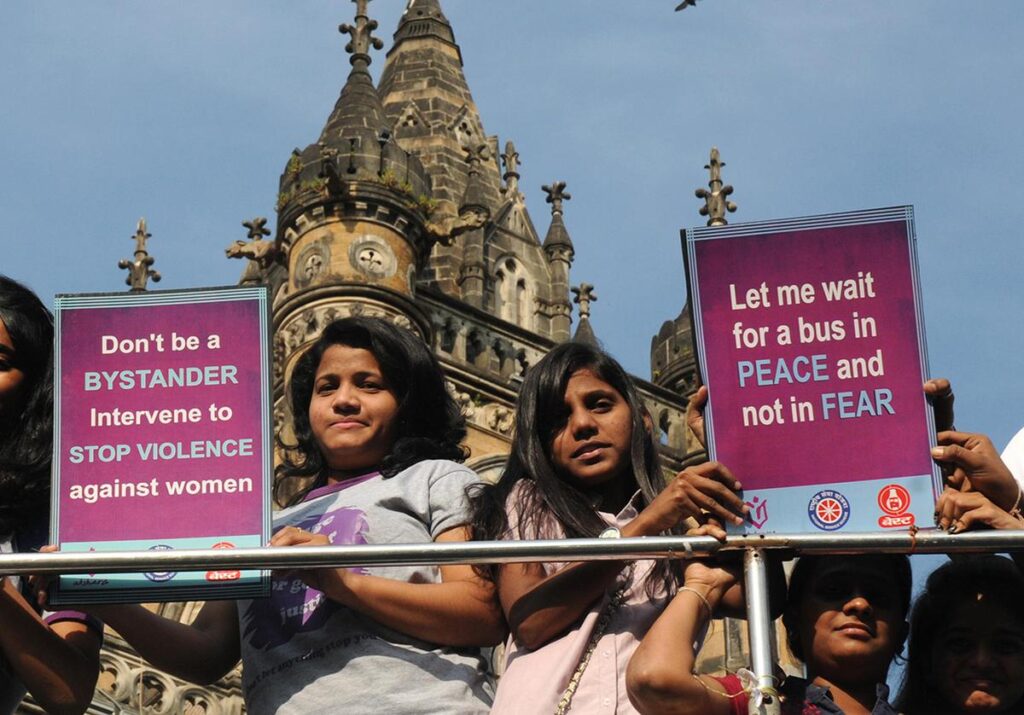
Students with placards emphasising the need for women’s safety at the ‘Freedom from fear’ rally organised in Mumbai. | Photo Credit: Vivek Bendre
Why should consent be at the centre of all discussions on gender sensitivity?
Talking about consent is perhaps the most important conversation when it comes to gender responsive law-making. Right now there is a grey area of offences that are not punishable by law because deciphering consent is tricky. Marital rape is one such example. The law defines consent in negative terms. At the same time, we have a statutory definition that talks about how consent must not be tainted with fear or duress or coercion. But this definition talks about all that consent is not instead of a definition that affirmatively defines what consent is, which is where the problem lies. Without a definition of what consent is, we are all shooting in the dark.
In a poor country like ours, why is it important for women to be equal beneficiaries in every sphere of life?
The answer is parity. Women are not a homogenous group. We are unevenly and disproportionately placed on the starting line. To give women a fair chance at competing with men, we have to first put them on an equal footing with men. Only then can we hope to ensure women are equal beneficiaries of the Indian success story. Unless women are equal recipients of state welfare mechanisms that form a conducive environment for women to participate freely in the open market, how can we expect women to enter, re-enter and exist in the work space? There is no one-step-panacea to put women on an equal footing with men but what is important is to identify and plug operational loopholes with affirmative action, no matter how much some of us might dislike the phrase.
Why do you want the focus to shift from a gender-neutral approach to a gender-responsive one if society and mindsets have to be transformed?
A gender-neutral approach might seek to bridge the differences between different genders. But what we need is an approach that acknowledges and addresses differences between genders and works towards parity and inclusion as opposed to homogenising them. I am not sure if the collective mindset of our society can be changed, that’s a pipedream, but we can take concrete steps towards smaller goals. Law is a mirror to our societal fabric and by inculcating a gender-responsive approach, we recognise that within the subcategory of women, we are not an analogous group, we differ in terms of our access to welfare services, the impact our geographical and marital status has on our socio-economic identities, and so forth. The goal is to target disadvantages that women face, simply by virtue of their gender, and equip them to better respond to these challenges.
In the light of the ‘sulli deals’, what should be done to prevent such cyber bullying?
The anonymous non-confrontational form of violence against women and girls, devoid of physical contact, in cyber space, must be viewed as an impeding factor to gender justice in the 21st century. Essentially, if women are at the receiving end of systemic gender-based violence in real life then the same will translate into an inequitable cyberspace.
With that in mind, we have to first understand the fact that the landscape of violence against women and girls has changed with the advent of technology. To counter this, what we need is targeted legislation that criminalises cyber violence against women and girls. In the absence of any special legislation, both the IT Act and the Indian Penal Code are interim solutions inadequate to contain the magnitude of problems brought on by digital technology.
In The Body of a Woman; Aaliya Waziri, Simon & Schuster India, ₹499.
sudipta.datta@thehindu.co.in
source: http://www.thehindu.com / The Hindu / Home> Books> Author / by Sudipta Datta / October 20th, 2023
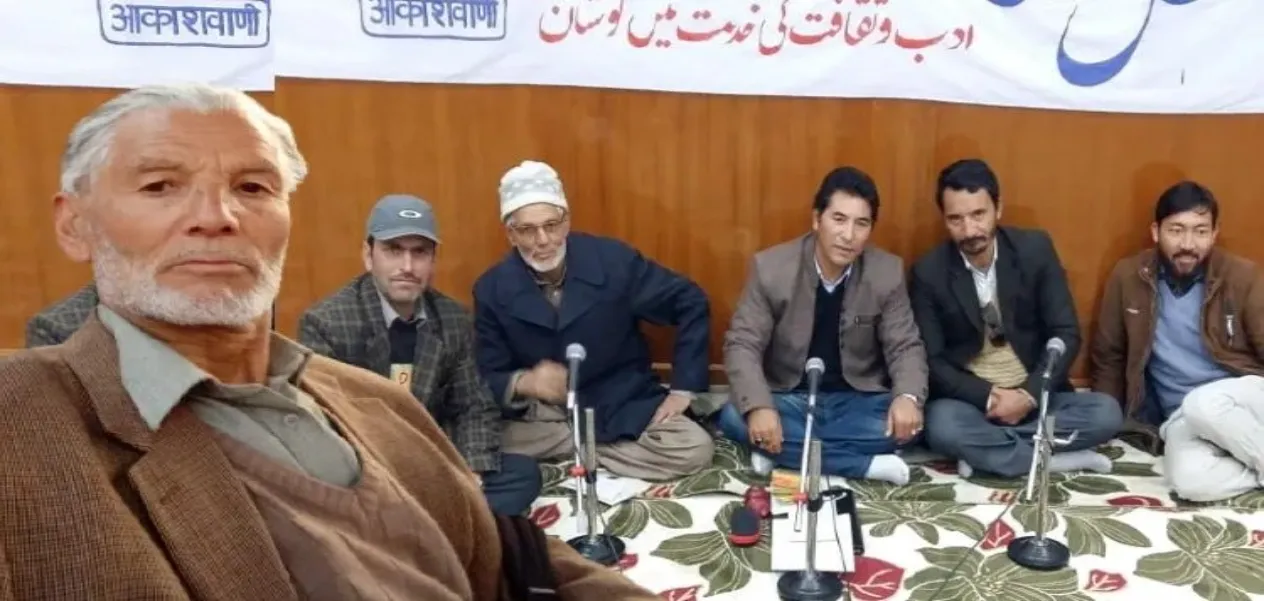
The only Padma Shri Balti writer, Akhone Asghar Ali Basharat from the Kargil district of Ladakh, is struggling to get his anthology of native poetry published.
Akhoon has already published five books and when he was conferred with the Padma Sri by the government of India in 2022, it looked as if his career would take to newer heights. However, a year later, he lacks the resources to get his latest book published.
Speaking to Awaz-the voice from his home in the village Karkit Tchoo, 13 km from Kargil town, Basharat said that he was trying to get the collection of his poetry in Balti language published; he was looking for a means of subsidy. “It is a huge collection of my poems in Balti language; it highlights multiple facets of the language and culture divided by the Line of Control between India and Pakistan.”
The Balti language is spoken in the Gilgit-Baltistan region in the PoK and Kargil.
When the Awaz spoke to him last year, he was working on Aeena-e-Kargil (Reflections on Kargil), unfolding its history, geography, culture, writers and poets, the life of people, their dress, house, common food, following the religion of Islam, religious, social and political organizations.
His book, published this year, dwells upon the plight of the region during the Dogra rule, and also other ‘untouched issues in the post-Independence era’, he said. The 320-page book is a comprehensive account of the life and political issues the Balti-speaking people faced. His efforts in compiling details over more than 15 years have won him appreciation.
People are so impressed by Basharat’s achievements that a local poet Ashraf Ali Sagar, who is also the general secretary of the Association of Baltis in Himalayan Ladakh Territories of India, Kargil, composed a poem praising him. The poem is printed on the back side of the book. One couplet of the poem goes as follows:
“Kis Tarah Pur Soz Hai Tareekh-e-Kargil Kya Khabar
Yeh Basharat Teri Mehannat Ka Samar Honay Ko Hai”
(How vibrant is Kargil’s history, who knew; Basharat this is going to be fruitful for your hard work).
Akhone Asghar Ali Basharat (72), has not been to a school and he has no formal education. He learned Balti, Urdu, Persian, and Arabic languages from his father Sheikh Ghulam Hussain, who had set up a Madrasa in their home in 1972 and taught the children of the village for free.
Inspired by his father, he was attracted to learning, reading, and writing different languages.
His first anthology of Naat (in praise of Prophet Muhammad) and Manqabat (in praise of Allah) was published in the early eighties. His second publication, an anthology of poetry was published in 2002, followed by Waseelai Najaat, based on translations from Persian, which was published in prose form four years later, and, Bazme-Basharat including Naats, Manqabats, and poems on other issues got published in 2011.
Balti language is a Tibetan language spoken in parts of Kargil while it is the second largest language in the Gilgit-Baltistan area across the Line of Control (LoC). It is also spoken in parts of the Nubra Valley of Leh, Ladakh. Some of the Balti-speaking families from Kargil have also settled in the Tral area of Pulwama district in South Kashmir. There are 3.79 lakh Balti speakers in Pakistan, while the total Balti-speaking people in the world are estimated at 4.91 lakh.
The number of Balti speakers in India has shown a decline over the decades; today there are 13,774, Balti speakers in India, as per the 2011 census. It was around 20,053 in the 2001 census and 48,498 in 1981.
Akhon Asghar Ali Basharat gained popularity when he conducted regular Balti poetry shows on the AIR station of Kargil that took off in 1999. He became a regular participant in the local Urdu Mushairas and other cultural activities.
Basharat told a news portal that his father has been his inspiration. His father was the first published author from Kargil in the decade of 1980s.
“My father is my sole inspiration. He was a well-known social and religious activist. He had a huge collection of religious books. I sometimes feel writing is my inheritance and in my DNA.”
He says AIR Kargil station was of great help to people like him who live in remote areas. “My radio shows made me popular and encouraged me to write more. I am today because of AIR Kargil station.”
He says he fears that the Balti language may become extinct in Kargil. The fear of extinction is more because people across Ladakh tend to speak other languages and not their native ones to sound fashionable.
Bashart says to preserve language and culture, reading and writing books, and holding seminars and cultural programs must be encouraged.
He feels book writing should not be seen as a lucrative profession. “I feel book writing is not a lucrative profession. The author has to spend money to publish his book. Since the reader base is small the youth do not feel encouraged to write in regional languages. He has suggested that government must support writers of smaller languages.
source: http://www.awazthevoice.in / Awaz, The Voice / Home> Story / by Ehsan Fazili, Srinagar / January 07th, 2024
Pratinav Anil argues that policies of the Congress and the Muslim elite ended up hurting Indian Muslims the most.
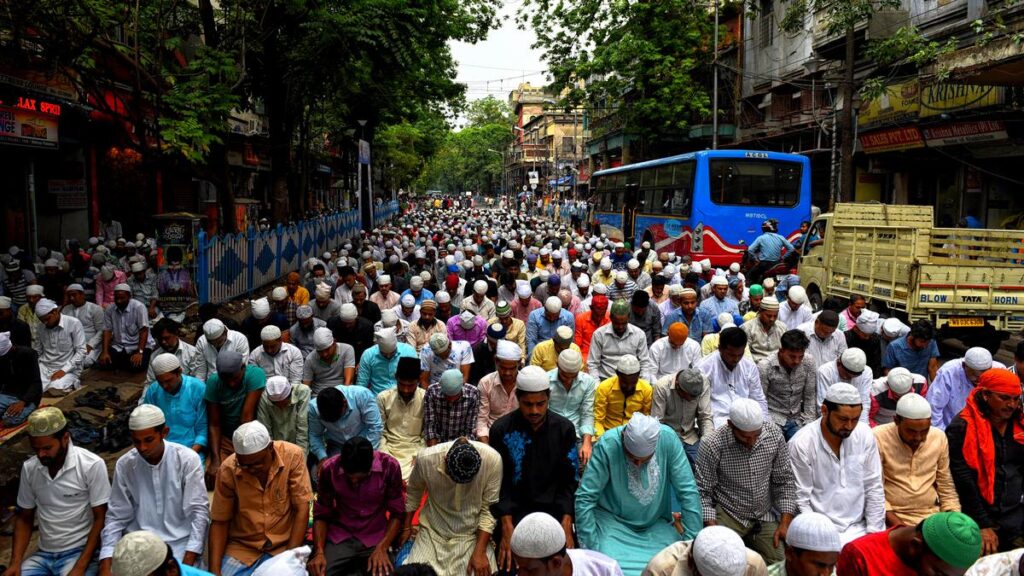
Muslim devotees praying on the street of Kolkata during the holy month of Ramadan. | Photo Credit: Getty Images/ istock
Unobjective commentators have, in the last decade, perfected the art of highlighting the tribulations of being a Muslim in “Hindu India” without contrasting them with the difficulties the same Muslim faced in “secular India” that supposedly existed before 2014.
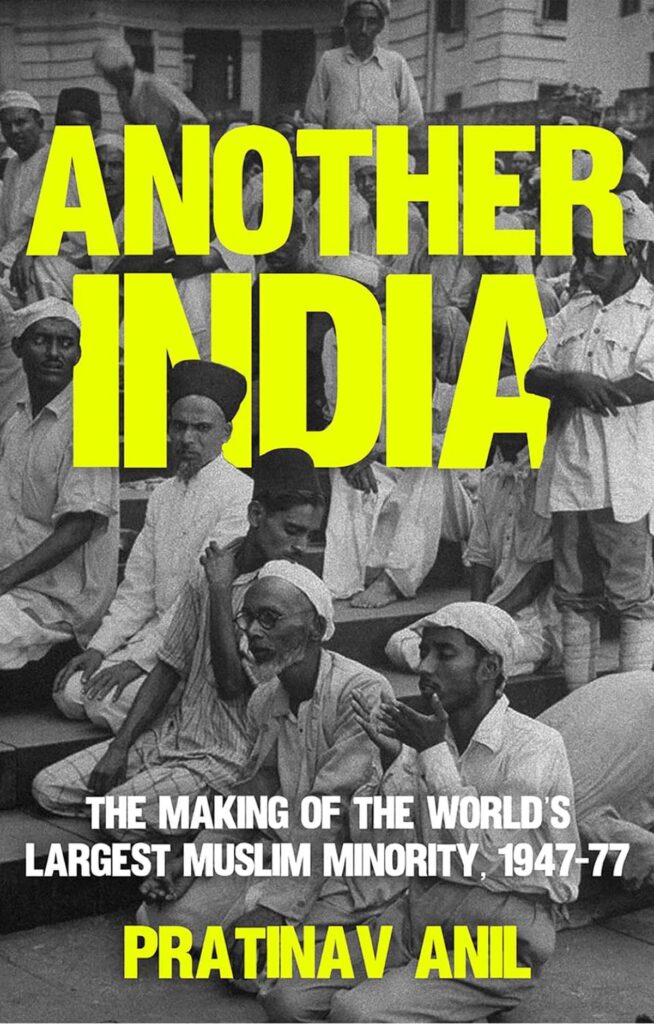
Pratinav Anil is perhaps the only modern historian who has gone against this trend to put right the wilful muting of Indian Muslim history. His new book Another India: The Making of the World’s Largest Muslim Minority, 1947–77 is an in-depth analysis of anti-Muslim violence since Independence that exposes the Islamophobic facet of the country the Congress established in August 1947.
In simple terms, the question that Another India seeks to answer is: Was the Congress’s idea of India genuinely secular and based on communal equality? From the facts it lines up, the answer is ‘no’.
Riots and taunts
Not many know that the “most violent Hindu-Muslim conflagration of postcolonial India” was unleashed in 1964 in which a staggering 800,000 Muslims from Bengal were pushed into East Pakistan.
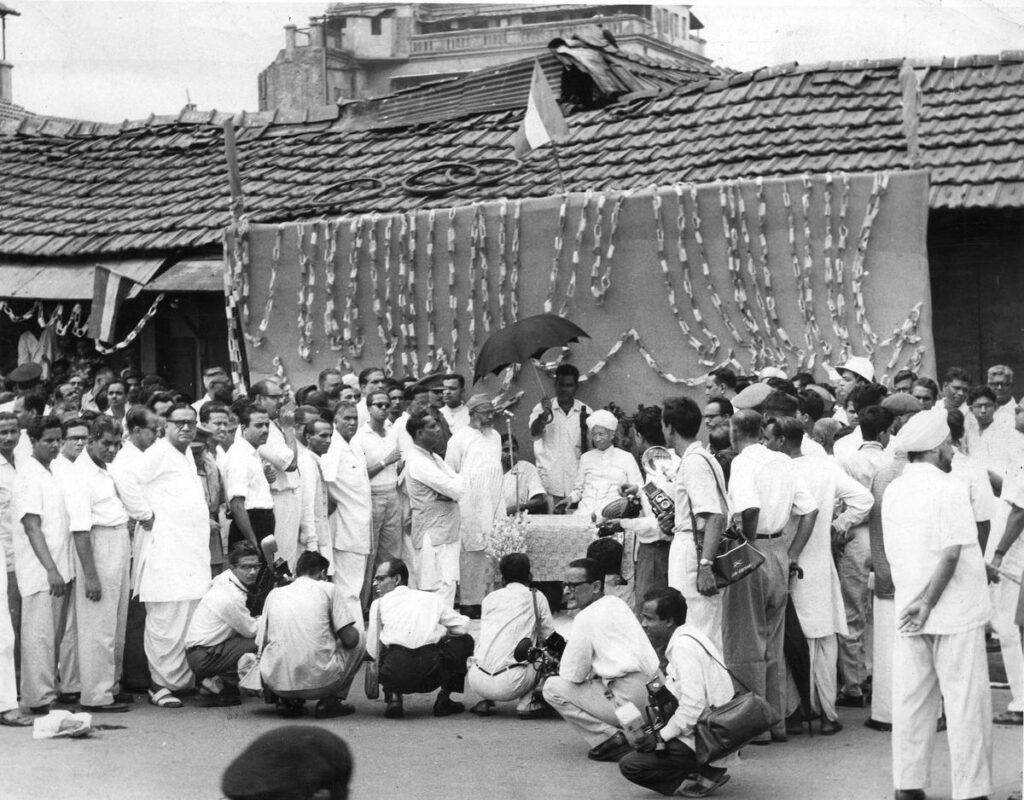
President S. Radhakrishnan visiting Central Calcutta, a predominantly Muslim locality, affected by the January riots. He is seen with the Muslims of the locality (Kalabagan area) on June 30, 1964. | Photo Credit: The Hindu archives
Indeed, it was under the Congress that the derisive “go to Pakistan” taunt was actualised when nearly 2% of the Indian Muslims were sent to Pakistan after being branded infiltrators who had sneaked in to convert Hindus to Islam. Before being expelled, they were dumped in makeshift camps on the border “like herds of cattle”, and forced to “sign papers declaring falsely that they were Pakistanis” when many of them were genuine Indians.
A large number of those who couldn’t be “sent to Pakistan” became the victims of the “riots galore” that dotted Nehru’s rule. The “institutionalised riot system” was so one-sided that Muslims made up 82% of the fatalities and 59% of the injured.
Prepossessed hostility towards Muslims was also the cause of the 1948 police action in Hyderabad which, for Anil, was “a mass pogrom” because it had resulted in the massacre of 40,000 Muslims, the rape of women, loot, arson, desecration of mosques, forcible conversions, and seizure of houses and lands. Nehru hastily suppressed the Sunderlal Report that brought out these facts.
Anil concludes that Nehruvian India was often “an Islamophobic agency” that wore secularism as “a fig leaf” to hide its pro-Hindu bias.
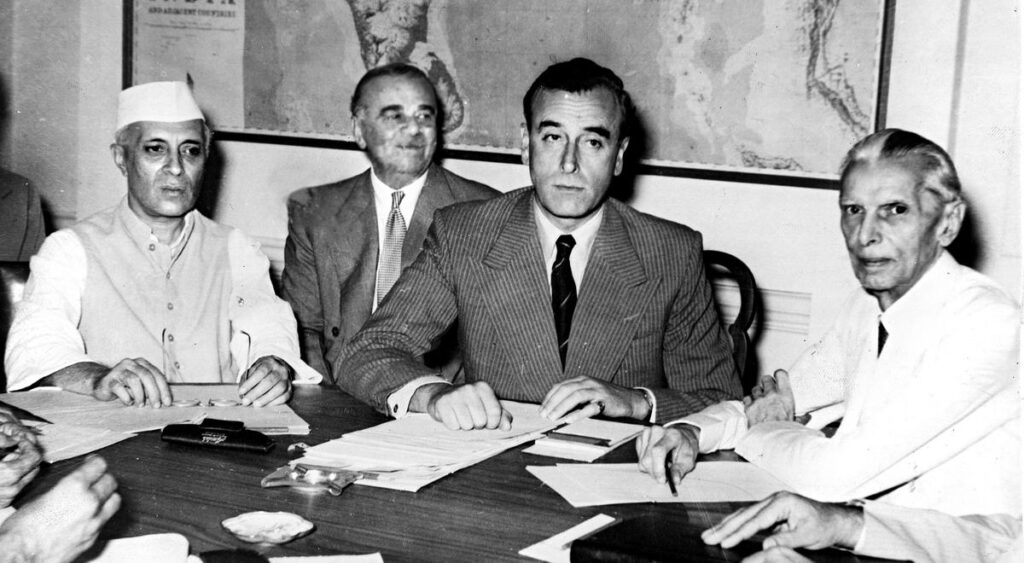
At the historic conference in New Delhi on June 7, 1947, when Lord Mountbatten disclosed Britain’s “partition” plan for India. (left to right) Jawaharlal Nehru, Lord Ismay, Adviser to the Viceroy, Lord Mountbatten, and M.A. Jinnah, President of the All-India Muslim League. | Photo Credit: The Hindu photo archives
The Ashraf betrayal
But how did the Congress get away with its brazen marginalisation of Muslims? With the help of “nationalist Muslims” and “notables”, says Anil.
The former were mostly Muslim Congressmen who harmed their community by conflating India’s progress with that of the Congress; shielding Congress from criticism by blaming Muslim communalists for Partition, and placing the constitutional protection of the shariah above the community’s political rights.
The “notables” comprised upper-class Muslims (the ashraf) such as mutawallis (custodians of waqf properties), waseeqadars (princely pensioners) and waaqifs (dedicators of properties for waqf) all of whom used their aristocratic agency to feather their nests in the guise of working for the community’s economic development.
A major preoccupation of these patricians was “the preservation of distinctive elements of Muslim culture in a non-Muslim environment.” Backing them to the hilt were the ulama, especially those belonging to the Jamiat Ulama-i-Hind which Anil calls a branch of the Congress in all but name.
The “ashrafised” Islam that the ashraf-clergy nexus promoted secured the class interests of the ashrafs and almost totally ignored the plight of common Muslims.
In a scathing attack on the Muslim elite’s obsession with the shariah-based Personal Law, Anil says that it furnished the patriarchs with “a private fiefdom to do as they pleased” without mitigating the community’s “despondent public existence in an Islamophobic society.”
No space for scrutiny
As a consequence, Muslim politics had no room for “trade unions, mass protests, anti-discrimination legislation, and subaltern solidarity” while it had plenty for “high cultural totemic symbols such as the AMU, auqaf, Urdu, and the sharia.” This suited the ruling “Hindu Congress” because a politically empowered non-Hindu group was not in its interest.
Even today the ashraf-clergy alliance prioritises religion and religious symbolism over social cohesion and political participation. If, for instance, ashraf-backed madrasas are fixated on anachronistic medievalism, many clergy-endorsed secular English medium schools controlled by wealthy Muslims promote religious identitarianism by making the skull cap (for boys) and the hijab (for girls) a mandatory part of the uniform.
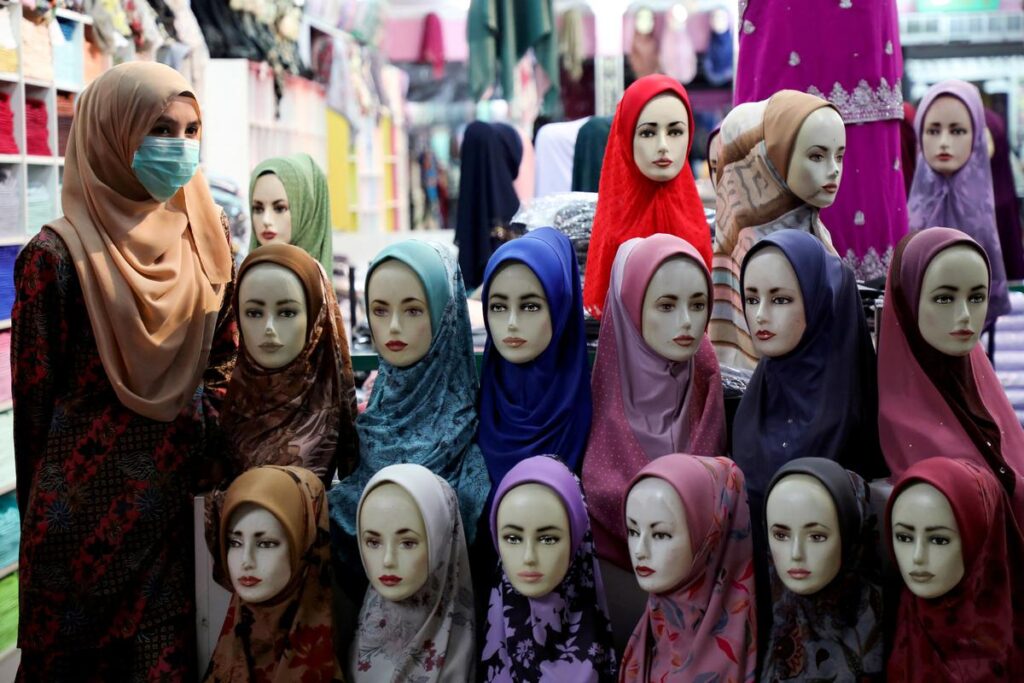
At a hijab shop. | Photo Credit: Reuters
This self-ghettoisation, which is nothing short of an attempt to discourage the enrolment of non-Muslims in Muslim schools, sustains itself on the fear of the other and has the potential to render Muslim students incapable of living in multi-religious and multi-cultural societies after graduation.
Given this sad state of affairs, Another India couldn’t have come at a better time. Its neoteric narrative is not just a searing exposé of Congress’ betrayal of trustful Muslims who stayed back in India after rejecting Pakistan; it is also an invitation to Indian Muslims to acquire a sense of critical thinking and break free from the serpentine stranglehold of the ashraf-clergy alliance that is hell-bent on denying them the heaven-ordained right to intellectual liberation.
Another India: The Making of the World’s Largest Muslim Minority, 1947-77; Pratinav Anil, Penguin/ Viking, ₹999.
The reviewer is Secretary-General of the Islamic Forum for the Promotion of Moderate Thought.
source: http://www.thehindu.com / The Hindu / Home> Books> Reviews / by A Faizur Rahman / February 04th, 2024
Bibi Tabassum and Suraiya Quraishi who embroidered the Quran.
Bengaluru :
This is a miracle. An awe-inspiring phenomenon took place in this city a few days back, as two sisters- Bibi Tabassum and Suraiya Quraishi- embroidered the sacred Quran onto 604 pages of plush velvet cloth.
Showing excellent craftsmanship, they used needles and threads to meticulously prepare an embroidered holy Quran. This embroidered Quran, prepared under the watchful guidance of an Alim-e-deen (religious scholar), is not only easily legible but also heavenly captivating.
Bibi Tabassum, the younger of the two sisters, holds a great fondness for doing embroidery ever since she was a child. In the beginning, she used to embroider only small verses of the Quran, but one day, an idea graced Bibi Tabassum’s mind – to intricately embroider the entire holy Quran. This took her on a laborious journey, one fueled by love and devotion.
Expressing extreme gratitude to Allah for giving them the opportunity to prepare this embroidered Quran, Bibi Tabassum says that she aspires to gift this embroidered holy Quran to a library in the holy city of Madina.
Venturing on this embroidery voyage of the Quranic verses along with her elder sister Suraiya Quraishi, Bibi Tabassum started with the first inaugural Surah of the Quran i.e. Surah Al-Fatiha, and continued diligently. The last surah- Surah An-Nas marked the culmination of their hard labour.
This embroidered holy Quran is divided into five volumes, and each volume consisting of six chapters. It went through a meticulous binding process by the skilled hands of its creators.
Initially, in the detailed process of embroidery, Bibi Tabassum used to inscribe the verses of the Quran with a pencil on the velvet cloth, followed by both the sisters intricately weaving threads along those sacred lines.
Carrying on the demands of daily life, both sisters, driven by unwavering dedication, used to finish their household chores and then engage in the embroidery work of the holy Quran.
To ensure the utmost accuracy of the embroidered work, a learned religious scholar closely scrutinized each verse upon the completion of a page. Bibi Tabassum says, ‘After completing every page of the embroidered holy Quran, we would show that to our scholar and do any correction if required.”
In the aftermath of this big achievement, family members are thoroughly elated for the two sisters. They say that the two sisters have utilized their time for a very noble endeavour. Extending heartfelt gratitude, they thank Allah for the manifestation of this lovely artwork, which stands as a testament to the beautiful blending of devotion and artistry.
source: http://www.indiatomorrow.net / India Tomorrow / Home> News> Society / by India Tomorrow (headline edited) / February 05th, 2024
By her appointment as the member of the Karnataka State Wakf Board, a new chapter has been added to the history of the state where perhaps has never been a Muslim woman appointed on a statutory body like wakf board.
By profession a journalist and social activist Sheema Mohsin (36) is based in Bangalore.
She has been with “Spradha Prapancha” an educational magazine and All Rounder News Weekly.
Congratulating her on being appointed as the first woman member of the 11-member Wakf Board, TwoCircles.net asked her if she was taken by surprise at her appointment. Her answer was a simple No as she has been in the public field for long both as journalist and social worker.
She has been working in the areas of communal harmony, development of women, health awareness and awareness among backward classes.
She has been actively involved in creating awareness among the minorities about the schemes of Central and state wakf boards through the Institute of Research and Harmony (IRH).
She is the Secretary for Karnataka Chapter of Forum for Democracy and Communal Amity (FDCA), an organization formed in the post Babri Masjid demolition era by Justice Rajinder Sacchar, Swami Agniwesh and Kuldip Nayyar.
Being with FDCA she was part of fact finding committee into the riots which flared up in certain parts of Bangalore from January 19-21, 2007. Then FCDA submitted its report to the National Human Rights Commission.
Mother of three Sheema Mohsin is also the Convener of the Women’s Cell of Centre for Community Development (CCD).
She is also the Founder Secretary of Institute of Research and Harmony (IRH) and group leader of Humanitarian Relief Society (HRS).
At present among other social works, she is working with NIMHANS, a hospital in Bangalore.
She has also been actively engaged in providing awareness amongst the deprived classes and pursuing them to readmit the school dropouts, creating health awareness towards a better hygiene in the slums, conducted several free health camps for women and children.
Her mother Momina Naseer was the professor of Hindi Literature and also Principal of Al Hasnat Junior College, Bangalore. She studied literature in the college.
Not only this, she has a historical connection also. She said she is the great great grand daughter of Khumaiden Md. Ali, who was the Commander in Chief of Haider Ali.
The role of the man who appointed her as member of the state wakf board is not less. He is Mumtaz Ali Khan, Minority Welfare Minister of Karnataka.
“This is the first time in the recent government history of Karnataka that Muslim women are being given representation through their appointment on public post,” said Mumtaz Ali Khan to TCN.
The fact is that women constitute almost half of the total Muslim population in the country and also in the state. Who else will think about women’s development issue in a better way than the Muslim women themselves. They need to be given opportunities to raise topics pertaining to their problems and development, he reasons his decision to appoint Mohsin.
He further said that the person he has appointed is very dignified, reputed and hardworking social activist.
“Soon I am going to appoint not one or two but three Muslim women on the Tipu Estate Wakf Council, Shri Rangapatnam. I will also ensure that Muslim women are there on Minority Development Corporation,” points out the man.
Asked how he is going to address the conservative quarters of the community who are against this, the minister said, I will try to convince them. I told them when they raised questions on the appointment of Sheema Mohsin that I am not doing and I won’t do any thing against Islam. Whatever I am doing is sanctioned by Islam itself because Islam gives equal status to women.”
He said that the appointment has broken the stereotype, and made an initiative. It will go a long way in providing Muslim women of the state a representation and in their overall development itself.
Two.Circles.net learnt that there were some opposition of her appointment from a lobbying group named as the Waqf Protection Committee which recommended to the minority welfare minister the name of the Sajjadah Nashin of Gulbarga.
But largely it has been hailed as a historic and path-breaking decision when it comes to the representation of Muslim women, says Mohsin.In fact most of the Muslim scholars and religious organisations welcomed this historic decision.
TwoCircles.net talked to Syed Tanweer who is associated with Jammate Islami( JMI) and Muslim Muttahida Mahaz (KMMM),which is a conglomeration of JMI and Jamiatul Ulama Hind and others.
He welcomed her appointment as a “historic” and progressive and as the need of modern times.He appreciated her merit and her work in the social sector
Apparently agitated at the sheer lack of logic in opposing the representation of Muslim women, she pointed out that it doesn’t make any sense in keeping Muslim women isolated form such posts.
After all women constitute about 50% of the total Muslim population. Only women can understand the seriousness of women’s problems. In that case she questions,”who else will raise their problems and issues which concern them, if not they themselves, And that is not going to happen if they are not given proper representation.”
She said that on the issue of empowerment of Muslim women, the traditional quarters have always squirmed. There hasn’t been much work in the area. There is an urgent need to empower them on every level through the tool of empowerment like education, creating awareness among them about their rights.
What is also important that they be given representation at the higher decision making bodies, so that they should raise the problems of Muslim women at that level. This is how they will be able to influence and formulate the policy making so that the concrete decisions would be made for their welfare and development.
She said, “it should be kept in mind that if we are working for the development and empowerment of Muslim women it is actually the community itself which is being empowered and developed.”
She said that she wants to congratulate Dr. Mumtaz Ali Khan that he realized this need to work for the cause of Muslim women.
But what are the ways through which she is going to serve the interests of Muslim women.
She said that there are so much of Wakf properties which are going simply waste. They are not put to good and beneficial use.
What we can do is that they should be used to generate money. And this money can be used to uplift Muslim women.
She said that why every time we need to ask for the funds from the government when to an extent we can ourselves generate money if the Wakf properties are properly put to use.
So she wants to push the Wakf Board in this direction.
Until and unless women are empowered, how can you expect these women who are actually enslaved and helpless, to produce children who are on par with the merits of Sir Syed Ahmad khan and Moulana Azad.
It seems that her question is to all those who are against the idea of women on the key posts.
It is quite revealing here that her appointment is a part of the efforts to provide representation to women on higher posts. But actually this representation is not at all satisfactory as Sheema Mohsin will be a lone member of an 11-member Wakf Board.
Will she be able to break the stereotyped mindset It is early to say. TwoCircles.net wishes her all the best in her mission.
(Sheema Mohsin can be contacted at sheema.mohsin@gmail.com)
source: http://www.twocircles.net / TwoCircles.net / Home> Indian Muslim / by Md Ali, TwoCircles.net / September 11th, 2008
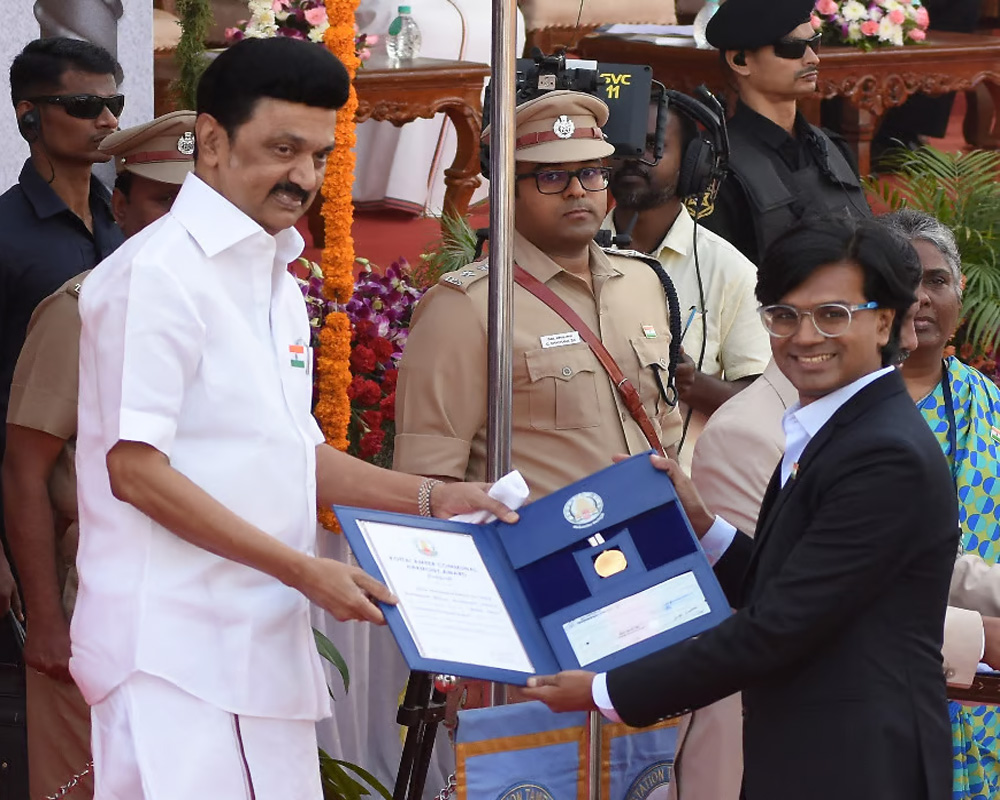
TN chief minister M.K. Stalin with Mohammed Zubair at the awarding ceremony. Photo: Video screengrab.
The government noted that his “work helps prevent the occurrence of violence in society likely to be caused by fake news.”
New Delhi:
Fact-checker and journalist Mohammed Zubair is the recipient of the 2024 Kottai Ameer Communal Harmony Award given by the Tamil Nadu government.
The citation notes that Zubair has been “rendering various services to promote communal harmony.”
It observes that in creating the website Alt News – which he co-founded with Pratik Sinha – Zubair has set up an instrument to analyse the “veracity of the news coming out on social media,” giving primacy to real news.
The government noted that his “work helps prevent the occurrence of violence in society likely to be caused by fake news.”
The citation especially says that in March 2023, when there was a rapid spread on social media of the disinformation that migrant workers were being attacked in Tamil Nadu, Alt News‘s verification of the authenticity of the video was instrumental in proving that the footage was not from Tamil Nadu at all.
It “stopped the spread of rumours against Tamil Nadu and acted to prevent violence caused by caste, religion, race and language in Tamil Nadu,” the government said.
In 2022, Zubair was arrested by the Delhi police for a 2018 tweet in which he shared a screenshot from a 1983 Hindi movie. Six cases were slapped on him during the period of his incarceration until the Supreme Court gave him bail.
Zubair is often attacked online by Hindutva commentators for fact-checking viral claims and disinformation.
source: http://www.thewire.in / The Wire / Home> Media> Government / by The Wire Staff / January 26th, 2024
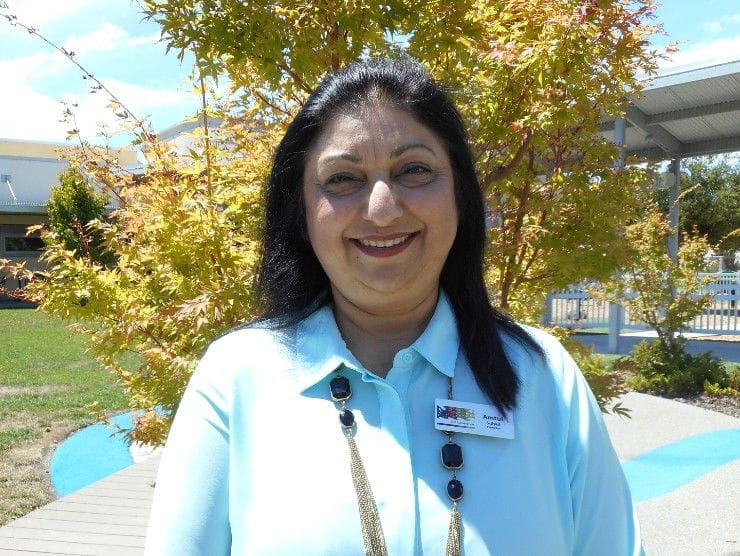
Amtul Suhail, Executive Director at 2nd Generation at Allerton in South San Francisco, CA, is one of one hundred Indian Muslim women across the globe to receive a nomination from Rising Beyond the Ceiling for her contributions and accomplishments in the field of early childhood education.
Rising Beyond the Ceiling is a non-profit organization focused on supporting and promoting Indian Muslim women and their leadership and contributions in their respective fields. Each year they spotlight one hundred Indian Muslim women who have made their mark in countries across the world. All the women have done their initial studies in India, but later moved to other countries where they received accolades and success in their professions.
“I am elated. This is a pure and pleasant surprise,” said Amtul. “I have been working for decades to make a difference in the community by helping one child, one family, one group and mission at a time. I never expected anything in return.”
Working the field of education since 1985, she migrated to the United States in 1990, leaving behind her family on a quest to pursue her dream of caring for and teaching children. Amtul joined Bright Horizons in 2013 and is currently the Executive Director at Bright Horizons Allerton where she oversees the center operations and its programs.
“My passion is children. Every single thing I do, I think “how would this impact a child?’’ This passion that drives me is because of my mother who always taught me what I call the ’golden rule‘ – when things go wrong, you do not go wrong,” said Amtul. “I lead with honesty, transparency, accountability and joy. My mom encouraged me to choose a career to work with children so I can make the difference for children and adults in the community where I work and live.”
Amtul has a Masters in Mass Communication from Aligarh Muslim University. She also volunteers her time and talent for her University Alumni Association of Northern California. She is a guiding force behind the alumni association’s mission and has been involved as a coach and student trainer.
Amtul adds: “My vision is to foster love and compassion for early childhood educators. When they decide to join the education field and under my supervision, they feel empowered, autonomous and committed. I truly believe that consistency and continuity of care is extremely important.”
To learn more about Rising Beyond the Ceiling, visit here.
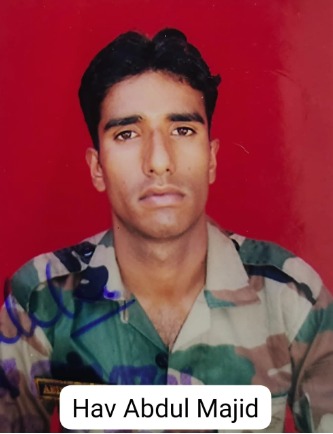
Havildar Majid Hussain, a local hero hailing from Poonch, exemplified the true spirit of a commando through his unwavering commitment to defending his homeland.
The Army said on Friday. “In the challenging terrain of Poonch and Rajauri, he stood as a formidable force against terror, displaying unparalleled courage and determination in the highest traditions of the Indian Army. His supreme sacrifice in the pursuit of peace resonates deeply with the hearts of the people in Poonch and Rajouri,” PRO Defence said in a statement issued here.
The GOC 25 Infantry Division, representing GOC-in-C, NC and GOC 16 Corps, expressed profound gratitude to Havildar Majid Hussain’s family. “In a heartfelt tribute to a local son who went above and beyond in the line of duty, the family of the Braveheart was visited by his seniors and colleagues bestowing the spirit of care for their fallen brother,” the statement said.
The awarding of the Kirti Chakra is a symbol of conspicuous bravery of Havildar Majid Hussain’s selfless sacrifice, the Army said, adding, “Poonch, Rajauri, and the entire population of UT of J&K, stand indebted to this courageous commando. His actions go beyond a single moment in time; they serve as a perpetual source of inspiration for future generations.”
The PRO Defence added, “As the Hero of Poonch, Havildar Majid Hussain’s legacy lives on, becoming an enduring beacon of selflessness and dedication. His story will continue to resonate in the hearts of those from his hometown and across the nation.
The gallantry award bestowed upon him is not just a medal; it is a symbol of honour, bravery, and a reminder of the sacrifices made in the relentless pursuit of peace and security.”
source: http://www.risingkashmir.com / Rising Kashmir / Home / by RK News / January 27th, 2024
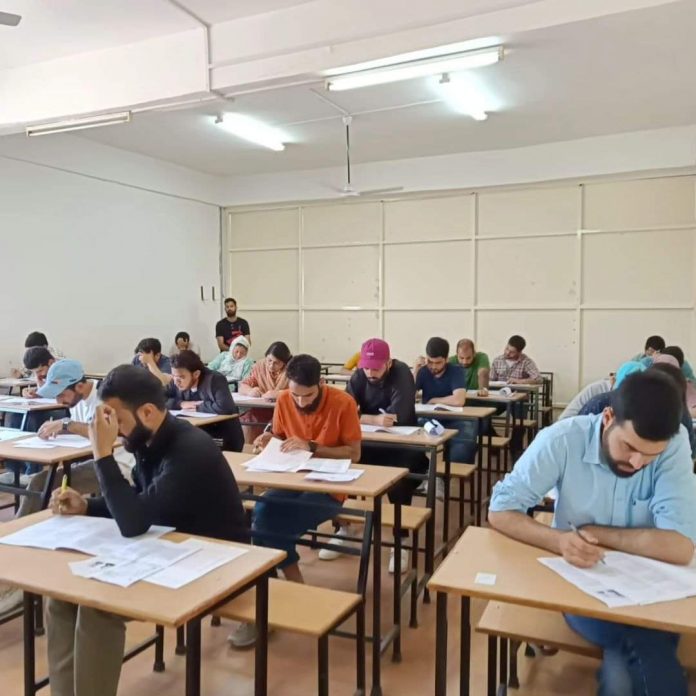
UPSC aspirants preparing at Shibli Residential Coaching Academy, Azamgarh.
Nestled in the historic city of Azamgarh, Uttar Pradesh, Shibli Residential Coaching Academy stands as a beacon of hope for UPSC aspirants across the nation.
Established with a vision to empower and guide students towards a bright future in civil services, the academy offers a holistic approach to UPSC preparation, combining academic excellence with personalized mentorship and a conducive residential environment.
Setting the Stage:
As dawn breaks over the serene campus of Shibli Residential Coaching Academy, aspiring civil servants begin their day with a sense of purpose and determination. The tranquil surroundings provide the perfect backdrop for intense study sessions and thoughtful contemplation, setting the stage for a transformative journey ahead.
Academic Excellence:
Led by a team of seasoned educators and subject matter experts, the academy’s curriculum is meticulously crafted to cover the vast syllabus of the UPSC examination. From comprehensive study materials to interactive classroom sessions and regular mock tests, every aspect of the learning experience is designed to instill confidence and competence in aspirants.
Personalized Mentorship:
At Shibli Residential Coaching Academy, every student is more than just a name on a roster – they are individuals with unique strengths, weaknesses, and aspirations. That’s why the academy takes pride in its personalized mentorship program, where experienced faculty members offer one-on-one guidance, constructive feedback, and strategic advice tailored to each student’s needs.
Beyond the Classroom:
Recognizing that success in the UPSC examination requires more than just academic prowess, Shibli Residential Coaching Academy places a strong emphasis on holistic development. From personality development workshops and communication skills training to extracurricular activities and community engagement initiatives, students are encouraged to cultivate a well-rounded skill set that extends beyond the confines of the classroom.
A Supportive Community:
More than just an educational institution, Shibli Residential Coaching Academy is a close-knit community of like-minded individuals bound by a shared goal – to crack the UPSC examination and serve the nation with distinction. Whether it’s late-night study sessions in the library, spirited debates in the common room, or impromptu brainstorming sessions over chai, the camaraderie among students fosters a supportive and collaborative learning environment.
As the sun sets on another productive day at Shibli Residential Coaching Academy, UPSC aspirants retire to their dormitories with a sense of accomplishment and purpose. With unwavering dedication, personalized mentorship, and a supportive community by their side, they are well-equipped to embark on the challenging yet rewarding journey towards realizing their dreams of serving the nation through the civil services.
source: http://www.muslimmirror.com / Muslim Mirror / Home> Positive Story / by Muslim Mirror Network / February 01st, 2024