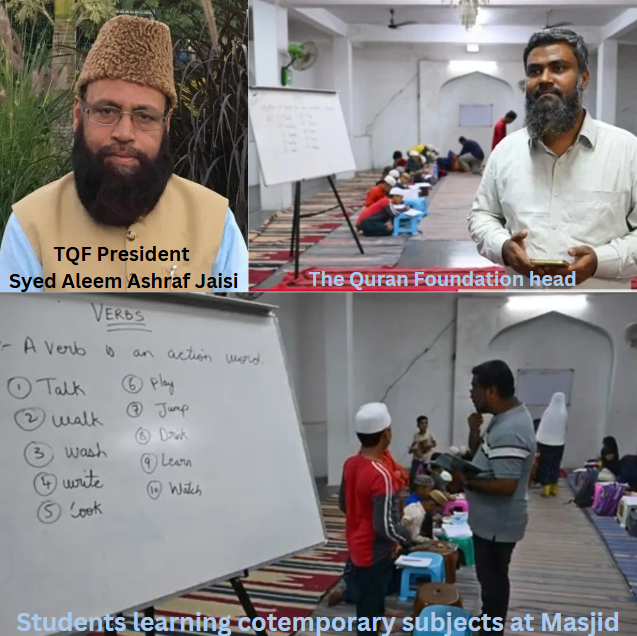
Little girls and boys carrying the school bags also rush to the Masjids along with the believers but with twin objectives – Namaz and Tuition.
After Salah, children move to the Masjid’s basement in three different rooms, where they are taught Mathematics, English and Telugu by different tutors.
Usually one associates Masjids with learning of theological subjects – Arabic, Quran and Urdu. But at Masjid-e-Meraj, the things are different. They are now after-school Mohalla tuition centres.
It was initiated by The Quran Foundation (TQF), a non-profit organisation run by a team of professionals working in the field of information technology, education and healthcare.
Neighbourhood networks play a crucial role. Masjid management committees, tutors and students are drawn from within Masjids’ neighbourhood. The committee ensures regular attendance, quality tuition and timely discussions about performance of both students and tutors.
Syed Munawwar, TQF general secretary, says there are 2500 students studying in 50 Masjids across Telangana. Most of them are either students of government schools or low-cost private schools, popularly known as budget schools that have a mushroom growth in Hyderabad.
The idea, conceptualised in 2020 in consultation with Masjid management committees, is to have free tuition classes for the students who find it difficult to pay school fees and can’t afford private tuitions.
WhattsApp groups for parents and tutors are created. Information connecting to the students’ performance is shared with parents. Regular attendance is ensured by incentive prizes. Closer ties between tutors, students, parents and Masjid committees create a conducive atmosphere in neighbourhoods. Comprehension about core subjects has improved in the students.
TQF, headquartered in Hyderabad, is a registered non-profit organisation committed to fostering the educational, economic, social, and cultural advancement of marginalised and underprivileged communities.
TQF operates in collaboration with other NGOs, combining efforts and resources to implement programmes that resonate with core objectives. Through collective action, they strive to enhance livelihoods, nurture intellects, and catalyse positive transformation within society.
Educational development, economic development, social development, health and wellbeing are the core areas TQF works in.
source: http://www.radiancenews.com / Radiance News / Home> Focus / by Radiance News Bureau / December 13th, 2024
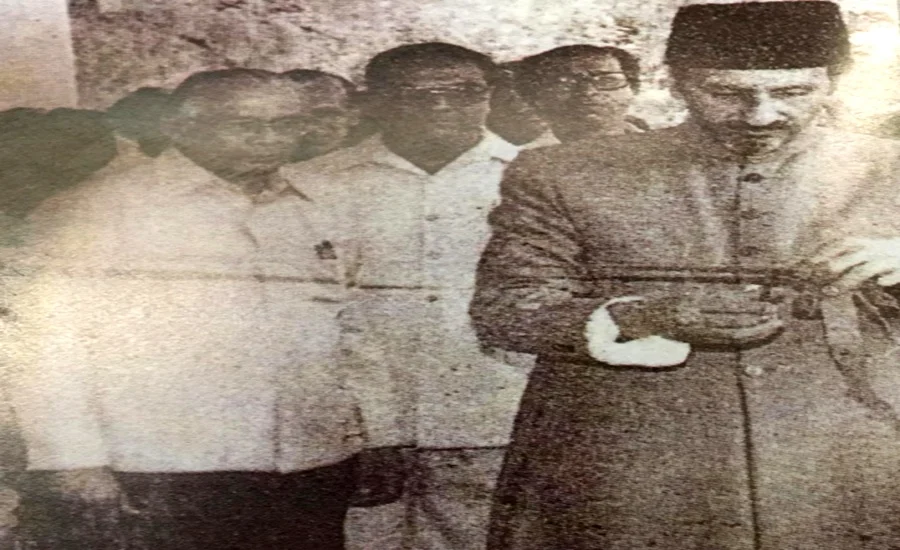
In year 1945, he was conferred with the title of “Khan Bahadur” by British Viceroy
Hyderabad:
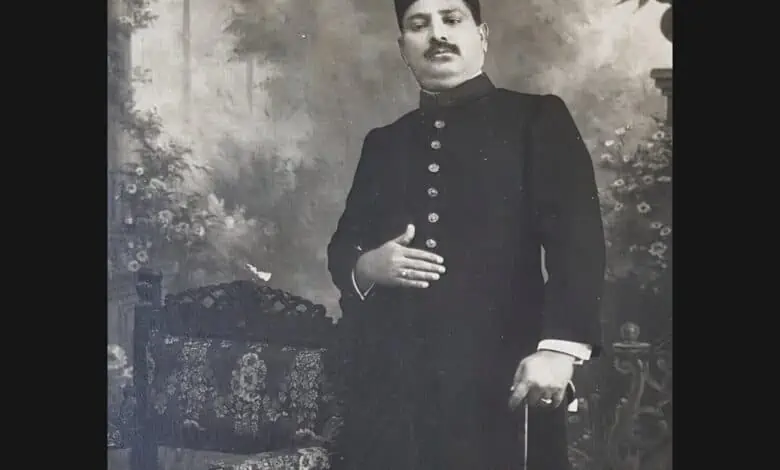
In the 1920s after his father’s demise, Khan Bahadur Abdul Karim Babukhan took over the construction business and in later years attained remarkable credentials for his contribution towards the infrastructure and industrial development in the growth of erstwhile “Hyderabad State” during the rule of 7th Asaf Jah, Nizam Of Hyderabad, Mir Osman Ali Khan Bahadur.
He established “Hyderabad Construction Company” in the early 1930s under which, many architectural and engineering wonders were constructed under the rule and order of Nizam of Hyderabad as listed under.
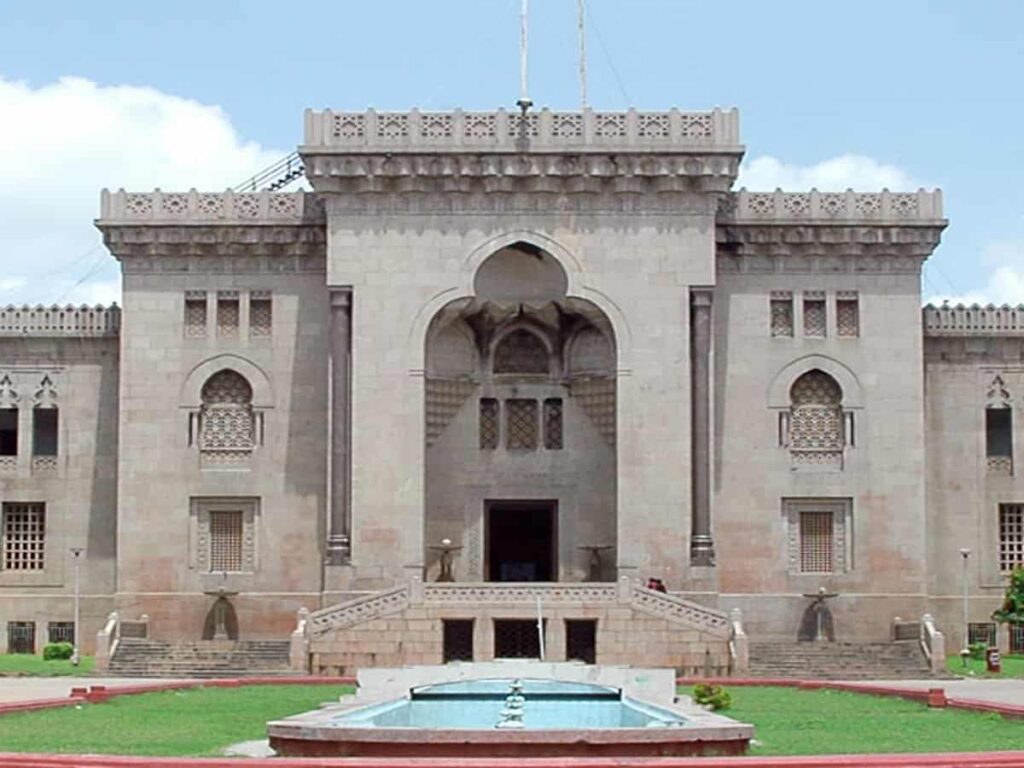
Arts College – Osmania University, Hyderabad.
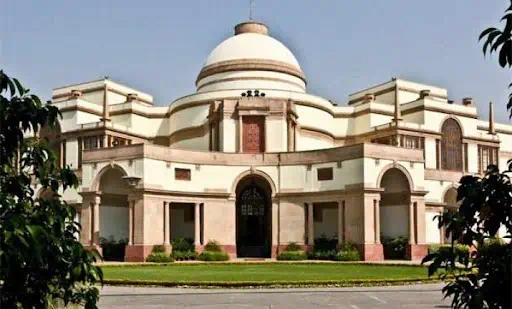
Hyderabad House – Nizam’s Palace, Delhi.
Gandhi Bhavan – Hyderabad, was his private property, later gifted to the Congress party for its headquarters.
Soan Bridge – Across the River Godavari , Adilabad.
Kadam Dam – Adilabad.
Tungabhadra Dam – Substantial part of it, presently in Karnataka State.
Ramagundam Power Station – First phase, Karimnagar.
A file photo of the Arts College building, which is considered to be the face of Osmania University.
Hyderabad House [Twitter]
Industries attributed and promoted by him
Nizam Sugar Factory – Nizamabad (He held a large portion of shareholding in it).
Sir Silk Mills
Sirpur Paper Mill
Hyderabad Vanaspati
Hyderabad Vegetable Oil Mill
Singerini collieries , etc.
In the year 1930, he was conferred with the title of “Khan Sahib” by British Viceroy “Lord Irwin” on behalf of King George V of England.
In the year 1930, he was conferred with the title of “KHAN SAHIB” by British Viceroy “Lord Irwin” on behalf of KING GEORGE THE V of England.
In the year 1945, he was conferred with the title of “KHAN BAHADUR” by British Viceroy “Viscount Wavell” on behalf of KING GEORGE THE VI of England.
“Khan Bahadur” title holds a higher rank and position and had superseded the earlier one “Khan Sahib”. It’s very rare to confer two titles to the same person.
Both titles were conferred for his recognition towards CIvil/Public services.
He attained high regard and respect, and maintained close relationships with prominent dignitaries, nobles, members of royal families, politicians, and businessmen.
He was appointed as Honorary Special Magistrate, Secunderabad. He was appointed as a Member of the Governer’s Staff as Oregon’s Ambassador to Hyderabad.
source: http://www.siasat.com / The Siasat Daily / Home> News> Hyderabad / by Guest Contributor, posted by Sameer Khan / September 11th, 2022
A labourer’s son in West Bengal defies all odds to achieve his dream of becoming a doctor
New Delhi :
In an era where mobile phones are often criticised for their harmful impact on society, the story of 21-year-old Sarfaraz from East Medinipur, West Bengal, shines as a beacon of hope. Once a labourer carrying bricks under the scorching sun, Sarfaraz’s remarkable journey to gaining admission into the prestigious Nil Ratan Sarkar Medical College for an MBBS degree showcases grit, determination, and the transformative power of education.
Born into a family with limited financial resources, Sarfaraz’s childhood was marked by hardships. His father, also a labourer, earned a meagre daily wage, barely enough to feed the family of six. Despite these challenges, Sarfaraz excelled in his studies, harbouring the dream of joining the National Defence Academy (NDA).
An unfortunate accident dashed his NDA aspirations, but Sarfaraz did not let despair consume him. “Life was never easy, but giving up was never an option,” he said.
The COVID-19 pandemic brought a glimmer of hope in Sarfaraz’s life. With financial assistance from the government, his family bought a smartphone. This device became Sarfaraz’s lifeline, as he used free YouTube tutorials and online ed-tech platforms to prepare for the NEET, India’s highly competitive medical entrance exam.
“I studied through free YouTube videos initially and then enrolled in an online course with a concession in fees. It changed everything for me,” Sarfaraz said.
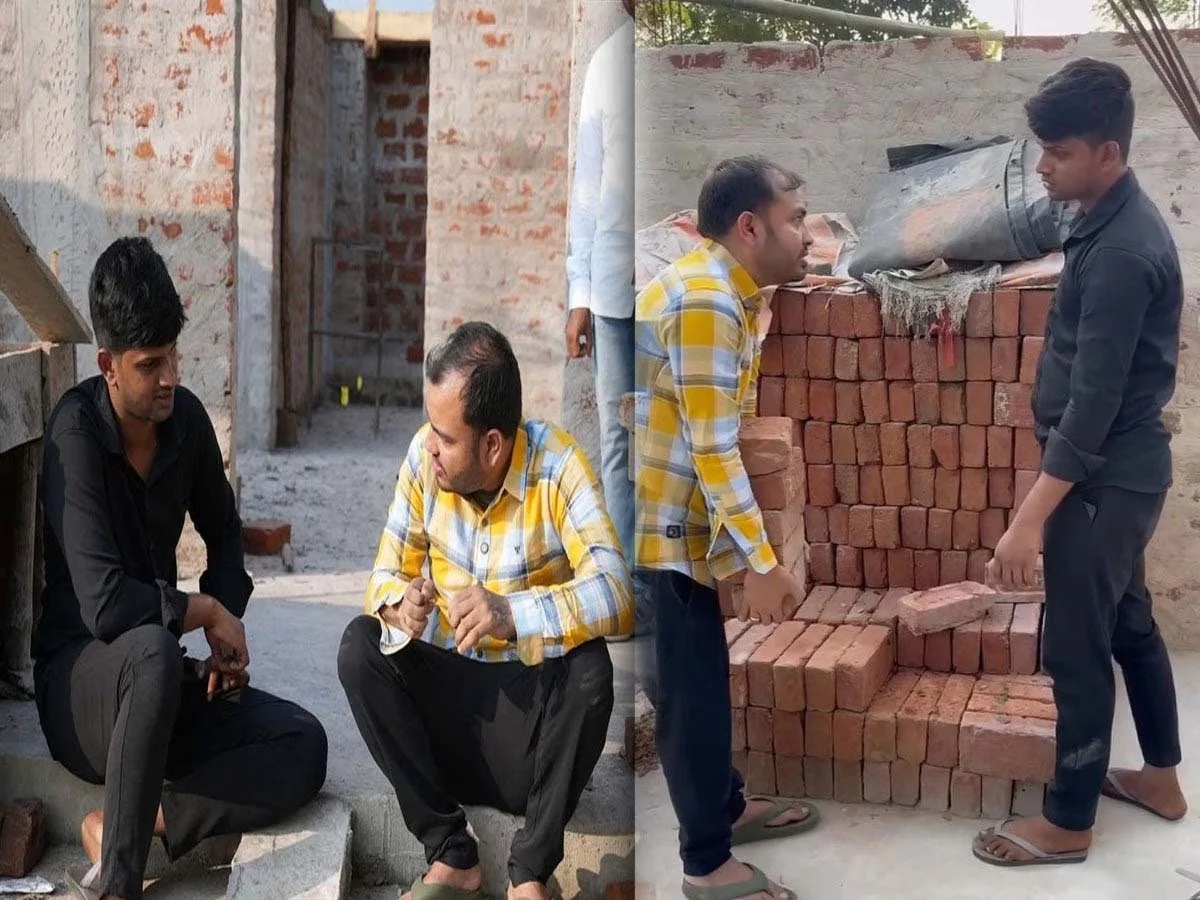
For three years, Sarfaraz juggled gruelling physical labour and relentless academic preparation. His daily routine involved carrying 400 bricks under the blazing sun for a wage of Rs 300, followed by seven hours of uninterrupted study.
“My father and I would work from morning until afternoon. After that, I would come home and dive into my books. It was difficult, but I never lost sight of my dream,” Sarfaraz explained.
In 2023, Sarfaraz’s NEET score qualified him for a dental college, but the prohibitive costs forced him to forgo the opportunity. Undeterred, he decided to make a final attempt at NEET in 2024.
“I thought, I’ve worked so hard — let’s try one more time. This was my last chance. If I hadn’t succeeded, I would have given up,” he said.
Sarfaraz scored an impressive 677 out of 720 in NEET 2024, securing his place in Nil Ratan Sarkar Medical College.
Behind Sarfaraz’s unwavering determination was his mother’s dream of seeing her son become a doctor. Her sacrifices inspired him to push through every obstacle.
“My mother always wanted me to be a doctor. I promised myself that I would make her dream come true,” Sarfaraz said, his voice filled with emotion.
Now donning a white coat and stethoscope, Sarfaraz is a source of pride not only for his family but also for his entire village.
Sarfaraz’s success has brought hope to his village, where many children often abandon their studies due to financial difficulties. Determined to give back, he has started mentoring young students.
“When I become a doctor, I want to work among the poor. My village folks have supported me throughout this journey, and now it’s my turn to support them,” he said.
Sarfaraz’s story has inspired countless people. His former teacher, who guided him in his early years, remarked, “Sarfaraz always had a spark. Despite his circumstances, he was determined to learn and grow. His success is a testament to his perseverance.”
A fellow villager, moved by his journey, said, “He has proven that no obstacle is insurmountable. He is the pride of our village.”
Sarfaraz’s journey from a labourer at a brick kiln to a medical student serves as a reminder of the potential within every individual, regardless of the circumstances. His story resonates deeply, offering hope to those who dream big despite the odds stacked against them.
“Dreams do come true if you work hard enough,” Sarfaraz said with a smile.
As Sarfaraz begins his medical education, his journey is not just a personal victory but a source of inspiration for countless others. It proves that with determination, resilience, and the right opportunities, even the toughest challenges can be overcome.
source: http://www.clarionindia.com / Clarion India / Home> Editors Pick> Indian Muslim / by Mohammad Alamullah, Clarion India / November 26th, 2024
Proddatur prodigy excels in sports while balancing academic commitments, with eyes set on the Olympics
New Delhi :
In a time when youth are often told to prioritise studies over sports, Mohammad Ubaid, a 15-year-old from Proddatur in Andhra Pradesh, is proving that both can be pursued successfully. Over the past three years, Ubaid has won nine gold medals in rifle shooting at state and national competitions, all while maintaining a strong academic record. His remarkable achievements are bound to inspire young athletes across India.
Ubaid’s journey in shooting began in 2021, when he attended a summer camp at the George Club in Proddatur. There, under the guidance of his coach Raghavendra, he discovered a passion for the sport. Despite being only in the seventh grade, Ubaid committed himself to hours of daily training, quickly rising through the ranks and gaining recognition for his skills.
“Balancing academics and sports isn’t easy, but I stay disciplined. When I’m not studying, I’m practicing,” Ubaid says, sharing the secret to his success.
His hard work paid off early, with Ubaid winning two gold medals in the open sight category at the Andhra Pradesh State Level Championships in 2022. That same year, he took home another gold in the under-19 category at the SGFI State Level Competition in Rajahmundry, earning a spot at the national competition. He went on to represent his state at the national level in Delhi.
Ubaid’s winning streak continued into 2024. At the Andhra Pradesh State Level Championships, he won four gold medals across multiple categories, including sub-youth, youth, junior men, and men’s divisions. He also claimed a gold in the under-17 open sight category at the SGFI State Level Competition in Rajahmundry, qualifying for the national competition in Indore later this year.
Despite his impressive achievements in shooting, Ubaid remains committed to his education. He trains for four hours every day but temporarily reduced his practice schedule to focus on preparing for his Class 10 board exams. He plans to continue his studies at Vishwa Shanti Junior College in Vijayawada, where he will pursue both his academic and sporting goals.
“I want to compete on the international stage for India at least once in my lifetime. My ultimate goal is to participate in the Olympics, and that drives me every day,” says Ubaid.
With his determination and impressive track record, Ubaid is quickly becoming an inspiration to aspiring athletes across the country. As he prepares for the Under-17 national competition in Indore this December, all eyes will be on this young shooting star who continues to defy expectations.
source: http://www.clarionindia.com / Clarion India / Home> Editors Pick> Indian Muslim / by Mohammad Alamullah, Clarion India / November 29th, 2024
Diwali melas, Ramzan fasts and Christmas feasts went together at Hyderabad’s Nasr School. With her passing on August 16, a quixotic idea seems to have died too.
Courtesy Nasr School/Facebook
Once a week around midday, Maulvi Sah’b would come in through the gates of our school in Hyderabad and class would divide briskly into two and troop off to different parts of the building. Those who were Muslim would be at religious instruction classes with him for the next half hour while the others trudged through moral science lessons. Something similar happened during language classes. We would hear a singsong chorus of “A-salaam-aleikum, Aunty”, from the Urdu classroom as we sat at our Sanskrit or Telugu lessons.
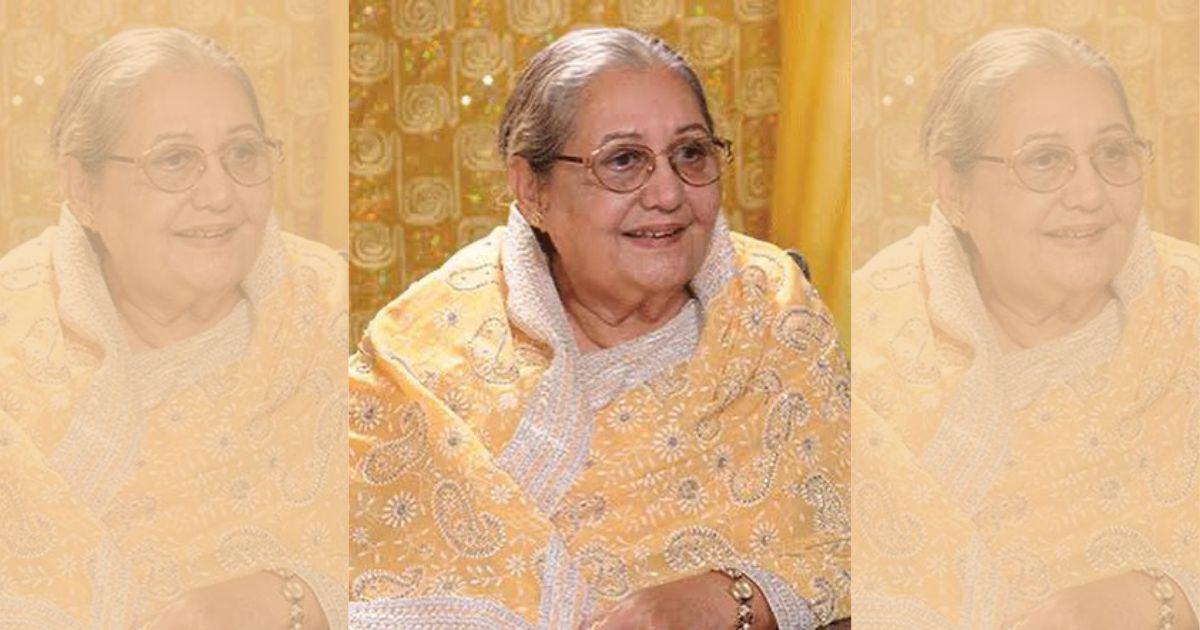
Through my nomadic childhood, I’ve been at many schools. None exemplified the idea of secular India as intensely as this Muslim school in Hyderabad. Begum Anees Khan, who made it so, died in Hyderabad on August 16. Her passing feels symbolic, as if it signifies the death of a quixotic idea.
Anees Khan was not given to seeking the limelight or making speeches. She never spelled out her secularism. It was instinctive: instead of words, there was action. Students of different faiths did their namaz or prayers separately, everything else together. Religion was not denied, but it was shown its rightful place.
When we were at Nasr School, we took all of it for granted, never suspecting goals or visions or manifestoes. It seemed natural for us that school should have both namaz and Diwali melas, that our classmates would fast during Ramzan and feast at Christmas. Maybe this is the reason for my rage and incomprehension when people around me casually describe neighbourhoods and towns as having “too many Muslims” in the way people might say “too many mosquitoes”.
It was not an easy act to pull off in the Hyderabad of the 1980s. Communal riots began on the flimsiest of pretexts and fear would ripple through the school. I remember panic-stricken phone calls to car-owning parents, who arrived and carried away groups of girls to drop them home before the riot came too close. The next day, we would return to school as if nothing had happened.
The school was identifiably Muslim: there was a signboard over the main gate with the name of the school, which means “Victory” in Arabic, inscribed below with a line in Arabic from the Koran, that means, “With God’s help victory is near.” Though murderous vigilantes didn’t roam the streets then, as they do now in certain parts of India, it was still a city divided down religious lines. Creating a school like Nasr was an act of wild courage and imagination.
Begum Anees Khan was born into the Muslim aristocracy of Hyderabad, and was an outlier who broke away from the feudal indolence that, according to an insider, characterised this world. Running a business was unheard of, the genteel lived off inheritances. It was in this milieu that Anees Khan began Nasr in 1965 as a small school in her garden. It became a family enterprise where gradually her sister, her husband, her two daughters and her son became involved. (There are now four branches, including a charitable school.)
Courtesy Nasr School/Facebook
My classmate Saira Ali Khan, whose older sister Fauzia was in that first lot of students along with Anees Khan’s youngest daughter, says there were few other English-medium options for girls then. Most schools were convents where Muslims didn’t want to send their children. Because Anees Khan was one of their own, conservative Muslims felt safe enough to send their daughters to Nasr School even though it was not a religious institution, nor was it exclusively for Muslims. In an act of daring, Anees Khan made it co-educational, but perhaps this was the one dream she had to sacrifice. By my time it was all-girls, though some of the teachers were men.
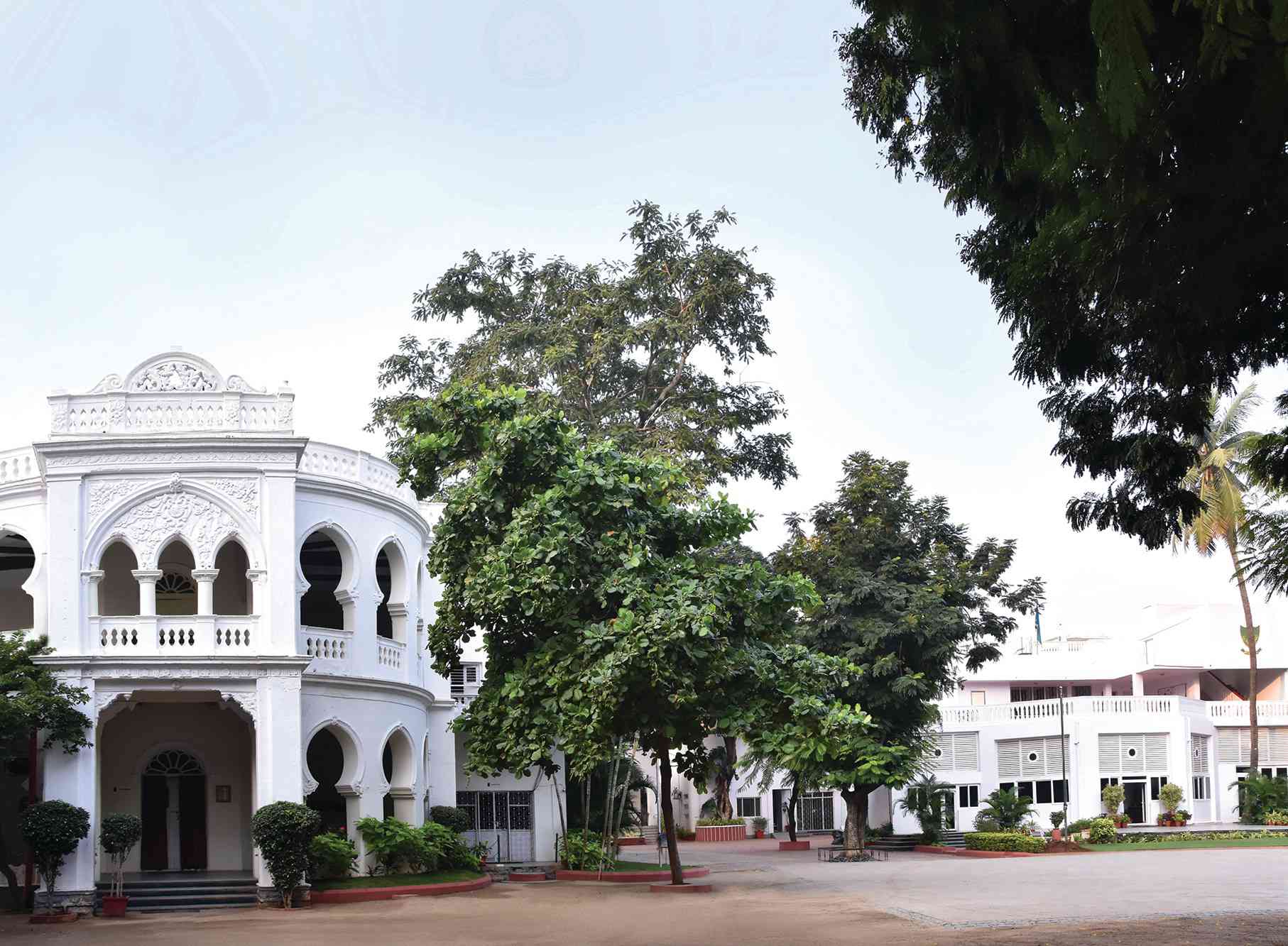
When I joined it in the 1980s, Anees Khan’s own home stood to the right of the school building. This was an old white mansion with an inner courtyard behind the raised entrance, and a playground in front of it. Lines of casuarina trees stood like sentries along the playground, and at the gate was a shack for us to buy deliciacies such as churan and sweets.
Mrs Khan presided over this little empire with the elegance and style that the British queen with her dumpy handbag and hat could only have aspired to. Elahé Hiptoola, a classmate of mine (producer of films such as Hyderabad Blues, Dhanak and Modern Love Hyderabad), has a vivid memory of Mrs Khan’s chiffon saris, her perfume, the remarkable way she exuded authority without ever raising her voice. I remember her telling us to give time and thought to our written signature – it had to make a statement, it was not merely the writing of your name. I wonder now if these were ways in which she had to assert her own identity, with calm firmness, within her deeply conservative world.
Reconciling differences in the school must have taken a great deal of effort for Anees Khan. A few of my classmates arrived in burqas, which they swiftly shed to reveal our standard-issue olive-green tunics or the white sports uniform. There were great disparities in income levels – many students were from landed, feudal families, while others came from humbler backgrounds. There was much swapping at lunch between tiffin-boxes containing venison, dry fruits, and salan, and those with parathas or idlis.
To make sure everyone could afford the school, fees were kept absurdly low, exercise books and stationery were free. Textbooks were handed down from one class to the next until they fell apart from doodles and grease. Even those who could afford new books had to have used ones. Each of us had a desk with a lock and key and we had to leave our books at school, carrying home only the ones we needed.
I now marvel at the imaginative ways by which Mrs Khan taught us to be spirited and daring, to look after our possessions, start small businesses, care for animals, and most of all, enjoy life. During the cool months, classes were cut in half and you could do what you pleased – provided you actually did something, such as painting or gardening or acting.
She made us start a plant nursery, look after animals such as rabbits and geese, collect money and cook food to sell during the Diwali melas. The teachers were given a free hand and some, like Chandra Dorai, our brilliant English teacher, spent whole afternoons making us write stories instead of attending to our grammar books or set texts.
Long before words like creativity and can-do became common currency, Anees Khan had made them a way of being. “It was a girls’ school,” said Elahé Hiptoola, “but she did not keep us secluded or confined. We were sent off to dance at the Asian Games. There was a school trip to Kashmir. She emphasised creativity and originality. She was far ahead of her time.” Very little discipline was enforced, though Hiptoola remembers being summoned to the principal’s room on occasion, and standing outside the thick green curtain at the door of her office, heart thumping, wondering what she had done.
My own memory of this ordeal has crept into my novel, The Earthspinner, which has a character based on Anees Khan. In the book she is called Tasneem Khan, and she has summoned a young student to her room. After their conversation, “she dismissed me with a wearily elegant motion which was both a wave and a gesture towards the door… Her green-blue eyes, usually watchful and impersonal, seemed amused, and maybe she was even smiling a little as she returned her gaze to the open file in front of her.”
What mattered to Begum Anees Khan was humanity, not religion. The school she created was in miniature the secular country that was dreamed up in 1947. With her death, she no longer has to suffer witnessing the destruction of that ideal.
With inputs from Elahé Hiptoola and Saira Ali Khan.
Anuradha Roy is a writer.
source: http://www.scroll.in / Scroll.in / Home> Idea of India / by Anuradha Roy / August 20th, 2023
The philanthropist transformed neglected Wakf properties into exemplary educational institutions
Hyderabad :
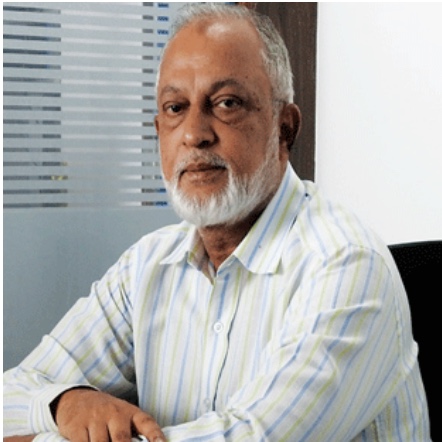
Khaja Mohammed Arifuddin, celebrated academician, dynamic educationist and one of the founding members of the 1969 Telangana agitation movement, popularly known as KM Arifuddin, breathed his last on Monday. He was 77.
Arifuddin is irrefutably regarded as one of the most powerful educationists in the history of Hyderabad who helped thousands of families fight darkness by illuminating their minds and homes with education, in the process pioneering ‘modern and Islamic education’, a concept that has now promoted by many institutions largely for commercial merits.
The institutions he founded continue to benefit scores of students, including those from society’s weaker sections at different educational strata.
An advocate by profession in his early career, he employed his legal acumen to prevent the misuse and illegal occupancy of Wakf properties in Hyderabad. As a young activist, Arifuddin raised slogans, protested against exploitation and encroachment of Wakf lands, and pioneered an educational movement nearly 40 years ago that continues its momentum in the form of the Madina Group of Institutions and Global Group of Institutions, where thousands of Muslim and even non-Muslim students had the privilege to access modern education in an institution built on Muslim values and Islamic teachings.
He successfully led the movement in freeing the Wakf properties from illegal occupancy in 1977, and was instrumental in transforming them into educational centres with academic and disciplinary standards unprecedented for any minority institution of the time.
By fighting for winning the case and transforming the Wakf land into an educational centre, he set a prime example on how Wakf properties can be rightly used for the benefit of the community. In his own words, social success can be achieved by “conventional reimbursement of the Waqf properties and education”.
On August 15, 1982, former Governor of Orissa Padmabhushan Mir Akbar Ali Khan laid the foundation stone of the Madina Public School. He set up Madina Public School under the aegis of Madina Education and Welfare Society (MEWS), followed by Madina Degree College for Girls in 1983. Promoting education of girls, and making them self-reliant was his dream. In 1984, Prince Muffakham Jah Bahadur inaugurated the new block of Madina Public School.
His uncompromising academic standards and meticulous discipline helped his altruistic yet relentless educational pursuits in establishing 14 educational institutions from K.G. to P.G., including Madina Public Schools, Global College of Pharmacy, Global College of Business Management, and Global College of Engineering and Technology.
These educational power houses over the years have become the pride of the community under his tenure as the Secretary of Madina Group of Institutions. Several notable leaders of national repute, including former Prime Minister of India Chandrashekhar, former President of India Dr A P J Abdul Kalam, Dr Shankar Dayal Sharma, Farooq Abdullah, Indian’s Union Law Minister Ram Jethmalani were among several others who visited the Madina Public School in the past and appreciated its standards of education.
His patriotic fervour reflected in the several initiatives he pioneered with nationalist sentiment. He conceptualised and granted monthly pensions for freedom fighters of Hyderabad, instituted an educational scholarship of Rs 1 lakh in the name of his deceased son K.M. Razi (IRS) Memorial scholarship for helping aspiring civil service aspirants qualifying the preliminary exams. The Madina IAS Hostel was built for this purpose.
MEWS, as part of its philanthropic initiatives, also provides pensions to widows, funds Muslim and non-Muslim welfare organisations.
In 1989, he constituted the Madina Gold Medal to recognise the talents and achievements of outstanding students at regional and state levels. The first medal was awarded to Dr Ausaf Sayeed in 1989, who is currently the Indian Ambassador to Saudi Arabia. The tradition still continues even after more than 30 years.
He was the co-founder and Editor of Awam, an Urdu daily in the late 90s. His weekly column titled Zara Ghaur Kijiye published in Urdu newspapers in Telangana inculcated social activism among the masses by throwing light on the pressing social and economic issues.
Arifuddin, born to Mohammed Qamaruddin in August of 1944, hopped different government Urdu medium schools to complete his schooling, and post-graduated in Law from the Osmania University in 1974. He was the first Muslim graduate to be elected as the Vice President of Students Union of the Osmania University, and was one of the founding members of the Telangana Separation movement in 1969, for which he served a brief time in jail.
Even until a few weeks before his demise, he kept discussing empowering Muslims and the weaker sections with education, knowledge and by securing berths in Indian Civil Services. Arifuddin is survived by two sons K.M. Fasihuddin, K.M. Minhajuddin and daughter Maria Tabassum who must shoulder the burden of great responsibility Arifuddin left behind in his legacy, while living the life of an ascetic despite all the talents and many intellectual virtues.
Earlier, his body was kept at the Madina Public School he founded in Himayathnagar to allow the public to pay homage. In the evening, Arifuddin’s funeral prayers were offered at the Royal Mosque of Pubic Gardens where a large number of intellectuals, academicians, heads of different educational institutions, former lawmakers, civil servants, alumni of the institution and senior community members were present. He was laid to rest at the Osman Nagar graveyard. The great scholar’s departure is an irreparable loss to the Hyderabadi and the Indian education community.
source: http://www.clarionindia.com / Clarion India / Home> India> Politics / by Syed Khaled Shahbaaz, Clarion India / December 07th, 2020
Sir Mohammad Ismail – Founder and Chairman Salihath Group of Institutions
In the picturesque hamlet of Thonse, nestled along the Arabian Sea in Karnataka, lies the Salihath Group of Educational Institutions – a beacon of hope and empowerment for the local Muslim community. Established by the visionary Mohammadia Educational Trust®, this institution has become a transformative force in the region. Under the astute leadership of its founder and chairman, Mohammad Ismail, Salihath has grown into a premier institution that not only fosters education but also cultivates values, harmony, and development.
A Visionary Leader with a Mission
Mohammad Ismail, the founder and chairman of Salihath, is a man of extraordinary humility, kindness, and vision. Hailing from the very village he sought to uplift, his dedication to empowering the community through education has left an indelible mark. His down-to-earth nature, simplicity, and relentless drive have inspired countless individuals. Interacting with him at his office was a privilege – his clarity of purpose and passion for community service are genuinely infectious.
A Challenge Turned into a Movement: The Story of Mohammad Ismail’s Vision
When I met Mohammad Ismail Sahab, the founder and chairman of the Salihath Group of Educational Institutions, I was immediately struck by his warmth and humility. Sitting in his modest yet welcoming office, he exuded a sense of calm determination. As our conversation unfolded, I asked him about the inspiration behind his monumental endeavour to establish a school. His response was both deeply personal and profoundly inspiring – a story of resilience, vision, and the transformative power of a single challenge.
He leaned back, his gaze momentarily distant, as if revisiting the past. “It all started,” he began, “when my young son was mistreated by a teacher at his school. Like any concerned parent, I went to the Principal to address the matter. What began as a simple complaint turned into a heated discussion. In the middle of our conversation, the Principal, perhaps out of frustration or arrogance, said something that changed my life: ‘If you think you can do better, why don’t you start your own school?’”
For a moment, Mohammad Ismail paused, as though replaying those words in his mind. “He said it almost mockingly,” he continued, his voice steady but tinged with emotion. “It wasn’t just a personal affront. It was a reflection of how our community was perceived – poor, powerless, and incapable of rising above its circumstances. His words weren’t just aimed at me; they seemed to ridicule the very idea that someone from our background could dream of something better.”
The Principal’s remark, though intended to dismiss, ignited a spark within Mohammad Ismail. “That day, I resolved not just to prove him wrong, but to create something far greater than he could imagine – not merely for my son, but for the entire community. I wanted to provide an education that was affordable, accessible, and dignified for every child in the region, regardless of their background or financial status.”
What followed was nothing short of remarkable. Mohammad Ismail Sahab poured his heart and soul into turning that challenge into an opportunity. “It wasn’t easy,” he admitted, “but I wasn’t alone. Others shared my vision. Together, we built what you see today – not as individuals, but as a collective force of determination and faith.”
Today, decades later, Salihath Group of Educational Institutions stands as a testament to his resolve. From its humble beginnings, it has grown into a thriving hub of education and empowerment, impacting the lives of thousands. “We did this together,” he concluded with a smile, his eyes bright with pride. “It’s not my achievement alone; it’s the result of a community that dared to dream and worked tirelessly to make that dream a reality.”
This story, deeply rooted in personal resilience and communal effort, is the cornerstone of Salihath’s legacy. Mohammad Ismail’s journey serves as a powerful reminder of how a single moment of adversity can ignite a movement that transforms not just lives, but entire communities.
The Genesis of Salihath
The story of Salihath began in 1972, with the establishment of Anjuman Taalimate Mohammadia Madarasa, an institution imparting Islamic education to local children. Recognising the pressing need for quality education for Muslim girls, especially in secondary and higher education, Mohammad Ismail and the Mohammadia Educational Trust® expanded their vision. Over the decades, Salihath evolved into a group of institutions offering diverse programmes, from primary education to college degrees, all while maintaining a firm grounding in Islamic and moral values.
A Timeline of Growth
1972: Anjuman Taalimate Mohammadia Madarasa founded for Islamic education.
1994: Salihath Arabic College for Girls established, offering Islamic studies and Dawah training.
1996-97: Salihath Kannada Medium High School for Girls commenced.
1997-98: Salihath English Medium Primary and High School launched.
2009-10: Salihath P.U. College for Girls inaugurated for higher education.
2014-15: Salihath Degree College for Girls started, affiliated with Mangalore University.
Transformative Impact on the Community
Empowering Girls’ Education: In a region where Muslim girls once had limited access to quality education, Salihath has been a game-changer. By establishing schools and colleges, the institution has enabled thousands of girls to achieve academic success and professional growth. Partial fee concessions and affordable education ensure that financial constraints do not hinder opportunities for deserving students.
Promoting Literacy and Development: The literacy rate in Thonse has seen a dramatic improvement, thanks to Salihath’s efforts. In 1971, literacy in the region was less than 50%. Today, it stands at an impressive 85%, surpassing the state and national averages. This growth reflects the institution’s role in shaping the educational landscape of not just Thonse but the entire Udupi district.
Fostering Cultural Harmony: Salihath is more than just an educational institution; it is a platform for cultural exchange and understanding. By welcoming students from diverse backgrounds, it fosters a sense of unity and mutual respect. The inclusive ethos of Salihath promotes cultural harmony, making it a vital pillar of community development in Thonse.
Contributing to Nation-Building: Salihath’s graduates are making significant contributions in various fields, including education, business, and social service. The institution instils a sense of responsibility, leadership, and patriotism in its students, ensuring they become valuable contributors to the nation’s progress.
Why Salihath Stands Out
Government Recognition: All programmes are affiliated with the Government of Karnataka.
Self-Sustainability: Operates without external funding, maintaining autonomy and integrity.
Value-Based Learning: Combines academic excellence with Islamic and moral education.
Modern Facilities: Offers state-of-the-art infrastructure, digital learning tools, and well-equipped labs.
The Legacy of a Visionary
Mohammad Ismail’s initiative has catalysed the establishment of over 25 Muslim educational institutions in the region, significantly impacting the socio-economic landscape of Thonse and beyond. His life’s work is a testament to the transformative power of education and a reminder that visionary leadership can bring about meaningful change.
Salihath Group of Educational Institutions has ambitious plans for its future. From expanding academic programmes to introducing new disciplines in science, commerce, law, journalism and technology, the institution aims to remain a leader in education. Efforts to engage alumni, document its inspiring history, and strengthen its presence through updated digital platforms are underway.
Salihath Group of Educational Institutions is not just an academic hub; it is a symbol of empowerment, cultural harmony, and progressive change. Its journey from a small Madarasa to a leading educational institution reflects the potential of dedicated community efforts. As it continues to inspire and uplift, Salihath stands as a shining example of how education can shape lives, communities, and nations.
A Heartfelt Thank You to the People of Thonse
Recently, I had the privilege of visiting the picturesque village of Thonse in Udupi and spending three unforgettable days amidst its serene beauty and warm-hearted people. From the moment I arrived, I was enveloped in an atmosphere of genuine humility and a profound eagerness to serve, which seemed to resonate throughout the entire village. It felt less like a visit to a new place and more like a return to my own hometown.
During my stay, I had the opportunity to meet a diverse group of people who form the lifeblood of this community. The trustees of the society welcomed me with open arms, sharing their stories and dreams for the institution. Parents spoke with pride about their children’s achievements, students eagerly shared their aspirations, and alumni reflected fondly on how their lives had been shaped by the education they received here. Each interaction was a testament to the close-knit and supportive nature of the Thonse community.
Beyond the enriching discussions, I was also captivated by the breath-taking surroundings of this coastal gem. I enjoyed a peaceful boat ride across the ocean, marvelling at the vastness of the Arabian Sea. I visited Malpe Beach, where the golden sands and azure waters seemed to stretch endlessly. The delta point of Kodibengre offered a mesmerising confluence of natural beauty, a place where the river gently embraces the sea. The entire environment was a harmonious blend of nature’s tranquillity and human warmth.
Staying in the home of Mohammad Ismail Sahab, a visionary leader and an embodiment of hospitality, was the highlight of my visit. His graciousness and kindness, along with the love and care shown by everyone in Thonse, left an indelible mark on me.
As I bid farewell to this enchanting village, I carry with me not just memories of its stunning landscapes but also the deep gratitude for the unmatched hospitality and genuine affection of its people. To the residents of Thonse, thank you for making me feel not like a guest, but like family.
source: http://www.radiancenews.com / Radiance News / Home> Focus> Pride of the Nation / by Syed Azharuddin / Radiance News Bureau / December 04th, 2024
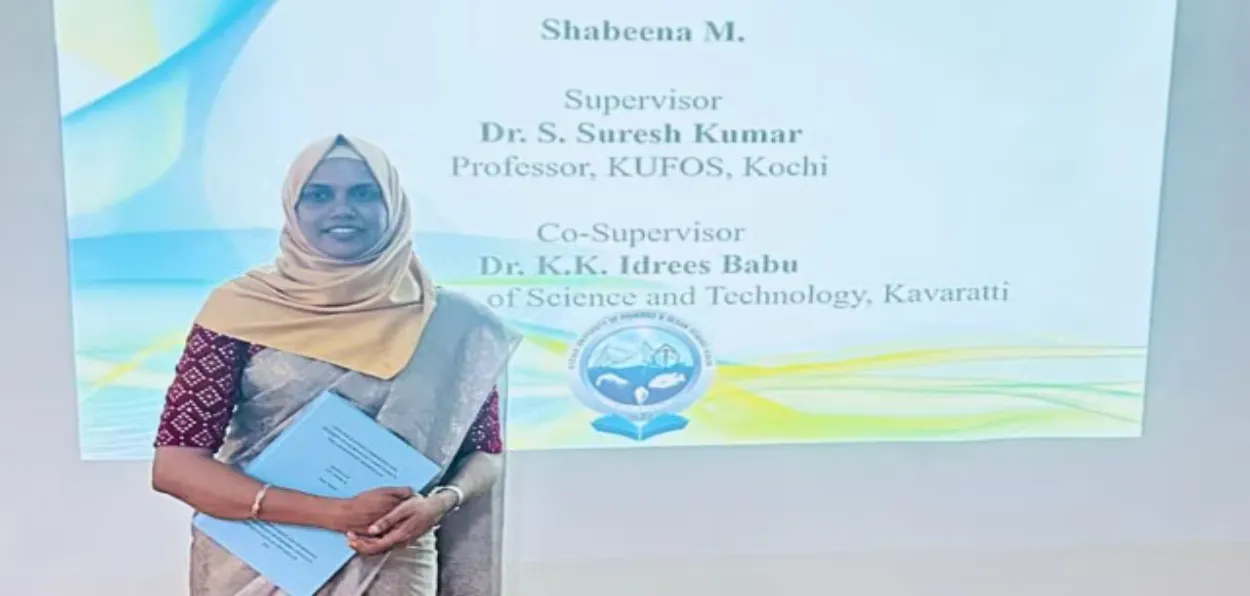
Shabeena M overcame the criticism of relatives and neighbours to become the first woman from the Lakshadweep Islands to get a doctorate. She defended her PhD thesis on Aquaculture and Microbiology last month.
Sabeena, 35, has been felicitated by the Lakshadweep administration. The topic of her research was ‘Composition, Importance, and Diversity of Different Species of Algae in Lakshadweep Peninsula’.
Officials praised Sabeena for showing new aspects of the marine life in Lakshadweep through her research.
Hailing from the picturesque island of Lakshadweep, about 500 km from the Indian mainland, Shabeena M. showed an incredible performance through sheer courage and perseverance.
“What will you, as a woman, do studying aquaculture and microbiology?” was the repeated question that Shabeena encountered during her college days growing up at Androth, one of the inhabited islands in the Union territory of Lakshadweep.
On November 5 this year, she successfully defended her thesis titled ‘Zonation patterns, composition and diversity of macroalgal communities in the Lakshadweep Archipelago’ and has become the first woman from Lakshadweep to earn a PhD in marine sciences.
This was her befitting reply to all the naysayers.
At her felicitation ceremony, Sabeen said after her post-graduation, she was appointed as a teacher of fisheries at a local school in Androth in 2014.
Ever since she enrolled in graduation many people have been asking Shabeena, who lives in Kar has seen struggle since childhood. Her father died when she was in the 4th standard, the death of the head of the family made further education uncertain, but despite the circumstances she completed her graduation as well as post-graduation in Lakshadweep. She was the only female among only four students. After completing her studies, she joined a local school as a fisheries teacher in 2014-15.
Due to very limited opportunities in Lakshadweep, he never thought of doing PhD. Not only this, they were not sure whether they would be guided to pursue higher education after graduation. But seeing Shabeena’s interest in aquatic biology and microbiology, Idrees Babu, an aquatic biologist at the Lakshadweep Institute of Science and Technology, and Suresh Kumar, a professor at the Kerala Malayalam University of Marine Biology, guided her to a Ph.D. Dr. S. Suresh Kumar also helped Shabeena, in 2016 Shabina enrolled for PhD and started research from 2017.
Shabina had to travel to different islands of the Lakshadweep archipelago to collect various samples of marine plants and algae for research. She studied and researched marine plant and algae species on 12 islands, including two uninhabited islands, and used to take her infant daughter to Kochi for university research.
She used to stay there for a month or two and work on the thesis during that time. Meanwhile, she candidly admits that she could not complete the work due to the support of her husband, and parents-in-law.
Several important aspects emerged from Sachina’s research. Of the 182 species of algae that once existed on the Lakshadweep Islands, only 96 species have been found to survive.
They highlighted the decline of the species due to marine mining and reliance on algae for turtle skin. Interestingly, seven new species were found for the first time in Lakshadweep waters. She says that in my childhood I saw a lot of grass, and algae in the coastal areas but now many of them have disappeared. Being the first female PhD holder in Lakshadweep is not only Shabina’s achievement but her research is seen as the main source of knowledge in the field.
source: http://www.awazthevoice.in / Awaz, The Voice / Home / by Bhakti Chalak / December 03rd, 2024
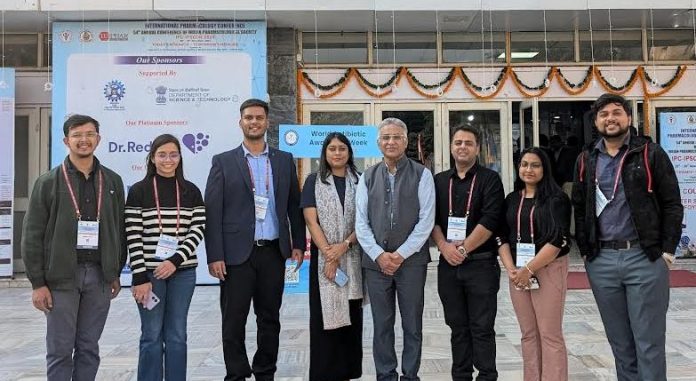
PG students of Department of Pharmacology with chairman Prof S Ziaur Rahman during the IPSCON 2024
Aligarh:
The Department of Pharmacology at Jawaharlal Nehru Medical College (JNMC), Aligarh Muslim University (AMU), achieved a distinction at the Indian Pharmacological Society Conference (IPSCON-2024), held at AIIMS, New Delhi, from November 28 to 30.
Faculty members and residents actively participated, showcasing their research acumen and academic prowess.
Prof. Syed Ziaur Rahman, Chairman of the Department, received the Dr. SB Pandey Oration Award and delivered a lecture titled “Exploring Medicinal Plants for Morphine De-addiction,” which drew recognition for its innovative approach. Additionally, Prof. Rahman also chaired a scientific session.
Dr. Jameel Ahmad, Assistant Professor, presented his research on “Evaluation of the Effectiveness of Different Inhalers in Patients with Chronic Obstructive Pulmonary Disease,” comparing their performance across varied age groups.
Dr. Syed Shariq Naeem, Assistant Professor, delivered a lecture on “Microplastics: Emerging Challenge for Pharmacology,” addressing critical environmental and health concerns.
Dr. Irfan Ahmad Khan shared his study on “Evaluation of Radio-Contrast Agent-Induced Adverse Reactions in Patients Undergoing Radiological Procedures.”
Residents, including Dr. Aditya Vikram Singh, Dr. Ammar Khalid, and others, presented their research, while several participated as delegates, enriching their academic exposure.
source: http://www.radiancenews.com / Radiance News / Home> Awards> Education> Latest News / by Radiance News Bureau / December 04th, 2024
Samaira cleared six examinations and gathered over 200 hours of flying experience in around one-and-a-half years..
An inspiration: Samaira Hullur from Vijayapura who has obtained commercial pilot licence at the age of 18. | Photo Credit: SPECIAL ARRANGEMENT
Samaira Hullur from Vijayapura has obtained a commercial pilot licence at the age of 18.
Her father Ameen Hullur, an interior designer, has said that she is the youngest in India to clear all tests and get the licence.
Ms. Hullur was trained at the Vinod Yadav Aviation Academy (VYAA) in New Delhi and later, she joined the Carver Aviation Academy in Baramati of Maharashtra.
She cleared six examinations and gathered over 200 hours of flying experience in around one-and-a-half years.
She credits Captain Tapesh Kumar and Vinod Yadav for training and mentoring support. Her initial training was with VYAA after which she faced several examinations and cleared them. She went to Baramati after obtaining her licence. She has about 200 hours flying experience.
Ms. Hullur said that she was inspired by Captain Kumar who got his licence when he was 25. “I always dreamt of being a pilot. My parents supported me in my pursuit,” she said.
Her father Ameen Hullur recalls that it was a joy ride in a helicopter that made her decide on a career in the skies.
A few years ago, the Vijayapura district administration arranged helicopter rides over the city during the Bijapur Utsav.
“We bought tickets and were seated next to the pilot. Samaira was attracted by the pilot’s attire and style and began asking him several questions. He patiently answered them. That was the day she decided she wanted to be a pilot. We supported her by saving money and looking for good quality aviation academies,” Mr. Hullur said.
A bright student all through, she completed her SSLC at 15 and 12th standard at 17. She has been a student of Sainik schools, Shishu Niketan and Shanti Niketan. She has joined the Kendriya Vidyalaya for her 12th standard science course.
“She cleared five of the six examinations conducted by the Directorate-General of Civil Aviation before she turned 18. She was not allowed to appear for the radio transmission technology paper as eligibility was 18 years. She cleared it later. The examinations are apparently tough but she passed all in her first attempt,” Mr. Hullur said.
She obtained over 200 hours of flying experience in night flying and various airplanes, including multi engine aircraft, in around eight months of flying in Baramati, he said.
Mr. Hullur and his wife, a fashion designer and teacher, were pleasantly surprised when her academy declared that she is the youngest in the country to get the licence.
“She is an inspiration for several other girls from backward North Karnataka, where the education levels of girl students is less than the State average,” Omkar Kakade, who is a professor and head of the Department of Journalism in Karnataka Akka Mahadevi Women’s University, said.
“Samaira Hullur’s success will definitely inspire more girls to make courageous and non-traditional career choices. We are proud of her and thankful to her parents for supporting her decision,” Dr. Kakade said.
source: http://www.thehindu.com / The Hindu / Home> News> India> Karnataka / by The Hindu Bureau / December 03rd, 2024