Muslim Mirror’s list of 100 Indian Muslim achievers features four notable personalities from Karnataka, recognized for their contributions to education, business, journalism, and community development.
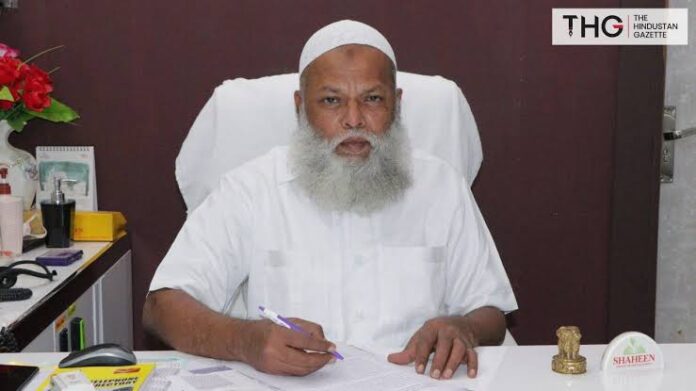
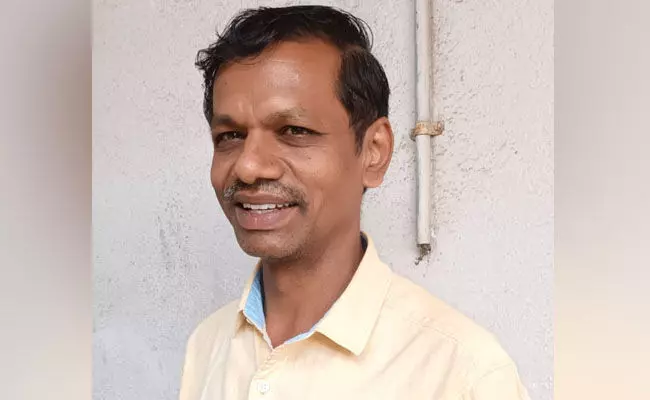
Bidar’s Abdul Qadeer – Educator and Visionary Leader Abdul Qadeer, a renowned educationist and founder of the Shaheen Group of Institutions in Bidar, has dedicated his life to empowering marginalized communities through education.
Under his leadership, Shaheen Institutions have grown into a network providing quality education, emphasizing academic excellence and holistic development. His commitment to integrating modern and traditional education has enabled numerous students to excel in competitive examinations and achieve higher educational aspirations.
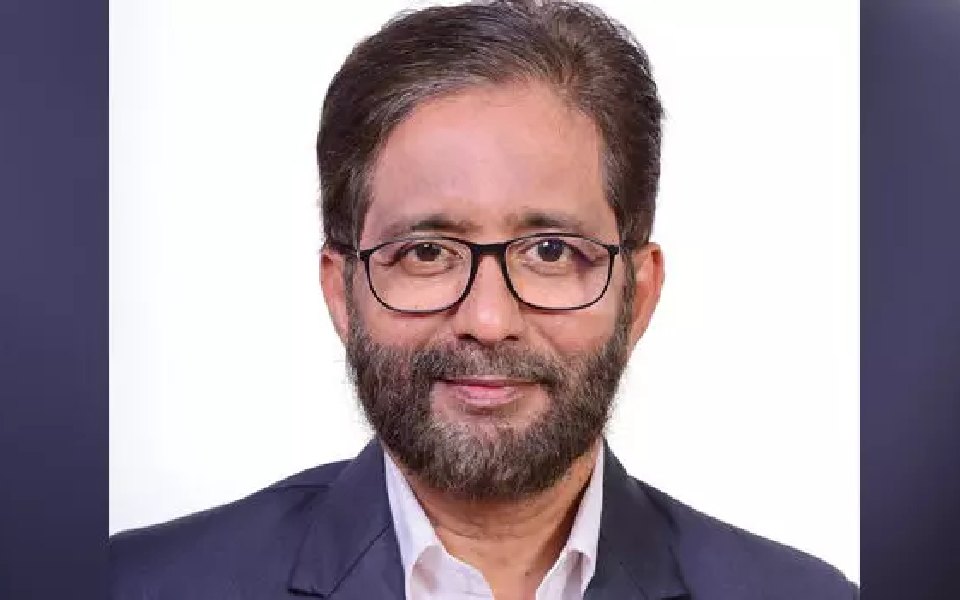
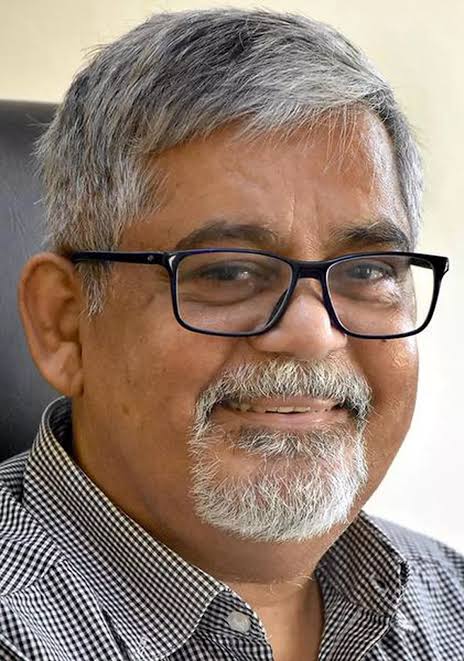
Mangaluru’s Dr. Abdullah Kunhi – Entrepreneur and Educationist Dr. Yenepoya Abdullah Kunhi, the founder of Yenepoya University in Mangalore, has transformed education and healthcare in Karnataka.
Known for his vision and humanitarian spirit, Dr. Kunhi established Yenepoya University as a multidisciplinary institution offering innovative programs across various fields.
He also expanded healthcare access through advanced medical facilities and initiated programs to uplift marginalized communities, including scholarships and community health initiatives.
Azim Hashim Premji – Business Tycoon and Philanthropist Azim Premji, former chairman of Wipro Limited, revolutionized India’s IT industry and emerged as one of the country’s most influential business leaders.
A recipient of the Padma Bhushan and Padma Vibhushan, Premji is also one of the world’s leading philanthropists. Through the Azim Premji Foundation, he has donated over $21 billion, primarily to improve education and healthcare in India, leaving an indelible mark on society.
Mohammed Zubair – Journalist and Fact-Checker Mohammed Zubair, co-founder of the fact-checking website Alt News, is a pivotal figure in combating misinformation in India.
Transitioning from an engineering background to journalism, Zubair has exposed numerous instances of fake news and disinformation, fostering accountability and promoting responsible journalism. Despite facing harassment and legal challenges, his dedication to truth and transparency remains unwavering.
Irfan Razack – Real Estate Mogul and Community Advocate Irfan Razack, Chairman and Managing Director of Prestige Group, is one of India’s leading real estate entrepreneurs.
Based in Bengaluru, he has played a pivotal role in shaping India’s real estate landscape, making Prestige Group one of the most prominent property developers in the country.
Razack is also the co-founder of Inventure Academy in Bengaluru and has held esteemed positions, including Honorary Secretary of the Al-Ameen Educational Society and Chairman of CREDAI.
His community contributions through the Kutchi Memon Jamat and philanthropic initiatives have earned him numerous awards, including the Real Estate Excellence Award (2008) and Entrepreneur Extraordinaire Award (2010).
According to the 2024 Forbes list of India’s 100 richest tycoons, Irfan Razack and his siblings are ranked 49th, with a net worth of $6 billion.
These five distinguished individuals from Karnataka exemplify excellence, resilience, and a commitment to societal progress, earning them well-deserved recognition on this prestigious list.
source: http://www.thehindustangazette.com / The Hindustan Gazette / Home> News> Education / by The Hindustan Gazette / January 06th, 2024
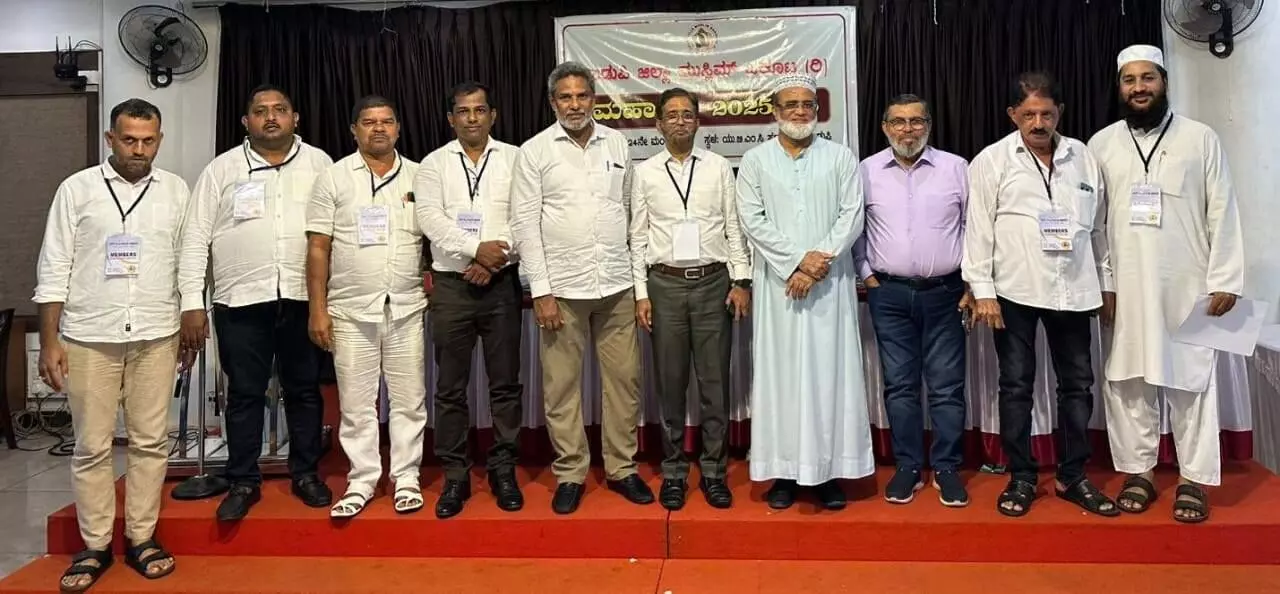
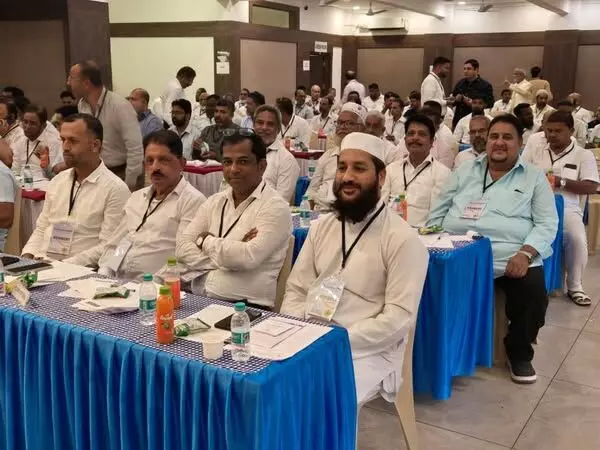
Popular businessman Muhammad Maula has been elected as the new president of the Udupi District Muslim Okkuta for the next two years. The decision was made during the 2025-26 general meeting held at the UBMC hall in Udupi.
M.A. Maula, known for his various social, educational and community activities, has previously served as the general secretary of the Okkuta twice and as the vice-president once.
Additionally, Yaseen Malpe, Idris Hoode, Iqbal Katapady, Rafiq Gangolli and Maulana Zamir Ahmed Rashadi Kandlur were elected as district committee members at the central level.
Taufiq Abdullah Navunda, Dr. Abdul Azeez Manipal, Abdurrahman Kannangar and Khalid Manipura were appointed as representatives of various organizations.
Abdul Aziz Udyawara, Yaseen Bengre, Syed Farid, Iqbal Manna, Shabbir Malpe, Irshad Nejar, V.S. Umar and Adil Hoode were elected as district committee members from Udupi taluk.
From Kundapura, Riyaz Kodi, Dastagir Kandloor, Shaban Hanglur, Mushtaq Hennabailu, and Hanif Gulwadi were elected.
Shabhi Ahmed Qazi, Nasir Ahmed Sharfuddin, Anwar Ali, Muhammad Azam Sheikh, and Muhammad Iqbal from Kaup taluk; Muhammad Ghouse, Ashfaq Ahmed, Nasir Sheikh, Muhammad Sharif Banglegudde, and Muhammad Sharif Renjala from Karkala taluk; Tajuddin Ibrahim, Ibrahim Kota, Asif Baikady, Aslam Haikadi, and Haroon Rashid Sastana from Brahmavar; and Shams Tabrez, Sheikh Fayyaz Ali, Amin Golihole, and Aftab Kiri Manjeshwara from Byndoor taluk, along with Tufail Shahabuddin, were elected.
In the subsequent district committee meeting, Ismail Hussain Katapady, Mustafa Saadi Mulur, T. M. Zafrullah Hoode, Khatib Rashid Malpe, Buaji Muhsin Byndoor, Sheikh Abdullatif Madani, Raihan Trasi, Abu Muhammad Mujawar Kundapur, Peer Saheb Adi Udupi, and B. Muhyuddin Katapady were co-opted as members of the district committee.
Maulana Abdur Raqib Nadvi, the General Secretary of Majlis-e-Islah wa Tanzeem, Bhatkal, oversaw the election process.
The general assembly commenced with the recitation of the Quran by Maulana Zamir Ahmed Rashadi, the vice-president of Udupi district Muslim Okkuta. General Secretary Muhammad Idris Hoode delivered the introductory remarks, followed by Secretary Ismail Hussain, who presented the biennial report. Treasurer Syed Farid then presented the biennial accounts to the assembly. The session concluded with the presidential address delivered by Muhammad Yasin Malpe.
source: http://www.english.varthabharati.in / Vartha Bharati / Home> Karavali / by Vartha Bharati / January 01st, 2025
The Bangalore Press Club has announced the list of recipients of its ‘Press Club Golden Jubilee Award’ and ‘Annual Award,’ recognizing journalists for their outstanding contributions in the field of journalism.
The ‘Golden Jubilee Award’ will be conferred upon popular Journalists Janagere Venkataramaiah, Indudhara Honnapura, Subhash Kevin Rai, G.S. Krishnamurthy, and Dr. Nagesh Basavaraj for their dedicated service to journalism.
In addition, 50 senior journalists have been chosen for the ‘Annual Award,’ including Vartha Bharathi Kannada Daily’s Bengaluru Bureau Chief Prakash C., along with Srikanth Hunasavadi, Yathiraju, Punyavathi H.P., Muhammad Ismail N.A., Raju Malavalli, Anis Nisar Ahmed, Sivakumar Menisakai, among others.
The awards will be distributed by Chief Minister Siddaramaiah at a ceremony to be held at the Press Club premises on the evening of January 12. Deputy Chief Minister D.K. Shivakumar will also be present for the event, according to R. Sridhar, President of Bangalore Press Club.
Meanwhile, The Bangalore Press Club will also confer the ‘Person of the Year Award’ to Minister of Large and Medium Industries M.B. Patil, Energy Minister K.J. George, Women and Child Development Minister Lakshmi Hebbalkar, and Food, Civil Supplies, and Consumer Affairs Minister K.H. Muniyappa.
source: http://www.english.varthabharati.in / Vartha Bharati / Home> Karnataka / by Vartha Bharati / January 03rd, 2025
Senior scholar, thinker, and writer, Prof. Muzaffar Hussain Assadi, who served as the Acting Vice-Chancellor and Dean of the Political Science Department at Mysore University, passed away late Friday night at a private hospital in Bengaluru. He was 63 years old.
Prof. Muzaffar Assadi conducted extensive studies on the lives and lifestyles of tribal communities.
He served as the chairperson of a committee appointed to address the displacement of tribal populations. His research and contributions spanned areas such as agricultural studies, globalization, Gandhian philosophy, political sociology, democratic theories, social movements, comparative governance, Indian politics, human rights, and global political theories, earning him significant recognition.
Hailing from Shirva in Udupi district, Dr. Muzaffar Assadi completed his postgraduate degree from Mangalore University, followed by an M.Phil. and Ph.D. from Jawaharlal Nehru University (JNU), New Delhi.
He later pursued a Rockefeller Fellowship and Post-Doctoral studies at the University of Chicago.
He authored 11 books during his illustrious career.
As the chairperson of the High Court Committee on Tribal Displacement, he submitted an impactful report.
His notable works include Multifaceted Feminist Narratives and Movements in Karnataka, Asmita, among others.
Previously, he served as the Special Officer of the newly established Raichur University.
Prof. Assadi received numerous honors, including the Karnataka Sahitya Academy Award.
source: http://www.english.varthabharati.in / Vartha Bharati / Home> Karnataka / by Vartha Bharati / January 04th, 2025
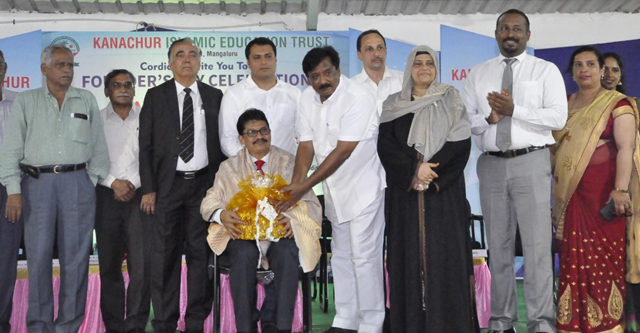
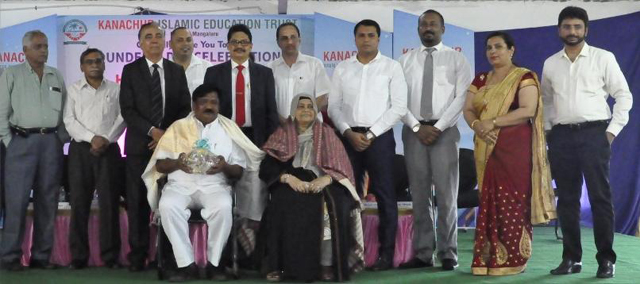
A distinct day in the entire calendar year of Kanachur Group of Institutions, where the integral force of Kanachur Family namely students, staff, faculty, principals and trustees meet as a single unit; to remember and express their gratitude to their leader, chief and founder – Haji U K Monu was recently observed.
Kanachur Islamic Education Trust ®, under its flagship honors the following institutions: 1. Kanachur Institute of Medical Sciences 2. Kanachur College of Nursing Sciences 3. Kanachur College of Physiotherapy 4. Kanachur Institute of Paramedical Sciences 5. Kanachur Institute of Management & Science 6. Kanachur PU College for Women 7. Kanachur Public School 8. Kanachur Primary School 9. Kanachur Pre-Primary School
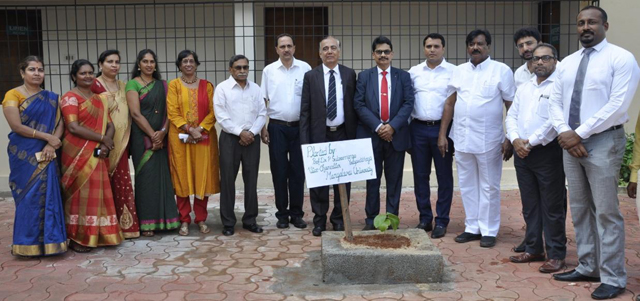
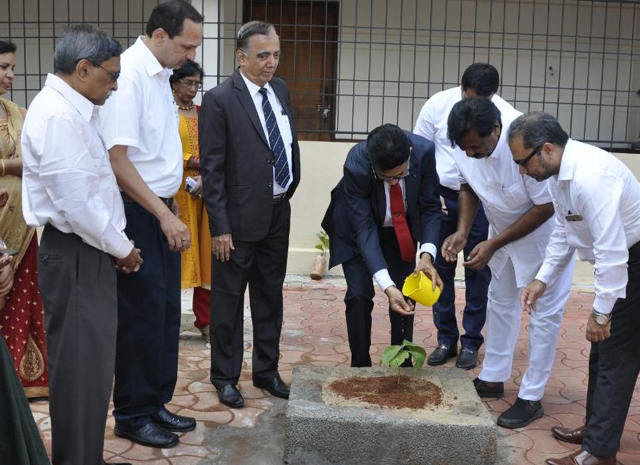
The momentous day started with a Vanamahotsava programme, where the chief guest Prof Dr P Subramanya Yadapadithaya – vice chancellor of Mangalore University planted a teak sapling in the Kanachur Health Education Campus. Prof Yadapadithaya was then welcomed with a ceremonial guard of honor, by the student scouts and guides who did a brilliant job.
A prayer song by the students of Kanachur Public School and a Quranic citation gave this amazing day a head start. Then followed a cultural extravaganza where in the student units of all constituent colleges under the trust displayed excellence and sheer talent, at the Medical College auditorium, Kanachur Academic Block.
Abdul Rahiman, director – Kanachur Institute of Medical Sciences warmly welcomed the entire Kanachur fraternity on and off the dais. He travelled down memory lane to when the trust was formed and he was in his late teens; the dreams that his father carried to offer education to the underprivileged and left no stone unturned to make this 70 acre campus transform into a temple of learning in rural India.
With these few words he welcomed the founder and chairman of the trust. Zohara Monu, trustee – Kanachur Islamic Education Trust; Prof Dr P Subramanya Yadapadithaya – VC, Mangalore University; Prof Dr M Abdul Rahiman, chairman, Advisory Board – Kanachur Academy of General Education and former VC – Kannur and Calicut Universities; Dr H S Virupaksha, dean – Kanachur Institute of Medical Sciences; Dr Sreesha Khandige, associate dean – Kanachur Institute of Medical Sciences; Dr Deviprasad Shetty, medical superintendent – Kanachur Hospital & Research Centre; Dr Rohan Monis, chief administrative officer – Kanachur Hospital & Research Centre; Dr Vivian D’Souza, principal – Kanachur Institute of Paramedical Sciences; Suhail Khan, principal – Kanachur College of Physiotherapy; Prof Renilda Shanti Lobo, principal – Kanachur College of Nursing Sciences; Prof Iqbal, principal – Kanachur Institute of Management & Science; Hemalatha, principal – Kanachur PU College for Women; Vinitha Mathias, principal – Kanachur Public School; Anandi, principal – Kanachur Primary School; Linnet, principal – Kanachur Pre-Primary and Dr Shahnawaz Manipady, HOD – Forensic Medicine were on the dais.
Prof Dr P Subramanya Yadapadithaya was respectfully felicitated by Haji U K Monu. In his chief guest addressal, he hailed the efforts of Kanachur U K Monu. He stressed that in today’s times, just a degree does not suffice. One needs KASH – Knowledge – to be ahead of the race, Attitude – so that all around are amicable, Skills – a mixed skillset and Habits – one that is infectious and aiming for excellence. Today’s era is evidence based and research informed and it is just going to get tougher.
Prof Dr M Abdul Rahiman was the guest of honor for this pompous occasion. He stressed on the fact that U K Monu always stressed on quality and that they as leaders and faculty of Kanachur should support him.
Haji U K Monu and his able life companion Zohara Monu were felicitated by Prof Dr Abdul Rahiman and Shanti Lobo. Later, all the heads of all the constituent institutions paid their floral tributes to them and wished them on the occasion of Founder’s Day. In his presidential address, Haji U K Monu stressed that this day is a special day with all his faculty and students and that he appreciates every hard working person in the institute. He said there is no replacement for hard work and that is the way it should be.
The vote of thanks was given by Dr H S Virupaksha. The event ended with the National Anthem.
Dr Annet, assistant professor – Dept of Microbiology was the emcee.
All the principals, faculty, staff and students were present at the Medical College auditorium. It was a day filled with pride and was very inspiring indeed.
Kanachur Islamic Education Trust ® and their group of institutions are very proactive in helping to realise the dream of the needy students in rural India. This is an active nation building process and education of young minds and their hearts is their mainstay.
In the words of Nelson Mandela ‘Education is the most powerful weapon which can be used to change the world’ which the trustees stand by.
source: http://www.daijiworld.com / DaijiWorld.com / Home> Campusbeat> Mangaluru / by Media Release / July 18th, 2018
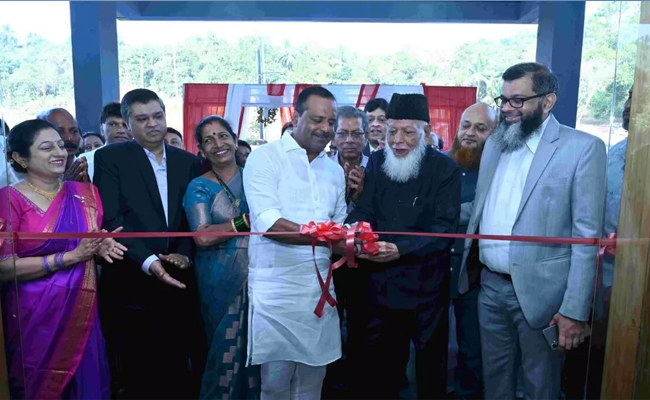
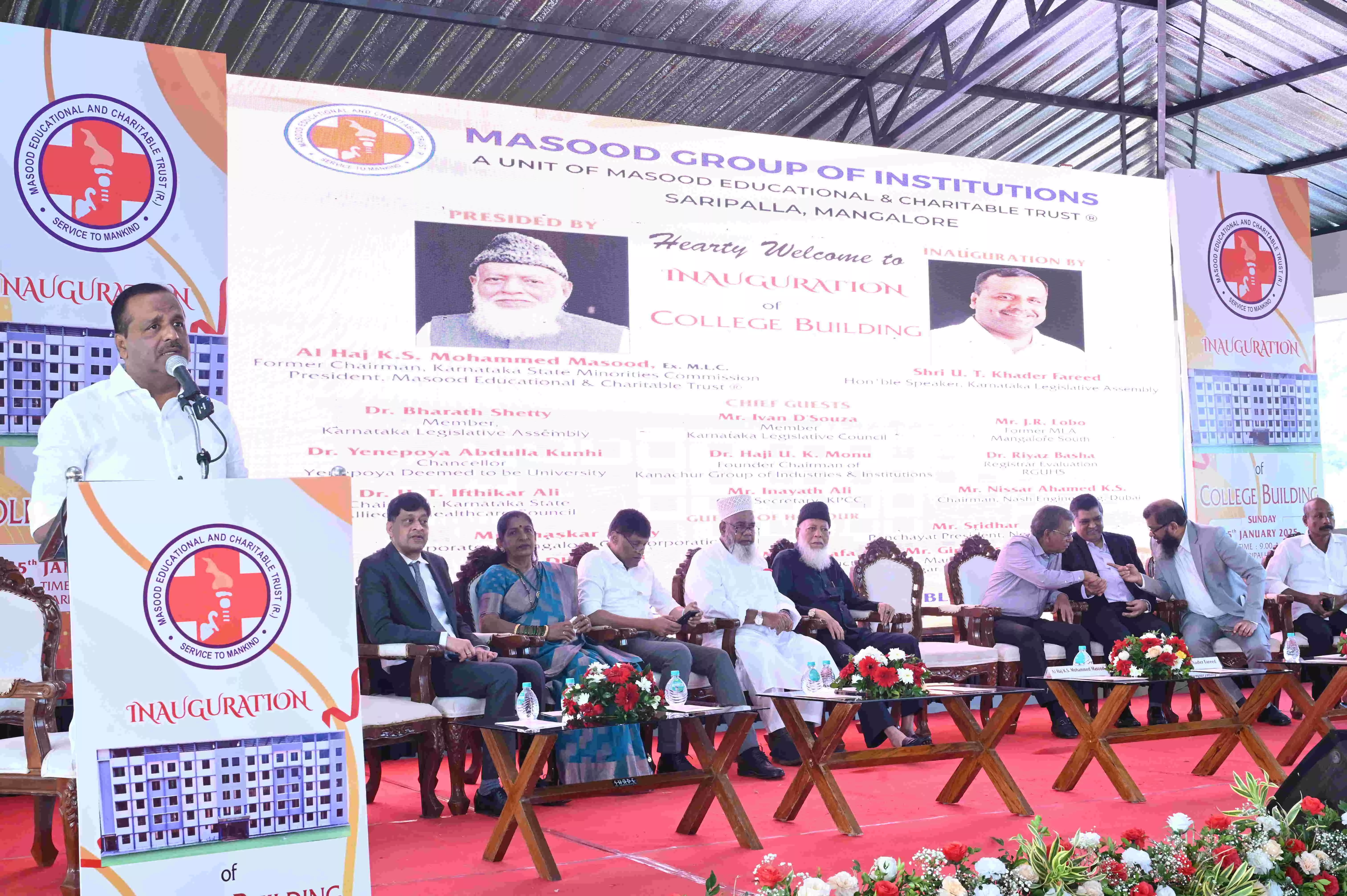
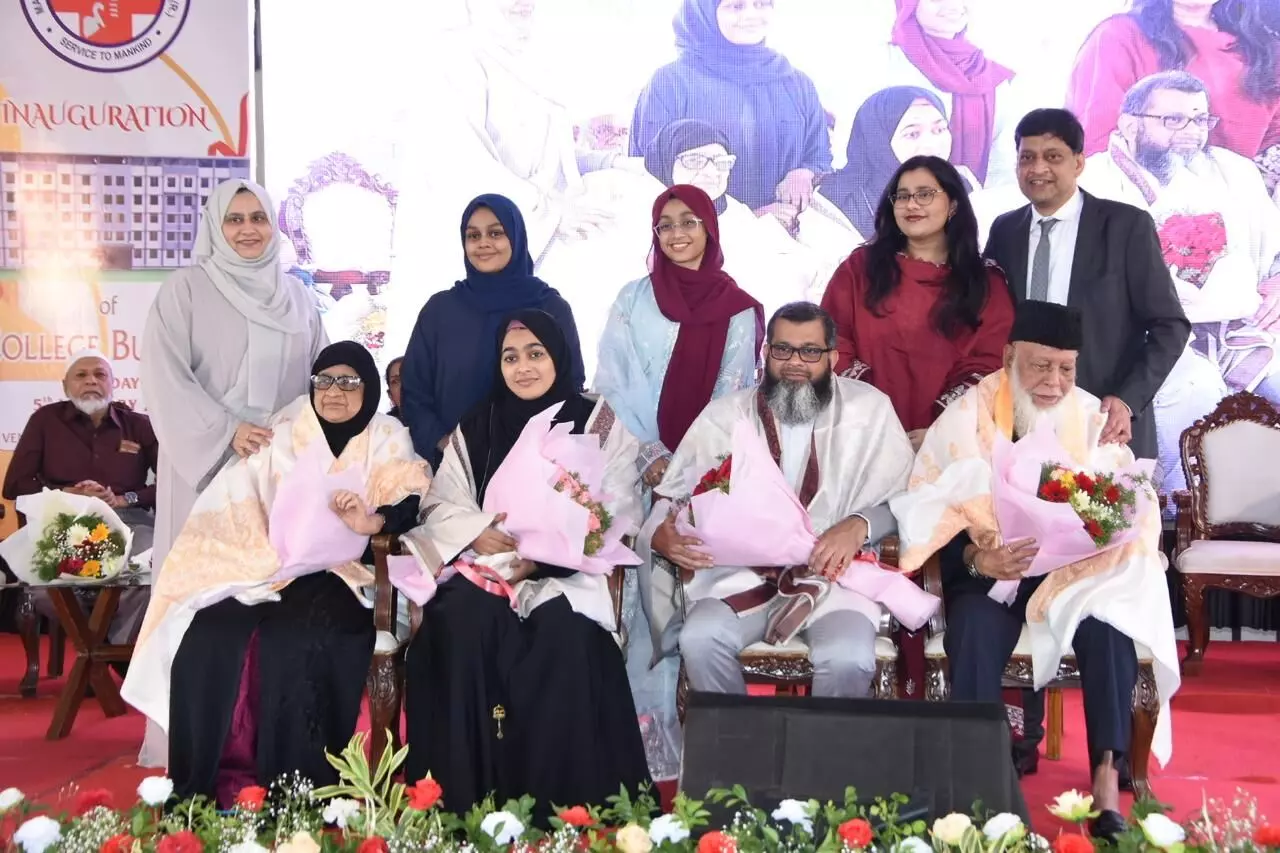
Masood Group of Institutions inaugurated its new campus building on Sunday at Saripalla village, located on the outskirts of Mangaluru city. The event was marked by the presence of several eminent dignitaries, with the Hon’ble Speaker of the Karnataka Legislative Assembly, UT Khader Fareed, formally inaugurating the facility.
Joining the occasion was Dr. Riyaz Basha, Registrar Evaluation, Rajiv Gandhi University of Health Sciences (RGUHS) along with other distinguished guests.ix
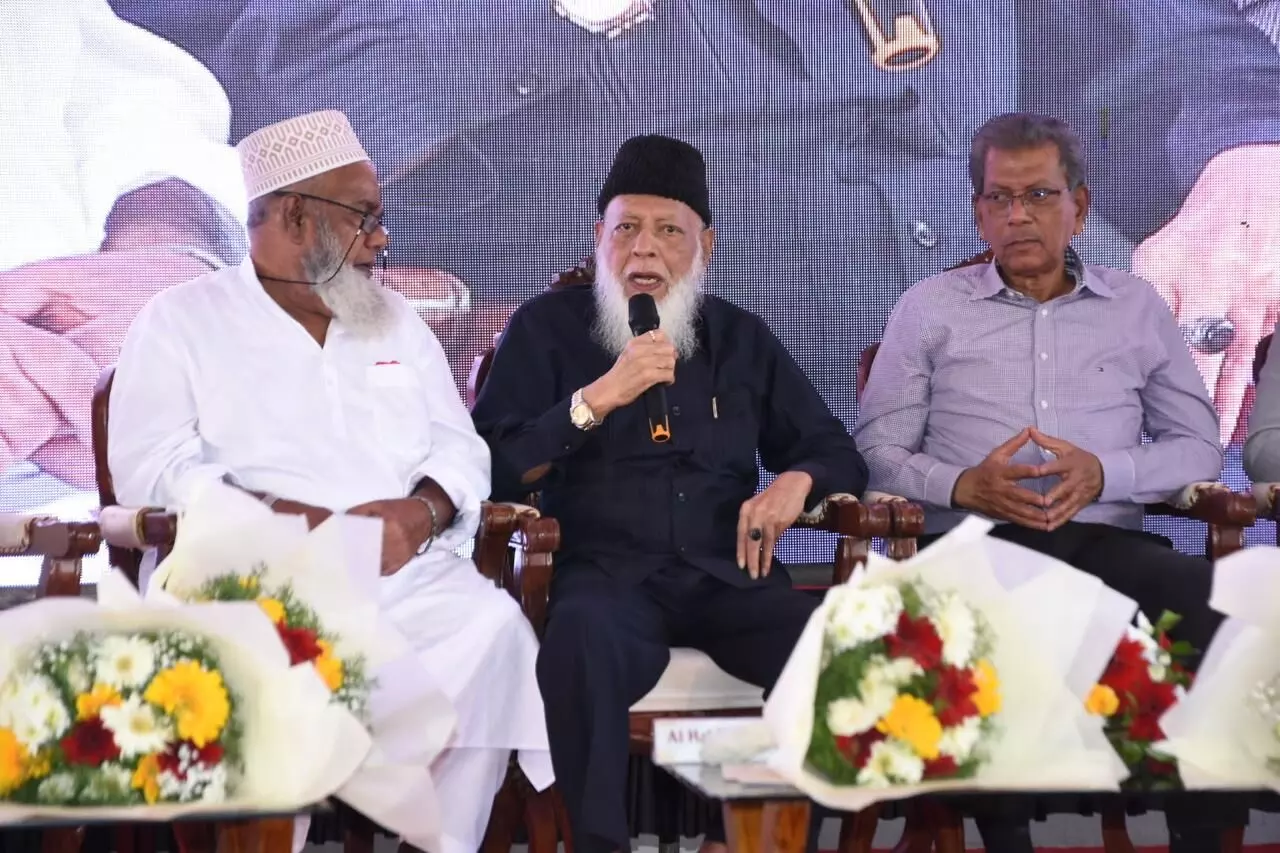
Al Haj KS Mohammed Masood, former MLC, ex-chairman of the Karnataka State Minorities Commission, and the President of Masood Educational and Charitable Trust, presided over the event.
During his address, UT Khader Fareed congratulated Al Haj KS Mohammed Masood and his family for their visionary efforts in prioritizing education at a time when it is crucial for the progress of society. He lauded their commitment to creating opportunities for learning and empowering the younger generation.
Khader expressed his confidence that the Masood Group of Institutions would emerge as one of the premier educational establishments in the country, setting benchmarks for excellence in academics and overall development. He urged the students to take their studies seriously, emphasizing that education is the foundation for personal growth and societal advancement.
Highlighting the significance of such initiatives, Khader remarked that starting educational institutions is a form of true patriotism. He stated that by investing in education, the trust is not only nurturing young minds but also contributing to the upliftment and progress of the nation as a whole.
In his address, Riyaz Basha highlighted the growing demand for health sciences education in Karnataka, particularly in the post-COVID era. He noted that the pandemic underscored the critical importance of a robust healthcare system, leading to significant transformations in the state’s health sciences infrastructure. According to Basha, this evolution has positioned Karnataka as a hub for advanced medical education and healthcare services, attracting students and professionals alike.
He observed that India’s healthcare system is gradually transitioning towards a Western model, where the concept of teamwork in medicine is gaining prominence. Basha explained that unlike the traditional approach where the doctor was viewed as the sole authority, the emerging system emphasizes the collaborative efforts of an entire team of health sciences professionals. This shift, he pointed out, places greater responsibility and opportunities on allied health professionals, nurses, technicians, and administrators, making their roles indispensable in delivering holistic patient care.
Basha urged students to view education not merely as a means to attain degrees but as a tool for building strong character and moral values. He emphasized the importance of humility, stating that true education goes beyond academic achievements and is reflected in one’s behavior and attitude. He encouraged students to remain grounded, focus on continuous learning, and contribute positively to society, embodying the essence of education through their actions and interactions.
UT Iftikhar Ali, Chairman of the Karnataka State Allied and Healthcare Council, addressed the gathering with a special request to Riyaz Basha, urging him to consider designating Masood College as an examination center for Rajiv Gandhi University of Health Sciences (RGUHS). He emphasized that such a move would be a significant step forward for the institution, providing convenience to students and enhancing its standing within the academic community.
In addition, Ali took the opportunity to invite everyone present to participate in the inauguration of the Regional Centre of RGUHS in Mangalore, scheduled for January 17. He highlighted the importance of this event in strengthening the presence of RGUHS in the region and its commitment to advancing health sciences education. Ali also reaffirmed his support for Masood Group of Institutions, pledging to assist in every possible way to help the institution achieve its goals and contribute meaningfully to the healthcare sector.
MLC Ivan D’Souza, addressing the gathering, spoke about the highly competitive nature of the world today, emphasizing the importance of providing students with the right environment to excel. He remarked that the facilities and infrastructure at Masood Group of Institutions are designed to create an atmosphere conducive to learning, growth, and overall development.
D’Souza commended the institution for its commitment to nurturing young minds by offering a supportive and stimulating environment that prepares them to meet the challenges of a competitive world. He expressed confidence that the campus would serve as a platform for students to not only excel academically but also to develop the skills and resilience needed to succeed in their chosen fields.
In his presidential address, Al Haj KS Mohammed Masood, President of the Masood Educational and Charitable Trust, extended heartfelt gratitude to everyone who had gathered to celebrate the inauguration of the new campus building. He expressed his appreciation to all dignitaries, guests, faculty, students, and well-wishers for their support and encouragement, which he said has been instrumental in the institution’s journey of growth and excellence.
Masood made a special mention of UT Iftikhar Ali, Chairman of the Karnataka State Allied and Healthcare Council, acknowledging his support and guidance. He thanked Ali for his encouragement and for advocating the inclusion of Masood College as an examination center for Rajiv Gandhi University of Health Sciences (RGUHS).
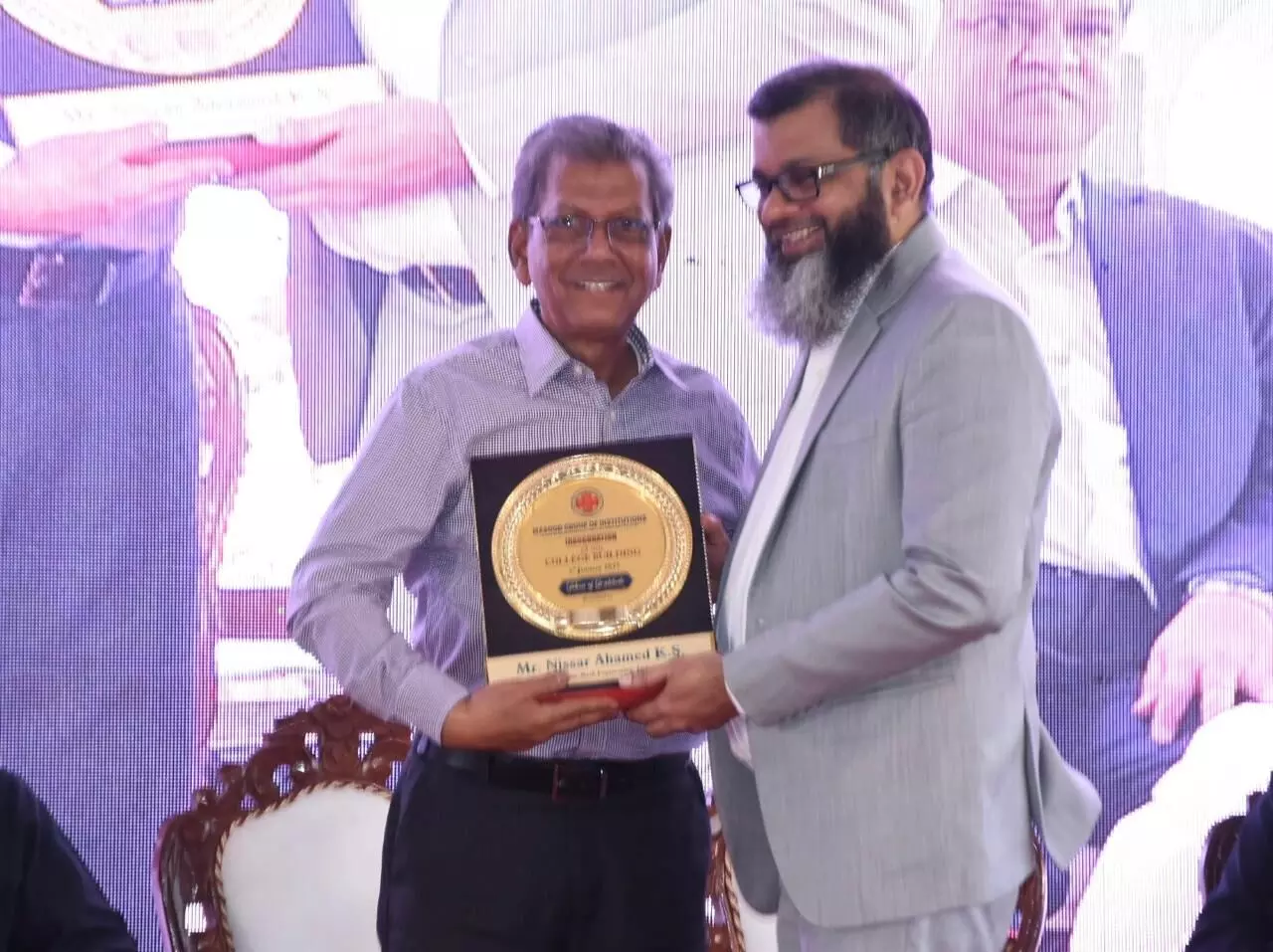
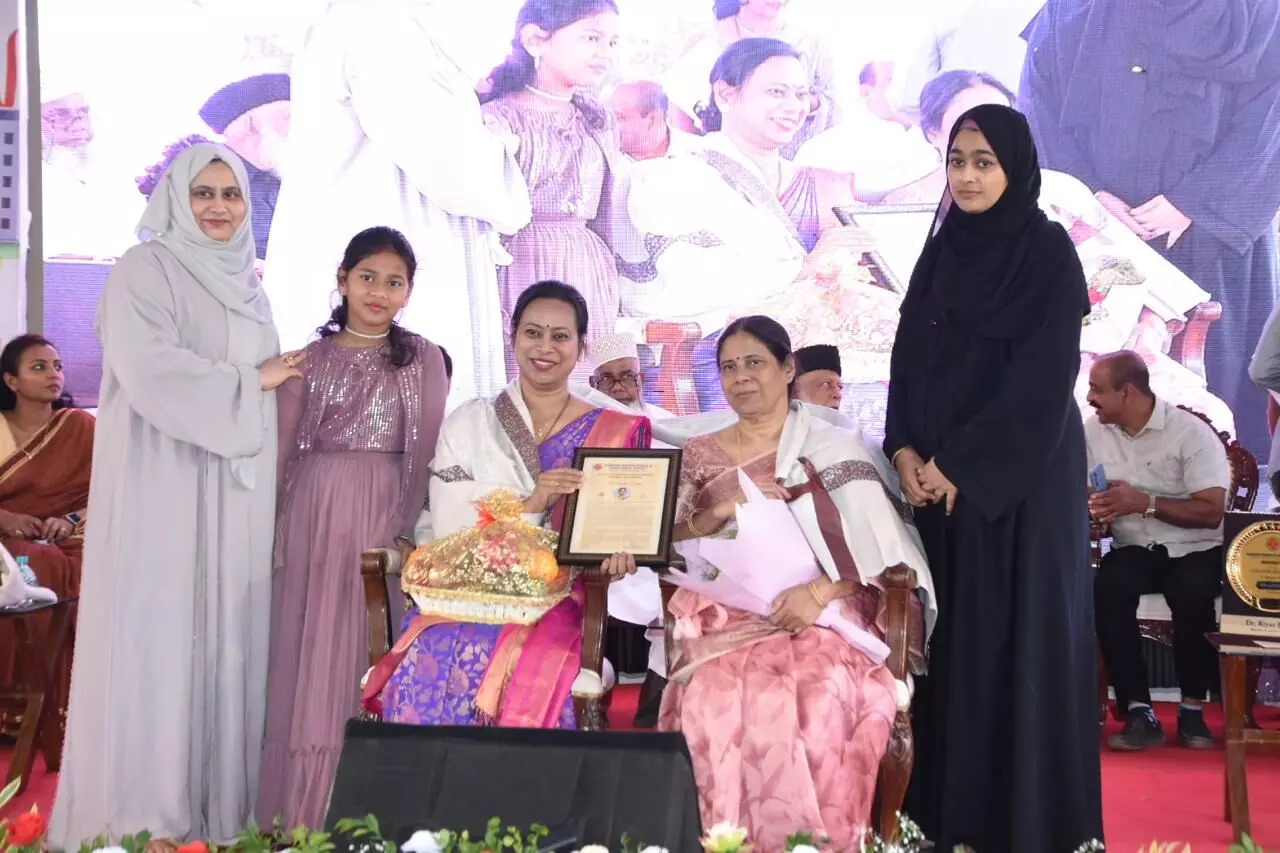
Several members of the staff and those contributing in the construction and development of new campus were felicitated during the event.
Arif Masood, Secretary, of Masood Educational and Charitable Trust welcomed the guests and gathering while his Asif Masood, Trustee of the group presented vote of thanks.
Former MLA of Mangalore South JR Lobo, KPCC General Secretary Inayath Ali, and SM Mustafa of New Bharath Infrastructure addressed the gathering.
Nissar Ahamed KS, Chairman, Nash Engineering Dubai, Bhaskar Moily, Corporator Mangalore City Corporation, Sridhar, Panchayath President Neermarga, Dhanvathi, Ex President Neermarga Panchayath, Dr. Vaishali, Senate Member of RGUHS, Dr. Haji UK Monu, Founder Chairman of Kanachur Group of Industries and Institutions, and others were present during the event.
source: http://www.english.varthabharati.in / Vartha Bharati / Home> Karavali / by Vartha Bharati / January 05th, 2025
Abdussalam Puthige, Editor-in-Chief of Vartha Bharati
Bengaluru:
The Karnataka Media Academy announced its Lifetime Achievement Awards, Annual Awards, and Endowment Awards for 2023 and 2024 on Thursday.
For 2024, Abdussalam Puthige, Editor-in-Chief of Vartha Bharati, was selected for this honour for his significant contributions to journalism.
Among the Annual Award recipients for 2023 was Ibrahim Adkasthala from Vartha Bharati, recognised for his outstanding work. Muhammad Akheel, also from Vartha Bharati, received an Endowment Award for his impactful reporting. Special mentions for 2024 included his report on untouchability in Koppal.
Abdussalam Puthige started his career as sub-editor in Sanmarga weekly published from Mangalore. He is author, orator and good debater as well.
source: http://www.radiancenews.com / Radiance News / Home> Awards> Latest News / by Mohammed Atherulla Shariff, Radiance News Bureau / January 03rd, 2025
Mirza Ismail, who was born to Persian parents, wrought a civic revolution in four Indian cities during the 1940s.
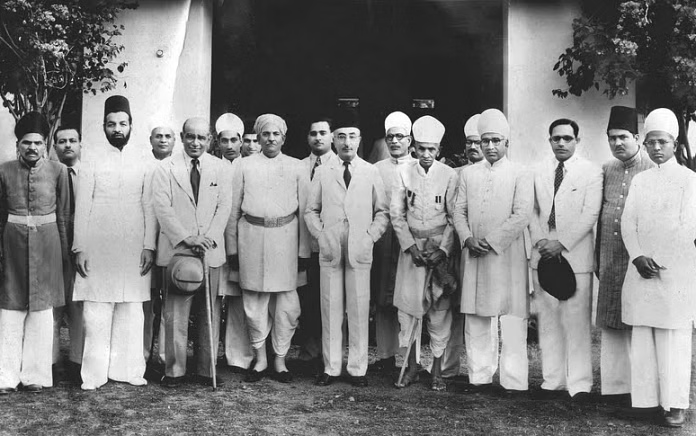
Prime Minister Sir Mirza Ismail (centre) of Hyderabad state, 1948 | Commons
Between 1926 and 1948, Mysore, Bangalore, Hyderabad and Jaipur enjoyed the attention of ‘serial Diwan’ Mirza Ismail. Born in 1883 to Persian parents, Ismail grew up in Bangalore, where he would return in his final years, passing away in 1959.
From the age of 43, Mirza Ismail was appointed as diwan successively by the Maharaja of Mysore (1926–41), the Nizam of Hyderabad (1942–46) and the Maharaja of Jaipur (1946–47). These rulers, like the Mughal badshahs, respected and honoured their engineers and townscapists. Mirza Ismail was to them what Ali Mardan Khan, the brilliant Persian engineer who laid out the plans for the Lahore and Delhi canals, had been to Shah Jahan.
In Jaipur, the ruler commemorated him by naming a road after him, just like architect Edwin Lutyens’ engineers Hugh Keeling and Alexander Rouse had two major roads in New Delhi to their names (later changed to Tolstoy Marg and Deen Dayal Upadhyay Marg, respectively), even though Edwin Lutyens and architect Herbert Baker themselves were apportioned obscure lanes.
There were some princes, in whose states aesthetic values meshed with their eagerness to adopt innovations to improve urban and rural areas. But Mirza Ismail never felt it was enough. In My Public Life: Recollections and Reflections (published in 1954), he wrote: “Administrations in India, with hardly any exception, have taken little or no interest in the improvement of their cities and towns; the villages, of course, need hardly be mentioned. Look at the great open spaces in crowded London – or in Paris. How many cities in India can boast of such parks? The municipalities are apt to spend their income, not on sanitation and the necessary amenities of life, but on educational institutions which it is the duty of the States’ Governments to provide. Public parks and private gardens may not be the most important amenities, but they are necessary to a full and happy life. The beautification of our towns and cities must be a continuous process… Unfortunately, just as nature abhors a vacuum, so do our municipalities abhor open spaces. They are not satisfied until all are built upon…It is to my mind obligatory for the administration to provide for the recreation and enjoyment of the people, especially the poorer classes, and enable them to enjoy themselves without expense. I have tried to do this wherever I could — in Mysore, Jaipur and Hyderabad.”
Making Bangalore beautiful
If M. Visvesvaraya, as Diwan of Mysore (1912–19), made Bangalore (now Bengaluru) an industrial city, then Mirza Ismail made it a beautiful one, with the Lalbagh and the streets lit by chandelier lamp posts. An interesting story about him goes that he did not simply glance around to check if things were in good condition – he would lift the corner of a carpet to see if the floor had been swept. Mysore still proudly flaunts the label of ‘The Garden City of India’.
His brief spell in Jaipur wrought a civic revolution. An article in the New York Times in 1942 remarked that Jaipur had been a picture of neglect, but after two years of Mirza Ismail’s sojourn, it was “more thoroughly transformed and improved than New York after Robert Moses got through with it.’ (Robert Moses, a contemporary of Mirza Ismail, was himself compared to Baron Haussmann, who transformed Paris in the 1860s). “Reconstruction, new parks, new buildings, restorations and improvements of all kinds are now going on at an amazing pace for India. The city swarms with workers as busy as bees,” Ismail wrote in his book.
He continued, “Money is meant to be spent reproductively, not to be hoarded. If I had not constructed the new offices and new bungalows and made many other improvements in Jaipur, it would probably not have been chosen under the new dispensation as the capital of Rajasthan.”
The illustrious photographer Cecil Beaton, after visiting Jaipur, spoke highly of Ismail in his praise for the city: “Nowhere else in the world have I seen such brilliant and robust colours used to produce an effect so refined and subtle. Sir Mirza is the arch-enemy of corrugated iron sheets, brass bands (Indian) and of almost everything else that is crude and vulgar. The money he spends is put into circulation and is used as a means of getting rid of unhygienic conditions and sources of disease. Already the metamorphoses he has achieved in a short time are incredible, but his plans are as countless as his inspirations.”
But Mirza Ismail was too astute a person not to see the writing on the wall. “Governments in the East,” he reflected, “do not enjoy the confidence and respect of the public they serve. Our countries so easily become the paradise of the professional politician.”
This article is the sixth of aneight-part series on ‘Reading A City’ withSaha Sutra on www.sahapedia.org, an open online resource on the arts, cultures and heritage of India.
Dr Narayani Gupta writes on urban history, particularly that of Delhi. Views are personal.
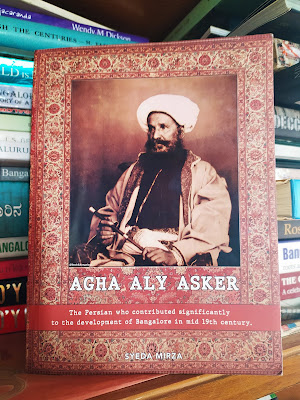
Syeda Mirza pens the legacy of Aly Asker, the man who put the city on India’s horse racing map and built iconic colonial bungalows
Bengaluru :
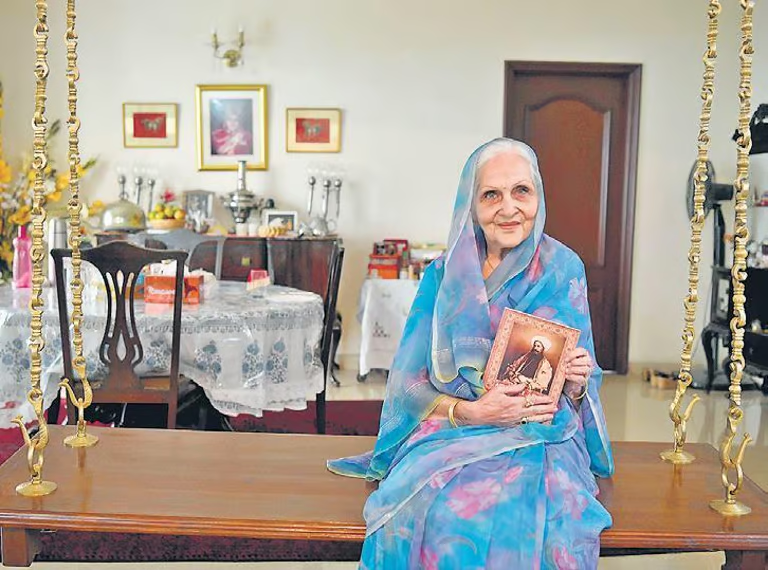
Once a quaint lane that housed colonial bungalows, Ali Asker Road (situated between Cunningham Road and Infantry Road) may now be a bustling street with commercial outlets, only retaining some of the old-world charm. But the street comes with a rich history, which Syeda Mirza (Aly Asker was her husband’s great-grandfather) is trying to re-tell through the story of Aly Asker in her first book, Agha Aly Asker.
Having heard of stories – Aly Asker leaving his homeland, Shiraz, as a 16-year-old to come to India in 1824 to trade Persian and Arab horses, building 100 bungalows around High Grounds, Cantonment, and Richmond Town, at the behest of Sir Mark Cubbon – Mirza felt the need to highlight his contribution to Bengaluru and Mysuru, which she had heard from elders. “A great-uncle of my husband had compiled some history and anecdotes which also came handy,” says Mirza, who is in her 80s. She adds that his legacy lingers in the family to this day among her grandchildren, with her grandson, equestrian Fouaad Mirza, getting prepared for the Tokyo Olympics.
Her book also mentions the key role that Aly Asker played in saving the then Mysuru state from being annexed by the British, with their policy at that time stating that if there was no direct heir, the state would be annexed.
“Here, Aly Asker played a crucial role in convincing Sir Cubbon and Krishna Raja Wadiyar-III about an adoption, but sadly it’s not remembered. Everyone in the family knows about it though,” says Mirza, who started work on the book 18 years ago, and completed it within 2-3 years. The manuscript, though, was in hibernation ever since.
While information was aplenty, the challenge lay in authenticating it. “It was like a thread, one thing led to another. But then again, everything was a family legend,” she says.
With Aly Asker being a historical figure, making a mark in the history of the city, they were particular that the information was verified. This meant going through several archives and hours of research, which was done by historians. “We kept getting bits and pieces and had to keep changing it. My three children did a lot of leg work to look up the records,” says Mirza, who got some information from unexpected sources, including the Ooty Library.
pix: ink-and-feathers.blogspot.com
Mirza, now keen to bring out a cookery book, decided to self- publish the book (printing 500 copies), to ensure that the story was told the way she wanted to. “I didn’t want anything changed. I’ve written it for my grandchildren,” says Mirza, who is currently working on translating the book into Urdu, and getting it translated into Kannada.
With several books having been written on Sir Mirza Ismail, the grandson of Aly Asker, and Diwan of Mysore, Mirza hopes this book on Aly Asker will highlight his history as well.
source: http://www.newindianexpress.com / The New Indian Express / Home> Bengaluru / by Vidya Iyengar / pix added: as above / January 14th, 2020
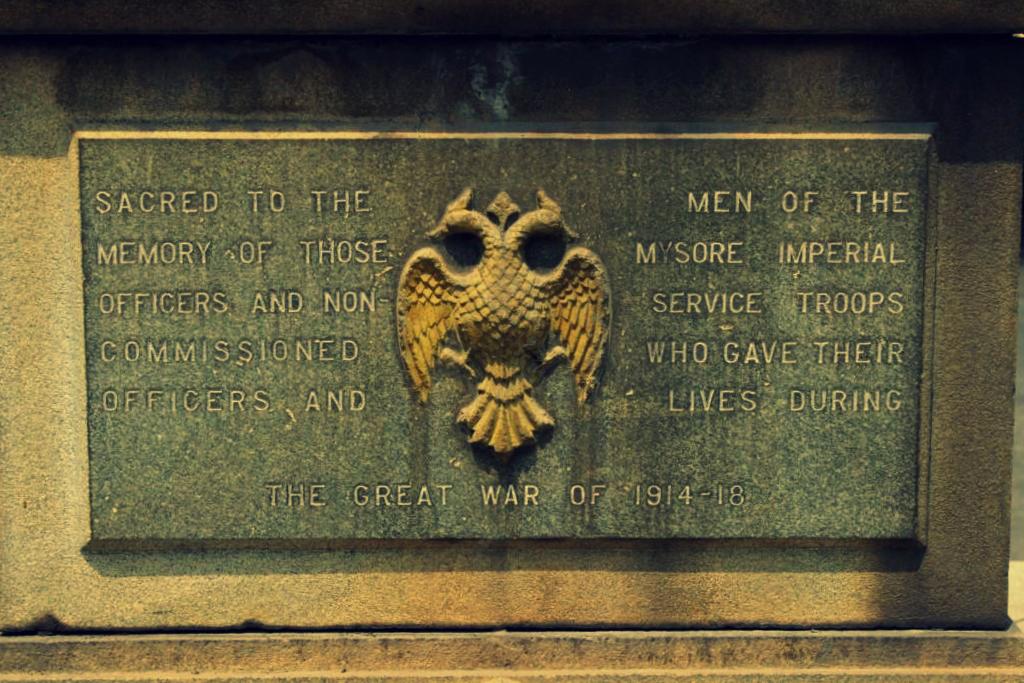
There are many miles that separate Bengaluru from Haifa. But our city’s connection to this distant Mediterranean port town goes beyond geography to that of the spirit. It is where Mysorean cavalrymen earned honours and distinguished themselves during World War I. The town also became a final resting place for many who never returned home.
These men on horseback were the inheritors of an older legacy. Both Hyder Ali and his son Tipu Sultan, the 18th century rulers of Mysore, were known for their famous cavalry, the `Savar’ that had fought on home territory in the Anglo-Mysore Wars almost 150 years ago.
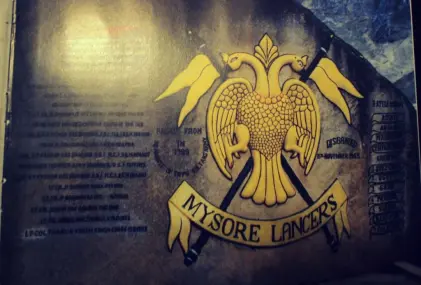
The Mysore Lancers (says a commemorative souvenir) were raised from what remained of this cavalry following the 4th Anglo-Mysore War in 1799.
The regimental insignia and Mysore’s royal emblem, the two headed Ganda Berunda eagle
Bengaluru’s equestrian legacies also extended beyond the military; the Bangalore Turf Club is a heritage institution and the Race Course that was initially located near Domlur was as old as the Cantonment, Horse riding in Cubbon Park was `de rigeur‘ till the early 1900’s, many large houses had private stables and British Commissioner Sir Mark Cubbon even built a new home beyond Cubbon Park to accommodate his beloved horses!
Military forces in India’s princely states were maintained purely as a formality for a very long time following 1857.
But Viceroy Lord Dufferin’s landmark speech in Patalia (1888) signalled a change.
The Mysore (Mysuru) Maharaja Chamarajendra Wodeyar X was one of the first to raise a military force (including an Infantry and Transport Corps) capable of fighting alongside Imperial troops anywhere in the world. Major Mellis arrived here in 1890 to rearrange the two existing Silledar regiments into the Mysore Horse based in Mysore, and the Bangalore based Mysore Imperial Service Lancers (Mysore Lancers).
The Investiture Ceremony: “On the arrival of the Viceroy at the Imperial Service Lines, he was received by Dewan Krishna Murthi and conducted to a position near the saluting flag. After the horses of the entire regiment had lain down on the word of command so as to form covers for their riders in action, the regiment formed mass and the men dismounted and left their horses entirely alone with the rein passed through the girths. Rockets, carbine discharges and other noises were then made to test the training of the horses and except one or two horses which broke away, the remainder kept perfectly steady and unconcerned. After galloping past and advancing in review order, the Lancers cheered His Excellency. The Viceroy remarked that the display he had seen proved the excellence of the training of the horses and the special attention paid to the matter by Colonel Desaraj Urs… The manoeuvres subsequent to special show in connection with the horses reflected great credit, said His Excellency, on the regiment.” –M Shama Rao, Modern Mysore
The Mysorean, with his “superior physique” was also “specially noted for his endurance and hard work in distant countries and under the most trying conditions of climate and fatigue.”* And so, as part of the 15th Imperial Service Cavalry Brigade (this included the Patiala, Jodhpur and Hyderabad Horse) the men left Bangalore on 13th October, 1914 under the field command of Lt.Col. Chamaraj Urs Bahadur.
They were accompanied by Special Officers Major MH Henderson and Lt. K Evans-Gordon and Colonel J. Desraj Urs (Commander-in Chief of the Mysore State Forces and brother-in-law to Maharaja Sir Nalwadi Krishnaraja Wodeyar IV).
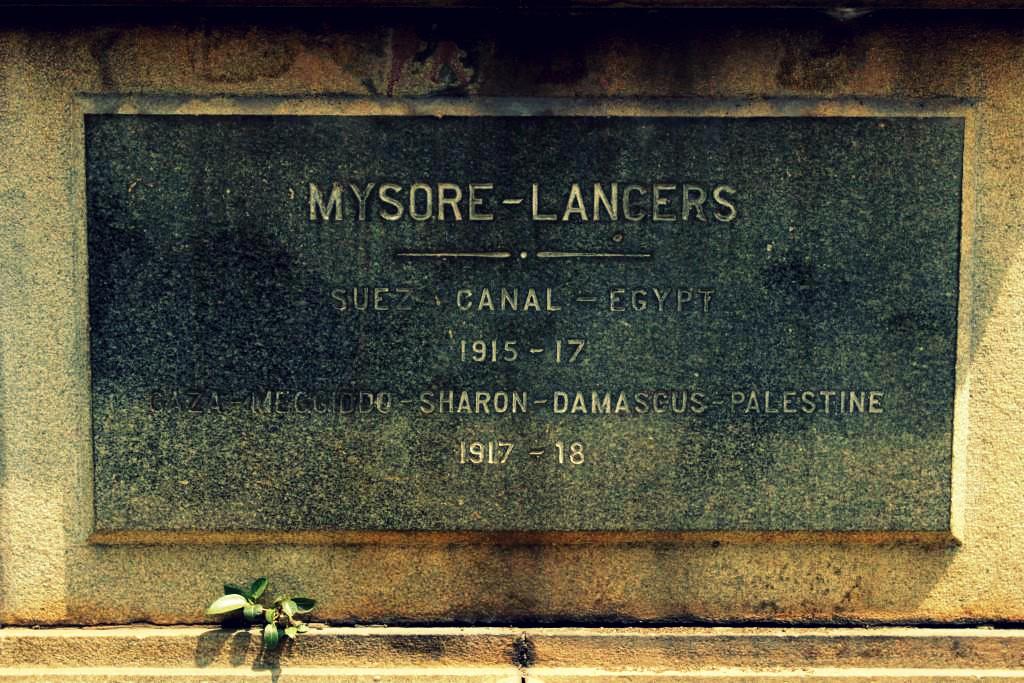
The men in the distinctive black head collar rope, black and white lance pennant, crossed lance badges on the chain mail epaulettes and the royal Ganda Bherunda insignia of Mysore disembarked to defend the Sweet Water Canal and undertake reconnaissance duties to the east of the Suez Canal.
Many of us in the city can proudly trace family who in 1914, were a part of the largest volunteer army in the world!
Fans of a sun tanned Peter O’ Toole in the film `Lawrence of Arabia’ will know that our Mysorean men and the legendary TE Lawrence were both part of a WWI force commanded by Field Marshall Sir Edmund Allenby. But off screen conditions were very tough. Water sources were scarce. Thousands of cavalry horses and Transport Corps animals perished at various stages-en route, during combat and post-war.The emaciated and weak were left by the road to be picked up and (hopefully) rehabilitated by the Remount and Veterinary Corps.Most were not so lucky.
Much has been written about the Battle of Haifa where Mysorean cavalrymen braved German and Austrian guns as they charged alongside the Jodhpur Lancers to route an artillery battery located on a hill above the town.
Mysore’s two headed eagle also altered history at Gaza, Jordan Valley, Sharon, Megiddo, Damascus and Palestine. Their roles in these decisive battles saw the officers, including Captain B. P. Krishne Urs, 29 year old Mir Turab Ali and Risaldar Subbaraja Urs, and their loyal horses receive a hero’s welcome in 1920.
Sirdar Bahadur Lt.Col. Chamaraj Urs succeeded the distinguished Col.J Desraj Urs to the post of Commandant-in-Chief in 1919.
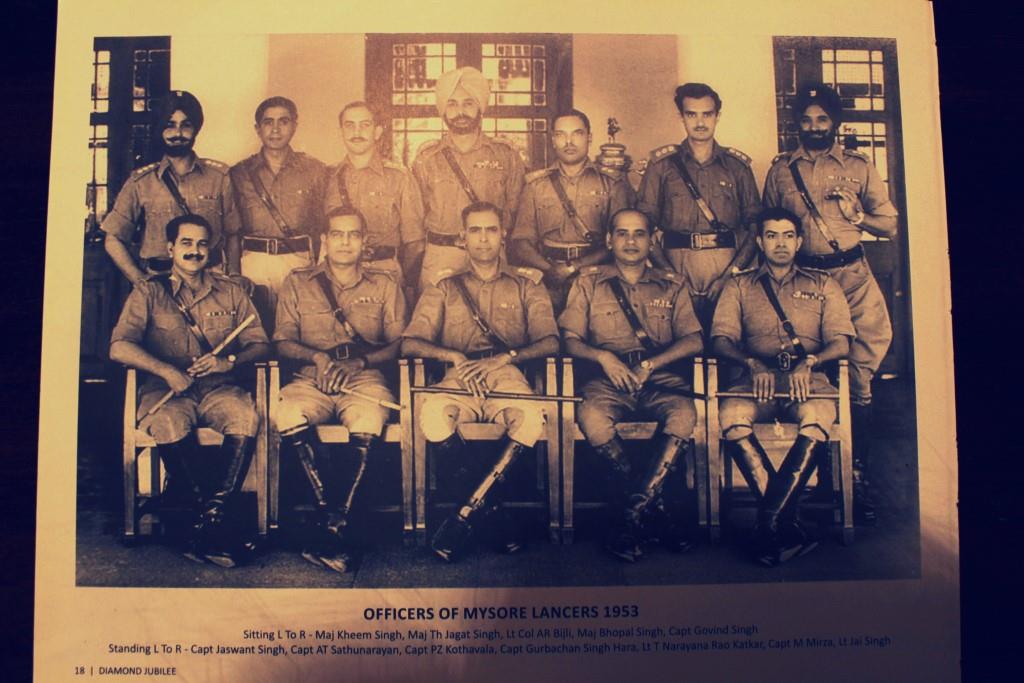
The horsemen were then reconstituted into the New Horsed Cavalry Regiment, raised in Jaipur on January 1st, 1953 under the special dispensation of Prime Minister Jawaharlal Nehru.It was named the 61st Cavalry a year later. It is the only horse cavalry regiment in the world and is equally well-known for its indomitable equestrian sportsmen.
My grand aunt, Mrs. Syeda Mirza tells me that her husband, my grand uncle the late Major Mohammad Mirza, a Bengalurean 61st cavalryman, dashing polo player and nephew of Sir Mirza Ismail, Diwan of Mysore (1926-1941) commanded the elite President’s Bodyguard for Dr.Rajendra Prasad and Dr. S Radhakrishnan in the 1960’s. He was also in the Ganganagar Sector with the 61st Cavalry during the 1971 War.
Standing second from right: Major Mohammad Mirza. Photo Source: Sixty First Cavalry Diamond Jubilee Souvenir, courtesy: Mrs. Syeda Mirza
“I was returning to Jaipur with the children after visiting my parents in Hyderabad” she says “and hired a porter to help with the luggage. He deposited me near the army vehicle that had come to receive us, and refused to take any payment. He said he could not take money from someone whose husband was fighting for the country.” She adds, “those were very tough times for wives and families.With no mobile phones or connectivity like it is today, we had no way to stay in regular touch with our loved ones.We just had to manage as best as we could on our own.”
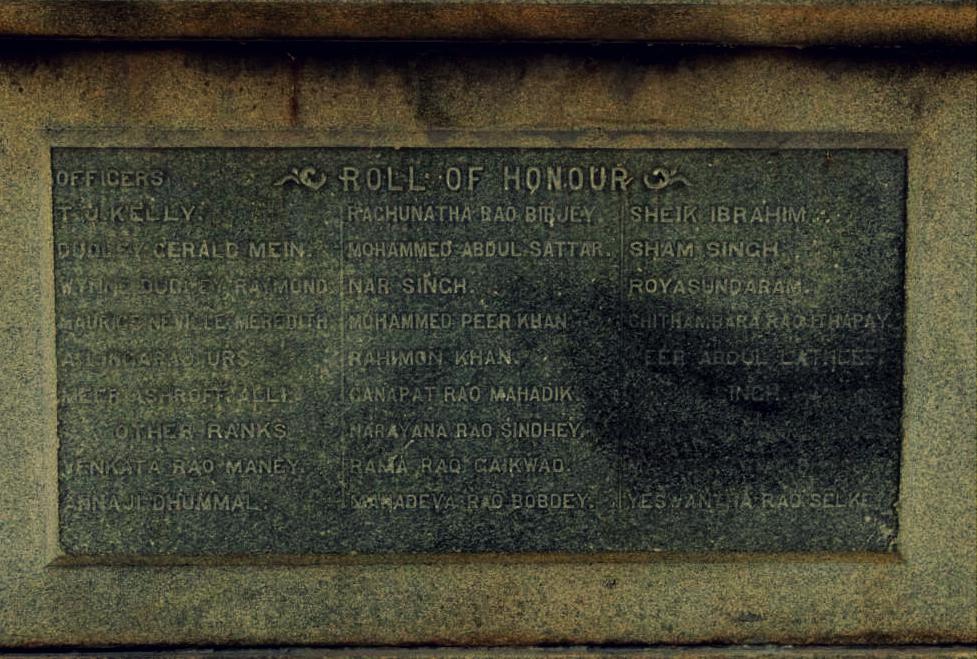
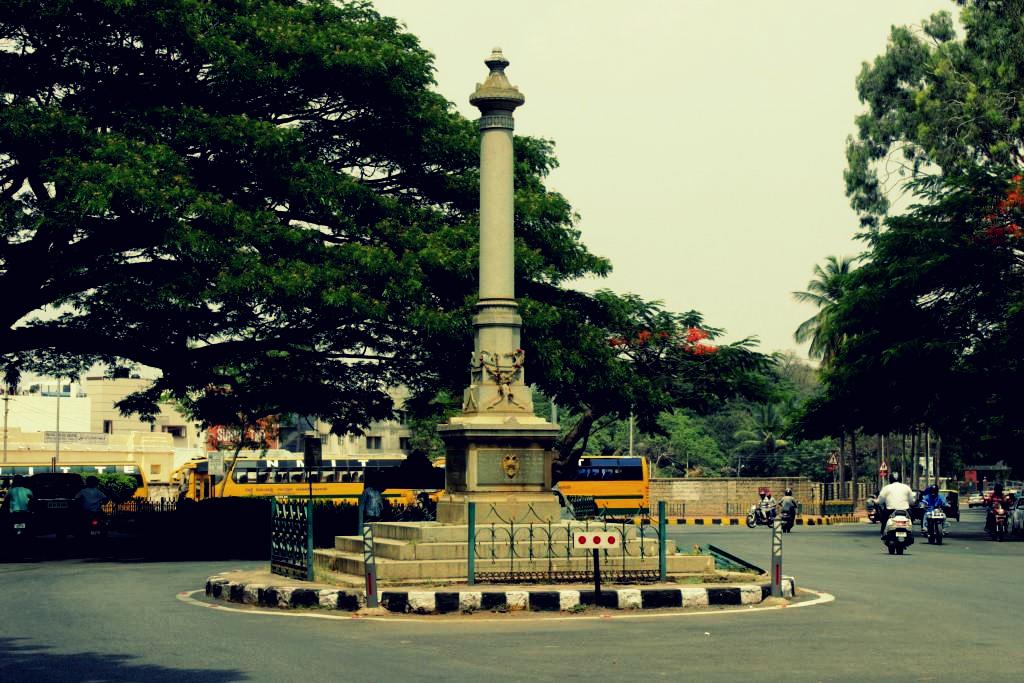
While a tribute to Indian cavalrymen is visibly embedded at Teen Murti Circle, New Delhi, a smaller Memorial Column on Col. Desraj Urs Road in Bengaluru’s Munireddy Palya stands overshadowed by the massive TV Tower nearby. The long forgotten structure lists all the brave men including officers Captain A.Lingaraj Urs (son-in-law to the Field Commander) and a Meer Ashroff Ali who lost their lives upholding the honour of Mysore state. Most city folks ride by without a second glance these days.
……………………………………………………………………………………………
On the Roll of Honour:
A Lingaraj Urs and Meer Ashroff Alli, Venkata Rao Maney, Annaji Dhummal, Rachunatha Rao Birjey, Mohammed Abdul Sattar, Nar Singh, Mohammed Peer Khan, Rahimon Khan, Ganapaty Rao Sindhey, Rama Rao Gaikwad, Manadeva Rao Bobdey, Sheik Ibrahim, Sham Singh, Roya Sundaram, Chithambara Rao Ithapay and Meer Abdul Latheef.
……………………………………………………………………………………………
This story was originally published in the Bangalore Mirror on April 11th 2016.Read it here.
* M Shama Rao, Modern Mysore, Page 104-106
source: http://www.aturquoisecloud.wordpress.com / A Turquoise Cloud / by Aliyeh Rizvi