Noted NASA scientist Dr Hashima Hasan, who is the Program Scientist for NuSTAR, has thanked the Aligarh Muslim University (AMU) helping her materialise her dream. According to an official AMU press statement, she thanked the university during the interview to NASA STEM Stars.
“The student life at AMU from 1968 to 1973 and the academic credentials gained there helped me attain a prestigious scholarship to further pursue higher studies in Nuclear Science at the University of Oxford,” Hashima said.
“I worked hard and gave this land all I had, and this great nation paid me back in spades, but it all started at AMU,” she added.
“I was a little girl back then, but the spectacular satellite launch made me eager to follow every success and failure in the newspaper. I clearly remember the day man landed on the moon,” she said. The work at NASA is dynamic, challenging and energizing and my journey to become a space scientist began after a post-graduate degree in Nuclear Physics at the Aligarh Muslim University, reminisced Dr Hashima.
She attended Tata Institute of Fundamental Research, Mumbai for a postdoc and worked at the Bhabha Atomic Research Centre in Mumbai before reaching the United States on a US Council Fellowship.
“Later in life, I worked at the Space Telescope Science Institute, Baltimore, writing the simulation software for the optics of the Hubble Space Telescope and its science instruments, using it to analyse the optical error of Hubble after launch,” she shared in the interview.
Dr Hashima recalled that as the Optical Telescope Assembly Scientist, it was her job to keep the telescope in the best focus until a fix could be installed.
“Then I was ready to achieve my dream of working directly for NASA. An opportunity arose in 1994 when a job for a Visiting Senior Scientist was advertised. Although it was a two-year job, I found working at NASA Headquarters so exhilarating and rewarding that I stayed on,” she said adding that NASA’s space science program gives her the opportunity to lead cutting edge science, work with world-class scientists and write research papers on astronomy.
source: http://www.thesite.in / The Site / Home> Inspiration / by The Site Reporter / December 12th, 2020
Currently, Lulu imports apples and saffron from Kashmir and imports will significantly increase in the coming years.
Image used for representatio
The UAE-based Lulu Group International has announced a plan to set up a food processing centre in Srinagar for sourcing a wide range of agri products from Jammu and Kashmir.
The announcement was made by Lulu group chairman Yusuffali MA on Thursday during a meeting with a delegation from Jammu and Kashmir headed by its Principal Secretary (Agriculture Production and Horticulture) Navin Kumar Choudhary on the sidelines of the UAE India Food Security Summit 2020.
“As per the commitment made during the visit of Prime Minister Narendra Modi to UAE in 2019, Lulu Group is fully focused on sourcing a wide range of agri products from J&K,” Yusuffali, who is from Kerala, said.
“Setting up of a new food processing and logistics centre will further boost the export of Kashmiri products,” he said.
Currently, Lulu imports apples and saffron from Kashmir and imports will significantly increase in the coming years.
The group imported more than 400 tons of Kashmiri apples till date, despite several challenges in the recent past due to the coronavirus pandemic, according to an official statement.
Yusuffali said Lulu group is one of the leading importers of food and non-food products from India and setting up of a new food processing and logistics centre will further boost export of Kashmiri products to the Gulf Cooperation Council (GCC) and other countries.
GCC is a political and economic union of six Arab states bordering the Gulf.
Its members are the United Arab Emirates, Saudi Arabia, Qatar, Oman, Kuwait and Bahrain.
Describing the meeting as “very productive”, J&K Principal Secretary Choudhary said a large number of decisions were taken to promote the export of agriculture and horticulture products from the union territory to the entire Gulf region using stores of Lulu group.
He assured all help to Lulu group for setting up logistic facilities and offices at identified facilities in J&K.
Choudhary also welcomed the initiative of Lulu group to host a “J&K special” fortnight at all super markets at its group across the Gulf region on the occasion of Republic Day-2021 as part of Incredible India.
This fortnight celebration will begin on January 24 next year and will showcase J&K’s famous products like cuisine and cultural heritage, the statement said.
The discussions also focused on exploring the possibility of direct passenger as well as regular cargo flights between Srinagar and Dubai.
An MoU was also signed between Lulu group and Fruit Master Agro Fresh J&K for the supply of apple and other fruits for the super markets of Lulu group across the Gulf countries, the statement said.
Indian Consul General Aman Puri congratulated Lulu group for announcing a host of initiatives and the long-standing commitment and partnership in achieving the target of doubling J&K’s exports and expressed his gratitude to the company chairman for his initiatives in the union territory which would generate employment opportunities for local youths and contribute to the economic development of the region.
source: http://www.newindianexpress.com / The New Indian Express / Home> Business / by PTI / December 11th, 2020
The World’s First Halal Angels Network was launched to promote innovation, entrepreneurship, and startups to tap $5 trillion, Halal consumer market, and would grow to USD 9.71 trillion by 2025. It was launched during the COVID-19 pandemic to help investors, businesses, entrepreneurs & startups overcome these challenging times.
It is founded by Indian American Dr. Tausif Malik , who is a serial entrepreneur based out of Pune, India, and Chicago, USA. India is the biggest manufacturer of Halal consumer goods and has huge market opportunities in the Middle East, North Africa, and Southeast Asia.
Halal Angels Network would be the 1st Angels Network backed by Blockchain technology. The areas of interest for investments would be future technologies (Blockchain, Fintech AI, etc), Modest Fashion & Cosmetics, Retail, Pharmaceuticals, Food Cafe & Restaurants, Processed Food & Tourism.
According to Dr. Malik to it is an extension of his earlier initiative of All India Muslim Business Startup Network (AIMBSN), India’s only (AIMBSN) is a very unique business ecosystem and the objective of the All India Muslim Business Startup Network (AIMBSN) is to create an entrepreneurial spirit and participation amongst the Indian Muslim community, so they can participate and contribute back to the economic activity of their motherland INDIA.
Halal Angels Network would be based on the traditional format of Angels Network where membership would be offered to Angel investors, Investment corporations, organizations, and, startup and they could network with each other for investments and business.
Halal Angels Network is also setting up offices in GCC, Europe, and South East Asia. Halal Angels Network would be hosting Halal Angels & Venture Capital Two Day Summit 2021, for Networking, Startup Showcase & Strategic Partnership.
Dr.Malik concluded by saying that ” When discussed this idea with the investment and startup community; they all got excited about the Halal Angels Network platform and the consensus was this would be win-win situation for everyone to overcome the COVID-19 pandemic”.
source: http://www.maktoobmedia.com / Maktoob / Home> Business / by Maktoob Staff / May 11th, 2020
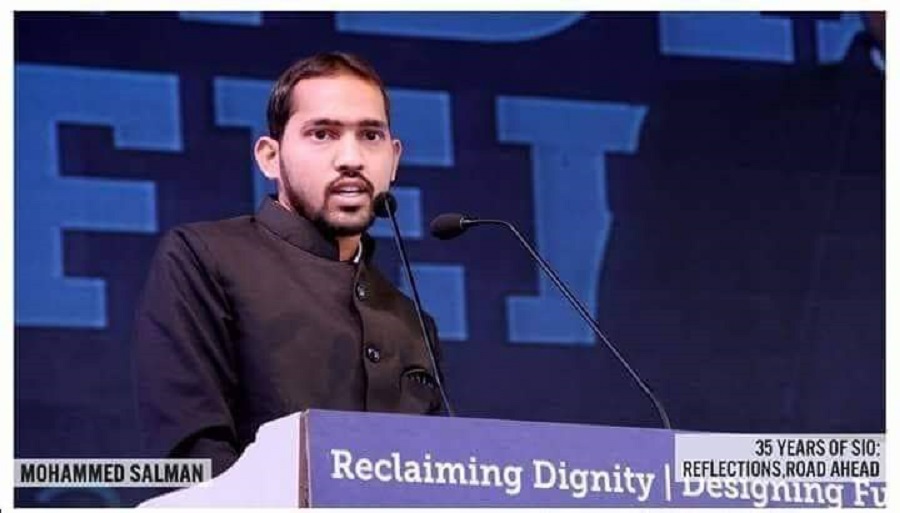
Mohammed Salman Ahmed has been elected as the national president of SIO.
A native of Maharashtra, Mohammed Salman Ahmed holds a masters degree in Engineering.
New Delhi :
The Students Islamic Organisation (SIO) of India has elected Mohammed Salman Ahmed as national president. A native of Maharashtra, he holds a masters degree in Engineering. His election was held recently at a meeting in Vijayawada, Andhra Pradesh in which other office-bearers of SIO were also elected.
Elected delegates from all the state units gather every two years to elect the president, general secretary and members of the Central Council. This year the elections were held with special precautions due to the Covid-19 pandemic, with some parts of the election being conducted online.
SIO is a national students’ organisation – and the largest organisation of Indian Muslim students – spread across the length and breadth of the country, and visible in prominent campuses of India like JNU, HCU, Jamia, AMU and other state universities. SIO is primarily active on students’ welfare and education centric issues and challenges. In recent years it has consistently worked on issues related to access and quality of education, including raising questions regarding discrimination and prejudice in educational institutions.
Syed Ahmed Muzakkir, who was previously Director of SIO’s Centre for Educational Research & Training, was elected general secretary. Muzakkir holds a masters degree in Economics from the University of Malaysia.
The national secretaries who form part of the central leadership are Nihal Kidiyoor, Dr. Naseem Ahmed, Tahoor Anwar, Rameas EK, Musab Qazi, Fawaz Shaheen and Abdul Hafeez.
Members of the Central Advisory Council, the apex decision-making body of the organisation, were also elected. They are: Amjad Ali (Kerala), Dr. Talha Faiyazzuddin (Telangana), Abdullah Azzam (Bihar), Usama Hameed (AMU), Zulqarnain Haider (Delhi), Salman Khan (South Maharashtra), Musaddiq Mubeen (Rajasthan), Dr. Luqman Ahmed (Telangana), Osama Akram (Telangana), Shujauddin Fahad (North Maharshtra), Abdul Quddus Suhaib (Karnataka), Ehtesamul Abrar (Jharkhand) and Muhammad Saeed TK (Kerala).
All the office-bearers, including the president, will hold their posts for two years.
source: http://www.clarionindia.net / Clarion India / Home> India> Indian Muslims / by Clarion India / December 02nd, 2020
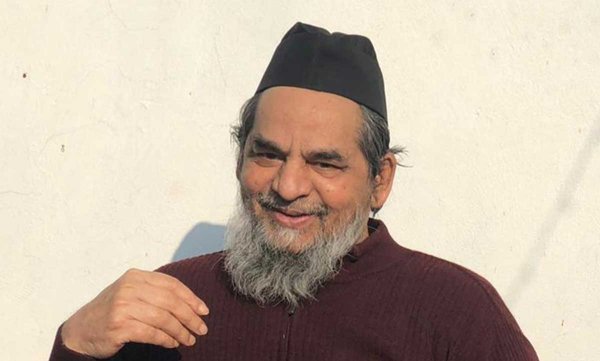
JNU’s former professor of Arabic, Janab Faizanullah Farooqi passed away today. He was not well and tested positive for Corona a week ago and was under treatment at Fortis Escorts Hospital in Sarai Jullena. He breathed his last at 2 am early this morning.
Tadfeen (burial) will insha Allah be at 3 pm at Jadid Qabristan Ahle Islam (Behind Old ITO Delhi Police Headquarters) .
Faizanullah Saheb taught at Centre for Asian and African Studies, Jawaharlal Nehru University till his retirement in 2017. He was a great scholar and critic of Arabic and Islamic Studies and a poet of Arabic, Persian and Urdu.
In his house in Abul Fazal Enclave in south Delhi, he used to run a maktab teaching children to read and memorise the Quran.
Reacting to his demise, Dr Zafarul-Islam Khan tweeted, “I am sad to know about the untimely demise of my old friend Prof. Faizanullah Farooqi. He was a distinguished scholar of Arabic who enriched teaching of Arabic in India and enhanced Indo-Arab relations. He had translated most parts of my Arabic book on methodology of research which is available in Urdu as “Usool-e Tahqiq”. He leaves behind a rich legacy and many sad hearts. May his soul rest in peace.”
He was awarded the President of India Certificate of Honor for his services to Arabic language in 2019. He is survived by his wife Farzana Khatoon, daughter Amna and two sons Irfanullah and Abu Talha.
I am sad to know about the untimely demise of my old friend Prof. Faizanullah Farooqi. He was a distinguished scholar of Arabic who enriched teaching of Arabic in India and enhanced Indo-Arab relations. He had translated most parts of my Arabic book on methodology of 1/nQuote Tweet
Milli Gazette@milligazette · Jul 22
JNU’s former professor of Arabic Faizanullah Farooqi passes away. Tadfeen (burial) will insha Allah be at 3 pm at Jadid Qabristan Ahle Islam (Behind Old ITO Delhi Police Headquarters). @Muslims_India @jnu_in
Joshi Sanghvi Village, Loha Taluka (Nanded District),MAHARASHTRA :
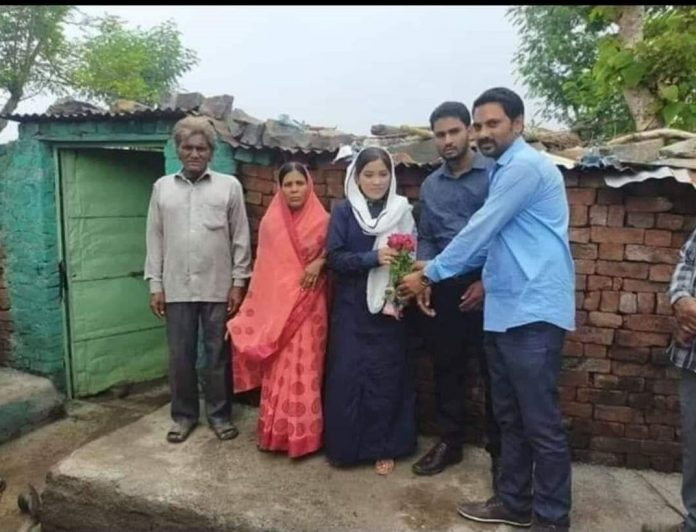
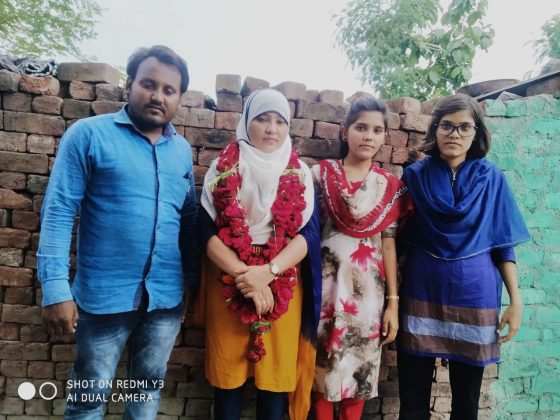
Waseema with her parents
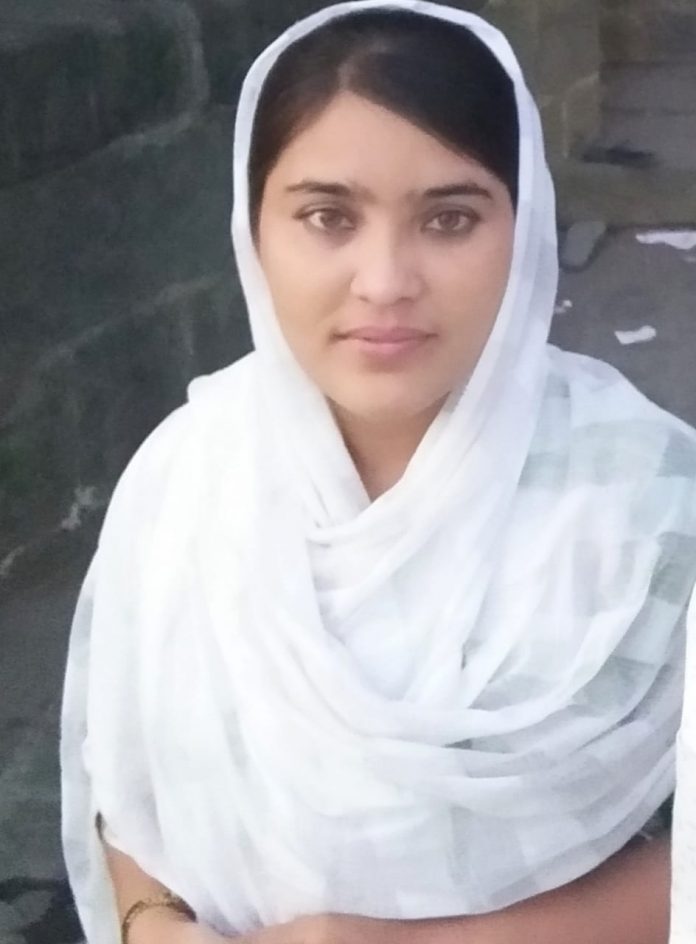
Born and brought up in a small village called Joshi Sanghvi in Loha Taluka of Nanded District of Maharashtra, Waseema Shaikh struggled at every step and braved the odds to be where she is today.
In the recently announced results for the Maharashtra Public Service Commission (MPSC) exam, Waseema secured 3rd rank. She is now undertaking training for the post of Deputy Collector.
Joshi Sanghvi is a small village with a population of about 3000 people and there are no opportunities for girls to study because they are married off as soon as they reach puberty. After class 7, the girls are forced to drop out of school. The maximum a girl can study in Joshi Sanghvi is till class 10. There is no college in the village, just a Zilla Parishad school in Marathi medium.
Waseema, the 4th child of her parents who are poor farm labourers, was passionate about studies. Despite having no electricity in their hut, she topped in the SSC board in her Taluka in 2012. And for college, she had to walk at least 6 kilometres every day as there was no transport available. However, when the exams for XII of junior college approached, she stayed at a relatives’ house and wrote the exams.
But graduation was again an uphill task as she would have to move away from home and stay in a hostel which her family could not afford.
She opted to study from an Open University and thus pursued her graduation from Yashwantrao Chavan Maharashtra Open University again in Marathi medium. Though her mother tongue is Urdu, Waseema is comfortable studying Marathi. She became the first graduate in her family of 6 siblings.
Her parents are both farm labourers and after her father fell sick, affecting his mental capabilities, the burden fell on the shoulders of her mother.
Her mother and elder brothers encouraged her to study despite the situation in the village where relatives kept advising them to get Waseema married off like her elder sister.
Waseema appeared for the MPSC exams for which she prepared through self-study as she could not afford coaching classes. She passed the exams, but her ranking was just good for a Class II post and she was appointed as a sales tax officer for the Maharashtra Sales Tax Office in Nagpur.
However, it was payback time for Waseema. She put her brother back in college to pursue his B.Sc degree and then appeared for the MPSC exams as was his ambition. She is also taking care of her younger 2 sisters’ education, who like her want to appear for the state civil services.
But evidently, a class II job was not enough for her so she appeared again for the MPSC and ranked among the top 5, scaling her position to that of Deputy Collector.
Waseema with her siblings
“The situation in my village where girls are not encouraged to study and forced into marriage, violence against women, poverty and poor infrastructure in the village often set me thinking what I can do to change this situation? Besides, my friend who was very good at studies and wanted to study further was married off when we were in class 9. This upset me a lot,” Waseema told TwoCircles.net.
It was this desire to empower girls and women which motivated her to appear for the MPSC exams.
Sanghvi Joshi village has a sizable Muslim population as it was in the erstwhile Nizam state of Hyderabad and now acceded with the Marathwada region.
Today the village is proud of their daughter who is the first person from their village to reach that level. She has become the idol for many young girls who are in school.
“Many girls used to come up to me to talk about their concerns when their parents wanted them to stop their studies or when their parents were looking for matches. I used to give counselling to the parents and persuade them to let their daughters study,” Waseema said.
She said she was pained that girls’ education is never a priority for parents.
Waseema said that parents of girls should become aggressive about the educational rights of their daughters. “The percentage of women in civil services is very less and I think to increase this we should have reservations, free coaching, scholarships exclusively for women so girls will be encouraged to aspire for civil services,” she said, and added, “Proper guidance, hard work, consistency in study hours, the best utilisation of resources available are equally important.”
“But I am fortunate that my mother and my brother encouraged me and I am so grateful to my brother who sacrificed his education for me when anyone else in his place would think it futile to educate a girl,” Waseema said.
It was her brilliant academic performances year after year that gave confidence to her mother and brother to let her pursue her dreams.
Waseema wishes to be posted in a rural backward place like her village so she can work for their betterment. “I want to develop the villages and help the people come out of their poverty. I have known what it is to be poor and experienced the hardships so I can empathise with the people”, Waseema said.
Waseema got married on June 8, a few days before her MPSC result, to Shaikh Haider who is also a Maharashtra Public State Services (MPSC) aspirant. “Yet again Allah has been kind to me, my spouse and my in-laws are supportive of my career and are proud of me,” she said.
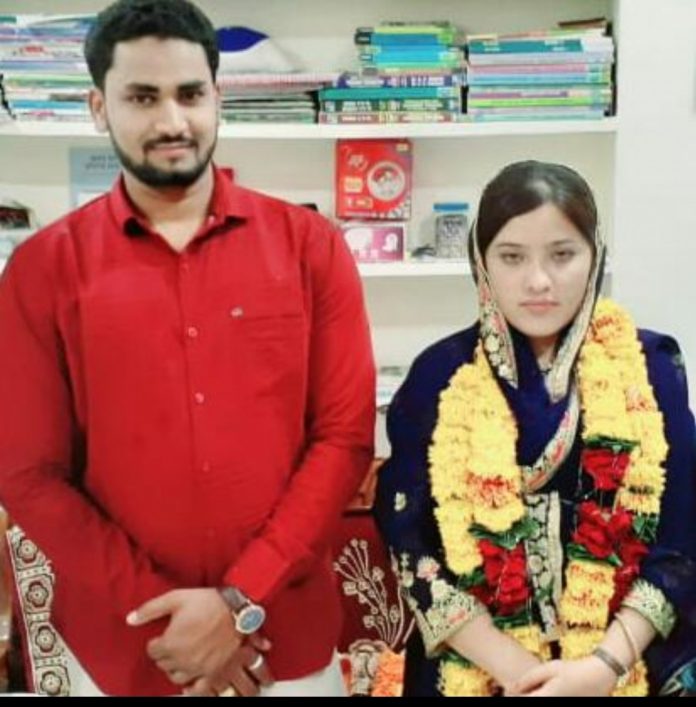
waseema and Haidar
source: http://www.twocircles.net / TwoCircles.net / Home> Indian Muslim / by Nikhat Fatima, TwoCircles.net / July 01st, 2020
Dhebar says he got interested in politics at 16 years of age when his elder brother asked him to help a candidate for the municipal election.
Aijaz Dhebar is Mayor of Raipur. (HT Photo)
Thirty-years ago, while everyone would enjoy the conviviality of much awaited recess, a kid from Raipur used to sit alone. He did not have the luxury of bringing food due to his family’s penurious condition. One day, an empathetic lady teacher sensed the loneliness of the child and since then always handed over her tiffin-box to that kid.
That boy, Aijaz Dhebar, now 39, is Raipur Mayor, the first Muslim in Chhattisgarh to hold this post.
His teacher, Iccha Madam, now in her seventies, recalls Dhebar’s days of penury and says that in the last 30 years he has never missed teacher’s day. “He is among the first to ring door bell of my house and wish me teacher’s day,” she said.
“Those were difficult days for us…My father was just a worker in a shop and he had 10 children and therefore, we could not afford lunch in school. Every day, I used to pray to God before recess…..I felt humiliated,” Dhebar recalls, sitting in Mayor’s Chamber in the White House — the municipal corporation building in Raipur.
“Later, my father opened a scarp shop in Muadhapara and then our family’s financial condition started improving,” he says.
Dhebar got interested in politics when he was 16.
“One day, my elder brother instructed me to help a candidate who was fighting for municipal election and it was my first foray in politics. My brother, Haneef Dhebar, was close to Ajit Jogi and later I came close to some of senior leaders of Congress… I was made Baijnathpara ward president of Congress in 1995-96,” Dhebar said.
Dhebar became close to Jogi, who appointed him state president of National Students Union of India in 2001. “In 2006-07, I moved away from Jogi family due to personal reasons,” he says.
“Then I got in touch with Charandas Mahant, who gave me a post in Congress. I worked across the state and organized protests and events against the BJP government,” Dhebar claims.
But, Dhebar earned an image of rowdy in Chhattisgarh politics, which he vehemently denies. “There is was only case against me, in which I have been exonerated,” he says.
But, his rivals in the Congress say he has an image of ‘nuisance’ creator in the party. “I am sure by next assembly election the party will realize its mistake of making Dhebar mayor. He will have a negative impact on all the four assembly seats of the city,” a says a senior Congress leader, preferring anonymity.
But, those close to Dhebar said his image of an “aggressor” is result of his political fight against the Bharatiya Janata Party (BJP) during the saffron party’s rule in the state for 15 years.
“He fought on the streets when BJP was in power and therefore he is often described as an aggressive person. Each and every protest organised by Congress was either led by Vikas Upadhyay (now an MLA) or Dhebar…I have seen him since he was ward president of Congress party in the city…He is always devoted towards for the party and its objective,” said Sandeep Sahu, a coordinator of Other Backward Classes wing of All Indian Congress Committee (AICC).
Dhebar claims that his image was “distorted” by some people for vested interest. “If my image was so bad, I would not have won by the highest margin in municipal election in the state,” he says in his defence.
BJP leaders alleged that Dhebar became Mayor because he was close to those in power in Chhattisgarh.
“During legislative elections, he threatened Congress leader PL Punia and was denied a party ticket after which he ransacked the Congress office. This shows that who has promoted him. He handles all the big mining projects for some important persons in Congress. His image is of a trader not a politician,” Gauri Shankar Srivas, BJP spokesperson, claiming that Dhebar got Mayor’s post because of CM Bhupesh Baghel.
Dhebar had no qualms in agreeing with Srivas on this. “In the era when there is big debate on Citizenship Amendment Act (CAA) and National Register for Citizens (NRC) across the country, Bhupesh ji trusted me,” he said.
In his own words, Dhebar has seen meteoric financial rise. From a family, which was not able to provide him lunch in school, he now owns a lush hotel in Raipur and has invested in at least 10 construction projects in the city. “Ye sab apni mehnat se kiya hai (All this I have got through my hard work)… Not a single paisa is illegally earned,” he says, claiming that he delves in real estate and hospitability business.
Political commentator, Nand Kashyap, said he has earned his position.
“He has been very active since the state was formed and held many dharnas and protests against the previous BJP government. I will not call his appointment as Muslim appeasement. I think, he deserved the post,” Kashyap said.
source: http://www.hindustantimes.com / Hindustan Times / Home> India News / by Ritesh Mishra, Hindustan Times, Raipur / January 31st, 2020
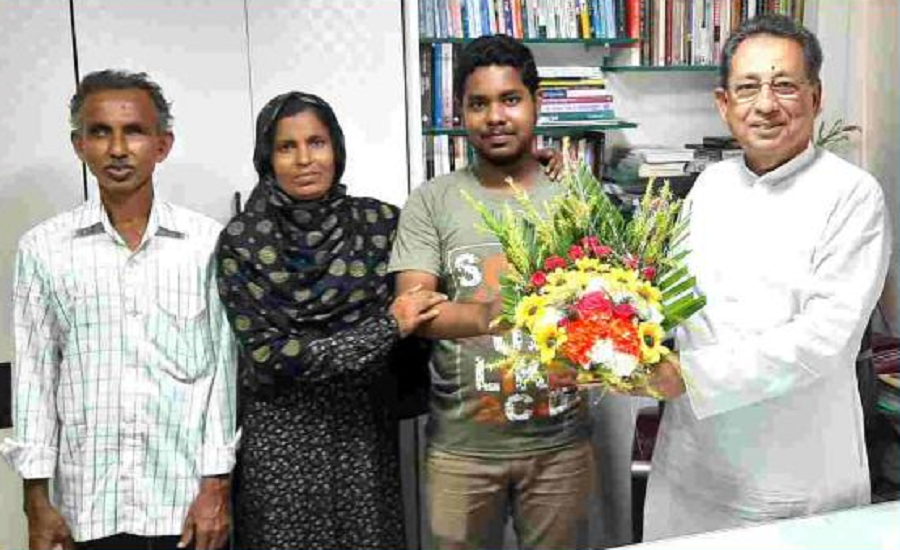
Nurul Islam, general secretary of Al-Ameen Mission (right), with a successful student and his parents.
SPECIAL REPORT
With 63 residential campuses in 20 of the 23 districts of West Bengal, Al-Ameen Mission is mentoring 17,000 students; so far it has produced 3,000 doctors, 2,800 engineers and hosts of civil servants, professors and lawyers.
A SILENT revolution in education is taking place in West Bengal which the rest of India may not be aware of. What is significant about this revolution is that it is happening in the marginalised section of Muslims.
The Al-Ameen Mission, a Howrah-based charitable organisation, has been spearheading a movement for over three decades to educate those who can’t afford quality education. Its success graph is increasing each year. This year, 378 students mentored by Al-Ameen have been selected for medical education (310 for MBBS and 68 for BDS).
This figure is after the first round of counselling held on July 16, 2020, when Clarion India interviewed Nurul Islam, the founder general secretary of the organisation. He is expecting another 100 students to be selected in subsequent rounds of counselling.
A total of 516 students of Al-Ameen have cleared NEET, an all-India written test for admission to medical colleges. Out of that, 378 have already been selected. This is no mean achievement considering the fact that two-thirds of them come from a background where becoming a medical doctor is just unthinkable.
Al-Ameen has been achieving this success year after year. In 2019, its 407 students secured admission in medical colleges for MBBS and BDS education. As many as 370 students were successful in 2018; 115 in 2017; 393 in 2016; 223 in 2015; and 212 in 2014.
Al-Ameen mentors both boys and girls. Thirty per cent of its students come from families who are very poor and categorised by the government as below poverty line. Forty percent are from lower middle income groups. The rest belong to the middle and upper middle income group. That means 70 per cent students enrolled here come from poor families.
Al-Ameen’s journey started in 1986-87 with only seven students. The aim was to give modern education with moral values in a full residential system where students from all strata of society, irrespective of their economic conditions, would stay and learn together. Students coming from the poorest sections of society were given free education. Donations and zakat were collected to meet up with the expenses. Gradually, the name of the mission spread far and wide and people came along and a movement started.
Nurul Islam says that in the 80s when he started his mission, the percentage of Muslim students in medical and engineering colleges of West Bengal was hardly two to three per cent. “But because of Al-Ameen’s efforts that percentage is today between 20 and 30 percent,” he claims.
Admission criteria
The current strength of Al-Ameen is 17,000 students. It admits students from Class V to XII. Those preparing for competitive exams also stay here beyond 12th. Merit is given top priority for admission. A common admission test is conducted for all its branches at 63 residential campuses in 20 of the 23 districts of West Bengal. Those who qualify are called for an objective test followed by interviews of their guardians.
A substantial number of seats are reserved for orphans and meritorious students of very poor families. They are also given special financial aid. In 2019, about 32,000 students appeared for admission tests to classes V to XII. Nurul Islam says his institution is able to accommodate only up to 20 per cent applicants.
Residential facility
Al-Ameen is essentially a residential institution. Those selected are required to stay in one of the 63 campuses that it runs throughout West Bengal. They are taken care of by everything: from education to food to accommodation. A strict discipline is followed by everyone alike from students to teachers to general staff.
Howrah, where it is headquartered, has four campuses in which 3,000 students are living. Al-Ameen also has campuses outside West Bengal: One in Patna, one in Ranchi and one in Tripura. There is one more in Assam which temporarily is not functional.
Scholarship scheme
Fees of the students are determined as per financial capacities of their families. Being a charitable organisation, Al-Ameen gives 100 per cent subsidy in the fees and even takes other responsibilities of education and upbringing of a deserving student if deemed fit. At present, Al-Ameen’s fee structure is divided into three categories:
25 per cent students pay zero to 25 per cent fee. Their subsidy is funded by zakat from across the country;
40 per cent pay fee ranging from 26 percent to 60 per cent. This subsidy is funded through general donations of the public;
35 per cent pay between 61 per cent and 100 per cent.
Focus on school education
Besides preparing students for medical and engineering, Al-Ameen is also focused on basic education of students under its guardianship. This year, 2,223 of its male and female students appeared for Class XII exams of states as well as Central boards. Not only all succeeded, 81 of them even occupied their positions within the rank of 20.
The background of all the successful candidates is noticeable: 605, or 27 per cent, are from poor and BPL families; 775, or 35 percent, from lower middle income groups; and 843, or 38 per cent from middle and upper middle income groups.
Similarly, 1,777 boys and girls took exams for Class 10. Fifteen of them occupied their positions within the rank of 20. Their background: 627, or 35 per cent, come from poor and BPL families; 680, 38 percent, from lower middle income groups; and 470, or 27 per cent, from middle and upper middle income groups.
23,000 Alumni
During the last 34 years of its existence, Al-Ameen has developed a strong base of alumni. They number 23,000, according to Nurul Islam. Out of that, 3,000 are doctors and 2,800 engineers. The rest are in various other fields such as civil services, academia, law and media.
The boys and girls hailing from the most backward areas and lowest strata of society, he says, are now dreaming to become doctors, engineers, civil servants, teachers, professors, researchers, lawyers or journalists.
Nurul Islam calls it a “Silent revolution”.
“Silently, a revolution is taking place. Al-Ameen has become the conduit in this whole churning of transformation which may be defined as a silent revolution,” he says.
A look at the list of Al-Ameen alumni bears testimony to what Nurul Islam is claiming. The list includes successful professionals and academicians in prestigious institutions. What is heartening is their background. Most of them belong to economically poor sections of society. But for this educational movement, they would have remained poor and uneducated. But today, they are respectable members of society and source of inspiration for others.
Some of the notable alumni are listed below:
Md Arif Shaikh, Senior Research Fellow at Harish Chandra Research Institute, Prayagraj, UP.
Dr Safina Begum, MS, Senior Resident at Fort Gloster State General Hospital, Howrah, West Bengal.
Dr Nargis Molla, MS, Specialist Medical Officer (Gynaecology), Dhaniakhali Rural Hospital, West Bengal.
Magfura Parvin, Senior Research Fellow, Vidyasagar University, Midnapur, West Bengal.
Dr Sk Altaf Hossien, MD, DNB Post-Doctoral Fellow, National Institute of Mental Health and Neurosciences (NIMHANS), Bangalore.
Dr Khandekar Fariduddin, MS, Assistant Professor, Malda Medical College and Hospital, Malda, West Bengal.
Dr Hibjul Ali Khan, MS, Assistant Professor, College of Medicine & Sagore Dutta Hospital.
Dr Md Hadiuzzaman, MS, MCH Senior Resident, SSKM Hospital.
Akram Hoque, MBA, Founder Editor, The Policy Times.
Ali Ahmed Alamgir, WBCS, Assistant Labour Commissioner.
Jahangir Mollick, WBCS (Exe), Deputy Magistrate and Deputy Collector, West Bengal.
Shayan Ahmad, WBPS, Deputy Superintendent of Police, West Bengal.
Sk Samsuddin, WBPS, Deputy Superintendent of Police, West Bengal
Ramjan Ali, WBCS, Assistant Commissioner of Revenue, West Bengal.
Dr Kader Ali Sarkar, Assistant Professor, Visva-Bharati University, Santiniketan, West Bengal.
Dr Mukandar Sekh, Assistant Professor, Aliah University, Kolkata.
Md Golam Mortoza, Chartered Accountant, Senior Executive (Finance), Management Development Institute, Murshidabad, West Bengal.
Dr Md Samim Reja, MVSc, Veterinary Officer, Domjur Block, Howrah, West Bengal.
Healthcare unit in Khalatpur
Recently, Al-Ameen has opened a healthcare facility at its main campus of Khalatpur in Howrah district. It is run mainly by its alumni, some of whom are today established medical practitioners. They regularly visit the healthcare unit and give their services to poor and needy people of the locality.
source: http://www.clarionindia.net / Clarion India / Home> Big Story – Special Report / by Shaheen Nazar – Clarion India / November 23rd, 2020
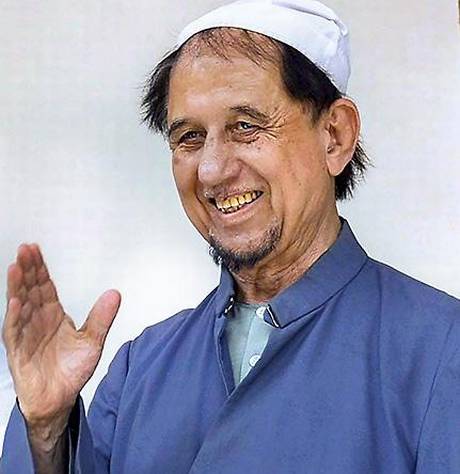
Prominent Shia preacher and scholar Maulana Kalbe Sadiq died late on Tuesday after prolonged illness. At 83, he was perhaps the tallest and most reputable Shia cleric in Uttar Pradesh and its capital Lucknow.
Sadiq breathed his last at 10 p.m., said his son Kalbe Sibtain Noori. Sadiq was admitted to the ICU of a private hospital on November 17.
“He was very unwell. His condition was deteriorating over the past three days,” said his son.
In a health bulletin issued hours before his death, Era’s Lucknow Medical College said Sadiq was suffering from colorectal cancer with metastasis with severe pneumonia, UTI and septic shock with acute kidney shutdown and paralytic ileus.
An educationist and Islamic scholar in his own right, Sadiq was also the vice-president of the All India Muslim Personal Law Board.
His nephew and Shia cleric Maulana Kalbe Jawad said Sadiq’s death was a big loss not only for the family but also for Shias, Muslims in general and the nation. “It is an unbearable loss,” Maulana Jawad said in a statement issued from Jammu and Kashmir.
Support to protest
Despite his ill health, in perhaps in one of his last public appearances, Sadiq offered his support to the protest against the Citizenship (Amendment) Act earlier this year. In January, he visited the Hussainabad Clocktower protest site in old Lucknow and expressed solidarity with the women who had assembled there.
source: http://www.thehindu.com / The Hindu / Home> Miscellaneous> Others / by Special Correspondent / Lucknow – November 26th, 2020
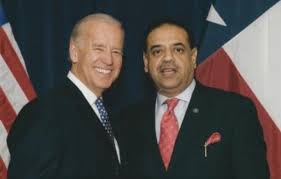
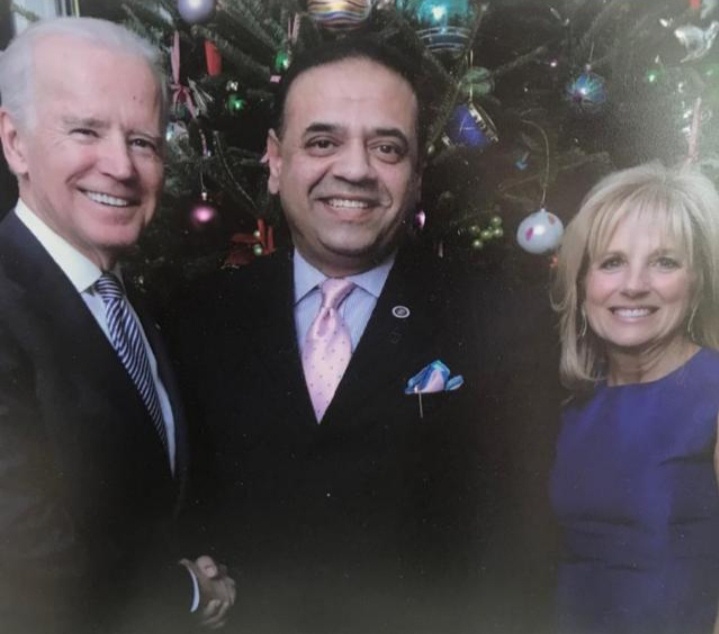
Lutfi Hassan, whose name may be known to few but whose contributions in the Joe Biden’s victory is enormous, has been politically active for over three decades promoting immigrants’ causes in the United States.
A Democrat stalwart, Hassan played key role in galvanizing Asian Americans across America by serving on the board of SAB (South Asians for Biden), by raising funds, mobilizing the community on GOTV (get out the vote) efforts for presidential candidate Joe Biden.
Hassan, a resident of Houston, Texas for the past 40 years originally hails from Hyderabad and has been associated with Democratic Party for the past 28 years.
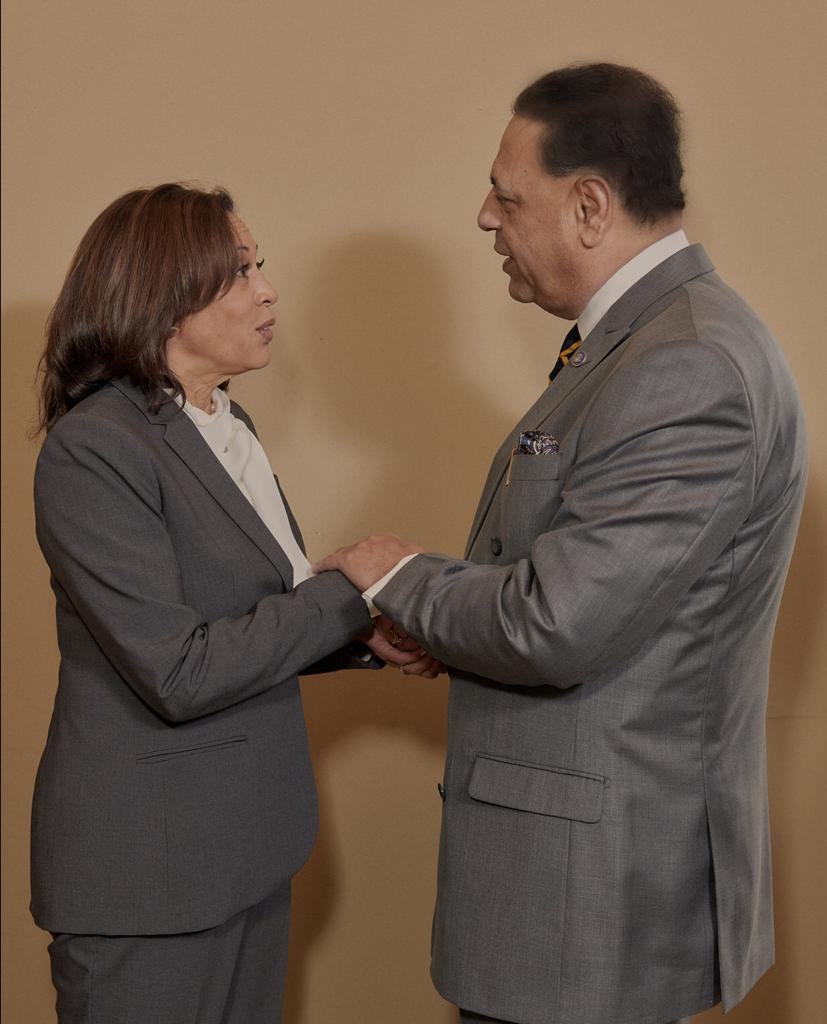
As a politically savvy visionary Hassan has been instrumental in bringing then Democratic candidate Sen. Kamala Harris to Houston last year during the Democratic Primaries to meet the South Asian community.
From then on, he tirelessly campaigned behind the scene for Biden-Harris ticket which eventually yielded historic victory with a female Vice President, a person of color.
Hassan was appointed by President Bill Clinton on the board of Central Asian American Enterprize Fund (CAAEF) In year 2000 and honorably served under President Bush.
Hassan has served on many Gubernatorial, Senatorial, Congressional & Mayoral Campaign Finance Committees represented the South Asian community. Hassan has many a times raised the community’s issues & concerns with the government. Over the years he has been a recipient of various community service awards.
In the year 2003, a US flag was flown over the Capitol in Washington by the order of House Of Representatives to honor him for a decade of his community service. He is the first South Asian to serve on the prestigious board of the Urban League (oldest civil rights organization).
Hassan has always participated in assisting the Indian mission in the US with various Congressional bills and amendments that matter to India. The most recent two important bills in the US Congress & US Senate of being the Indian Civil Nuclear Deal and the US Consulate selection of Hyderabad, Andhra Pradesh. He was also instrumental in motivating President Clinton to choose Hyderabad over Bangalore to visit during his historic visit in March 2000 to India. Hassan was a part of the delegation.
For the past 28 years, as an Indian born American, Hassan has always assisted the Indian community in accomplishing significant milestones. He had the pleasure of serving on the board of the Memphis Tennessee based Gandhi Institute for Non Violence founded by Arun Gandhi, the Grandson of Mahatma Gandhi in the year 1999-2002. Among the landmark achievements is the installation of the Gandhi Statue at the Hermann Park.
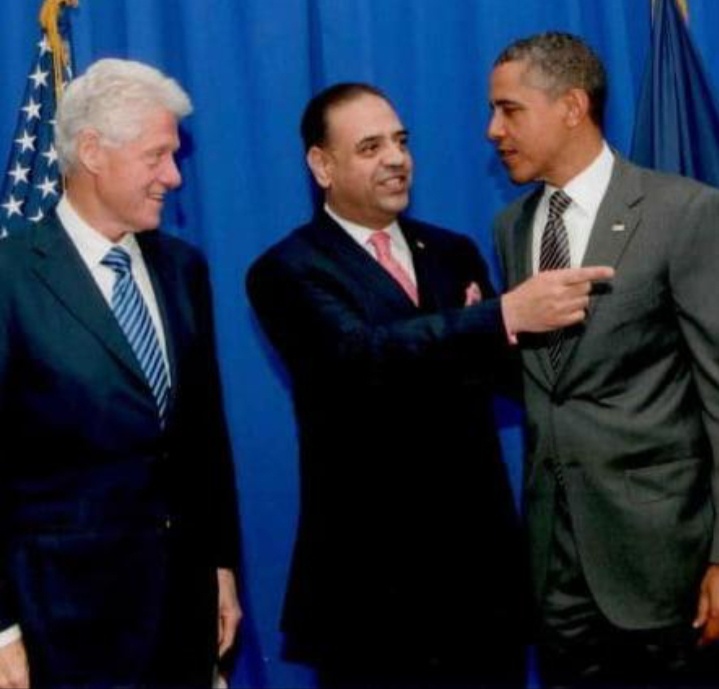
Hassan has proved his mettle in the past when he served as a national finance co-chair for former president Barak Obama campaigns in 2008 and then in 2012. Hassan was a part of the President Obama’s first official trip to India.
Over the years, he has been an NAB (National Advisory Board) member of Democratic National Committee.
Hassan is the founder and promoter of Apex Group of Companies and currently serves on the boards of advisory of several multinational companies in the U.S. and Asia.
source: http://www.muslimmirror.com / Muslim Mirror / Home> Featured / by Syed Zubair Ahmed / November 19th, 2020