Category Archives: Leaders

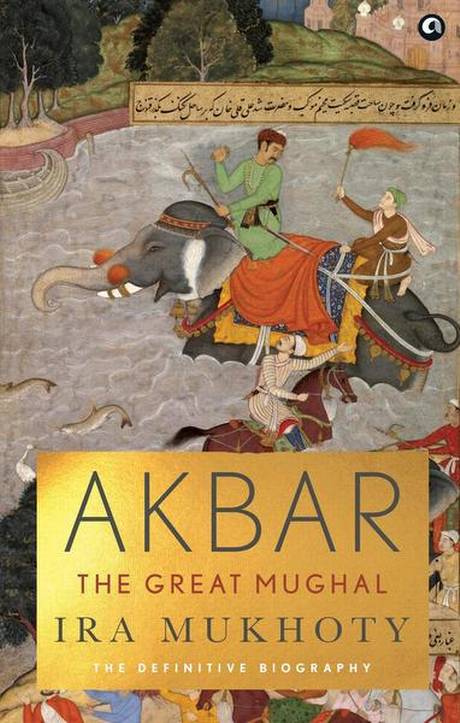
Akbar The Great Mughal: The Definitive Biography’ review: Light from many faiths

NEW DELHI :

In Ira Mukhoty’s narrative, Emperor Akbar is an able reformer, the earliest advocate of inter-religion dialogue, and marked for greatness because of his quality of empathy

Charismatic, curious, catholic, compassionate — Emperor Akbar (1542-1605) has long exercised the imagination of Indians of all hues. For the lay person, he is the lumbering giant with the booming voice and grand moustache as depicted by the actor Prithviraj Kapoor in K. Asif’s magnum opus Mughal-e-Azam (1960); while ostensibly a love story between Akbar’s son, Salim, and Anarkali, the film belongs to the father in the eponymous role of the Great Mughal.

For the liberals, Akbar is the embodiment of pluralism, multiculturalism and the earliest advocate of inter-faith dialogue.

For the right-wing ultra-nationalists he is the most ‘tolerable’ of all the Muslim rulers for his reverence for all faiths and abolition of the religious tax, jiziya, from non-Muslims.

An Indian icon’

From school textbooks to the Akbar-Birbal qissa-kahani to popular culture, Akbar has consistently remained an Indian icon.

Several books too have been written on him, both by the professional historian and by non-academic but extremely engaged and passionate writers. In the latter category are two recent books, both eminently readable and both written by journalists: the simply-titled Akbar by Shazi Zaman and Allahu Akbar: Understanding the Great Mughal in Today’s India by Manimugdha Sharma. Ira Mukhoty’s gargantuan book is nevertheless a welcome addition.

However, her assertion that “few full-length biographies have been written in recent times” is not entirely true. One is also wary of the sub-title; “definitive” biography sounds like a publisher’s overkill, for a book’s size alone (over 600 pages) cannot define its scope nor ward off any future explorations on the subject.

Given the absence of Endnotes, Bibliography and Index in the uncorrected proof copy sent for review, one is unable to fully gauge the extent of sources and primary texts studied by the author and whether, if at all, she has accessed Persian sources that have largely been beyond the reach of non-academic writers relying as they do on English translations.

One is, however, struck by two curious omissions by the author. One: footnotes to indicate where quoted matter is sourced from.

Two, a similar omission in the photographs of Mughal miniatures; more detailed captions and information about sources would have been helpful given, especially, that the book focuses on the role played by the royal ateliers (tasvir khanas) in chronicling the lives of the royal patrons and leaving behind a vast visual archive of Mughal history, a rich load that is now being mined by art historians as a supplement to recorded history.

Access to a king

Mukhoty’s strength as a writer lies in her ability to recreate a scene, flesh out characters, find the human element, in a word, narrate history.

Her previous book, Daughters of the Sun: Empresses, Queens and Begums of the Mughal Empire, contained ample evidence of her sophisticated prose and her felicity in providing a luminous account of the many women who lived in the shadow of their men yet led remarkable lives during the Mughal period. Here, too, she impresses with her ability to make history accessible in ways that professional historians sometimes don’t, or can’t.

Mukhoty shows her mettle as a narrator virtually from the opening paragraph where she describes two young hostages, a young Akbar and his sister, on their way to meet their uncle Kamran: “In the frigid mid-winter of 1544, two children were sent north from Kandahar to Kabul, 500 kilometres away. While the snow fell silently and relentlessly on a desolate landscape, the small party stumbled on through the mountain passes and ravines, their horses’ steaming breath loud in the night.”

She goes on to chart the growth of that terrified child upon whom the weight of being Emperor of Hindustan is thrust at the tender age of 13 when his father, Humayun, dies unexpectedly: “In fact, Akbar was a distracted, undisciplined, rambunctious child and youth who, in the parlance of the twenty-first century, may have suffered from an attention-deficit disorder. So unruly and self-willed was Akbar that no tutor was able to hold his attention and he grew up effectively unschooled and practically illiterate.”

Pioneering genius

And yet this young emperor would evolve into a fine human being, a patron of the arts, initiator of some of the greatest works of translation not to mention a pioneer in ship-building, metallurgy, alchemy, military technology as well as administrative reforms. Mukhoty shows us the man behind the emperor who brought in the largest territory — after Ashoka and his Mauryan empire — under his control.

Despite Akbar’s intellectual curiosity, his epiphany at the age of 36, his visionary idea of sulha kul (universal peace), it is his compassion and empathy that marks him for greatness. As he said in one of his proclamations: ‘The best prayer is service to humanity.’

Akbar The Great Mughal: The Definitive Biography; Ira Mukhoty, Aleph, ₹999.

The reviewer is a writer, translator and literary historian.

source: http://www.thehindu.com / The Hindu / Home> Books> Reviews / by Rakshanda Jalil / June 13th, 2020

Fazal R Khaleel replaces Raghuram Bhat as Karnataka’s chief selector

Bengaluru, KARNATAKA :

The Karnataka State Cricket Association took this decision during their managing committee meeting on Friday.

Fazal R Khaleel

BENGALURU: Former Karnataka batsman Fazal R Khaleel was appointed as the new chairman of selectors for the men’s state team, replacing Raghuram Bhat for the top post. The Karnataka State Cricket Association took this decision during their managing committee meeting on Friday.

Khaleel is not new to the senior team as he was a part of the last selection committee too. “The good part is all these players, be it Karun Nair, Manish Pandey, KL Rahul – I have seen them from U-15 days, so I find it easier to talk to them and explain things and they also may also find it easy to approach me,” Khaleel told this daily. He has also been appointed as the chairman of selectors for the U-23 side. Anand P Katti, a member of the senior team’s selection committee, is the chief selector for the U-19 side.

“It is good to have selectors in different age groups so that the feedback comes in and that can be discussed in the selection meeting. We will know who are the youngsters that are doing well and the bench strength can be known,” added Khaleel.

Yere Goud ( head coach) and Sreenath Aravind (assistant and bowling coach) will continue with their respective role for next season as well. However, there is no clarity about the domestic season and also when players can start their practice due to Covid-19 pandemic. KSCA is awaiting for the next set of guidelines before they decide upon any cricket activities.

“We are working on the calendar. But, as of now, we are waiting for the guidelines from the government, regarding lockdown 5.0. Based on that only, we are going to take a final call ,” said treasurer Vinay Mruthyunjaya.

Selection Committee

Men: Chairman: Fazal R Khaleel. Members: B Siddaramu, Anand P Katti, Ramesh Hejmadi. Head coach: Yere Goud, Assistant and bowling coach: Sreenath Arvind

Women: Chairperson: D Jayashree. Members: Mukta Alegeri, Leena Prasad, PJ Hemalatha. Coach: Mamatha Maben.

Secretary and Convenor: Santosh Menon (for both teams)

source: http://www.newindianexpress.com / The New Indian Express / Home> Sport> Cricket / by Ashim Sunam / Express News Service / May 30th, 2020

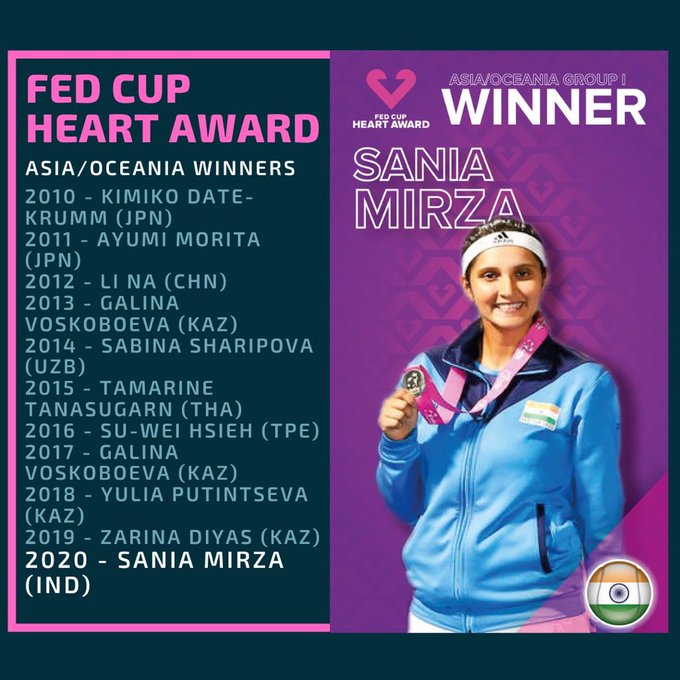
Sania Mirza becomes first Indian to win Fed Cup Heart Award, donates prize money to Covid-19 fight

Hyderabad, TELANGANA :

The 33-year-old made a comeback to Fed Cup after four year and helped India qualify for the Play-offs for the first time in history.

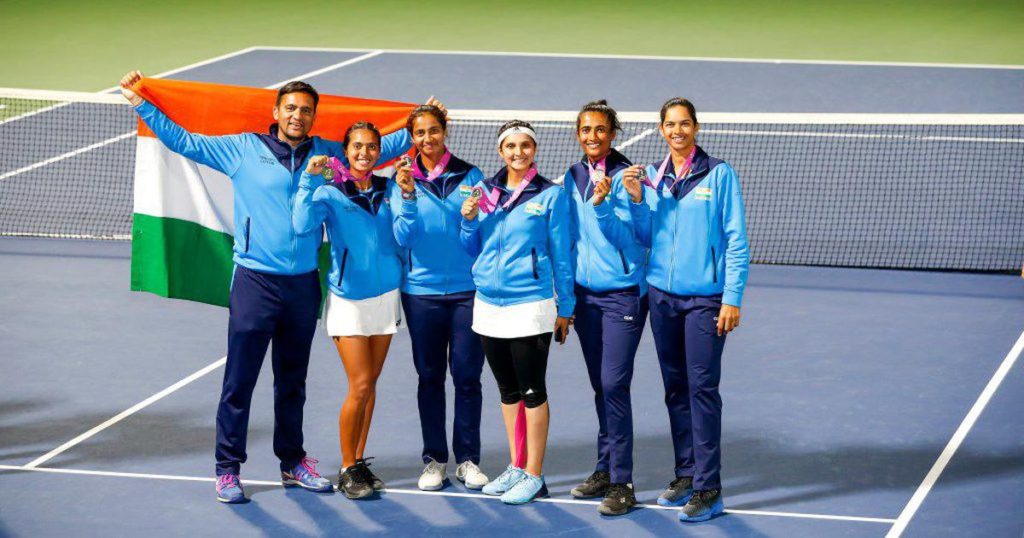
File image of Sania Mirza (third from R) and Indian team at Fed Cup from earlier in 2020 | Via Indian Tennis Daily

Indian tennis star on Monday won the Fed Cup Heart Award from the Asia/Oceania zone for her performance on return from maternity break earlier this year.

The 33-year-old made a comeback to Fed Cup after four years and helped India qualify  for the Play-offs for the first time in history, with 18-month old son Izhaan present in the stands. Mirza helped India remain unbeaten in doubles with a decisive win over Indonesia that secured second place in the group.

She is also the first Indian to win the award.

“It’s an honour to win the Fed Cup Heart Award as the first Indian,” Mirza, who was also India’s first Heart Award nominee, was quoted as saying on Fed Cup’s official website.

“I dedicate this award to the entire country and to all my fans and thank everyone for voting for me. I hope to bring more laurels to the country in the future.”

Along with the award, she also received a cheque for $2,000 to be donated to a charity and she opted to help with relief during the coronavirus crisis.

“I want to donate the money that I get from this award to the Telangana Chief Minister’s Relief Fund as the world is going through very difficult times with the virus,” she added.

Latvia’s Anastasija Sevastova won the Qualifiers award for her win against USA’s Serena Williams with Mexico’s Fernanda Contreras Gomez and Estonian Anett Kontaveit being the other zone winners.

@MirzaSania

I want to donate the funds that I get from this award to the Telangana CM relief Fund as the world is going through very difficult times with the virus .. thank you all

🙏🏽

View image on Twitter

Mirza won the award for Asia/Oceania zone after securing 10,000 plus votes out of the total 16,985 cast for this year’s three regional Group I nominees, reported PTI.

The Fed Cup Heart Award winners were determined via online voting by fans which went on for a week starting from May 1.

Mirza’s vote share of over 60 per cent of the total votes is a testimony to the global popularity of the Indian star at the Fed Cup competition. She made a comeback to Fed Cup earlier in 2020 after four years. After giving birth to her son in October 2018, Mirza returned to the court in January this year and instantly achieved success by clinching the women’s doubles title at Hobart International alongside Nadiia Kichenok.

Former world No 1 in doubles and six-time Grand Slam champion, Mirza beat Indonesia’s 16-year-old Priska Madelyn Nugroho for the award in Asia/Oceania regional category.

(With PTI inputs)

source: http://www.scroll.in / Scroll.in / Home> Indian Tennis / by Scroll Staff / May 11th, 2020

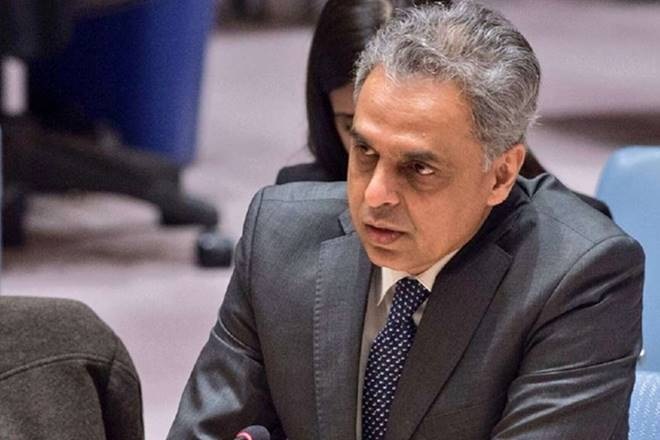
With a gentle `Namaste’ Syed Akbaruddin exits UN; TS Tirumurti goes to PMI

Hyderabad, TELANGANA / New Delhi / New York , UNITED NATIONS (UN) :

Putting in his best efforts along with his team, he conveyed India’s position which the world leaders and the UN took note of and Masood Azhar has now been declared as a global terrorist. Again, when China tried to raise the issue of Kashmir on behalf of Pakistan, it was countered by Syed Akbaruddin.

When China tried to raise the issue of Kashmir on behalf of Pakistan, it was countered by Syed Akbaruddin.

One of the country’s finest diplomat Syed Akbaruddin, India’s permanent representative to the United Nations (UN), took leave from the UN Secretary-General Antonio Guterres via video conferencing with a `Namaste’ on his last day at work. He has kept successfully country’s position on all issues on this global platform for many years and has on many occasions bowled over the Pakistan media during press conferences at the United Nations. Akbaruddin is his typical style, with a smile has always given a befitting response to the Pakistan side on a wide range of critical issues including Kashmir, the issue of Article 370, on terrorism or matters related to the minorities.

Despite China’s constant efforts to create obstacles in India’s efforts in getting Pakistan based Masood Azhar, the leader of terrorist organization Jaish-e-Mohammed, as a global terrorist, Akbaruddin succeeded.

Putting in his best efforts along with his team, he conveyed India’s position which the world leaders and the UN took note of and Masood Azhar has now been declared as a global terrorist. Again, when China tried to raise the issue of Kashmir on behalf of Pakistan, it was countered by Syed Akbaruddin.

The new ambassador to PMI in New York

TS Tirumurti has been appointed as the next ambassador to the United Nations and will be taking over shortly. He is currently working as a Secretary, Economic Relation in the Ministry of External Affairs.

Expert View

Says Prof Ajay Dubey, Director, Institute of Advance Studies, JNU “In the world after Corona, global order and configuration of power is going to be realigned. Institutions of global governance like the UN is going to be an important instrument for countries like India which legitimately seeks new roles and positions in crafting this new world order.”

“People like Ambassador Tirumurti’s appointment to Indian representative at UN, is very apt because he had been an outstanding ambassador and high performing Secretary of an important division in MEA. And he is a people’s diplomat, proactively reaching to constituencies, converting acquaintances in a trustworthy relationship and a part of the solution whenever approached,” observes, Dubey, Chairperson, Special Centre for National Security Studies, JNU.

According to Dubey, “Amb Tirumurti is a diplomat of the future and so untypical of a still cocooned foreign policy bureaucracy. He is the best available person to lead Indian initiatives at the UN during two years of its temporary membership in the Security Council, a crucial period for transforming world order.”

“The new ambassador is succeeding an equally competent, cool and focused Ambassador Akbaruddin who has set new benchmarks for bureaucrats to perform and deliver. Amb Akbaruddin has raised the bar for a new Indian diplomat at his position,” he opines.

source: http://www.financialexpress.com / Financial Express / Home / by Huma Siddiqui / April 30th, 2020

When the 1918 Spanish flu reached Bengaluru

Bengaluru, KARNATAKA :

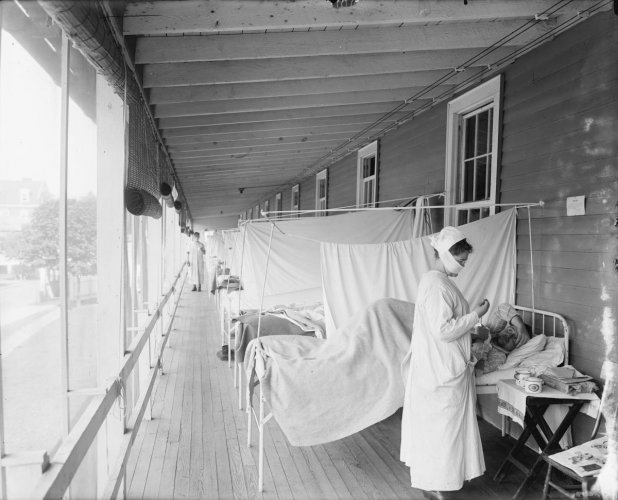
The Spanish Flu’s name comes from the fact that even as wartime censorship in the United States and most of Europe suppressed news of the influenza, the media in neutral Spain reported on it extensively. Photo: Wiki Commons

June 1918. A debilitating disease suddenly swept through Mumbai. Thousands fell ill, complaining of debilitating fever and cough, sometimes with intestinal problems.

For hundreds of unfortunates, their lungs filled with fluids and they died as their body was starved of oxygen. This was the Spanish influenza pandemic of 1918-19, which killed an astounding 50 million worldwide. Recent estimates put the death toll in India at a staggering 12 million.

Scientists refer to Spanish influenza as the ‘mother of all influenza pandemics’, since it is the common ancestor of human and swine flu viruses. The disease is inextricably associated with World War I.

The name comes from the fact that even as wartime censorship in the United States and most of Europe suppressed news of the influenza, the media in neutral Spain reported on it extensively, including when their king Alfonso XIII fell ill with it.

Spanish influenza’s first wave reached Mumbai when soldiers returned from Europe, carrying the virus with them. An even more lethal second wave hit in September.

When the pandemic reached Mysore State, it hit it hard. The State had still not shaken off the plague. Wartime shortages had pushed up the prices of food and other essentials. To make matters worse, the monsoon failed that year.

The disease first passed through Bengaluru in late June without causing much harm. The second wave in mid-September was deadlier. Suddenly, entire families fell ill.

Higher fatality

Dispensaries, clinics and hospitals were overcrowded. Doctors, nurses and compounders were completely overwhelmed. Corpses piled up. Unlike COVID-19, Spanish influenza had a far higher fatality among the young and able-bodied than the old.

Offices emptied as people across all professions and classes fell ill, among others, the health officer in Bengaluru and the then Chief Secretary of Mysore State.

In early October, Bengaluru’s City Municipal Council, under the leadership of the President KP Puttanna Chetty, took several quick, creative and effective steps to deal with the health crisis. Temporary dispensaries were opened, some housed in municipal schools that were closed at the time.

Mobile dispensaries were set up to ensure medicines reached everyone. All dispensaries were directed to stay open for longer hours and to stock enough of the medicines required, including thymol, which was prescribed a preventative.

Since hospitals were filled beyond their capacity, temporary tents and sheds were set up to accommodate the sick. Retired medical staff and medical students were brought in to help with the workload. Health officers went around neighbourhoods to see if there were any infected people and to persuade them to move to the hospitals or the camps to prevent the disease from spreading.

Leaflets in Kannada and English were distributed, which explained the symptoms of influenza, how it spread, and how it was important to ‘separate the sick from the healthy,’ and to avoid ‘the entire family congregating in the sick room.’

People were advised to ‘tie a clean handkerchief on which a teaspoon of eucalyptus oil is sprinkled, across the nose and mouth’ when entering the sick room, to provide a certain extent of protection. They were also strongly urged to avoid crowded places.

A striking feature of the response to the influenza pandemic was the voluntary effort in providing relief. Much like today, when several people are working, often with the police and the BBMP, to ensure the poor are not forgotten during the lockdown, in 1918 too, volunteers helped ensure relief supplies reached the poor and families where there was no one left to tend to the sick.

In Bengaluru, the relief operation was coordinated by Chief Officer R Subba Rao. He divided the city into several blocks with a relief party in charge of each. Supplies included medicines, milk and kanji, a lot of which was prepared at a government facility and then distributed by car, carts and even lorries.

Municipal councillors and volunteers who worked ceaselessly included Father Briand, Ramachandra Rao Scindia, Rev D A Rees, B Usman Khan, B Chinnaswami Setty, Ghulam Dastangir, B K Garudachar, R Gopalaswami Iyer and many, many others.

Assisting them were the Social Service League, Young Men’s Christian Association, students of the Wesleyan, London Mission and National High Schools, and many others. Puttanna Chetty toured the city himself to assist the relief works and ensure they went on smoothly.

By the end of November, the disease was finally under control. More than 1,95,000 people died in Mysore State, 40,000 in Bengaluru alone. With the compounding problems of agrarian distress, rural areas were affected much worse.

source: http://www.deccanherald.com / Deccan Herald / Home> Spectrum> Spectrum Top Stories / by Meera Iyer / April 08th, 2020

MEASI donates Rs 50 lakh to CM relief fund

Chennai, TAMIL NADU :

Prince of Arcot Nawab Mohammed Abdul Ali. File.   | Photo Credit: Special Arrangement

Prince of Arcot Nawab Mohammed Abdul Ali, who is also the President of MEASI, spoke to Chief Minister Edappadi K. Palaniswami

The Muslim Educational Association of Southern India (MEASI), the parent body of The New College, Chennai, has contributed ₹50 lakh to the Chief Minister’s Public Relief Fund towards meeting the challenge of tackling COVID-19 pandemic.

Prince of Arcot Nawab Mohammed Abdul Ali, who is also the President of MEASI, spoke to Chief Minister Edapaddi K. Palaniswami over phone on Wednesday, and requested him to accept the offer from a minority educational institution, according to a release.

MEASI honorary secretary T. Rafeeq Ahmed and treasurer Elias Sait assisted Mr. Ali in raising the fund.

source: http://www.thehindu.com / The Hindu / Home> News>Cities> Chennai / by Special Correspondent / Chennai – April 23rd, 2020

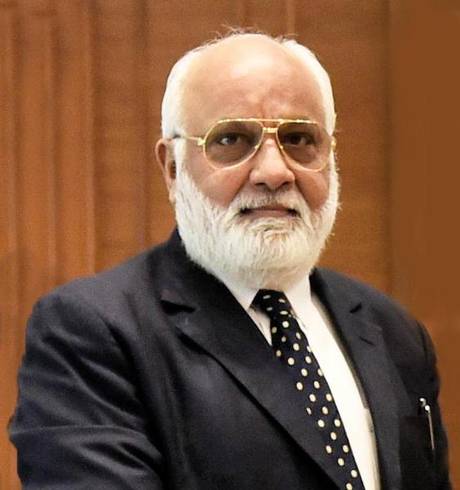
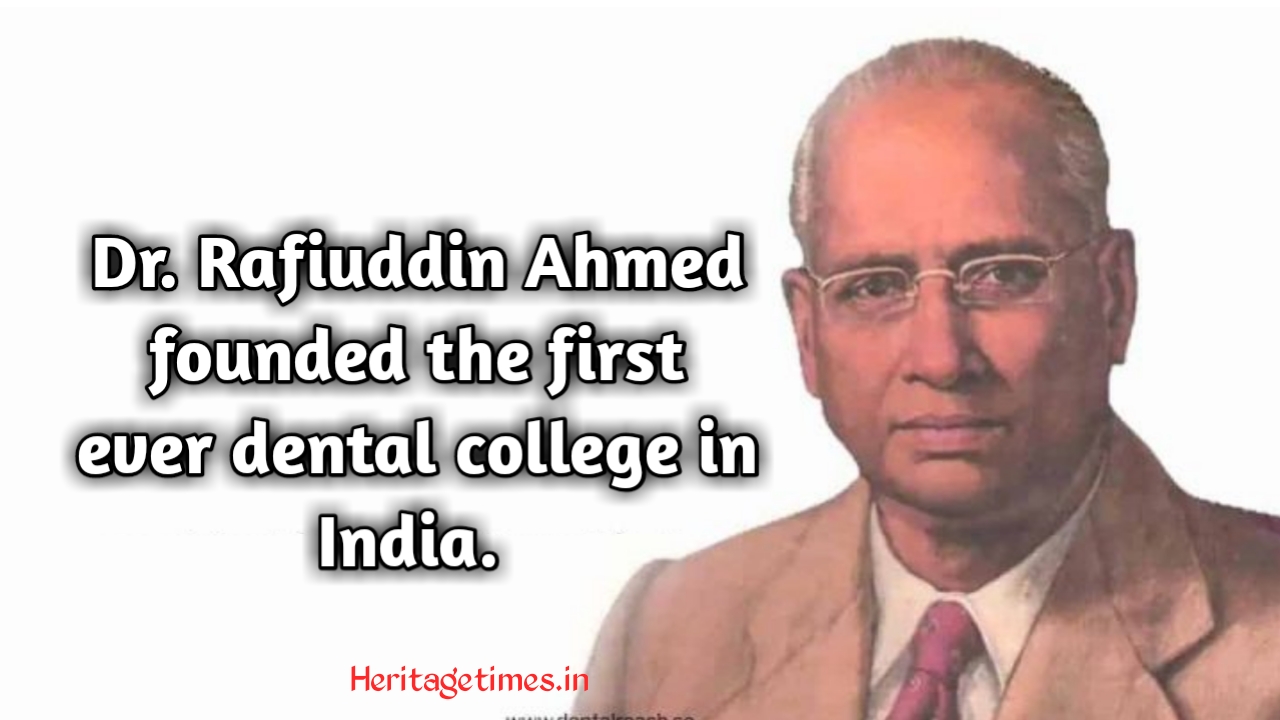
Dr. Rafiuddin Ahmed : “Father of modern dentistry” of India.

BENGAL (now WEST BENGAL) :

DRrRafiuddinMPOs21apr2020

The beginning of this decade, 2020 marks the centennial anniversary of the very reputed Institute, R. Ahmed Dental College in Calcutta, West Bengal, India which was established solely by the effort of the “Father of modern dentistry” of India, Dr Rafiuddin Ahmed in the year 1920.

Dr Rafiuddin Ahmed established the Indian Dental Journal in 1925 and served as an editor till 1946. He published the first student handbook in Operative dentistry in 1928.

It was due to his constant efforts and endless endeavour that the year 1946 witnessed the formation of the Bengal Dental Association which was later renamed as the Indian Dental Association, as it is known today.

Dr Rafiuddin has an exemplary achievement in his professional career. After completing his alma mater from Aligarh Muslim University, He earned his D.D.S (Doctor of Dental Surgery) degree from the University of Iowa School of dentistry, USA in 1915. During the world war- I, he worked at the Forsyth Dental Infirmary for children in Boston, Massachusetts.

In 1919, a year after the war ended, he returned to India to open a dental institute in Calcutta. Initially, the college was run on an experimental basis with only eleven students from 1920 to 1923. Dr R Ahmed took the responsibility of teaching the student both theoretical and practical alongside other dedicated teachers. By 1928, this college was a well- organised institution for scientific dental education in India.

In 1947, Dr Ahmed was awarded a fellowship at the international college of dentistry. He also received a fellowship at the royal college of Surgeons of England and the Pierre Fauchard Academy in 1949.

The founding father of IDA became a minister of the Bengal Government and supervised the Department of Agriculture, Community Development, Co-operation, Relief and Rehabilitation until 1962.

This great personality is an epitome of excellence. His entire life revolved around providing services to the communities. His contribution in the field of dentistry is something to be remembered and truly appreciated. Dr R. Ahmad proved to be an all-rounder. He wasn’t just a dentist, but also was a publisher, an editor, a dedicated teacher, a minister, a president (of IDA). These are just to name a few.

The distinguished achievements of this great personality was recognised by the Government of India and in 1964 Dr Rafiuddin was awarded with the prestigious Padma Bhushan, making him the first Indian Dentist to be honoured with the third highest civilian award of the republic of India.

source: http://www.heritagetimes.in / Heritage Times / Home> Education / by Dr.Zareen Fatima / January 24th, 2020

Heart-warming story of the Hamieds, who set up CIPLA and have been saving lives

Mumbai, MAHARASHTRA :

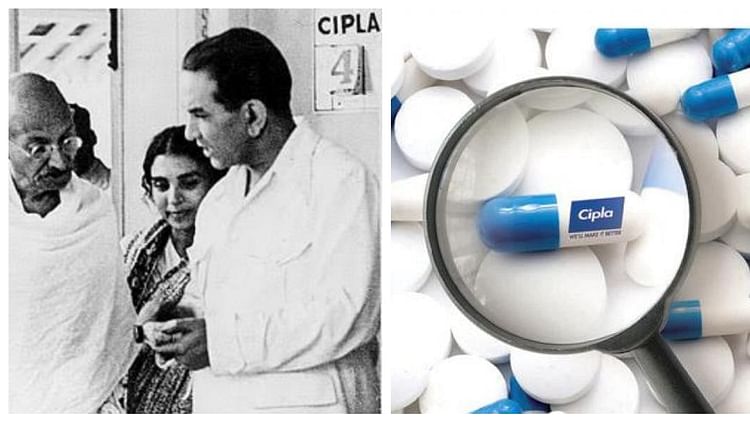
When CIPLA started producing generic medicine, the US complained of patent-violation. Indira Gandhi stood by CIPLA. It is ironical therefore that the US should now dial India for supply of HCQ

Khwaja Abdul Hamied was a great fan of Mahatma Gandhi

The manner in which Muslims are being demonised in this country by a section of the media and Bhakts of the BJP, here is a story that should uplift the hearts of almost everybody else.

In the 1920s, a rich man in India put his son on board a ship from Bombay to the United Kingdom in order to acquire a law degree and become a barrister, as was fashionable among all privileged families in the country at the time. The boy, however, did not want to be a lawyer; his heart was in chemistry, a pursuit without a seeming future in those days.

But his father gave him little choice, so while he waved to his father as his ship pulled away, Khwaja Abdul Hamied was already running over other plans in his mind while standing on the deck. He jumped ship halfway through the seas to land in Germany which, in the early decades of the last century, was leading in the study of chemistry and chemicals. He acquired a degree, married a German Jew who was also a communist – two communities the Nazis hated the most. But before they could be caught by Adolf Hitler’s Gestapo, they escaped from Germany and safely reached India.

With his vast knowledge of chemicals, Khwaja Hamied set up the Chemical, Industral and Pharmaceutical Laboratories in 1935 which was shortened to CIPLA decades later after Independence.

Khwaja Hamied was a great fan of Mahatma Gandhi and Pandit Jawaharlal Nehru and got down, in true nationalist spirit, to producing cheaply priced generic drugs for the common people. These included not only medicines for malaria and tuberculosis but also other respiratory disorders, cardiovascular diseases as well as routine and mundane ailments like diabetes and arthritis.

Sometime in the 1970s, Cipla (so renamed in the 1980s) began to manufacture a drug called Propranolol, patented by a US pharmaceutical giant from Brooklyn in New York, that was used in treating blood pressure, migraines and heart ailments, among others. In a bipolar world at the time, the US was no friend of India and a real superpower. Unlike Donald Trump, it did not need to issue threats for any country in the world to comply to its diktats.

The US complained to the Indian government. But unlike Narendra Modi last week, the then Prime Minister Indira Gandhi did not immediately cave in. She sent for Yusuf Hamied, Khwaja’s son, himself a chemistry graduate from Cambridge, who had by then taken over the running of the company. When Mrs Gandhi asked how he could violate the patent law on drugs and get India into trouble, Yusuf told Mrs Gandhi the story of his father and why he had set up the company – to bring low priced quality drugs to the poor.

When he had handed his company to his son, Khwaja had told Yusuf just one thing – remember why this company was founded. “Unlike other pharmaceutical companies around the world, we are not here to make profits but to bring relief and healthcare to the poor who may otherwise have to die for want of quality drugs.”

That is all he was doing, Yusuf told an impressed Mrs Gandhi who could empathise with the concern for the poor. And she turned down the US’s command to India to stop producing the drug, knowing it could have consequences. Americans hated her for this and other acts of defiance, but she always had the interests of her own fellow citizens on top priority.

On Yusuf’s suggestion she also had the patent law on drugs changed to not include the drug per se, only the process of manufacture as inviolable, so that Cipla could go ahead and produce as many low-priced generic drugs for the poor as possible. Since then Cipla has also produced a low-cost drug to treat HIV and expanded operations into several developing countries, including African nations, where most HIV and poor patients existed at one time.

This then is the company which produces hydroxychloroquine used in the treatment of malaria, lupus and rheumatoid arthritis which now has been exported in such large numbers to the United States under threat by a weaker Trump administration, depriving poor Indians of the same.

Even before Trump had bullied India into exporting the drug, Dr Hamiduddin Pardawala, the infectious diseases specilast at the Saifee Hospital in Bombay, had told some of us to note carefully that countries where malaria (and perhaps tuberculosis) was common were suffering less from Coronavirus than those where malaria was almost non-existent.

So where is malaria almost non-existent? The US, UK, Israel, France, Germany, Spain, Canada etc. In other words, countries which have suffered the maximum infestations. When I think of Germany, I wonder where these nations, who are profusely thanking India now for supplying HCQ to them, would have been today if Khwaja Hamied and his wife had been caught by the Gestapo and sent off to the concentration camps.

That goes even more forcefully for the bigots of this country, who have so demonised the Muslims and communalisedthe disease. There is something like karma in this world, even if not you but your future generations have to pay for it. Many of them might have got malaria in the past and been prescribed with HCQ that would have helped them develop the anti-bodies to resist COVID-19.

Many possible afflictions among them will need treating with this drug. Unknowingly, they may have taken many other generic drugs manufactured by this “Muslim’ company and owe the Hamieds a debt of gratitude for keeping their blood pressure under control and diabetes counts in check.

I would like to call this poetic justice without gloating over the fact. No other company in India, and certainly not the world, has done as much to bring affordable health care to poor Indians as has Cipla – and it has not been stingy about its research, often providing pharmaceutical ingredients and processes to other drug companies in the country to manufacture their own.

When India was partitioned Mohammad Ali Jinnah, who was also a Bombay resident and part of the same social circles as the Hamieds, offered Khwaja an honourable move to Pakistan. The Hamieds were sure where their sympathies lay – with Gandhiji – and chose to stay back in India.

There are Muslims and then there are Muslims like the Tablighee Jamaatis of this particular Nizamuddin meet (not others who cancelled their own meets across the country in wake of the pandemic; even the Tablighi Jamaat was denied permission to hold a similar congregation in Mumbai) just like there are Hindus and Hindus, who kill other Hindus because they do not agree with bigotry.

It is not right to target all Hindus for the acts of a few crazy cult members among them. Similarly, a handful of Tablighi Jamaatis do not a whole community make.

We must stop demonising all for the acts of a few.

source: http://www.nationalheraldindia.com / National Herald / Home> India / by Sujata Anandan / April 12th, 2020

Mangaluru MLA helps Italy returnee reach home at Kulai

Mangaluru, KARNATAKA :

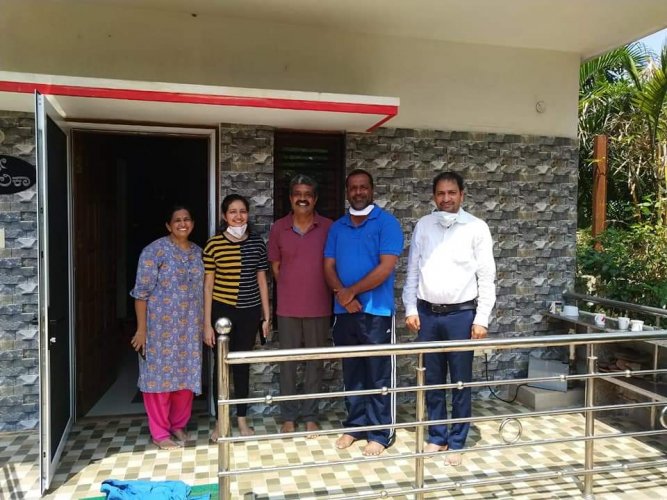
MLA U T Khader with the family of Shree Madhu Bhat at her house in Kulai in Mangaluru. (DH Photo)

Mangaluru MLA U T Khader has helped a PhD scholar, who had arrived in India from Italy, to reach her home at Kulai in Mangaluru from Bengaluru on Sunday.

Shree Madhu Bhat, a PhD student at the University of Turin in Italy, had arrived in Delhi in a  special flight arranged by the Government of India.

“After completing the quarantine period in Delhi, she was brought to Bengaluru in a special bus arranged by the central government on April 11. However, she could not reach Mangaluru owing to non-availability of any mode of transportation. Her parents had contacted district administration seeking help and also me through a common friend. When I received the information, I was in Bengaluru and brought her in my car,” Khader said.

She is the daughter of Shivaram Bhat and Shailaja Bhat.

After completing the quarantine period, she along with others were sent in a special bus to their respective states on April 8.

The bus had travelled via Uttar Pradesh, Madhya Pradesh, Andhra Pradesh, and reached Bengaluru on April 11.

The MLA had shared a photograph of the family of Shree Madhu Bhat on his Facebook page.

source: http://www.deccanherald.com / Deccan Herald / Home> State> Mangaluru / by Naina J A / DHNS, Mangaluru / April 13th, 2020

COVID-19: Shah Rukh Khan gives four-storied office space for quarantine facility

Mumbai, MAHARASHTRA :

The superstar’s decision to donate his office comes just a couple of days after he made huge contributions to the government to aid the battle against the COVID-19 pandemic.

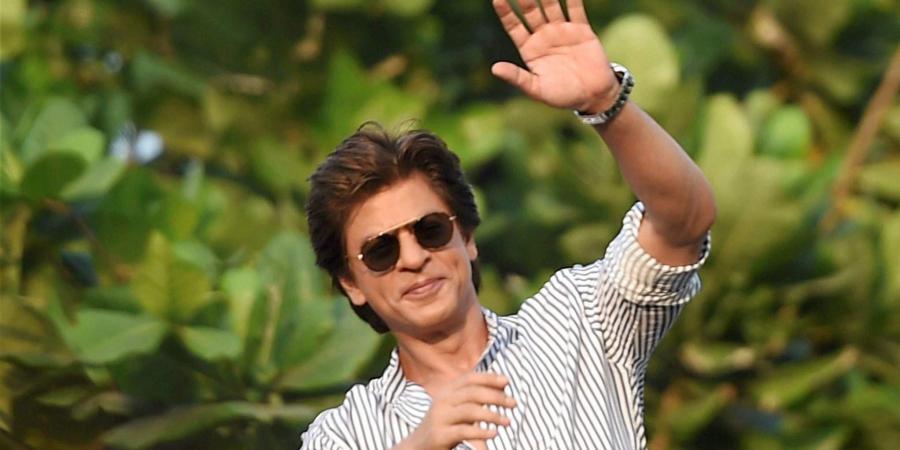
Bollywood actor Shah Rukh Khan (File Photo | PTI)

Mumbai :