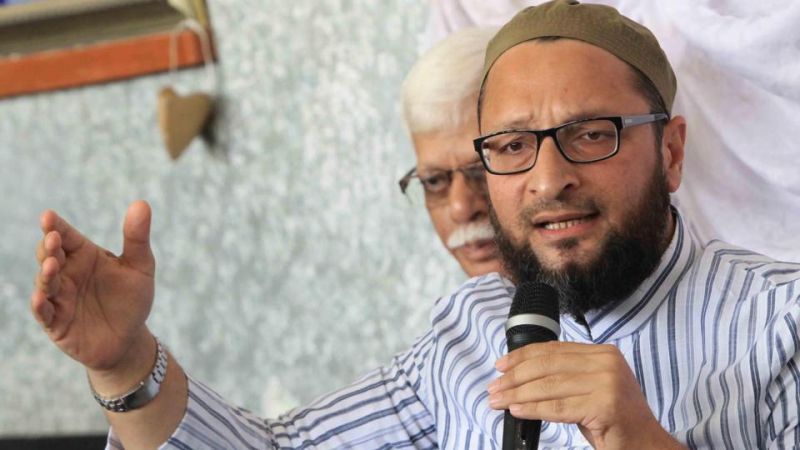
The Majlis-e-Ittehadul Muslimeen (MIM) on Friday won 30 of the 78 seats it contested in the Uttar Pradesh municipal elections.
The Hyderabad-headquartered party’s candidate Hajjan Hansar was also elected as chairperson of Dasna Municipal Council.
The party headed by Asaduddin Owaisi won 10 seats in Firozabad Municipal Corporation, two in Meerut Municipal Corporation and one each in Kanpur and Allahbad municipal corporations.
According to MIM sources, it bagged Afour seats in Baghpat Municipal Council, three seats in Mahul Azamgarh Municipal Council, two each in Sambhal, Amroha and one each in Sitapur and Banda municipal councils.
MIM finished second in the election for Ferozabad Mayor. Its candidate Mashroom Fathima polled 56,536 votes, pushing the Samajwadi Party to the third place. BJP’s Nutan Rathore won the seat with nearly 99,000 votes.
The party claimed that three independents also want to extend support to it.
Earlier, Owaisi said the party could win the seats due to hard work by the party’s state leaders and members. He thanked the voters for supporting the party.
The MIM failed to open an account in the Uttar Pradesh assembly elections in March. It had contested 35 seats.
-IANS
source: http://www.siasat.com / The Siasat Daily / Home> Politics> Top Stories / IANS / December 02nd, 2017
Dr Rizwan A Khan, Associate Professor, Department of Civil Engineering, Z. H College of Engineering and Technology, Aligarh Muslim University has received the “Young Scientist in Civil Engineering Award” from Venus International Foundation, Centre for Advanced Research and Design, Chennai.
The award has been given to Khan in recognition of his contributions and achievements in the field of Civil Engineering.
Khan has 60 publications in national and international journals of repute and has earlier received “Young Concrete Engineer Award” by Indian Concrete Institute in 2015.
source: http://www.amuobanews.in / AMU OBA News / Home> AMU / by Amuoba News / December 01st , 2017
For 320 years, Delhi was the city of sultans. Here is the list of the 32 rulers and where they rest now.
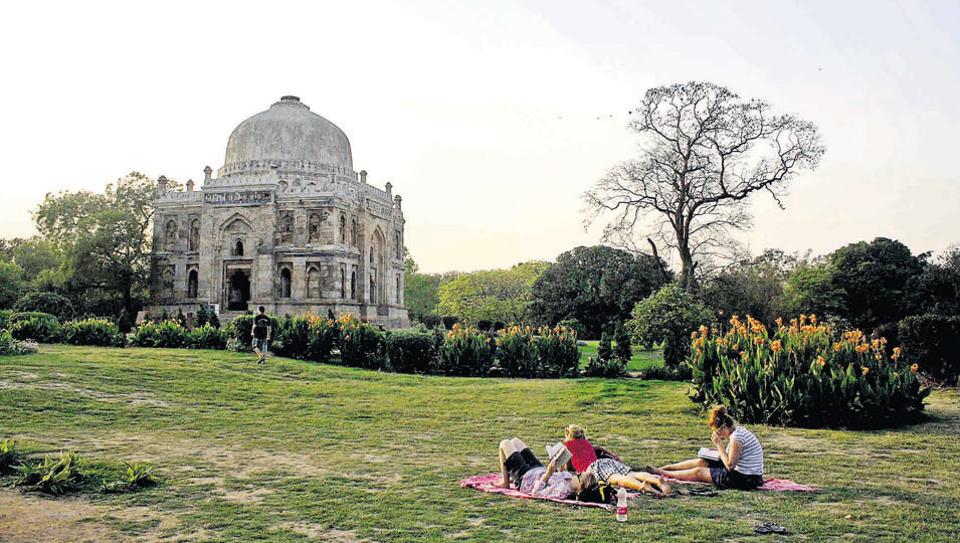
Sheesh Gumbad in Lodhi Gardens.(Mayank Austen Soofi / HT Photo)
The other day, while driving past an obscure monument, a friend demanded to know its name. We had no idea so we bluffed, “Ah, that’s a Lodhi-era tomb!”
The truth is we can’t even list all the Lodhi kings.
In any case, the Lodhi dynasty was part of the more elaborate Delhi Sultanate (not to be confused with ‘Delhi Sultanate’, a so-named member of The Sky Vengers music band). The Delhi Sultanate we are talking about spanned five dynasties, 32 rulers and 320 years. It lasted from 1206 to 1526. Today we give you the names of all the rulers of the Sultanate — one of whom was India’s first woman ruler, while the last was vanquished by Babur, the founder of the Mughal dynasty.
We also used this list to hunt the graves of these Sultanate royals — right here in our city. Of course, it’s not possible to access every king’s tombstone. Quite a few of them were killed in small and big wars, at times far from Delhi. Frustratingly, history books leave no solid evidence of their burial spots.
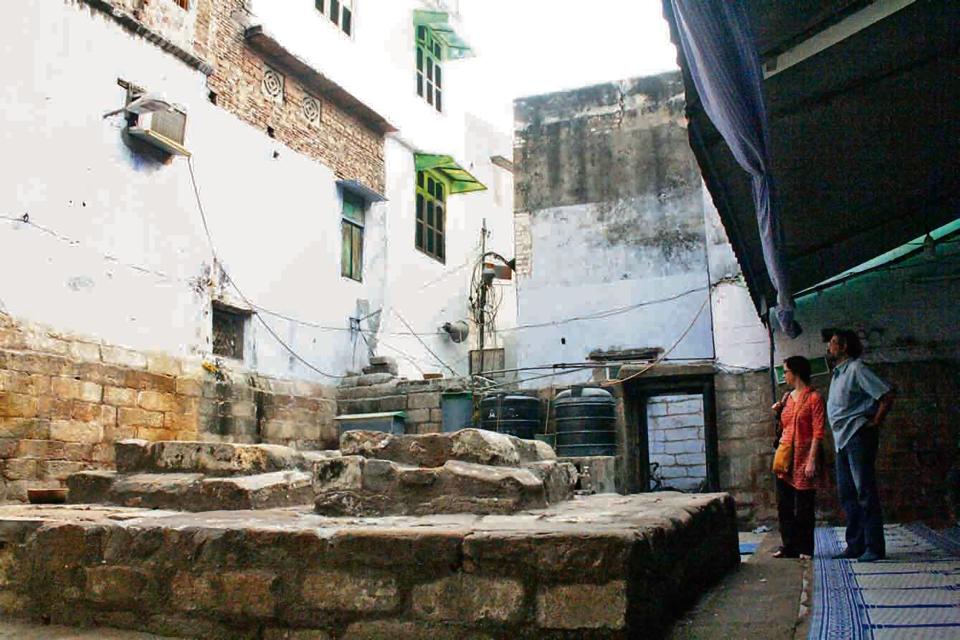
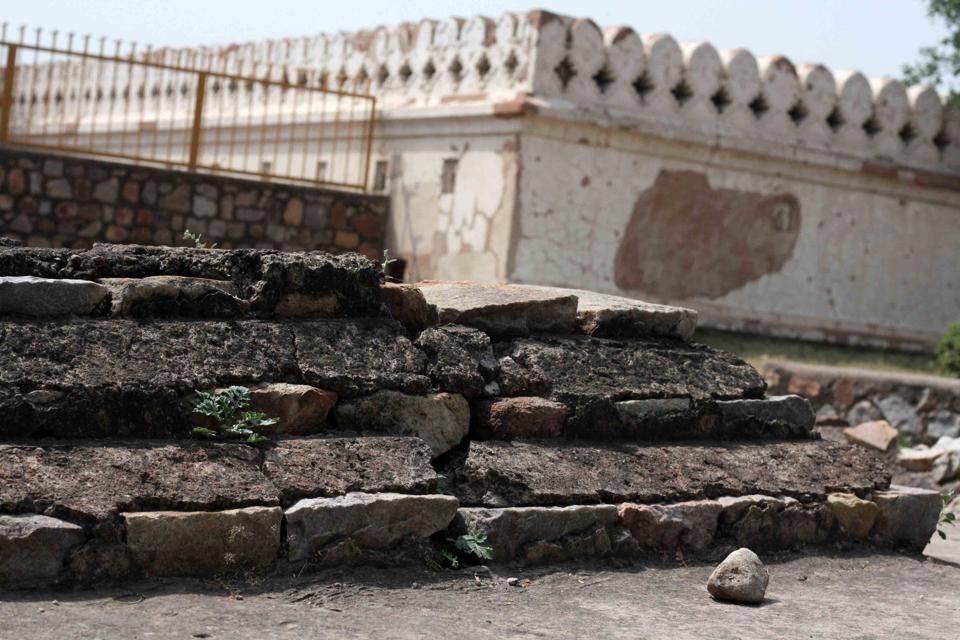
Some others of these important men turned out to be so insignificant in the long run that their graves have been forgotten, making it impossible to trace them today. Here’s a list of all the rulers, and the graves of those we were able to locate.
SLAVE DYNASTY
Qutbuddin Aibak (1206–1210), buried in Lahore, Pakistan
Aram Shah (1210–1211), killed near Delhi, grave not known
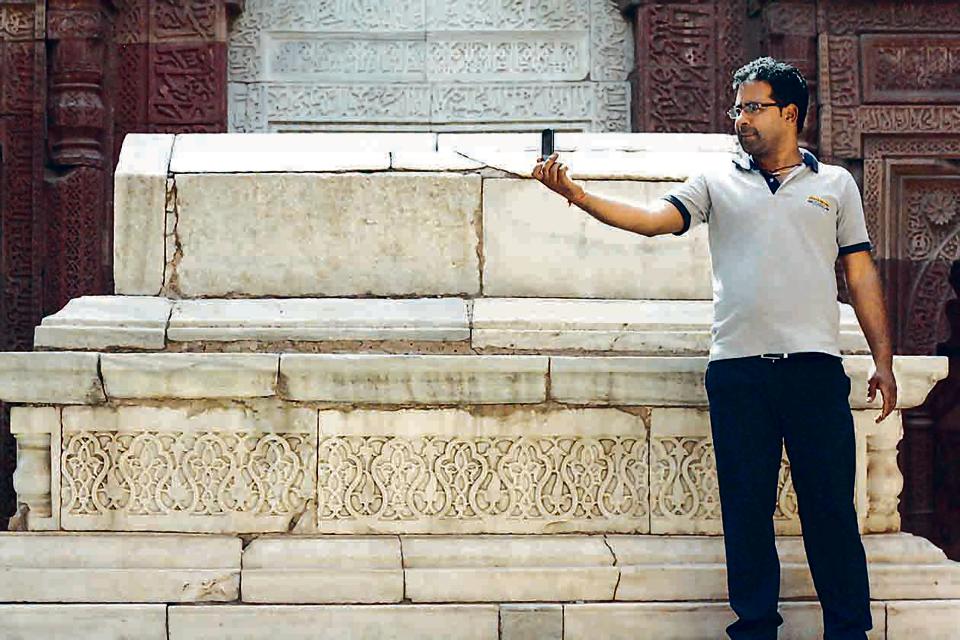
Shams ud din Iltutmish (1211–1236), buried in Qutub Minar Complex, Mehrauli
Illtutmish’s tomb in Qutub Minar complex. (Mayank Austen Soofi)
Rukn uddin Firuz (1236), believed to be buried in Sultan Ghari, near Mehrauli
Raziyat ud din Sultana (1236–1240), buried in Bulbuli Khana, Old Delhi
Raziya Sultan’s tomb in Bulbuli Khana, Old Delhi. (Mayank Austen Soofi)
Muiz uddin Bahram (1240–1242), grave not known
Ala uddin Masud (1242–1246), grave not known
Nasir uddin Mahmud (1246–1266), grave not known
Ghiyas uddin Balban (1266–1286), Buried in Mehrauli Archaeological Complex, near Jamali Kamali mosque
A tomb outside Jamali Kamali complex in Mehrauli. (Mayank Austen Soofi)
Muiz uddin Qaiqabad (1286–1290), grave not known
Kayumars (1290), grave not known
KHILJI DYNASTY
Jalal ud din Firuz Khilji (1290–1296), buried in Delhi but “disappeared “according to HC Fanshaw’e book Delhi, Past and Present
Alauddin Khilji (1296–1316), buried in Qutub Minar Complex, Mehrauli
Qutb uddin Mubarak Shah (1316–1320), grave not known
TUGHLAQ DYNASTY
Ghiyath al-Din Tughluq (1321–1325), buried in Tughlakabad
Muhammad bin Tughluq (1325–1351), buried in Tughlakabad
Mahmud Ibn Muhammad (1351), buried in Tughlakabad
Firuz Shah Tughlaq (1351–1388), buried in Hauz Khas Village
Ghiyas-ud-Din Tughluq II (1388–1389), grave not known
Abu Bakr Shah (1389–1390), grave not known
Nasir uddin Muhammad Shah III (1390–1393), grave not known
Ala-ud-Din Sikandar Shah I (1393), grave not known
Mahmud Nasir uddin (1393–1394), grave not known
Nusrat Shah (1394–1399), grave not known
Nasiruddin Mahmud Shah (1399–1413), not known, Timur invade Delhi in his reign
SAYYID DYNASTY
Khizr Khan (1414–1421), grave not known
Mubarak Shah (1421–1434), buried in Kotla Mubarakpur village
Muhammad Shah (1434–1445), buried in Lodhi Garden
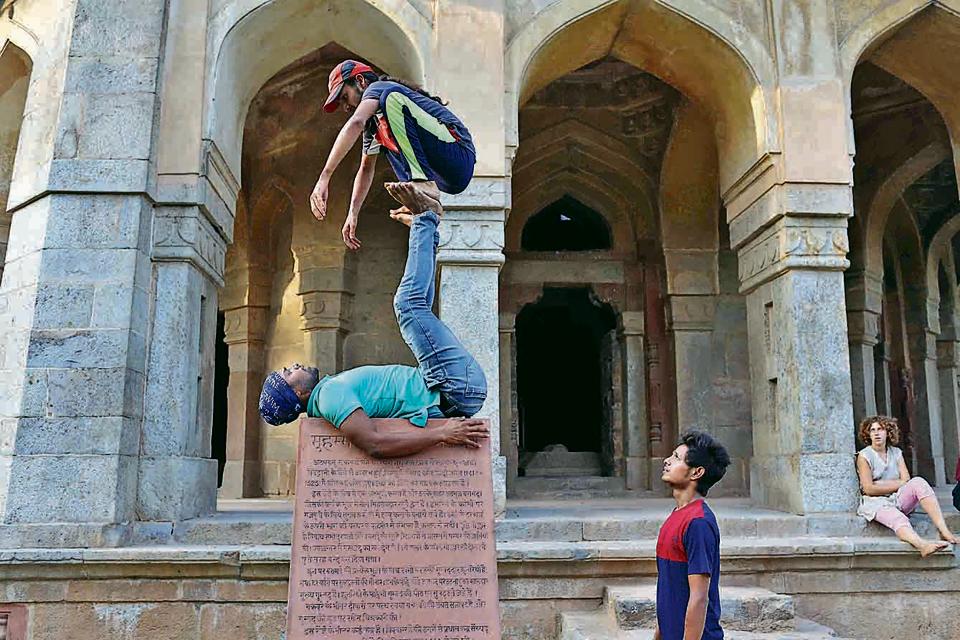
The plaque at Mohammed Shah’s tomb in Lodhi Garden. (Mayank Austen Soofi)
Alam Shah (1445–1451), grave not known, perhaps in Badayun where he died
LODHI DYNASTY
Bahlol Lodhi (1451–1489), Chirag Dilli
Sikander Lodhi (1489–1517), Lodhi Gardens
Ibrahim Lodhi (1517–1526), buried in Panipat, Haryana
source: http://www.hindustantimes.com / Hindustan Times / Home> Cities> Delhi / by Mayank Austen Soofi, Hindustan Times / December 02nd, 2017
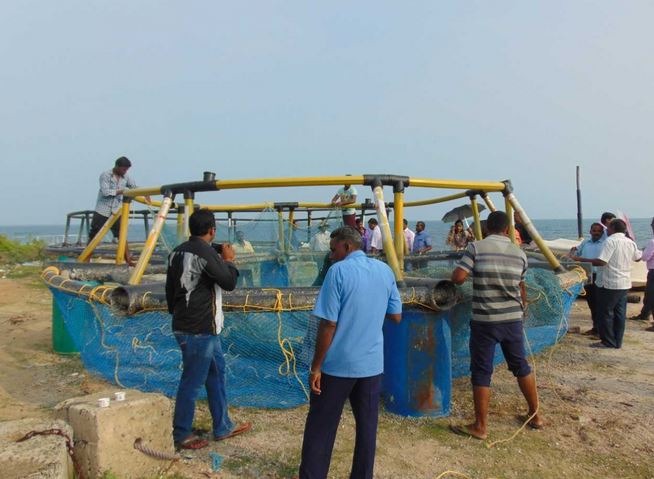
Central Marine Fisheries Research Institute of Indian Council of Agricultural Research Centre at Mandapam has organised a three day workshop for fisheries officials on farming cobia fish variety in sea-cages.
The workshop held from November 13 to 15 is attended by 18 fisheries officials from Tamil Nadu, Andhra Pradesh, Kerala and West Bengal. This is the first batch of training and CMFRI will continue training officials and fishermen in coming days.
According to CMFRI officials, the sea-cage farming of cobia (Rachycentron canadum) training is conducted under the technology upgradation scheme of National Fisheries Development Board.
Cobia known as Black Salmon has high commercial value and considered one of the best species to raise in open-water marine fish aquaculture
The inaugural of the training was held at Mandapam on Monday. Dr A K Abdul Nazar,Scientist-in- Charge inaugurated the training programme. Dr. R.Jayakumar, Senior Scientist delivered the welcome address. Dr. G.Tamilmani, Scientist proposed vote of thanks.
The state fisheries officials will be provided hands on training won cage and net fabrication, feed management, growth assessment, net exchange, nursery management, packing & transportation, stocking of fingerlings in cages & disease management. Field visit to farming sites are also arranged. The training will be concluded on Wednesday.
Cobia known as Black Salmon has high commercial value and considered one of the best species to raise in open-water marine fish aquaculture. Its rapid growth and high quality of flesh can fetch handsome remuneration to fishing community.
Raising Cobia fishes in sea cages was developed at CMFRI – Mandapam regional centre in the year 2010 and officials said that results have been promising. In the year 2013, Ramanathapuram district administration promoted 10 fishermen groups to raise cobias in sea cages and fishermen were also supported under Fisheries Management Sustainable Development project to set up sea-cages.
National Fisheries Development Board has planned to sea-cage farming of cobia in selected coastal states in the country. In this financial year of 2017 – 18, NFDB is planning to train 50 fisheries officials and 300 fishermen from these selected states.
source: http://www.timesofindia.indiatimes.com / The Times of India / Home> City News> Madurai News / by J. Arockiaraj / TNN / November 13th, 2017
UP Civic Poll Results: BSP’s Mohammad Furqan beats BJP rival to become Aligarh Mayor
Mohammad Furqan, BSP candidate’s victory is significant as the Mayawati-led party was badly mauled in the state Assembly elections earlier this year.
In a shot in the arm for Bahujan Samaj Party (BSP), its candidate Mohammad Furqan won the mayoral contest in Aligarh even as the BJP otherwise dominated the civic polls in the state.
Furqan defeated BJP candidate Rajiv Agarwal by a margin of 11,990 votes in what was virtually a direct contest to become the first Muslim to occupy the post after independence.
The BSP candidate’s victory is significant as the Mayawati-led party was badly mauled in the state Assembly elections earlier this year.
Traditionally, Aligarh has been a bastion of the Bhartiya Janta Party (BJP) , which has never lost this seat ever since the system of direct voting was introduced for the mayoral post in 1995. The saffron party bagged this post in all the four previous elections.
Aligarh city has since the past quarter of a century mostly witnessed direct contests between the BJP and the Samajwadi Party, with the 3rd and 4th place going either to the Congress or the BSP.
This election also marks a new low for the SP whose candidate Mujahid Kidwai lagged behind even the Congress and ended up in the fourth position securing just about 16,000 votes.
source: http://www.indiatvnews.com / India TV / Home> Election News> Uttar Pradesh Municipal Elections News / PTI, Aligarh / December 01st, 2017
Padamlata Thakur and Ejaz Ali Arshad on Wednesday took charge as principals of Magadh Mahila College and Patna College respectively.
The Patna University issued the notification for the appointments on Tuesday night.
Thakur who took charge as 22nd principal of Magadh Mahila College was earlier working as head of the history department and she was also the coordinator of the Department of Women’s Studies.
Arshad, who was appointed principal of Patna College, had served as vice-chancellor of Maulana Mazharul Haque Arabic and Persian University, Patna, from February 2014 to February 2017.
Arshad whose tenure completed this year as VC of Maulana was working as head of Urdu department at Patna University. Arshad had also worked as dean students’ welfare at Patna University.
Thakur said: “It is a proud moment for me to become the principal of Magadh Mahila College which is one of prestigious educational institutions of Patna University.”
Thakur said she had called a meeting of teachers, staff and members of college students’ council to discuss ways for academic and infrastructure development.
“My first priority will be to look into students’ issue. As MMC is a women college, ways to strengthen gender-sensitisation cell will be a priority and so is girls security,” she said.Arshad said his priority was to restore the glory of Patna College. “Improvement in academics and infrastructure facilities will be my top priority.”
source: http://www.telegraphindia.com / The Telegraph, Calcutta,India / Home> Bihar / by Special Correspondent / November 02nd, 2017
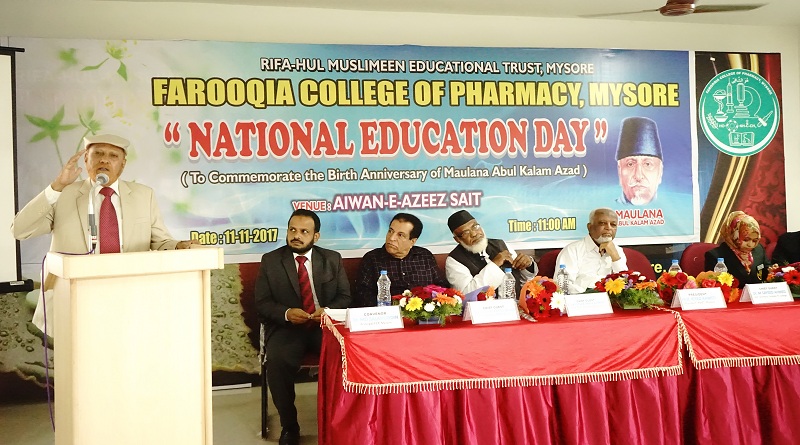
The National Education Day to commemorate the birth anniversary of Bharat Ratna Maulana Abul Kalam Azad was celebrated at Farooqia College of Pharmacy at Tilaknagar here recently.
Speaking on the occasion, Taj Mohammed Khan, secretary of Farooqia Educational Institutions, encouraged the students to follow the footsteps of Maulana who fought for the freedom of India and brought a revolution in education with his reforms as first education minister of post-independent India.
Dr M Sayeed Ahmed, secretary of Farooqia PU College, who was the chief guest, gave a detailed power-point presentation on Maulana’s life.
He said it is Maulana who first opposed the partition and separation of India and Pakistan. Maulana was a firm believer in the co-existence of religions. His dream was that of a unified Independent India where Hindus and Muslims can live peacefully.
Kolar Mustafa said that nowadays the institutions like UGC, AICTE and IITs are still running without modification in their regulations due to the broad based think tank of Maulana Abul Kalam Azad.
President of RMET Prof Riyaz Ahmed in his presidential remarks briefed about the post- independent educational system and highlighted Maulana’s simplicity, who didn’t amass property and wealth for his own family members and relatives even though he was an education minister for 10 long years.
Prizes were given away to Essay Competition winners on “Life of Maulana Abul Kalam Azad after post-independent India.”
Maryam Postdar, a D Pharma student, recited verses from the Quran. Principal Dr MD Salahuddin presented a video documentary on Maulana Abul Kalam Azad’s Life.Sara Ateeq, vice-president, Pharmaceutical Society and others were present.
source: http://www.citytoday.news / City Today / Home> Headlines> Mysore / by CT Bureau / November 30th, 2017
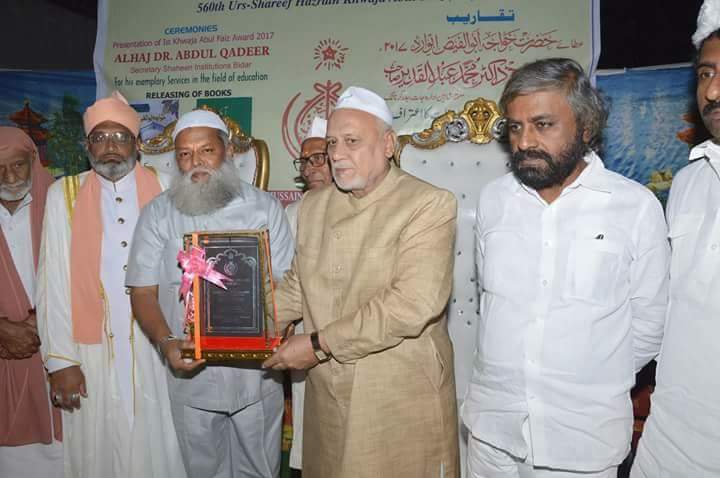
Dr. Abdul Qadeer, Secretary Shaheen Group of Institutions, Awarded with “Hazrat Khwaja Abul Faiz R.H Award” for his excellent educational service.
Dr. Abdul Qadeer has been awarded with “Hazrat Abul Faiz RH Award” Dated on 26 November 2017. This award presented to him on 560th death anniversary of Syed Khaja Abul Faiz RH. Dr. Abdul Qadeer, has been awarded for his excellent educational services and it has been presented by Syed Shah Hussain Shabir Hussaini sajjada Nasheen Dargah Hazrat Ganj bakhsh Rahmatullah Alai, Gulbarga.
During this occasion special guest were Honorable Minister Sri, Eshwar Khandre District In-charge Minister Bidar, Honorable Mohammed Rahim Khan MLA, Deputy Commissioner Dr. HR Mahadev, Senior Editor Mr. Shiv Sharnappa Valli, Honorable Mohammad Faheemuddin Sarika district wakf advisory committee were also present.
Dr. Abdul Qadeer in his impression recall Bidar history and said, Bidar was one of the biggest educational hub, it was the capital of various Kingdom in the past and it also had Asia’s biggest universities famously known as Mahmood Gawan University, wherein students from different countries used to come, to learn various educational courses.
Dr. Abdul Qadeer said Bidar’spast makes us proud for its excellent history and I believe in future we will achieve the same and we are making an effort to achieve it once again. Here in Shaheen Group of Institution, we are focusing on the regions like Bidar, which has very poor educational level, with this effort, we are not only getting the student from Karnataka but also we are getting from various country. Today Bidar has become well known place in education and various people throughout the world are attracting toward it.
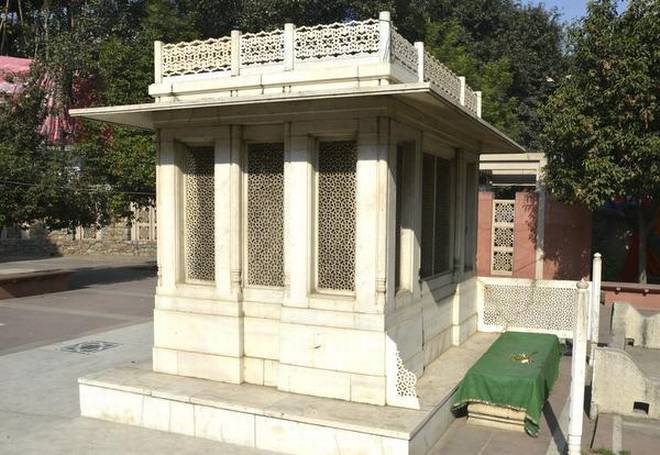
RAVE CONCERN Umrao Begum’s grave, covered in green cloth in Nizamuddin | Photo Credit: V. Sudershan
The unmarked resting place of Miza Ghalib’s wife deserves an epitaph
The grave of Mirza Ghalib’s wife, Umrao Begum, in Basti Nizamuddin, just at the side of her husband’s tomb, lacks an epitaph, probably because nobody tried to inscribe one on it in 1955 (when the poet’s memorial was built) or because she preferred anonymity as per the strictest tenets of Islam. Even so she deserves one for posterity’s sake. Umrao Begum was a pre-teenager when she married Ghalib, who himself was just 13 at that time, and the two shared conjugal bliss for nearly 57 years.
Umrao Begum was a kinswoman of the Nawab of Loharu, an erstwhile State now merged with Rajasthan, and her cousin was Bunyadi Begum, Ghalib’s sister-in-law. The begum, who was the Nawab’s sister, gave her haveli in Gali Mir Qasim Jan to Ghalib when he was in need of accommodation.
Umrao Begum bore seven children, all of whom died in infancy, leaving her and the poet heart-broken all their lives. Even the nephew, Nawab Zainul-abadin Khan Arif, whom they adopted, died young at the age of 18, though he had made his mark in Urdu poetry by then.
Strict lady
Umrao Begum was a strict Muslim lady, whereas Ghalib was not at all orthodox. After the First War of Independence of 1857, the poet was accosted by an English officer who asked him if he was a Muslim (as most members of the community were suspects in the eyes of the British). Ghalib replied “Half”. The officer sought an explanation to which Ghalib said that though he drank, he did not eat pork. The amused officer, marvelling at his wit, left him in peace.
Once Ghalib came home with a man carrying a basket full of wine bottles, bought with his first pay. Umrao Begum asked him why he had spent all the money on liquor, to which his reply was that God had promised to feed everyone but had not made any provision for drink, for which one had to make one’s own arrangements.
At another time he entered the courtyard of the house with his shoes on his head. To the Begum’s query, he replied that as she had made the whole haveli a masjid by her piety he had no other option. Umrao Begum died in 1870, a year after Ghalib, when Mahatma Gandhi was only a few months old and was buried according to her wish next to the poet.
Unfortunately, the Ghalib memorial built 85 years later became a barrier between the two graves, both of which should have come within its ambit. But it’s never too late to make amends for an oversight — if need be with Government help.
Her love for Ghalib was intense or he wouldn’t have been able to lead the carefree life he did. She was the one who took care of the house despite the poet’s love for gambling and dance girls, one of whom took undue advantage of him. Despite mischievous gossip by mohalla women, Umrao Begum was unruffled because she was convinced of her husband’s goodness of heart. Even when there was paucity of funds, she managed to see it to that Ghalib and nephew Arif got three square meals a day.
After the death of her children, she was the one who comforted her Mian Nausha so that the misfortune did not affect his mental equilibrium, without which his wit would not have continued to flow like the sparkling Thames.
Facing the music
Ghalib spent most of his time outside the haveli, except when he was writing poetry, having his meals or resting. So it was Umrao Begum who faced the creditors as she was the one who responded to the knock on the door in the absence of a regular maid. When the fat Kotwal of Delhi tried to bully Ghalib, as he disliked the poet because of their love for the same tawwaif and considered him a potential rival (as he always stole the limelight at the kotha), his wife was the one who confronted the Kotwal’s importunate minions at the haveli’s entrance and sent them away with the proverbial flea in the ear.
When Arif was grooming Alexander Heatherley “Azad” as a shair, despite his Anglo-Indian antecedents, Umrao Begum took it upon herself to see to it that they were not disturbed and had some refreshments too during the long hours of coaching. Ghalib who had earlier imbibed the love for shairi in Arif, also fawned on him and when he died an untimely death, poured out his grief in a heartfelt elegy (quoted from memory) that is among his best poems: “Jatey huey kehtey ho qayamat ko milenge kya khoob, qayamat ka goya din hai koi aur!” (While departing you say will meet on the Last Day of Judgement, what an excuse on the pretext of a reunion on a vague day in Eternity).
Reading the elegy Umrao Begum burst into tears and told Ghalib not to rub salt into her raw wounds, according to Arif’s pupil, Alexander Heatherley’s descendant, George Heatherley who died in Perth a few years ago. Umrao Begum’s grave close to Ghalib’s is testimony enough, if one were needed indeed, of the emotional link between the two. Then why deny her the courtesy of an epitaph to seal the bond for the benefit of future generations? No matter how distant may be Arif’s final place of repose.
source: http://www.thehindu.com / The Hindu / Home> Society> Down Memory Lane – History & Culture / by R.V. Smith / November 27th, 2017