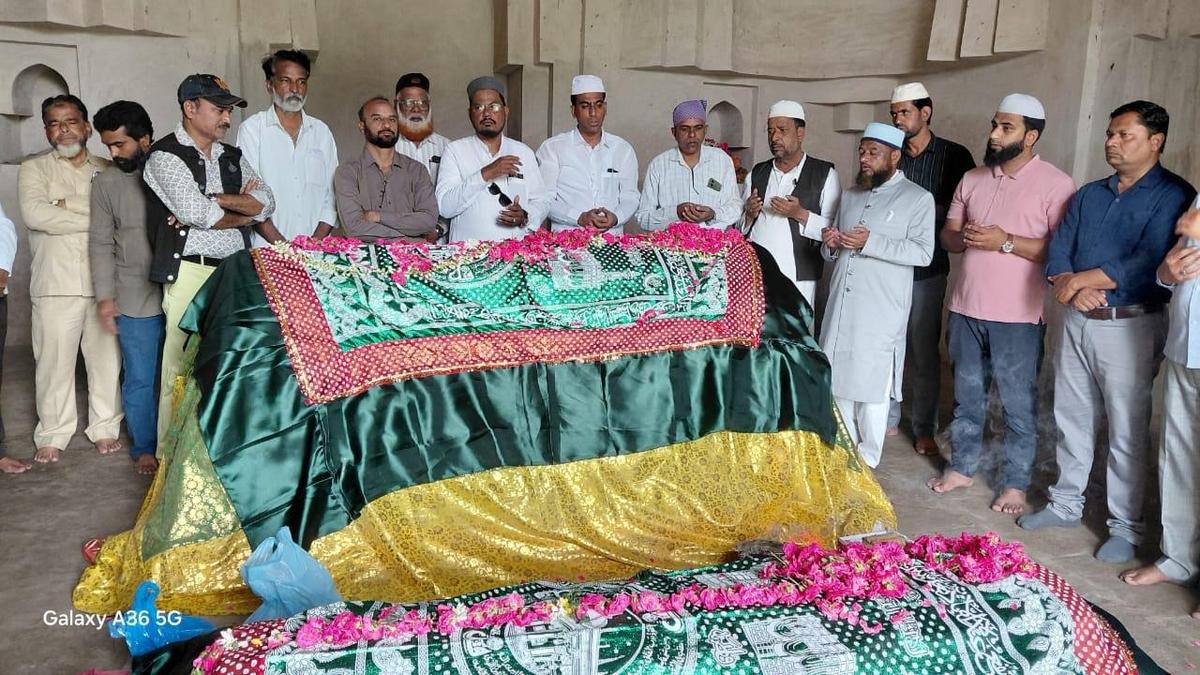
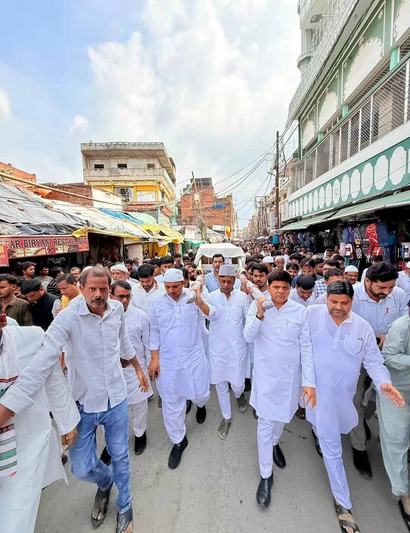
The 679th Foundation Day of the Bahmani Empire was observed at the tomb of Alauddin Hasan Bahman Shah, the founder and first ruler of the Sultanate, in Kalaburagi city on Monday.
The event, organised by the Bahmani Foundation, brought together historians, artists, intellectuals and social activists, who recalled the contributions of the Bahmani Sultanate to the cultural and architectural heritage of the region during its nearly two-century rule from 1347 to 1527 AD.
Speaking on the occasion, advocate Jabbar Gola said the Bahmani rulers played an important role in promoting art, culture and architecture, leaving behind a rich legacy reflected in the monuments and traditions of the region.
Bahmani Foundation president Qazi Rizwan-Ur-Rahman Siddique said the organisation has been commemorating the Foundation Day for several years through seminars, cultural programmes and competitions aimed at creating awareness among students about the history and heritage of the Bahmani period.
Artists Mohammed Ayazuddin Patel and Rehaman Patel, Numismatist Mohammad Ismail and others were present.
source: http://www.thehindu.com / The Hindu / Home> News> India> Karnataka / by The Hindu Bureau / August 18th, 2026
It is a great privilege for me to accept this honour from the Shah Waliullah Institute. Honestly, I was reluctant at first and had declined this recognition multiple times.
New Delhi :
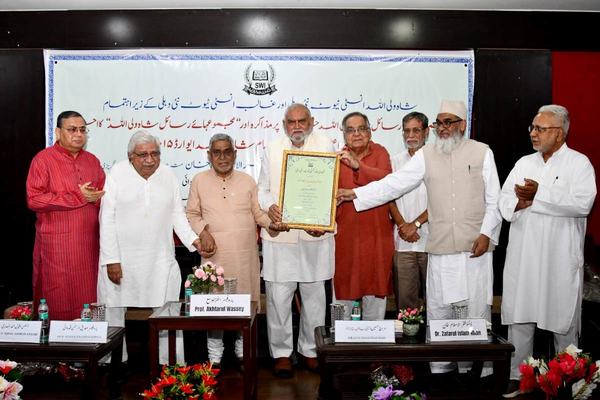
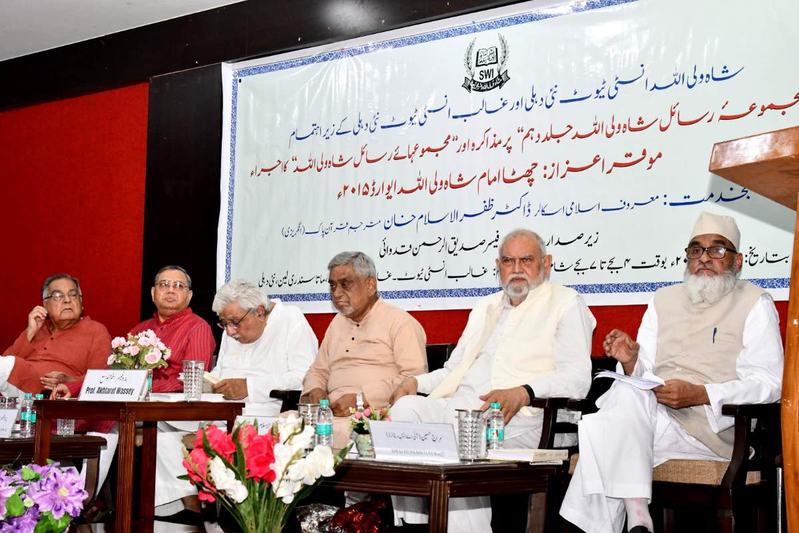
In a momentous event, renowned Islamic scholar, author, senior journalist, and former Chairman of the Delhi Minorities Commission, Dr. Zafarul-Islam Khan, was awarded the prestigious Sixth Imam Shah Waliullah Award here on Monday. The ceremony took place amidst a distinguished seminar on the theme of ‘Epistles of Shah Waliullah’ at the Ghalib Institute here.
Jointly organized by the Shah Waliullah Institute and the Ghalib Institute, the seminar sought to celebrate and highlight the scholarly and intellectual legacy of Imam Shah Waliullah. A special highlight of the event was the launch of the tenth volume of his acclaimed series of epistles, offering attendees an intimate glimpse into his teachings and enduring contributions to Islamic sciences.
A diverse assembly of eminent scholars, intellectuals, and thinkers from across the country participated in the event, engaging in profound discussions about the contemporary relevance of Shah Waliullah’s message, writings and teachings.
Senior journalist Suhail Anjum introduced the Shah Waliullah Institute and provided an overview of the newly launched the tenth volume of Shah Waliullah’s epistles, sharing insights into the publication process, ongoing scholarly discussions and past and future programmes of the Shah Waliullah Institute.
Anjum also felicitated Mufti Ataur Rahman Qasmi highlighting his unwavering dedication to research and publish the scholarly legacy of Shah Waliullah. He highlighted Mufti Saheb’s long-standing scholarly pursuits, first as a teacher for fourteen years at the Dargah Shah Waliullah madrasah near Shah Waliullah’s shrine in Delhi’s Mehdiyan area.
During this period, Mufti Saheb developed a deep spiritual and intellectual bond with the great scholar, gaining profound insights into his contributions to Quranic sciences and other fields. Inspired by this connection, Mufti Saheb established the institute to make Shah Waliullah’s invaluable legacy accessible to all. Some of these writings were published long ago or still lie as manuscripts in libraries. Under this initiative, Mufti saheb has already published ten volumes of Shah Waliullah’s writings. The tenth volume of this series was released during the event.
Expressing humility and honour, Dr Zafarul-Islam Khan said, “It is a great privilege for me to accept this honour from the Shah Waliullah Institute. Honestly, I was reluctant at first and had declined this recognition multiple times. However, I succumbed in the face of Mufti saheb’s insistence for a number of reasons. Paramount among these is my nearly forty-year-long association with Mufti Saheb, dating back to 1984 when I returned from abroad.
At that time I visited Mehdiyan and made a spiritual bond with Shah Waliullah and with Mufti saheb who at the time taught at the madrasah there. He said that another reason is that this award is associated with Shah Waliullah, the greatest Islamic scholar produced by India. In fact, he may be regarded as the greatest non-Arab Islamic scholar of all ages. He said that long ago he wrote a modest book in Arabic on Shah Waliullah trying to attract people’s attention to the ocean of knowledge which he was and remains till this day. He said that Shah Waliullah’s monumental work Hujjatullah al-Balighah stands out as an unparalleled masterpiece in the Islamic literature. It is printed, reprinted and studied in the Arab World till this day. Dr. Khan underscored the importance of Hujjatullah al-Balighah as a treasure trove that provides a deep, balanced and comprehensive understanding of Islamic sciences.
Dr Khan commended Mufti Saheb’s tireless efforts in unearthing and publishing many of Shah Waliullah’s manuscripts and texts that were hidden and forgotten. The current tenth volume stands as a testament to this scholarly dedication. He stated that his personal and scholarly bonds with Mufti Saheb and Shah Waliullah motivated him to accept this award. He added that there is a third reason for accepting the award and that is the fact that the award is given in recognition of the Glorious Quran, his translation of the Islamic holy text which tries to offer an authentic version of the Quran based on most authentic Arabic sources.
Dr Khan said there is a great responsibility on our shoulders: to try to understand and disseminate Shah Waliullah’s teachings and present them in modern language and style. Reflecting on Shah Waliullah’s revolutionary impact, Dr. Khan highlighted his translation of the Quran into Persian—a daring act at the time, which many scholars at the time considered a blasphemy. Even today, some argue that the Quran cannot be translated into any language. But if that was true, how would the 85% of Muslims outside the Arab world understand the divine message? Therefore, it is imperative that the Quran be translated into all languages—be it Assamese, Burmese, Chinese, or any other so that the common Muslim and non-Muslim could read and understand Allah’s last message to humanity. He pointed out that Western scholars, despite their scholarly rigour, often distorted the meanings of the Quran in their translations. Therefore, it is the duty of Islamic scholars to offer correct and accurate rendering of the divine text. Dr. Khan said he dedicated eleven years to accomplish his translation of the holy Islamic text. He said he fully devoted the three years during the COVID19 pandemic to complete this work. He regarded the award as a motivation to himself and all scholars to continue scholarly pursuits.
Mufti Ataur Rahman, chairman of the Shah Waliullah Institute, addressed the gathering sharing insights into how the idea of an institute dedicated to Shah Waliullah was conceived and narrated the journey since founding the institute. He took a moment to acknowledge the previous recipients of the Shah Waliullah Award: the first was given to Maulana Abdul Karim Parekh from Nagpur in 2007; the second and third to Maulana Akhlaq Hussain Qasmi and Maulana Faqihud-Din in 2010; the fourth to Maulana Muhammad Salim Qasmi in 2013; and the fifth to Maulana Qamaruz-Zaman Ilahabadi in 2014.
The event was enriched by the presence of distinguished speakers including Muhammad Adeeb, former Member of Parliament, Mr. Siraj Hussain, former vice chancellor of Jamia Hamdard, Justice Iqbal Ahmad Ansari, former Chief Justice of Patna High Court, Prof. Khalid Mahmood and Khwaja Muhammad Shahid among others.
The proceedings were presided over by the chairman of the Ghalib Institute Prof. Siddiqur Rahman Kidwai who lauded Mufti Ataur-Rahman’s exemplary work and extended warm felicitations to Dr. Zafarul-Islam Khan for his well-earned recognition.
source: http://www.milligazette.com / The Milli Gazette / Home> News> Community News / by Zillur-Rahman Haider / June 30th, 2026
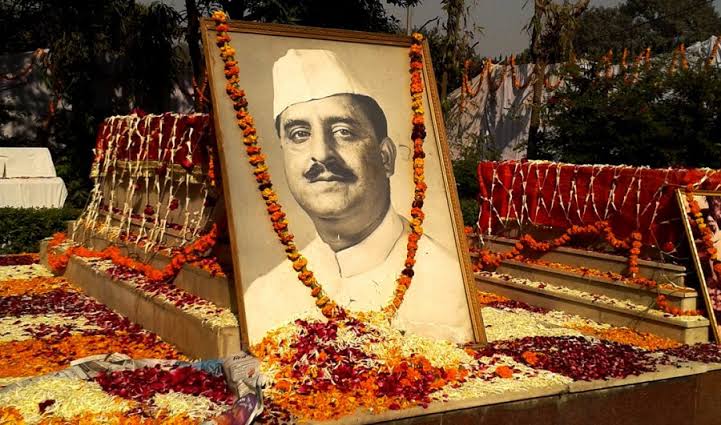
EVERY year on August 15, India’s Prime Minister addresses the nation from the ramparts of the Red Fort in Delhi. It was at this same fort, in 1945, that Major General Shah Nawaz Khan stood trial for waging war against the British Empire. A Muslim officer in Netaji Subhas Chandra Bose’s Indian National Army, he had led troops into battle against colonial forces across Southeast Asia, been captured, and was sentenced to death. His court-martial, alongside Colonel Prem Kumar Sehgal and Colonel Gurbaksh Singh Dhillon, provoked mass protests across the country and became one of the final catalysts for British withdrawal from India. The slogan that echoed through the streets of Delhi became a rallying cry of the independence movement: “Lal Qile se aayi awaaz, Sehgal, Dhillon aur Shah Nawaz.”
After his release, Shah Nawaz Khan chose the path of non-violence at Mahatma Gandhi’s urging, joined the Indian National Congress, and went on to serve as a Union Minister for over two decades. He represented Meerut in Parliament through four terms, held portfolios ranging from Agriculture to Petroleum, and chaired the commission that investigated the circumstances of Netaji Bose’s death. He was buried near the Red Fort with full state honours in 1983.
Beyond politics, Shah Nawaz Khan was connected to one of India’s most recognizable families. The Bollywood actor Shah Rukh Khan’s father, Mir Taj Mohammed Khan, was his cousin and migrated from Pakistan to India alongside him after Partition.
His story traces an arc from armed resistance to democratic nation-building, from a death sentence in a colonial courtroom to the highest levels of Indian government.
Early Life and Military Career
General Shah Nawaz Khan was born on 24 January 1914 in the village of Matur, in the Rawalpindi District of British India (now in Pakistan). His father, Lieutenant Sardar Tikka Khan, served for nearly three decades in the British Indian Army with the 58th Vaughan’s Rifles (Frontier Force), instilling in him an early exposure to military life.
After completing his early education, Shah Nawaz Khan went on to study at the Prince of Wales Royal Indian Military College in Dehradun, one of the premier institutions established to train future military leaders in colonial India.
From Prisoner of War to Leader of the Indian National Army
In 1940, Shah Nawaz Khan was commissioned as an officer in the British Indian Army. In December 1941, as part of the Second World War, Japanese forces launched a major offensive against Singapore, and the British deployed nearly 60,000 Indian soldiers, including Captain Shah Nawaz Khan.
The British forces were ultimately defeated, and Khan, along with thousands of other soldiers, was taken prisoner of war. During his captivity, he came into contact with Indian nationalists and revolutionaries aligned with Netaji Subhas Chandra Bose. Deeply influenced by their vision of an independent India, he joined the Azad Hind Fauj, also known as the Indian National Army (INA), and rapidly rose to positions of leadership.
Role in the Freedom Struggle
Recognized for his leadership abilities, Shah Nawaz Khan was inducted into the cabinet of the Indian National Army’s (INA) Provisional Government of Free India. Between 1942 and 1945, the Azad Hind Fauj engaged British forces across Southeast Asia and, for a period, established control over large stretches of territory during its campaign against colonial rule.
In December 1944, he was appointed commander of the INA detachment stationed in Mandalay, Burma (now Myanmar). Owing to the close trust placed in him by Netaji Subhas Chandra Bose, he was later selected to lead the Subhas Brigade—a special unit formed from elite INA soldiers.
During military operations in Burma in 1945, General Shah Nawaz Khan and several of his comrades were arrested by British forces. The INA’s senior leadership at the time included Major General Shah Nawaz Khan, Colonel Prem Kumar Sehgal, and Colonel Gurbaksh Singh Dhillon. In 1946, all three were put on trial for mutiny at the Red Fort in Delhi.
These trials ignited widespread public protests across India and became a turning point in the independence movement, significantly intensifying popular resistance to British rule. Facing overwhelming public pressure, the British government was ultimately compelled to release Shah Nawaz Khan and his associates. During this period, he remained in contact with leading figures of the national movement, including Mahatma Gandhi, and was defended in court by Jawaharlal Nehru.
Gandhi’s Colonel of Non-Violence
General Shah Nawaz Khan was regarded as one of Mahatma Gandhi’s close associates, a relationship reflected in Gandhi’s letters and public speeches, in which he frequently referred to him by name. Their association symbolized the bridge between armed resistance and the philosophy of non-violence that shaped India’s independence movement.
On the occasion of the 50th birth anniversary of Netaji Subhas Chandra Bose, Shah Nawaz Khan declared, “While living outside India, we fought for our country’s freedom with arms; now we shall serve India through non-violence.” Mahatma Gandhi echoed this sentiment while addressing members of the Indian National Army in Madras on 22 January 1946 and later reiterated it during his prayer meeting in Mumbai on 18 February 1946.
Contemporary records further document their close interaction. According to a report in the Bombay Chronicle dated 13 March 1946, Shah Nawaz Khan met Gandhi at Birla Bhavan in Delhi on 12 March, where the two held discussions for nearly ninety minutes. On 22 March 1946, Gandhi visited a military camp in Aravalli Kanchan, Maharashtra, and once again mentioned Shah Nawaz Khan while addressing the soldiers. Their engagement continued through personal meetings as well as an exchange of letters, many of which survive as historical evidence of their dialogue.
At Gandhi’s urging, following the dissolution of the Indian National Army in 1946, Shah Nawaz Khan joined the Indian National Congress. Later that year, he worked in Bihar to assist victims of communal violence, alongside Khan Abdul Ghaffar Khan. He remained in the region during this period of unrest, and was present at the funeral of Professor Abdul Bari, who was assassinated in Bihar in March 1947.
Gandhi repeatedly acknowledged and praised Shah Nawaz Khan’s relief and peace-building efforts in Bihar during 1947. He spoke at length about Khan’s work during his prayer meetings on 29 April and 1 May 1947, and earlier, on 15 April 1947, the two were together at Gandhi’s camp in Patna. During one such conversation, Gandhi expressed his faith in him, saying: “I have great hopes for you. I wish to make you a complete soldier of non-violent weapons. You became a colonel under Netaji; in the same way, I want to make you a colonel of non-violence.”
Political Life After Independence
Even after India achieved independence in 1947, Shah Nawaz Khan continued to work in Masurhi, Bihar, focusing on relief and rehabilitation efforts. In a letter dated 7 October 1947, Mahatma Gandhi wrote to him: “Dear General Shah Nawaz, If the work you are doing there does not go to the dogs in your absence, you may leave it to go to the Punjab-Pakistan.” Despite this, Shah Nawaz Khan chose not to return to his ancestral home in what had become Pakistan; instead, his family migrated to India.
Shah Nawaz Khan entered electoral politics in independent India and was elected to the first Lok Sabha (India’s lower house of Parliament) in 1952 from Meerut, representing the Indian National Congress. He went on to win the same constituency in 1957, 1962, and 1971. Over the course of his political career, he served as a Union Minister for a total of 23 years.
Beginning in 1952, he served as Parliamentary Secretary and later as Deputy Minister for Railways. From 1957 to 1964, he held the portfolio of Food and Agriculture. He was again appointed Minister of Agriculture in 1965, followed by his tenure as Minister of Labour, Employment, and Rehabilitation in 1966. Between 1971 and 1975, he served as Minister for Petroleum and Chemicals, as well as Agriculture and Irrigation. From 1975 to 1977, he additionally served as Chairman of the Food Corporation of India while continuing as Union Minister for Agriculture and Irrigation.
In 1956, the Government of India constituted a commission to examine the circumstances surrounding the death of Netaji Subhas Chandra Bose. Shah Nawaz Khan was appointed chairman of this commission, underscoring the trust placed in him by the national leadership. He also authored a memoir on the Indian National Army and Netaji Subhas Chandra Bose, regarded as an important firsthand account of the INA movement.
Representing the Meerut constituency for decades, Shah Nawaz Khan played a stabilizing role in public life, and the city remained free of major communal disturbances during his tenure. From 1977 to 1983, he served as the national in-charge of the Congress Seva Dal, the party’s volunteer organization. He remained associated with the Indian National Congress until the end of his life, continuing his commitment to public service and national unity.
General Shah Nawaz Khan passed away on 9 December 1983 while still serving the Indian National Congress. His life—spanning armed resistance, political leadership, and a steadfast commitment to unity and nation-building—remains a powerful testament to the ideals of freedom, sacrifice, and service. He is remembered not only as a soldier and statesman, but as a figure whose legacy continues to inspire generations in independent India and beyond.
— IAMC
source: http://www.clarionindia.net / Clarion India / Home> Editor’s Pick> Opinion / by Afroz Alam Sahil / August 08th, 2026
Baare duniyā meñ raho ġham-zada yā shaad raho aisā kuchh kar ke chalo yaañ ki bahut yaad raho (It does not matter whether you are happy or sad, but do something so that you are remembered for long)
— Mir Taqi Mir
This isn’t an obituary. Nor an elegy. For how do you write an obituary for someone so grand in stature and yet so humble in living, that it defies the usual human qualities. These are just pourings of the heart — from a niece to her ‘bade abba’ (uncle) who ever lovingly called her beti (daughter).
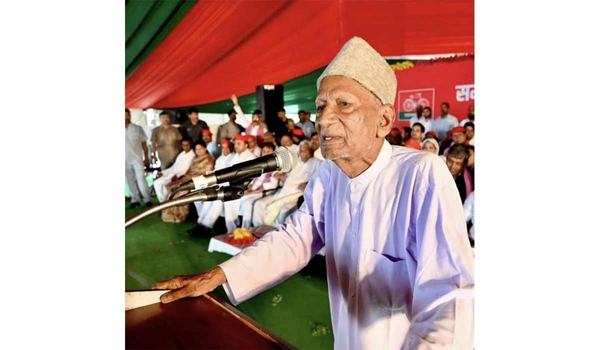
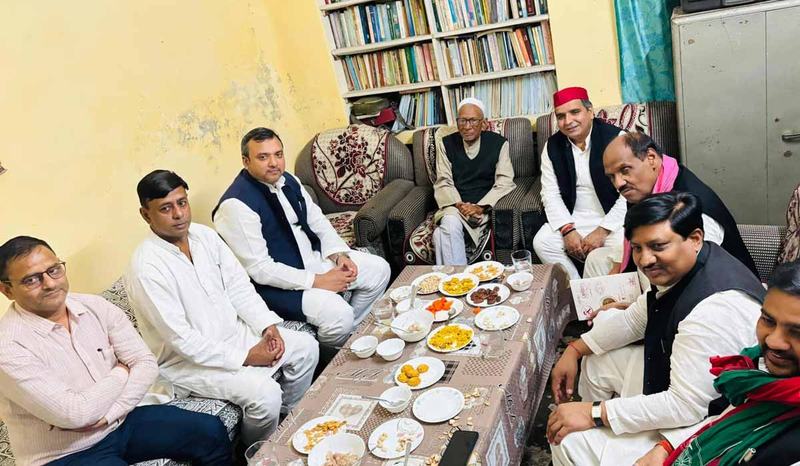
Alam Badi Azmi, the oldest serving member of the Uttar Pradesh Legislative Assembly and a five-time Samajwadi Party (SP) MLA from the Nizamabad constituency in Azamgarh district, died on July 22, 2026, at the age of 90. He was one of the longest-serving legislators from the region.
The ‘people’s leader’ breathed his last at his residence, bringing to an end a political career remembered as much for his simplicity as for his honesty and service to the people. Leaders from across parties, even the chief minister of the state, expressed profound grief over his death. Thousands of young and old supporters bid him farewell with tearful eyes, knowing well that a leader like him was a rarity.
Born on 16 March 1936, much before India’s independence, Alam Badi Azmi lived through every phase of the country’s political journey. He was a trained mechanical engineer and briefly worked in his profession before dedicating himself to public life.
He was fondly called ‘Chacha’ (uncle) by all. People across parties described him as a soft-spoken, compassionate, and honest leader whose values and personal integrity earned him widespread respect. He led a humble life, choosing modesty over political spectacle.
Stories abound of his high moral principles and values. He declined a ministerial position, when SP formed government in UP in 2012, saying he preferred to remain among his people and continue serving them directly. He never believed in political showmanship. During elections, he would refuse to put up posters or banners or indulge in spending money on publicity. He believed people would vote if one worked genuinely and hoenstly. His politics was never that of power and rhetoric, it was only about social service.
He was known for personally inspecting development work in his constituency, ensuring that public money was spent fairly. On his death, a leading national daily reported, “Unlike many public representatives, he lived without security or luxury. Visitors to his home were served black tea in small cups, while his son and grandson personally attended to guests as there were no domestic staff. He met visitors under a tin-shed outside his modest house and was known to travel on foot to interact with people. His clothes were simple – made from fabric costing Rs 30 a metre. He worked for social welfare, founded the Qaumi Ekta Manch in Azamgarh and authored a book focusing on communal harmony and national integration.
On the personal front, he was a committed family man. A loving and doting father to all, including his younger siblings. My memories of childhood and our much awaited summer vacations are majorly about how ‘Bade papa’ made our stay fun-filled ensuring we were served with the tastiest food and our favourite desserts every day.
Those were the times when vacations and outings were not about foreign trips and visits to exotic tourist locales. Vacations, for our generation, was the time to be spent at grandparents’ house, for which we waited year-long, bursting with excitement as the time drew near. Those stays were not just holidays. They were workshops of humanness, giving lessons along a spectrum of emotional vulnerabilities – to learn to live with extended families, cherish bonds, co-exist through highs and lows, lend helping hands, share experiences, and most importantly remain rooted to one’s traditions.
We lost our grandparents early, so the void was filled by bade abba, whose presence as the eldest in the family was that of a permanent guardian angel. When he came back home after his day-long work, he would never withdraw to his room to rest. Instead, he would spend his time talking and eating with all. Being the youngest in our family, I had the unique privilege of getting the best treats from bade abba, who would often silently hand over a candy or cookie pack exclusively meant for me. I distinctly remember the flavour of a peanut mix, which he often got for me, humorously called by him as ‘lighting of the tongue’ because of its very spicy taste.
Sleeping on roof-top with the family through summer nights, waking up unwillingly as the Sun shone on our faces and waiting to eat the most savoury of parathas which our badi ammi (his wife) made, are memories we can never forget. Bade abba’s earnings were meagre but his heart was one of gold. Lingering around him most of the time as his favourite child, I discreetly listened to many of his conversations with badi ammi about how personal finances were to be managed with a houseful of relatives. He never made anyone realise even if it was sometimes difficult catering to everyone. Our plates were always full, our hearts always brimming with joy. Bade abba knew his art. He knew how to keep things rolling and badi ammi supported him through her immaculate household management. He was the pillar which kept the family together – uncles, aunts, cousins everyone.
A noble soul who stood with the common people in their joys and sorrows, he remained steadfast in his values and continued serving people with unflinching dedication. His humility, kindness, and commitment to public concerns earned him respect throughout the region.
He remained an active worker till his last days. Truth and simplicity were the hallmark of his personality. His grassroot politics and connect with the local public made him an extremely popular leader.
With his passing, India has lost a sincere and hardworking people’s leader, the like of whom are so rate these days. He leaves behind a legacy of selfless public service. His life and ideals will continue to inspire generations. The fact that thousands of people of all communities gathered to pay their last respects on his death, speaks volumes about his character. His admirers believe the void left by him can never be filled. His death marks the end of an era.
For me, bade abba will always remain an example of warmth and love. I can still feel his hand on my head – his unique way of blessing his children.
Hazāroñ saal nargis apnī be-nūrī pe rotī hai Badī mushkil se hotā hai chaman meñ dīda-var paidā For thousands of years, the narcissus weeps over its lack of insight, it is with great difficulty that a true visionary is born
— The author is Professor at Faculty of Management Studies & Research, Aligarh Muslim University, Aligarh. She is author of “Strategic Human Resource Management,” published by Cambridge University Press, UK.
source: http://www.milligazette.com / The Milli Gazette / Home> News> Community News / by The Milli Gazette Online / by Feza Tabassum Azmi / August 08th, 2026
Prof Hani, who has taught economics at the college since 2000, plans technology-focused courses, ethical finance and new facilities for female students, alongside measures for their health and safety.
Mumbai :
Professor Dr Rakhshanda Hani has become the first woman to be appointed in-charge principal of Maharashtra College of Arts, Science and Commerce in Mumbai. She took charge on August 1.
Hani, who heads the college’s Department of Economics, has been associated with the institution since 2000, when she joined as an assistant professor. She has remained with the economics department throughout her teaching career and was appointed its head in 2015.
Located on Jehangir Boman Behram Marg near Mumbai Central, Maharashtra College is affiliated with the University of Mumbai and managed by the Khairul Islam Higher Education Society. The college’s 2025-26 prospectus lists Hani as head of the Department of Economics.
Speaking about her priorities as in-charge principal, Hani said she would focus on helping students make better use of technology and introducing courses that could support their future careers.
“The present age is the age of technology. Every student has a smartphone, and through its positive use, students can improve their educational abilities. Therefore, we have to explain to them how such devices should be used properly,” she said.
“Along with this, students also need to be introduced to AI and other modern courses that are useful for career-building so that they can move forward with the times,” she added.
Hani began her teaching career at Maharashtra College in 2000, when Professor Ishaq Hawaldar was the principal. According to Hani, Hawaldar interviewed her for the post.
With encouragement and support from her family, she continued her higher studies while working at the college. She also appeared for several competitive examinations and eventually completed a PhD in economics.
Her academic experience and qualifications led to her appointment as head of the economics department in 2015. Over the years, she has also held several other positions at the college.
Focus on Female Students
After taking charge, Hani said she had decided to expand facilities for female students, including making the college gymkhana accessible to them. The facility had previously been used by boys.
“First of all, I decided that facilities should be provided in the college gymkhana for girls as well as boys so that they too can benefit from them,” she said.
She added that measures were also being taken with the health, safety and other needs of female students in mind.
The college prospectus states that the institution places particular emphasis on facilities for female students and aims to create opportunities for higher education, especially for girls from the Muslim community. Its facilities include a college gymkhana, scholarships, a students’ aid fund and campus interviews.
New Courses Planned
Hani said the college was also planning to introduce several new courses, including one in ethical finance. She said the college had entered into an agreement with a British educational institution for the course.
Established in 1968, Maharashtra College offers undergraduate programmes in arts, science and commerce. Hani’s appointment marks a new chapter in the institution’s history, making her its first woman in-charge principal.
source: http://www.clarionindia.net / Clarion India / Home> Editor’s Pick> India> Indian Muslims / by Team Clarion / August 22nd, 2026
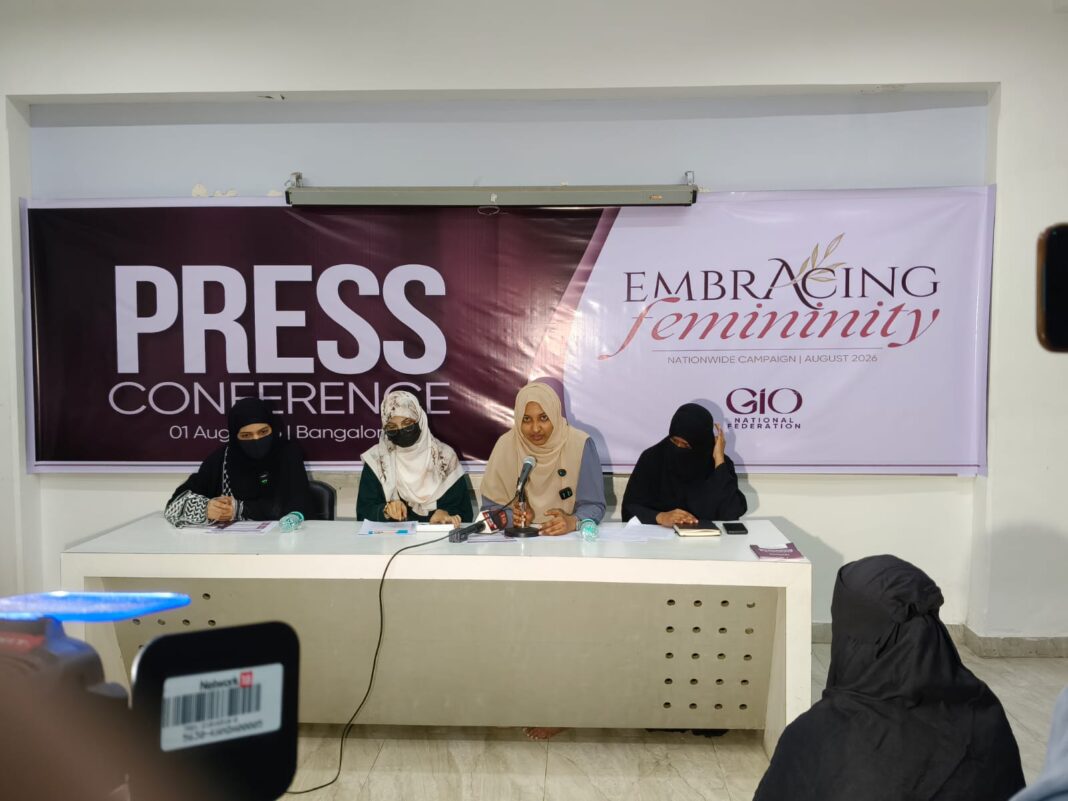
The National Federation of Girls Islamic Organisation (NFGIO) on Friday(July 31) announced the launch of its nationwide “Embracing Femininity” campaign, a month-long initiative aimed at encouraging young women to embrace their innate nature while fostering dignity, balance and holistic well-being.
The announcement was made at a press conference held at the Bangalore Islamic Foundation Trust (BIFT) Auditorium on Queens Road. The campaign will be observed throughout August across GIO units, educational institutions and campuses nationwide.
Introducing the campaign, Sameen Momin, National Campaign Convener, said a wide range of activities, including seminars, workshops, campus interactions, online sessions and public awareness programmes, have been planned to engage young women in discussions on identity, empowerment and well-being.
Speaking on the campaign theme, Afeefa Tahniyath, Vice President of NFGIO, said contemporary society often places women between two opposing pressures—restrictive social attitudes on one side and the expectation to reject femininity in the name of empowerment on the other. She said the campaign presents an alternative approach rooted in Islamic values, recognising femininity as a source of confidence, resilience and inner balance rather than a limitation.
Delivering the Kannada address, Basira Banu, Zonal Advisory Council member of GIO Karnataka, urged students and young women to actively participate in the campaign and benefit from its programmes.
In her presidential address, Adv. Sumaiya Roshan, President of NFGIO, said the initiative seeks to reaffirm women’s dignity, rights and meaningful participation in every sphere of society. She observed that a culture which evaluates women primarily through productivity and performance often overlooks their emotional and psychological well-being. The campaign, she said, advocates a balanced path that values women’s strengths without expecting them to compromise their femininity. She also stressed that families, educational institutions, workplaces and society at large share the responsibility of creating an environment where women can thrive with dignity and authenticity.
Replying to a question during the interaction, Adv. Roshan said the campaign would be conducted in 18 states where GIO has an organisational presence. She added that the initiative seeks to educate girls about femininity as an integral part of their ‘fitrah’—the innate nature with which every human being is created.
The press conference concluded with an interactive question-and-answer session. The campaign will be formally inaugurated on Sunday, August 2, at the Agricultural Institute Auditorium, Bengaluru, marking the beginning of a nationwide series of programmes throughout the month.
source: http://www.indiatomorrow.net / India Tomorrow / Home> News> Society / by Mohammed Talha Siddi Bapa /August 01st, 2026
Thumbay Group Founder President receives Global Leadership Award
Mangaluru :
Thumbay Group Founder President Dr. Thumbay Moideen has offered a scholarship of ₹1.5 crore to a deserving and meritorious student to pursue an MD degree under the Thumbay International Pathway Programme (TIPP).
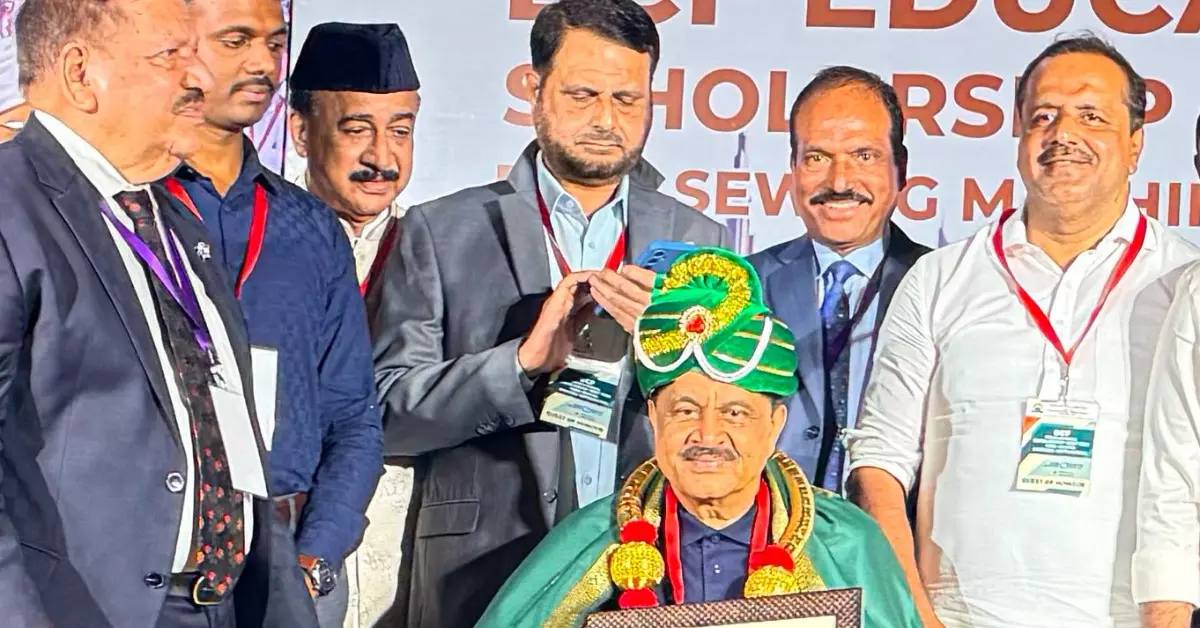
The scholarship was announced at the BCF Scholarship Distribution and Global Leadership Award 2026 ceremony held at Town Hall, Mangaluru, on Sunday. Dr. Moideen handed over the scholarship sanction letter for the Thumbay International Pathway Programme to a student.
The programme was held under the presidency of Dr. B.K. Yusuf, President of BCF UAE. Karnataka Health and Family Welfare Minister U.T. Khader inaugurated the programme and presented the Global Leadership Award for Quality and Innovation 2026 to Dr. Thumbay Moideen.
The event was jointly organised by the Bearys Cultural Forum (BCF), Dubai, and the Bearys Cultural Forum Trust, Mangaluru. Scholarships were distributed to students who had performed exceptionally well in the SSLC and PUC examinations. Free sewing machines were also distributed to women from economically weaker sections to support self-employment. An entrepreneurship seminar was also held as part of the programme.
The Global Leadership Award for Quality and Innovation is an honour presented to individuals who have achieved excellence at the global level through their vision and leadership. After receiving the award, Dr. Thumbay Moideen announced his decision to make the substantial contribution towards the MD education of a student.
Under the Thumbay International Pathway Programme, selected students will complete the first three years of their medical education at Gulf Medical University in Ajman. They will then complete the remaining three years at a partner medical university in Uzbekistan and obtain an MD degree.
Thumbay Group has launched the scholarship initiative with the aim of making medical education accessible to talented students facing financial difficulties.
source: http://www.english.varthabharati.in / Vartha Bharati / Home> Karavali / by Vartha Bharati / August 17th, 2026
At a Jamia seminar on freedom, responsibility and shared nationhood, the National Commission for Minorities vice-chairperson stressed education, skills, women’s advancement and linguistic unity
New Delhi :
National Commission for Minorities Vice-Chairperson S Munawari Begum called on students at Jamia Millia Islamia to focus on education, skills, women’s advancement and social unity, while sharing her own experience of growing up with Urdu and Hindi.
She was speaking as the chief guest at a one-day seminar titled “Freedom, Responsibility & Shared Nationhood”, organised by the Department of Sociology at Jamia Millia Islamia on August 18.
The seminar brought together students, teachers and members of the academic community to discuss freedom, civic responsibility and the idea of a shared nationhood. According to the department’s programme information, the event was intended to provide a forum for discussion on these issues.
Begum, who took charge as vice-chairperson of the National Commission for Minorities last month, was joined at the event by Jamia Registrar Prof Mehtab Alam Rizvi and other faculty members and guests.
Padma Shri Prof Akhtarul Wasey was the main speaker, while the programme was chaired by Prof Zubair Minai, Dean of the Faculty of Social Sciences. Prof Azra Abidi, head of the Department of Sociology, coordinated the seminar.
Language and communication were among the main themes of Begum’s address.
“I am a daughter of Urdu; Hindi raised me,” she said, while speaking about her experience with different Indian languages.
She also spoke about learning languages including Tamil, Malayalam, Kannada and Telugu. According to Begum, learning another language is not limited to acquiring linguistic knowledge but can help people communicate and build connections with one another.
She also spoke about her experience as an interpreter during Prime Minister Narendra Modi’s visits to Tamil Nadu and said she had helped facilitate communication when leaders from northern India visited the state.
Her remarks came at a time when language has remained a subject of public and political debate in India, but her message to students focused on communication and learning rather than linguistic divisions.
Education and Skills
Begum placed particular emphasis on education, telling students that young people have an important role in shaping the country’s future.
She said education and practical skills could help young people improve their own prospects while contributing to their families, communities and the country.
She also spoke about the need for students to acquire skills linked to employment alongside religious or traditional education.
Referring to the financial difficulties faced by students preparing for competitive examinations such as the Union Public Service Commission (UPSC) examinations, she spoke about her efforts to help students who cannot afford such preparation.
She also stressed the need to encourage women and girls to pursue education and opportunities, saying women should move forward alongside men and take part in the country’s development.
Urdu and Computer Training
Begum also recalled her earlier work providing Urdu education alongside computer training.
She said centres had been run to teach Urdu and computers to young people between the ages of 15 and 35. Referring to an initiative in Puducherry, she said a Hindu youth’s NGO had also been associated with one such centre.
The example, as presented in her address, reflected her view that education and skills should not be restricted by religious identity.
The broader theme of the Jamia seminar was the relationship between freedom and responsibility. The discussions focused on the idea that rights also carry responsibilities towards society.
Begum urged young people to maintain a positive outlook and contribute to the country’s progress. She said that progress at the national level would also benefit families, villages and communities.
The August 18 seminar brought academic discussion on freedom, civic responsibility and shared nationhood together with Begum’s focus on education, language, women’s advancement and the role of young people in society.
source: http://www.clarionindia.net / Clarion India / Home> Culture> Editor’s Pick> India / by Clarion India / August 21st, 2026
An Inspiring Journey of IIT Bombay Professor Dr. Azizuddin Khan from a Small Town in Bahraich to Global Recognition in Science and Research
In a landmark achievement for Indian Science and Research, Prof. Dr. Azizuddin Khan, eminent Psychologist, Neuroscientist and Psychophysiologist at the Indian Institute of Technology Bombay (IIT Bombay), has been recommended for the prestigious J.C. Bose Fellowship (ANRF J.C. Bose Grant).
The Anusandhan National Research Foundation (ANRF) recommended the honour in recognition of Dr. Azizuddin Khan’s outstanding scientific research, innovation and contributions aimed at improving human well-being in August 2026.
The J.C. Bose Fellowship is one of India’s prestigious recognitions for active senior scientists and engineers who have made outstanding contributions to science, engineering, medicine and related fields. The fellowship provides research support to enable distinguished scientists to continue advanced research and mentor the next generation of researchers.
From a Small Town to IIT
Prof. Dr. Azizuddin Khan hails from Mahinpurwa, a small town in Bahraich district of Uttar Pradesh. After completing his early education at a local inter college, he chose psychology as his field of study despite family expectations.
He secured first position in his undergraduate studies at Aligarh Muslim University (AMU) & subsequently completed his M.A. in Clinical Psychology. He later earned his Ph.D. in Cognitive Psychology from IIT Kanpur, which laid the foundation for his distinguished research career.
Distinguished Research at IIT Bombay
Prof. Khan has been associated with IIT Bombay for nearly two decades and currently serves as an India Value Chair Professor. He is among the leading researchers associated with the Psychophysiology Laboratory.
He is also associated with important research initiatives including the Sunita Sanghi Centre for Ageing & Neurodegenerative Diseases (SCAN), Koita Centre for Digital Health (KCDH) and the IIT Bombay-FedEx ALFA Centre.
He has played an important role in developing an advanced Psychophysiology Laboratory at IIT Bombay, where researchers use technologies such as EEG, Eye Tracking, Event-Related Potentials (ERP), Neurofeedback and other modern neuroscientific techniques to study the human brain, cognition and behaviour.
Diverse and Human-Centred Research
Prof. Khan’s research is closely connected with real-life human challenges. His major areas of research include:
Dyslexia and Reading Disorders
Autism and ADHD
Memory and Prospective Memory
Attention, cognition and brain processes
Parkinson’s disease and Alzheimer’s disease
Psychological stress and depression
Brain activity during Urdu, Hindi and bilingual reading
Urdu script and its processing in the human brain
Artificial Intelligence and mental health
Human psychology under extreme environmental conditions
Through his multidisciplinary research, he has contributed significantly to the fields of psychology, psychophysiology and neuroscience.
Technology-Based Research for Dyslexia
One of the most significant areas of Prof. Khan’s research is dyslexia. He has contributed to the development of ‘Brainu’, a screening application designed to facilitate the early identification of children who may have reading difficulties.
The application uses engaging, game-based activities to assess certain reading-related abilities and help identify children who may require further assessment or support.
He has also worked on innovative Haptic Belt/Bracelet technology, which uses specific vibrations to help children recognise and experience the correct sounds associated with letters and words.
Such technology has the potential to support children learning Urdu, Hindi, Marathi, Arabic and English, particularly those experiencing difficulties in reading and phonological processing.
Pioneering Research on the Urdu Script
Another distinctive area of Prof. Khan’s research is the neural processing of the Urdu script. His research examines how the human brain processes Urdu text written from right to left while simultaneously dealing with numbers written from left to right.
Using Eye Tracking and EEG technologies, he has investigated the cognitive and neural processes involved in Urdu and bilingual reading. His work has contributed to the scientific understanding of how multilingual readers process different writing systems.
Research in Antarctica
Prof. Khan has also participated in India’s Antarctic research programme, where he studied human psychology under extremely cold and isolated environmental conditions.
His research examined aspects such as memory, mental health, emotional well-being and behavioural changes among people living and working in extreme environments. He has also undertaken research related to self-awareness in penguins, attracting attention within the scientific community.
Representing India on the Global Research Platform
Prof. Khan has represented India at numerous international academic and scientific forums. He has presented his research in countries including the United States, United Kingdom, Germany, France, Japan, Australia, Finland, Spain, Italy, South Korea, Turkey, Brazil, the United Arab Emirates and several other countries.
His academic contribution includes more than 200 research publications, several international book chapters, patents and research projects. He has also guided numerous Ph.D. scholars, many of whom are today working as professors and researchers at leading IITs, NITs and universities in India and abroad.
An Inspiring Message for Young Students
According to Prof. Dr. Azizuddin Khan, success depends not merely on intelligence but on hard work, curiosity, perseverance, patience and a continuous desire to learn.
His own journey demonstrates that a student from a small town can achieve global recognition through education, determination and sustained research.
A Matter of Pride for the Nation
The recommendation of Prof. Dr. Azizuddin Khan for the J.C. Bose Fellowship is not only a personal achievement but also a matter of pride for the Indian scientific community, IIT Bombay, Aligarh Muslim University (AMU) and the residents of Bahraich.
His continuing work in psychology, neuroscience, education, mental health and artificial intelligence is expected to open new avenues of research and contribute to improving the lives of children, students and society at large.
[The writer, Akhlaq Shaikh, is a Career Counsellor, Mumbai. He alsow writes for Urdu Daily Inquilab.]
source: http://www.ummid.com / Ummid.com / Home> Education & Career / by Akhlaque (Akhlaq) Shaikh / August 18th, 2026
Awais Ahmed, a young entrepreneur from Aldur in Karnataka’s Chikkamagaluru district, has emerged as one of India’s leading figures in the private space sector after his company, Pixxel Space Technologies, became the first Indian space start-up to secure a NASA contract for supplying hyperspectral Earth observation data.
The 28-year-old founder and Chief Executive Officer of the Bengaluru-based company attributes his journey to a childhood shaped by curiosity, encouragement from his parents and a lifelong fascination with space science.
Growing up in Aldur, Awais spent hours reading children’s science encyclopaedias on planets, nebulae, black holes and the solar system. His father, Nadeem Ahmed, who runs a pharmacy in the town, regularly bought him science books from local libraries and bookshops. His mother, Ghazala Tashfeen, also encouraged him to pursue the subject that interested him most.
After completing his schooling in Aldur and Sangameshwar Pete, he moved to Mangaluru for pre-university education before joining BITS Pilani, Rajasthan, where he studied mathematics and manufacturing engineering. During his engineering years, he participated in a student satellite programme alongside ISRO scientists, an experience that deepened his interest in satellite technology.
A defining moment came in 2017 when Awais led Hyperloop India at the SpaceX Hyperloop Competition in Los Angeles. The team qualified among the finalists and presented its project before visiting SpaceX facilities. Meeting Elon Musk and witnessing private space innovation strengthened his resolve to build a career in space technology.
Before completing his degree in 2019, Awais founded Pixxel Space Technologies. The company has launched nine hyperspectral satellites, including six in 2025. The satellites collect detailed Earth observation data that supports agriculture, environmental monitoring, energy and natural resource management through advanced imaging technology.
Awais said the company has raised ₹960 crore from investors. He credited policy support for private participation in India’s space sector for helping young companies grow. Today, Pixxel employs 275 people, with most of its workforce based in India and others working in the United States and Europe.
His father recalled the family’s sacrifices to support his education, including taking education loans and pledging gold. He said watching his son’s dedication and achievements has filled the family with pride. Awais, who is now married to a doctor, continues to pursue his goal of building space technology that serves humanity while contributing to India’s growing presence in the global space industry.
source: http://www.radiancenews.com / Radiance News / Home> Latest News> Markers of Excellence> Personality> Report / by Radiance News Bureau / July 20th, 2026