INDIA :
Representational Image
New Delhi :
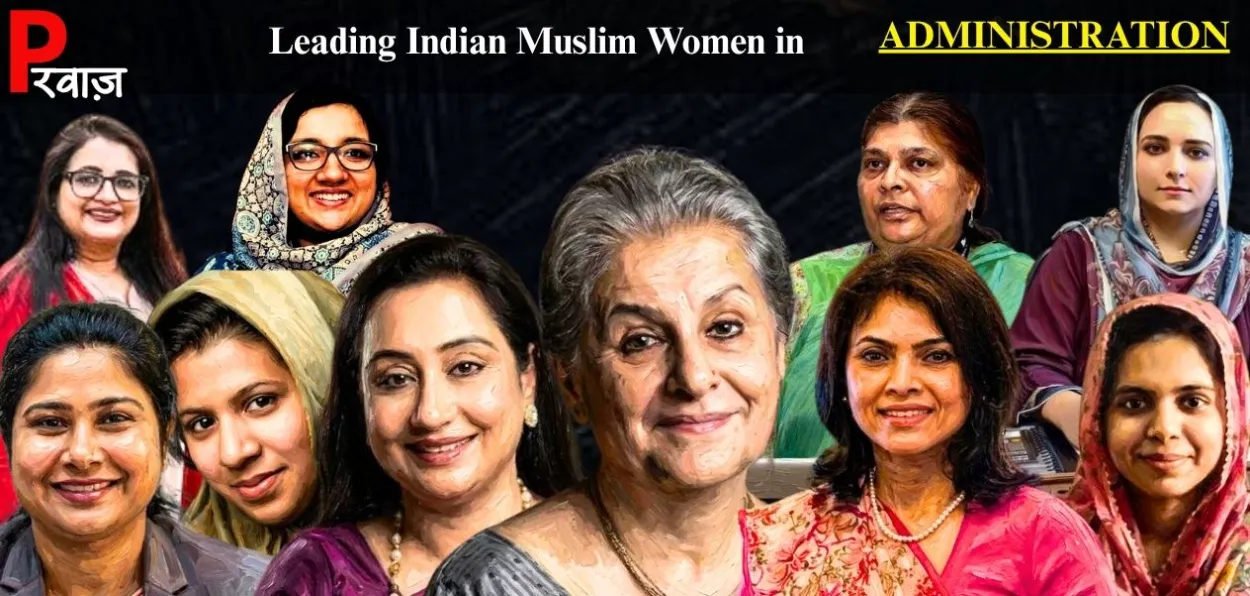
Across India’s administrative corridors, diplomatic missions, universities, welfare departments, and heritage institutions, a generation of Muslim women is redefining leadership through intellect, perseverance, and public service. Their journeys are rooted in struggle, shaped by education, and driven by a deep commitment to society.
Under the Parvaz series, Awaz-the Voice brings you the stories of ten such Muslim women, whose lives and work should become an inspiration for all women in India.
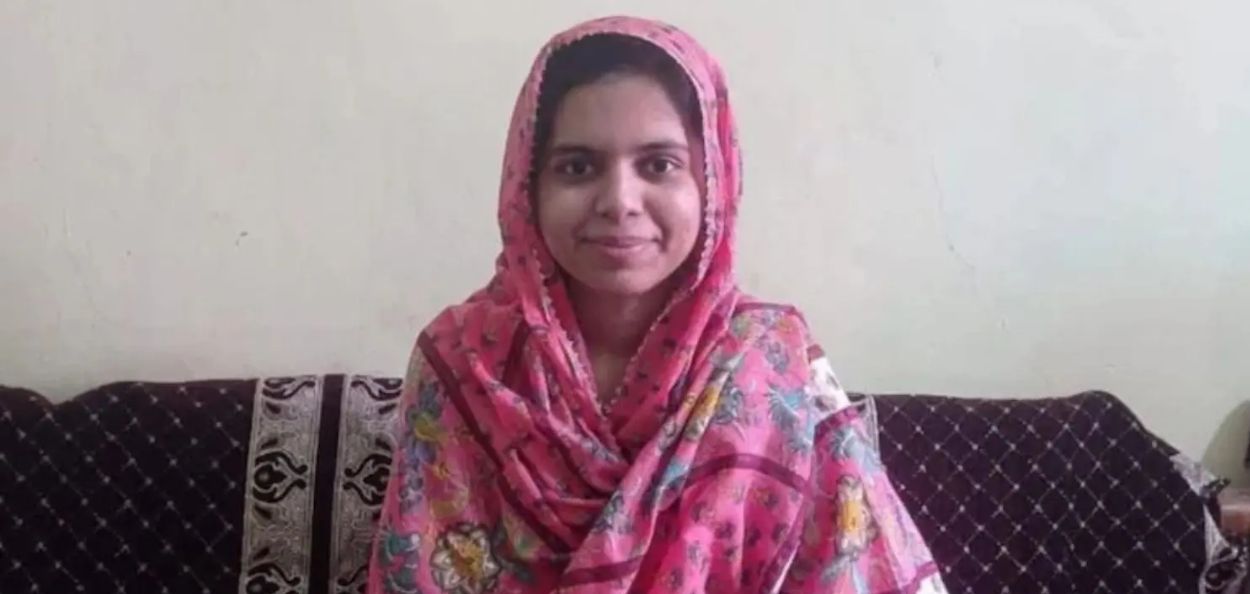
Adeeba Anam Ashfaq Ahmed Shaikh
Adeeba Anam Ashfaq Ahmed Shaikh
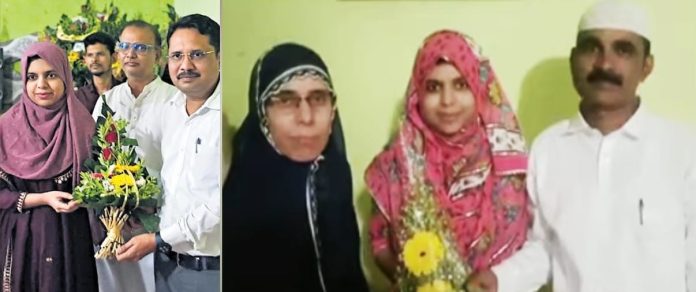
Adeeba Anam Ashfaq Ahmed Shaikh’s journey from a modest home in Yavatmal to becoming Maharashtra’s first Muslim woman IAS officer is a story of determination overcoming adversity.
The daughter of an auto-rickshaw driver, she rose above financial hardship, repeated failures, and social prejudice to secure All India Rank 142 in UPSC 2024. Her success stands as a beacon of hope for countless girls from rural and marginalised communities who dream of changing their destinies through education and hard work.
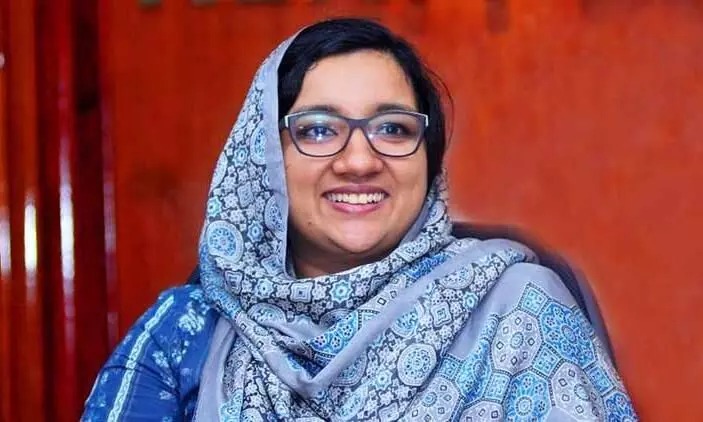
Dr Adeela Abdulla
Dr Adeela Abdulla
Dr Adeela Abdulla represents a compassionate and thoughtful face of governance in Kerala. One of the early Muslim women from Malabar to join the IAS, she has played a vital role in strengthening social welfare systems and urban governance.
Whether through her work in Kerala’s Solid Waste Management Project or as Special Secretary in the Social Justice Department, her leadership reflects empathy, accountability, and a deep commitment to human dignity, particularly for vulnerable sections of society.
Dr Chabina Hassan
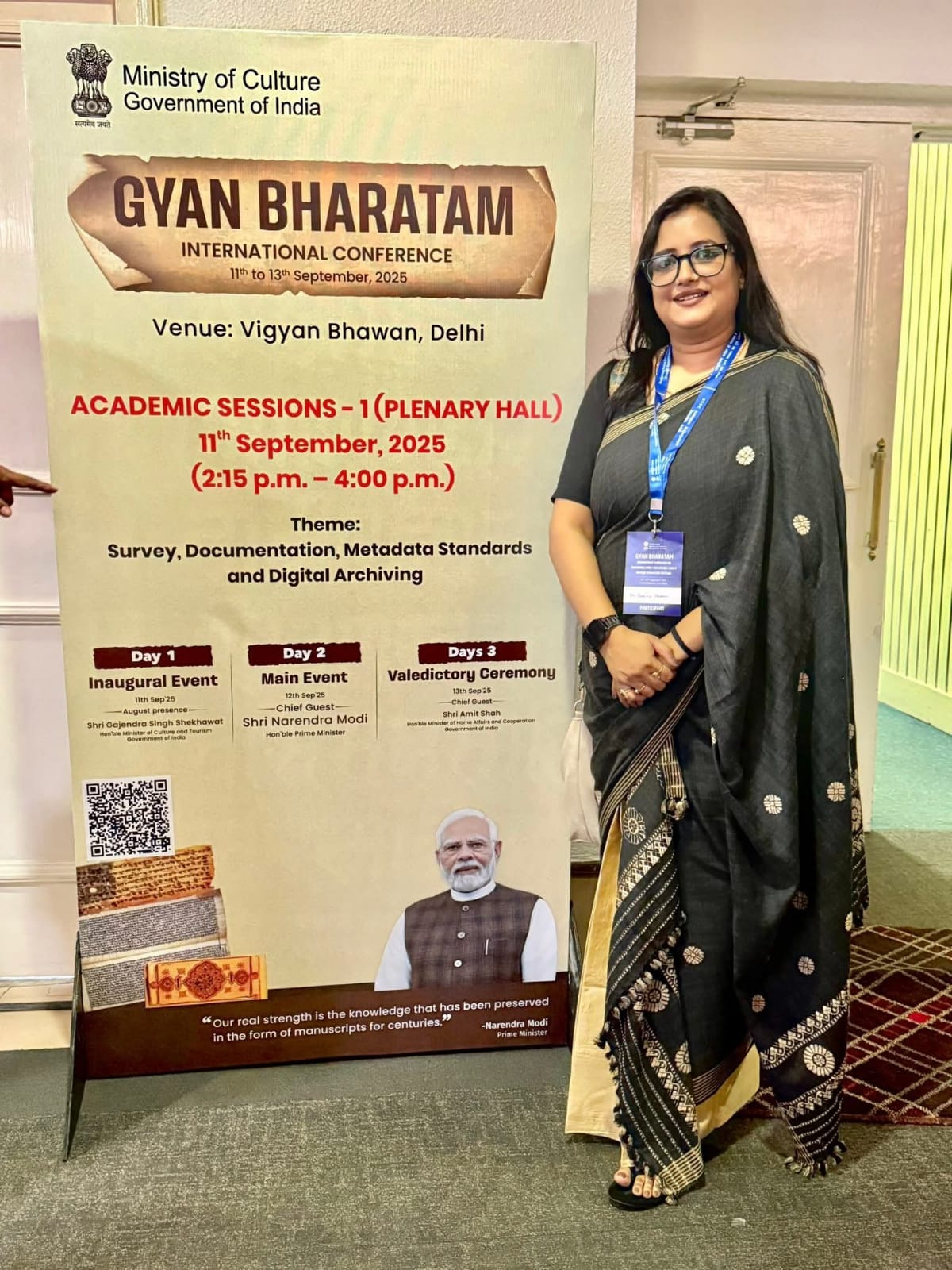
Dr Chabina Hassan
In Assam, Dr Chabina Hassan has emerged as a powerful force in heritage conservation and archaeology. As Deputy Director at the Directorate of Archaeology, Assam, she played a key role in securing UNESCO World Heritage recognition for Charaideo Maidam and made groundbreaking discoveries in Dima Hasao.
Balancing motherhood, academics, and fieldwork, she has transformed archaeology into a bridge connecting communities with their cultural roots while inspiring younger generations to value history and preservation.
Dr Syed Sehrish Asgar
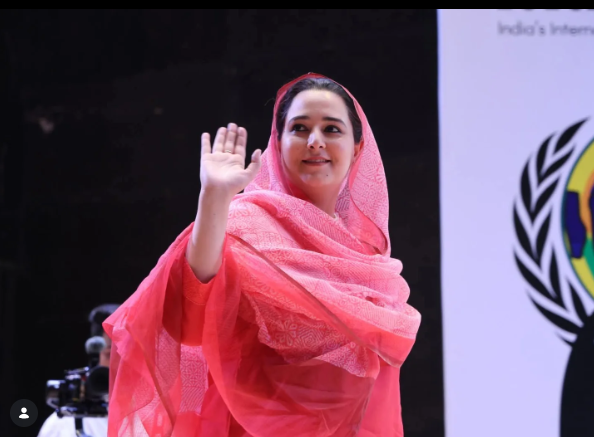
Dr Syed Sehrish Asgar
Dr Syed Sehrish Asgar’s career reflects excellence, resilience, and transformative public service. A doctor by training, she topped the J&K Administrative Services examination in 2010 and later secured AIR 118 in UPSC.
From becoming Budgam’s first woman Deputy Commissioner to spearheading initiatives like the SAATH programme that empowered over five lakh rural women through Self Help Groups, her administrative journey has been marked by innovation and social impact.
Her recognition with the Prime Minister’s Award for Excellence in Civil Services further highlights her contributions to governance and public welfare.
Naghath Tabassum Abroo
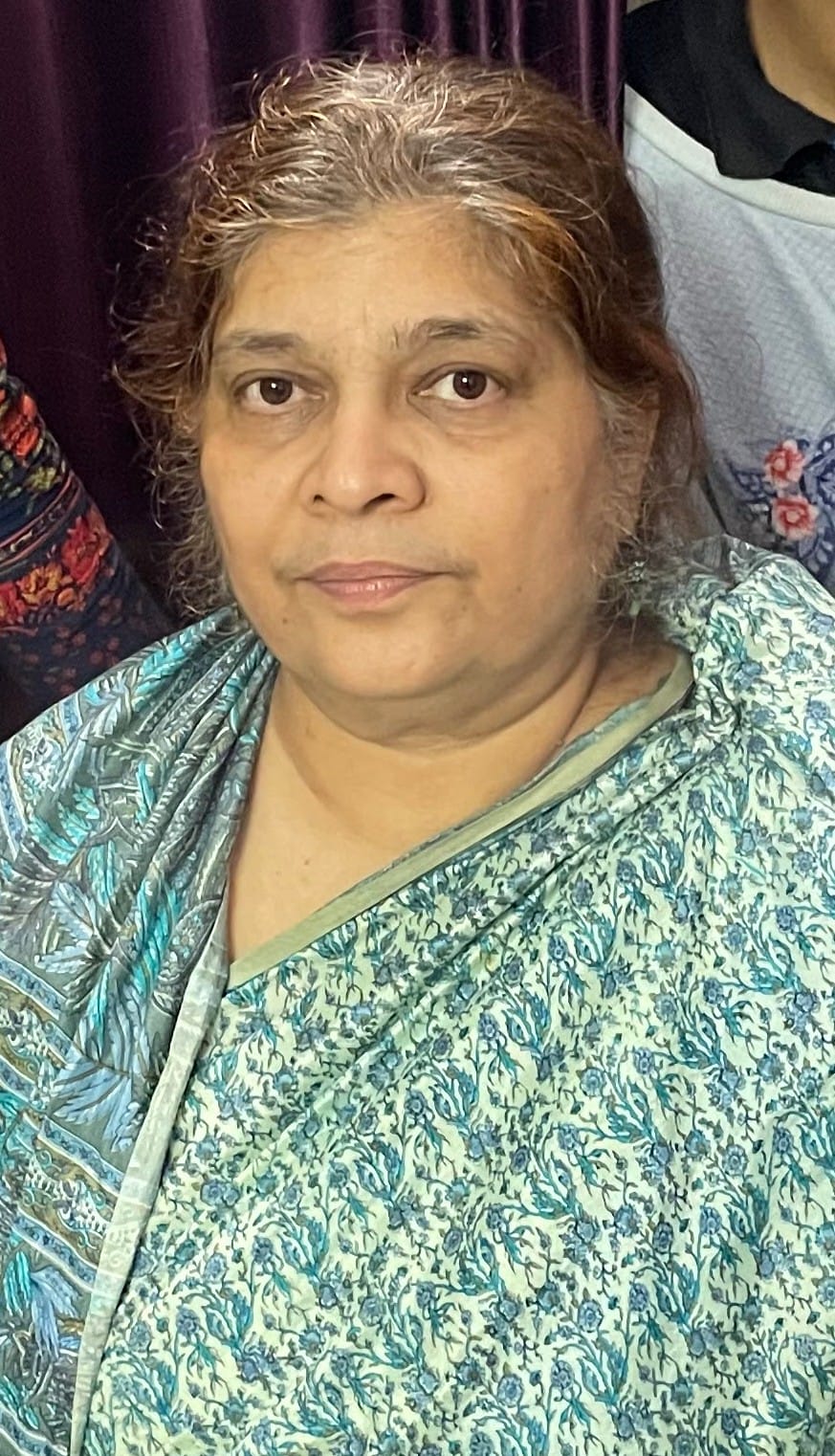
Naghath Tabassum Abroo
Naghath Tabassum Abroo’s life story is deeply rooted in the strength of family values, education, and perseverance. After a decade-long break from academics due to marriage and motherhood, she returned to secure third rank in the KPSC examination and later rose to become one of Karnataka’s pioneering Muslim women IAS officers
Through initiatives in women’s welfare, sanitation, healthcare, and e-governance, including Bengaluru One and Khajane II, she demonstrated how compassionate leadership and administrative innovation can improve public systems and people’s lives.
Nagma Mohammad Mallick
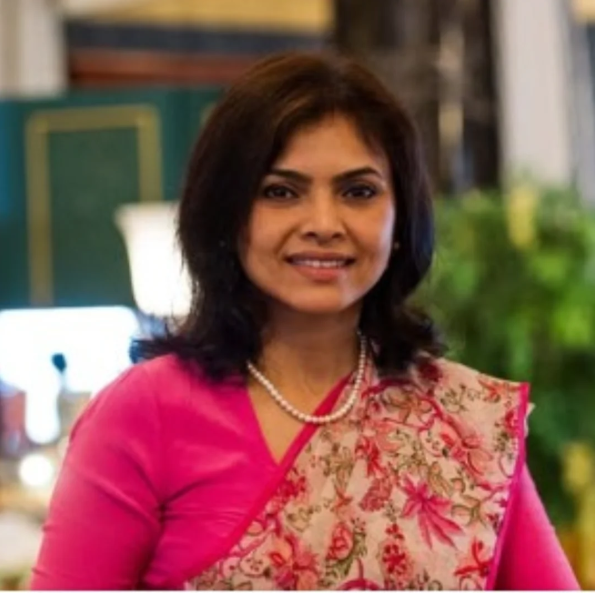
Nagma Mohammad Mallick
Nagma Mohammad Mallick carved history as India’s first Muslim woman IFS officer and built a distinguished diplomatic career through quiet yet impactful service. Currently serving as India’s Ambassador to Japan and the Marshall Islands, she has represented India in several countries while strengthening international partnerships in diplomacy, technology, and economic cooperation.
Through her thoughtful articulation of democracy, dialogue, and non-violence, Mallick has projected India’s values on the global stage with dignity and restraint.
Nahida Zam Zam
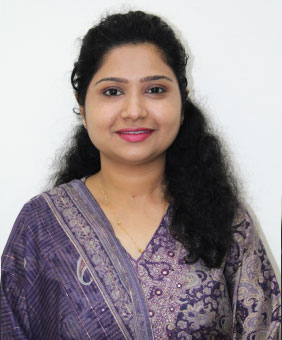
Nahida Zam Zam
Nahida Zam Zam has become known as a fearless and people-centric administrator in Karnataka. Through her public speeches and grassroots engagement, she consistently advocates for women’s empowerment, education, and freedom of thought.Her dedicated fieldwork during the COVID-19 pandemic, even while pregnant, earned her admiration as a compassionate officer deeply connected with ordinary people.
Whether speaking to students, women, or marginalised communities, she challenges restrictive social norms and encourages self-reliance and awareness.
Syeda Saiyidain Hameed
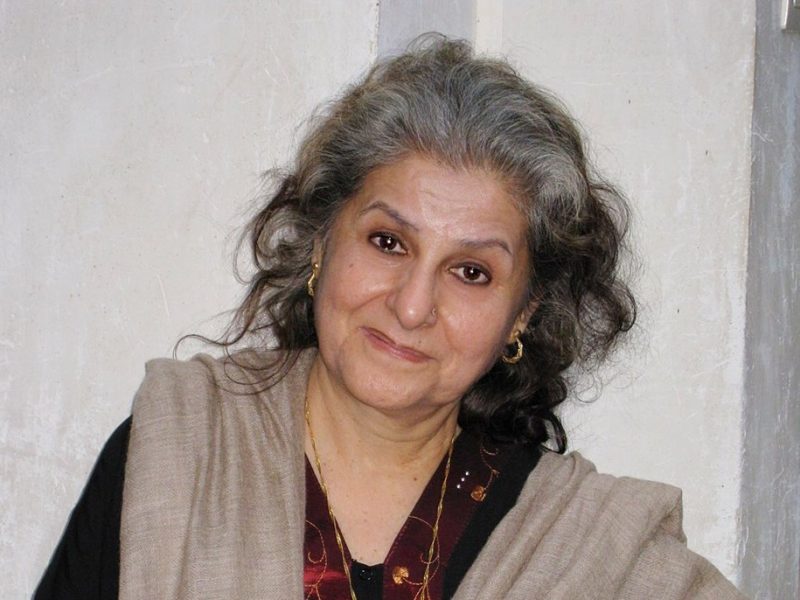
Syeda Saiyidain Hameed
Syeda Saiyidain Hameed stands as one of the most influential voices for women’s rights, peace, and social justice in India. An acclaimed author, educationist, former member of the Planning Commission, and member of the National Commission for Women, she has devoted her life to defending human rights and promoting dialogue across communities.
As a founder of the Muslim Women’s Forum and Women’s Initiative for Peace in South Asia, she worked tirelessly for peace-building efforts between India and Pakistan, proving that courage and compassion can coexist in public life.
Professor Shabina Nishat Omar
Professor Shabina Nishat Omar
Professor Shabina Nishat Omar has emerged as a dynamic symbol of academic leadership and women’s empowerment in West Bengal. With over twenty-five years in education and administration, she has transformed institutions through her leadership while advocating inclusive education, digital literacy, and gender awareness.
As an educator, speaker, and administrator, she continues to inspire young people to view education not merely as a profession, but as a powerful tool for social transformation and self-reliance.
Zaynab Syed
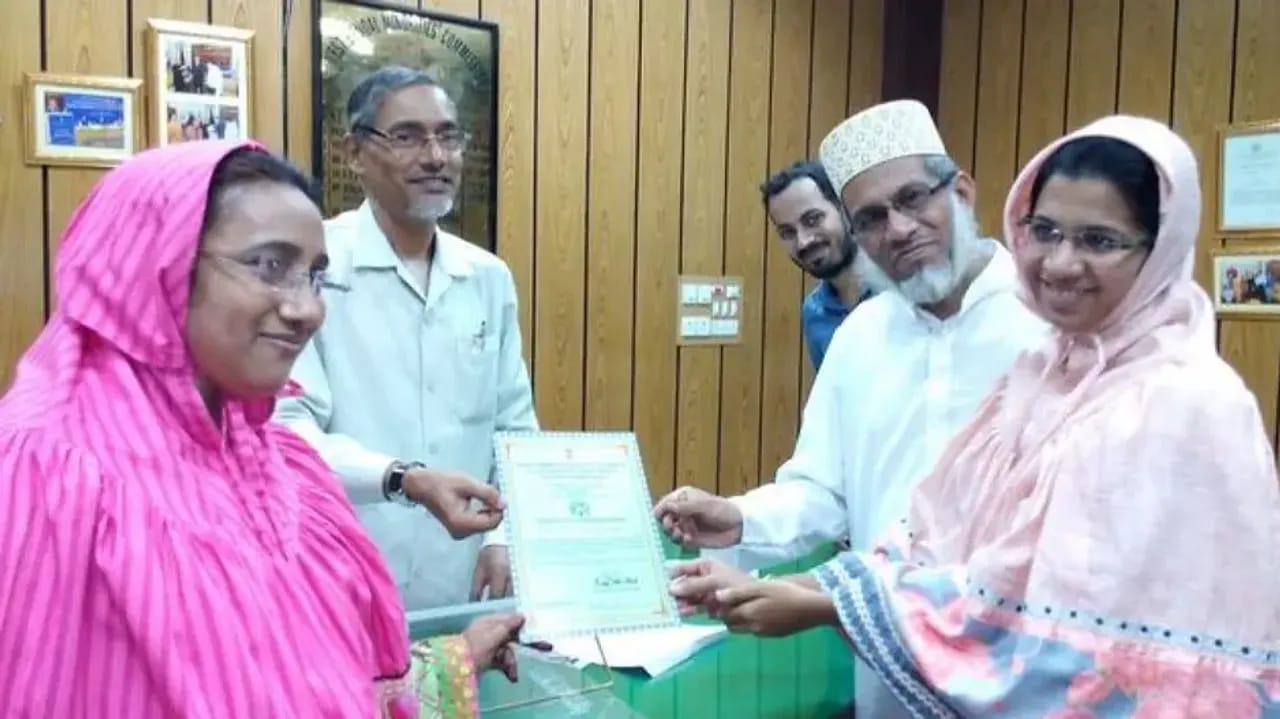
Zaynab Syed
Zaynab Syed’s journey reflects perseverance, discipline, and dedication to public service. From overcoming repeated failures in the civil services examination to securing an All India Rank 107, she proved the power of resilience and self-belief. Today, through her role at TRIFED, she works to strengthen tribal livelihoods and expand economic opportunities for artisans and self-help groups across eastern India.
Her story demonstrates how determination and commitment can turn setbacks into opportunities to serve society meaningfully.
By breaking barriers and creating spaces for future generations, they are not only shaping institutions but also redefining what leadership looks like in contemporary India.
source: http://www.awazthevoice.in / Awaz, The Voice / Home> The Changemakers / by Vidushi Gaur /May 30th, 2026