Tag Archives: Indian Muslim Urdu Novelist

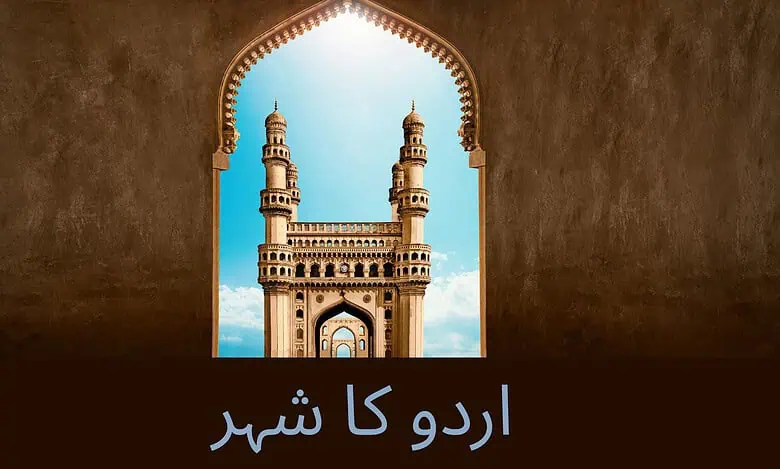
Hyderabad Urdu Ka Shahar: A cultural chronicle by Farooq Argali

Fatehpur, UTTAR PRADESH :
Hyderabad: 

Hyderabad is not merely a dot on the map; it is a vibrant symbol of elegance, culture, and an enduring legacy. Often hailed as the city of domes and minarets, Hyderabad is where history echoes through its majestic palaces, bustling bazaars, and the unmistakable aroma of biryani that fills the air. But beyond its architectural grandeur and culinary delights, the city is known for its Nawabi grace — a heritage shaped by the Nawabs and Nizams, whose generosity and cultural patronage continue to define its identity.

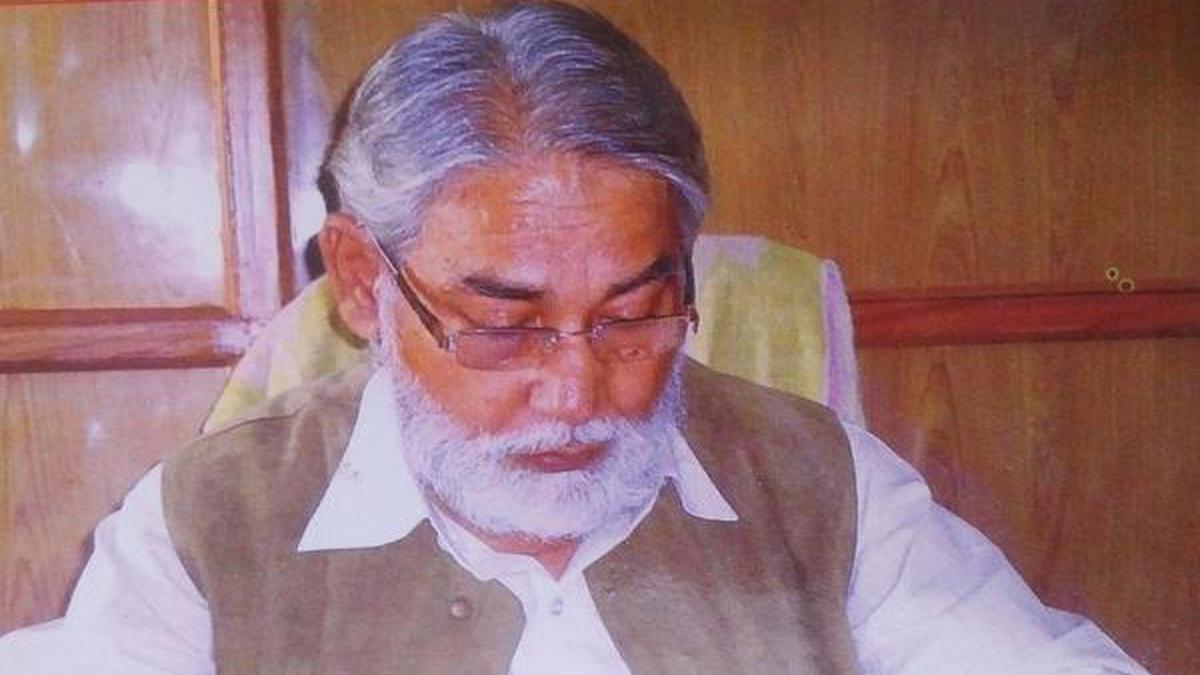
Capturing this soul of Hyderabad is the mission of noted journalist and author Farooq Argali. His upcoming documentary titled ‘Hyderabad: Urdu Ka Shahar’ offers a compelling journey through the city’s layered history — from the Qutb Shahi dynasty to the modern era. In this hour-long film, viewers are treated to glimpses of Hyderabad’s monuments, traditions, cuisine, and the famed tehzeeb — a word that transcends simple etiquette to embody respect, warmth, hospitality, and grace in everyday life.

Over the past three days, Argali has been crisscrossing the city, engaging with its people, documenting their stories, and capturing the sights, sounds, and scents that define Hyderabad. His previous acclaimed documentaries — Delhi: Rangon Ka Shahar and Lucknow: Tamaddun Ka Shahar — stand as testaments to his commitment to preserving cultural heritage through storytelling. His next project is set to focus on Azeembad, the ancient name of Patna.

At 86, Farooq Argali remains remarkably energetic and mentally sharp. Alongside the documentary, he plans to author a book titled Hyderabad Nama, envisioned as an archival treasure for researchers and culture enthusiasts alike. What strikes Argali most about Hyderabad is the thriving presence of Urdu — still seen on shop signs and nameplates, a sight now rare in Delhi and Lucknow.

A man of many talents, Argali is a journalist, playwright, historian, novelist, and poet. Over the last six decades, he has authored more than 500 books, ranging from romantic and detective fiction to literary criticism. In the 1960s, his pulp fiction, written at a breathtaking pace — sometimes a novel in just five days — was immensely popular. Titles like Haye Main Haar Gayee marked the beginning of a prolific writing career. Surprisingly, Argali never studied beyond the third grade in Urdu. When asked about his academic qualifications, he modestly replies, “Fourth failed.”

What, then, is the secret behind such a towering literary output? “Read more than you write,” he says simply. He credits his success to continuous reading and the vibrant literary circles he was part of in Delhi.

Born in Fatehpur, Uttar Pradesh, Argali held various odd jobs before turning to writing full-time. Despite his limited formal education, he calls his gift of writing a divine blessing. Writing under pseudonyms like Hasina Kanpuri in Urdu and Rati Mohan in Hindi, he penned bestsellers such as Ek Toofan Jawani Ka and Chahne Wale, which enjoyed huge success.

However, Argali now views his pulp fiction era as his personal ‘Ayyam al-Jāhiliyya’ — a period of creative indulgence. Over time, he shifted focus to enriching Urdu literature through research, biographies, and literary criticism. His two-volume work Urdu Hai Jis Ka Naam explores the contributions of as many as 400 renowned Urdu writers like Lala Sriram Dehlvi, Firaq Gorakhpuri, Saadat Hasan Manto, Nisar Ahmad Farooqi, and Rahi Masoom Raza to name a few.

Farooq Argali, who also served as the founding editor of the film magazine Rubi, has written extensively on Indian cinema. His historical writings include Bahadur Shah Zafar Ke Dardnaak Halaat, chronicling the last Mughal emperor’s tragic life, the partition story, Dastaan 1947, and Jahan-e-Khusro, a detailed account of the Sufi poet Amir Khusrau.

At a recent felicitation event hosted by Fazil Husain Parvez, Editor of Gawah and Mediaplus Foundation, Argali humbly dismissed the accolades, calling himself a “mazdoor qalam ka” — a laborer of the pen. “I write something broken and incomplete, yet it gets published,” he said with characteristic modesty.

As he continues his journey of literary and cultural documentation, Farooq Argali shares a heartfelt couplet expressing his deepest wish:

Aakhri waqt jab aaye to qalam haath mein ho,
Lafz ‘Allah’ likhoon aur dum nikal jaaye


(When my final moment comes, may the pen be in my hand,
May I write the word ‘Allah’ as I breathe my last)

source: http://www.siasat.com / The Siasat Daily / Home> Featured News / by J S Ifthekhar / May 10th, 2025
When real life outstrips fiction…

Sasaram / Gaya, BIHAR :

Hussainul Haq’s novel “Amawas Mein Khwab” initiates a new debate on the Hindu-Muslim relationship.

REFLECTING REALITY Hussainul Haq

At a time when people cherish to be lied to, what can scare away the spectre of an unprecedented assault on the very idea of truth? Is truth a sociological reality or an unachievable ethical reality? Does the narrative of homogeneity set in motion by new information technology produce a kind of immodesty that allows us to recognise falsehood but we still treat it as if were a reality? Does our intent on peddling fantasy as a fact correspond to “Suspended Disbelief” that Coleridge found essential for literature? These frightening and unsettling questions thrown up by the post-truth period are impeccably sewn together in a novel of a celebrated Urdu novelist and short story writer Hussainul Haq and his latest novel has been doing rounds in the Urdu knowing circles of the subcontinent.

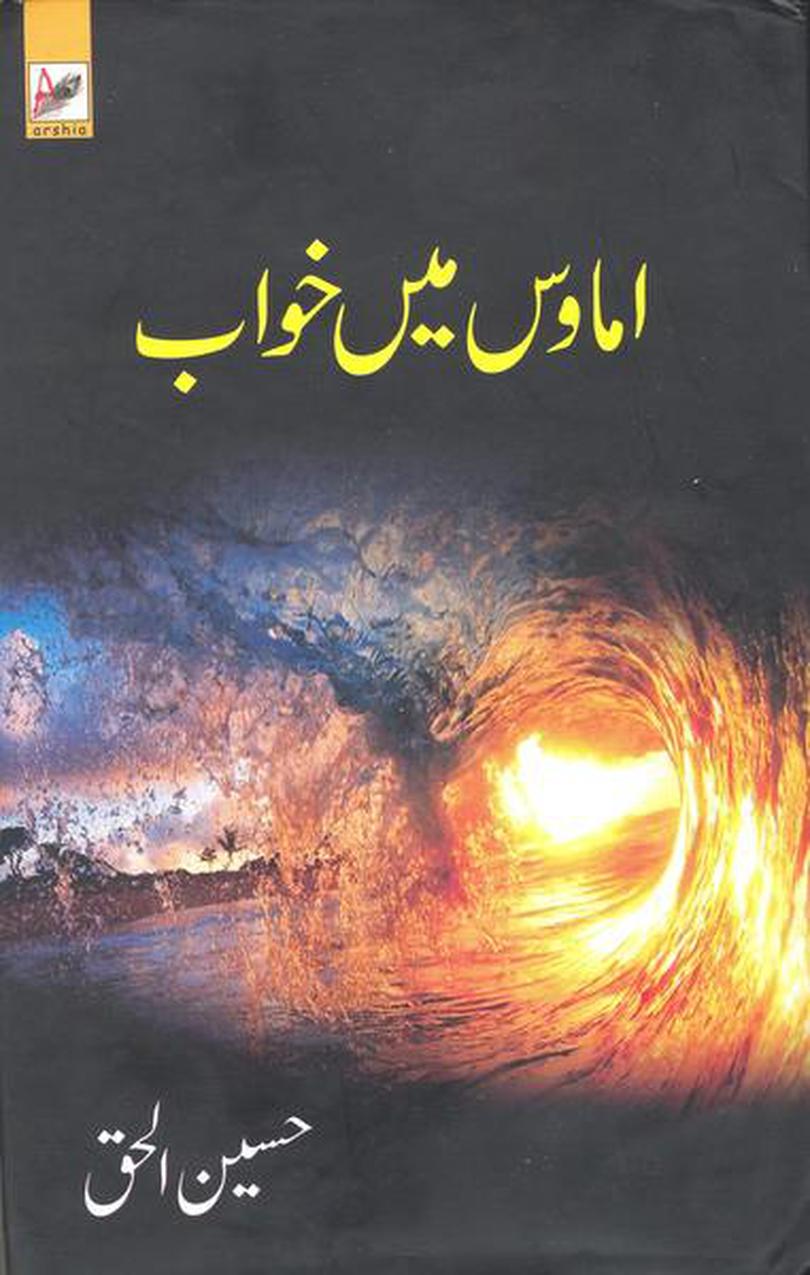
His recently published novel, “Amawas Mein Khwab” (Dreaming in the last night before the new moon), poignantly tells a tale of Ismael Rajai, who lost all his family members in a communal riot but a marked Indian passion for free-flowing of inter-personal relationship unencumbered by religious and cultural affinity and uncontaminated by self-interest enabled him to begin a new life. Ismael, lived in Bombay, Bhiwandi and Patna, and is exposed to many cultures and as a power loom owner, teacher, a friend of a landlord, a father and a thinking human being, he tries to understand why common people do the uncommon to transform themselves. His stint as a lecturer at a college in Bihar provides him with a space where several mediations are carried out. Arousal of mass-hysteria in the name of caste and religion acquaints him with the aggressive and self-destructive potential of conflict and disharmony. His tantalising journey of a new life transcends inadequacies and presents a higher level of synthesis where being apart and being together emerge a reality as audaciously as they can.

The book cover

Ismael’s struggle reveals new insight and a fresh perspective on several issues plaguing the country.

Believable narrative

At a time when religious passions are running high and the concept of peaceful existence is being threatened, the novelist initiates a new debate on Hindu-Muslim relationship. Direct intervention of a well known scholar or a reference to a widely acclaimed text lends credibility to the narration and the reader takes pleasure in passages that are explicitly historical.

One of the characters of the novel asserts: During the reign of Mohammad Bin Qasim, the religious places of Christians, Jews and Hindus were treated equally. Quran describes Sabaen (an ancient nation of star worshippers) as people of the book though there was hardly any mention of book related to them. Even in the time of the second caliph, Zoroastrians were given the status of people of the book and why this status still eludes Hindus?

For his doctoral thesis, Ismael chooses a topic that baffles his friend Anil Sharma. Anil finds the topic “Muslims’ Contribution in Ancient India” inadmissible but Ismael argues: “One has to concentrate on the culture, language and ideologies that dominated India before Mohammad Bin Qasim. In what way, the arrival of Mohammad Bin Qasim and saint, Ali Hajveri, affected the culture. Did anyone notice a creative interaction at epistemological or ideological level, if yes, what are the traces, this question has tremendous research potential?”

“Yes, it is a fertile topic, but you have to work hard,” Anil nodded.

Ismael, living a comfortable life in Bihar, lost his life in a blast and it spells doom for his life. His daughter Nayela landed up at a brothel and the son Quidar finally got whatever he longed for. The novel ends with a positive note and Hussainul Haq creates an autonomous space which has its own logic of unfolding of interpersonal relationship involving cooperation and conflict and it also reveals dark underpinnings for our dreams for a strong nation.

For Hussain, humanity is undoubtedly grasping breath but he is courageously on the side of rational and truth loving liberals who want to understand what instils a strong sense of grief and chaos in us. Hussain’s elegant prose illuminates conflict of nostalgia, loneliness and social consciousness astutely and he makes it clear that we tend to lie to ourselves with a bad conscience and the ever-increasing ethical relativism and blooming narcissism reflected in selfies is nothing but an act of self-deception.

Hussainul Haq’s new novel turns attention to the episodes of real life that outstrips fiction and his novel is a testimony to what Philip Roth says: The culture tosses up figures almost daily that are the envy of any novelist.

source: http://www.thehindu.com / The Hindu / Home> Books> Authors> Going Native / by Shafey Kidwai / February 16th, 2018